
ALABAMA
CUBA
Originally called Clay Station, Mr. Clay objected and suggested naming it after a nearby settlement, probably after the island nation. It was settled in 1852 and incorporated in 1890. The former home of Dr. James Alvis Beavers was built between 1854-1857 and is in use today. The Cuba Museum, open by appointment, documents the town’s history.
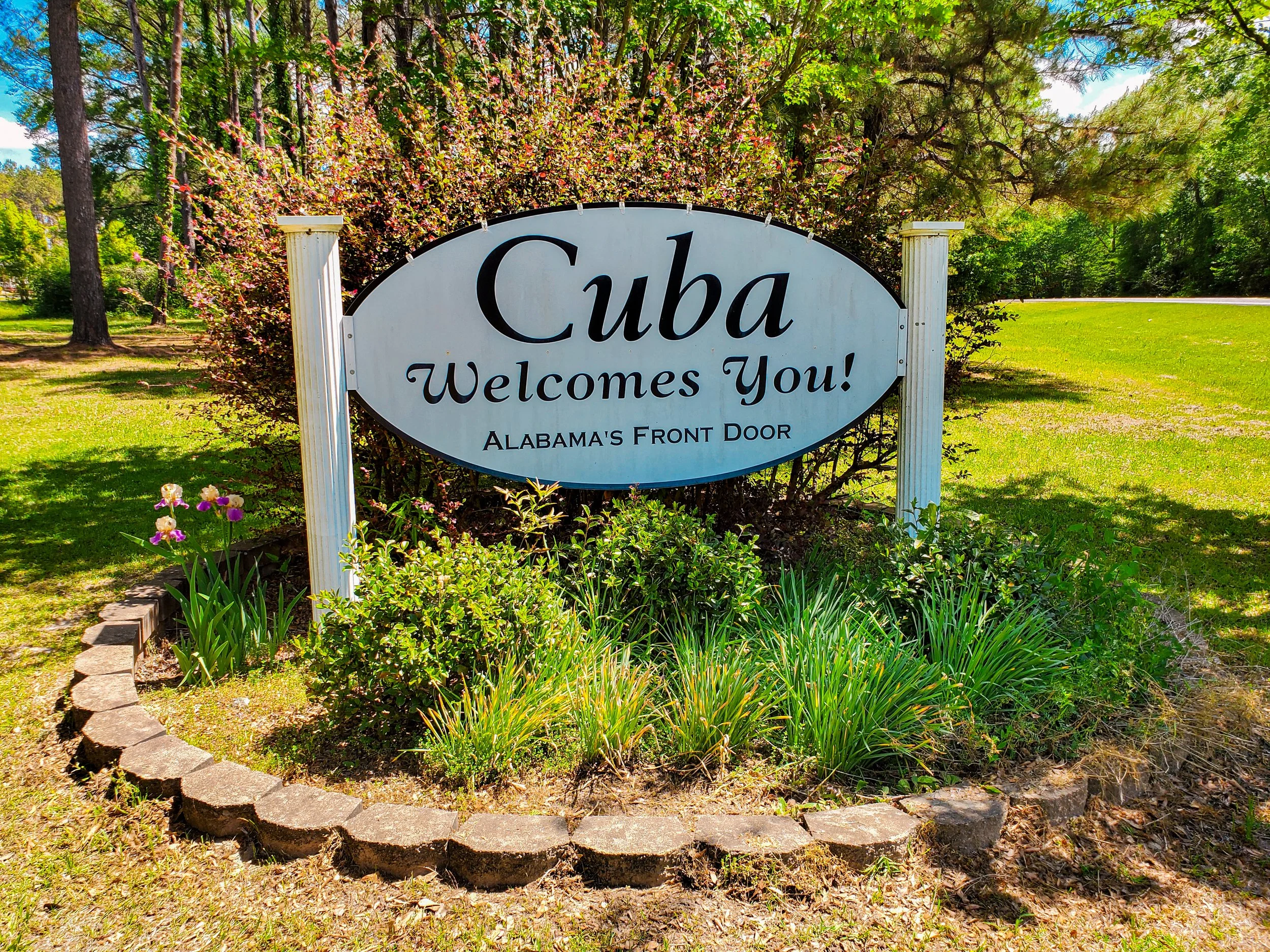
Cuba Welcome Sign
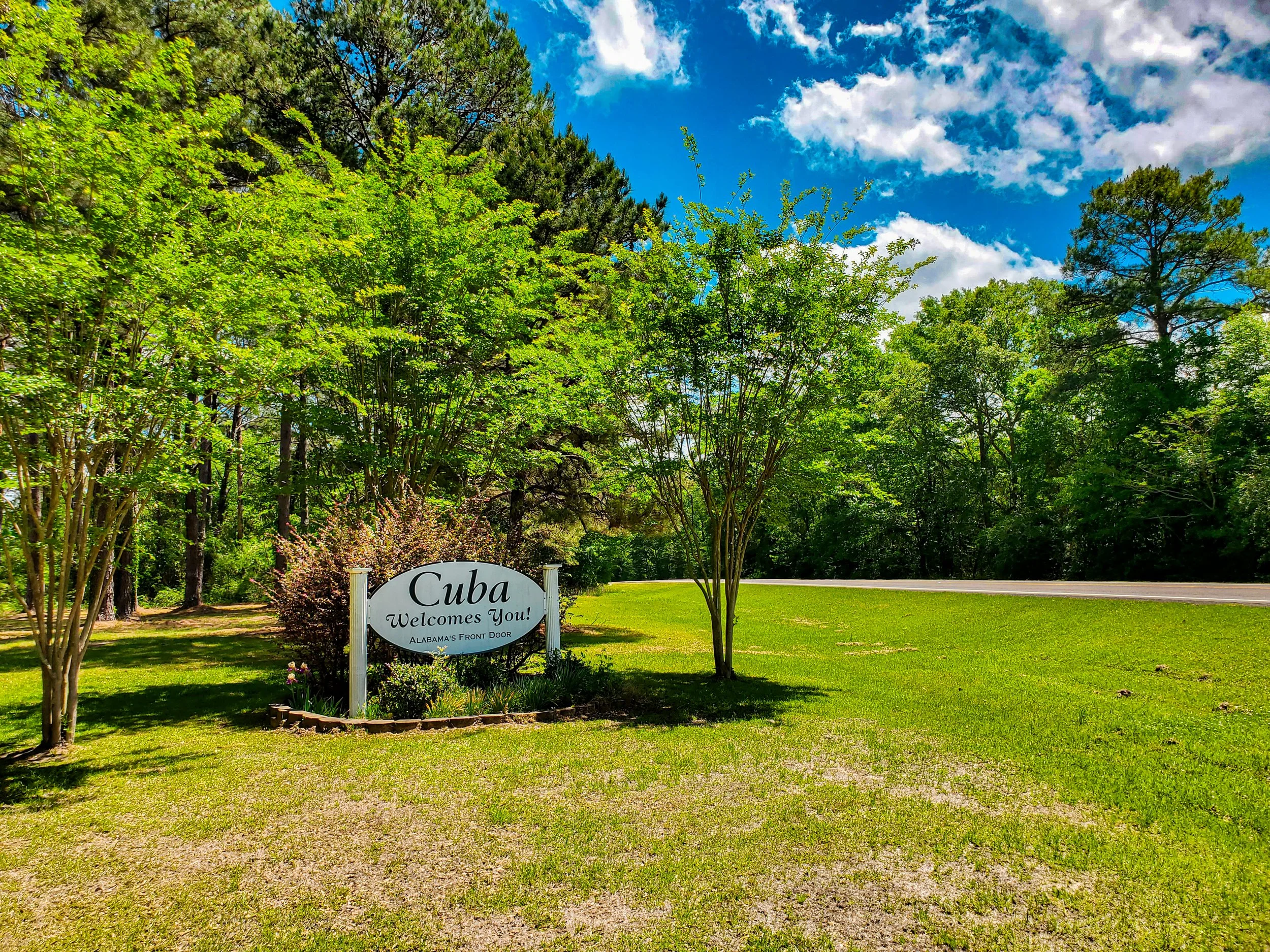
Cuba Welcome Sign
YORK
Originally New York Station, the name was shortened to York and incorporated in 1881. York is home to the Coleman Center for the Arts which houses a gallery and living quarters and work space for visiting artists. If you’re hungry, Larkin’s Restaurant offers friendly people and delicious soul food in a former convenience store location.
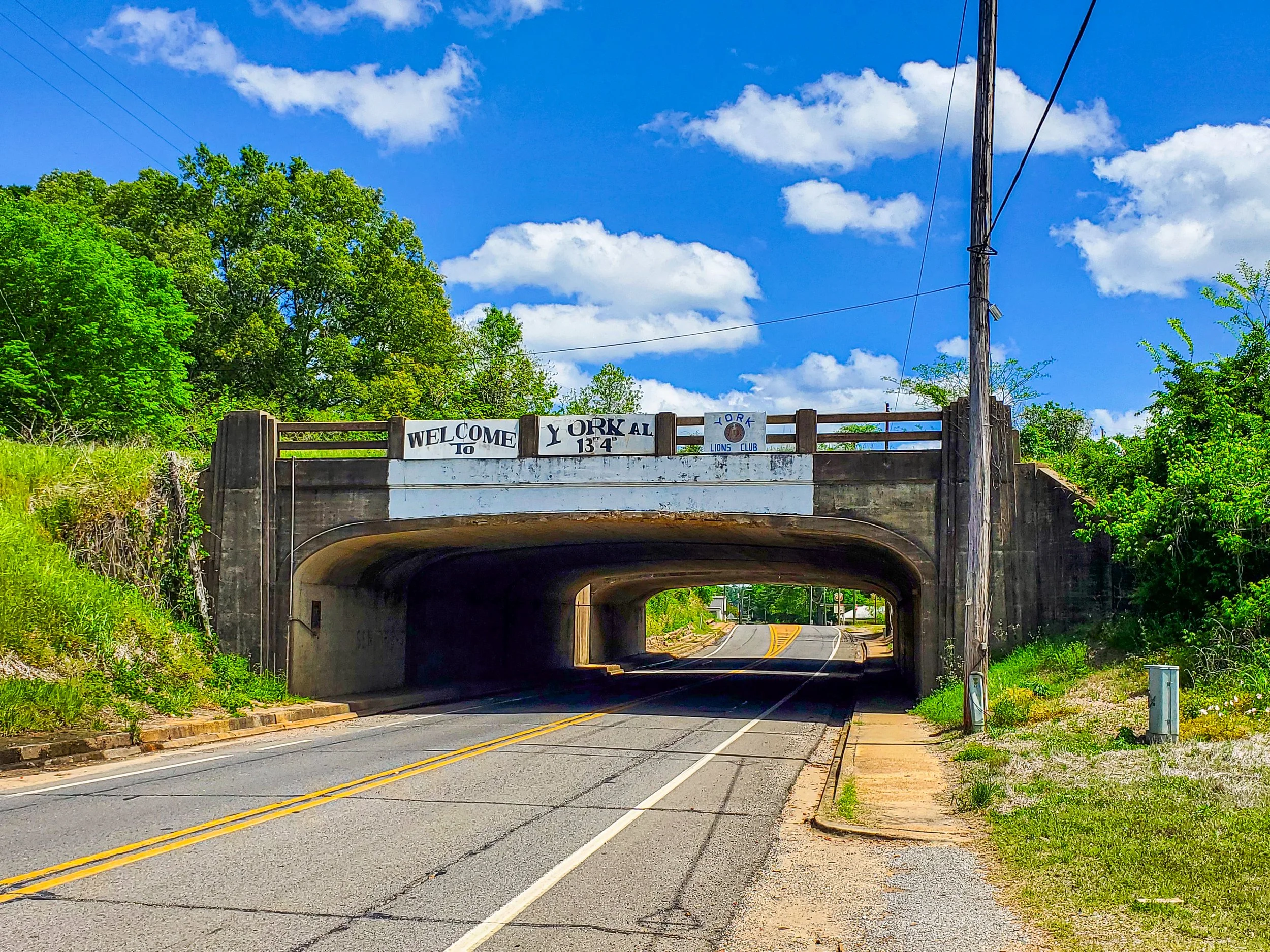
Welcome To York Overpass
LIVINGSTON
Livingston was named in honor of the statesman Edward Livingston of New York, and incorporated in 1835. Livingston is home to the University of West Alabama; chartered in 1835 as a female academy, it became co-ed around 1900. The Alamuchee-Bellamy covered bridge, built in 1861, was moved in 1969 over the campus duck pond. Located in the Courthouse Square, the Bored Well reportedly was dug with an auger pulled around by a blind mule from 1854-1857 until artesian waters were located. The saline alkaline nature generated medicinal claims and prompted visitors seeking cures. The old Probate Judge’s office from 1830 also remains in the Courthouse Square. The Spence-Moon house, built in 1834, is used now as an event center. The Sumpter County courthouse, built in 1902, is in the Beaux-Arts Classicism style.
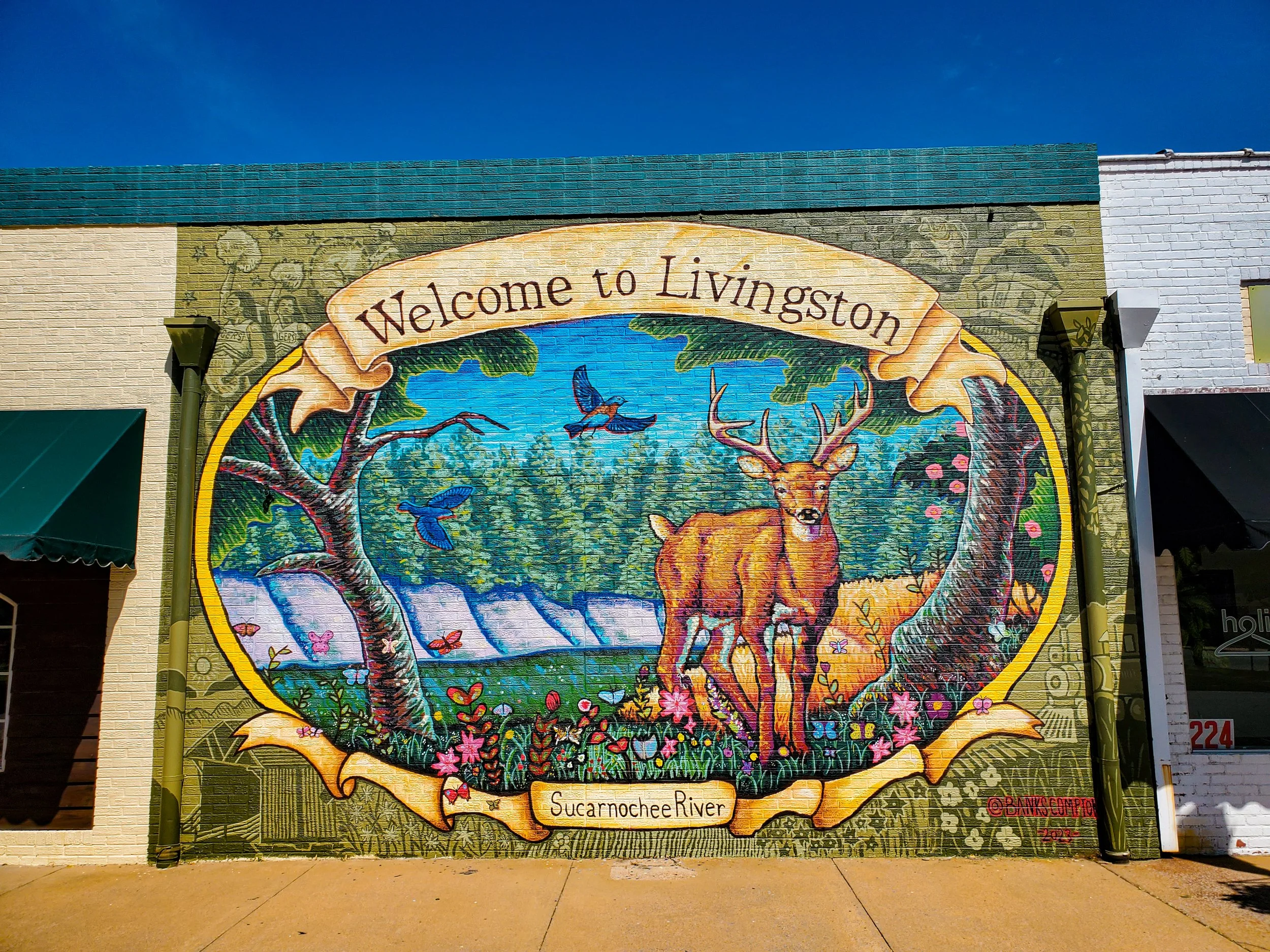
Welcome to Livingston Mural
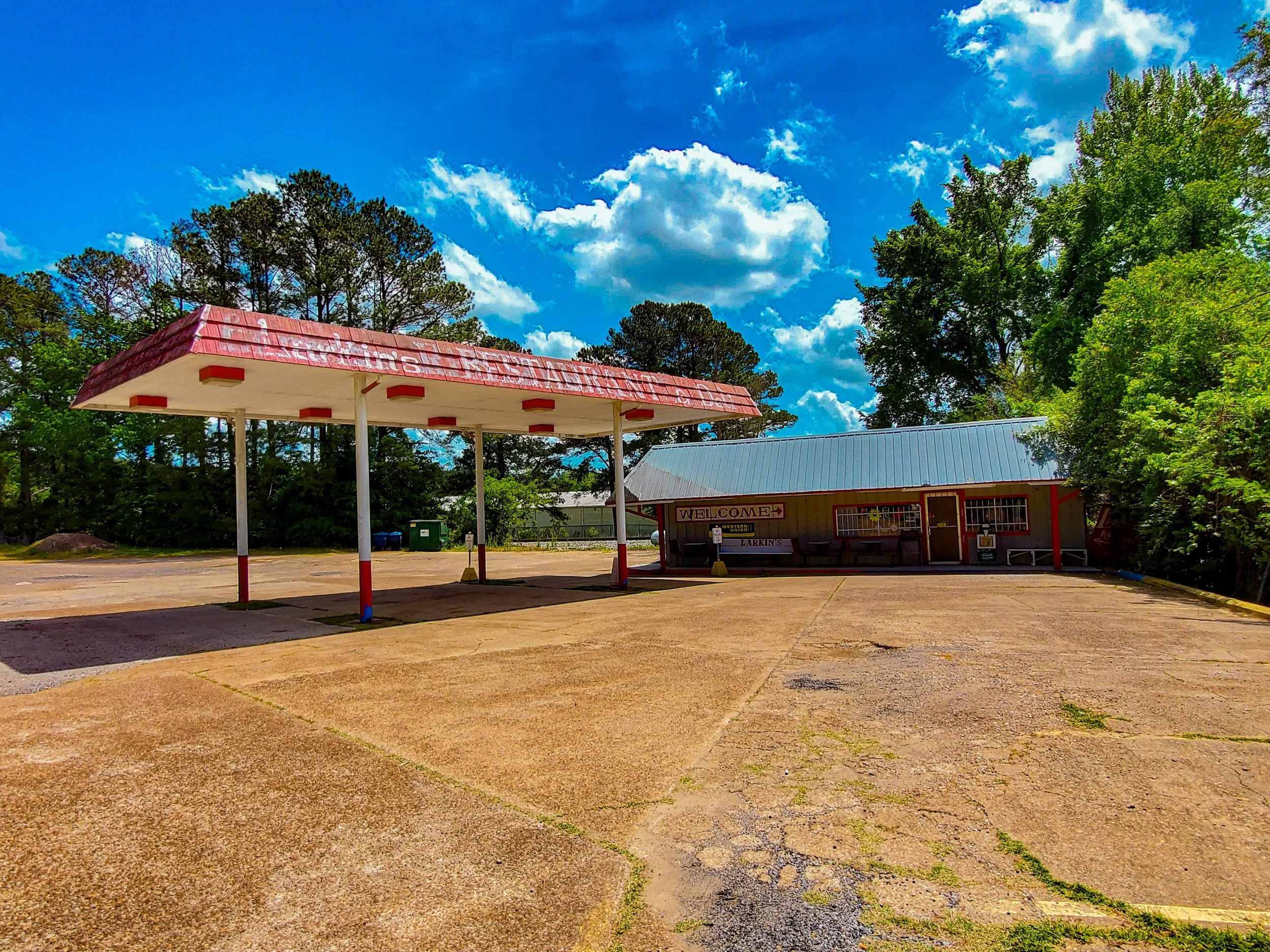
Larkins Restaurant
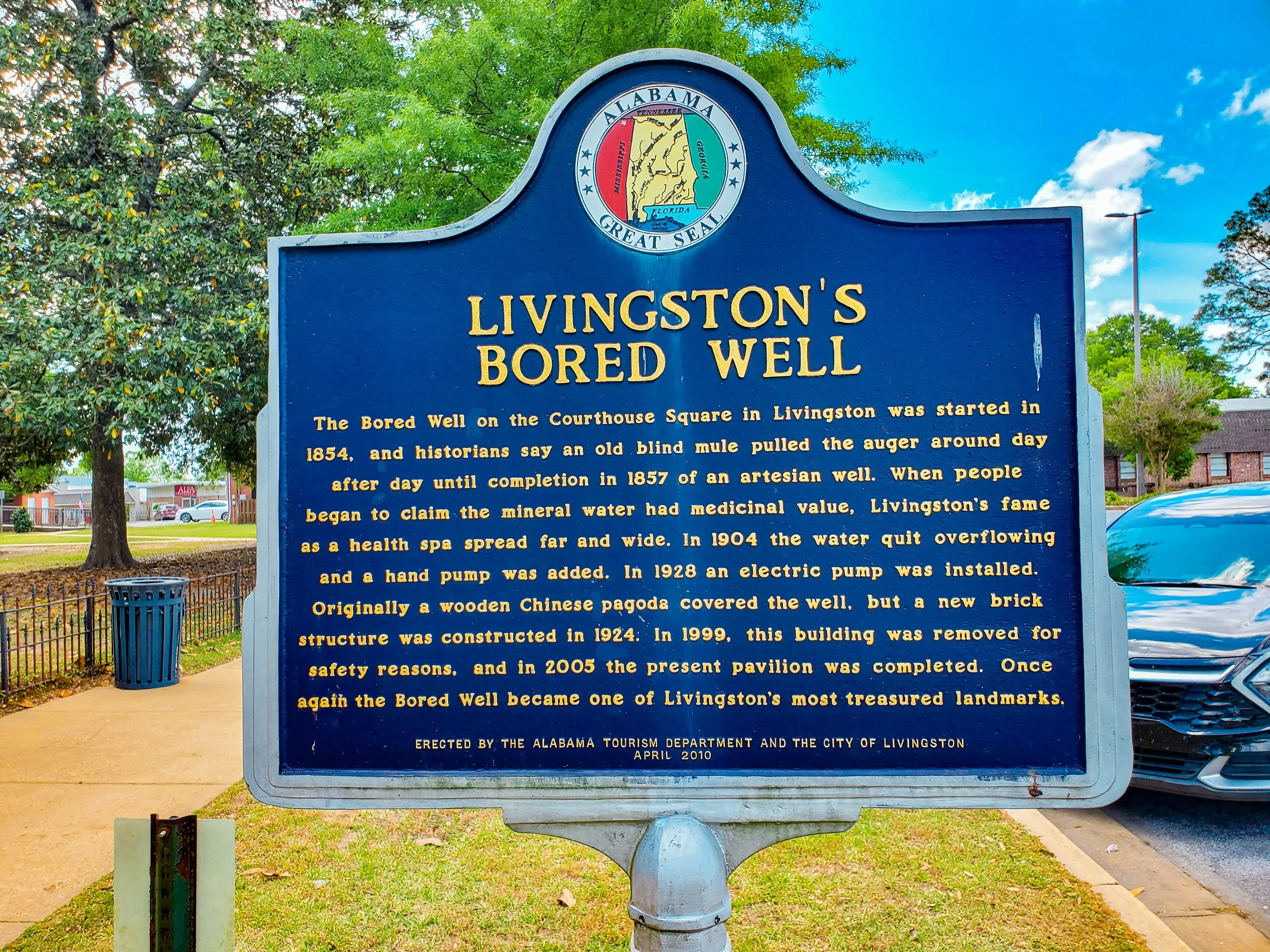
Livingston Bored Well
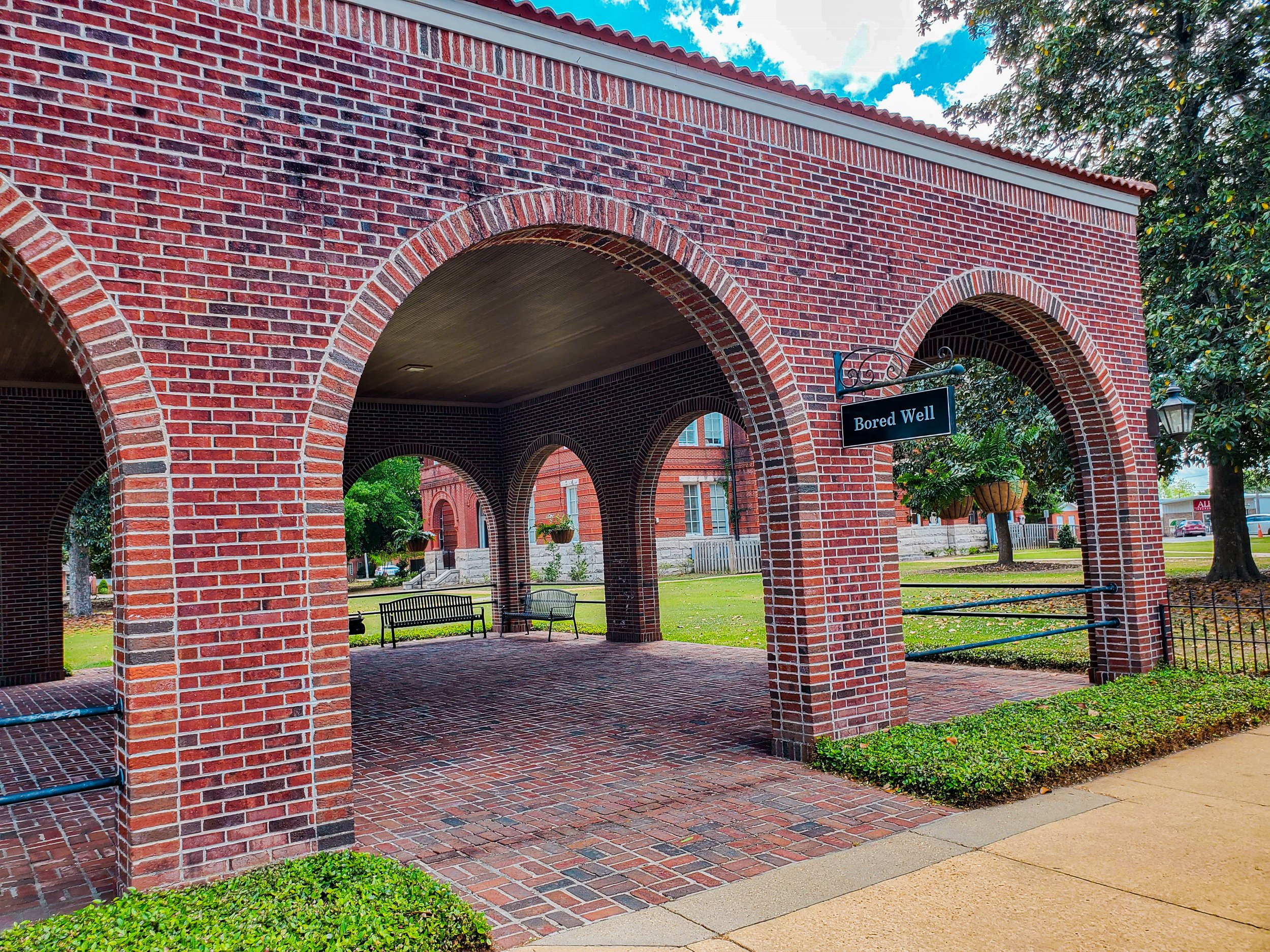
Livingston Bored Well
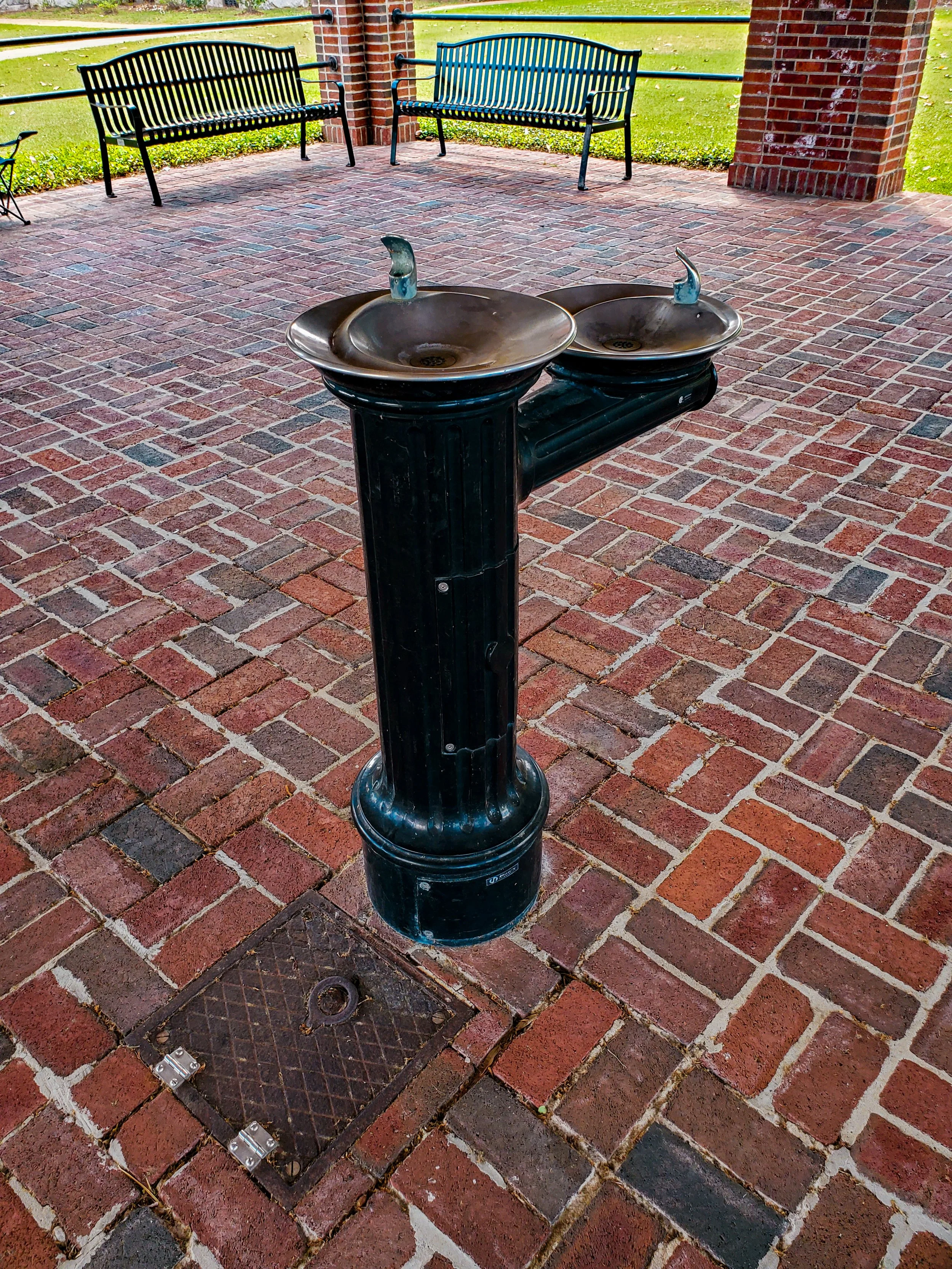
Livingston Bored Well Fountain
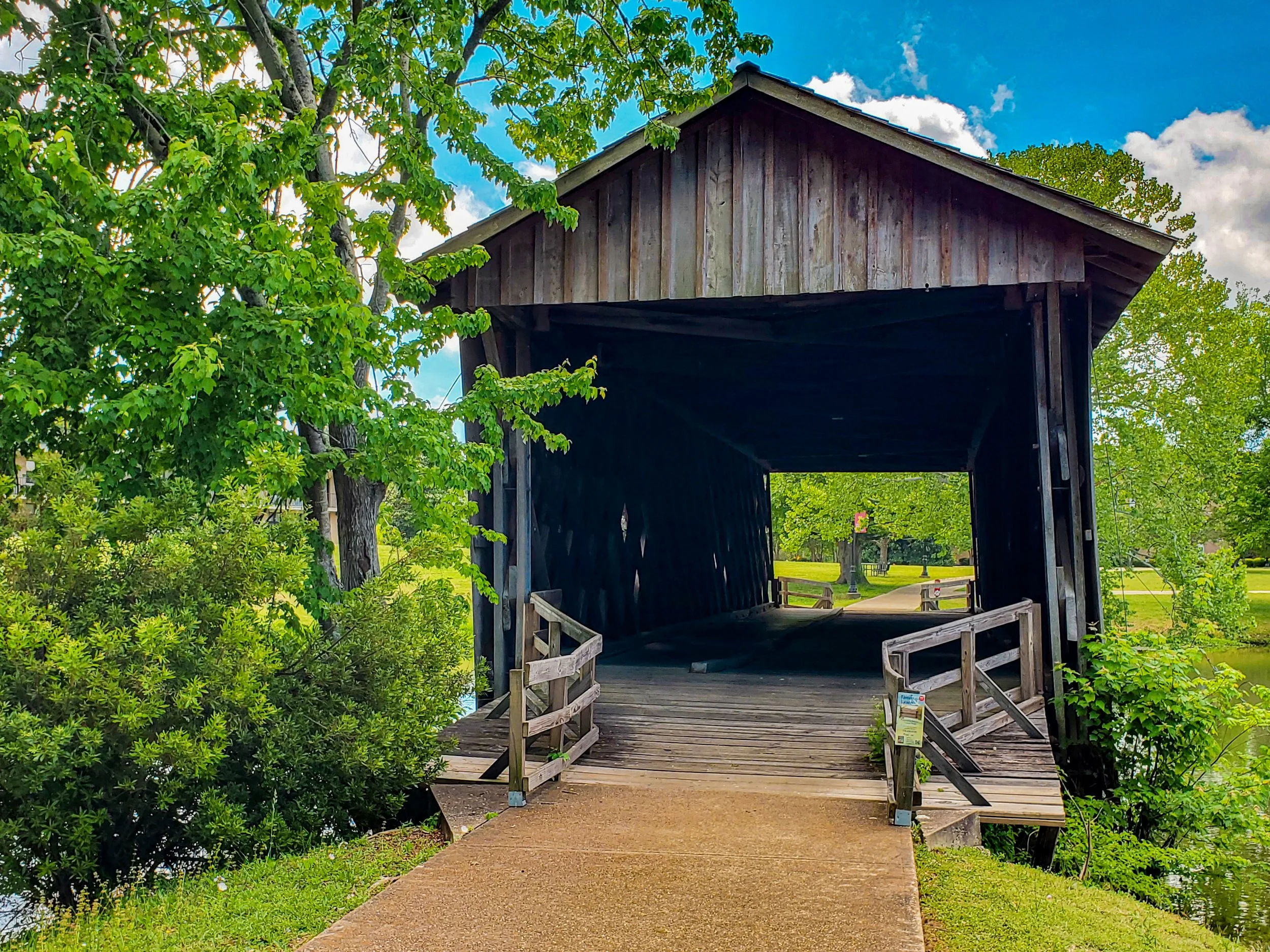
Alamuchee-Bellamy Bridge
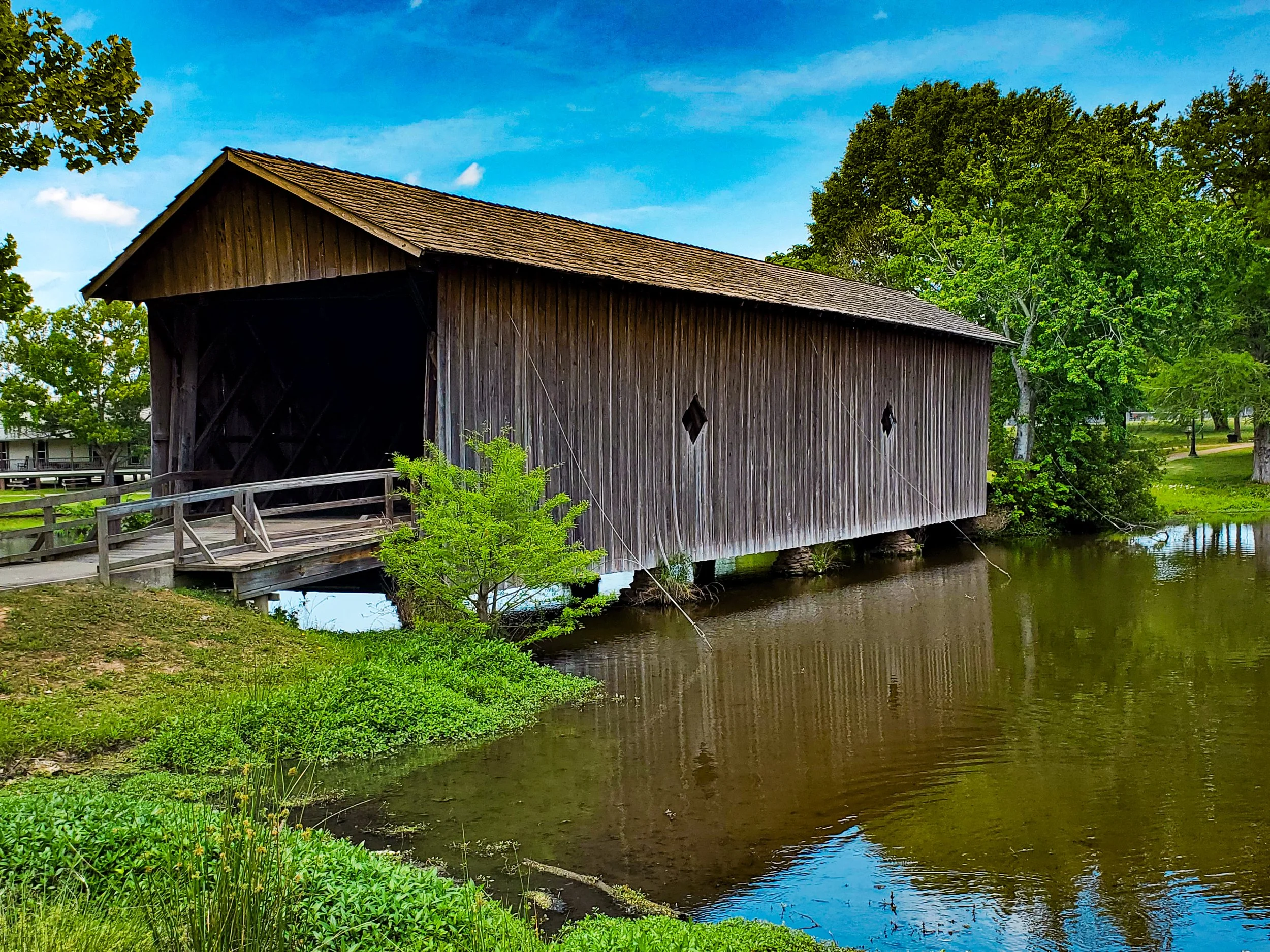
Alamuchee-Bellamy Bridge
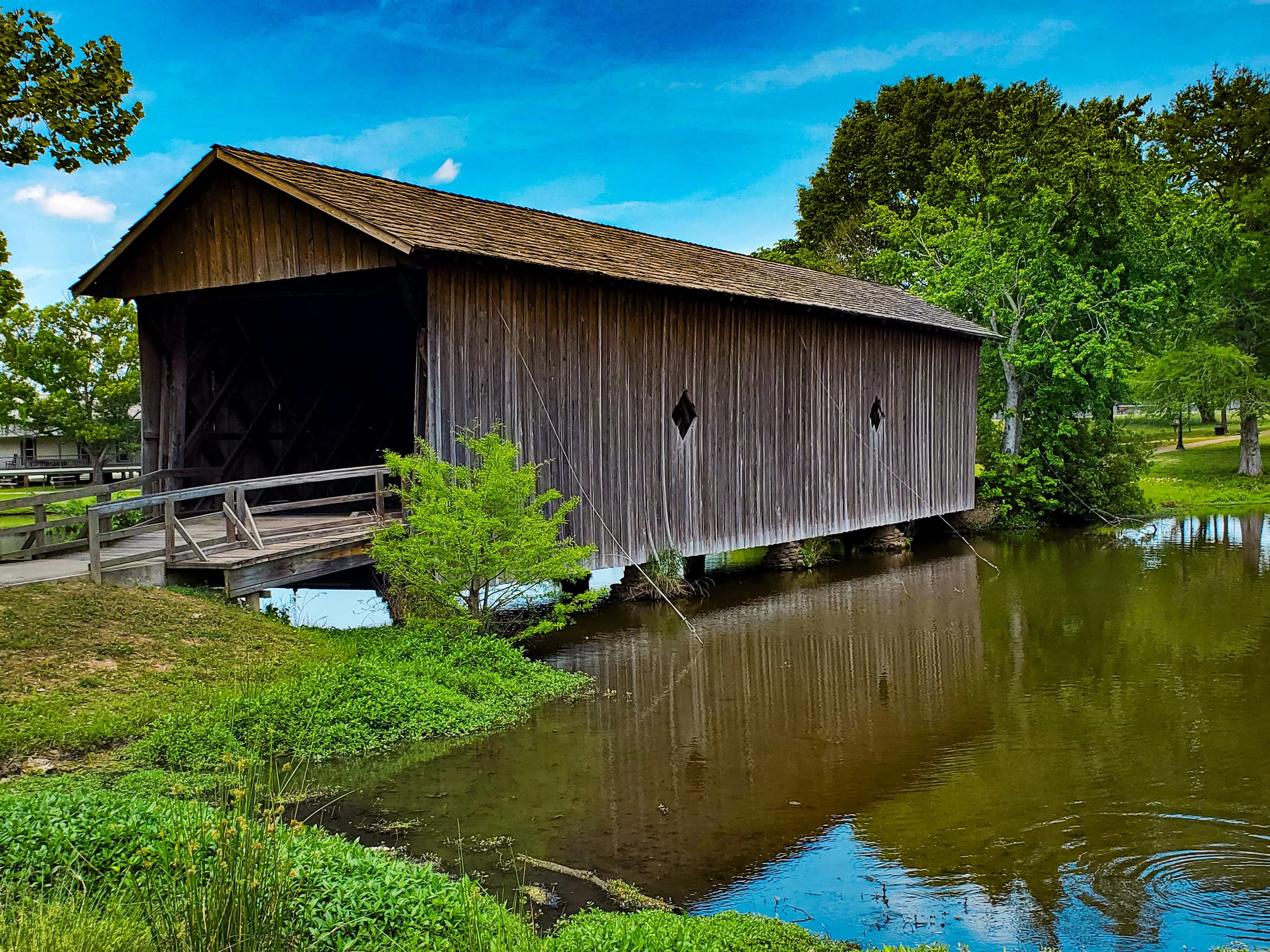
Alamuchee-Bellamy Bridge
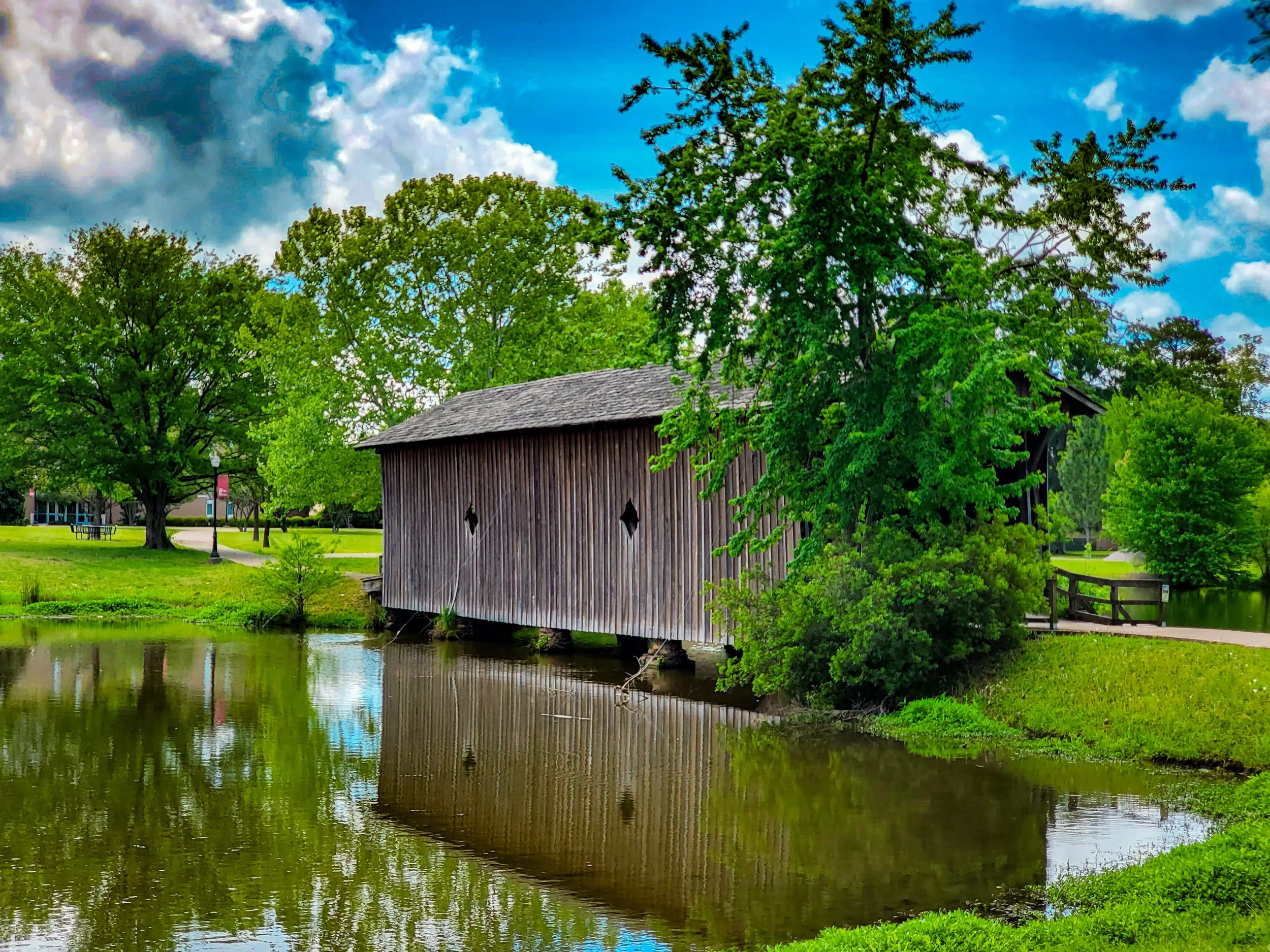
Alamuchee-Bellamy Bridge
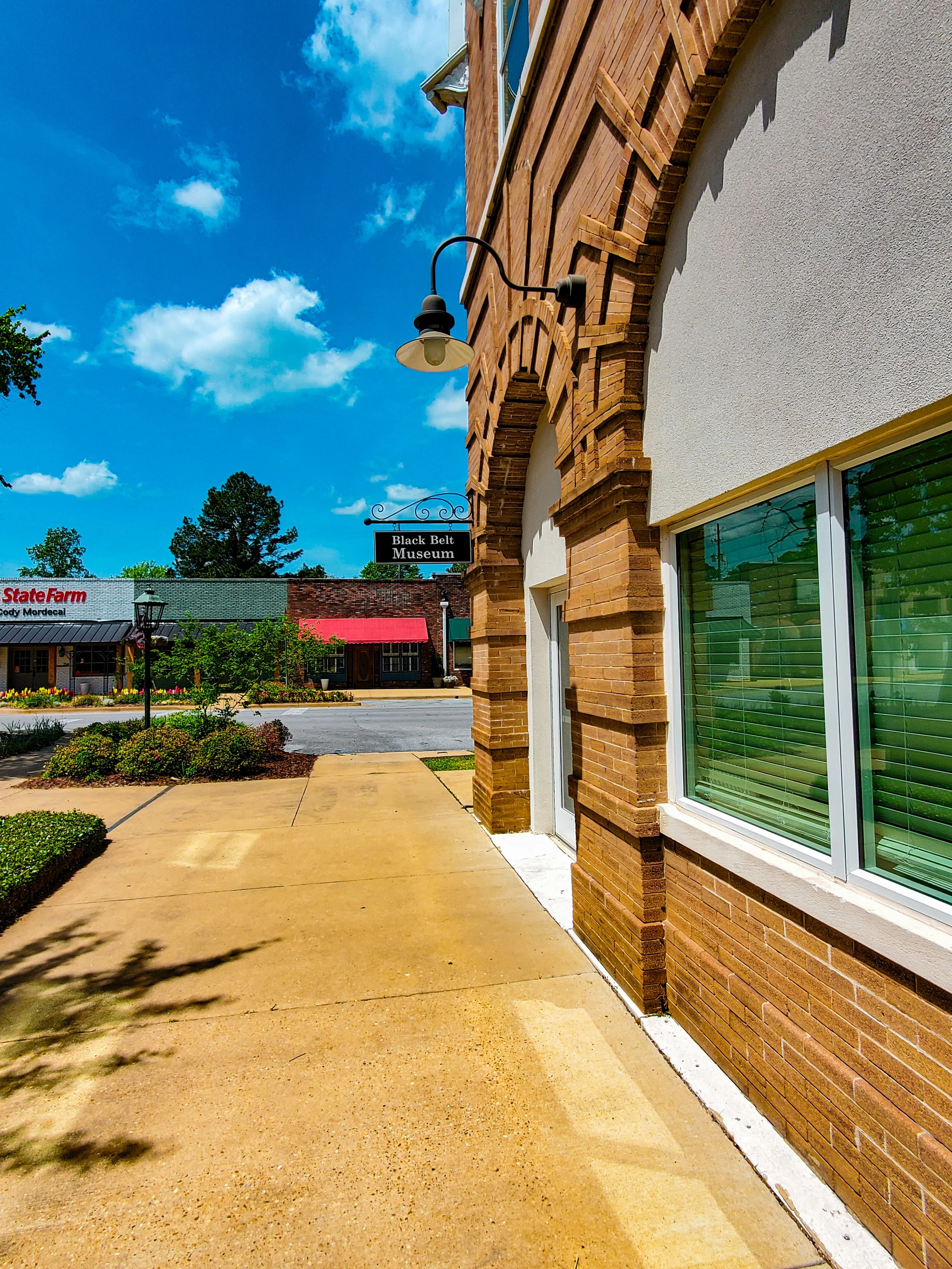
Livingston Museum
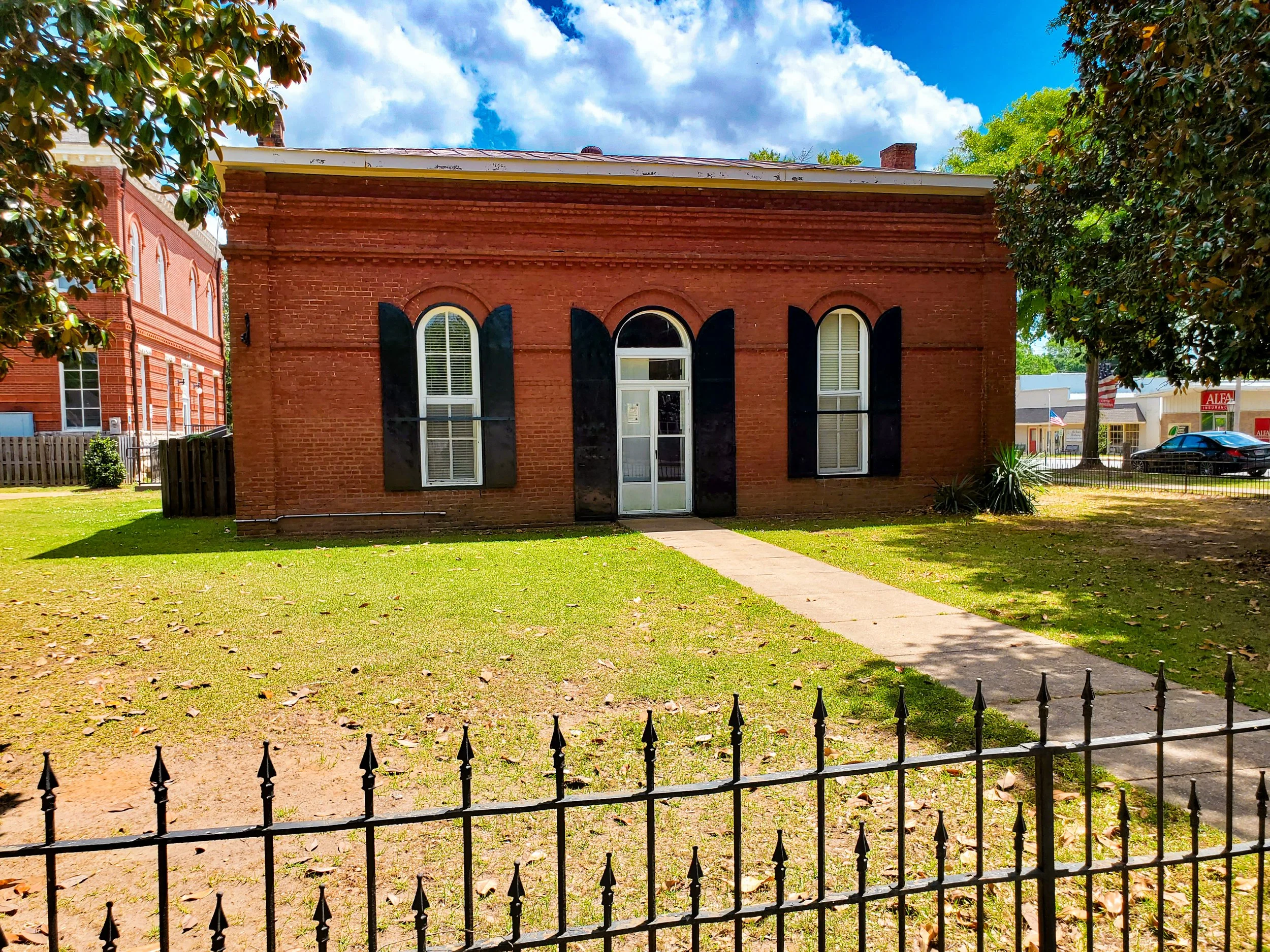
Old Probate Judges Office (1830)
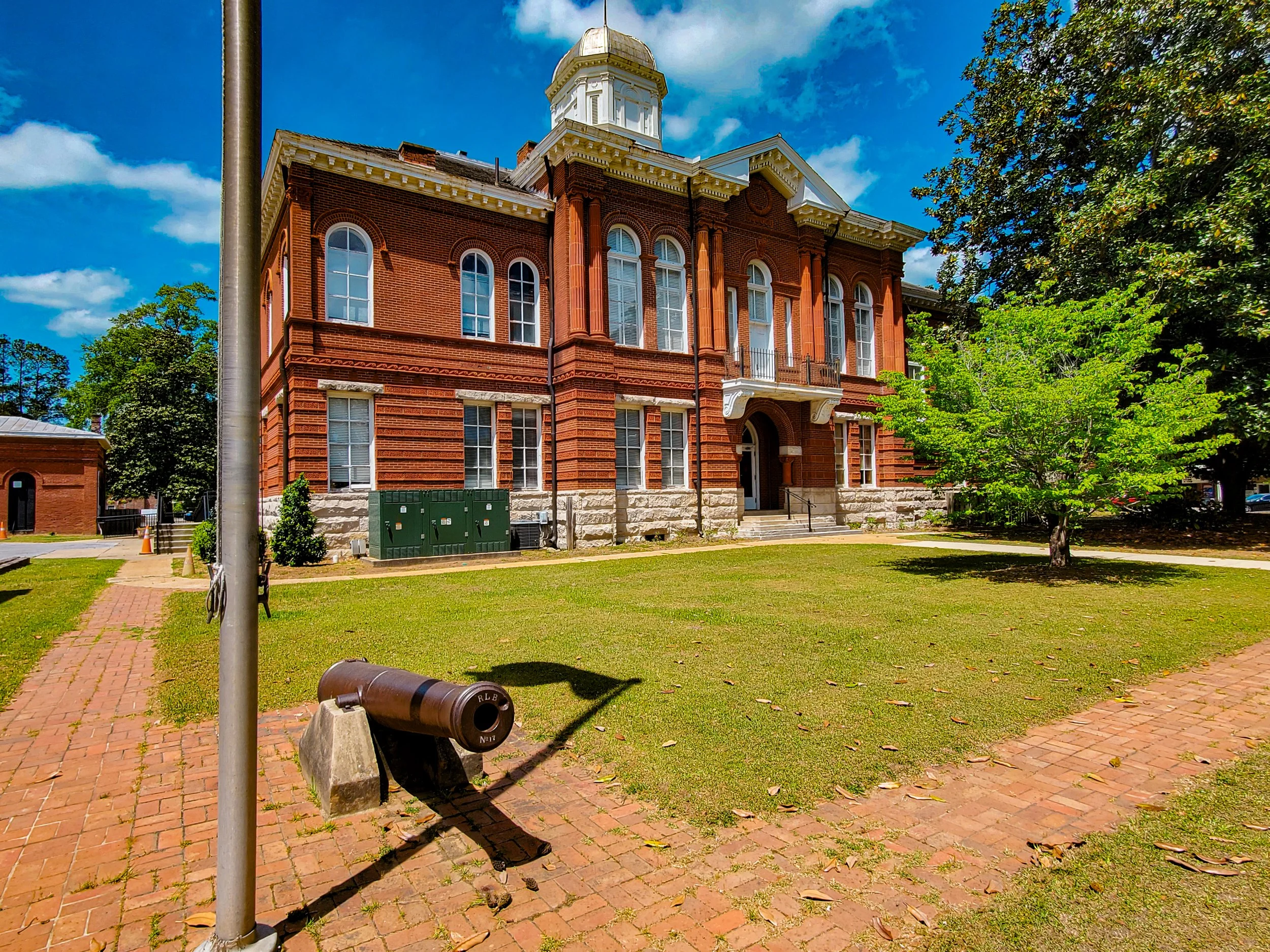
Sumpter County Courthouse (1902)
EPES
Dr. John W Epes sold land to the Great Southern railroad around the 1870's with the condition that the town be named in his honor. It was incorporated in 1899 and located on Jones Bluff, former site of Fort Tombecbe which was constructed by the French under King Louis XIV along the Tombigbee River in 1735. Worth a U-turn for a better view: As you head north out of town and cross the Tombigbee River bridge, look behind you to see the “White Cliffs of Epes”. They are a part of the Selma Chalk formation which was deposited at about the same time as England’s famous White Cliffs of Dover.
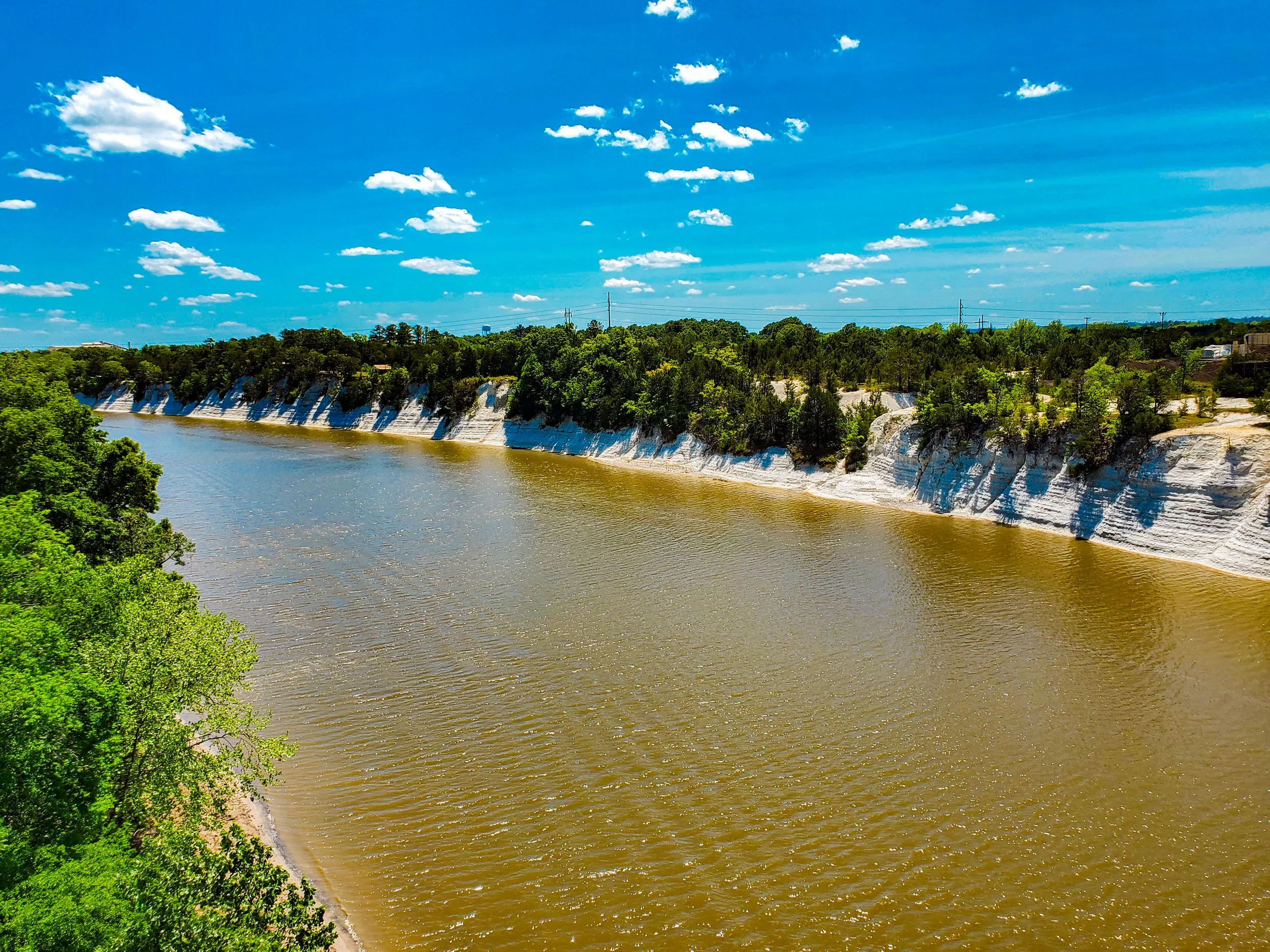
White Cliffs
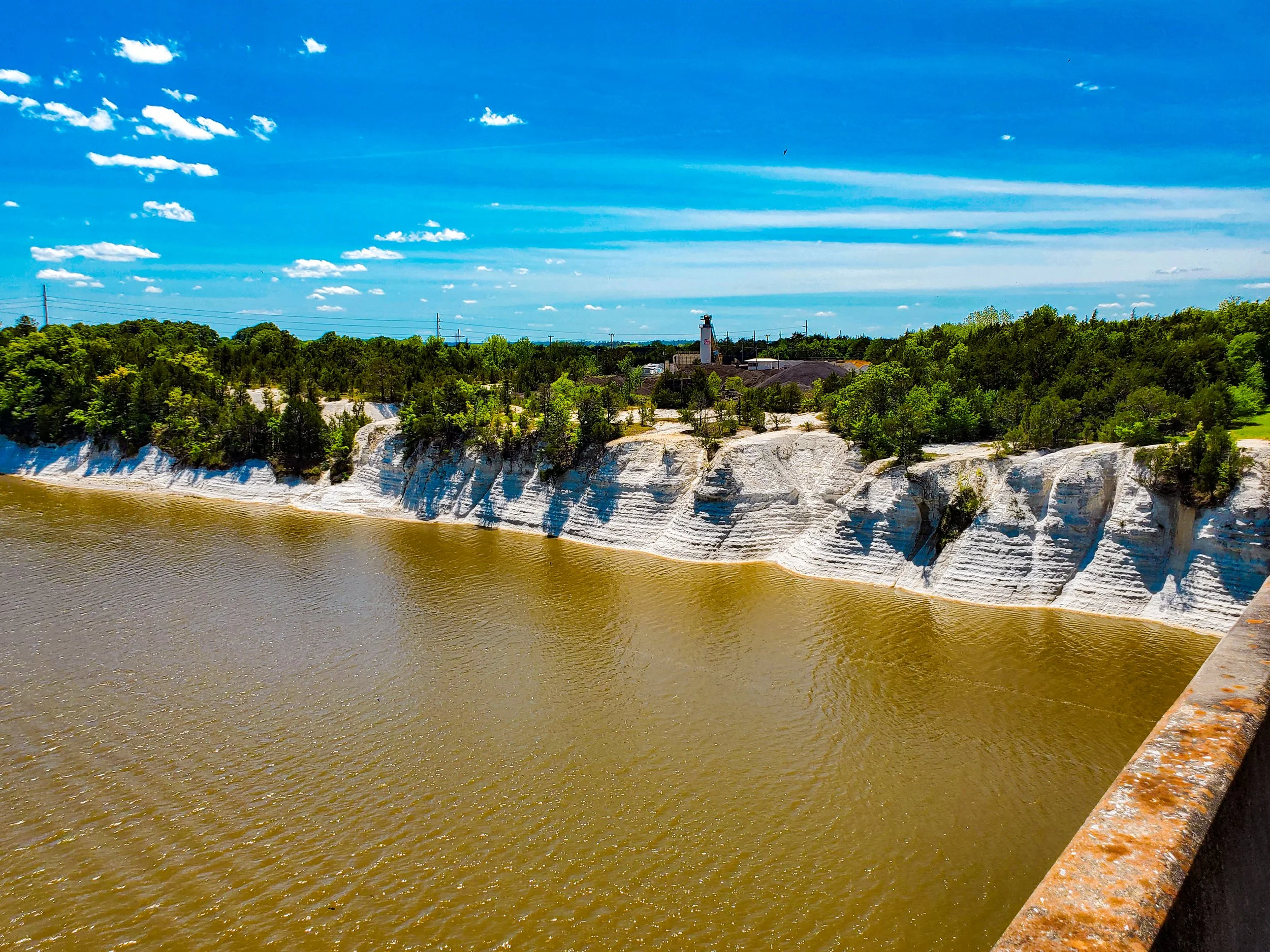
White Cliffs
BOLIGEE
Named for a nearby creek, the word is from the Choctaw boolitusha meaning "to strike and cut into pieces".
EUTAW
Settled around 1819, Eutaw absorbed the nearby pre-1820 village of Mesopotamia and was incorporated in 1841. Eutaw was named in honor of the Battle of Eutaw Springs, the last American Revolutionary engagement in the Carolinas. The town’s location between three rivers protected the antebellum homes there from destruction by Union forces and 27 of the remaining 53 are listed in the National Registry of Historic Places.
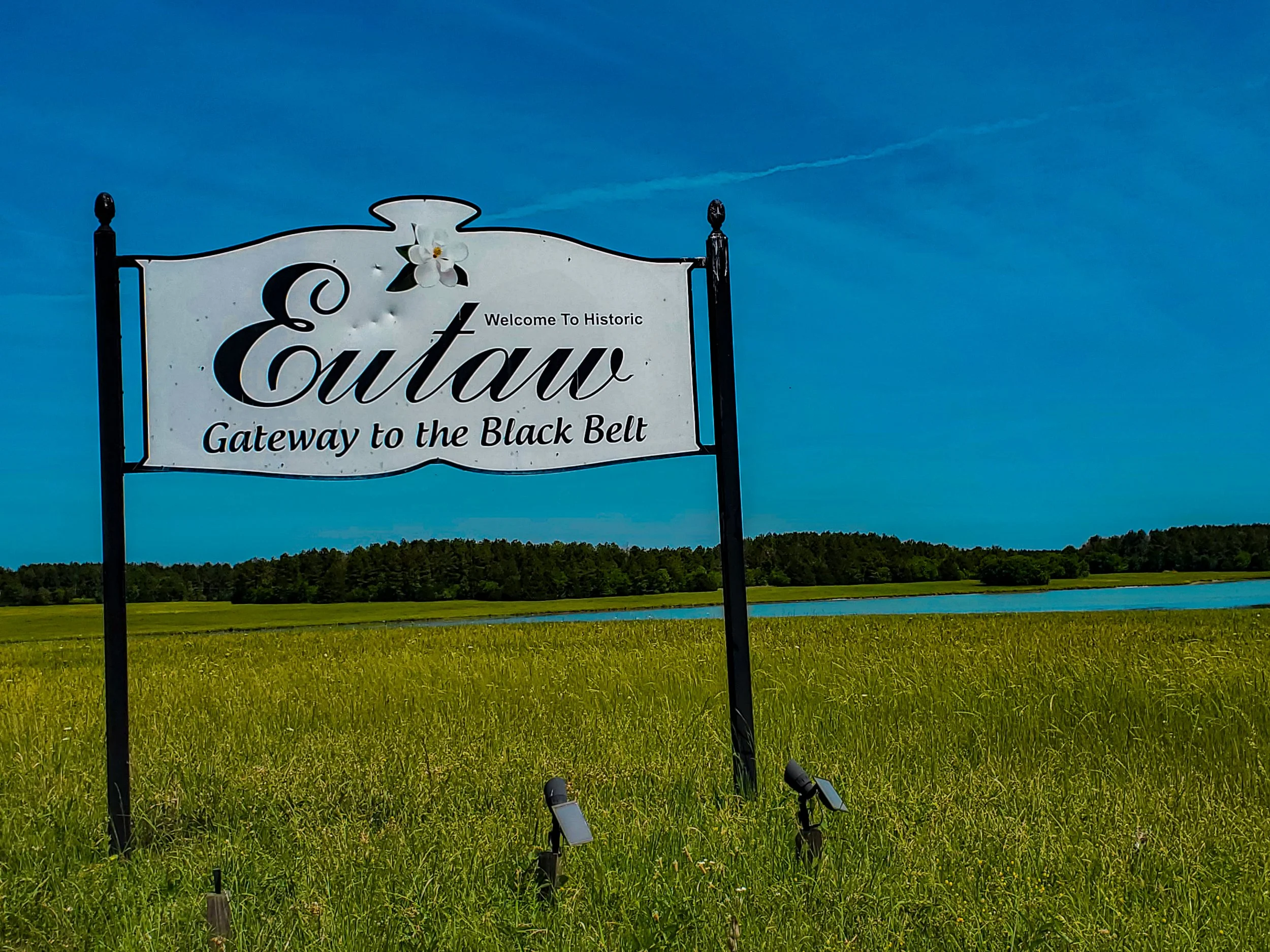
Eutaw Welcome Sign
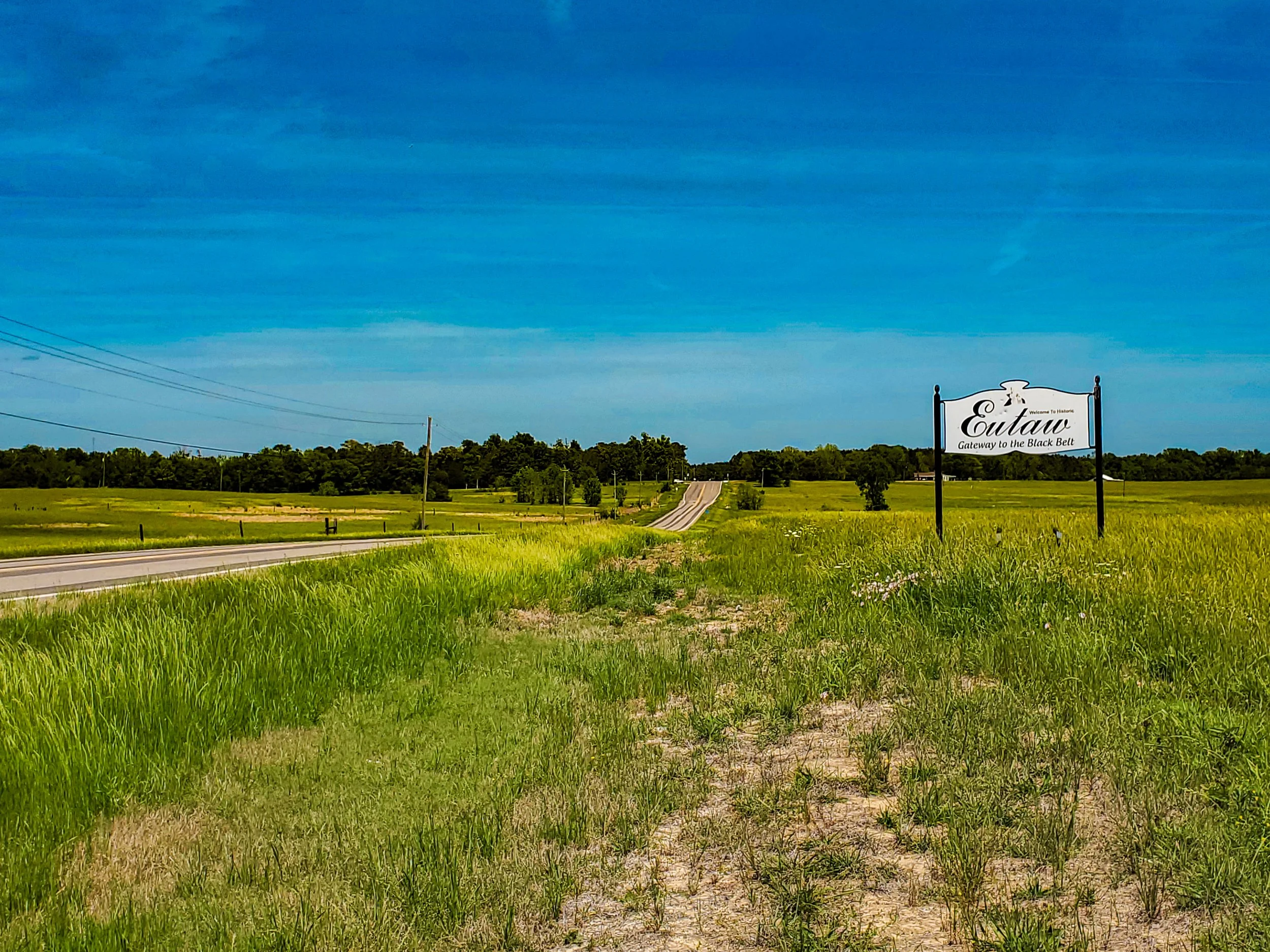
Eutaw Welcome Sign
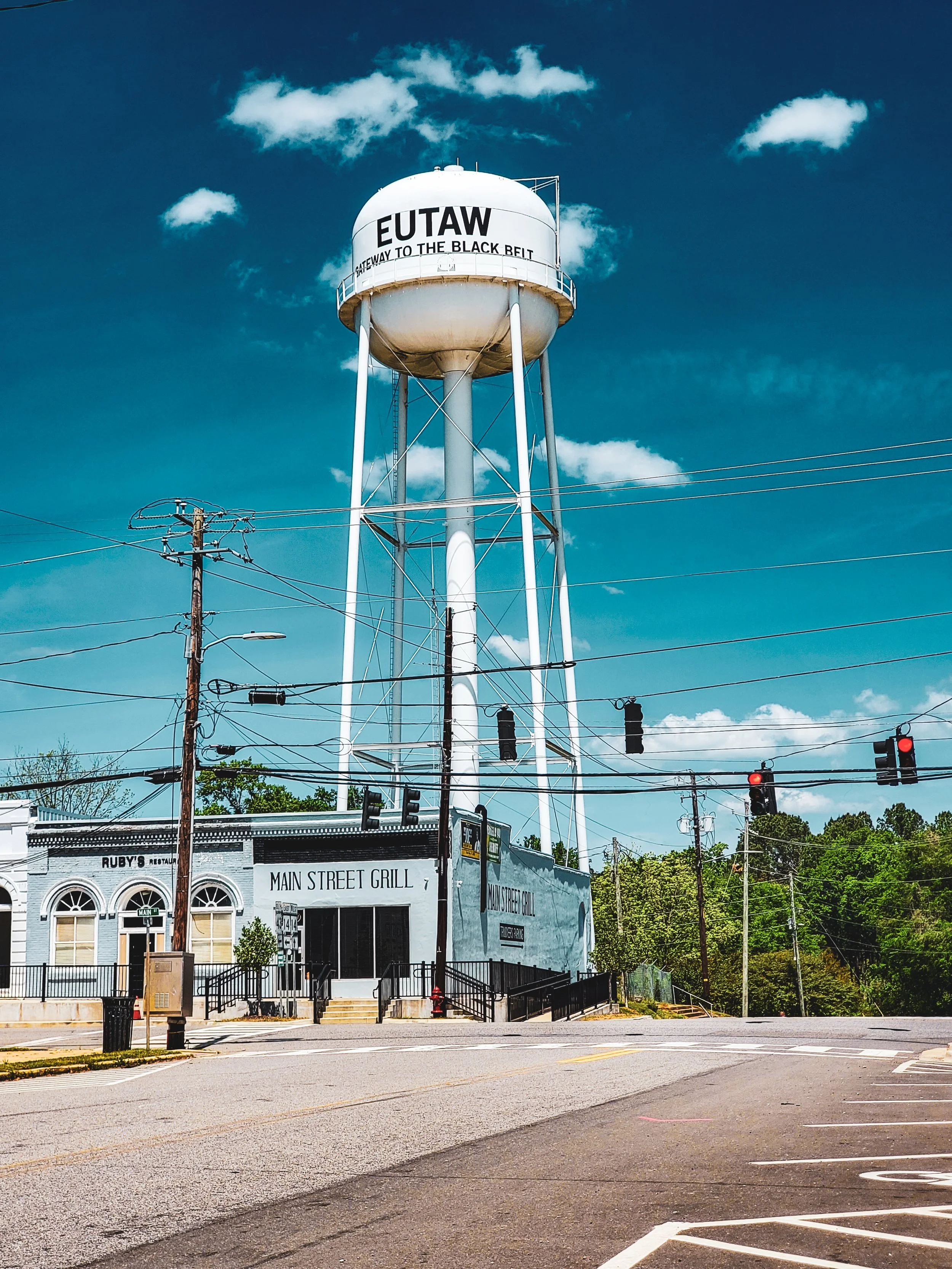
Eutaw Water Tower
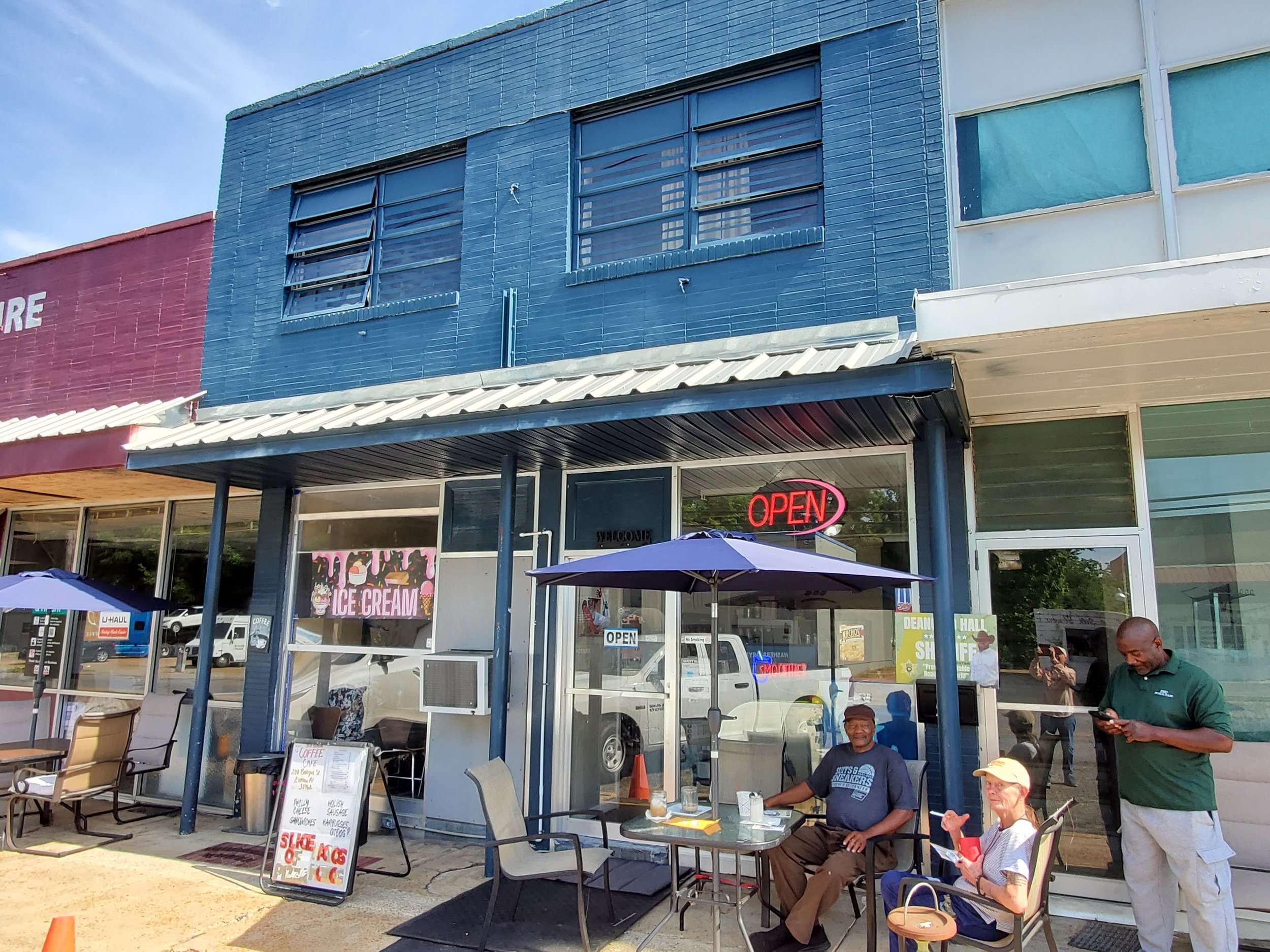
Leo's Coffee Shop
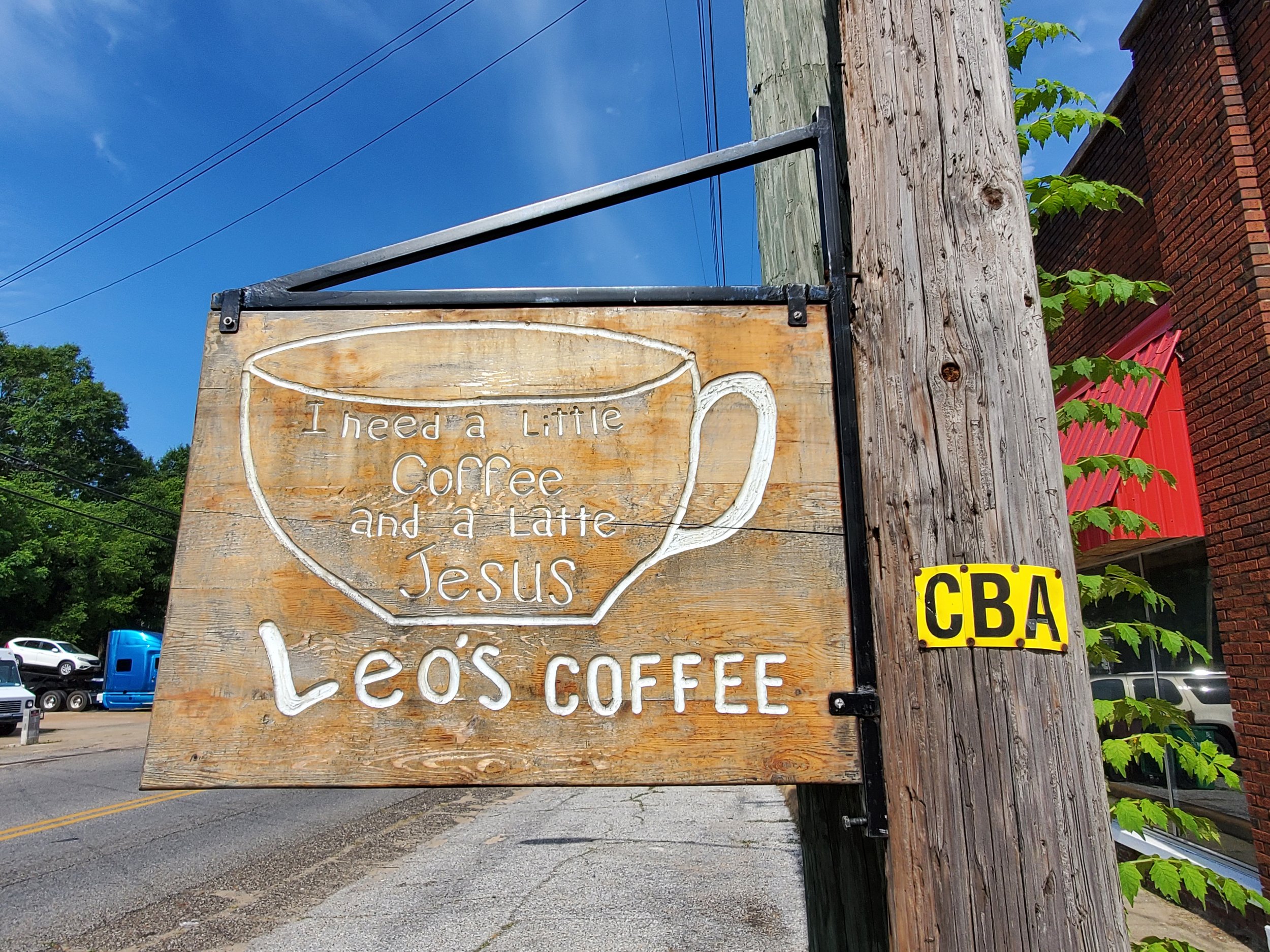
Leo's Coffee Shop sign
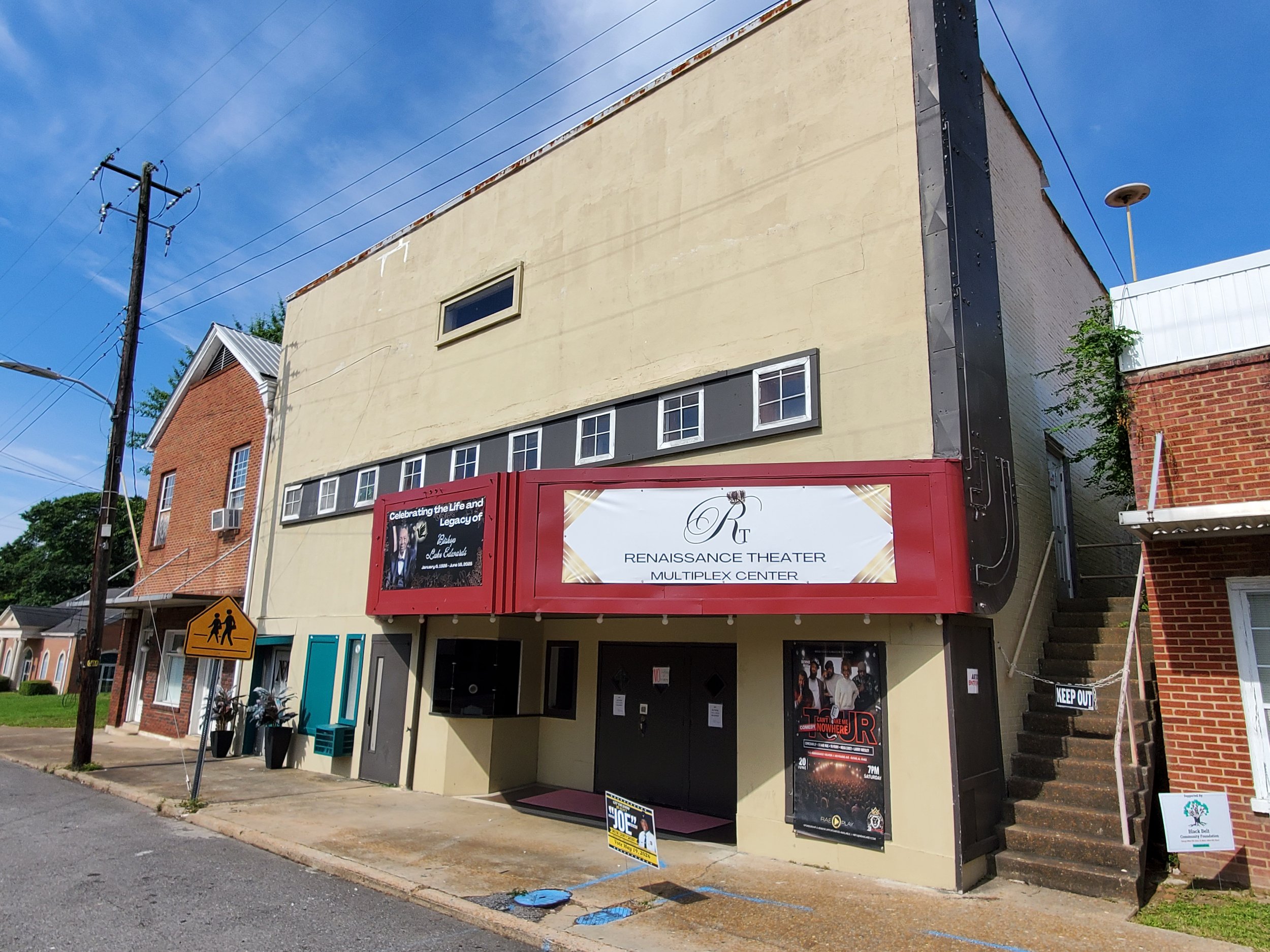
Renaissance Theater
KNOXVILLE
Named after General Henry Knox, George Washington’s Secretary of War, Knoxville is home to several bingo halls.
RALPH
Named after a former postmaster’s son, Ralph is the location of Robertson’s BBQ and Country Store.
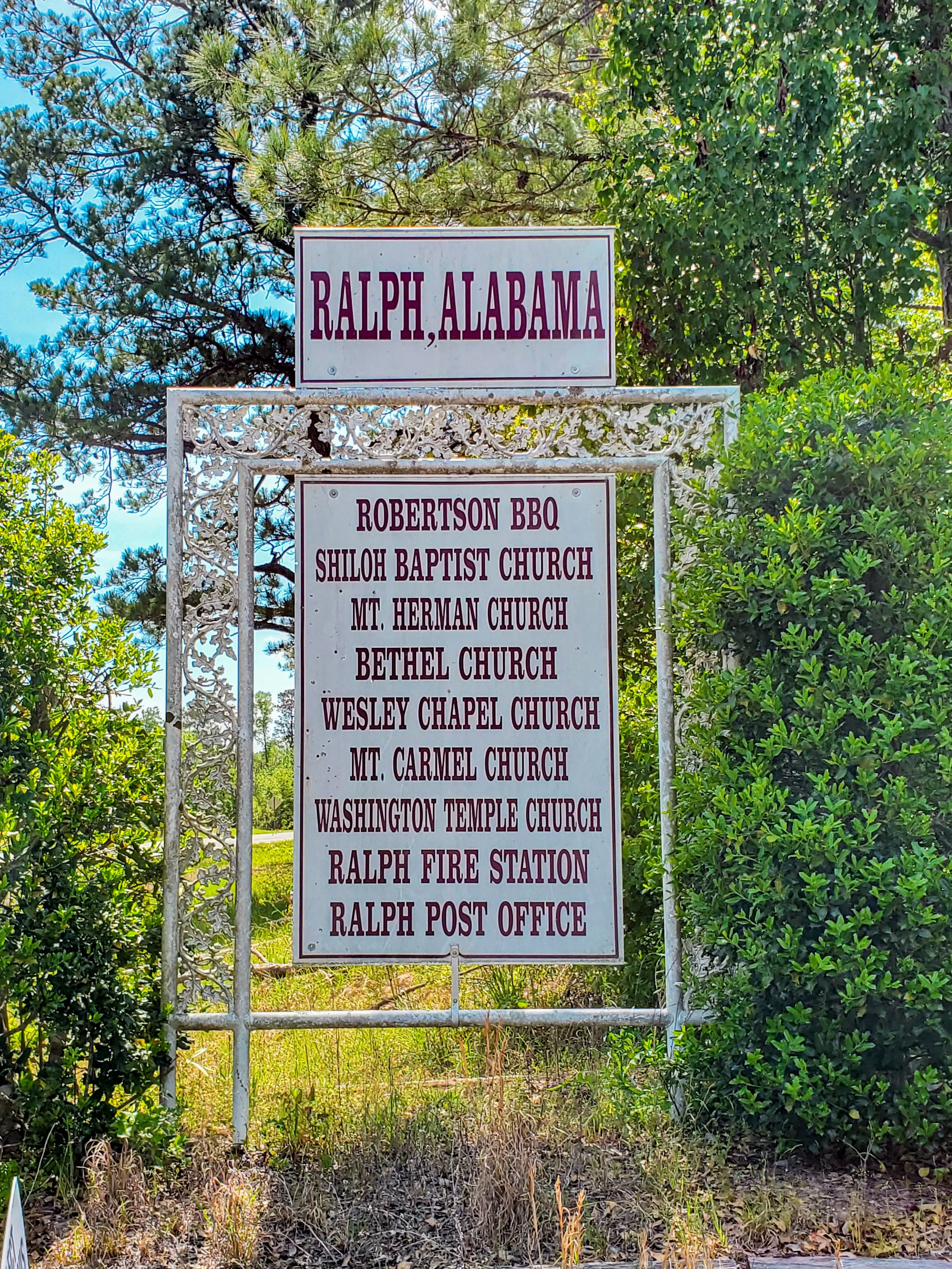
Ralph Welcome Sign
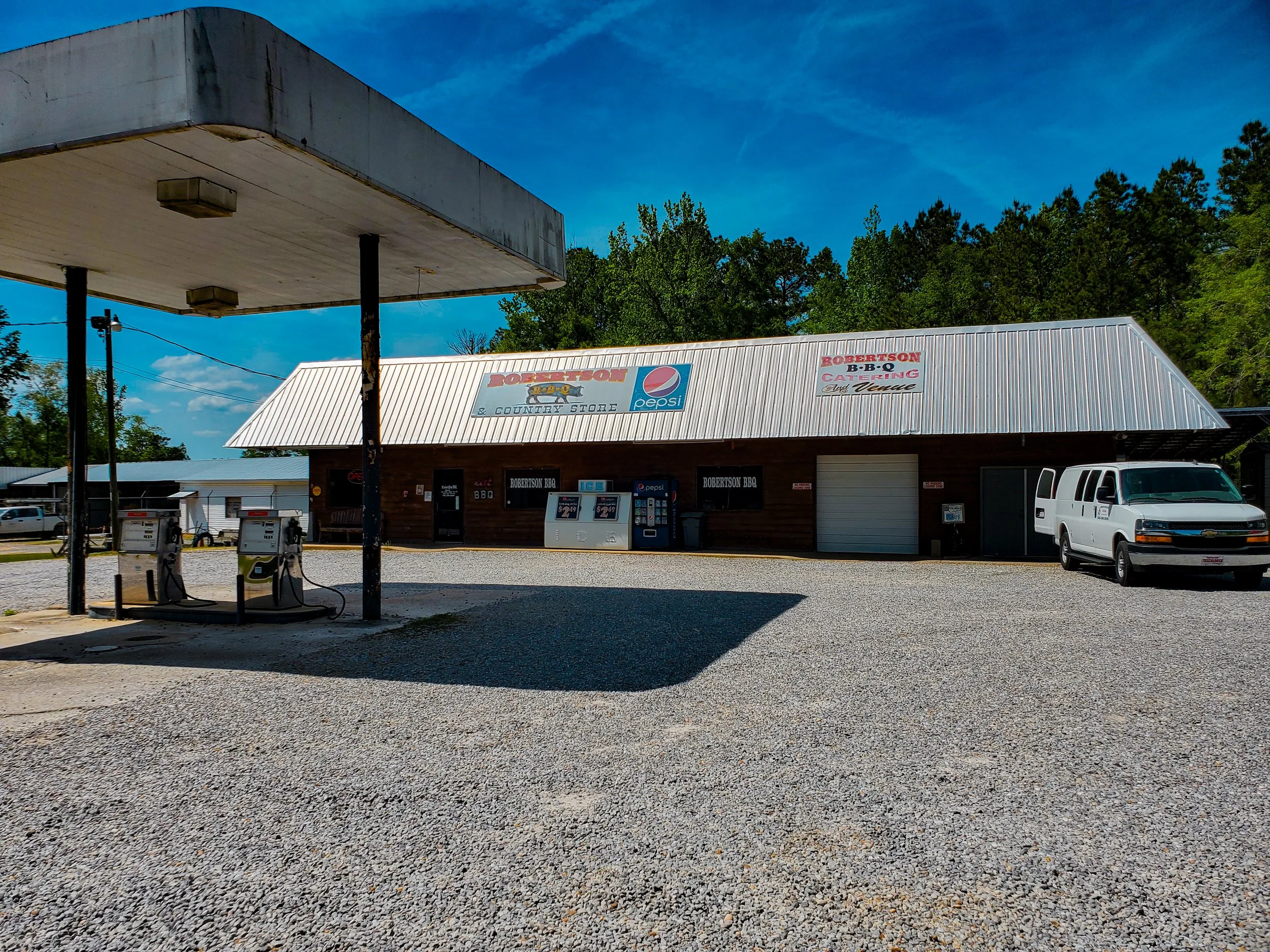
Robertson BBQ
FOSTERS
The town is named after the James Foster family who settled the area in 1818.
BLACK WARRIOR RIVER
The river was named after the nearly seven foot tall Muskogean Chief Tuskaloosa, whose name means “Black Warrior”.
TUSCALOOSA
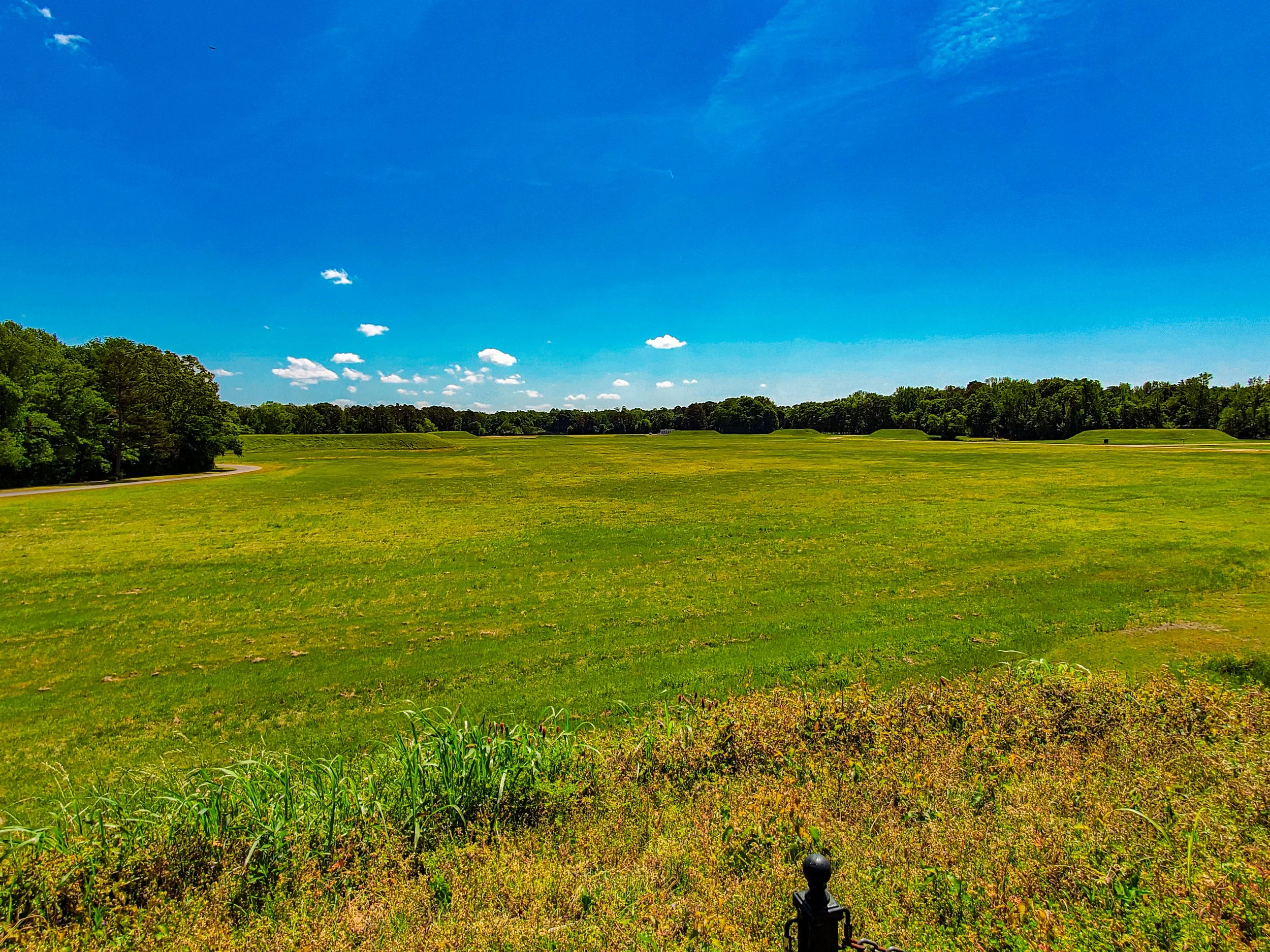
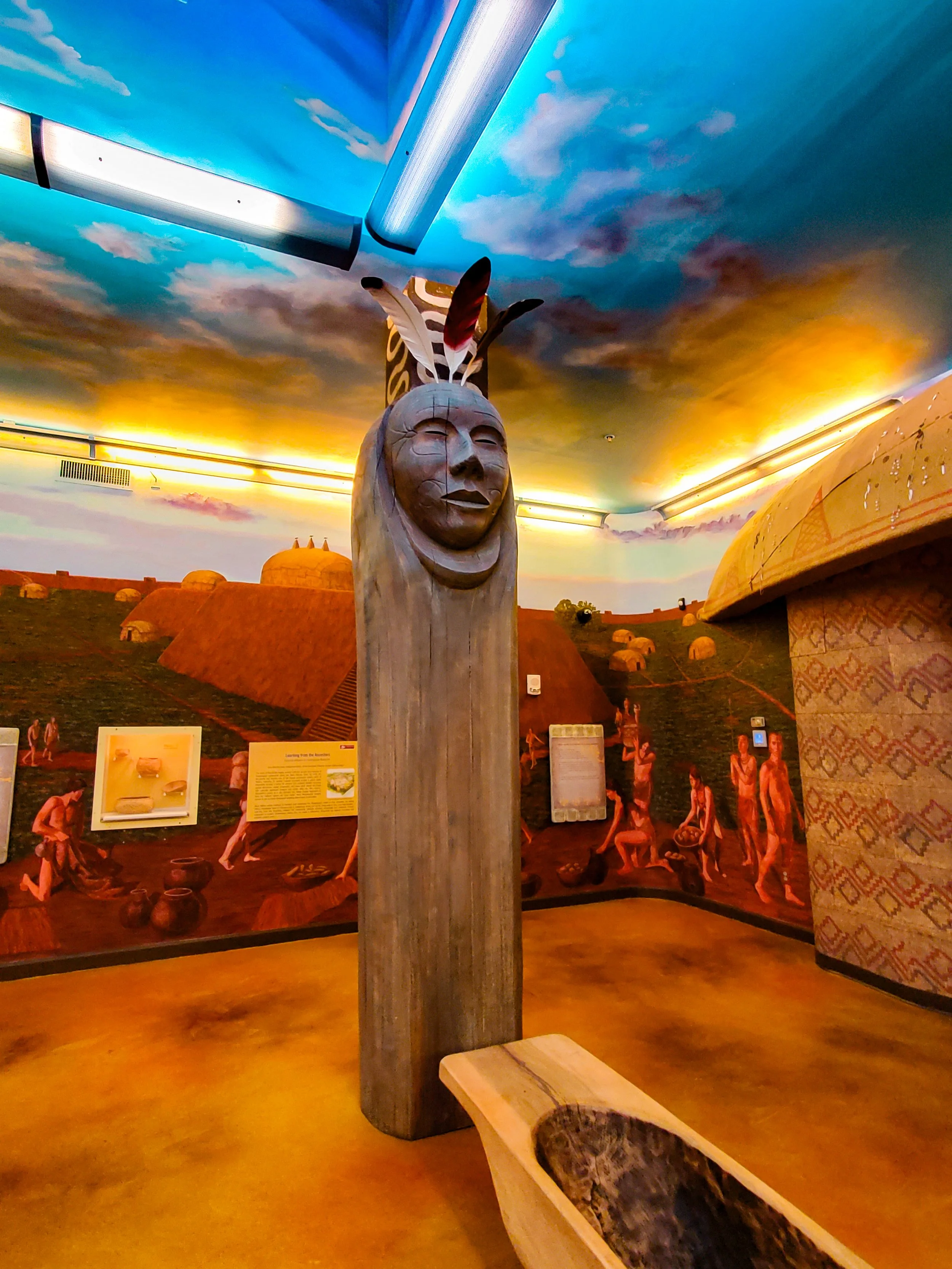
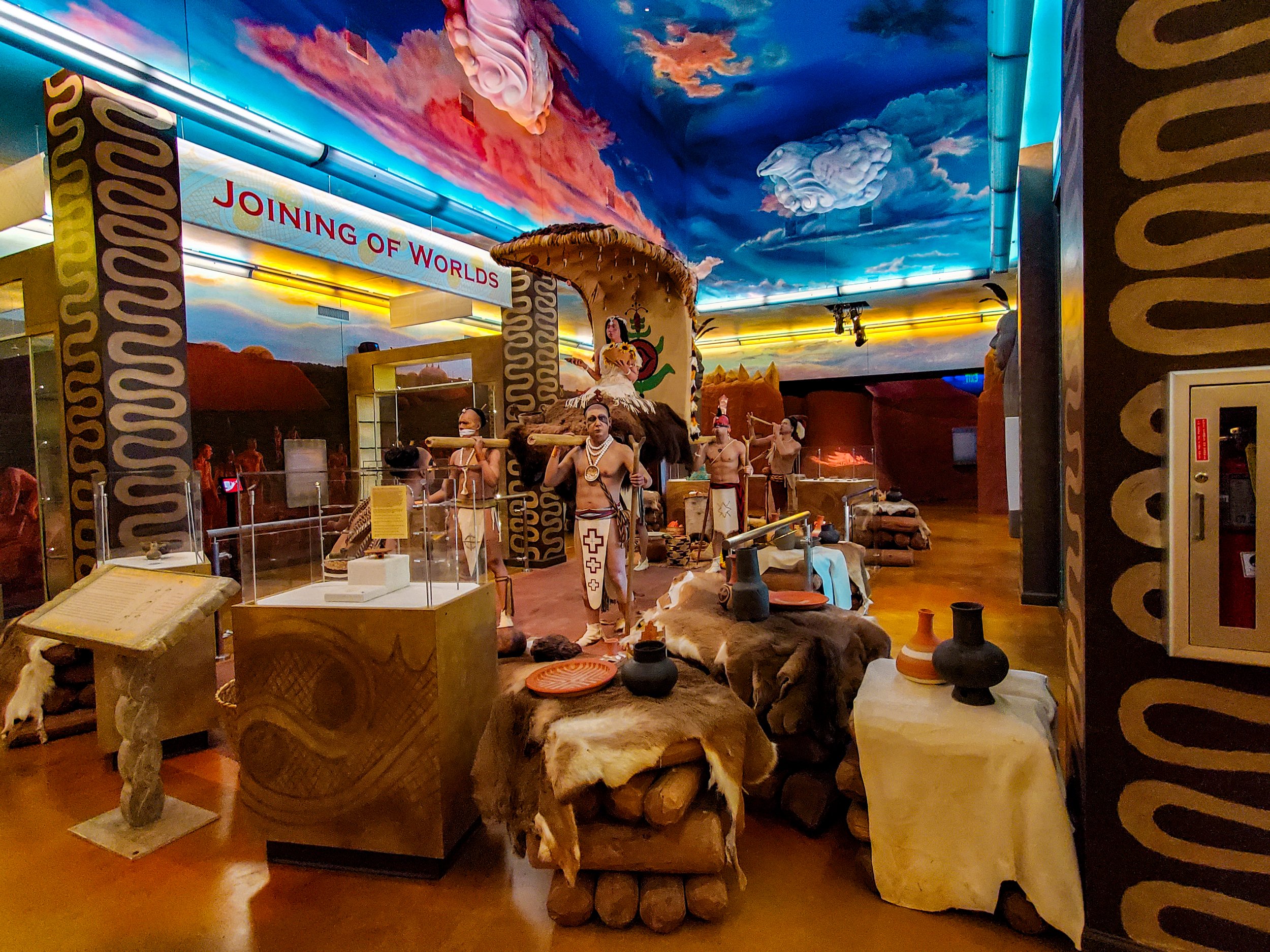
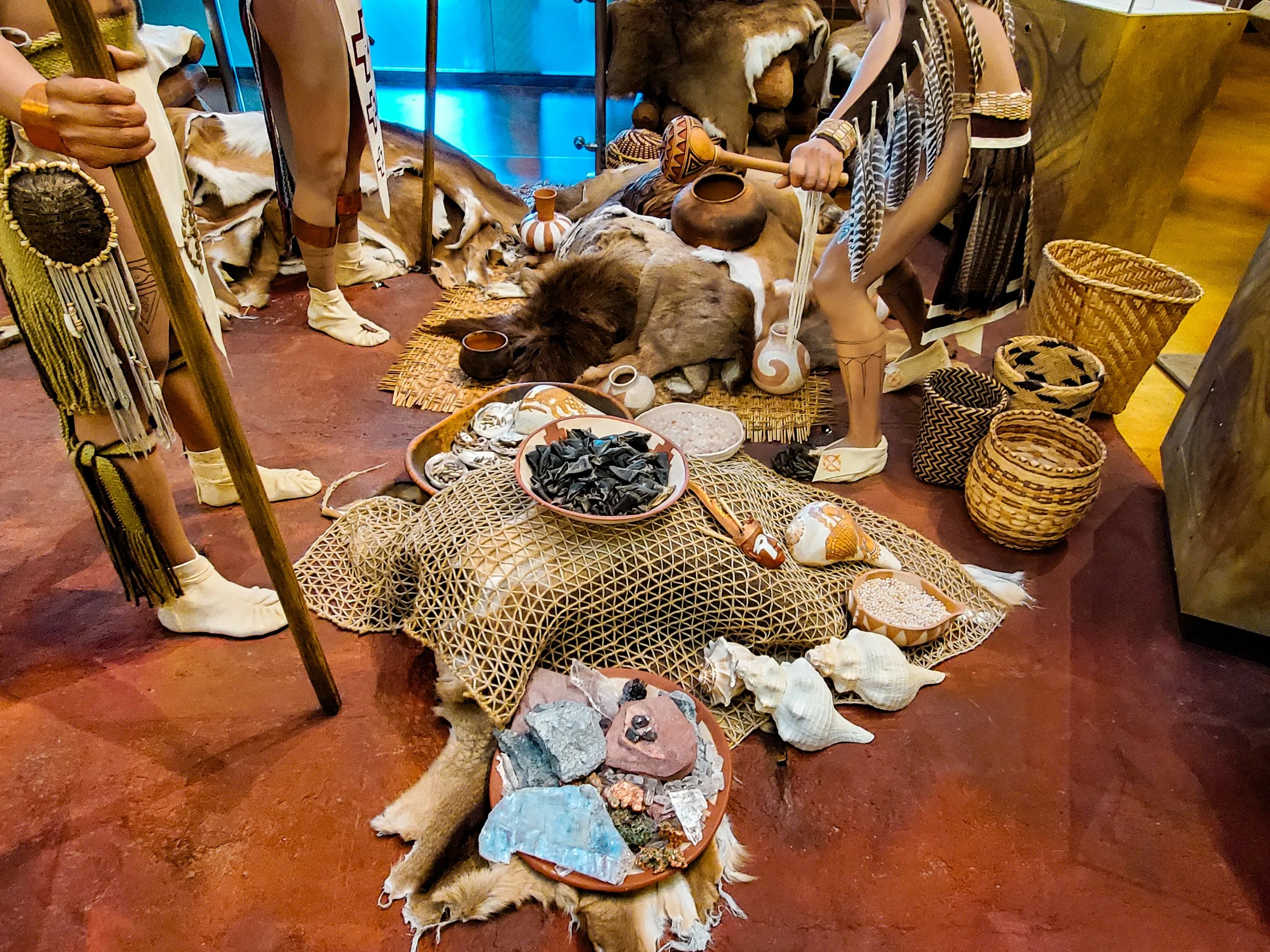
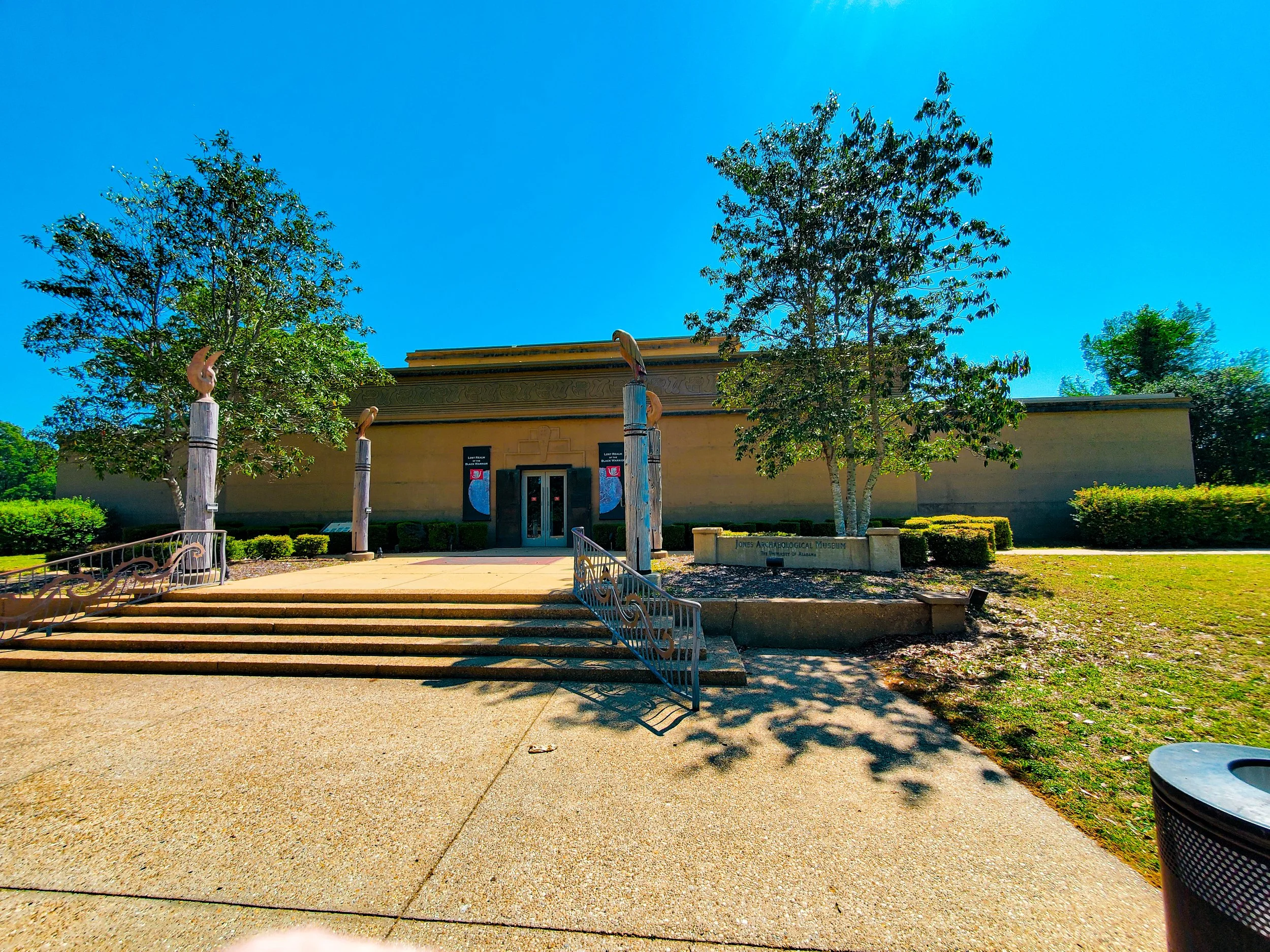
Tuscaloosa County was established in 1818, and the town is home to the University of Alabama and Stillman College. The Old Tavern was built in 1827, has been a tavern, stagecoach inn and residence, and is currently a historical museum. The Alabama Museum of Natural History in Smith Hall on the University of Alabama campus at 427 6th Avenue contains the meteorite that struck a housewife in 1954, making her the first individual to have been struck by a meteor and survived. Veteran’s Memorial Park at 1801 E McFarland Blvd E has an Honor Roll and several examples of equipment used by US Armed Forces. The “Running Minerva” statue on Jack Warner Pkwy and the “Fallen Robot” on Cabot Drive, both on the University campus, are worth the slight detour from US 11. If time permits, visit Moundville Alabama (13 miles south of Tuscaloosa) to see what National Geographic calls “The Big Apple of the 14th Century” and explore the prehistoric site that at its peak was America’s largest city north of Mexico.
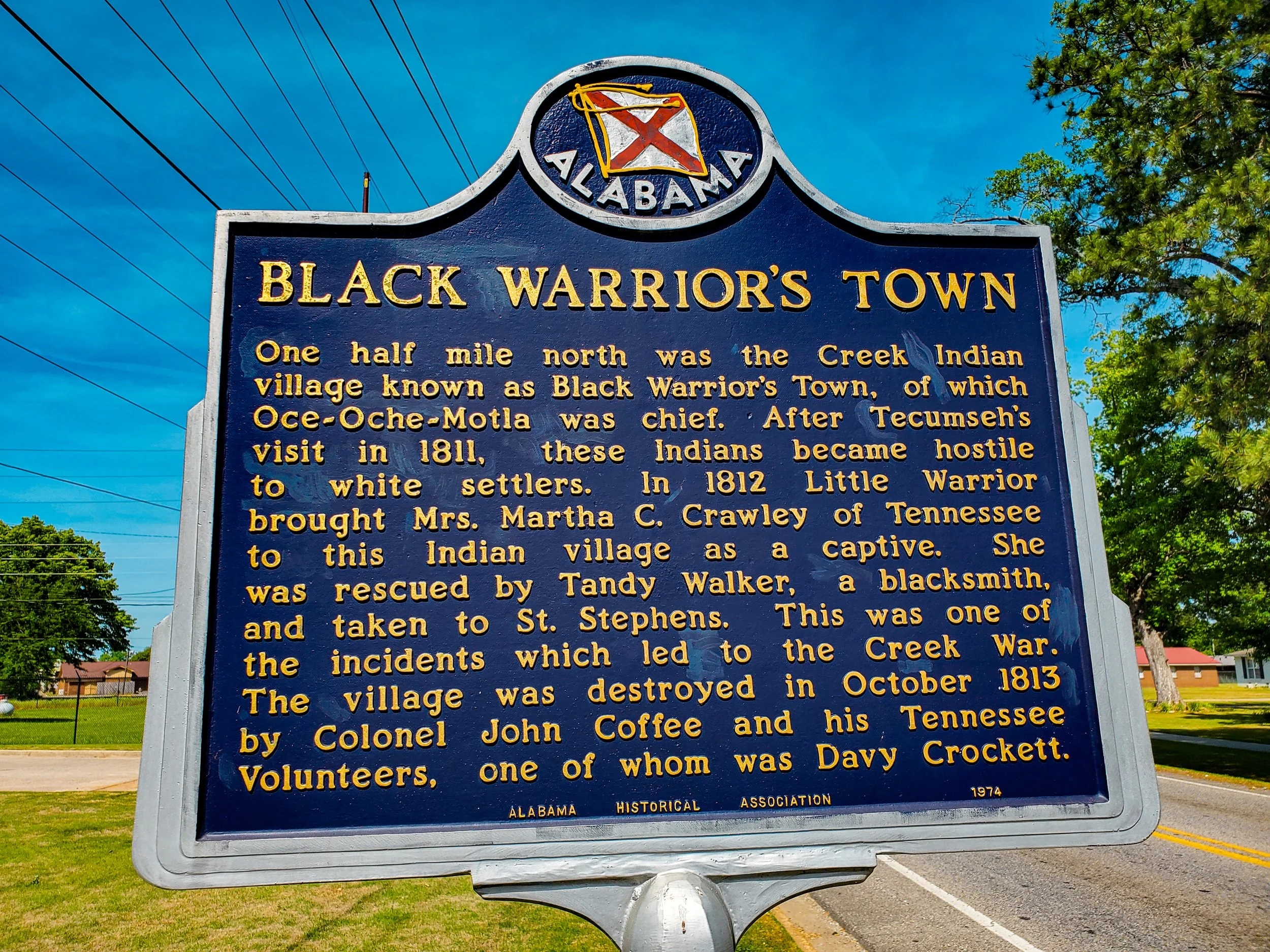
Black Warrior Marker
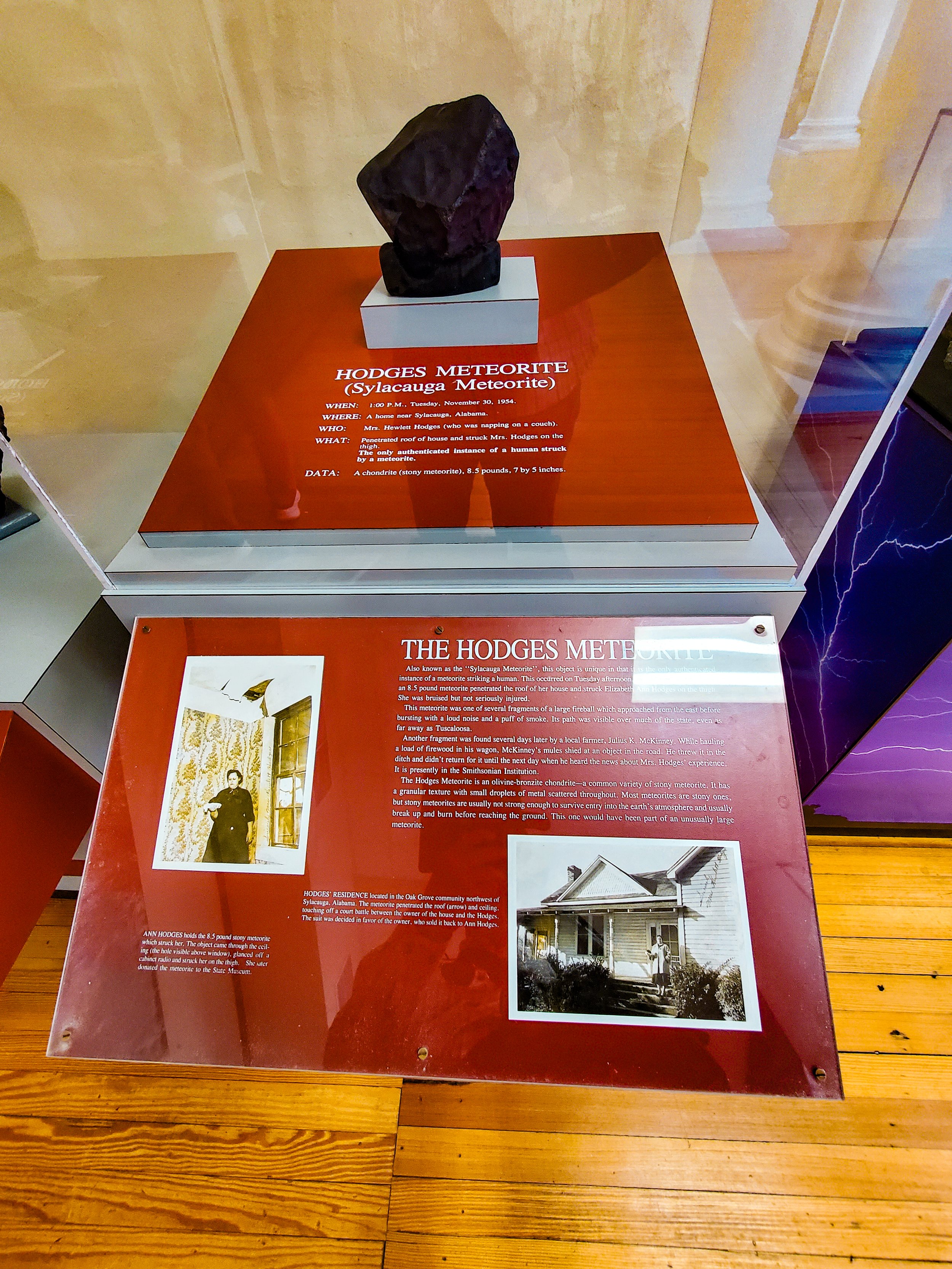
Hodges Meteorite
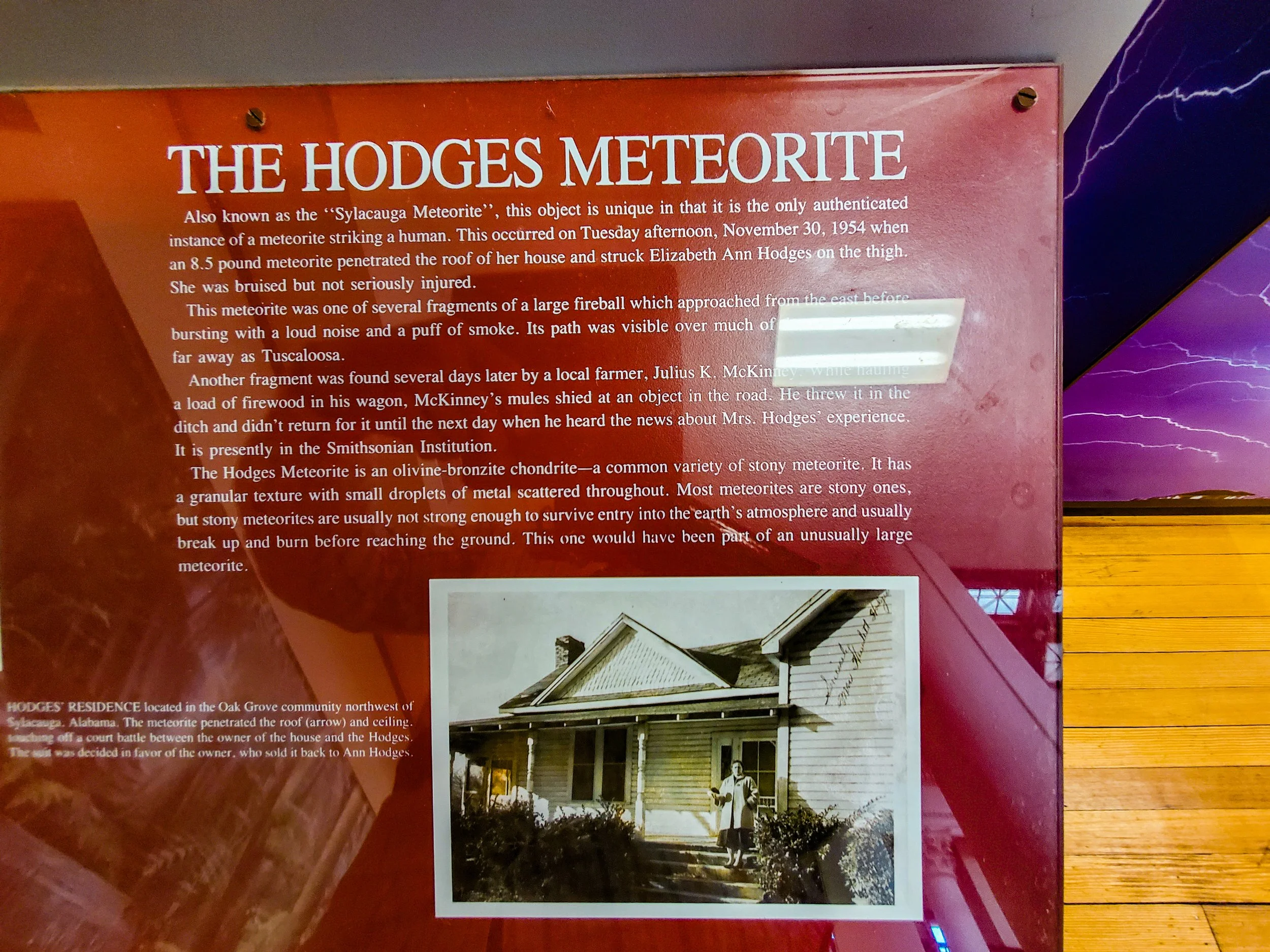
Hodges Meteorite
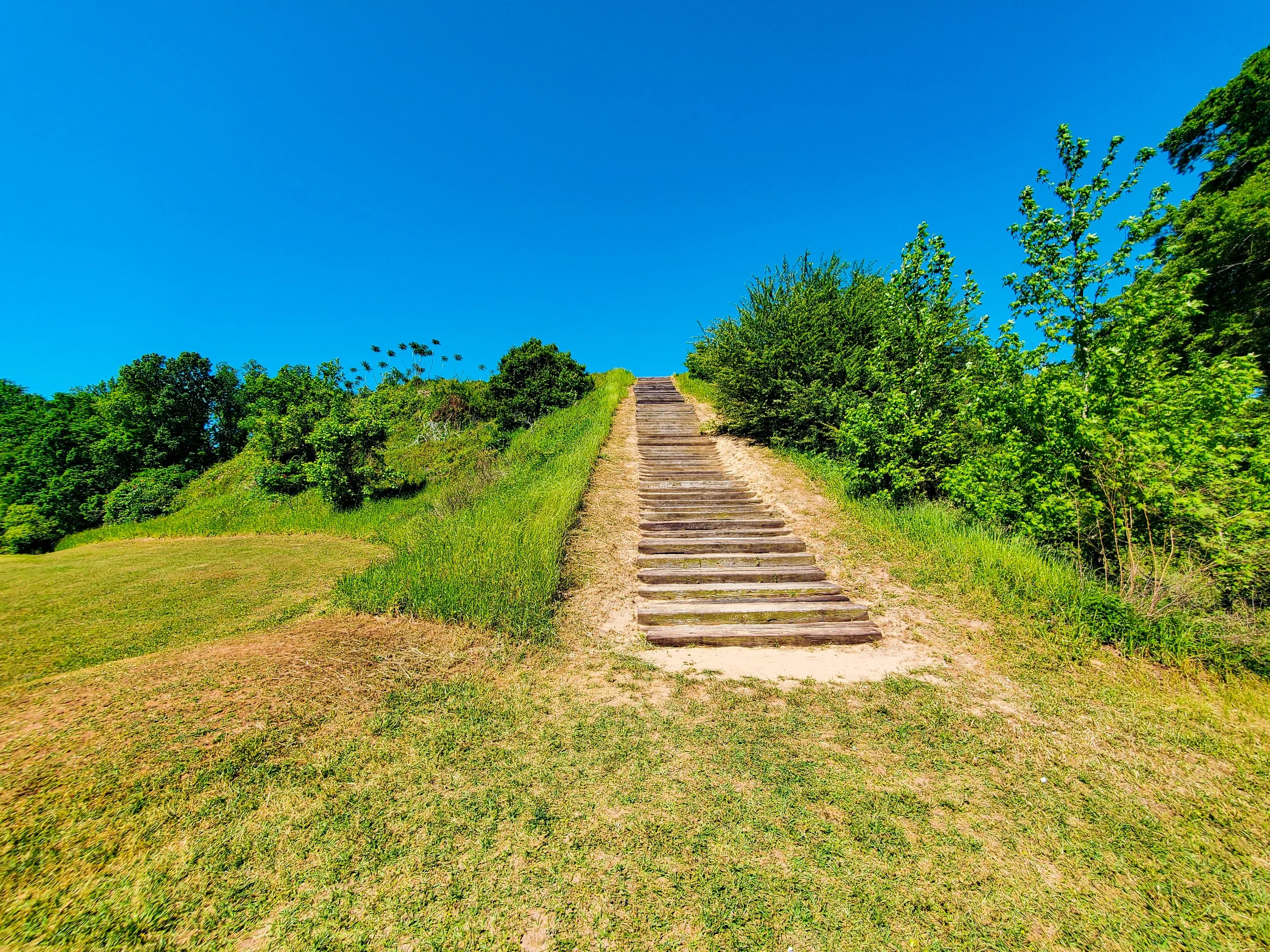
Moundville
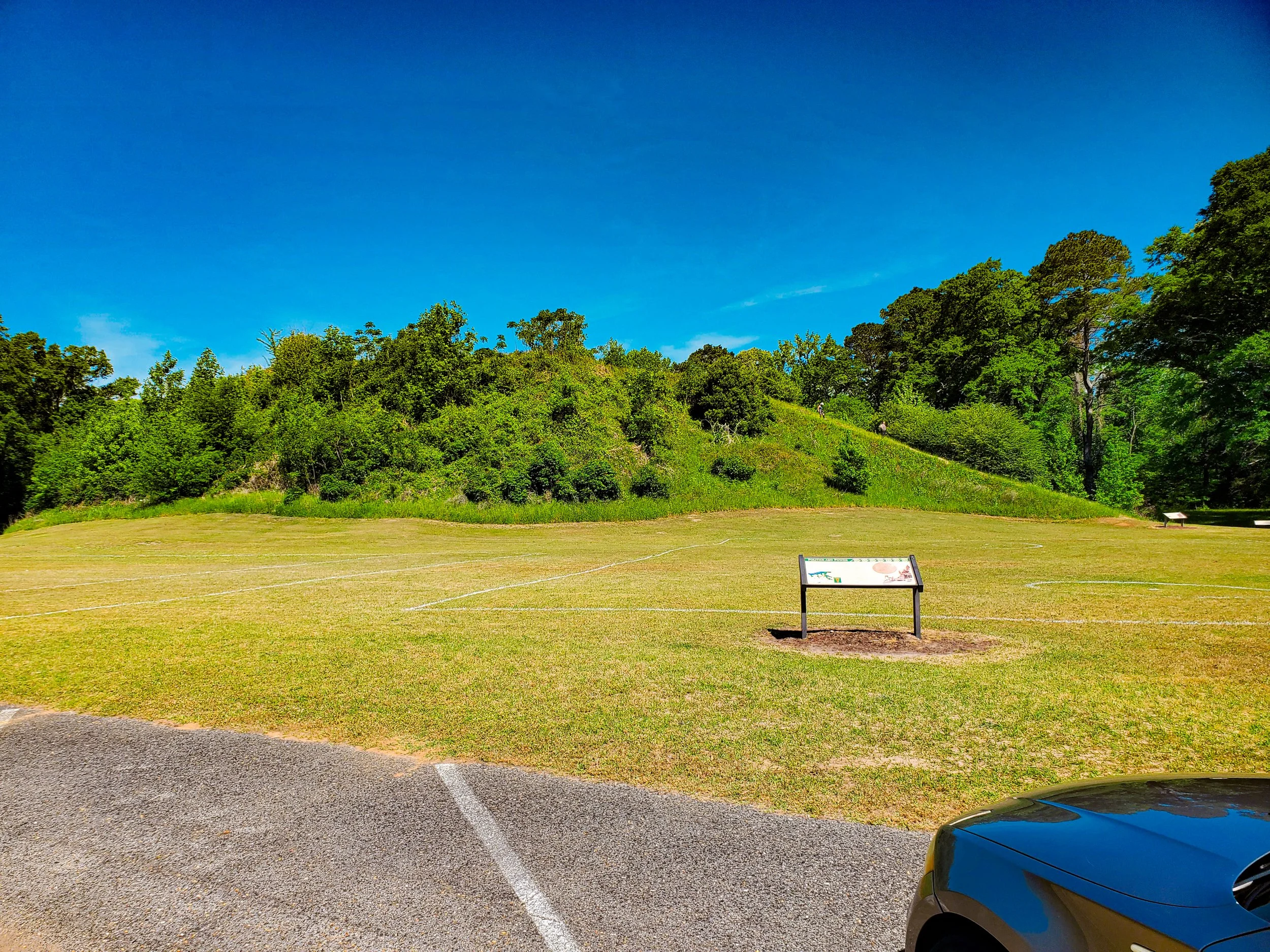
Moundville
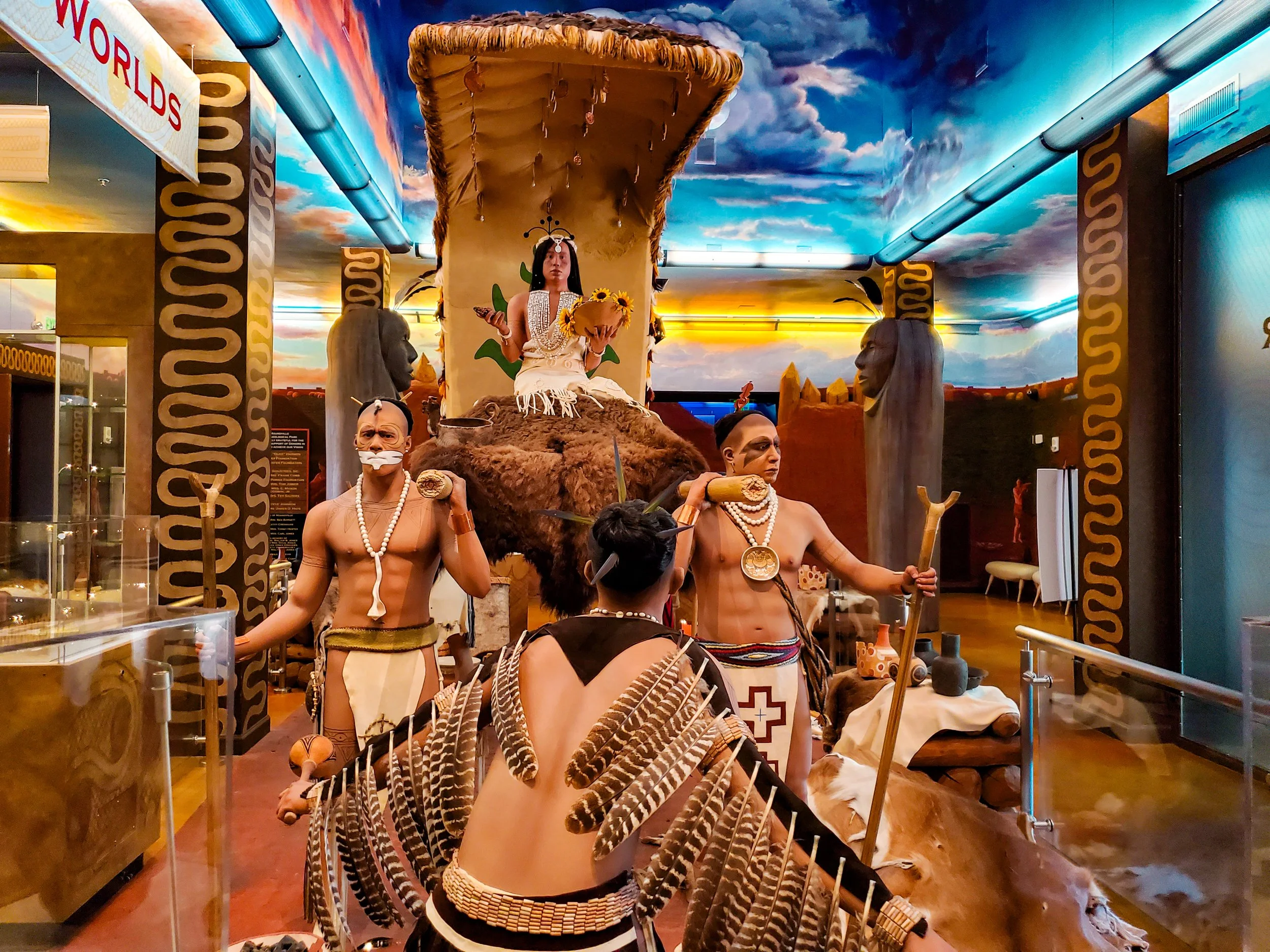
Moundville Museum
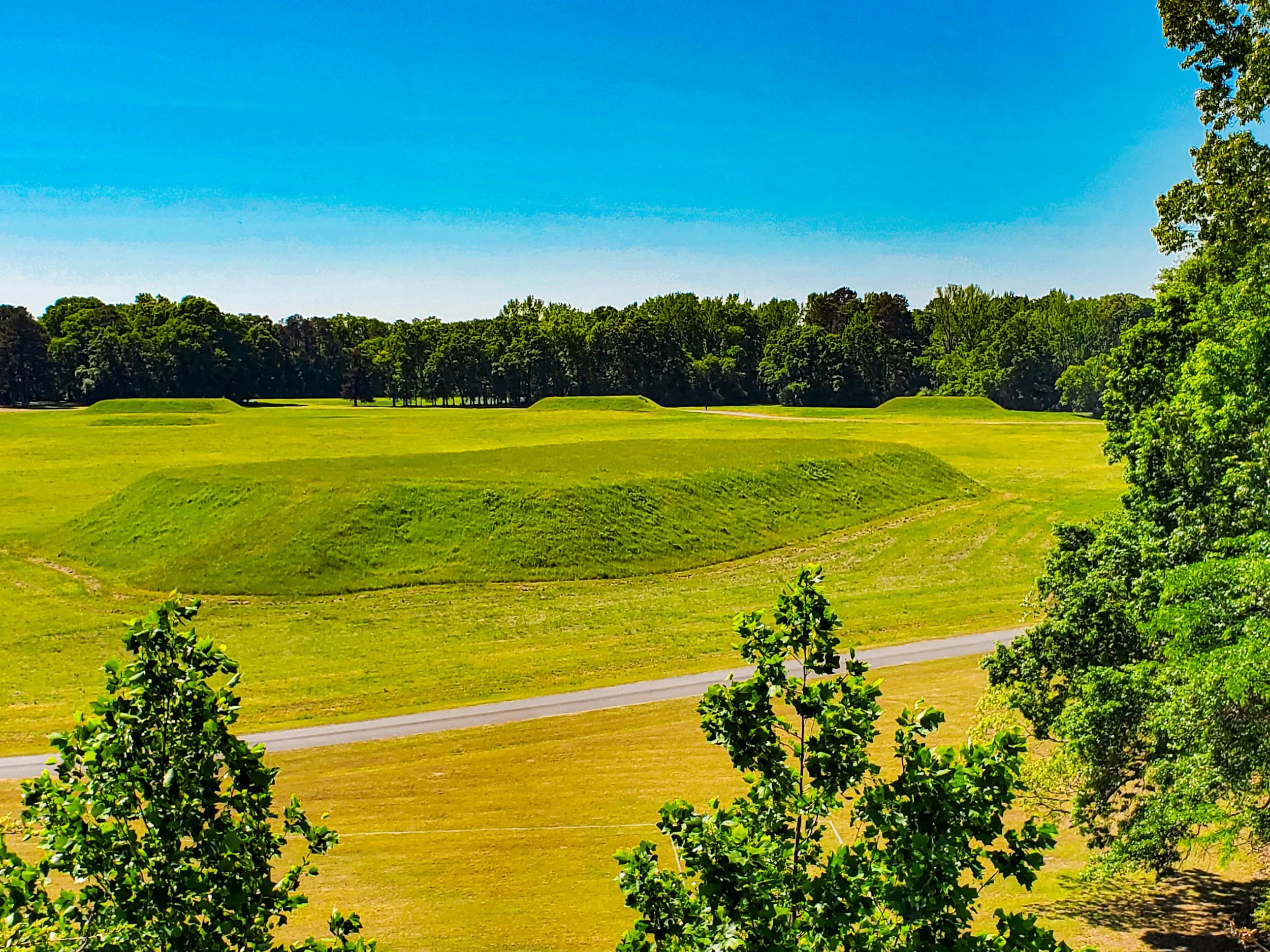
Moundville
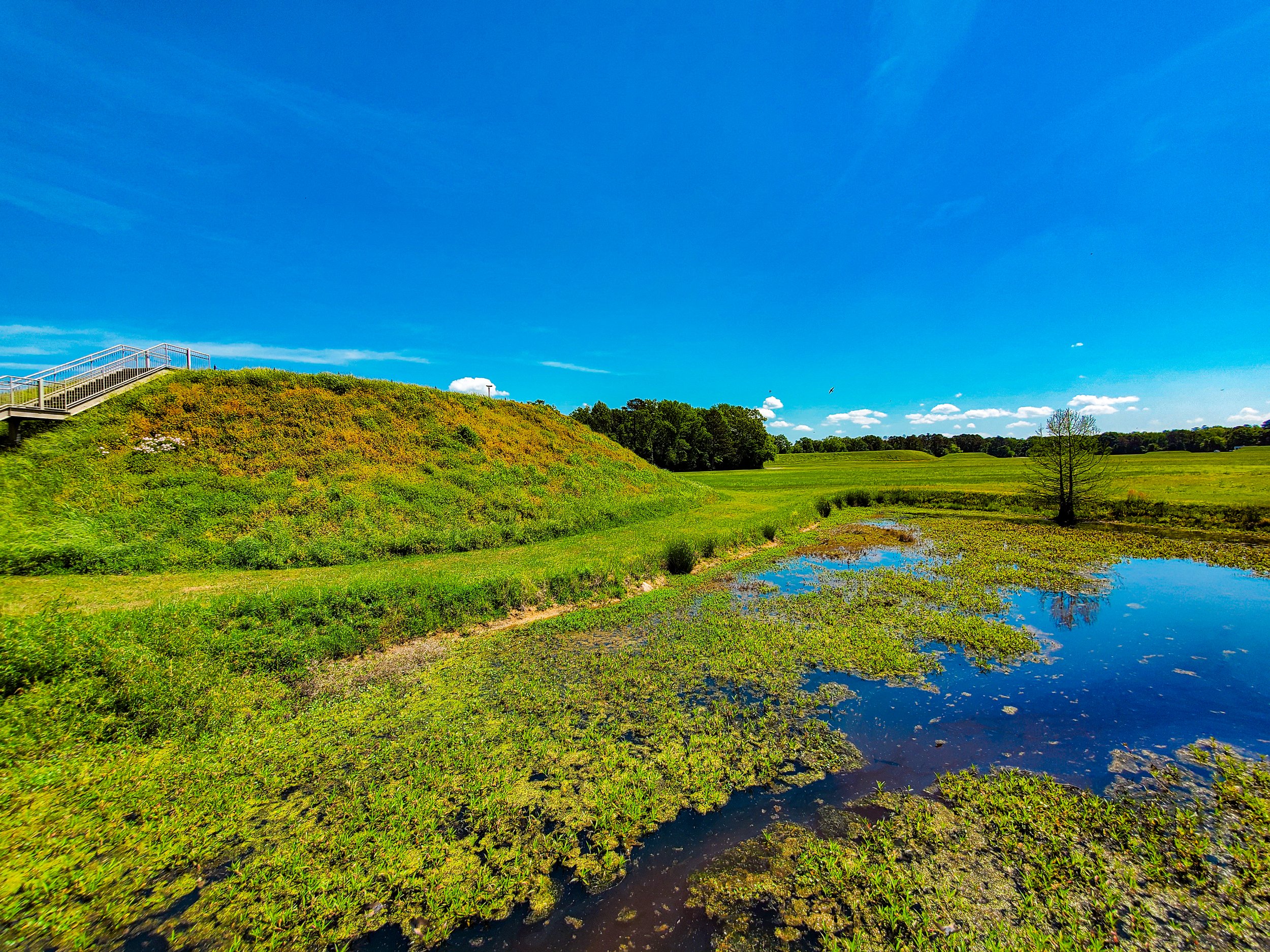
Moundville
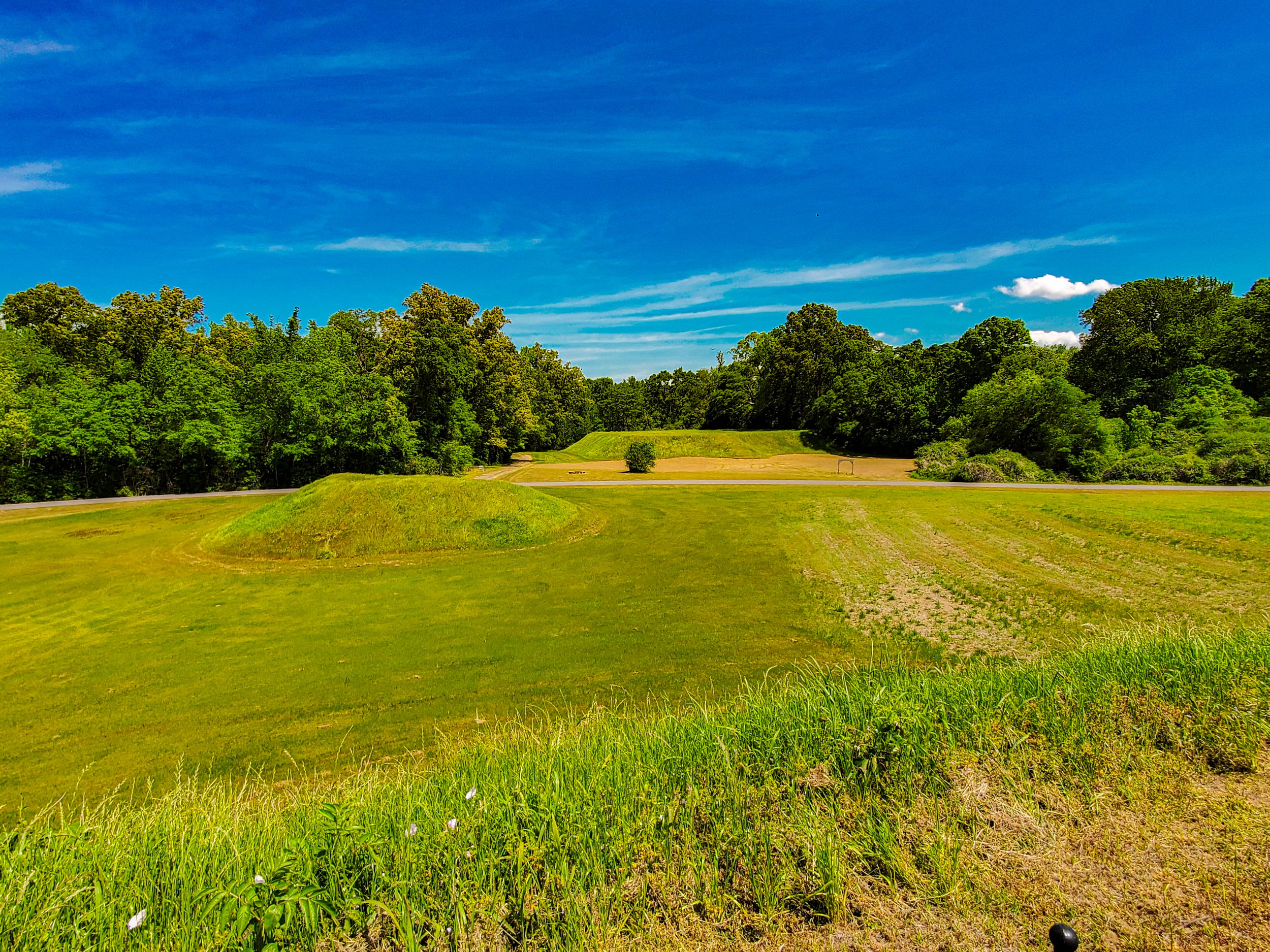
Moundville
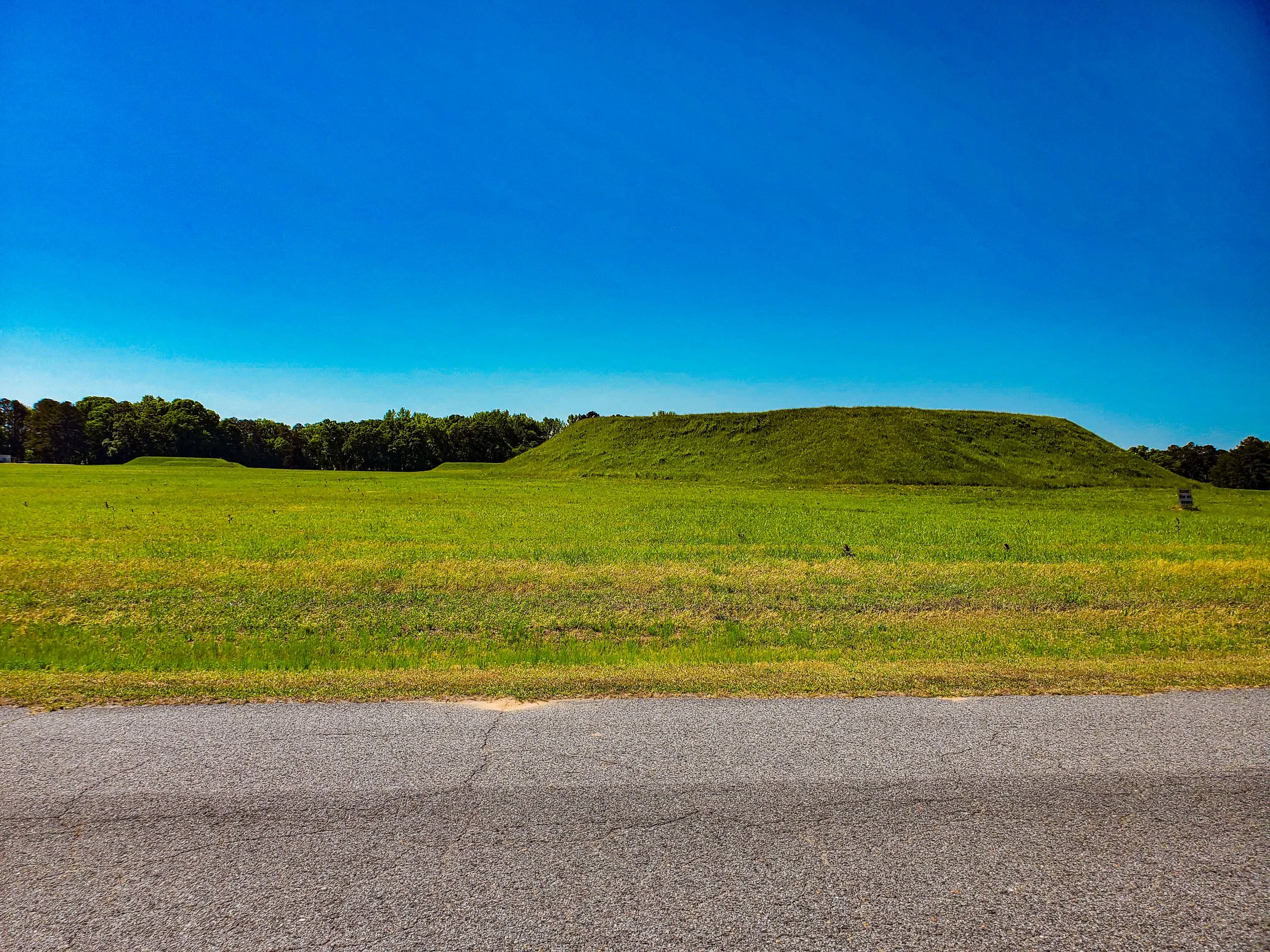
Moundville
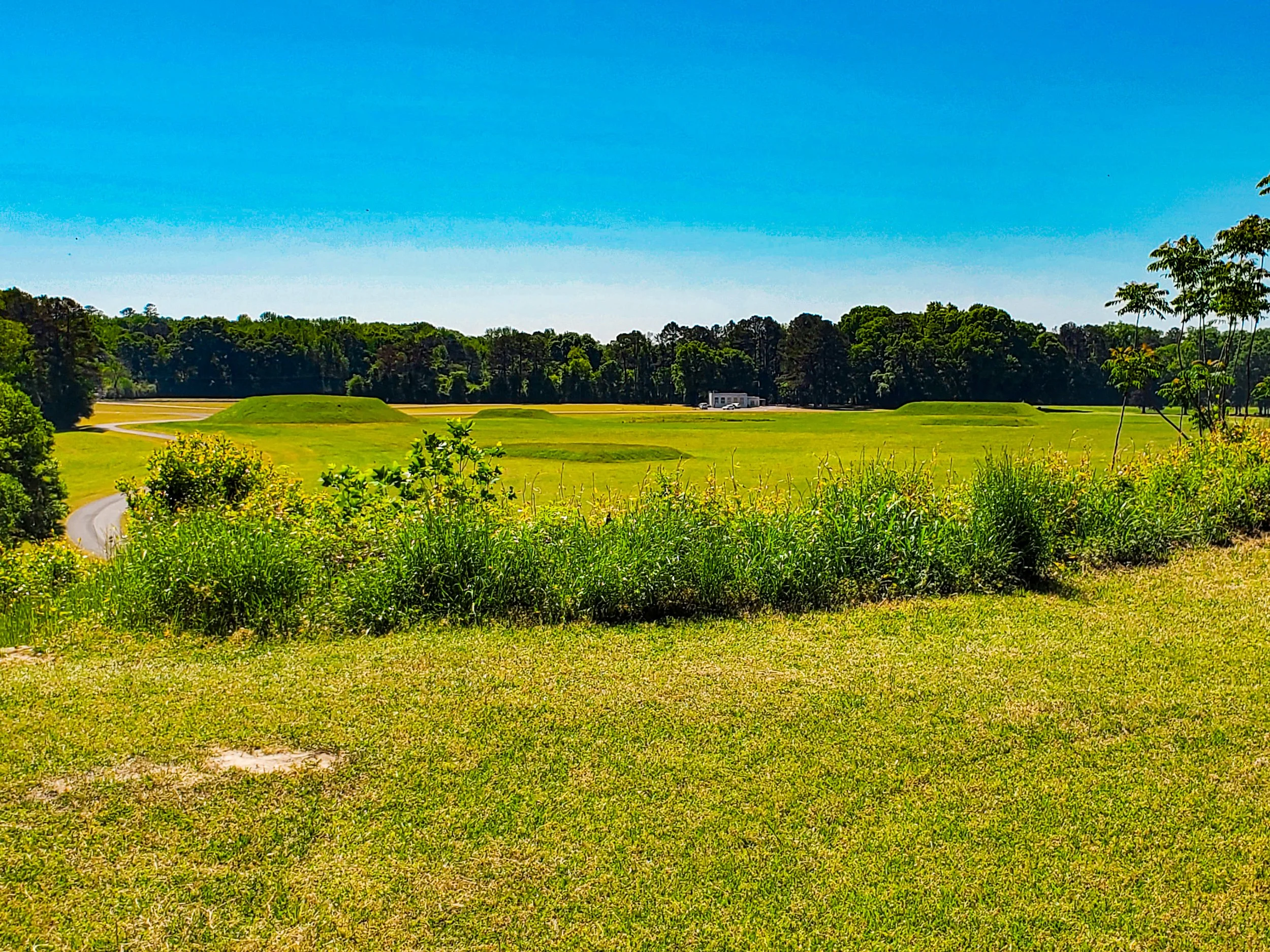
Moundville
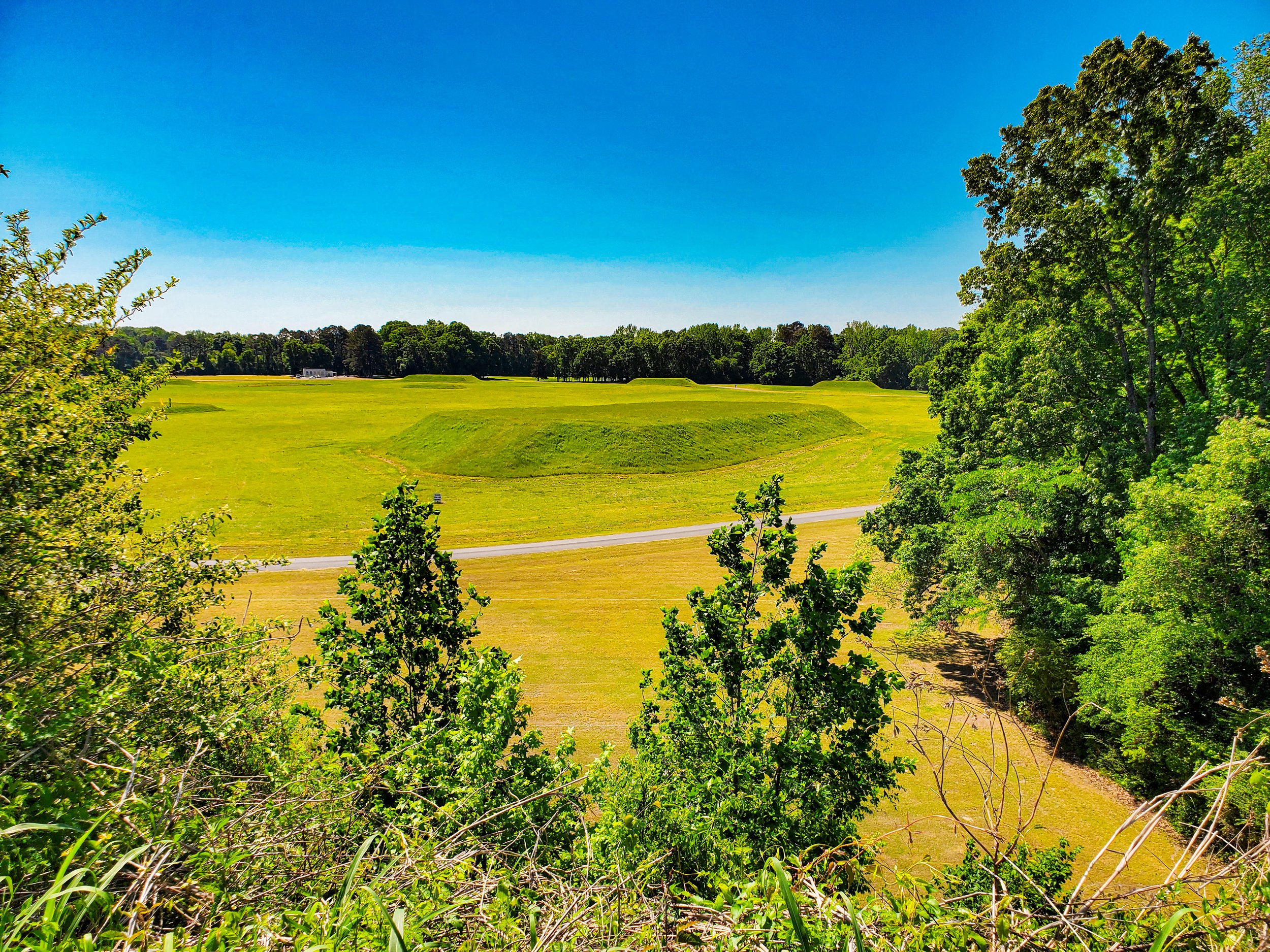
Moundville
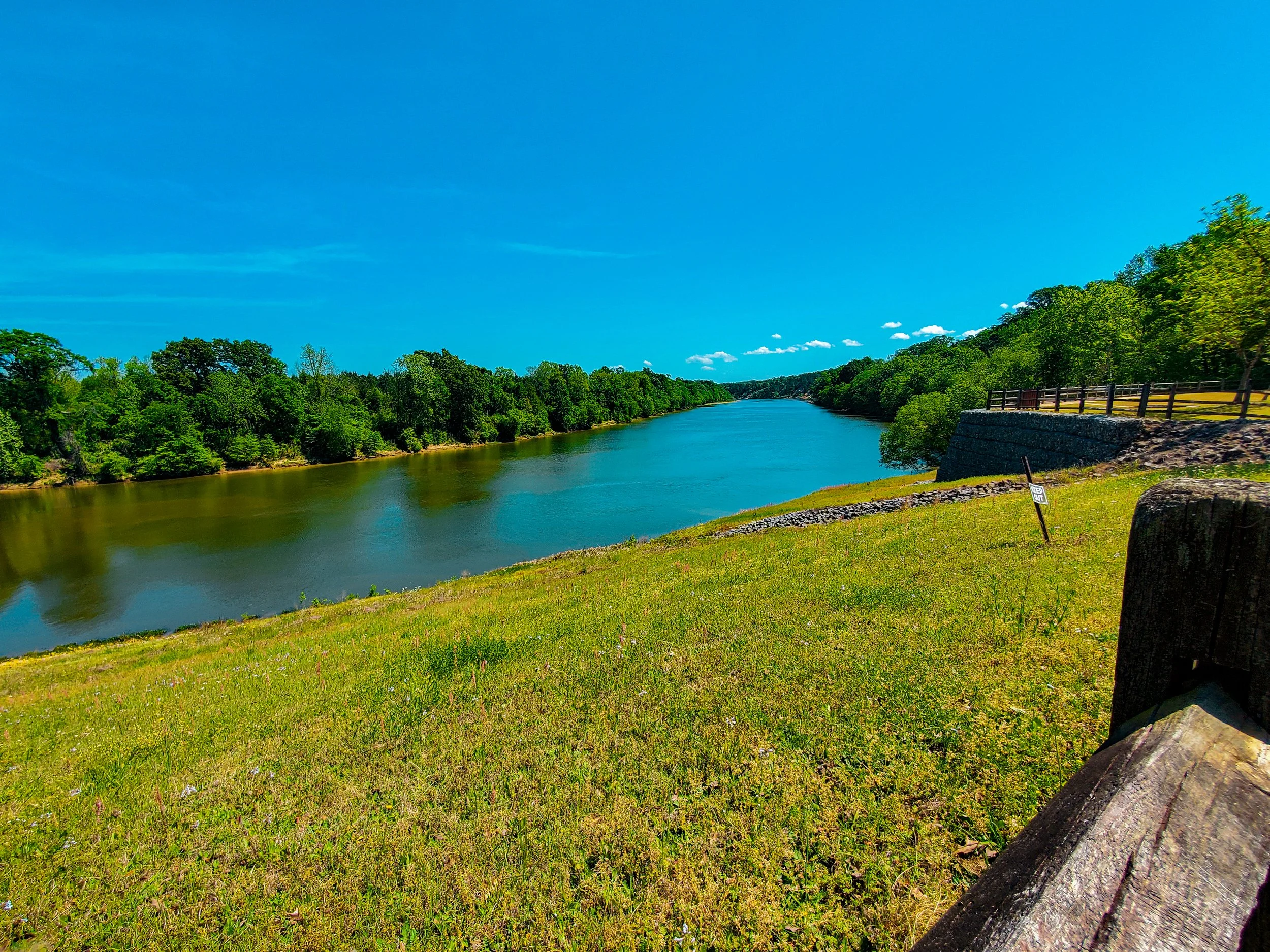
Moundville
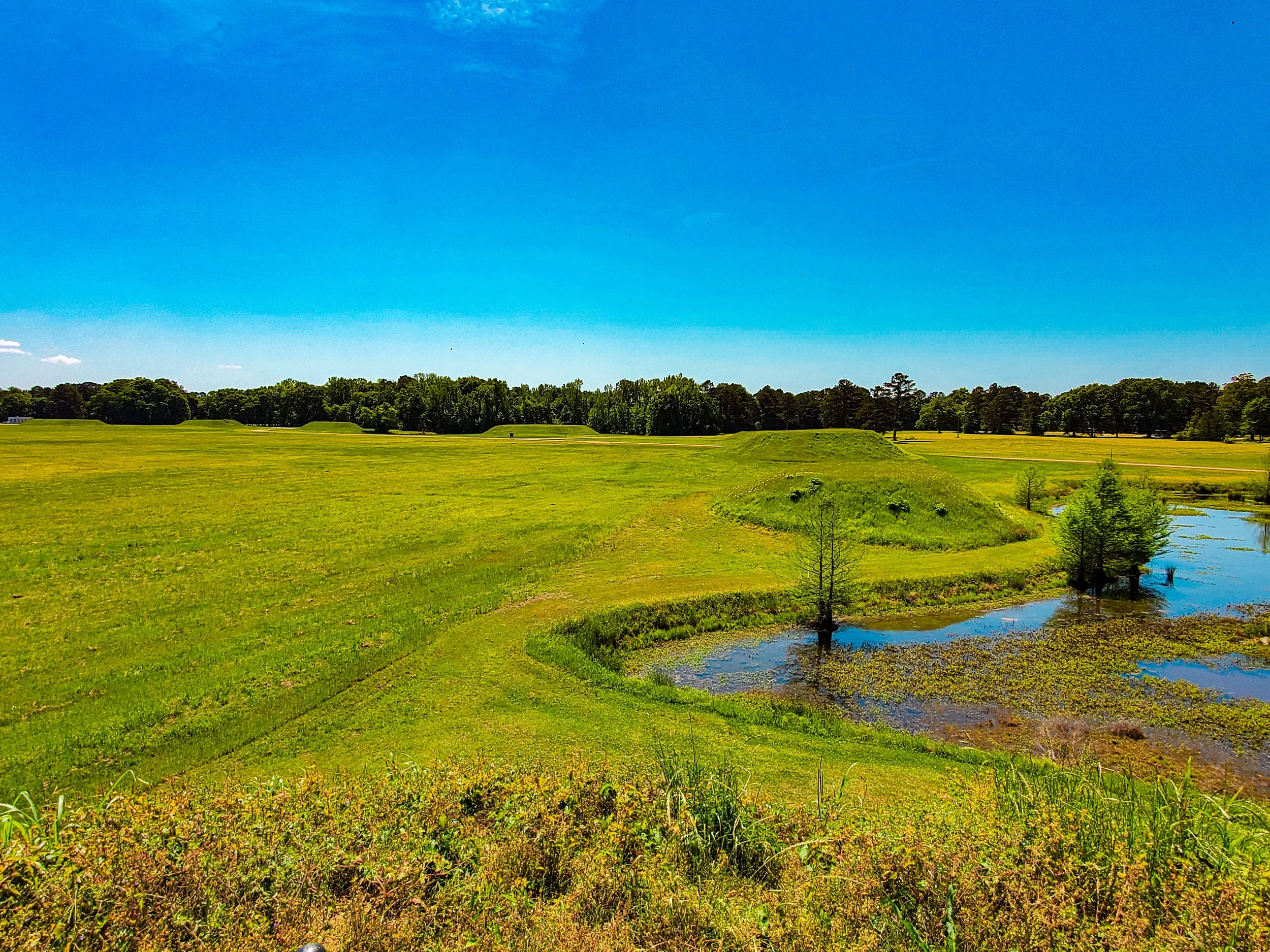
Moundville
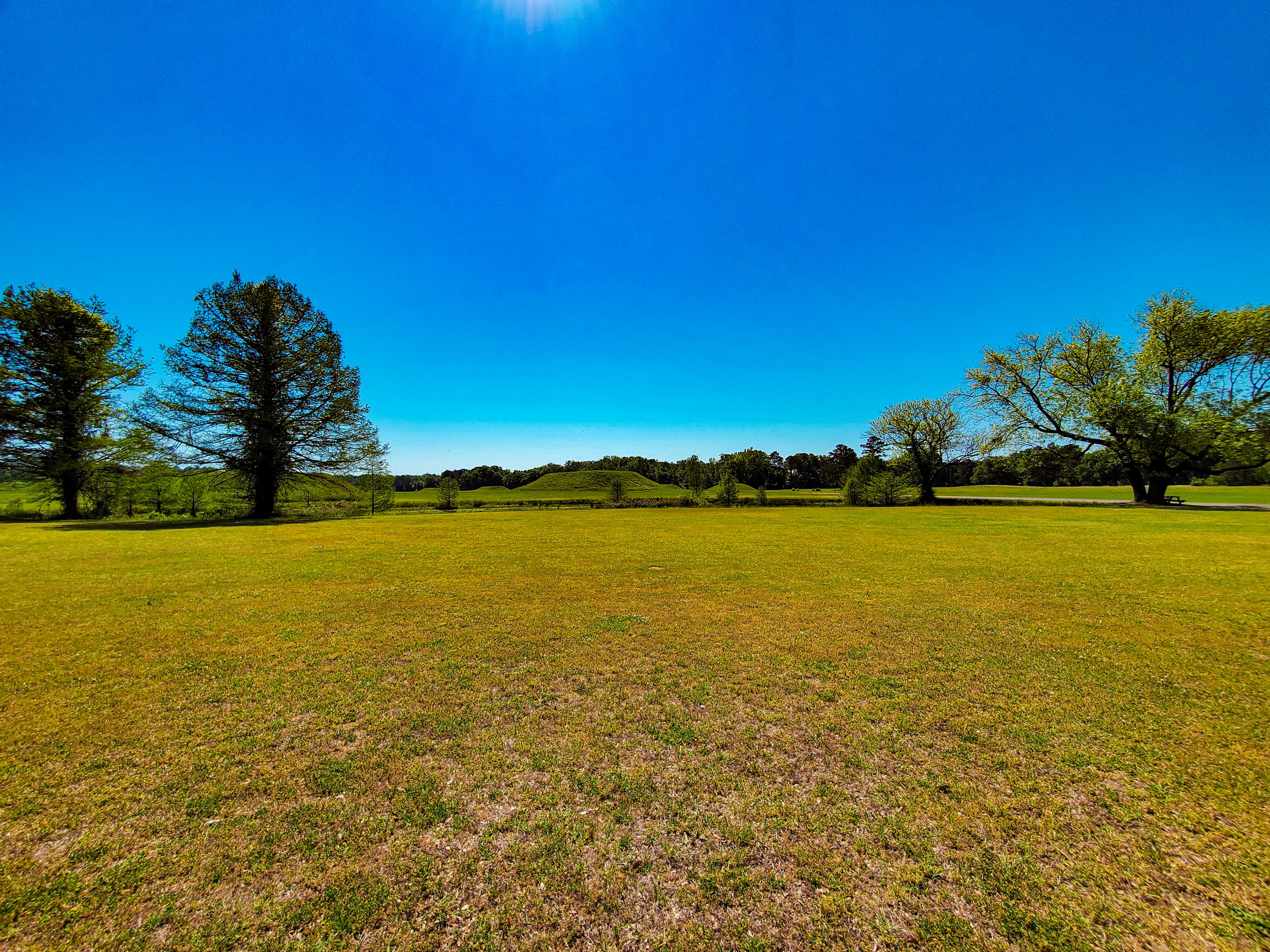
Moundville
Moundville
Moundville Museum
Moundville Museum
Moundville Museum
Moundville Museum
VANCE
Named in honor of Dr. Willam Vance of North Carolina, Vance is home to the only SUV producing Mercedes-Benz plant in North America with a Visitor’s Center and rotating display of cars. The Cahaba lily is highlighted at the Cahaba Lily Center, south of Vance.
WOODSTOCK
Woodstock was settled in 1820 along the old Tuscaloosa to Huntsville stagecoach line. Dr. J. U. Ray built the first depot for the newly constructed Alabama-Chattanooga railroad, and the town was named after his ancestor’s home in Woodstock England. Rich iron ore deposits were mined there after the Civil War and a jug factory was built to take advantage of the clay deposits in the area.
JEFFERSON COUNTY
The county was named after Thomas Jefferson, and is considered to be the southern end of the Appalachian Mountains.
BESSEMER
Bessemer was named after Sir Henry Bessemer, inventor of the Bessemer process for making steel. Bessemer was call the "Marvel City" for its rapid industrial growth in late 19th century driven by iron and steel production. This region is the only place on earth where significant amounts of all three components needed to make iron and steel (iron ore, coal, and limestone) can be found in close proximity. US 11 in Bessemer was the first 4 lane highway in the state in 1930s. Called the "Bessemer superhighway”, lighting along the entire route in the 1940s made for longest whiteway east of the Rockies. The Bessemer Hall of History Museum at 1905 Alabama Avenue has Hitler's typewriter and Martin Luther King Jr’s jail cell door housed in the historic 1916 Alabama Great Southern Railway Depot. Downtown Bessemer is a National Historic District. If you’re hungry, visit the Bright Star restaurant, Alabama’s oldest restaurant, at 304 19th Street N in downtown Bessemer or Bob Sykes BBQ, serving locals since 1957 at 1724 9th Avenue N.
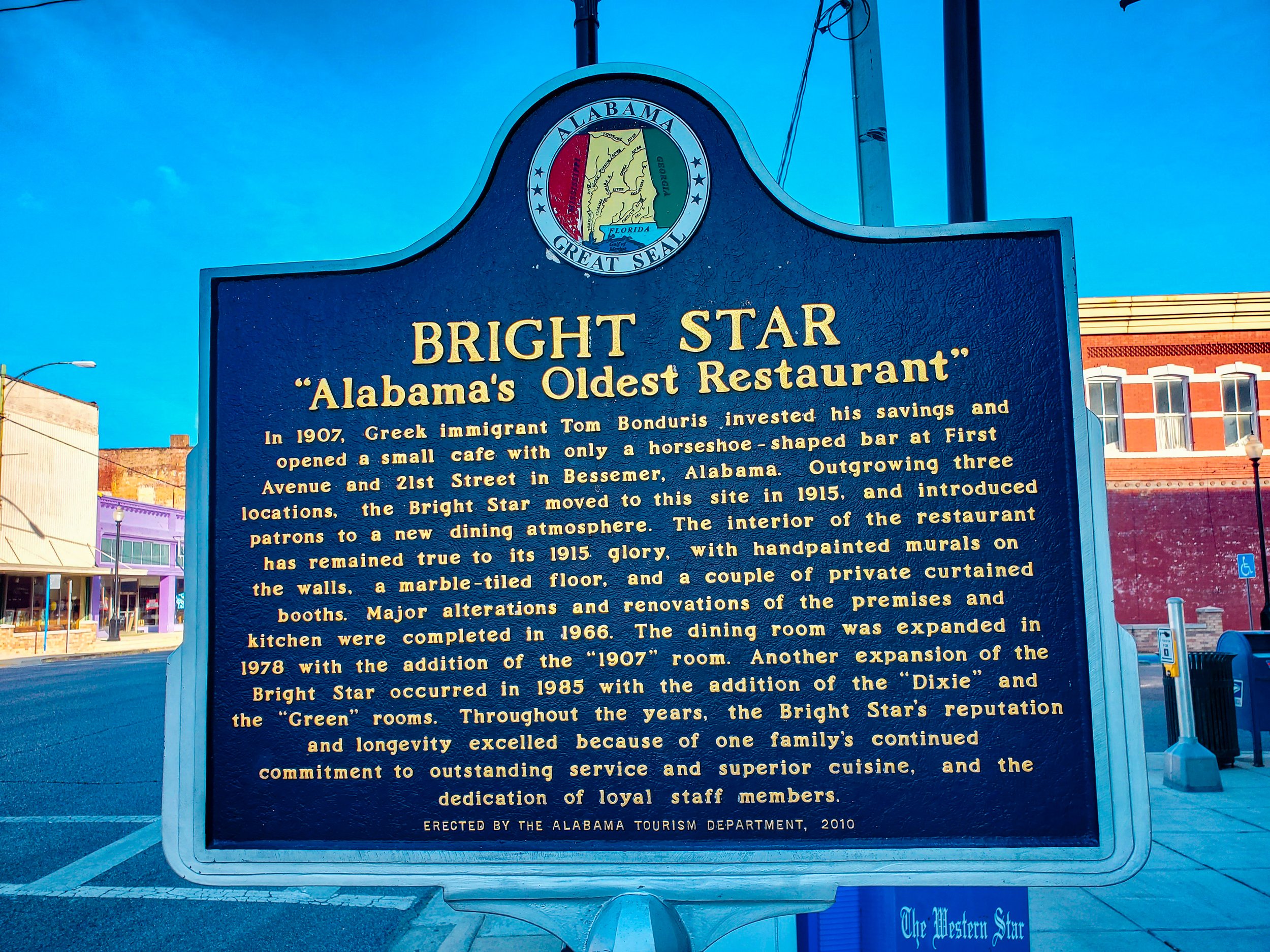
The Bright Star Restaurant
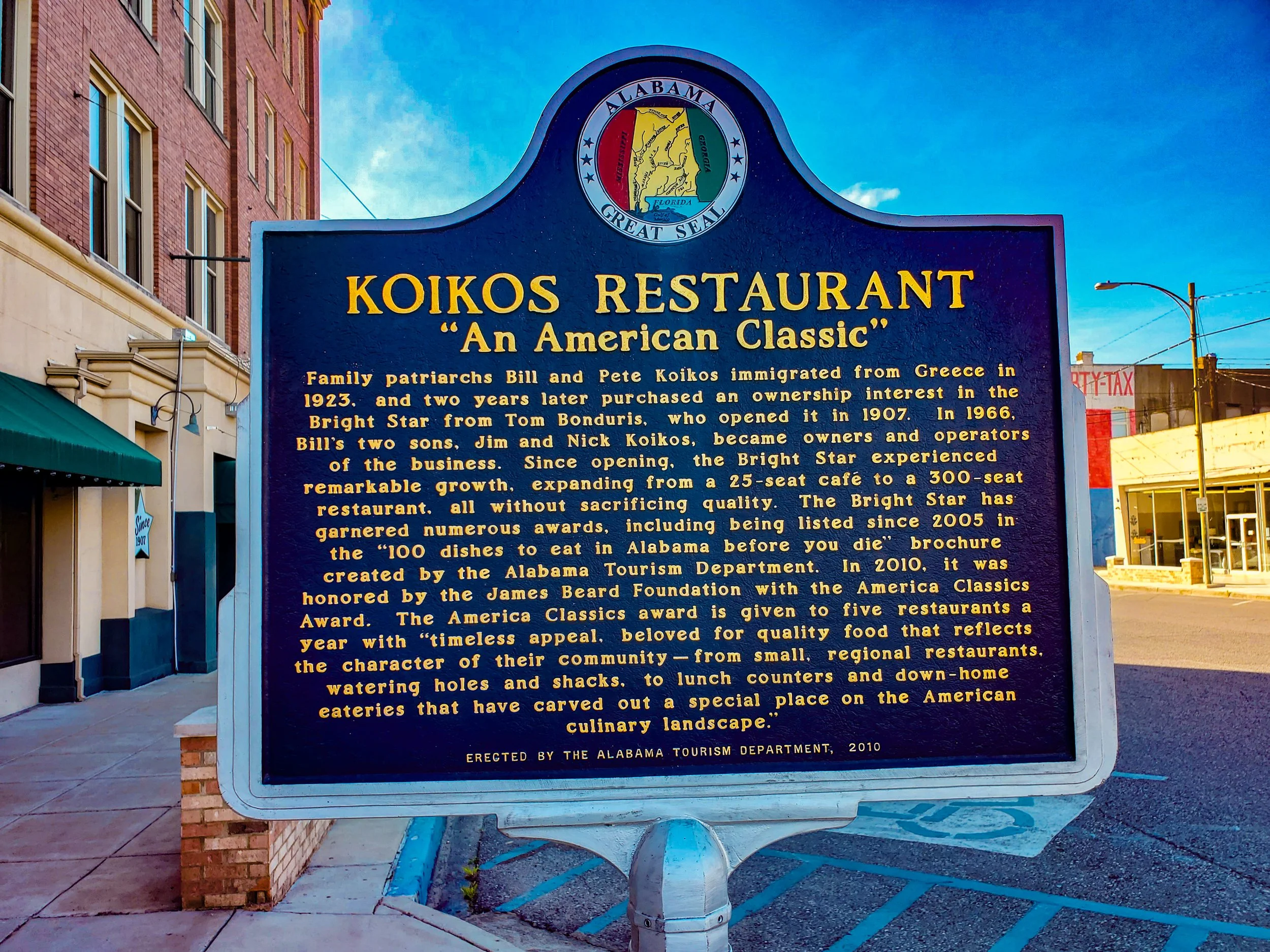
The Bright Star Restaurant
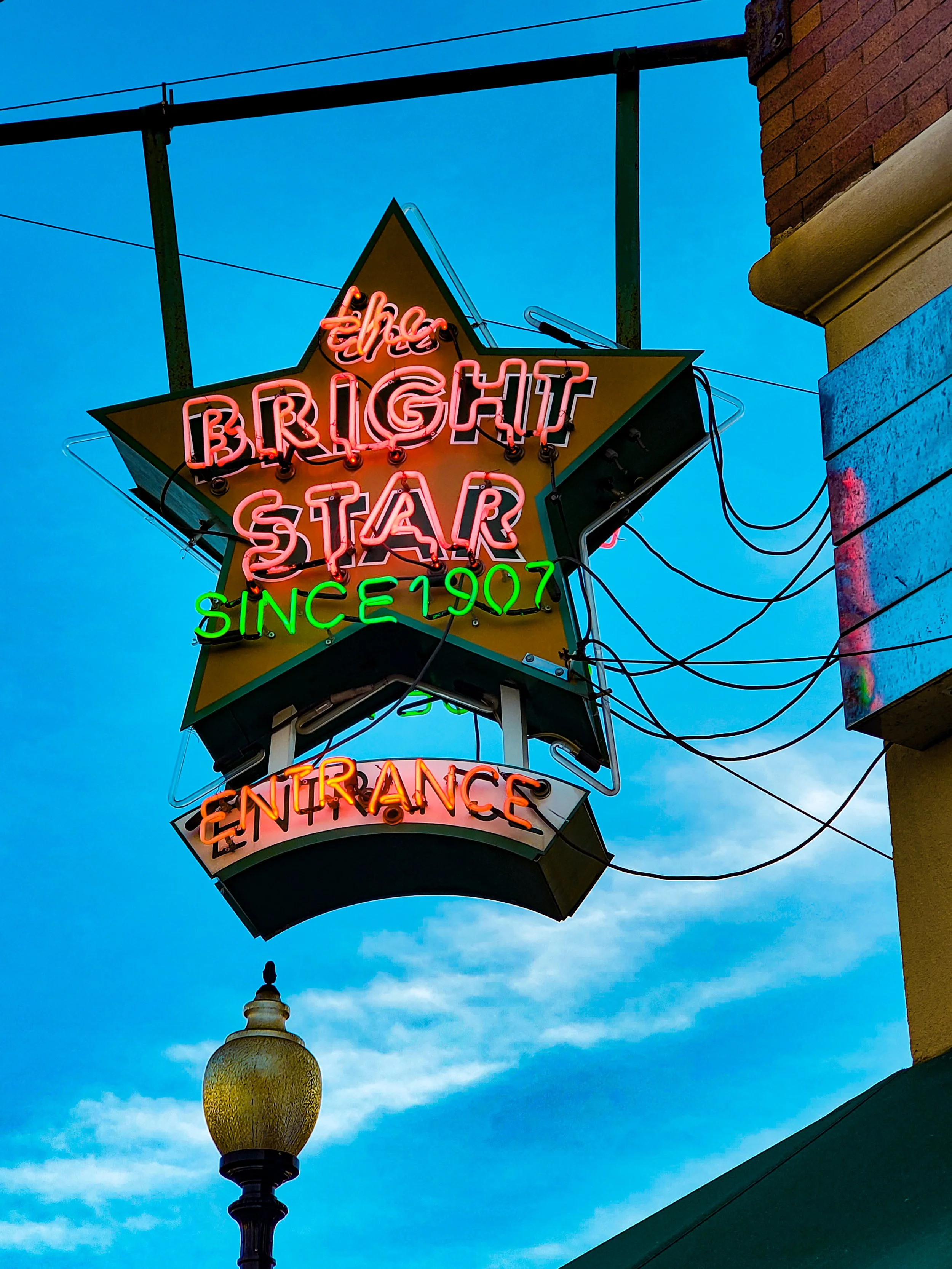
The Bright Star Restaurant
BIRMINGHAM
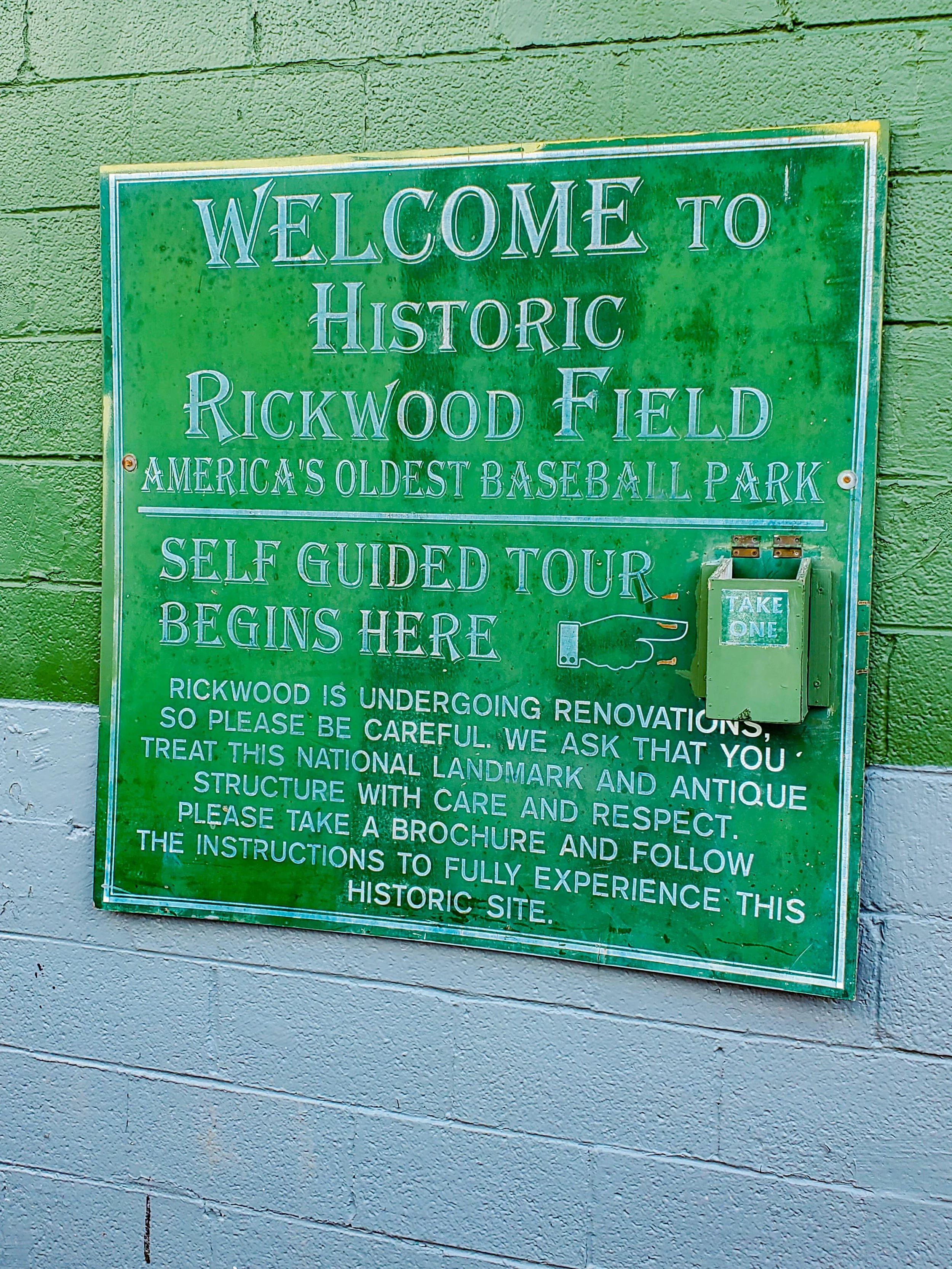
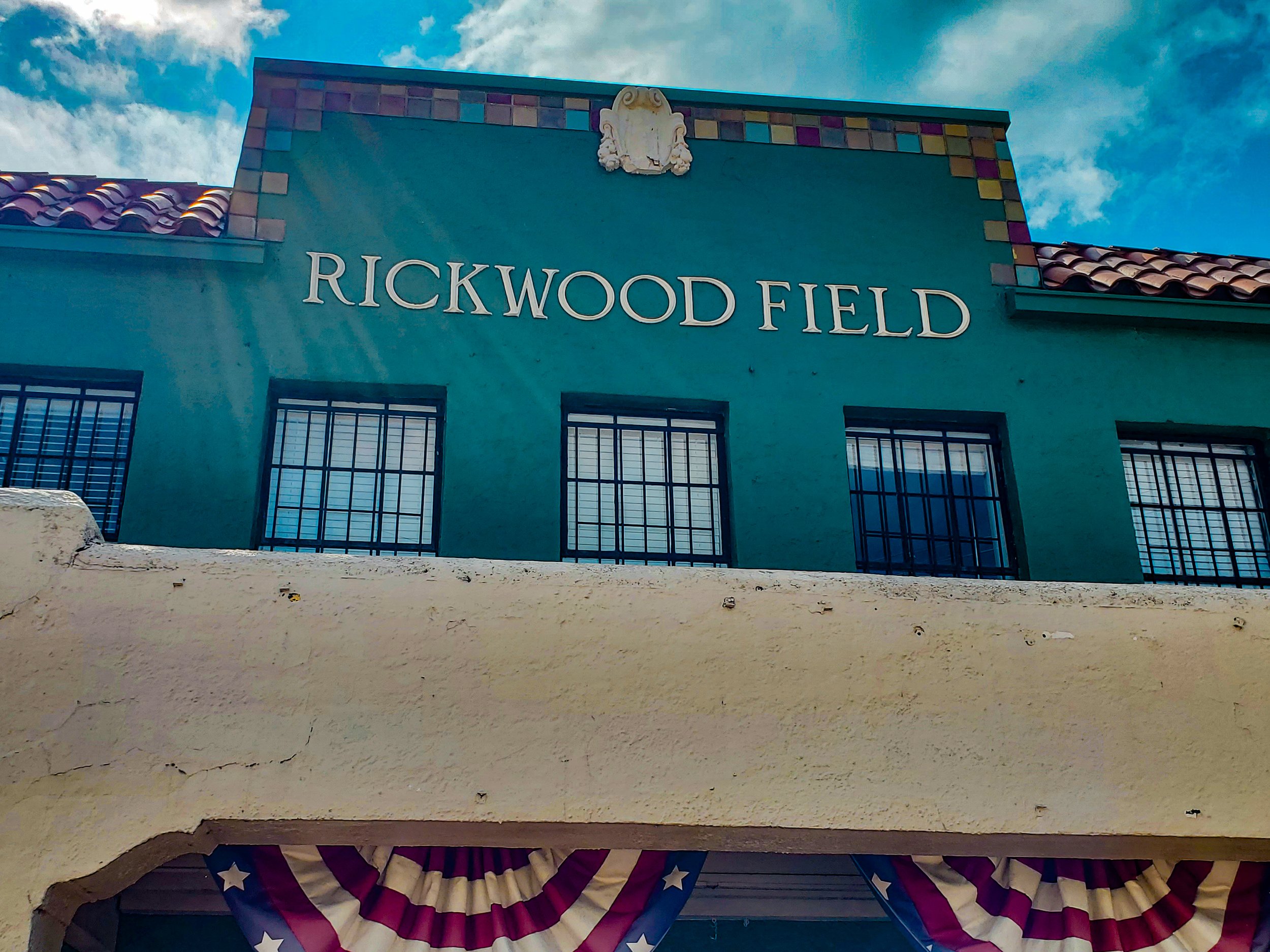
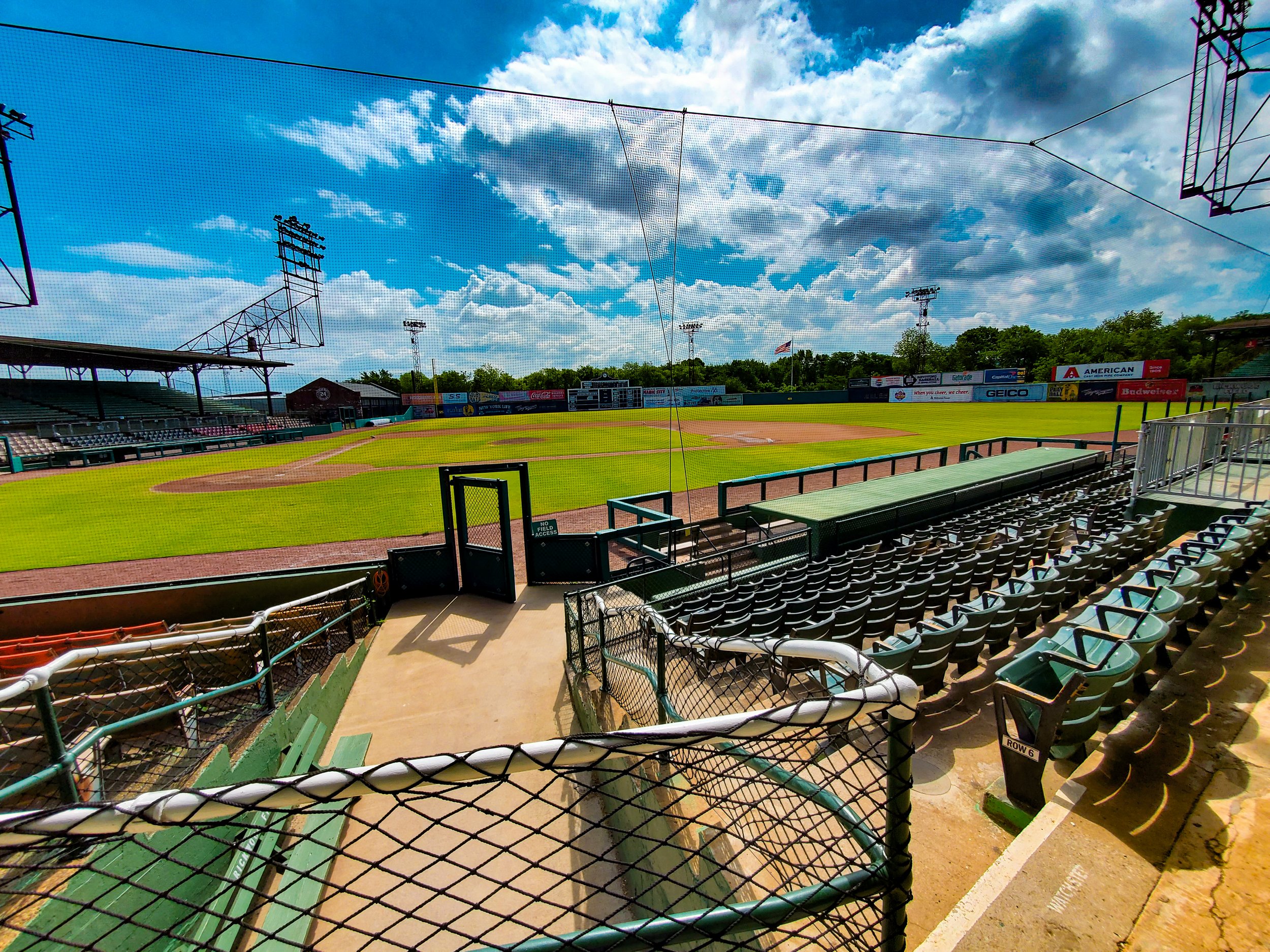
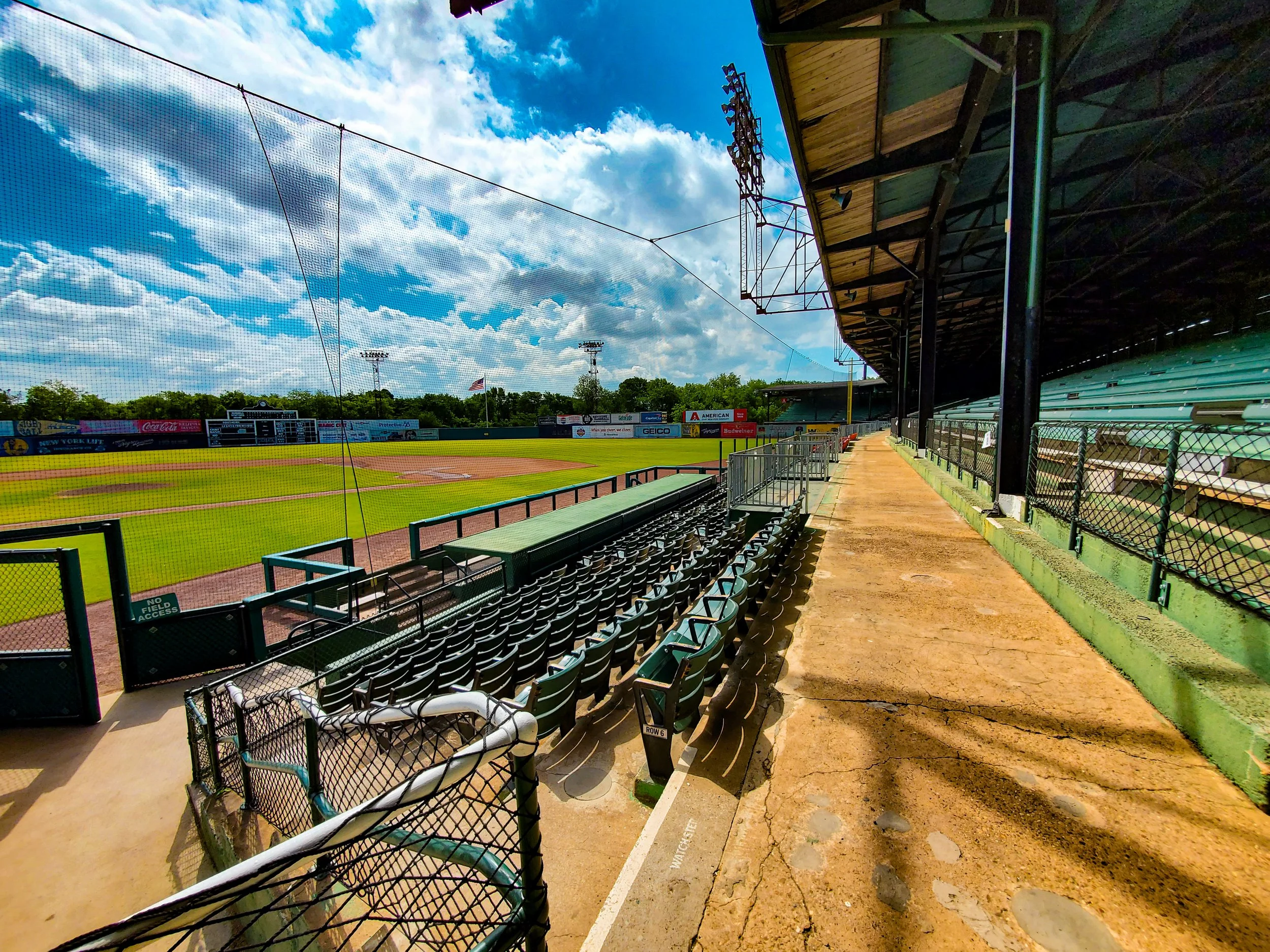
The city was founded in 1871 and named for Birmingham England, a leading industrial city of that era. It is called “The Magic City” because of the rapid growth from industrial center to a diversified economy. The University of Alabama at Birmingham, Samford University, and Birmingham Southern College are located here. Between 1902-1912 four skyscrapers were built downtown at the corner of 20th Street and 1st Avenue N which was designated as the “Heaviest Corner on Earth” (plaque at 1927 1st Avenue N). Rickwood Field, built in 1910 and located at 1137 2nd Avenue W, is the oldest surviving baseball park in the country. On September 15, 1963, the 16th Street Baptist Church was bombed and four young African-American girls were killed. They are memorialized at Kelly Ingram Park (named after the first Navy enlisted man to be killed in action during WWI and located at 500 17th Street N) by the “Four Spirits” bronze sculpture there. The Alabama Theater downtown was built in 1927 by Paramount Studios as an Alabama showcase for Paramount films and operates as a restored Performing Arts/Theater. The Sloss Furnaces National Historic Landmark commemorates the importance of steel production to the city and area. The world’s largest motorcycle museum is located at Barber Sports Vintage Motorsports Museum at 6040 Barber Motorsports Parkway.
Notable attractions around town include the Penny the Dog sign at the Birmingham Barons stadium (Regions Field—1401 1st Avenue S), Miss Electra, Power Goddess atop the Alabama Power Building at 600 18th Street N,, the Eddie Kendricks Memorial Park in downtown with a bronze statue of The Temptations, and the mural at the Full Moon BBQ Restaurant at 525 25th Street S.
The Vulcan Park and Museum contains the world’s largest cast iron statue and is worth a visit to the observation tower and to see the 56 foot tall statue of Vulcan, created in 1904, and located at 1701 Valley View Drive in Birmingham.
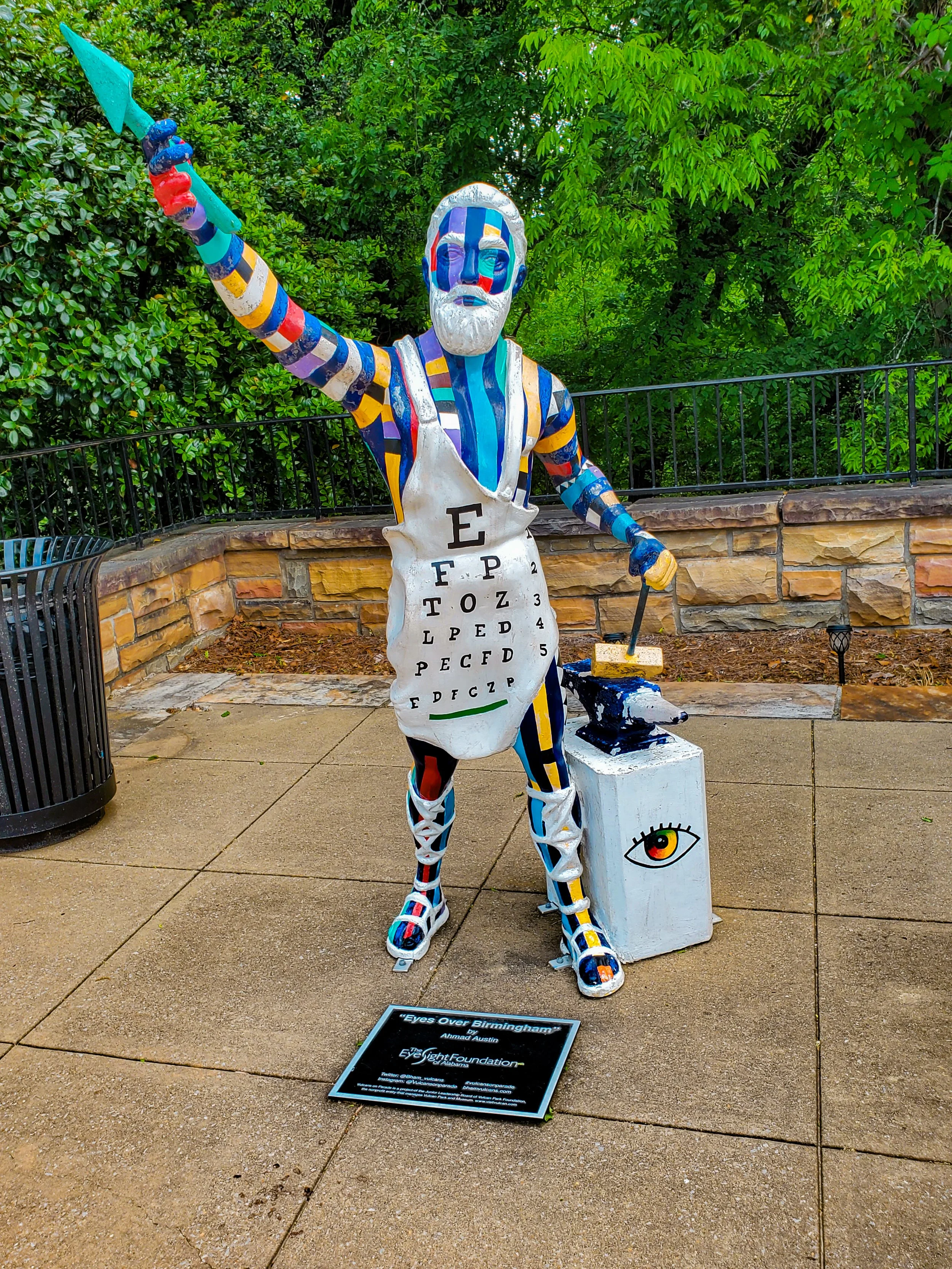
Painted Vulcan Statue
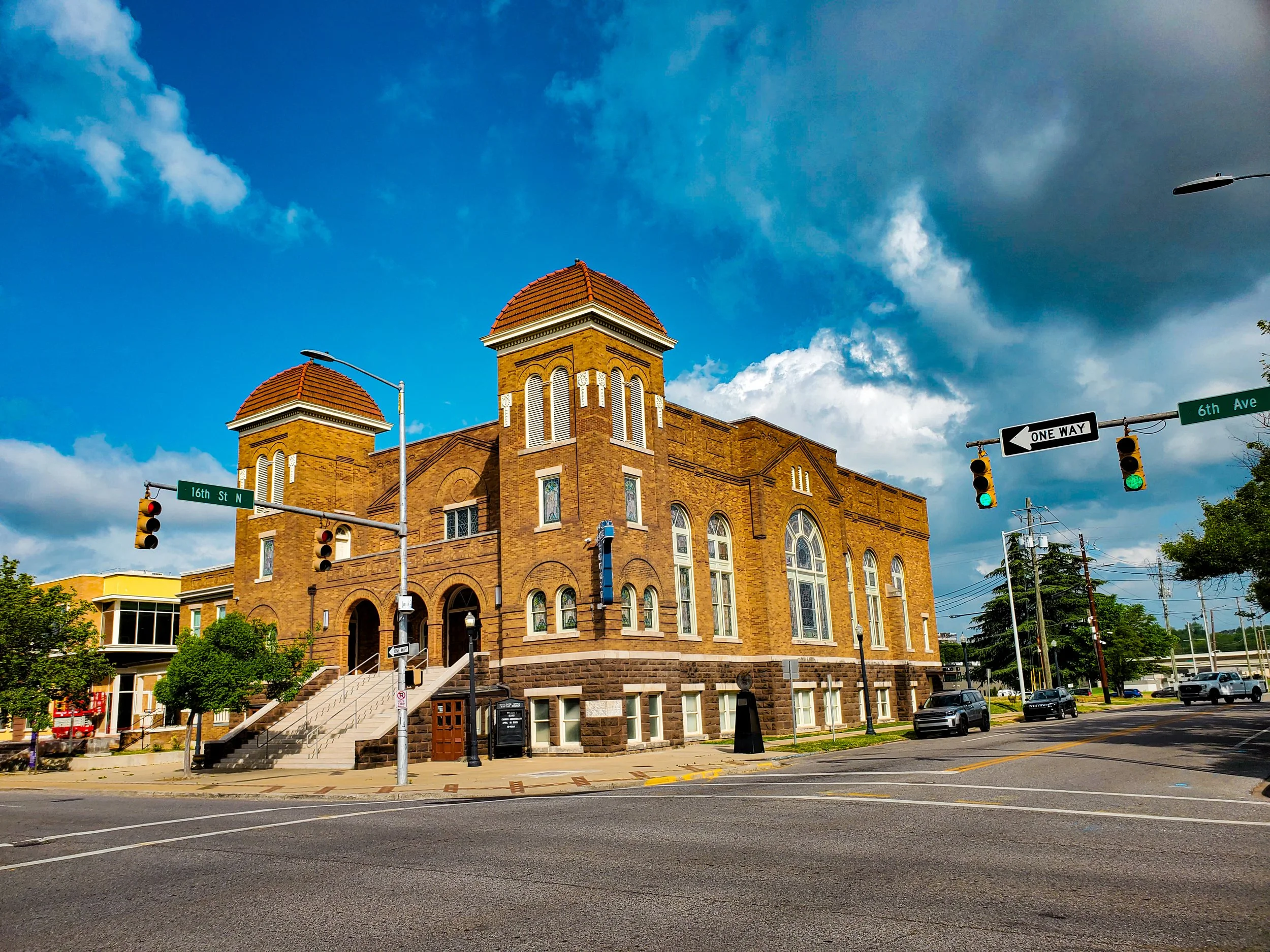
16th Ave Baptist Church
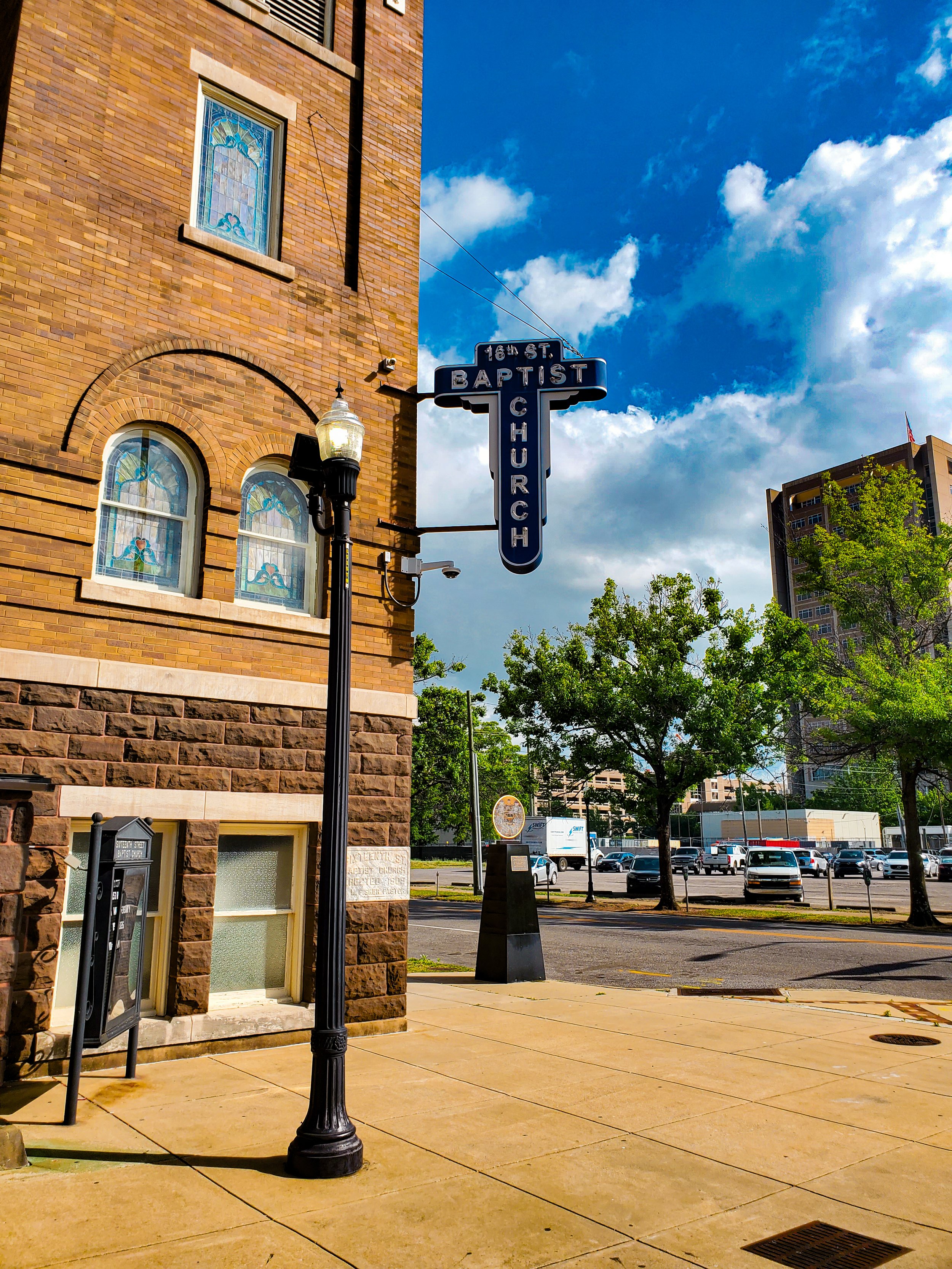
16th Ave Baptist Church
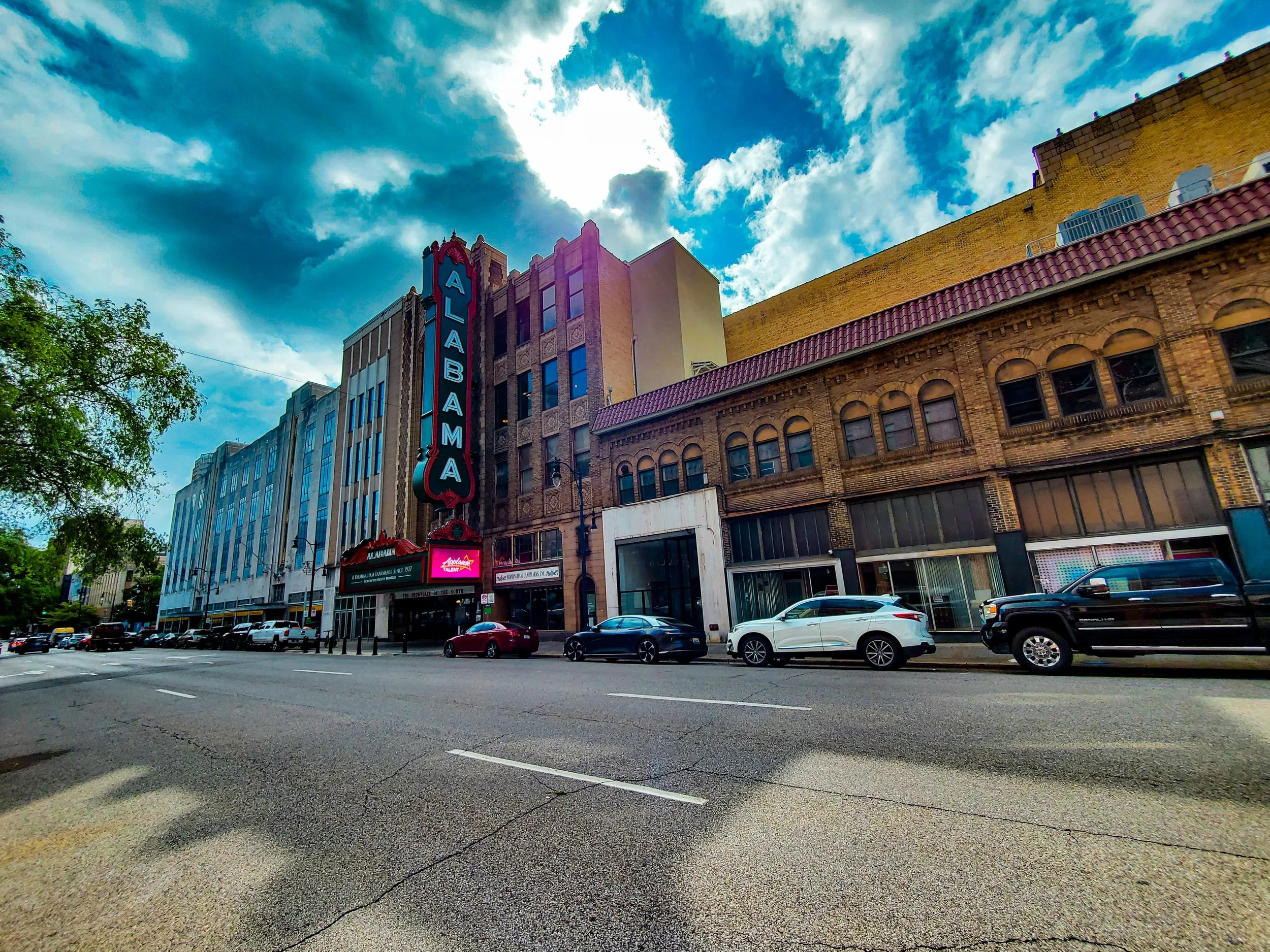
Alabama Theater
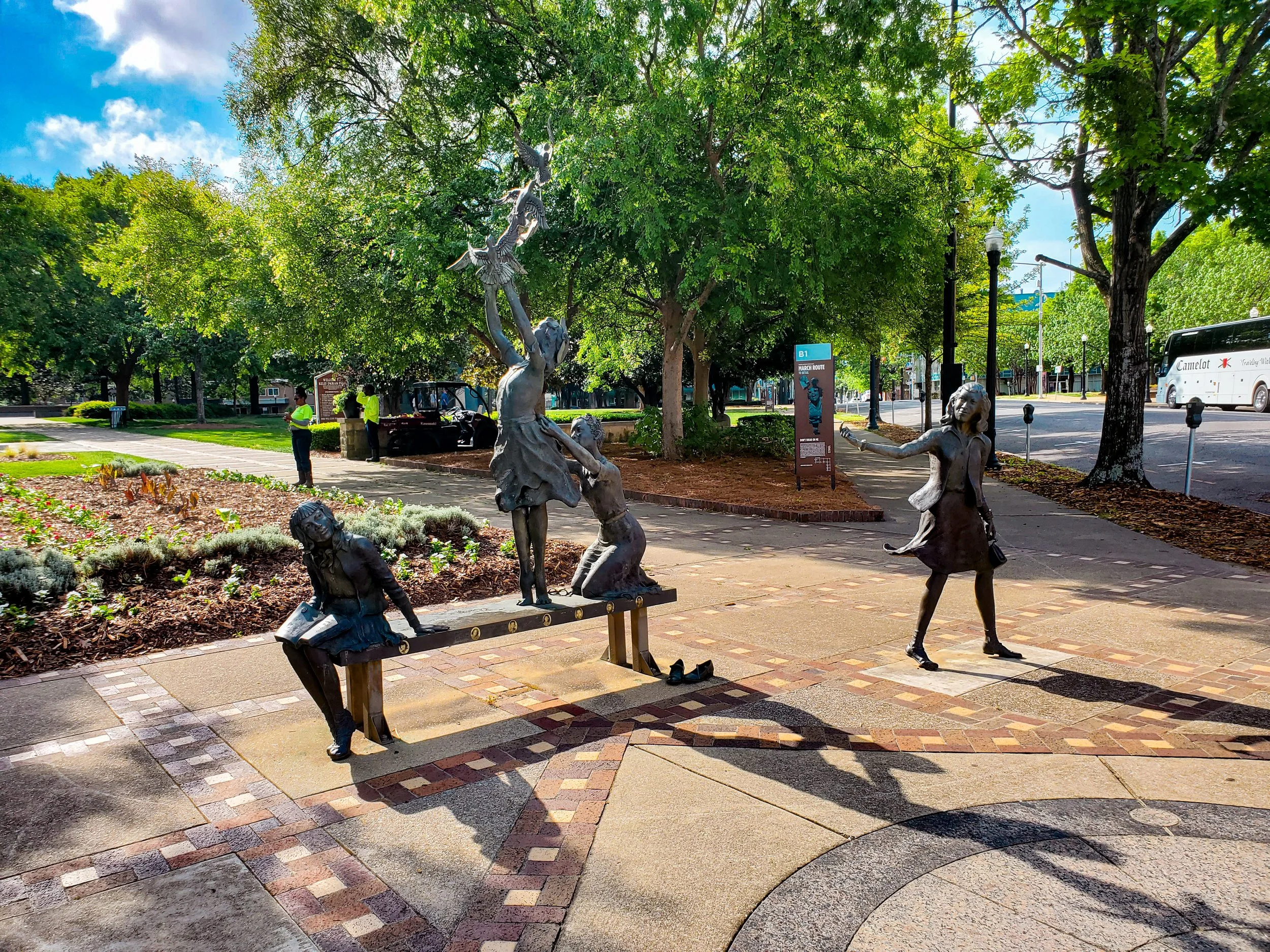
Four Spirits Statues
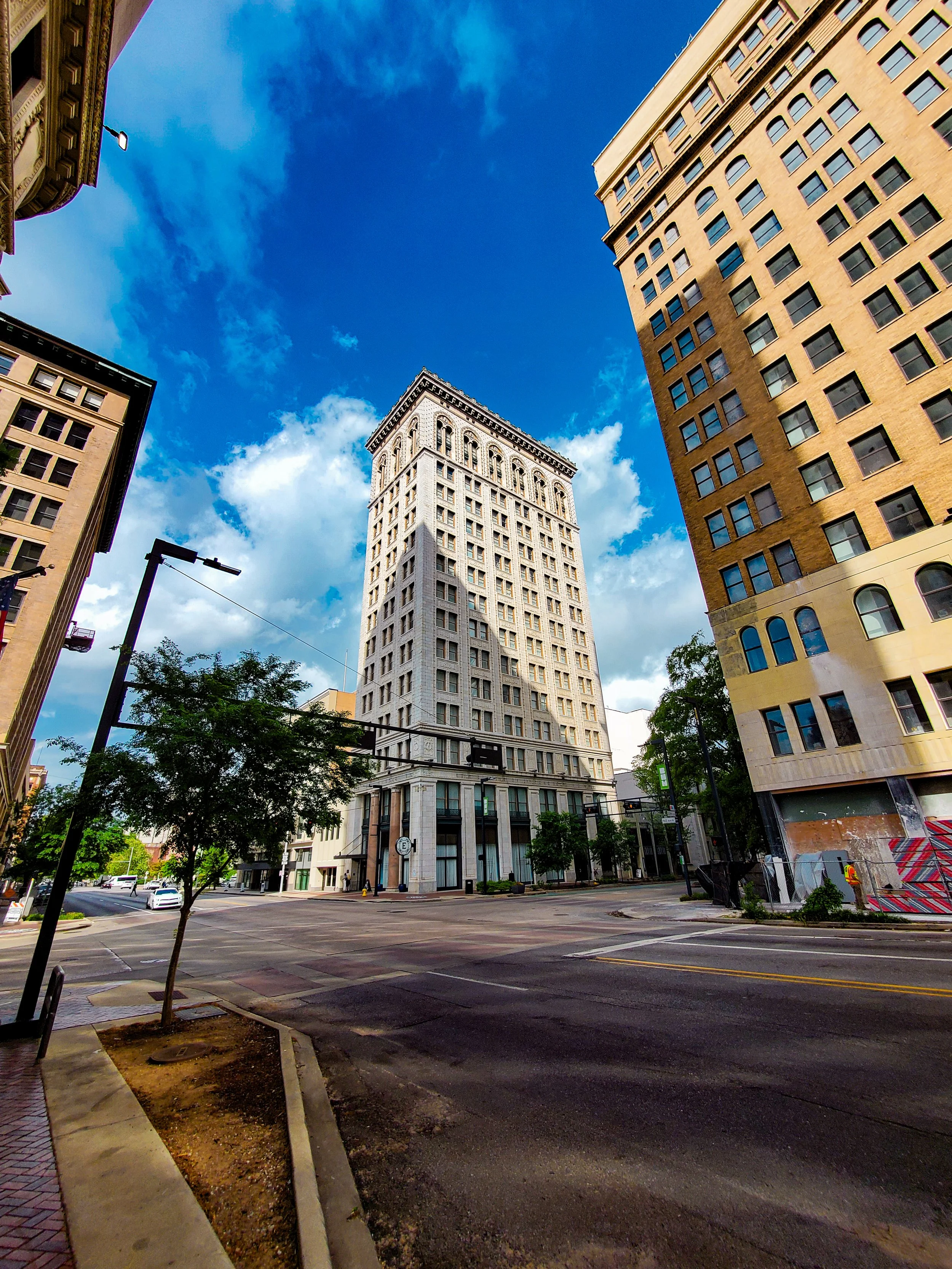
Heaviest Corner on Earth
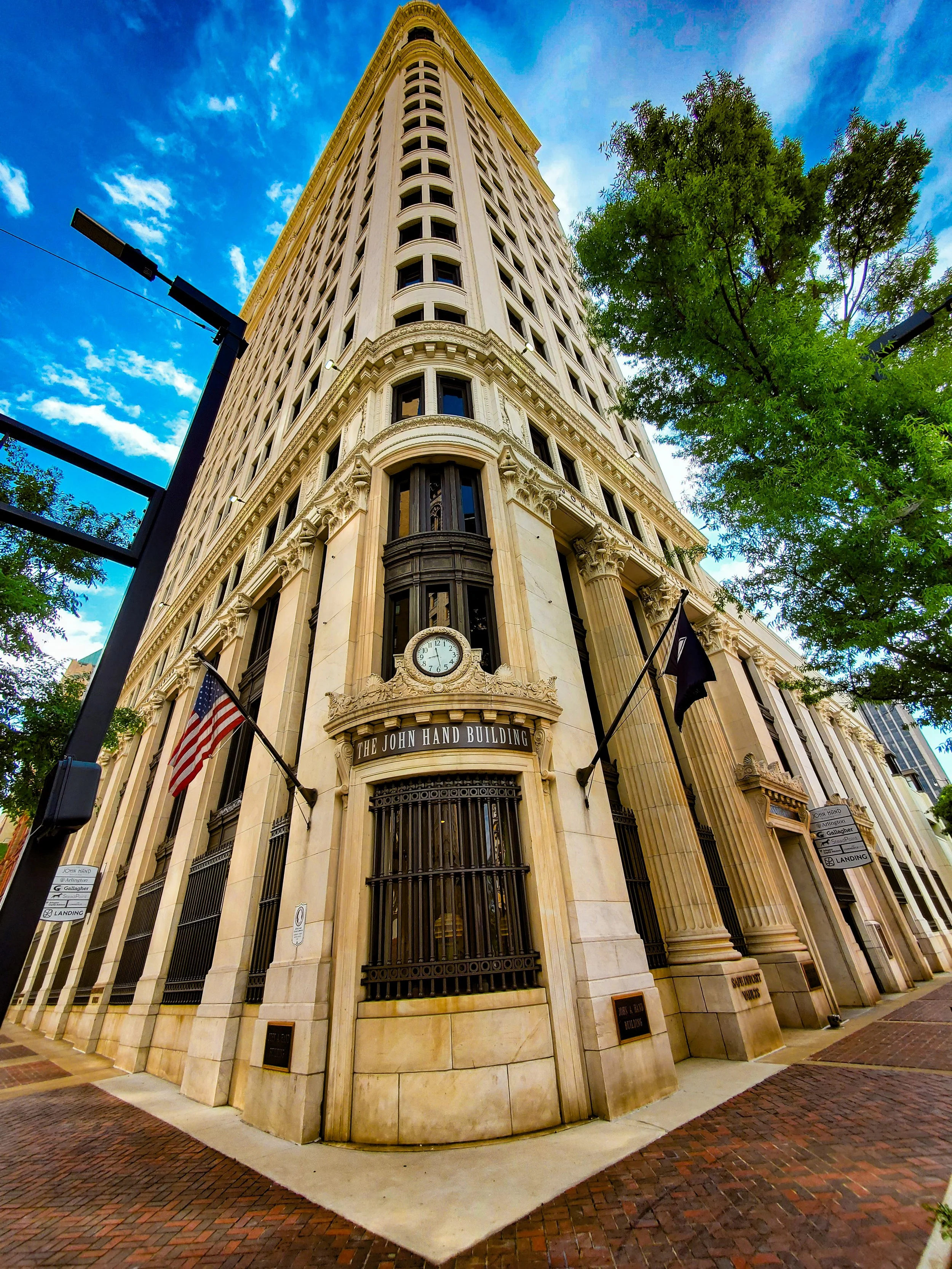
Heaviest Corner
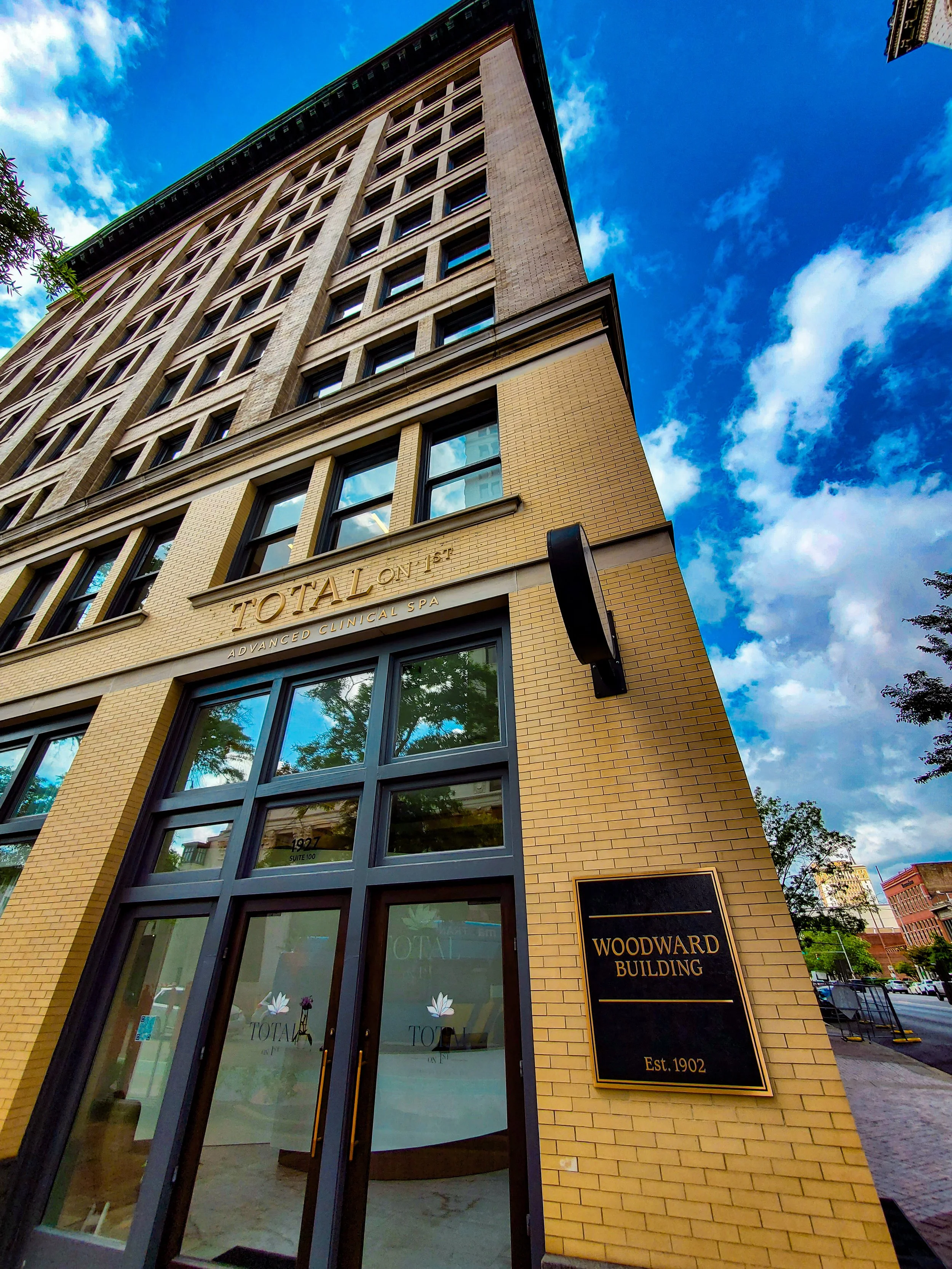
Heaviest Corner
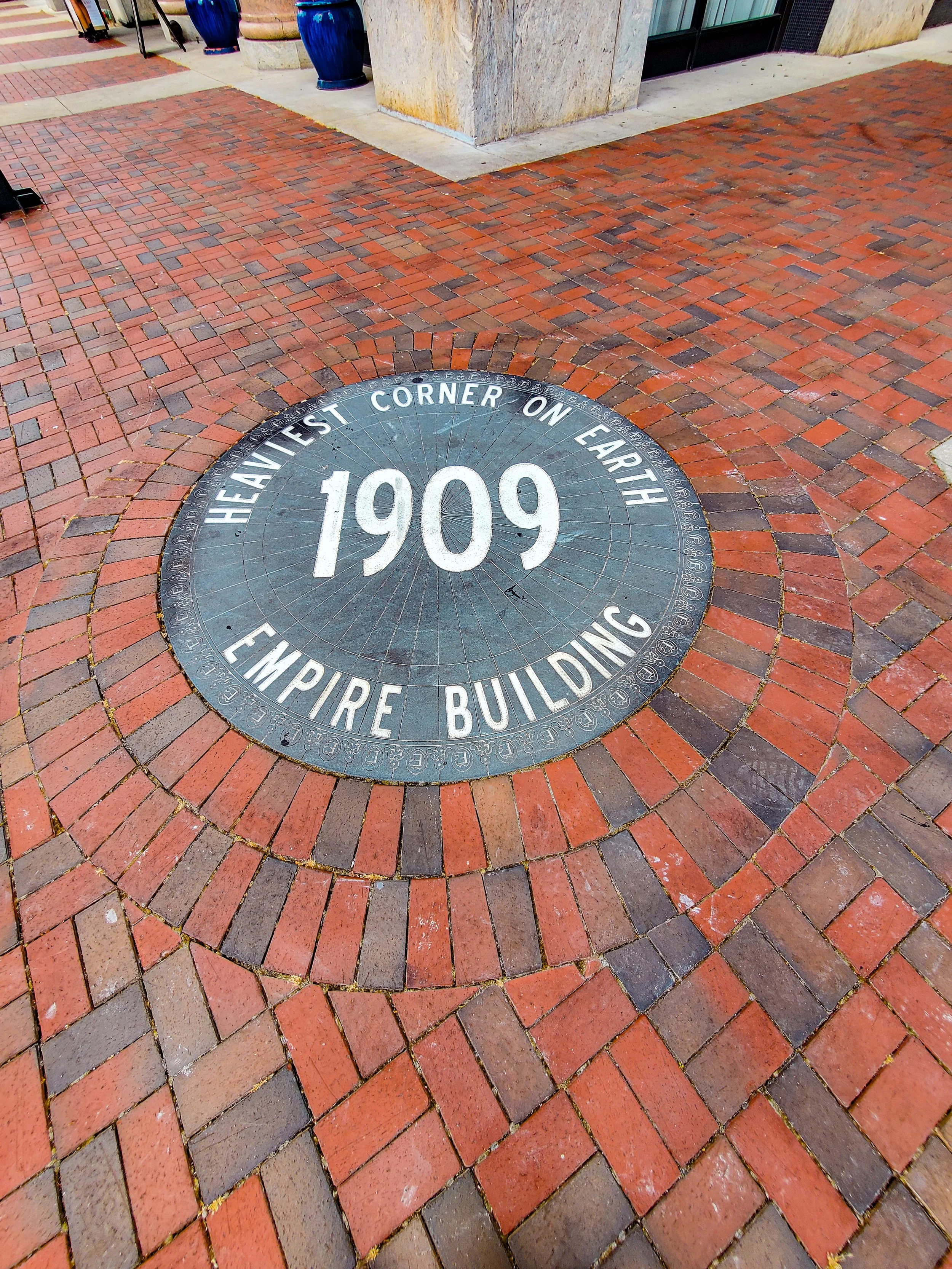
Heaviest Corner
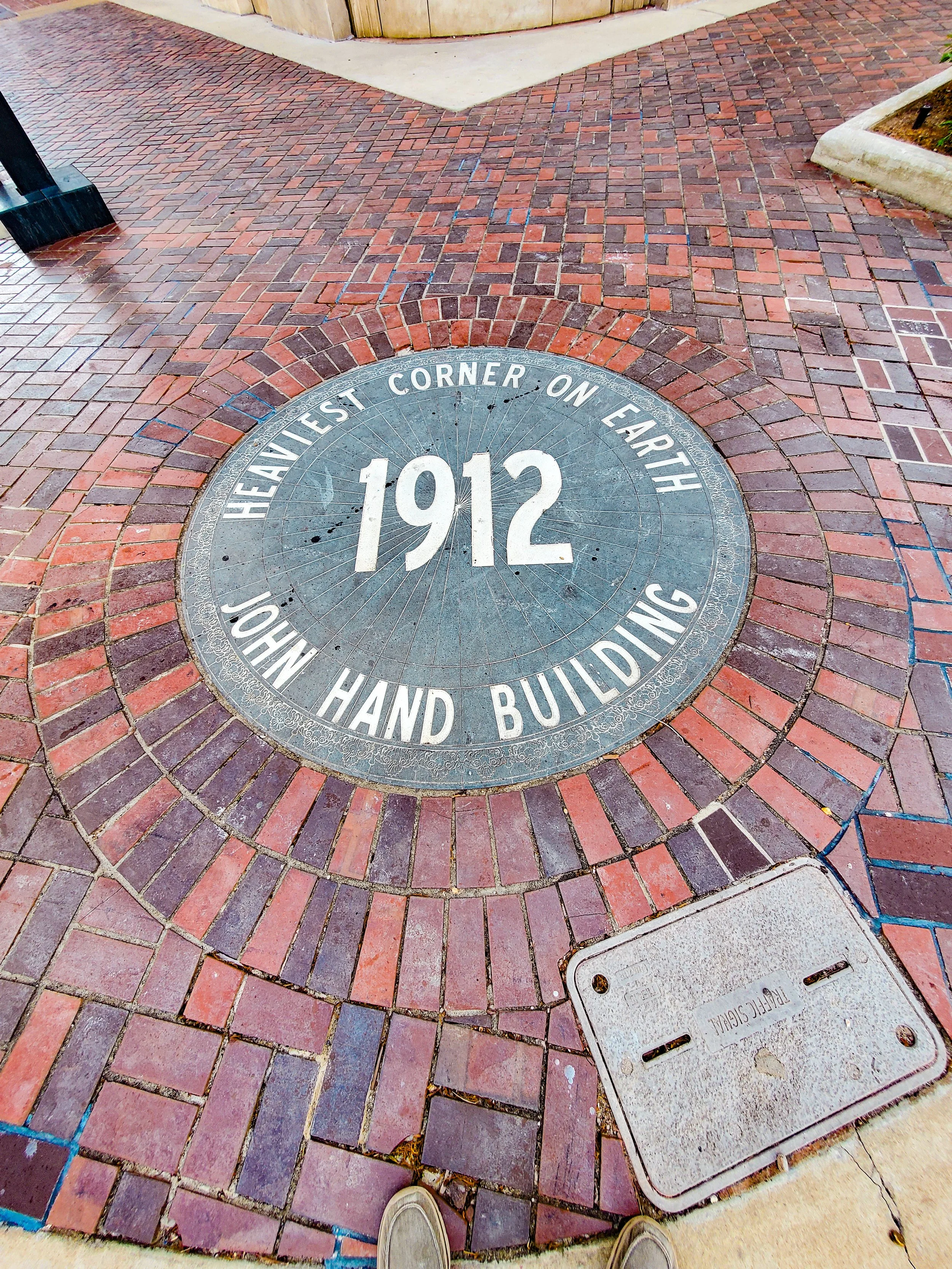
Heaviest Corner
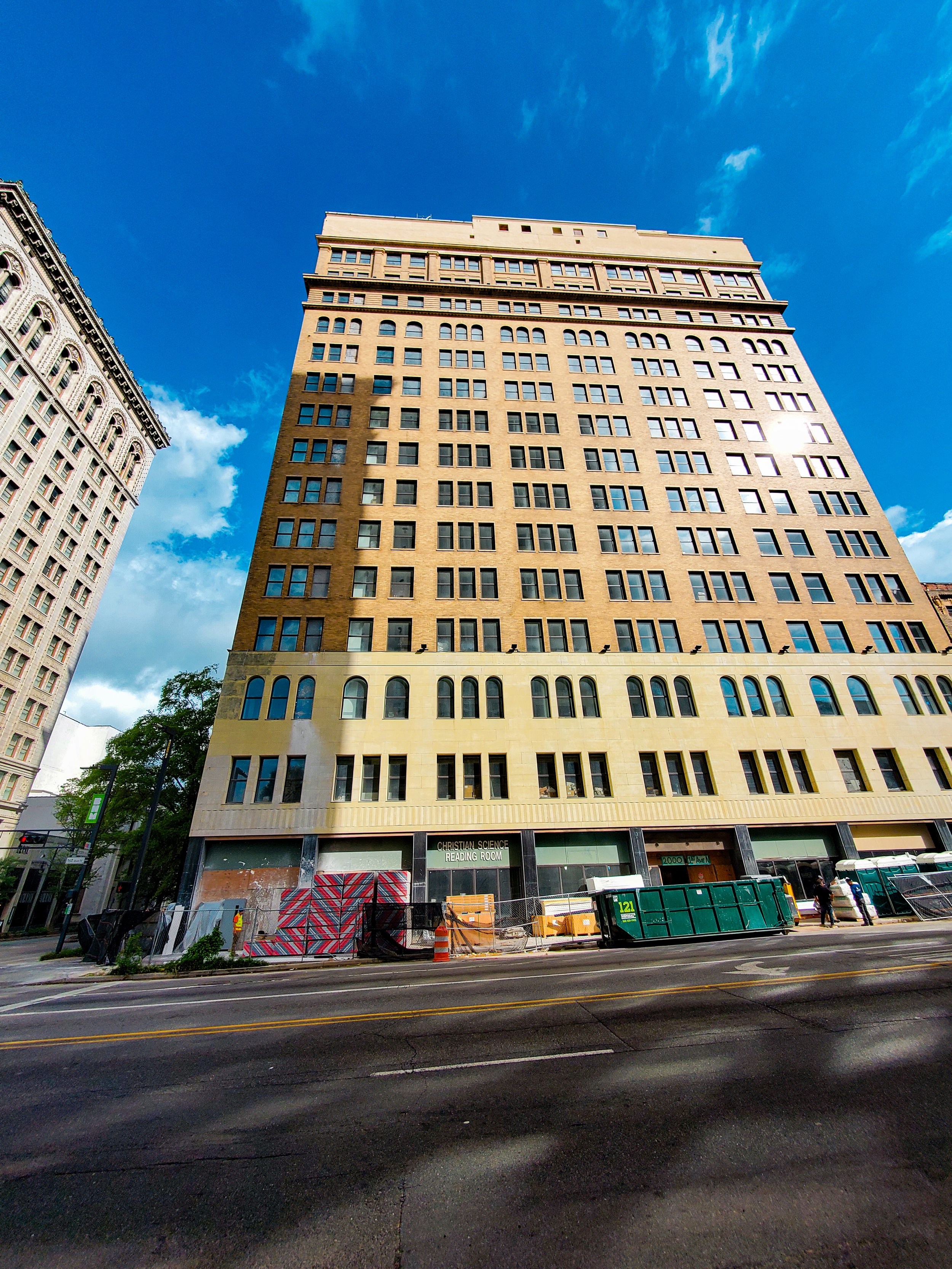
Heaviest Corner
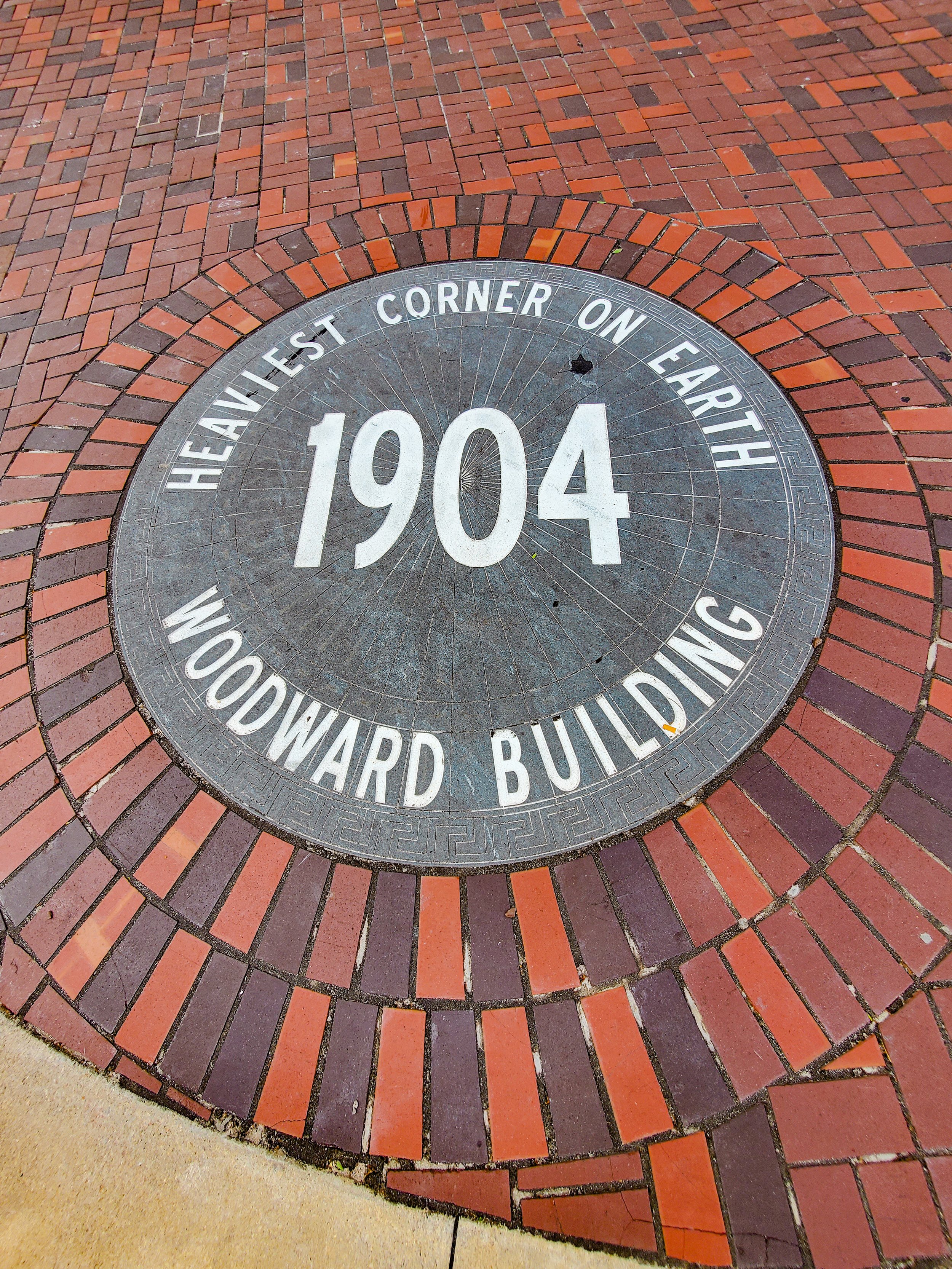
Heaviest Corner
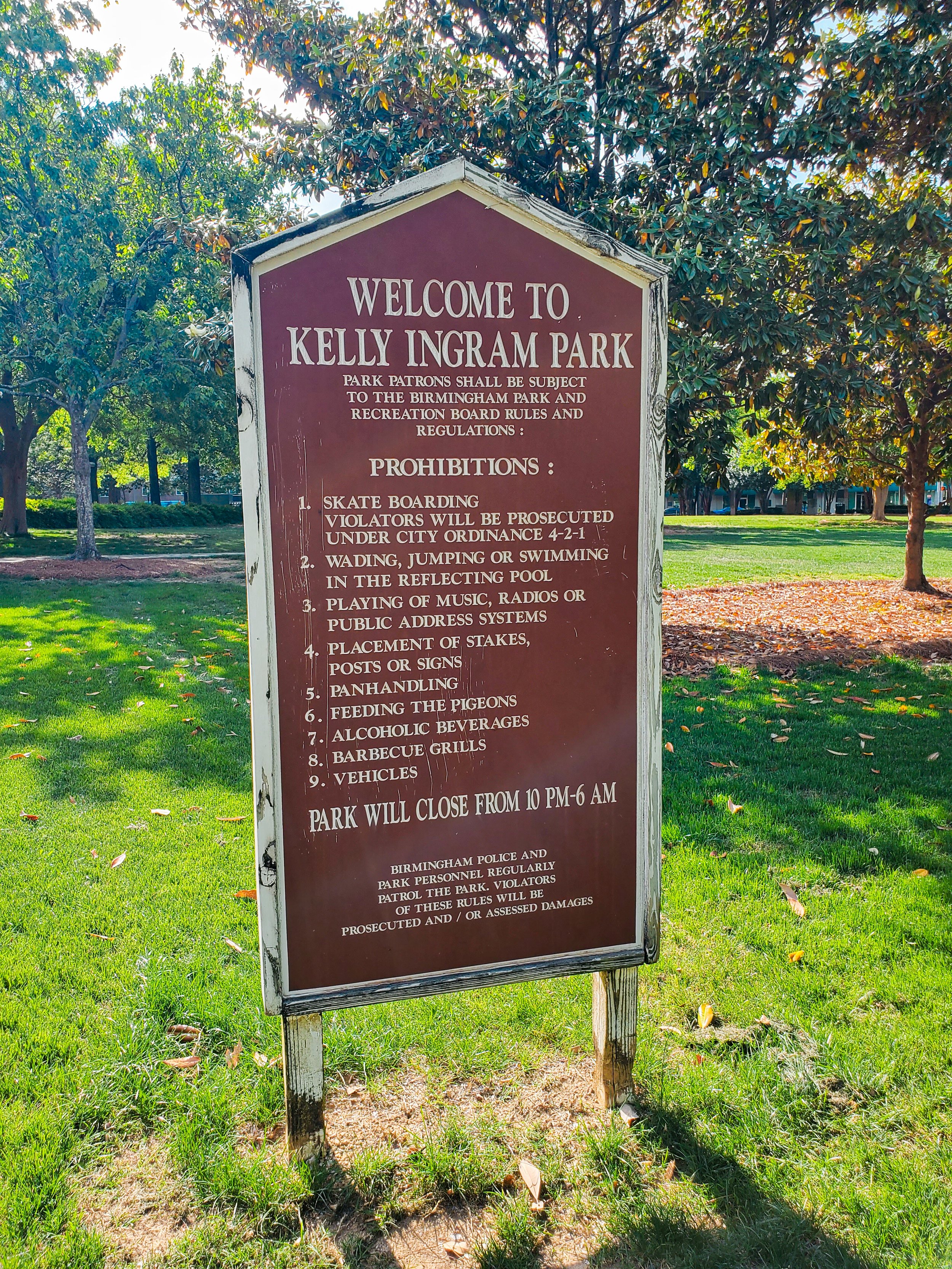
Kelly Ingram Park
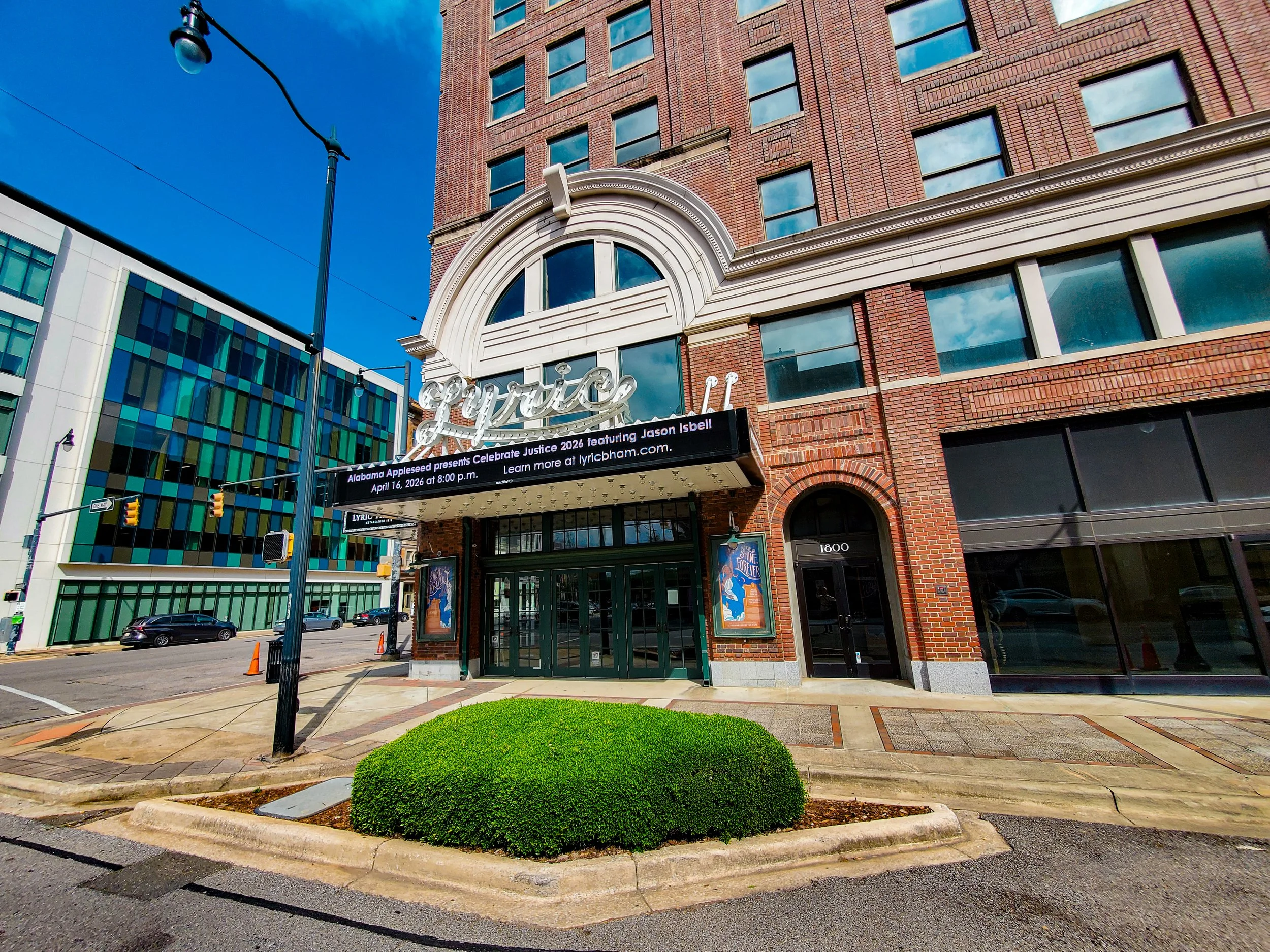
Lyric Theater
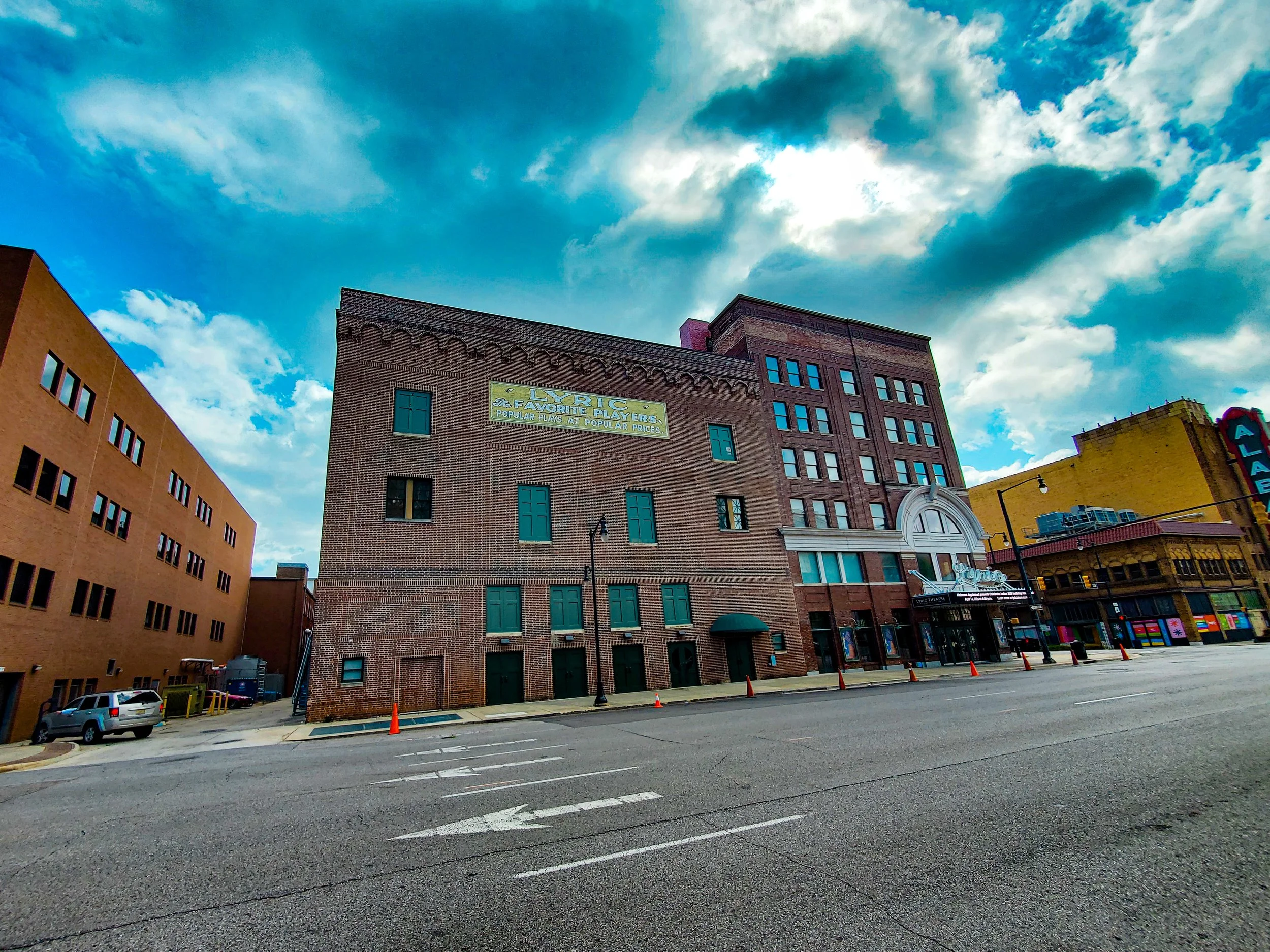
Lyric Theater
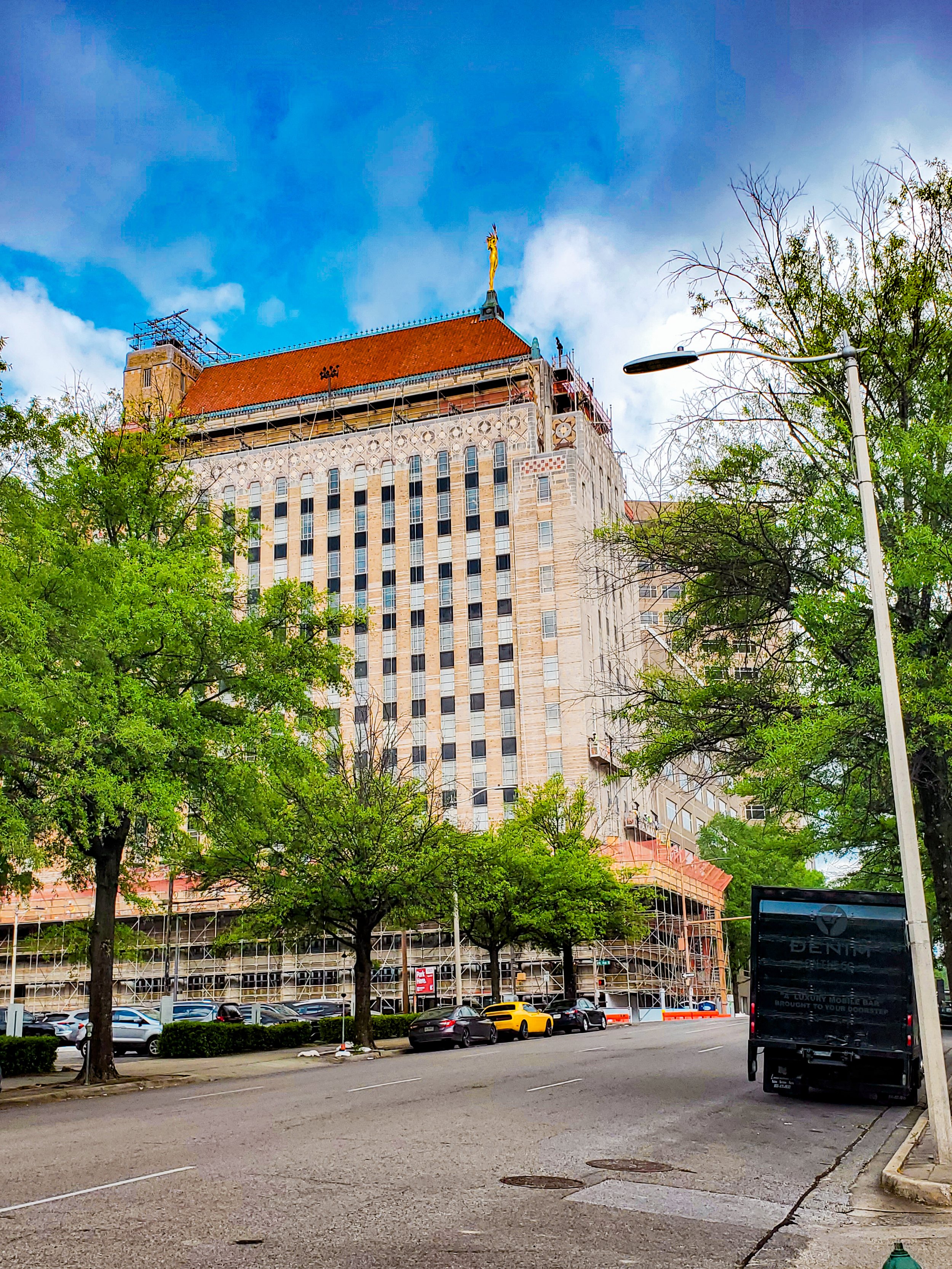
Miss Electra Building
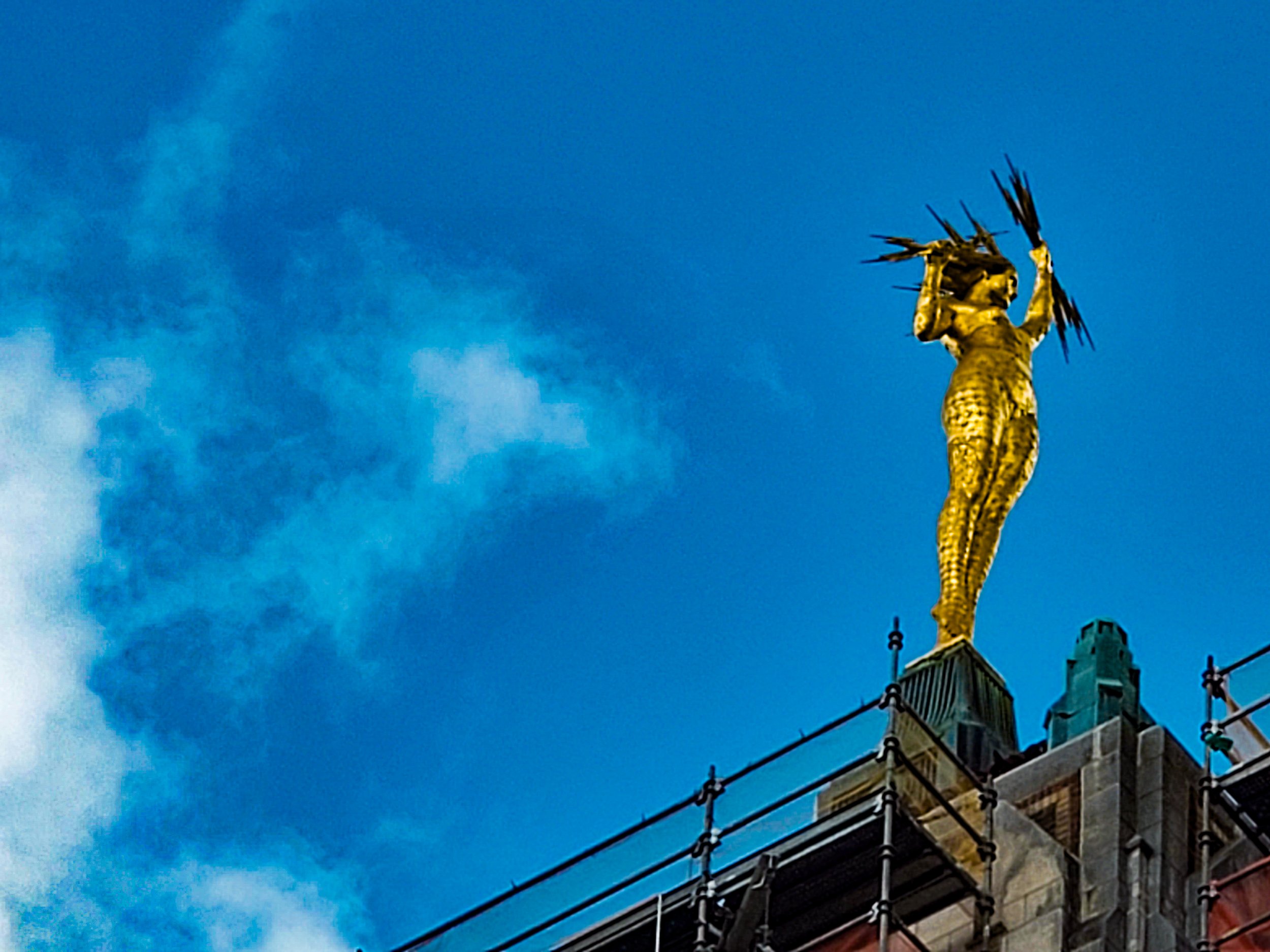
Miss Electra Building
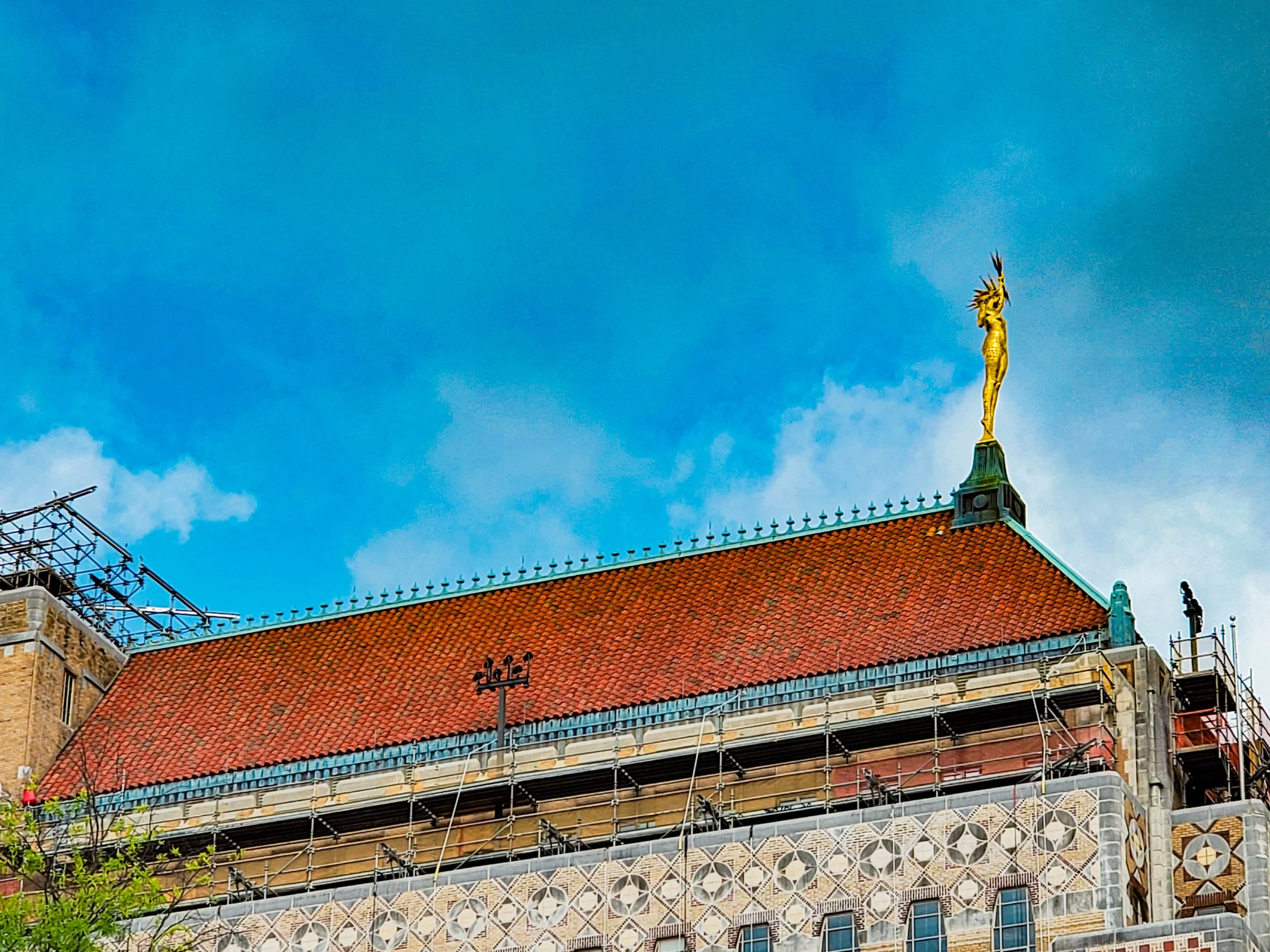
Miss Electra Building
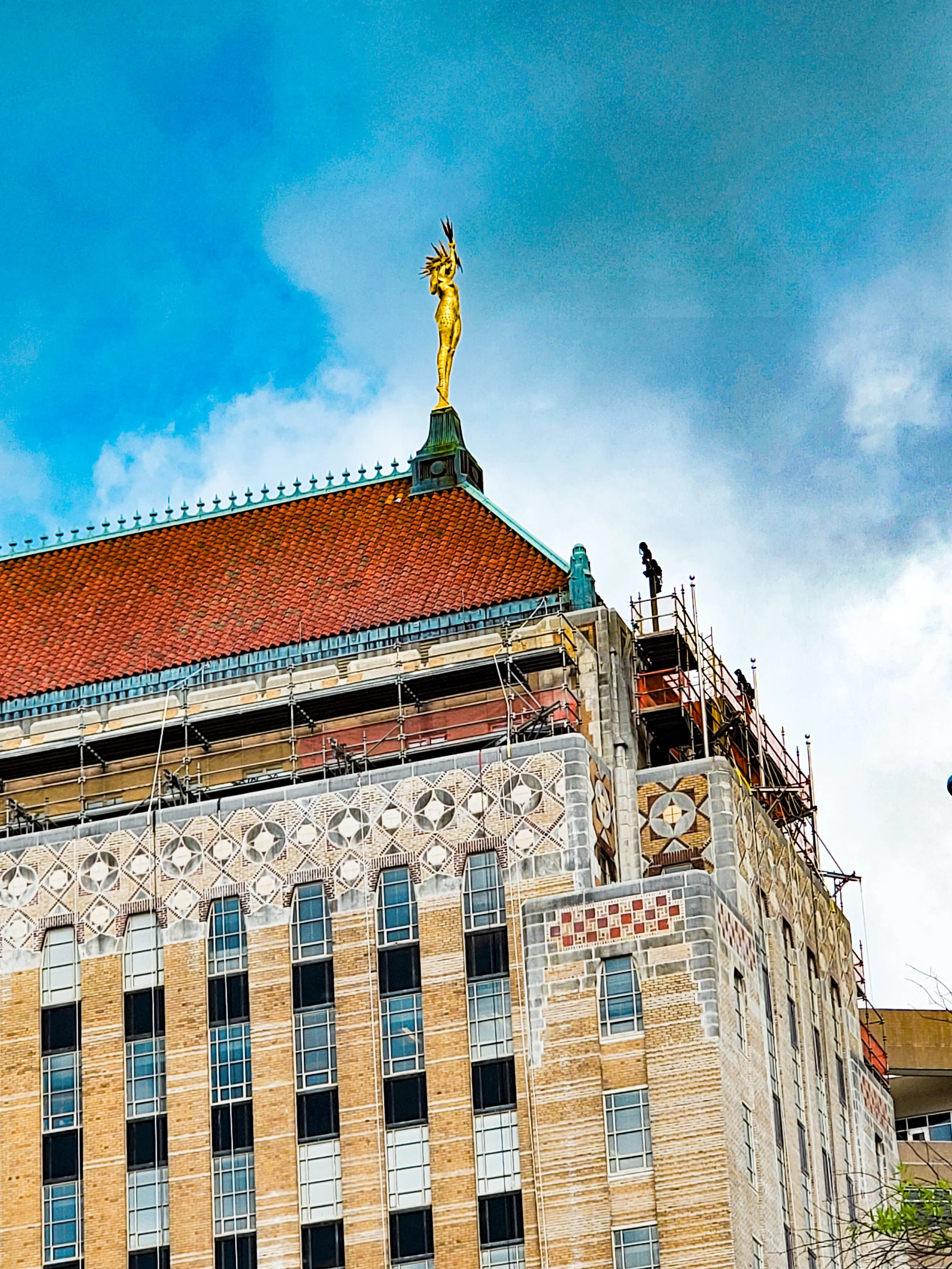
Miss Electra Building
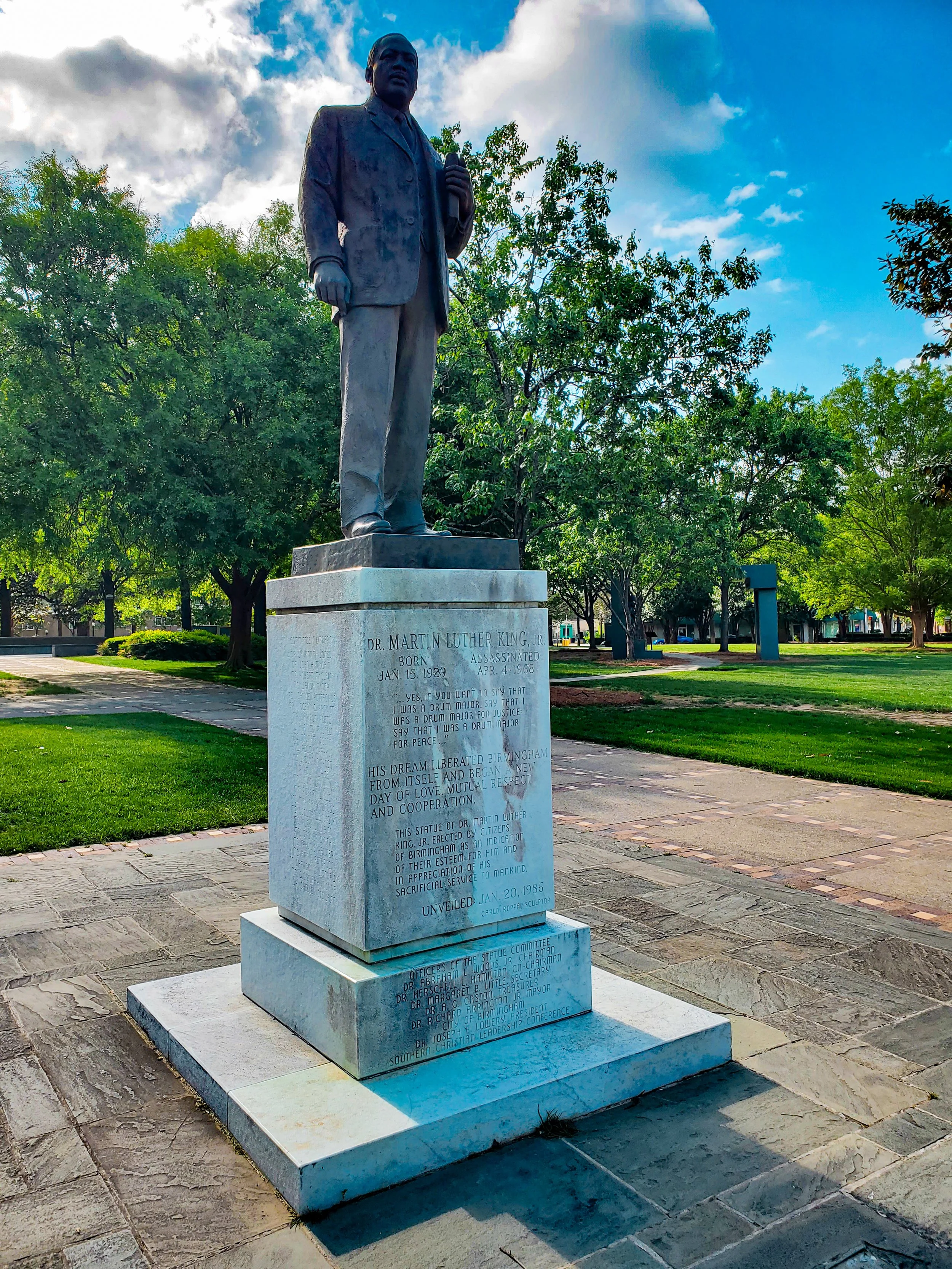
MLK Statue
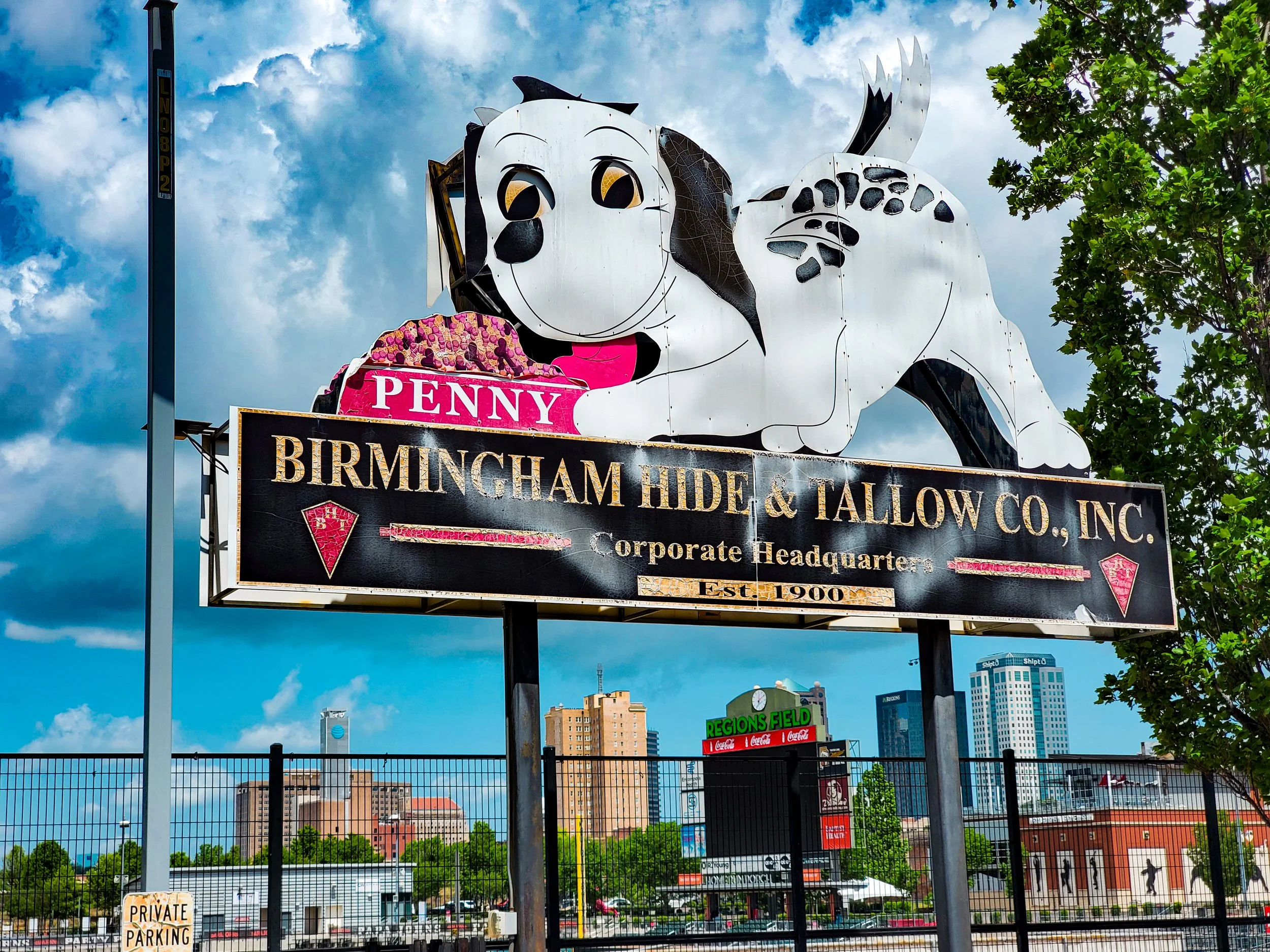
Penny the Dog - Regions Field
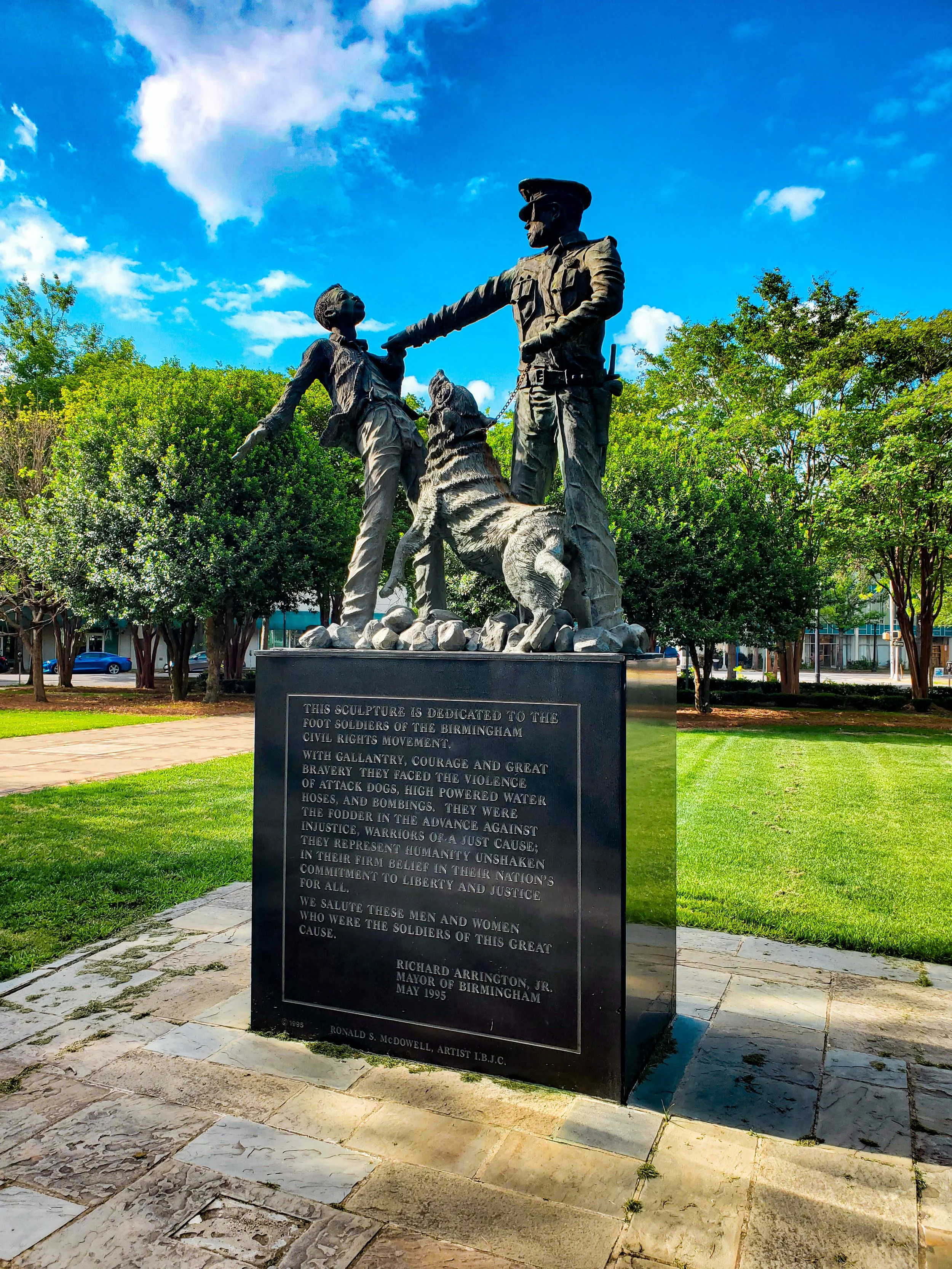
Protestor and Dog Statue
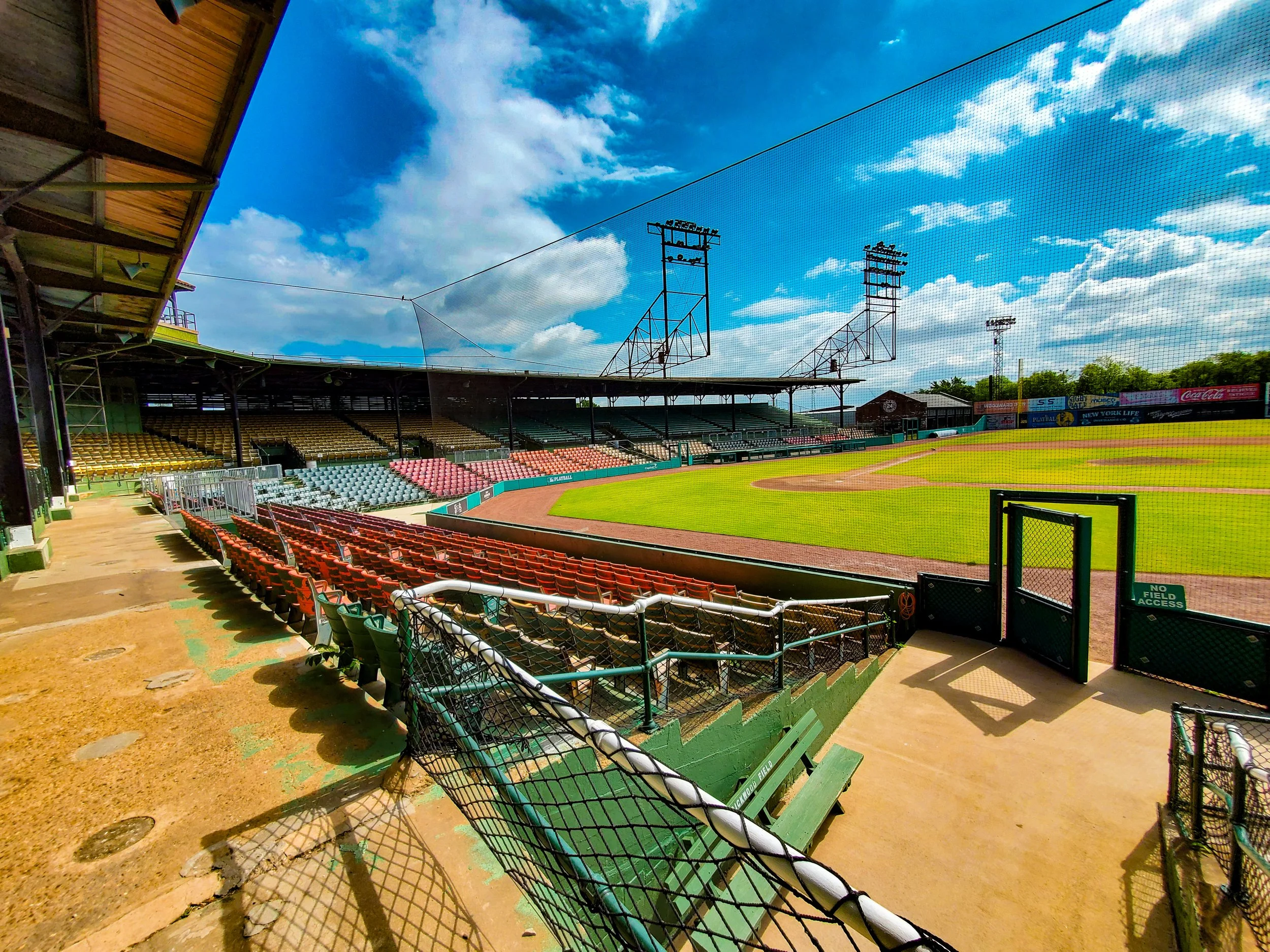
Rickwood Field
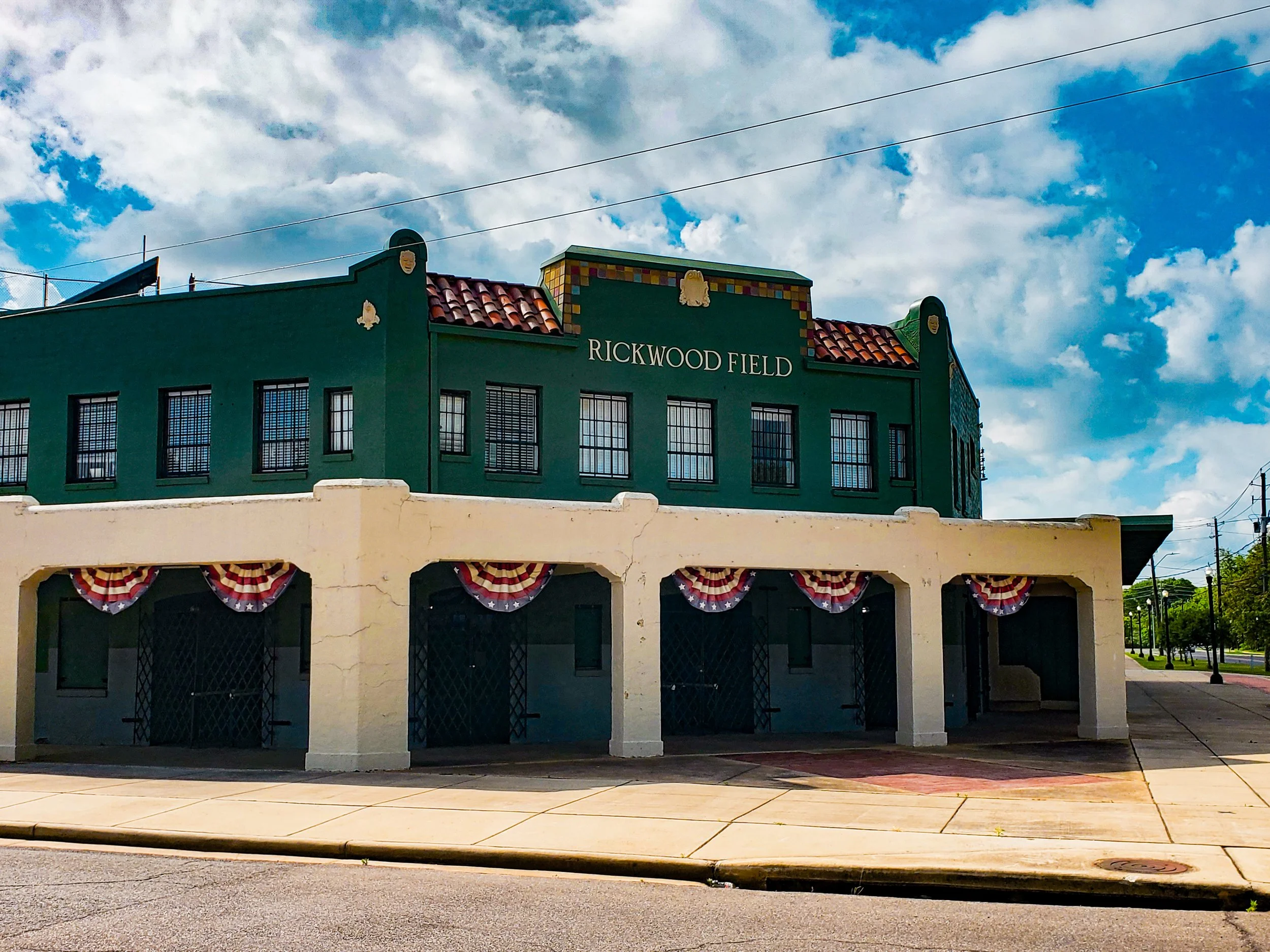
Rickwood Field
Rickwood Field
Rickwood Field
Rickwood Field
Rickwood Field
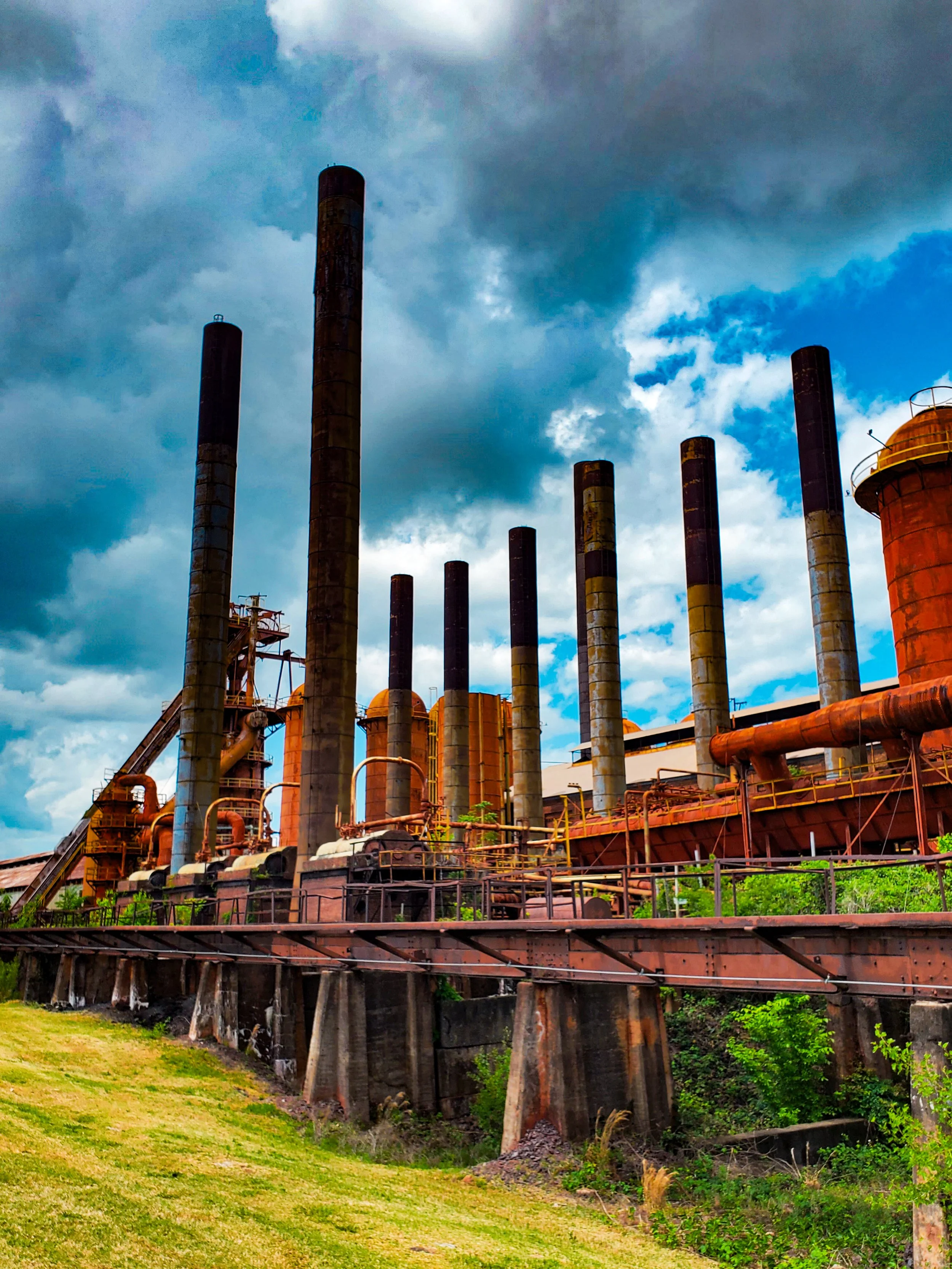
Sloss Furnaces
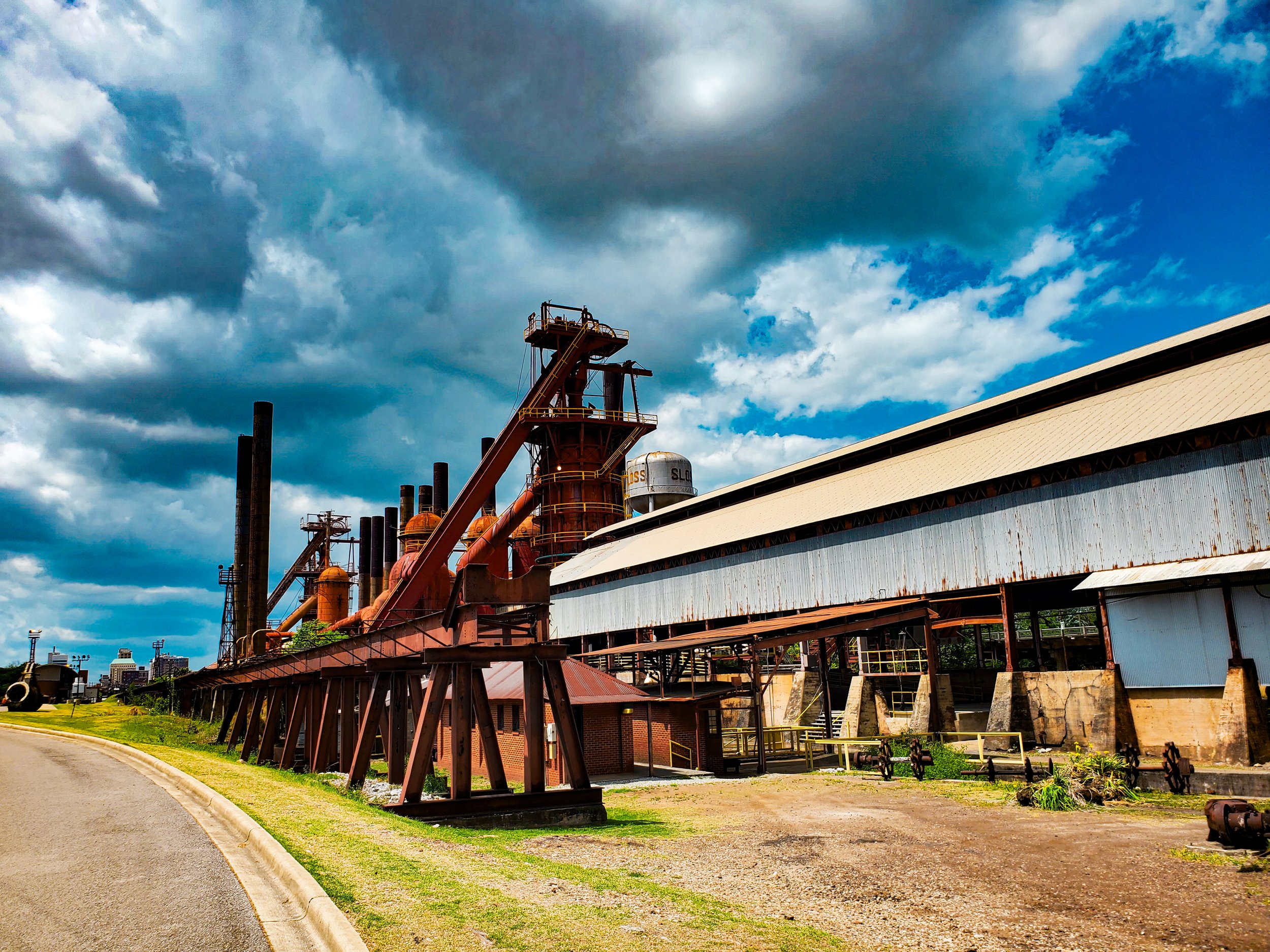
Sloss Furnaces
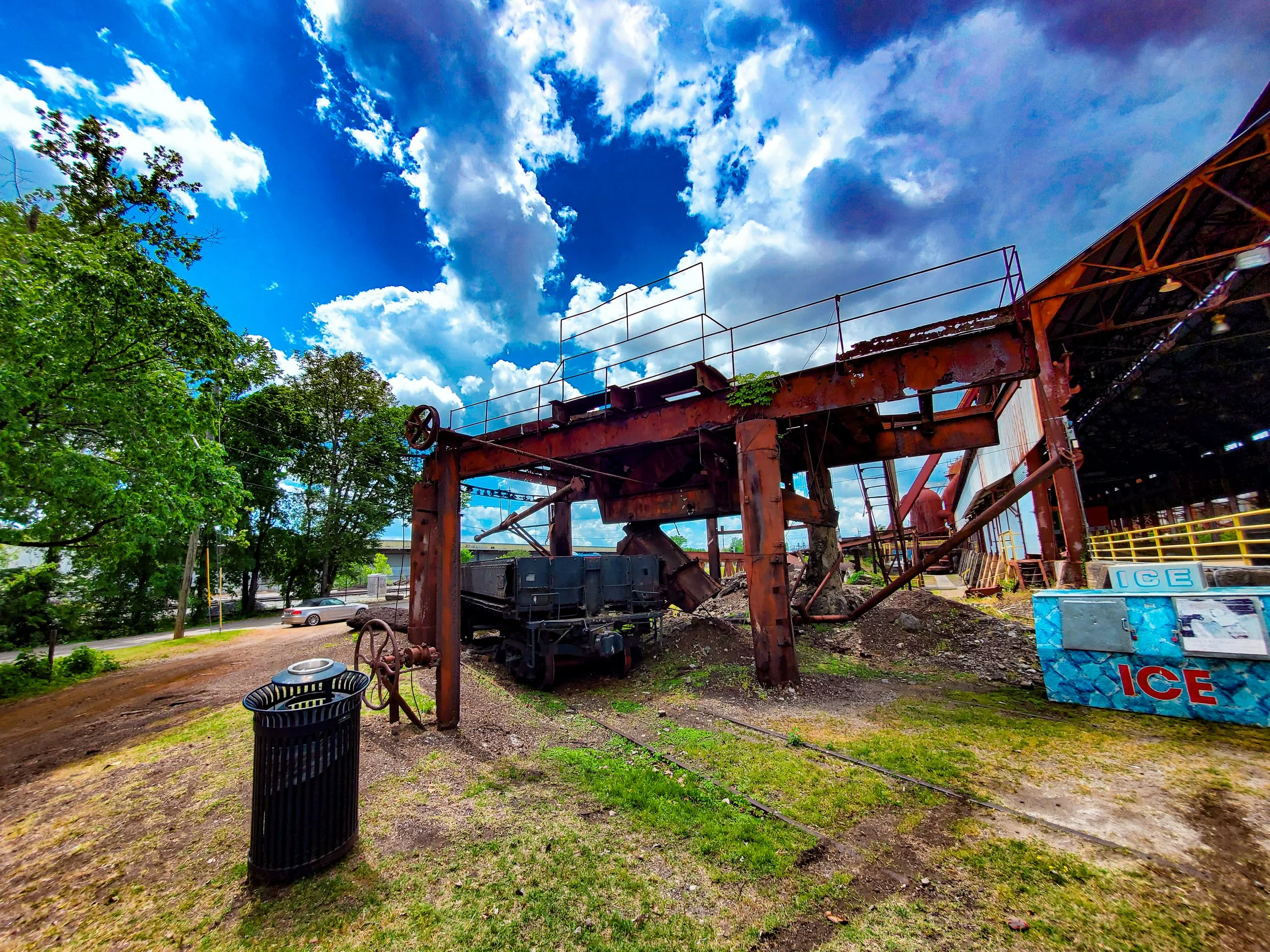
Sloss Furnaces
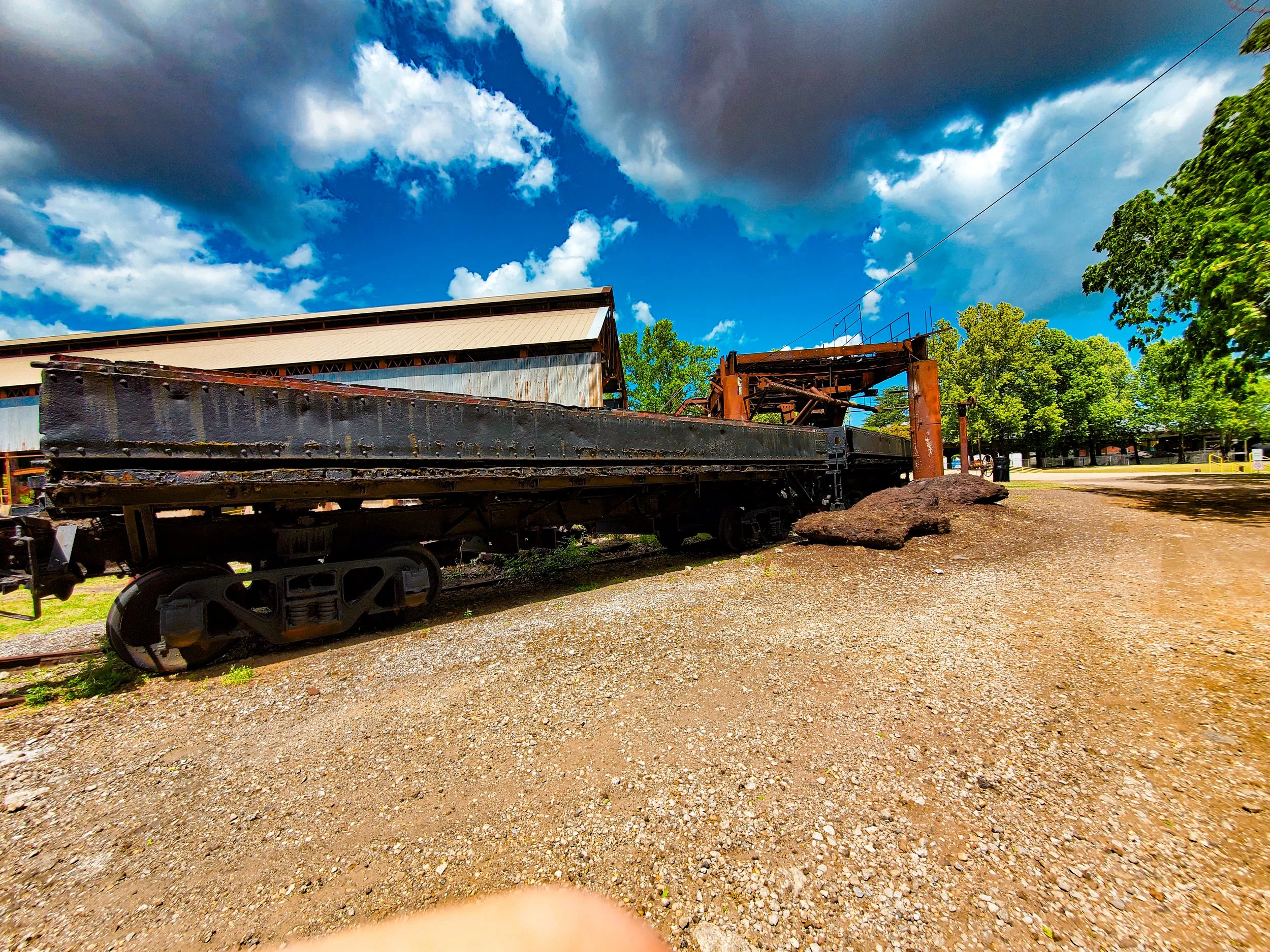
Sloss Furnaces
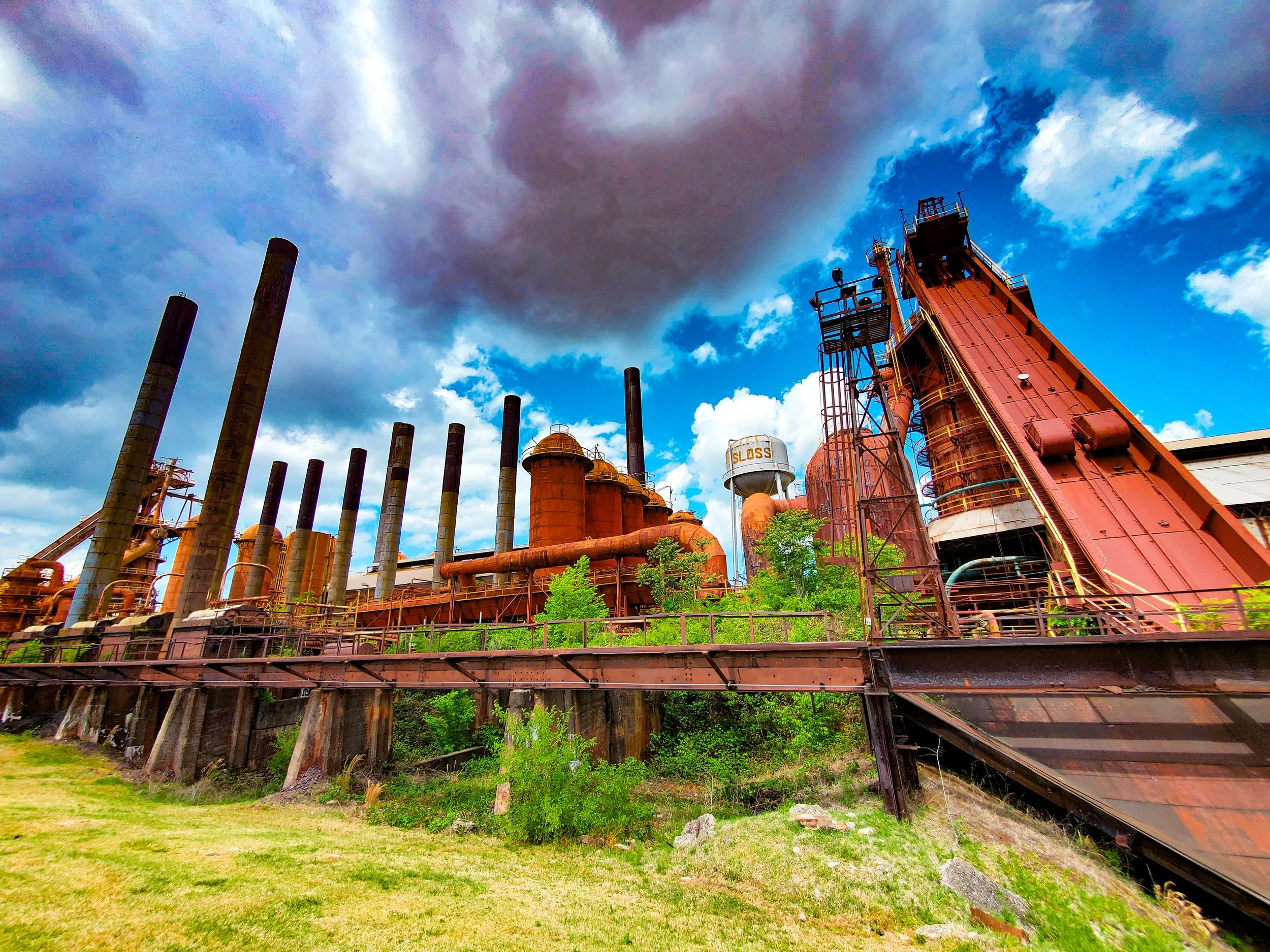
Sloss Furnaces
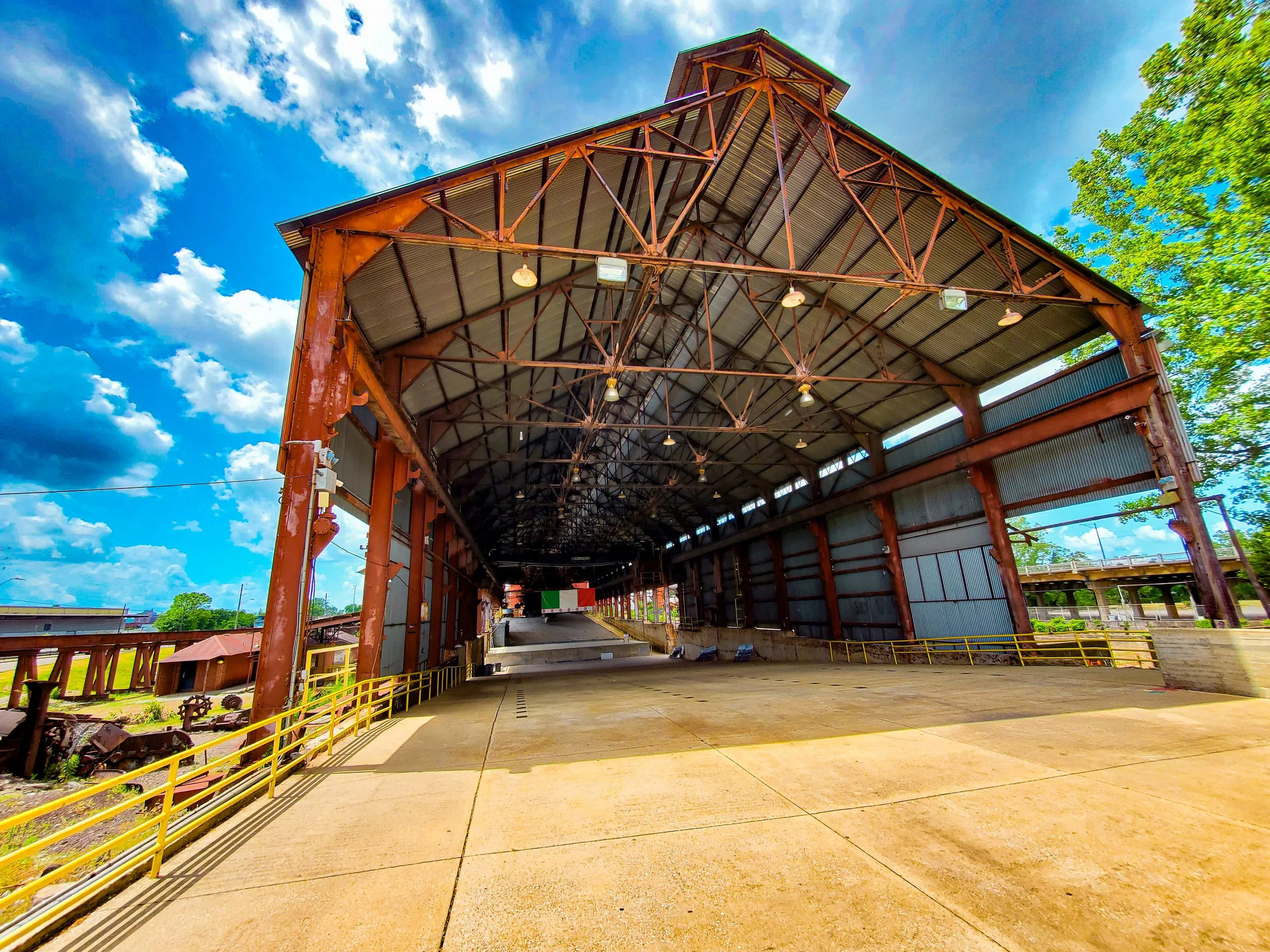
Sloss Furnaces
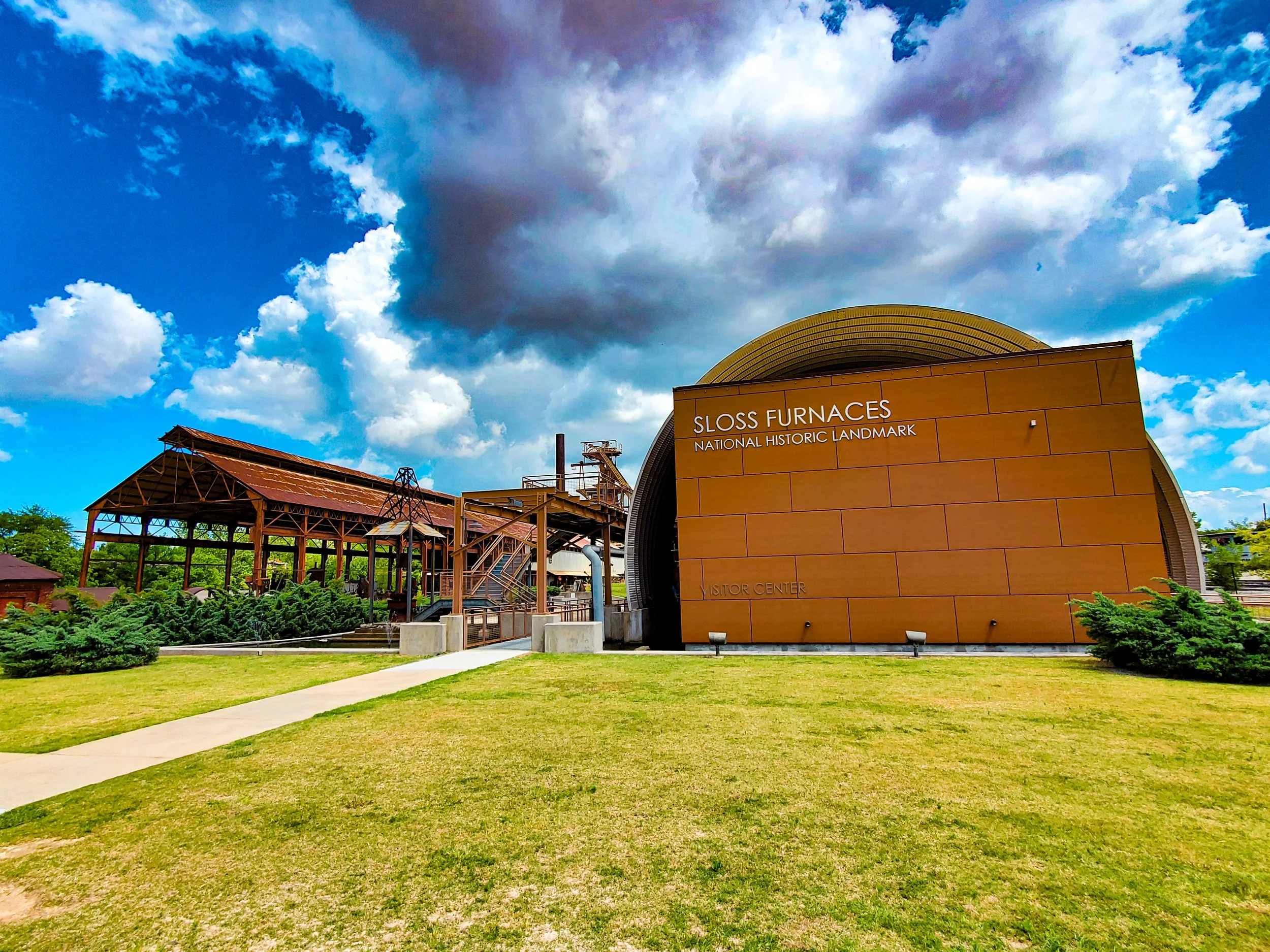
Sloss Musseum
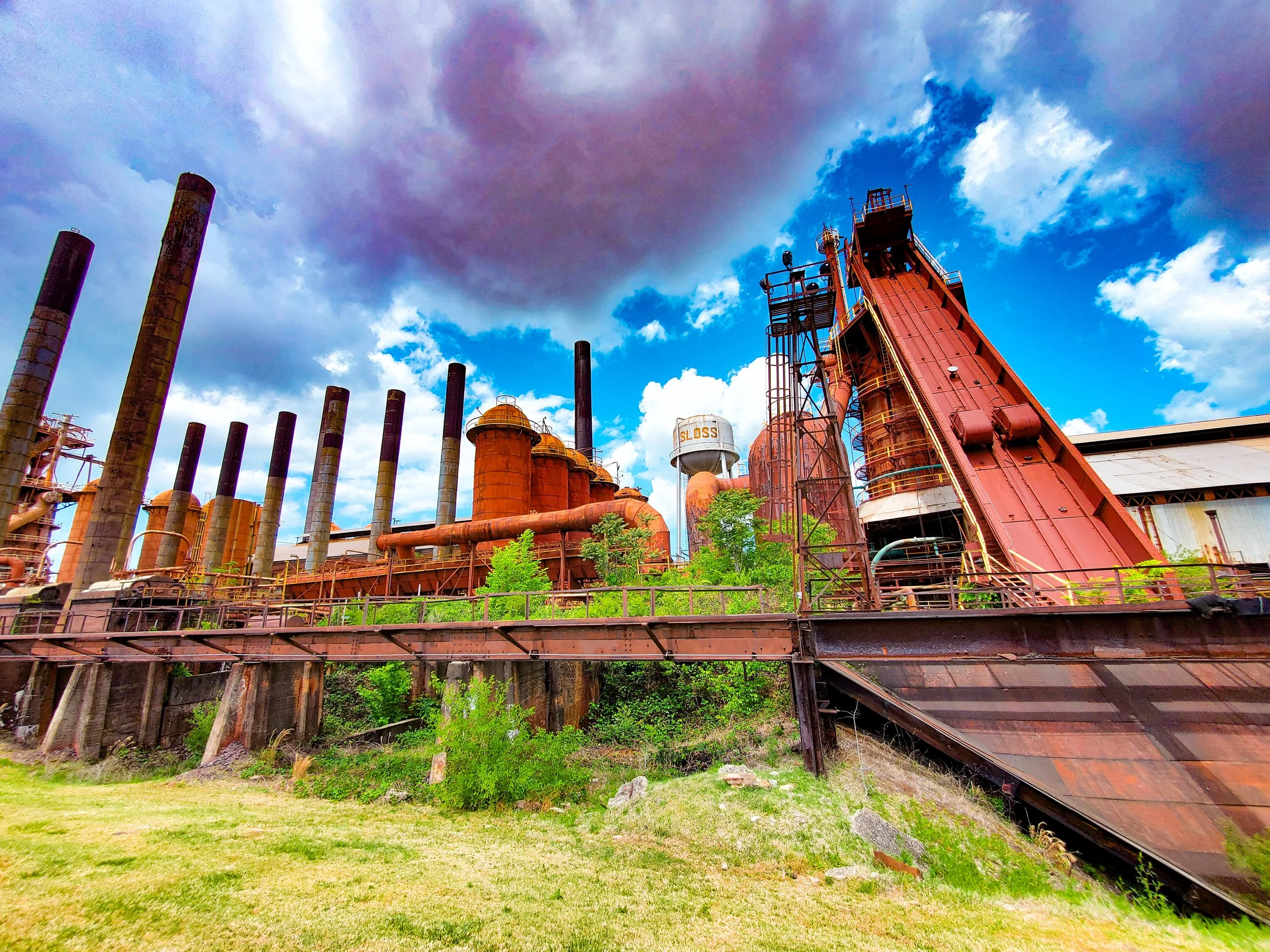
Sloss Furnaces
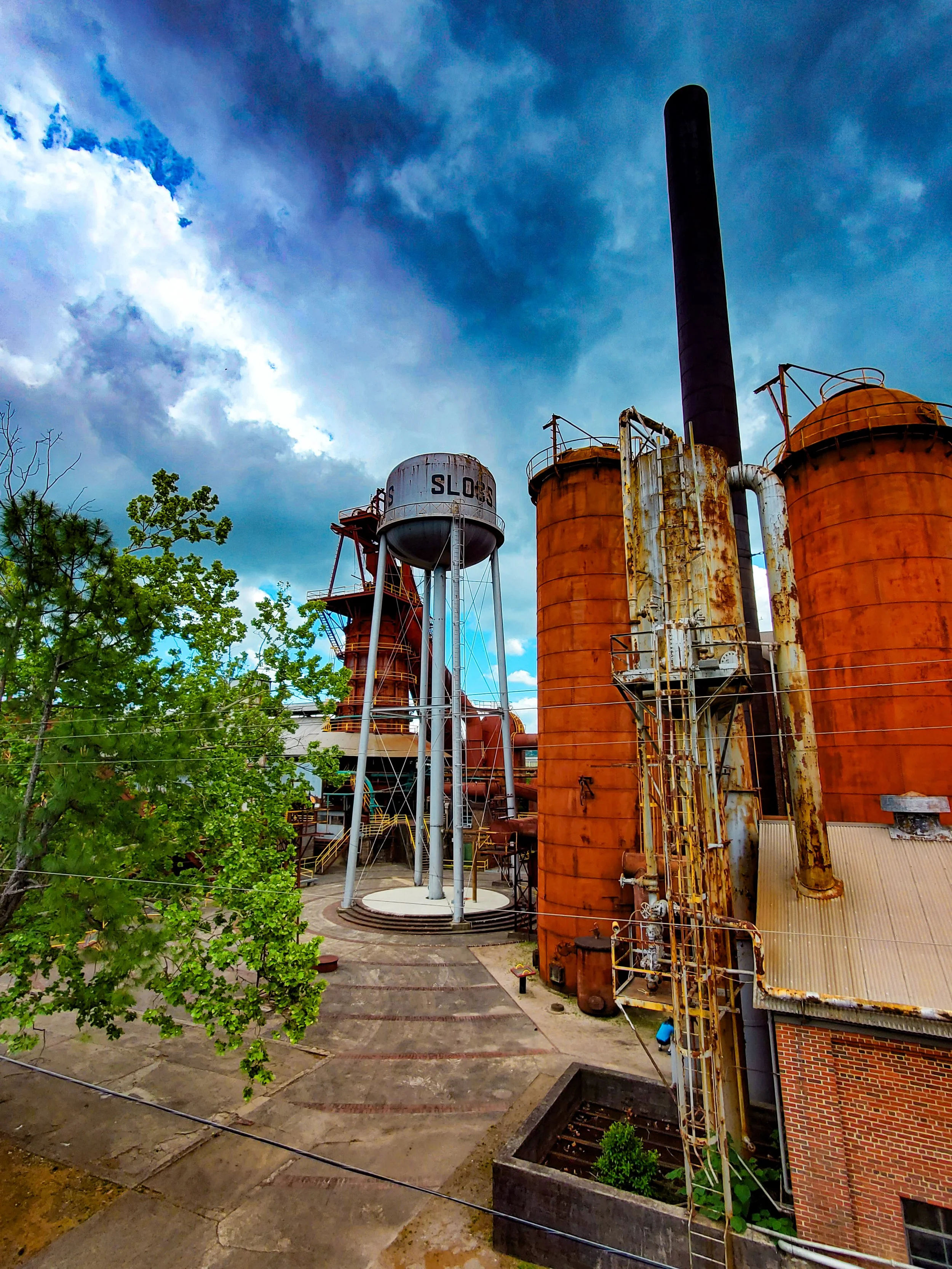
Sloss Furnaces
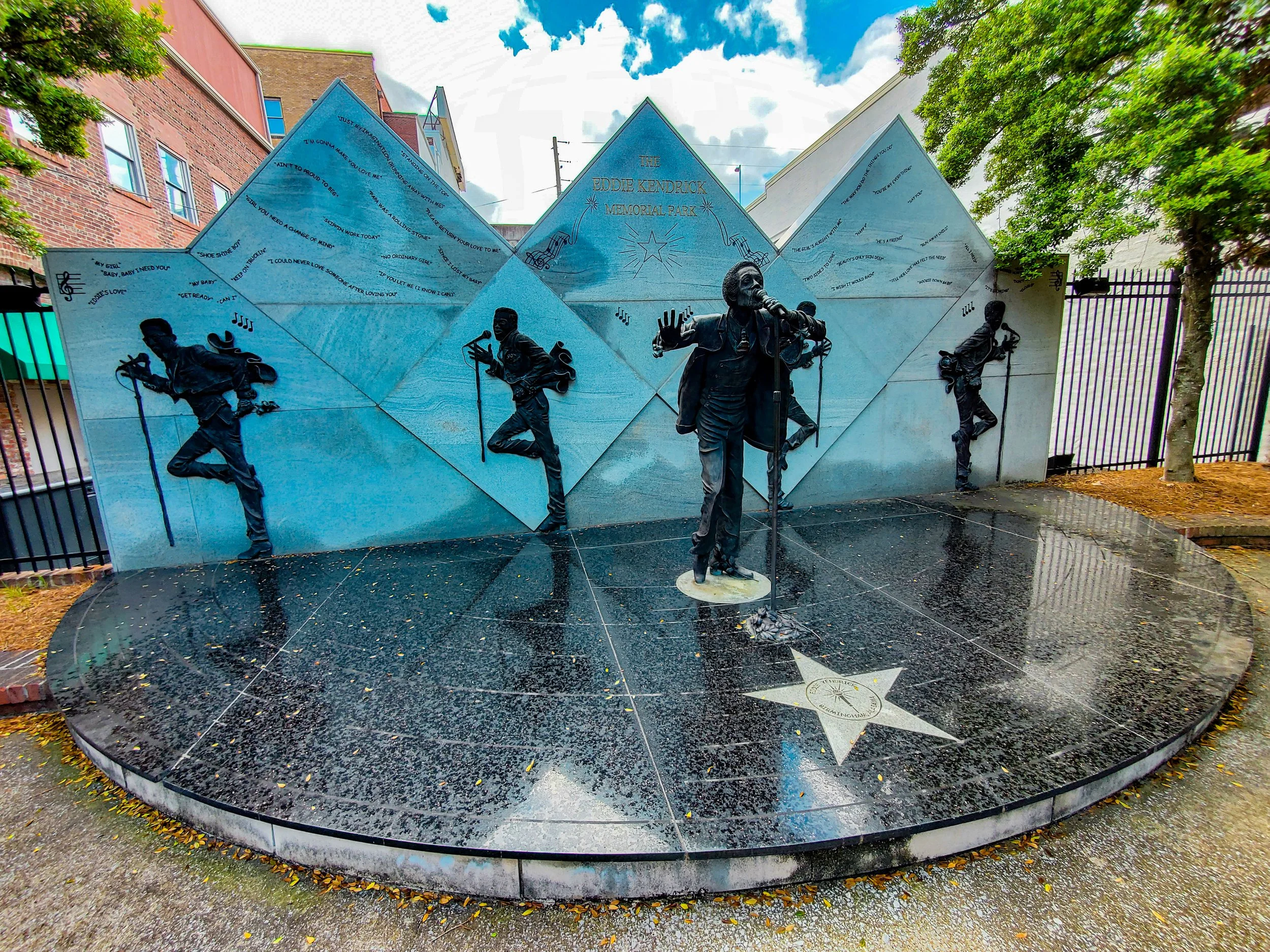
Eddie Hendricks Park - Temptations Statues
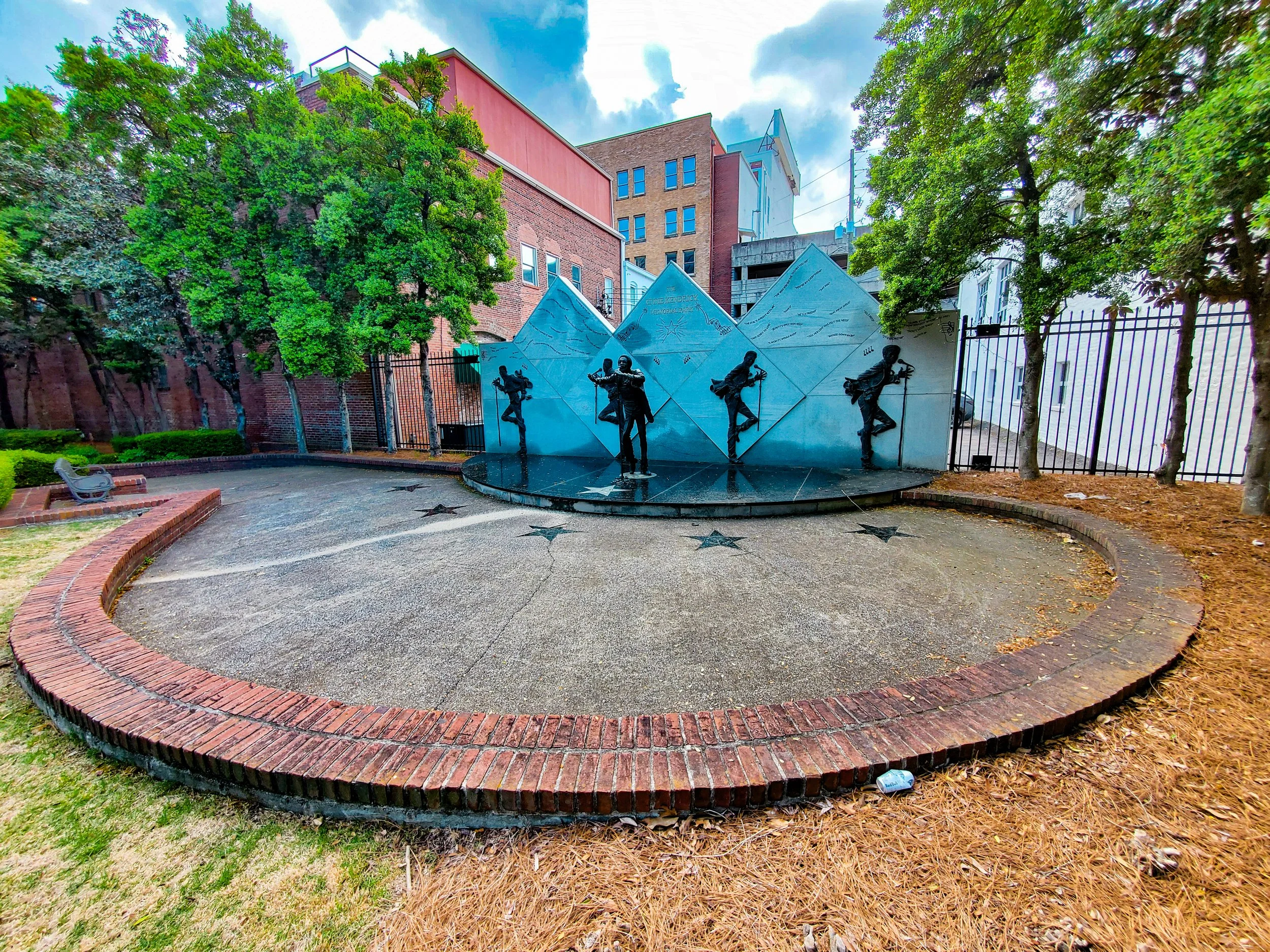
Eddie Hendricks Park - Temptations Statues
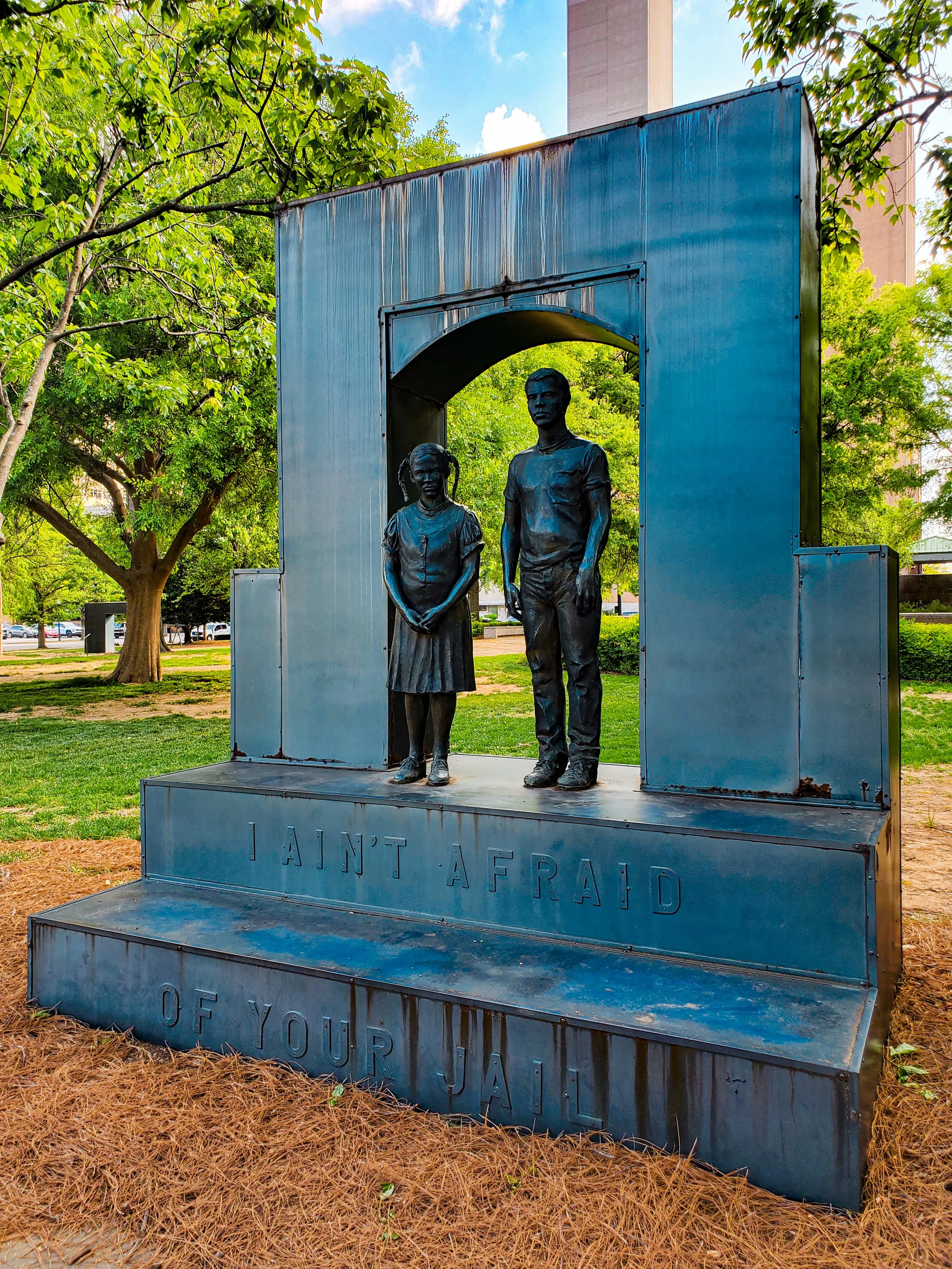
Two Children Protest Statues
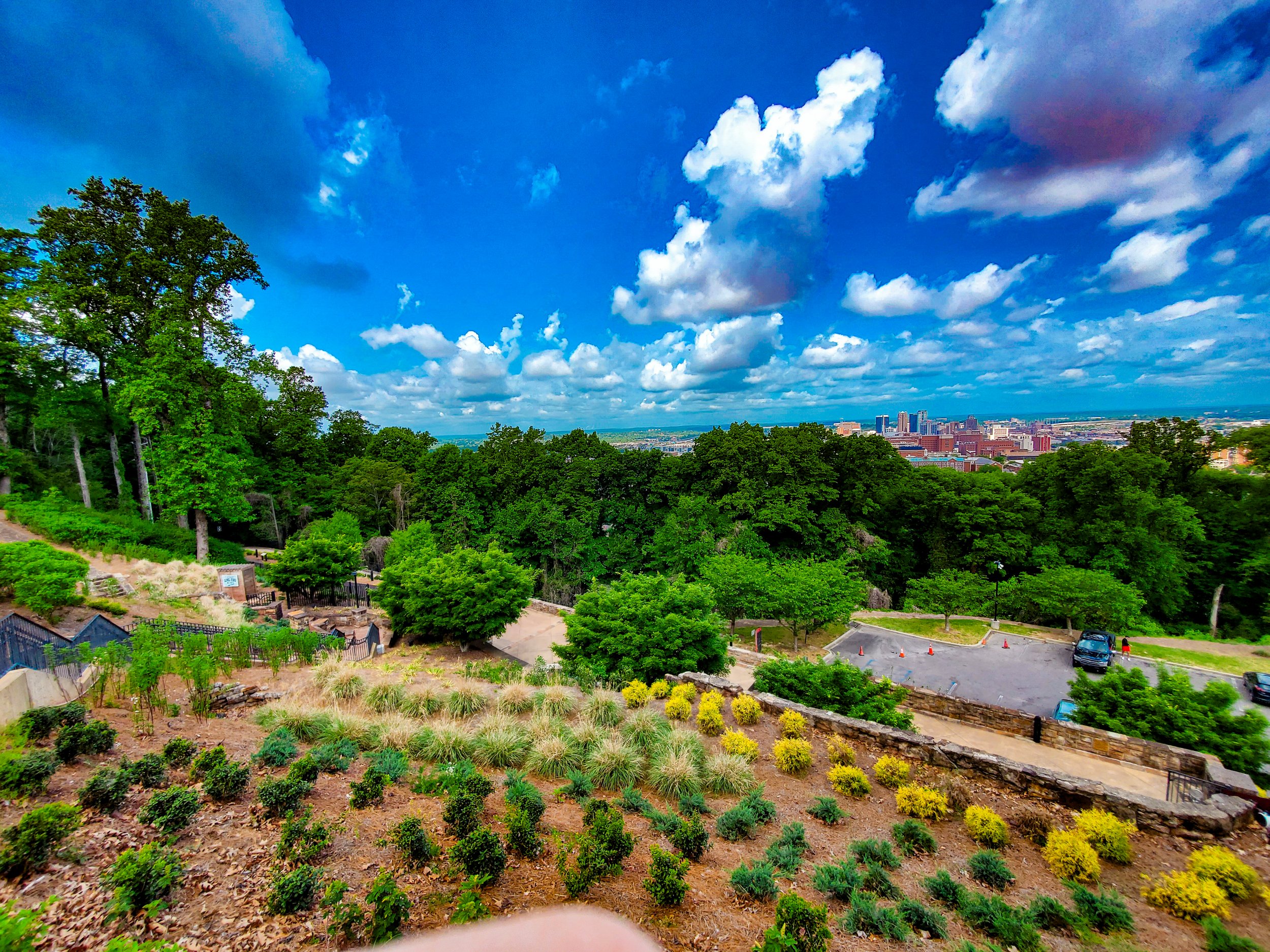
Vulcan Park
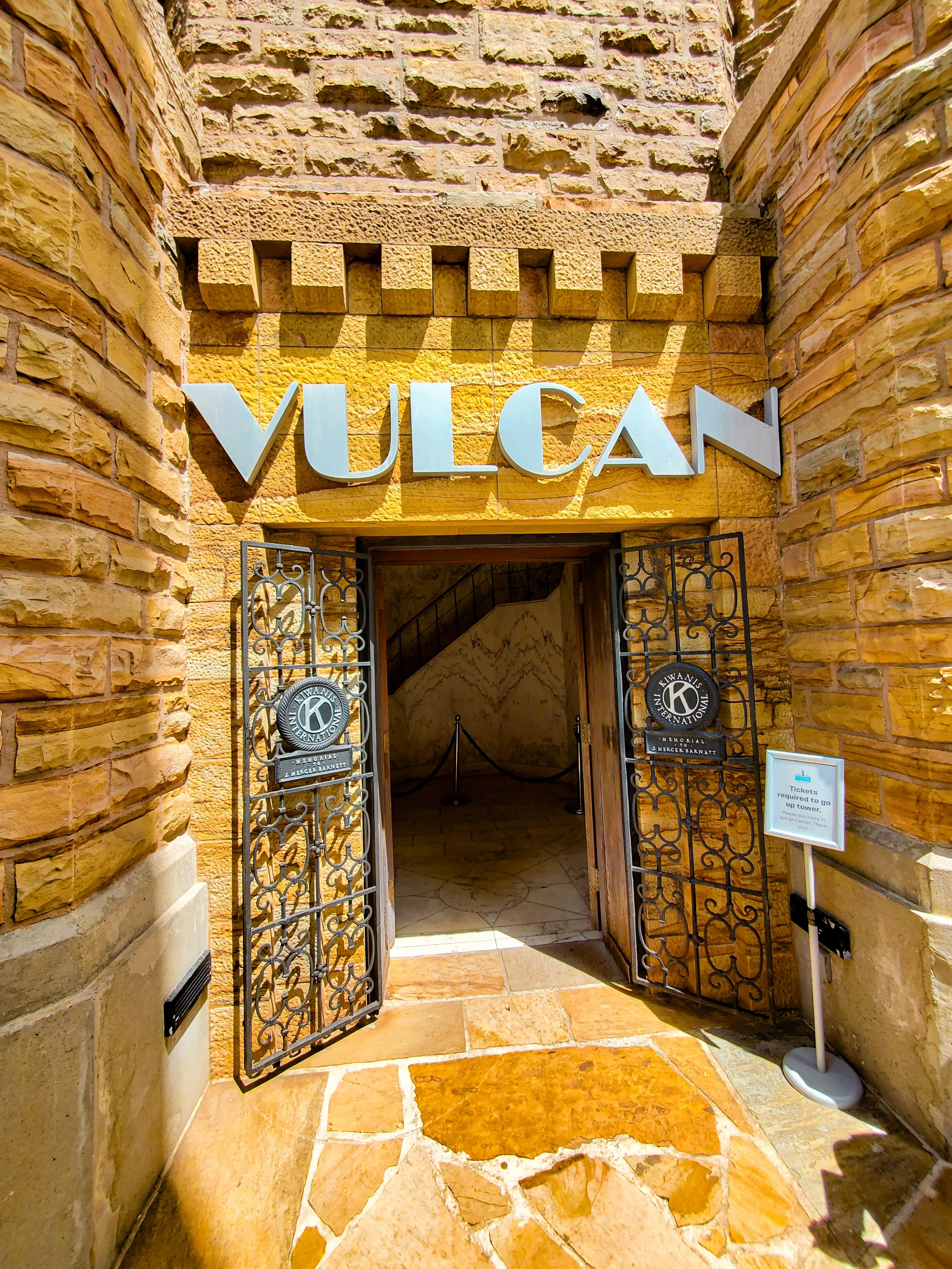
Vulcan Park Tower
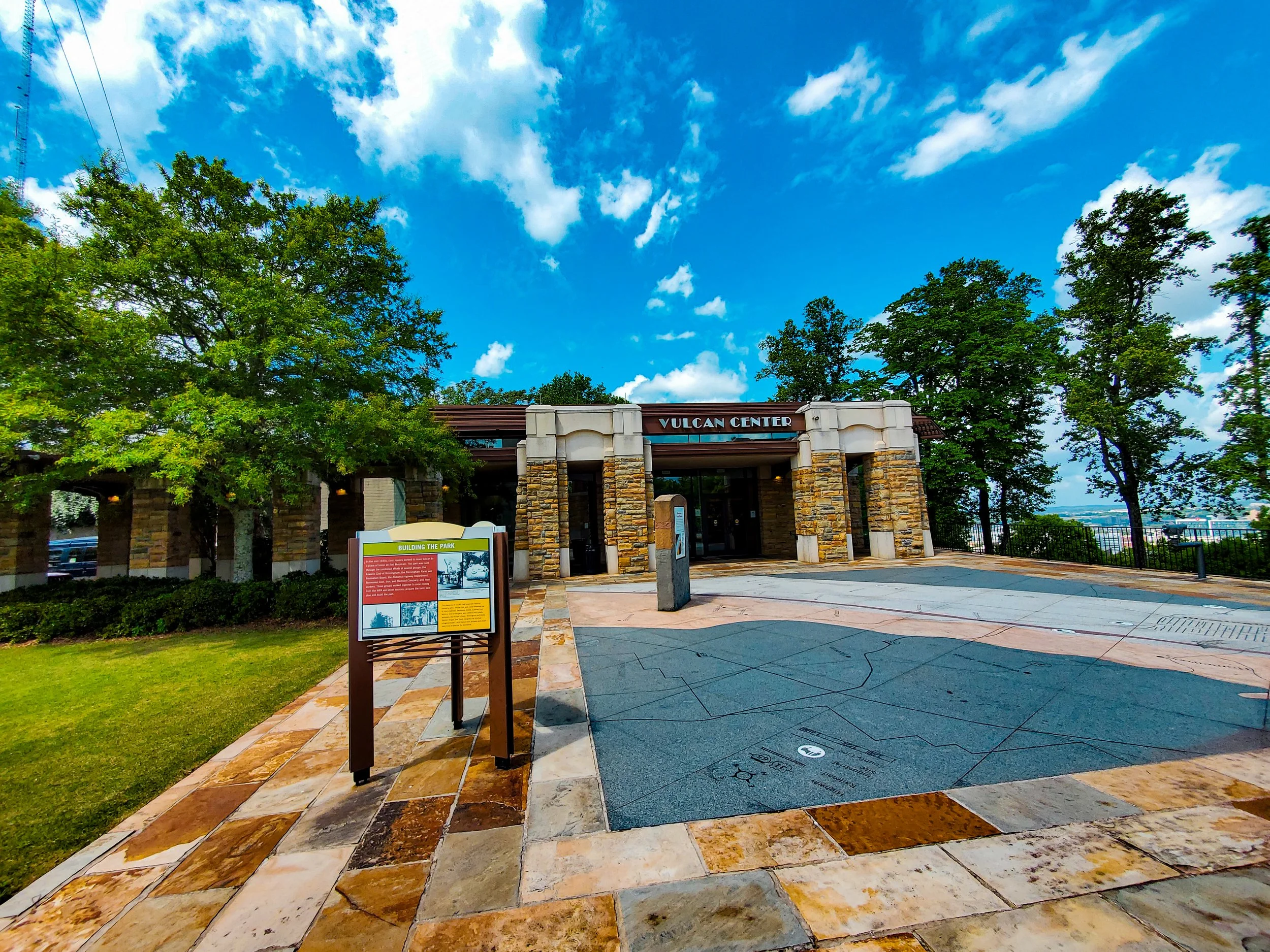
Vulcan Park
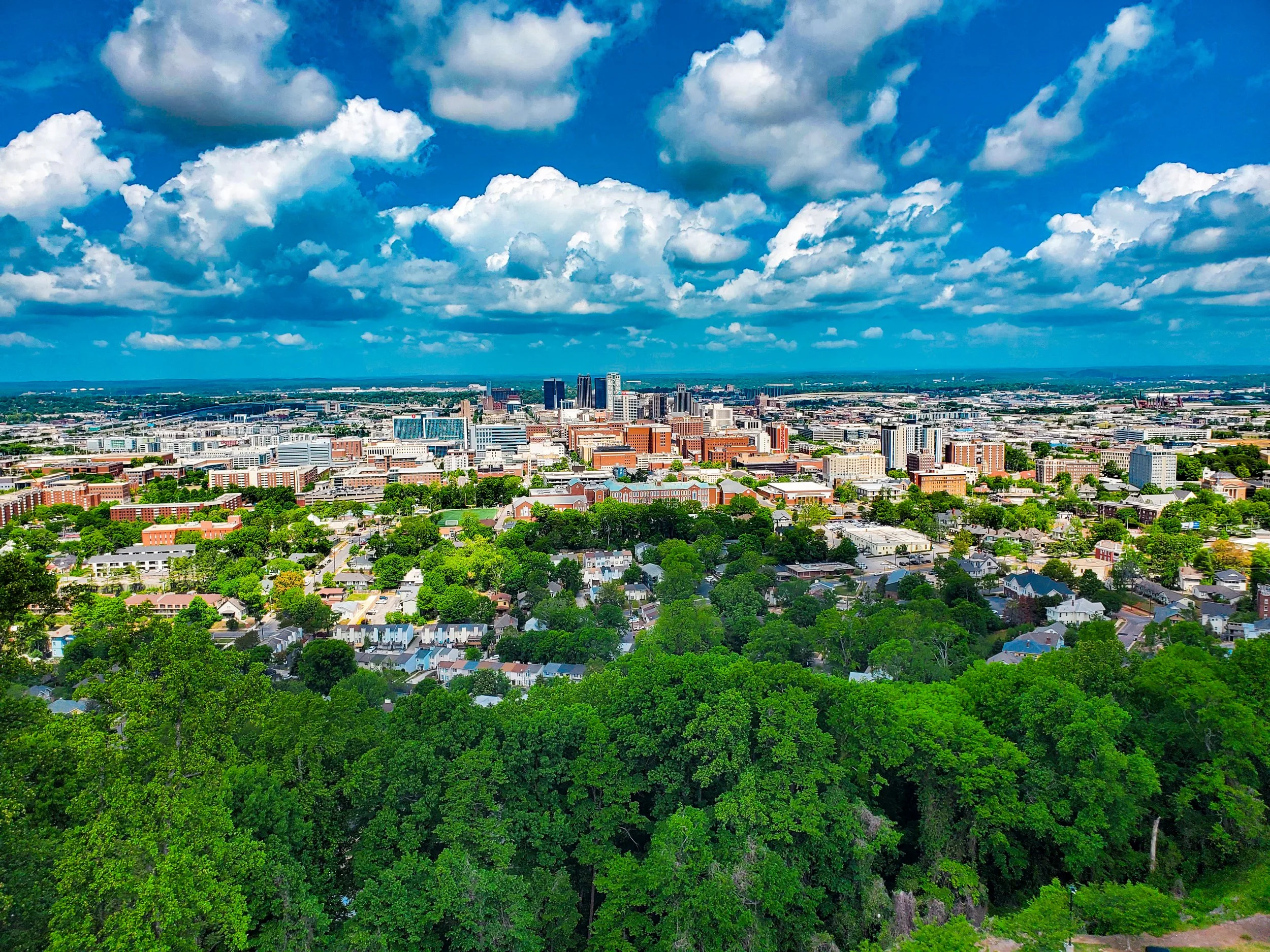
Birmingham from Vulcan Park
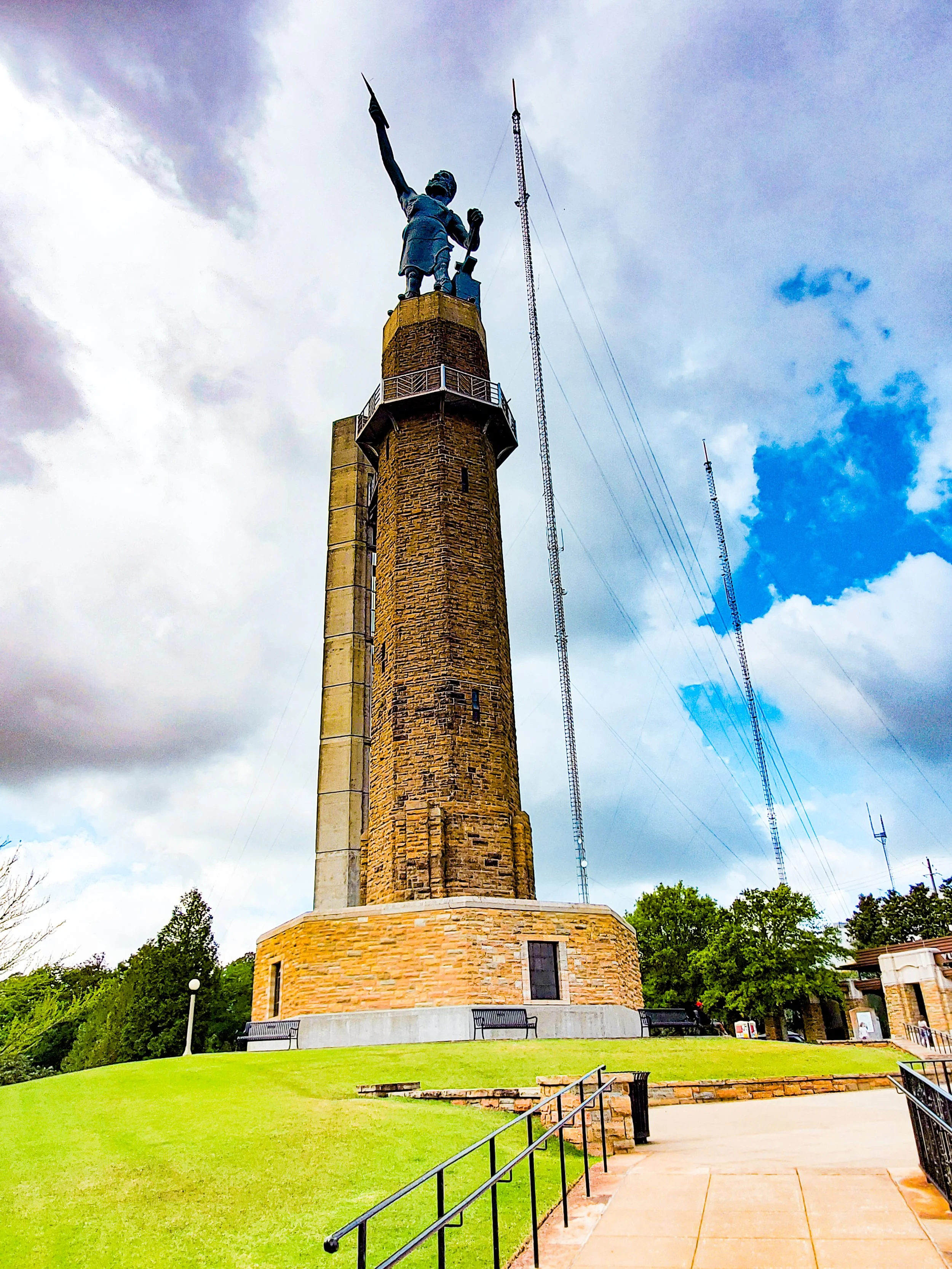
Vulcan Park Statue
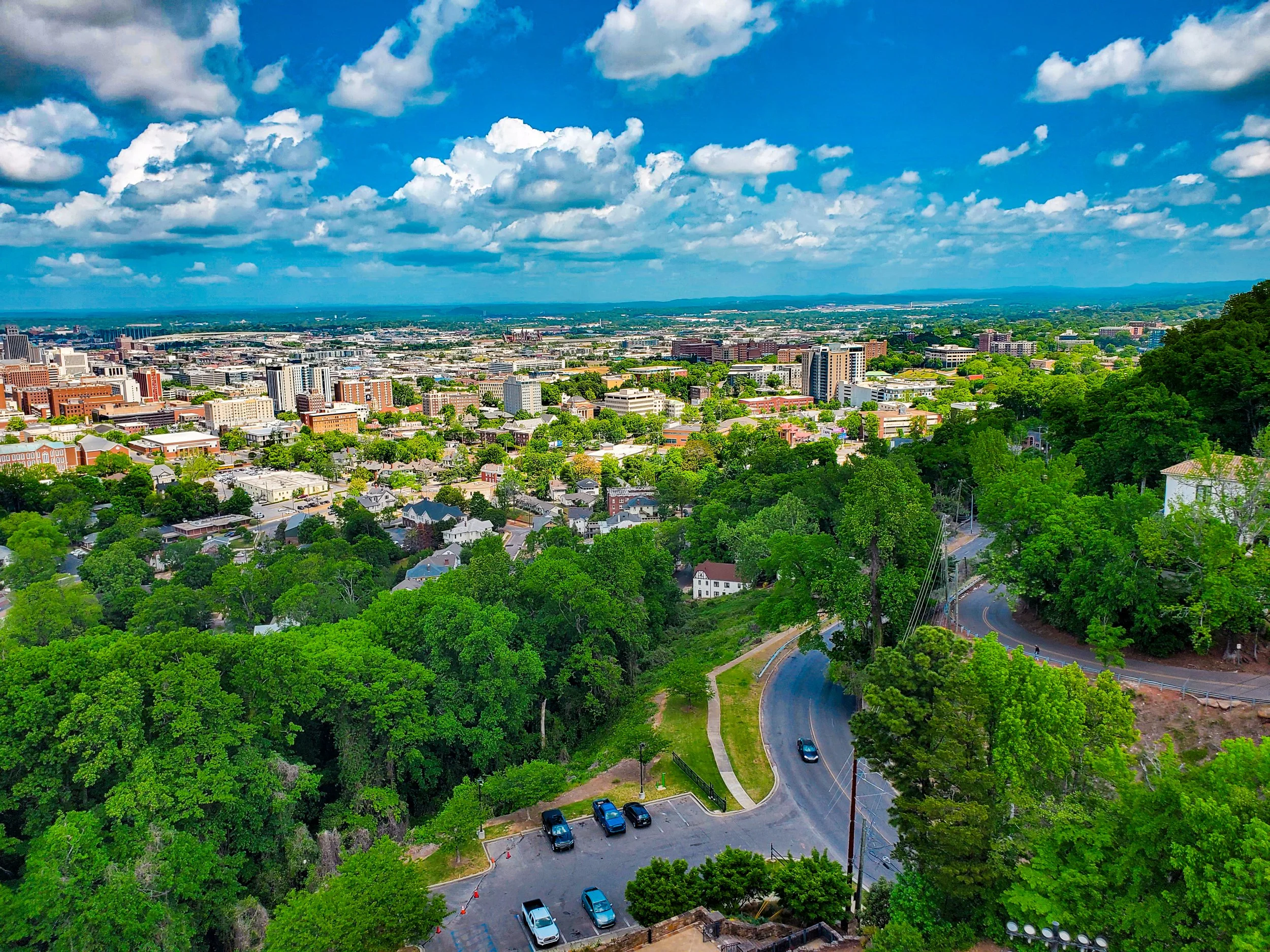
Birmingham from Vulcan Park
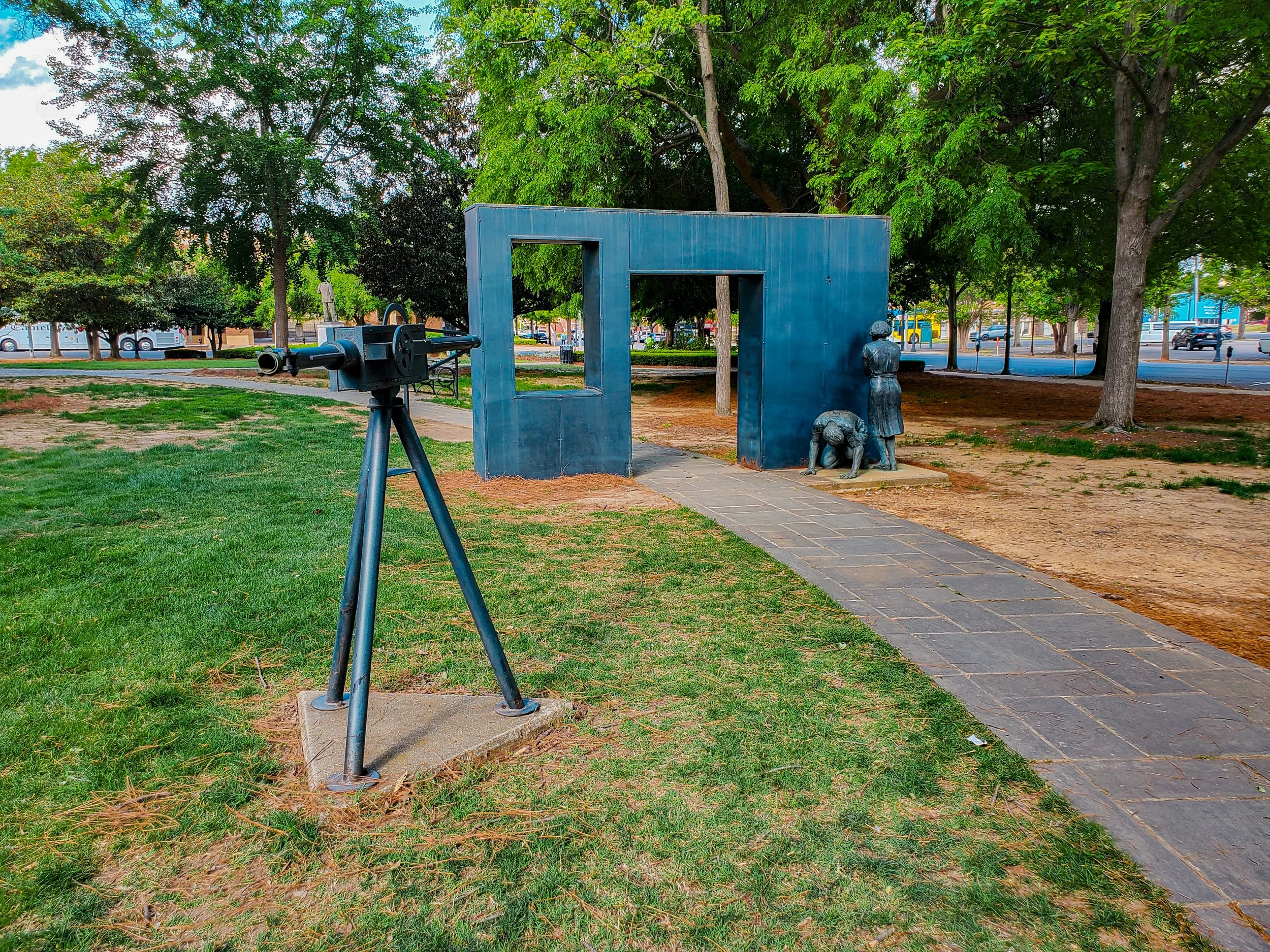
Water Cannon at Kelly Ingram Park
TRUSSVILLE
Warren Truss arrived around 1820 with his brothers from North Carolina and established a grist mill on the Cahaba River. Classic Cars and Garage Museum is located at 194 Main Street. The oldest continuously inhabited city in America is located in Childersburg AL, about an hour south of Trussville. It was inhabited by the Coosa nation when Hernando deSoto visited in 1540 and predates St. Augustine Florida by at least several decades. The Majestic Caverns (formerly DeSoto Caverns) has prehistoric and Civil War connections and is also located in Childersburg as is the Kymulga Grist Mill–all definitely worth a side trip from US 11.
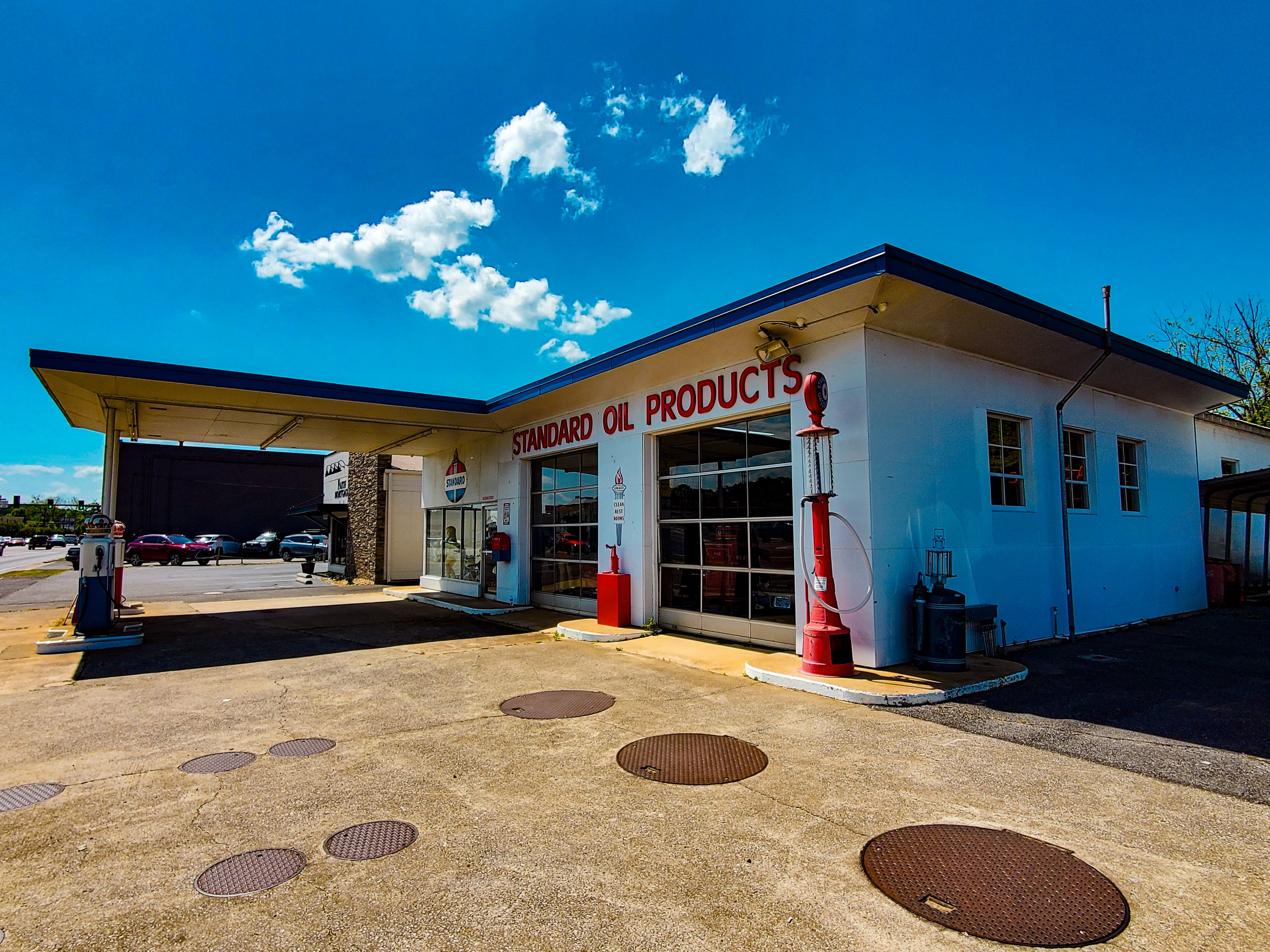
Classic Cars and Garage Museum
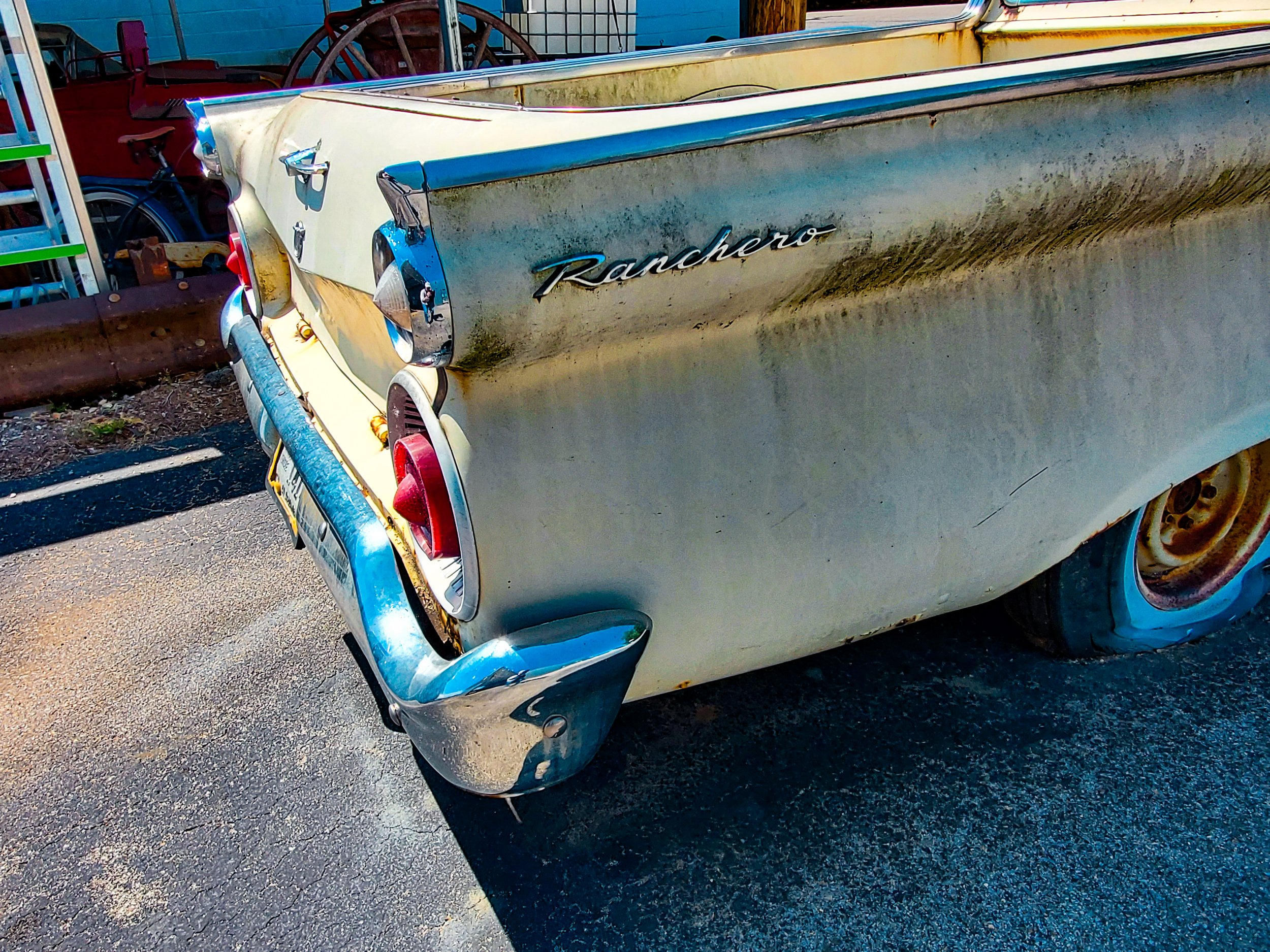
Classic Cars and Garage Museum
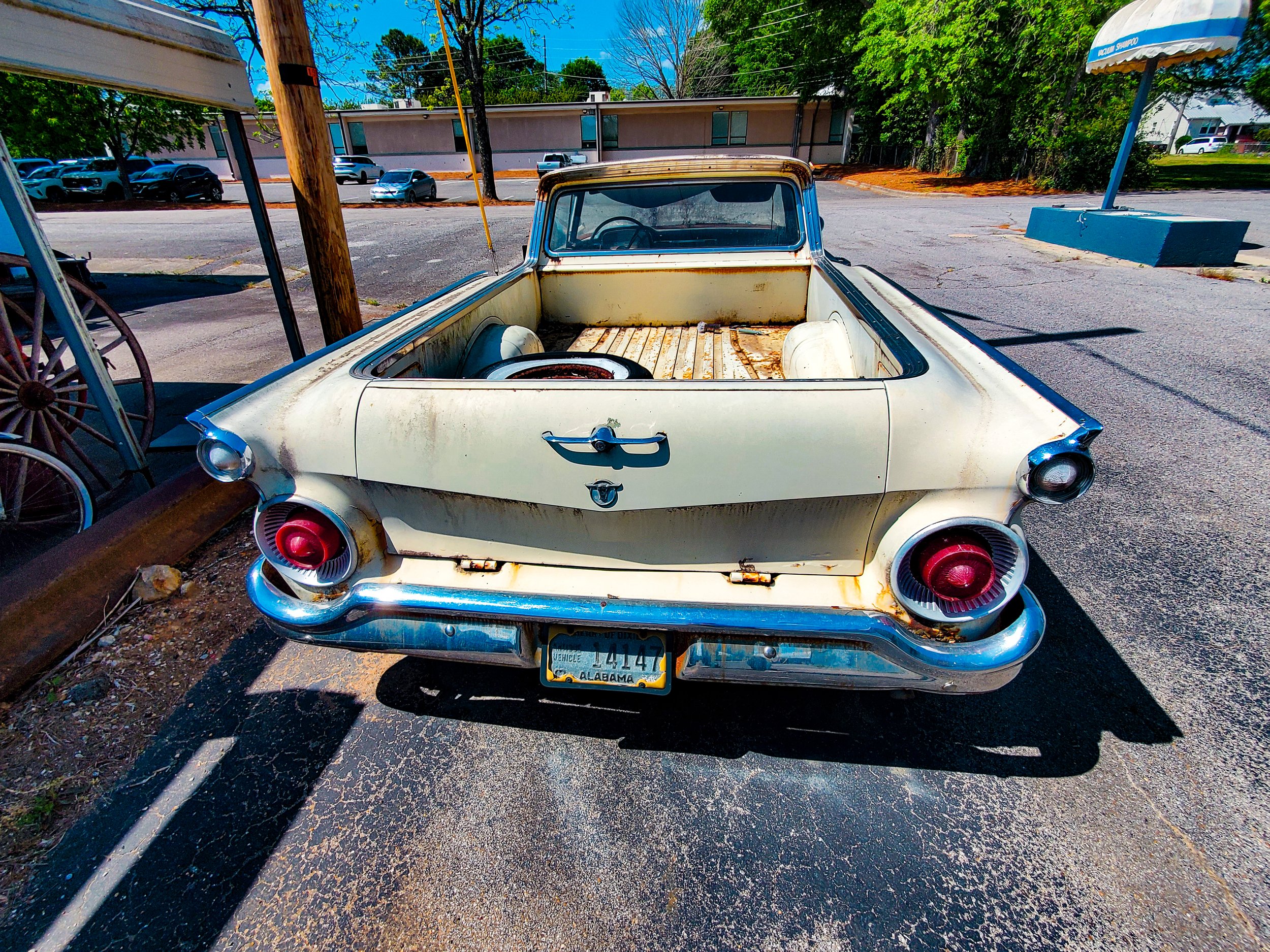
Classic Cars and Garage Museum
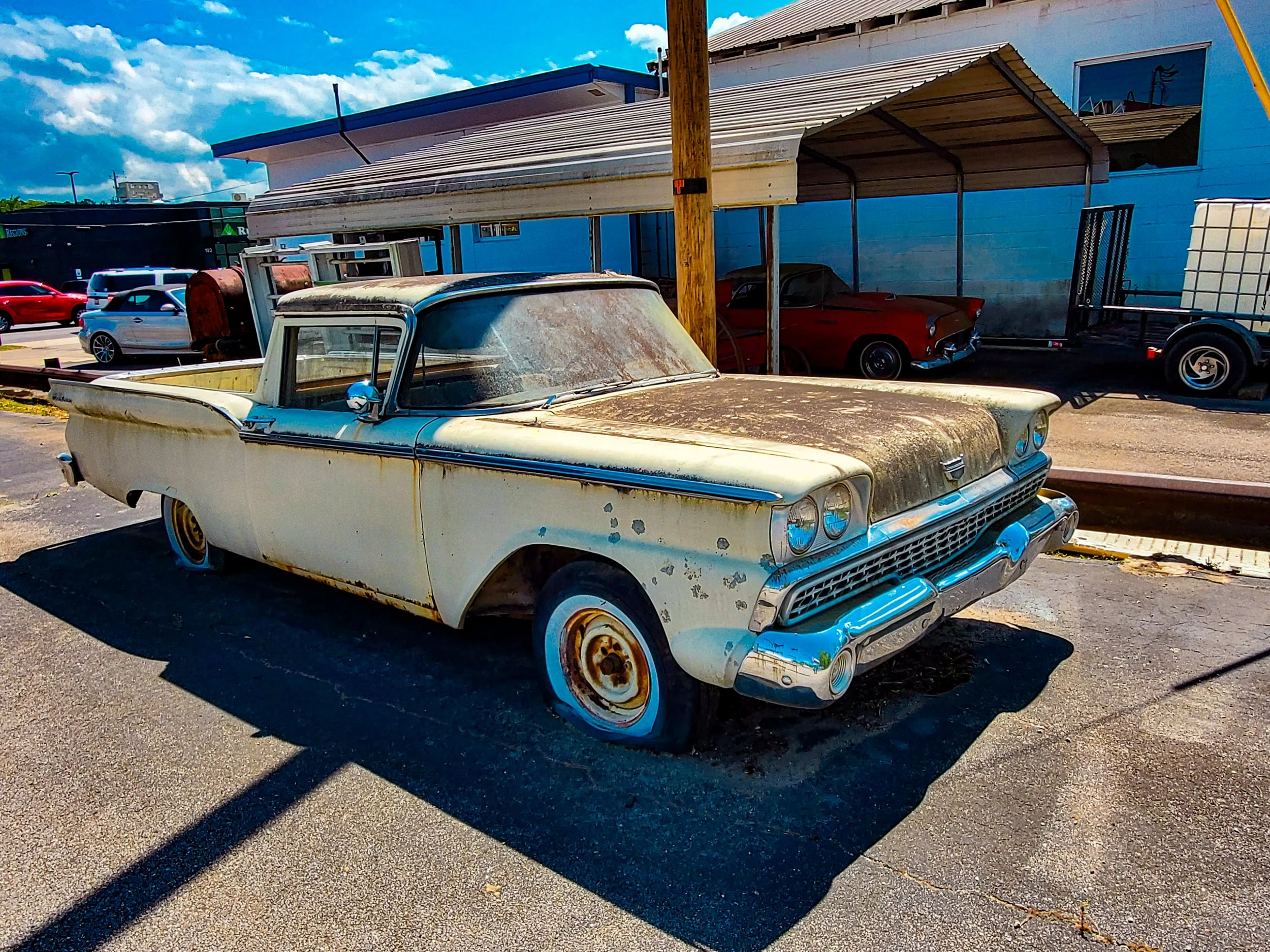
Classic Cars and Garage Museum
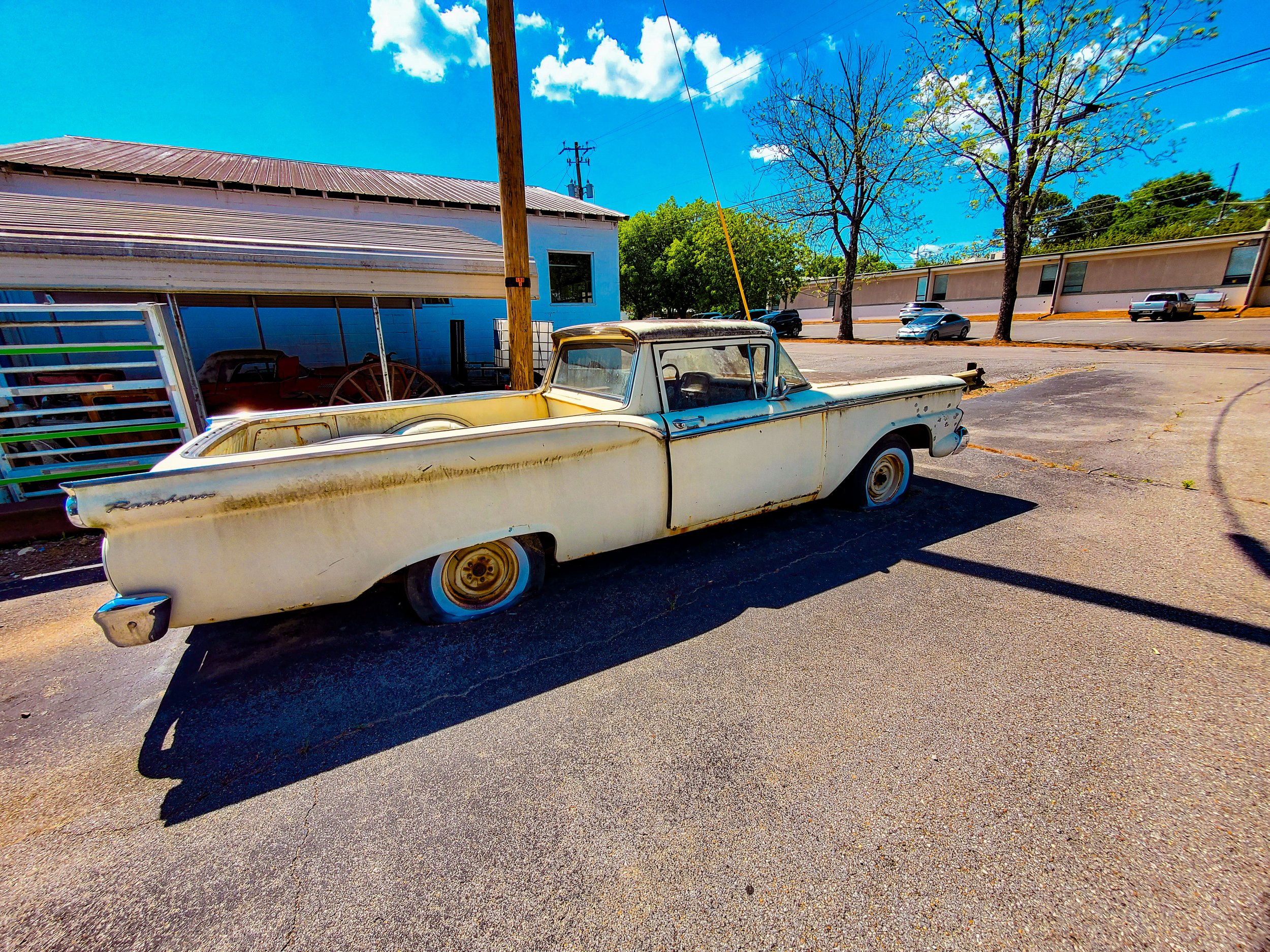
Classic Cars and Garage Museum
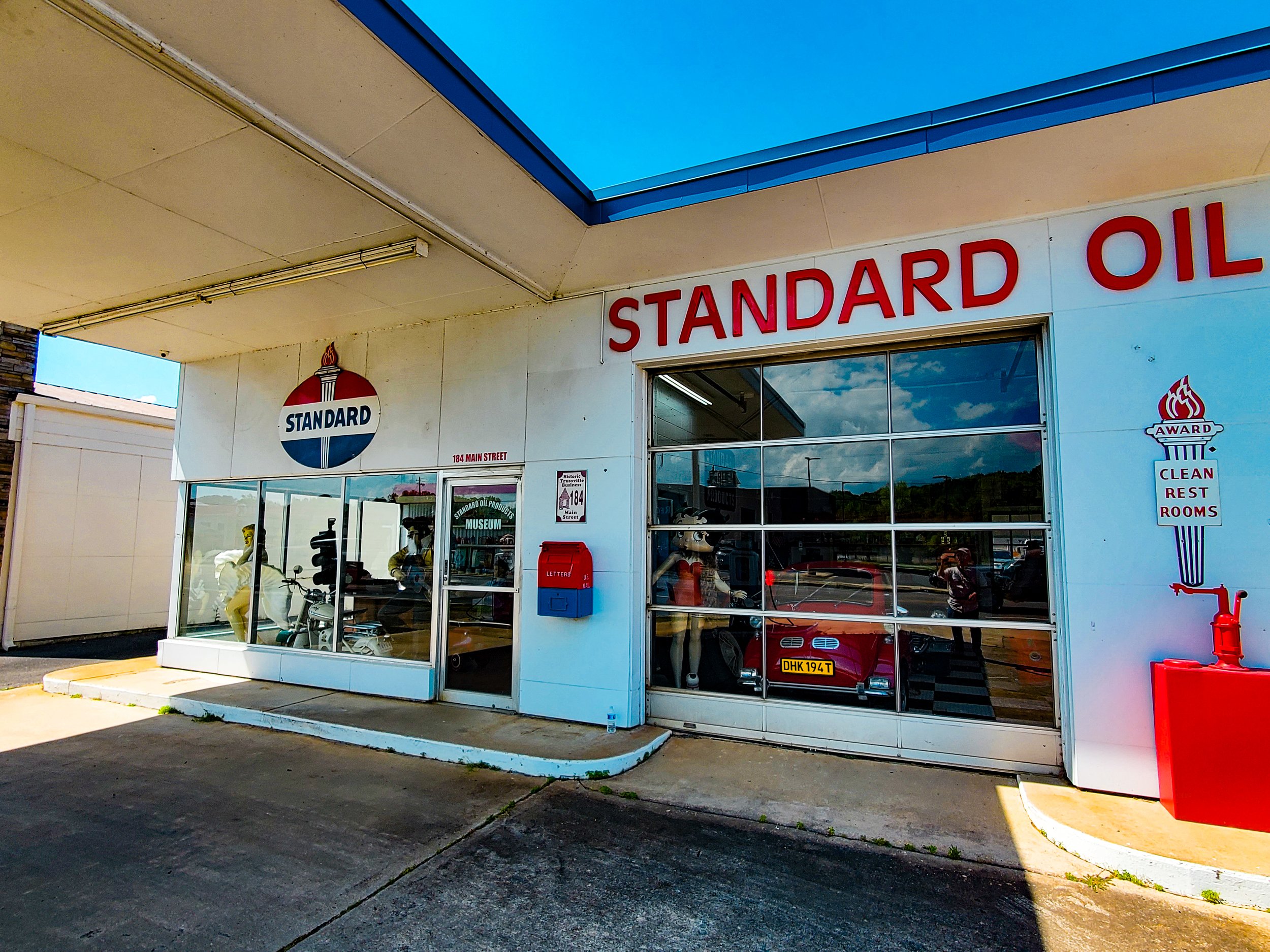
Classic Cars and Garage Museum
SPRINGVILLE
Named for the freshwater springs that settlers found when they arrived in the 1810’s, it contains a historic district and the Old Rock School, built in 1921 from local rocks with all mortar hidden. Laster’s Ice Cream Shop on US 11 serves delicious frozen treats in an old building first used as a pharmacy and soda fountain in 1927.
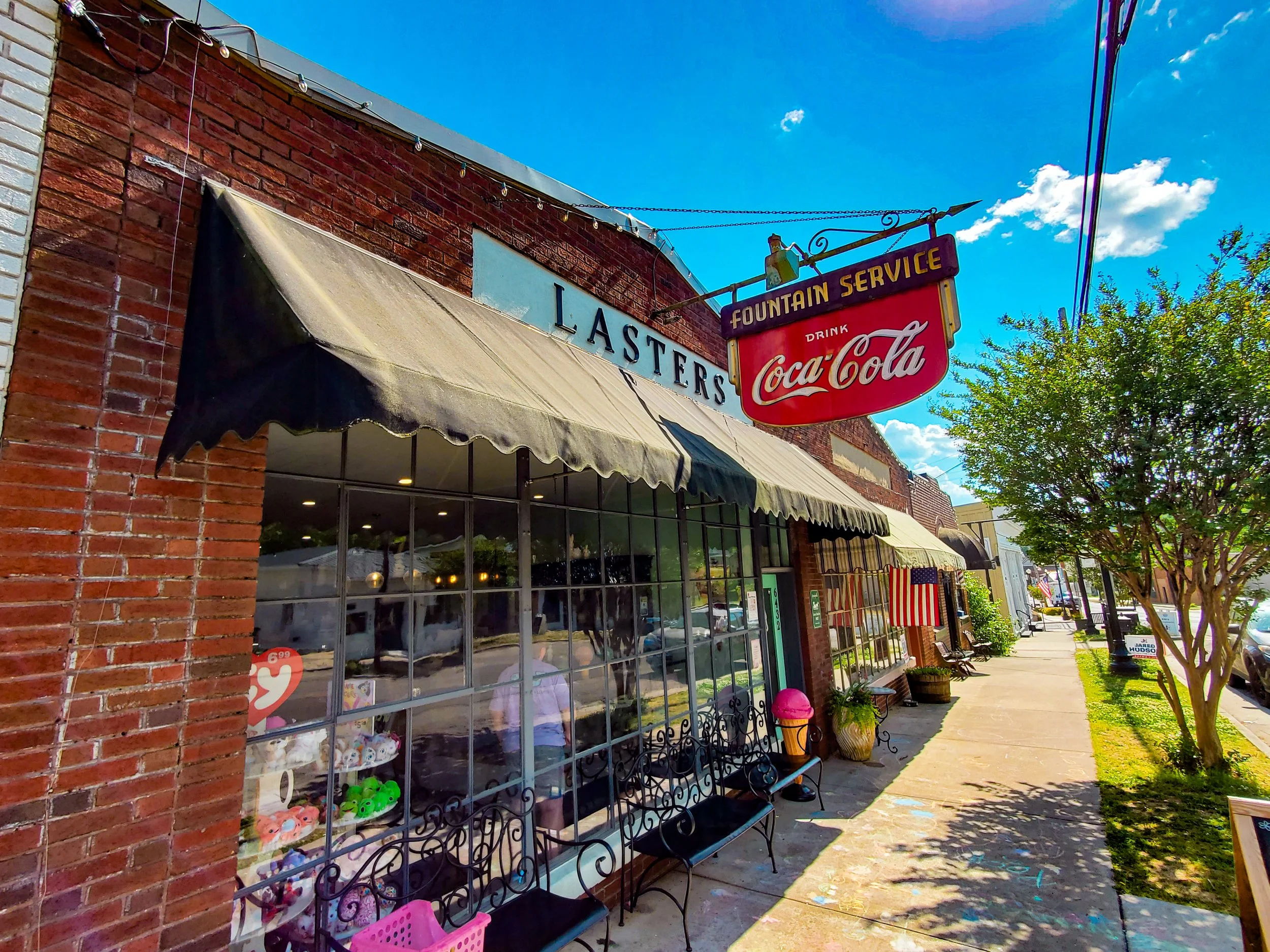
Lasters Ice Cream
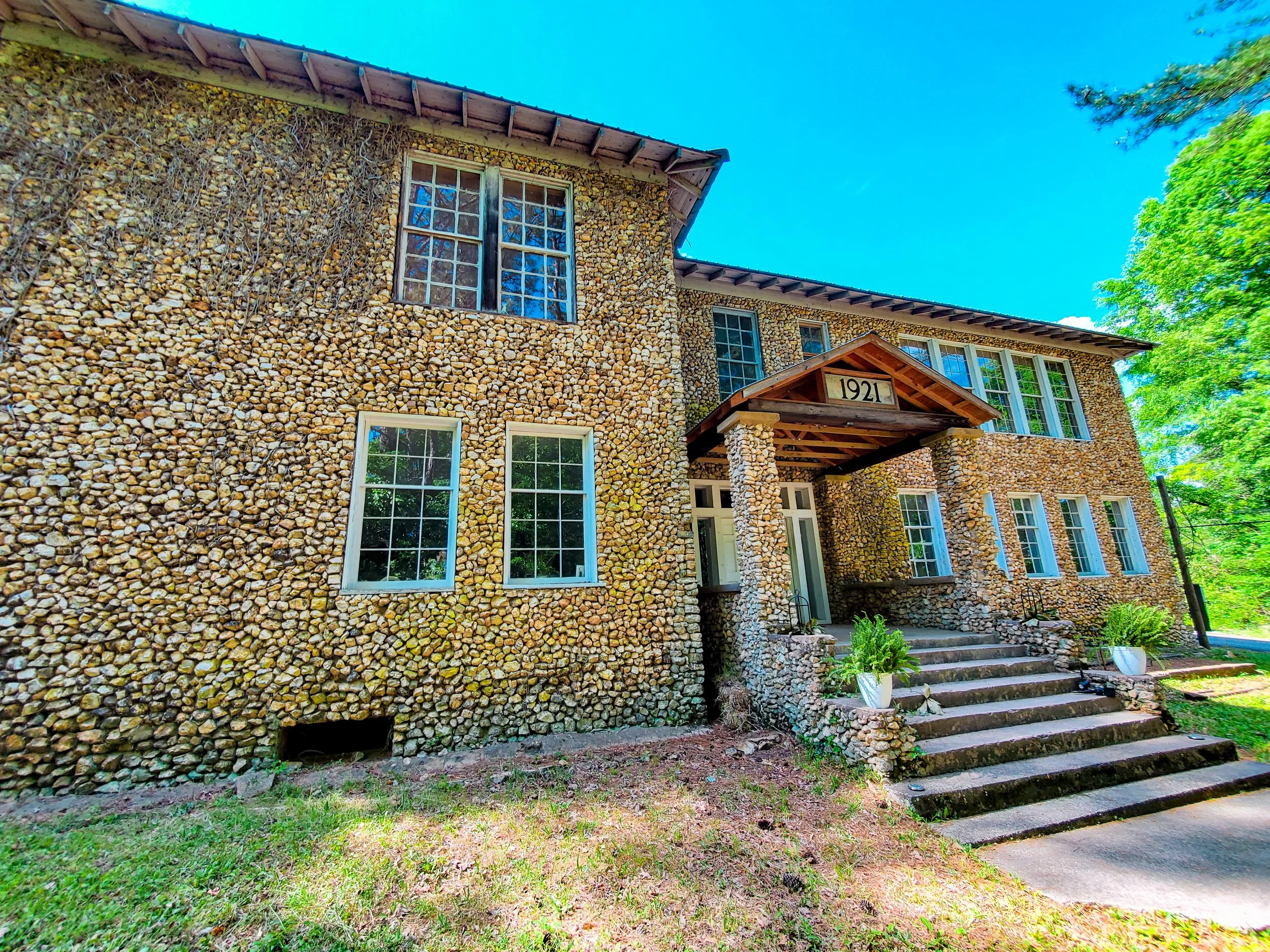
Rock School (1921)
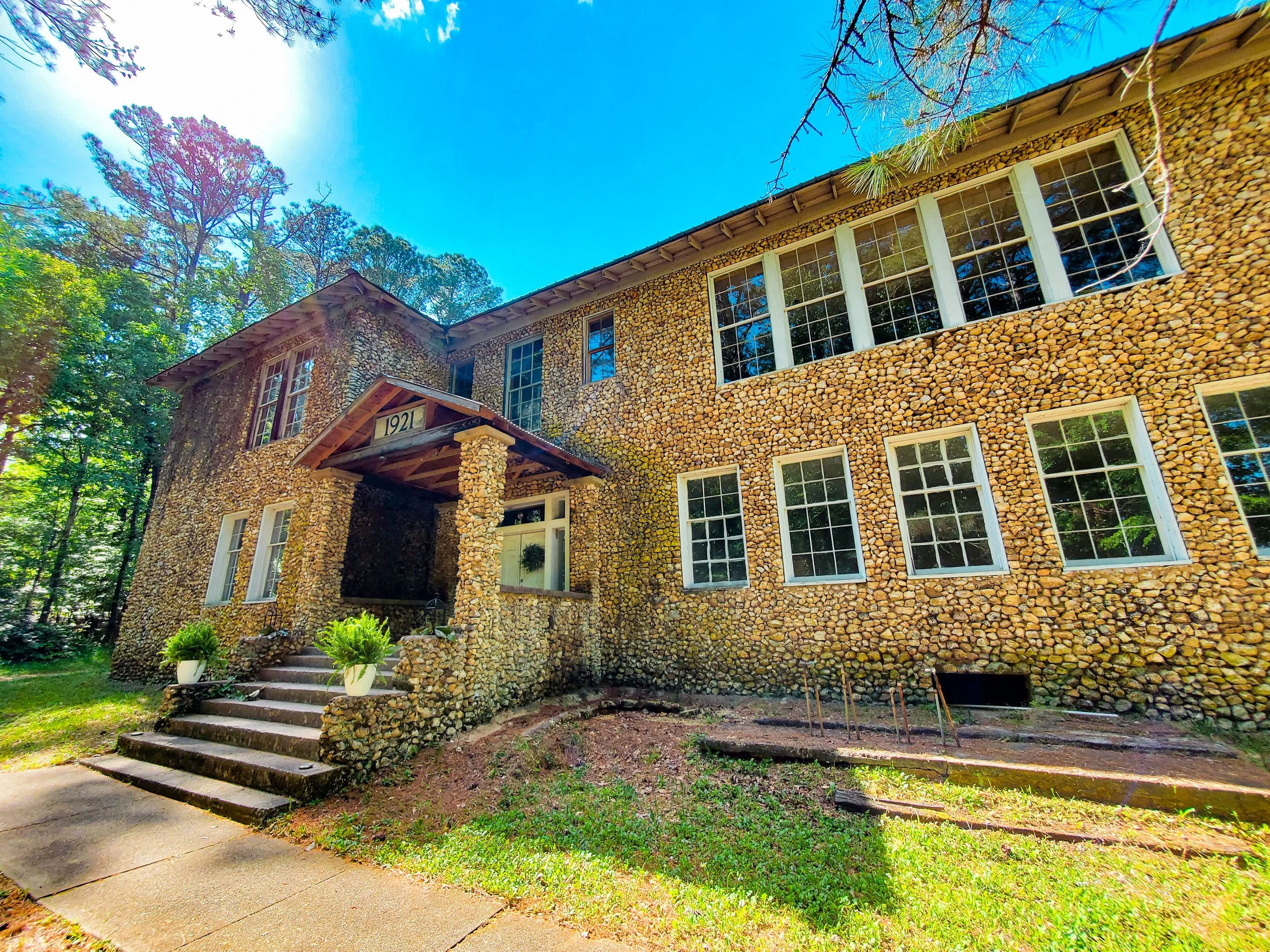
Rock School (1921)
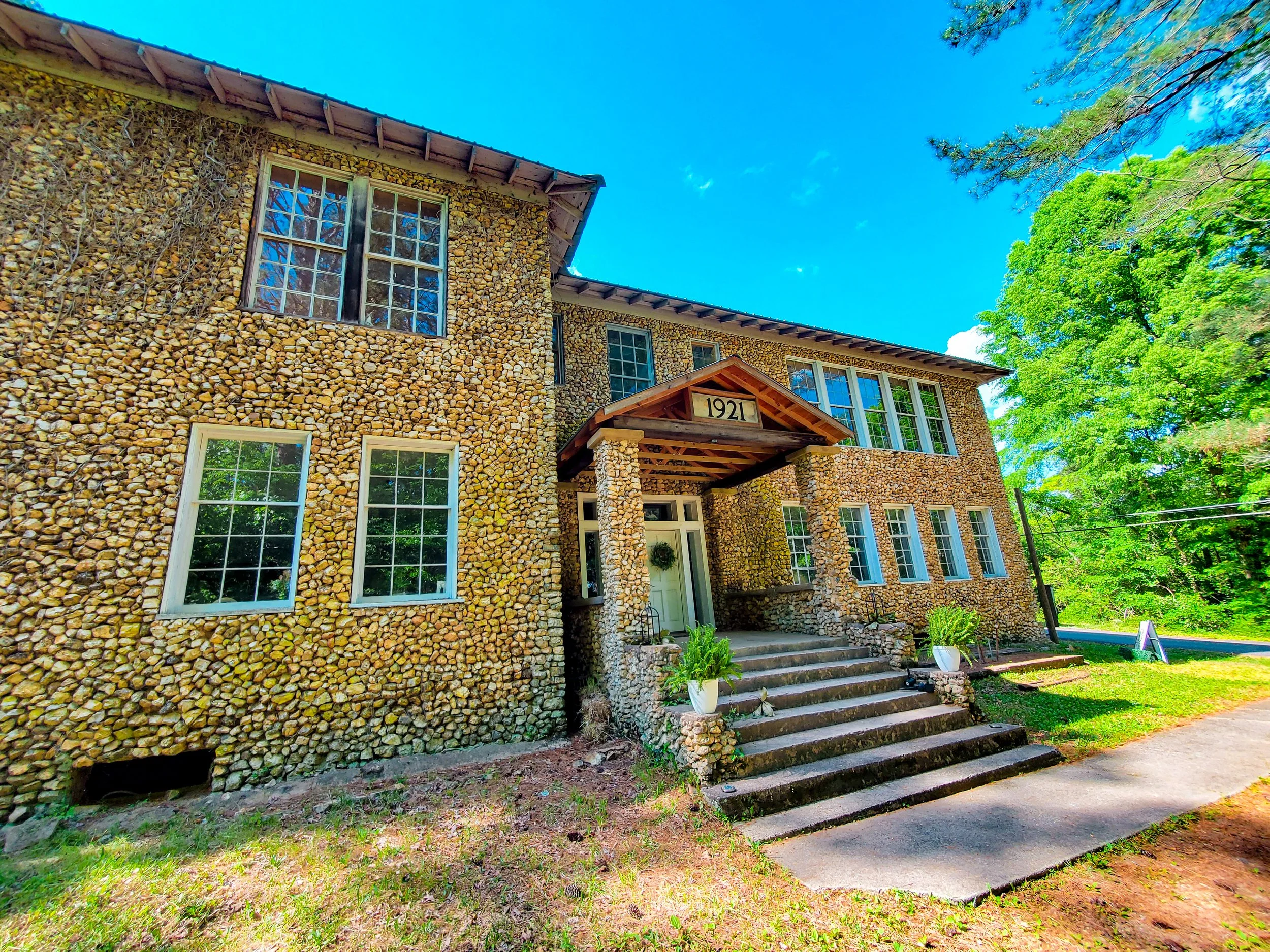
Rock School (1921)
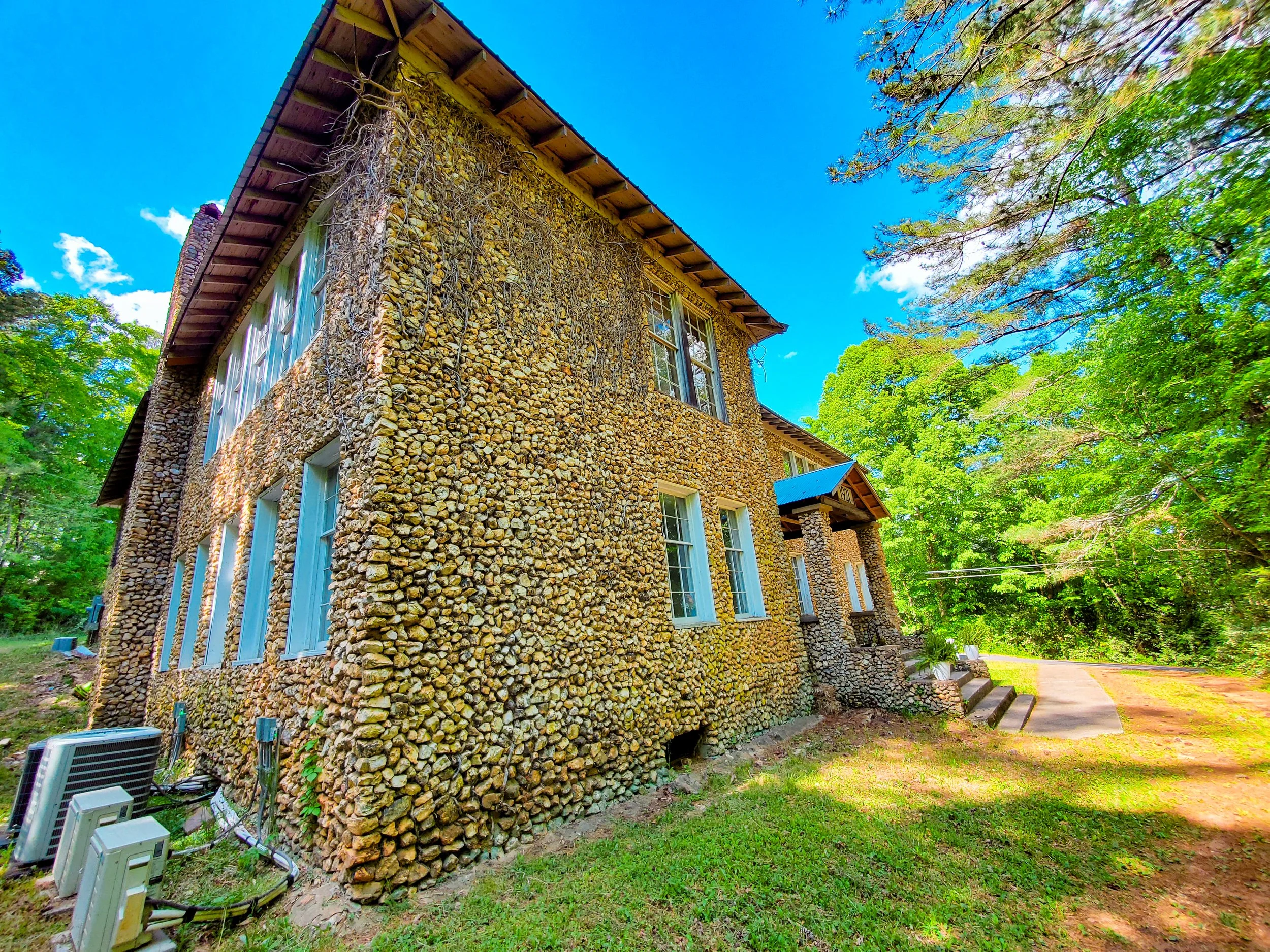
Rock School (1921)
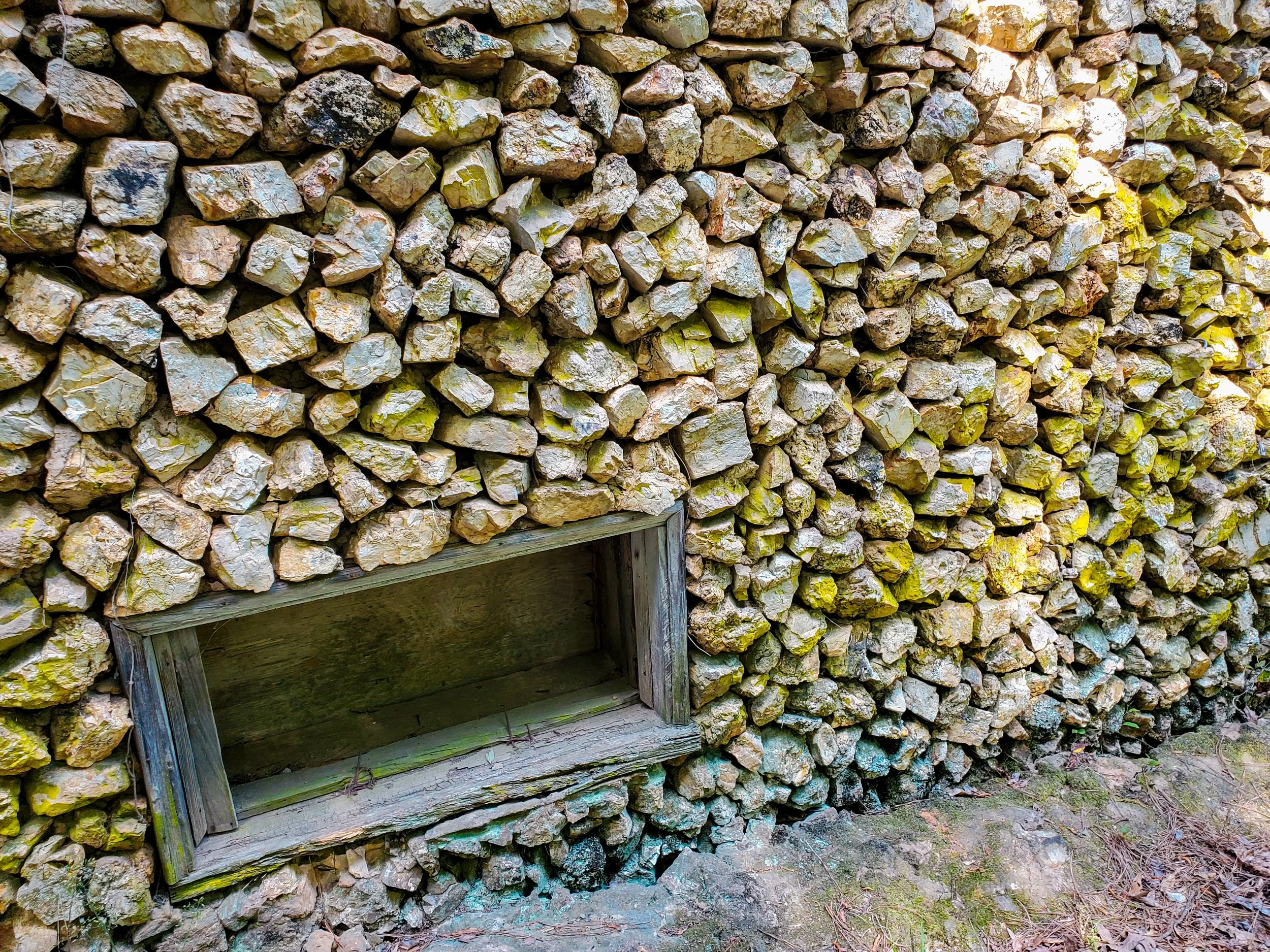
Rock School (1921)
ASHVILLE
The town was named after John Ash, the first European settler in 1817, and was incorporated in 1822. The Ash log cabin still stands in the city center and the Courthouse was built in 1844. Backbone Mountain divides the county, so St. Clair county has two county seats (as do 35 other counties in 11 states in the US). The John Looney House and Pioneer Museum was constructed around 1820 and is considered one of the oldest standing two-story dogtrot houses in Alabama.
STEELE
Joshua Toliver Steele arrived in 1855 and donated land for the depot. The Tuscaloosa to Huntsville stage coach route passed through the area. The Alabama International Dragway is located in Steele.
ATTALLA
“Otali” is a Cherokee word meaning “my home” or “mountain”. The town was incorporated in 1872 and is the site of a former Muskogee (Creek) village that was forced to evacuate under the Indian Removal Act of 1830. Attalla was the site of the first hydroelectric dam (built in 1887) constructed to provide electricity for a city. The historic district includes murals, the US Post Office built in 1931, Walkers Drug Store building built in 1916, and the historic Alabama Power sign. hanging over the Museum of Attalla. On US 11, Attalla is one of the first locations where mountains may be seen in the distance as you drive north.
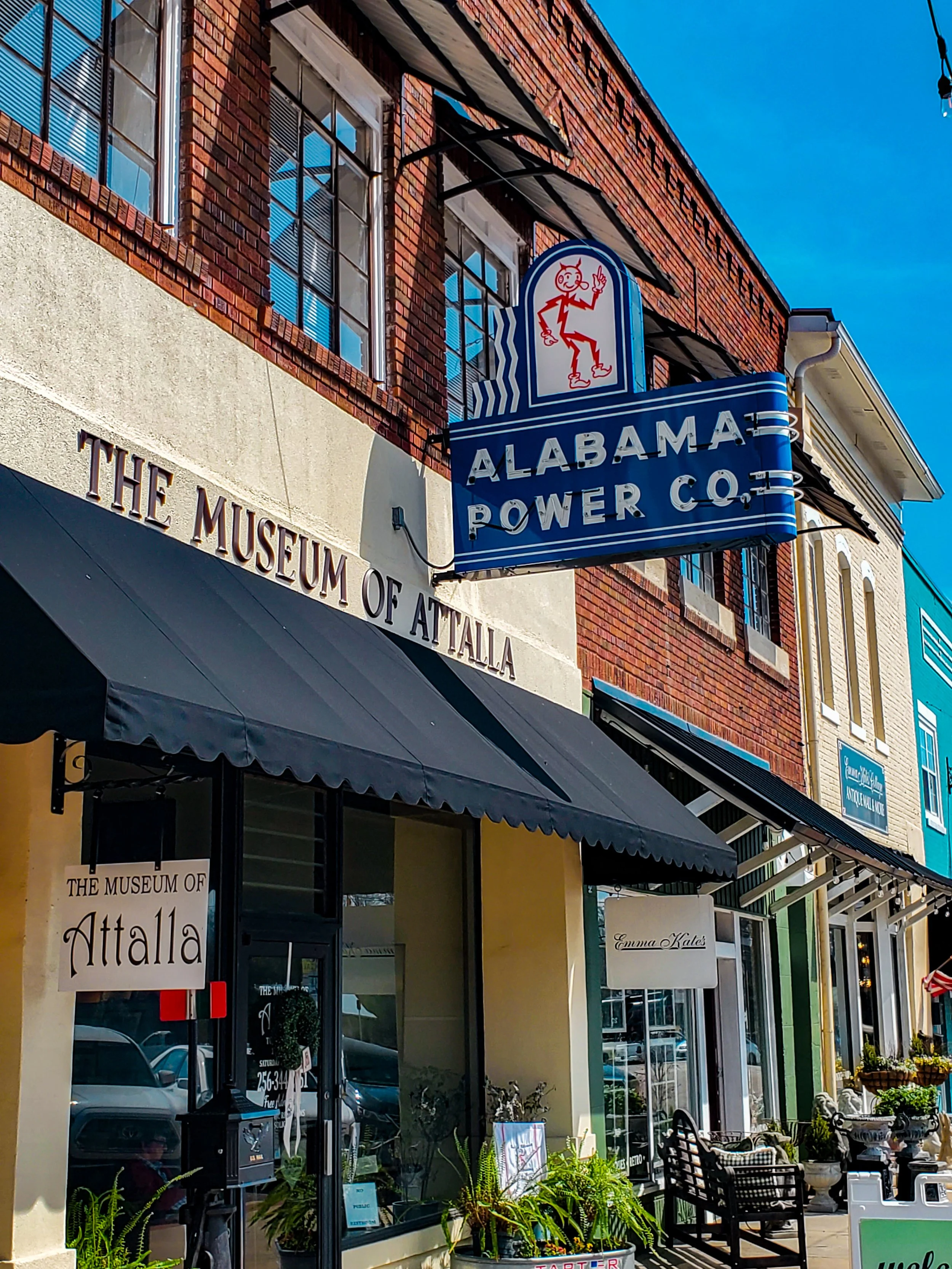
Attalla Museum
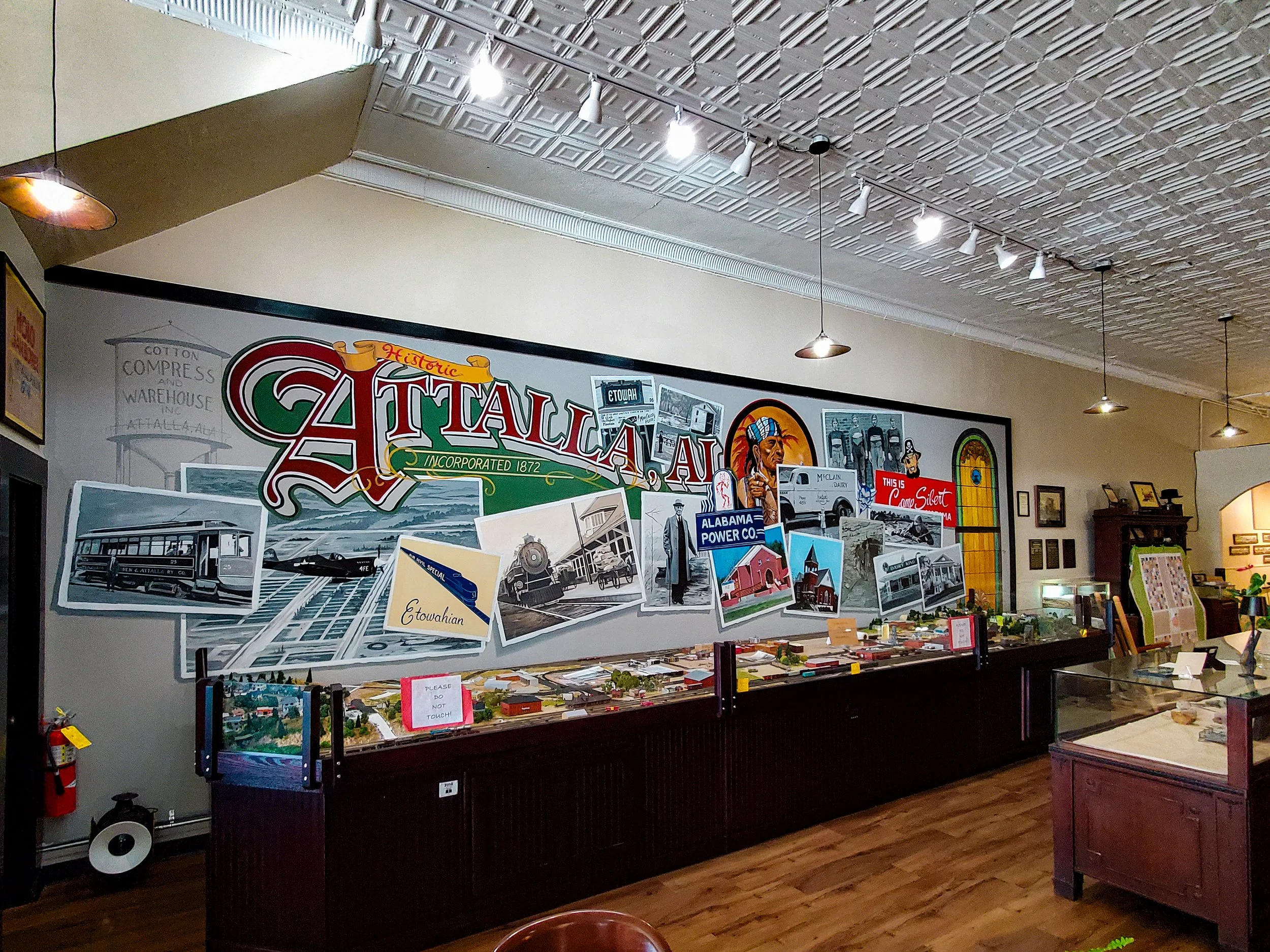
Attalla Museum
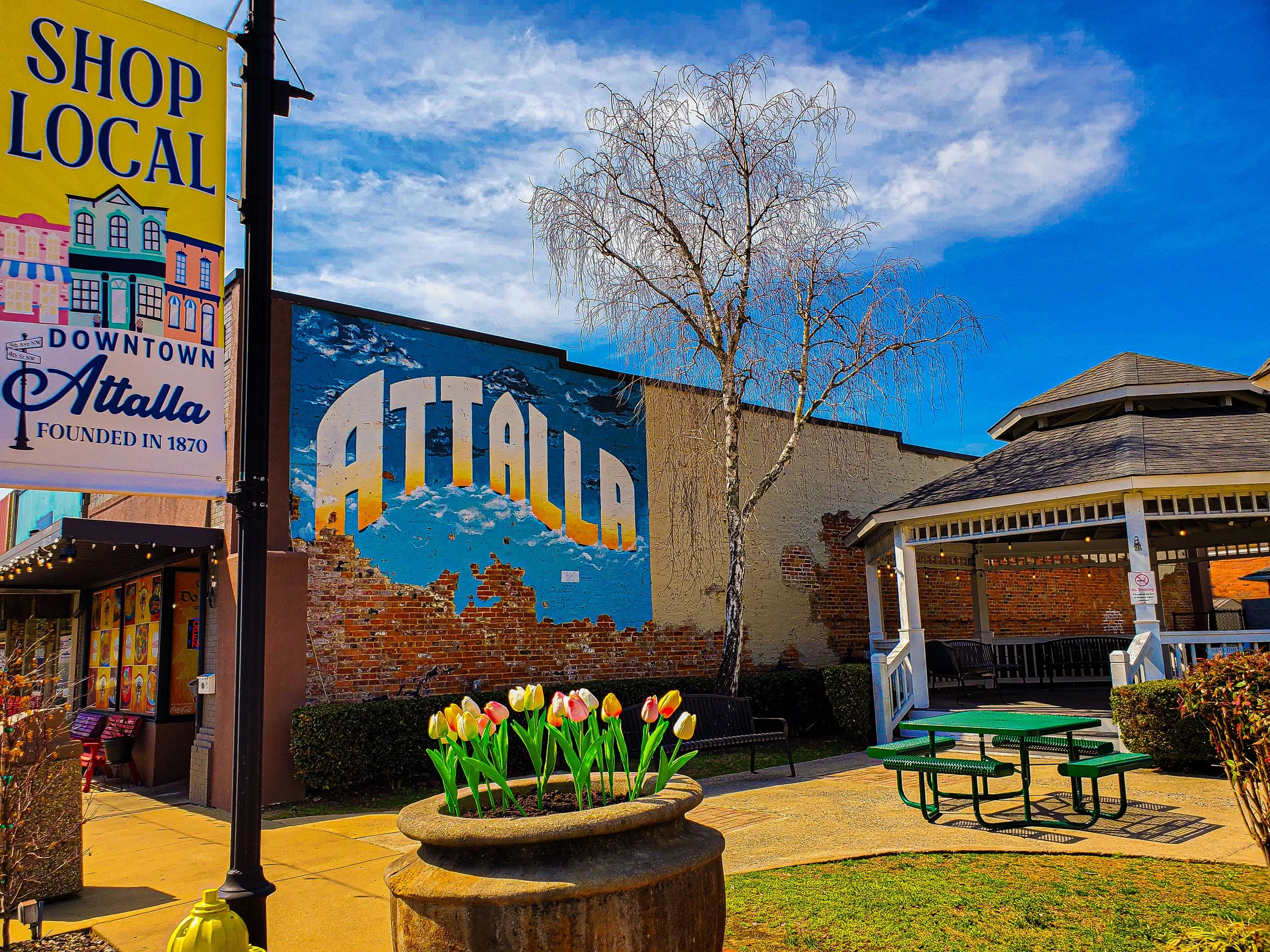
Downtown Attalla
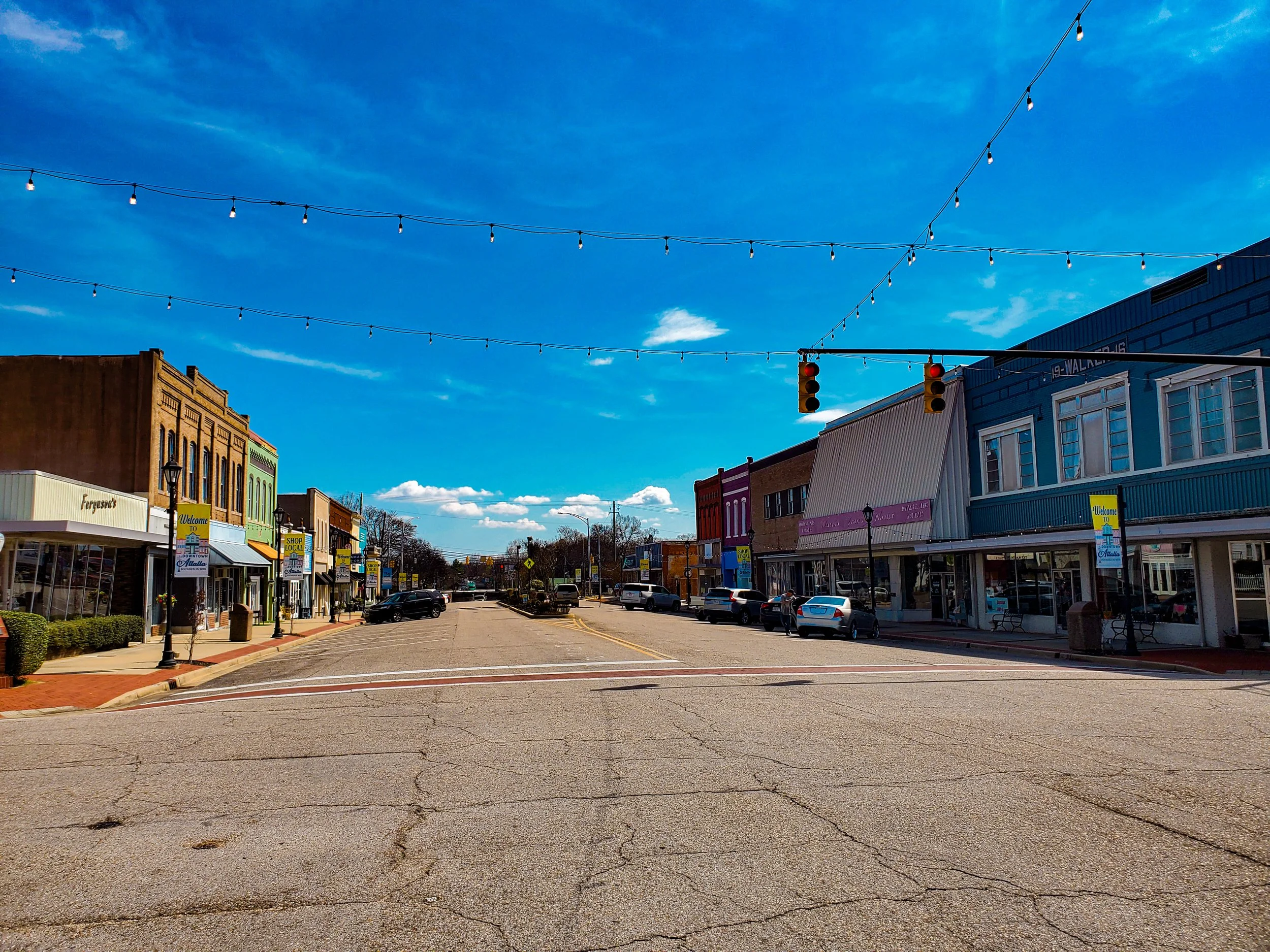
Downtown Attalla
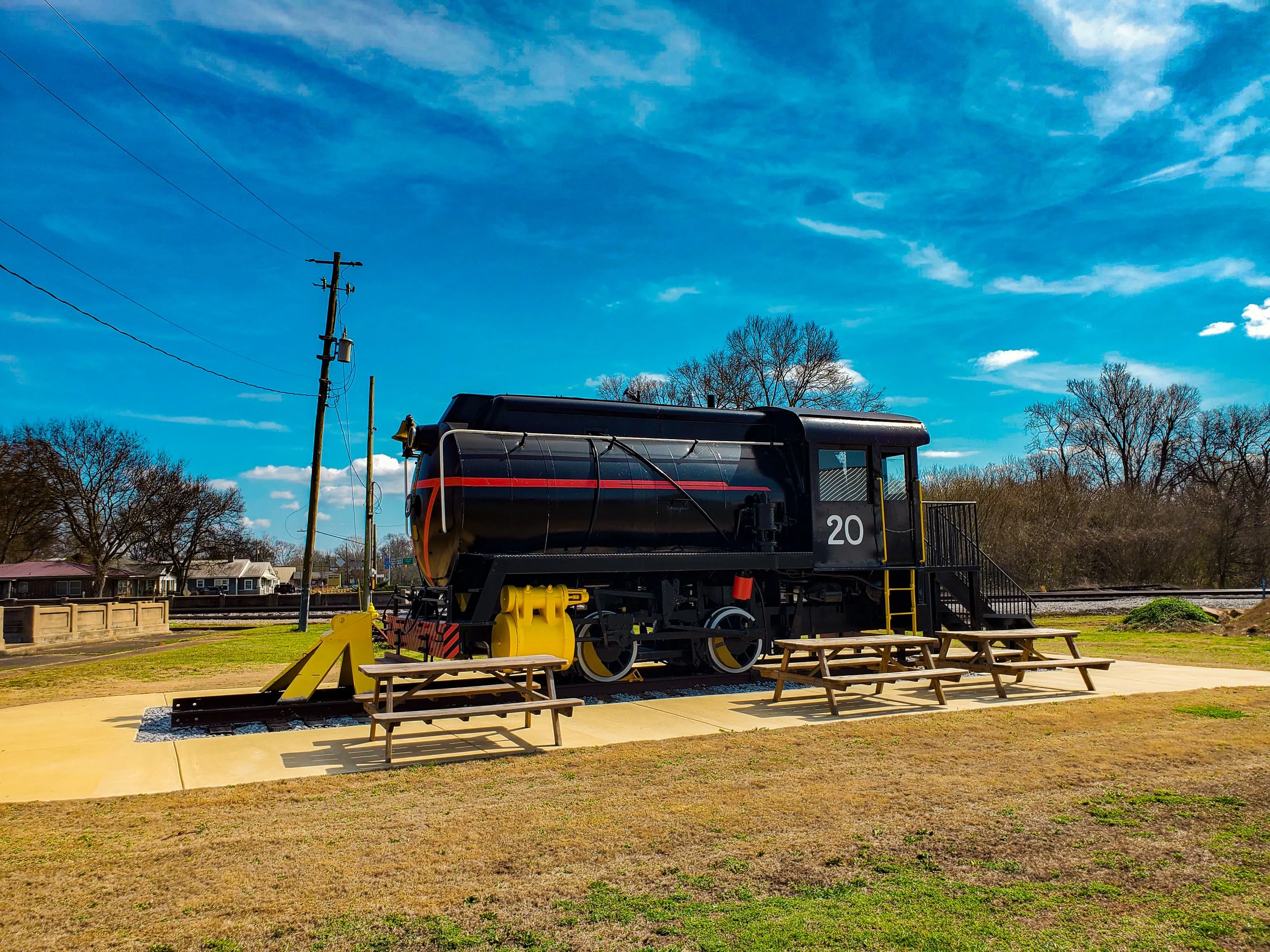
Attalla Locomotove
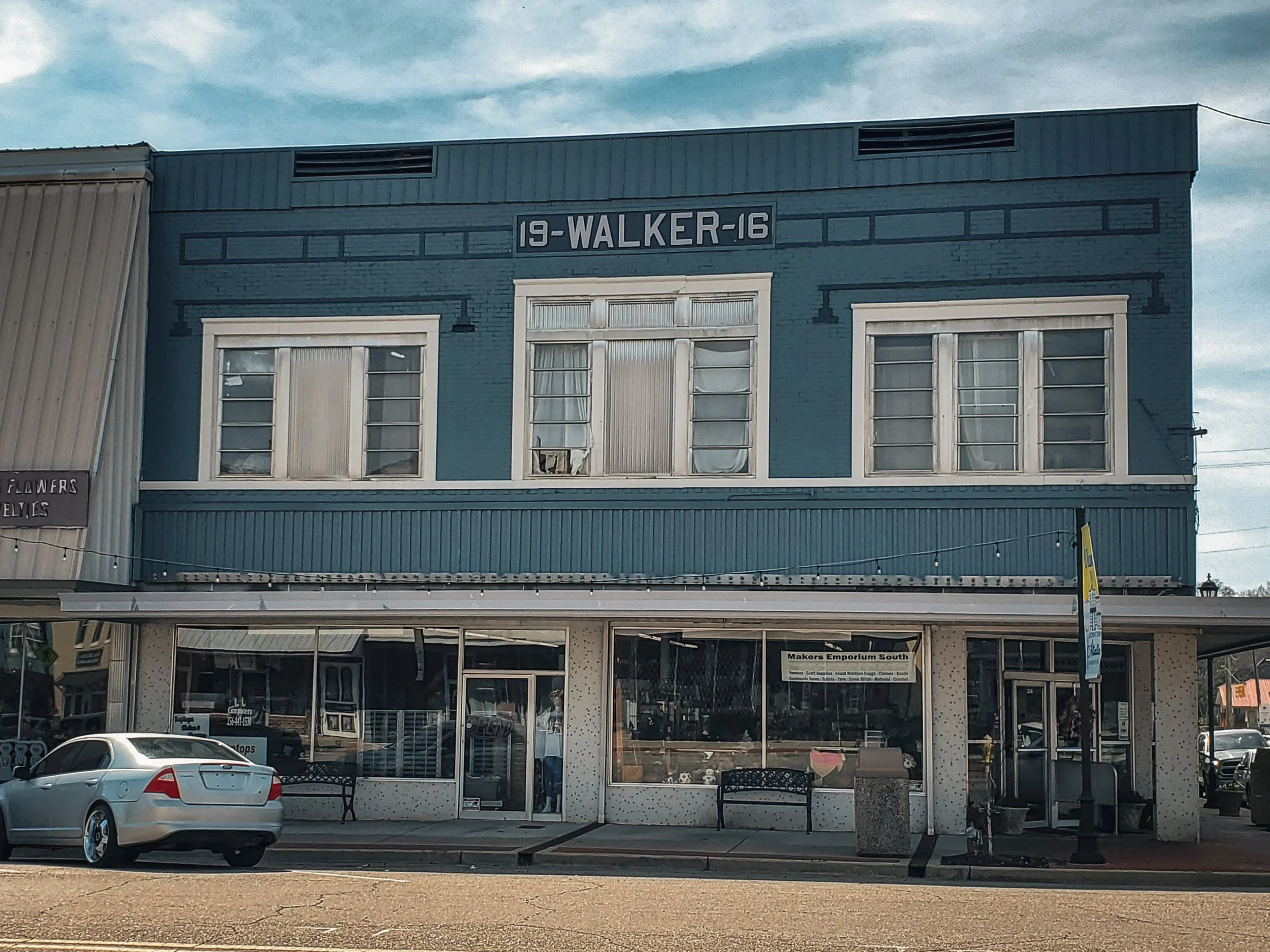
Walker Drugs (1916)
REECE CITY
Reece City is a short (4 miles) drive to Noccalula Falls Park and a 90 foot waterfall as well as the Gilliland-Reese Covered Bridge built in 1899 and moved to the park in 1967.
KEENER
George W. Keener donated land for the Alabama Great Southern Railway station. Along US 11 is a historical marker noting where William Lewis Moore, a white postal worker and civil rights activist walking from Chattanooga Tennessee to Jackson Mississippi to confront segregationists there, was assassinated in 1963.
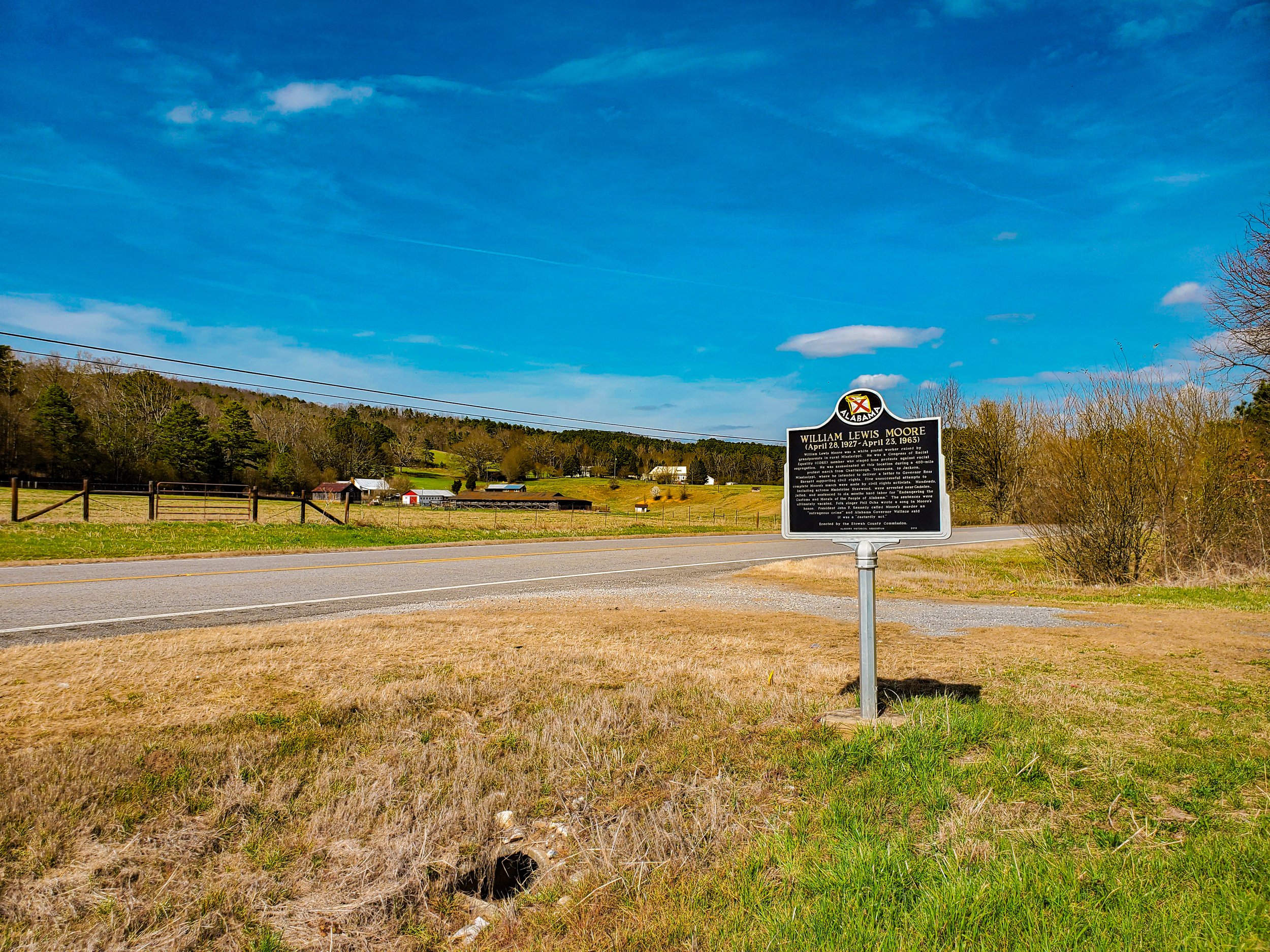
William Lewis Moore Marker
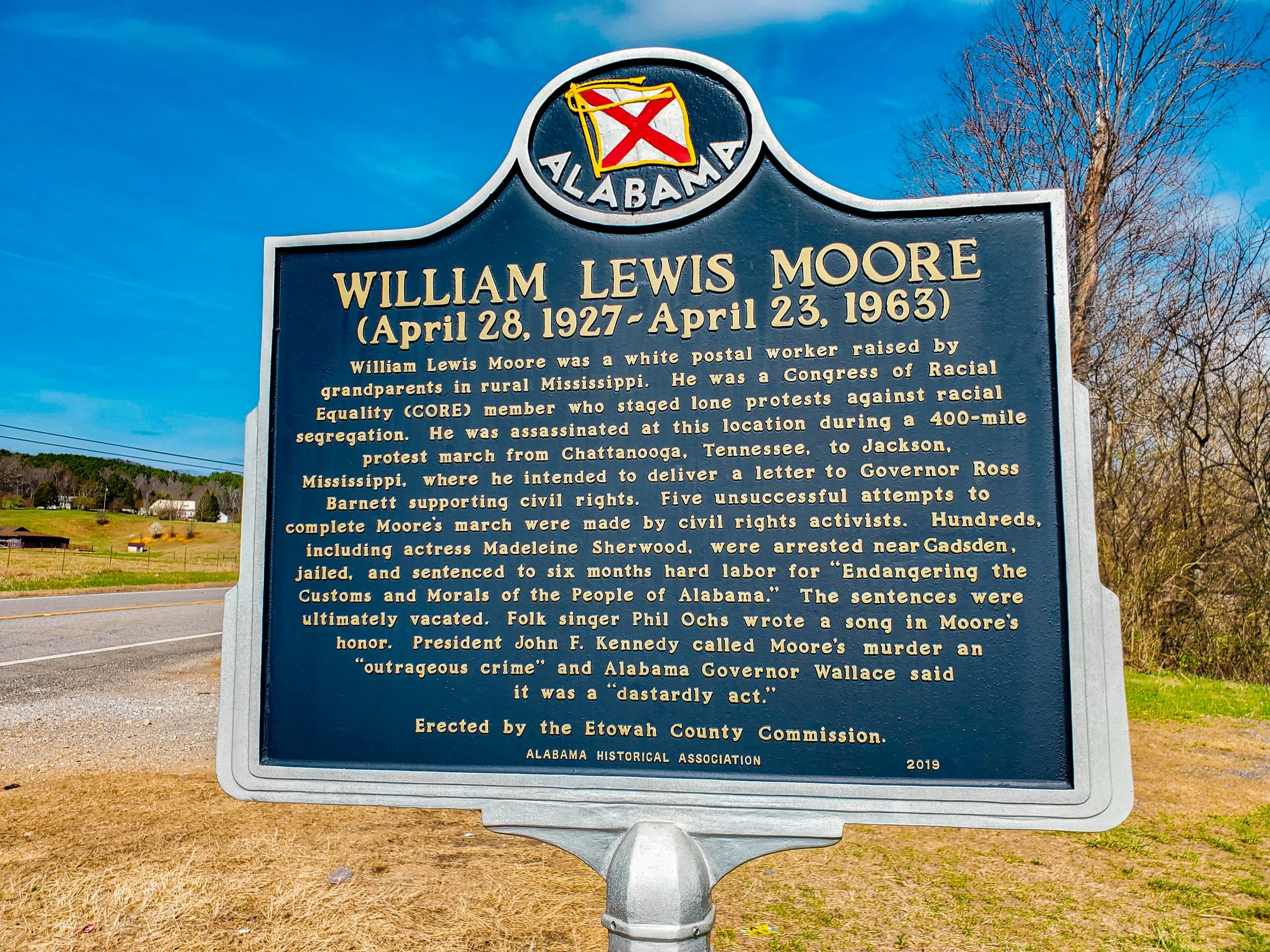
William Lewis Moore Marker
COLLINSVILLE
Named after early settler Alfred Collins, the town was incorporated in 1887. Several of the valleys and creeks in the area (Little Wills Valley, Big Wills Creek, for example) are named after Chief Big Will, a red-headed Indian chief who was the son of a British agent to the Indians and a Cherokee woman. Sequoyah, who invented the Cherokee syllabary (a writing system of 86 symbols that allowed the Cherokee nation to read and write in their own language), grew up in Willstown and walked trails of Little Wills Valley. The Collinsville historic district includes the Cricket Theater built in 1946 and the Museum of Collinsville History. The tradition of “Horse Swapper’s Day” which began in 1902 continues each Saturday in the downtown area as Collinsville Trade Day, a market that covers 65 acres with over 1000 vendors.
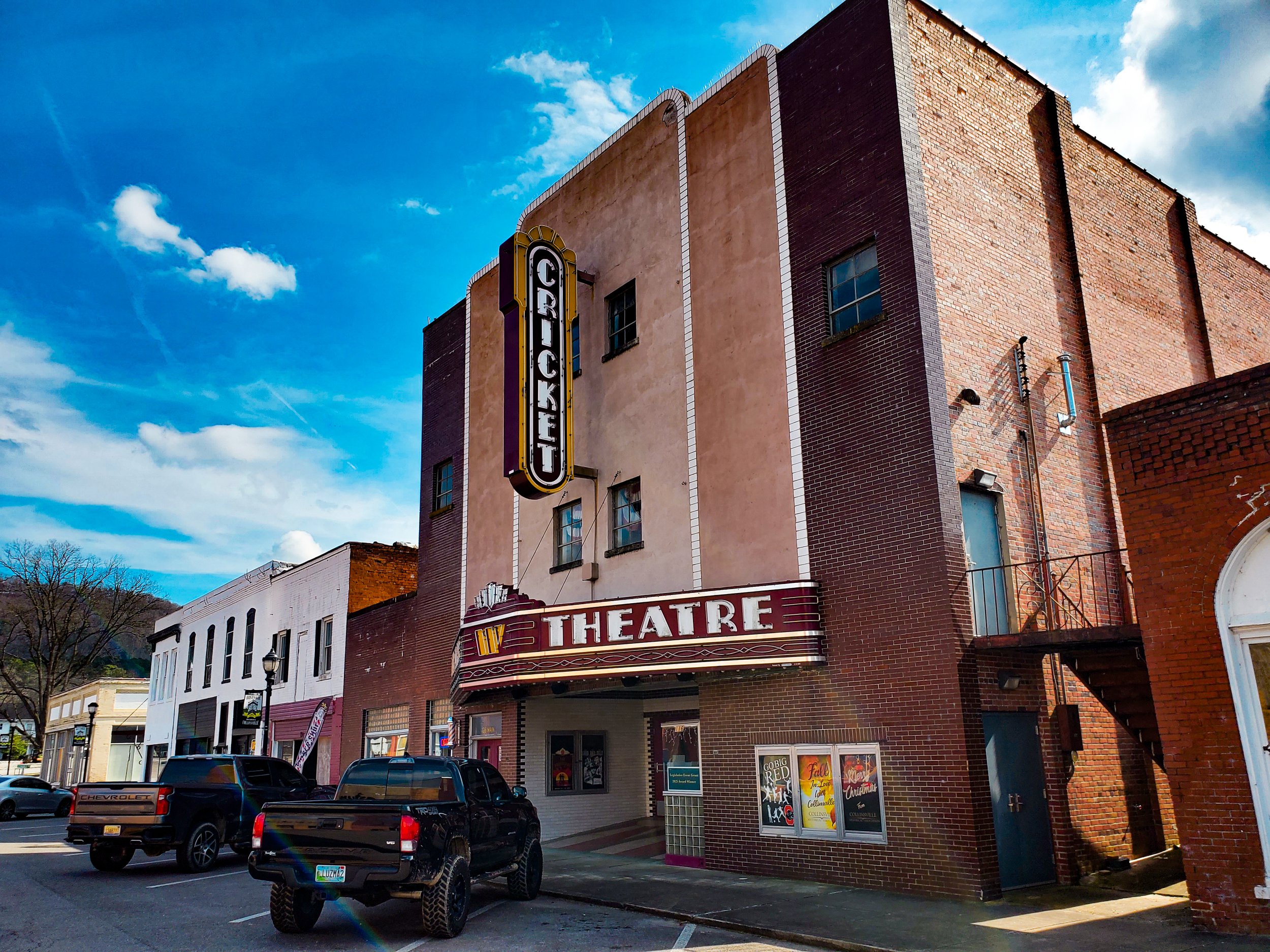
Cricket Theater
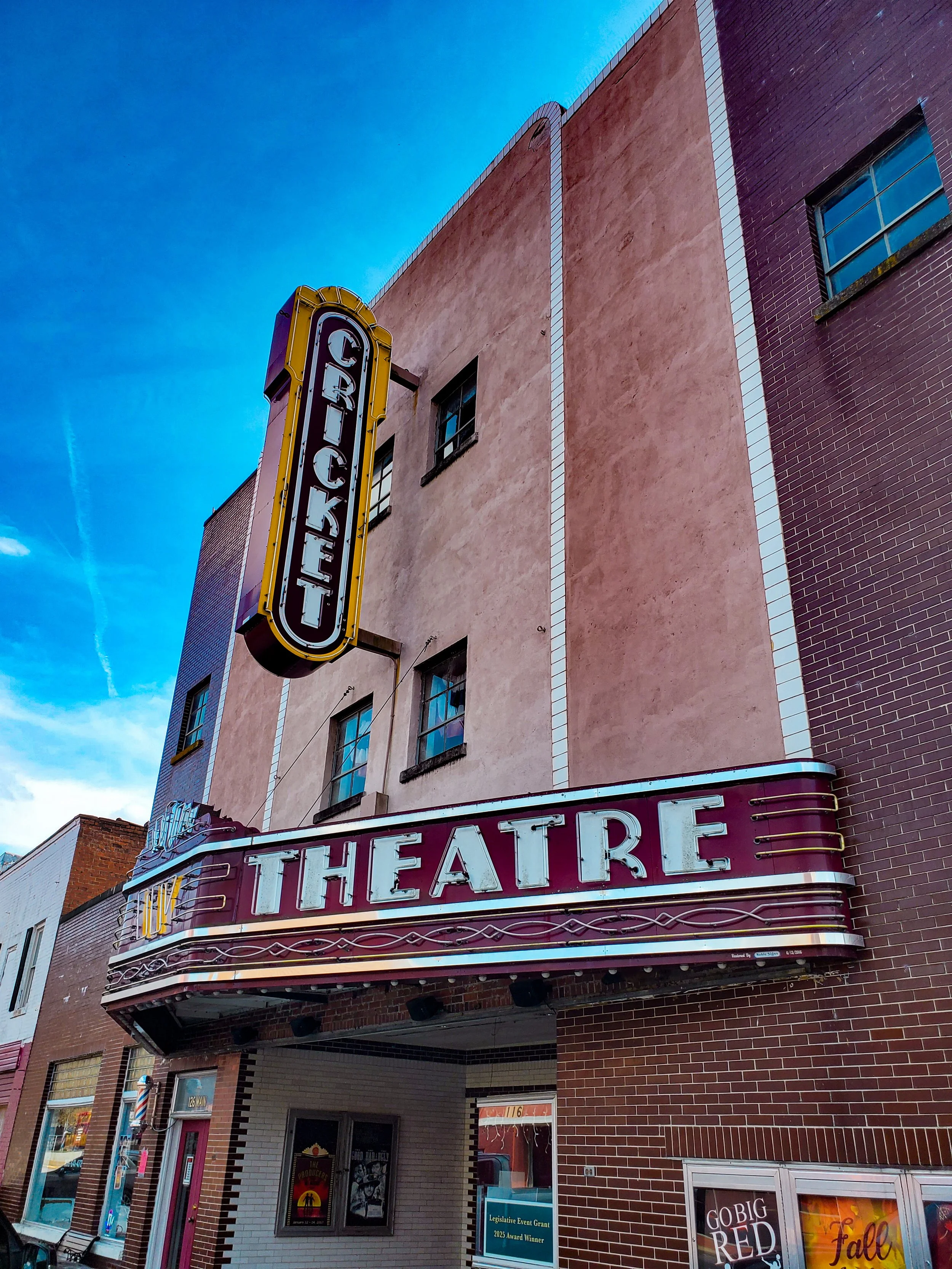
Cricket Theater
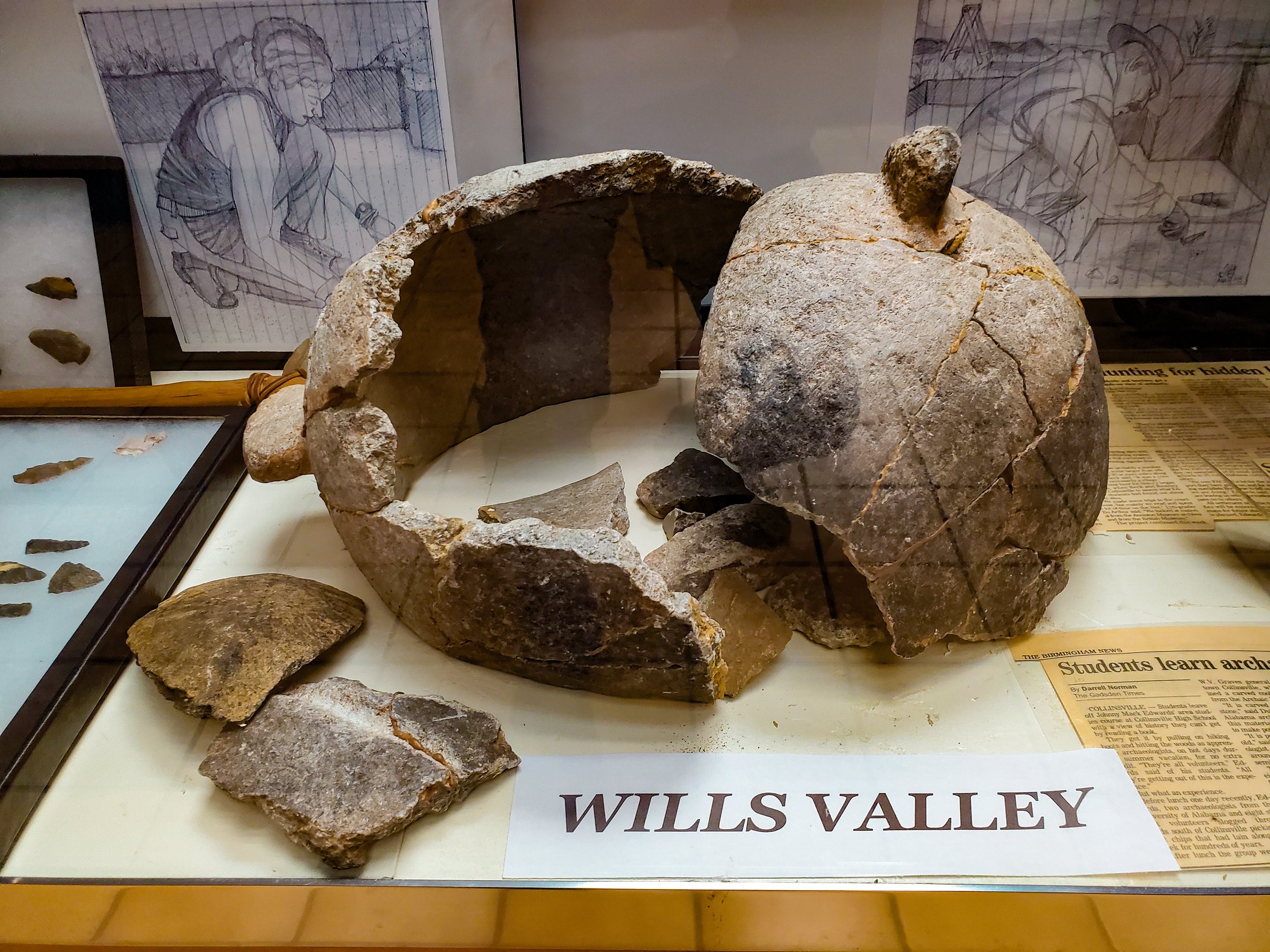
Collinsville Museum
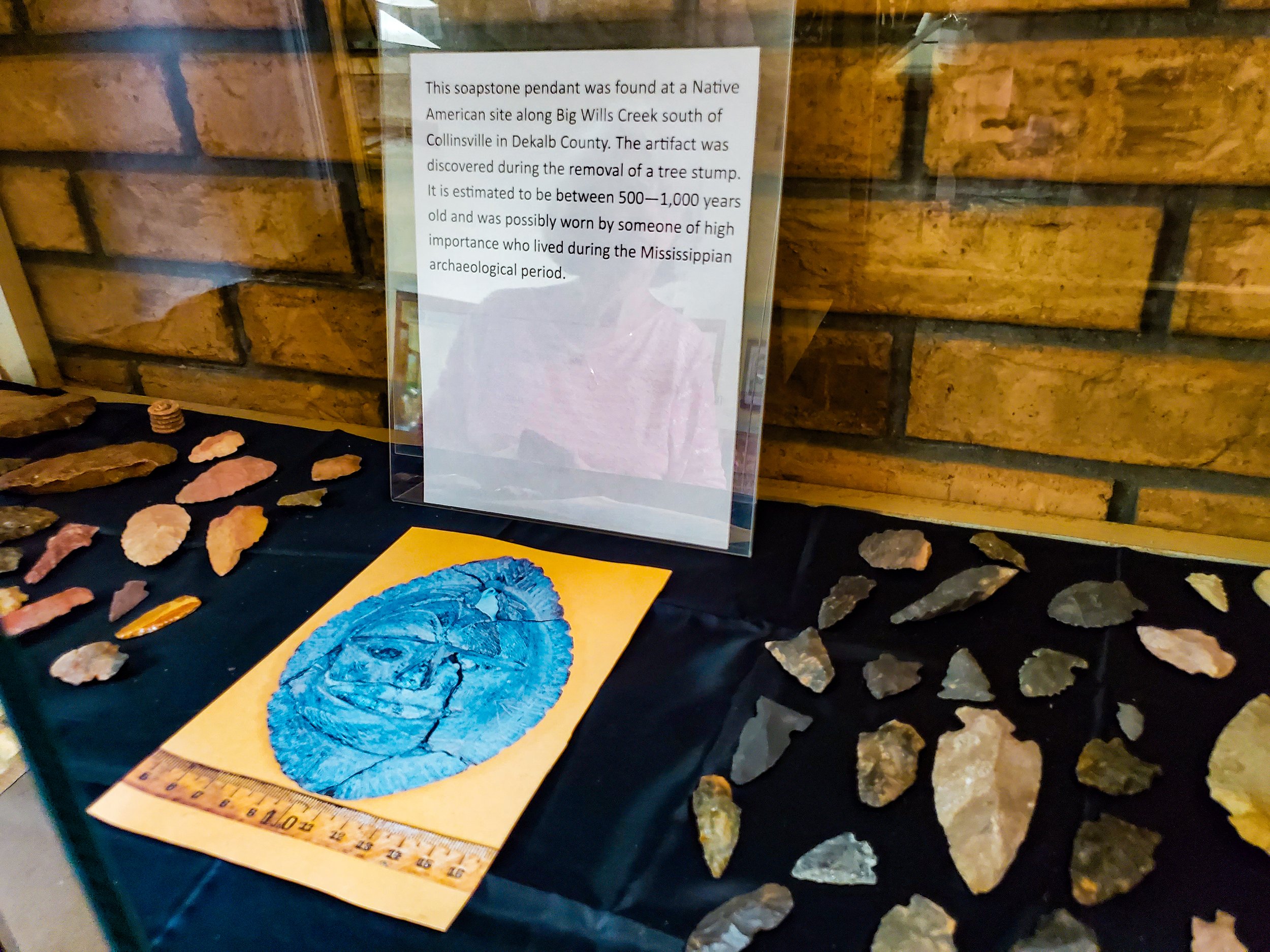
Collinsville Museum
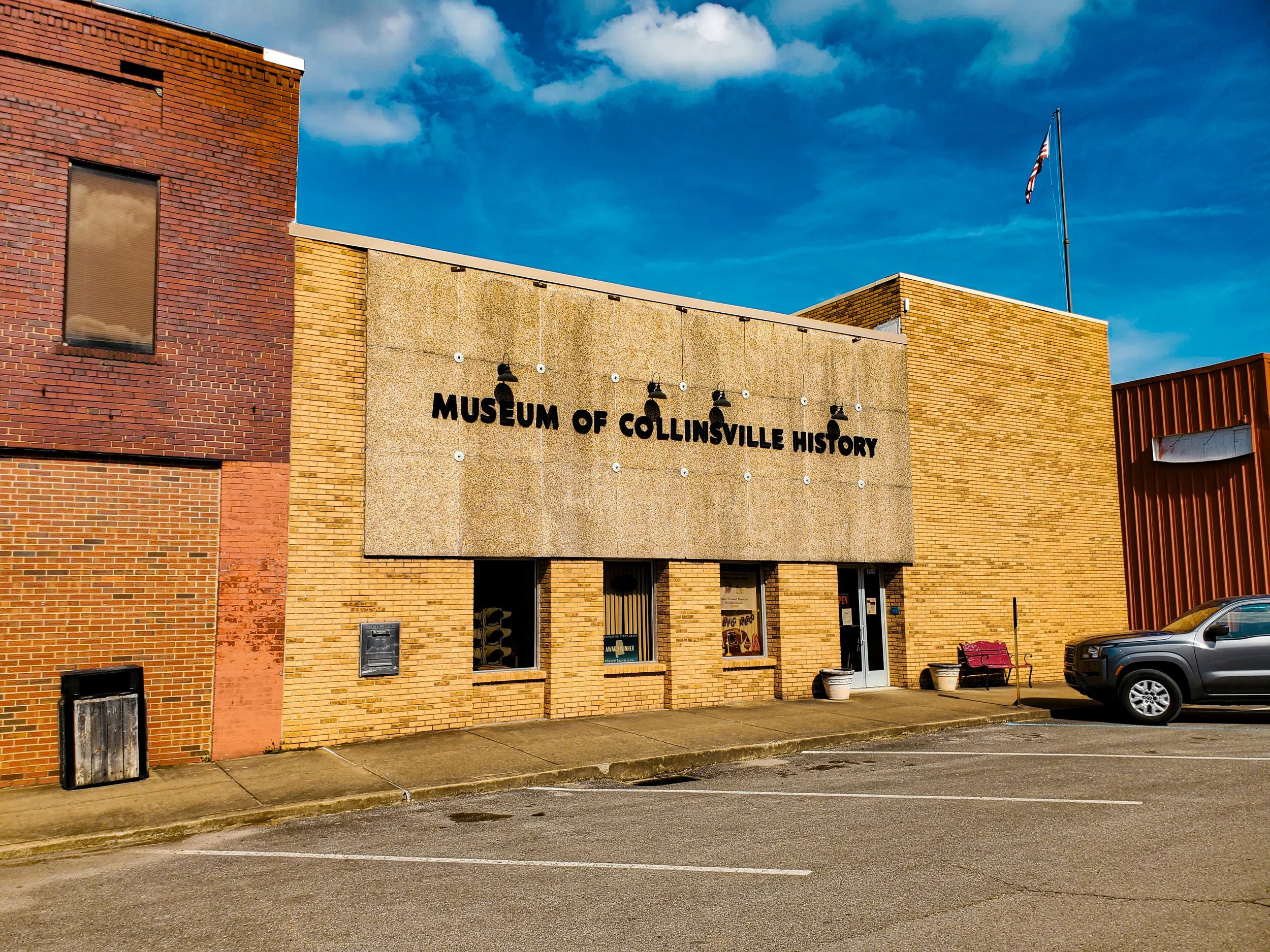
Collinsville Museum
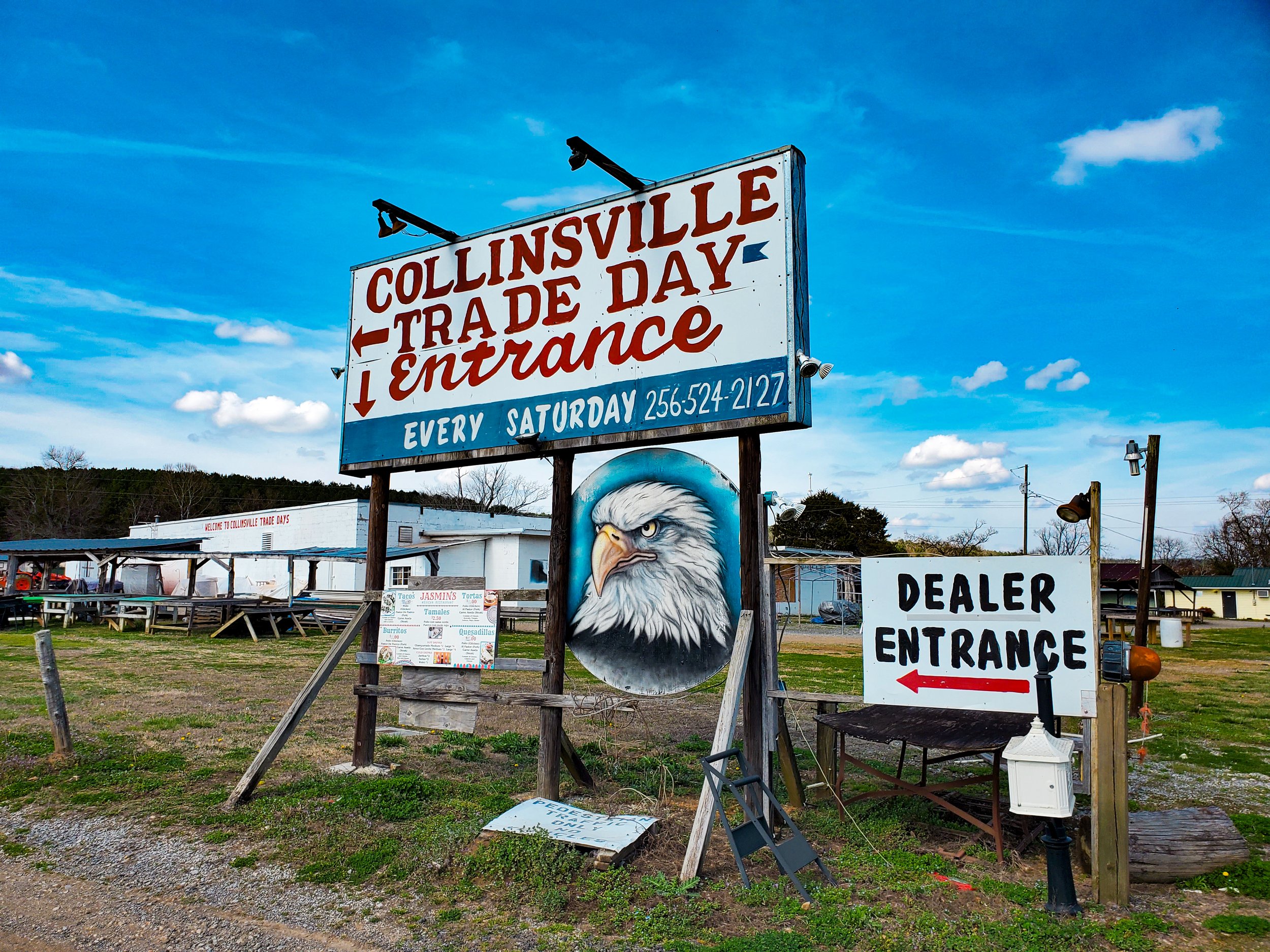
Collinsville Trade Day
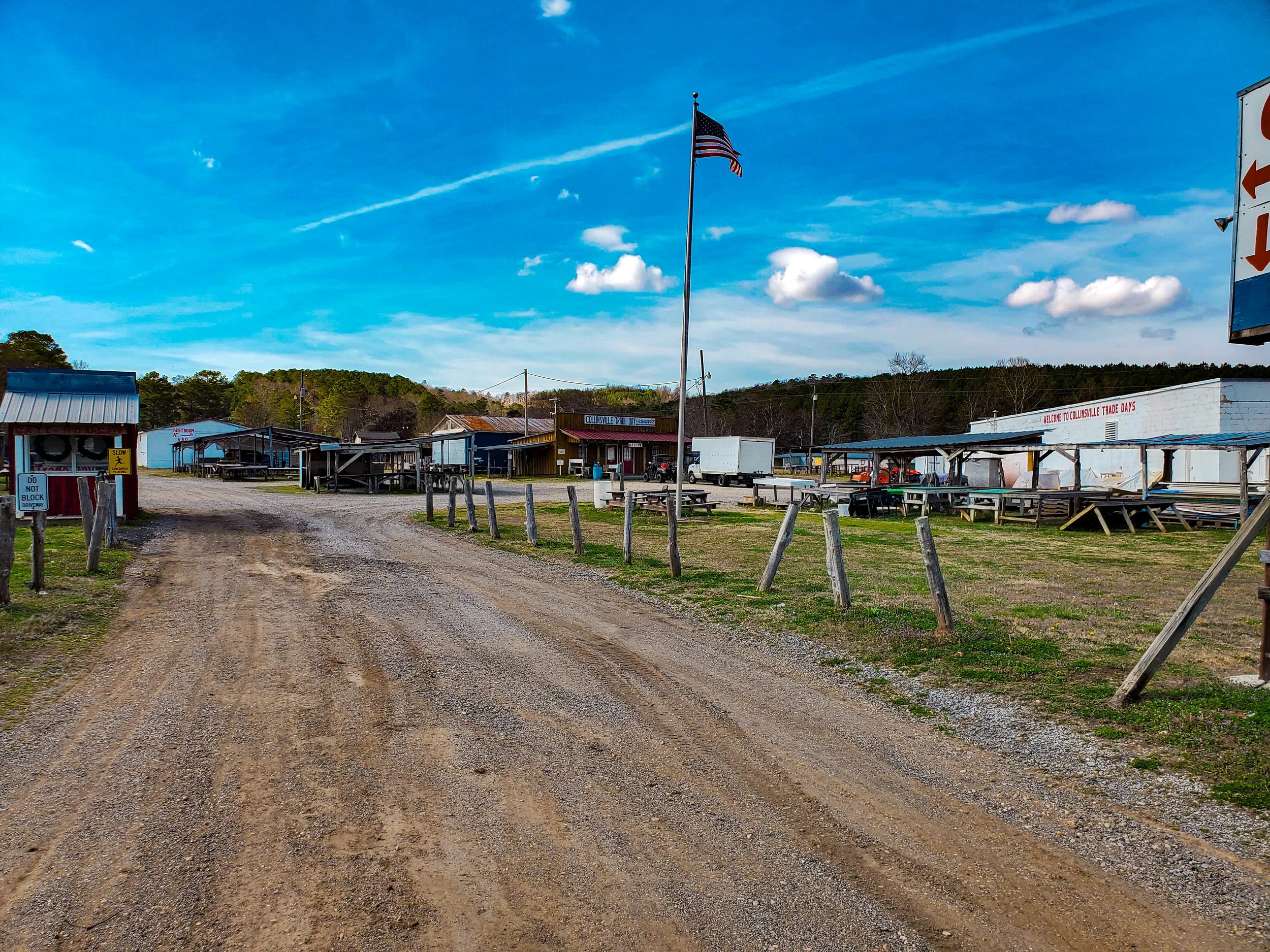
Collinsville Trade Day
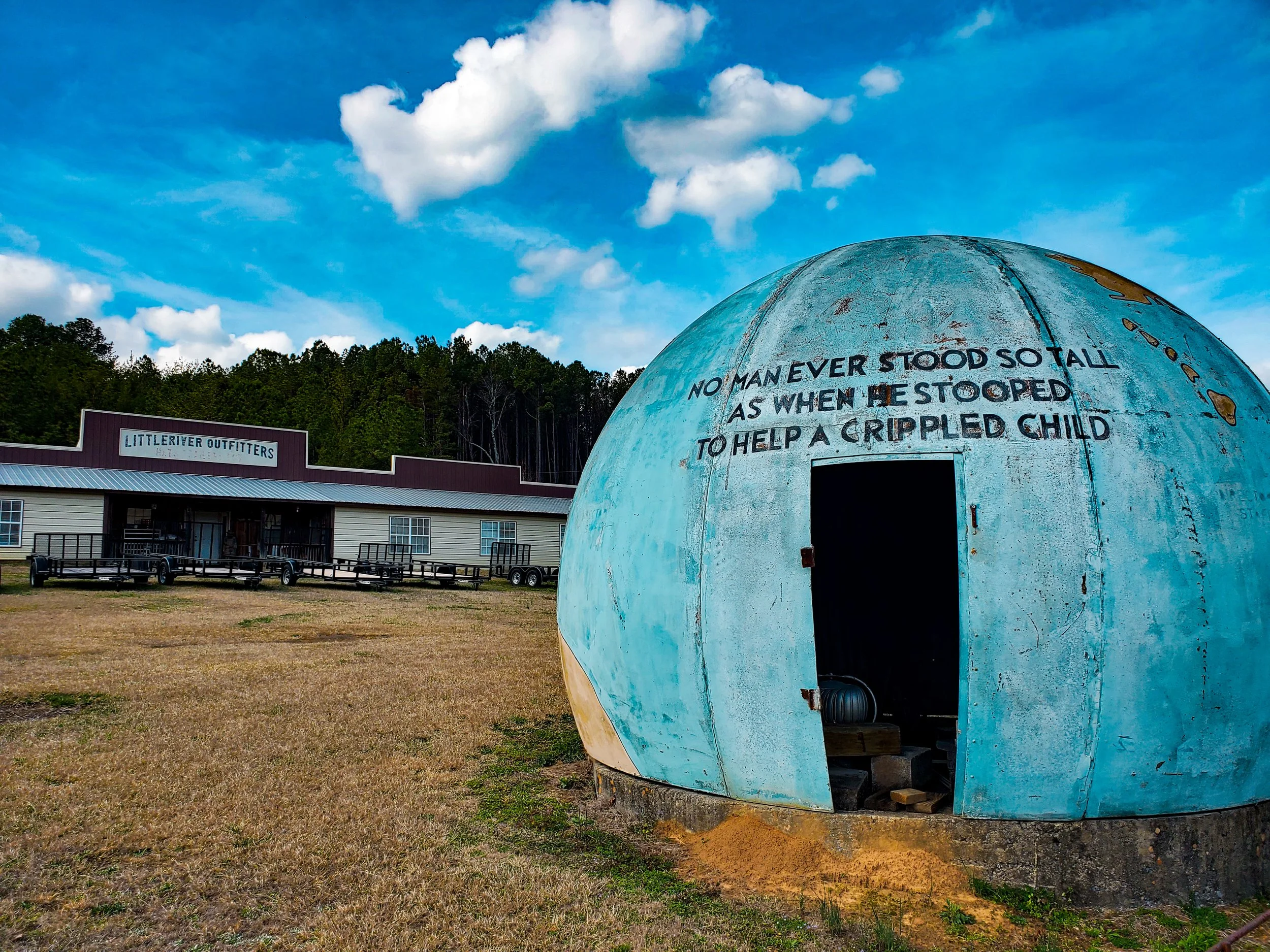
Painted Globe Near Collinsville
FORT PAYNE
The town of Fort Payne developed around the 1830 fort involved in the removal of the Cherokee and the “Trail of Tears”. The Cherokee town of Willstown is nearby. At one time, Fort Payne produced 50% of the world’s socks and was nicknamed the “Sock Capital of the World”. Local historic sites include the Fort Payne Depot Museum, Fort Payne Opera House, Hosiery Museum, Fort Payne cabin historic site, and DeKalb Theater downtown. Area natural attractions include the DeSoto State Park (with a 104 foot waterfall), Little River Canyon and Little River Falls (considered the “Grand Canyon of the East”), and Manitou Cave (by appointment only). Other local sites of interest include the Alabama Fan Club (band, not the team) and Museum, and the Ditch Dye Gang at 250 5th Street NE. Adjacent to the Big Mill Antique Mall is the Vintage 1889 restaurant offering “New American” cuisine, and the Bear Creek Log Cabins are reconstructed from the original 1800’s American Pioneer log cabins and restored on 196 acres of secluded farmland. Sally’s BBQ on US 11 is a good stop for BBQ or ribs, and The Spot Coffee Shop in town has a great sign with great coffee in an historic building.
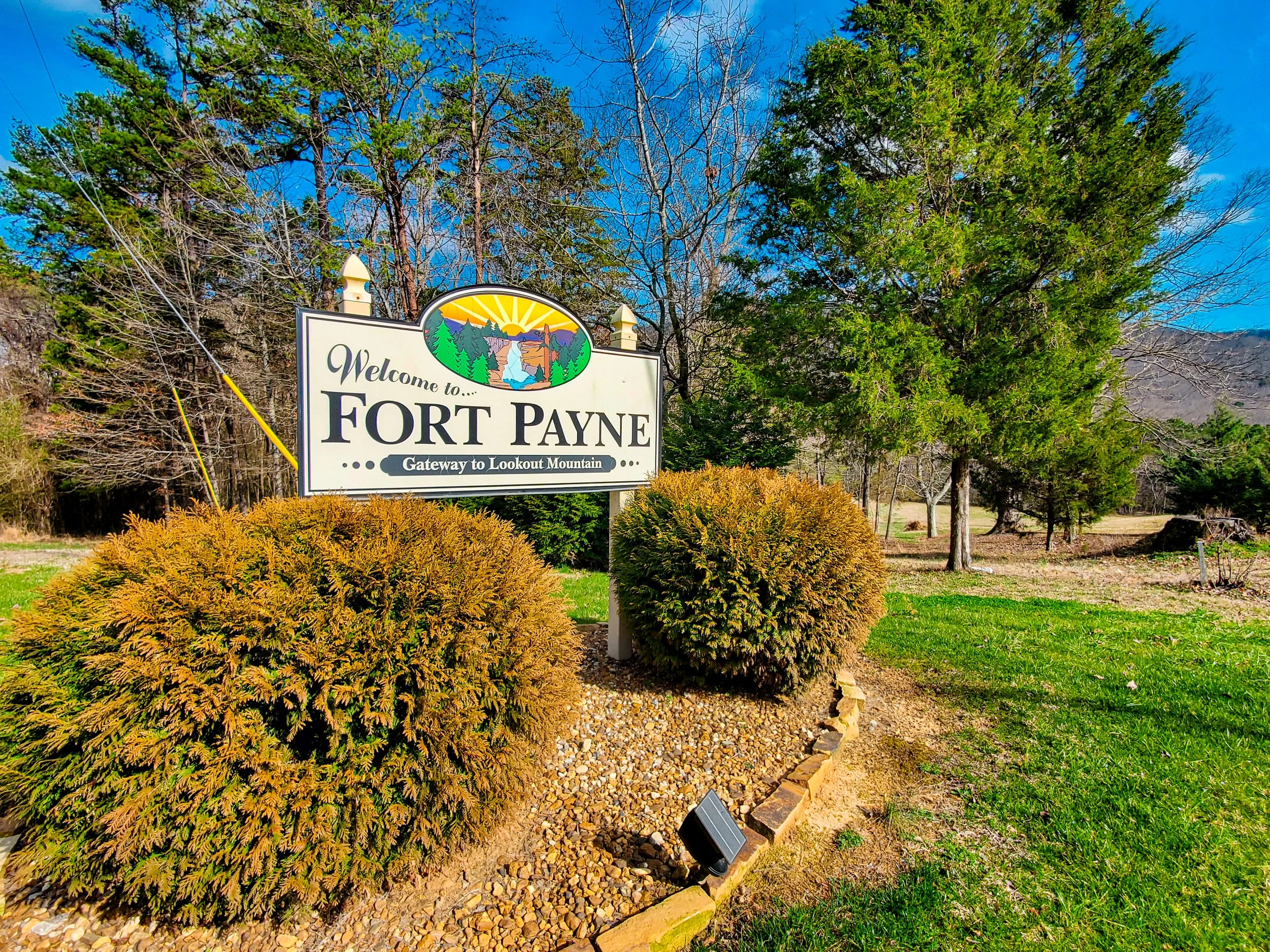
Welcome to Ft Payne
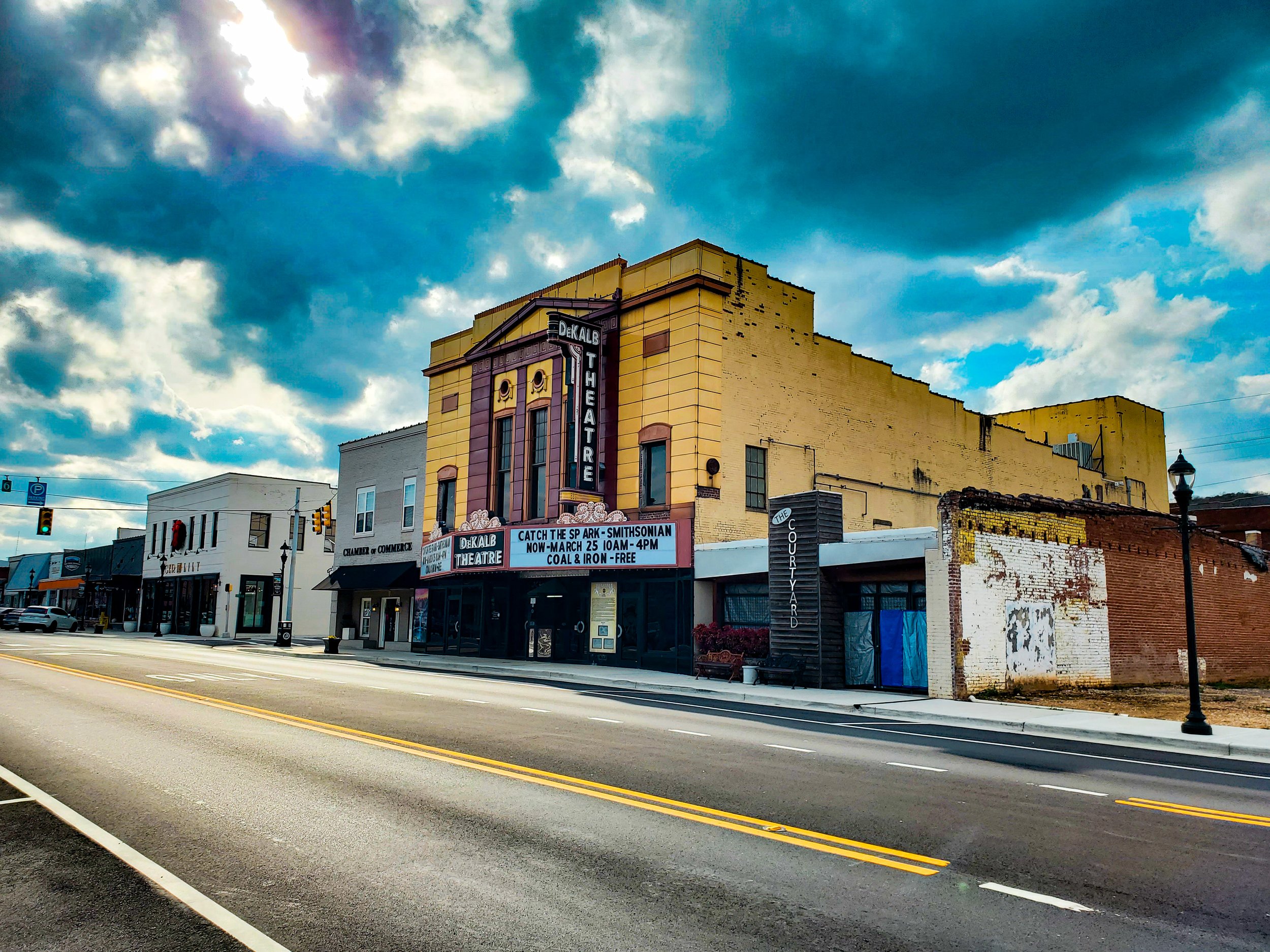
Dekalb Theater
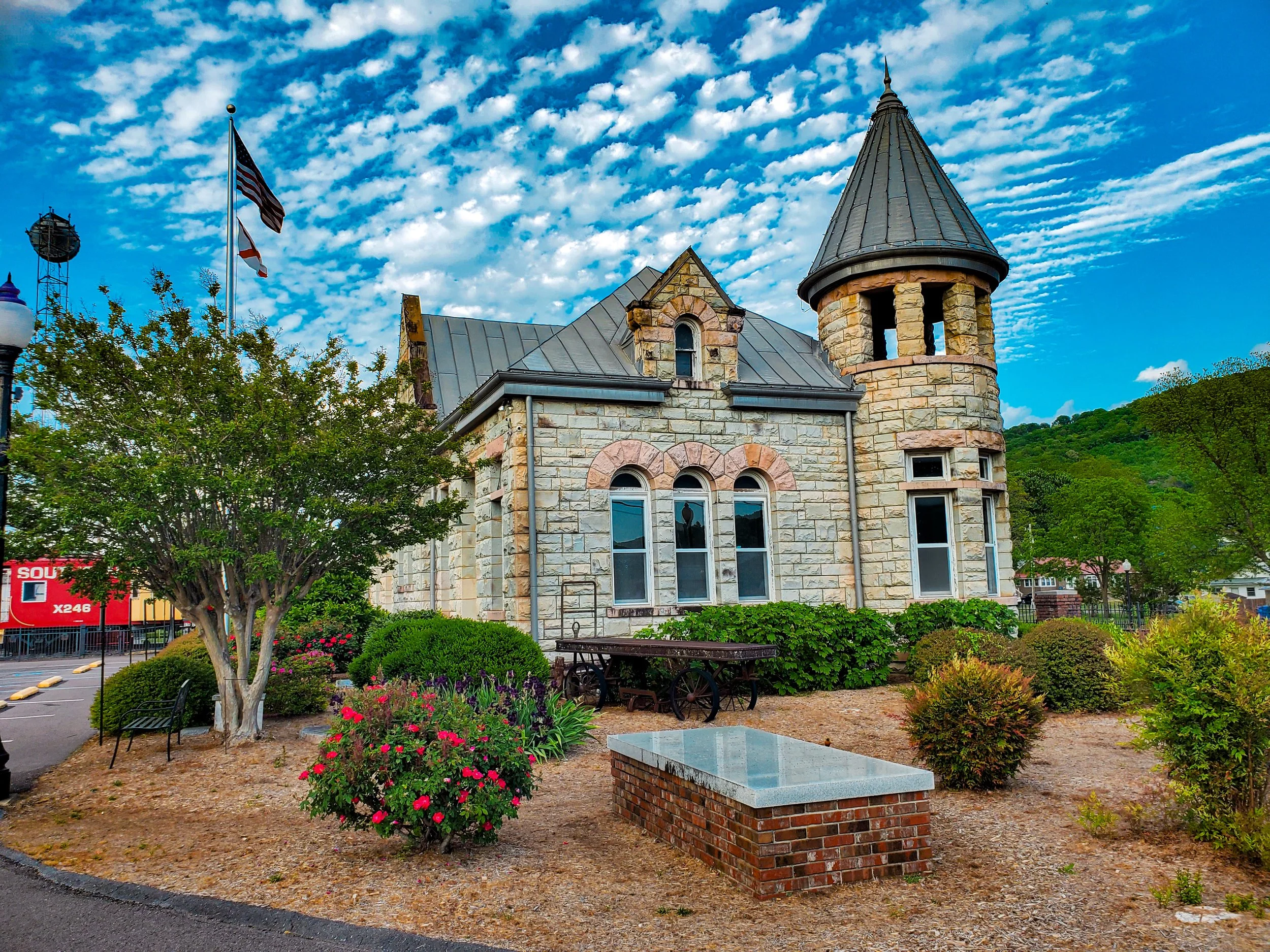
Train Depot
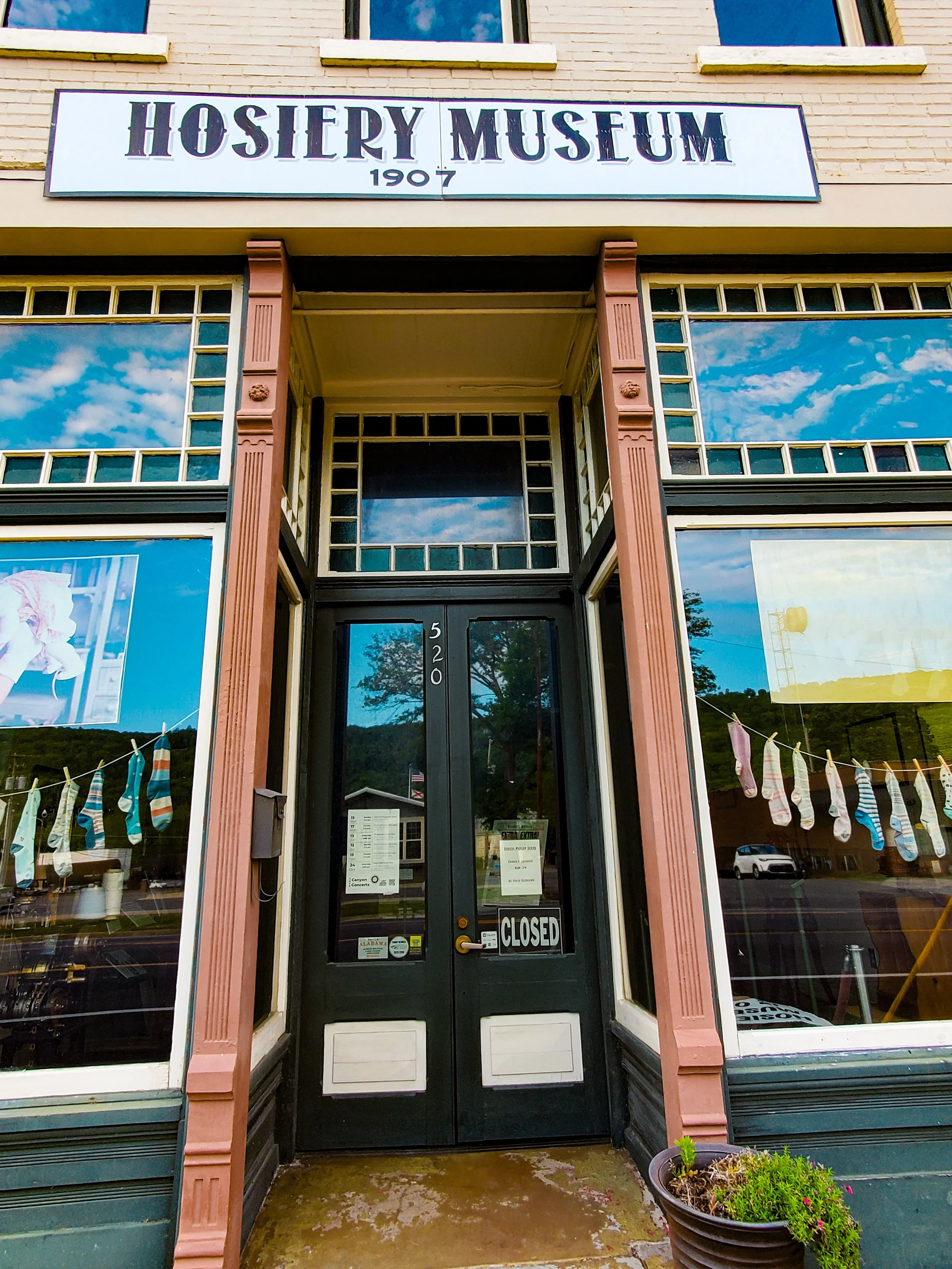
Hosiery Museum

Hosiery Museum
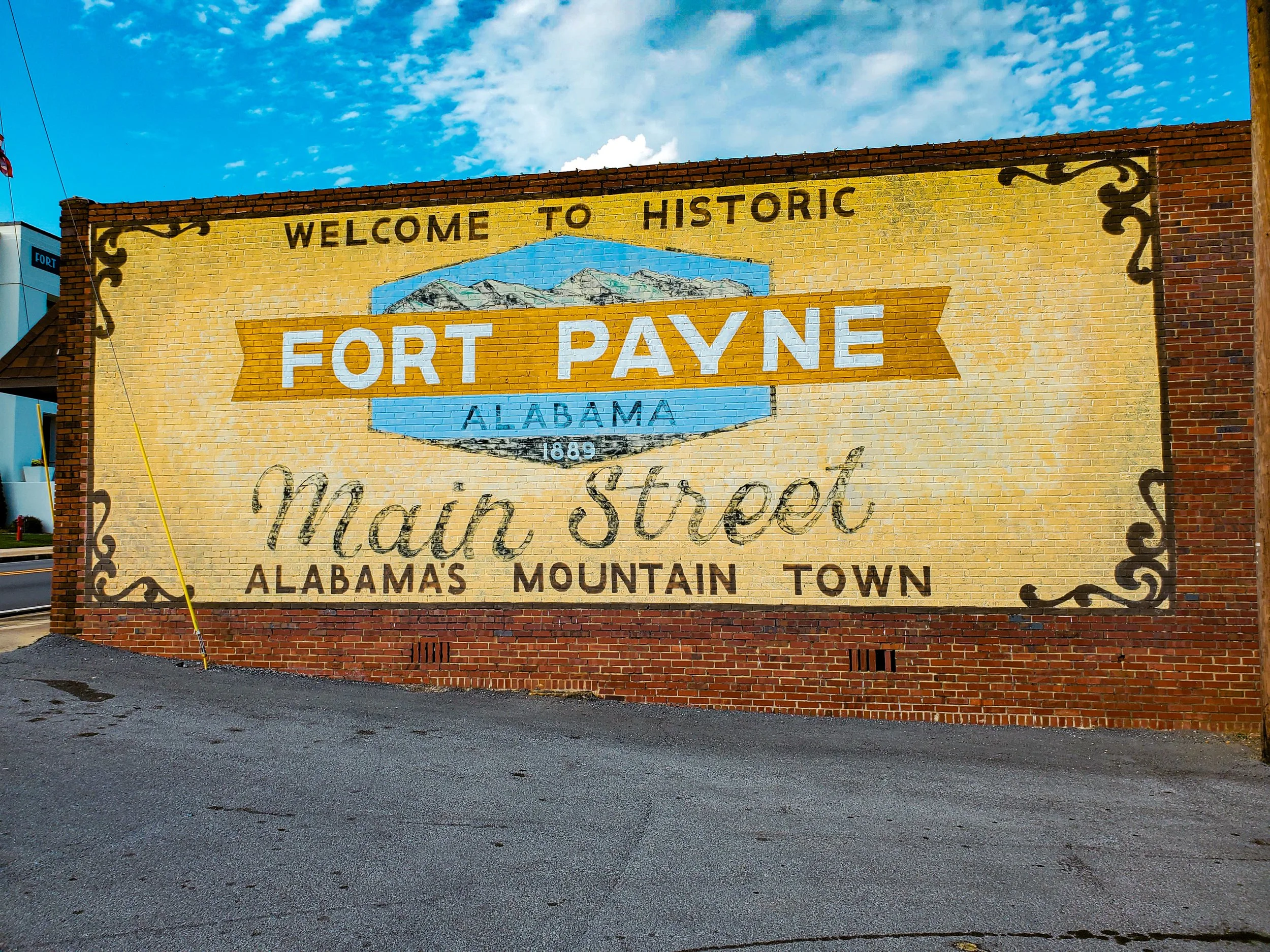
Welcome To Ft Payne Mural
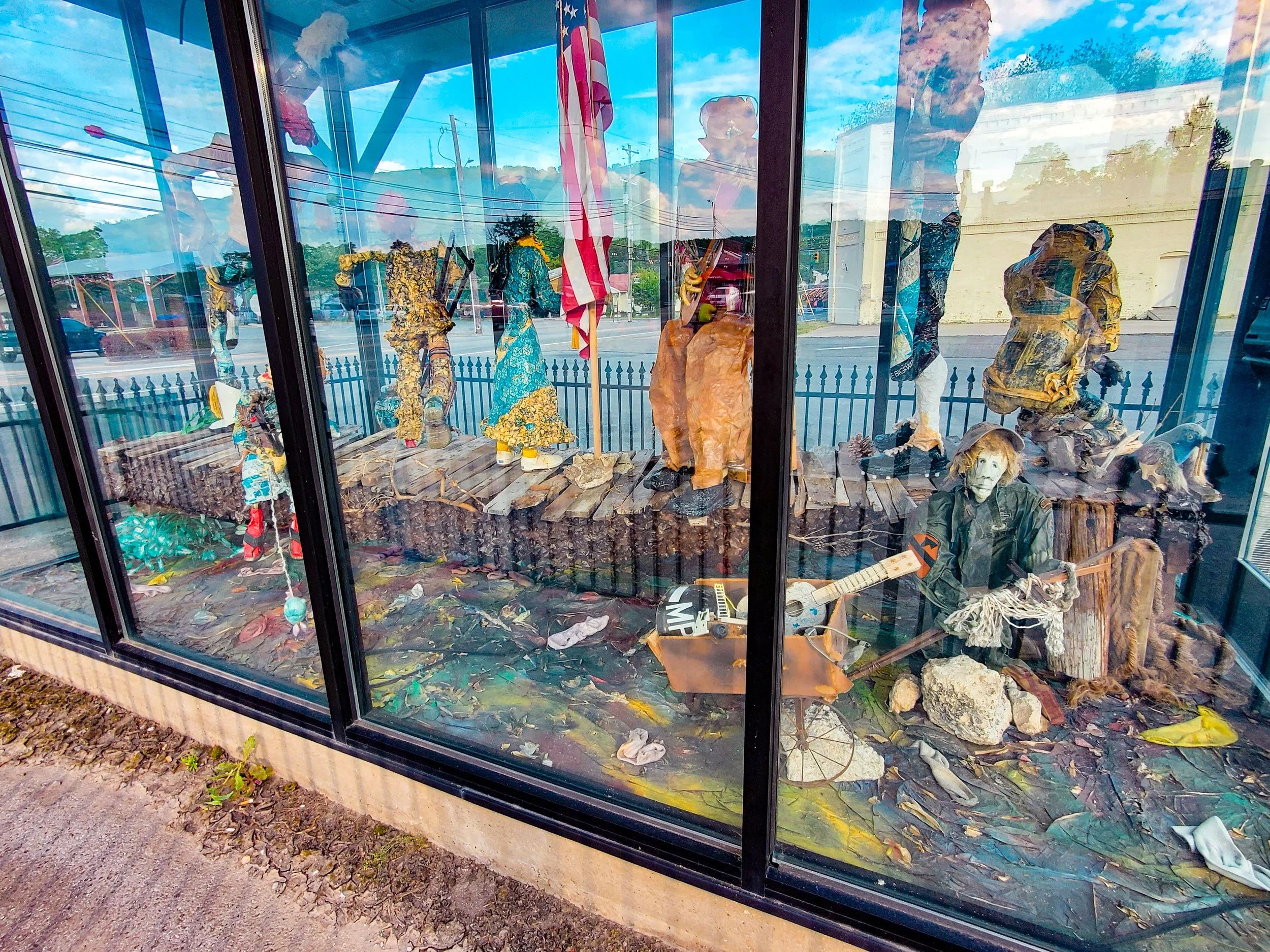
The Dye Ditch Gang
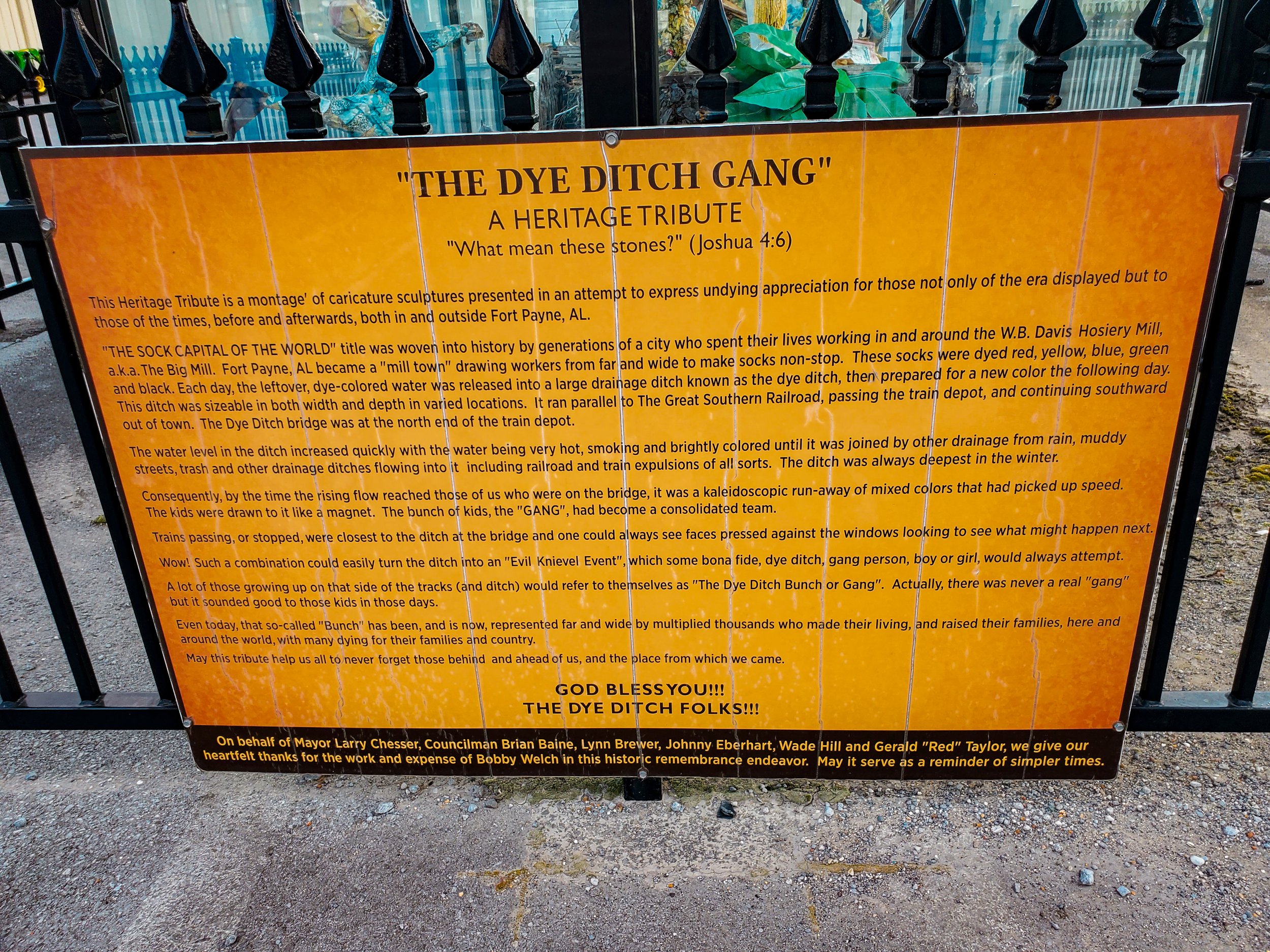
The Dye Ditch Gang
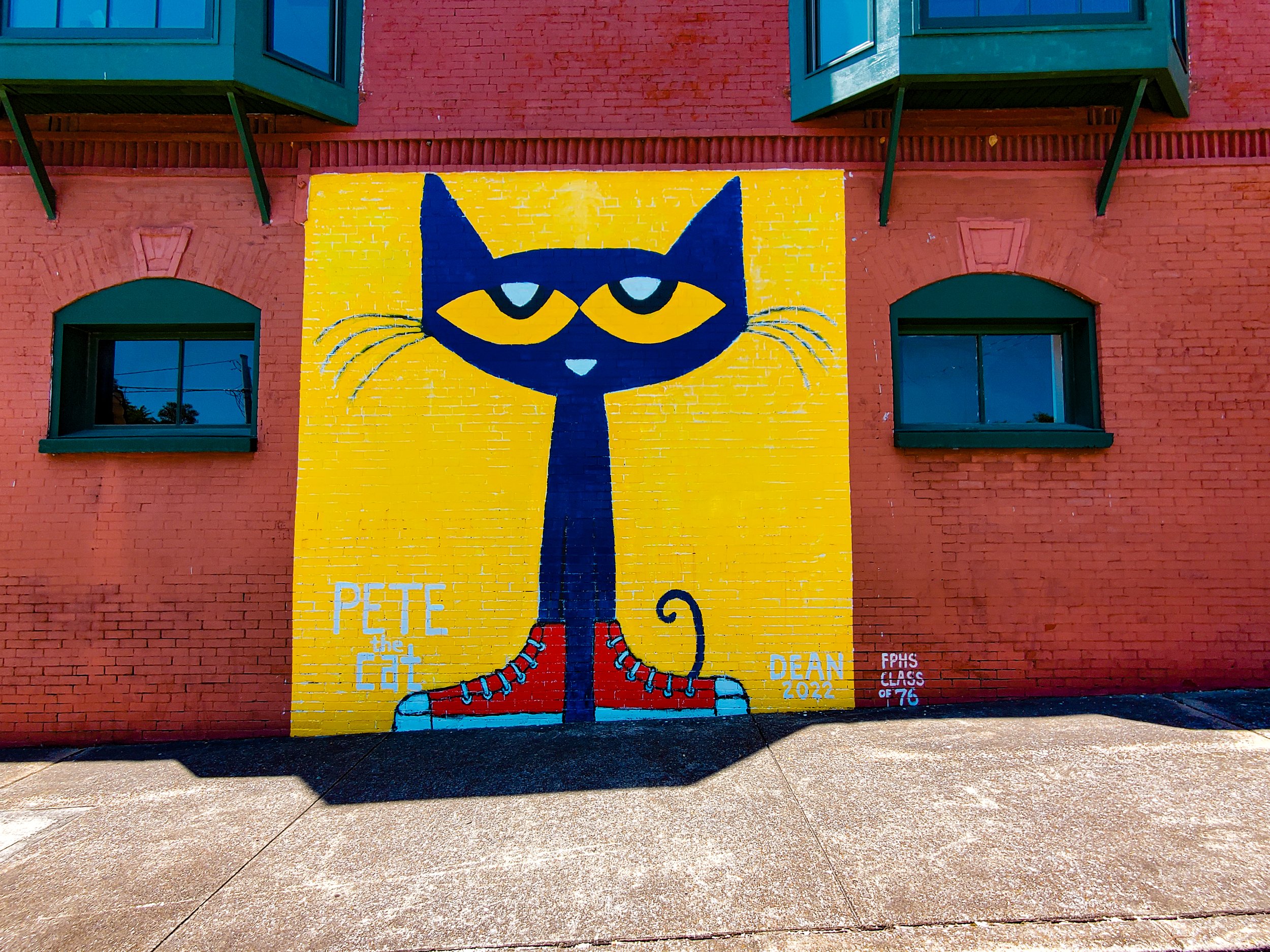
Pete the Cat Mural
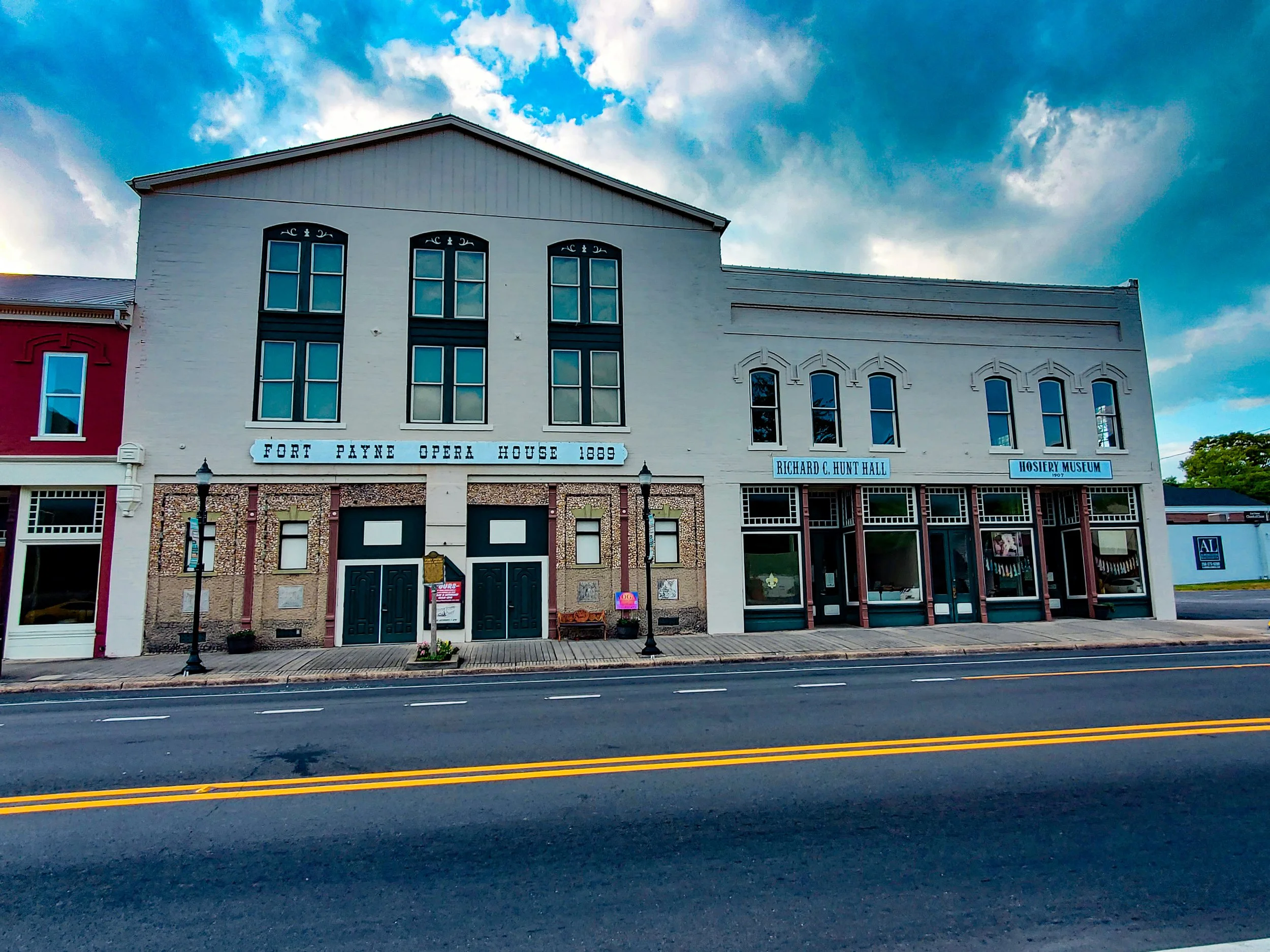
Ft Payne Opera House
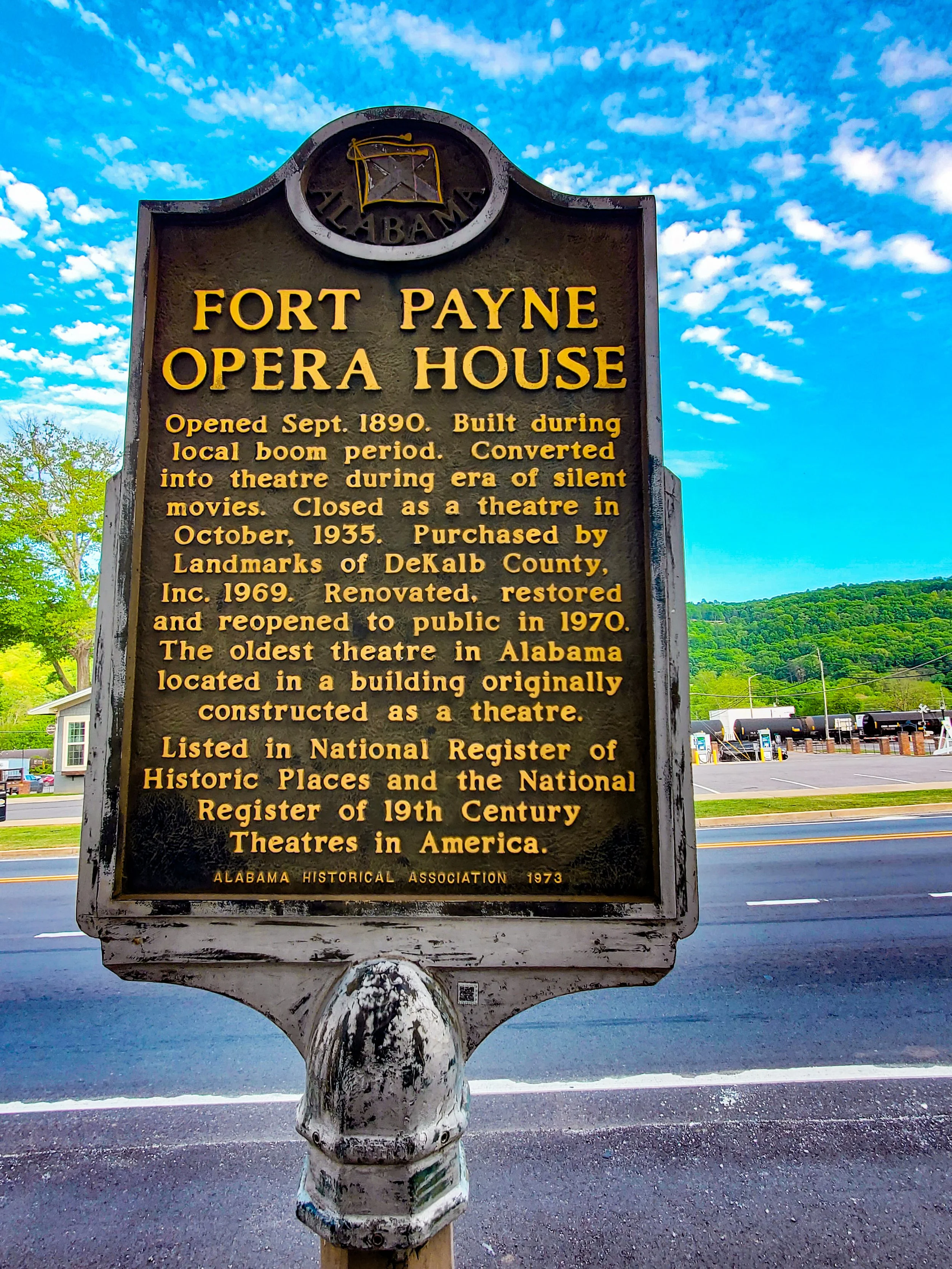
Ft Payne Opera House
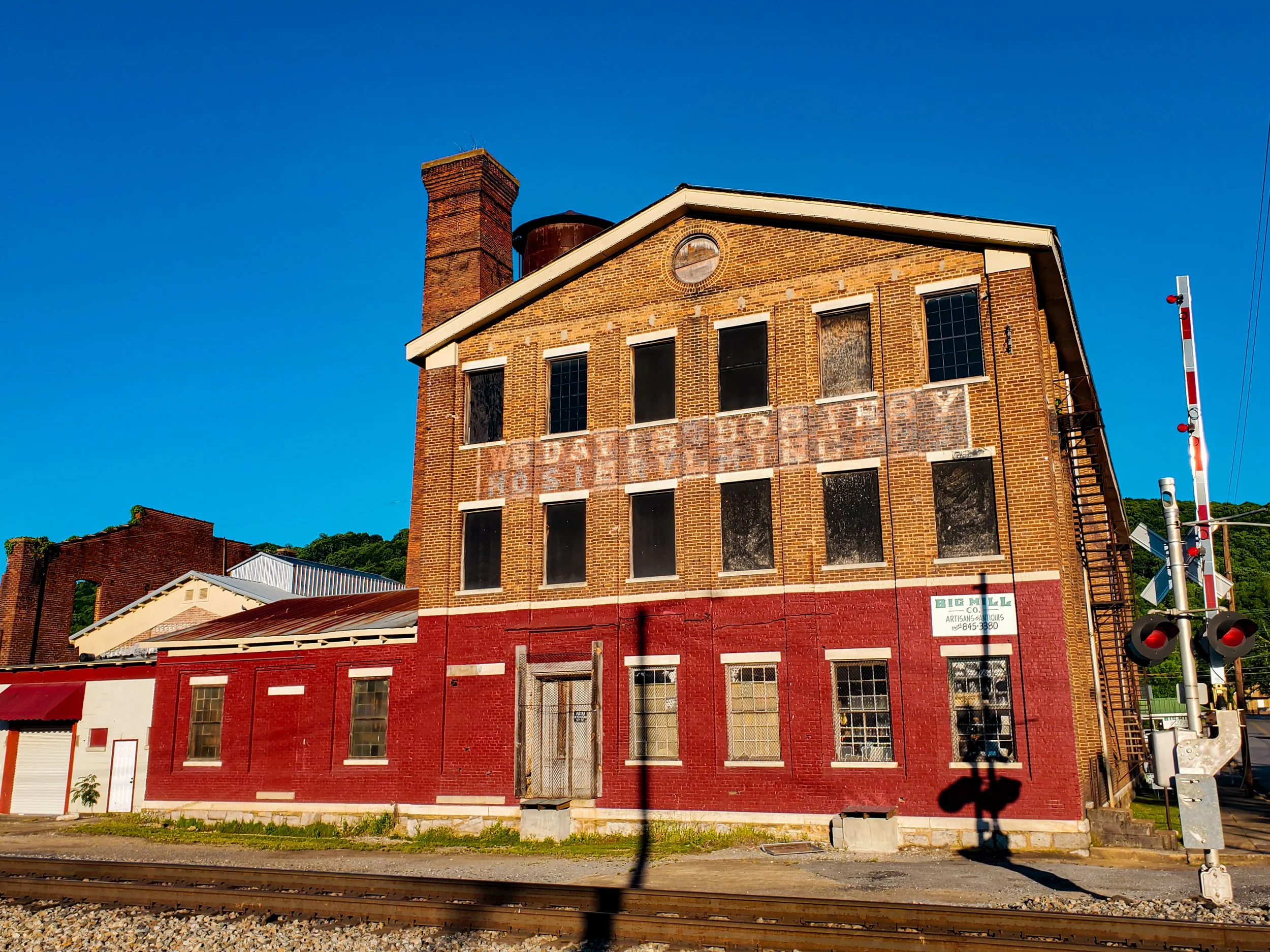
Hosiery Mill Building
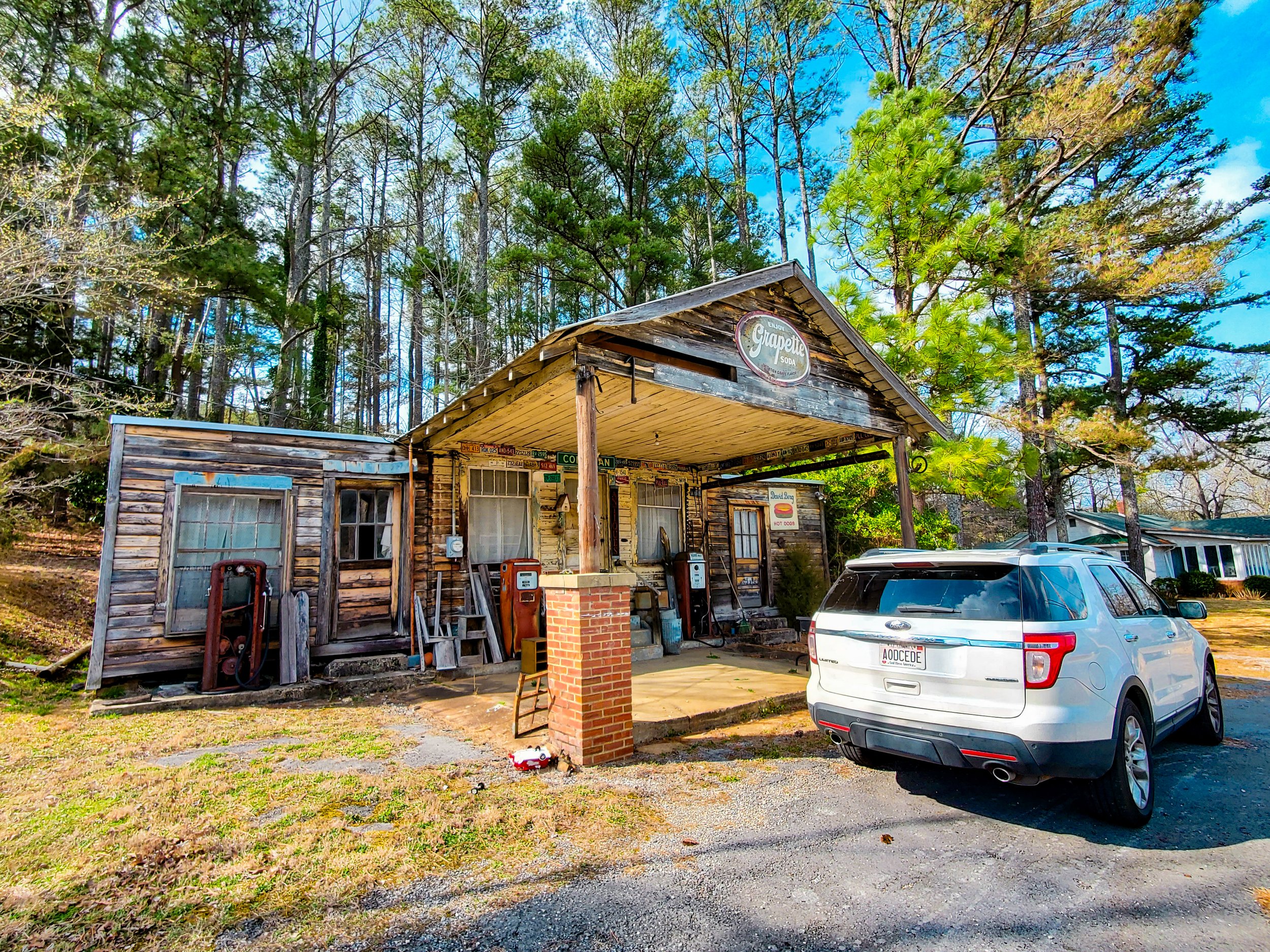
Old General Store near Ft Payne
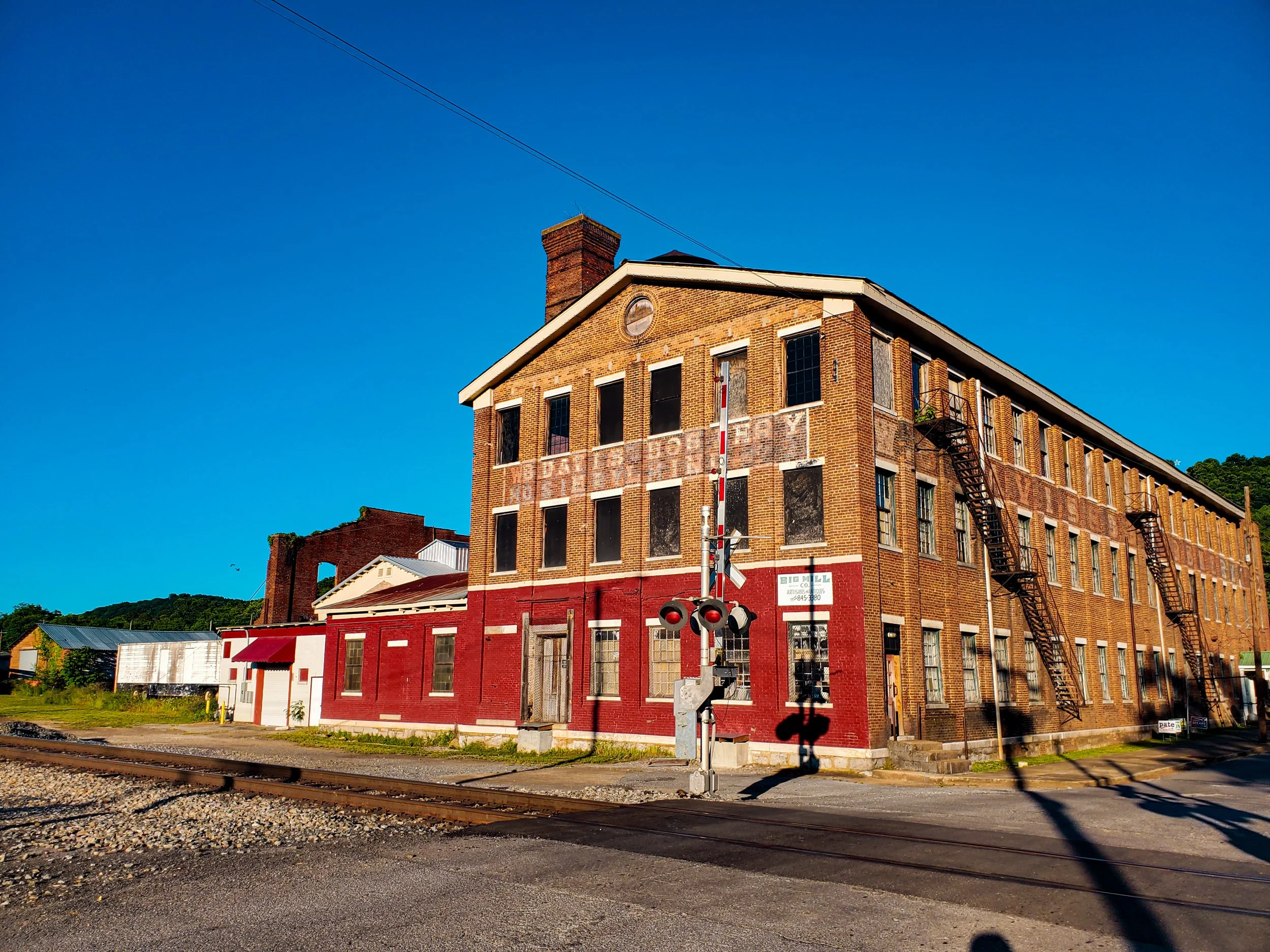
Hosiery Mill Building
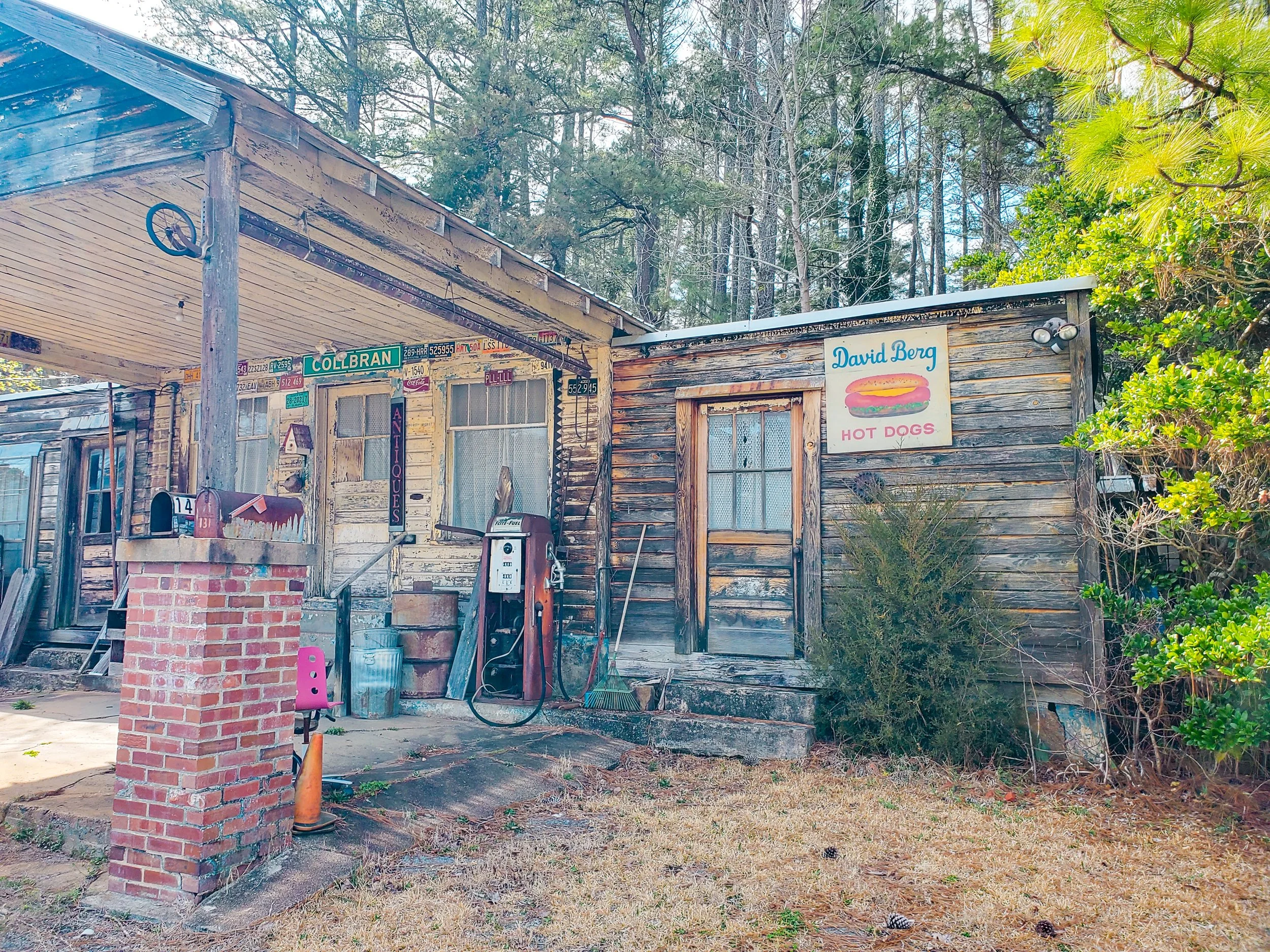
Old General Store near Ft Payne
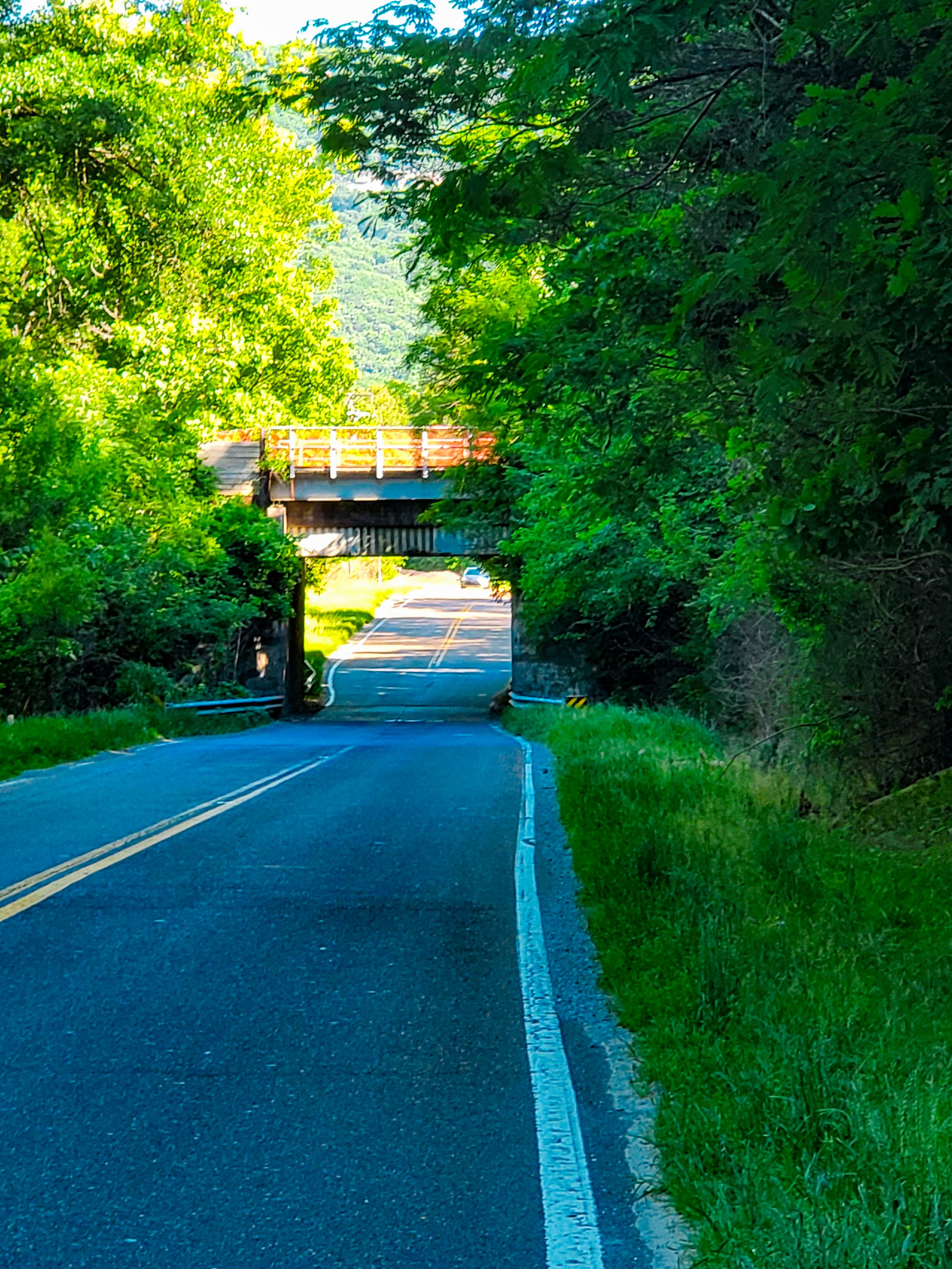
One Lane Underpass near Ft Payne
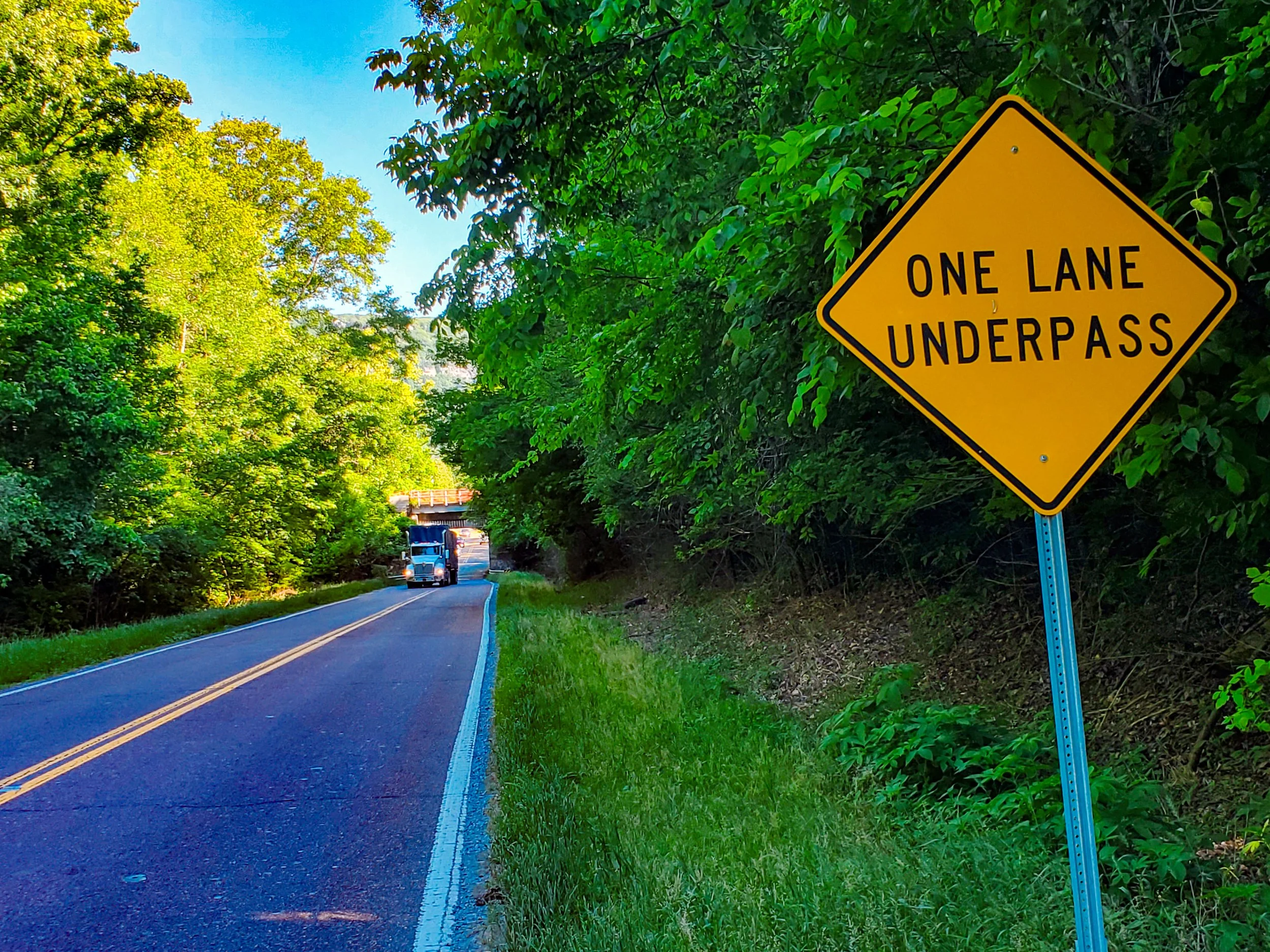
One Lane Underpass near Ft Payne
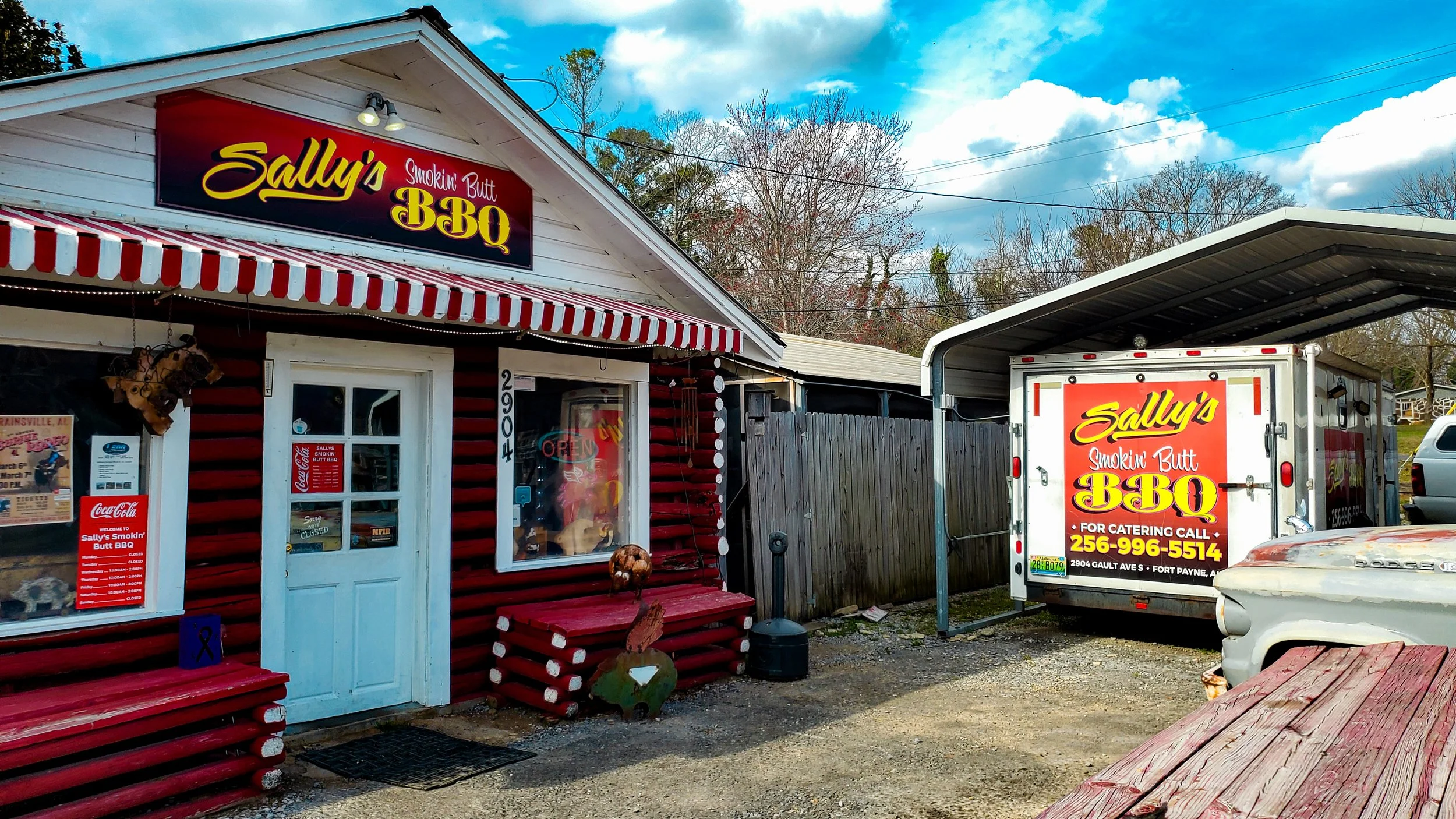
Sally's BBQ
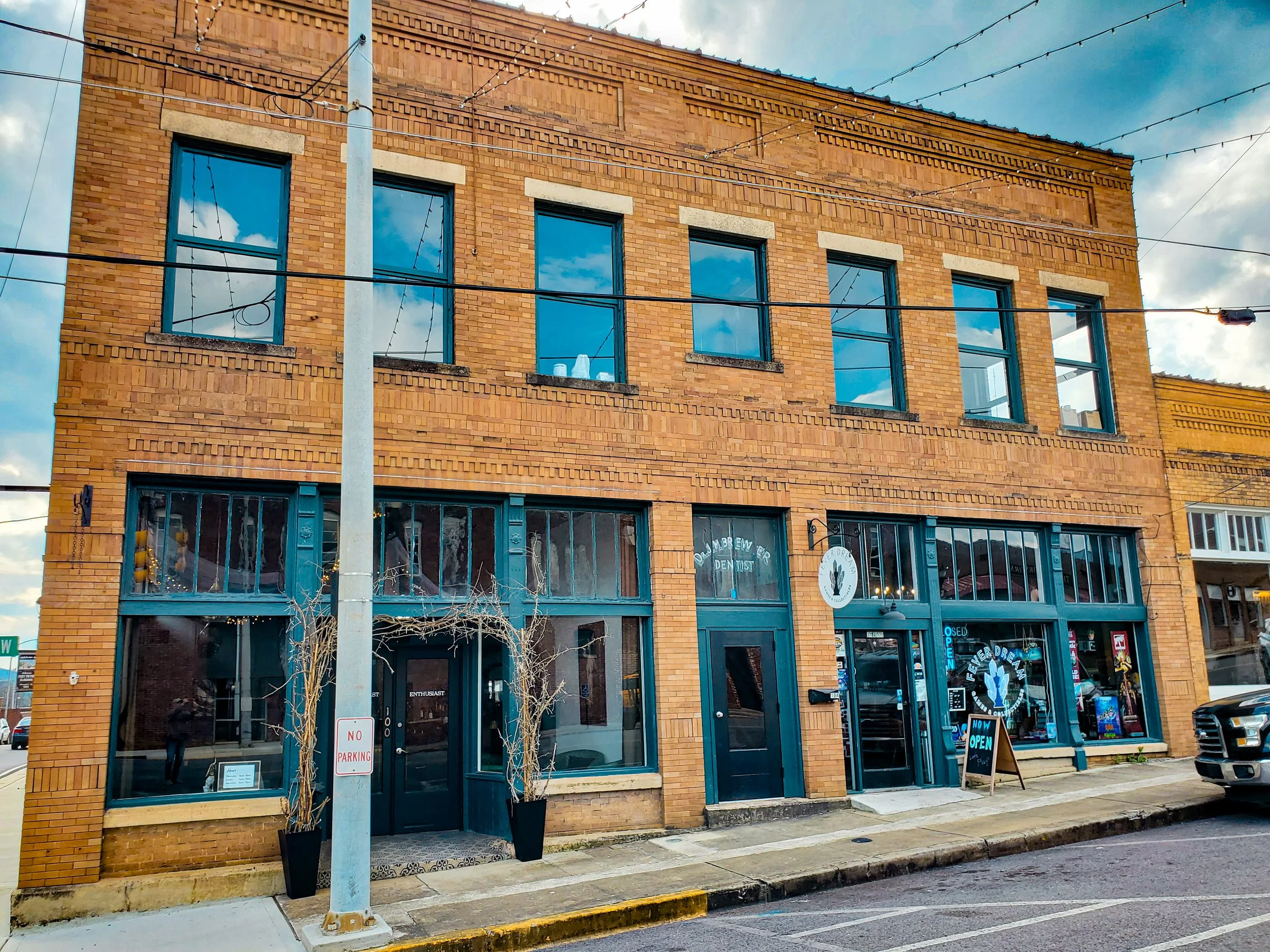
Dentist Office
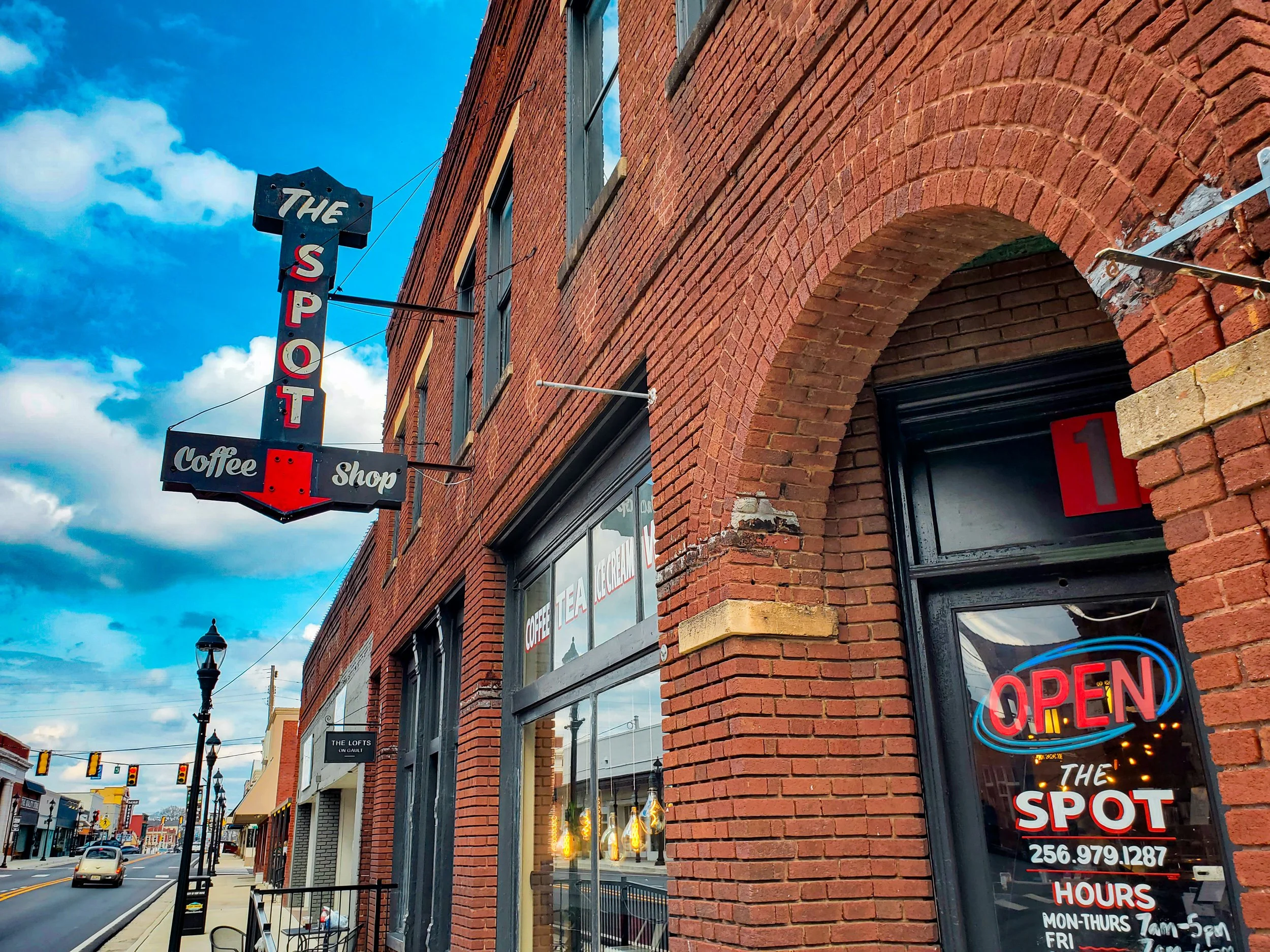
The Spot Coffee Shop
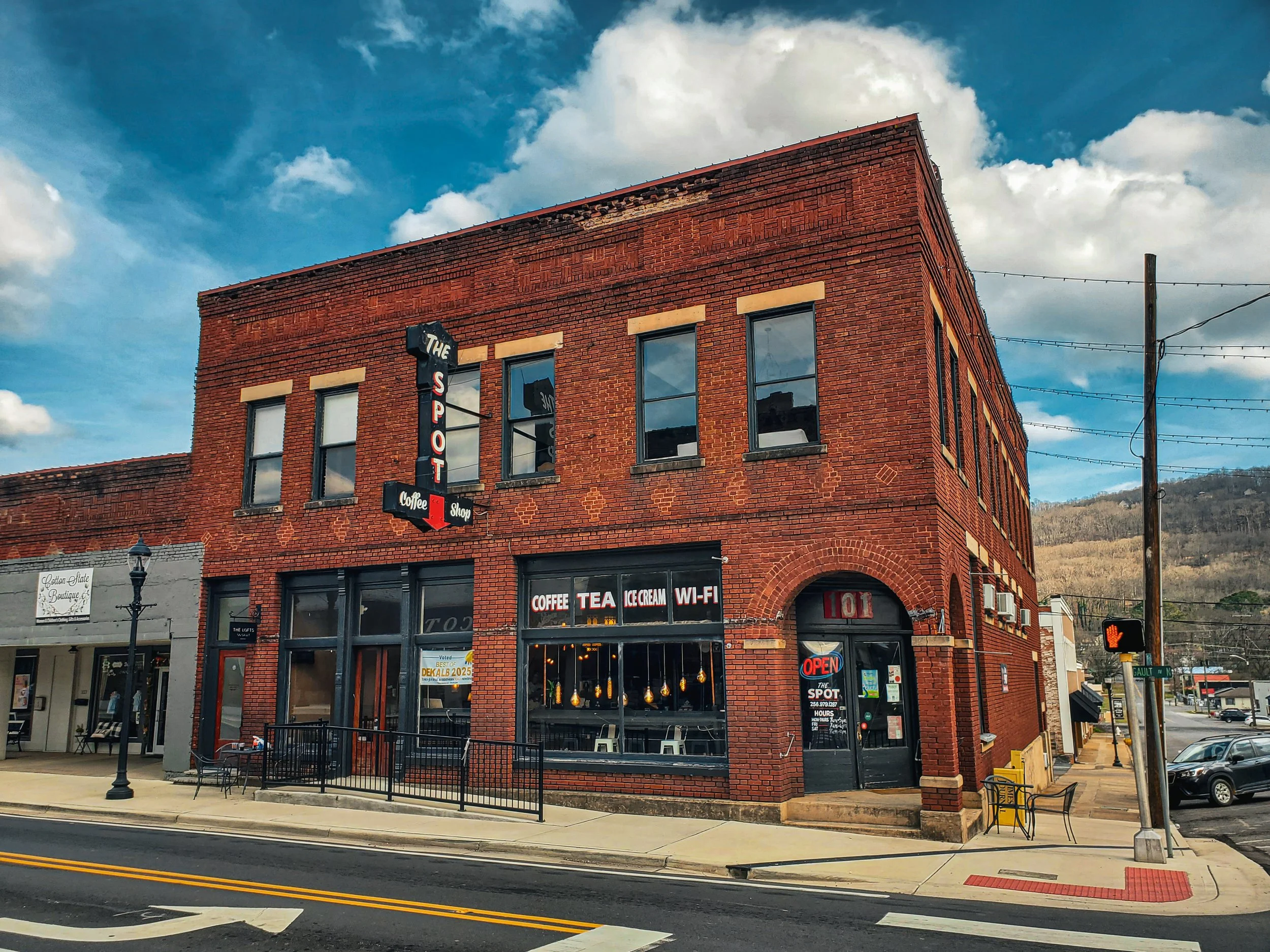
The Spot Coffee Shop

Vintage 1889 Restaurant

Vintage 1889 Restaurant
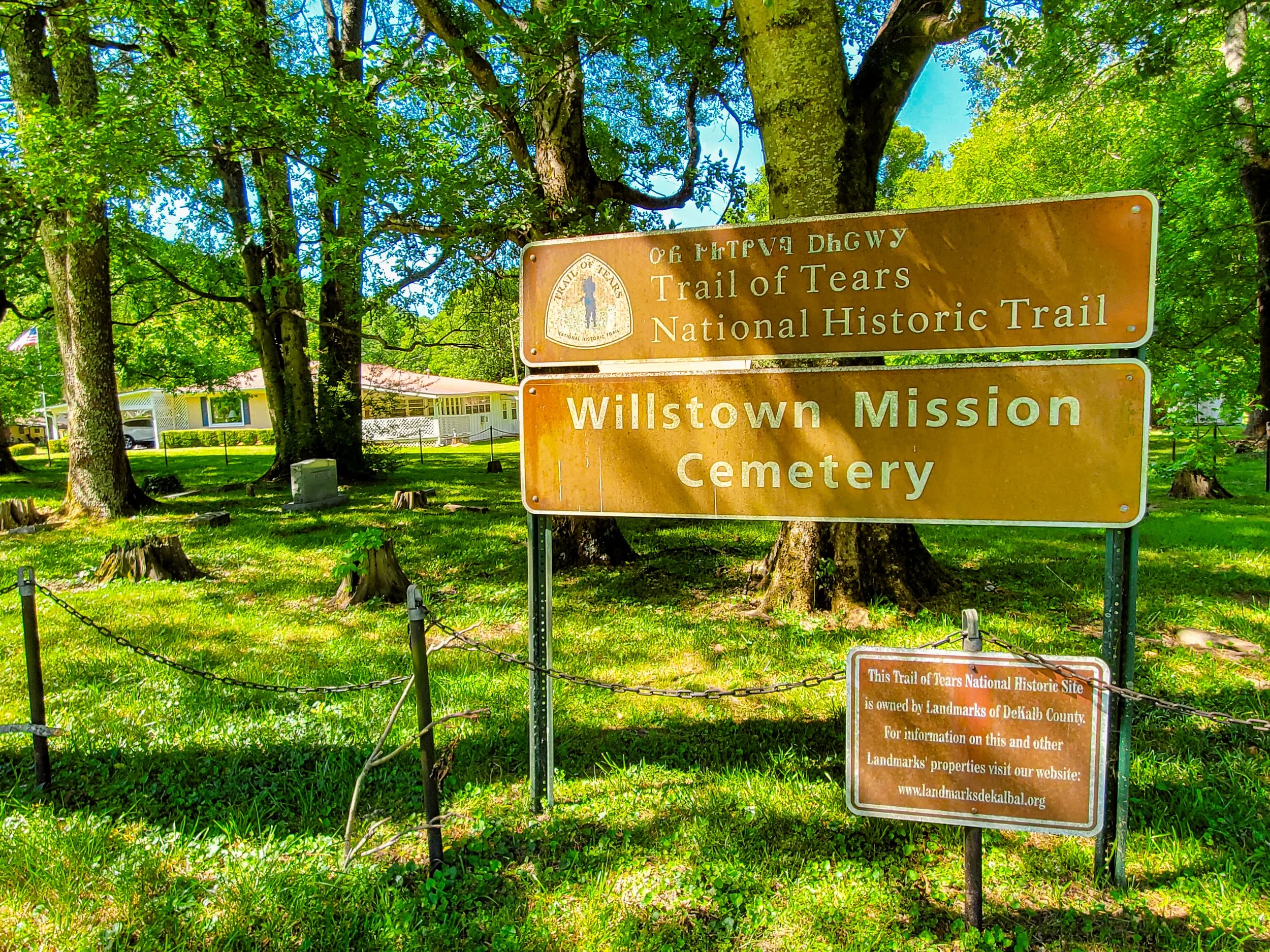
Willstown Mission Cemetery

Willstown Mission Cemetery

Willstown Mission Cemetery

Willstown Mission Cemetery
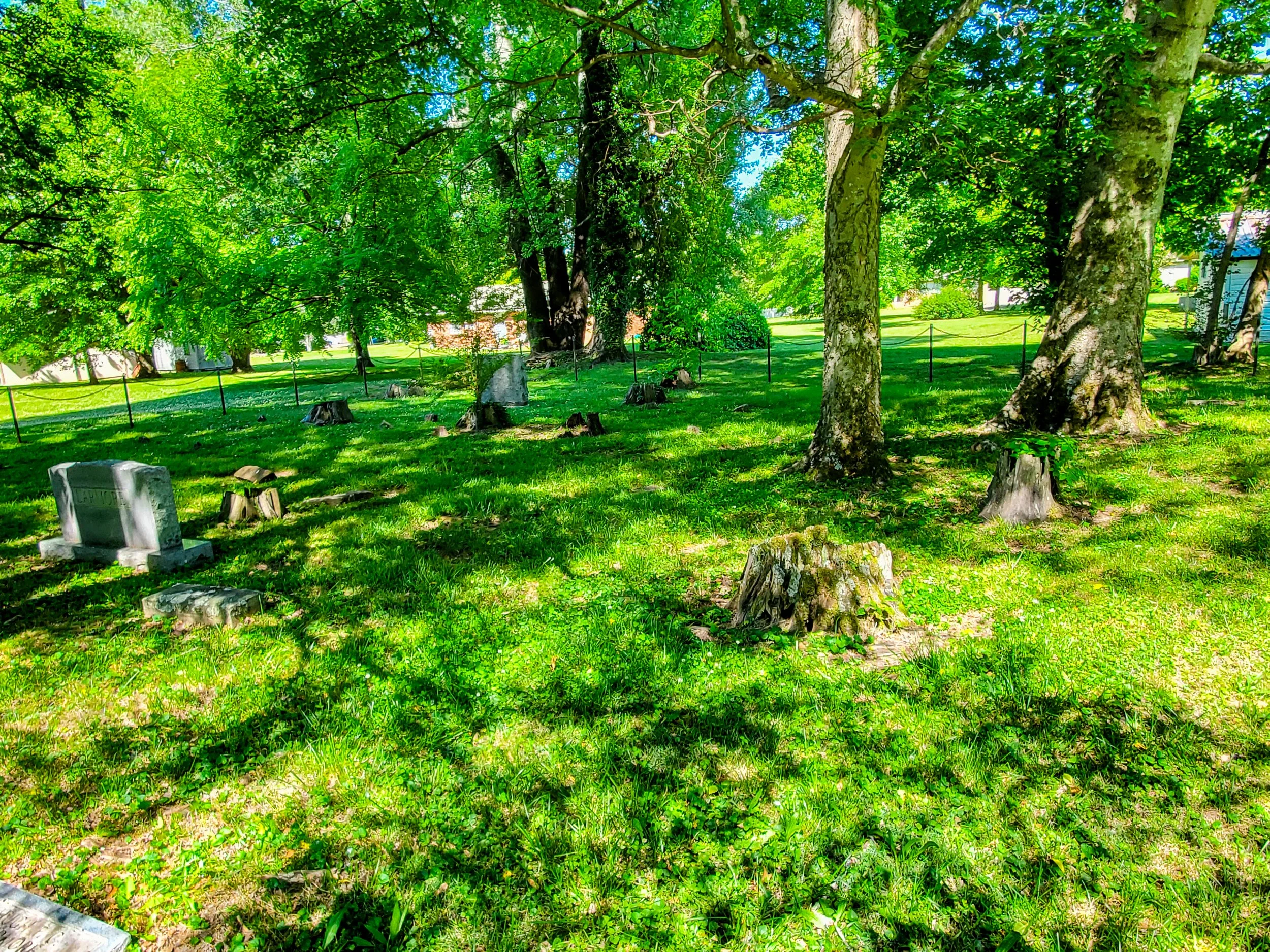
Willstown Mission Cemetery
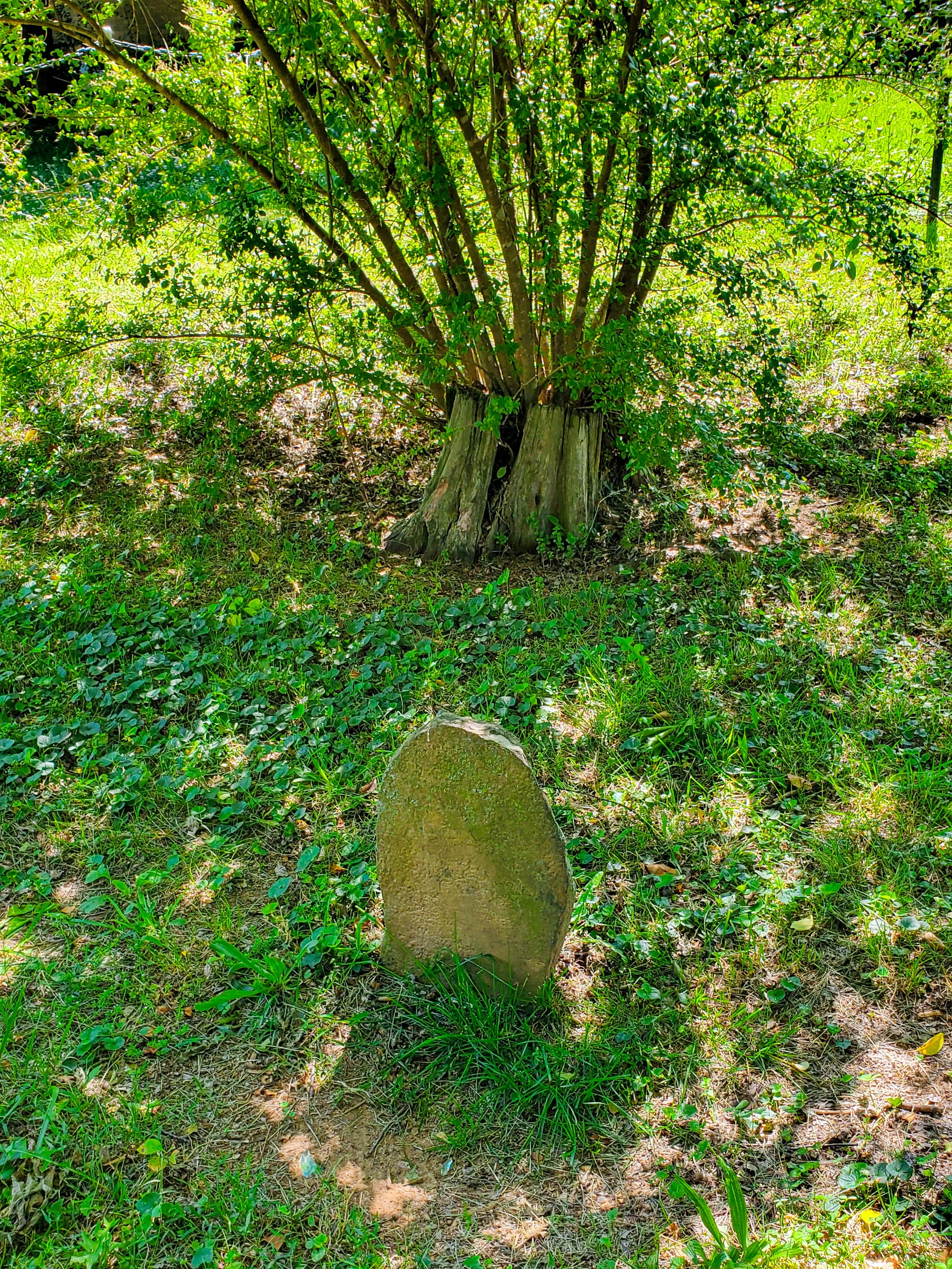
Willstown Mission Cemetery
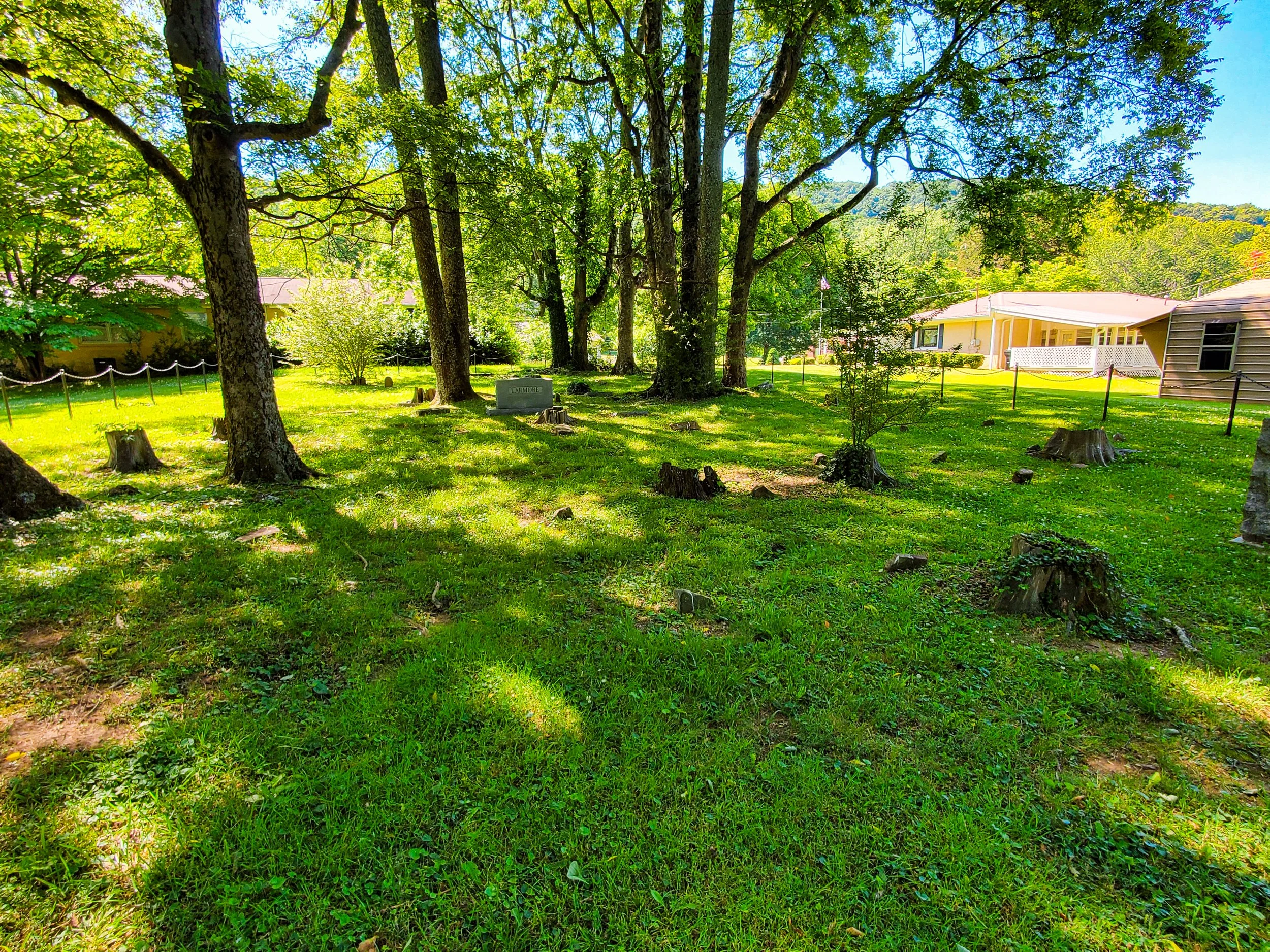
Willstown Mission Cemetery
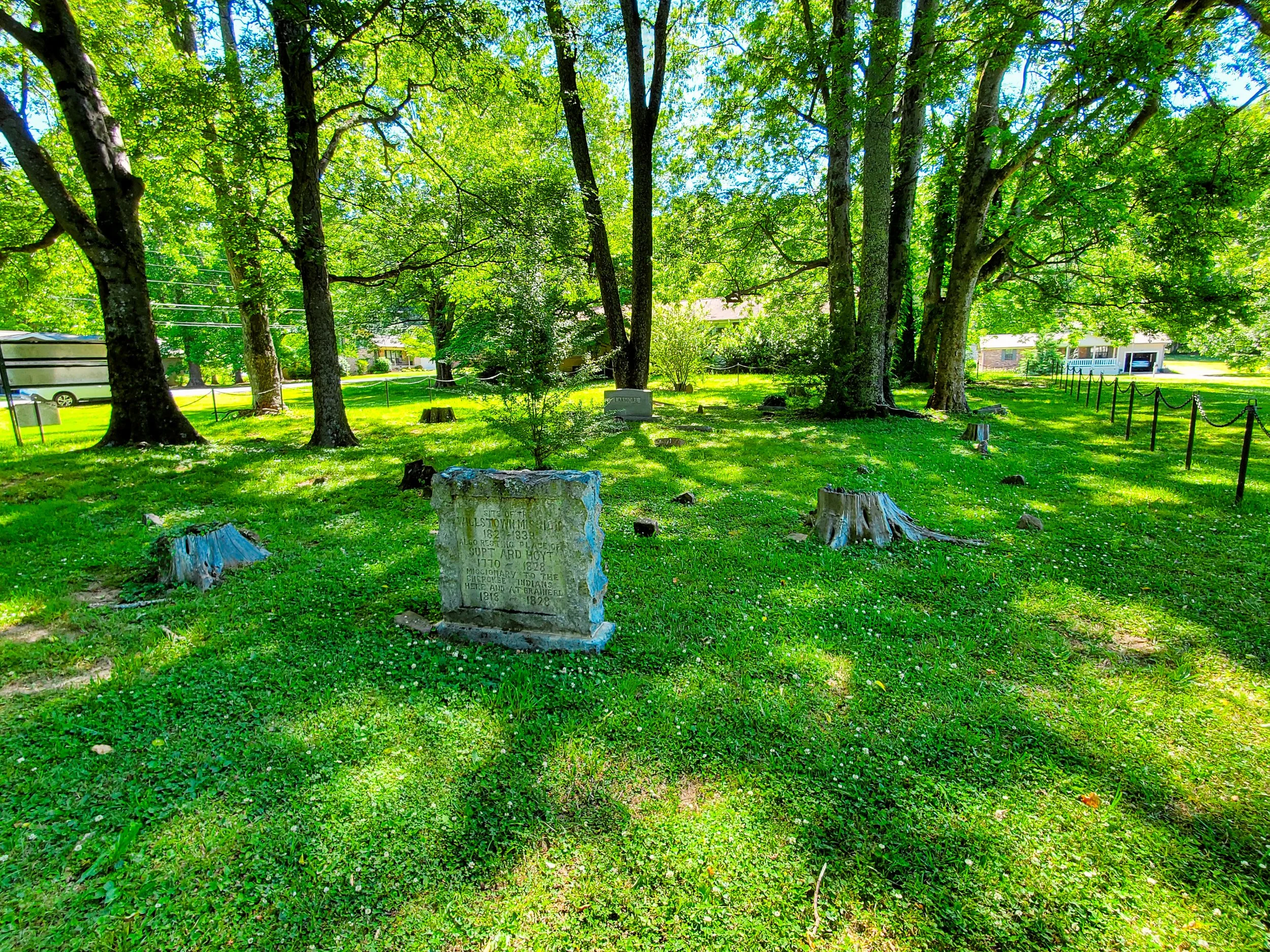
Willstown Mission Cemetery
TIME ZONE
At the Alabama/Georgia state line is the time zone change between Central and Eastern Time.
Georgia was named to honor King George II of Great Britain and the “ia” at the end of the state’s name was to signify the “state of” George. Historic Route 11 traverses only 23 miles through the northwestern portion of the state before entering Tennessee.