
VIRGINIA
Virginia was named for Queen Elizabeth of England, the “Virgin Queen”, and is also known as “Old Dominion”. King Charles II of England gave it this name in appreciation of Virginia’s loyalty to the crown during the English Civil War of the mid-1600’s.
US 11 is now back together after its 11E/11W split to the south and runs 341 miles, the longest intrastate stretch of the highway, before reaching the next state of West Virginia for a brief 26 mile excursion there. This portion of US 11 is called the Lee Highway.
BRISTOL (VA)
As you head east out of town, watch for rhinos. The Burger Bar, at 8 Piedmont Avenue, is where Hank Williams uttered his last words on New Year’s Eve, 1952.
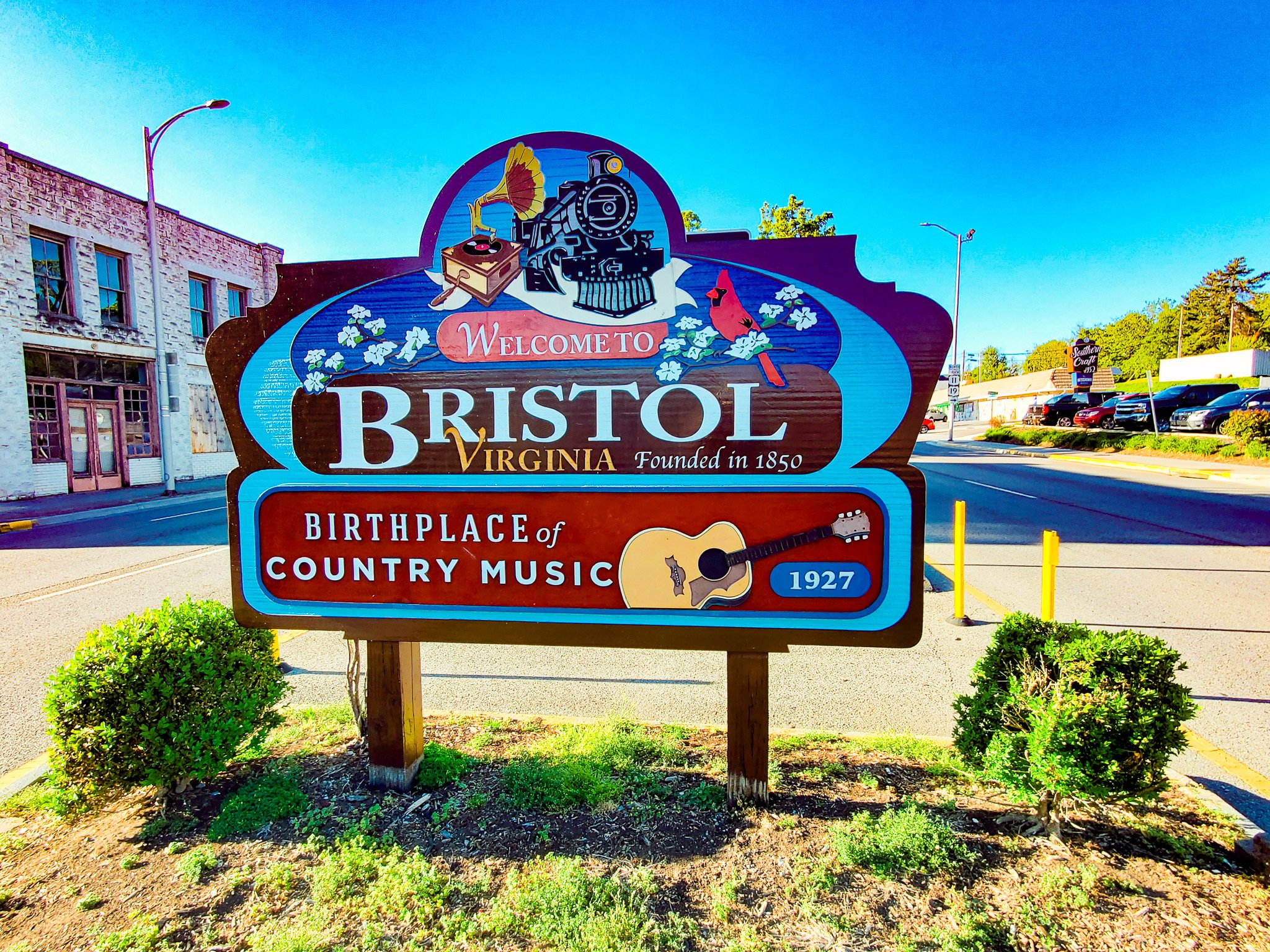
Welcome to Bristol Sign
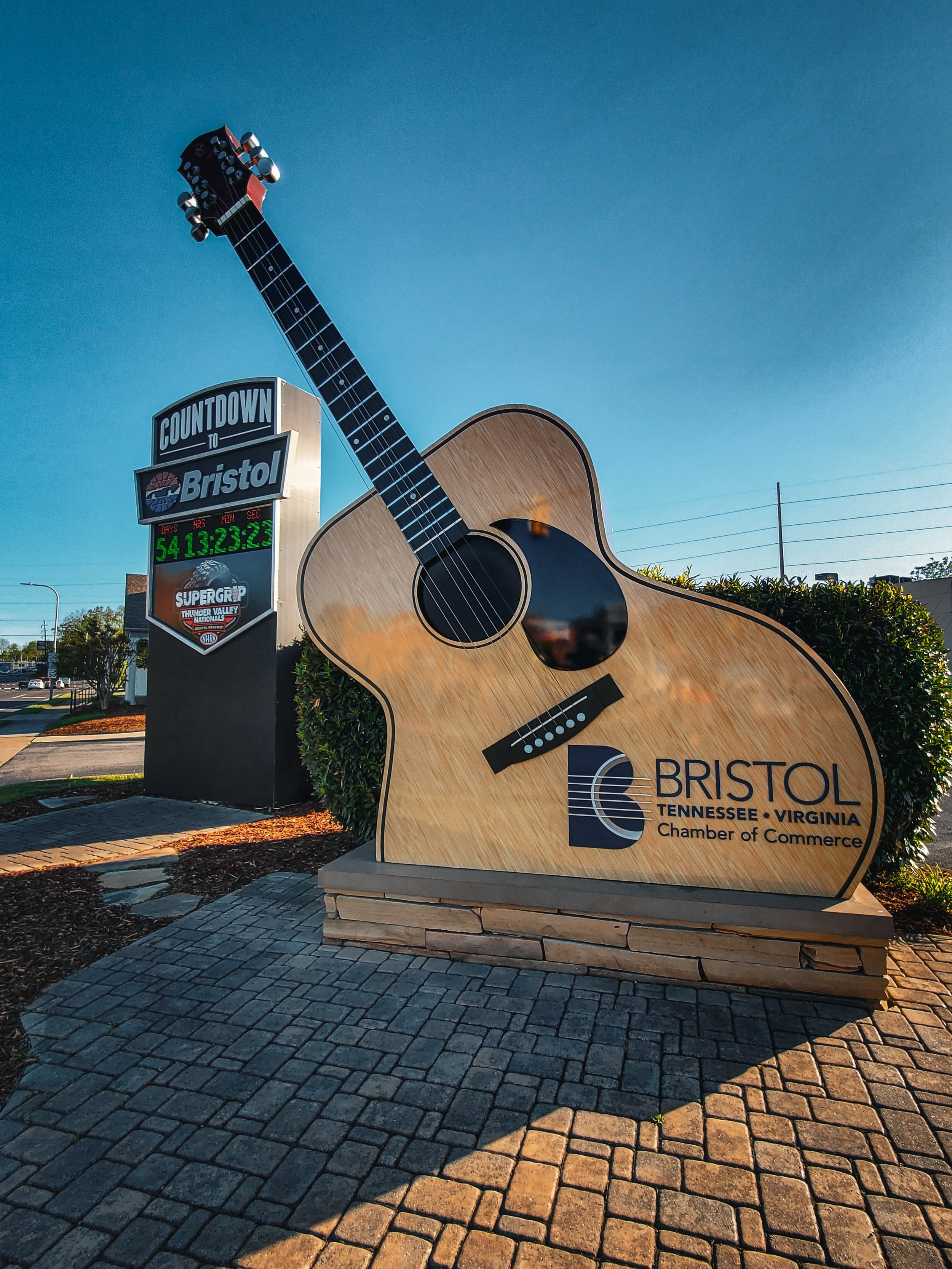
Large Guitar
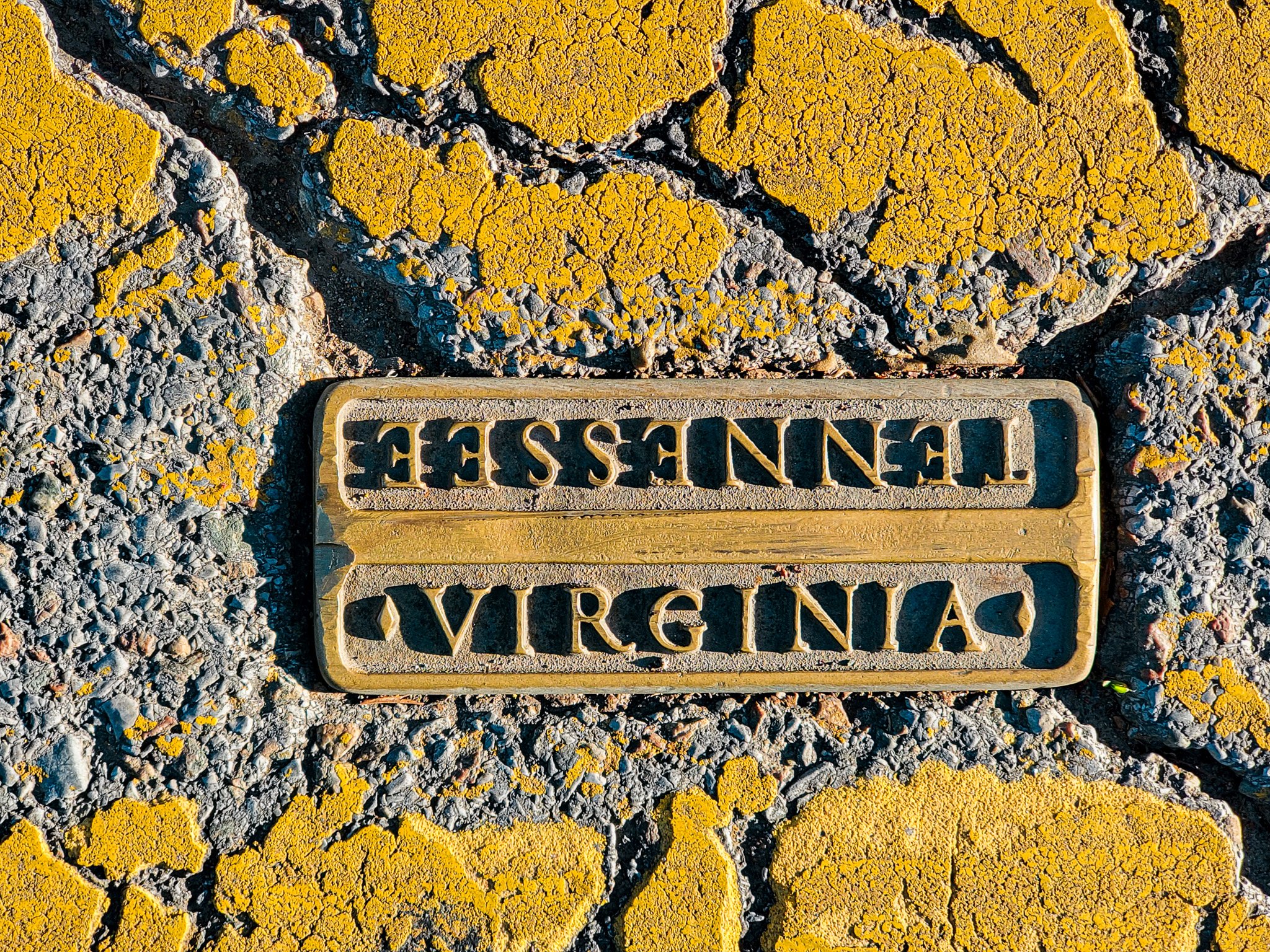
TN/VA Street Marker
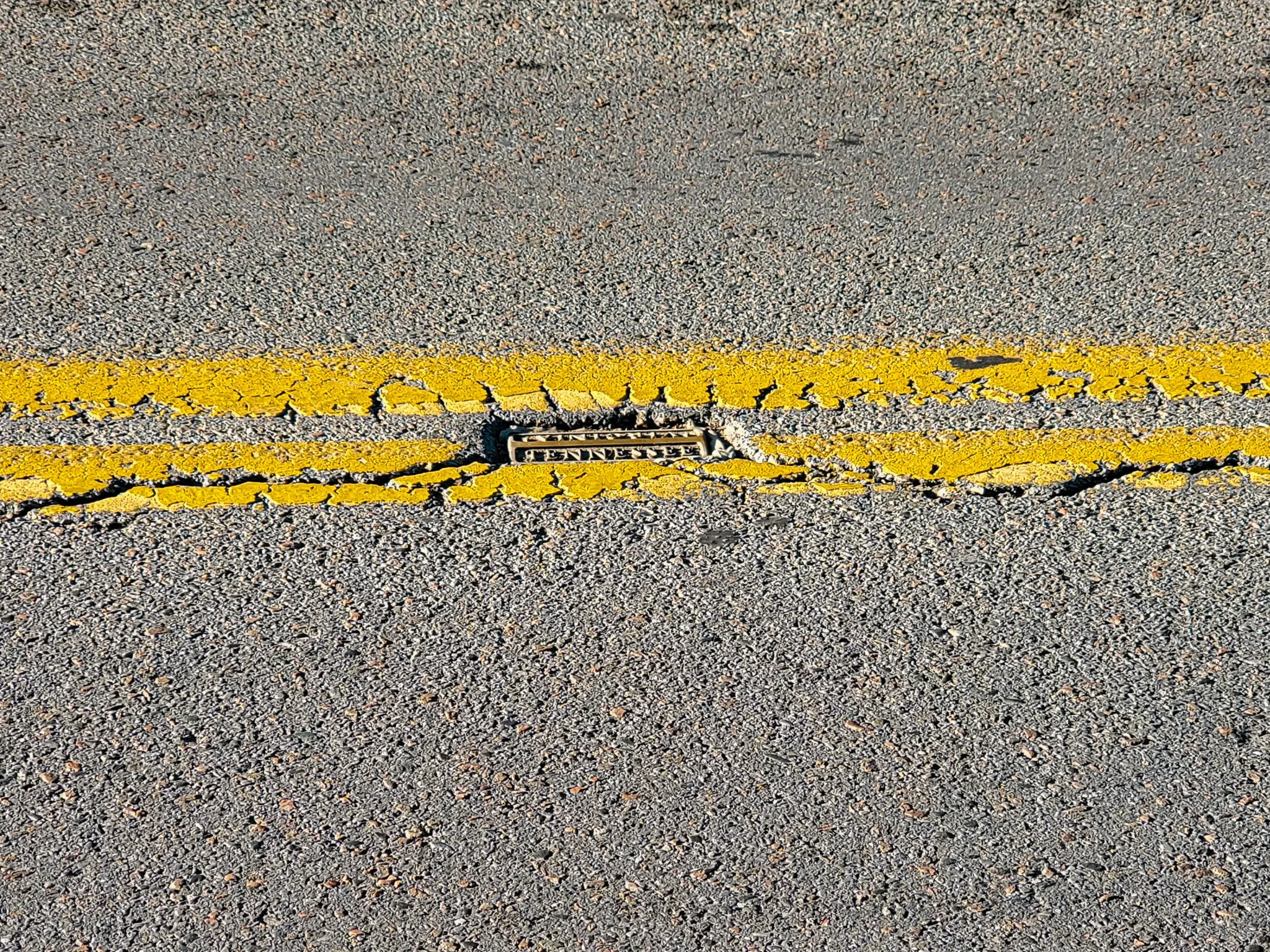
TN/VA Street Marker
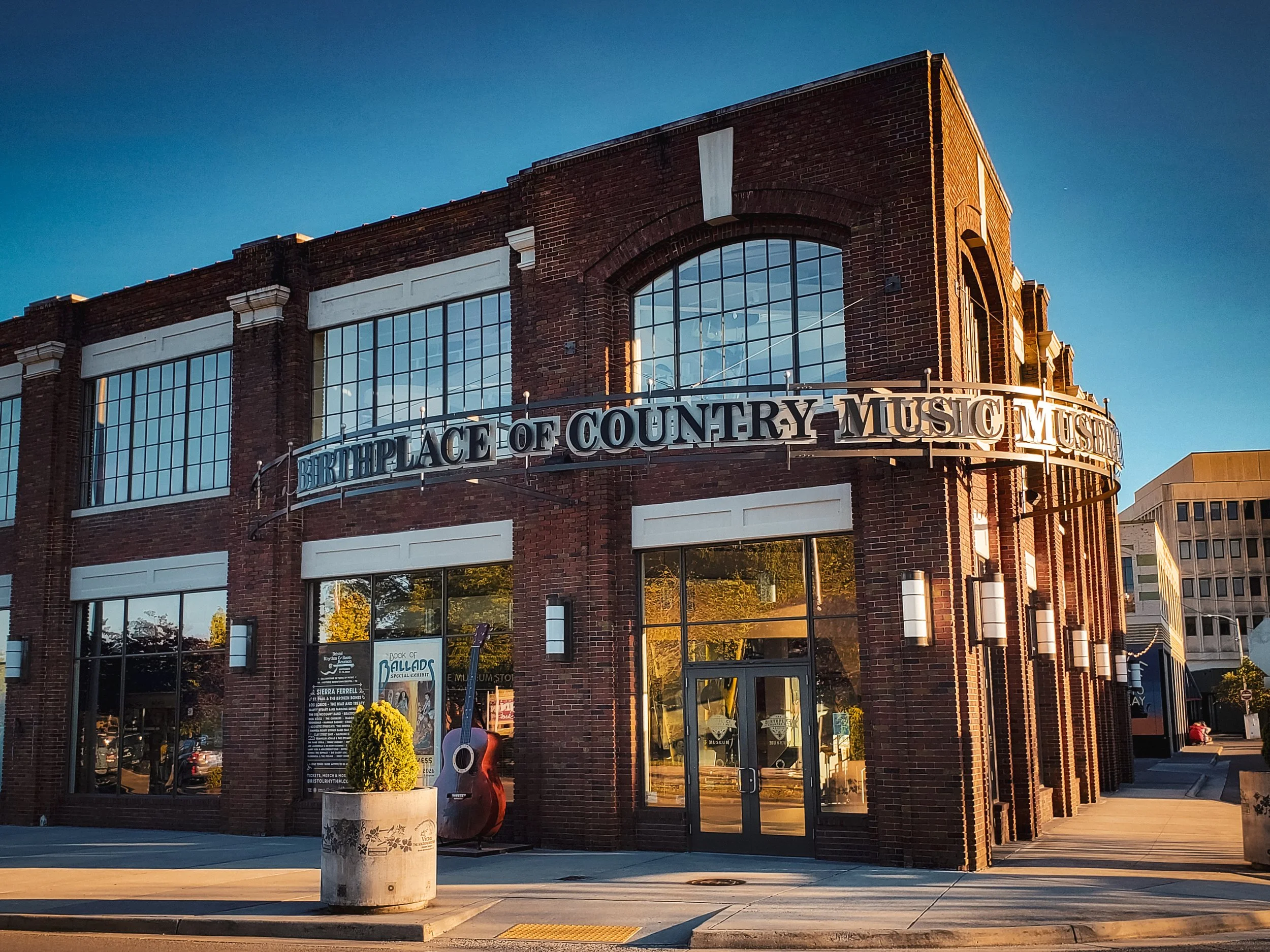
Birthplace of Country Music Museum
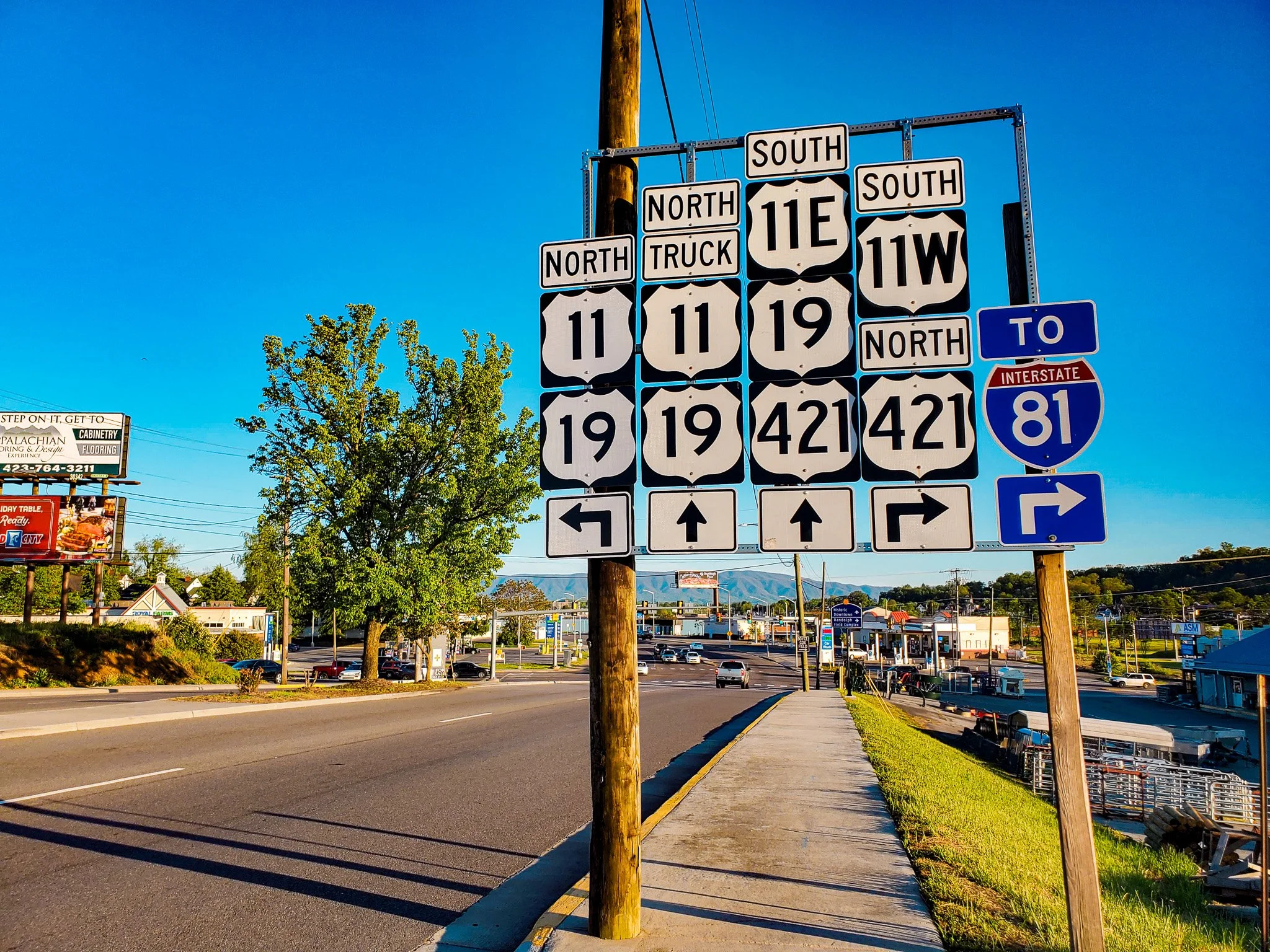
Road Signs at 11 Split
WASHINGTON COUNTY
The county was established in 1776 in honor of the Commander in Chief of the Continental Army George Washington and is one of the first regions of the country to be named after a US President. At a storage unit complex south of Abingdon, watch for the old Summit Drive-In sign, the Robert E. Lee motel sign, and the Rainbow Autel sign. An “autel” was an auto-centric accommodation (“auto-hotel”) before the term “motel” (motor-hotel”) was coined in the 1950’s.
ABINGDON
Originally called “Wolf’s Hill” by Daniel Boone in 1760 and “Black’s Fort” in 1774, Abingdon was incorporated in 1778. It is named after the ancestral home of Martha Washington, Abingdon Parish, in Oxfordshire England. US 11 passes through historic downtown Abingdon and the Martha Washington Inn and Spa founded in 1832. The Tavern is the oldest bar in Virginia (established in 1779) and the 8th oldest in the country. Abingdon is the crossing site of the Great Valley (“Wagon”) Road and the Wilderness Road, and the beginning of the Virginia Creeper Trail. It is home to the William King Museum of Art and the Barter Theater which opened in 1933 and is the longest running professional equity theater in the country. The Moonlite Drive in Theater on US 11 opened in 1949. The downtown is part of what has recently been designated “Best Small Town Food Scene” by USA Today.
MEADOWVIEW
The Meadowview General Store and Harvest Table Restaurant are currently closed.
EMORY
Named after Methodist Bishop John Emory, the post office was established there in 1847. This is the home of Emory and Henry University which was founded in 1836.
OLD GLADE SPRING
Glade Spring was incorporated in 1875 and its name derives from a Native American word “Passawatami” which translates to “this is the place”. Early records indicate that a field close to town held a type of Native American Olympics which included dancing, socializing, and athletics. The Surber and Son Hardware Store in town has been assisting the community for nearly 50 years.
CHILHOWIE
First settled in 1748, the name means “valley of many deer” in the Cherokee language. In 1750, Chilhowie marked the “western most point of civilization” according to a marker in town. The Town House, remains of the log structure and tavern built by Colonel James Patton around 1750, can be visited.
SEVEN MILE FORD
This village was named for the ford seven miles from the Royal Oak Fort in Marion.
ADWOLFE
Don’t miss the old Skyview Drive In sign (which operated from 1949-1988) at an equipment company on US 11 and be sure to try a Dip Dog (not a corn dog!) at the Dip Dog Drive In.
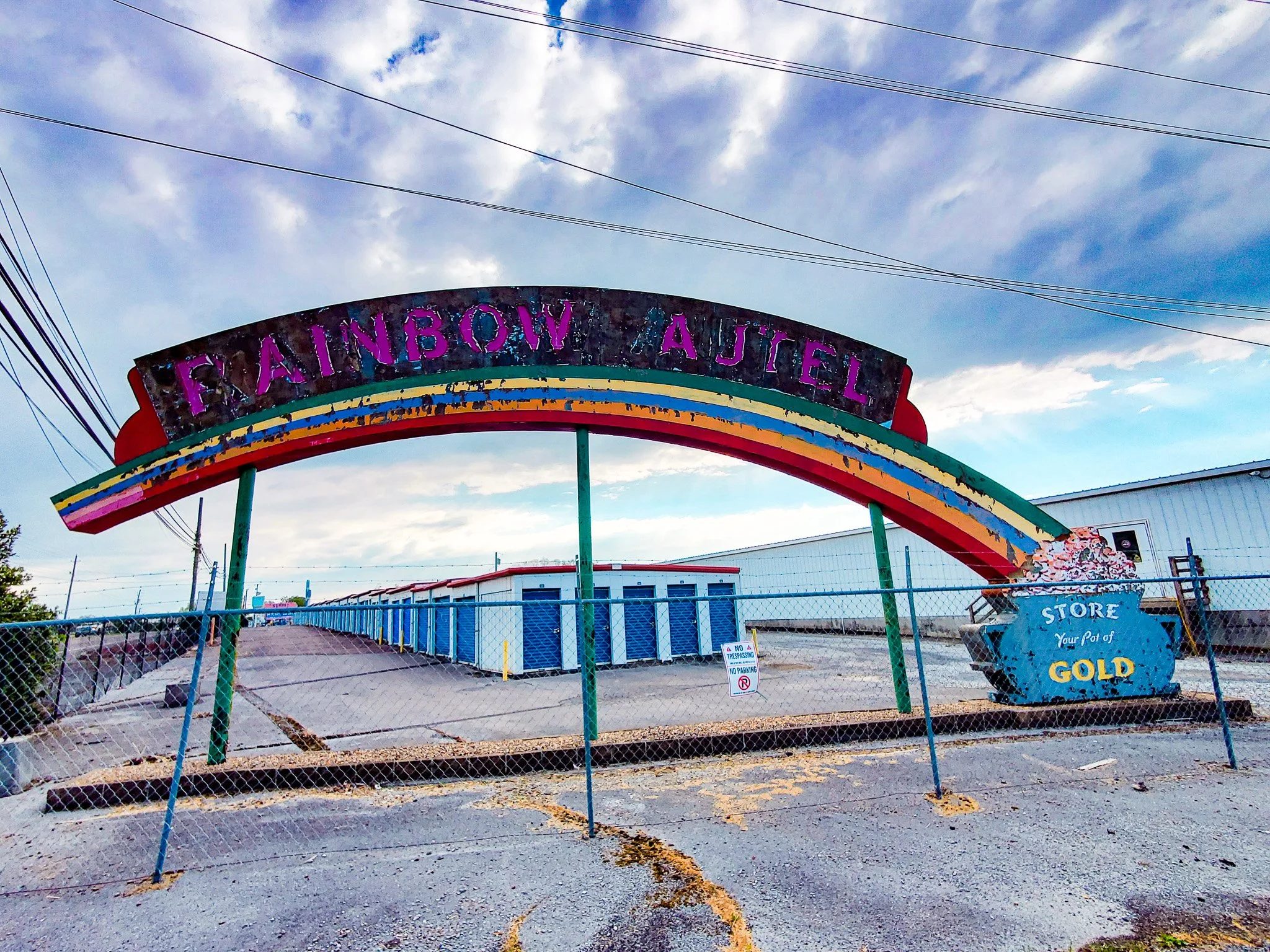
Rainbow Autel Sign
MARION
Named after Francis Marion, the “Swamp Fox” of the American Revolution, Marion’s motto is “America’s Coolest Hometown”. Located in the historic town are the General Francis Marion Hotel which opened in 1927, the Lincoln Theater which is a 1929 Mayan Revival-style movie palace, the abandoned Abijah Thomas house built in 1856, the Smyth County Historical Society and Museum and the Wayne C. Henderson School of Appalachian Arts. The Back of the Dragon, considered Virginia’s premier riding road with 300 curves in 32 miles, runs between Marion and Tazewell and through Hungry Mother State Park. The Southwestern Virginia Mental Health Institute opened in Marion in 1887 as a tuberculosis sanitarium. In 2024, the Park Place Drive In Theater was named 8th best in the United States, and Mountain Dew’s formula from Knoxville was changed in Marion and successfully marketed from there.
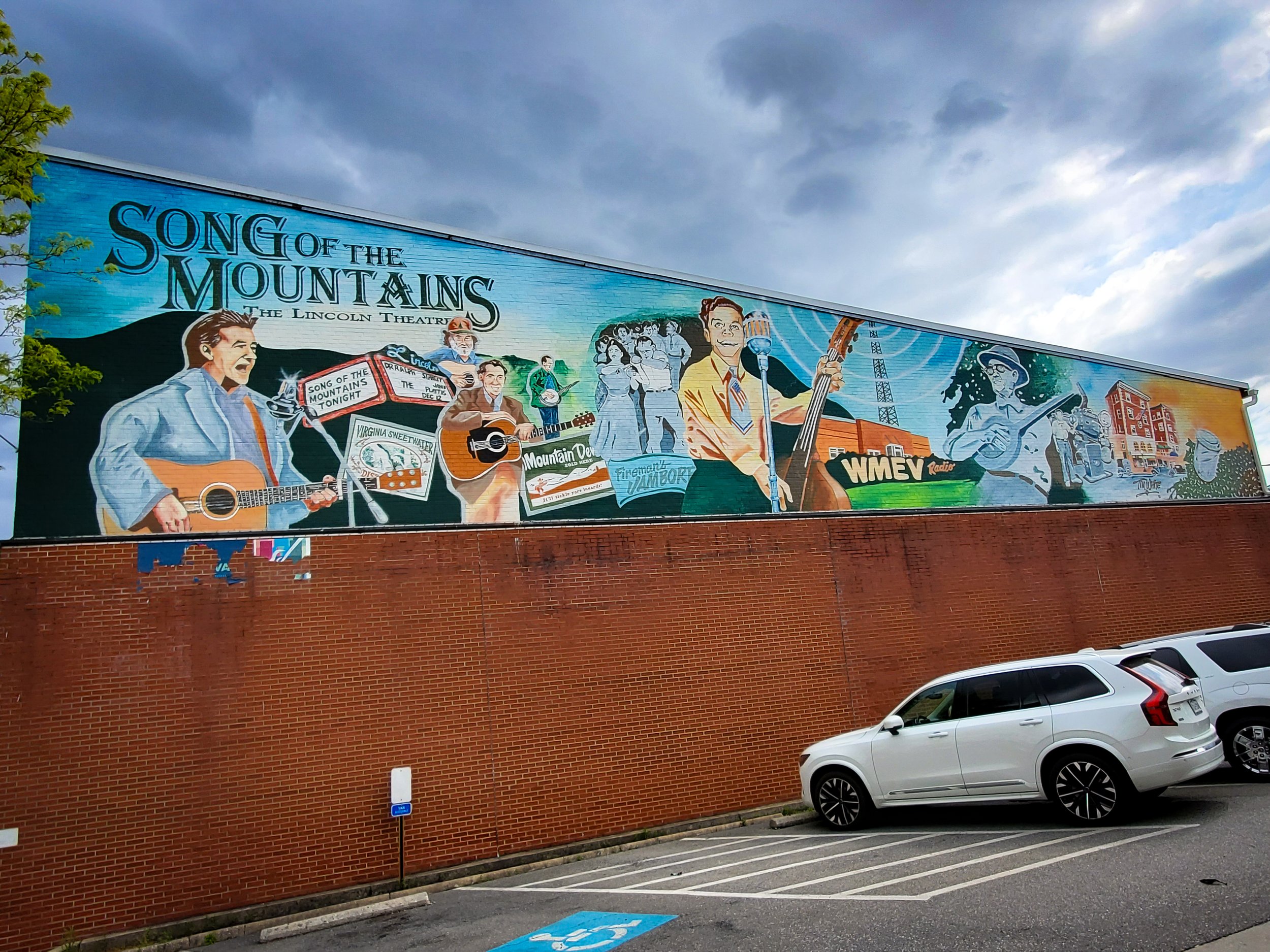
Song of the Mountains Mural
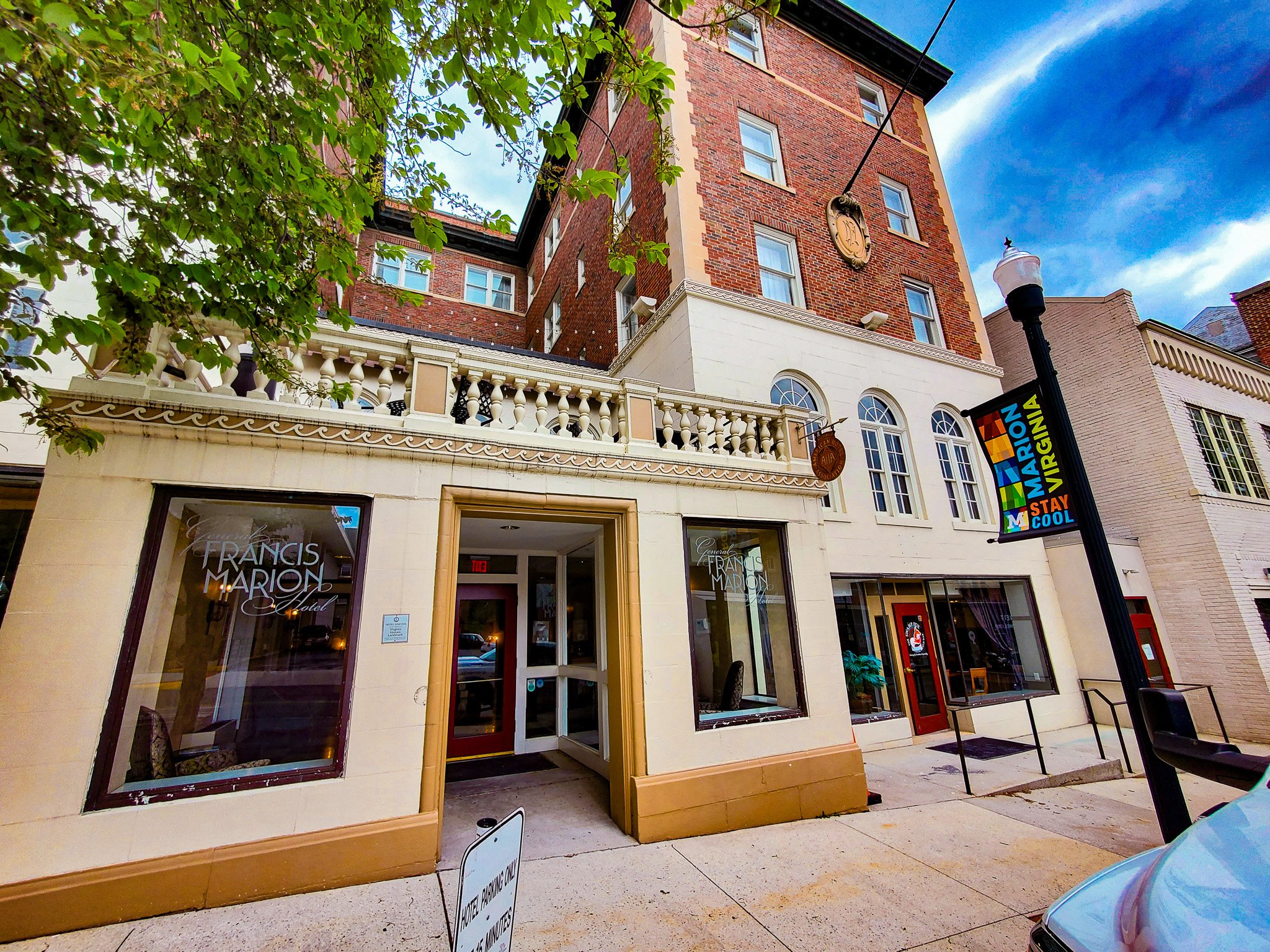
Francis Marion Hotel
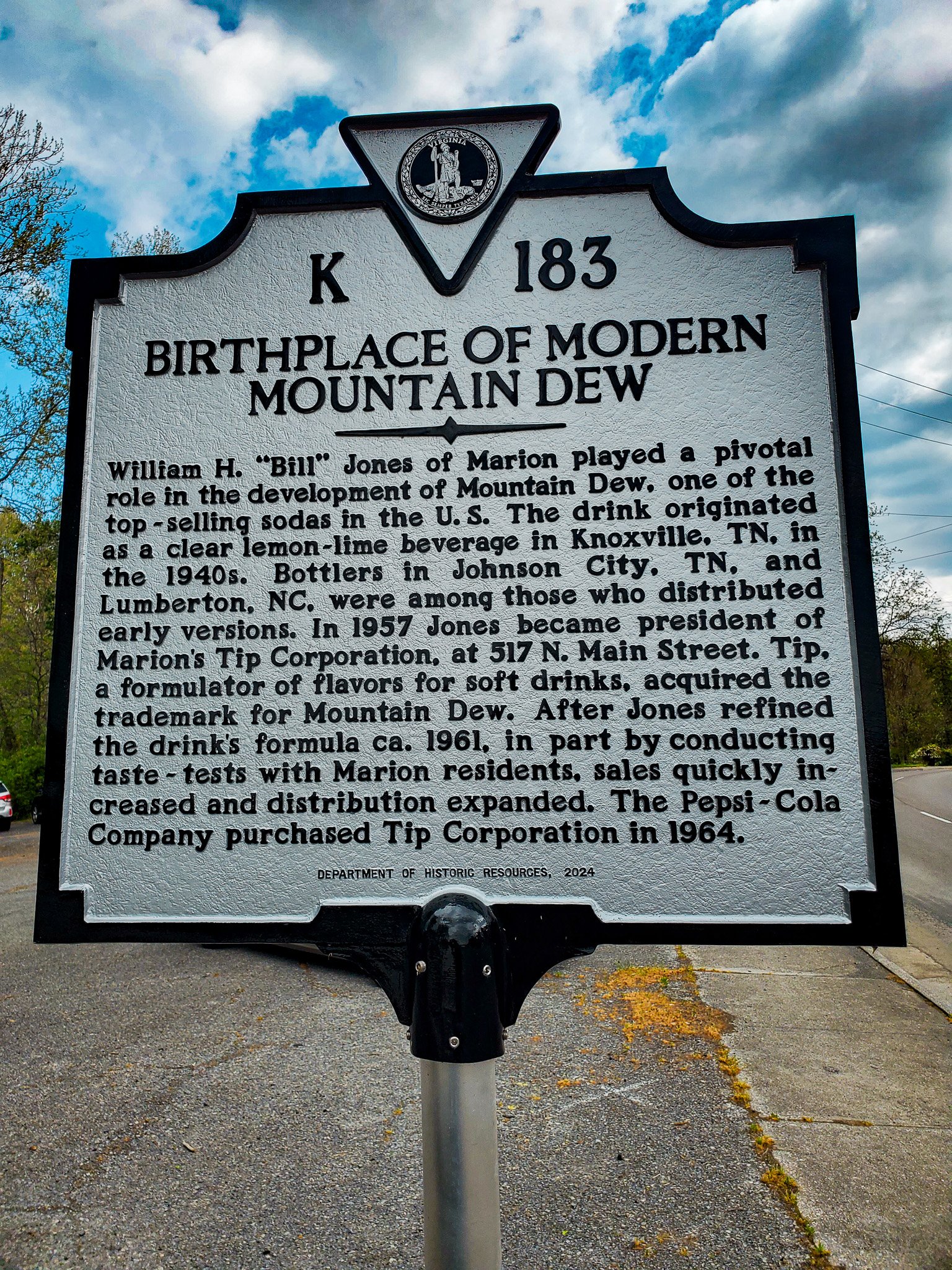
Birthplace of Modern Mountain Dew Marker
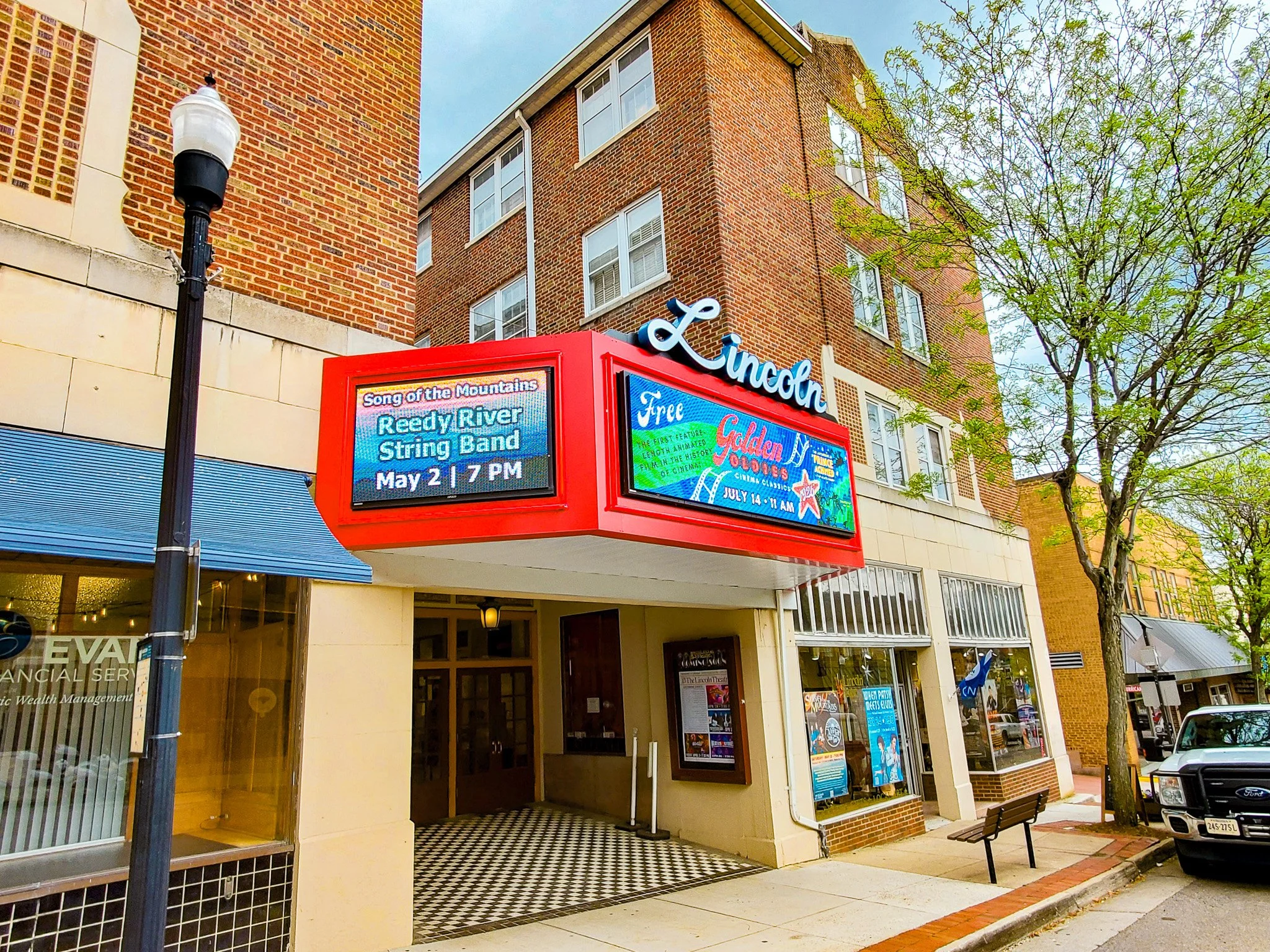
Lincoln Theater
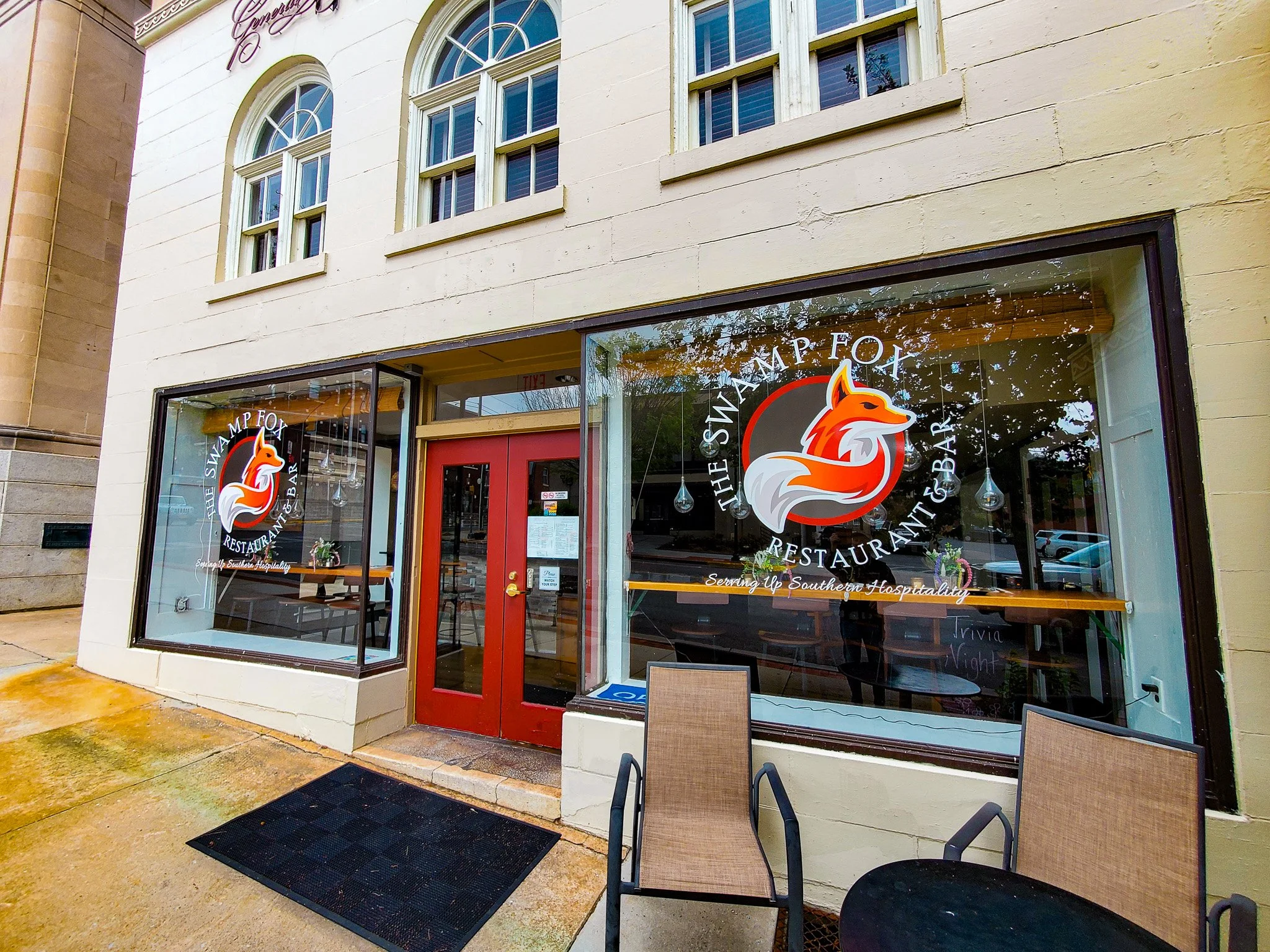
Swamp Fox Restaurant
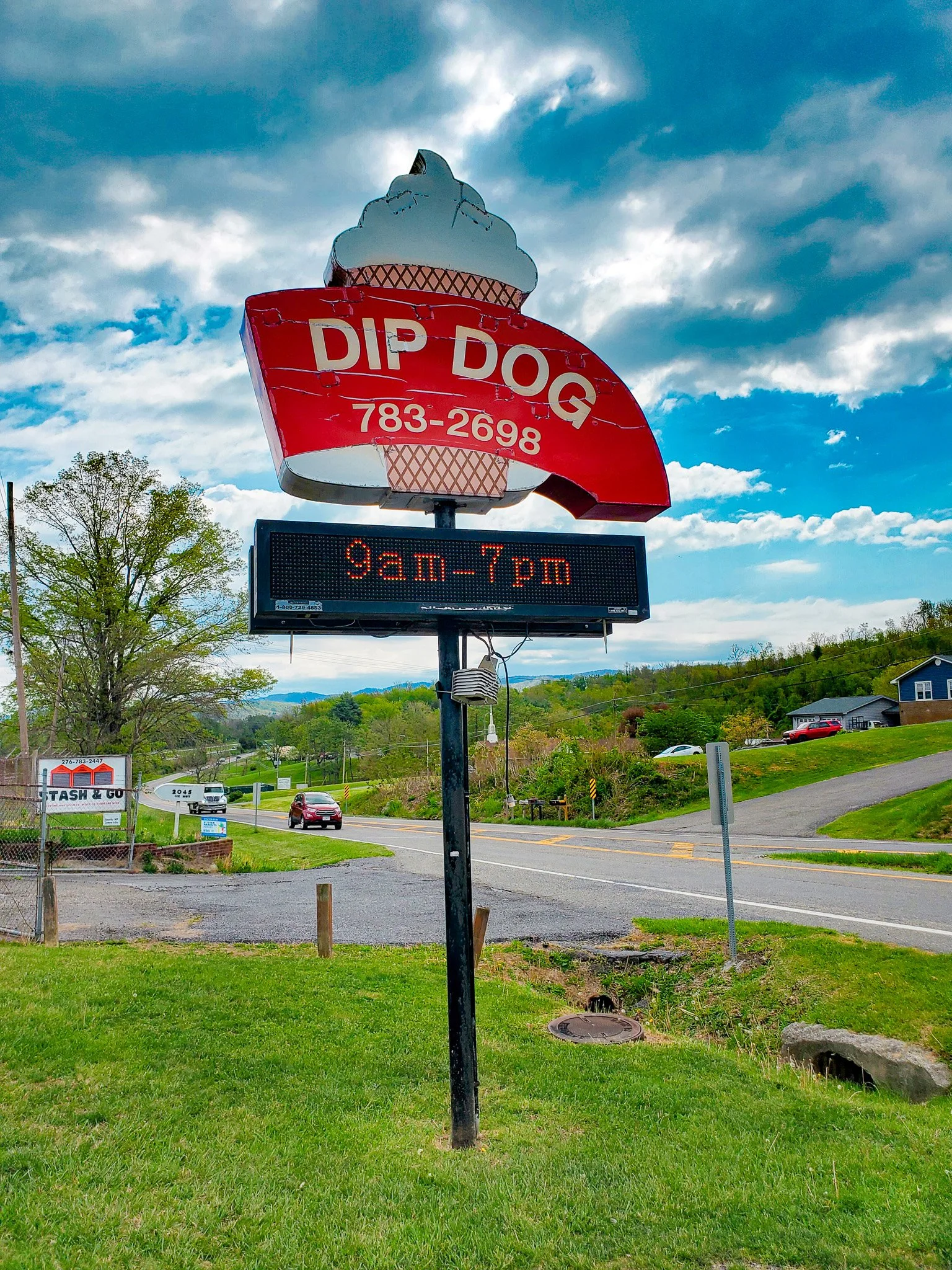
Dip Dog Sign
ATKINS
Atkins is considered the “roof of the state” because the five highest peaks in Virginia are located nearby. The Old Stone Tavern, also known as the Rock House, on US 11 was built in 1815 and is considered one of the few stone taverns surviving along the Wilderness Road (US 11).
RURAL RETREAT
Originally Mt Airy, the name was changed to that of a local tavern so as to not be confused with Mt Airy North Carolina. Confederate surgeon Dr. Charles Taylor Pepper “may” have invented the Dr. Pepper soft drink here. In 1910, Rural Retreat was considered the Cabbage Capital of the World.
WYTHEVILLE
George Wythe was a prominent Virginia statesman, signer of the Declaration of Independence, and mentor to Thomas Jefferson. Edith Bolling Wilson, a descendant of Pocahontas, was Woodrow Wilson’s wife and considered the “first woman President” after he suffered a stroke while in office. The Edith Bolling Wilson Birthplace Museum honors her life and the Bolling Wilson Hotel honors her memory. The Haller-Gibboney Rock House Museum was built in 1823 and tells the story of one of the town’s first families. The Thomas J Boyd Museum next door contains mining and military history and communications artifacts. The Great Lakes to Florida Highway Museum housed in a restored 1926 Texaco station describes the days when the Great Lakes to Florida Highway (Route 21) was the main route from Ohio to Florida. The Wythe County Decorative Arts Museum depicts rural life from the late 1700’s to the mid-20th century. The African-American Heritage Museum on E. Franklin Street preserves the history of the 1883 Wytheville Training School that educated black children until 1952. On Main Street you’ll see the Millwald Theater, neon signs over the drug store, and the Travel Lite Motel.
Don’t be confused by the US 365 road sign–there is no such road, and it refers to a Virginia state road instead. For quick tasty eats downtown, visit Skeeter’s World Famous Hots Dogs (since 1925). For delicious food in a 250 year old log cabin in downtown Wytheville, head to the 1776 Log House (and Wilderness Road Trading Post) which have been owned and operated by the same family for 50 years. Don’t miss Virginia’s largest pencil at 146 US 11 in town and if you are up to it, climb the 100 foot Big Walker Lookout tower at 8711 Stony Fork road. The hot air balloon water tower makes a great photo op on Rollings Hill Drive. “Virginia’s Smallest Church” is located at 1090 Nye Road.
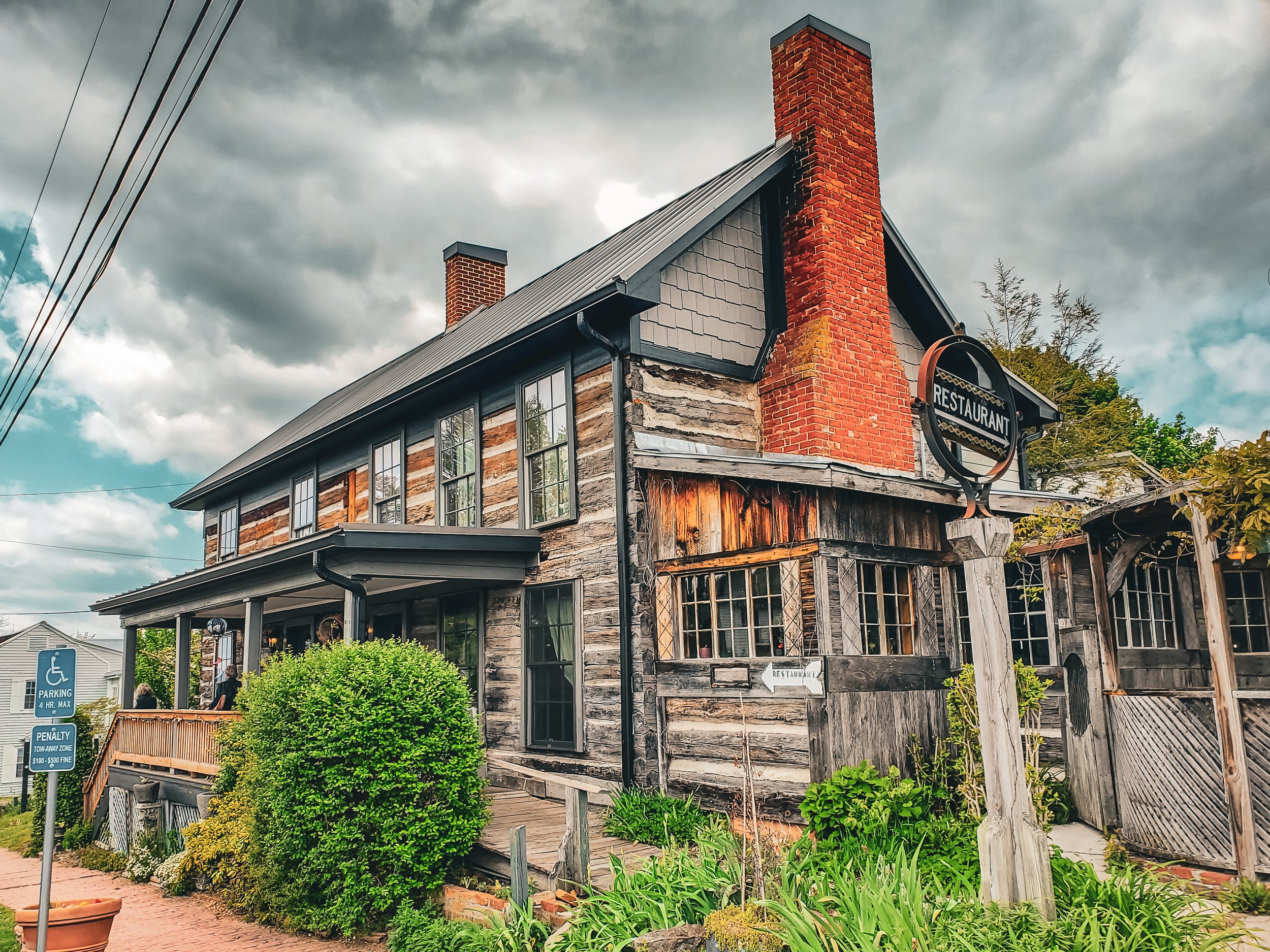
1776 Cafe
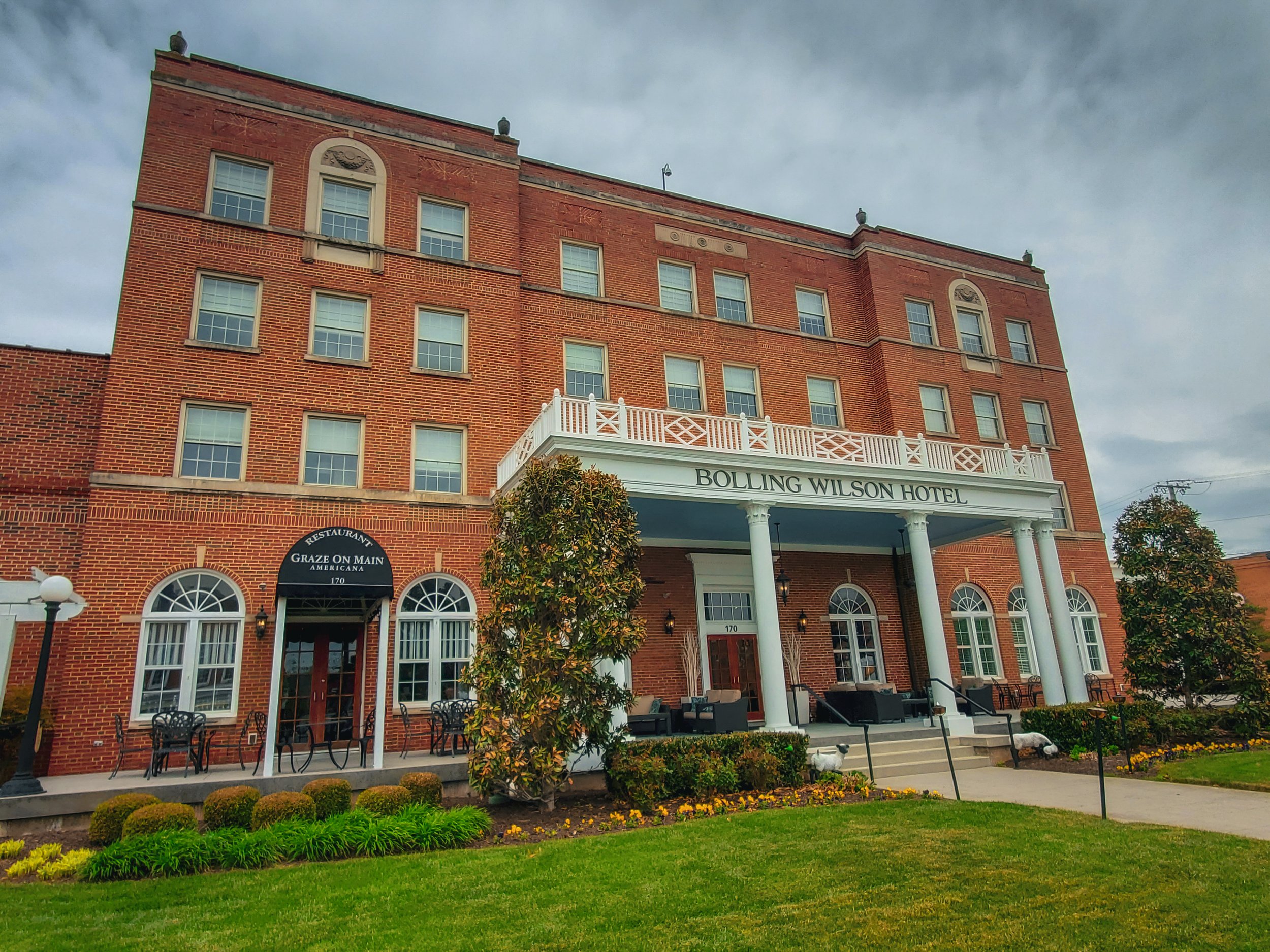
Bolling Wilson Hotel
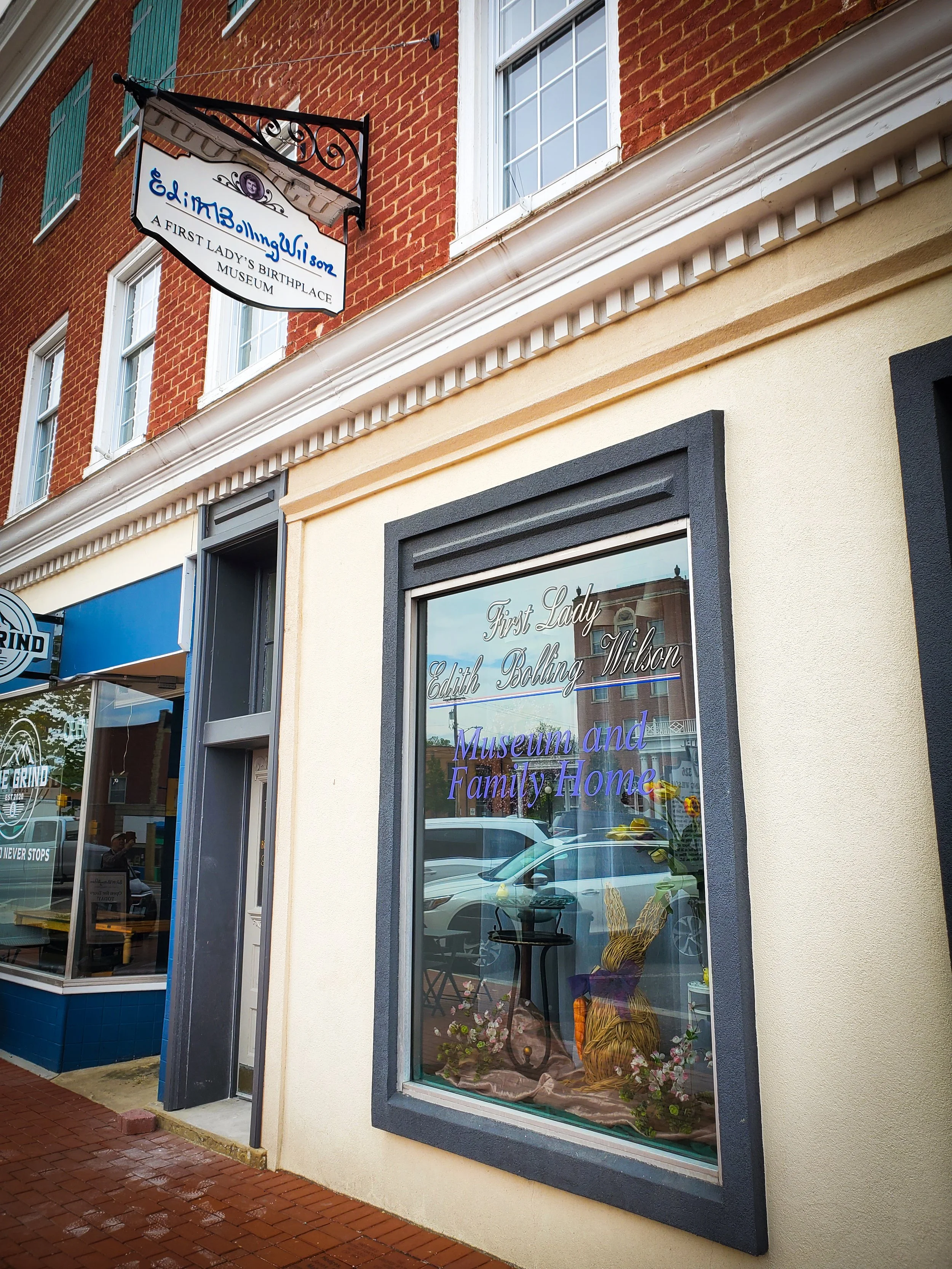
Edith Bolling Wilson Museum
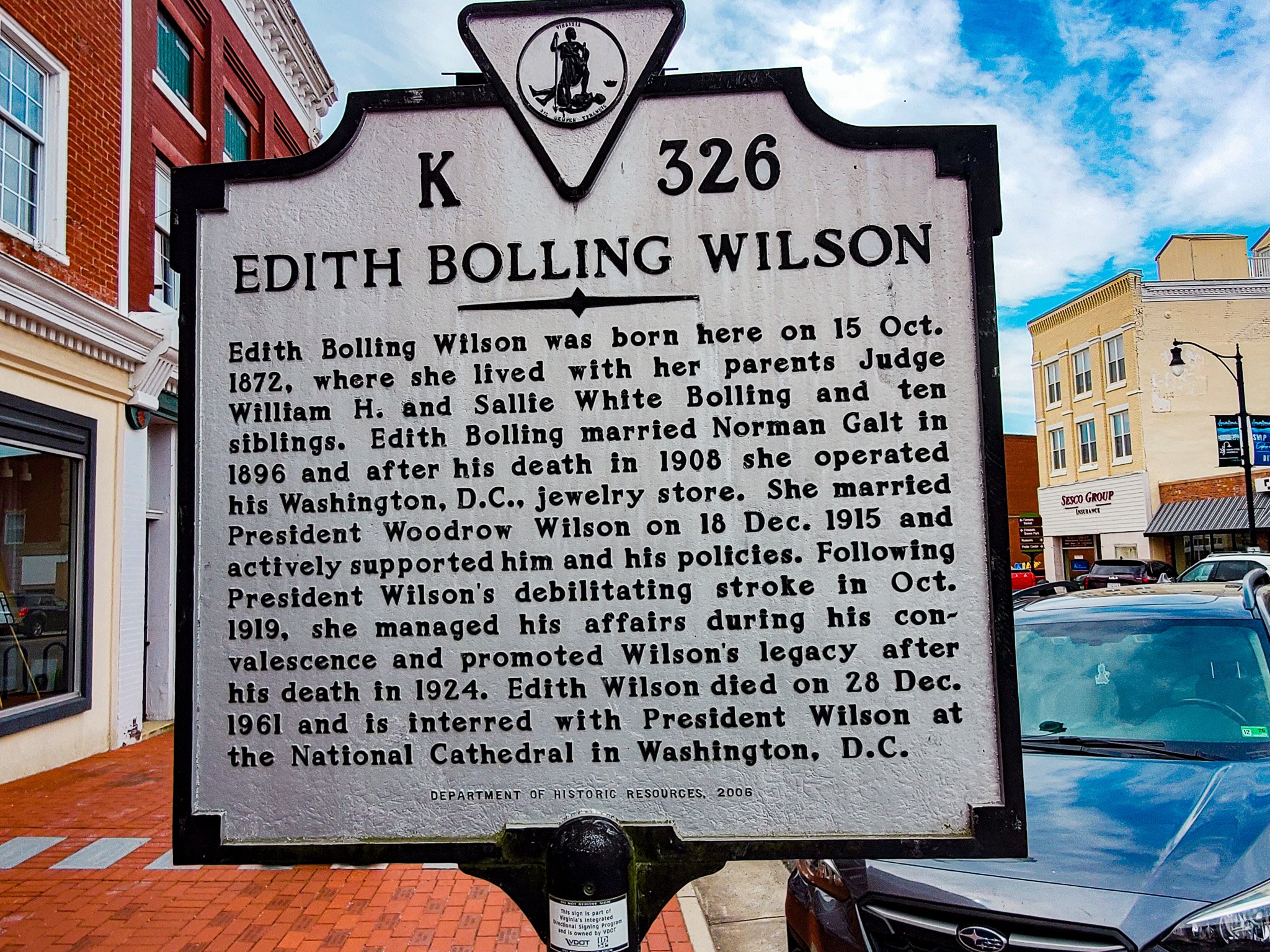
Edith Bolling Wilson Marker
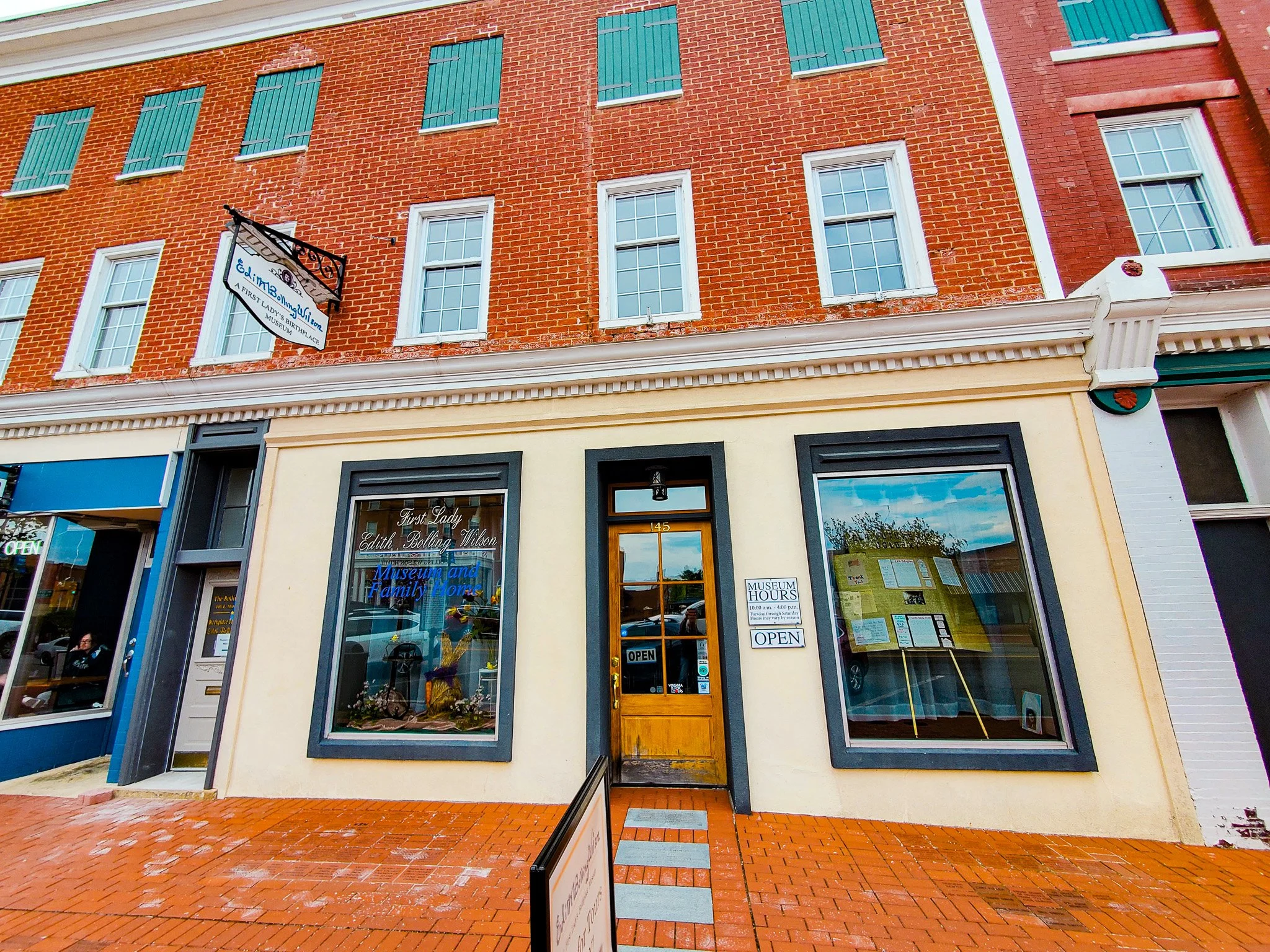
Edith Bolling Wilson Museum
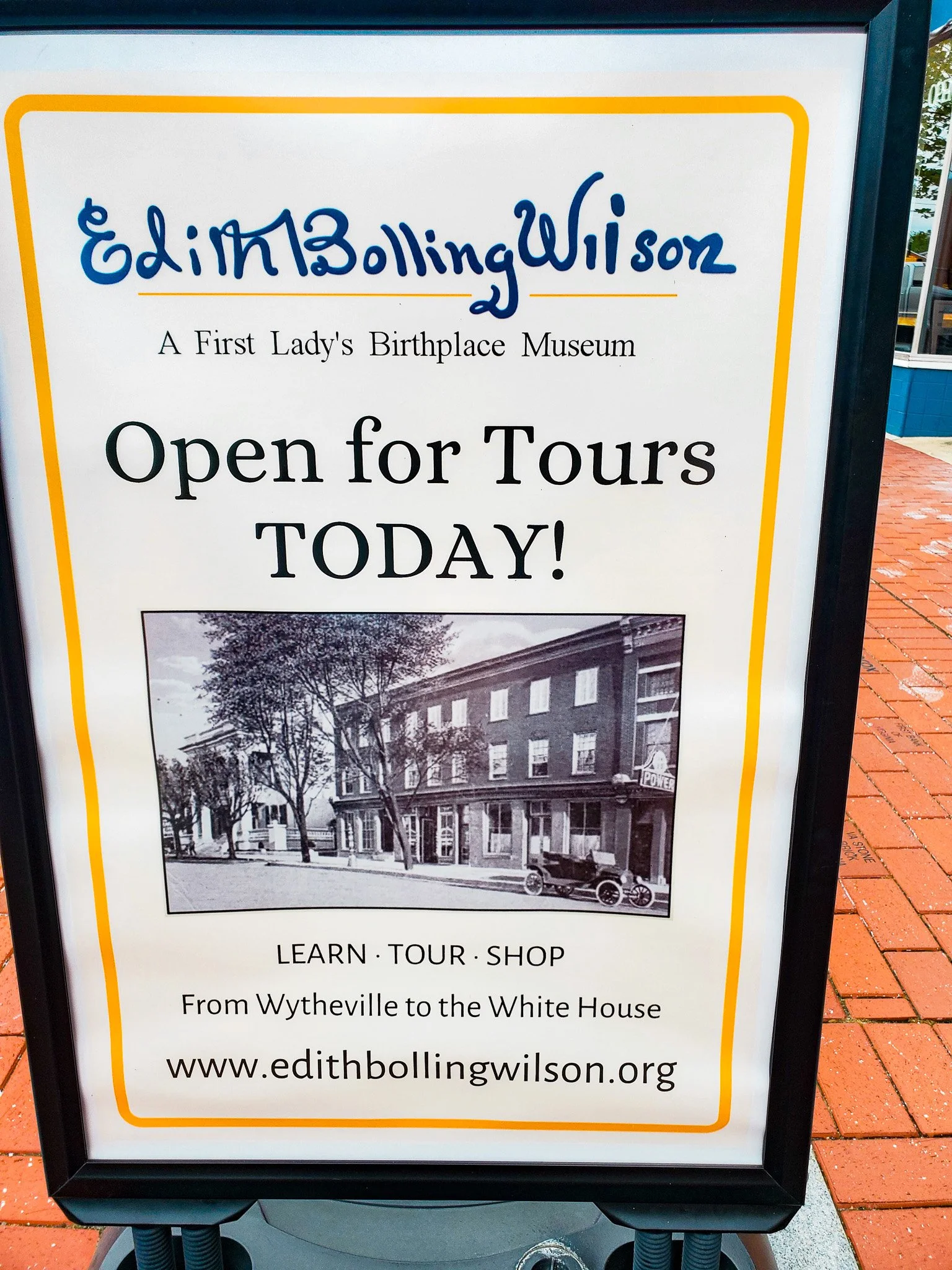
Edith Bolling Wilson Museum
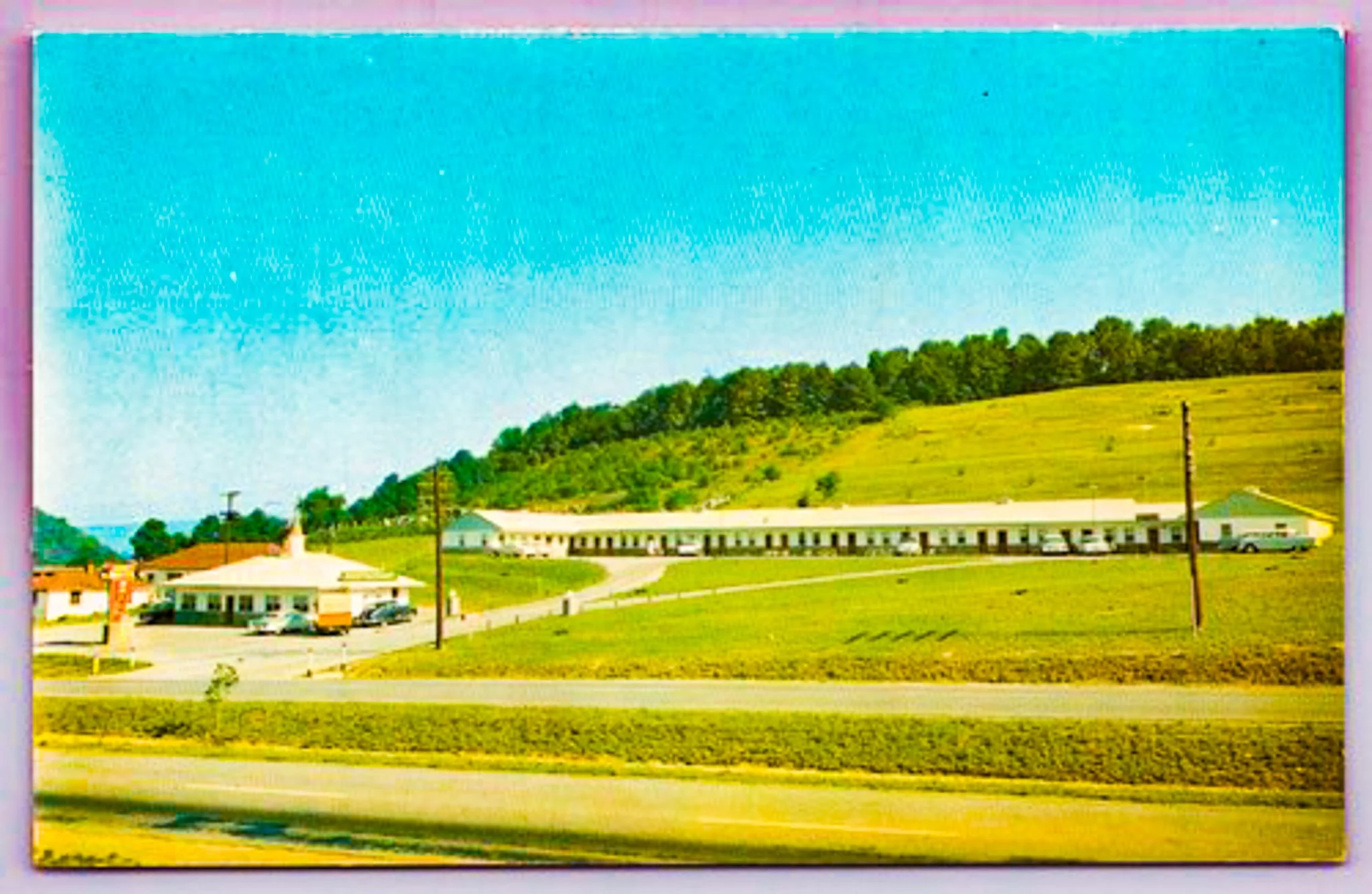
Johnsons Motel Postcard
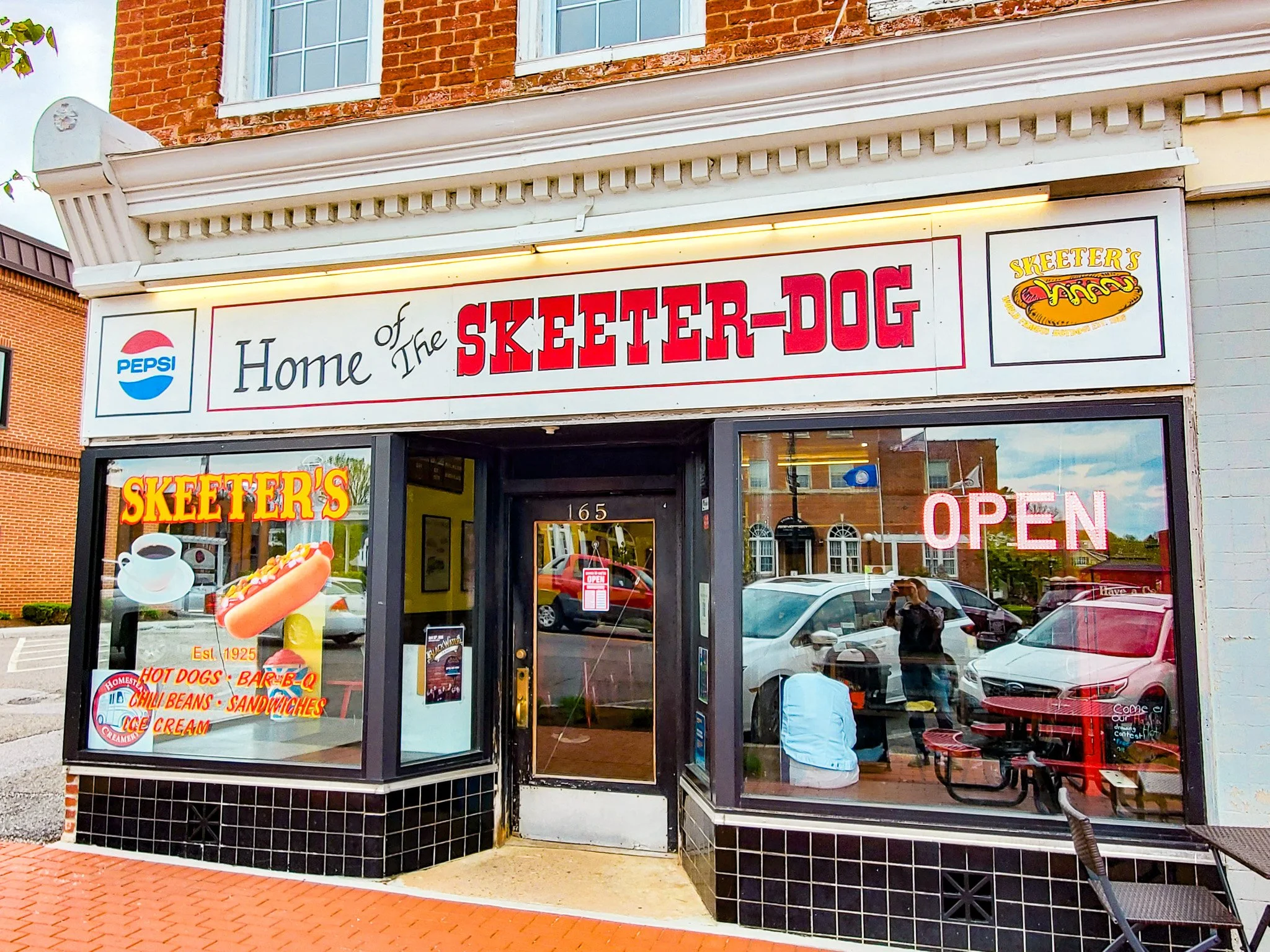
Skeeter's Restaurant
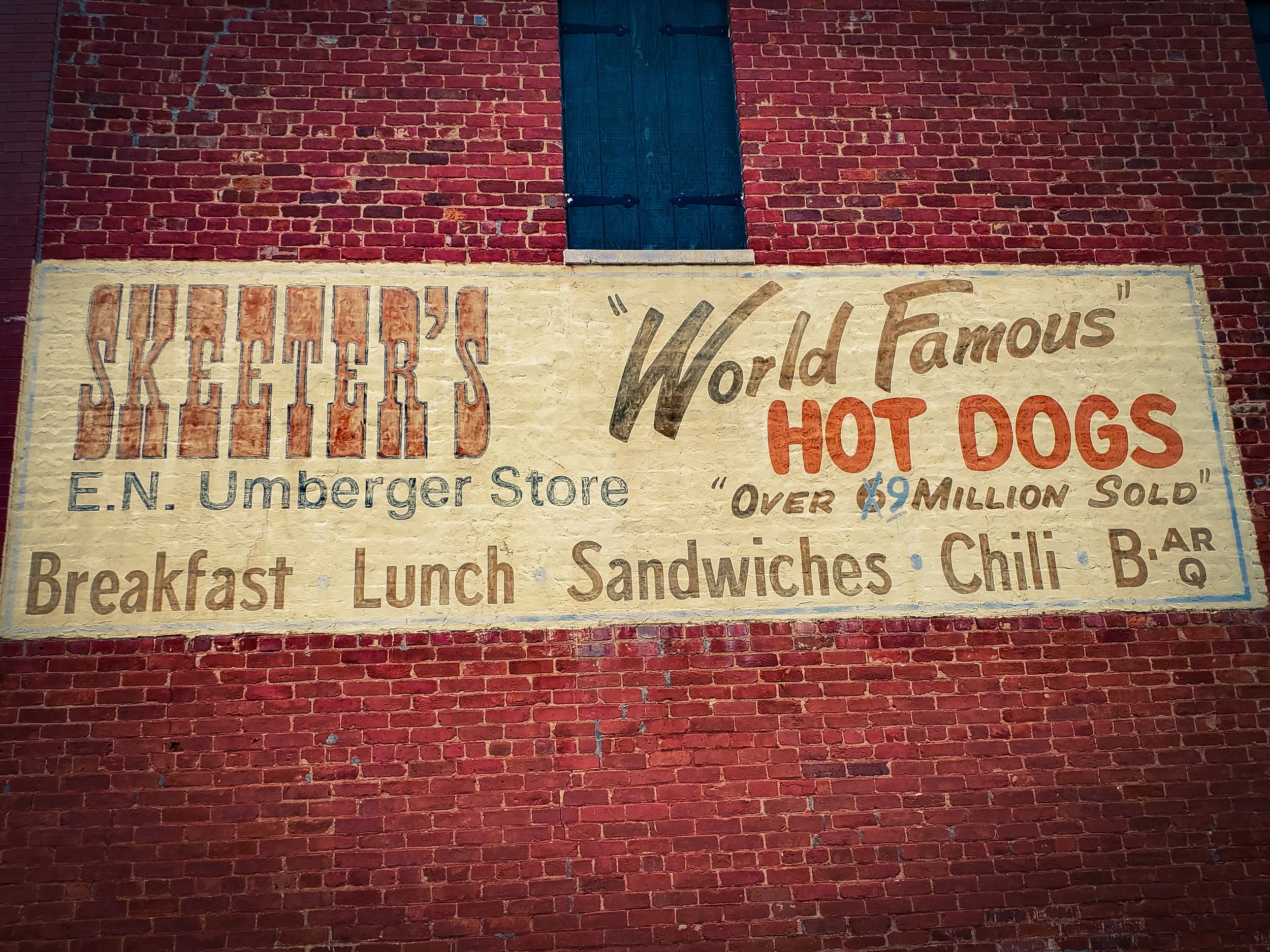
Skeeter's Restaurant
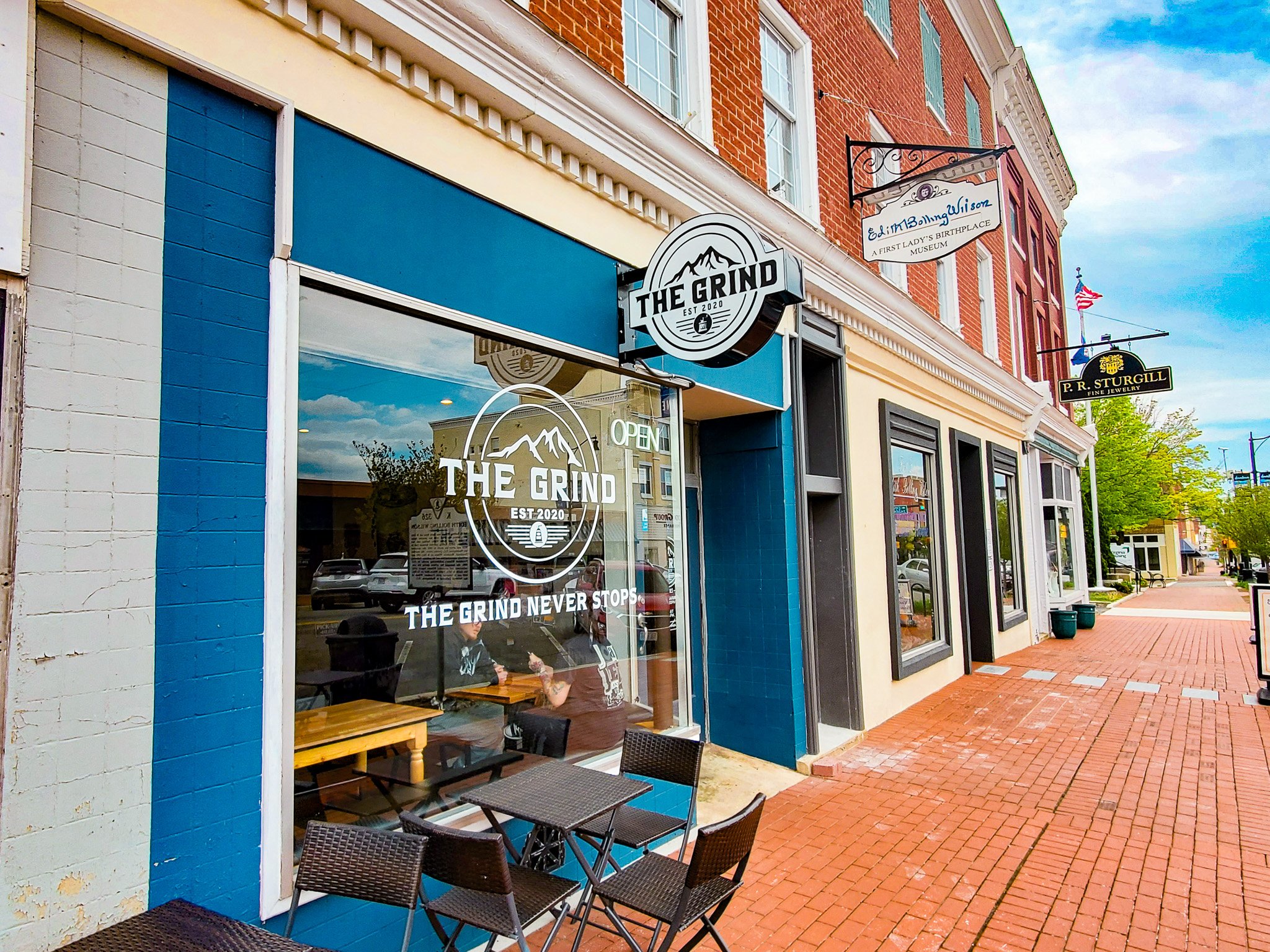
The Grind Coffee Shop
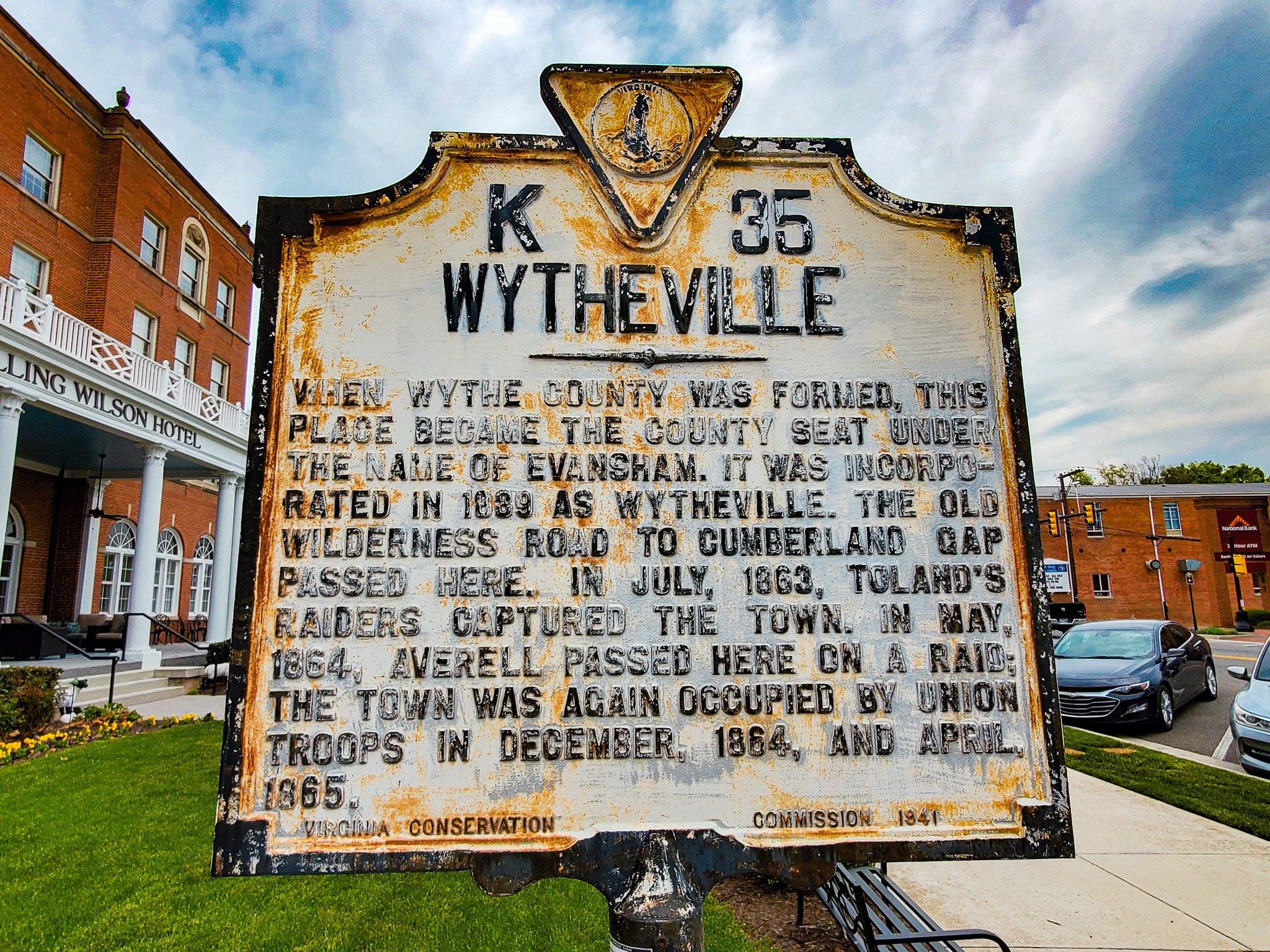
Wytheville Historical Marker
PULASKI
Incorporated in 1886, the city was named after Count Casimir Pulaski, a Polish nobleman and military hero who fought during the American Revolution and was mortally wounded in 1779. The town has historic commercial AND residential districts which include the Dalton Theater building, Pulaski County courthouse, and Pulaski train depot (a.k.a. The Grand Old Lady) built in 1888 by the Virginia-Tennessee railroad. If you like model trains, visit the Raymond F. Ratcliffe Memorial Transportation Museum at 51 Commerce Street to see layouts that depict 1955 Pulaski.
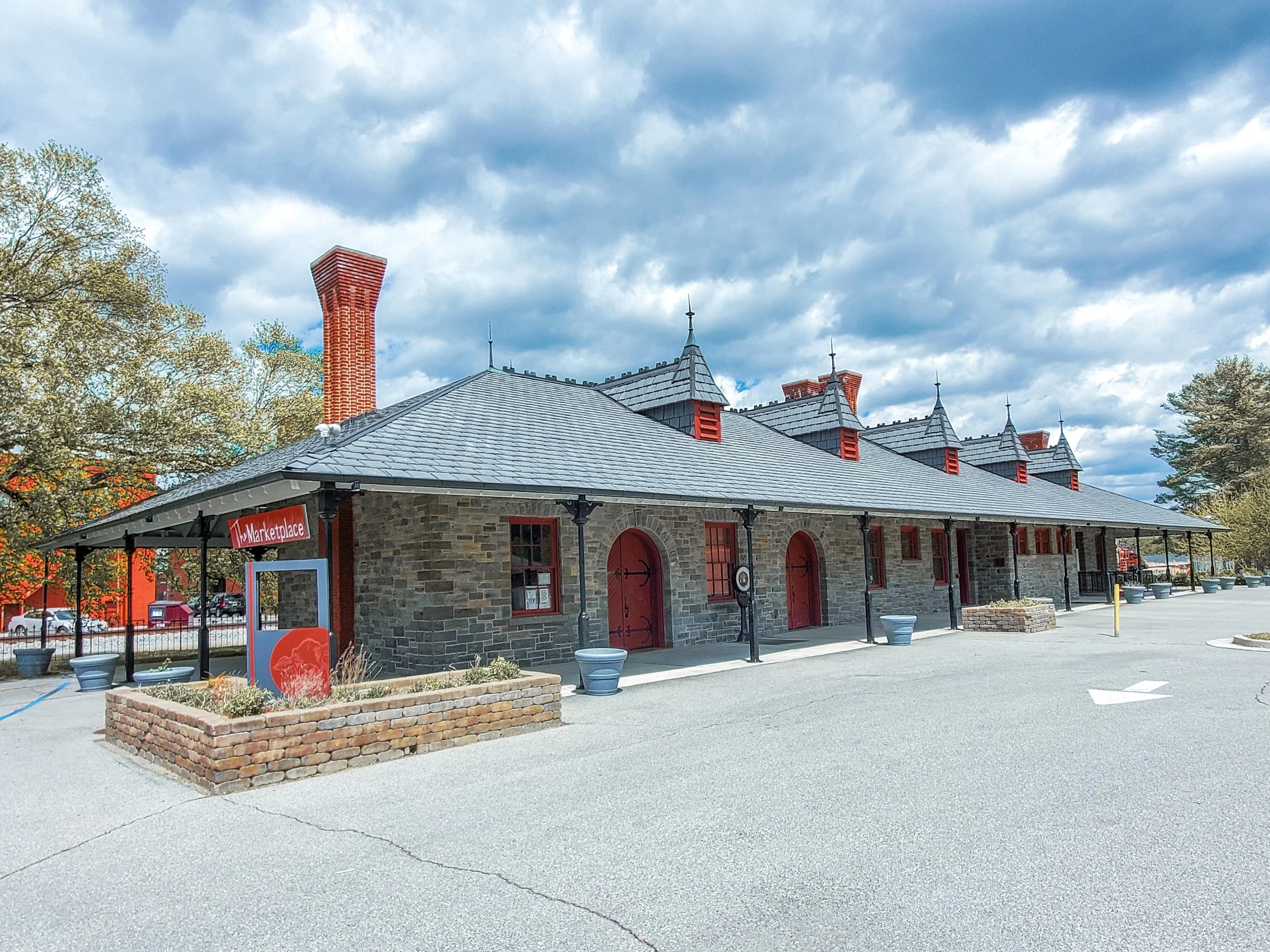
Grand Old Lady Depot
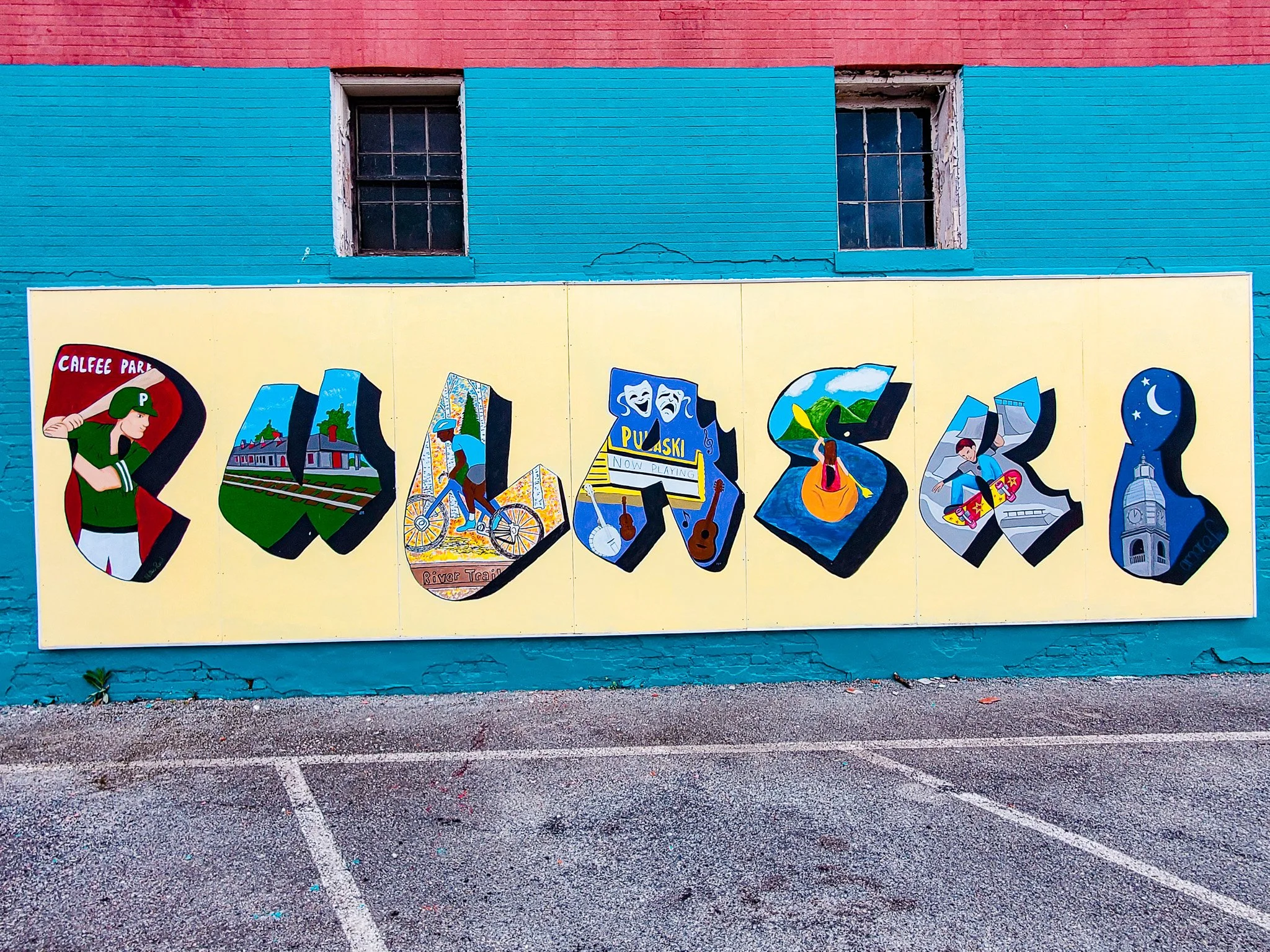
Pulaski Mural
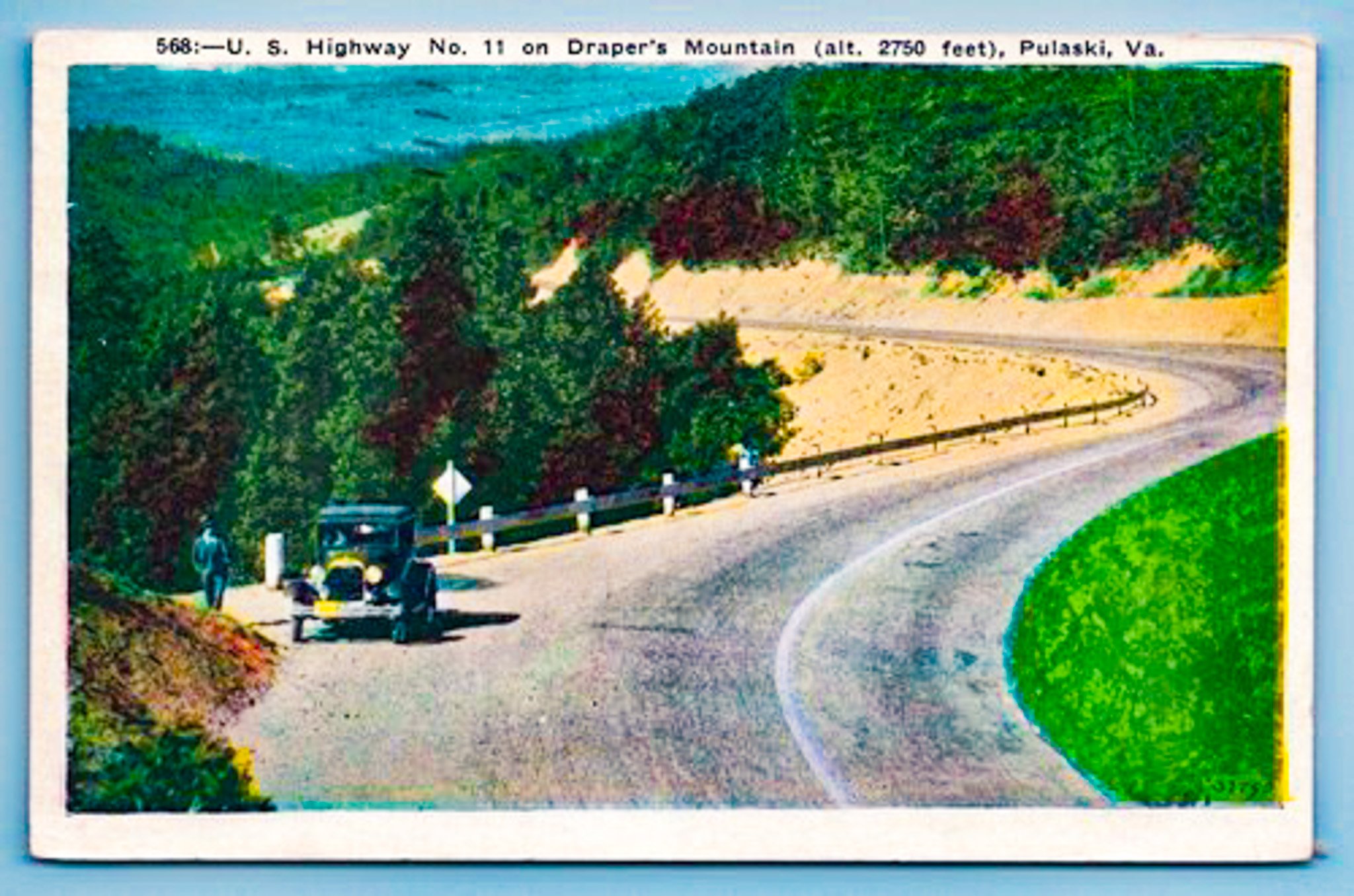
Drapers Mountain Postcard
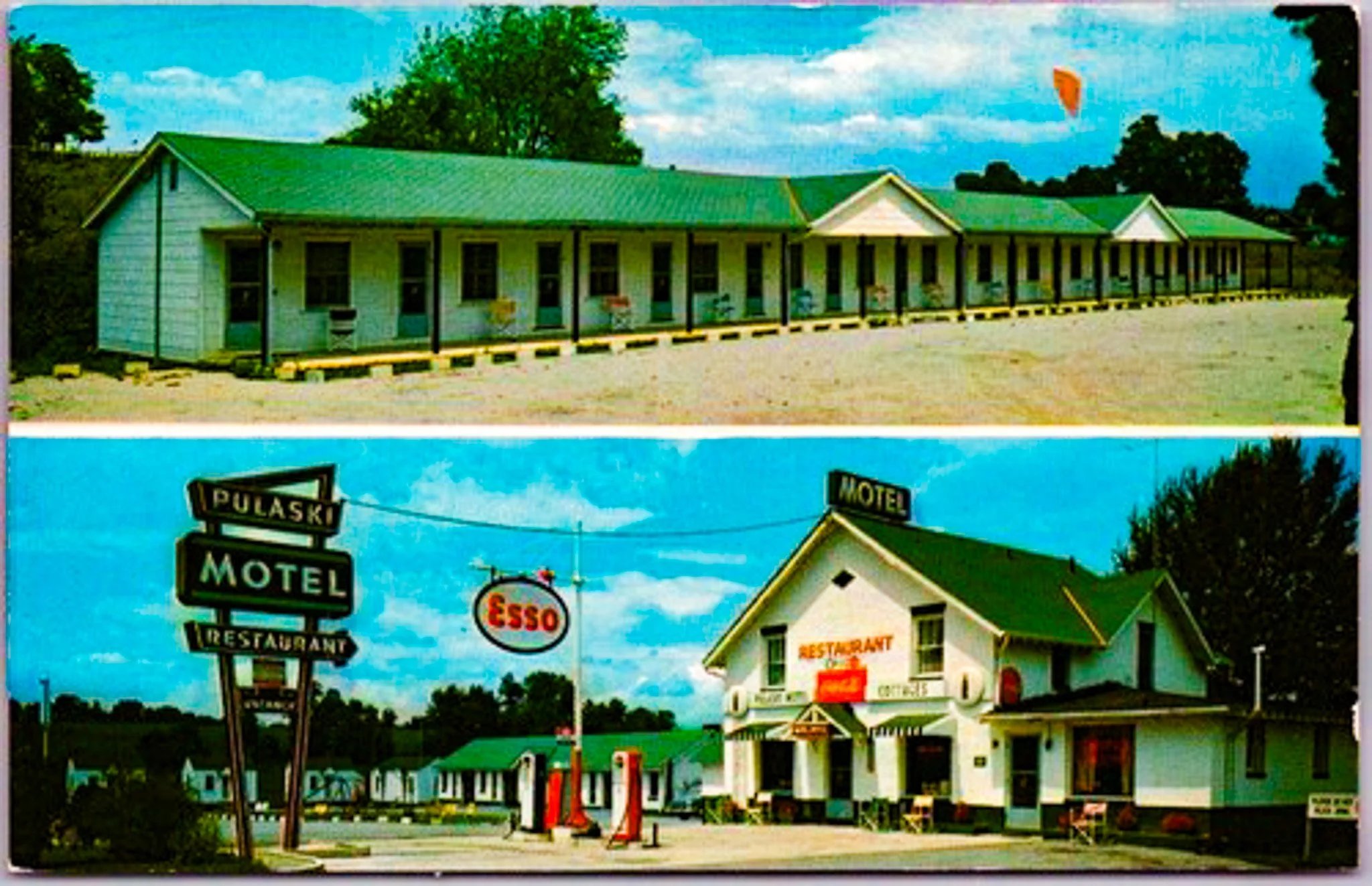
Pulaski Hotel Postcard
DUBLIN
Named after the town in Ireland, Dublin has a large Volvo truck plant and a 1913 Norfolk and Southern train depot.
FAIRLAWN
Fairlawn is separated from the town of Radford by the New River, and is home to the Motor Mile Speedway, operating since 1952.
RADFORD
Named after physician Dr. John B. Radford, the town is called “The New River City” and is home to the Radford Arsenal built in 1941, the Radford Theater, the Glencoe Museum, and Dr. Radford’s home called Arnheim. The New River Train Observatory gives rail fans dramatic views of passing trains.
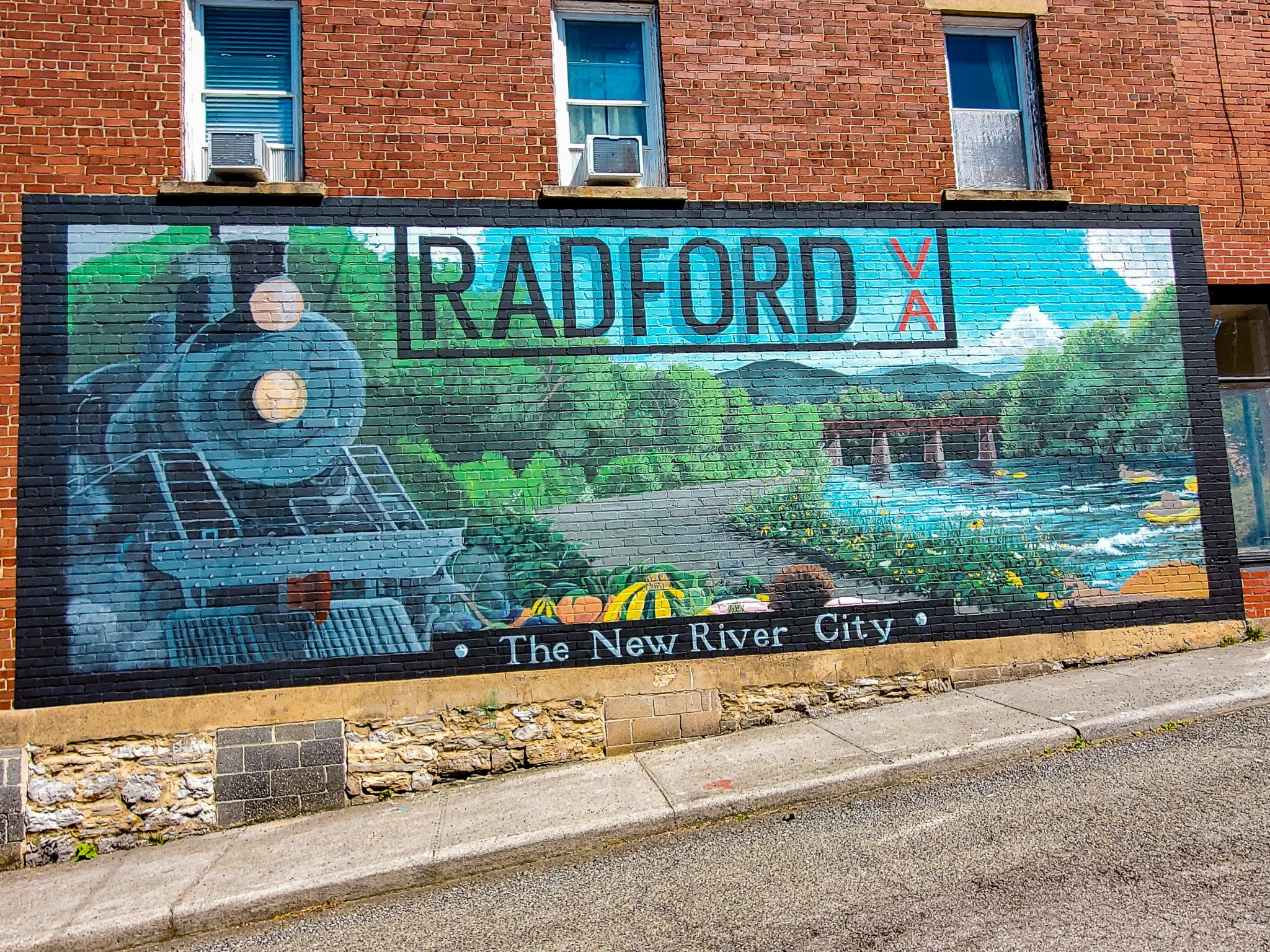
Radford Train Mural
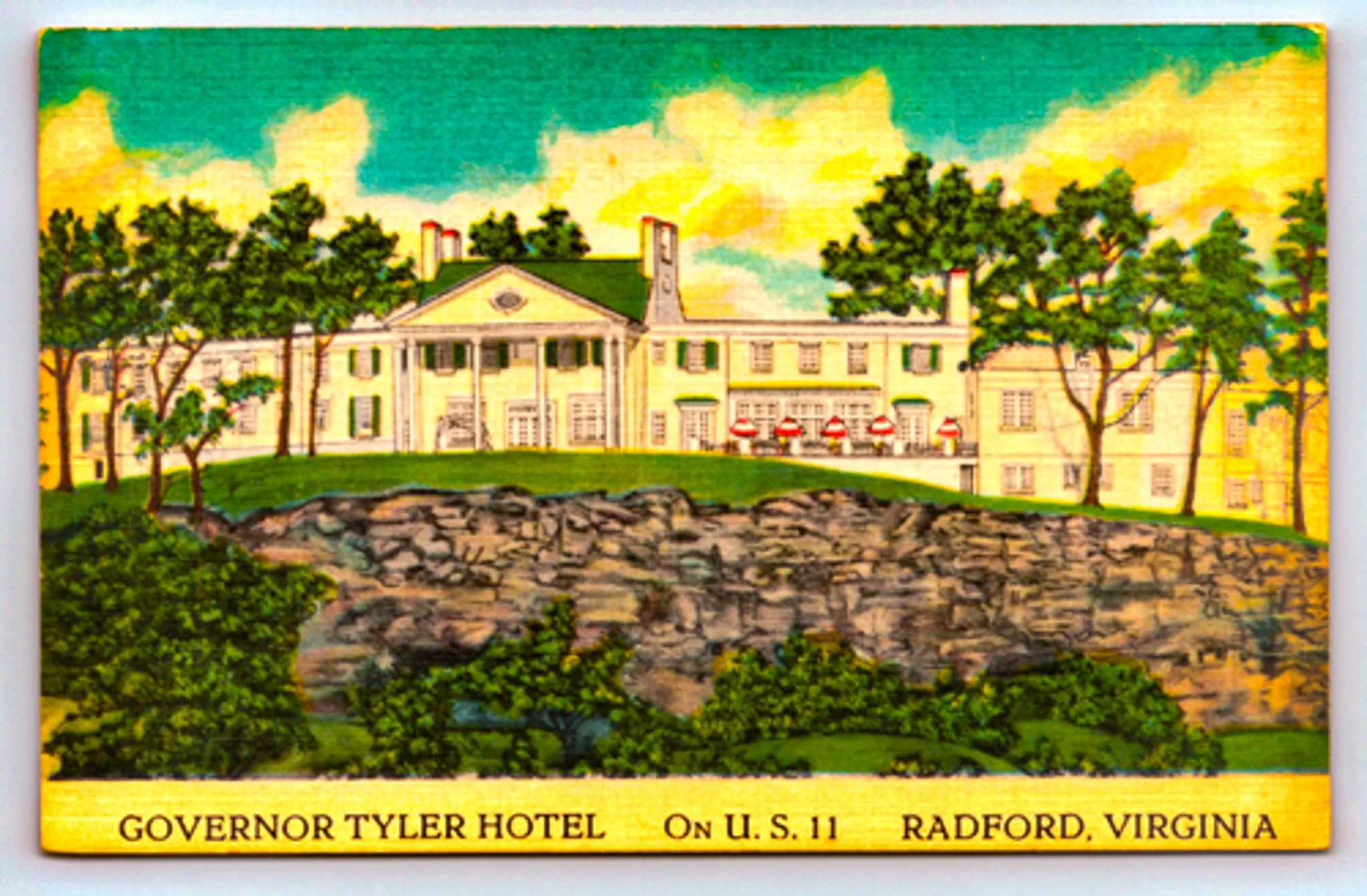
Governor Tyler Motel Postcard
CHRISTIANSBURG
The town was established in 1792 and named for Colonel William Christian, an early settler. He was a brother-in-law of Patrick Henry. The town was a stop on the Wilderness Road, and both Davy Crockett and William Clark (of Lewis and Clark fame) lived there. Daniel Boone was issued an arrest warrant for a debt charge dated 1774 under King George's name but the warrant was labelled "Not executed--Gone to Kentucky". He eventually repaid the debt. The Lewis-McHenry rifle duel which took place at dawn on May 9, 1810 in Christiansburg was the first duel in Virginia fought with rifles and resulted in the death of both men. The duel subsequently led to the Barbour Bill of 1810, banning dueling. The Christiansburg Normal Institute was led by Booker T Washington as superintendent from 1896 til his death in 1915. Local art and history are displayed at the Montgomery Museum of Art and History. The town sits astride the Eastern Continental Divide separating water flowing east to the Atlantic from water flowing west to the Gulf. The Starlite Drive In, which opened in 1953, continues to provide film entertainment and Dude’s Drive In restaurant continues to provide carhops and tasty food since 1954.
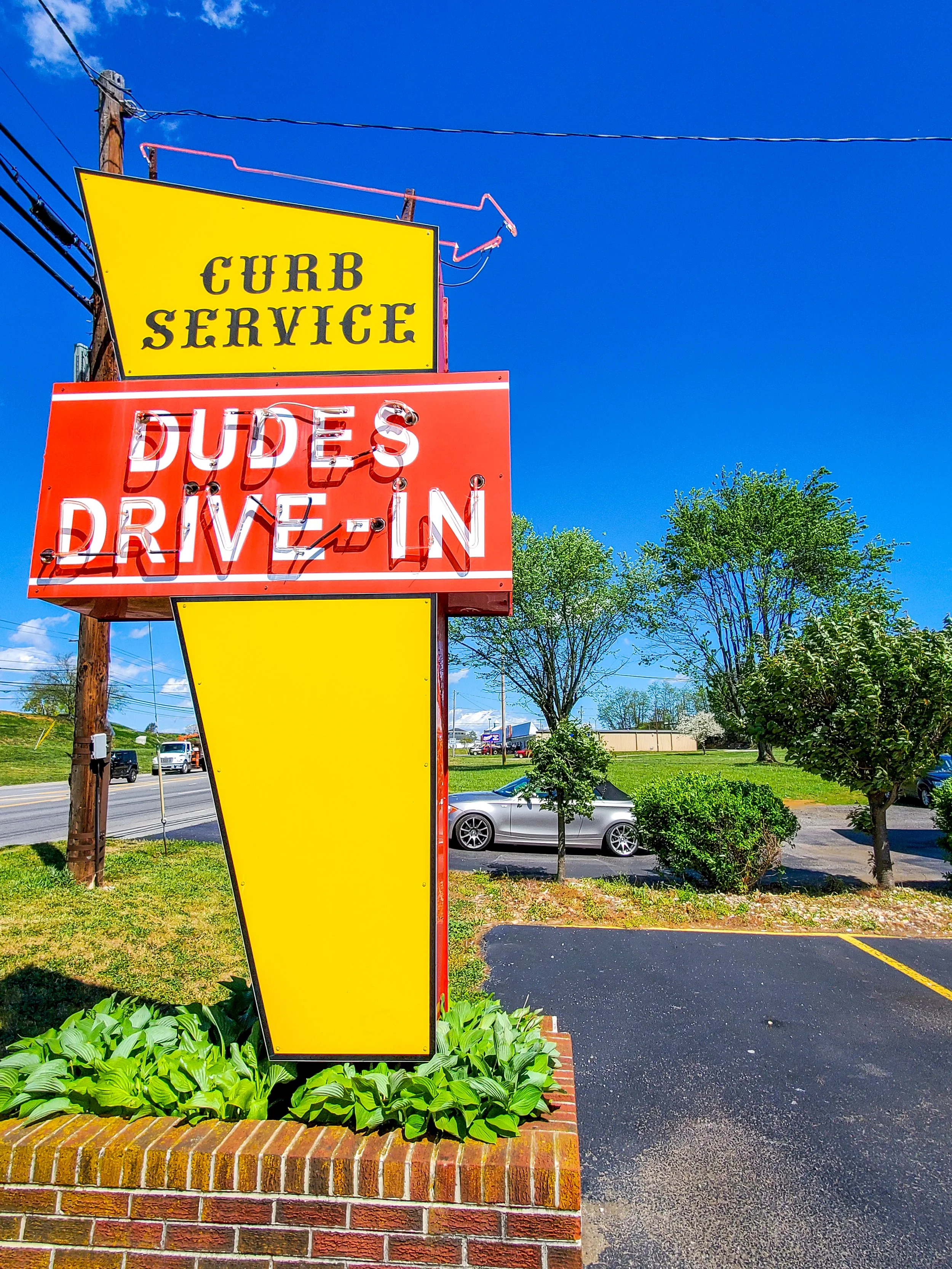
Dudes Drive-In Restaurant
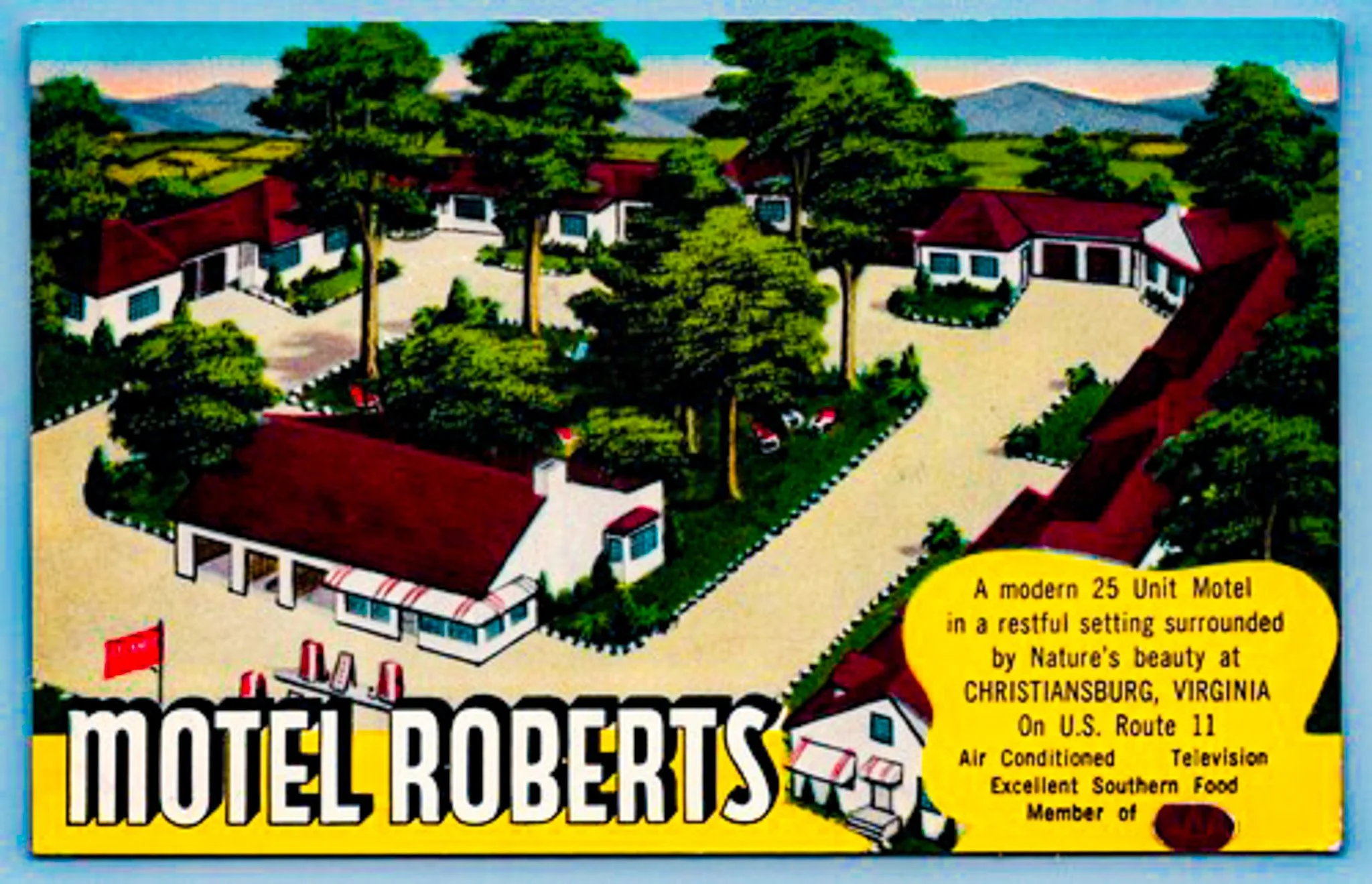
Motel Roberts Postcard
SHAWSVILLE
Named for train engineer Charles B. Shaw, the town was established as a rail stop in the 1850’s. The town is near the former site of Fort Vause, important during the French and Indian War, and has an historic district.
ELLISTON
Presumably named after an early governess ELlen LISTON, the city was originally called Carnegie City as a planned community. It was superceded by Big Lick, which became Roanoke.
LAFAYETTE
The city was named after the Marquis de Lafayette of France, an important ally of George Washington. The Blue Jay Motel has an iconic sign but is closed.
SALEM
Europeans arrived in the area around 1671, but evidence dates Native American activity to 8000 BC. The Rowland Hotel with its adjacent steakhouse is located downtown in the shell of the old Salem Theater. During the Civil War, the Salem Flying Artillery is said to have fired the last Confederate shot at Appomattox Court House prior to Robert E. Lee’s surrender. The Pancake House Restaurant beside Le-Hi Lanes has been providing delicious food for over 60 years. At Fire Station No. 1 at 105 S. Market Street is a 9/11 Memorial with steel beams from the 33rd to 36th floors of the North Tower supporting a flagpole.
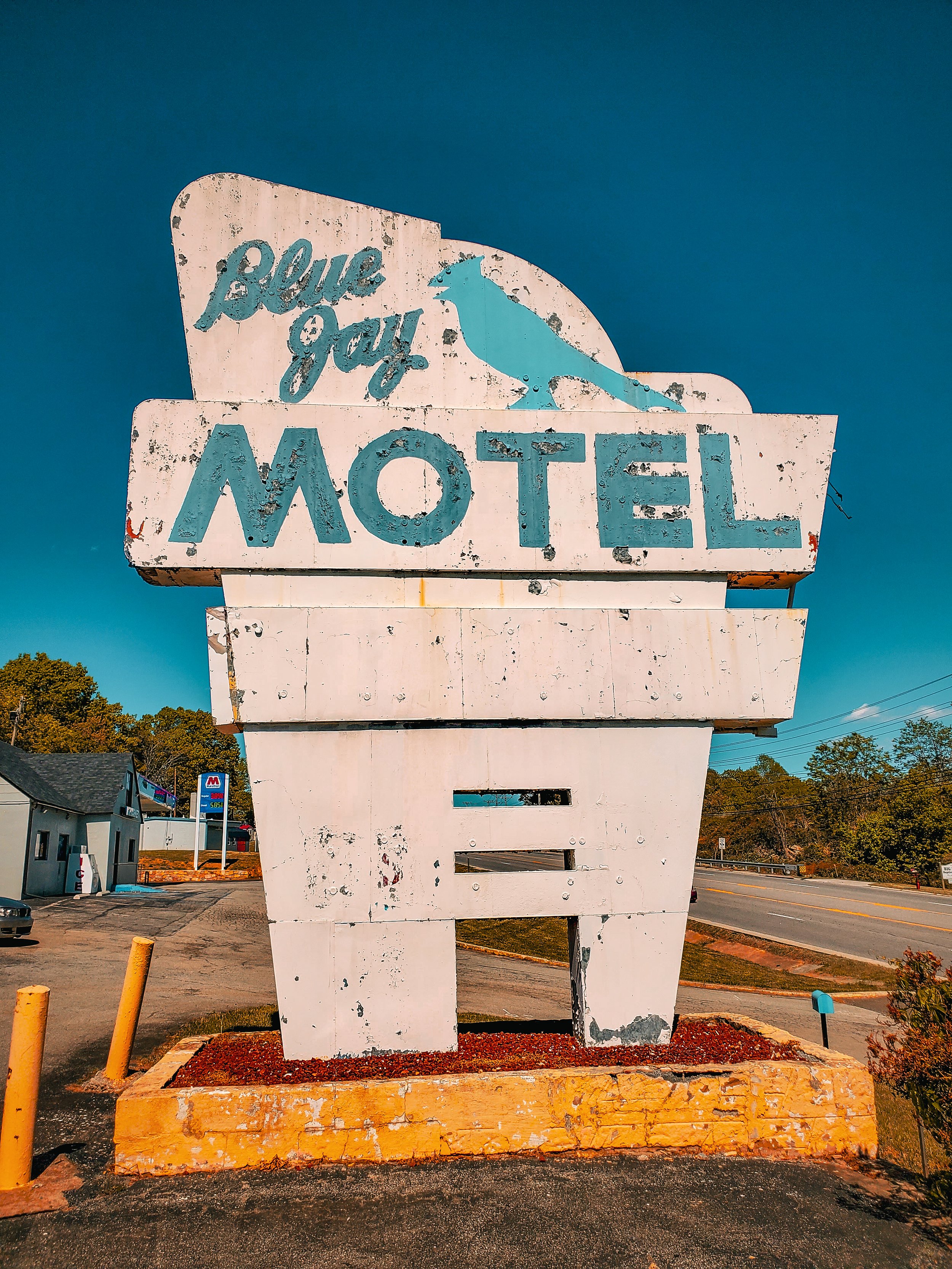
Blue Jay motel Sign
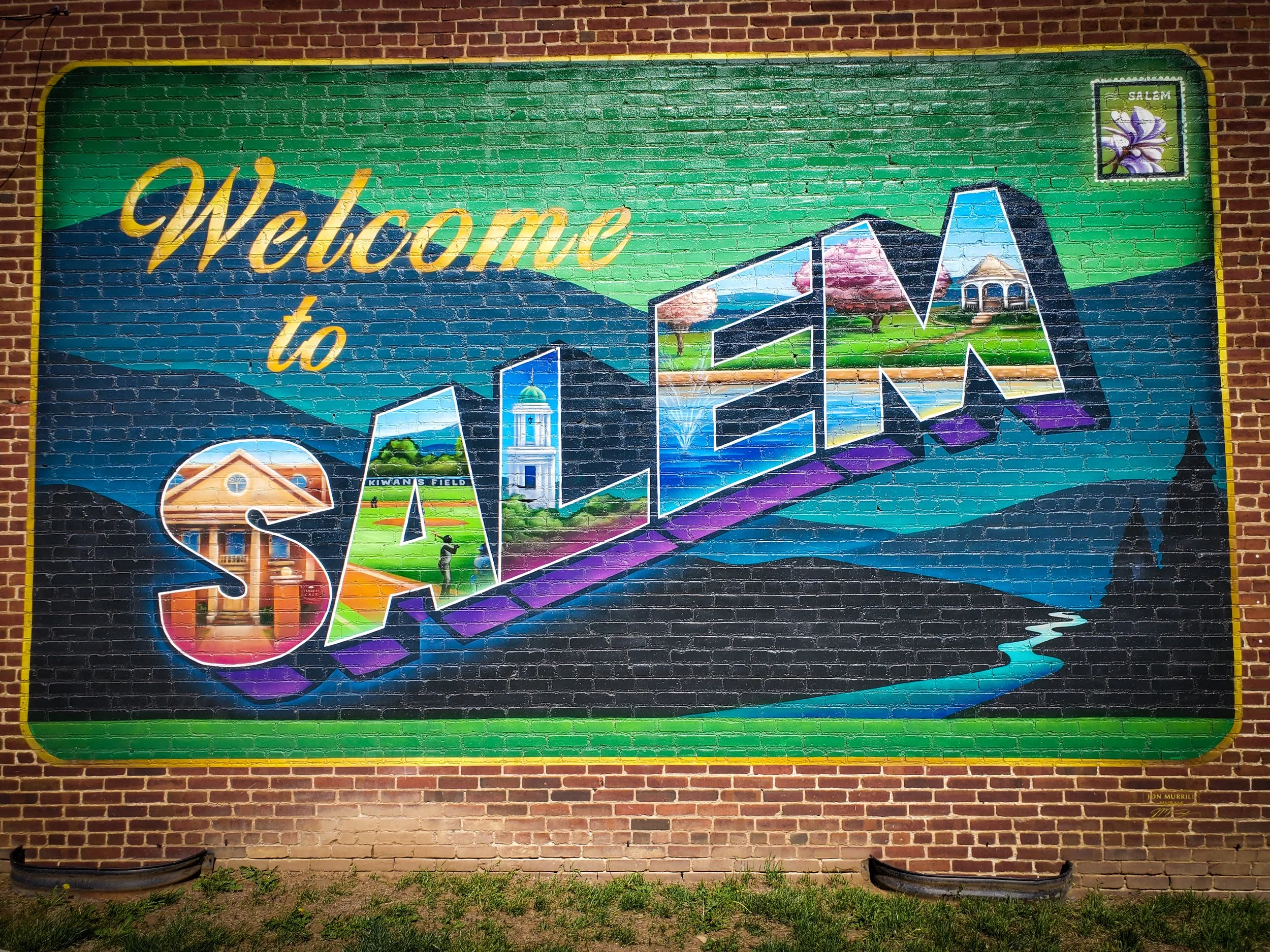
Welcome to Salem Mural
ROANOKE
Originally called Big Lick for the area salt licks, the name was changed in 1882 to Roanoke, for the Algonquian word "Rawrenock" meaning “shell money” or “wampum”. The current city lies near the intersection of the Great Wagon Road and the Carolina Road. Early settlers were Scots-Irish arriving in the 18th and early 19th centuries following the Plantation of Ulster persecutions, followed by Germans from Pennsylvania via the Great Wagon Road. Roanoke is called “The Star City of the South” because of the “Roanoke Star” which has remained on Mill Mountain since 1949. The Hotel Roanoke was built in 1882 and the Grandin Theater has been in operation since 1932. The Memorial Bridge over the Roanoke River was completed in 1926 and contains five plaques with quotes from famous statesmen. The Taubman Museum of Art celebrates art from the 19th century to contemporary times. There is a Bunyan Muffler Man at an actual auto shop at 3110 Williamson Road. A ten foot sculpted dog sits at the Fire-EMS Station 7 at 1742 Memorial Avenue SW. Don’t be distracted, but several of the US 11 road signs in Roanoke are “non-compliant” with federal standards by their shape and outline.
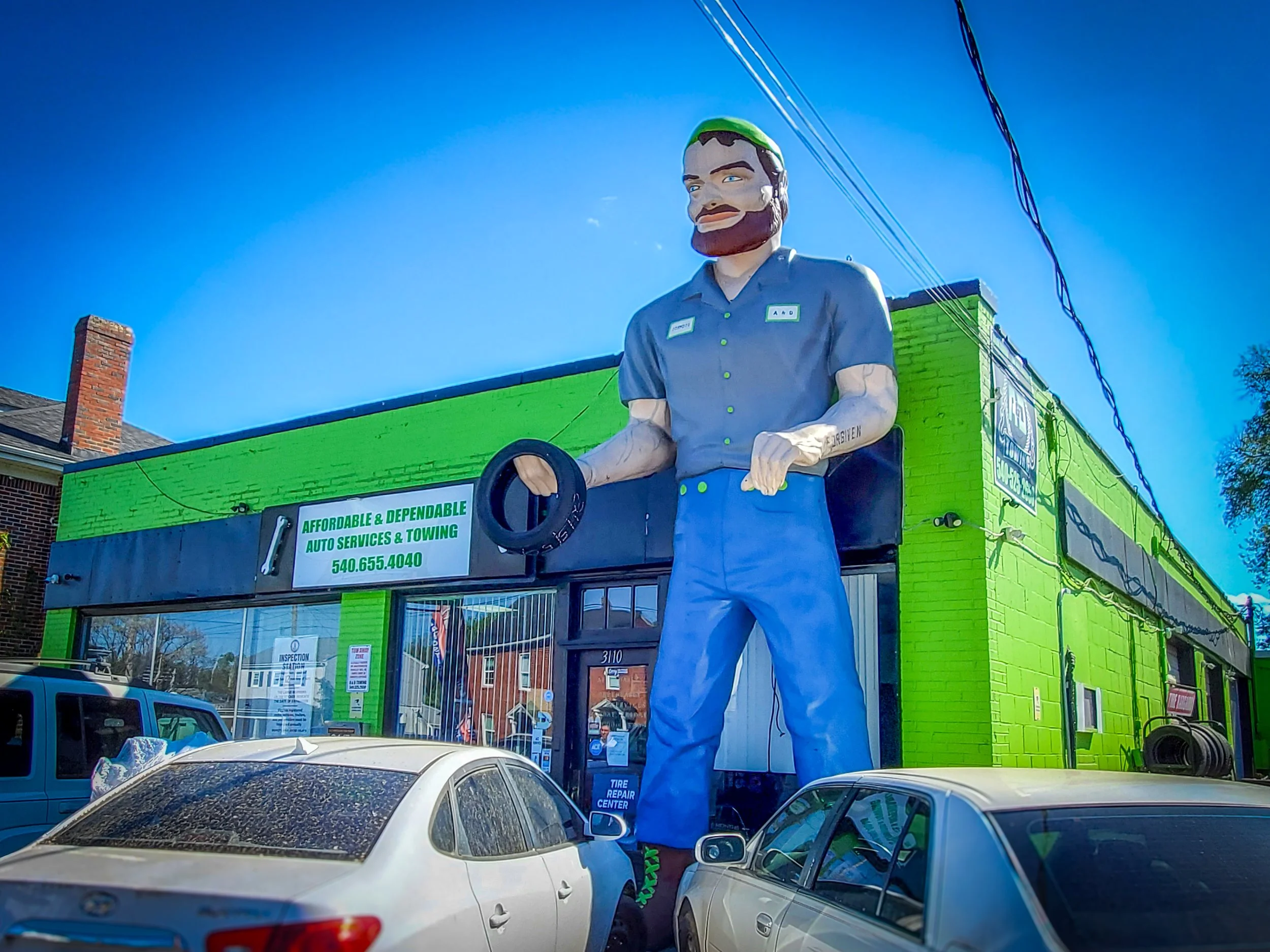
Muffler Man at Repair Shop
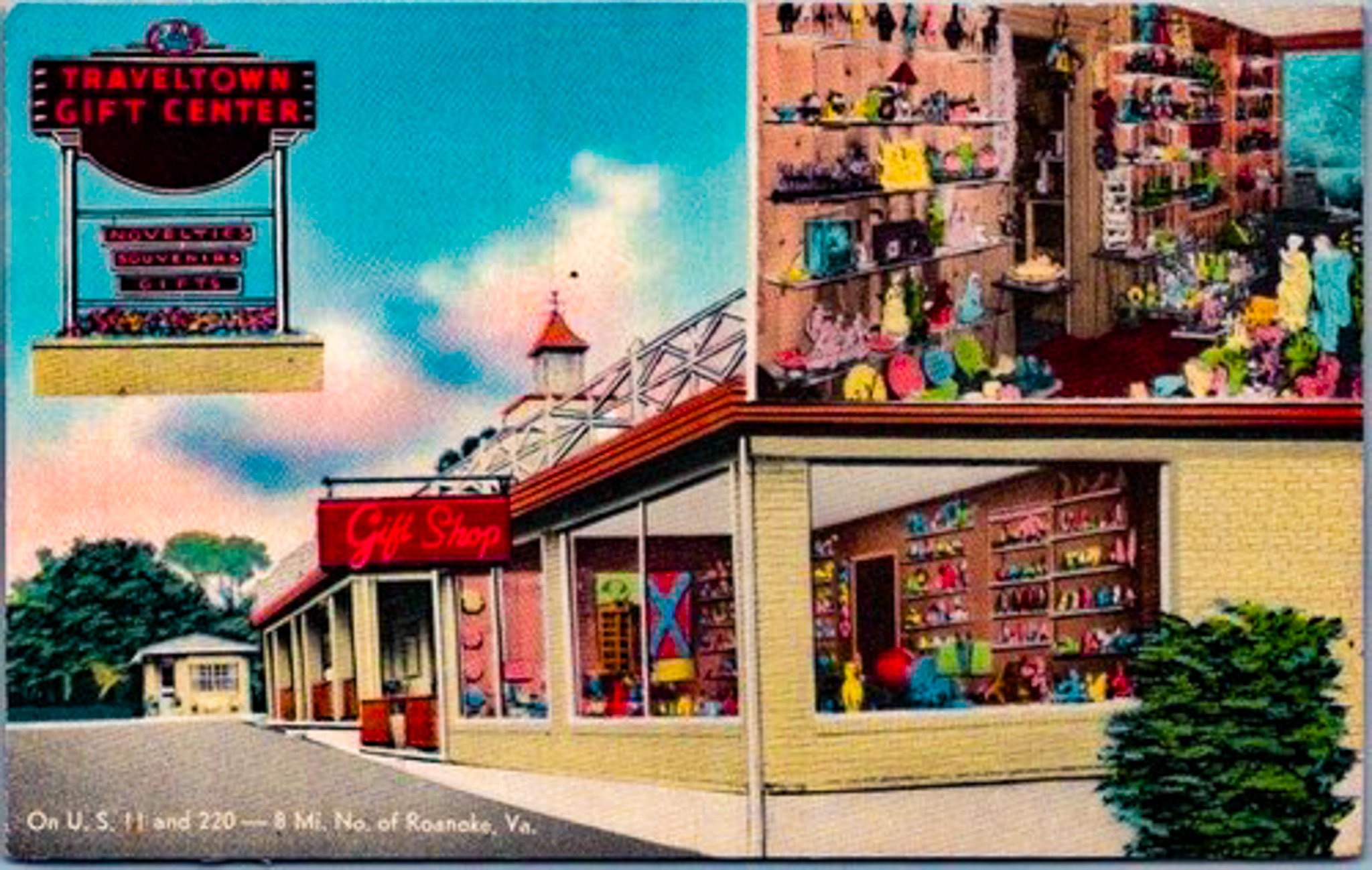
Traveltown Court Postcard
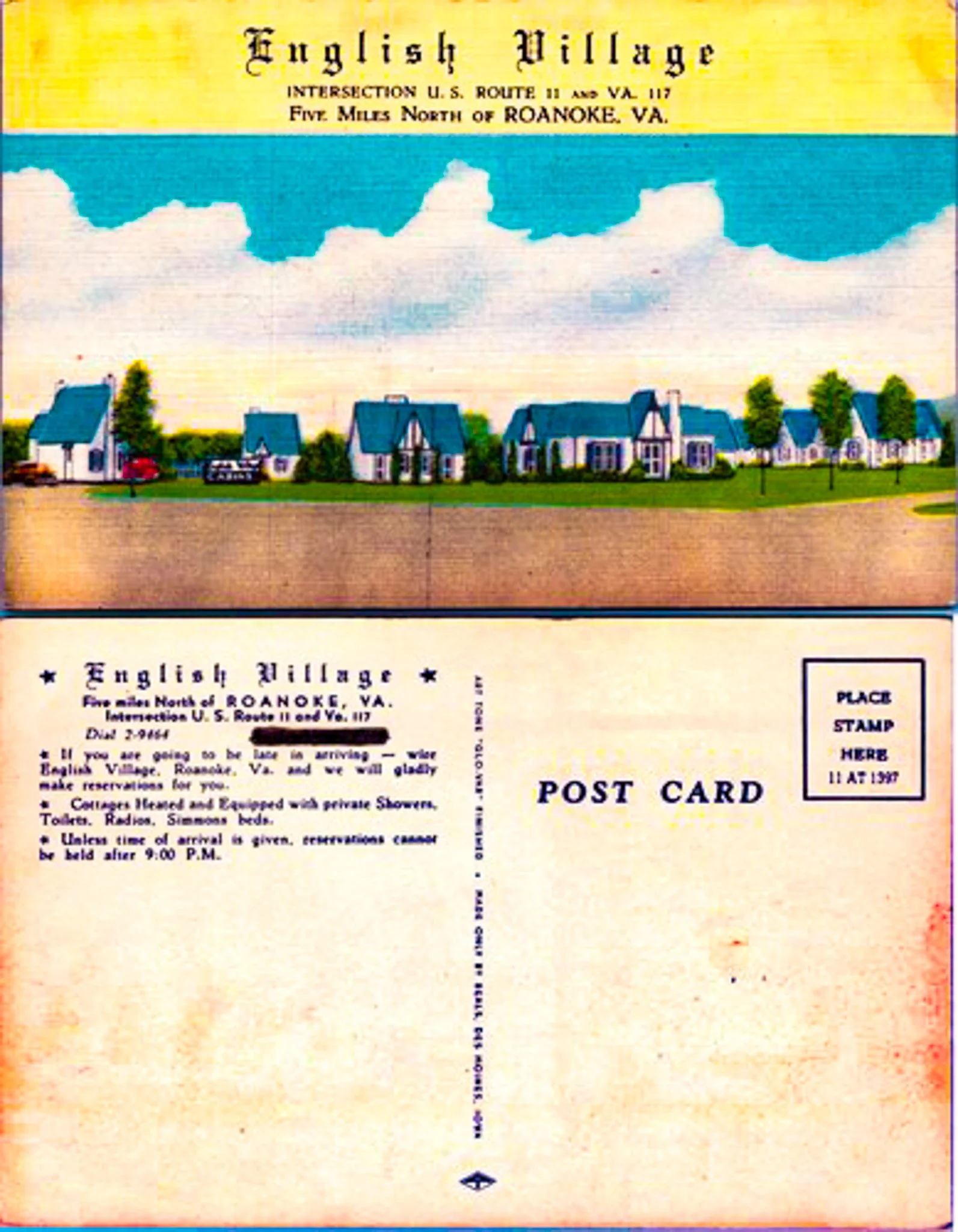
English Village Postcard
HOLLINS
The town was named for Hollins University, which in turn was named for benefactors John and Ann Halsey Hollins, in 1855. The university was chartered in 1842 and is one of the oldest for women in the United States.
CLOVERDALE
Cloverdale is the birthplace of Charles W. Follis—the first Black professional football player. He signed with the Shelby Blues in 1904 in the Ohio league, which was the predecessor to the NFL. Nicknamed the “Black Cyclone”, he played high school football in Wooster Ohio and was buried there, and has been recognized in Ohio.
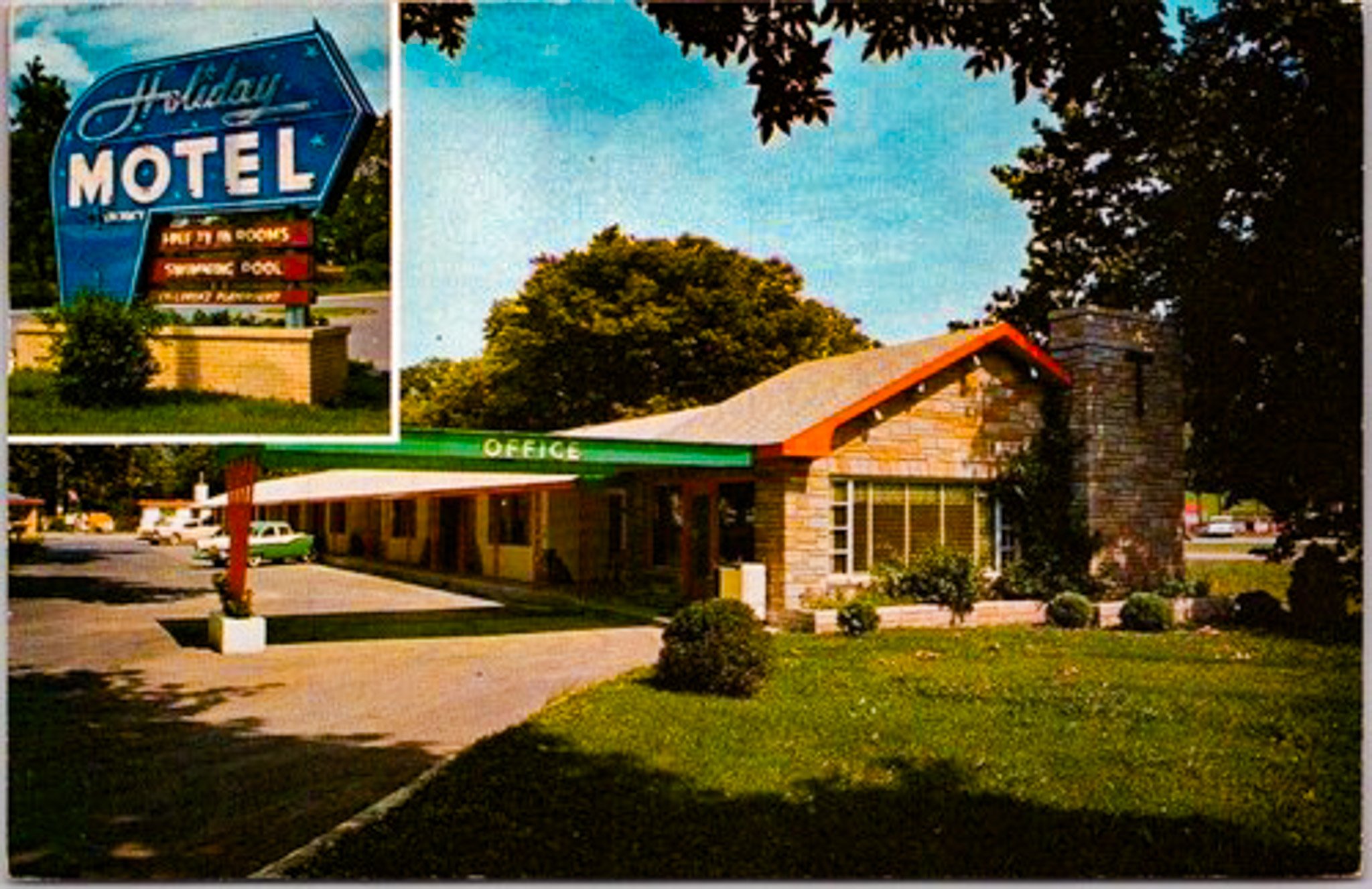
Holiday Motel Postcard
TROUTVILLE
Named after three brothers named Trout and not the fish, the Appalachian Trail crosses US 11 at the south end of Troutville where an AT parking area is nearby. Troutville is a designated Appalachian Trail Community and provides local support to hikers. Be on the lookout for US Bicycle Route 76 signs in the area. Bicycle Route 76 originated as the Bikecentennial, the route for the large bike tour organized for the 1976 celebration of the US Bicentennial. It is one of the first two national bicycle routes (the other being US Bicycle Route 1 from Florida to Virginia), originates in York VA and terminates near Towner CO. Other points of interest are the 7-Up sign painted on an old gas station north of town, and Kelly’s Real Deal antiques. The Greenwood Restaurant north of Troutville on US 11 has been serving home cooked meals since 1952.
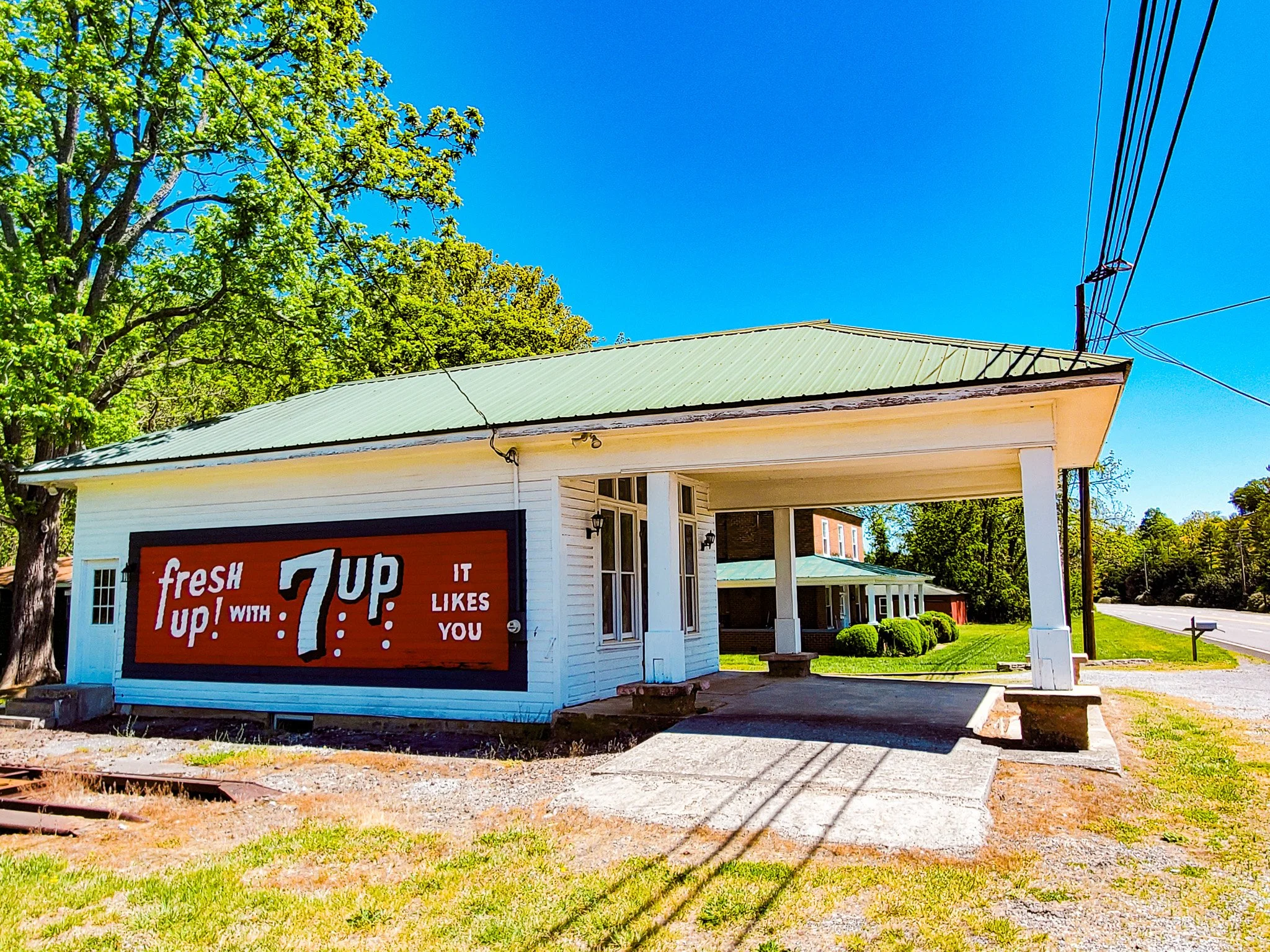
7UP Sign on Restored Gas Station
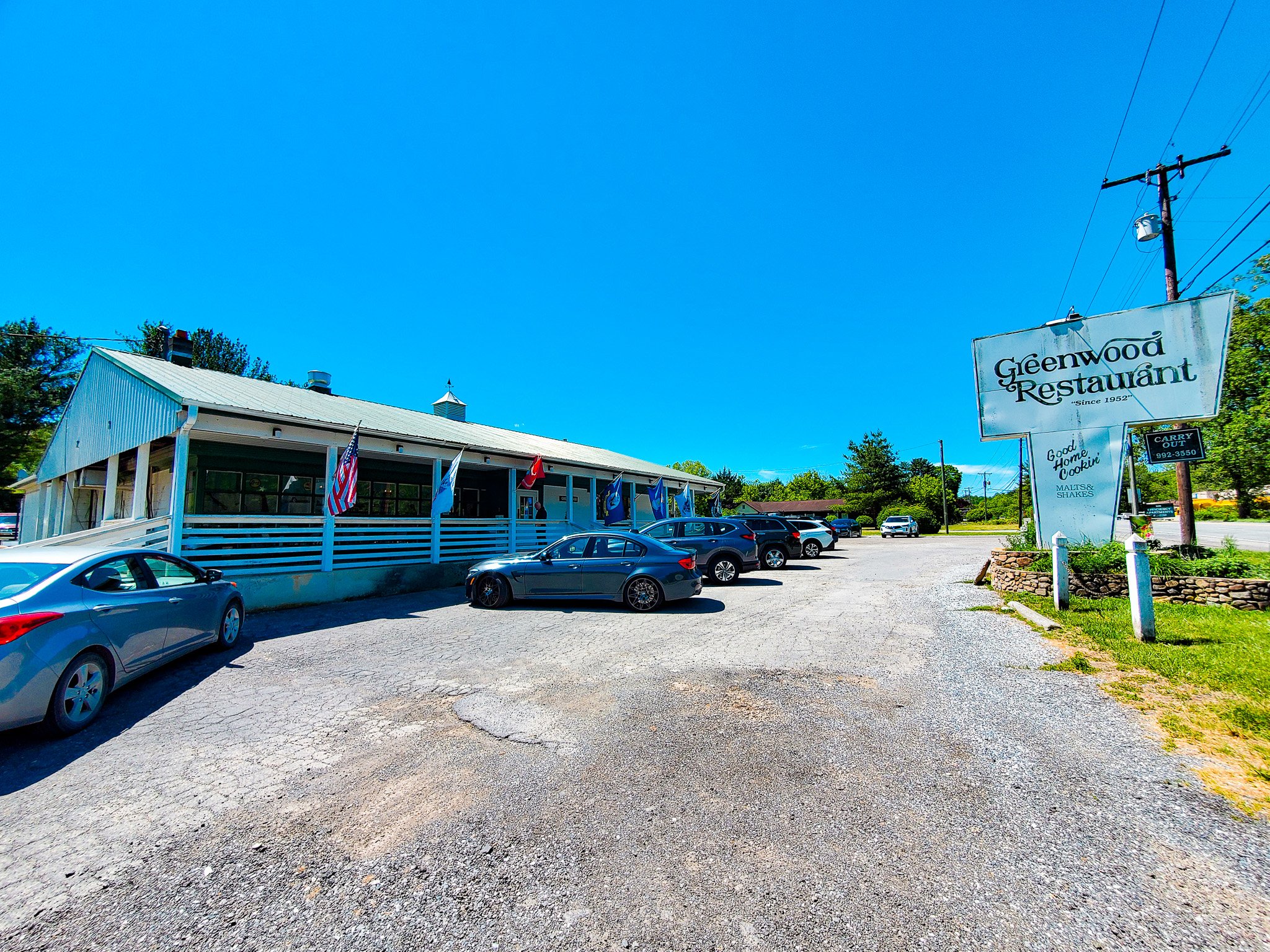
Greenwood Restaurant
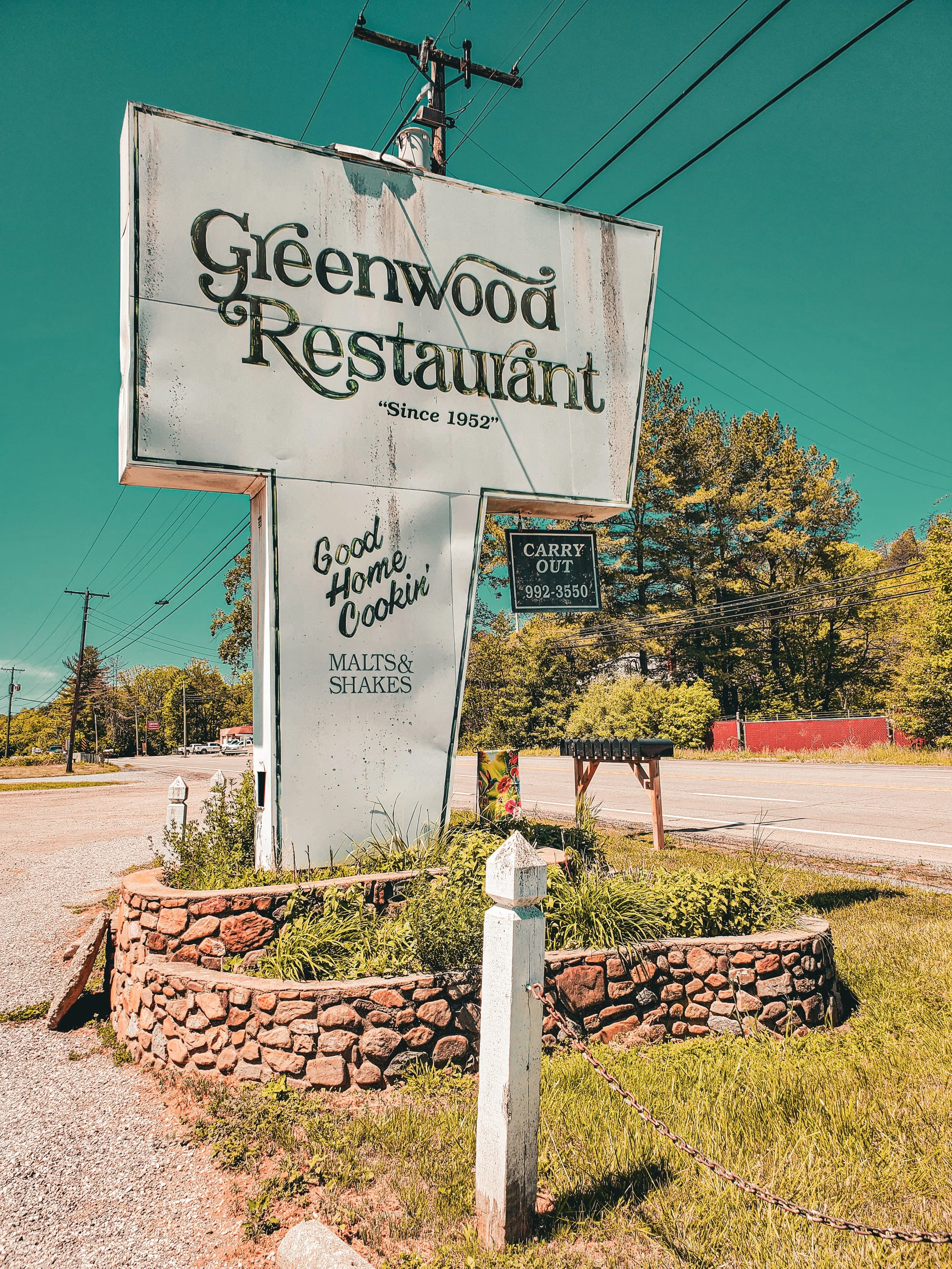
Greenwood Restaurant
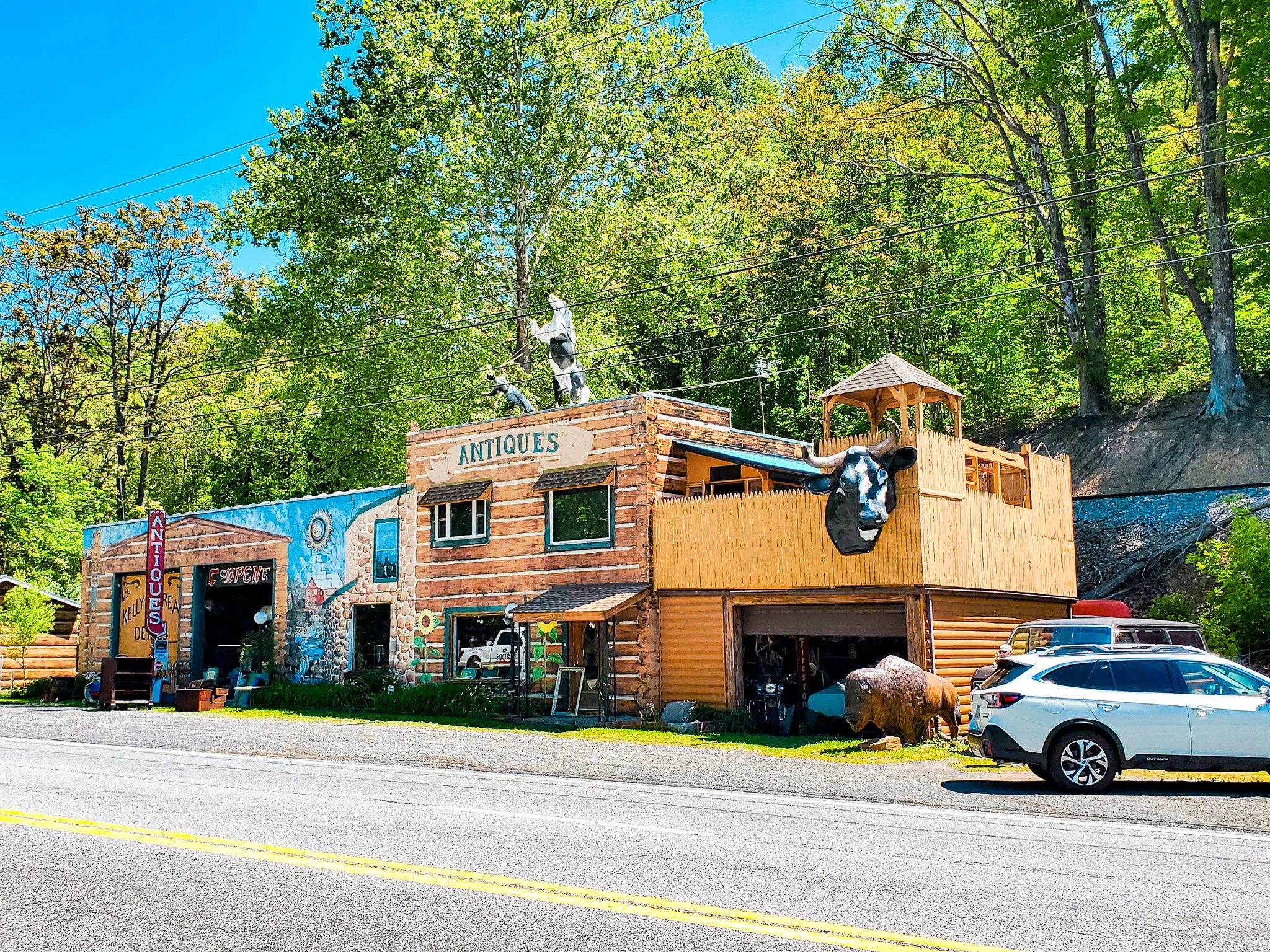
Kelly's Real Deals Antiques
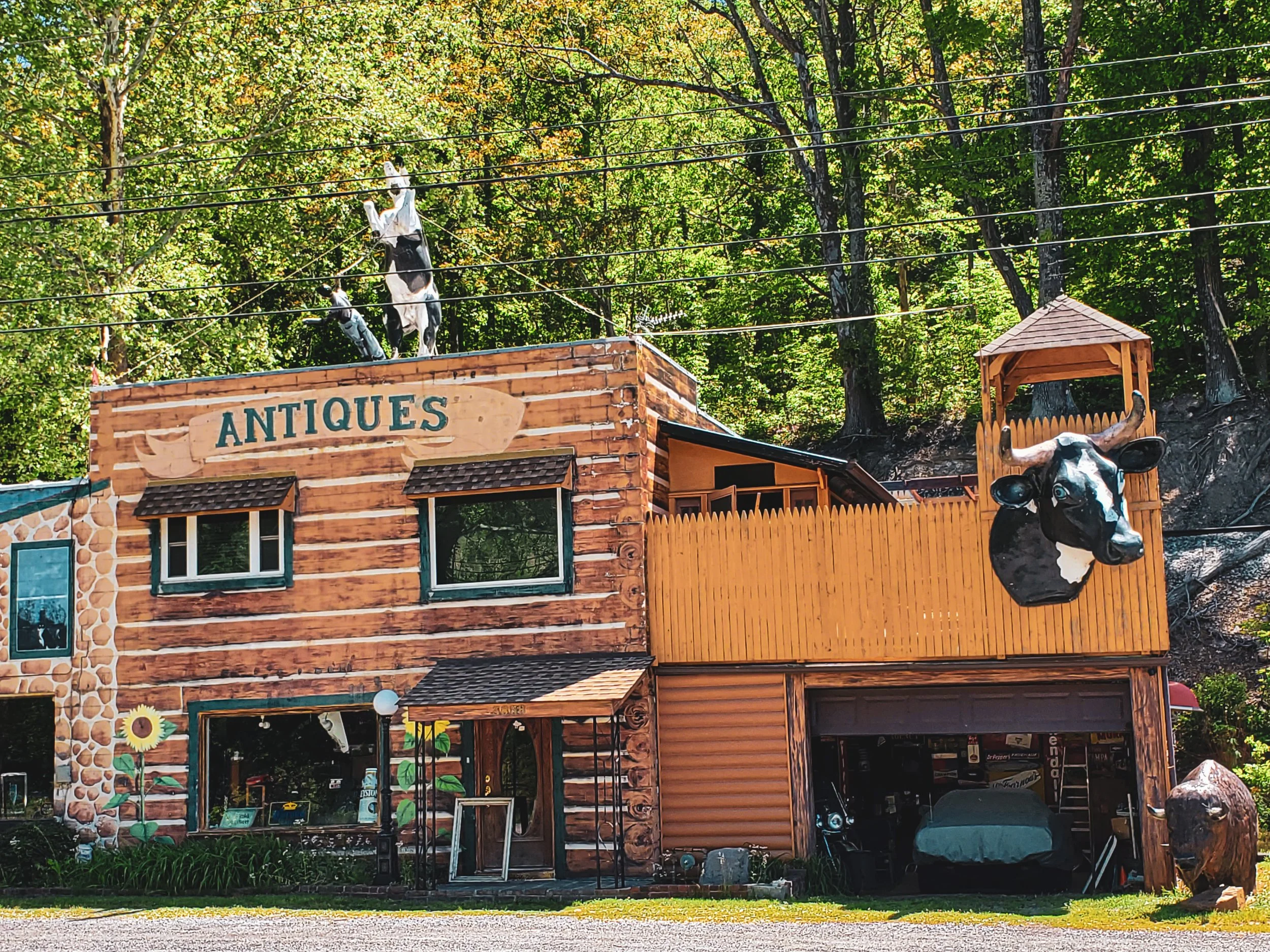
Kelly's Real Deals Antiques
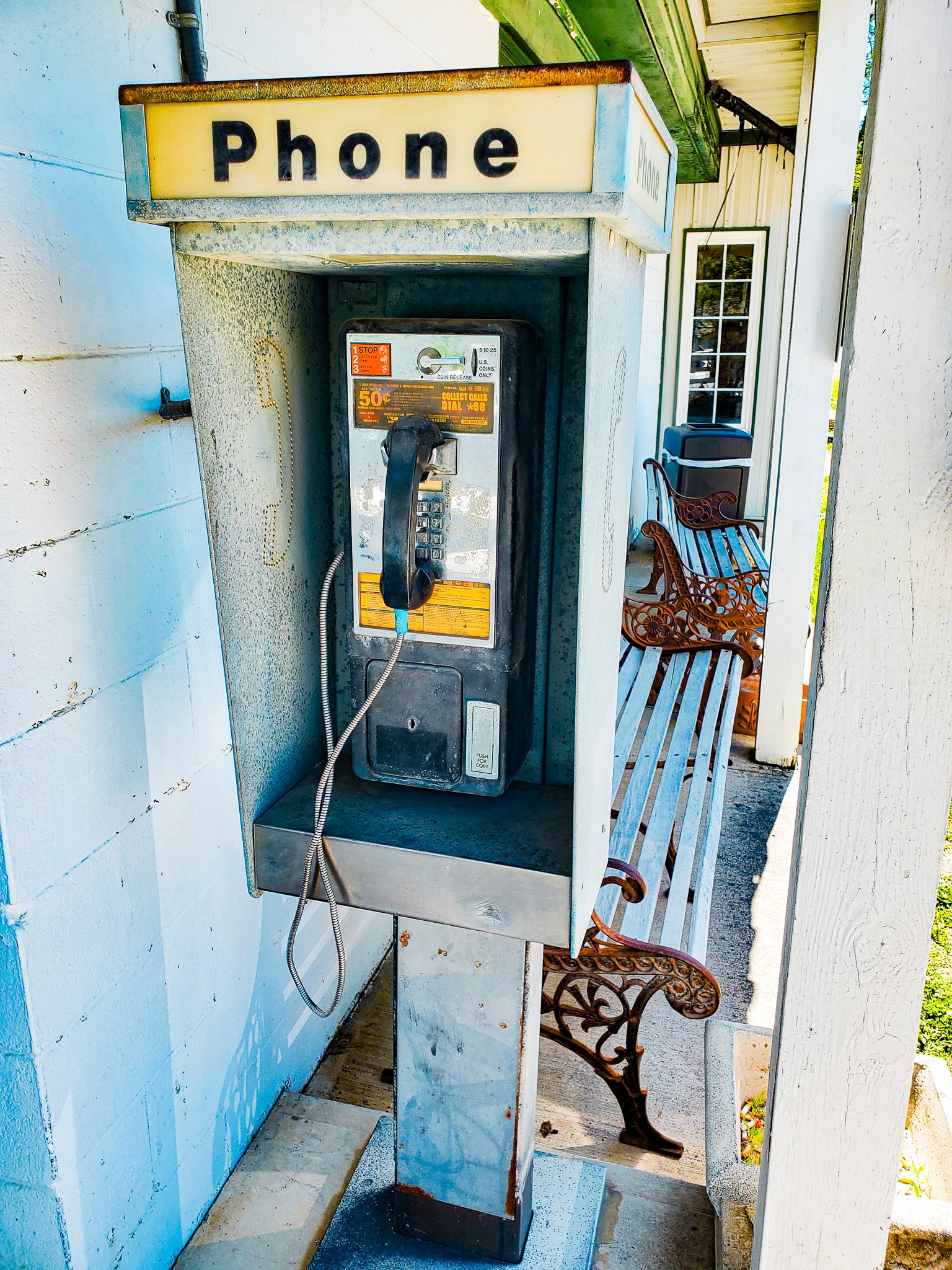
Old Phone Booth at Greenwood Restaurant
BUCHANAN
John Buchanan was a Virginia colonist, soldier, and landowner who built Fort Fauquier in 1757 on the James River near present day Buchanan. The city is “Where Main Street Meets the Mountains” and is at the western end of the historic James River and Kanawha Canal, originally designed to facilitate shipments of passengers and freight between the western counties of Virginia and the coast. The project was begun in 1785 and largely dismantled by the Richmond and Alleghany Railroad, which laid tracks on the former towpath of the canal. One of four original gauge docks (where boats were weighed to determine tolls) remains in Buchanan. The Wilson Warehouse was completed in 1839 and remains available for scheduled tours. Downtown hosts the Buchanan Theater and the closed Buchanan Fountain and Grille (from the 1950’s). US Bicycle Route 76 signs are present, and the James River Bridge was built in 1938. Last but definitely not the least activity in historic downtown is the Historic Buchanan Swinging Bridge over the James River, the only one of its kind. The pedestrian bridge piers date back to 1851.
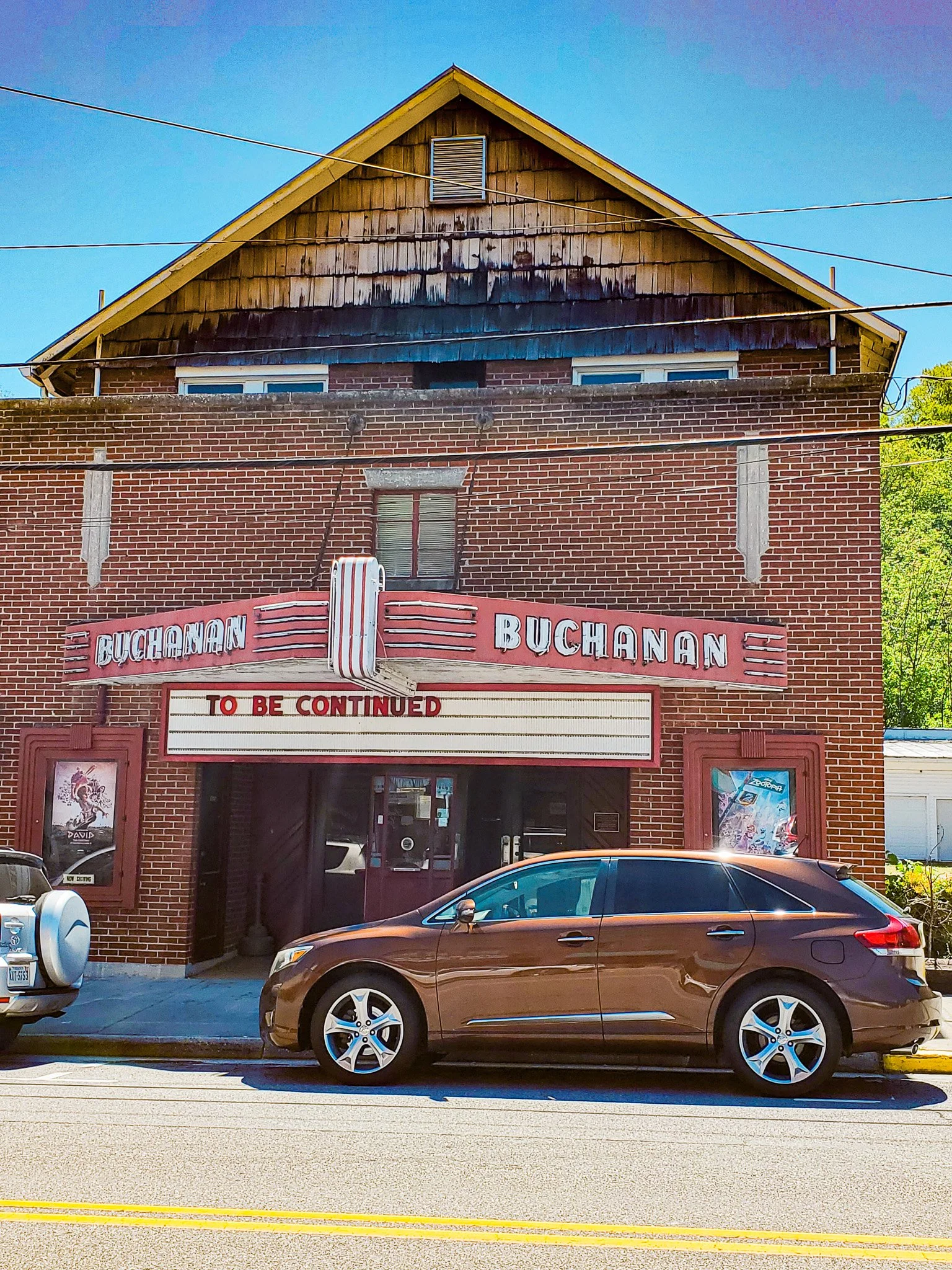
Buchanan Theater
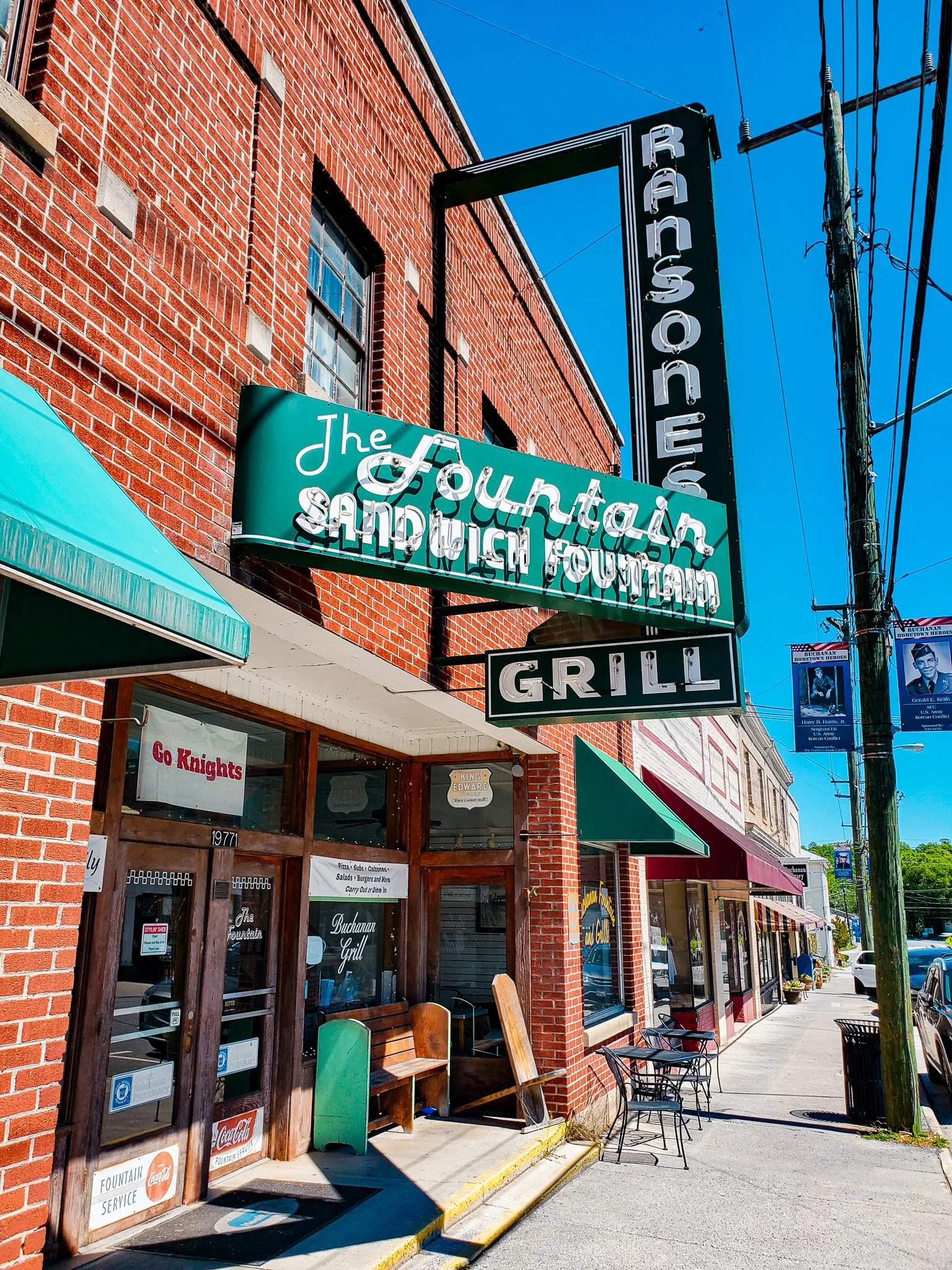
Buchanan Fountain & Grill
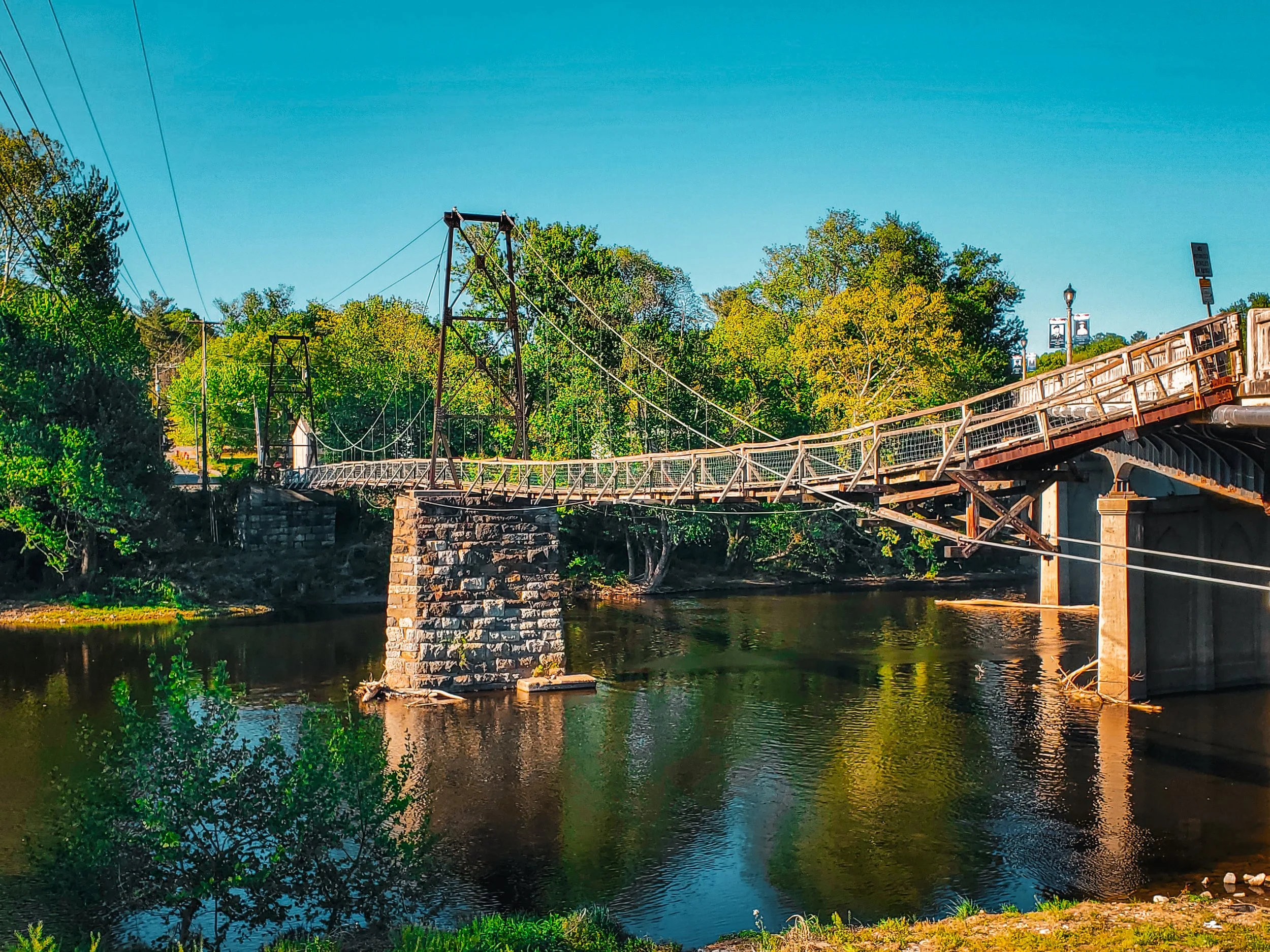
Swinging Bridge over James River
NATURAL BRIDGE
Thomas Jefferson owned land surrounding the Natural Bridge formation, having purchased it from the King of England in 1774. It had been previously surveyed by George Washington in 1750, and the post office was established there in 1800. The magnificent 215 foot arch has been a Virginia state park since 2016. The first hotel on the site was built in 1835 with the current building constructed in 1964-65. The arch is lighted on the last Saturday of every month from April-October, and available for walking tours daily. The Natural Bridge Caverns are currently closed, but the Natural Bridge Zoo (since 1972) and the Virginia Safari Park are open. Dinosaur Kingdom 2 is open from April-October.
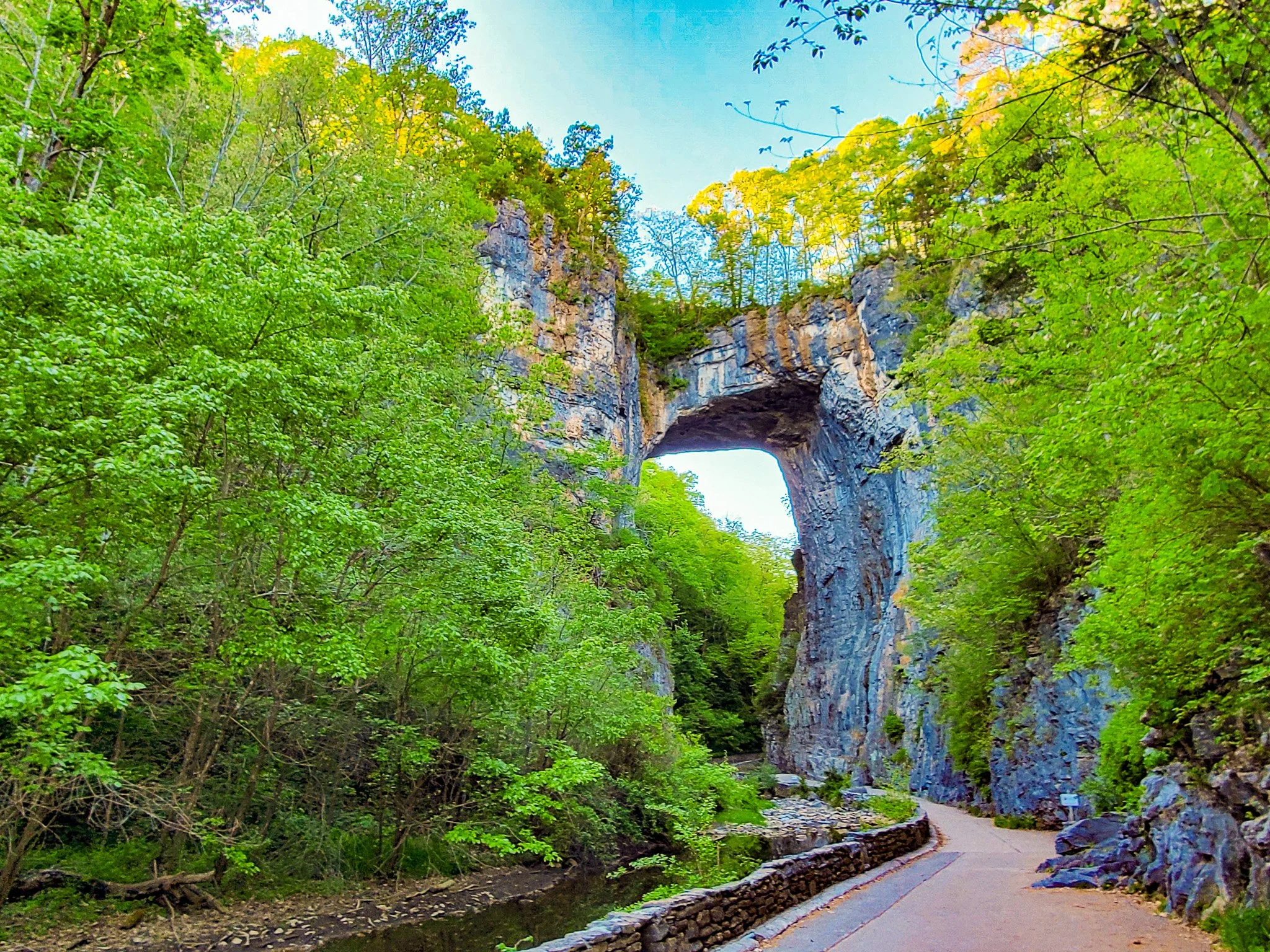
Arch at Natural Bridge
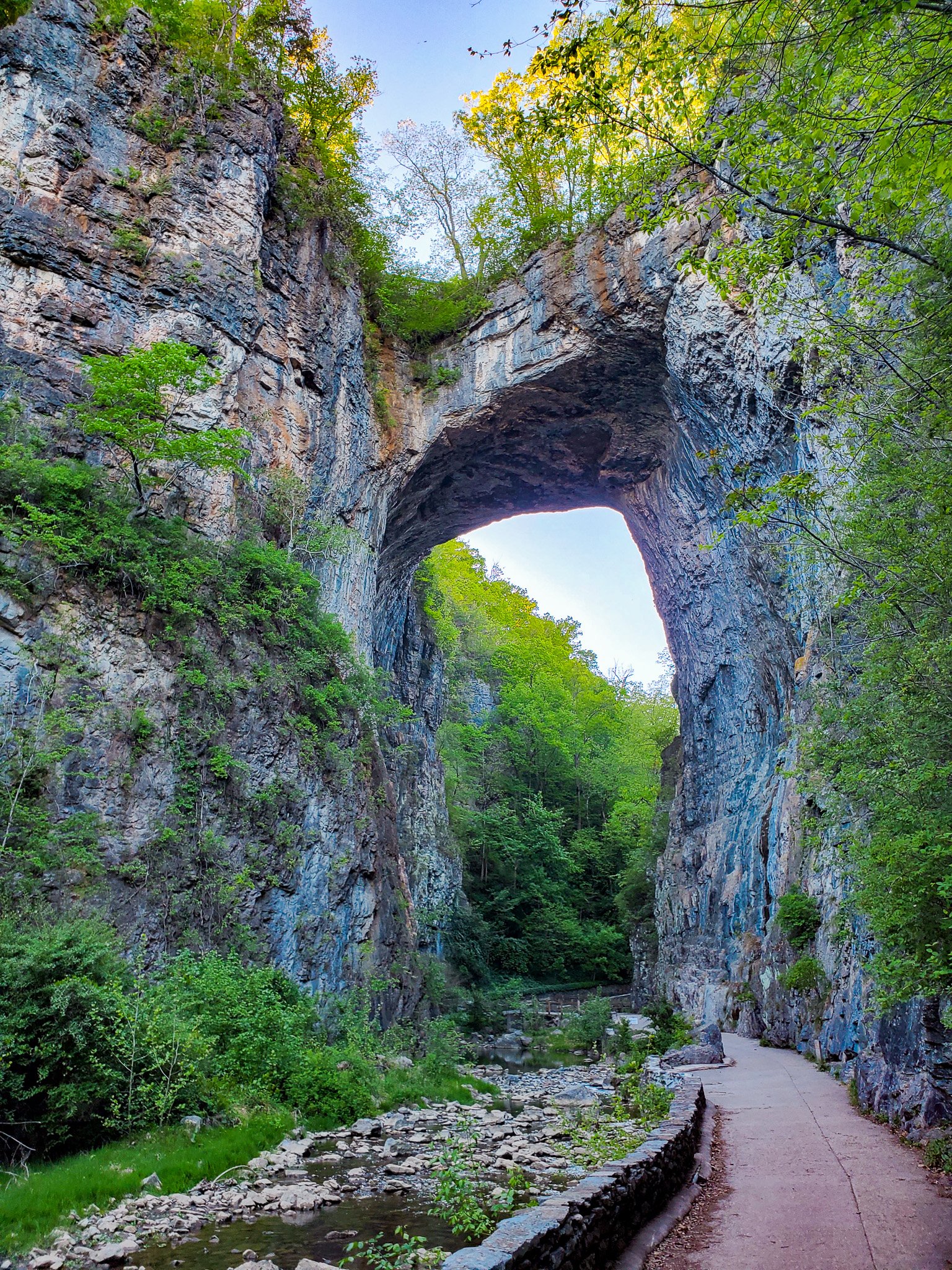
Arch at Natural Bridge
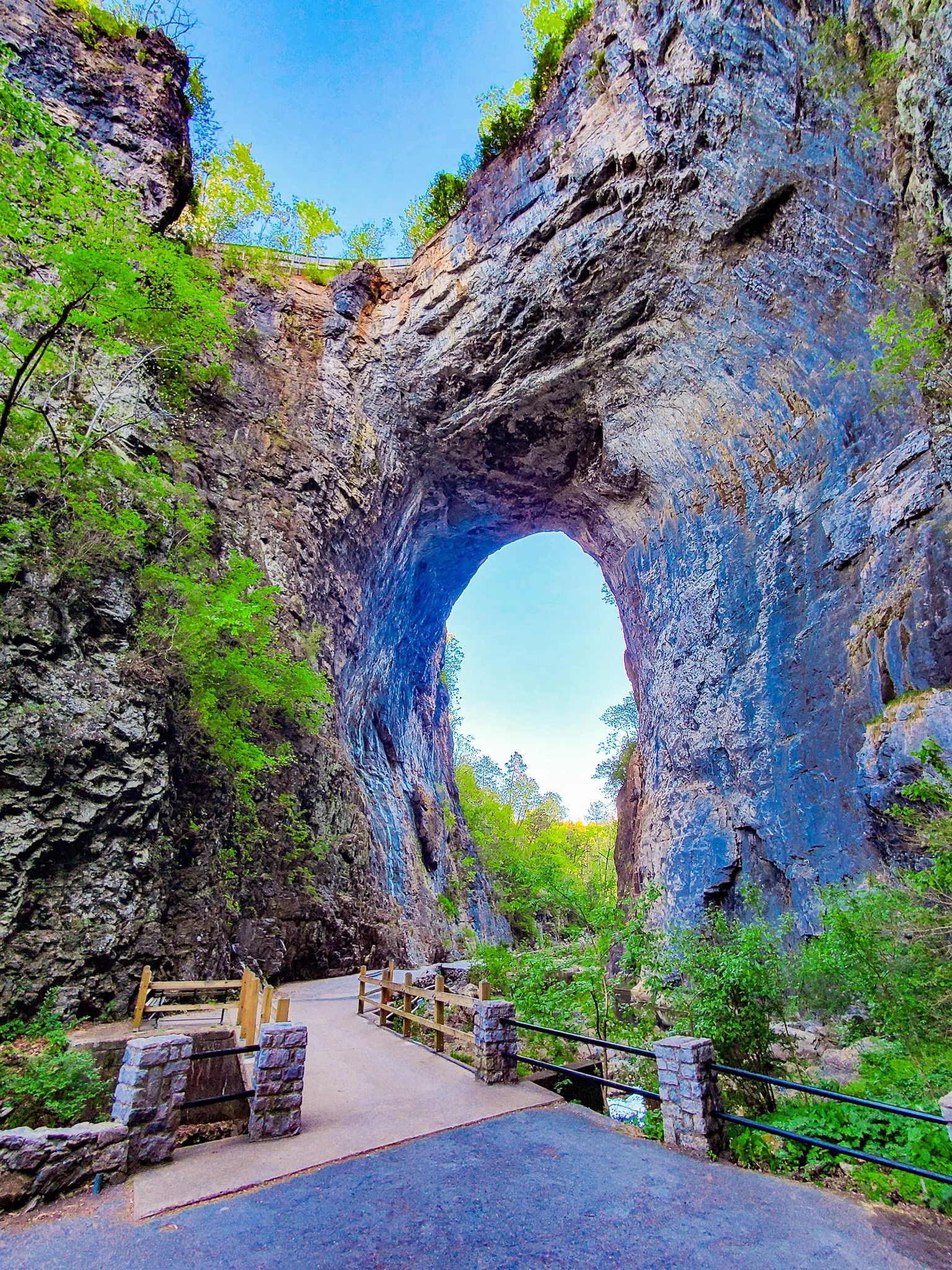
Arch at Natural Bridge
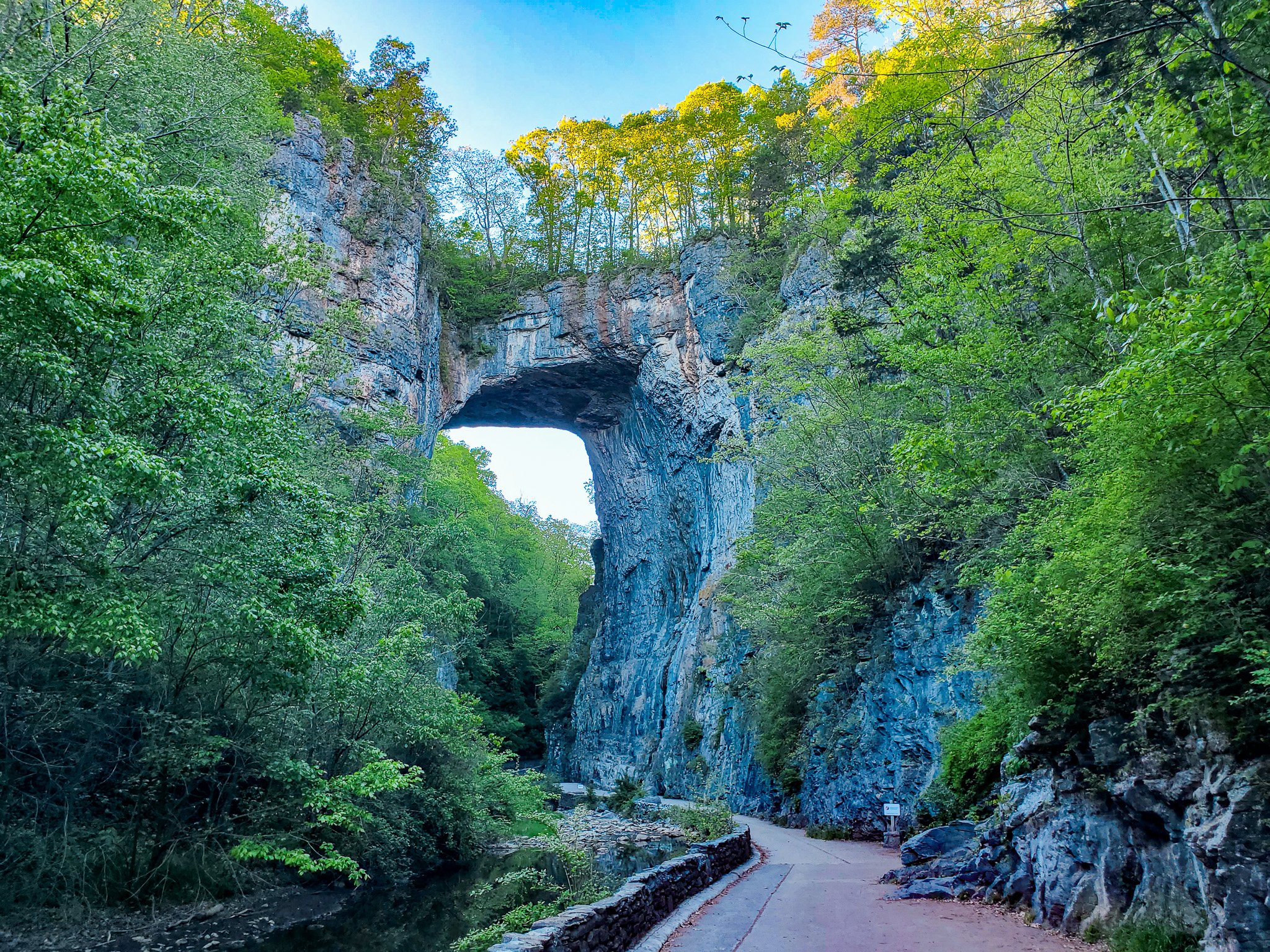
Arch at Natural Bridge
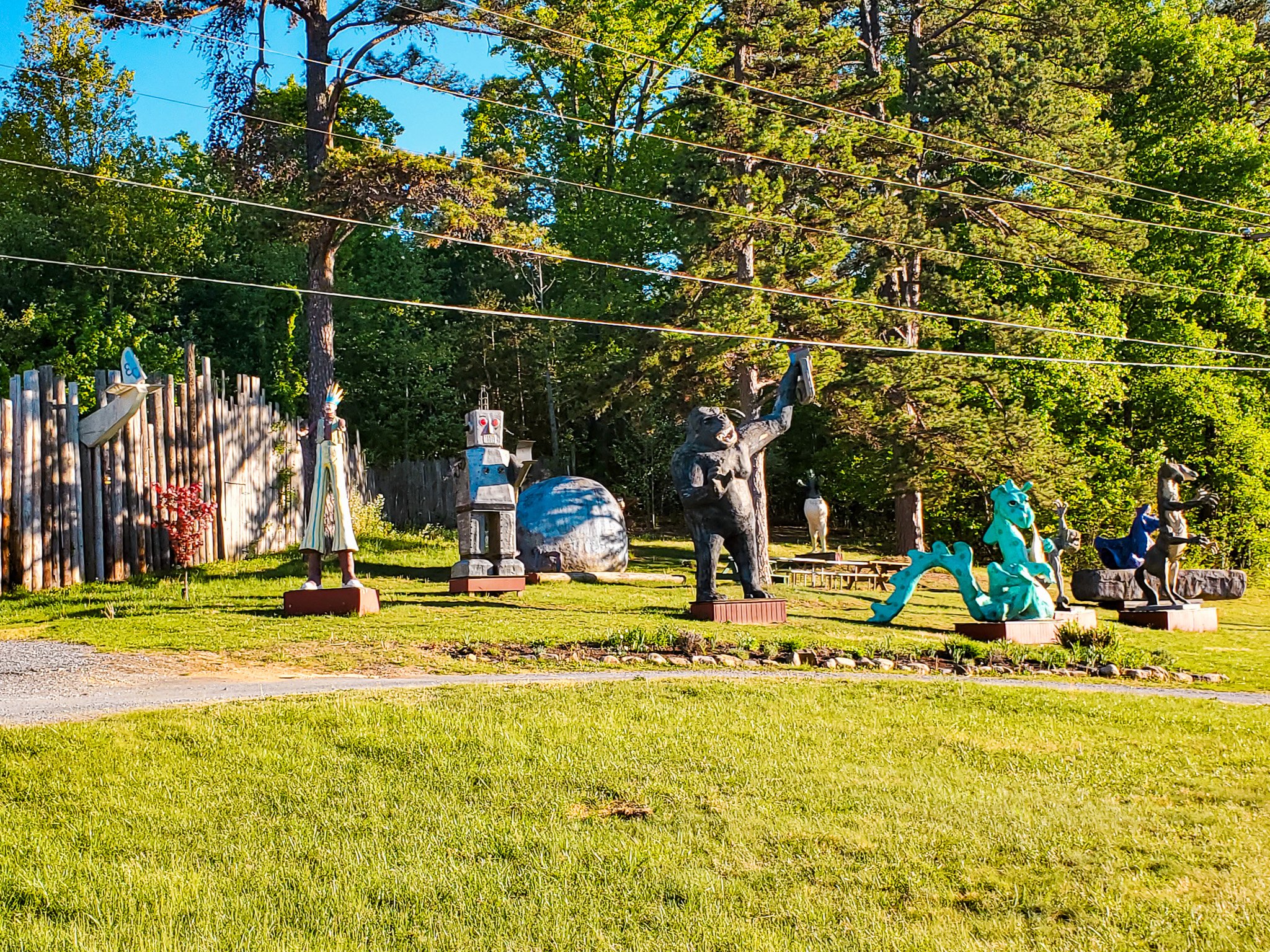
Dinosaur Kingdom Statues
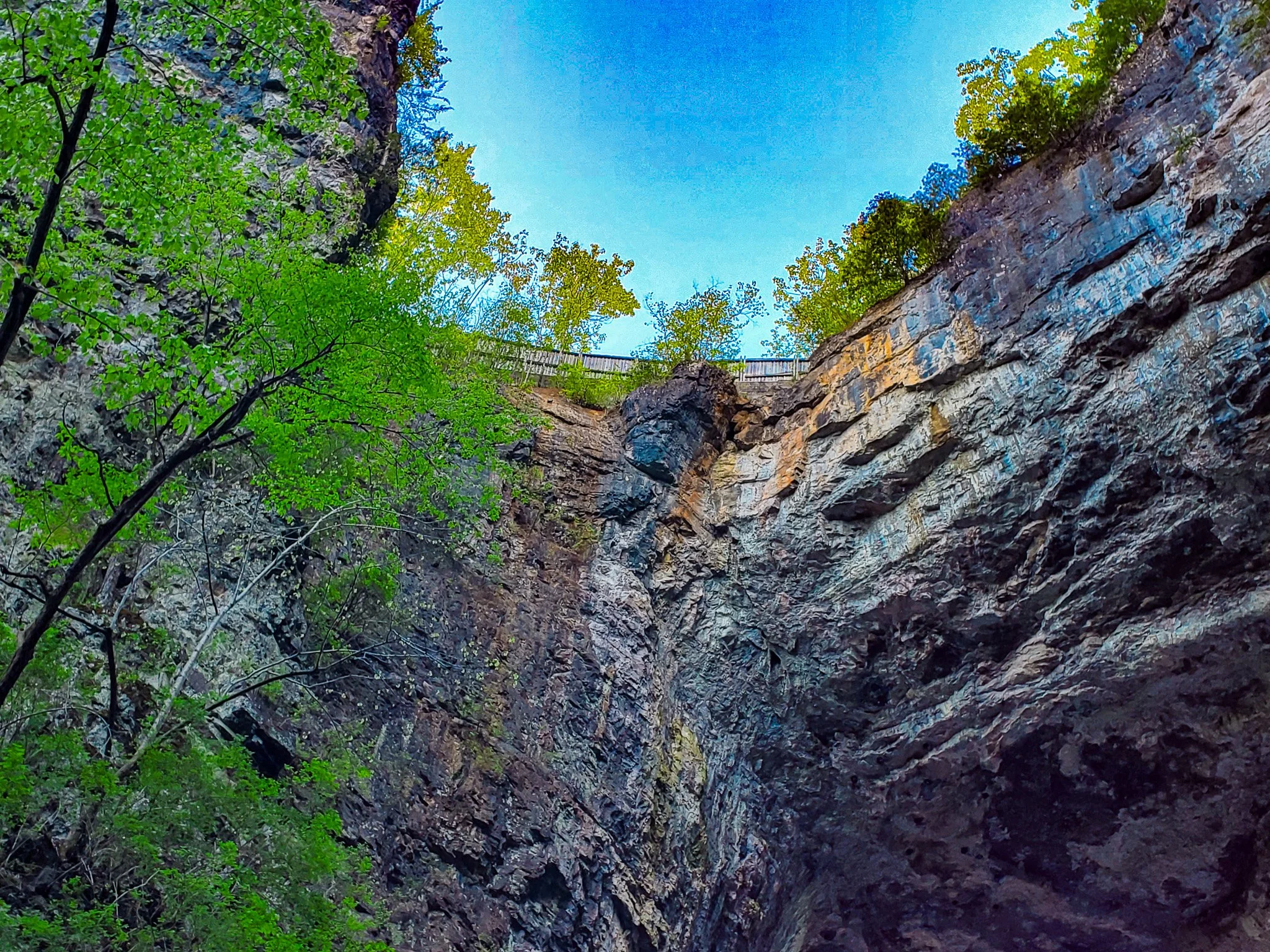
US 11 over Natural Bridge arch
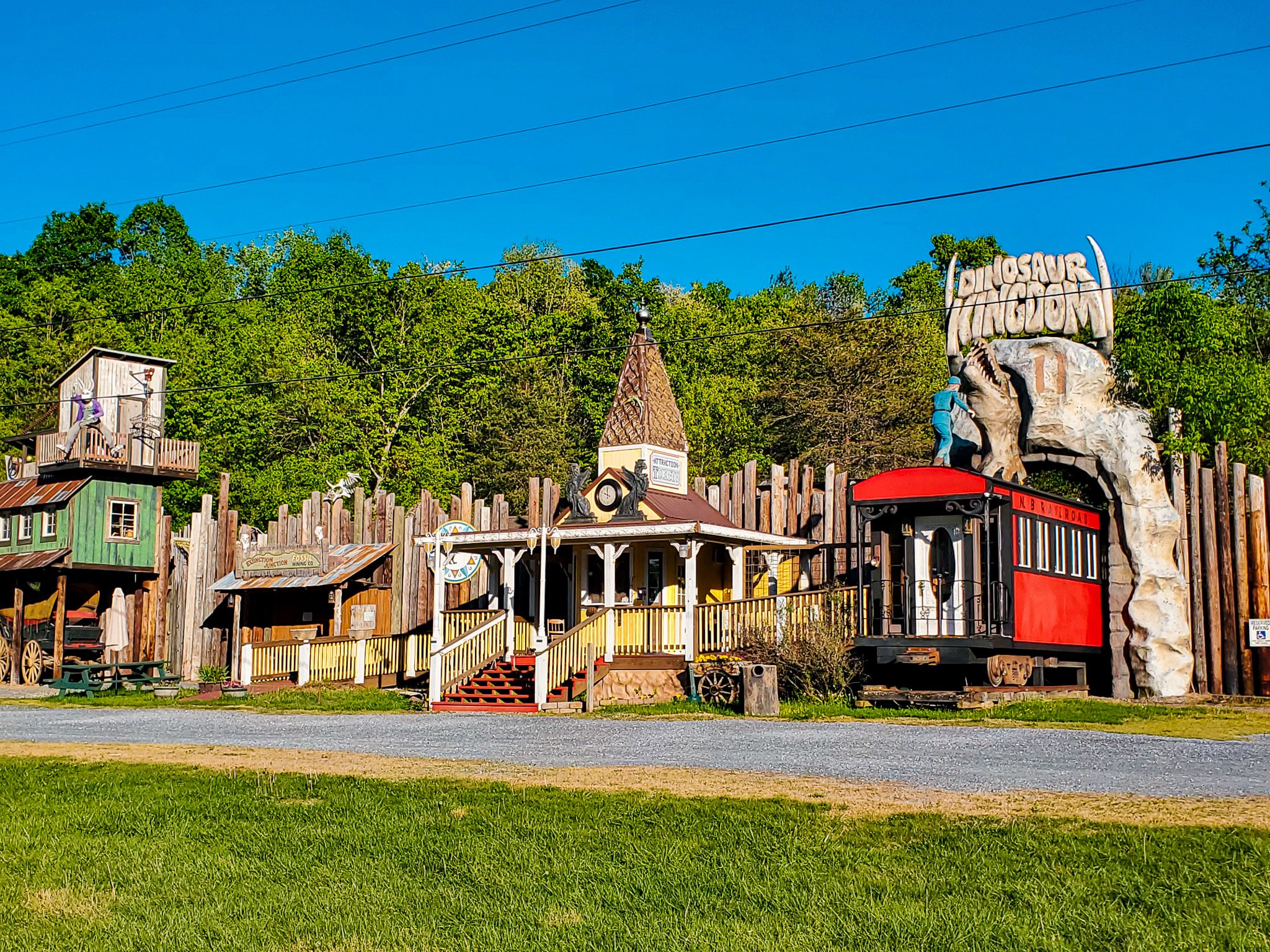
Dinosaur Kingdom
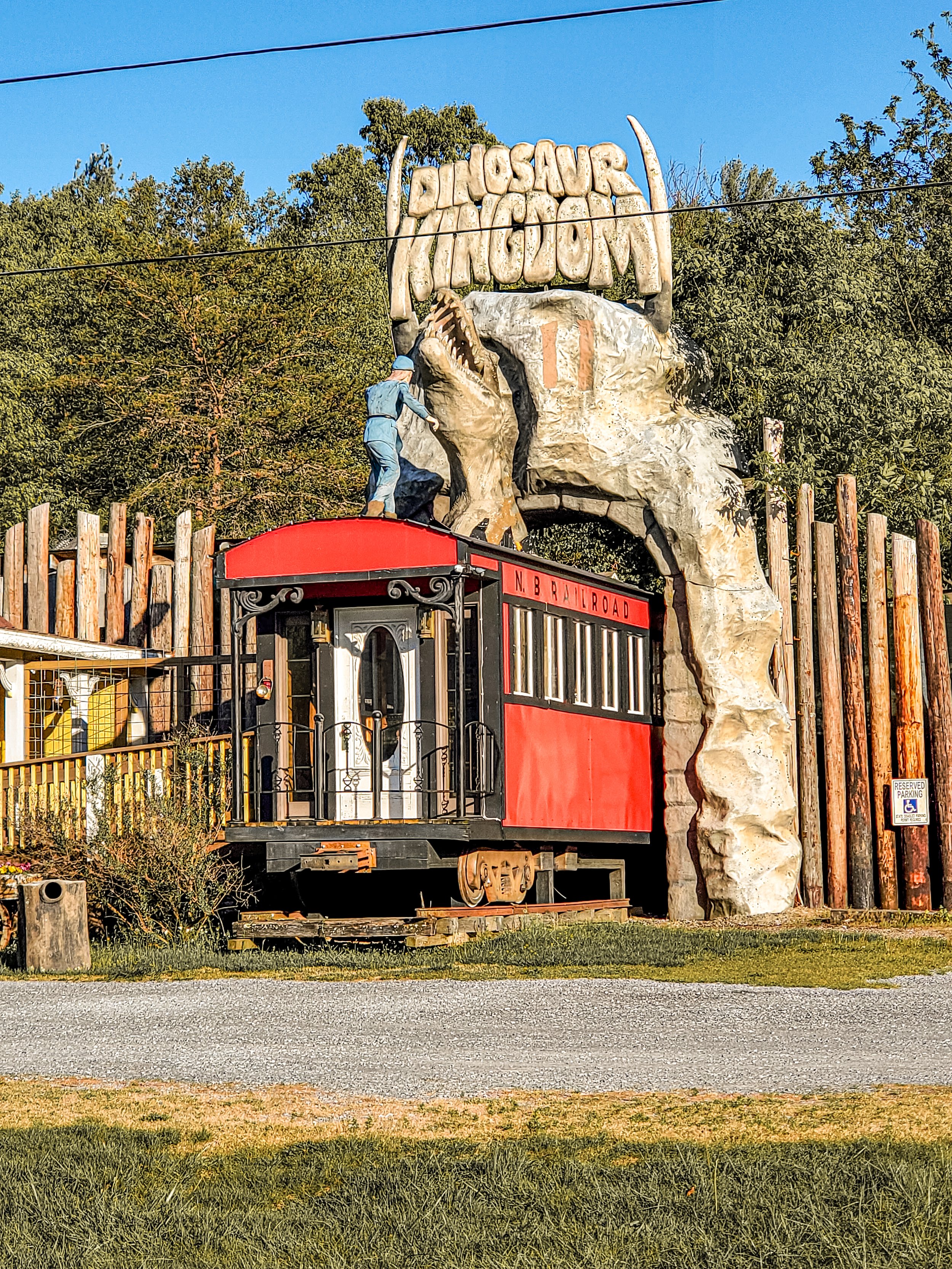
Dinosaur Kingdom
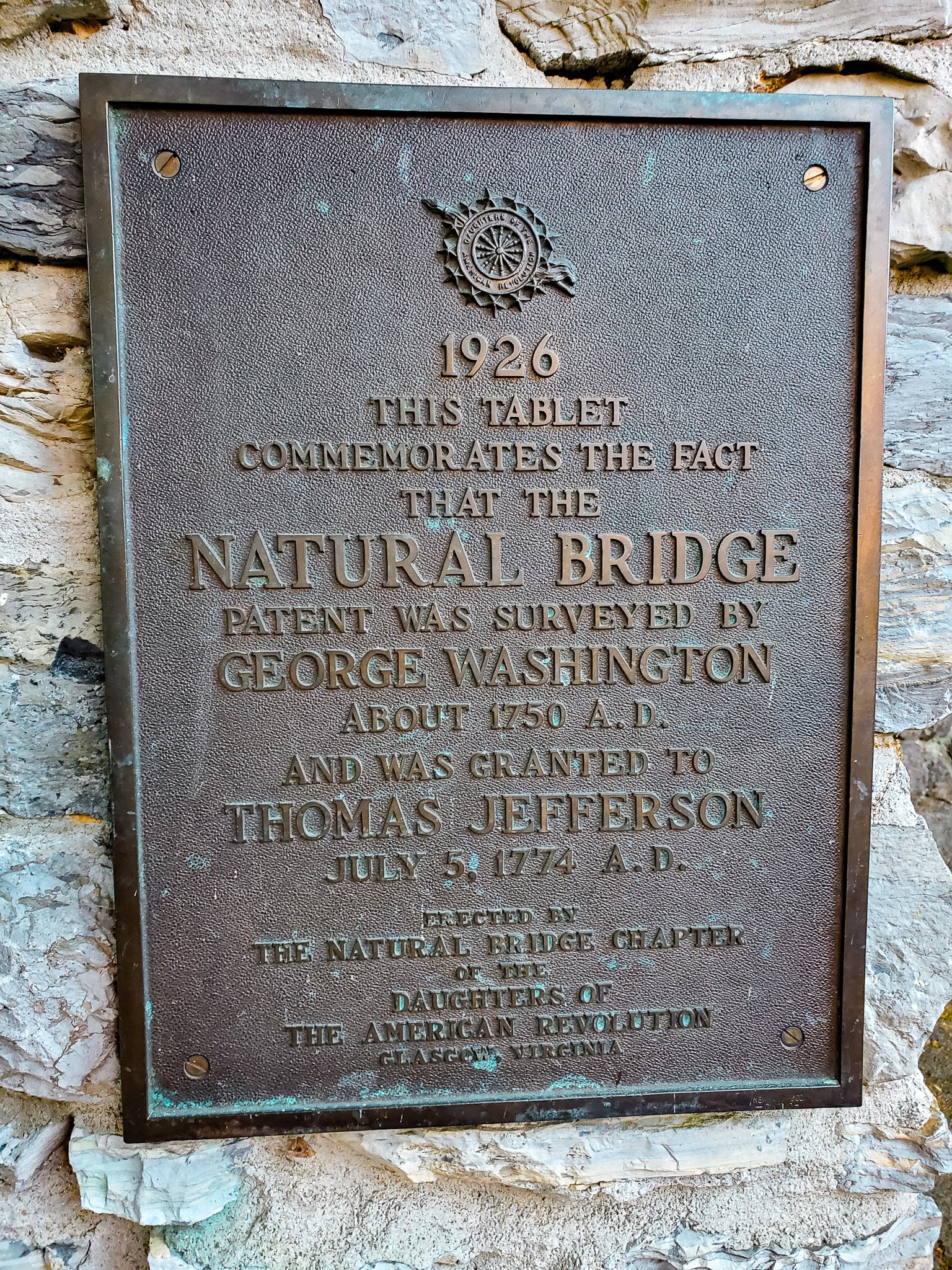
Natural Bridge Marker
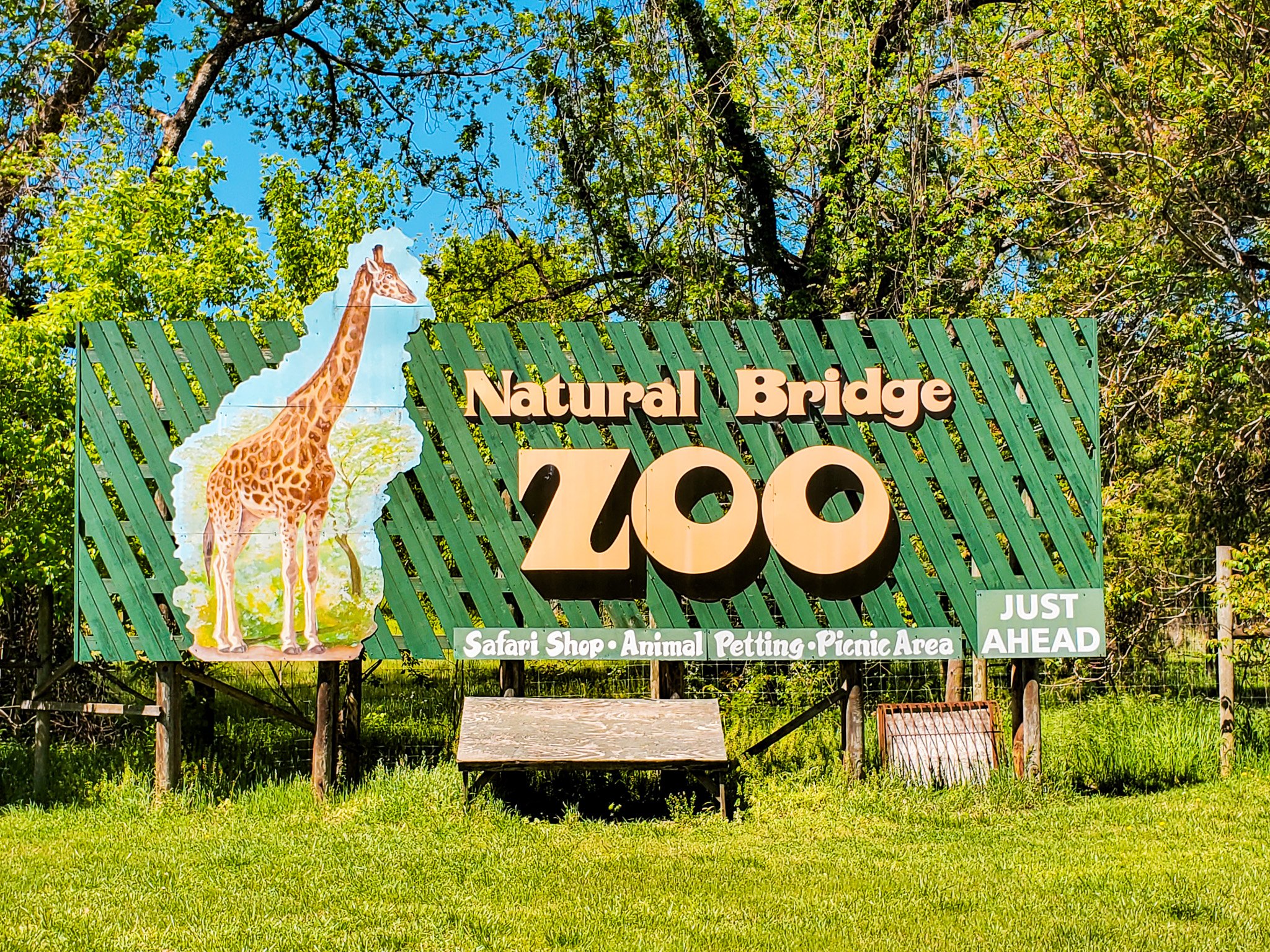
Natural Bridge Zoo
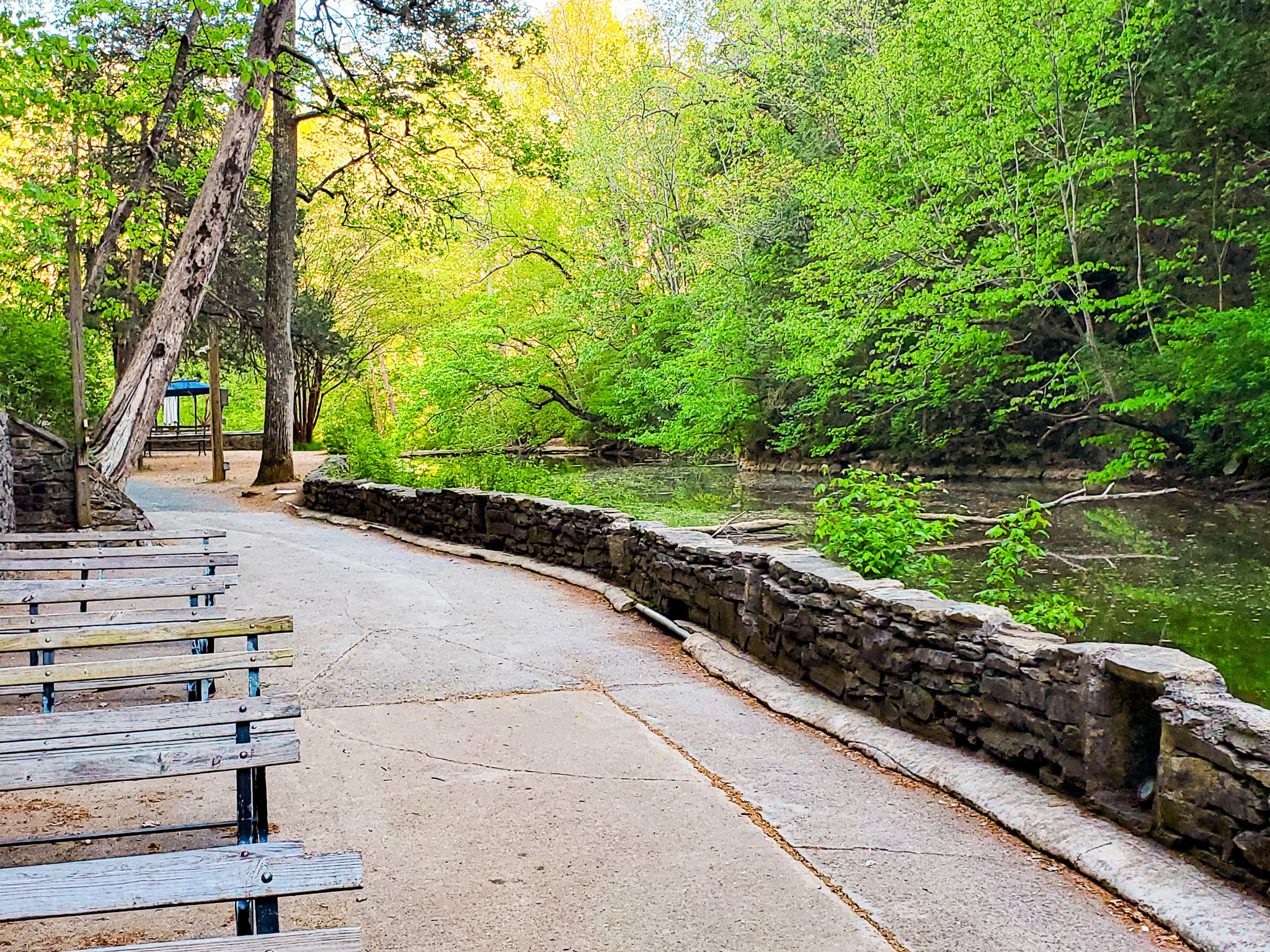
River at Natural Bridge Arch
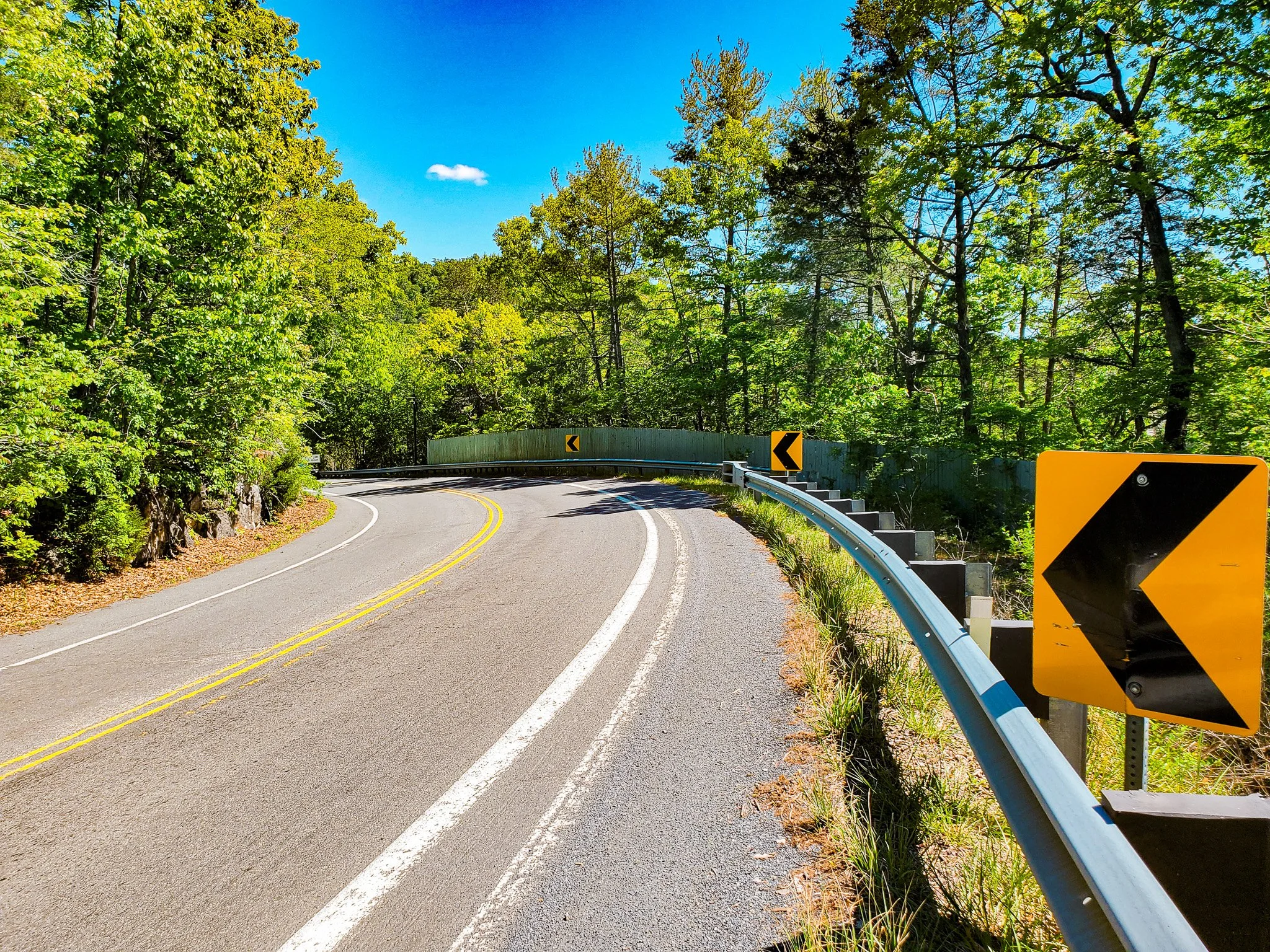
US 11 Highway over Natural Bridge
LEXINGTON
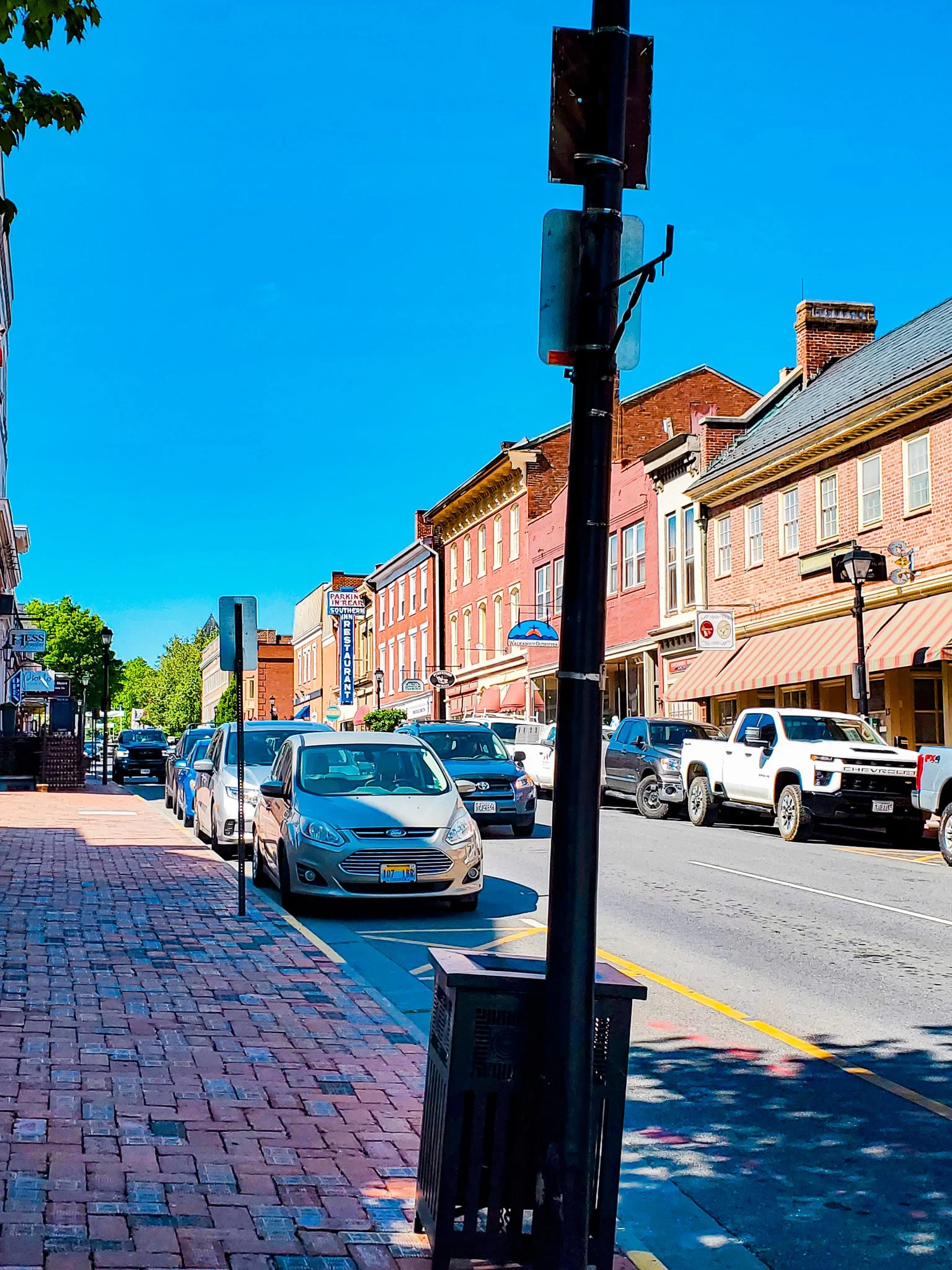
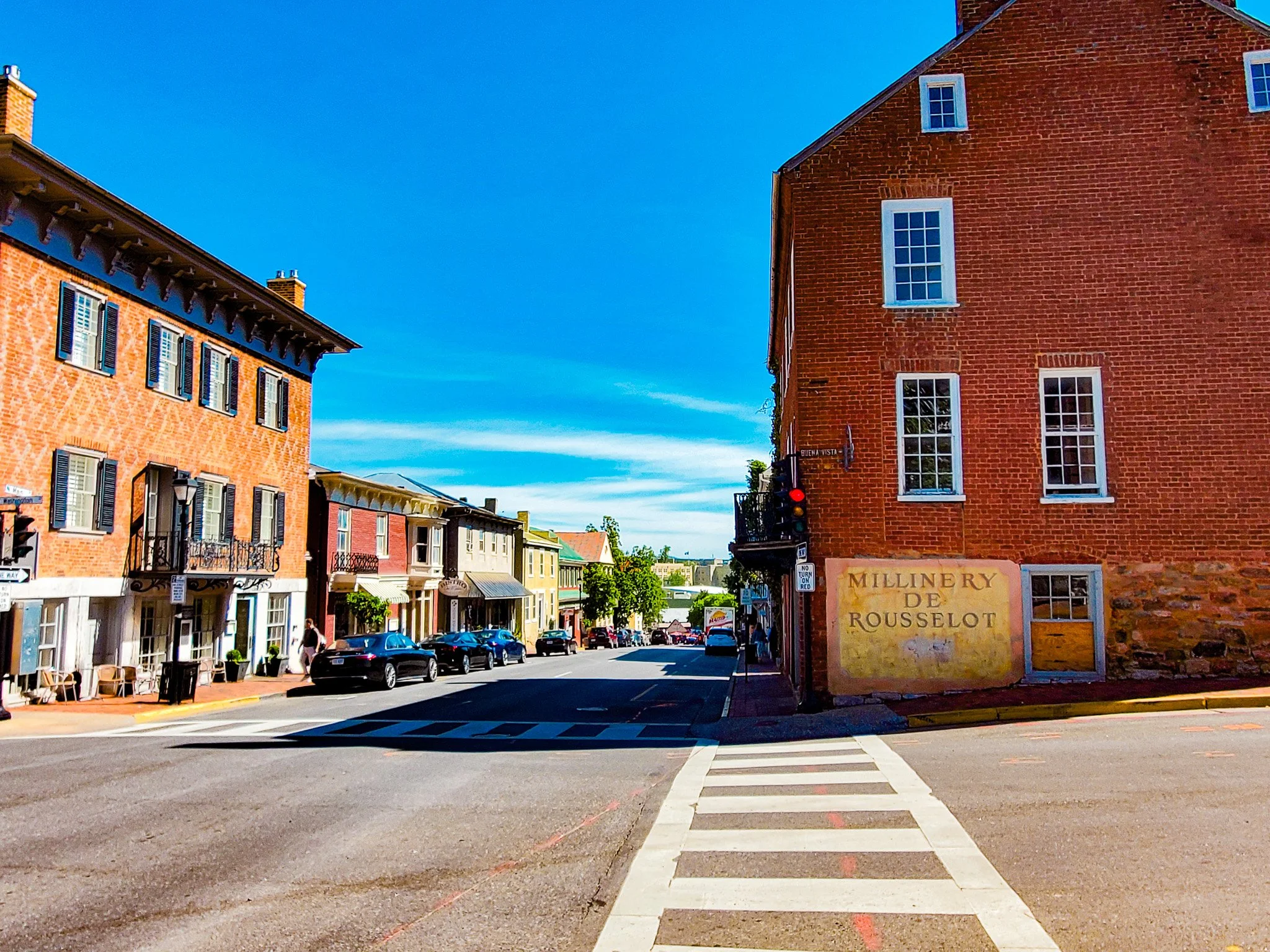
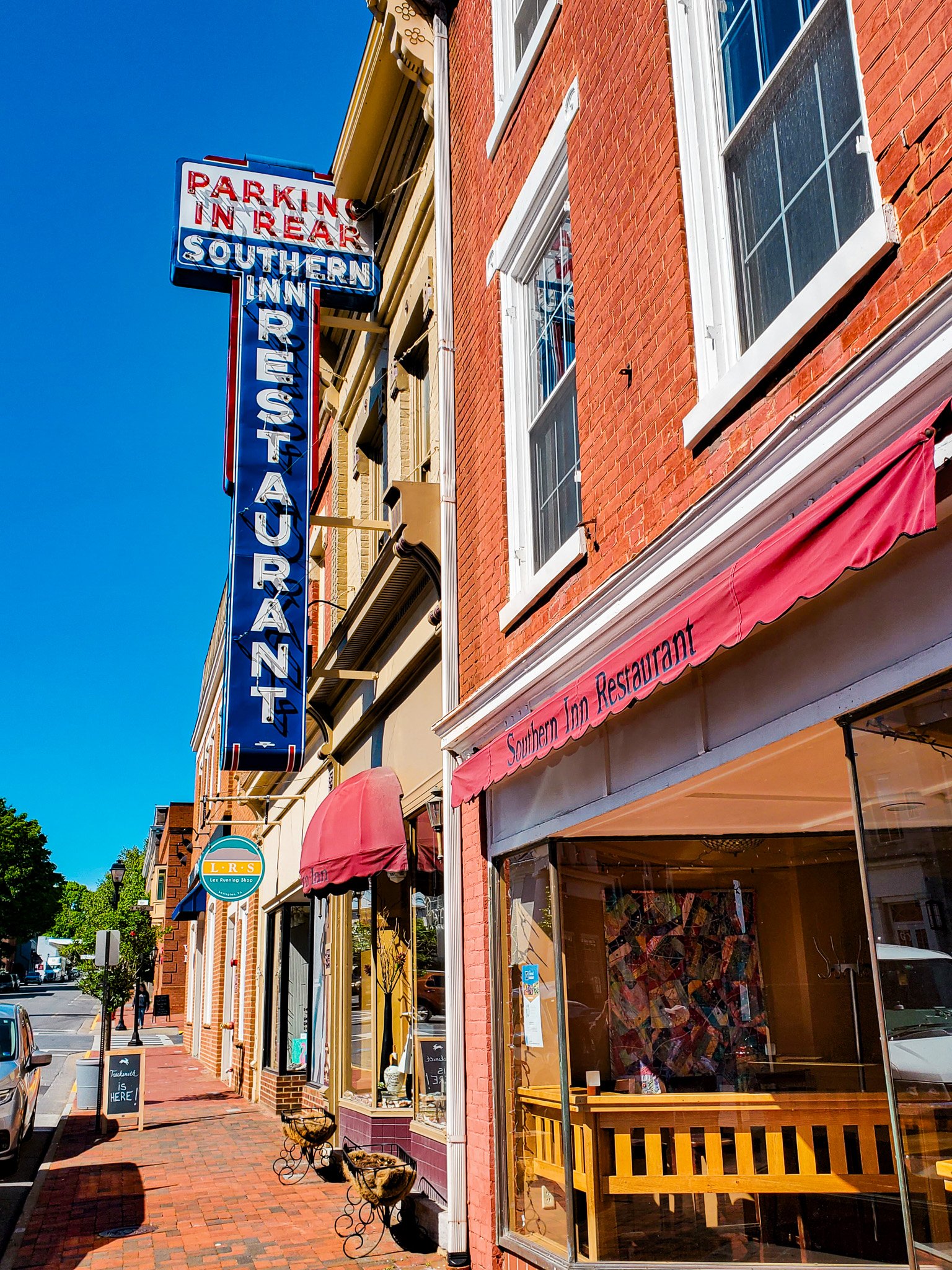
The city was named for the town in Massachusetts where the first shots of the American Revolution were fired. First settled in 1778, it is home to Washington and Lee University and the Virginia Military Institute. Robert E. Lee and Stonewall Jackson are buried in Lexington, and are further recognized locally by the Jackson House Museum and the University (formerly Lee) Chapel. The VMI Museum has Stonewall Jackson’s stuffed horse on display. A 20 foot statue of Stonewall Jackson created in 2013 is on the highway next to the Devils Backbone Outpost Brewery. The George C. Marshall Museum is located at VMI and the Robert E Lee Hotel, built in 1926, is now the Gin Hotel. Hull’s Drive In theater which is north of town on US 11 is the country’s first non-profit community-owned drive in. US 60, which crosses the United States, intersects with US 11 in Lexington, and after crossing the Maury River, the road will climb 700 feet over the next 8 miles.
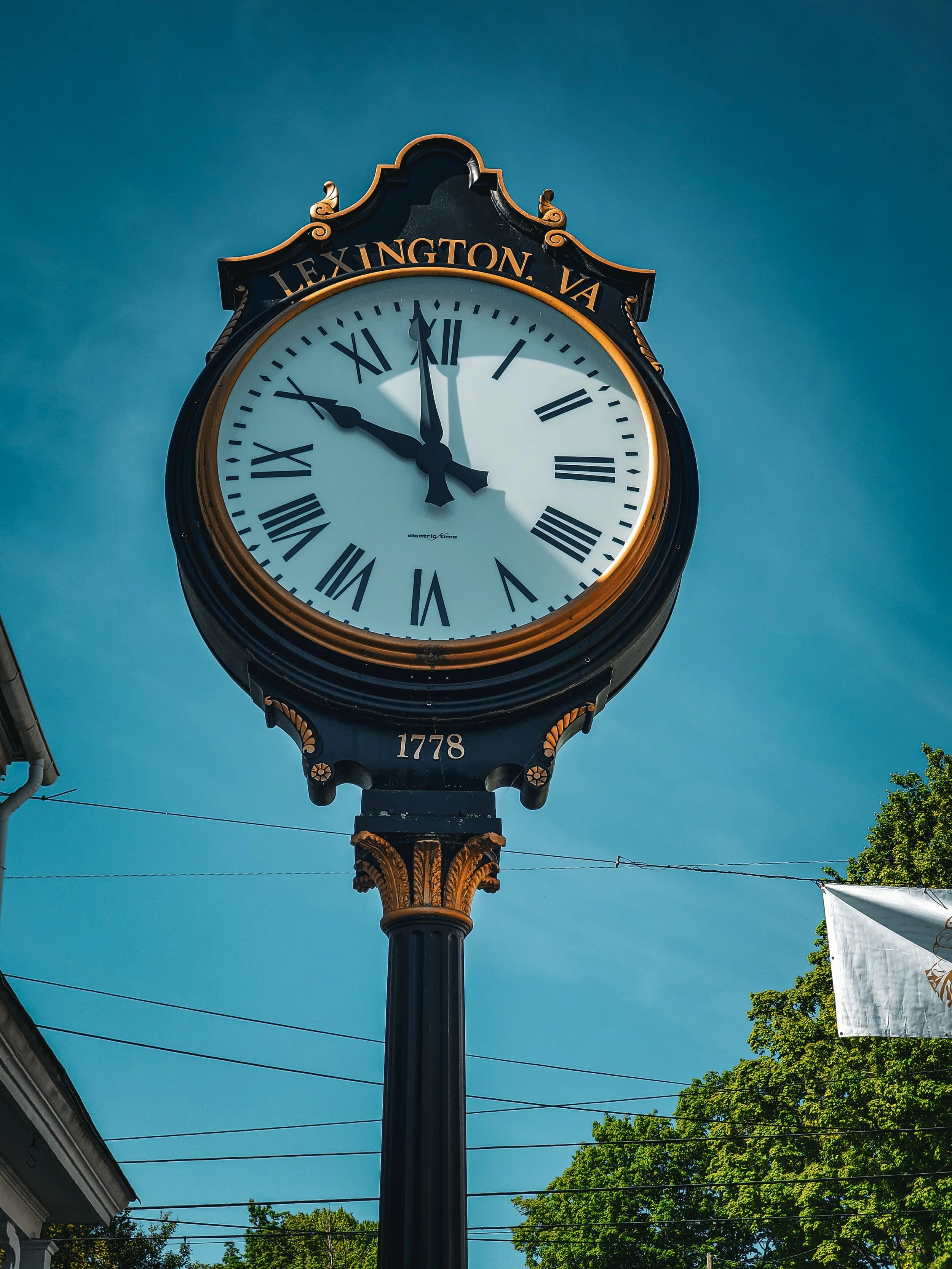
Clock in Downtown Lexington
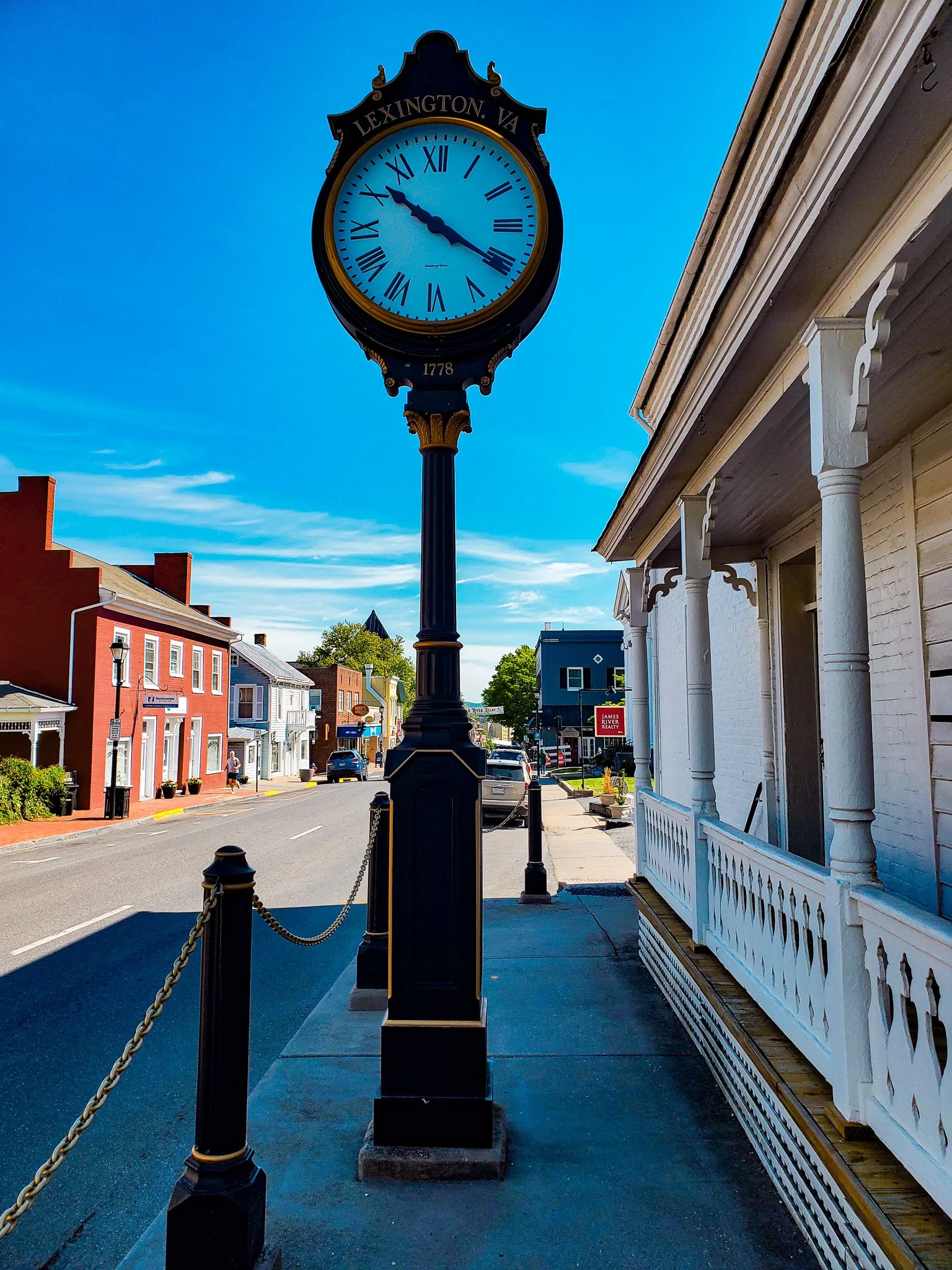
Clock in Downtown Lexington
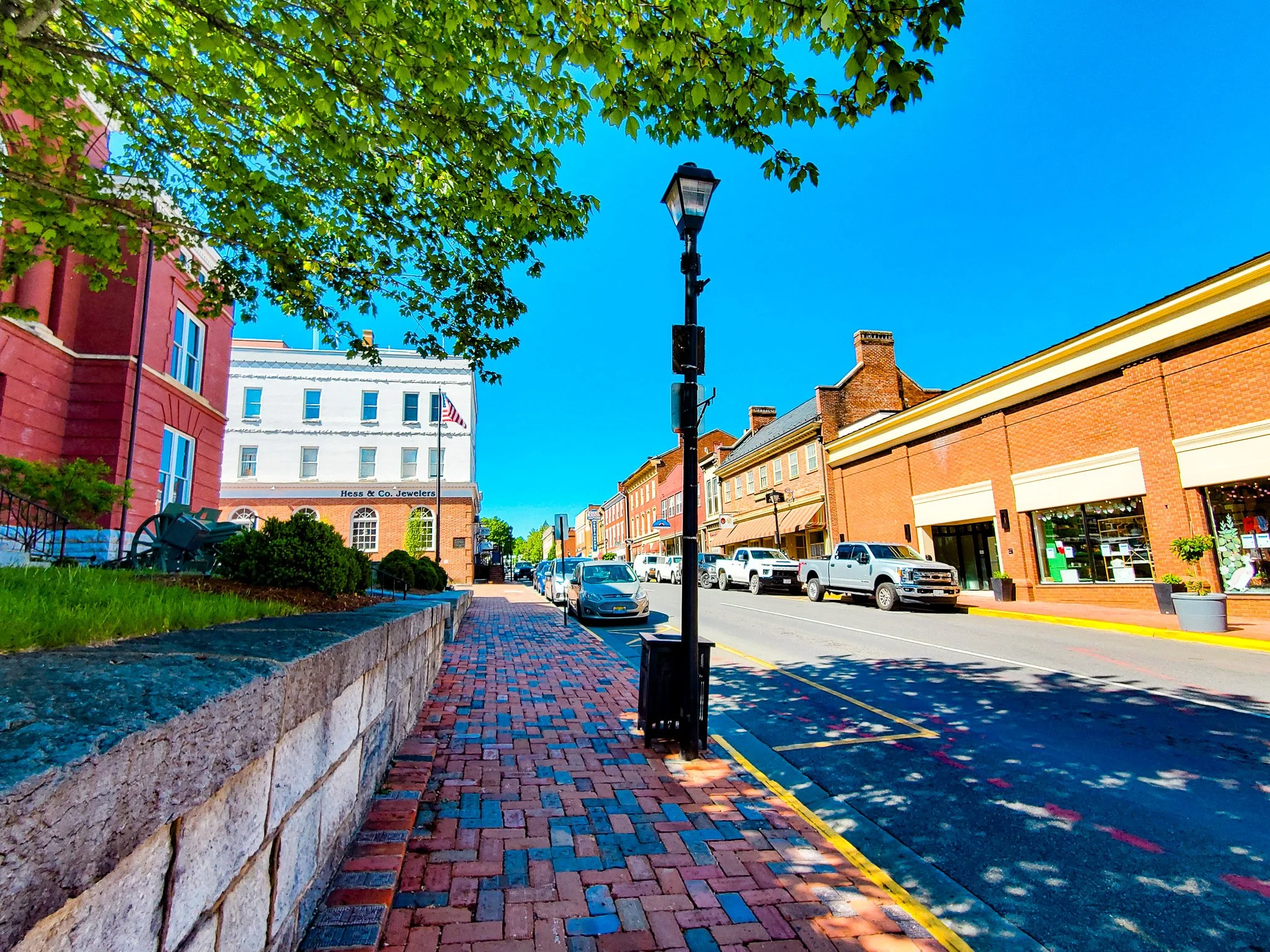
Downtown Lexington
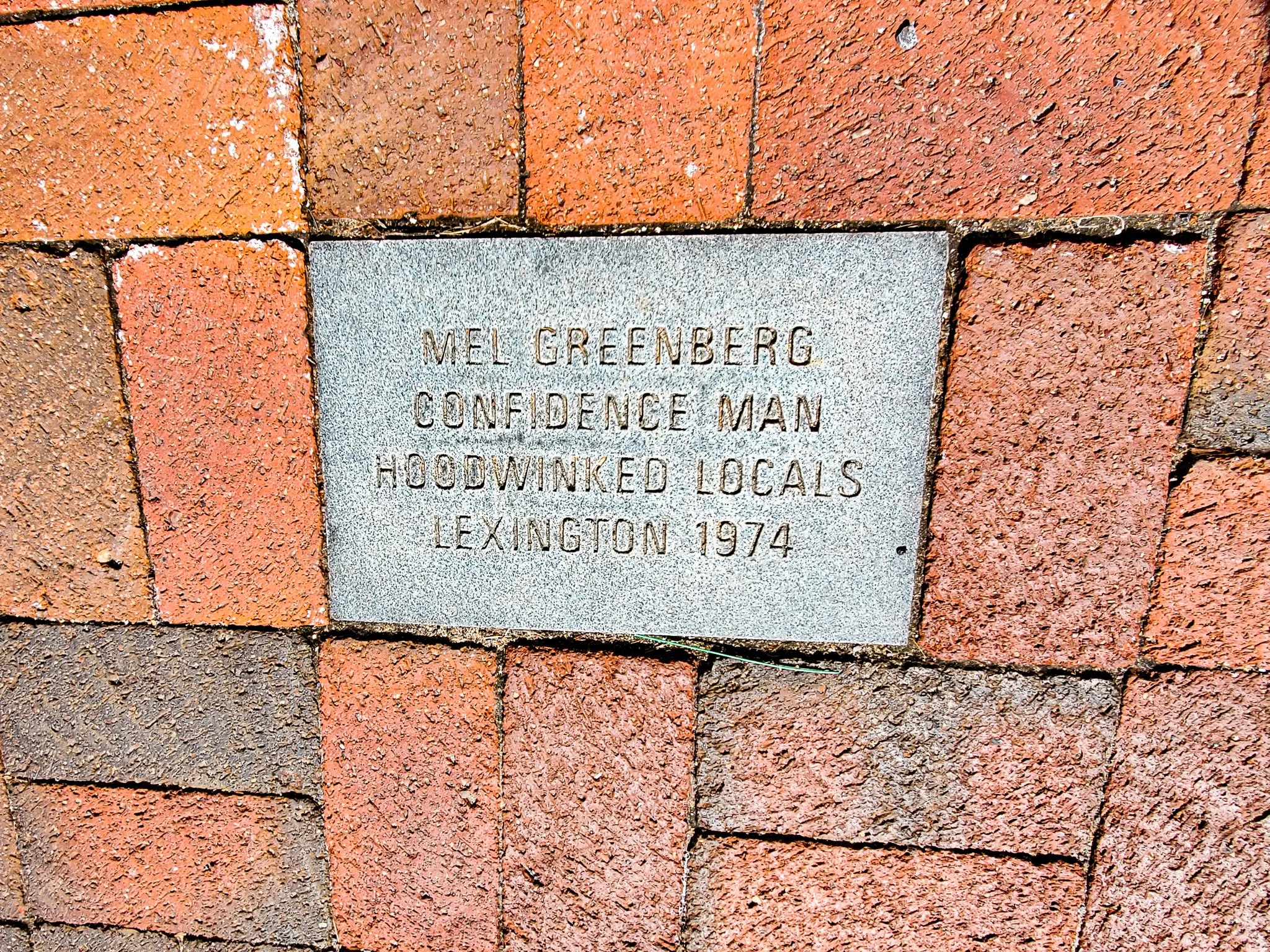
Embedded Brick Downtown Lexington
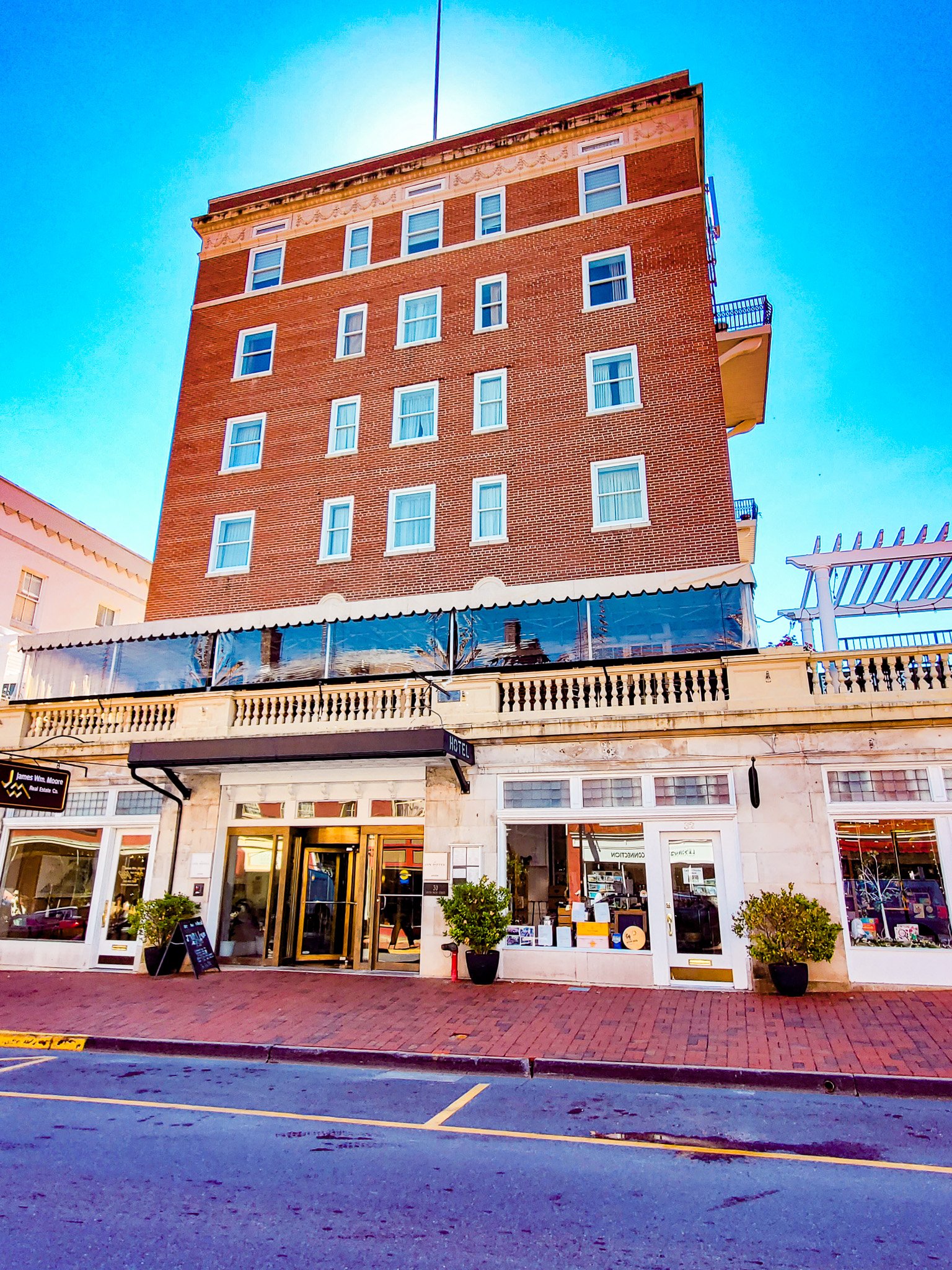
The Gin Hotel
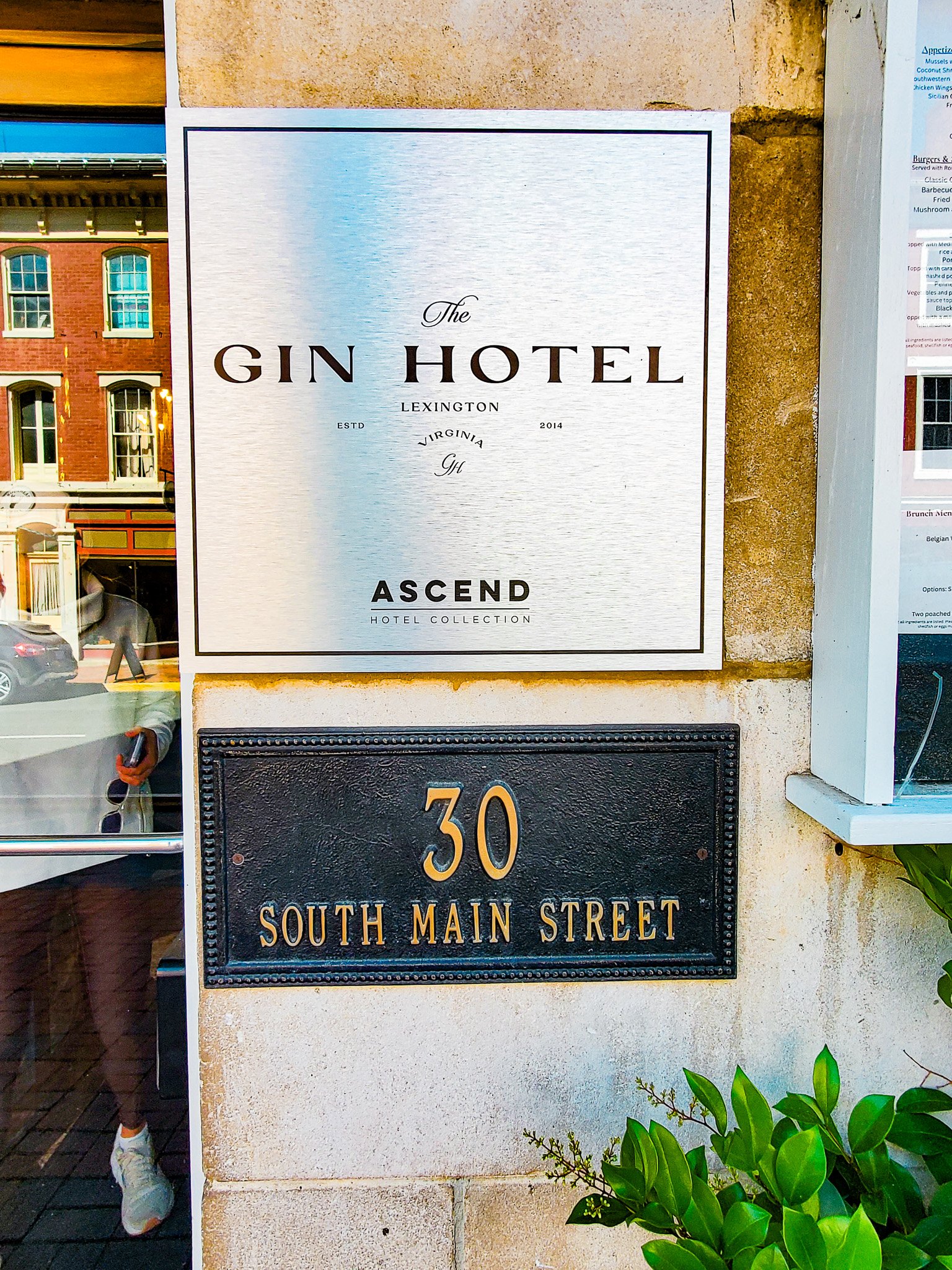
The Gin Hotel
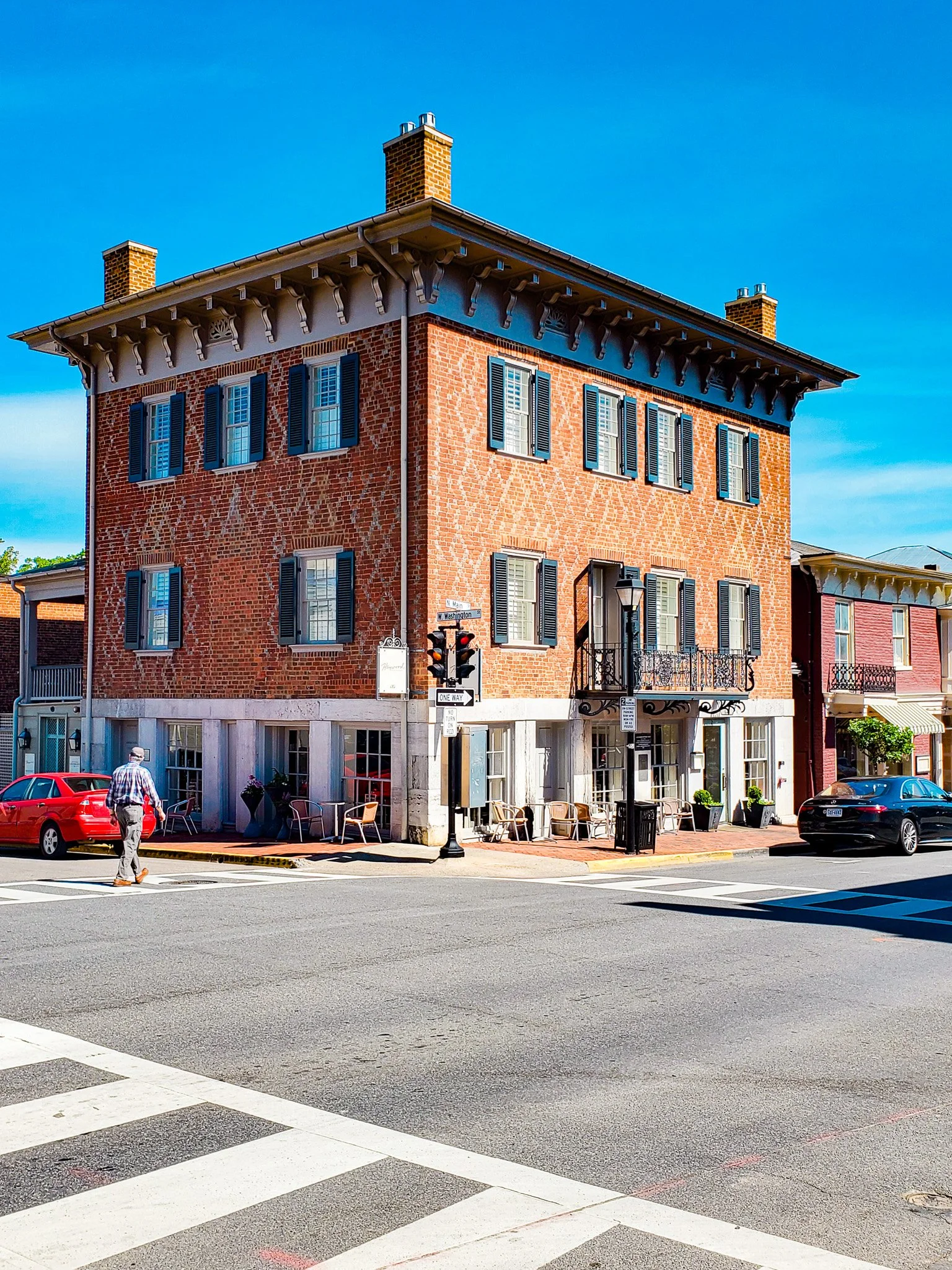
Historic Building Downtown
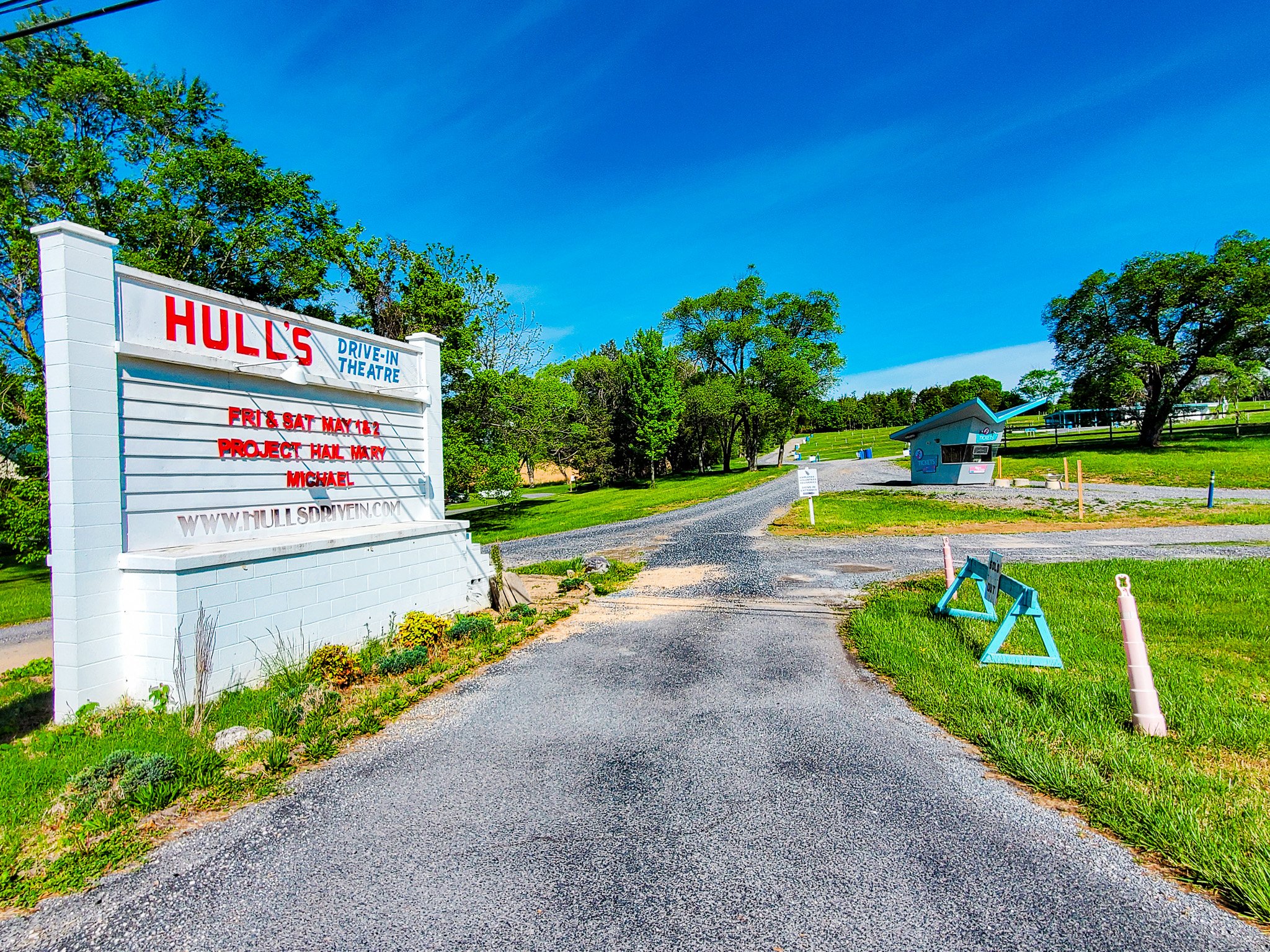
Hull's Drive-In Theatre
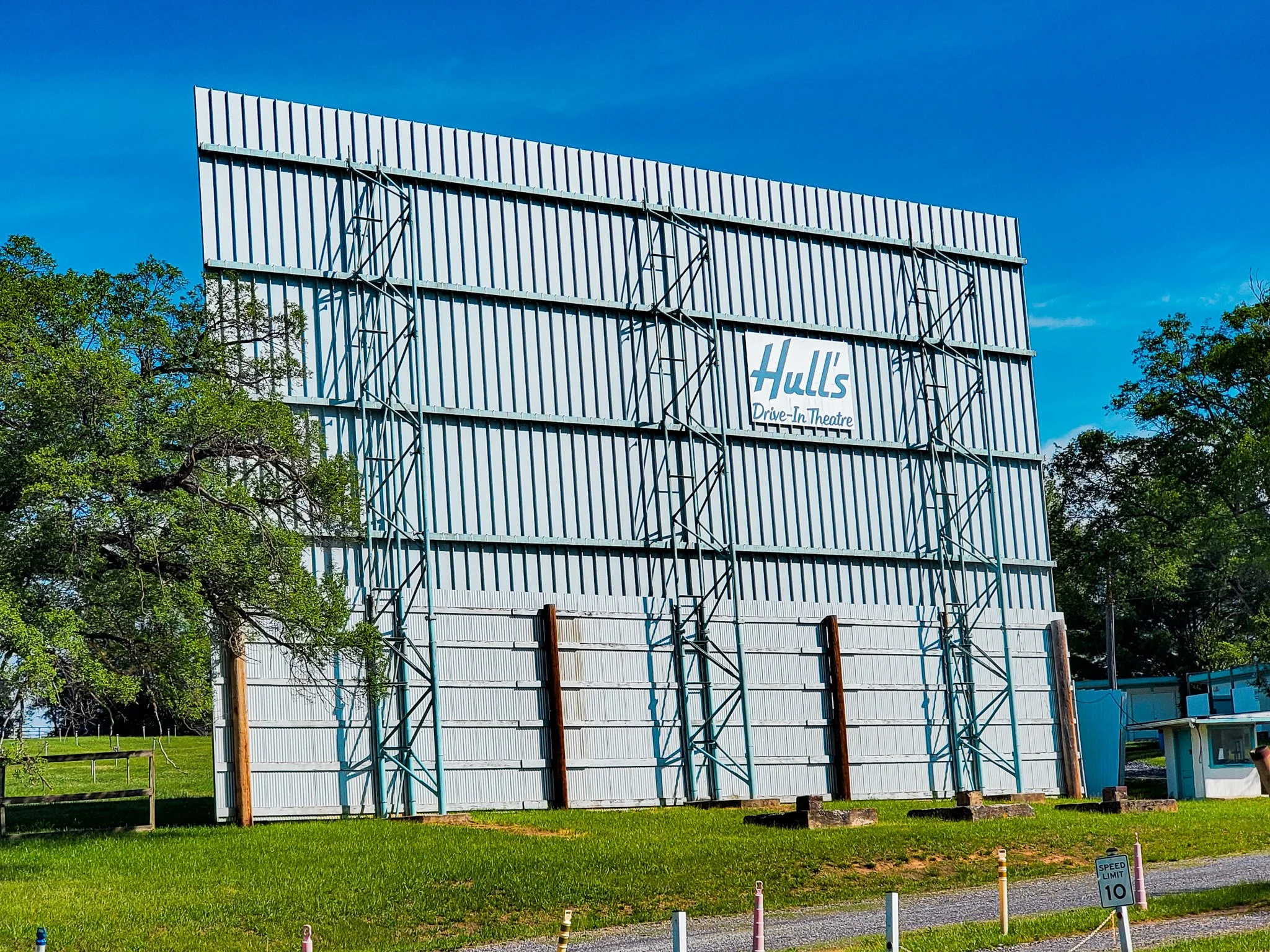
Hull's Drive-In Theatre
Downtown Lexington
Main Street
Southern Inn Restaurant
FAIRFIELD
Just off US 11 on Decatur Road, you will find the lavender fields of Tantivy Farms. Lavender-infused foods are available at the farm store as are seasonal tours.
STEELES TAVERN
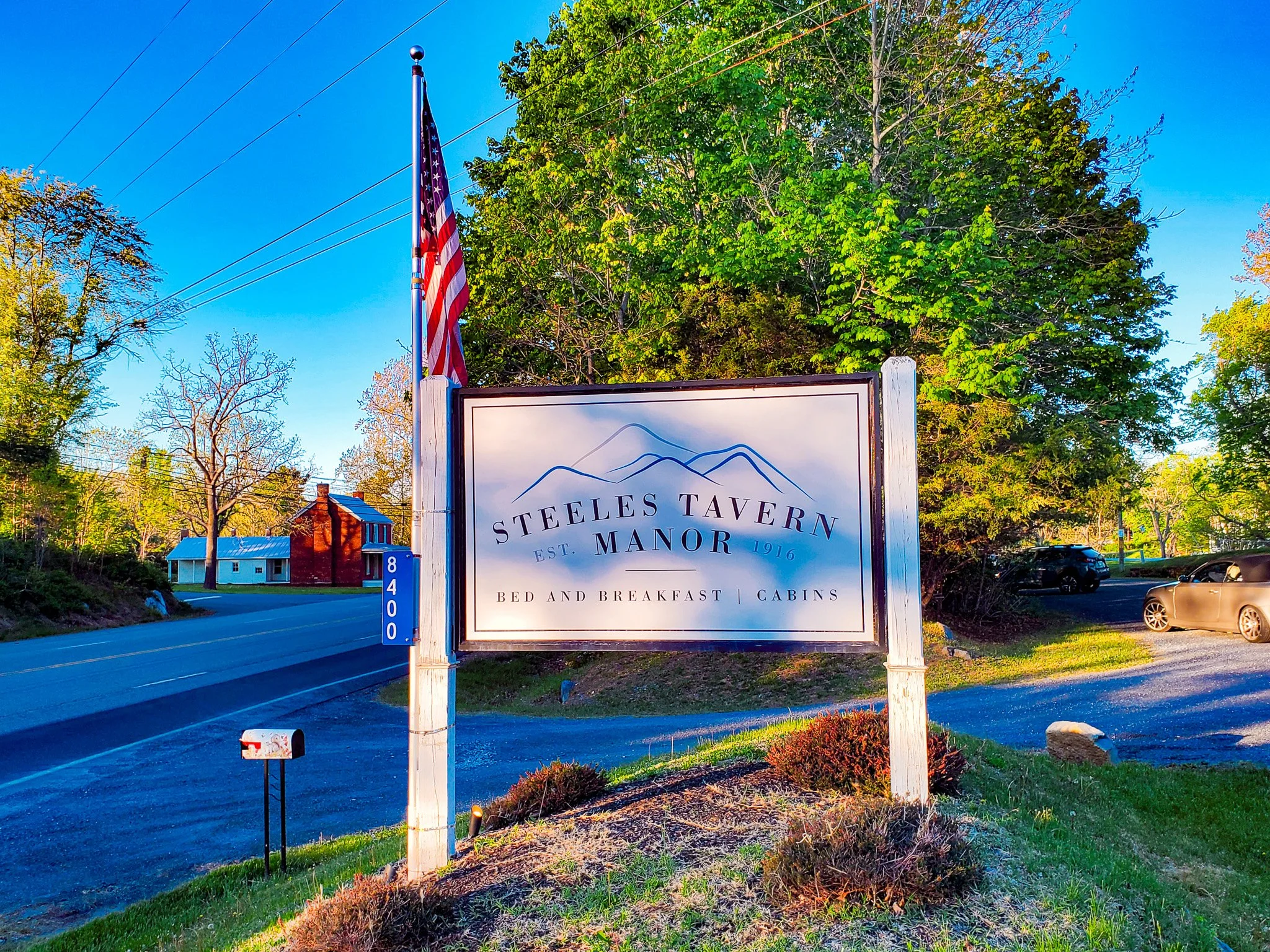
David Steele of Scots-Irish descent built a tavern there after being injured at the Battle of King’s Mountain during the American Revolution. The free Cyrus McCormick museum is located on his father Robert’s farm (which was established in 1822) where he invented the reaper/combine. The Steeles Tavern Manor (built in 1916) B&B provides five spacious guest rooms and suites and three cabins. US 11 is now called the “Lee Jackson Highway”.
Steeles Tavern Manor
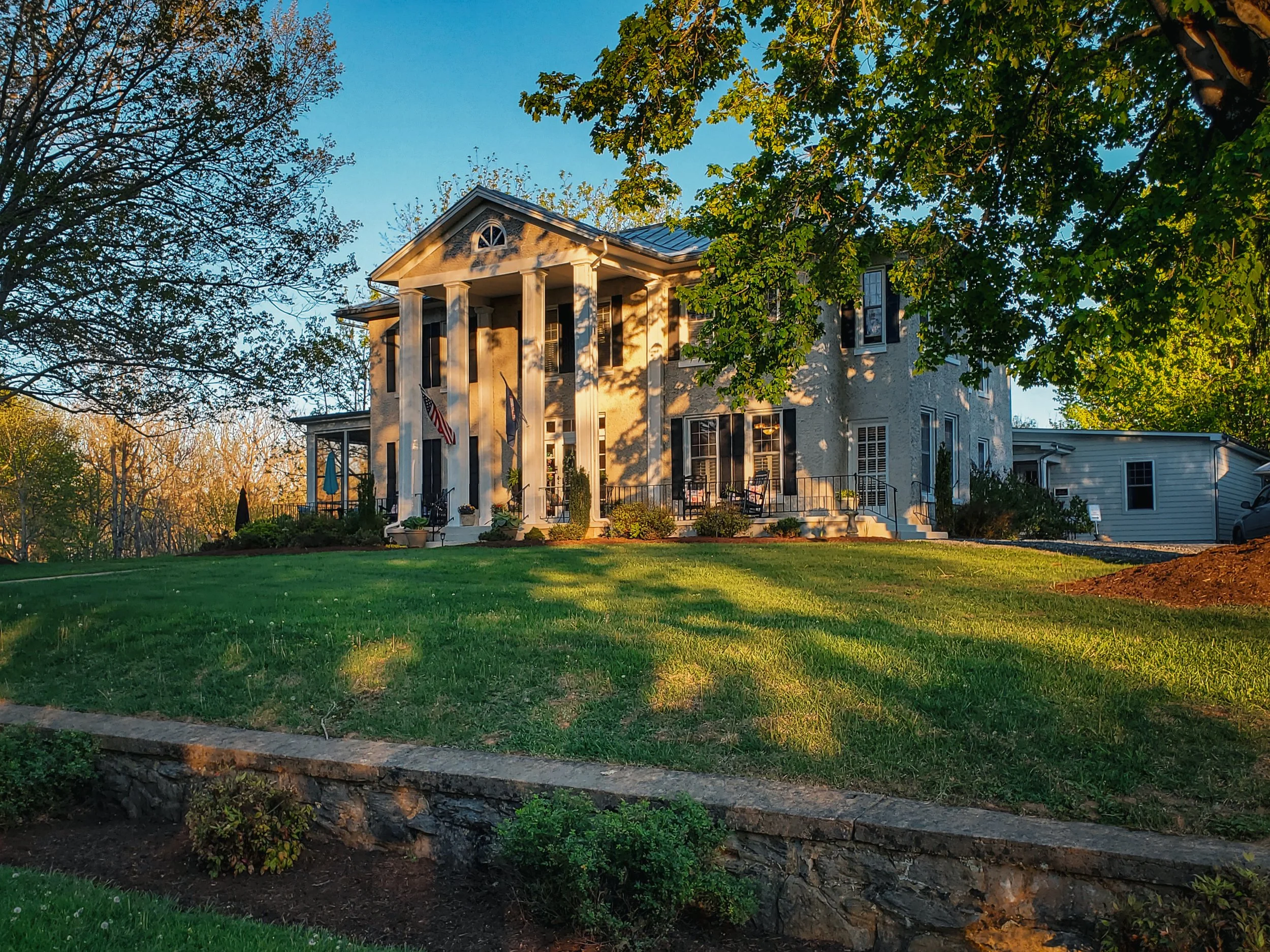
Steeles Tavern Manor
GREENVILLE
Spelled without the extra “e”, Greenville was established as a stage coach stop in 1794.
JOLIVUE
The Valley Railroad stone bridge built in 1874 over Folly Mills Creek is visible from I-81.
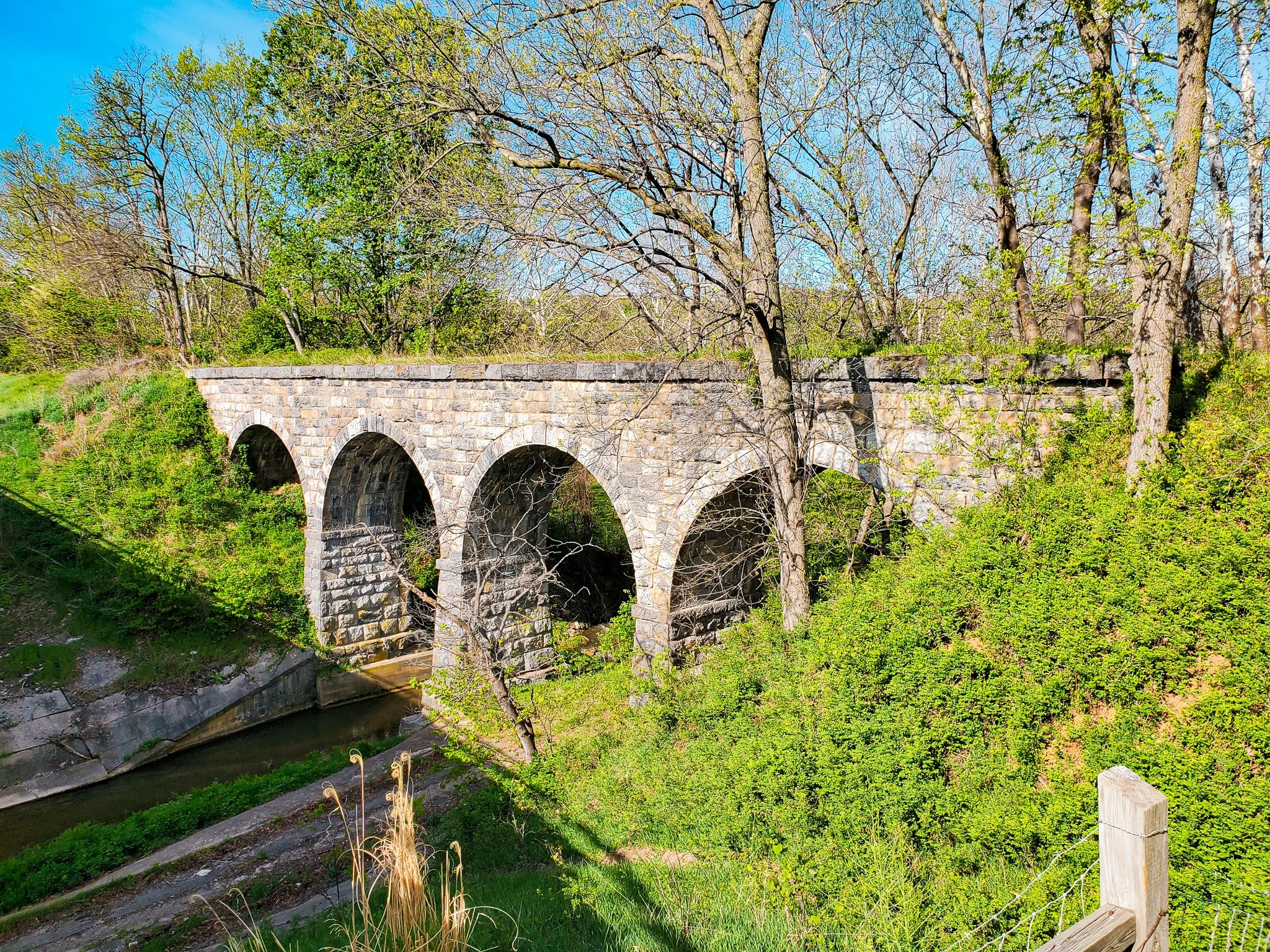
Valley Railroad Stone Bridge
STAUNTON
The town was settled in 1732 and named for Lady Rebecca Staunton, wife of colonial governor Sir William Gooch. Staunton is home to the American Shakespeare Theater at Blackfriar’s Playhouse, which is a replica of Shakespeare’s theater, and home to the Statler Brothers country/gospel group. The Camera Heritage Museum at 1 W. Beverly Street displays nearly 3000 cameras. A recently minted Muffler Man stands beside the GHF Furniture Outlet at 550 Richmond Avenue. Wrights Dairy-Rite on US 11, founded in 1952, was recently voted one of top 10 original drive in restaurants in the US. Kathy's Restaurant, also on US 11, opened in 1986 and has been voted the best breakfast in the Shenandoah Valley Region for 11 years running. In nearby (30 minute drive) Mt. Solon is Natural Chimneys Park which features dramatic 120 foot limestone formations that resemble chimneys. The Hall of Fame Jousting tournament is held there in June and the Natural Chimneys Jousting Tournament in August. This event is recognized as (one of) the oldest continuously held sporting events in the US.
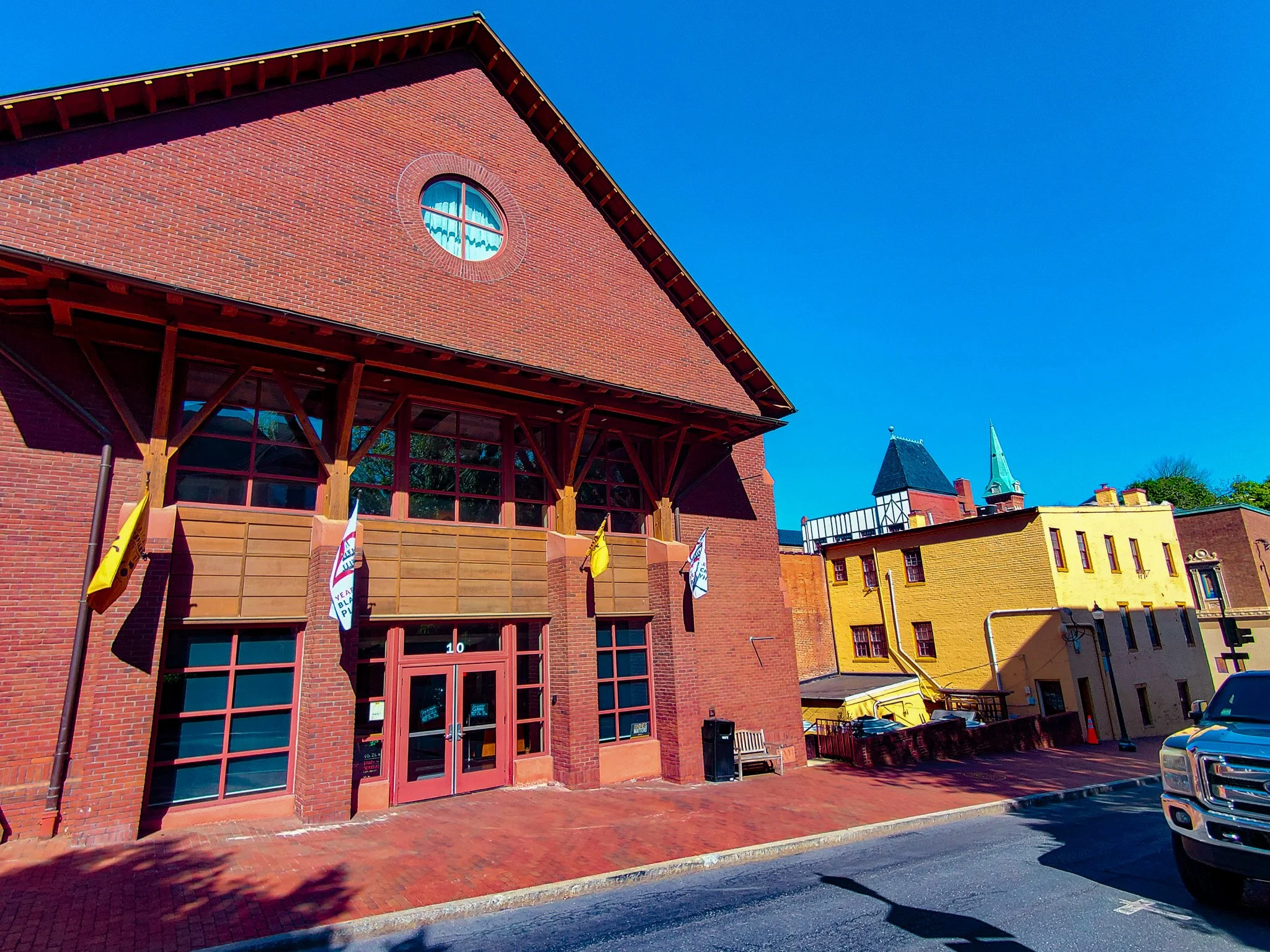
Blackfriars Playhouse
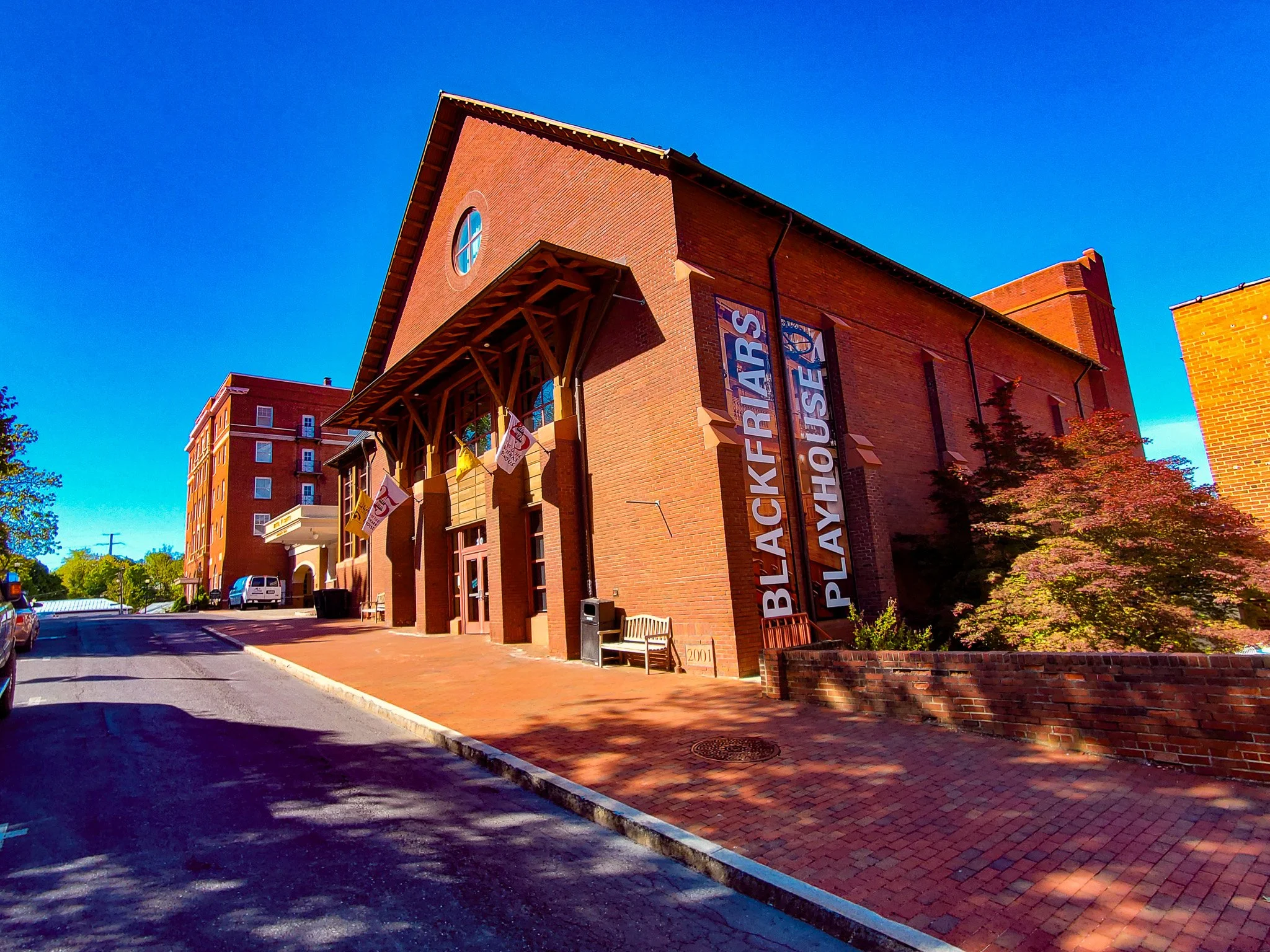
Blackfriars Playhouse

Camera Heritage Museum
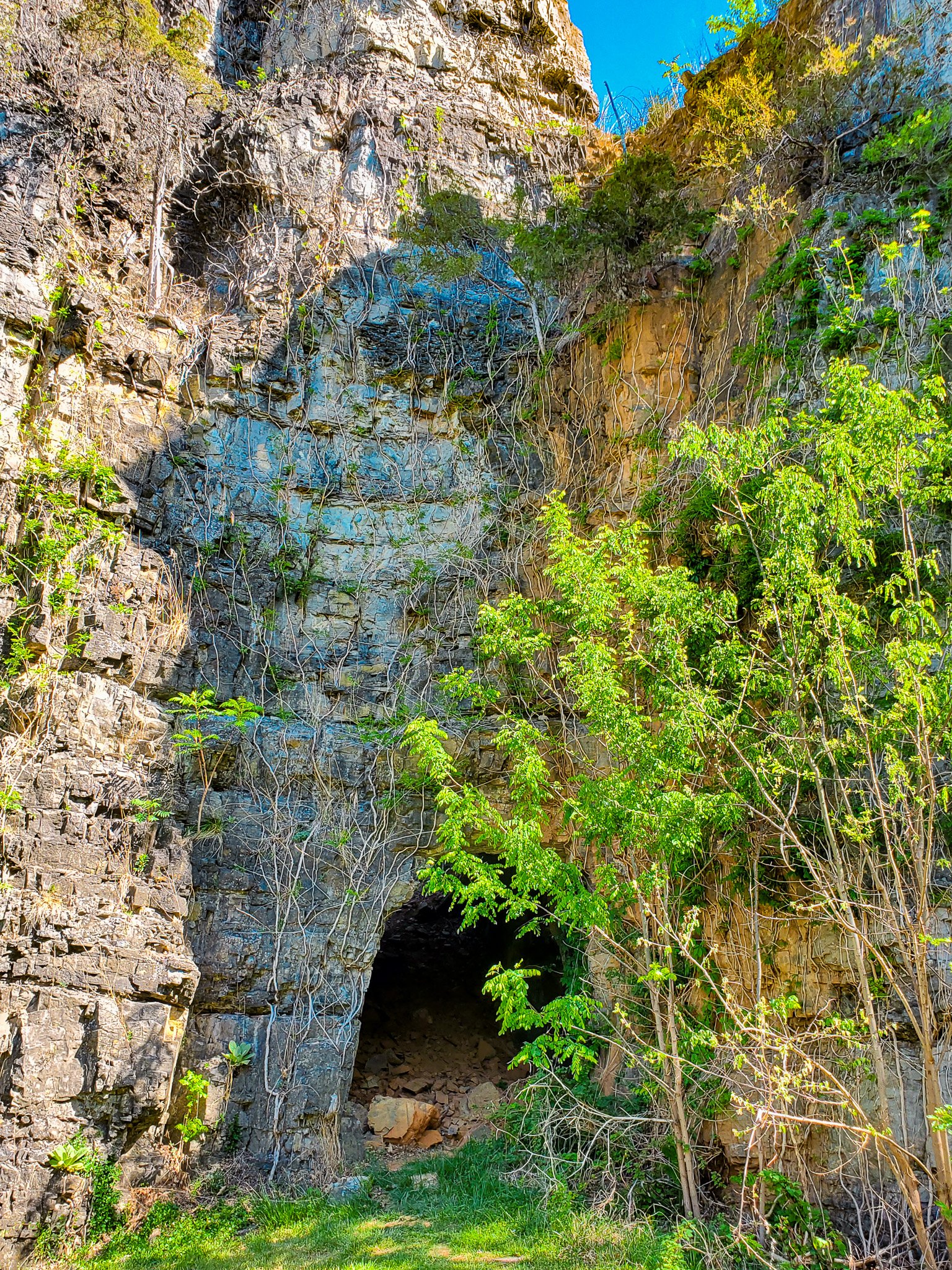
Chimney and Cave at Mt. Solon
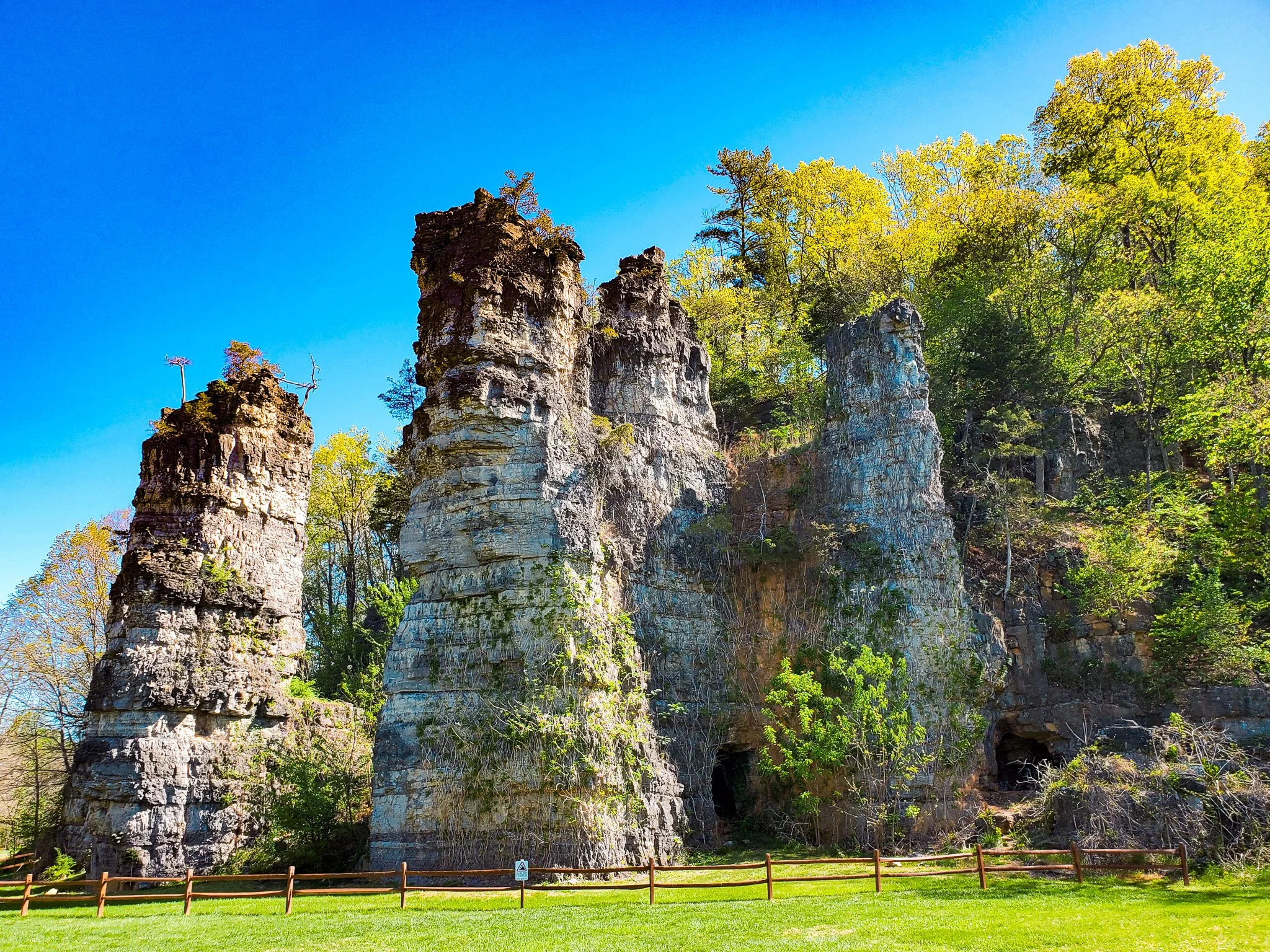
Chimneys at Mt. Solon
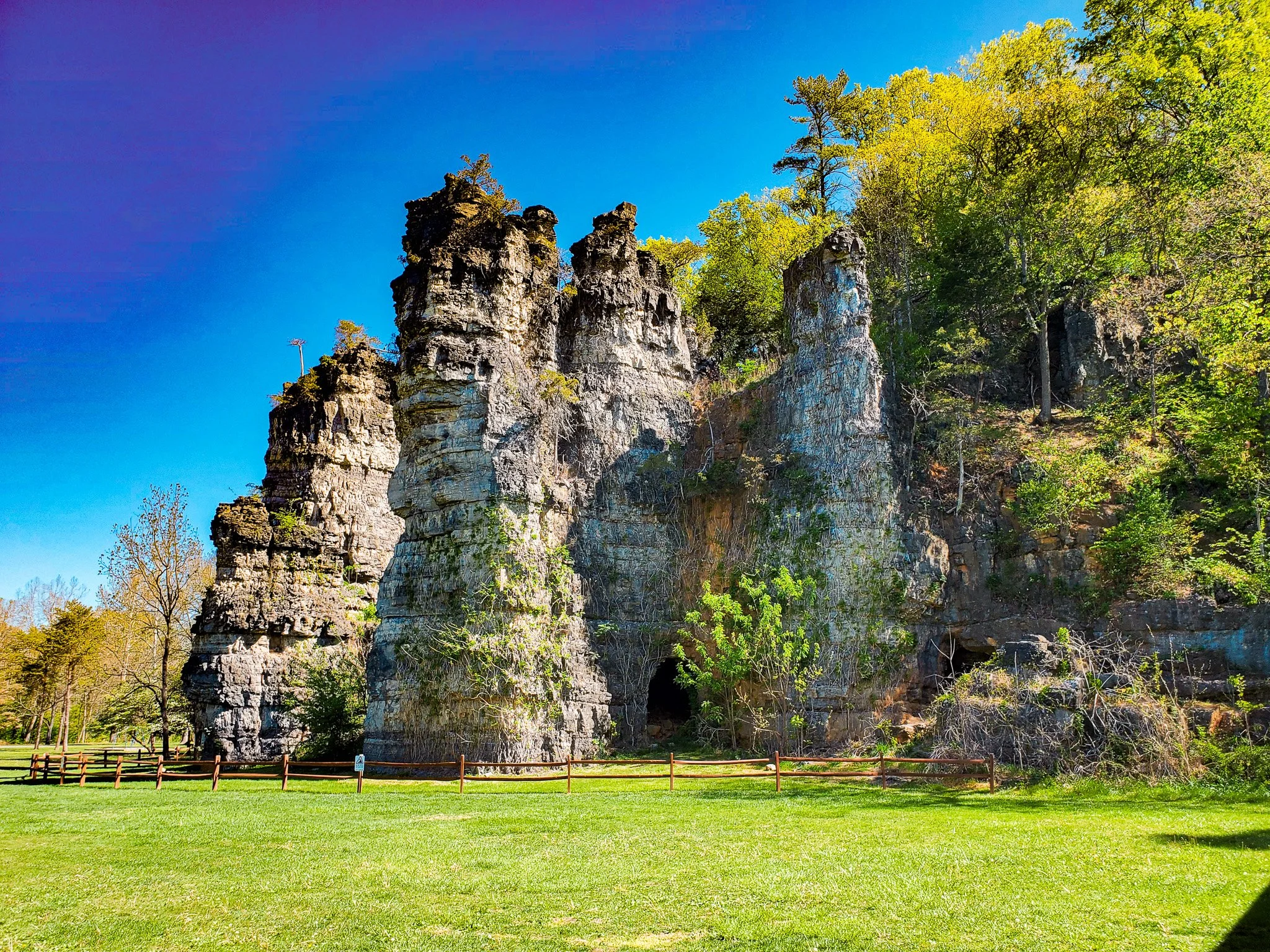
Chimney at Mt. Solon

Chimneys and Stage at Mt. Solon
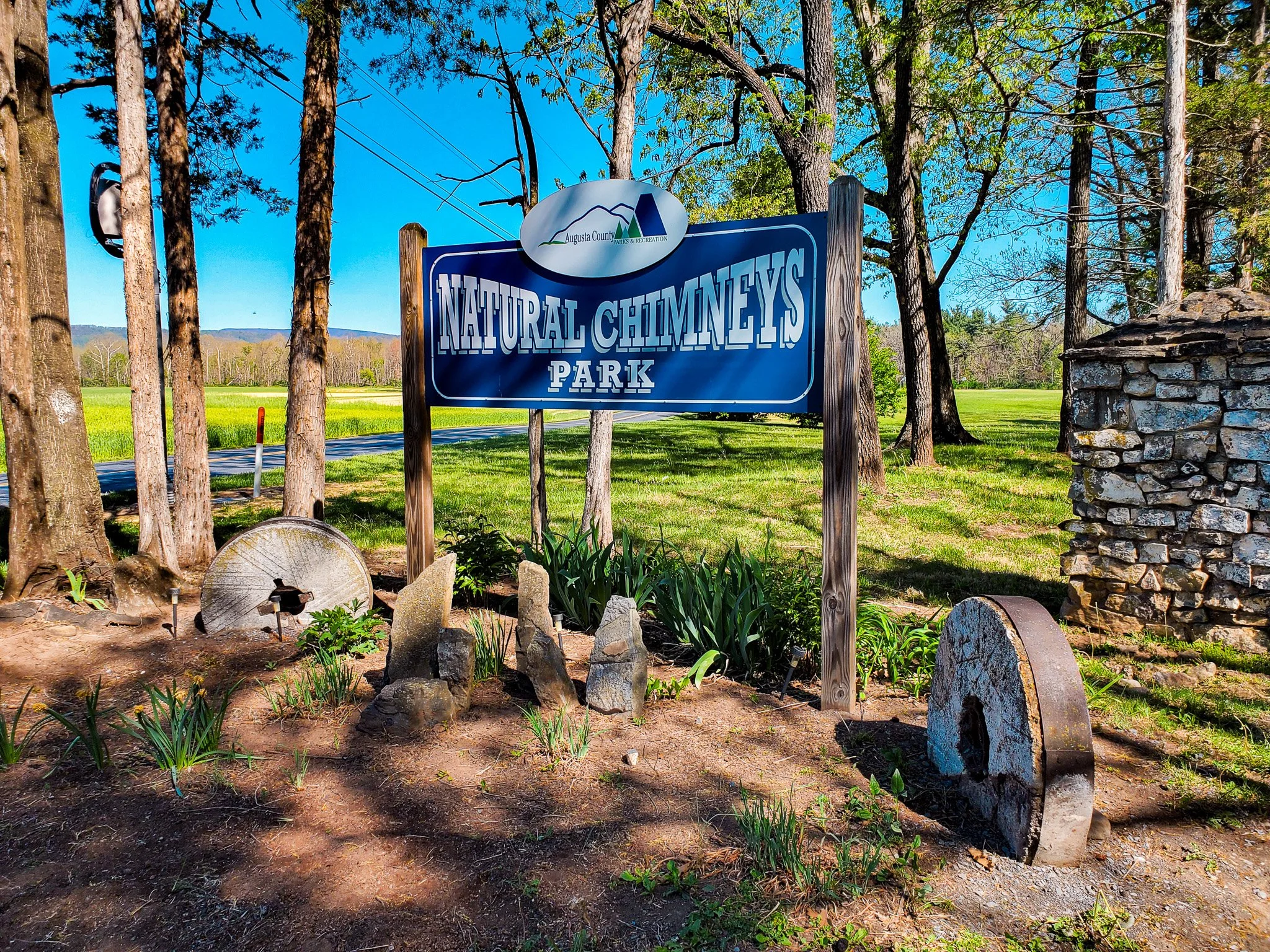
Natural Chimneys Park Sign
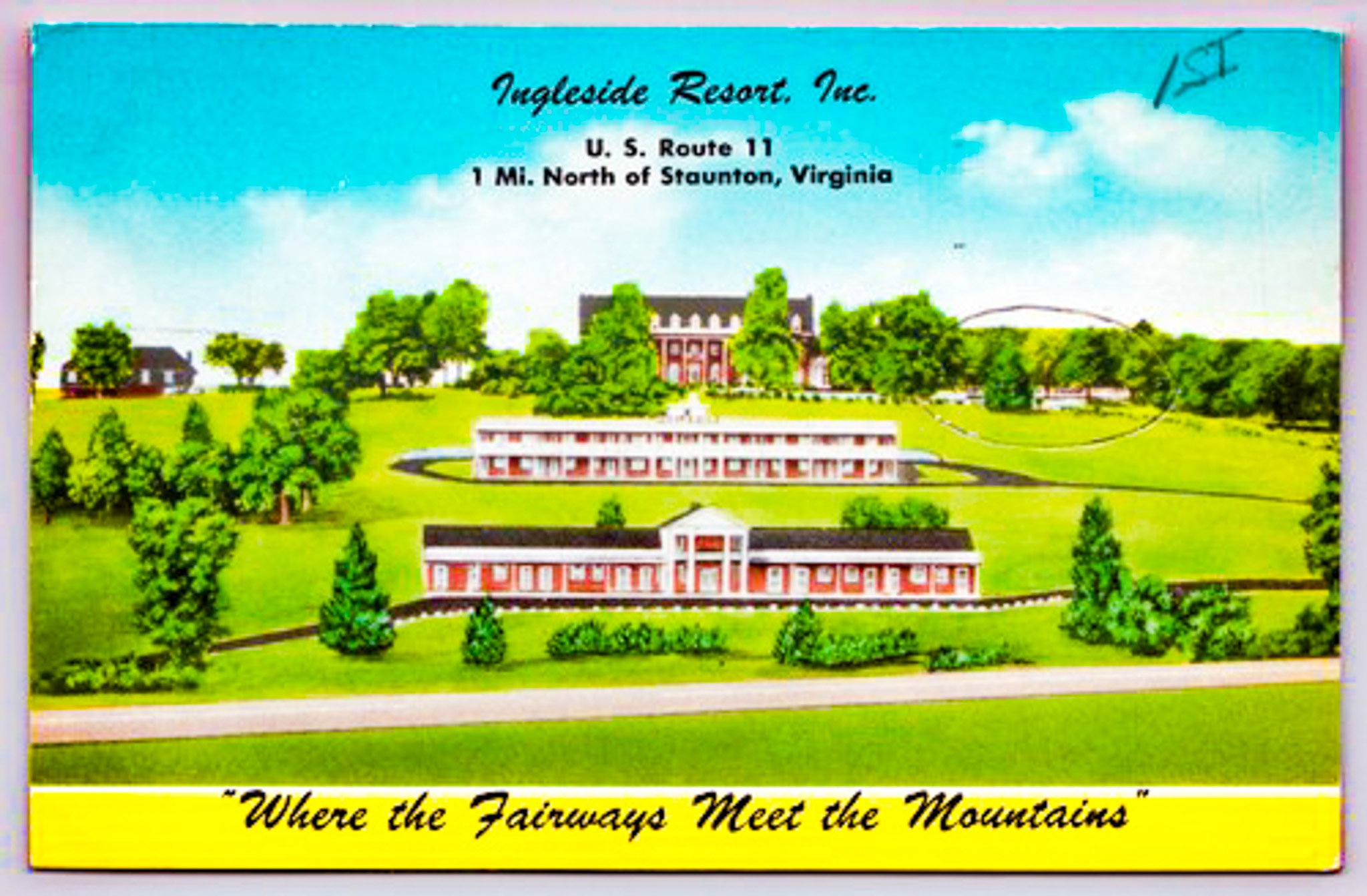
Ingleside Resort Postcard
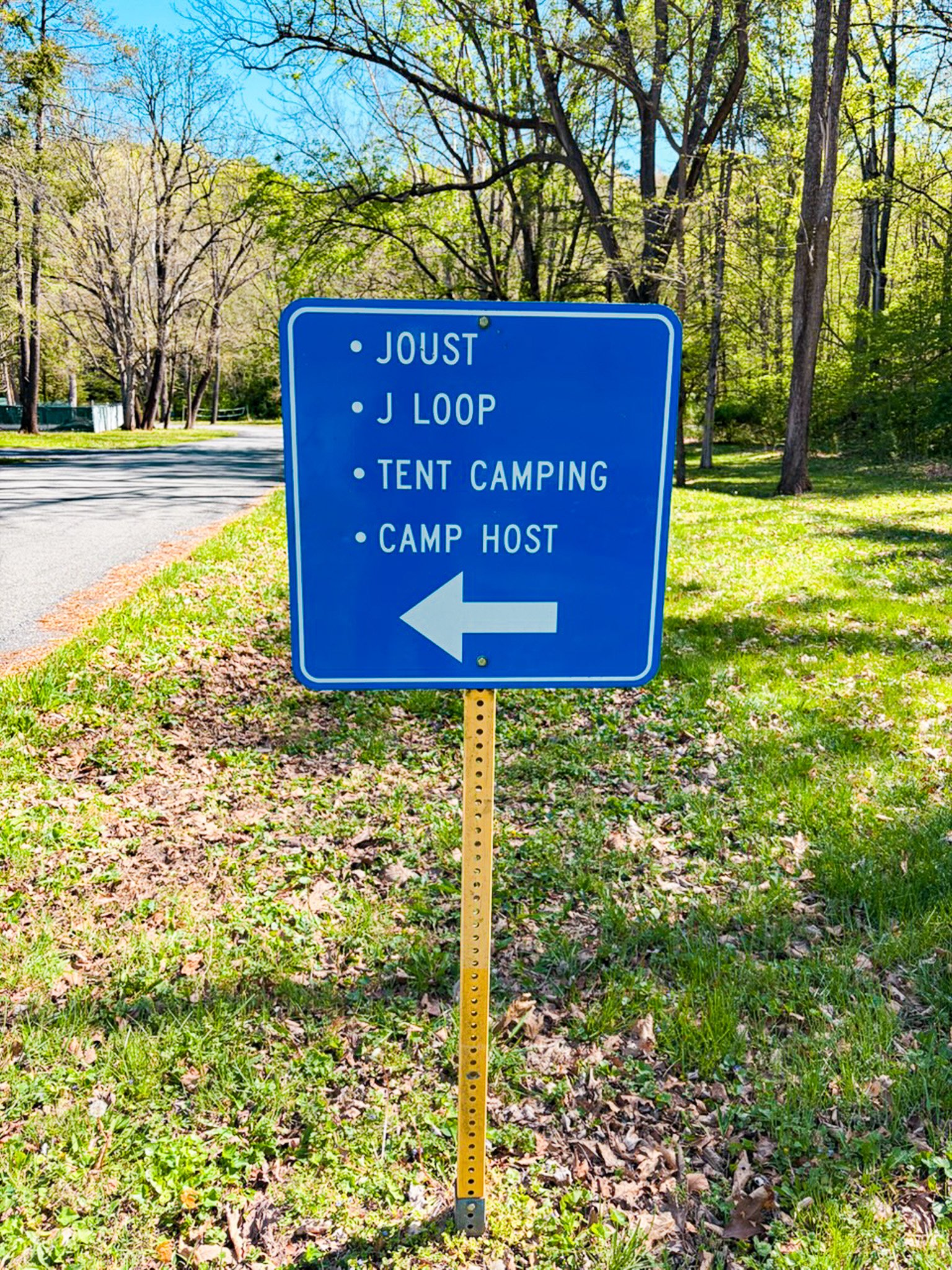
Jousting Sign
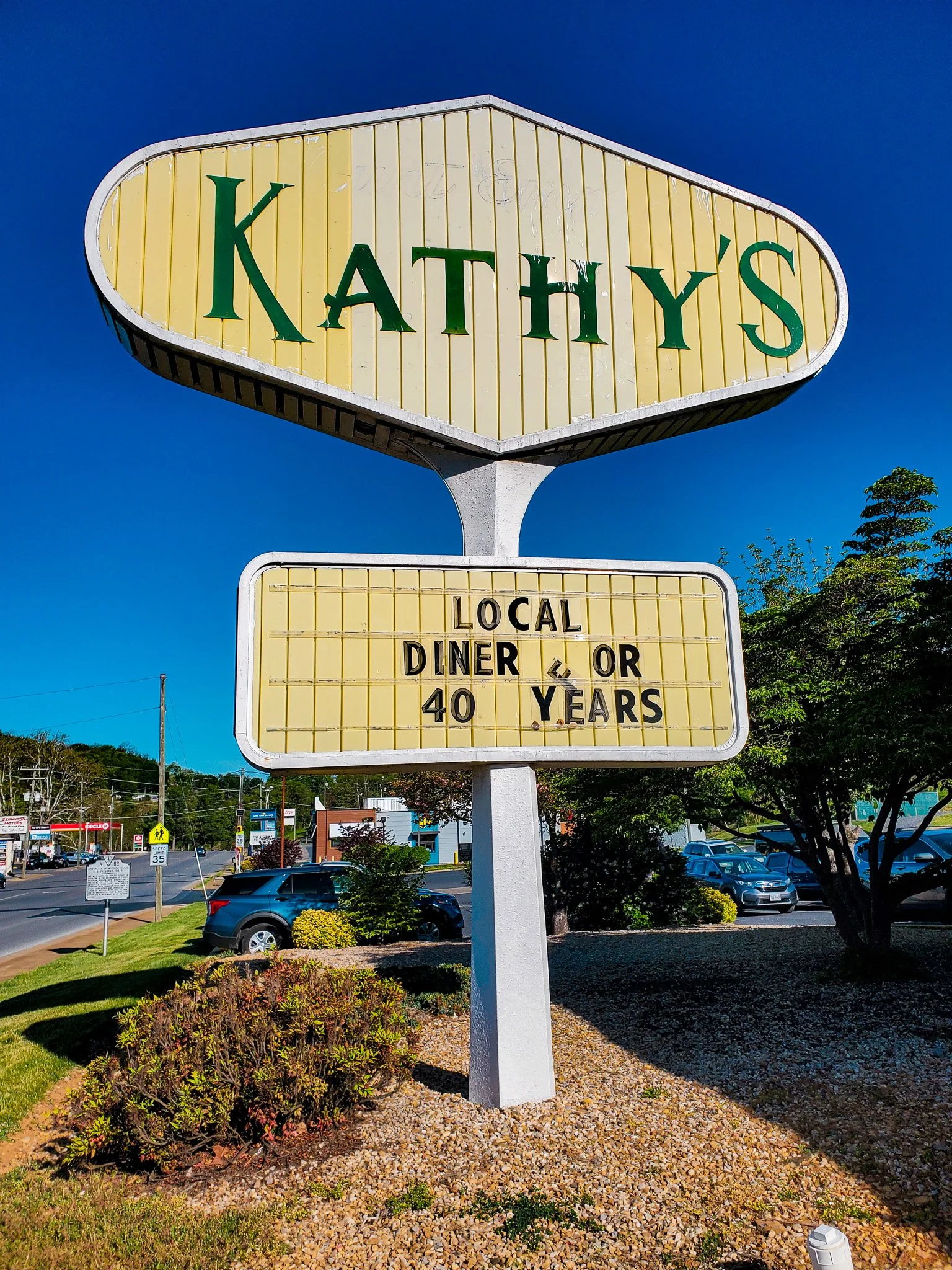
Kathy's Restaurant
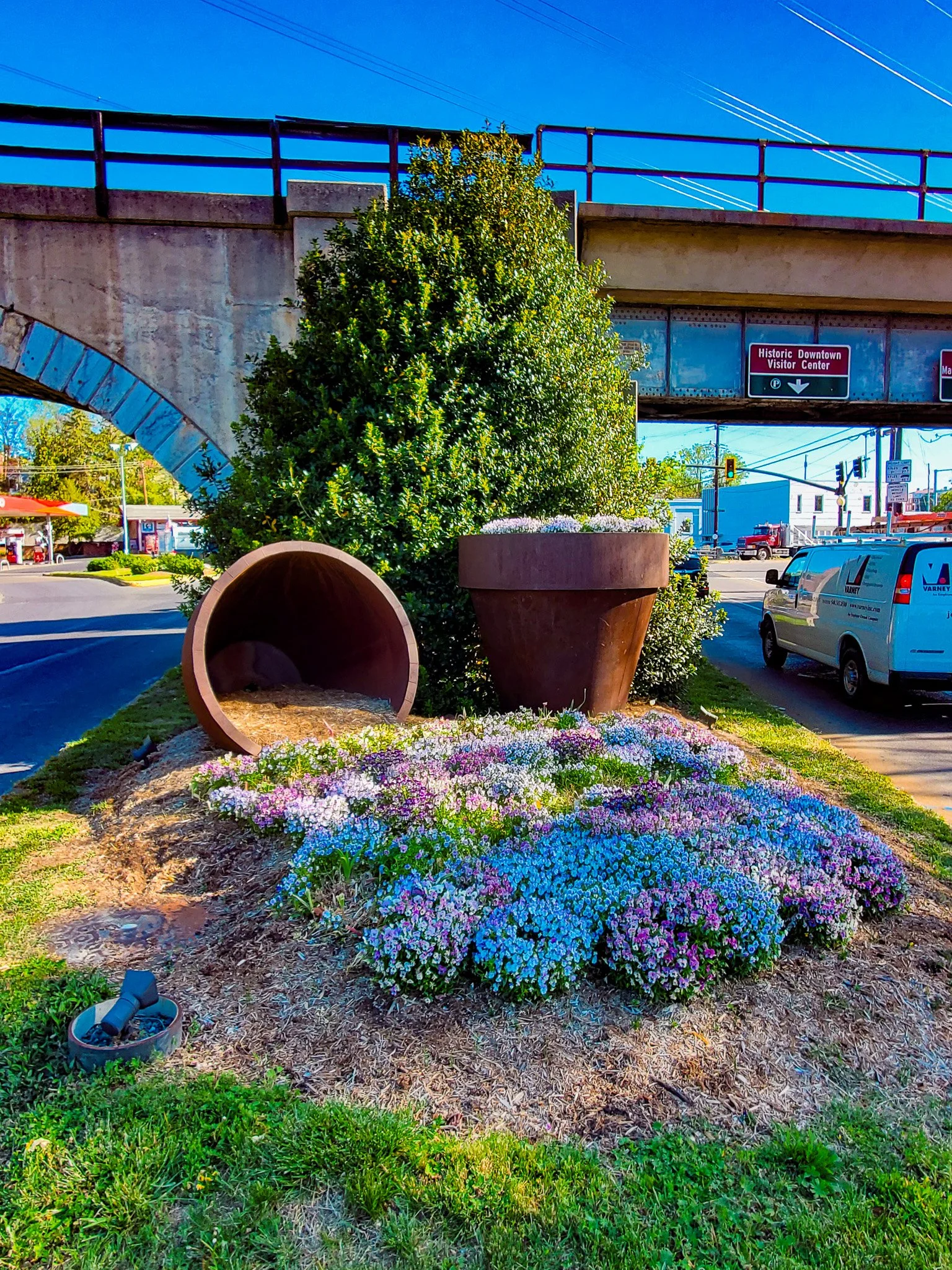
Large Flower Pots
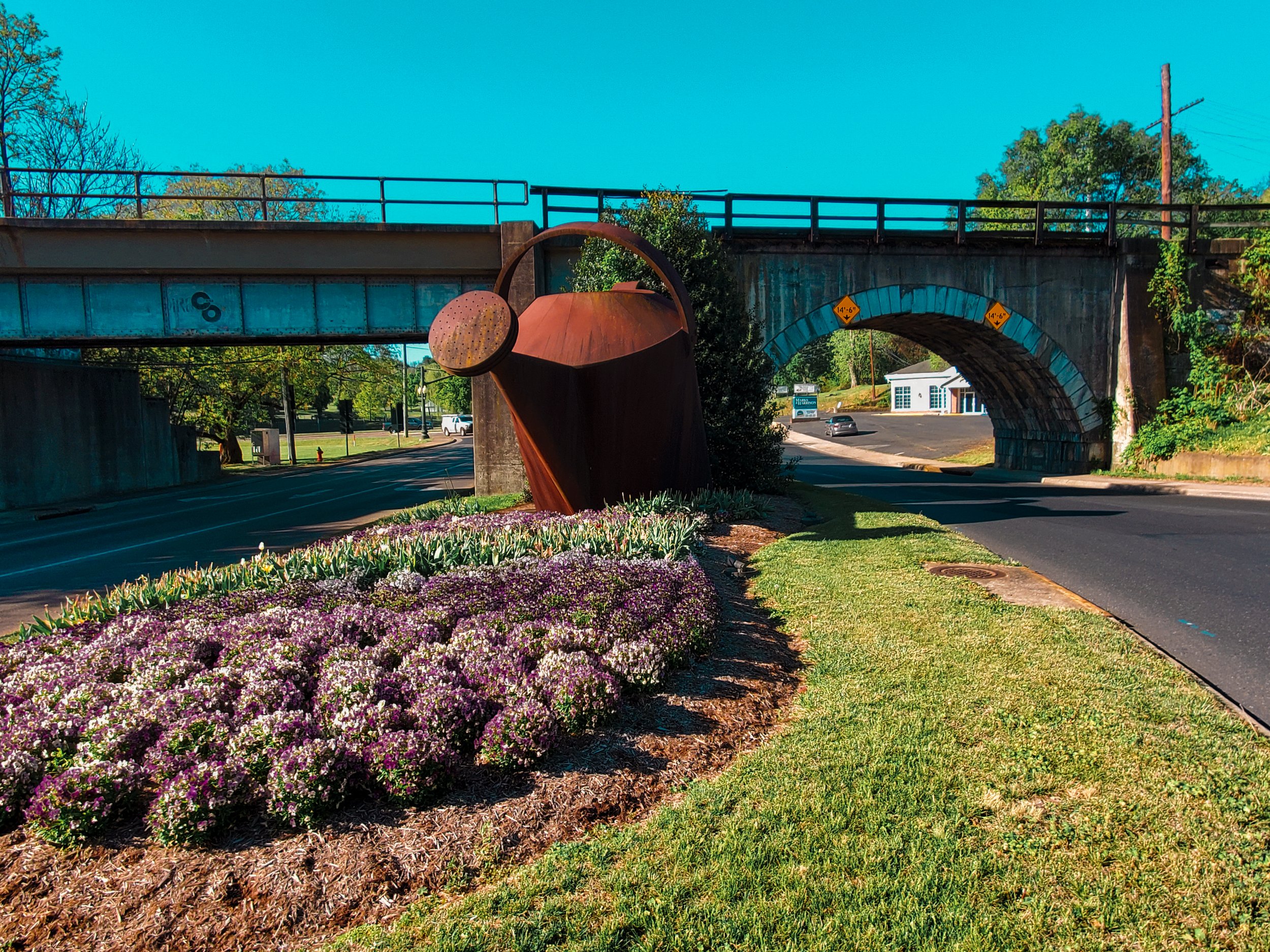
Large Watering Pot
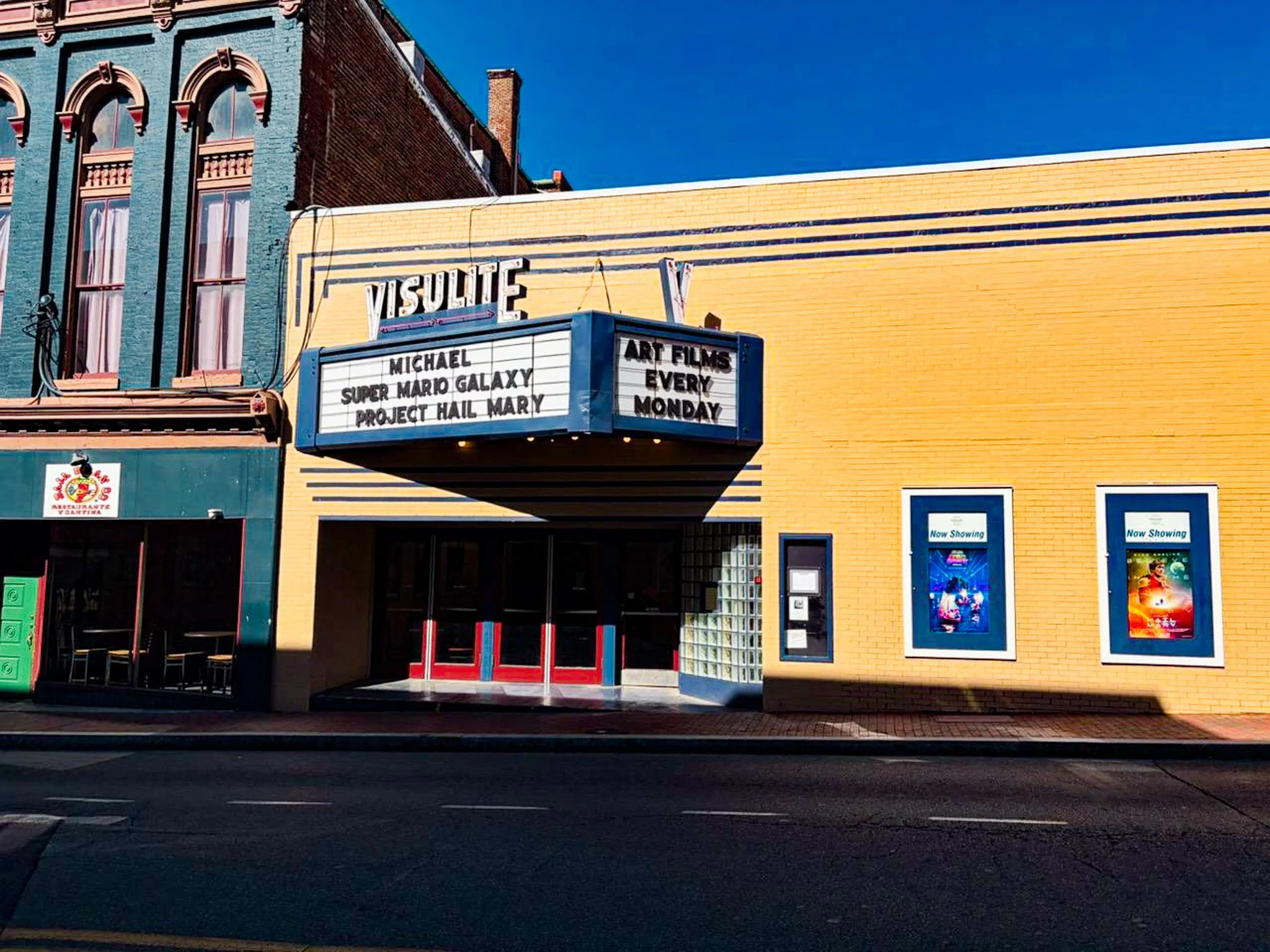
Visulite Movie Theater
VERONA
The town was named after Verona Italy to honor the local immigrant stonemasons and builders.
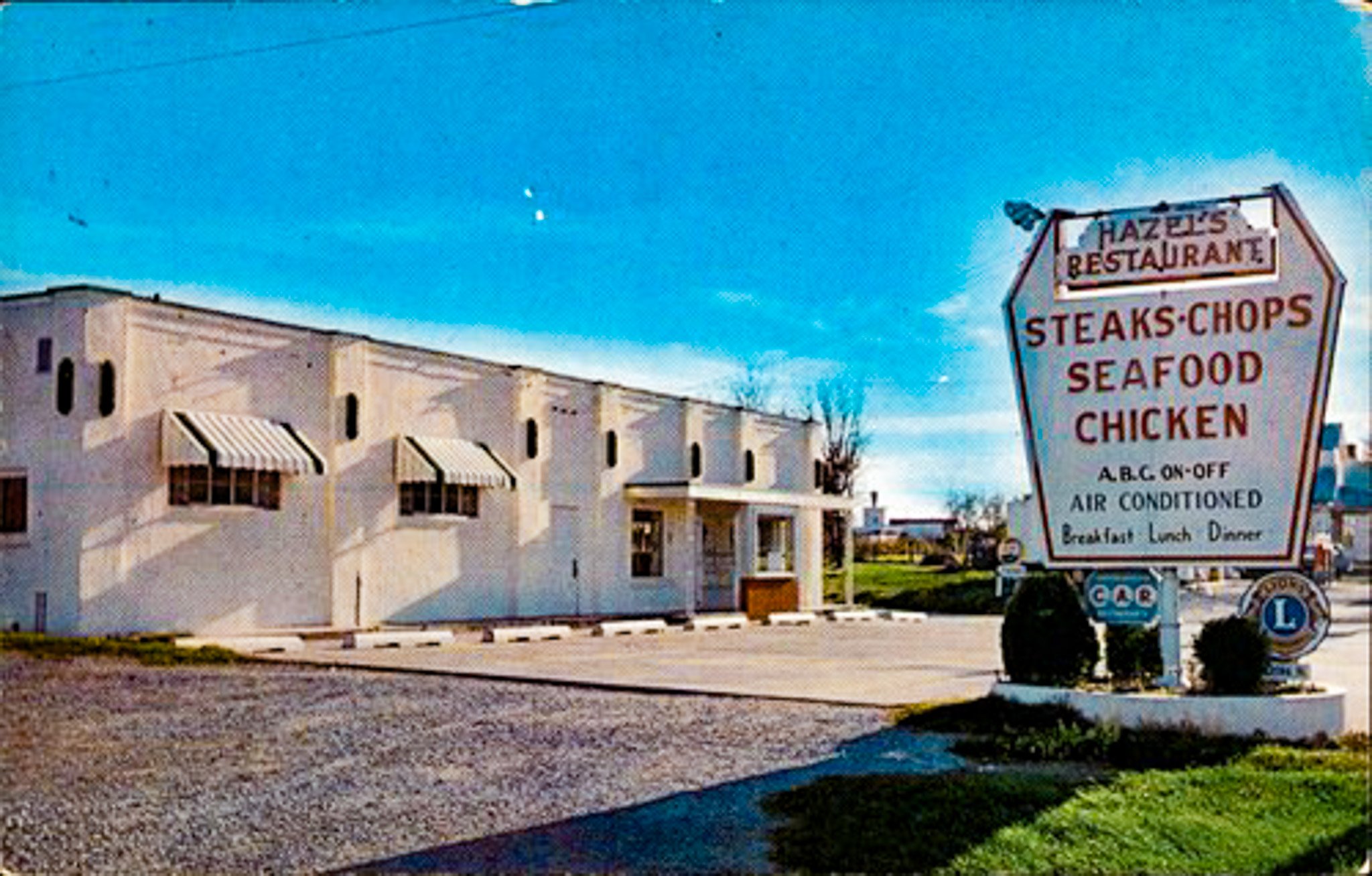
Hazel's Restaurant
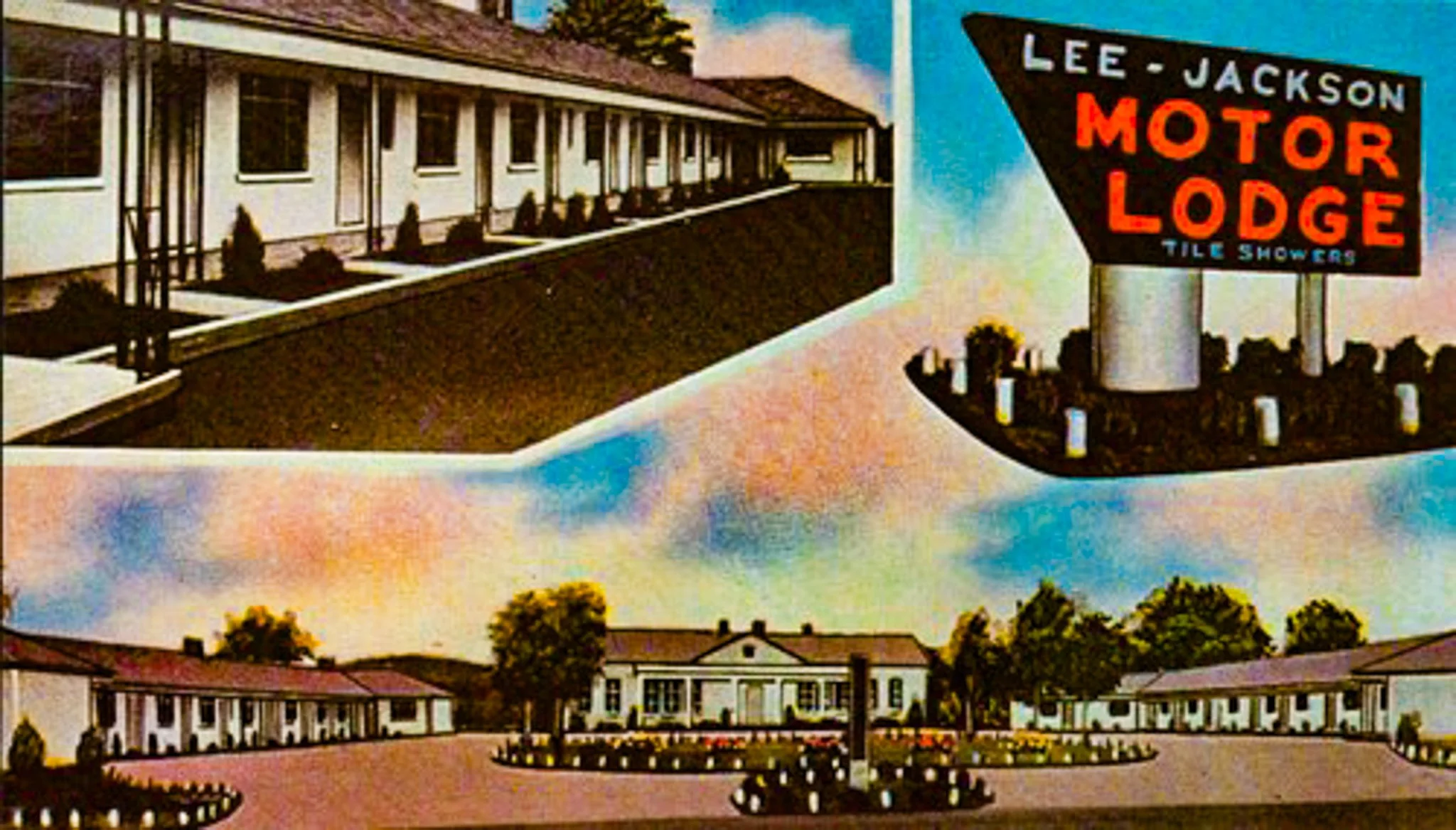
Lee Jackson Motor Lodge Postcard
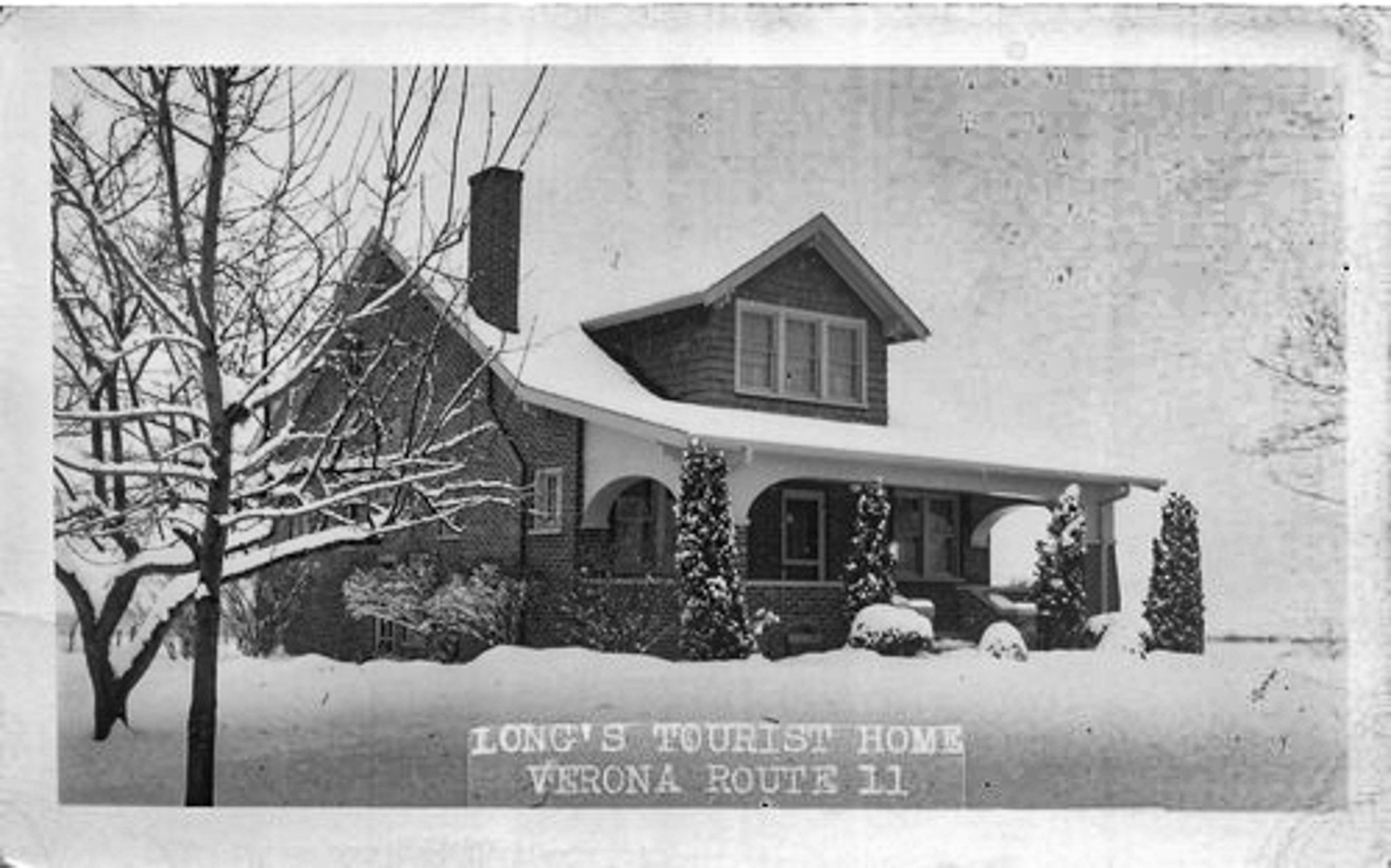
Long's Tourist Home Postcard
FORT DEFIANCE
Fort Defiance was founded around the historic Old Stone Church (built 1740-1747). The church is the oldest Presbyterian house of worship west of the Blue Ridge Mountains. The remaining building of the Augusta Military Academy houses a museum. This academy was one of the first in the nation to adopt the JROTC program.
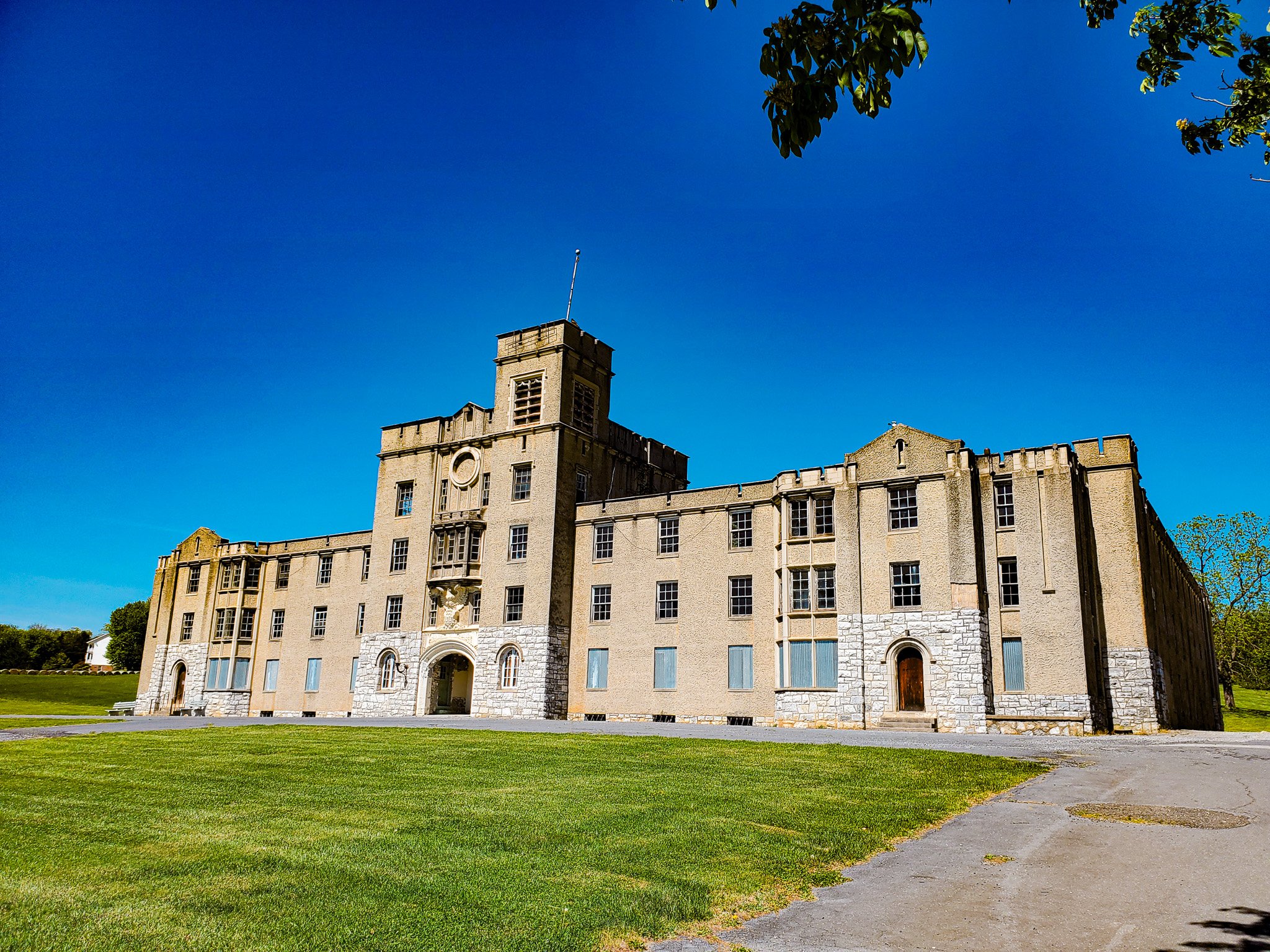
Augusta Military Academy Building
MT SIDNEY
Mt Sidney has an historic district with buildings dating to the 1820’s.
WEYERS CAVE
Weyers Cave, discovered in 1804 by a boy looking for a lost trap, is now called Grand Caverns and is about 15 minutes from US 11. It was renamed Grand Caverns in 1926 and is the oldest continuously operated show cave in the United States. Several hundred Union and Confederate soldiers left their markings on the cave walls. The town is site of the first FFA (Future Farmers of America) chapter in the country from 1927.
MT CRAWFORD
Mt Crawford was established in 1825 and named for an early pioneer family. Historic Main Street on US 11 contains 42 houses with average age over 100 years, the oldest having been built in 1747. Mt Crawford is “The Front Porch of Route 11”.
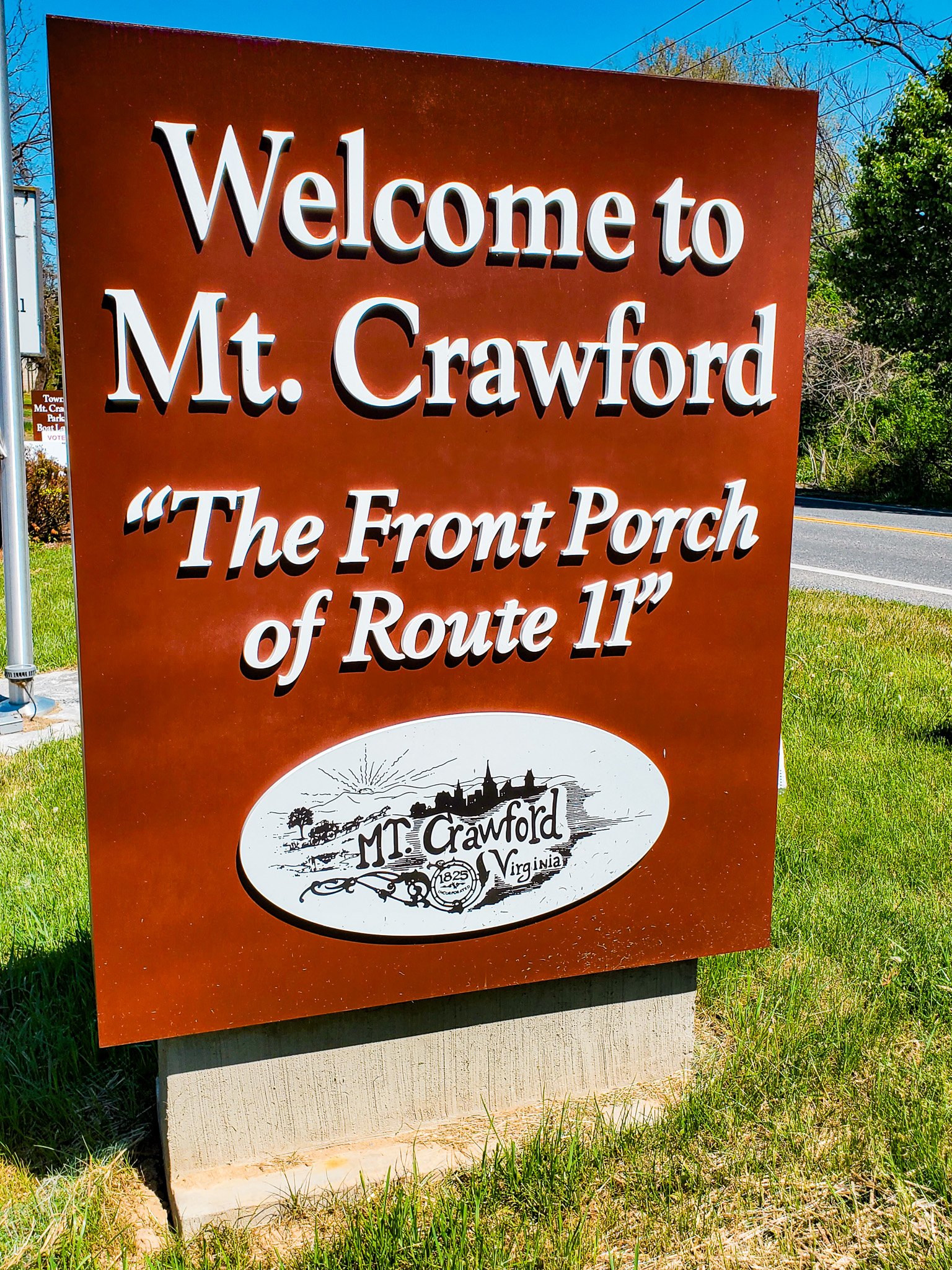
Welcome to Mt. Crawford Sign
HARRISONBURG
Named after Thomas Harrison, pioneer to the Shenandoah Valley from New York, the town was established around 1780. The earliest European exploration was by the "Knights of the Golden Horseshoe", a group of “gentlemen explorers” led by Governor Alexander Spotswood, who passed through in 1716. The town is home to James Madison University and the Eastern Mennonite University, and has an extremely culturally-diverse population with over 55 languages spoken in the public schools. The Rosetta Stone software company was established here in 1992. The Valley Turnpike Museum explores the roads that preceded US 11 in the area. Other local sites include the historic downtown district, Harrisonburg’s Old Post Office Mural, Glen’s Fair Price Store on US 11 downtown that recently closed after 83 years in business, and an old restored Marathon gasoline station north of town on US 11. The musical group Old Crow Medicine Show formed in Harrisonburg, and the Melrose Caverns (discovered in 1818) along with the Melrose City Grocery and Deli, are on US 11 north of town. The Village Inn, begun in 1928, has accommodations and dining, and Kline’s Dairy Bar on US 11 south of town has offered custard-style homemade ice cream since 1943. The Bar B Q Ranch north of Harrisonburg on US 11, which opened in 1947, was voted “Best BBQ restaurant in the Shenandoah Valley" by Virginia Living magazine in 2025.
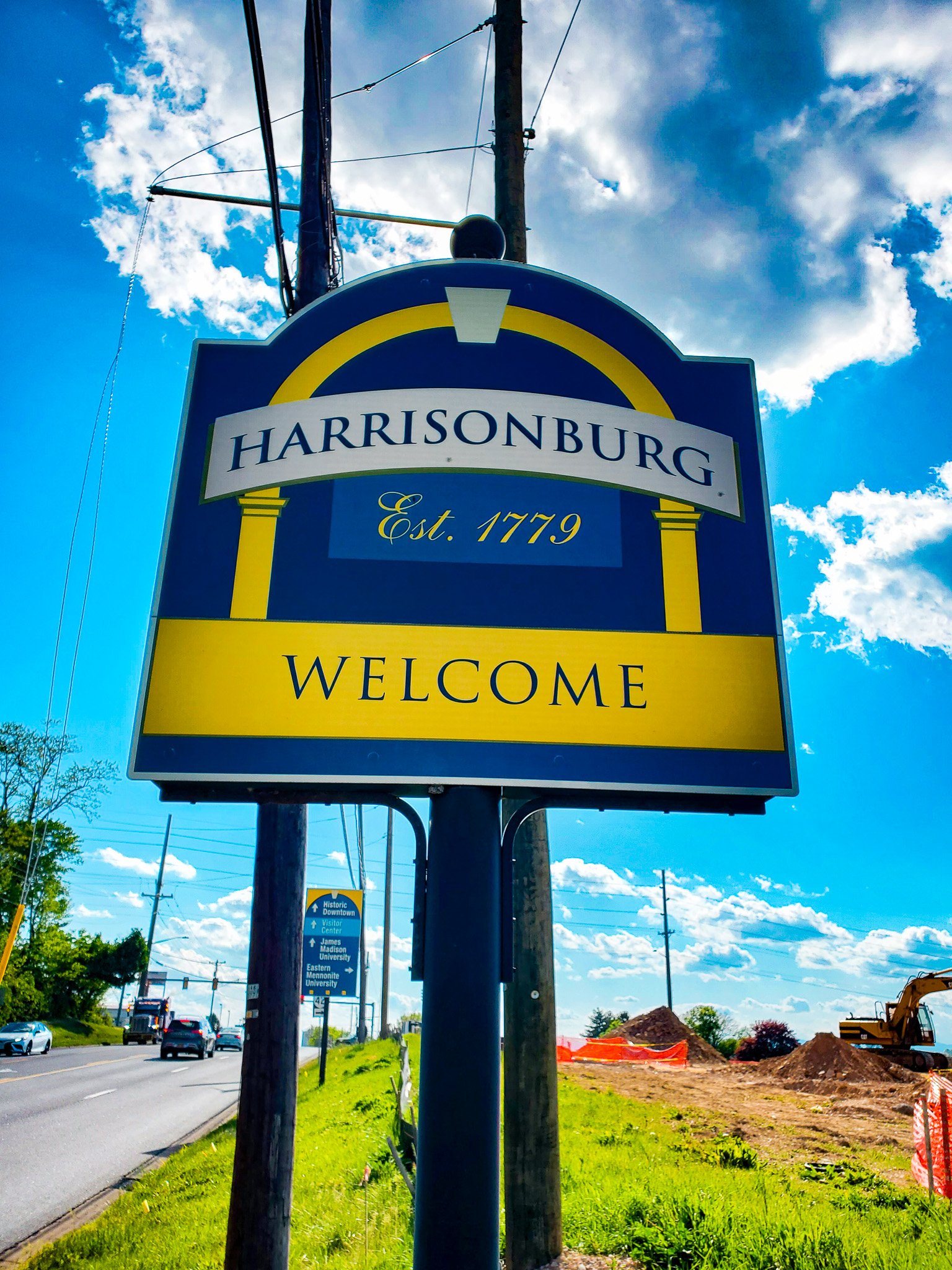
Welcome to Harrisonburg Sign
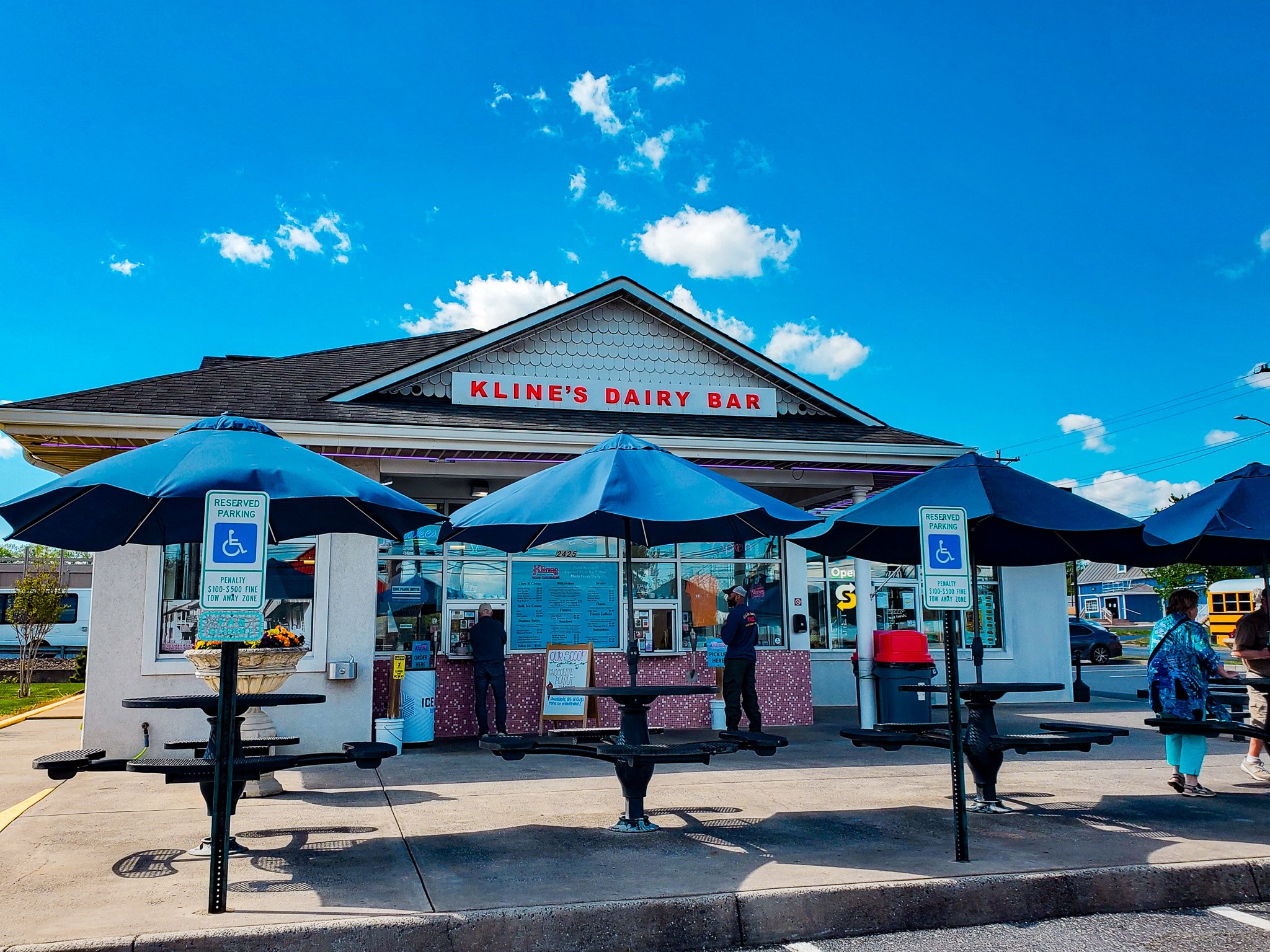
Kline's Dairy Bar
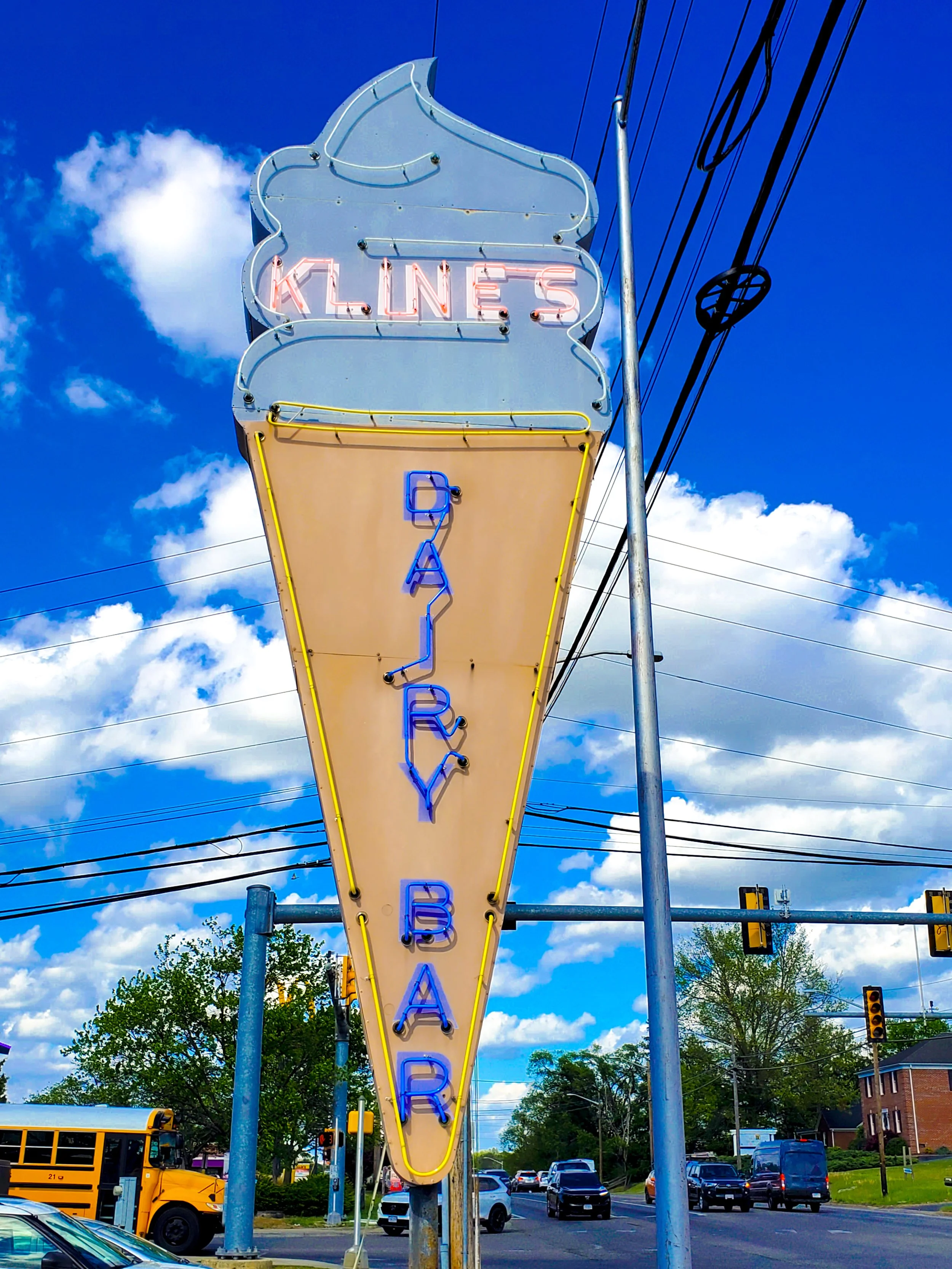
Kline's Dairy Bar

Liskey's Cottages Postcard

Valley Turnpike Museum
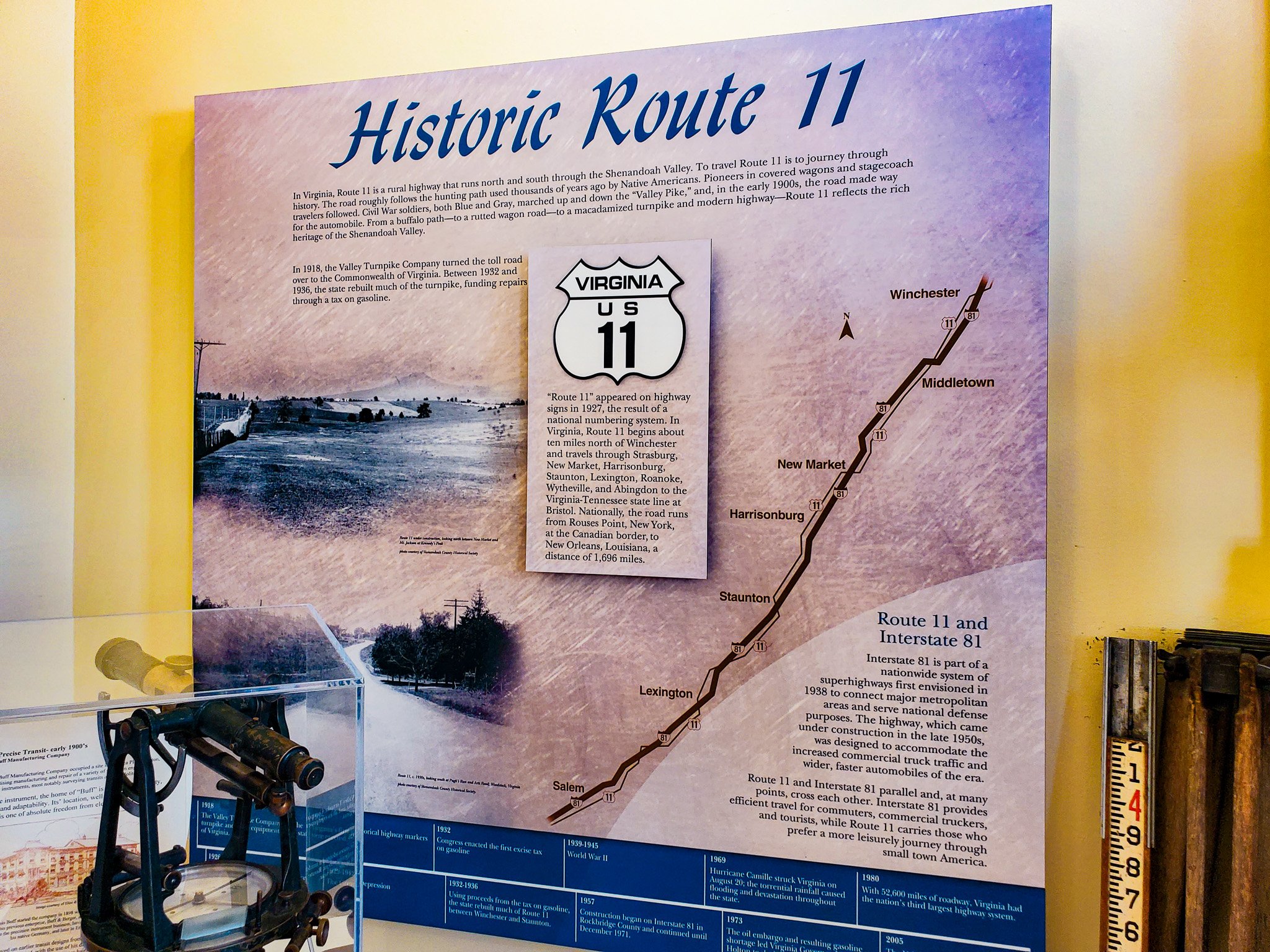
Valley Turnpike Museum
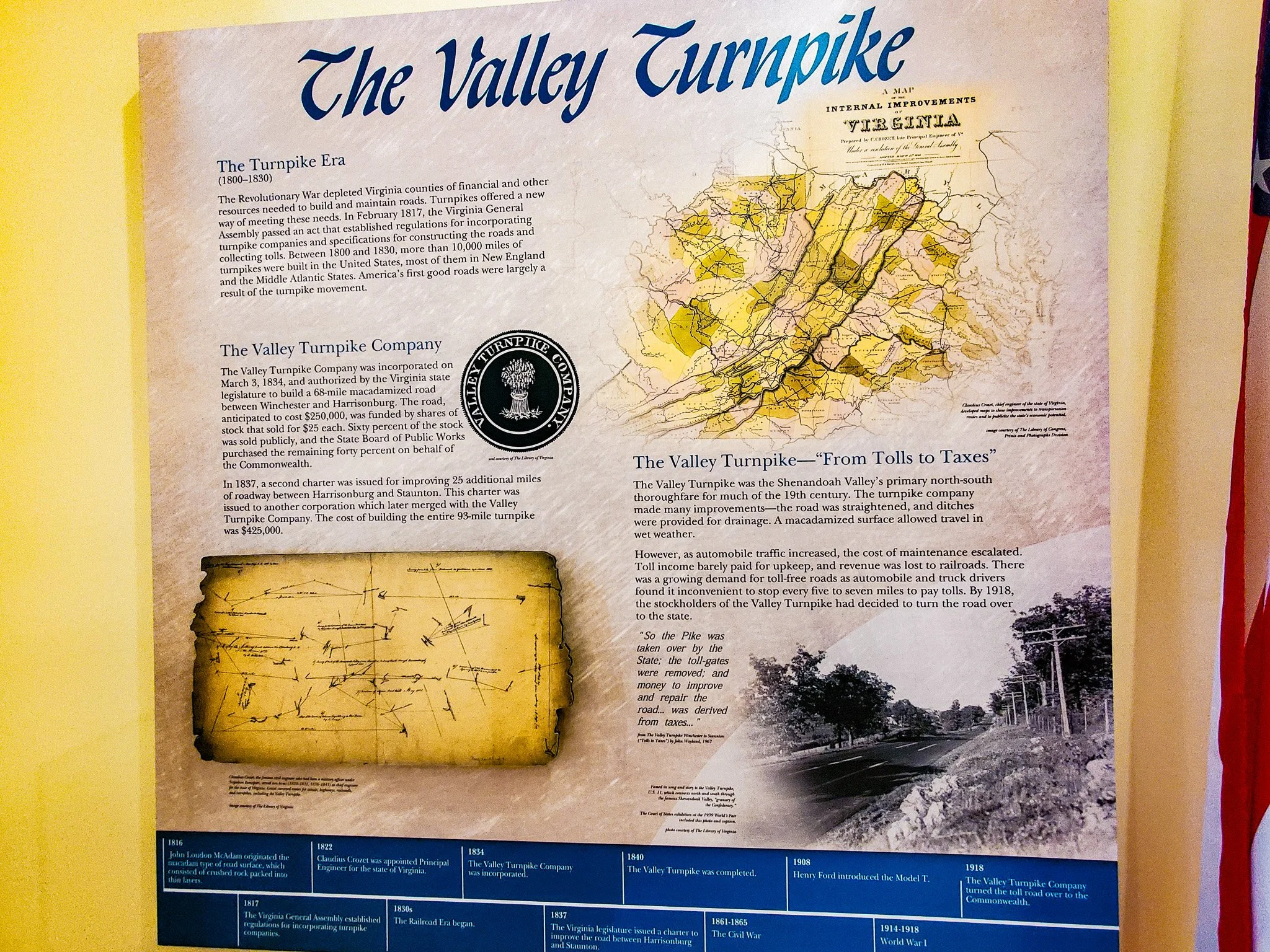
Valley Turnpike Museum
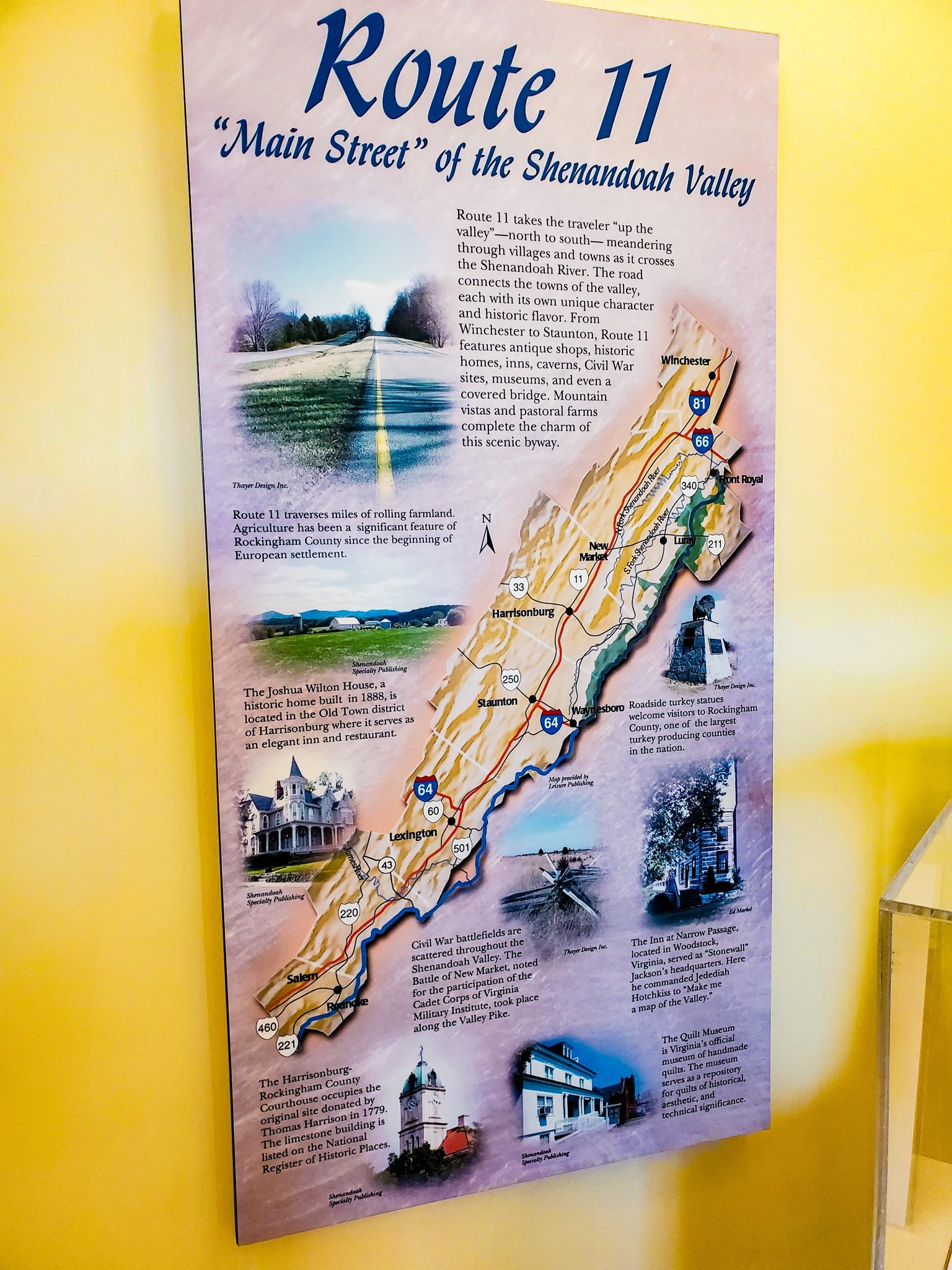
Valley Turnpike Museum
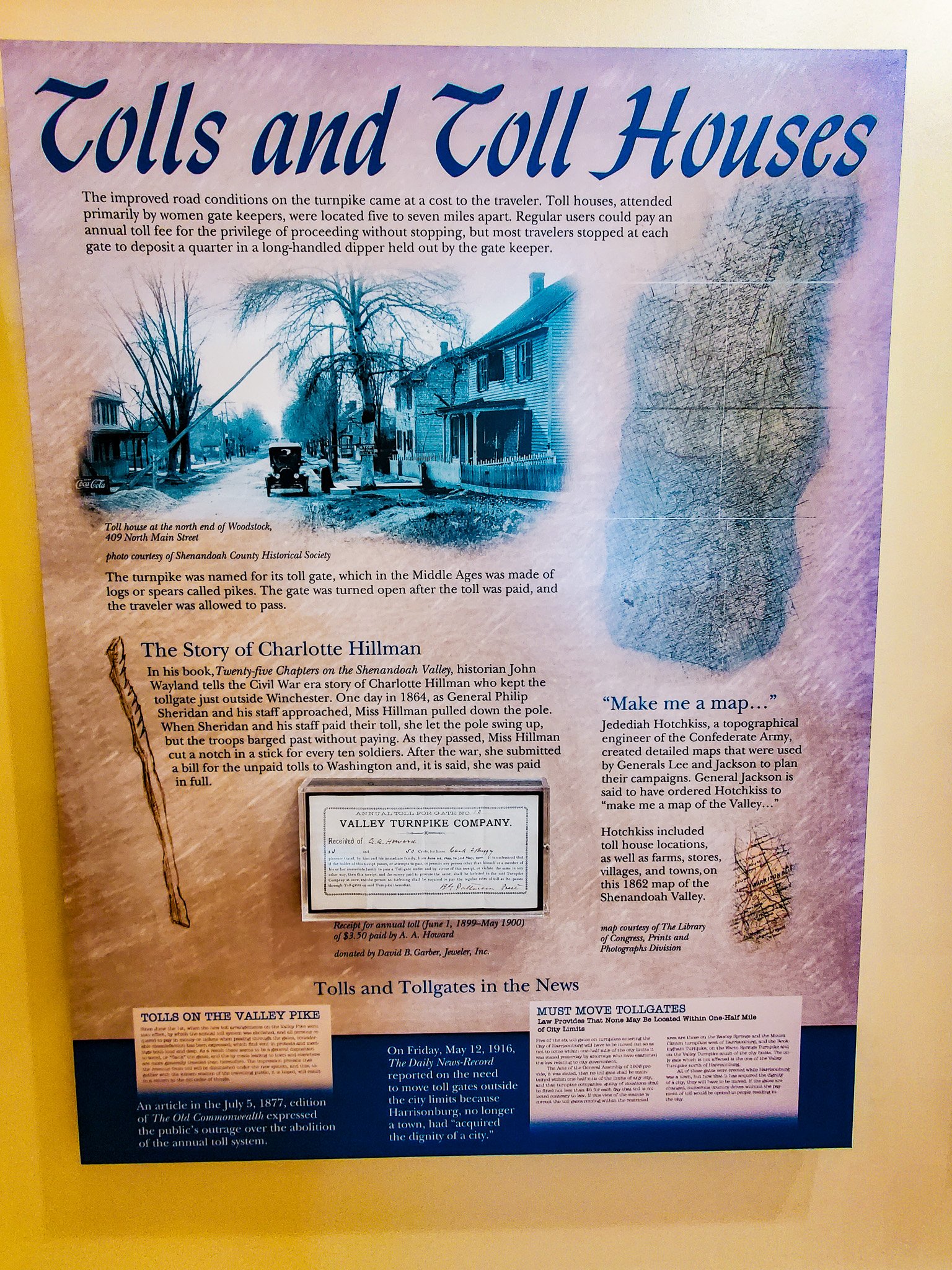
Valley Turnpike Museum
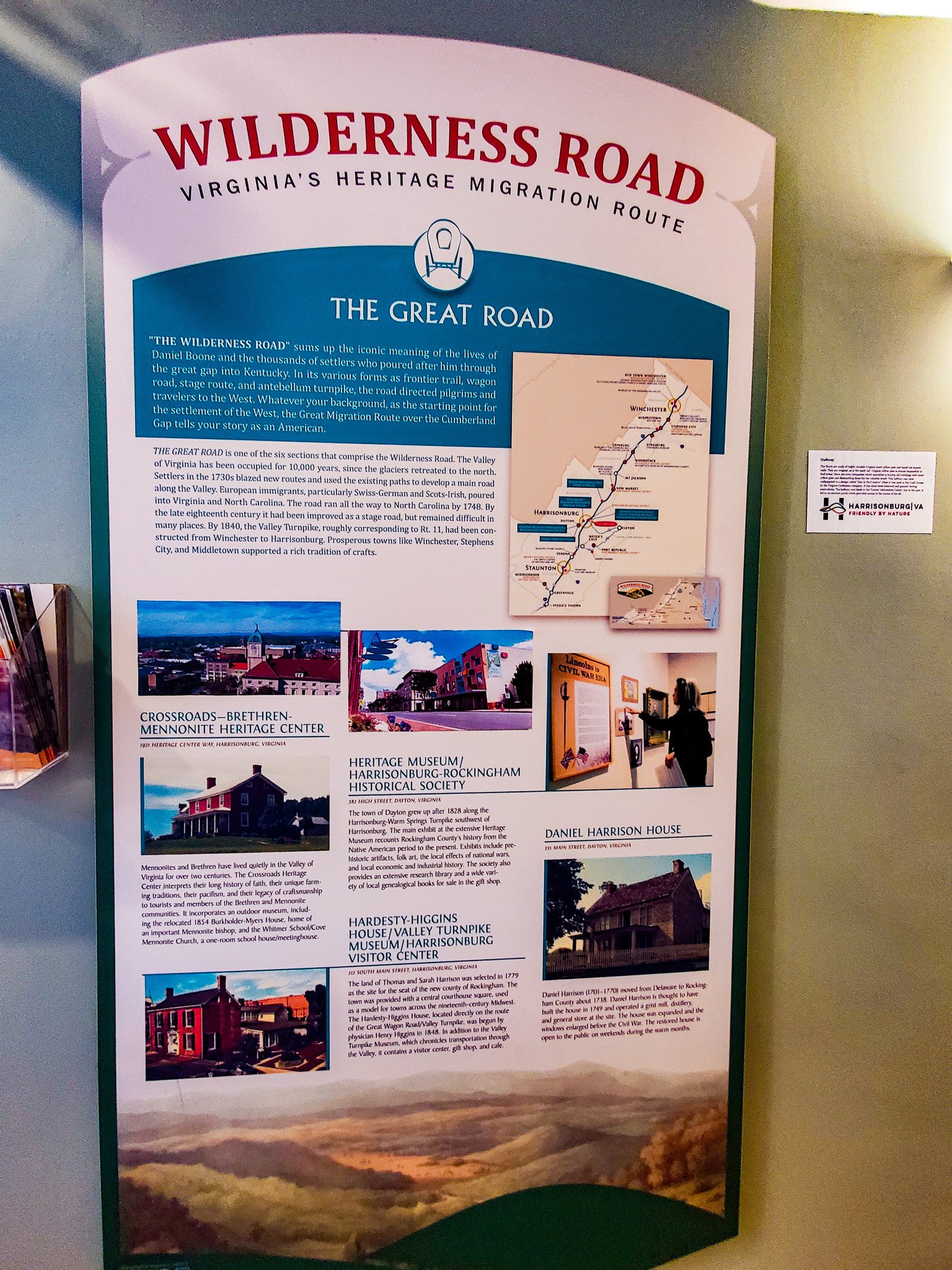
Valley Turnpike Museum
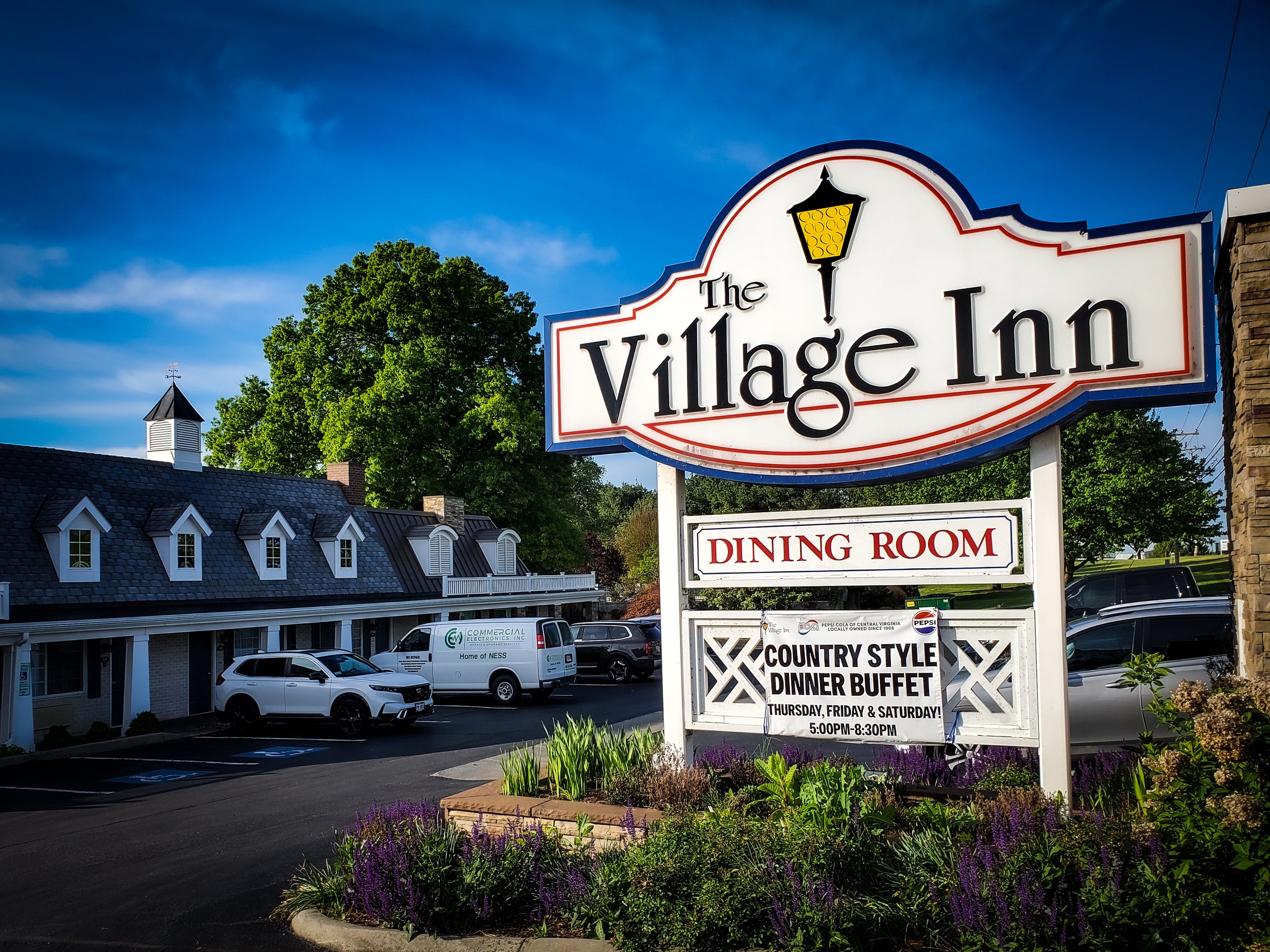
The Village Inn
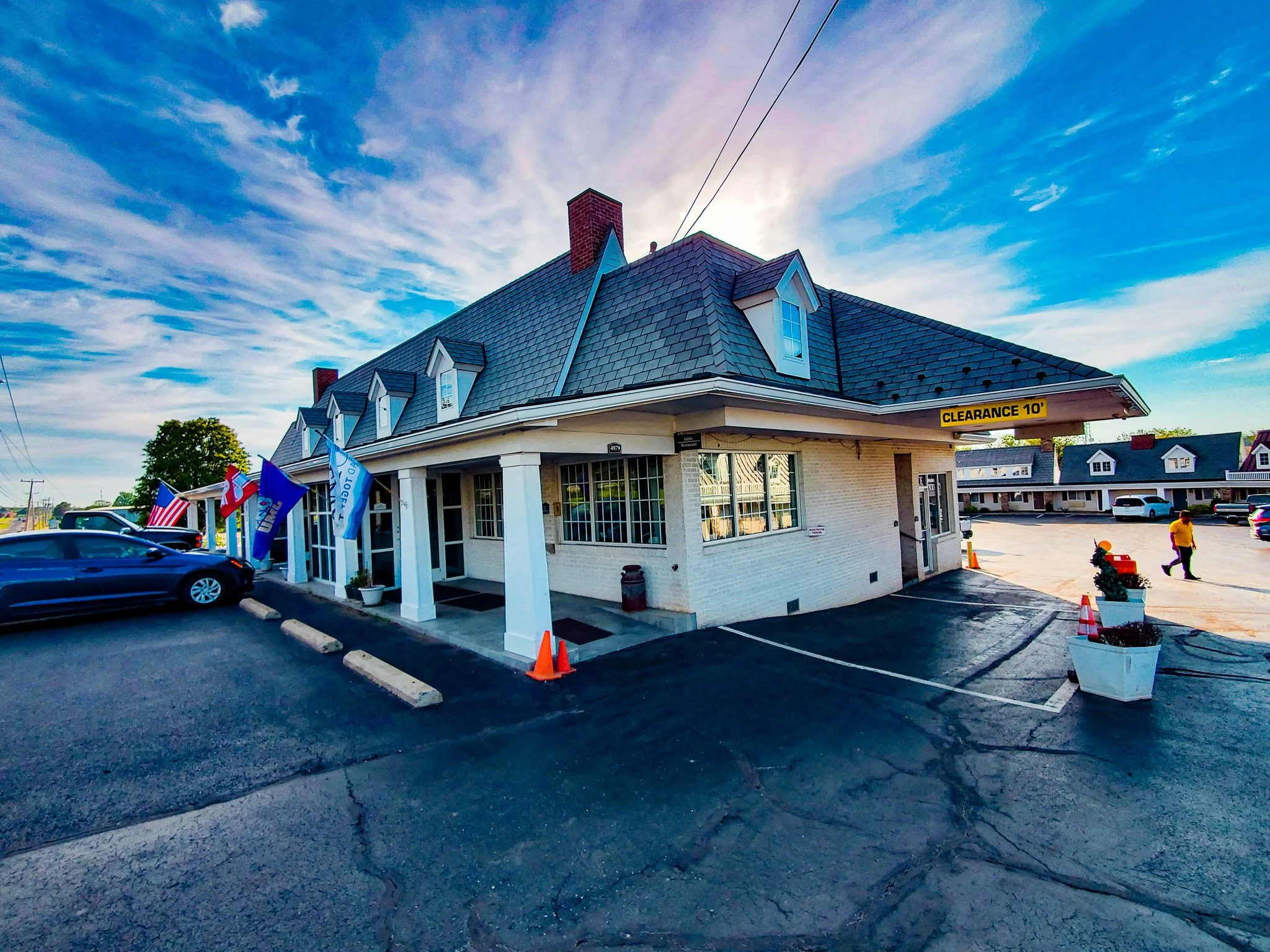
The Village Inn
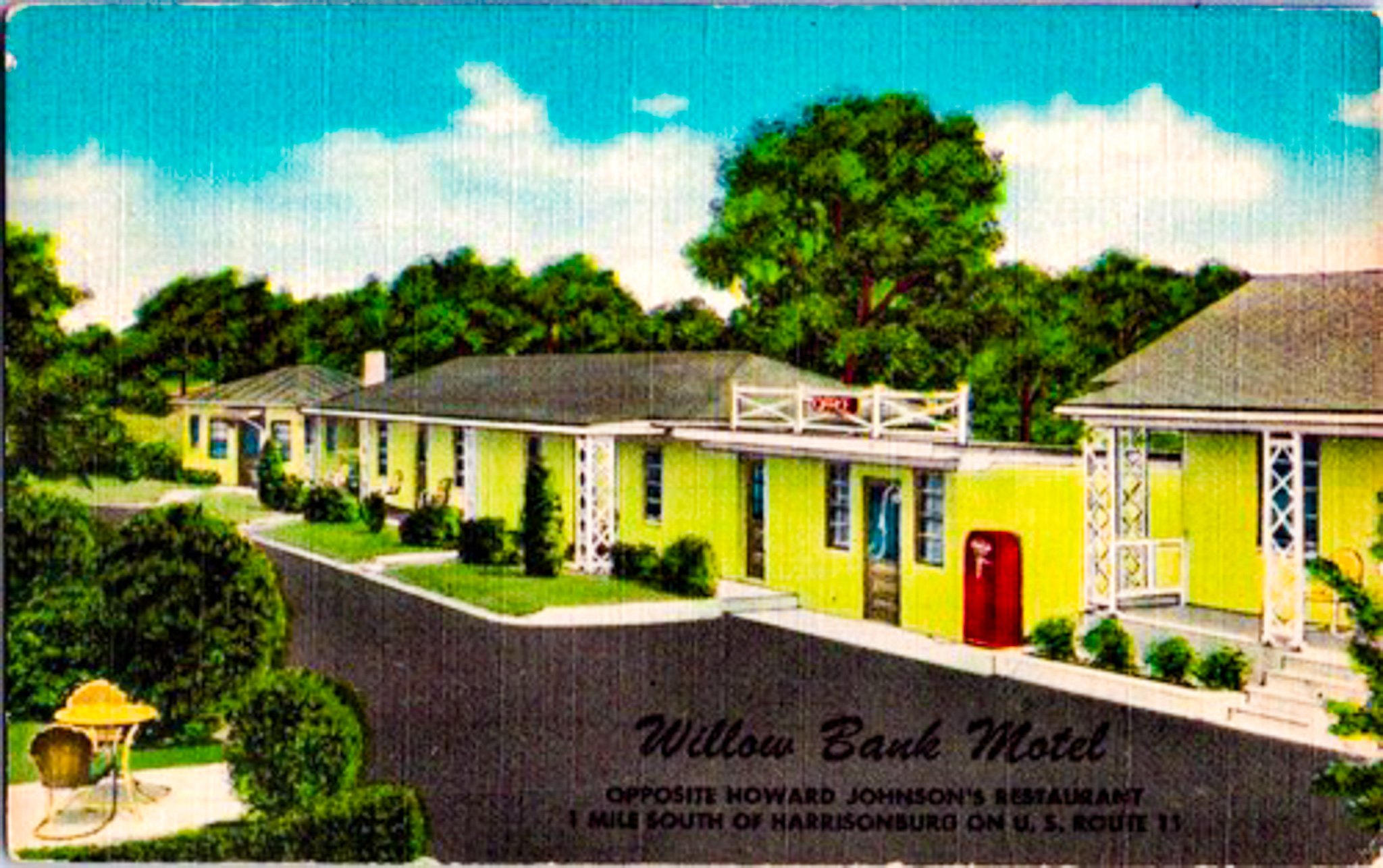
Willow Bank Motel Postcard
LACEY SPRING
General George Custer’s cavalry division was attacked by Confederate forces under General Thomas Rosser at Lacey Spring in the early morning hours of December 21, 1864. The attack occurred during a snowstorm and forced Custer to withdraw north and abandon his raid toward Staunton and Lynchburg.
MAUZY
The town was named for Mauzy Stagecoach Inn and Tavern owned by Albert Mauzy, a descendent of Henry Mauzy, a French Huguenot refugee who came to Virginia around 1685.
NEW MARKET
Originally called "Cross Roads", it was discovered in 1727 with the first settlers being German Mennonites, Lutherans, and later Scots and Irish. The town became New Market in 1796. The town was the site in 1864 of the final Confederate triumph of the Civil War and houses the Virginia Museum of the Civil War at the New Market Battlefield Visitor Center. US 11 loses its designation as the Lee Highway and becomes the Old Valley Pike when US 211 turns to the east in town and retains the Lee Highway name to Warrenton. There, US 29/15 assume the Lee Highway name with US 29 maintaining the name til Fairfax Virginia where it becomes simply “Main Street”. The Endless Caverns were discovered in 1879, and lighted and opened in 1920. The Shenandoah Caverns on the north side of New Market opened in 1922 and are the only caverns in Virginia with elevator access. A large statue of Johnny Appleseed stands in front of the Quality Inn at 162 W. Old Cross Road just off I-81. The Southern Kitchen Restaurant has been serving traditional Southern comfort food under its classic neon sign since 1955.

New Market Welcome Sign
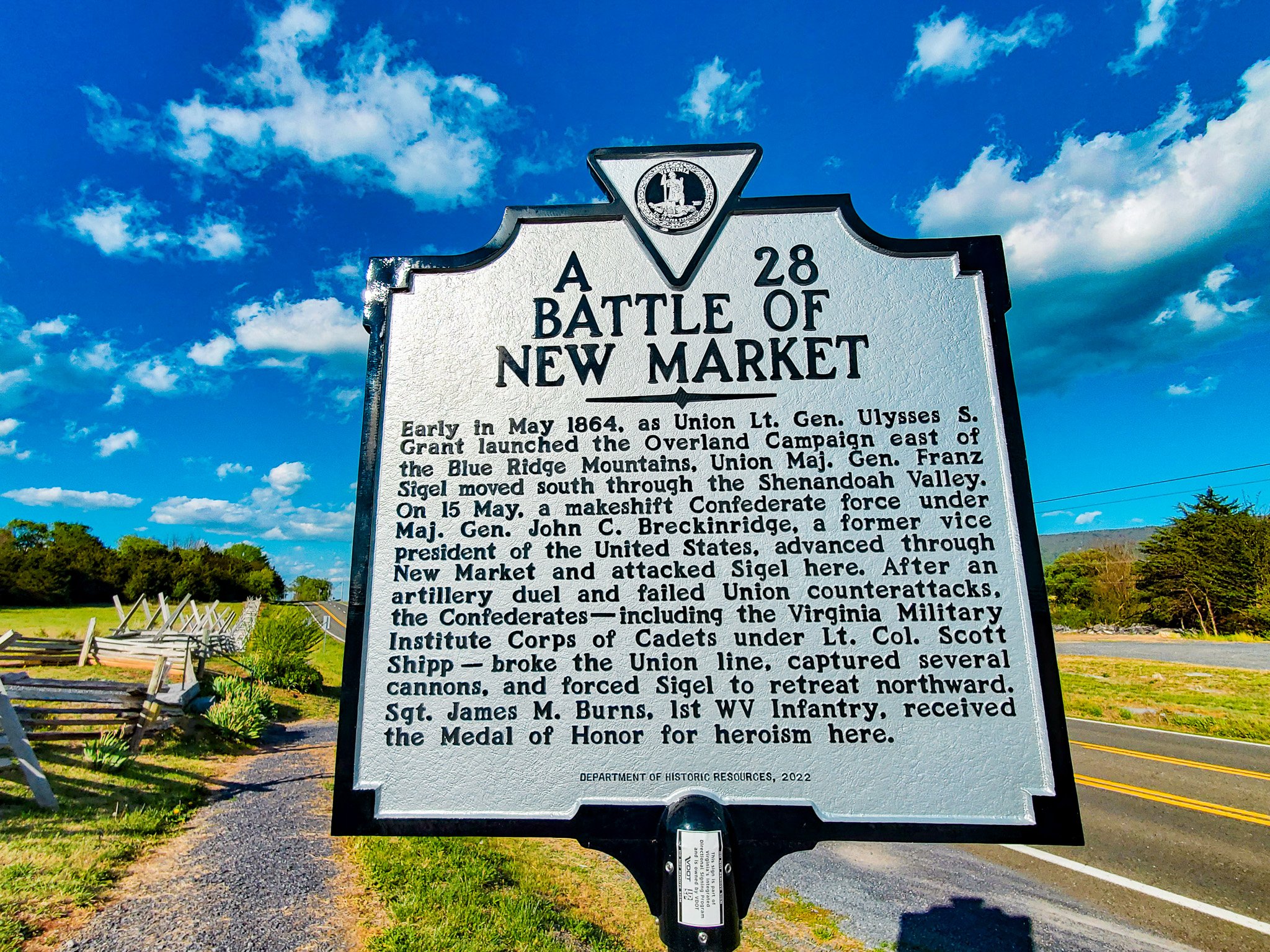
Battle of New Market Marker
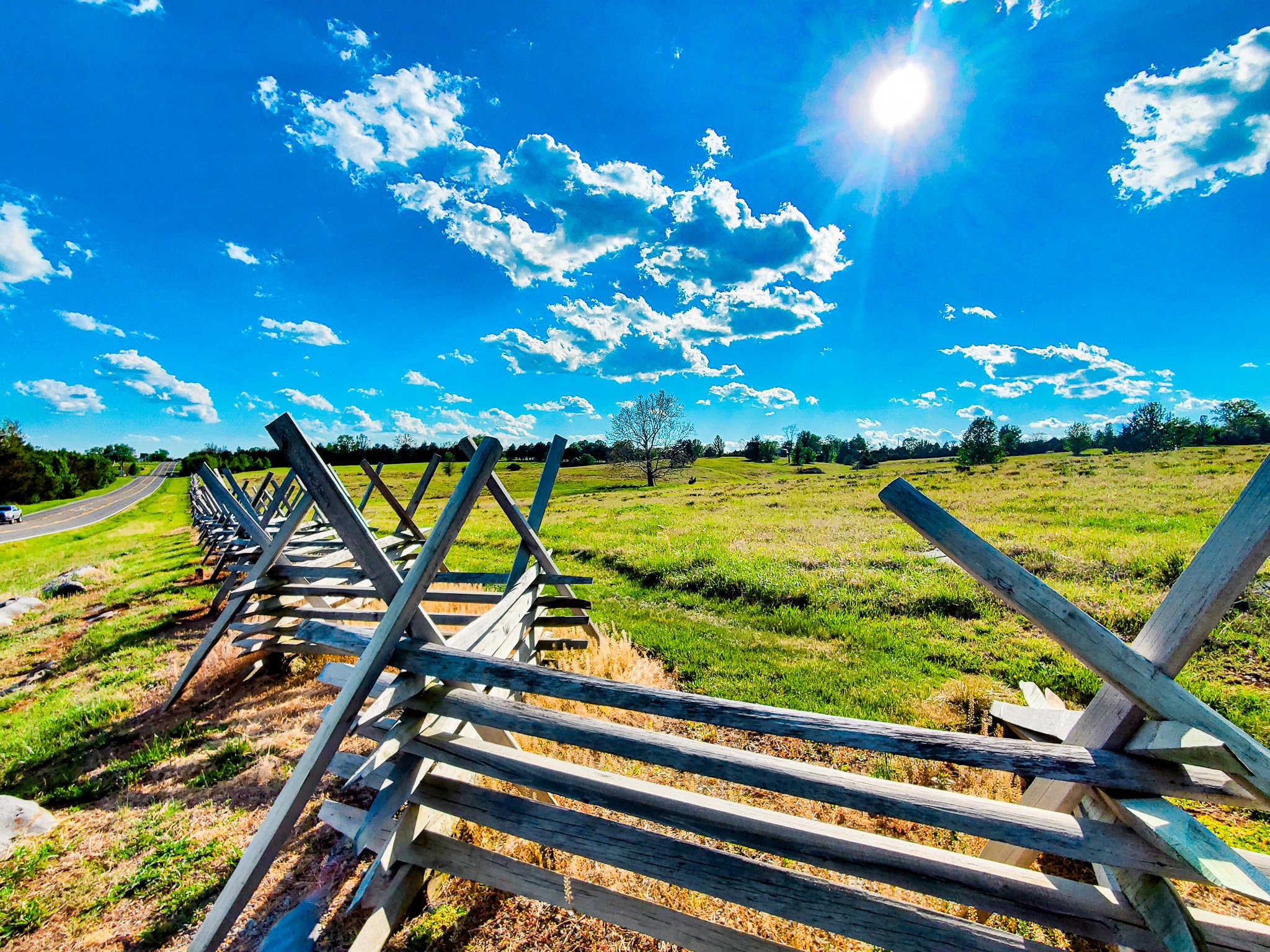
Battlefield at New Market
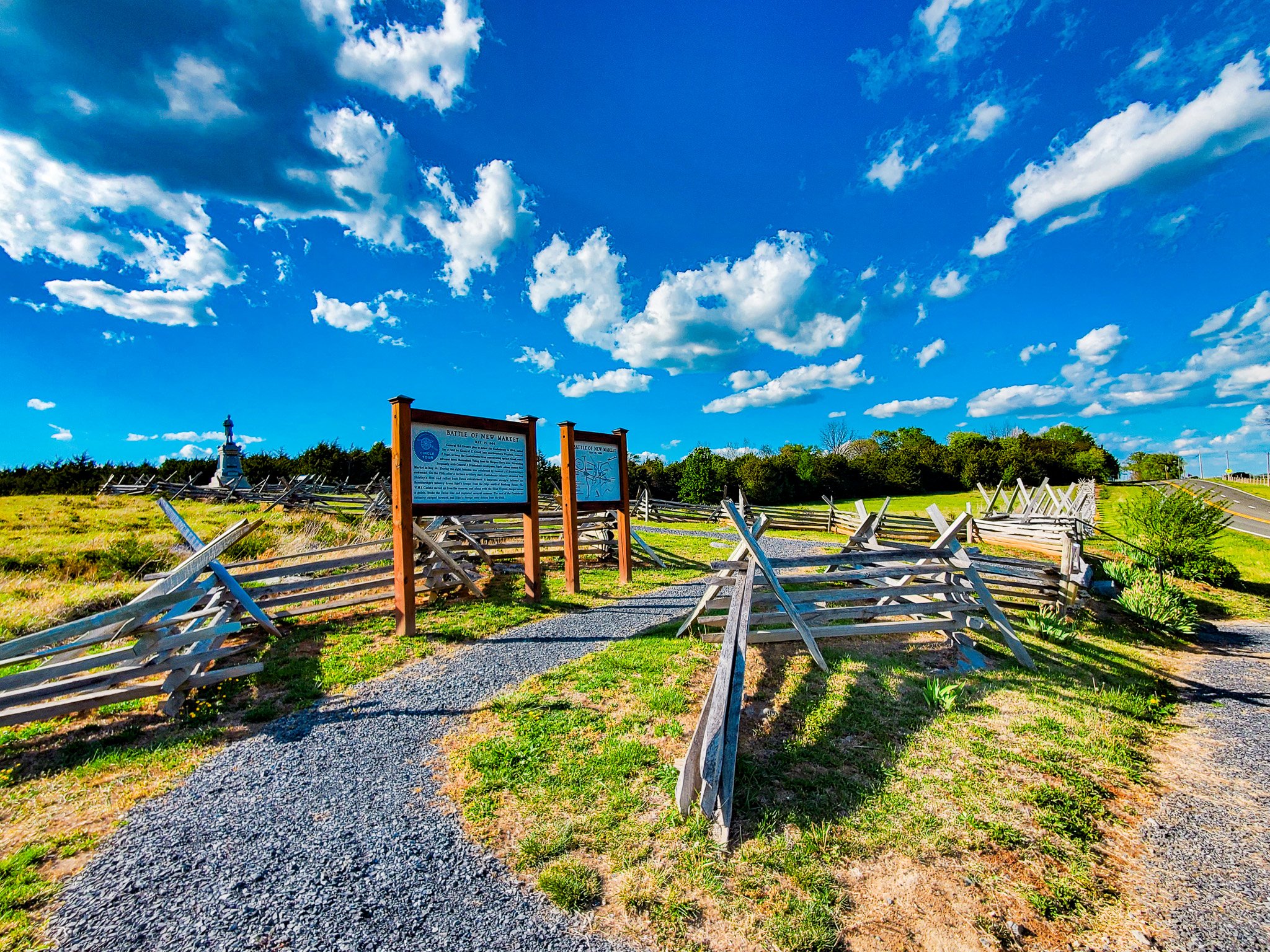
Battlefield at New Market
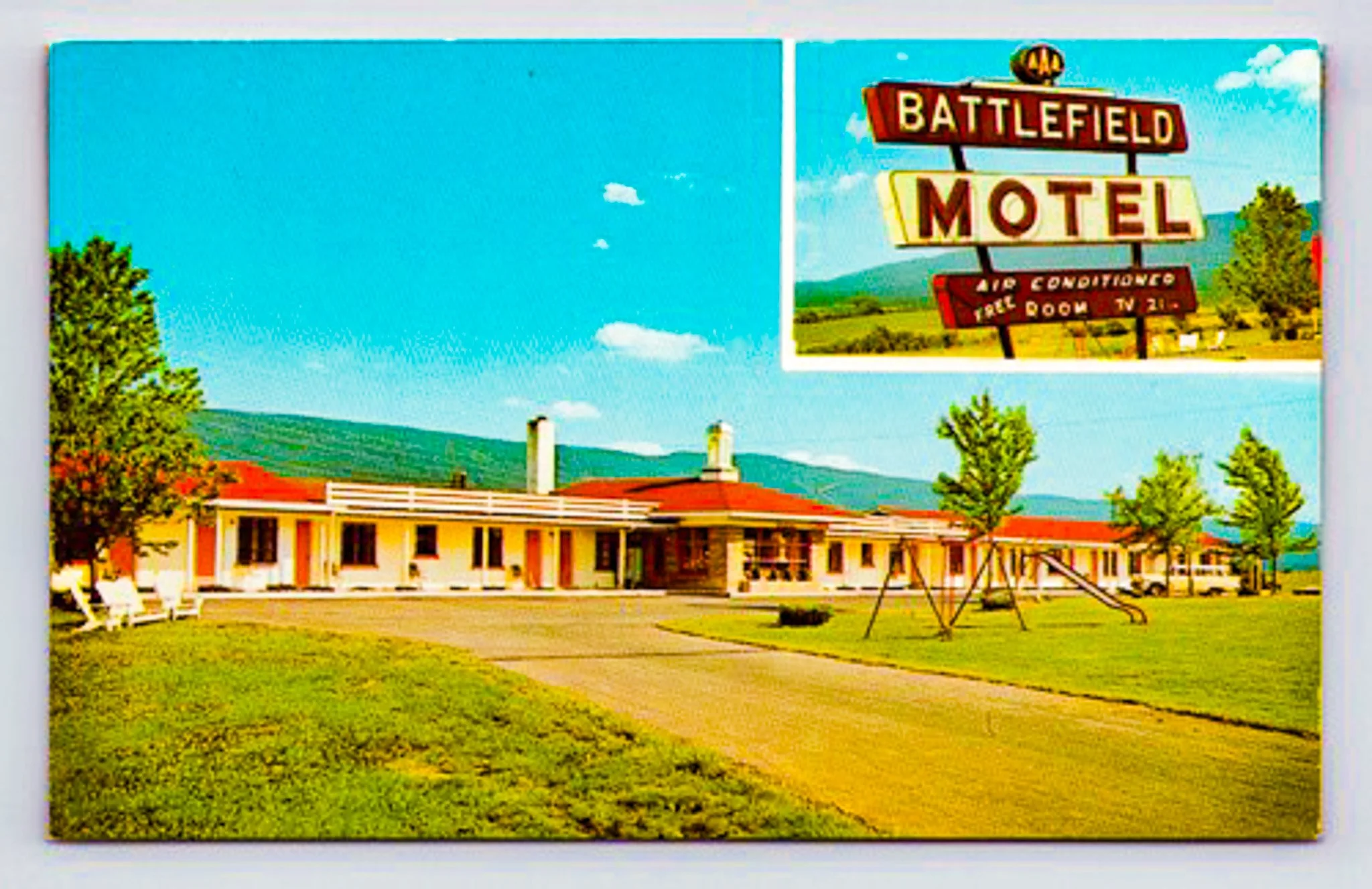
Battlefield Motel Postcard
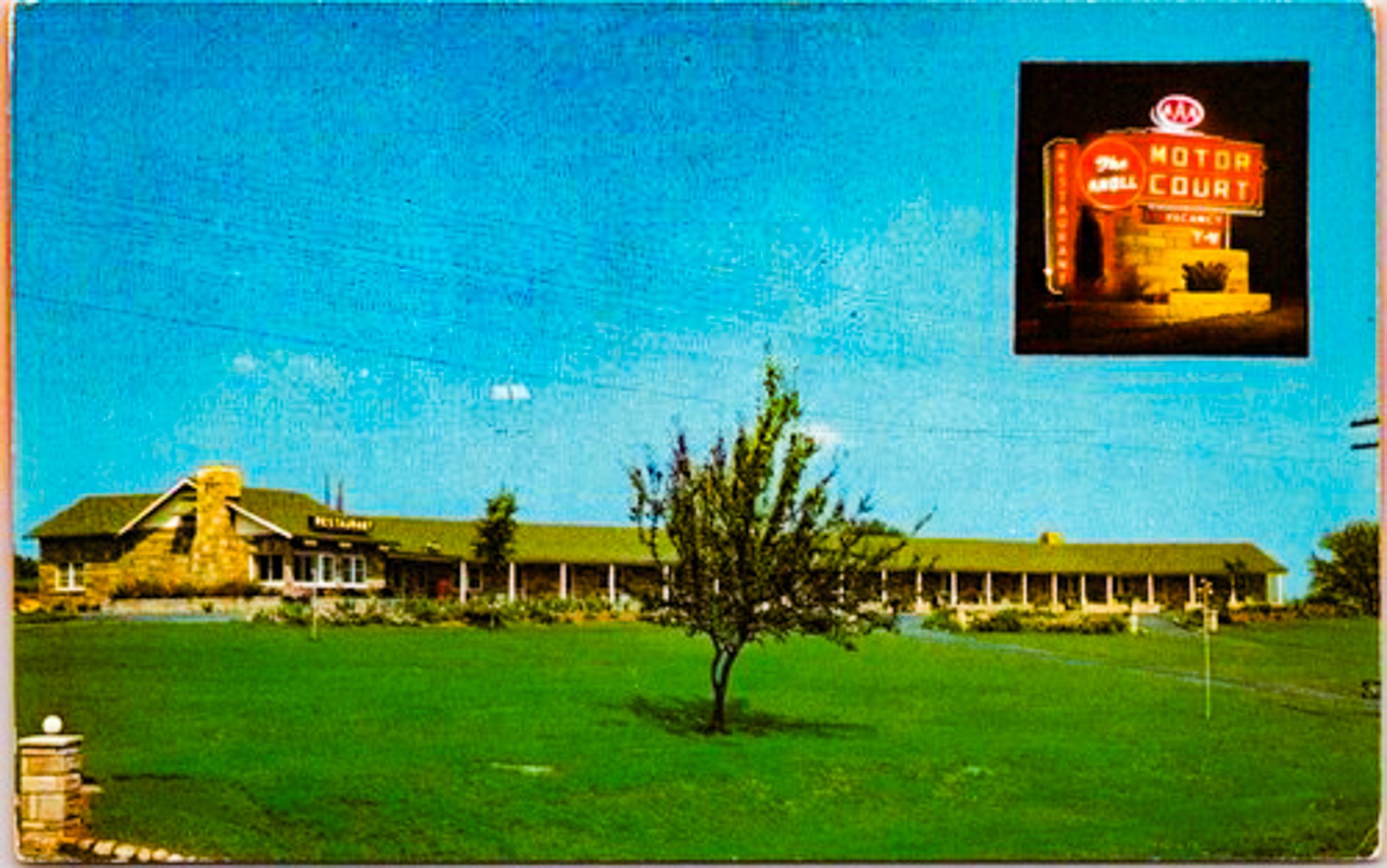
Knoll Motor Court Postcard
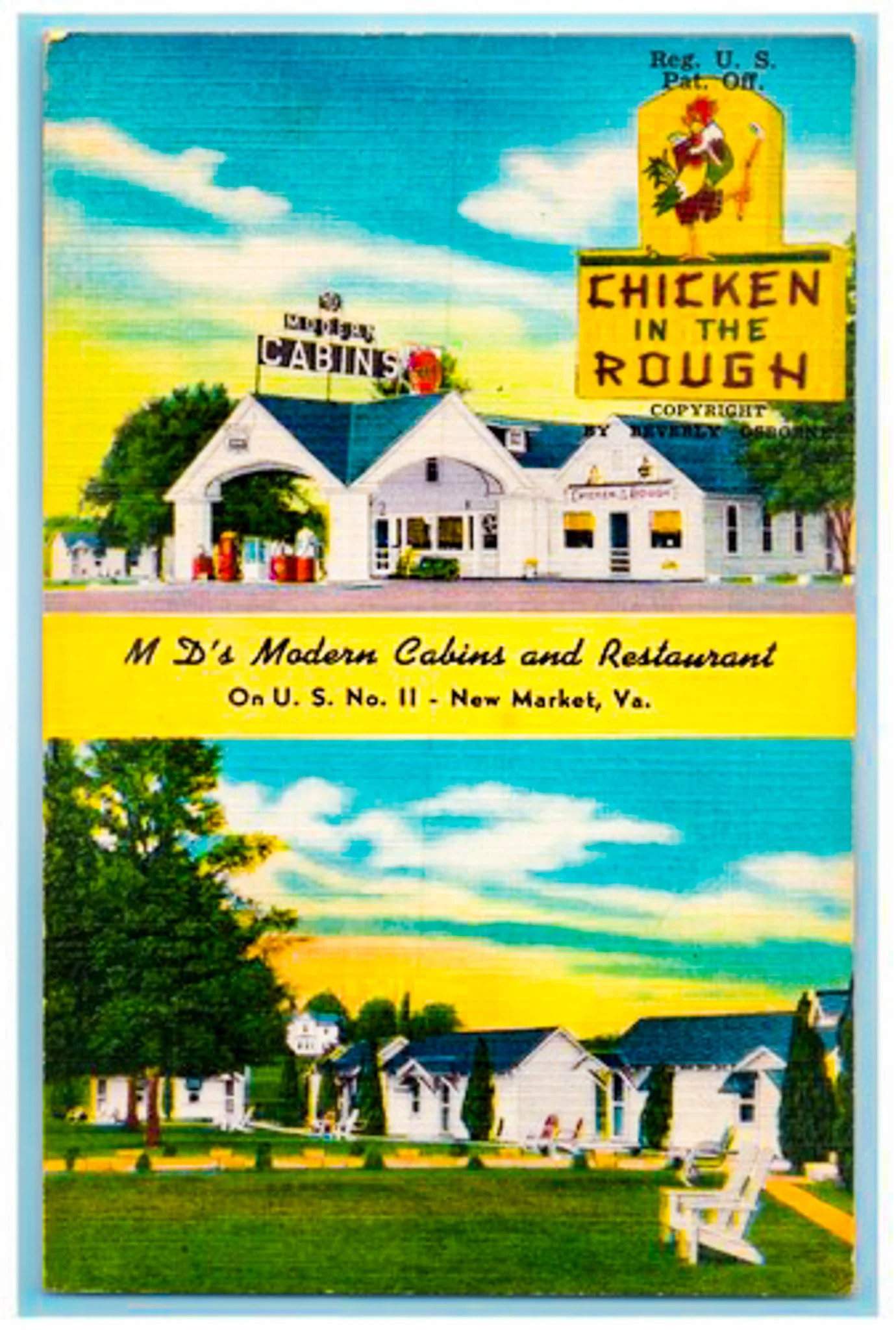
Modern Cabins Postcard
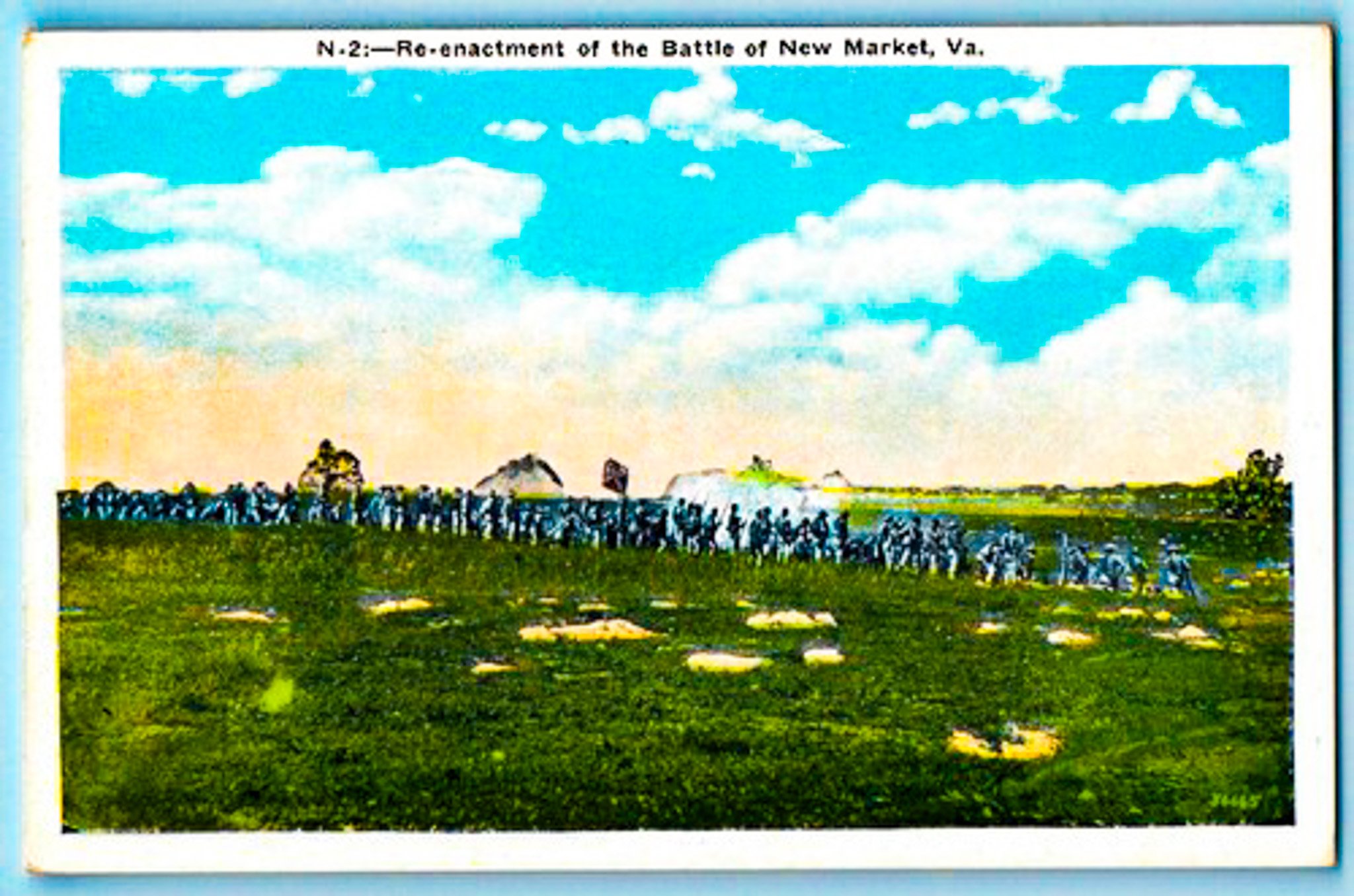
New Market Battlefield Postcard
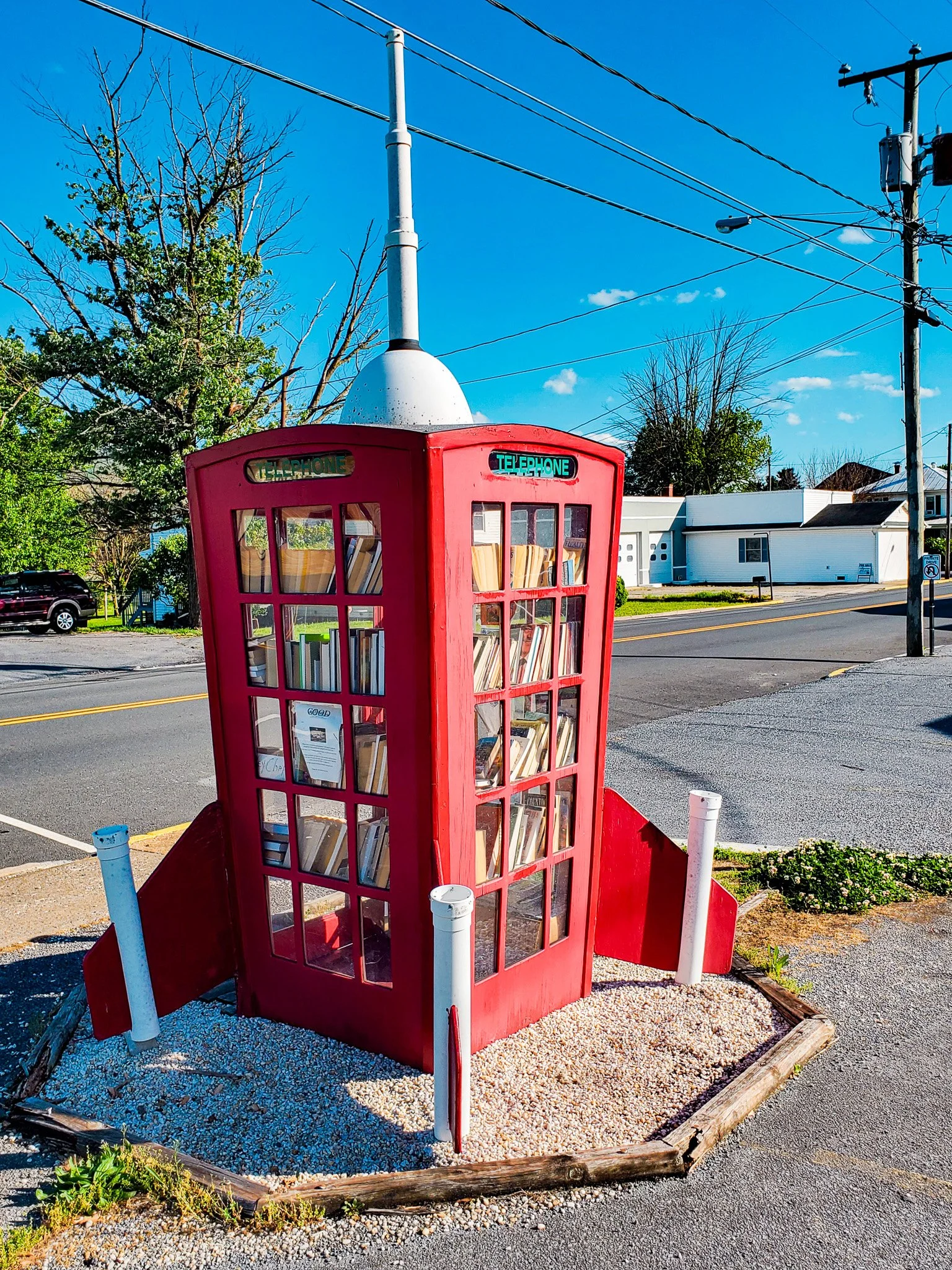
Phone Booth Library
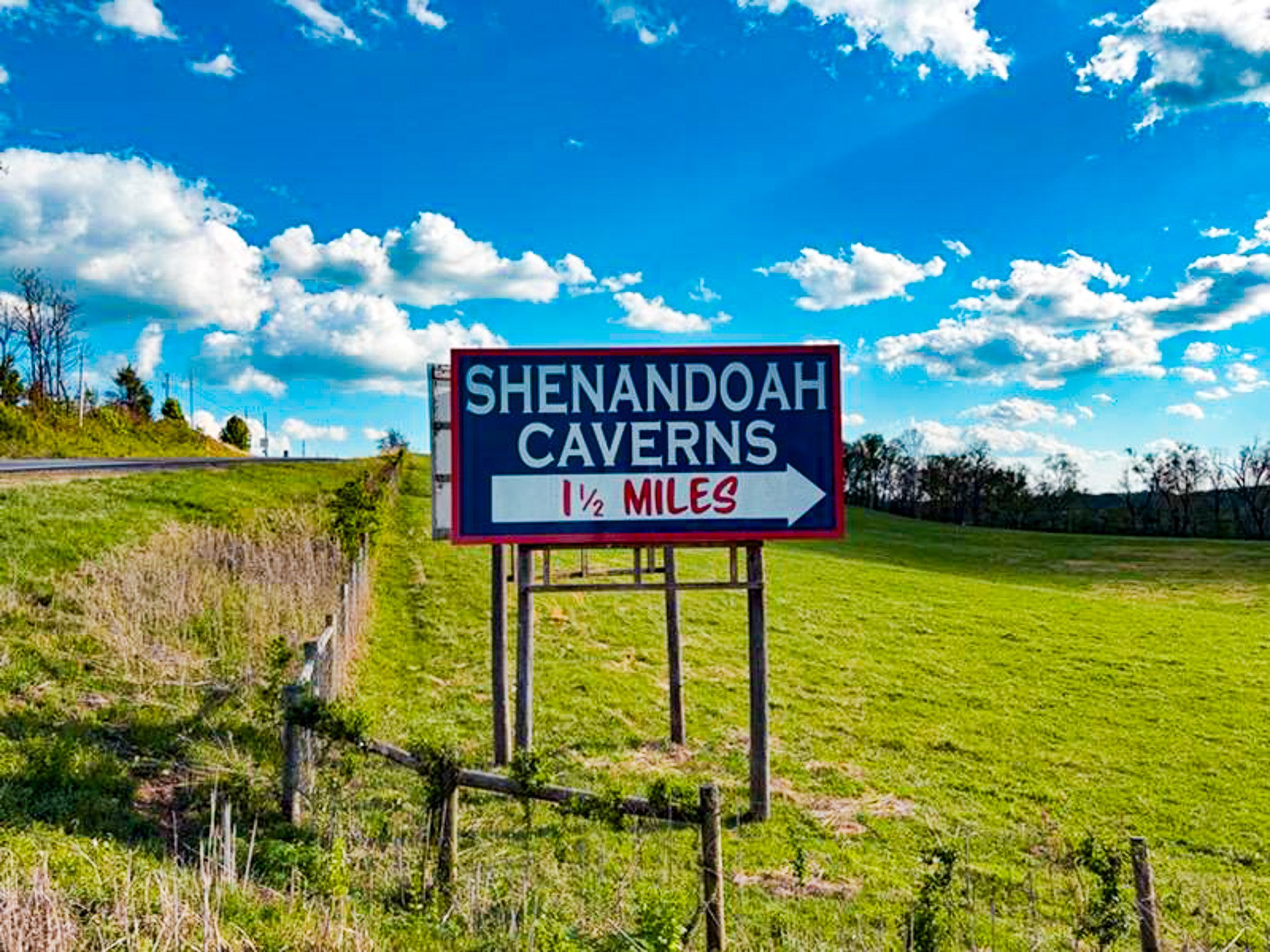
Shenandoah Caverns Sign
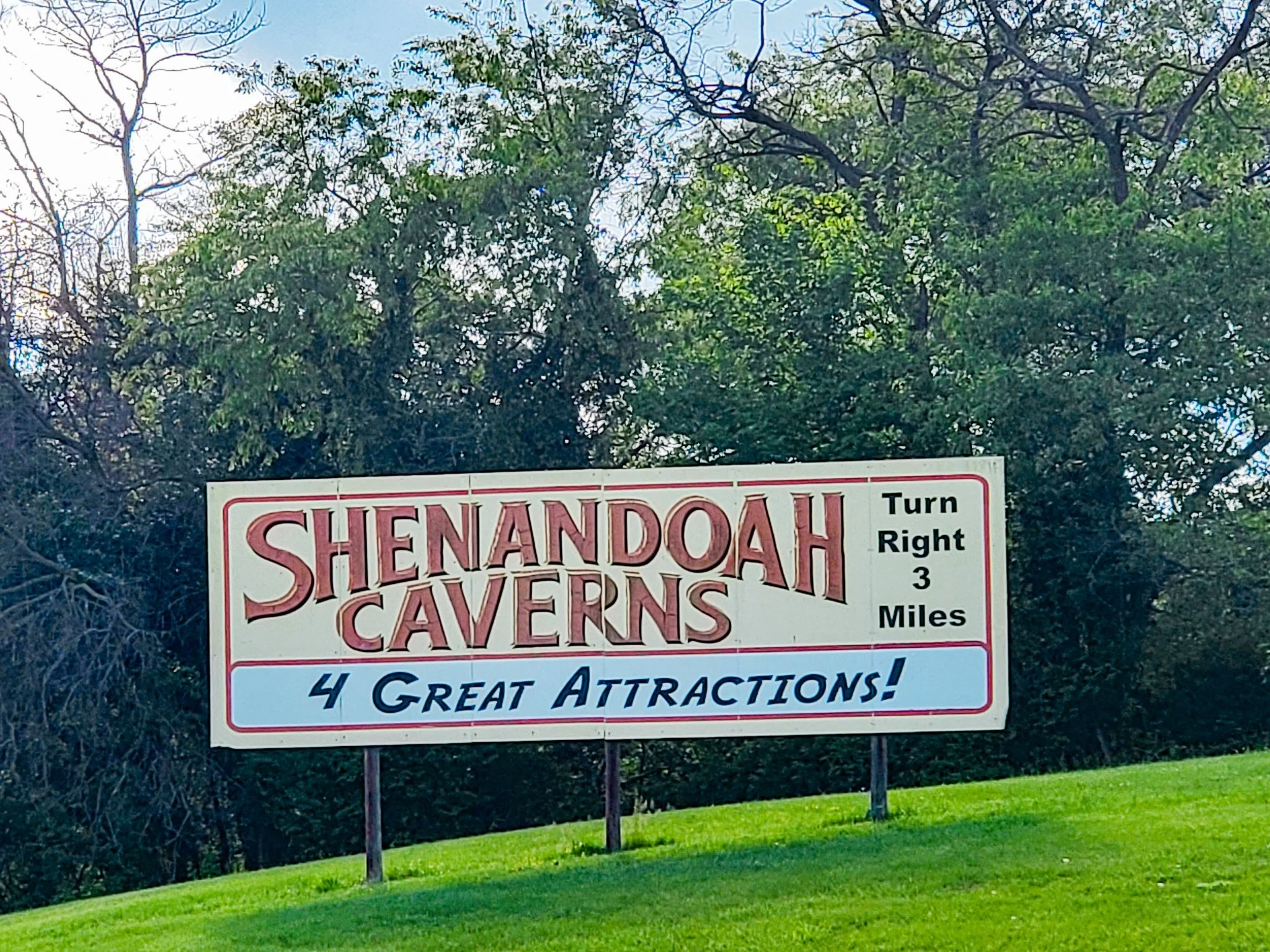
Shenandoah Caverns Sign
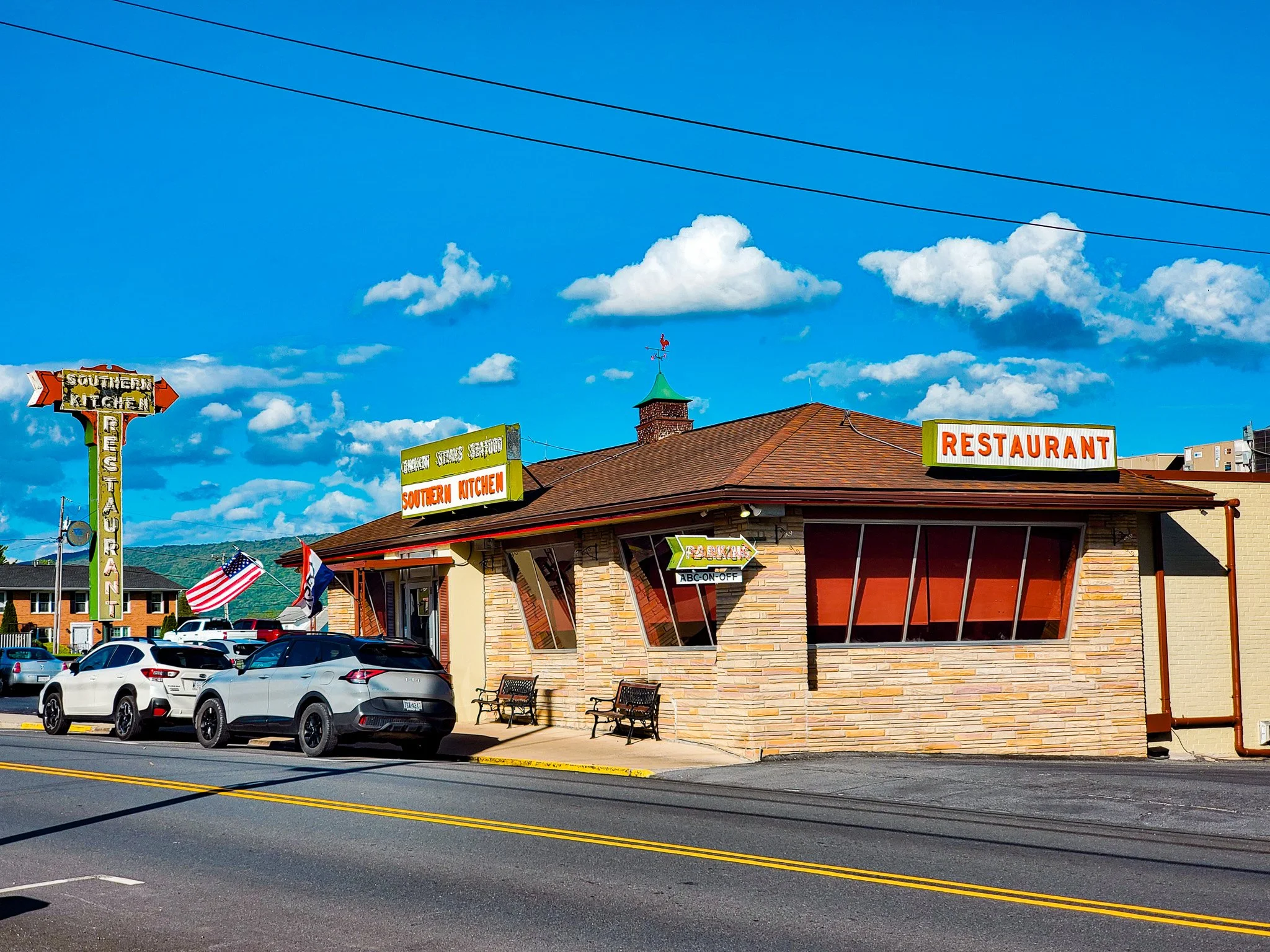
Southern Kitchen Restaurant
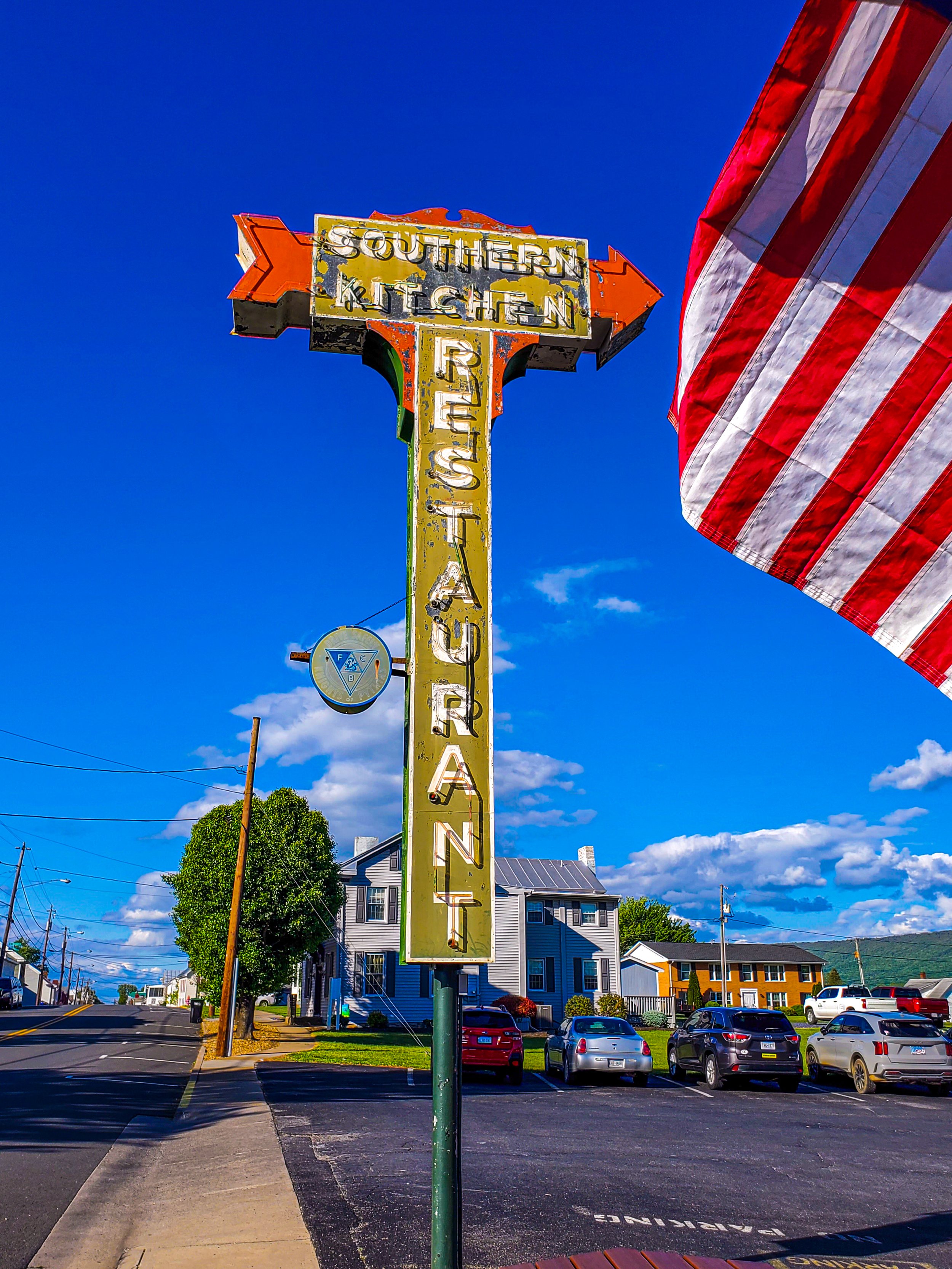
Southern Kitchen Restaurant
MT JACKSON
Originally Mt Pleasant, the town was re-named in 1826 to honor Andrew Jackson, a popular figure from the War of 1812 long before becoming President. The historic Union Church was built in 1825, and the old 1933 truss bridge that crosses the north fork of the Shenandoah River is to be dismantled. The Shenandoah Bowling Lanes (currently closed) downtown offered ten pin and duckpin bowling since the 1970’s. Mt Jackson is home to the Route 11 Potato Chip factory, founded in 1992 and moved to Mt Jackson in 2008. It is famous for its small-batch, kettle-cooked chips and the short drive from US 11 passes through a covered bridge. The town water tower at 367 Dutch Lane resembles a large basket of apples.
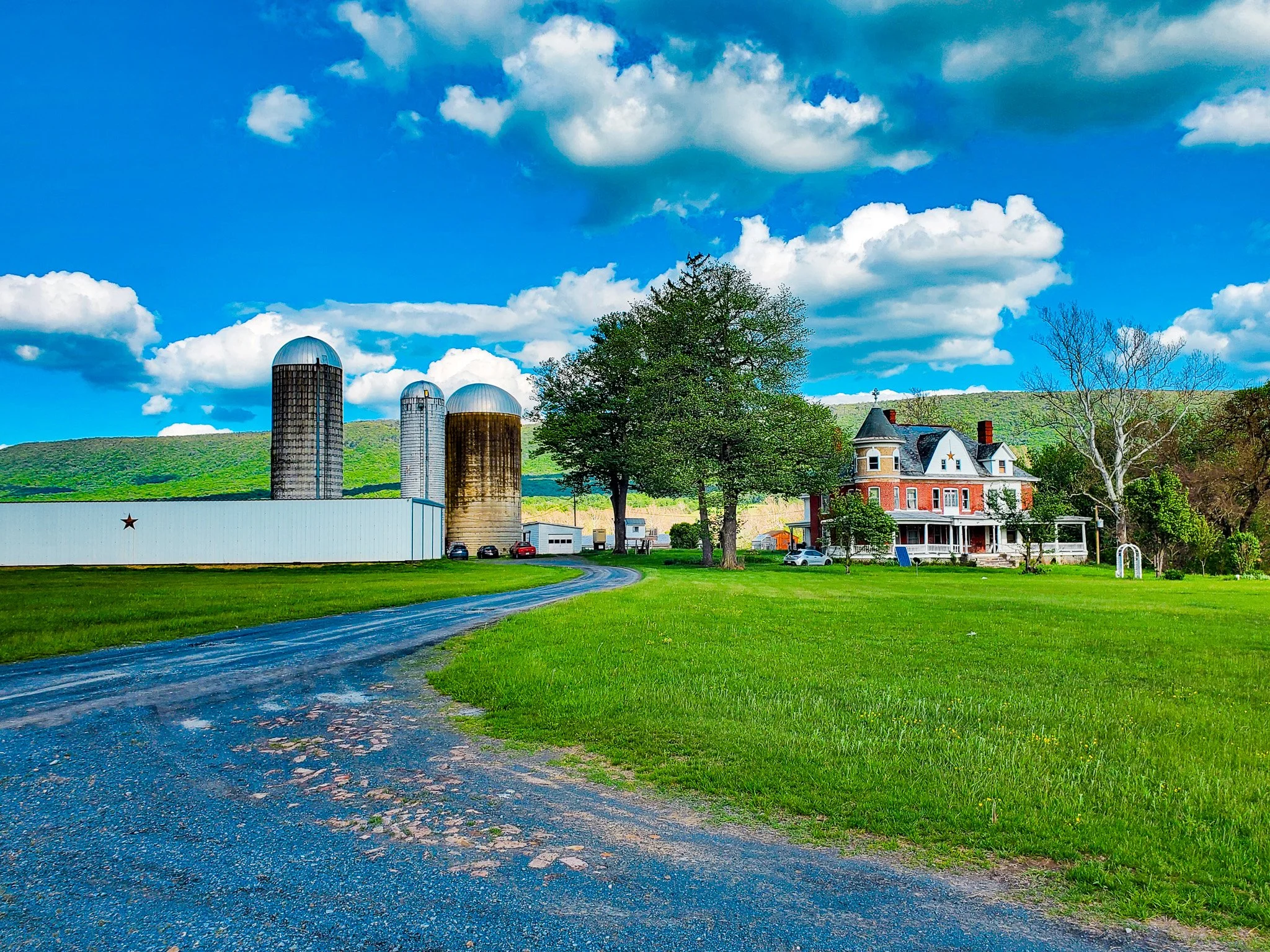
Farmhouse and Silos
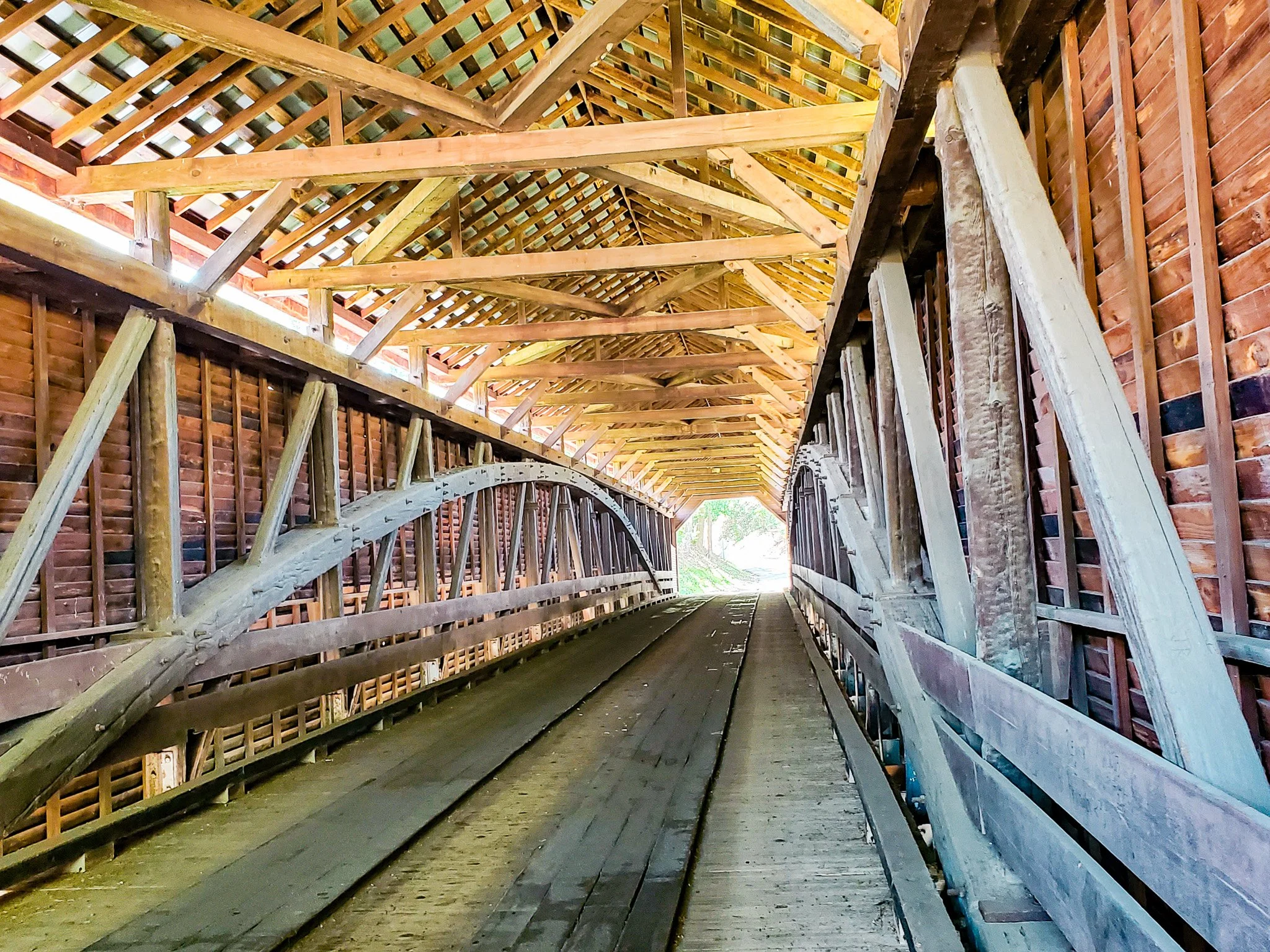
Meems Bottom Covered Bridge
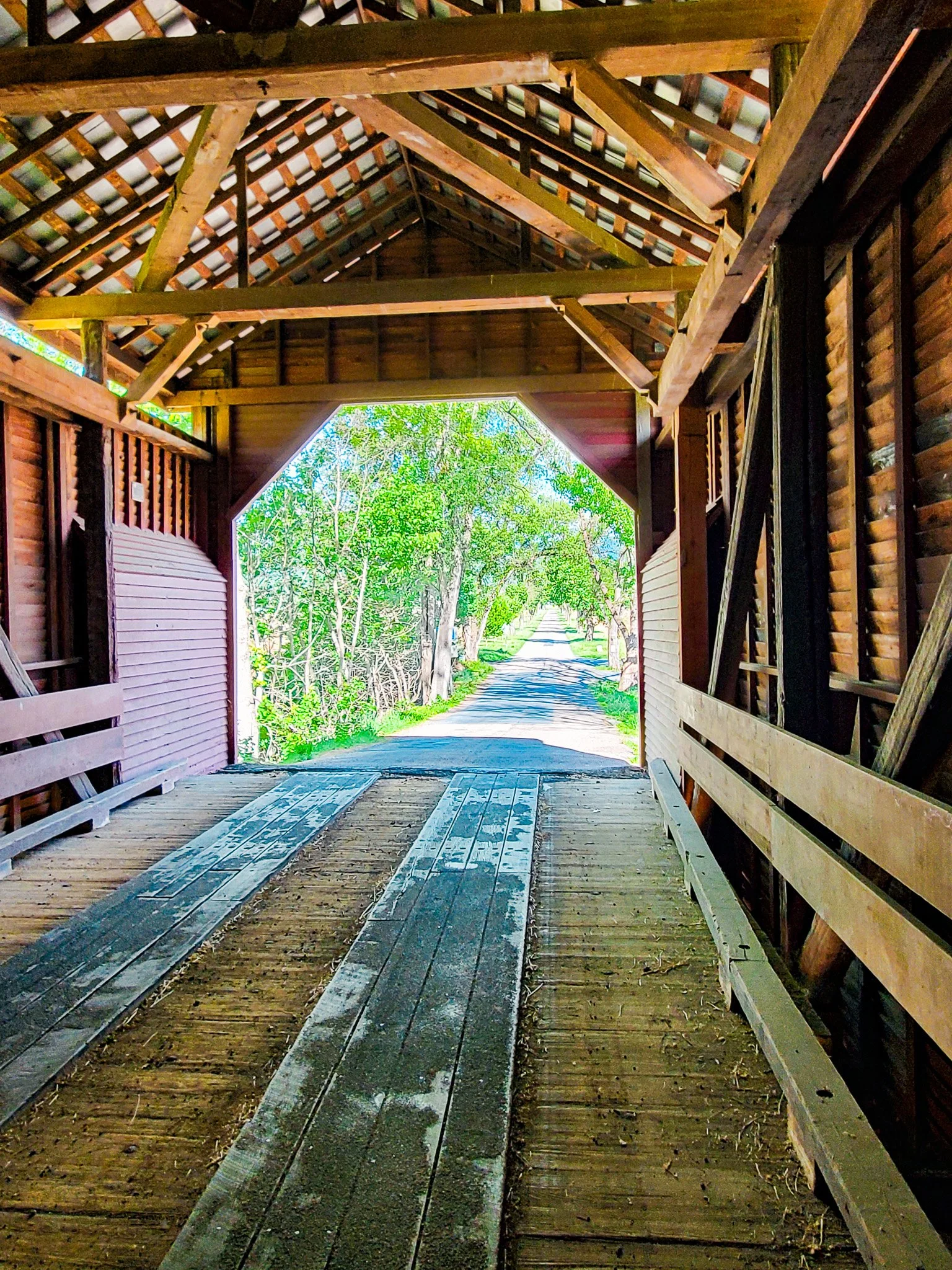
Meems Bottom Covered Bridge

Meems Bottom Covered Bridge
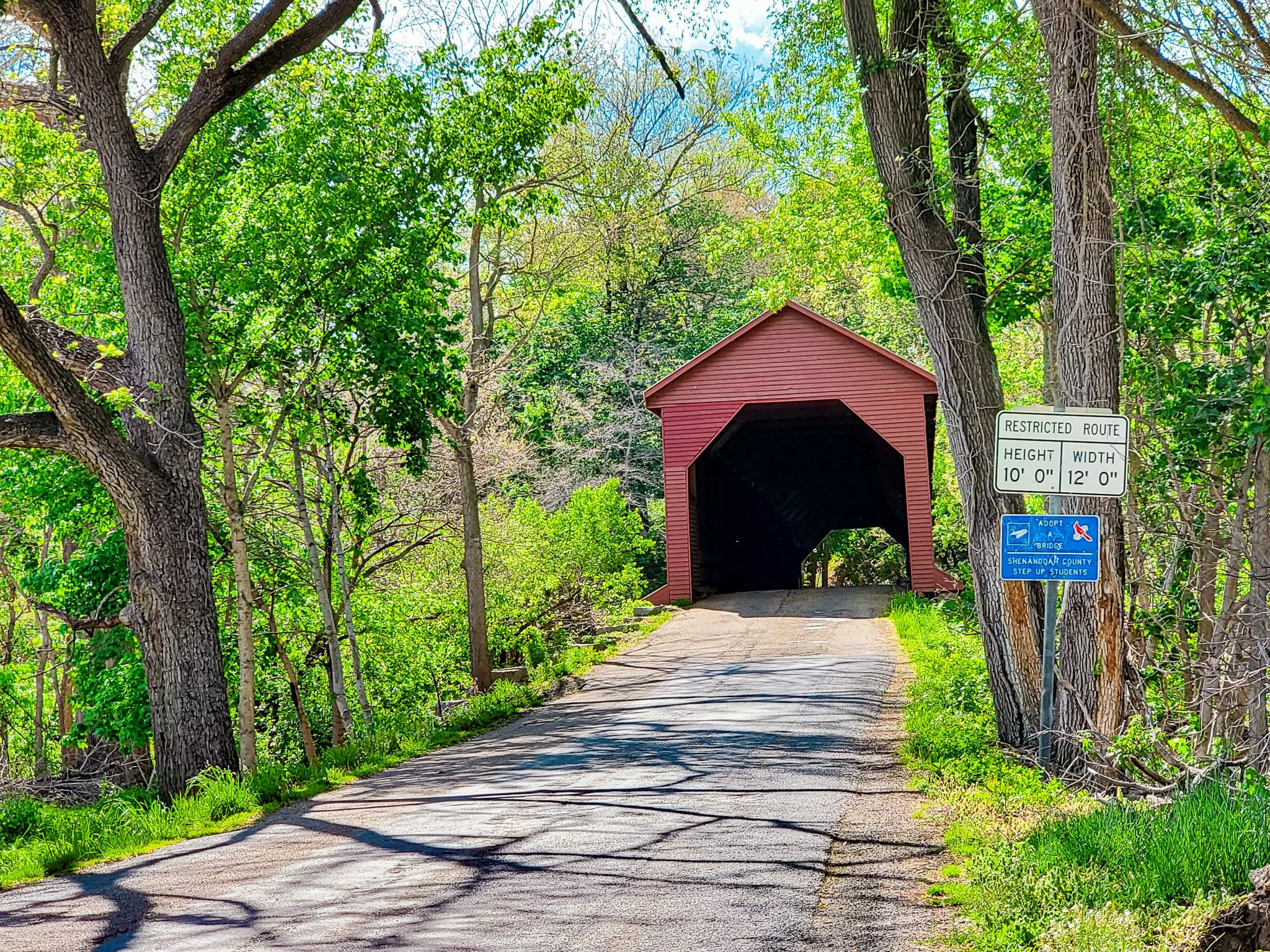
Meems Bottom Covered Bridge
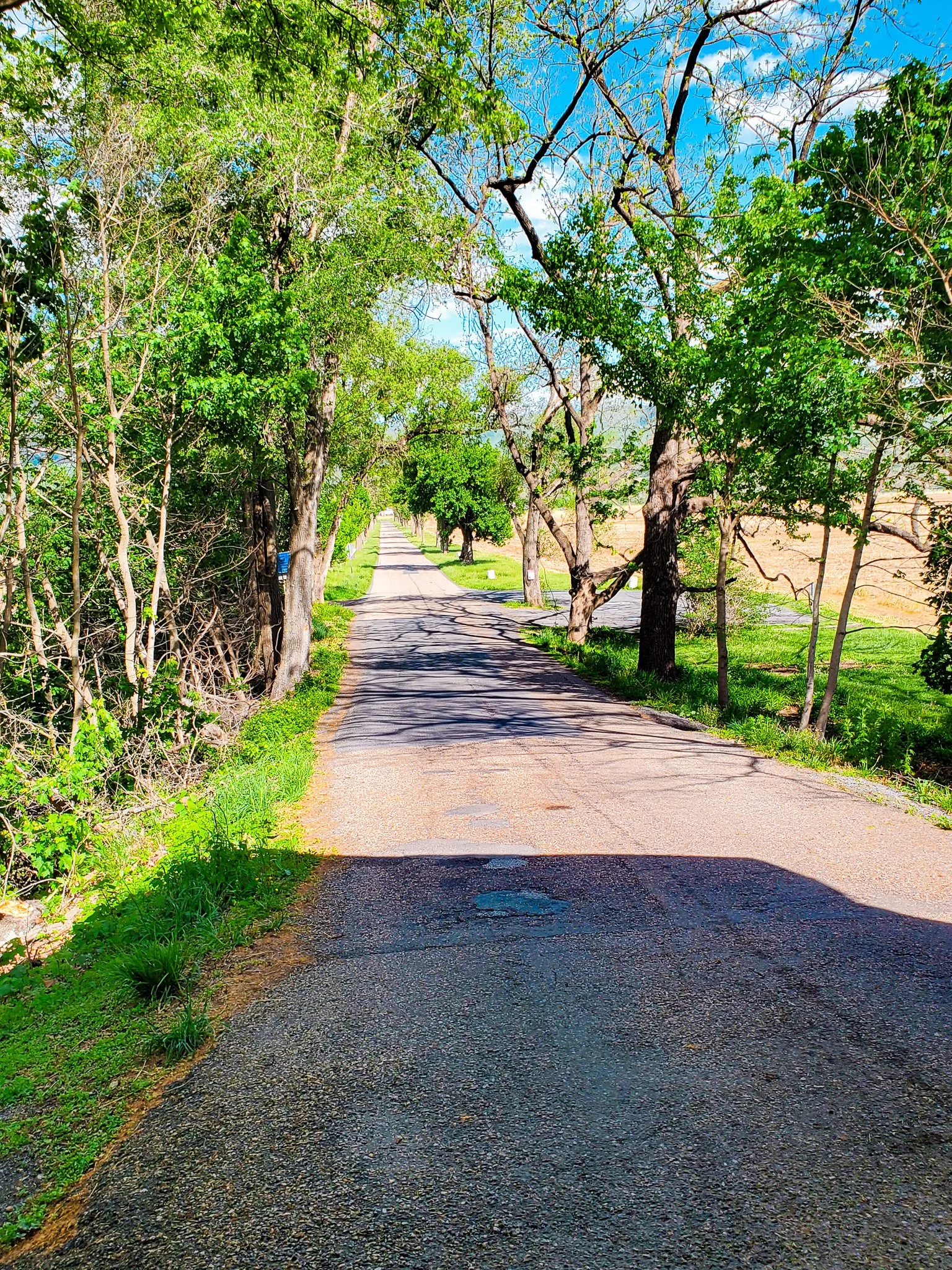
Road to Meems Bottom Covered Bridge
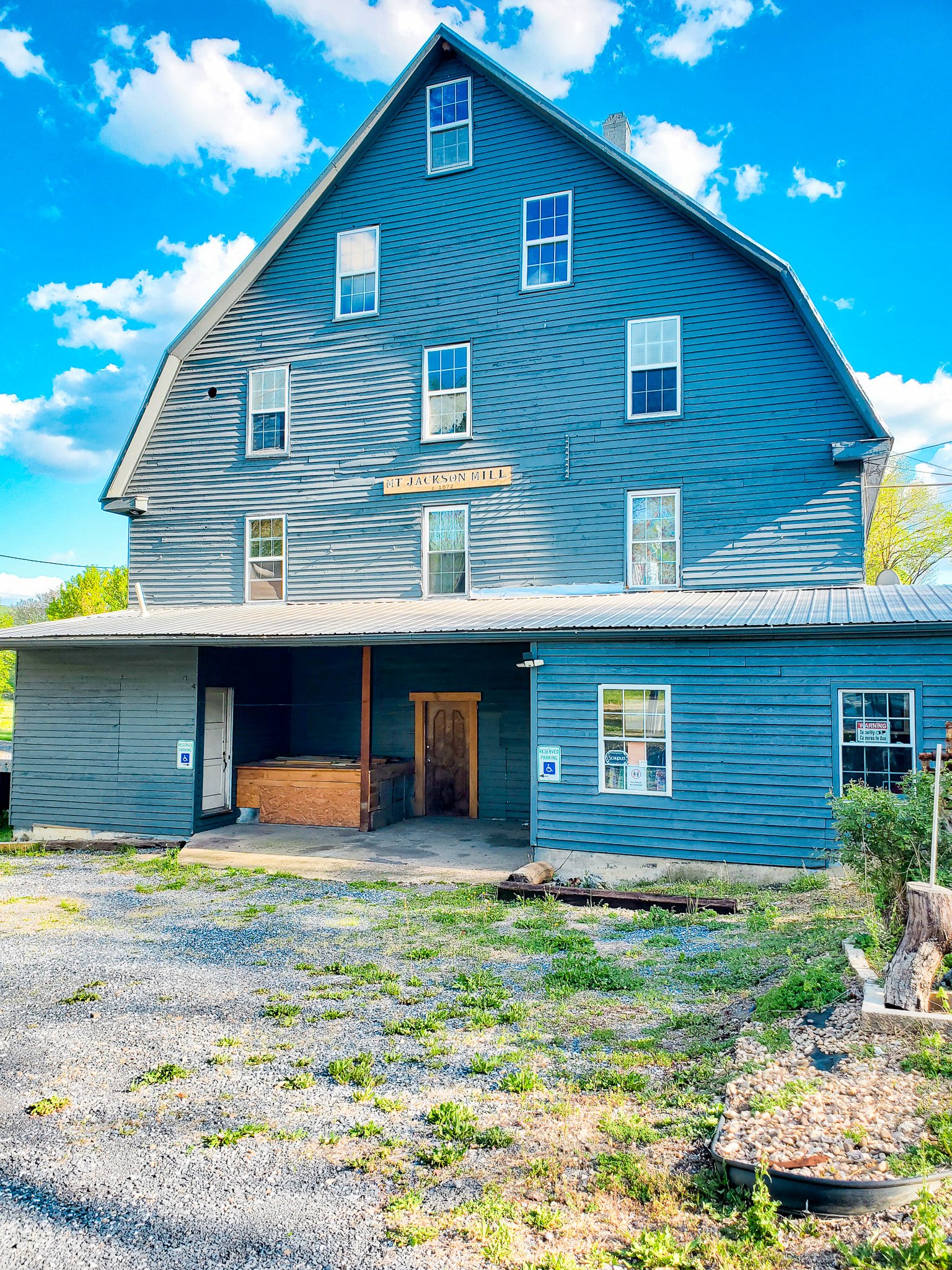
Mt. Jackson Mill (1872)
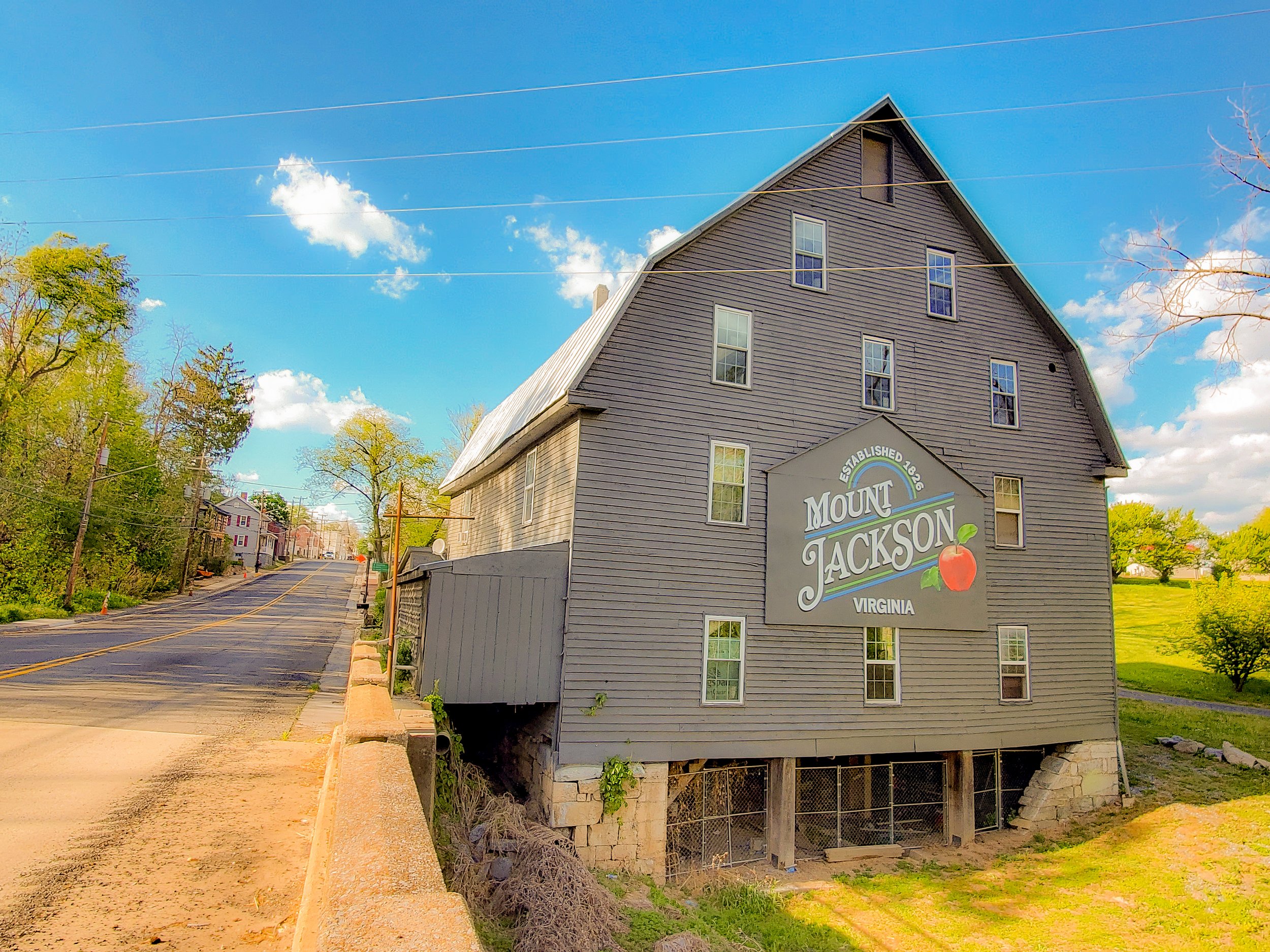
Mt. Jackson Mill
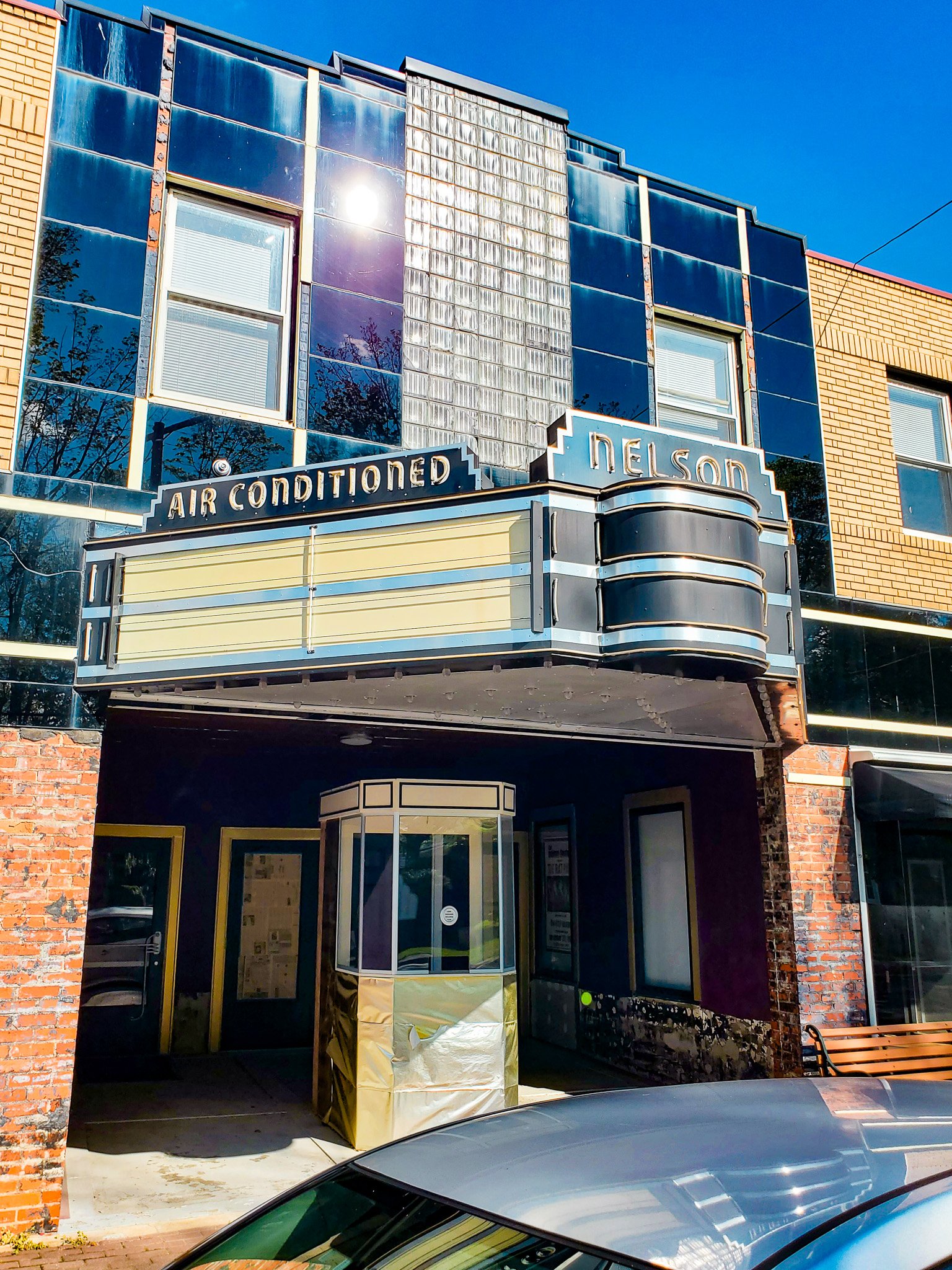
Nelson Movie Theater
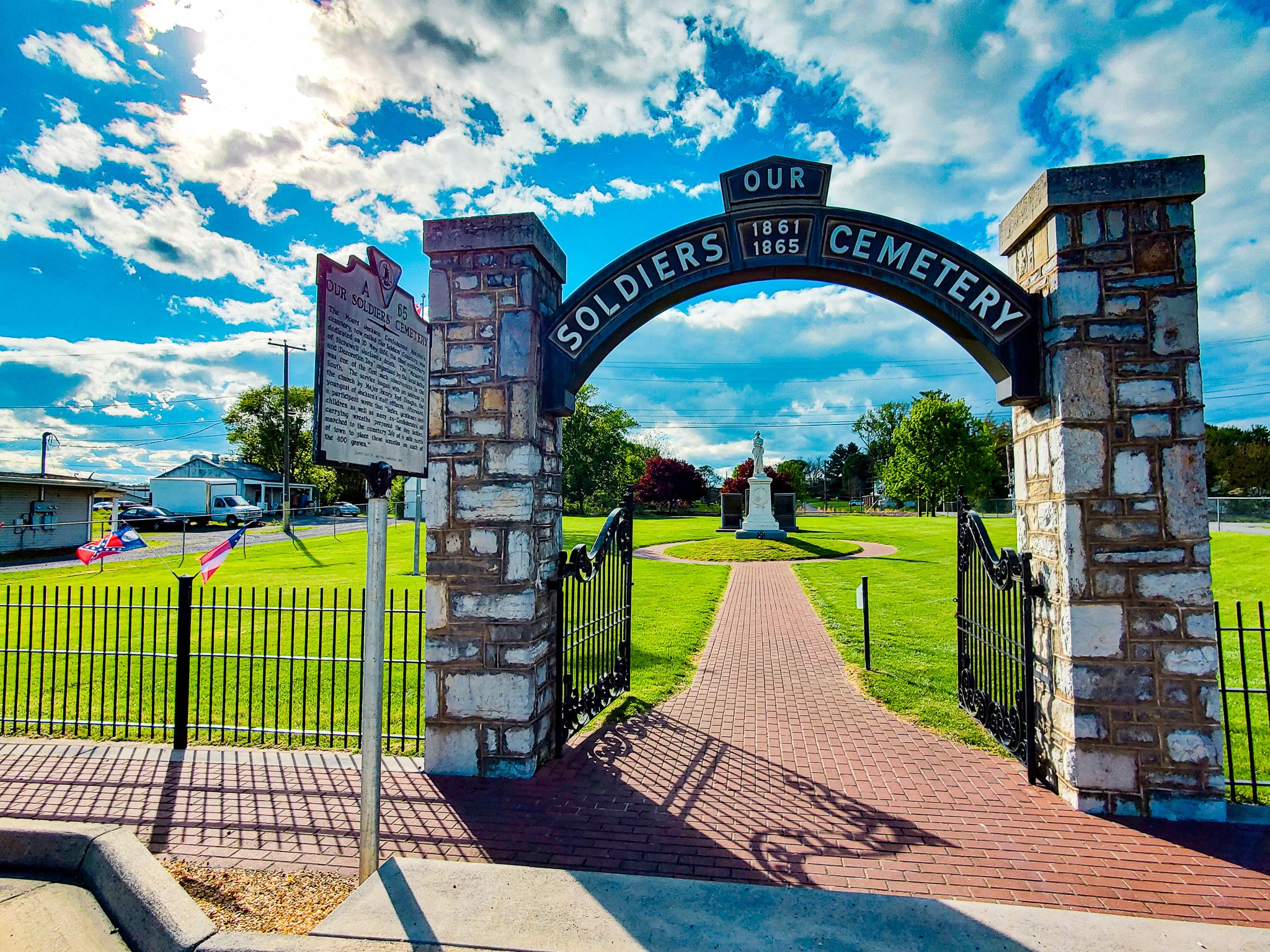
Our Soldiers Cemetery
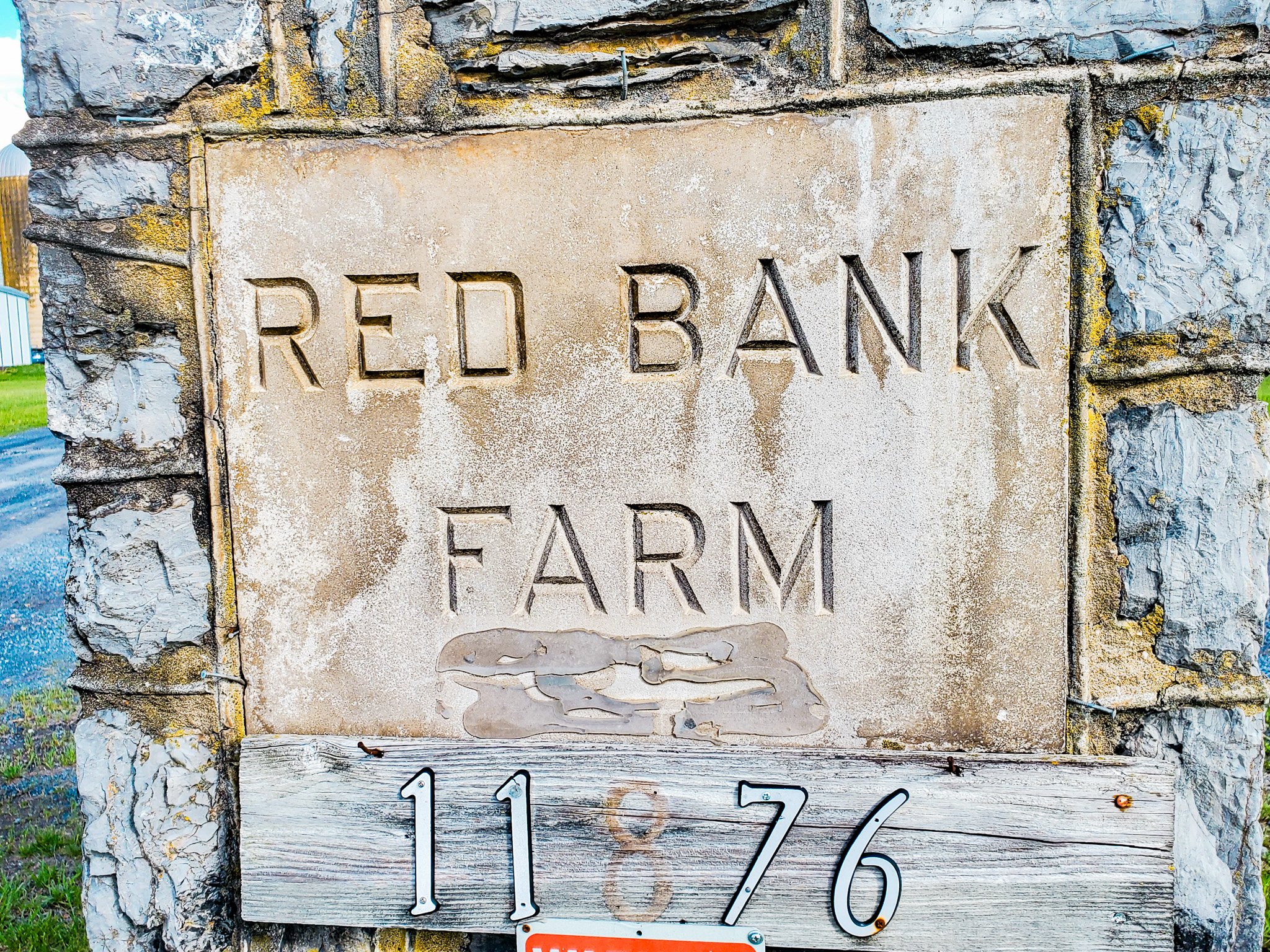
Red Bank Farm

Route 11 Potato Chip Factory
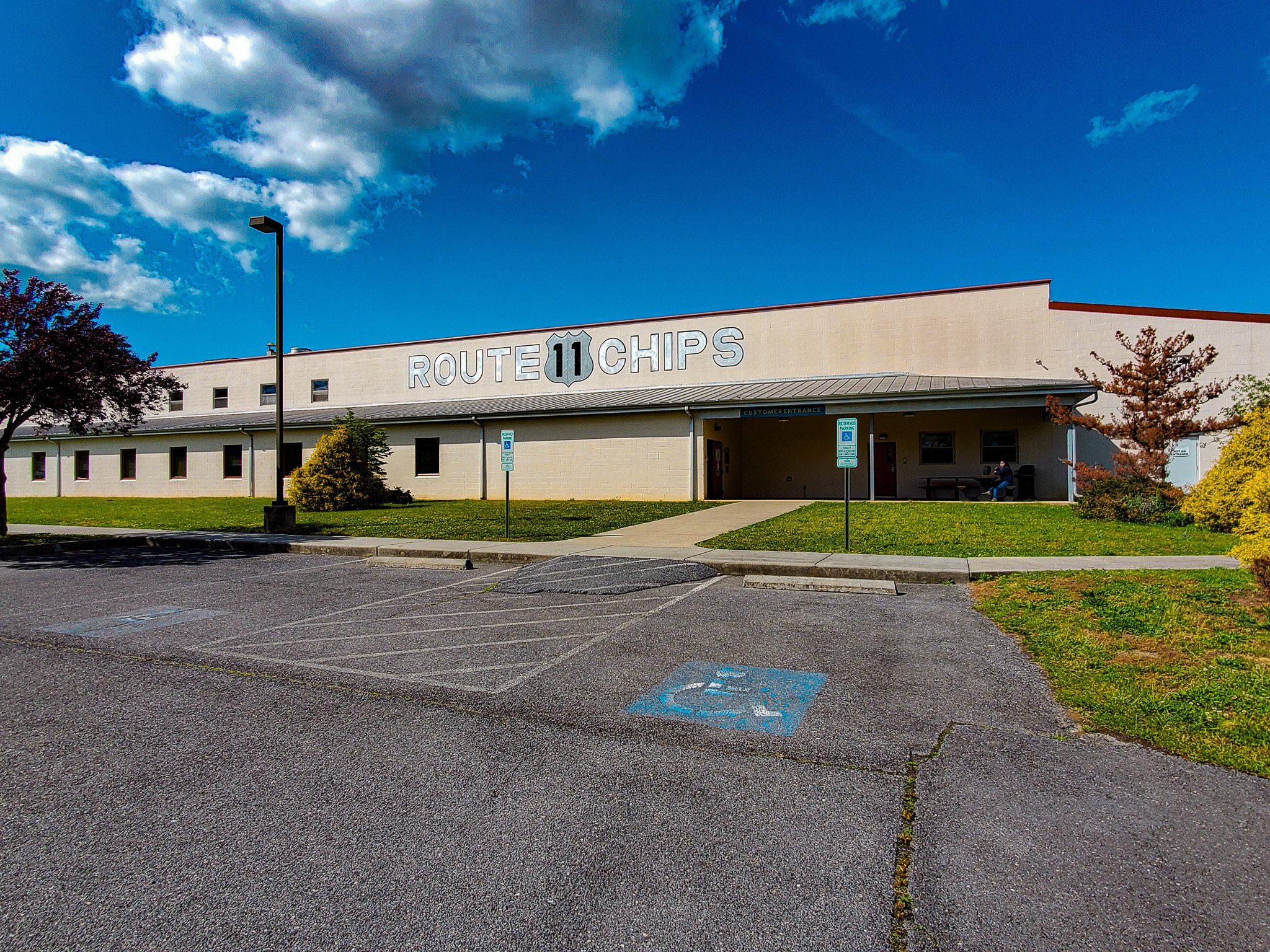
Route 11 Potato Chip Factory

Route 11 Potato Chip Man
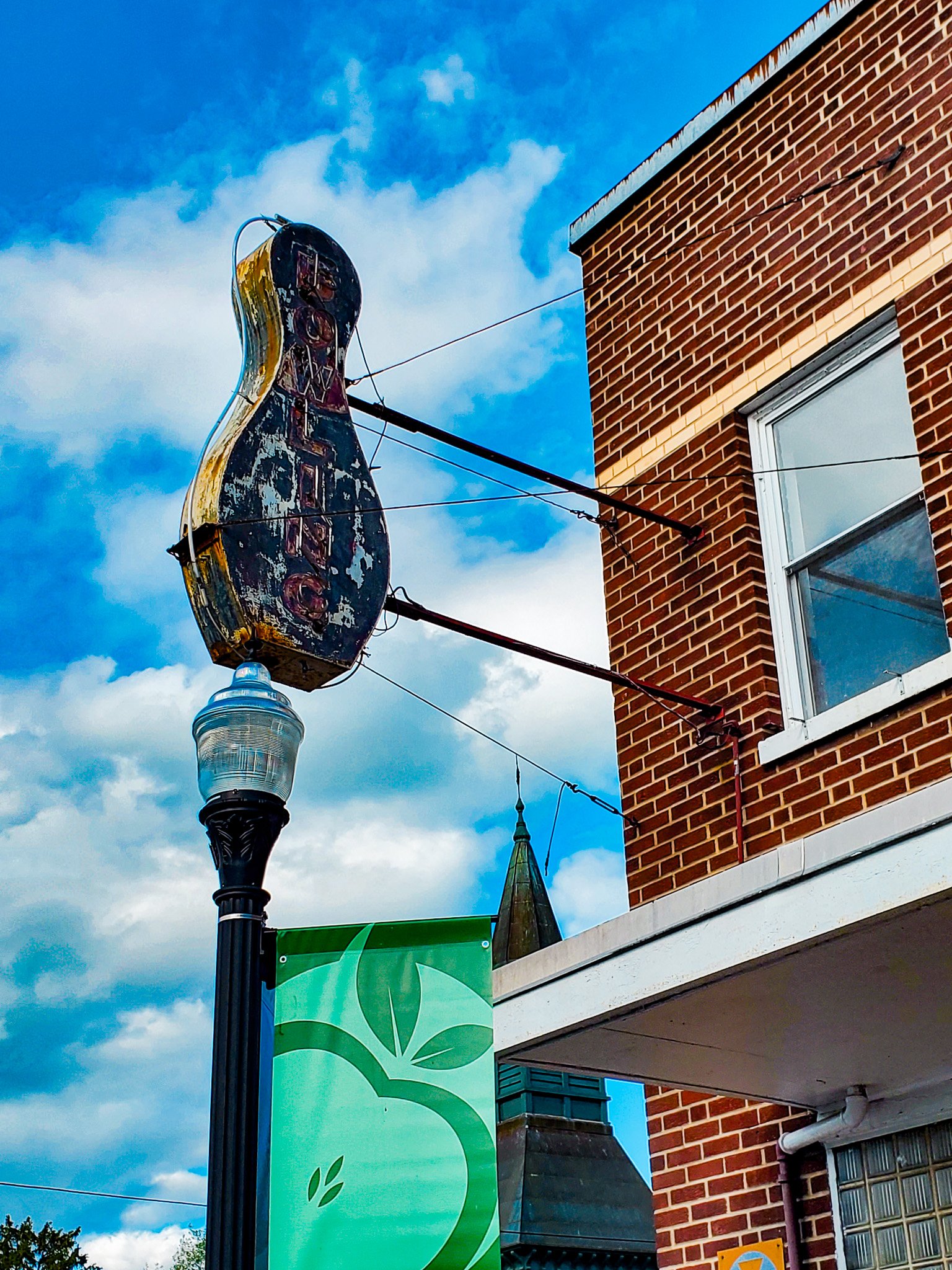
Shenandoah Lanes Bowling
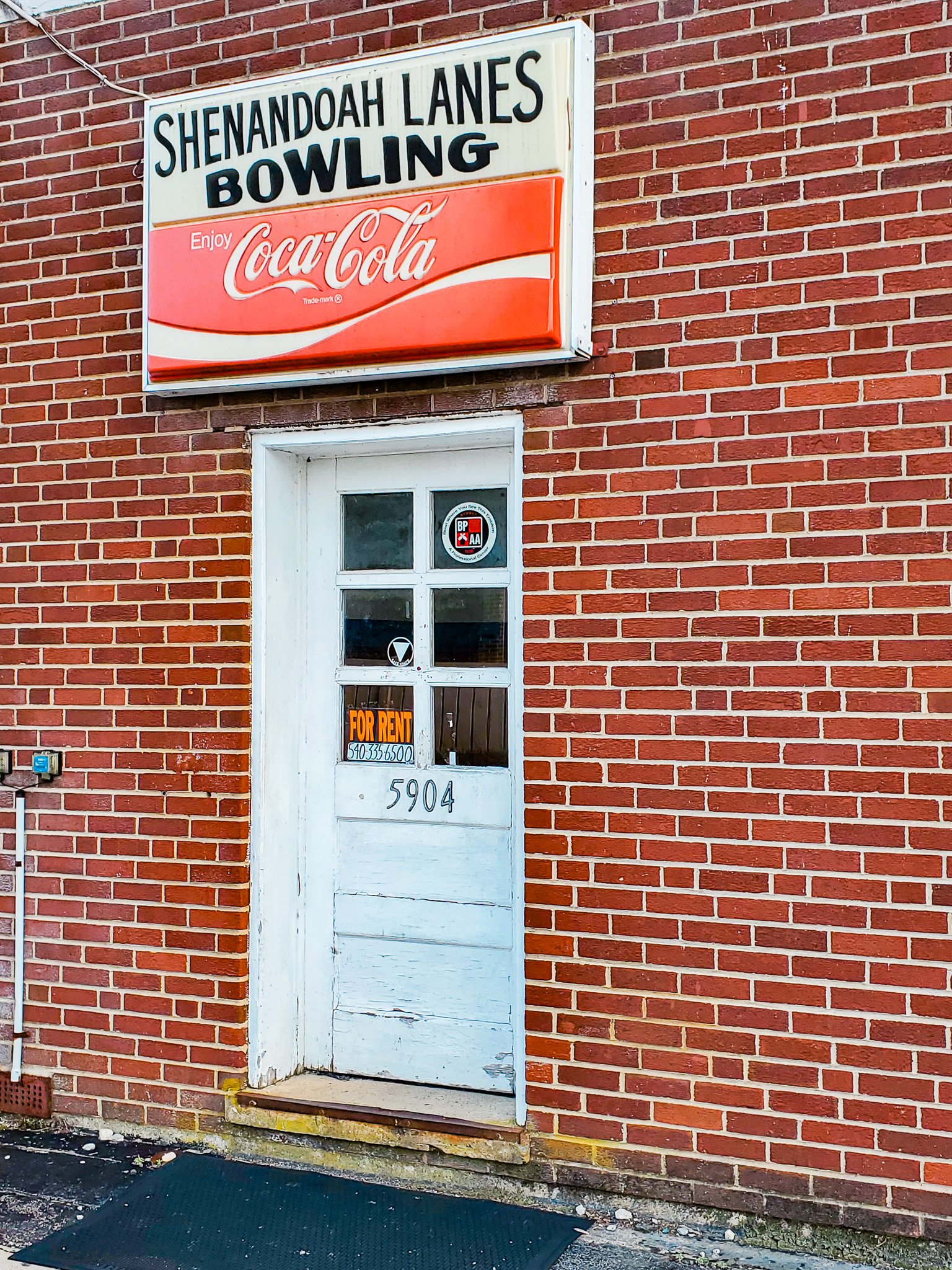
Shenandoah Lanes Bowling
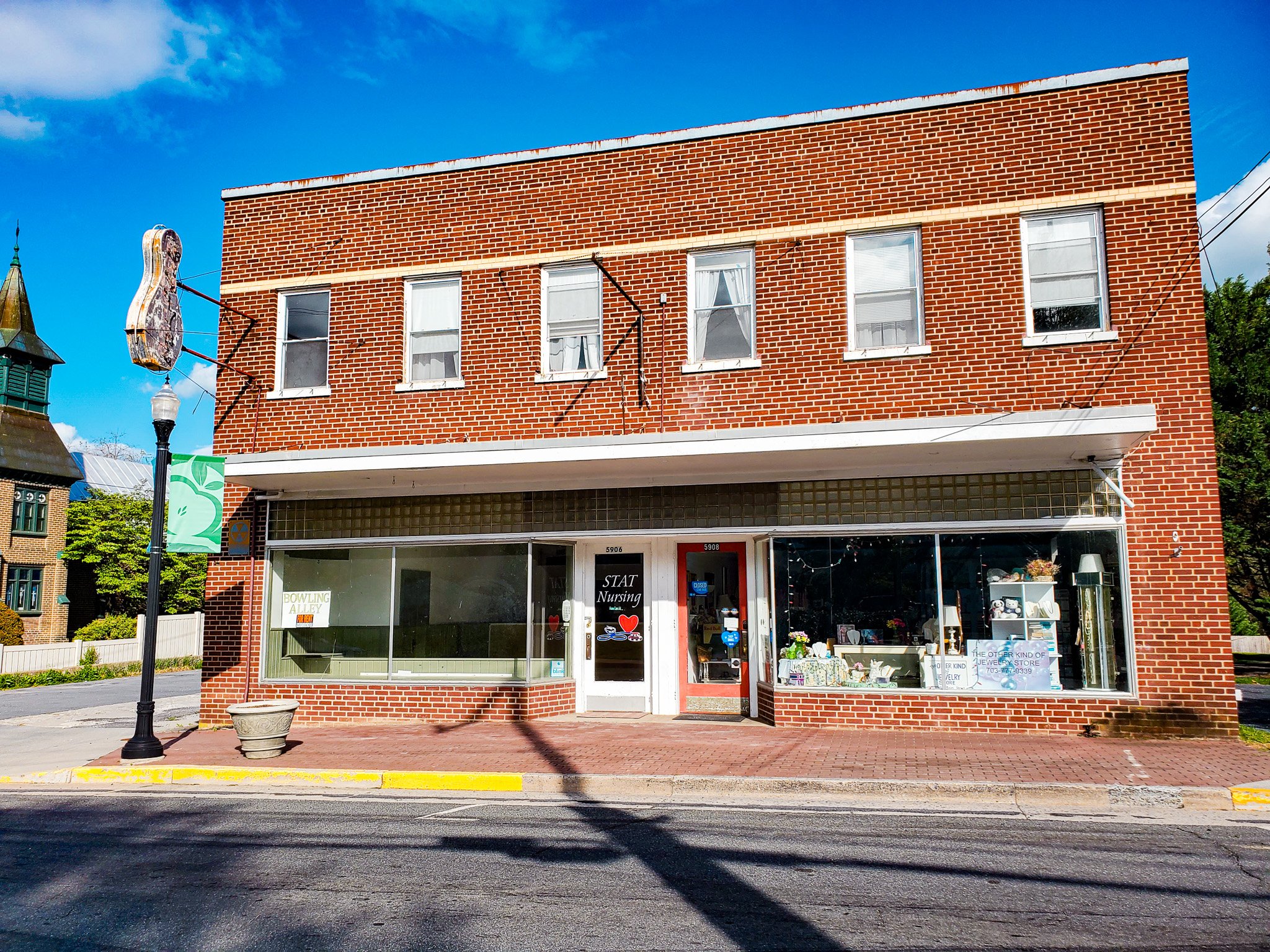
Shenandoah Lanes Bowling
EDINBURG
Originally called "Shryock" by Prince Bernhard of Saxe-Weimar-Eisenach in 1825 as he passed through the area, it later became "Edenburg" after the Garden of Eden. The town was incorporated as Edinburg in 1852. The historic district is home to the Shenandoah Valley Cultural Heritage Museum at the Edinburg Mill and the Theater Shenandoah. Forgotten Curiosities Antiques is located in the bottom floor of the 1850 building that houses the Edinburg Renaissance Bed and Breakfast. Camp Roosevelt was the first CCC (Civilian Conservation Corps) camp and was established in 1933, now being used as a rustic seasonal recreational area . The CCC played a major role in building the Blue Ridge Parkway among other publics works projects.
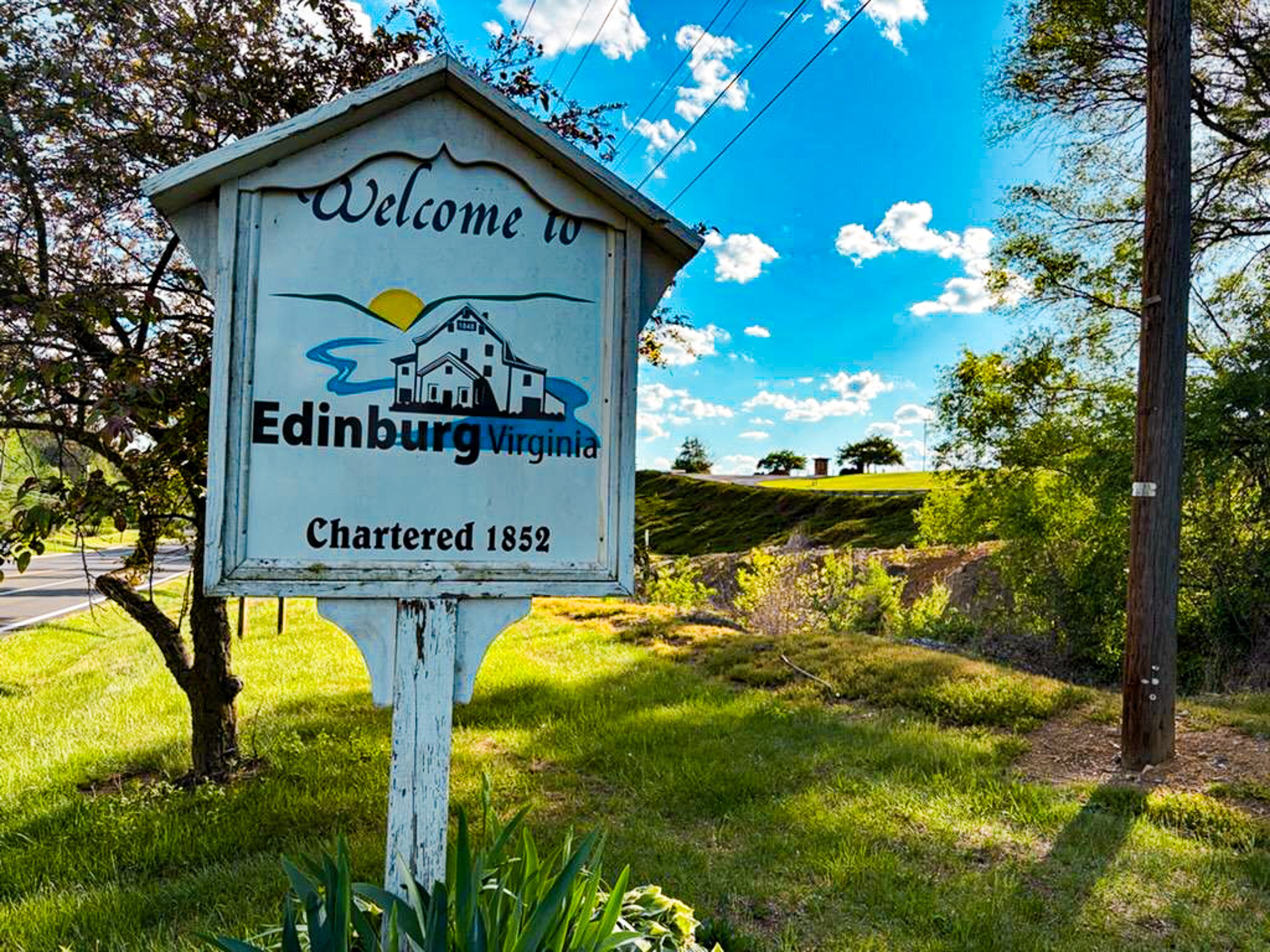
Welcome to Edinburg Sign
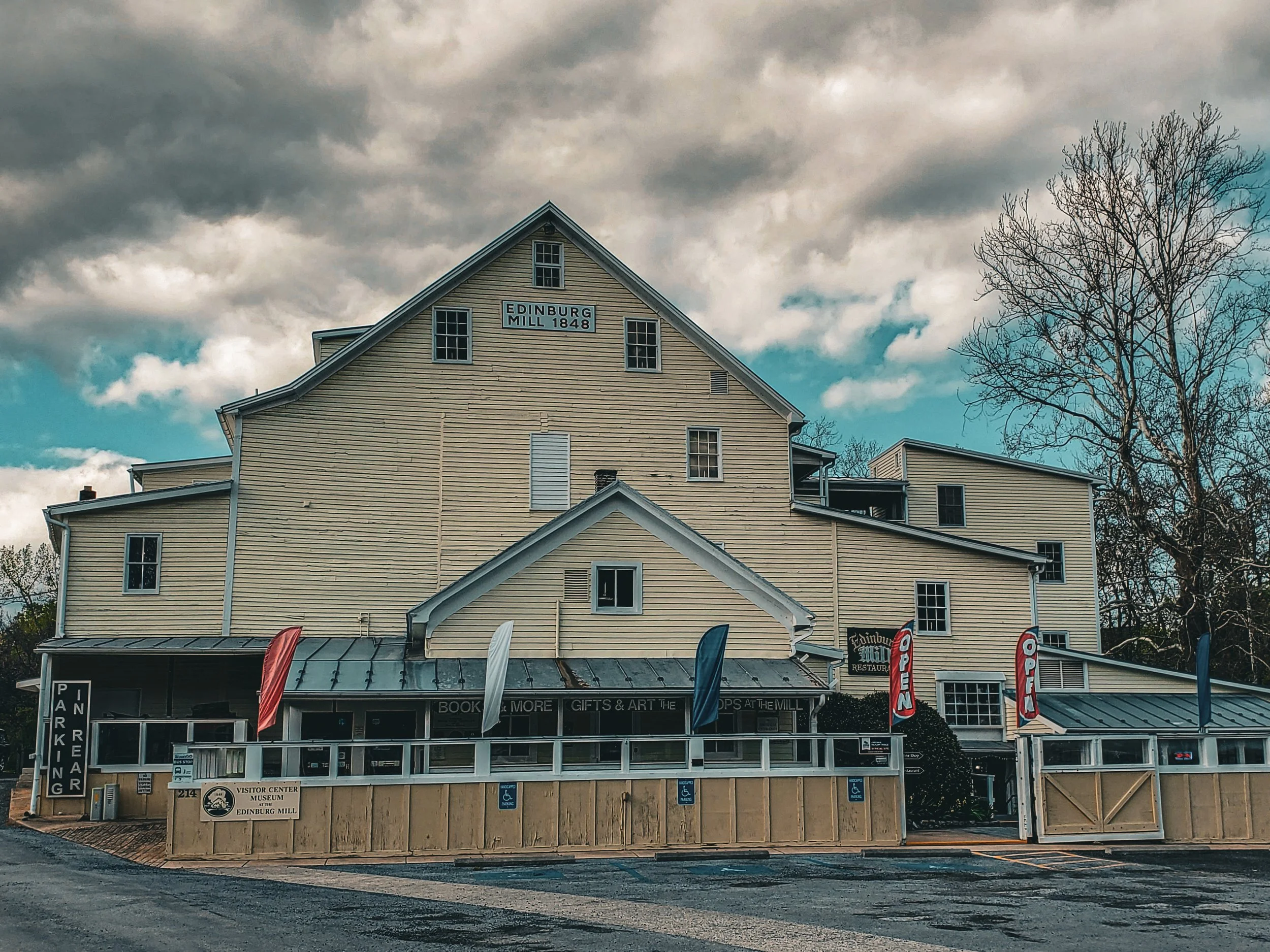
Edinburg Mill (1848)
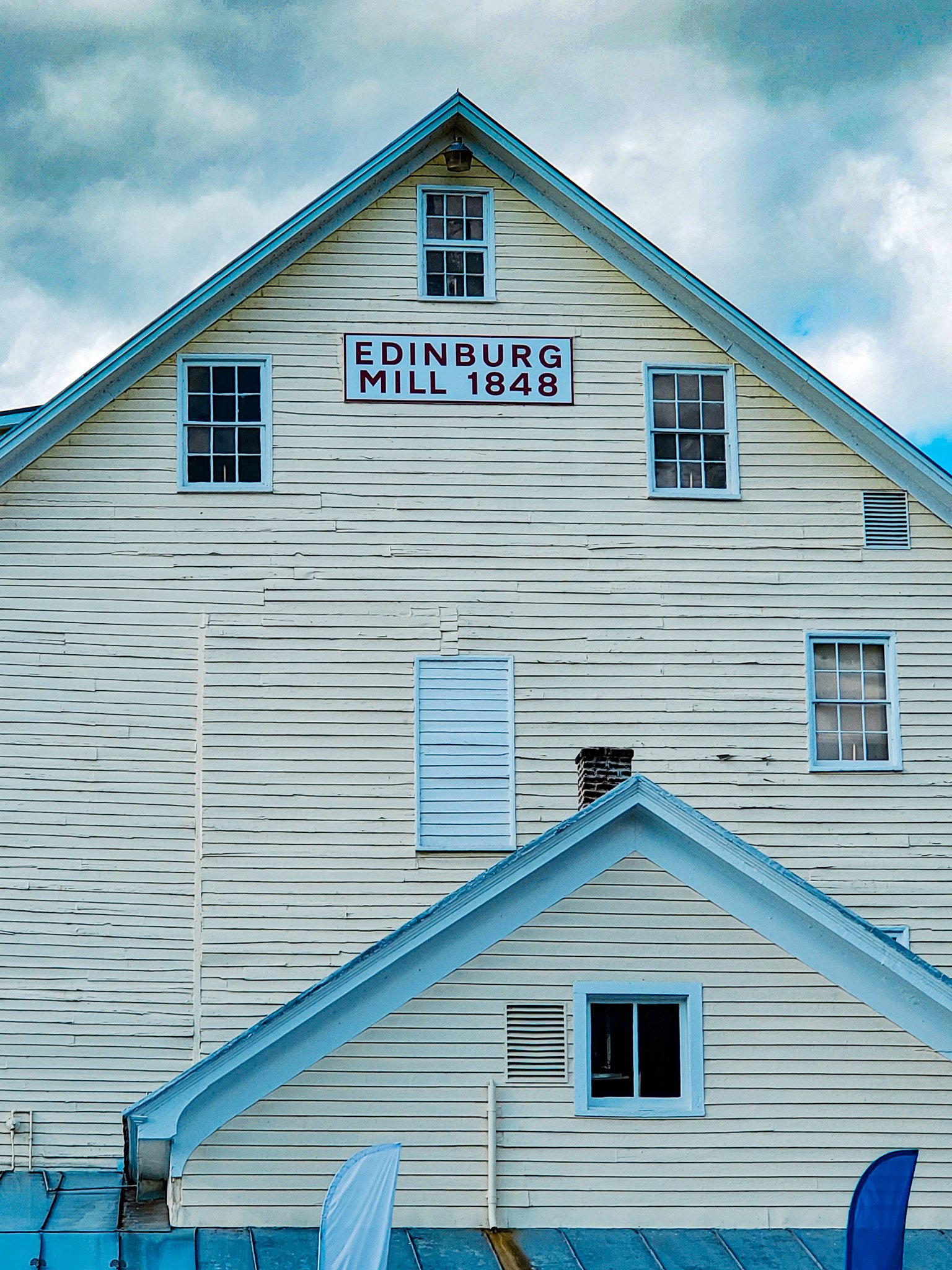
Edinburg Mill (1848)

Shenandoah Valley Cultural Heritage Museum
WOODSTOCK
Woodstock was named by George Washington and is situated beside the Seven Bends State Park of the Shenandoah River. Washington named the river, valley and county Shenandoah in honor of John Skenandoa, a Christian Oneida chief from New York who helped gain the support of the Oneida and Tuscarora warriors to aid Americans during the American Revolution. The town was founded in 1752 as Muellerstadt and chartered in 1761, making it one of the oldest towns west of the Blue Ridge Mountains. US 11 was originally a Native American trail that served as a route between the Catawba in the south and the Lenape in the north, which were warring rivals. It came to be known as the Indian Road, then Valley Pike. as it connects Winchester to Staunton. The "Fighting Parson" Rev Peter Muhlenberg in 1776 delivered his famous sermon at the local Lutheran church, removing his clerical robe to reveal a military uniform and calling men to join the Continental Army. His speech included "...there is a time to pray, and a time to fight...". The Folk Art "Swiss Guard" dates to 1795 when it was a weathervane atop the Shenandoah County Courthouse. The Shenandoah County Courthouse is the oldest west of the Blue Ridge Mountains still in use (on Main Street). Woodstock is home to the Massanutten Military Academy and Lantz Hall. The Community Movie Theater downtown was built in 1940. The Woodstock Tower is an observation tower east of town
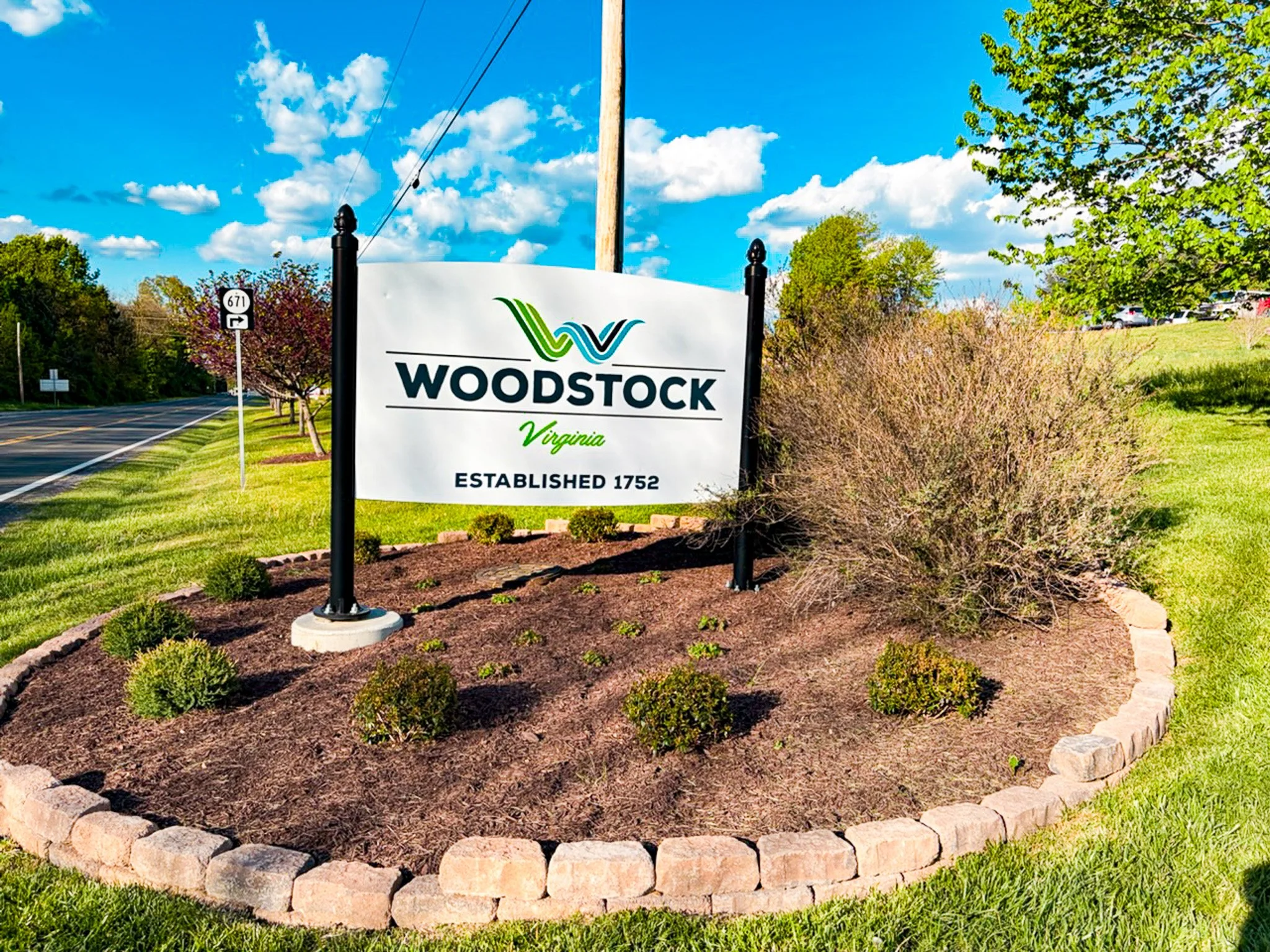
Welcome to Woodstock Sign
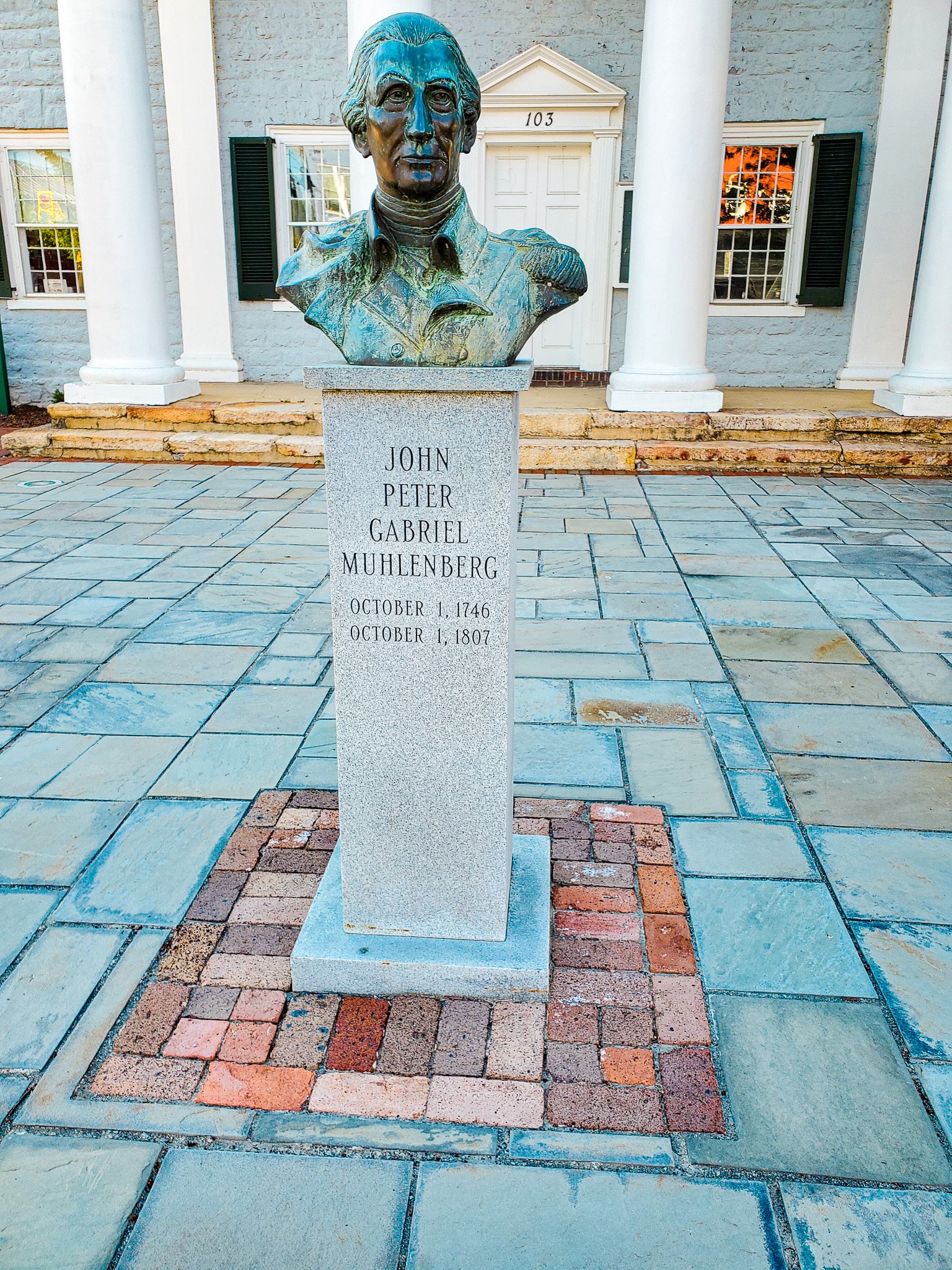
Peter Muhlenberg Bust
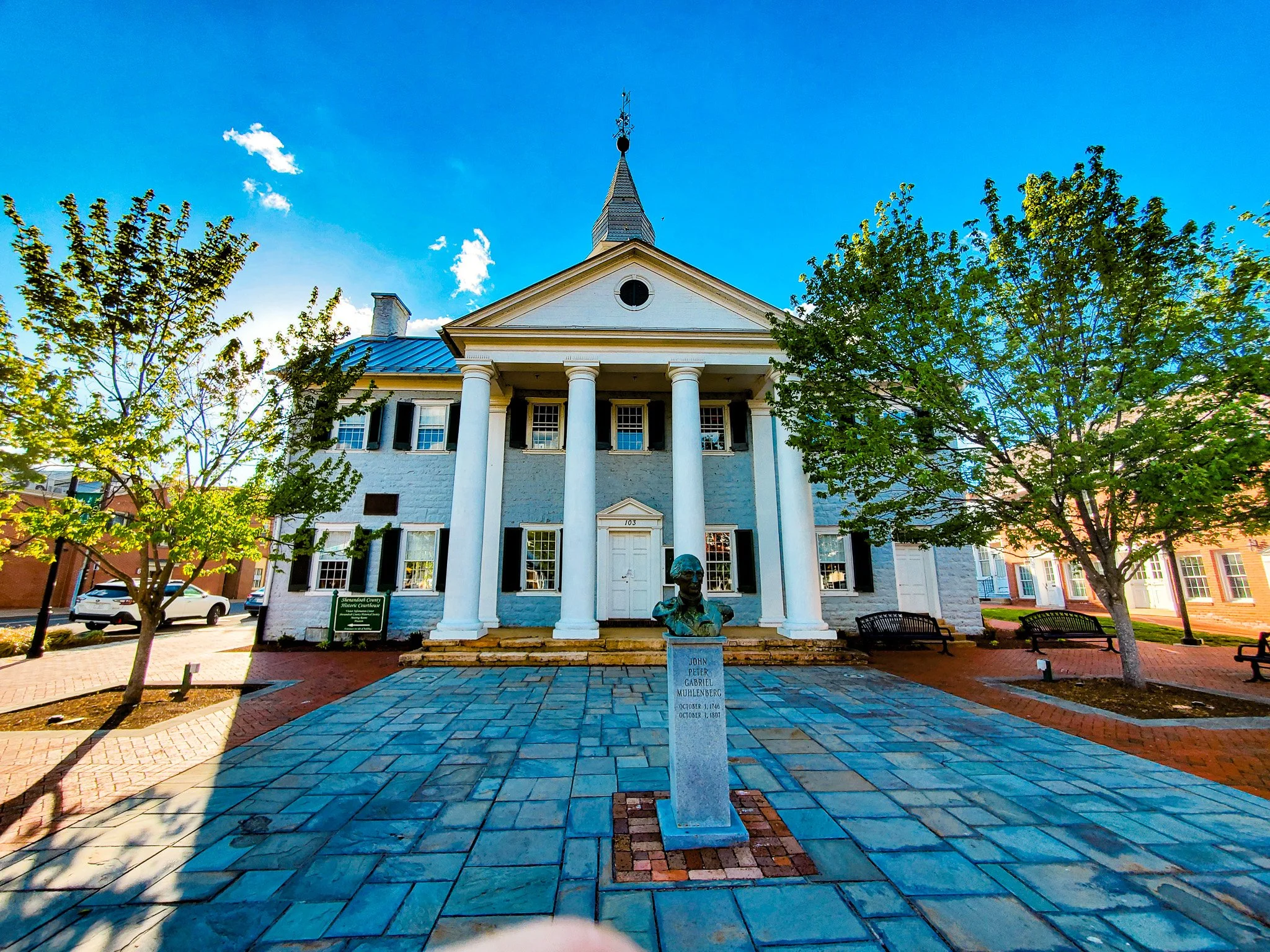
Peter Muhlenberg Bust
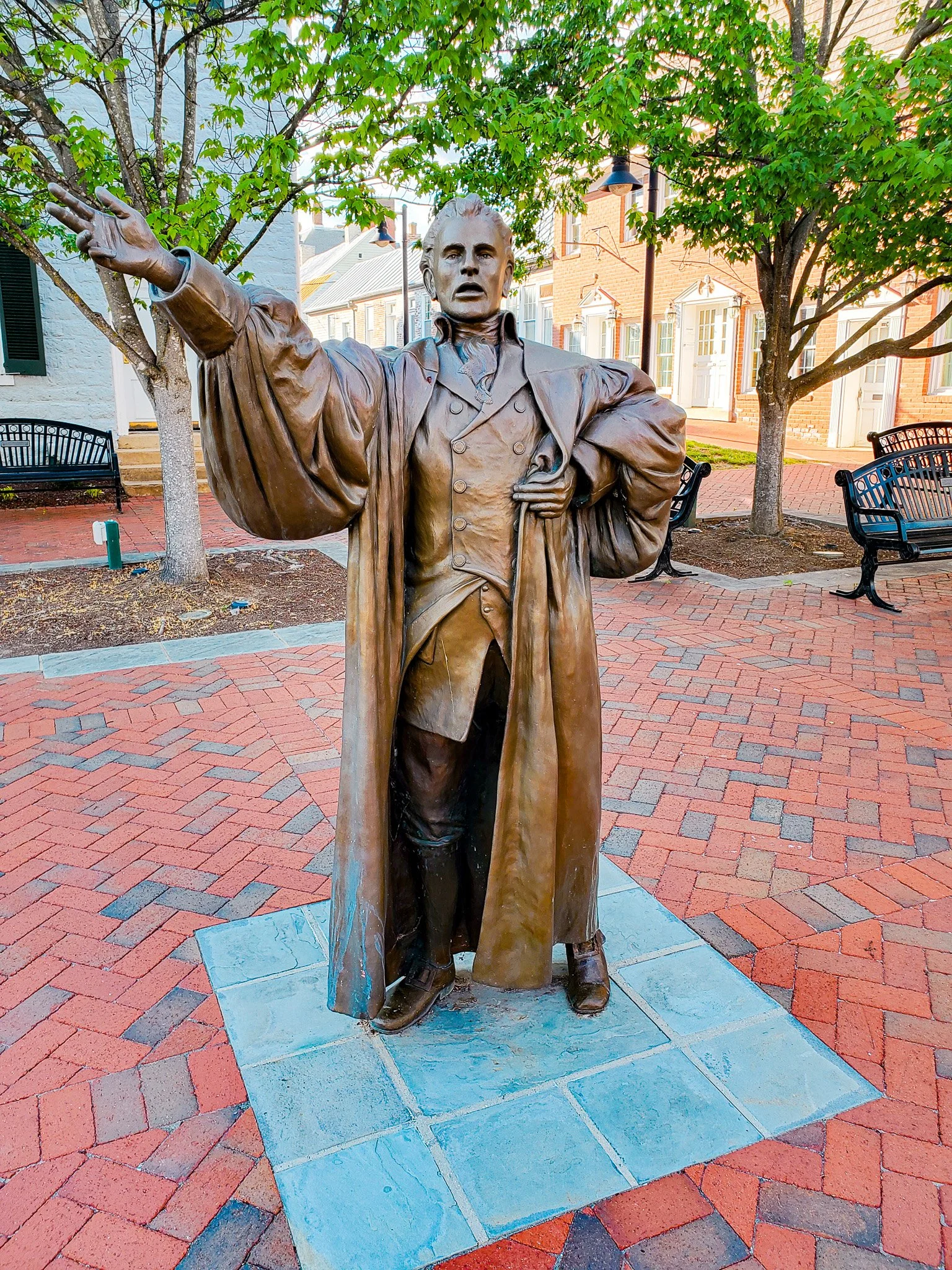
Fighting Parson Statue
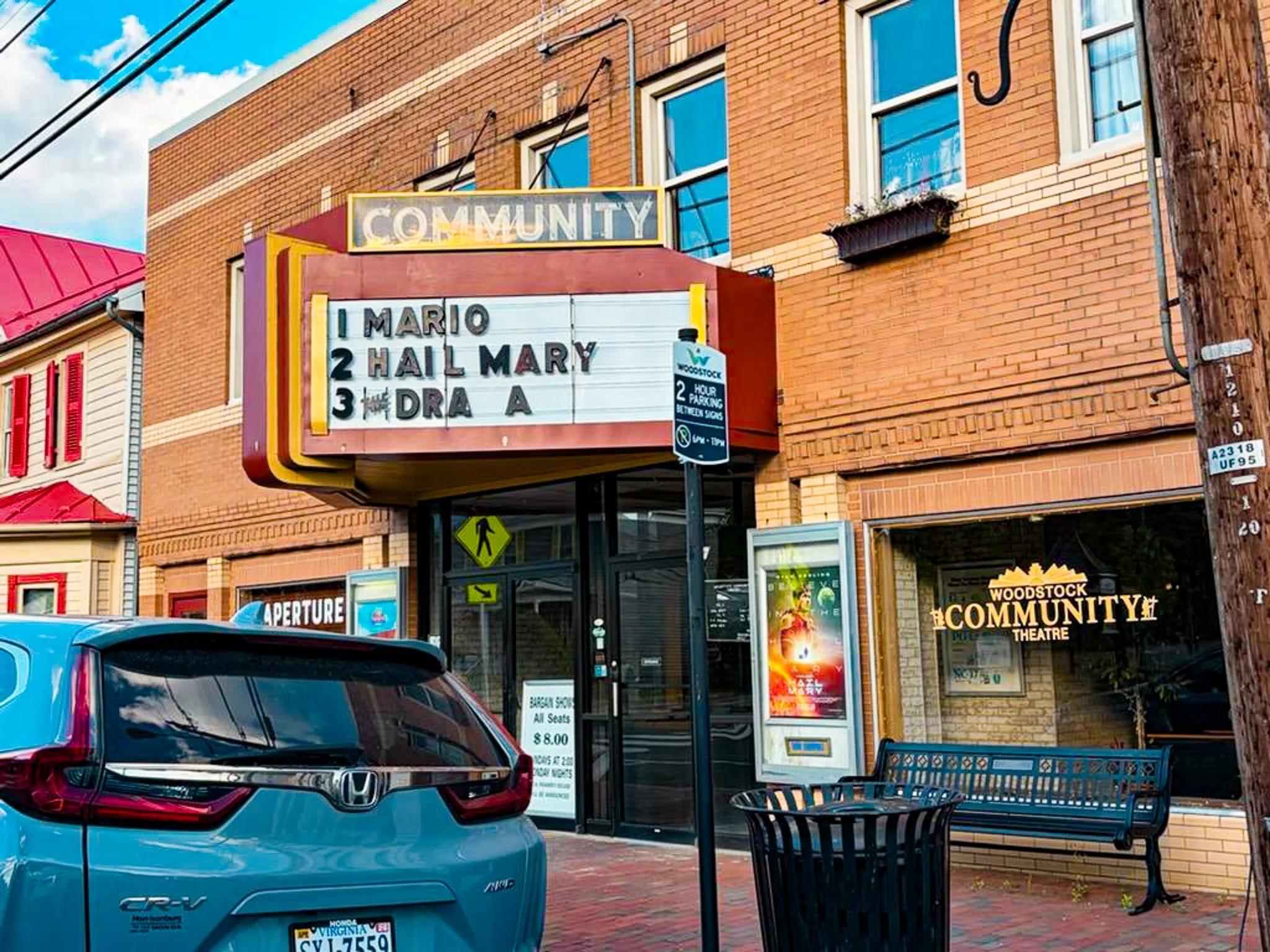
Community Movie Theater
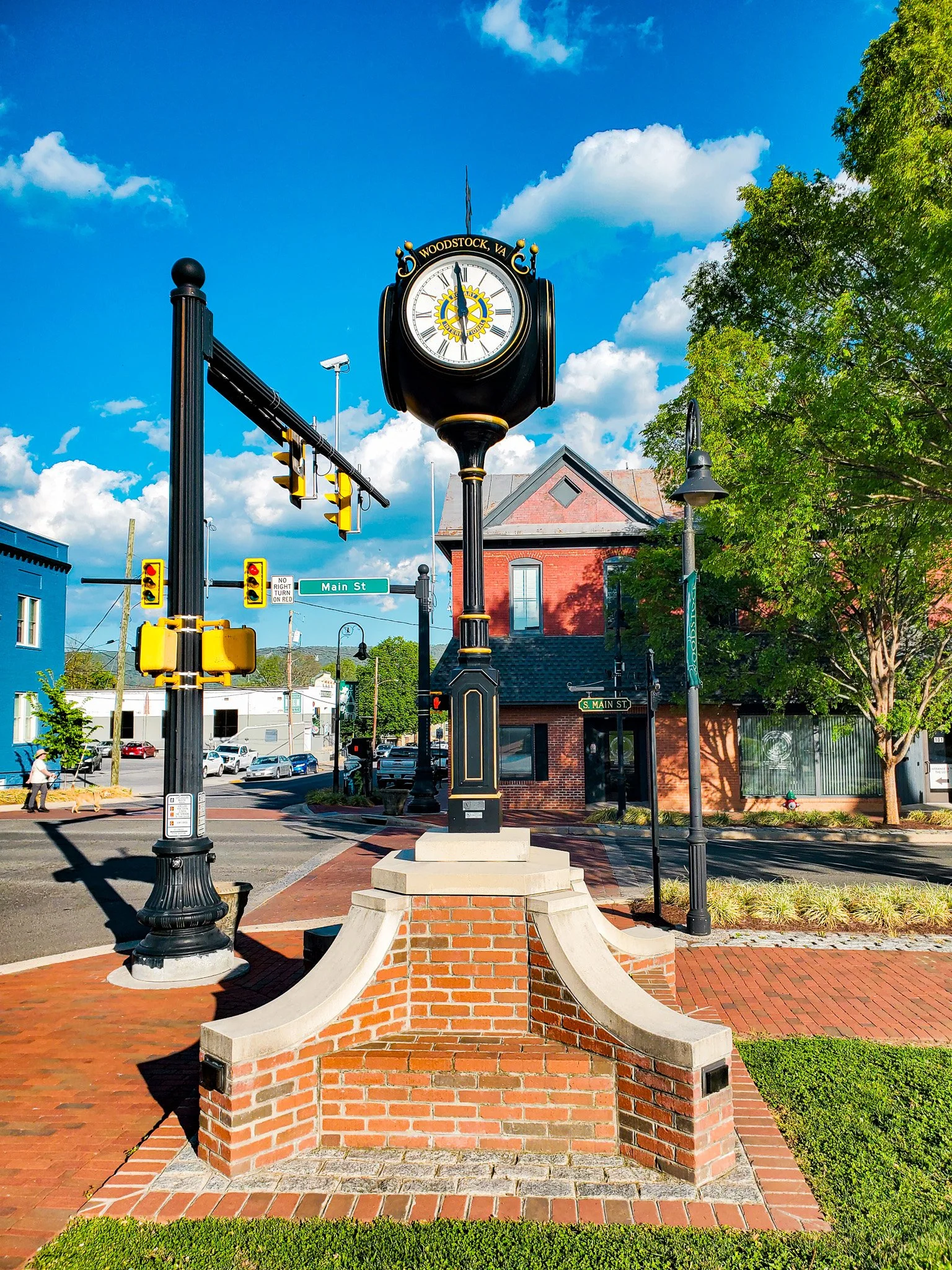
Town Clock
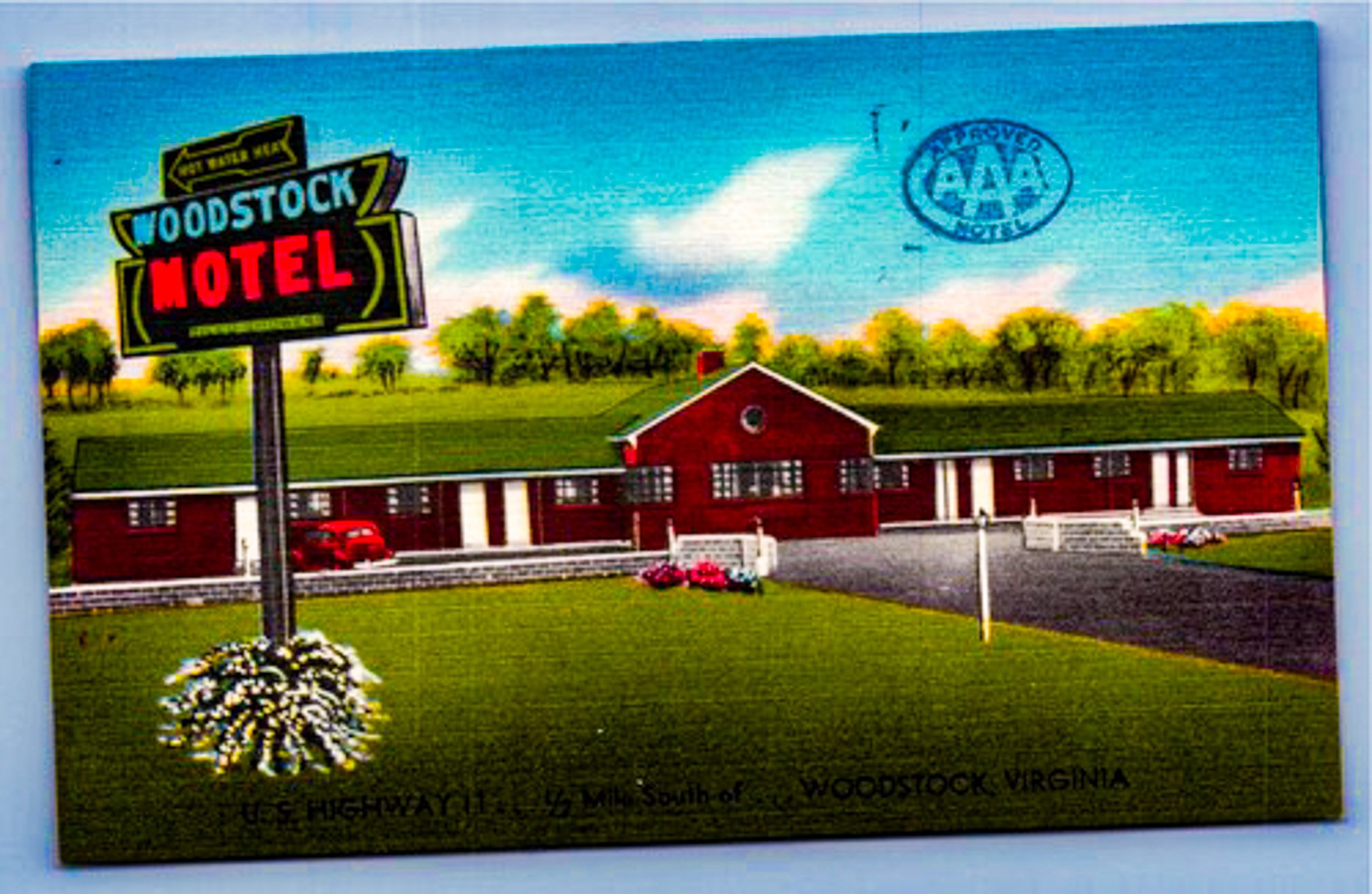
Woodstock Motel Postcard
MAURERTOWN
The town was named after Charles Maurer, an early landowner from the late 1700’s.
TOMS BROOK
The Battle of Tom’s Brook in 1864 came to be known as the “Woodstock Races” because of the speed of the Confederate withdrawal.

Action of Toms Brook Marker
STRASBURG
Strasburg was founded in 1761 and named for Strasbourg, France capital of Alsace, by Peter Stover (Petrus Stauffer) after coming to America with his family in 1718. There are 8 murals downtown including one on the post office called “Apple Orchard” produced by the WPA (Works Progress Administration) in 1938. Strasburg Museum was once home to the Strasburg Stone and Earthenware Manufacturing Company, later converted to the Southern Railway depot. The Hupps Hill Cedar Creek Museum at Hupps Hill Historic Park documents the impact of the Civil War on the Shenandoah Valley. The Shenandoah Museum of Contemporary Art (ShenMOCA) is a regional cultural center, museum, and gardens. The Crystal Caverns were open from 1922 to 2010. The Hotel Strasburg Restaurant and Dining Room with their classic neon sign on US 11 closed after the COVID pandemic.
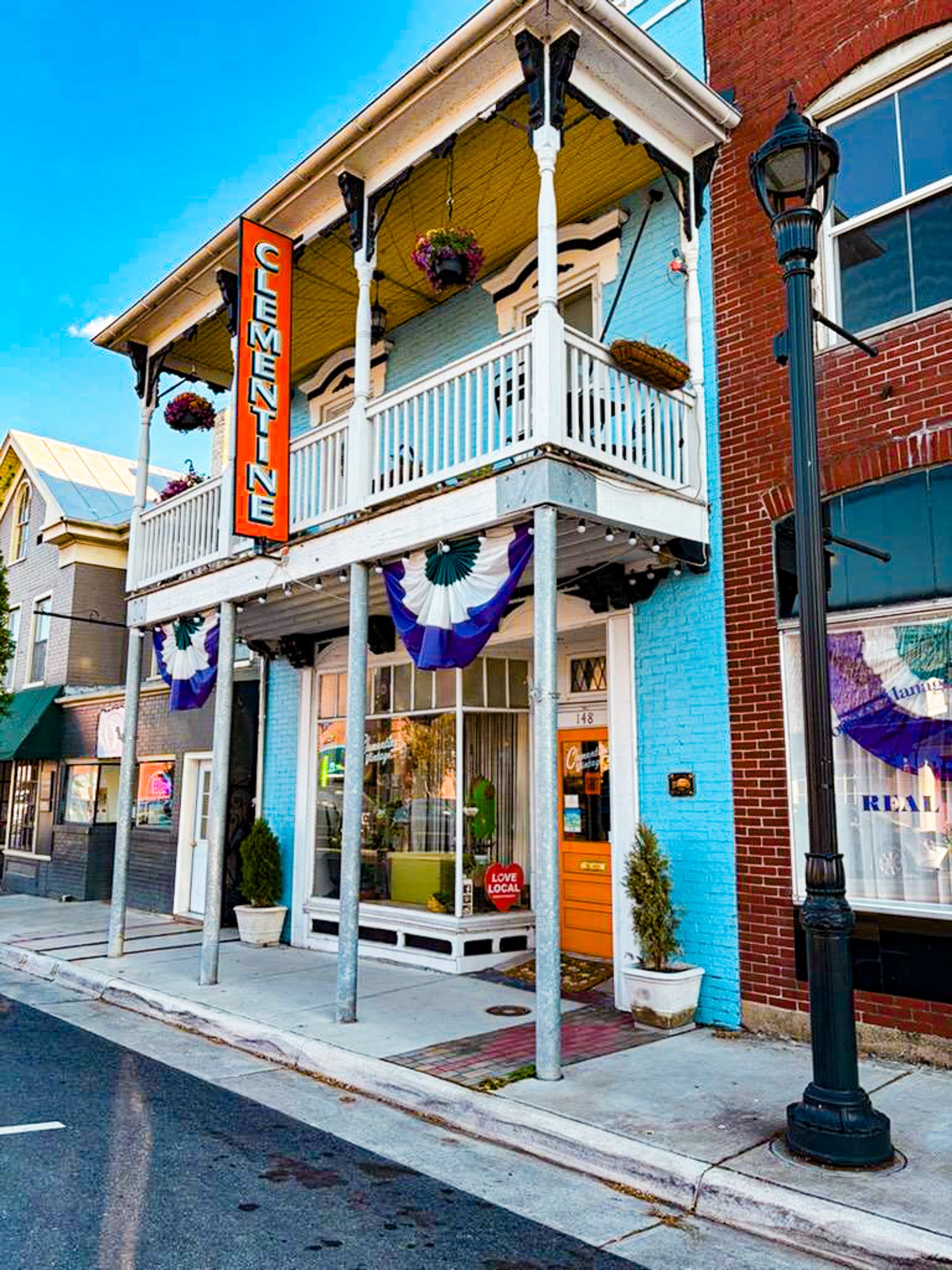
Clementine Boutique
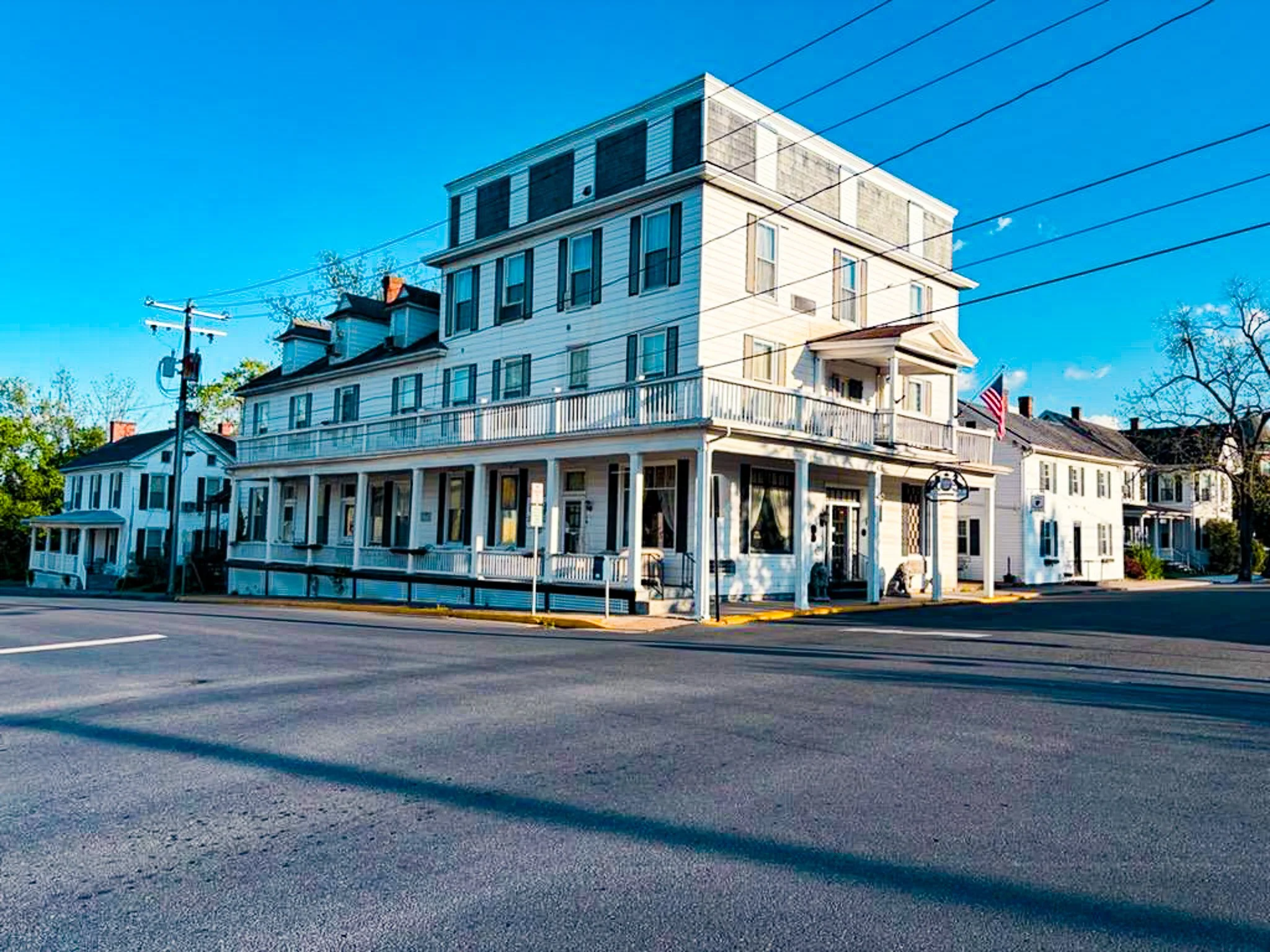
Hotel Strasburg
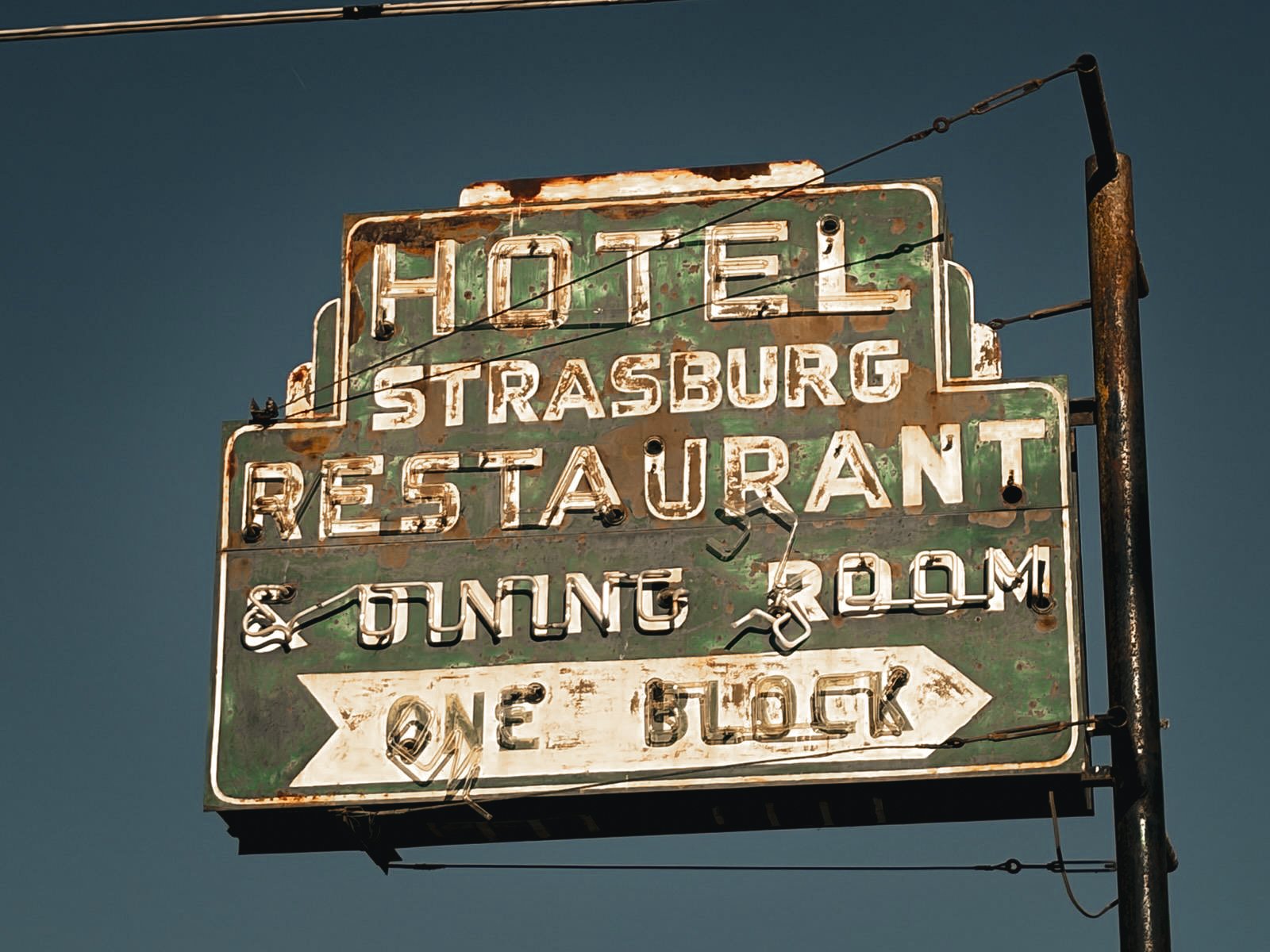
Hotel Strasburg
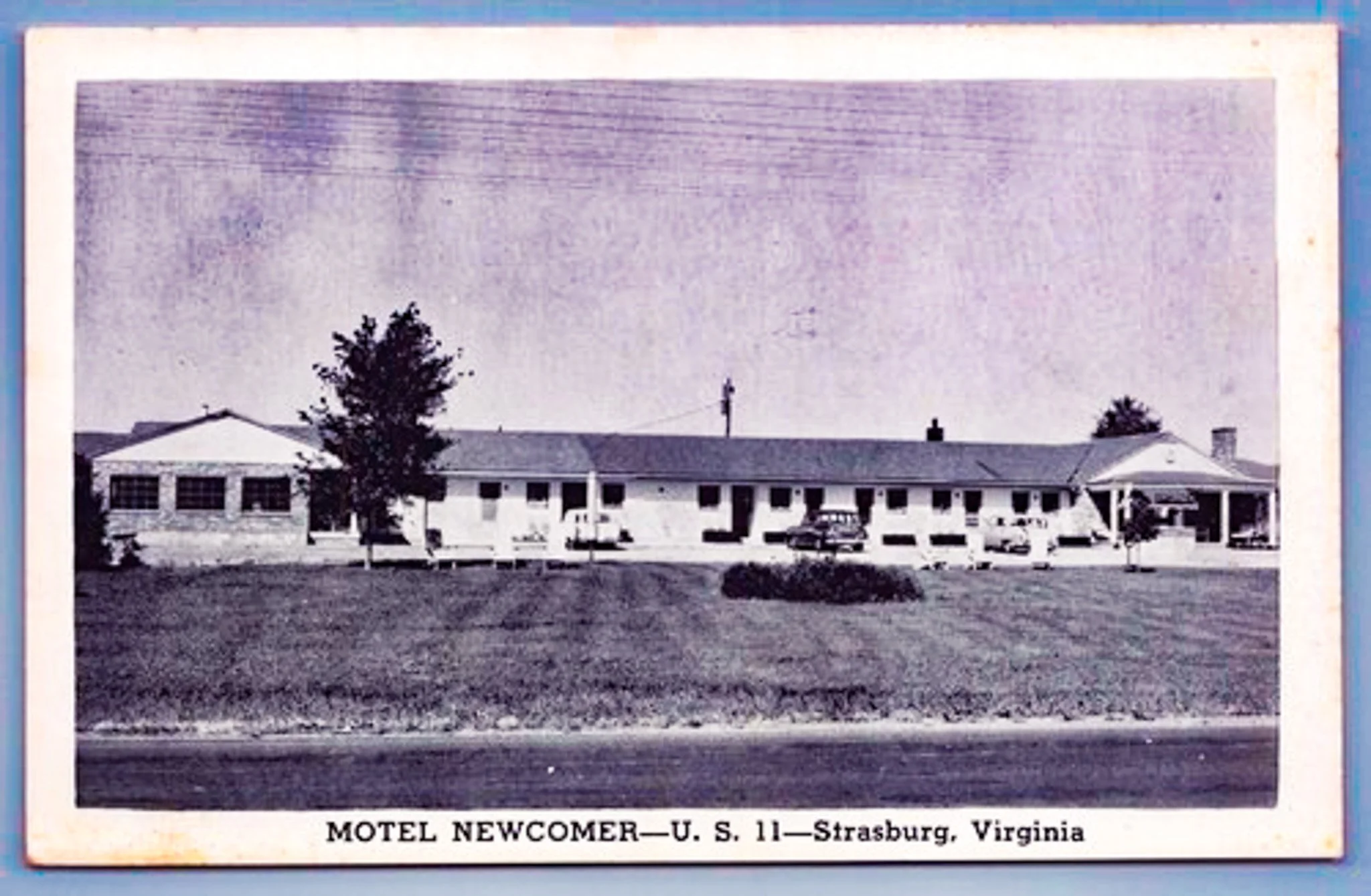
Newcomer Motel Postcard
MIDDLETOWN
Middletown was chartered in 1796 and is home to the Wayside Inn, a stagecoach stop and waystation in the 1740’s and one of the oldest continuously operating inns (established in 1797) in the United States. It is also America’s first motor inn, and contains the historic Larrick’s Tavern (currently closed).
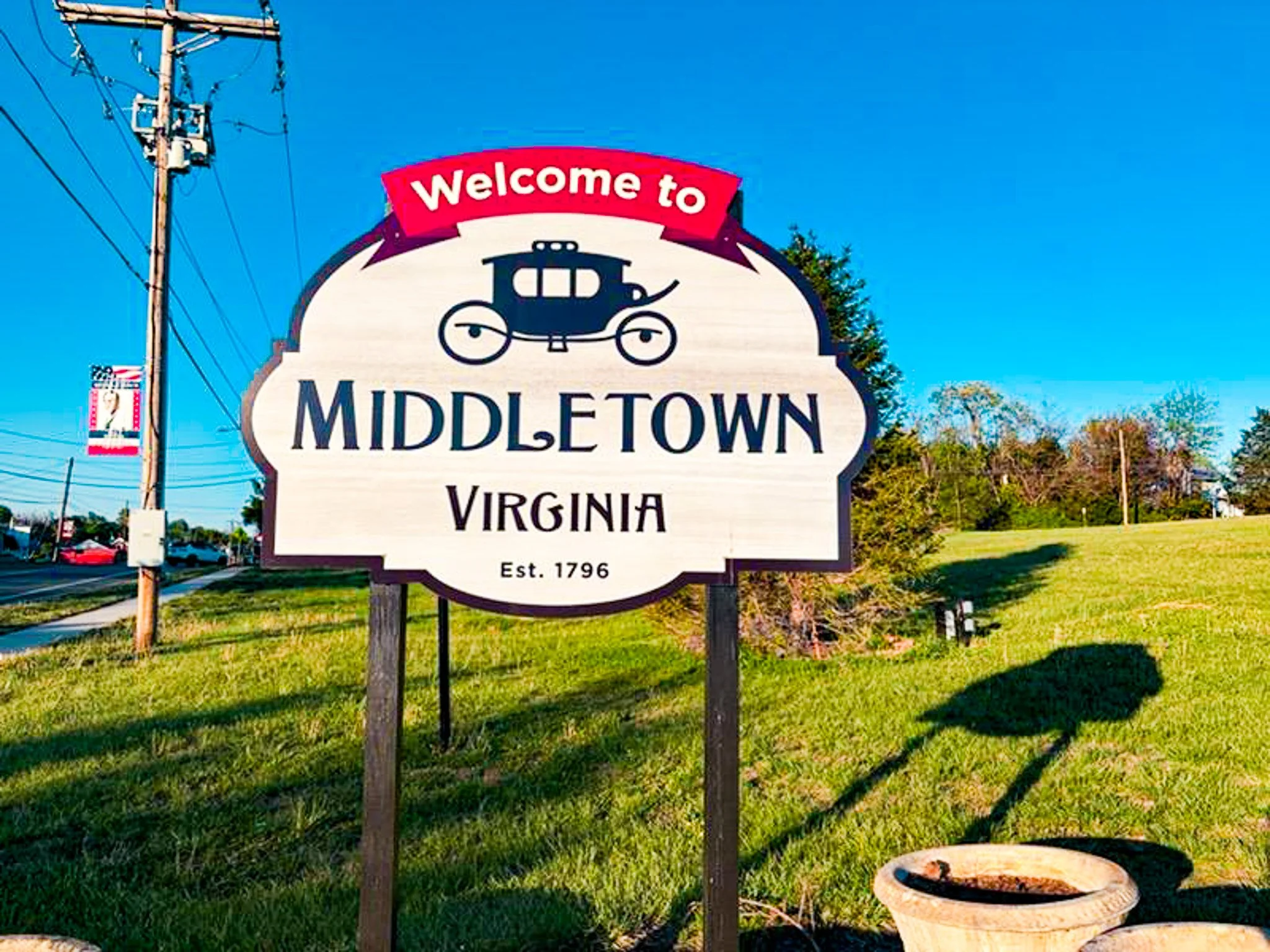
Welcome to Middletown Sign
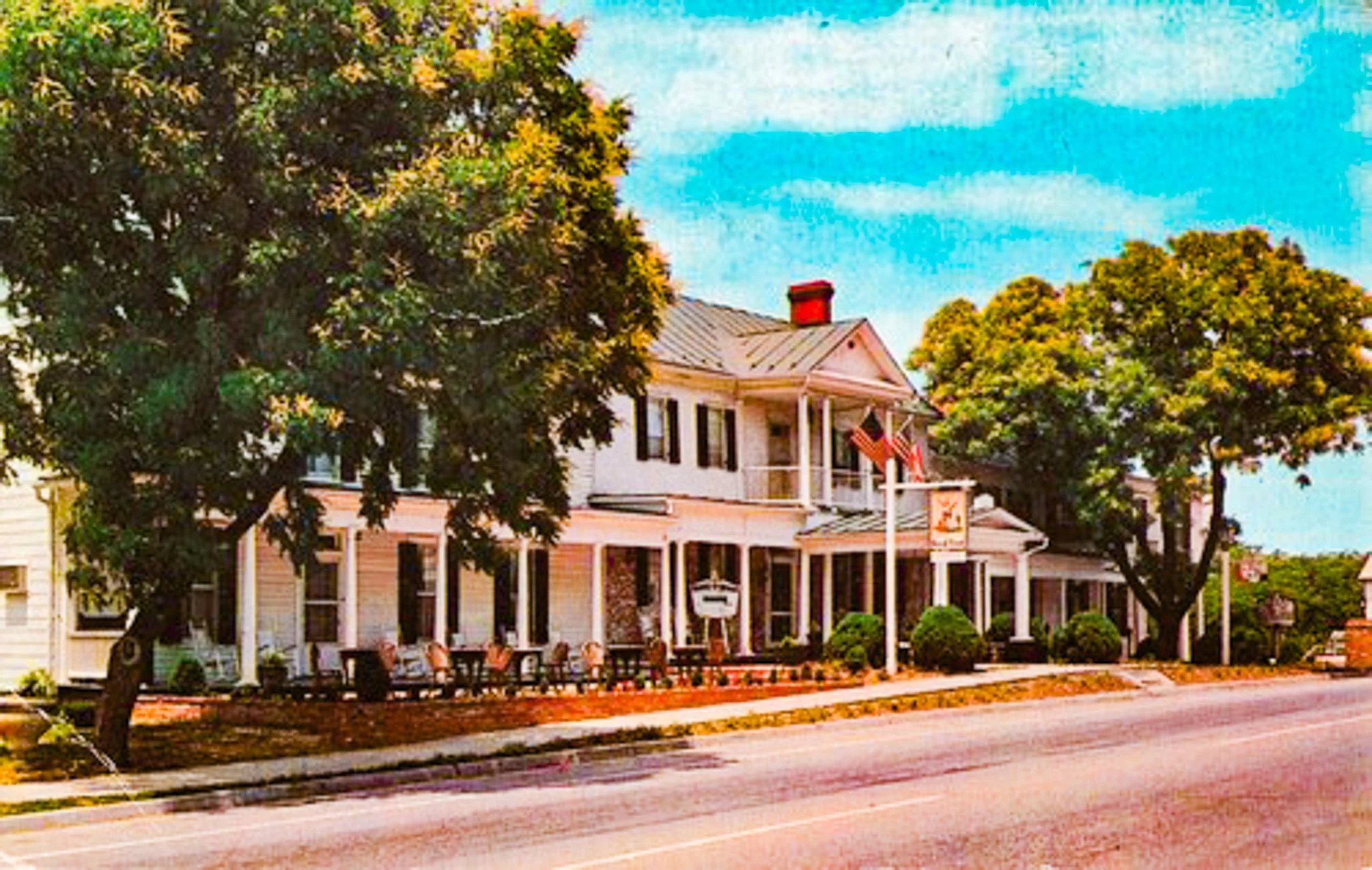
Wayside Inn Postcard
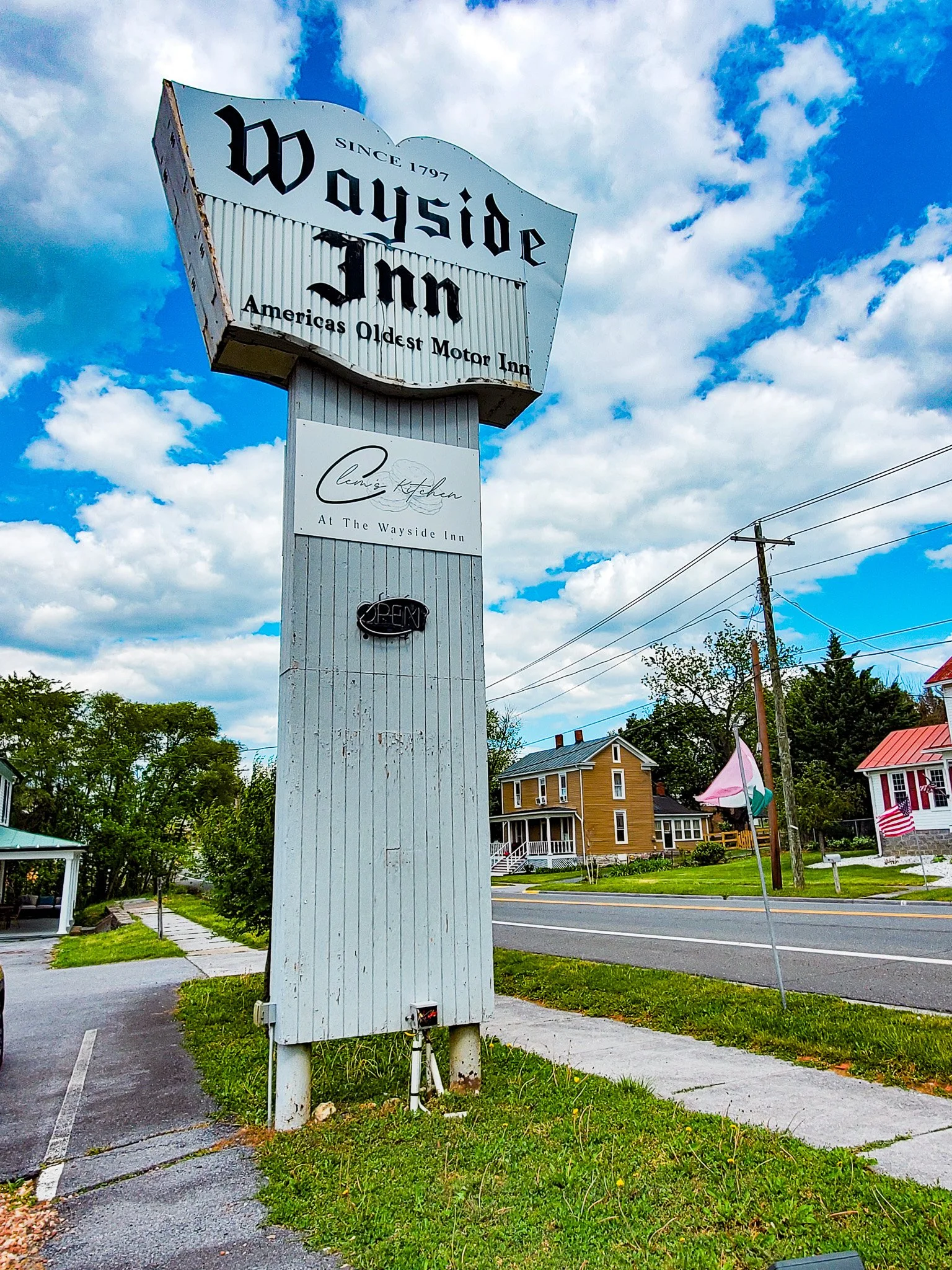
Wayside Inn Sign
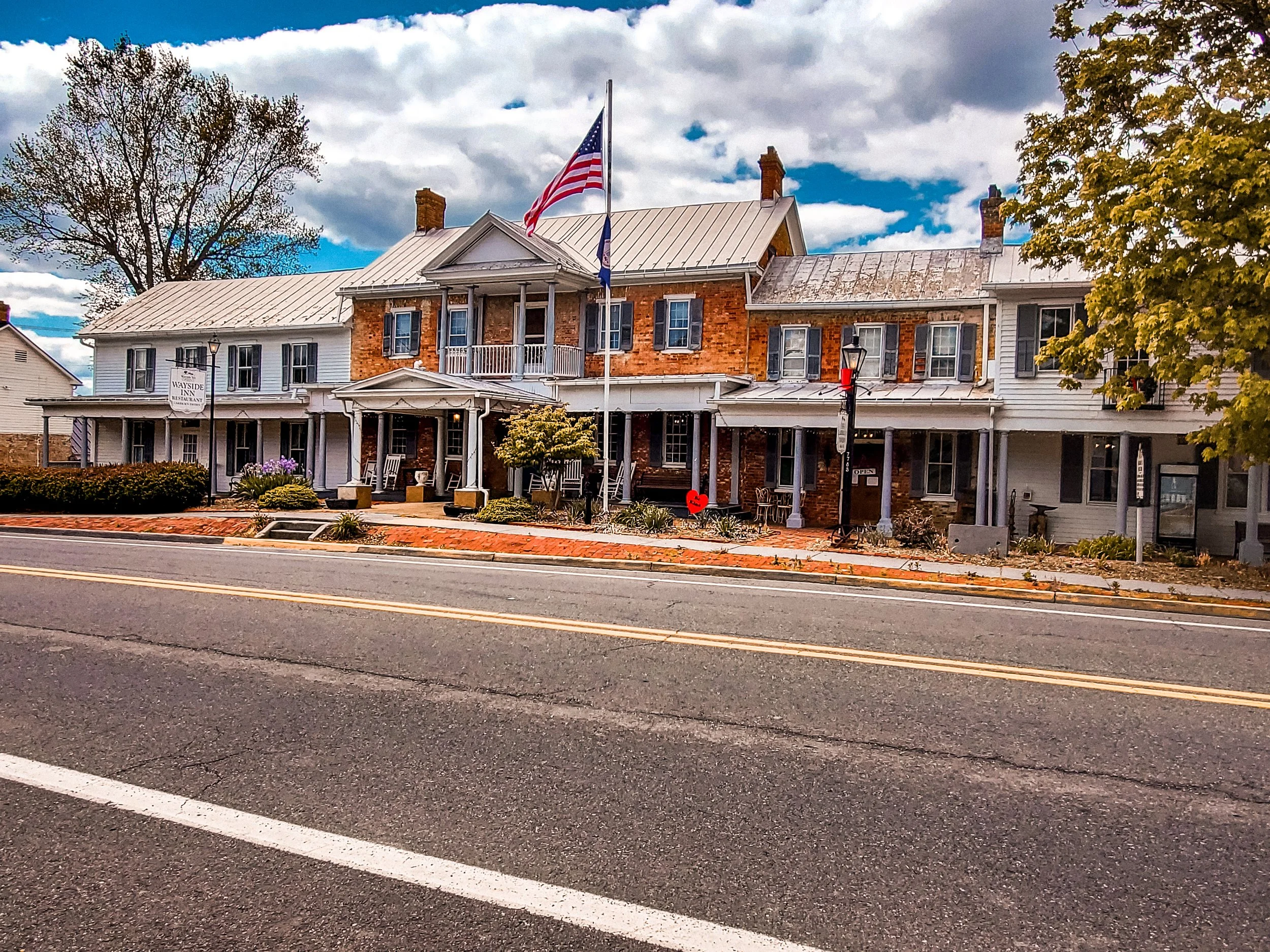
Wayside Inn
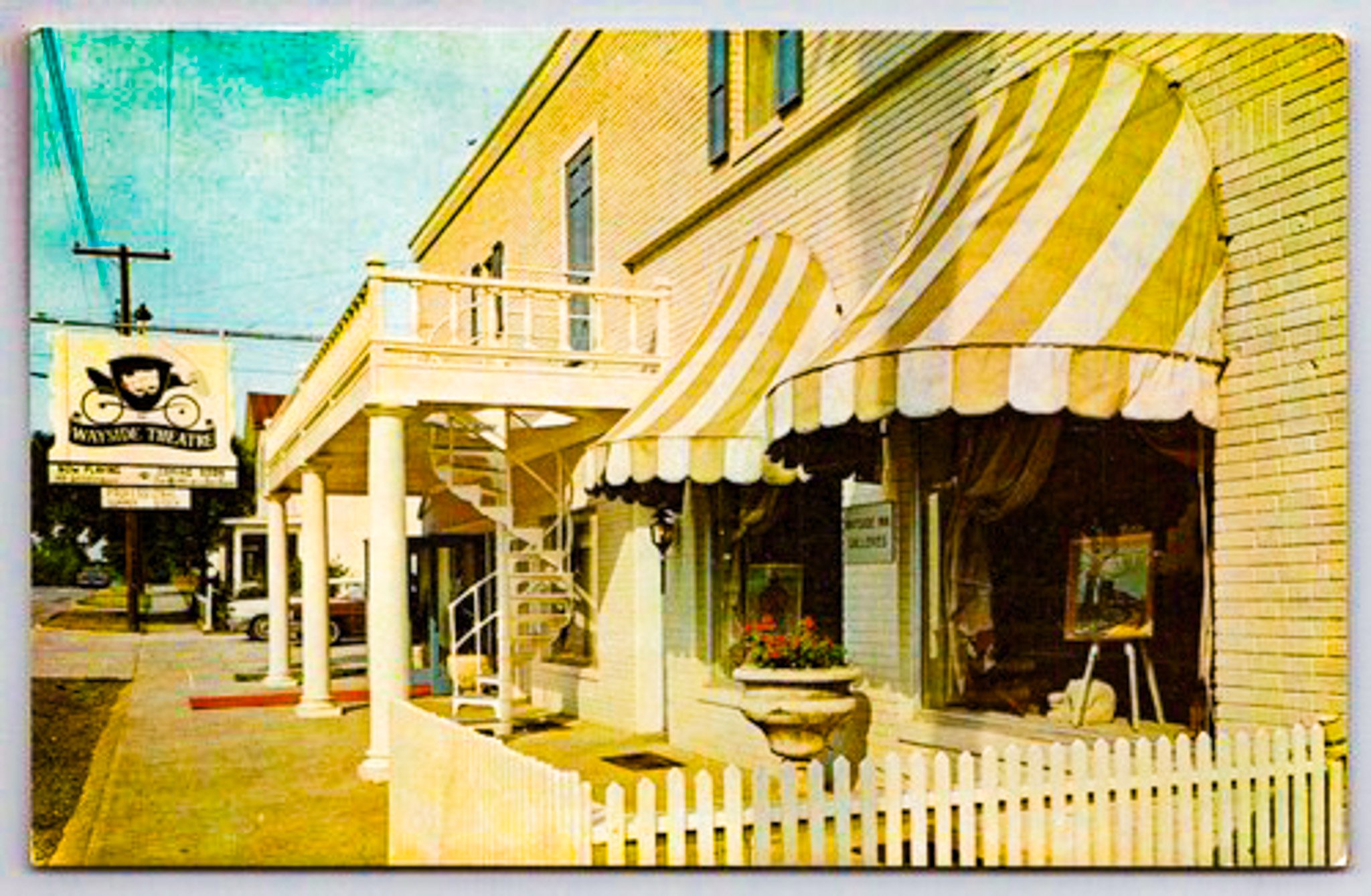
Wayside Theater Postcard
STEPHENS CITY
Founded by Peter Stephens in the 1730s and chartered by his son Lewis Stephens in 1758, the city was originally settled by German Protestants from Heidelberg. It contains an historic district and Newtown History Center. The Stephens City Outlet has a classic neon sign and has provided an auction and flea market items for over 25 years. Dinosaur Land is only 5 miles away in White Post Virginia. Originally opened in 1956, the Historic Route 11 Drive In at 5890 Valley Pike (US 11) with twin screens offers first-run movies, a playground for kids, and outstanding concessions.
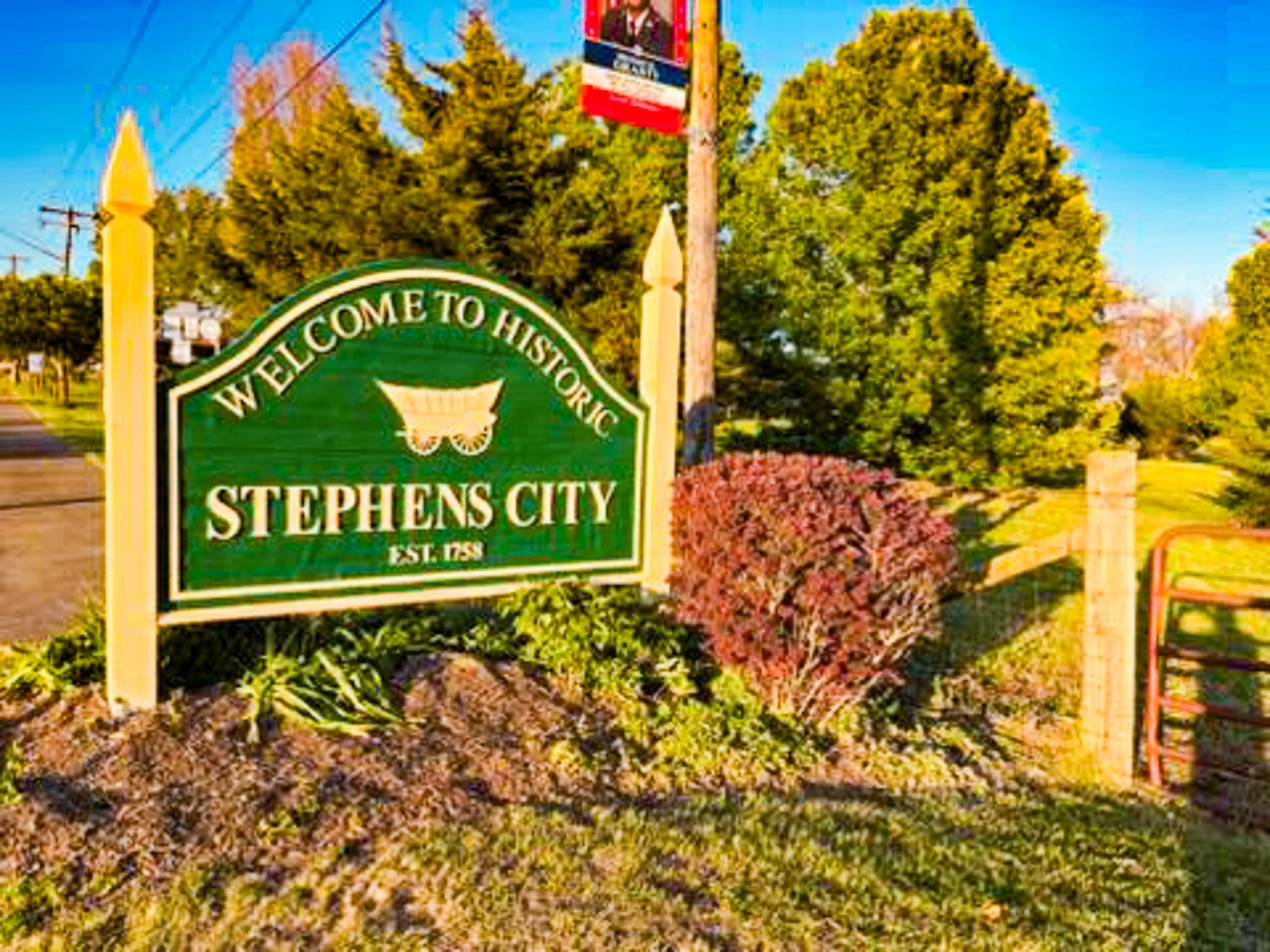
Welcome to Stephens City Sign
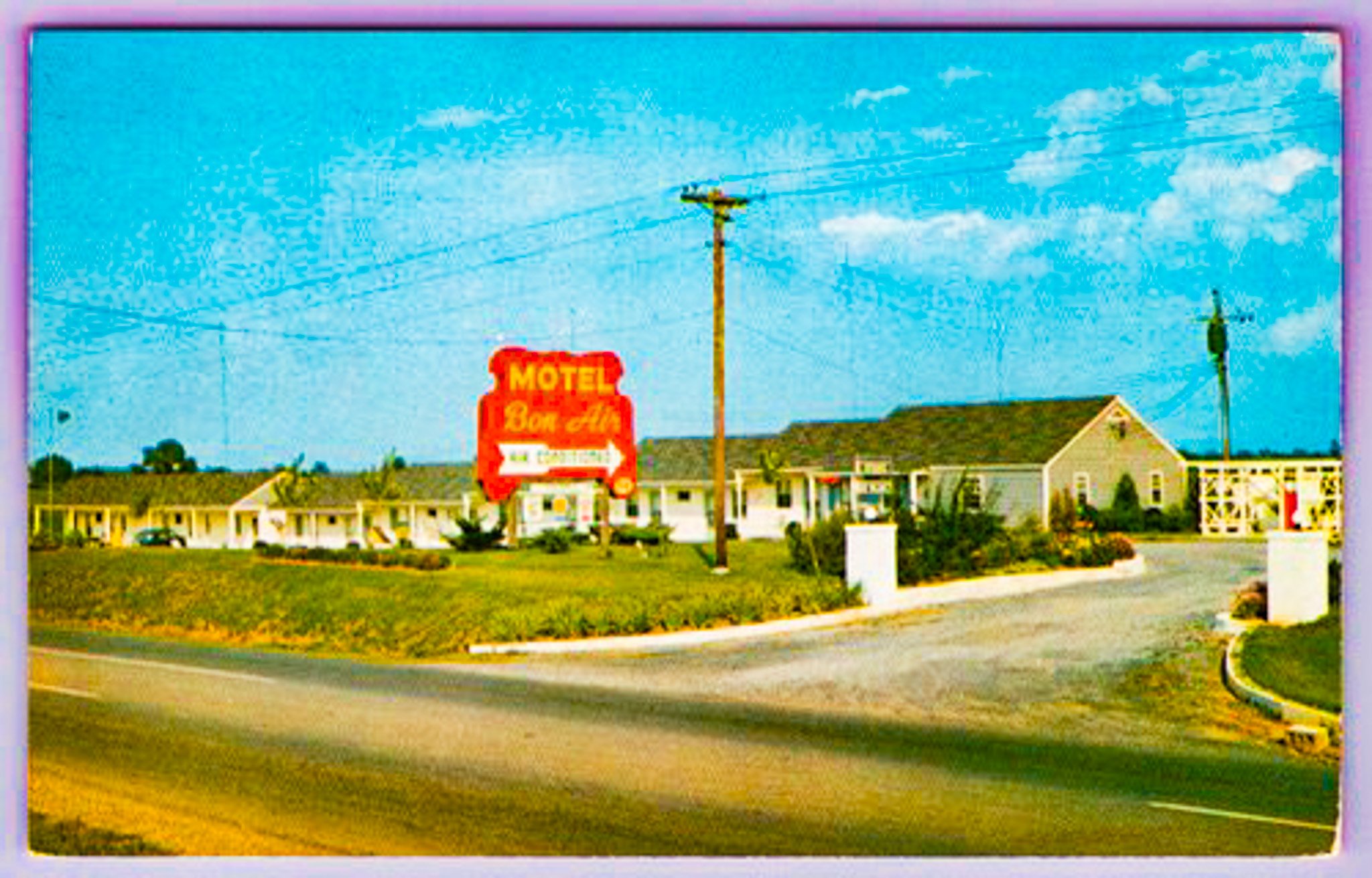
Bon Air Motel Postcard
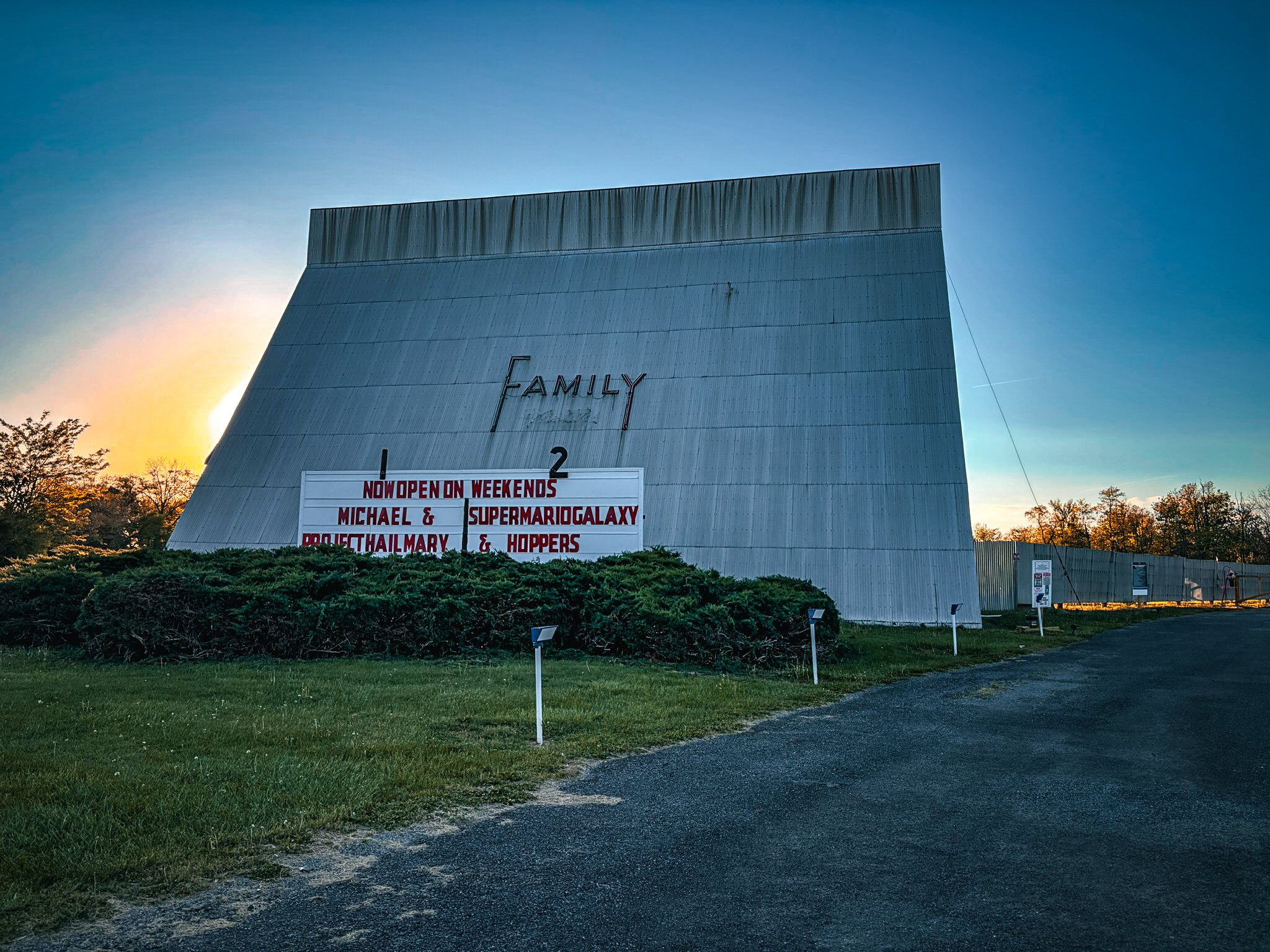
Family Drive in Theater
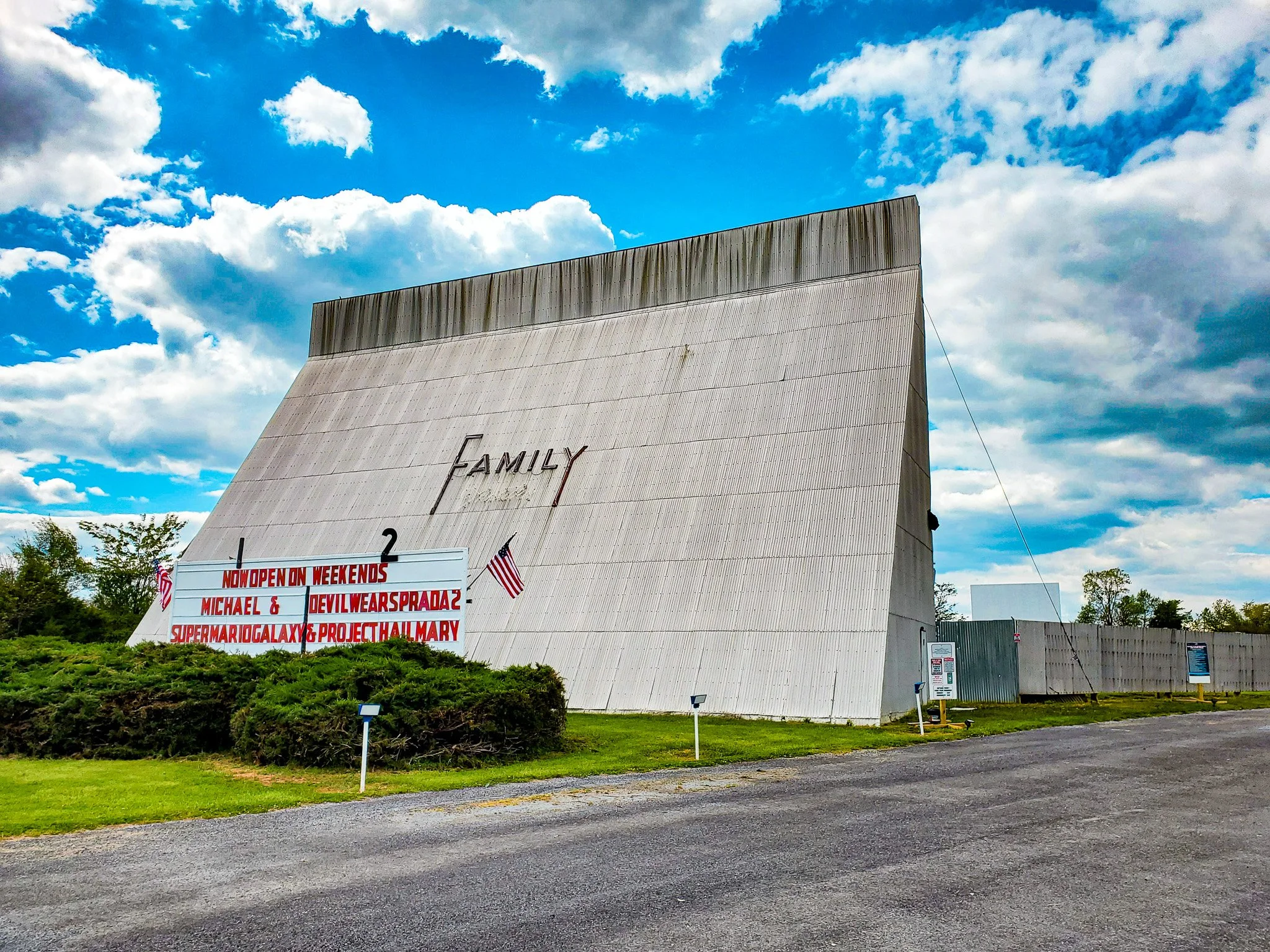
Family Drive in Theater

Historic Route 11 Drive-In Theater
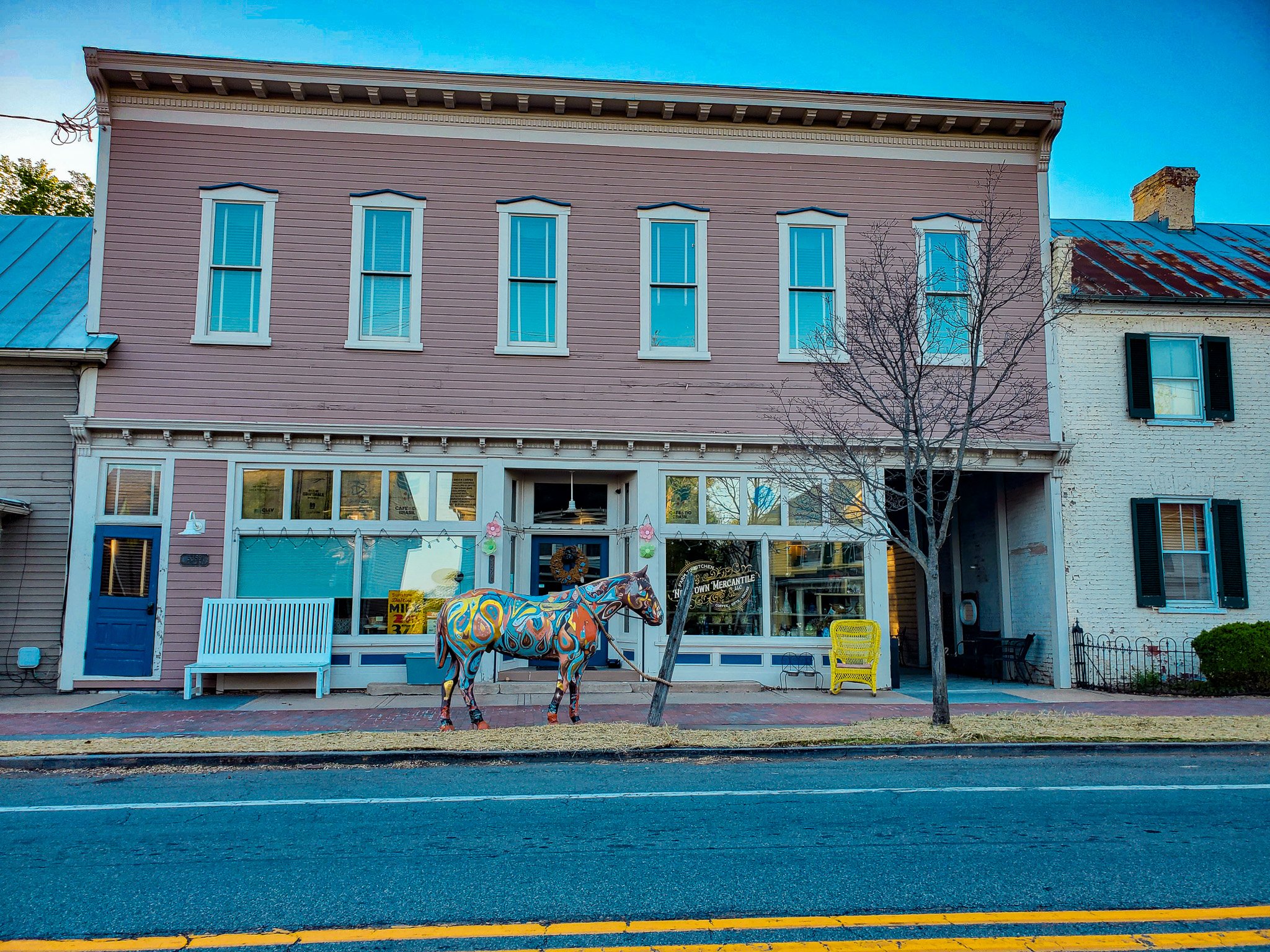
Newtown Mercantile
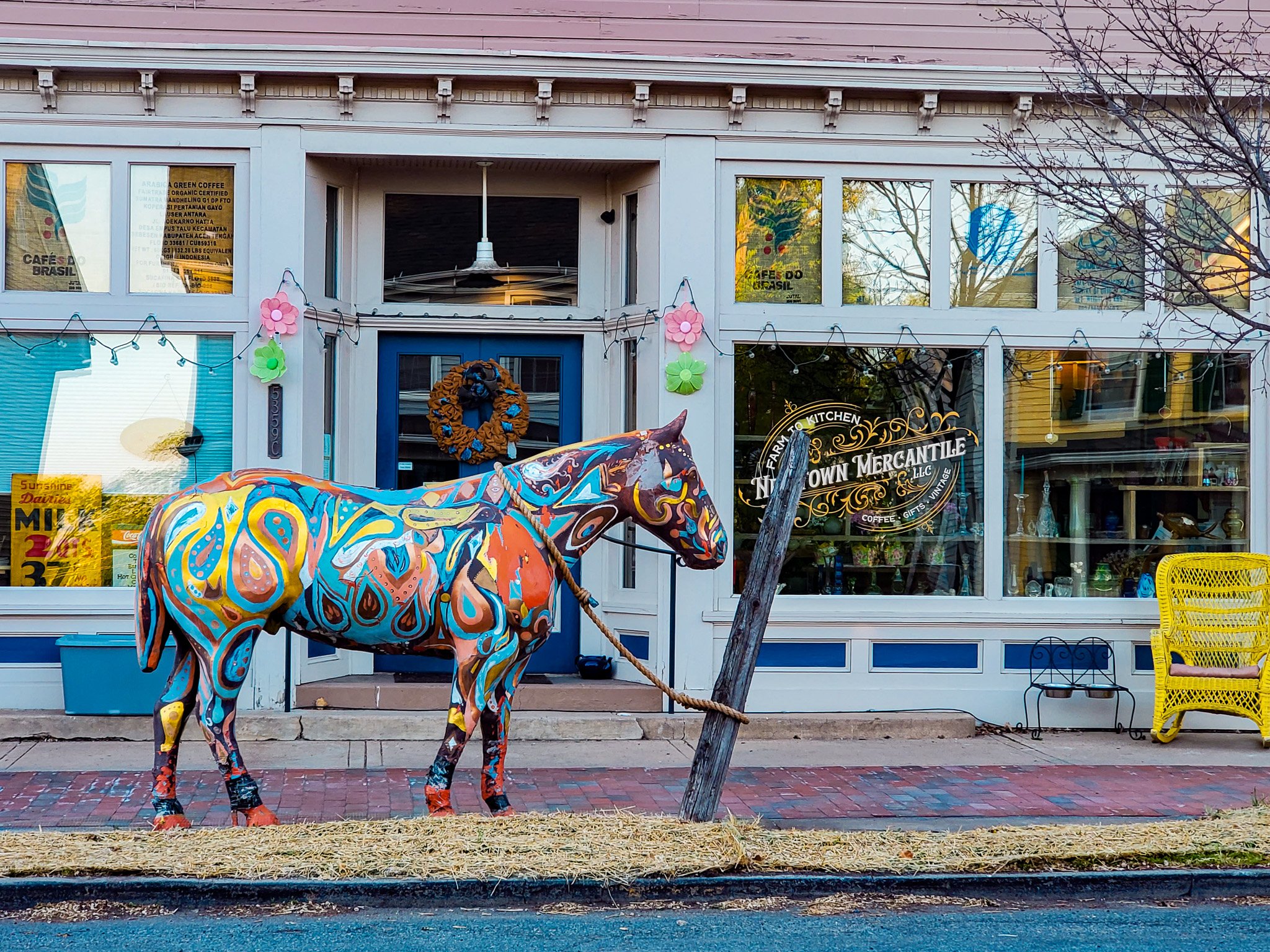
Newtown Mercantile
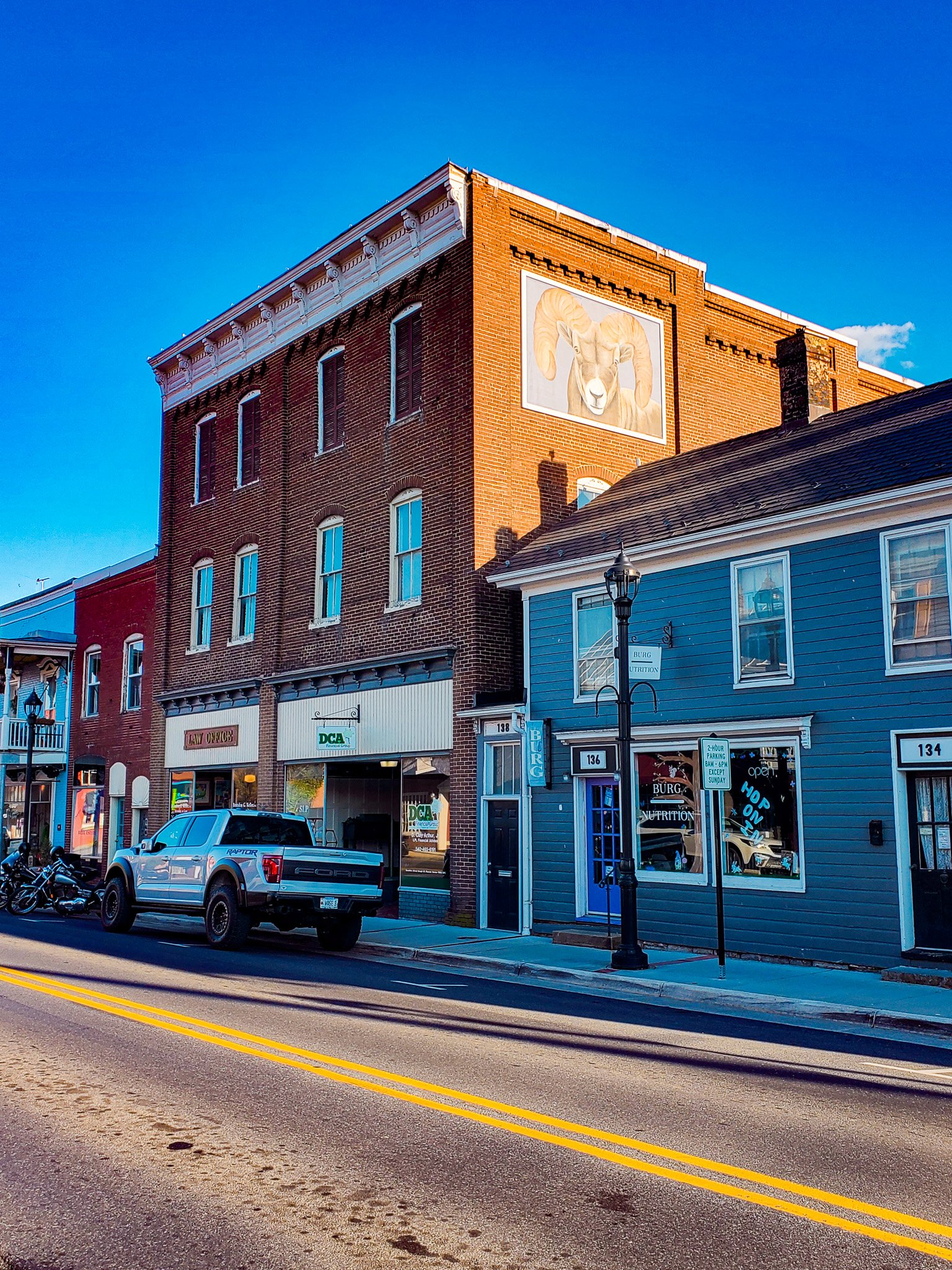
Downtown Stephens City
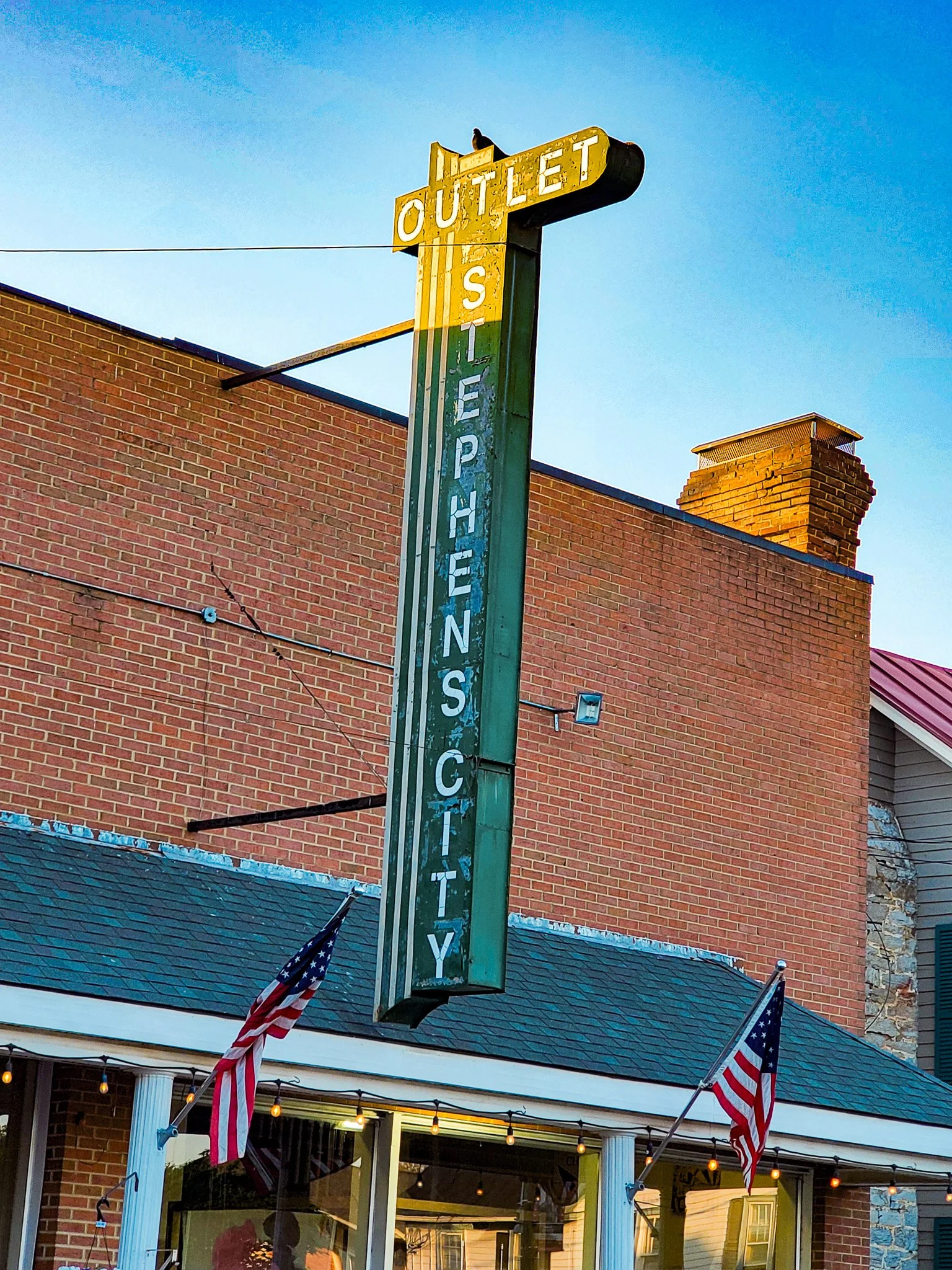
Stephens City Outlet
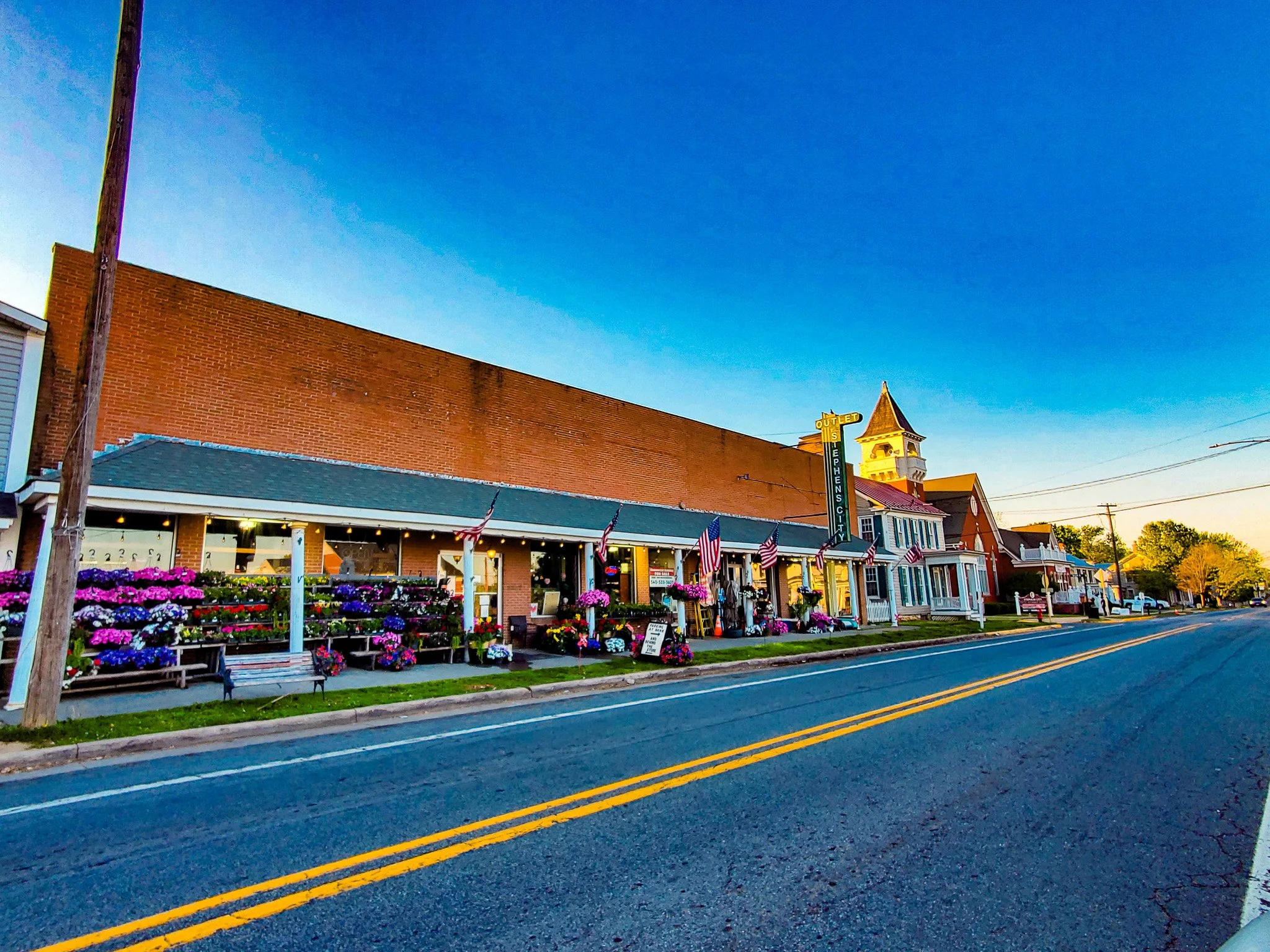
Stephens City Outlet
WINCHESTER
Originally a Shawnee Indian camping ground situated along the Great Wagon Road, Quakers and Scots-Irish arrived in the 1730's, and Colonel James Wood founded the town in 1744 calling it Frederick Town. It was chartered in 1752 and renamed Winchester. George Washington began his surveying career at age 16 in the area for Lord Fairfax. Washington was elected to his first public office (House of Burgesses) while representing Frederick County in Winchester. During the Civil War, Winchester changed hands 72 times. The city is the birthplace of Patsy Cline, Richard E Byrd (polar explorer) and author Willa Cather. Historic sites and venues include George Washington's office, the Old Town Winchester walking mall, the annual Apple Blossom Festival, Abram's Delight museum, the Museum of the Shenandoah Valley, and the Shenandoah Valley Civil War Museum. The world’s largest apple is displayed in the front yard of the former home of Civil War General Phil Sheridan on N. Braddock Street downtown. US Highway 17N begins in Punta Gorda Florida and ends at US 11 in Winchester. Winchester is one of only 41 cities in the US that are independent of any county or county equivalent. Only three are not in Virginia: St Louis, Carson City, and Baltimore. The George Washington Hotel on US 11 has been operating since 1924 and was originally part of the Colonial Chain of hotels of the American Hotel Corporation which were built near Baltimore and Ohio (B&O) train stations. The B&O depot on US 11 was built in 1874 near the hotel. Don’t miss the large patriotic apple in front of the Clear Choice Printing Company and Mattie’s Frozen Custard, both on US 11.
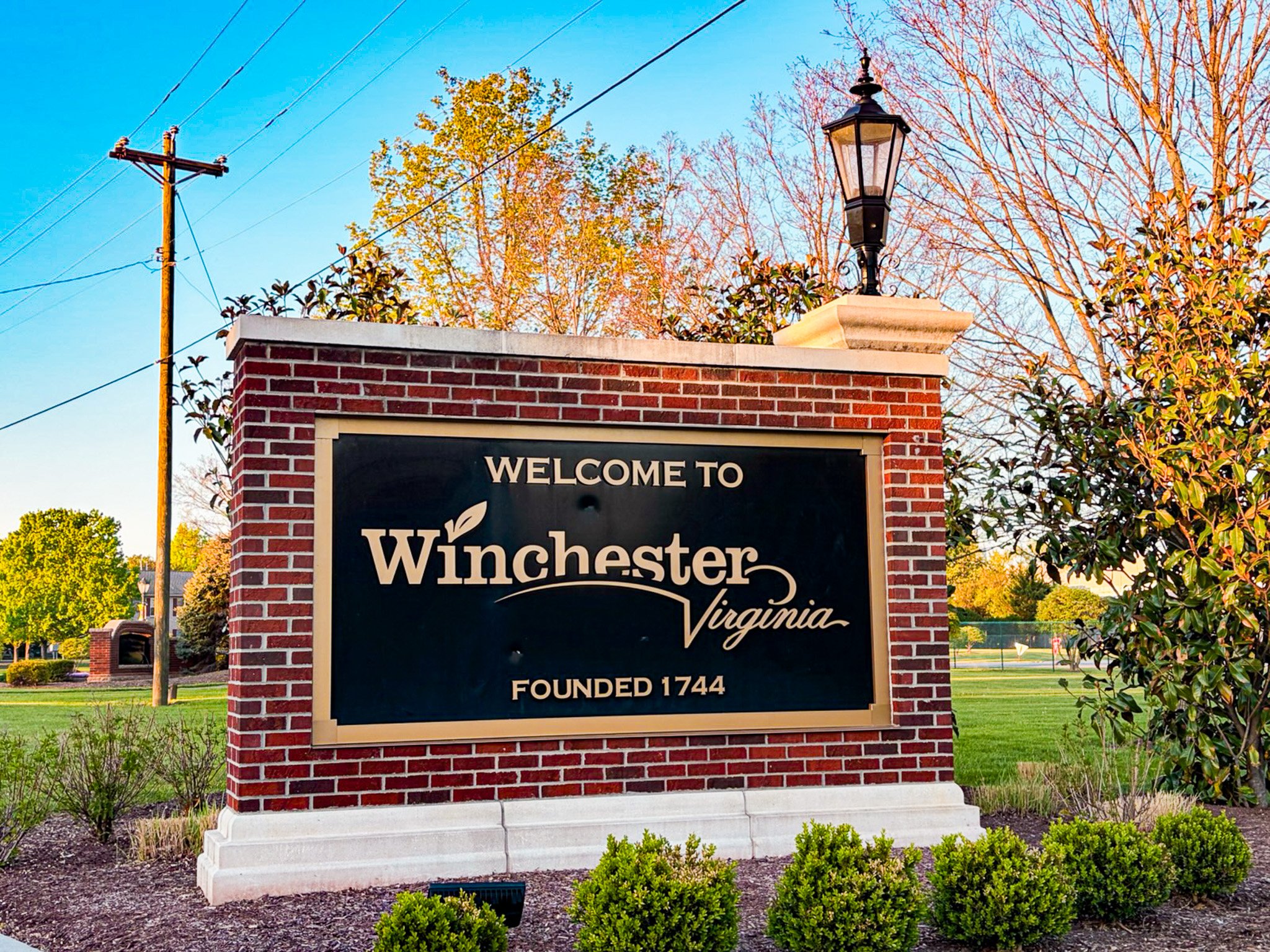
Welcome to Winchester Sign
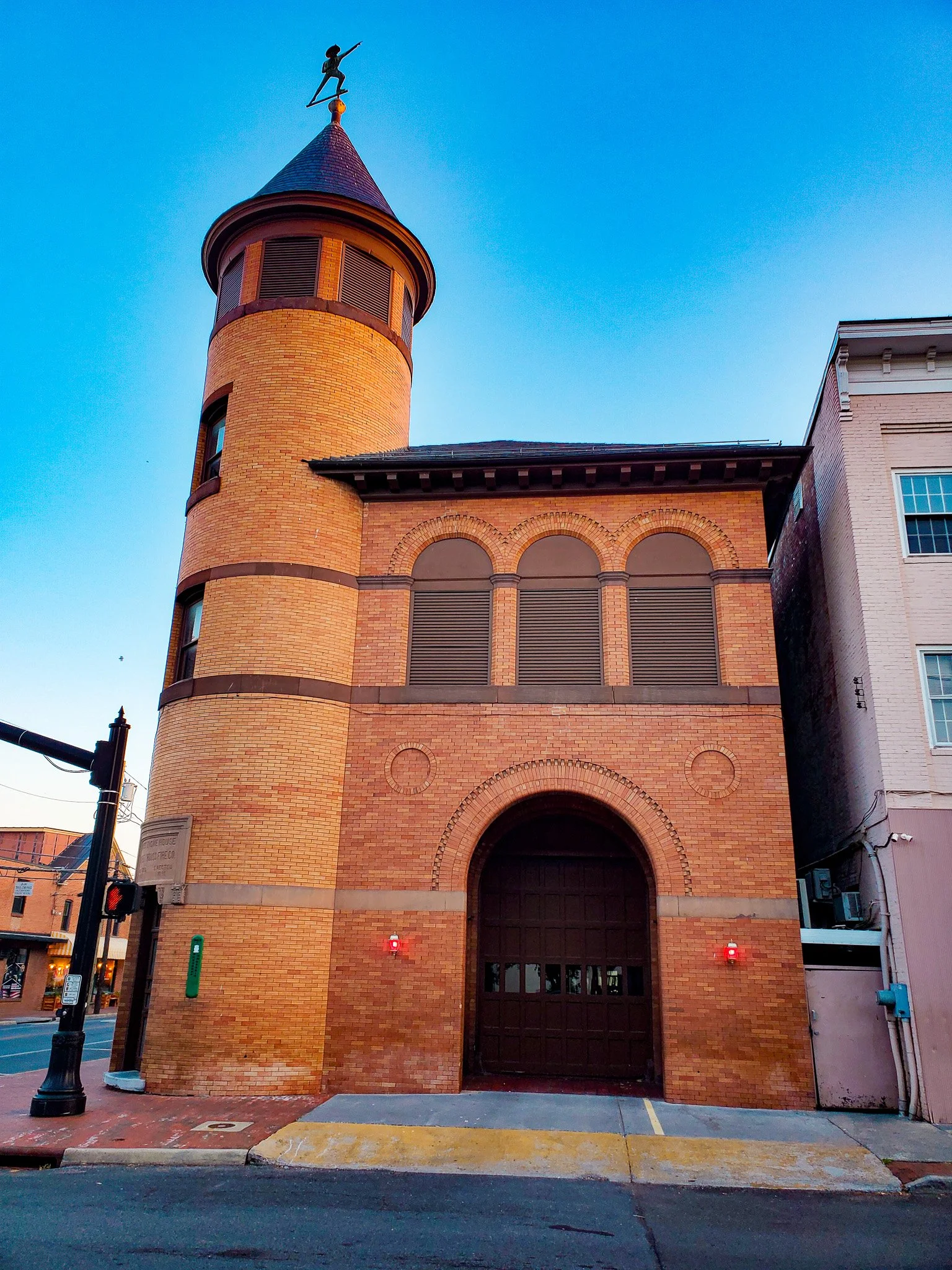
Fire Station
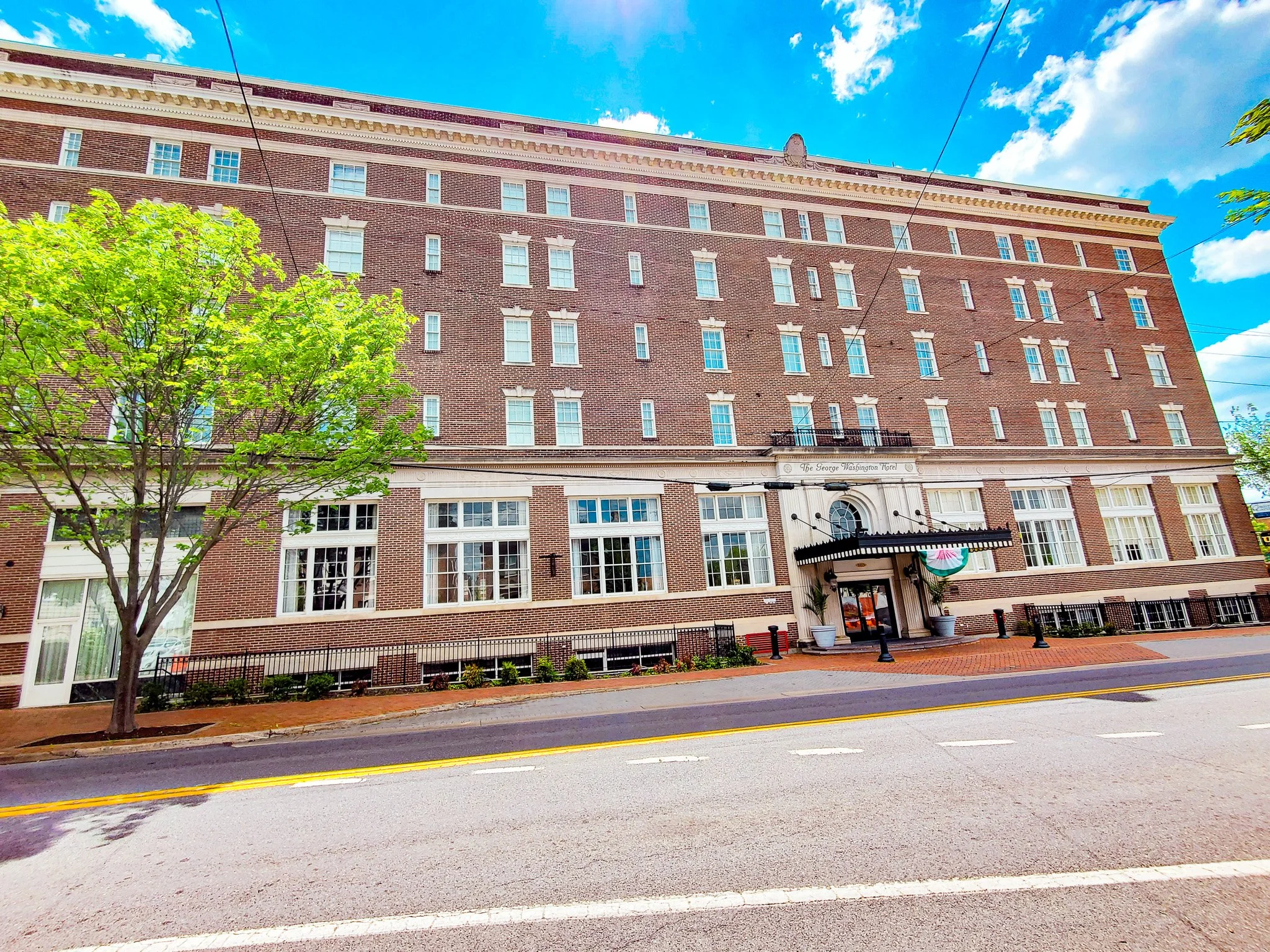
George Washington Hotel
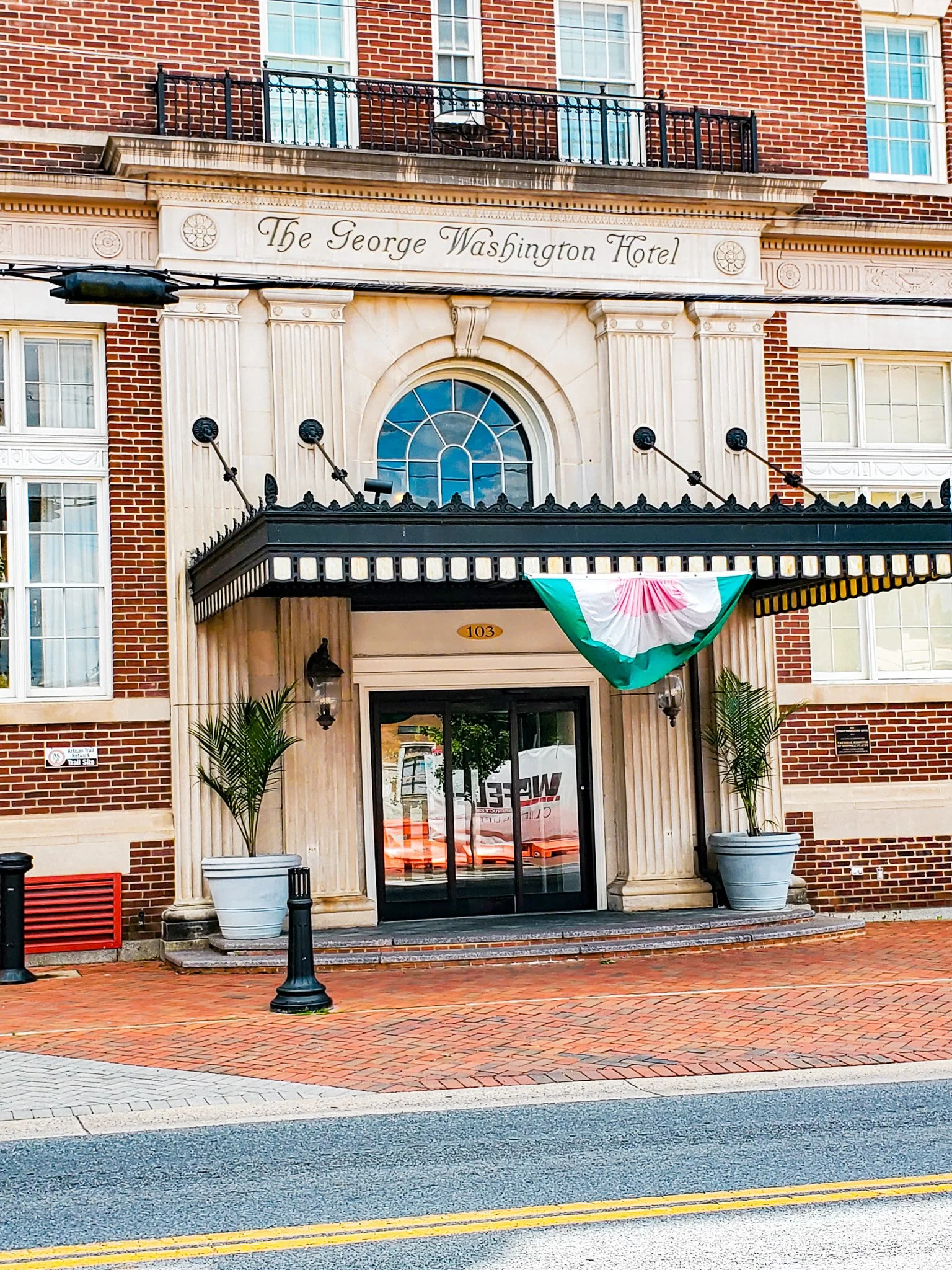
George Washington Hotel
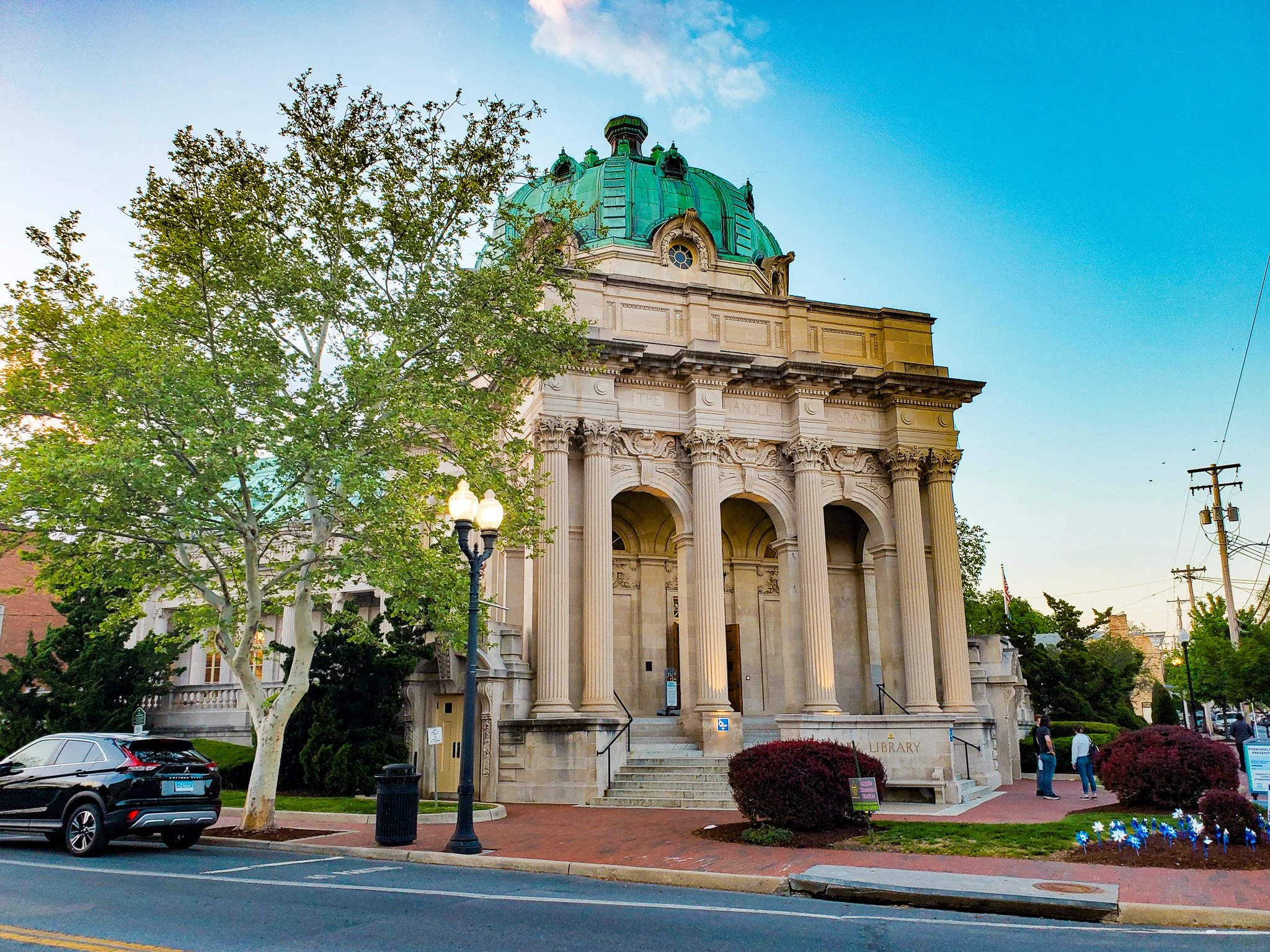
Handley Public Library (1913)
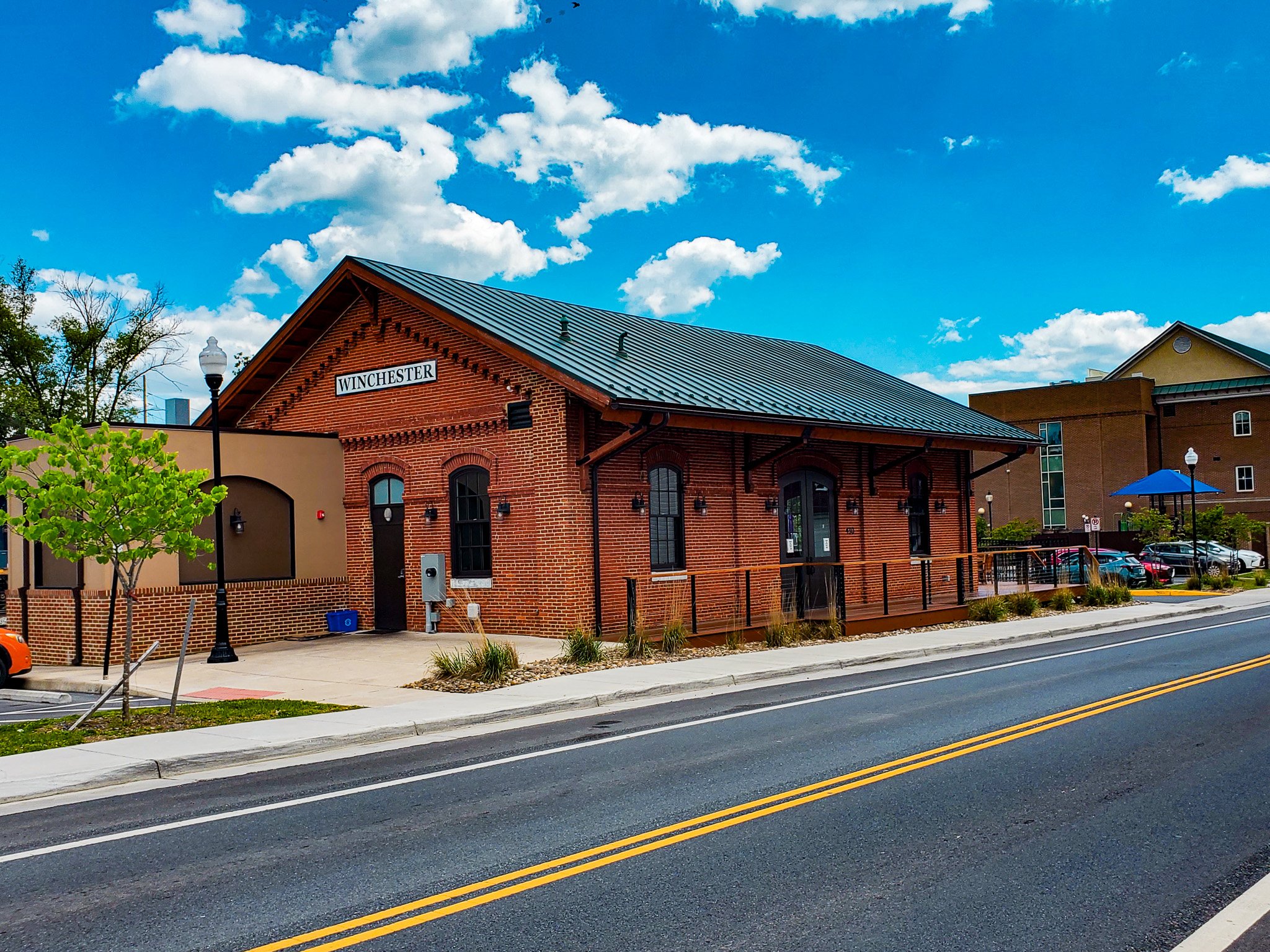
Train Depot

Large Apple at Gen Phil Sheridan Home
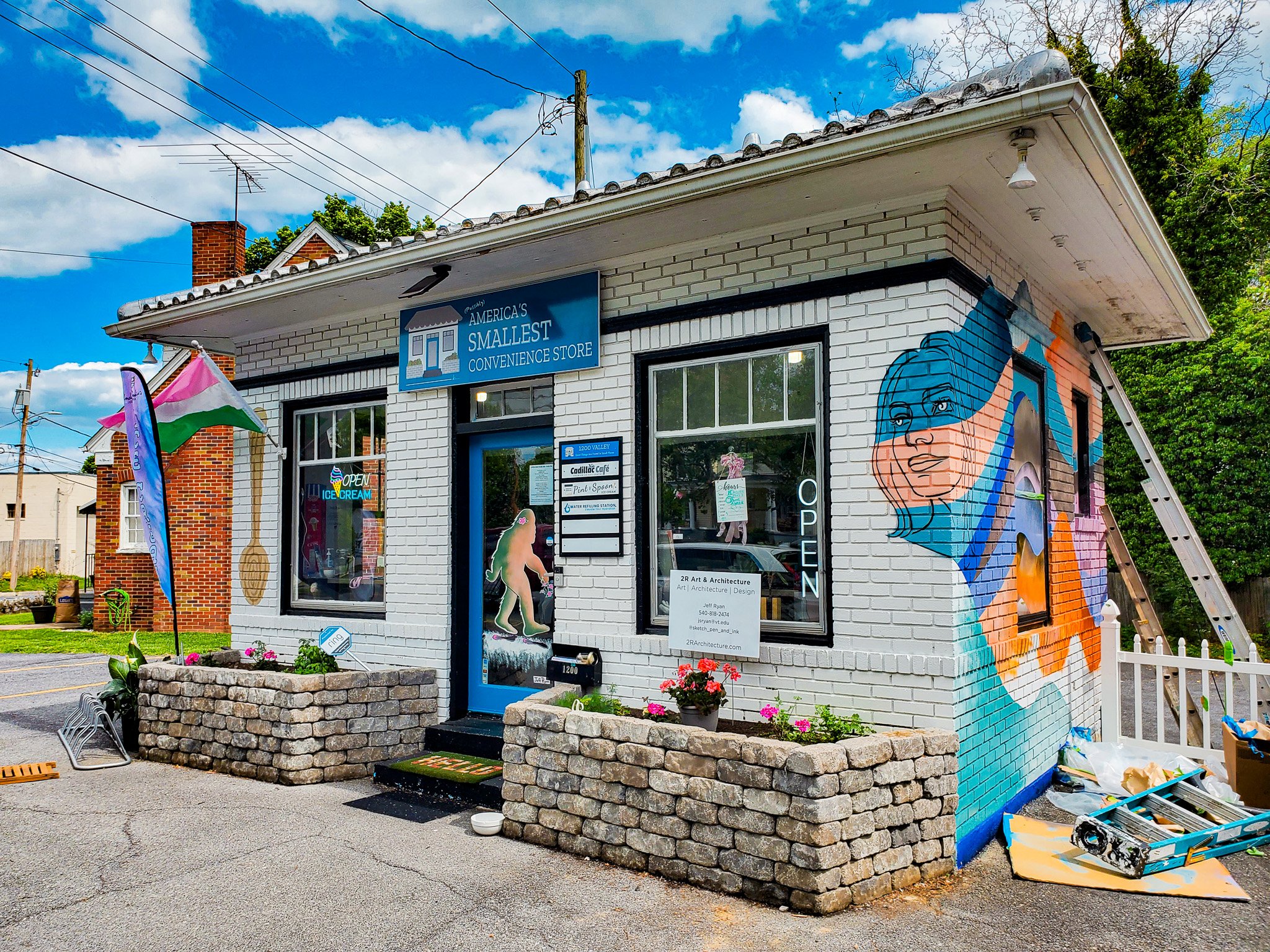
America's Smallest Convenience Store
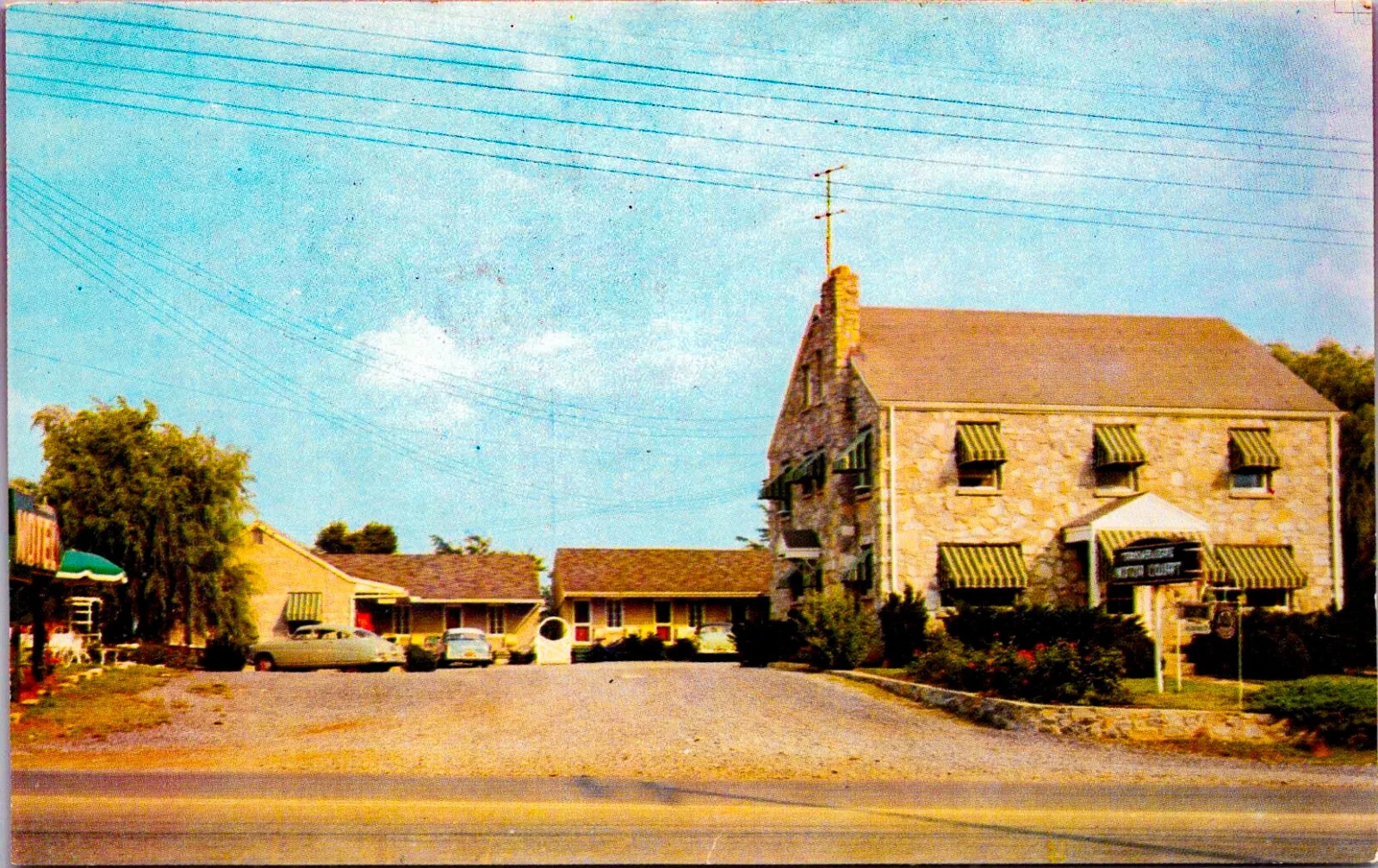
Travelers Motor Court Postcard
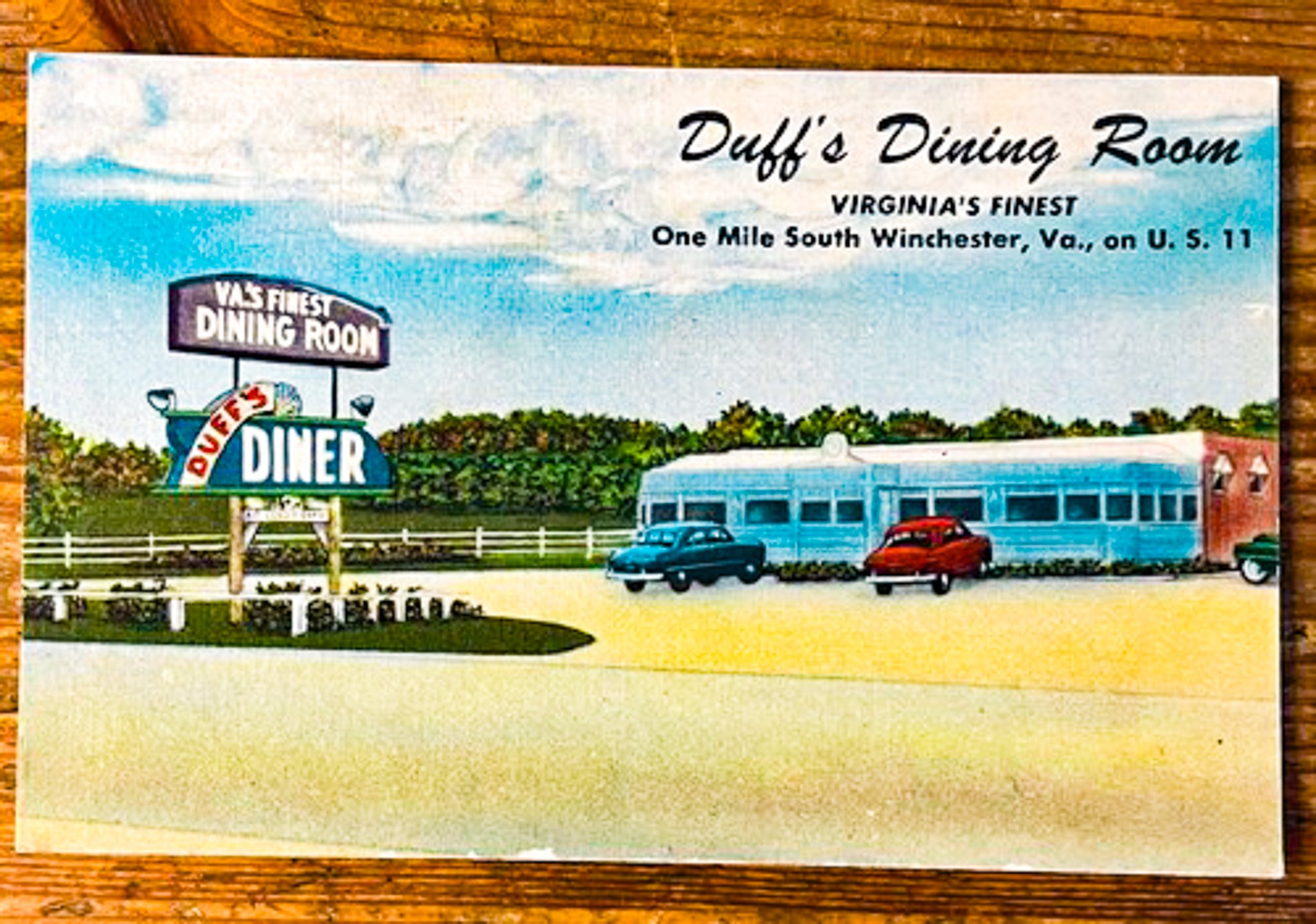
Duff's Dining Room Postcard
REST
After passing through the unincorporated town of Rest Virginia, we will enter the state of West Virginia. Twenty six miles after entering West Virginia, we will enter Maryland and 13 miles after that, we will begin our 248 mile trek through Pennsylvania, our next to last state on US 11.