
MISSISSIPPI
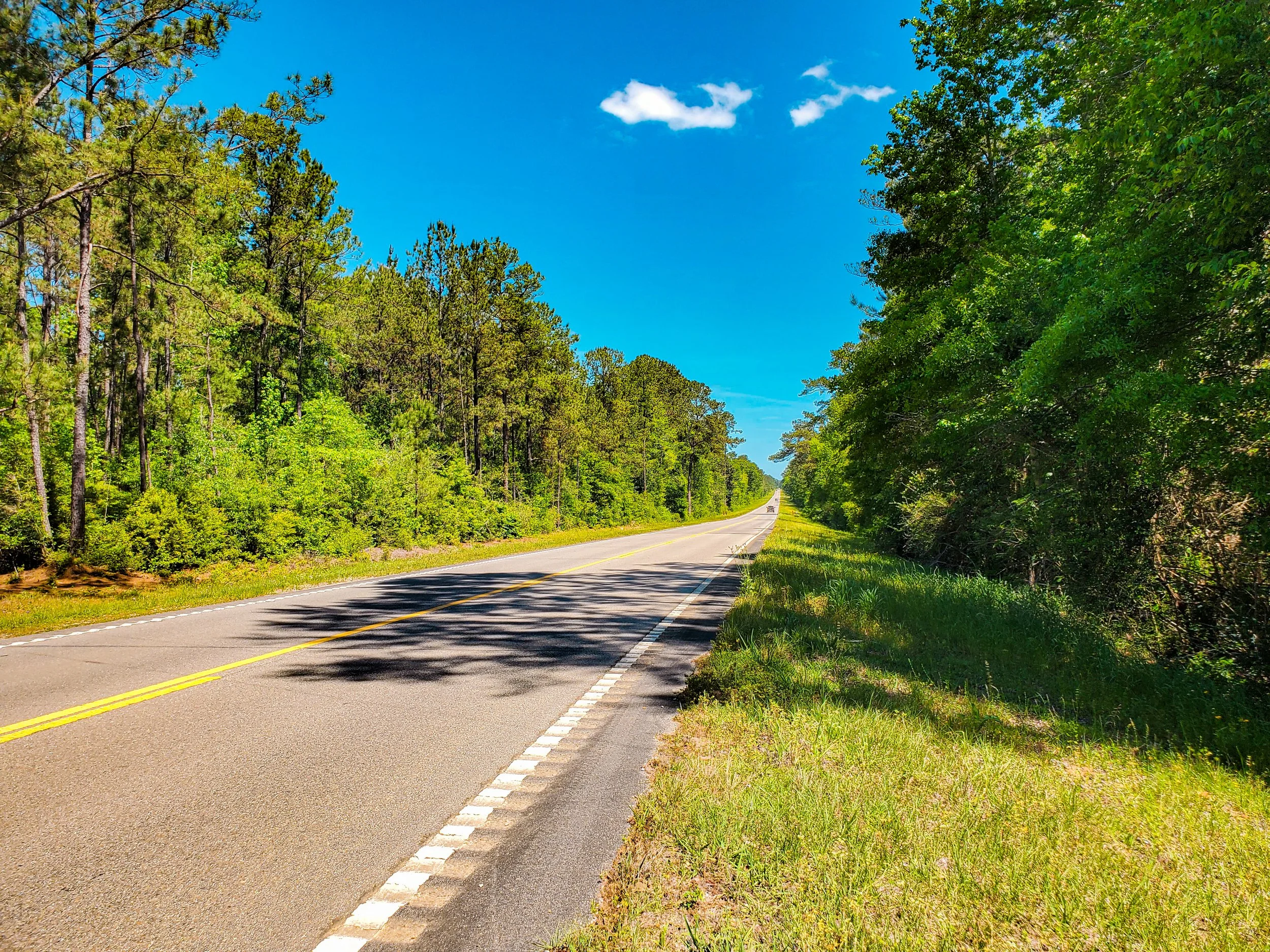
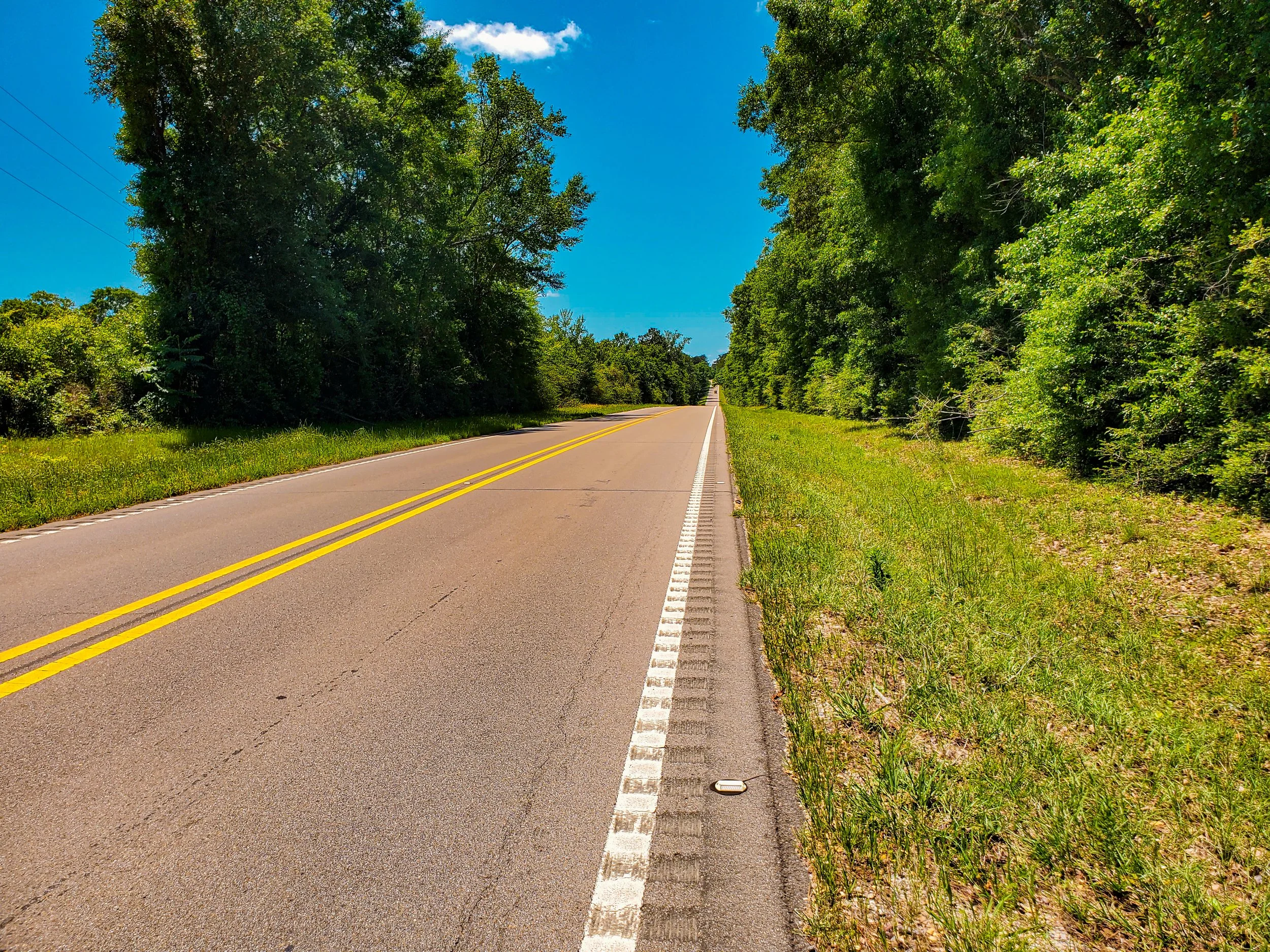
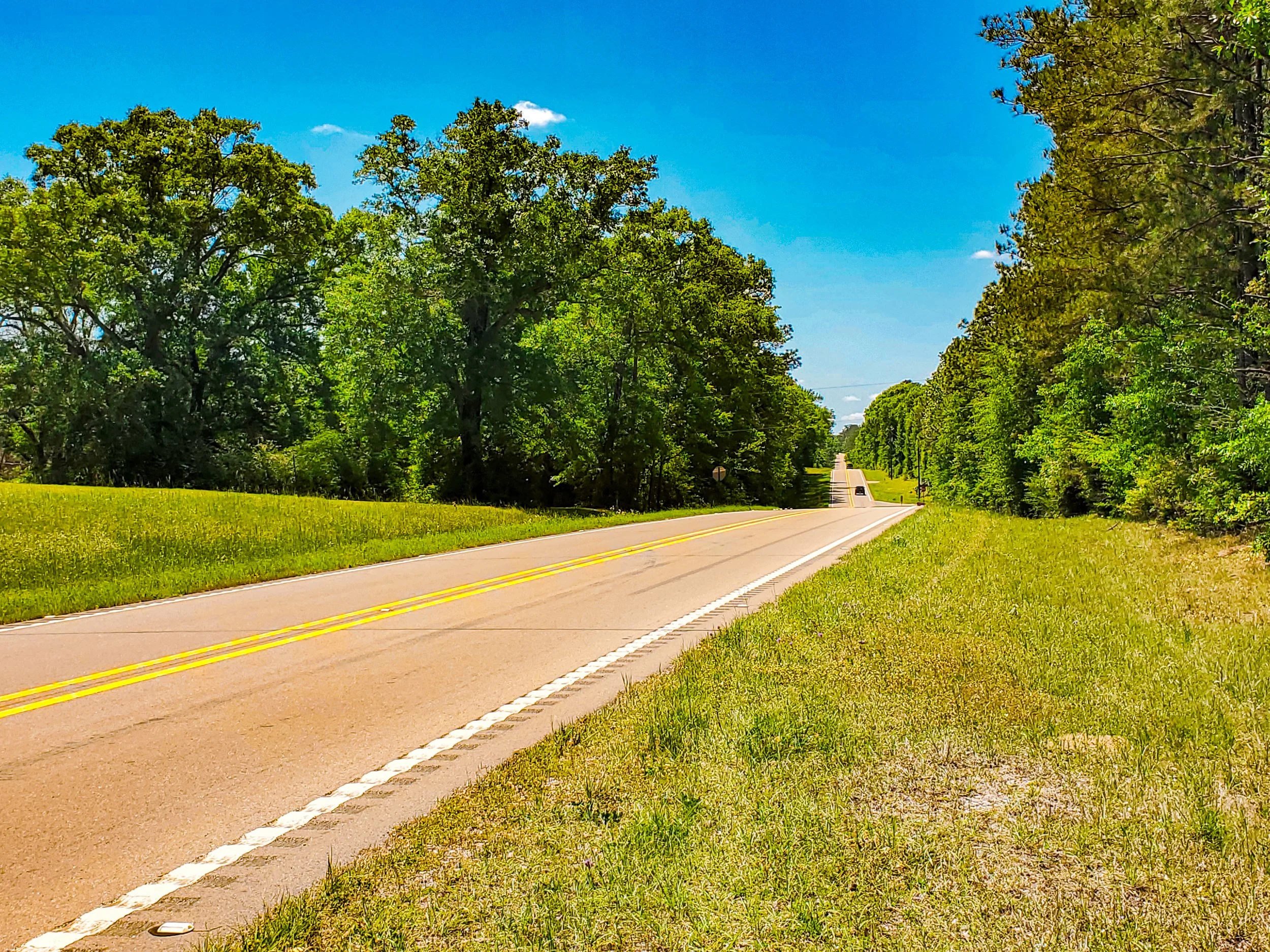
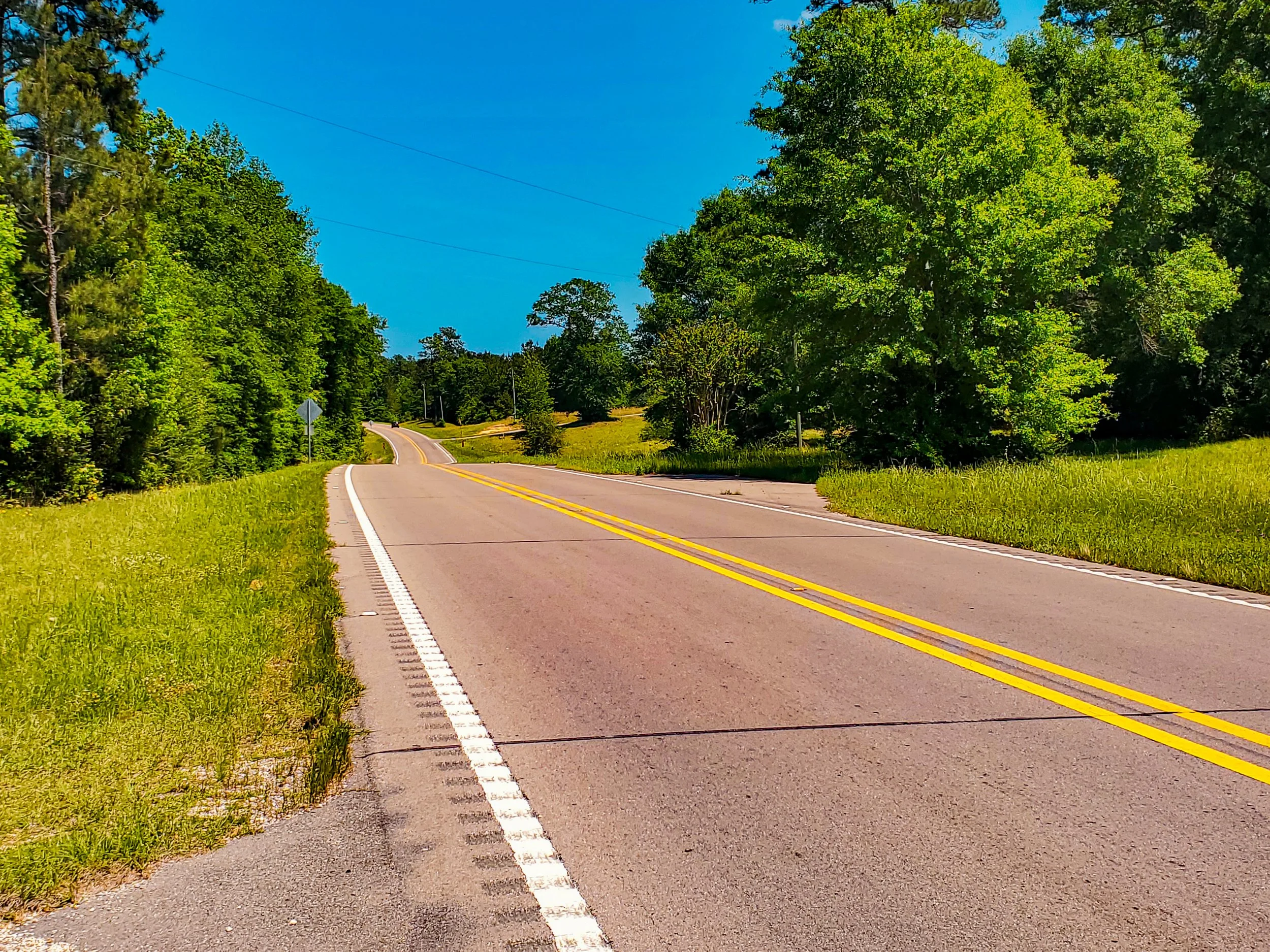
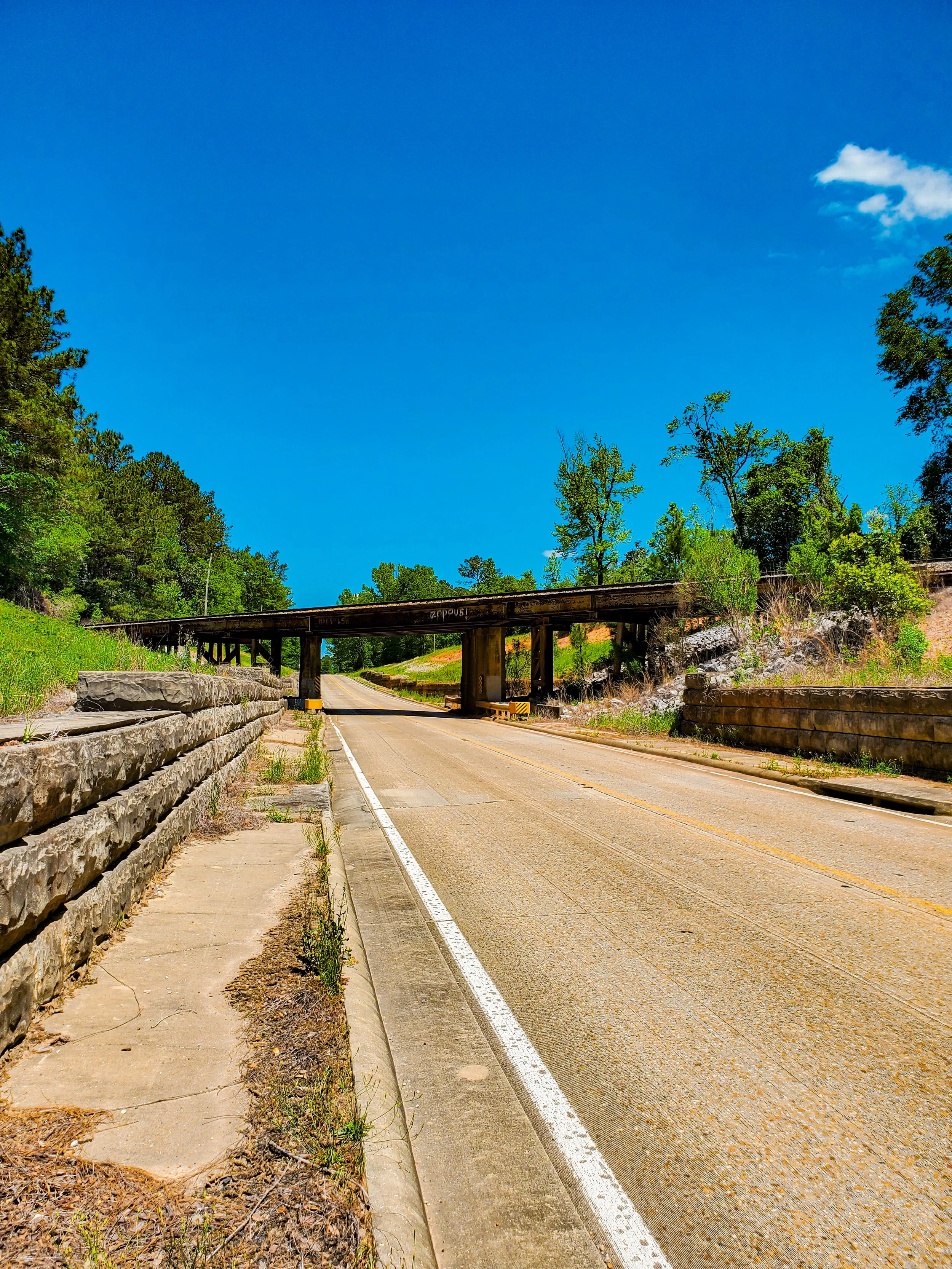
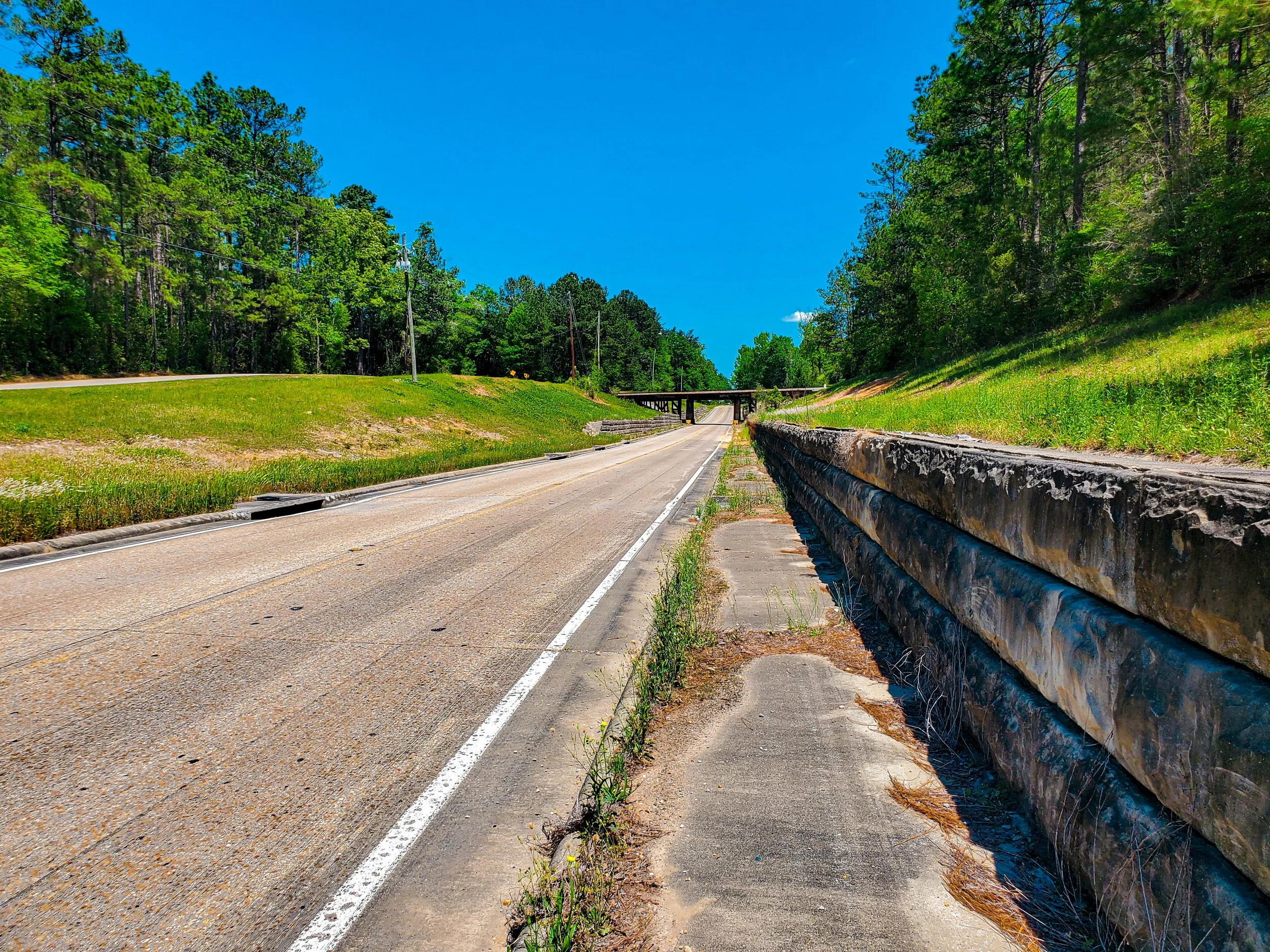
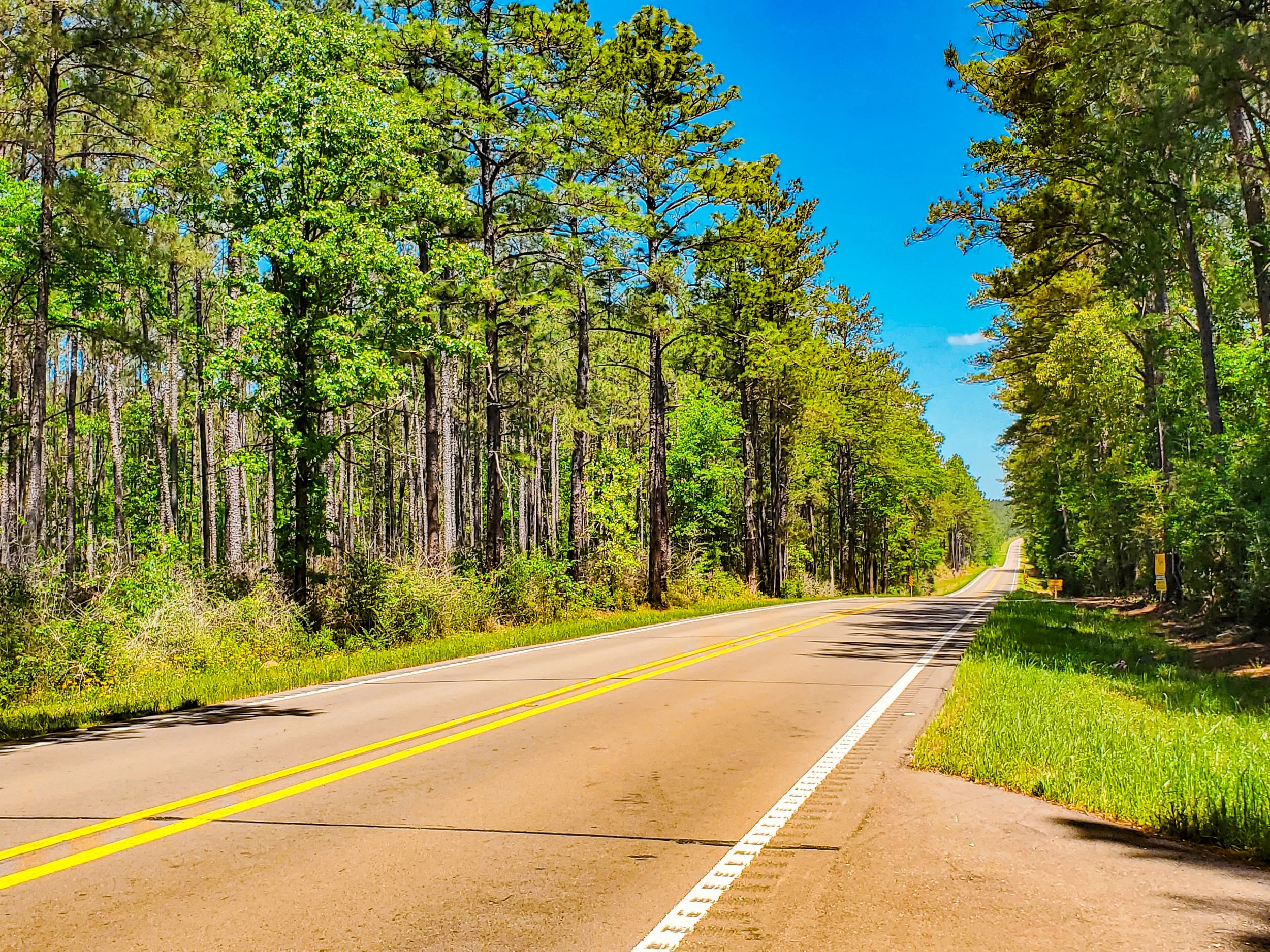
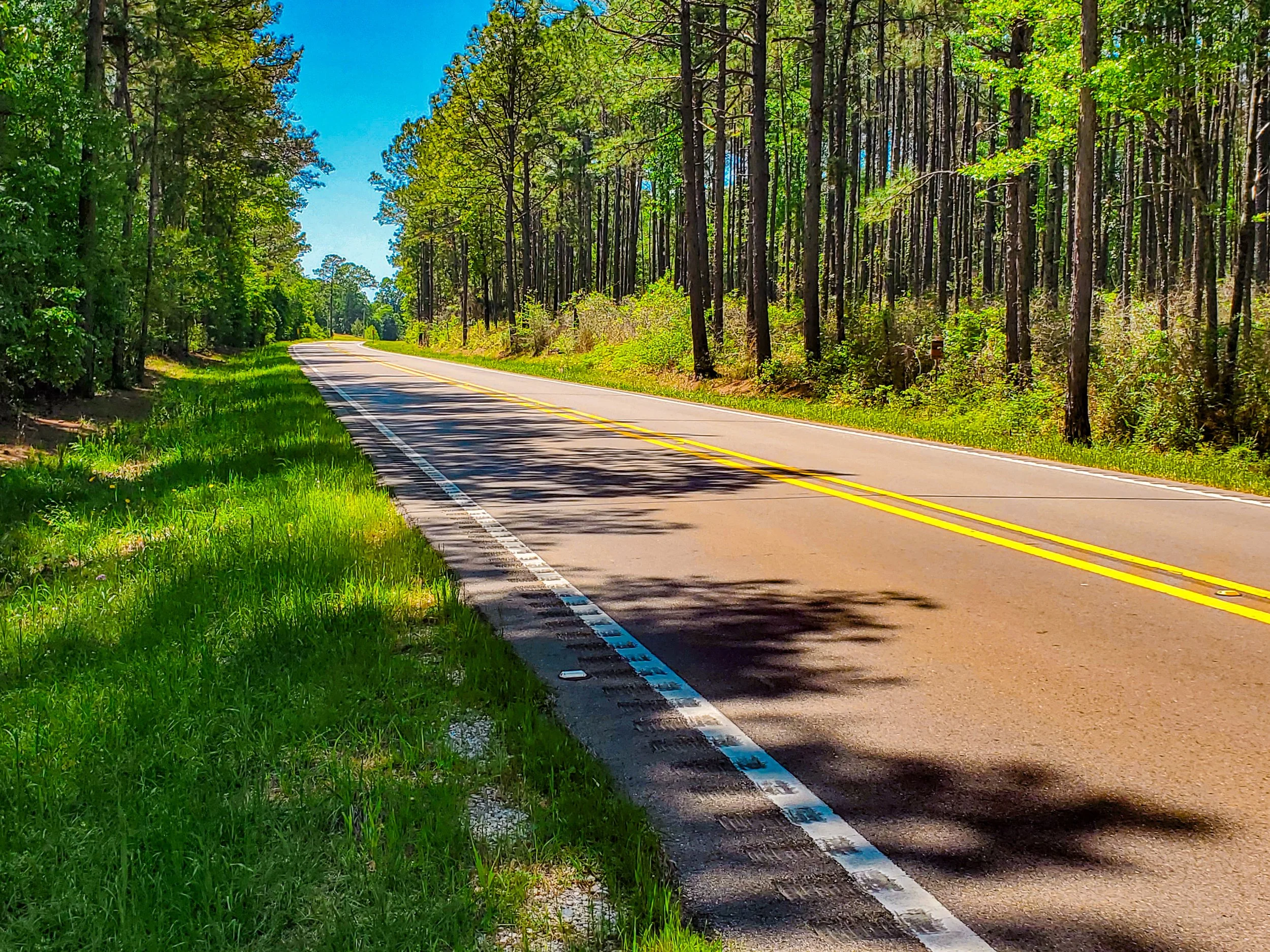
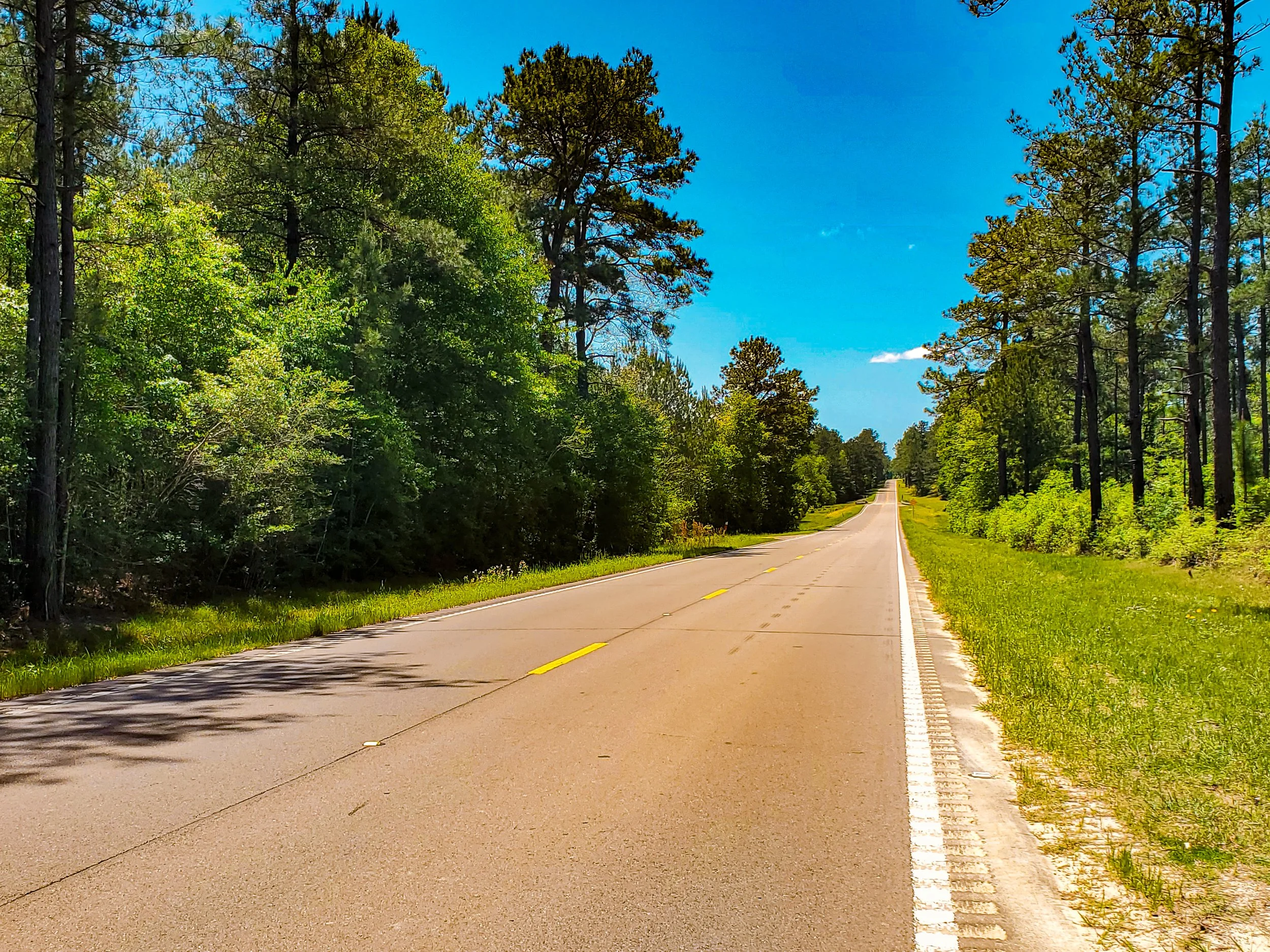
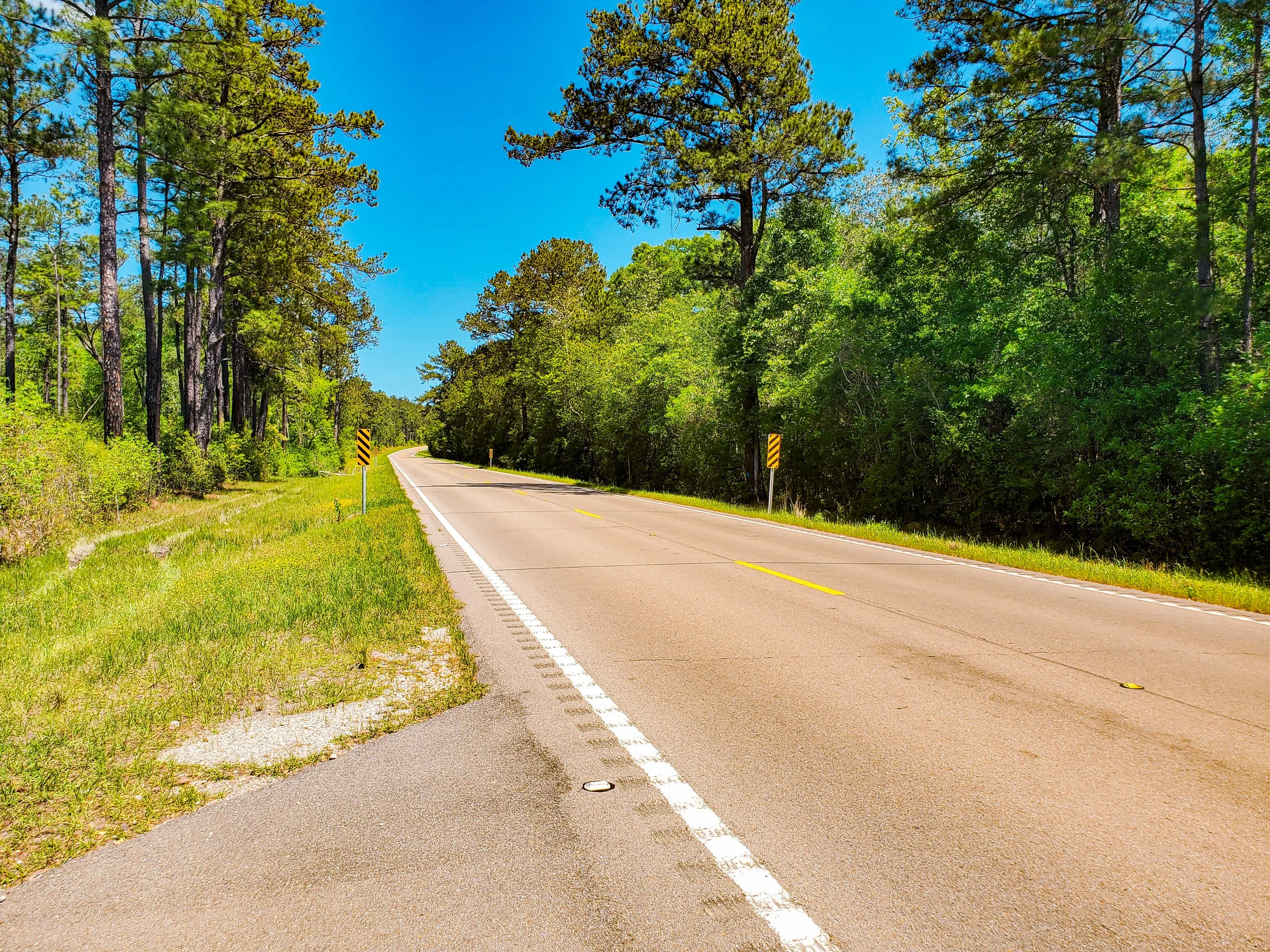
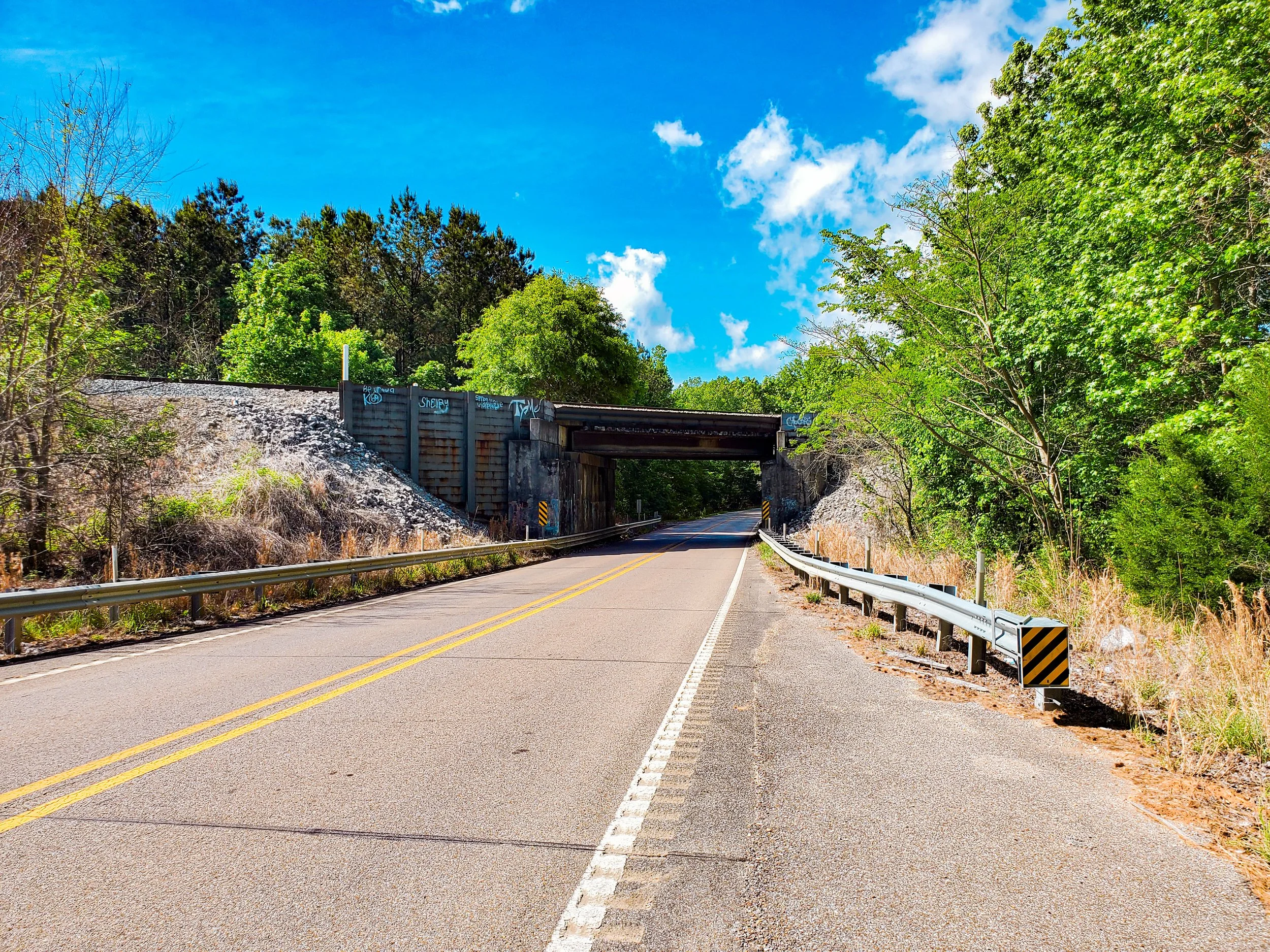
Mississippi’s 173 miles of Historic Route 11 begins as the highway departs from its concurrency with I-59 at Exit 1 just across the Louisiana-Mississippi state border. US 11 follows rail lines through the state, reinforcing the importance and synergy of the railroads with the settlements, the timber economies, and ultimately, highways though the region. As you head north, you will travel through the “Pine Belt”--the nine counties of Covington, Forrest, Greene, Jefferson Davis, Jones, Lamar, Marion, Perry, and Wayne–that provided the abundant virgin forests of longleaf pine for harvest until they were depleted in the early 20th century. Pine trees and railroad tracks–you’ll see a lot of both on this segment of your trip
NICHOLSON
This is the first town in Mississippi as you travel from Louisiana, named after Eliza Jane Poitevent Nicholson, a prominent poet, publisher, and owner of The Daily Picayune newspaper in New Orleans. Nicholson is only 11 miles from the John C Stennis Space Center, NASA’s premier rocket propulsion test site. The INFINITY Space Center is open during the week, and rocket engine test schedules are posted on their website.
PICAYUNE
The city is named after the Spanish coin worth 1/16 of a Spanish dollar, or about 6 cents. The term typically refers to an object of little value, and Picayune is the only city in the world with this name, although the major newspaper of New Orleans is The Times-Picayune. The Teddy Bear House Museum on S. Haugh Street houses over 16,000 teddy bears and bear-related items. As you drive through town, grab a root beer and po-boy at Frostop and then continue for a couple of blocks and enjoy your meal at the large Frostop frosty mug beside the train depot.
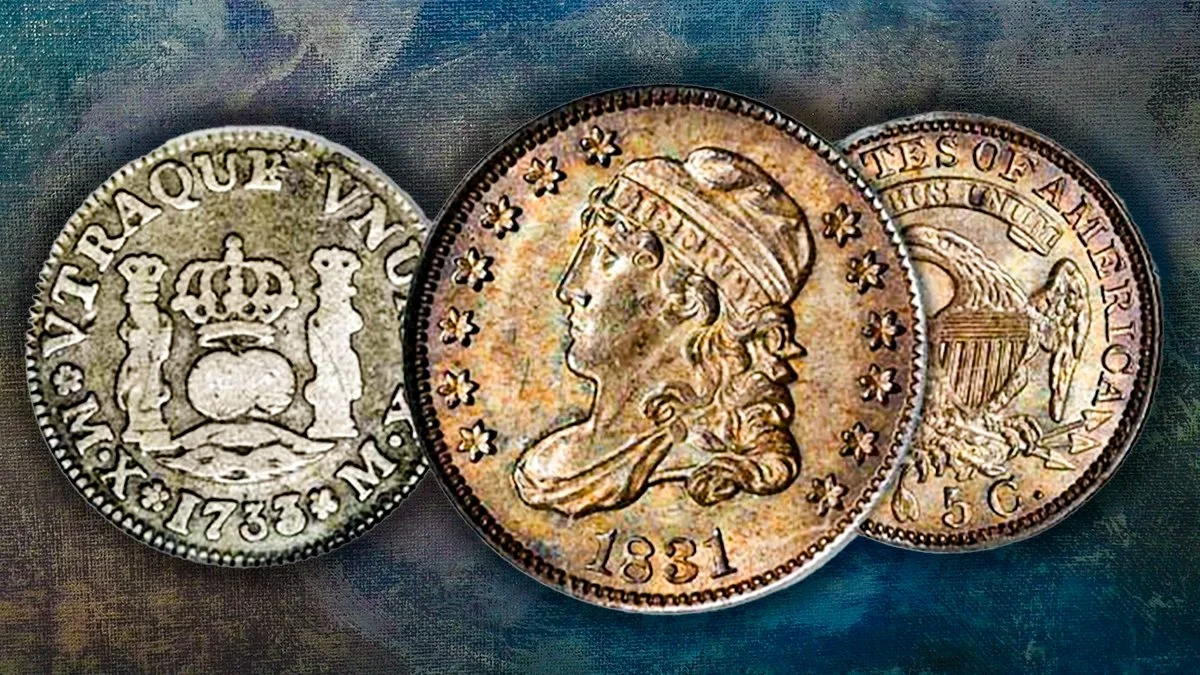
Picayune Coins
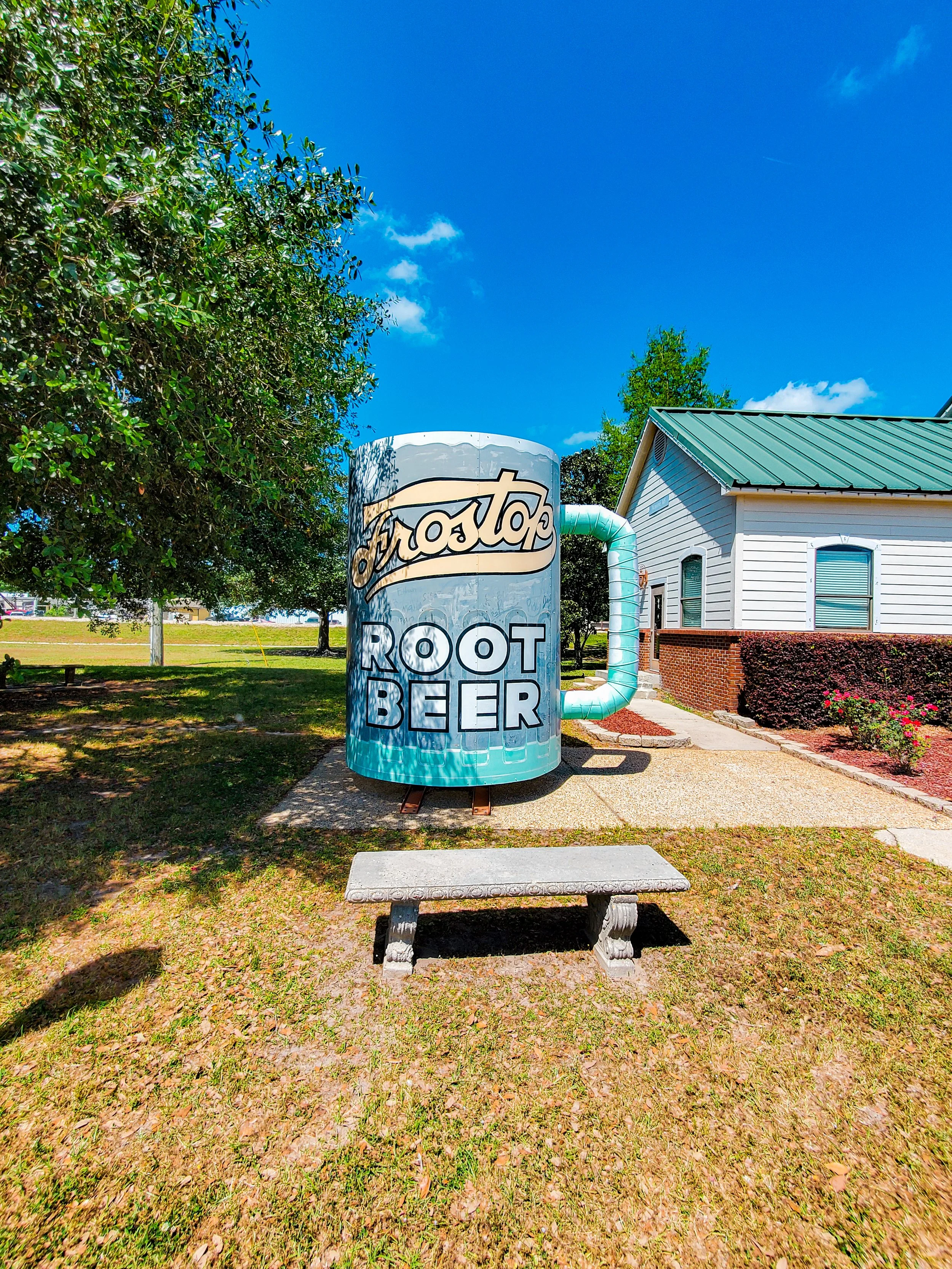
Frostop Mug
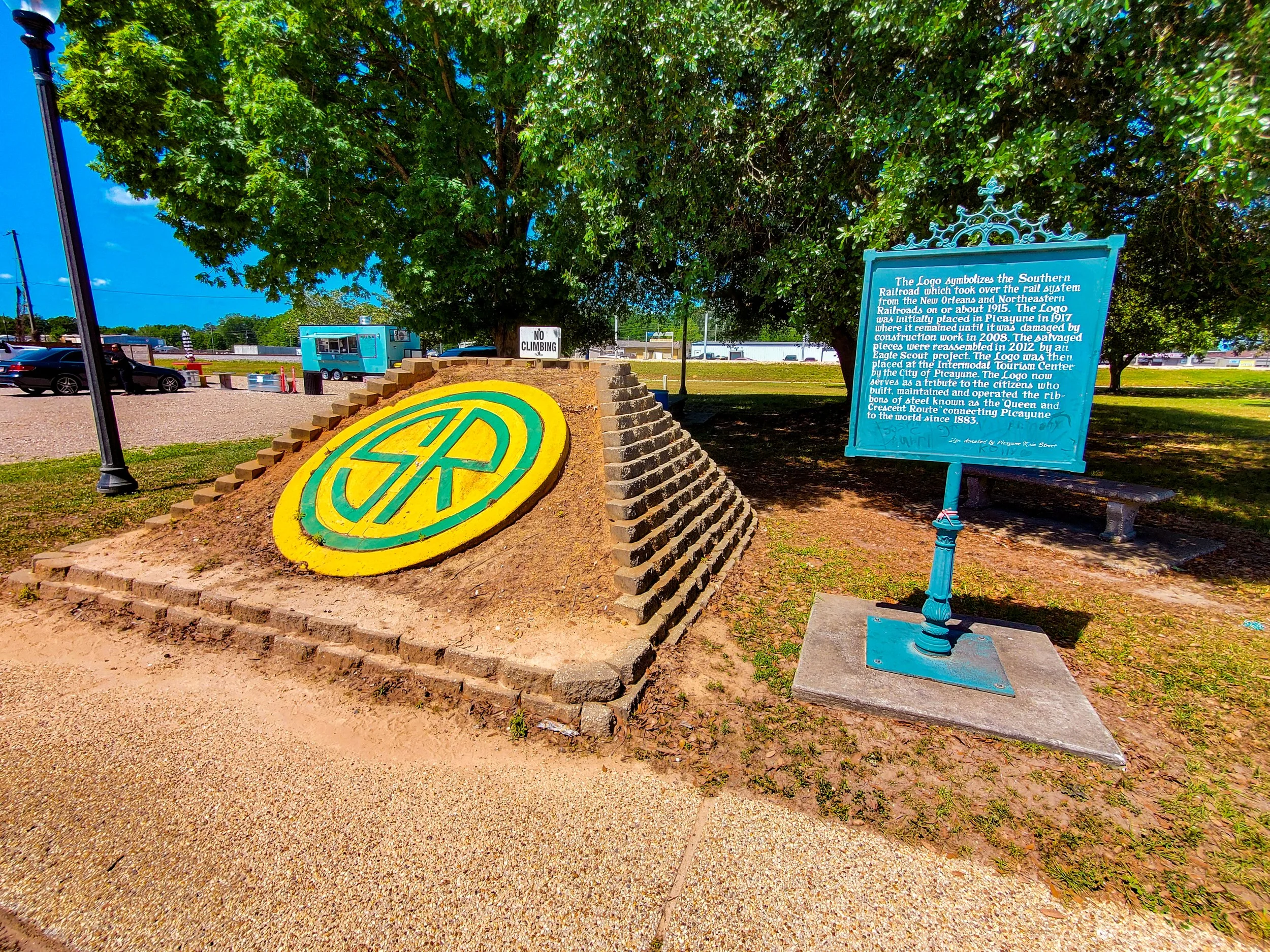
Picayune Railway Marker
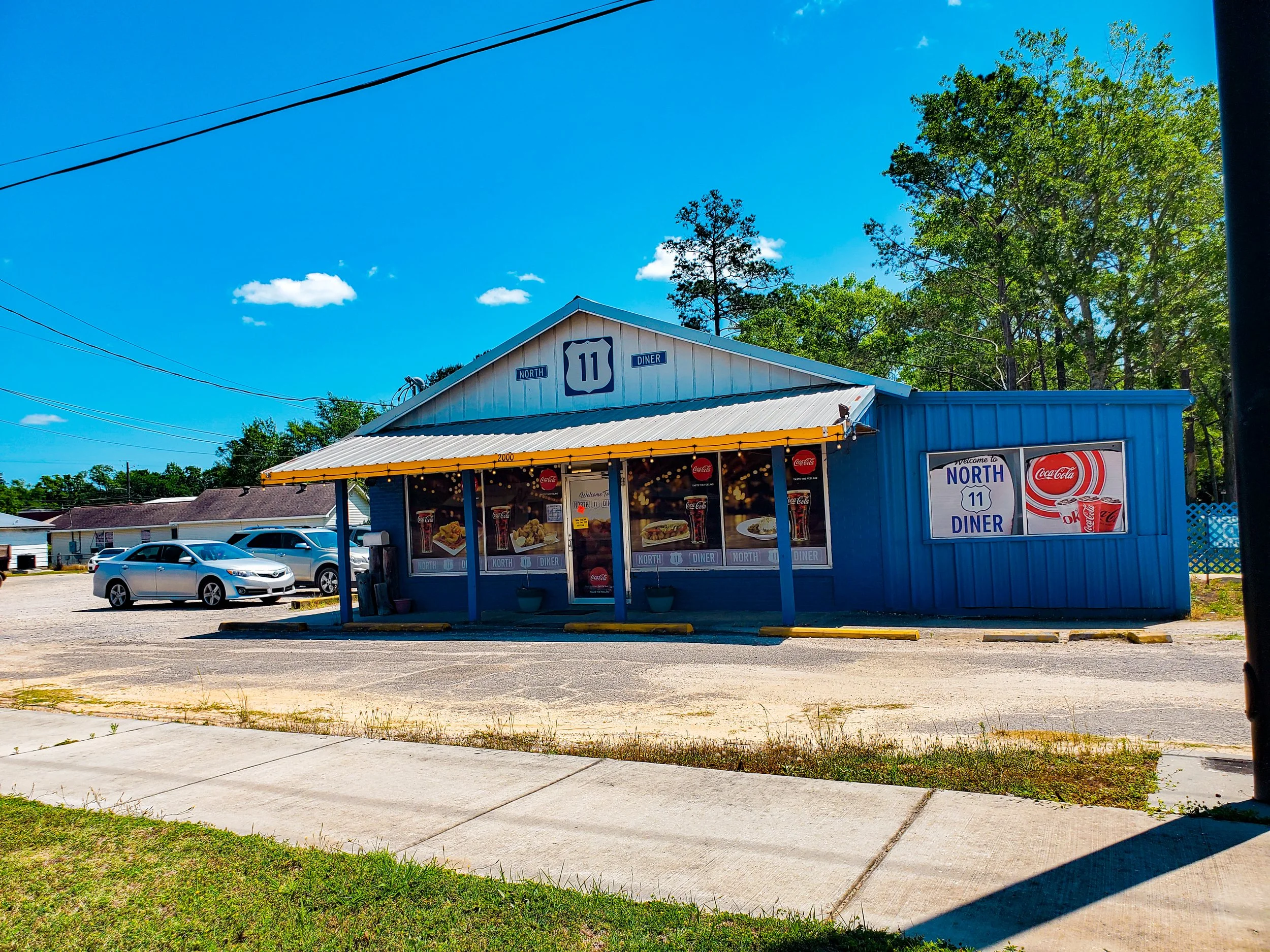
Route 11 Diner
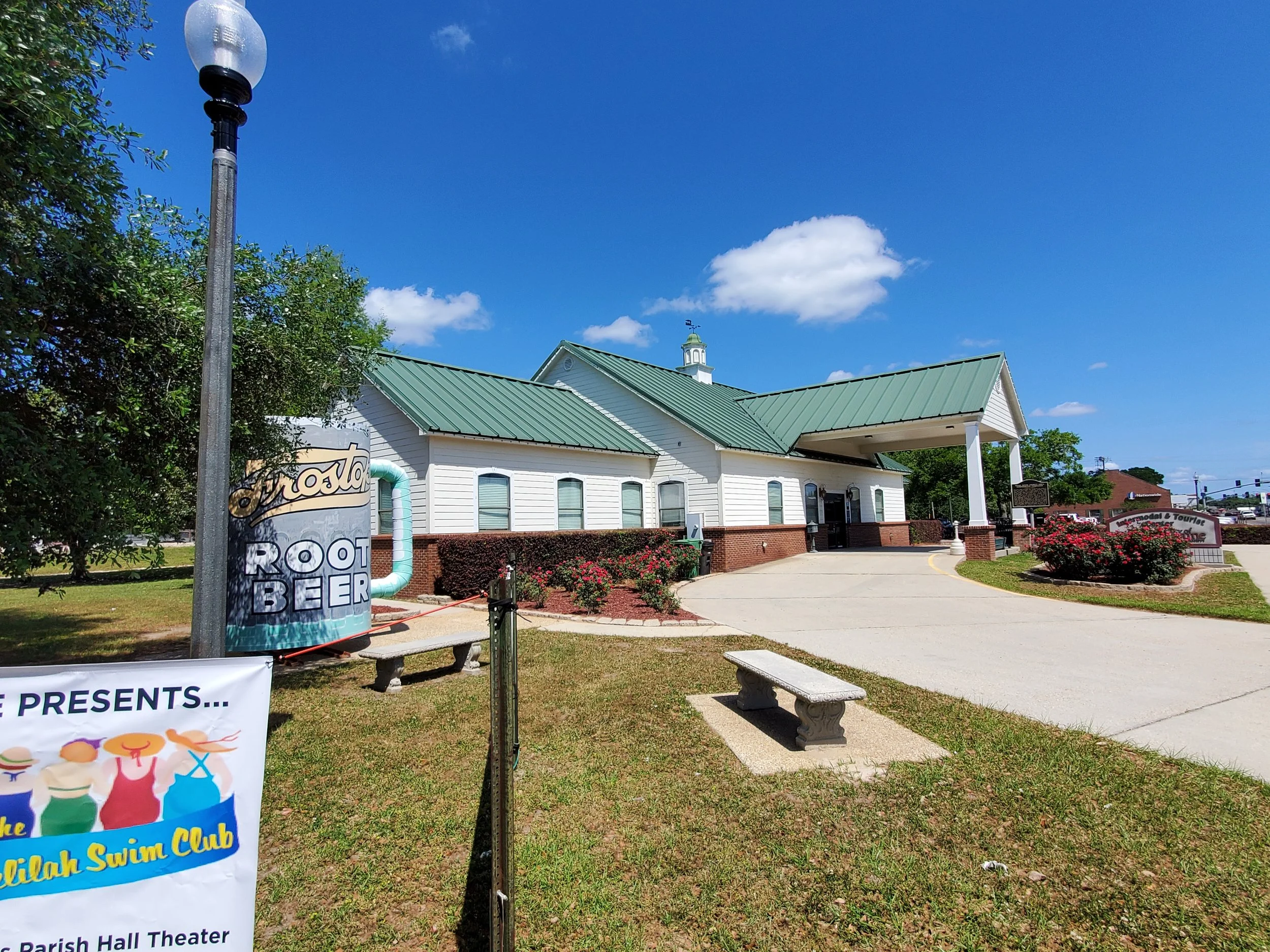
Picayune Train Depot
CARRIERE
The city was named for Emile Carriere who was President of Citizens Bank of New Orleans and on the Board of Directors for the New Orleans and Northwestern Railroad, which had a depot in Carriere. During World War II, Carriere housed a German Prisoner of War camp.
POPLARVILLE
Poplarville was named after “Poplar” Jim Smith, original owner of the land, and incorporated in 1886. Poplarville is considered the “Blueberry Capital of Mississippi” and hosts the Blueberry Jubilee on the second Saturday in June.
LUMBERTON
Named after the lumber industry in the region, Lumberton has a junction with an old alignment of US 11 by turning east on State Highway 13 (E. Main Street) and going 1.5 miles to an unmarked intersection labelled “Old Hwy 11” on Google Maps. Turn right on Yawn School Road, cross over I-59 and take the next left on “Old Hwy 11”. This alignment will cross back to the west side of I-59 before re-joining the “new” Highway 11 in Purvis.
PURVIS
The town was named for Thomas Melville Purves, a second generation Scottish-American. When the Norfolk Southern train depot was named "Purvis" (an acceptable spelling of the surname) he changed the spelling of his name to match the town's depot marker. Purvis is the highest point on the Southern Railroad between New Orleans and Meridian Mississippi.
HATTIESBURG
Captain William Hardy surveyed the area for the railroad in the 1880’s and the town was named for his wife Hattie. Hattiesburg is “The Hub City” because of its location between Mobile Alabama, Meridian Mississippi, New Orleans, Natchez and Jackson Mississippi. Hattiesburg is home to the University of Southern Mississippi and William Carey University, and Camp Shelby, the largest training base for National Guard east of the Mississippi, is located just outside of town. The cloverleaf interchange with US Highway 49 has no merging lanes, exacerbating the dangerous practice of “weaving”. The last bare-knuckle prize fight in the US occurred on July 8, 1889, lasted 75 rounds, and is marked in a field in Richburg, just off US 11 on Sullivan-Kilrain Road (the two protagonists). Attractions in Hattiesburg include the Hattiesburg Zoo, the Saenger Theater (a restored 997 seat “movie palace” from 1929 with a 778 pipe Robert Morton Pipe Organ—one of the last in the US), the Hattiesburg Pocket Museum, a memorial to 9-11, and the Railroad Spike Man at 308 Newman Street. Ward’s Restaurant on US 11 makes their own root beer on site and you can request a frozen mug.
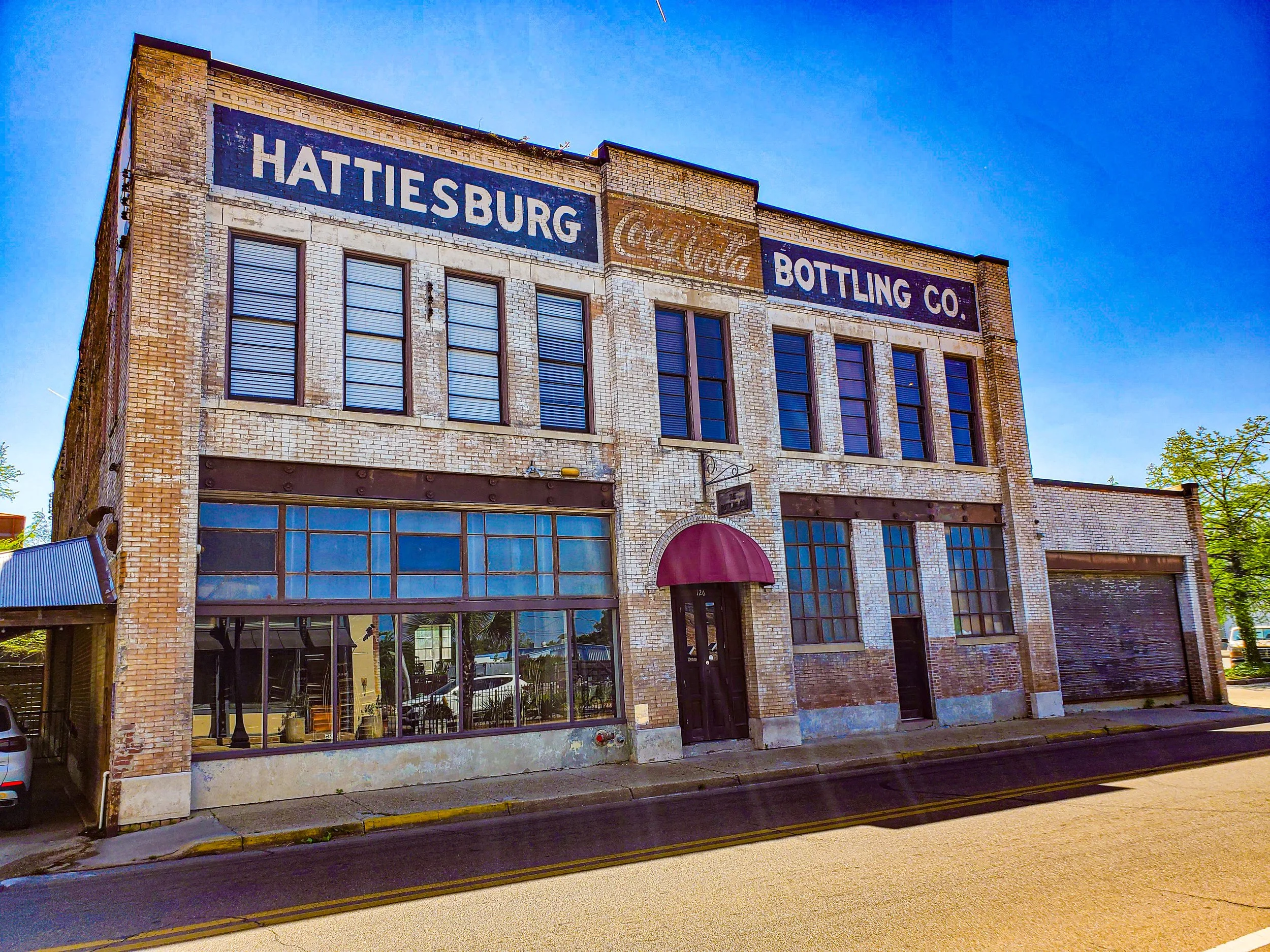
Hattiesburg Bottling Plant
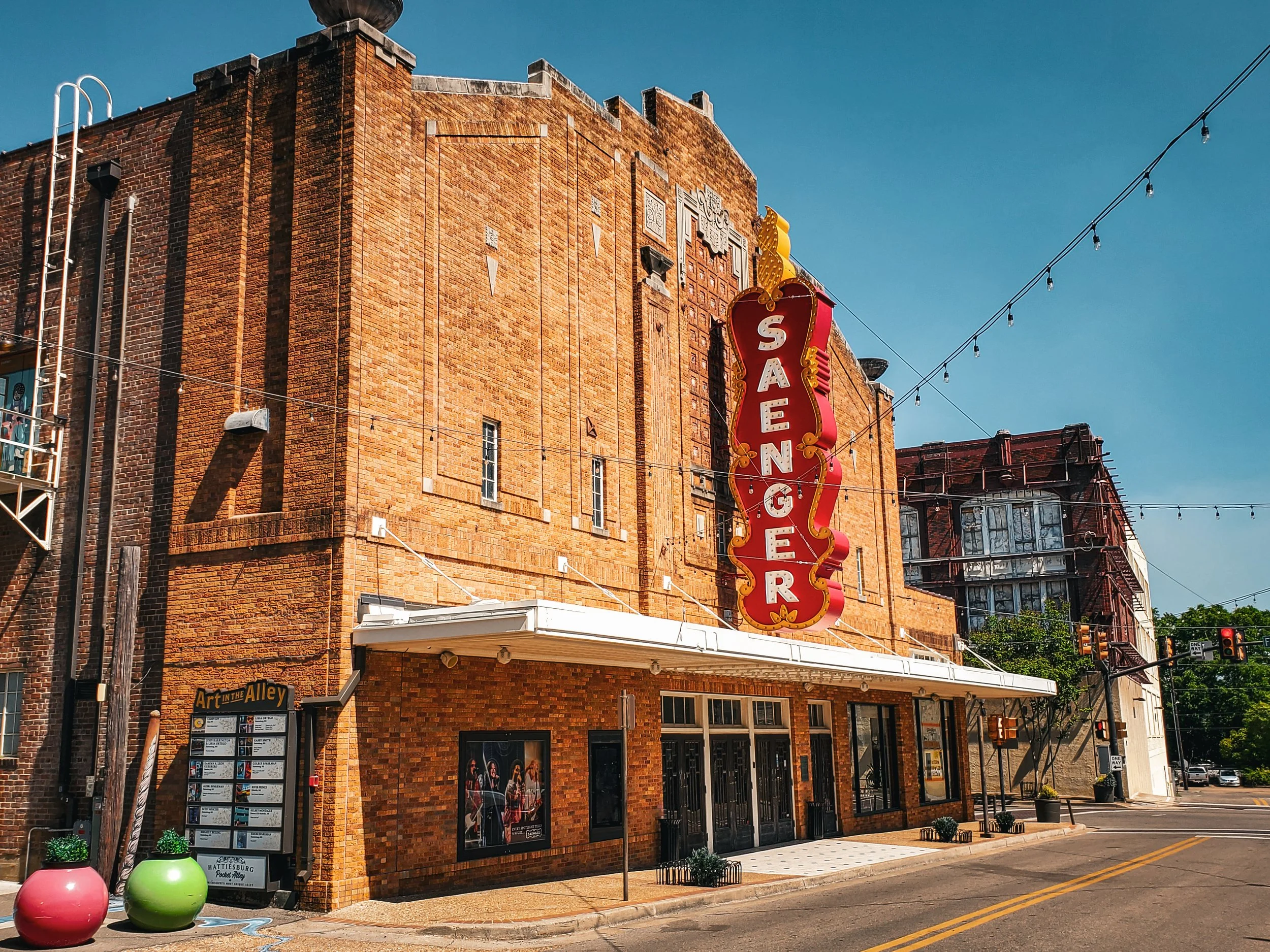
Saenger Theater
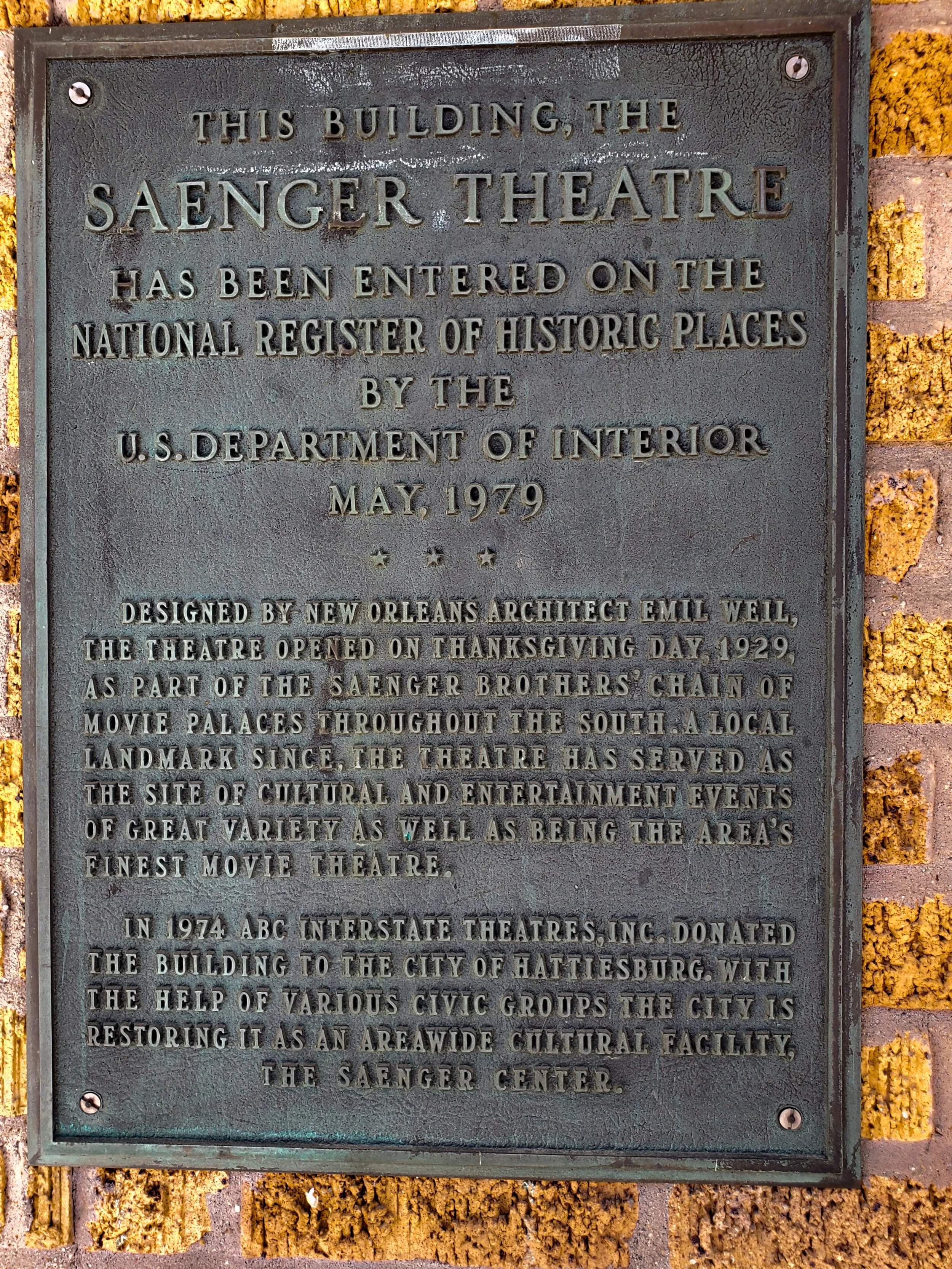
Saenger Theater Marker
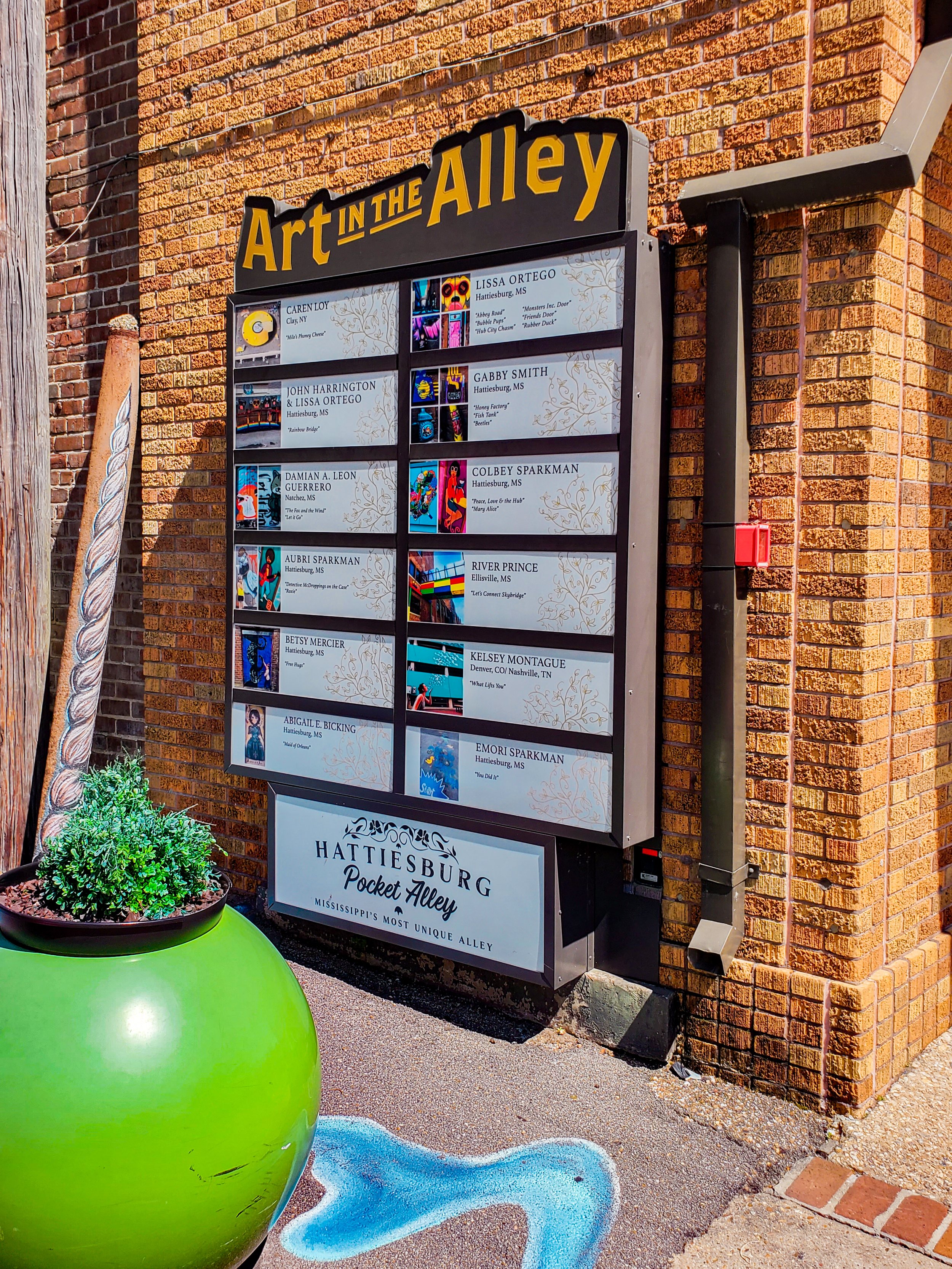
Art in the Alley
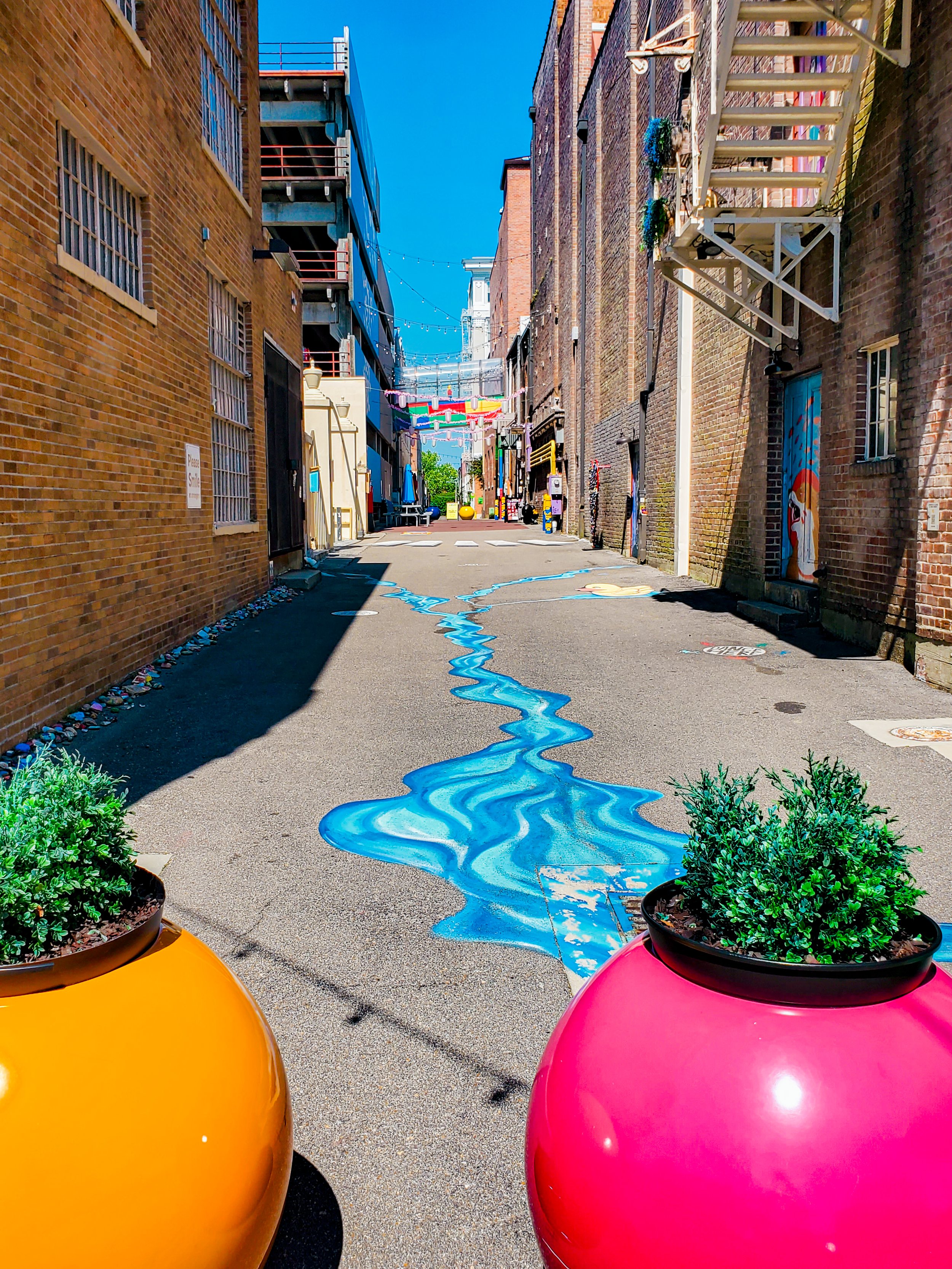
Art in the Alley
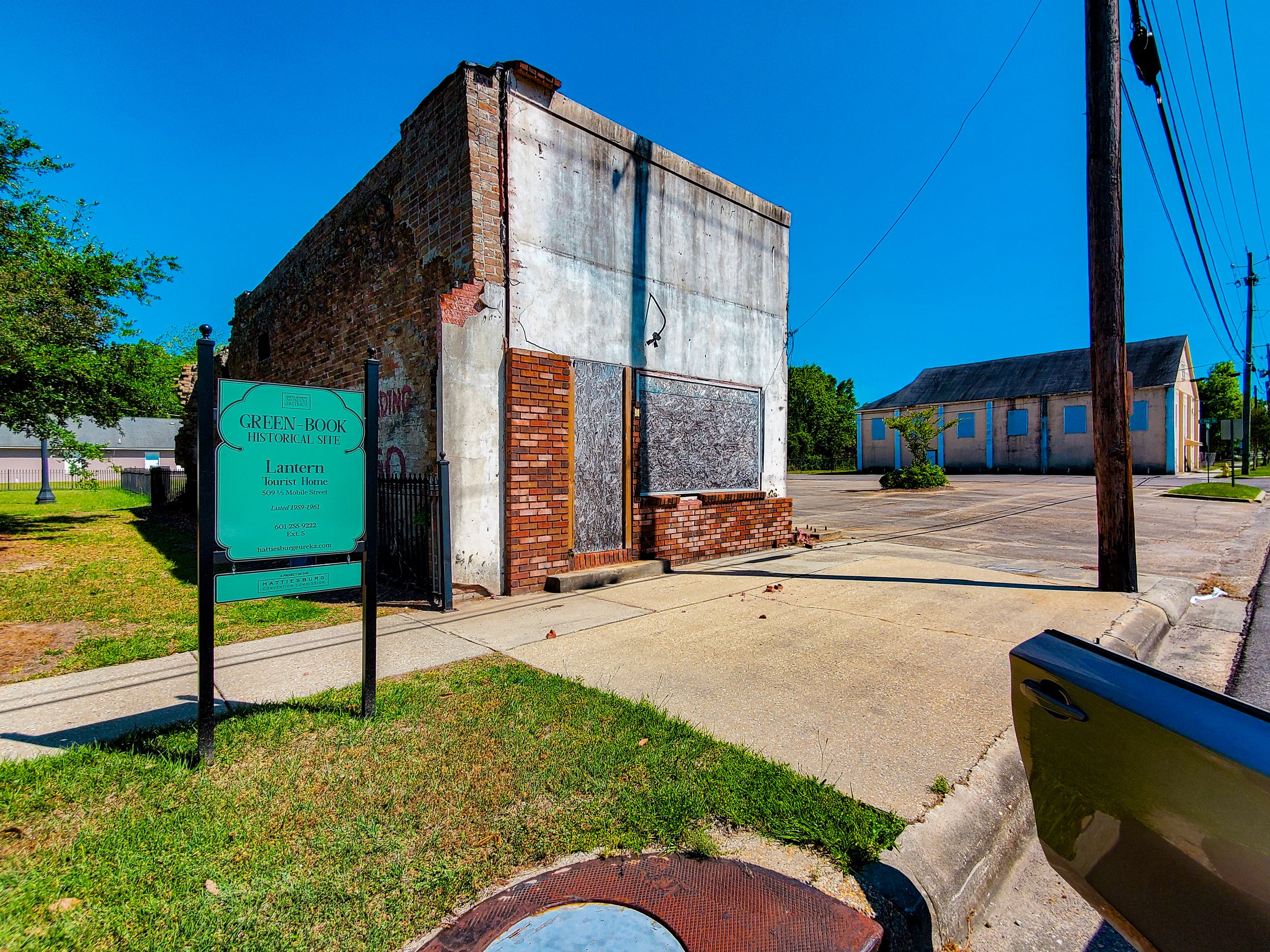
Green Book Site
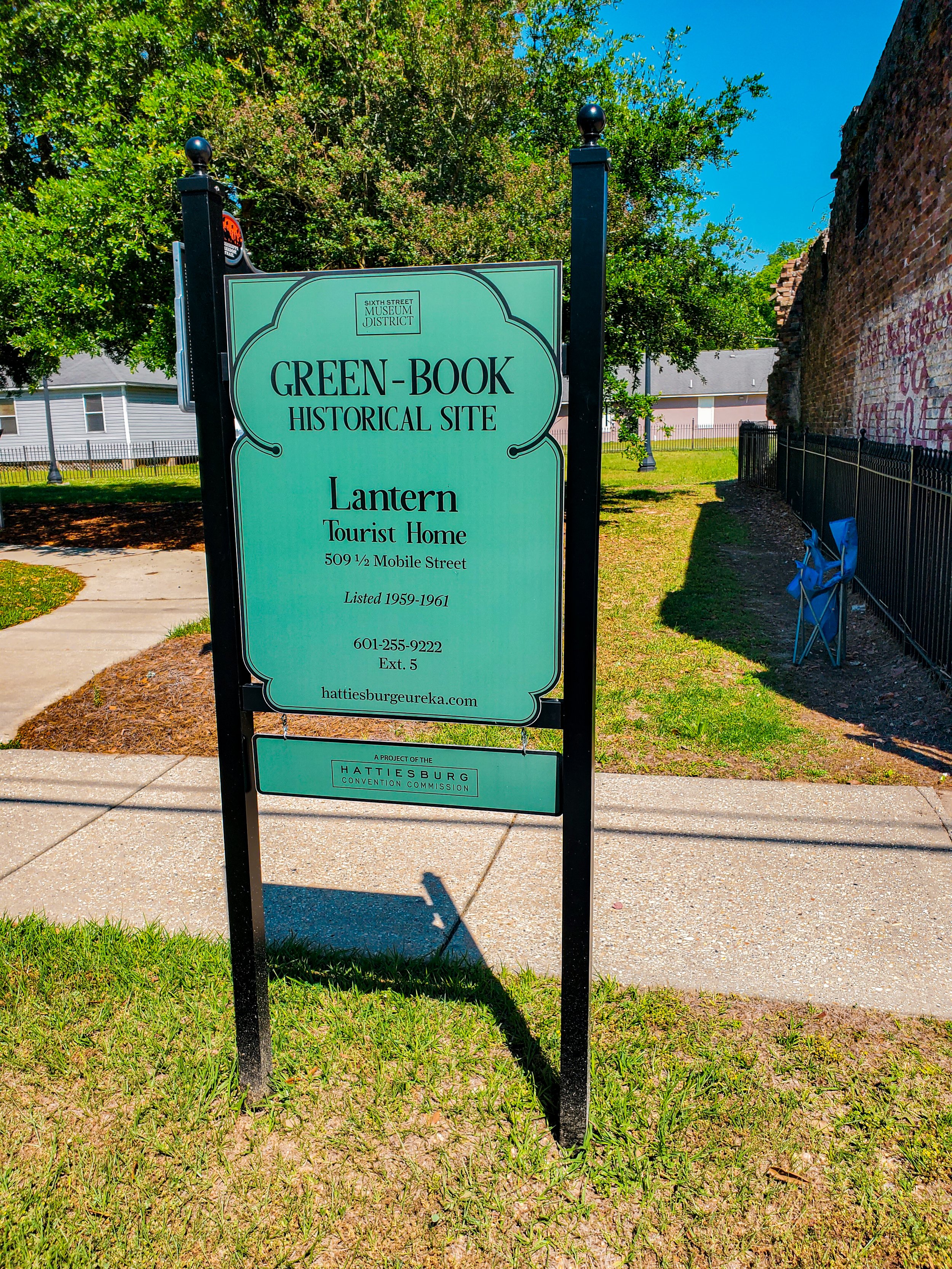
Green Book Site Marker
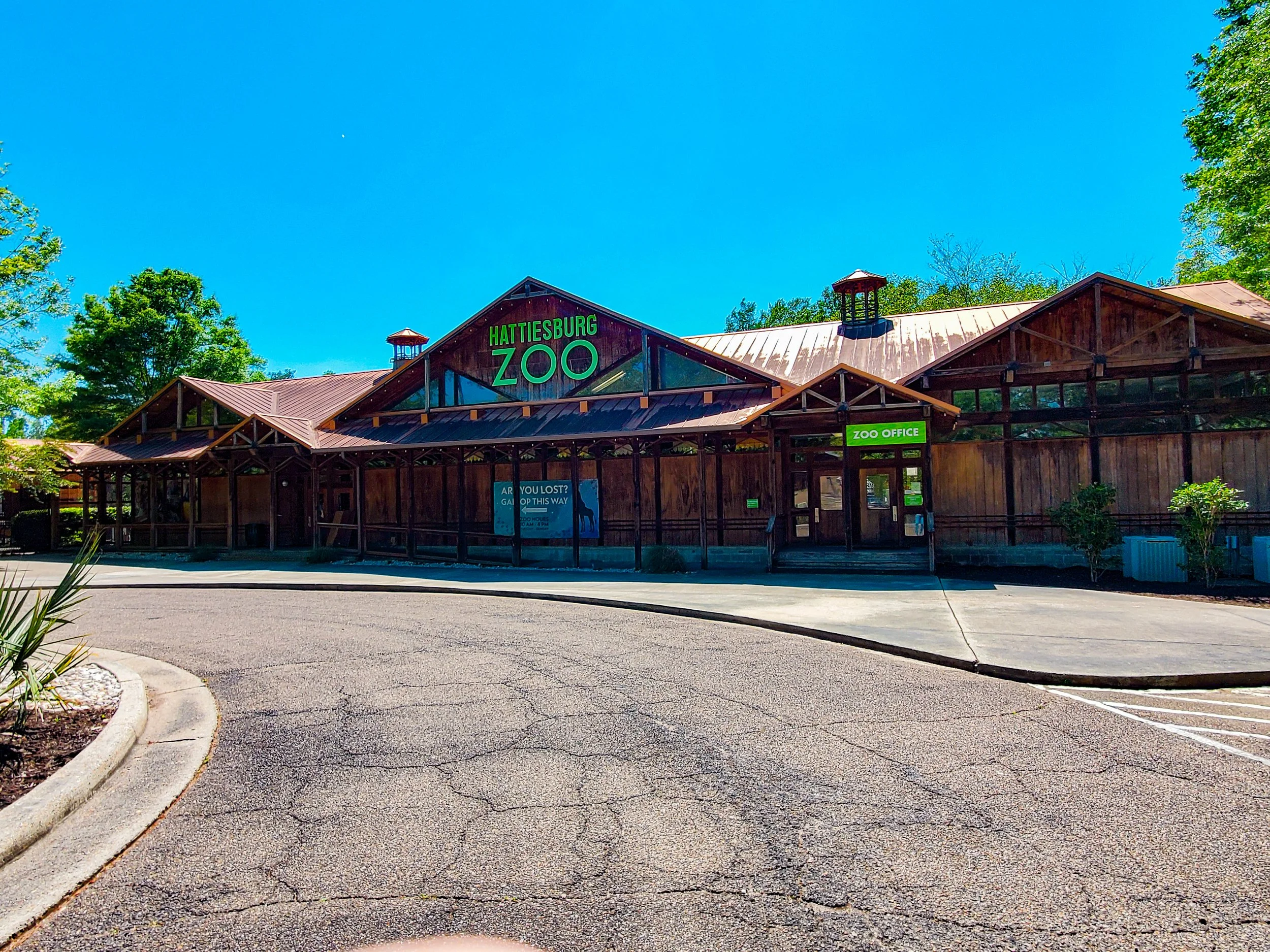
Hattiesburg Zoo
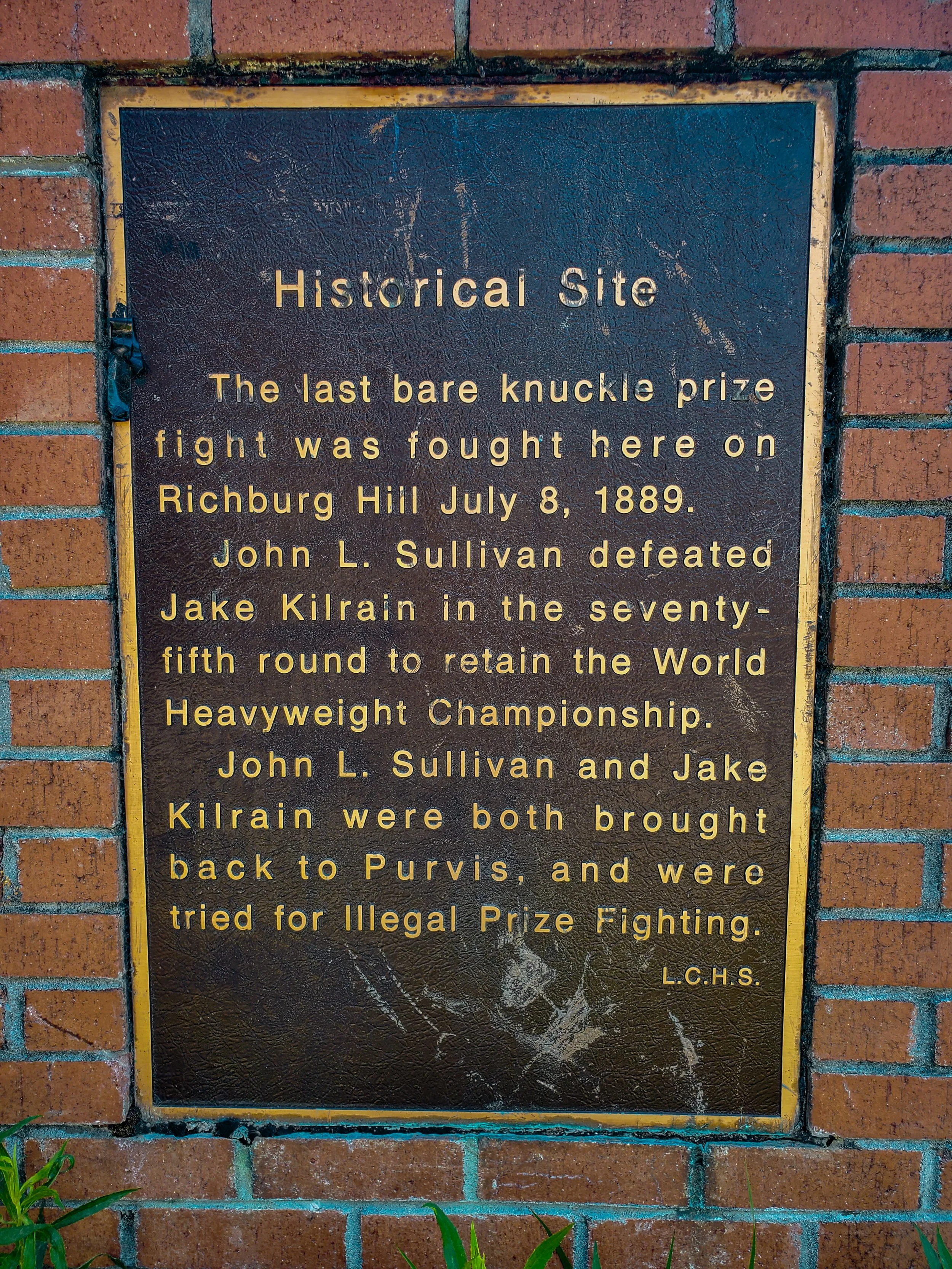
Sullivan Kilrain Plaque
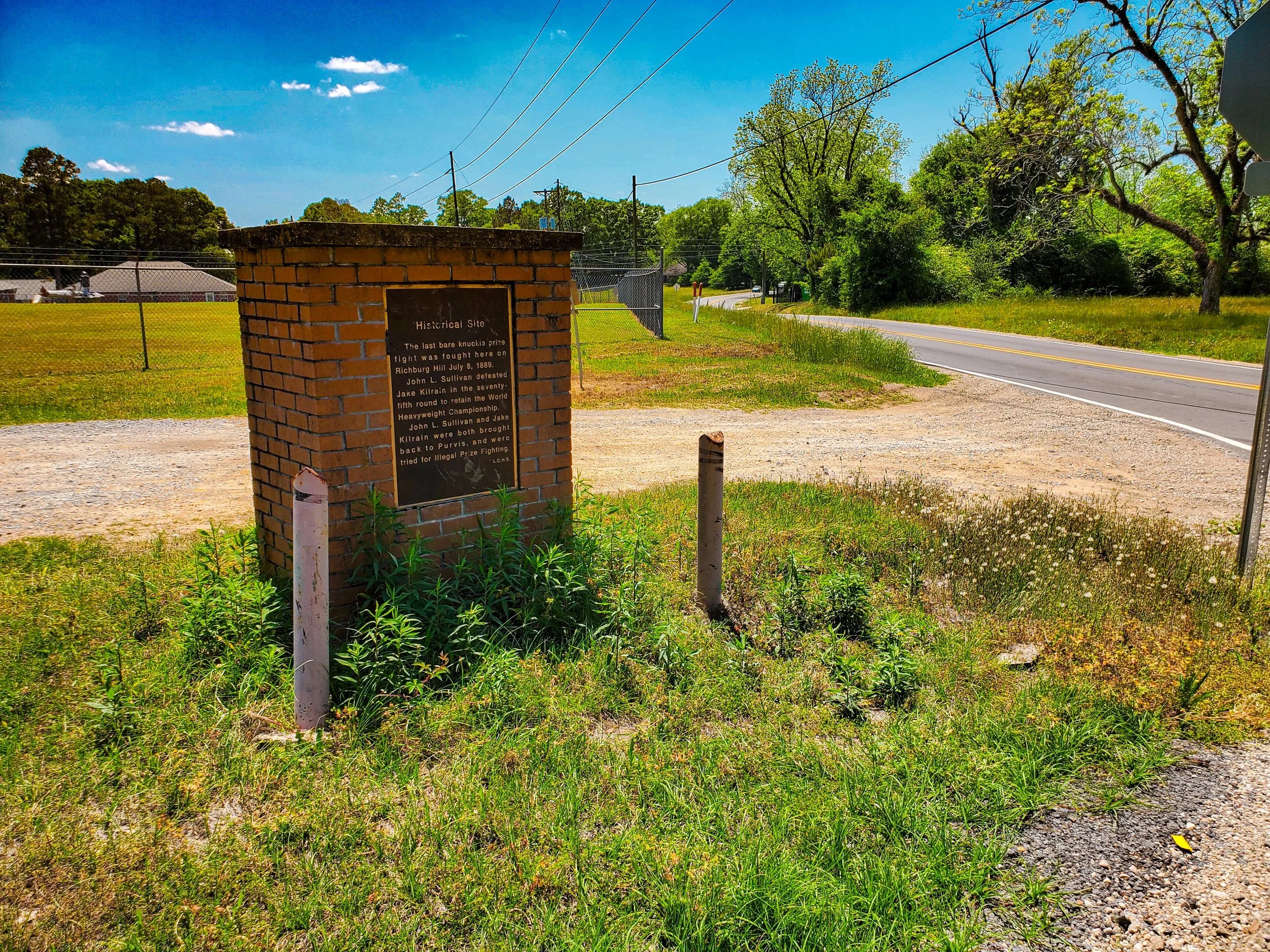
Sullivan Kilrain Plaque
PETAL
Petal was established in 1902 and named after the postmistress’s daughter who passed away from diphtheria. It is the only city in the US with that name.
EASTABUCHIE
Named for the Choctaw word for the Leaf River that flows nearby, Mak’s convenience store which sells sporting goods, firearms, ammunition, and fuel has a regional reputation for atmosphere and excellent food.
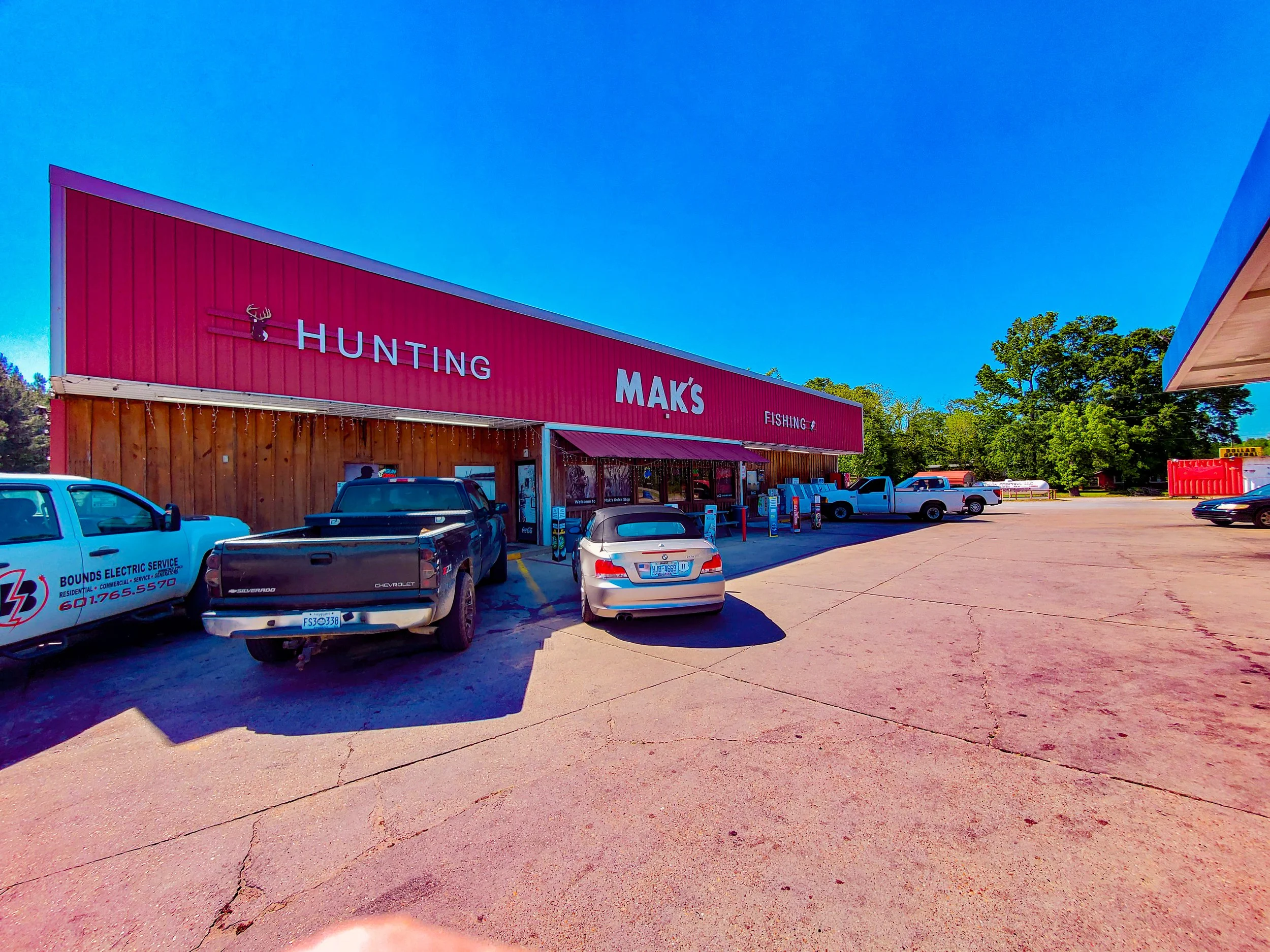
Mak's Convenience Store
ELLISVILLE
Established in 1826, the town was named for Powhatan Ellis who was a Mississippi Supreme Court Justice and descendent of Powhatan, father of Pocahontas. During the Civil War, Newton Knight led a rebellion of local Jones County farmers, deserters, and enslaved persons against the Confederate Army, raising the US flag over the Ellisville courthouse and instigating the legend of the “Free State of Jones”. The Amos Deason house offers tours of the home where a Confederate officer was shot and killed by Knight with on-going paranormal activity reported.
LAUREL
Founded in 1881 to harvest the abundant yellow pine in the area, it was named for the thickets of mountain laurel on the town site. By the end of World War II, Laurel produced and shipped more yellow pine than any other location in the world. The Laurel Central Historic District was built by “timber families” and popularized by the popular HGTV series “Home Town”. Laurel is home to the Masonite Corporation, and local attractions include the Lauren Rogers Museum of Art and Landrum’s Homestead and Village, a recreated late 1800’s village.
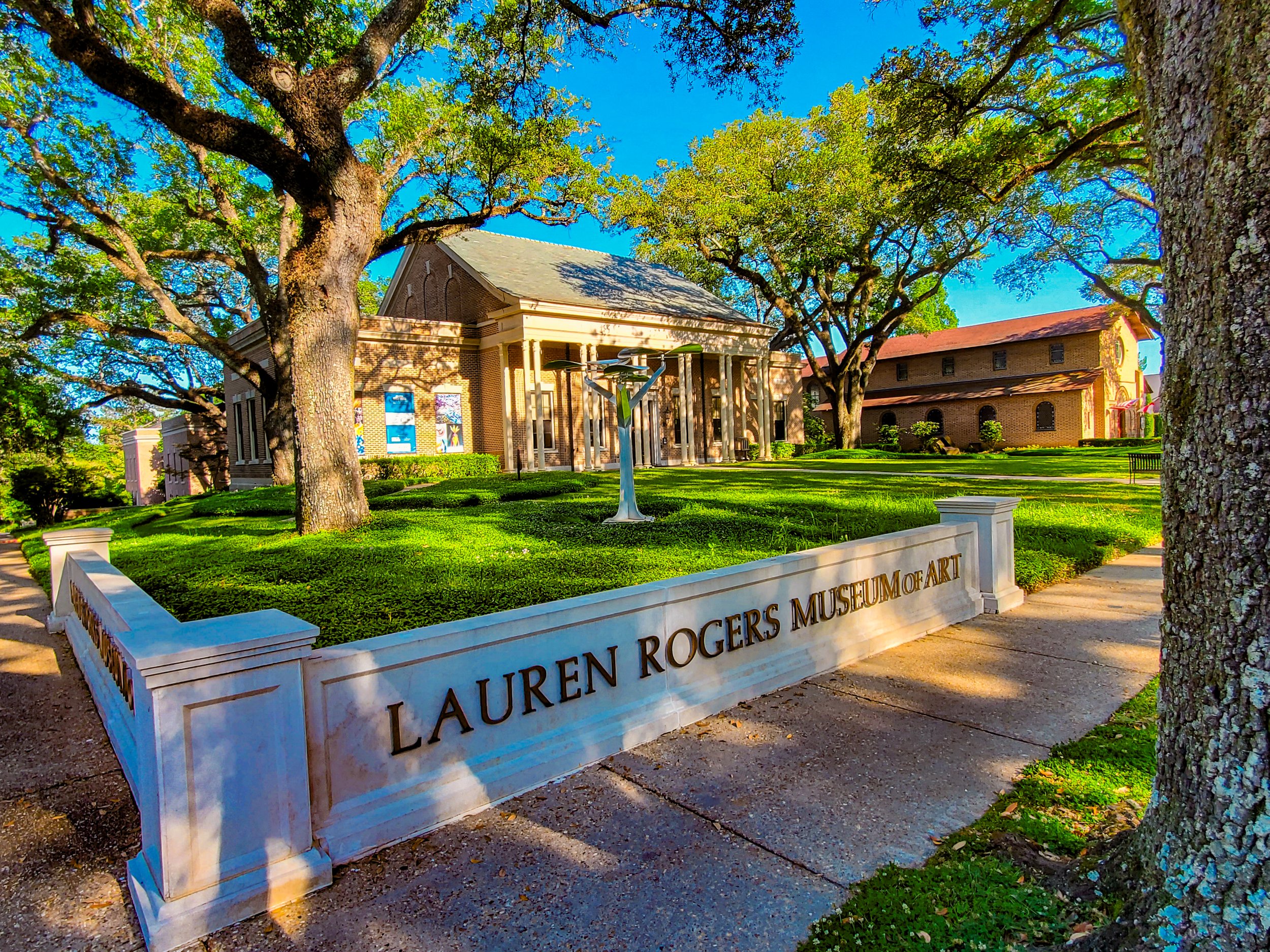
Lauren Rodgers Museum of Art
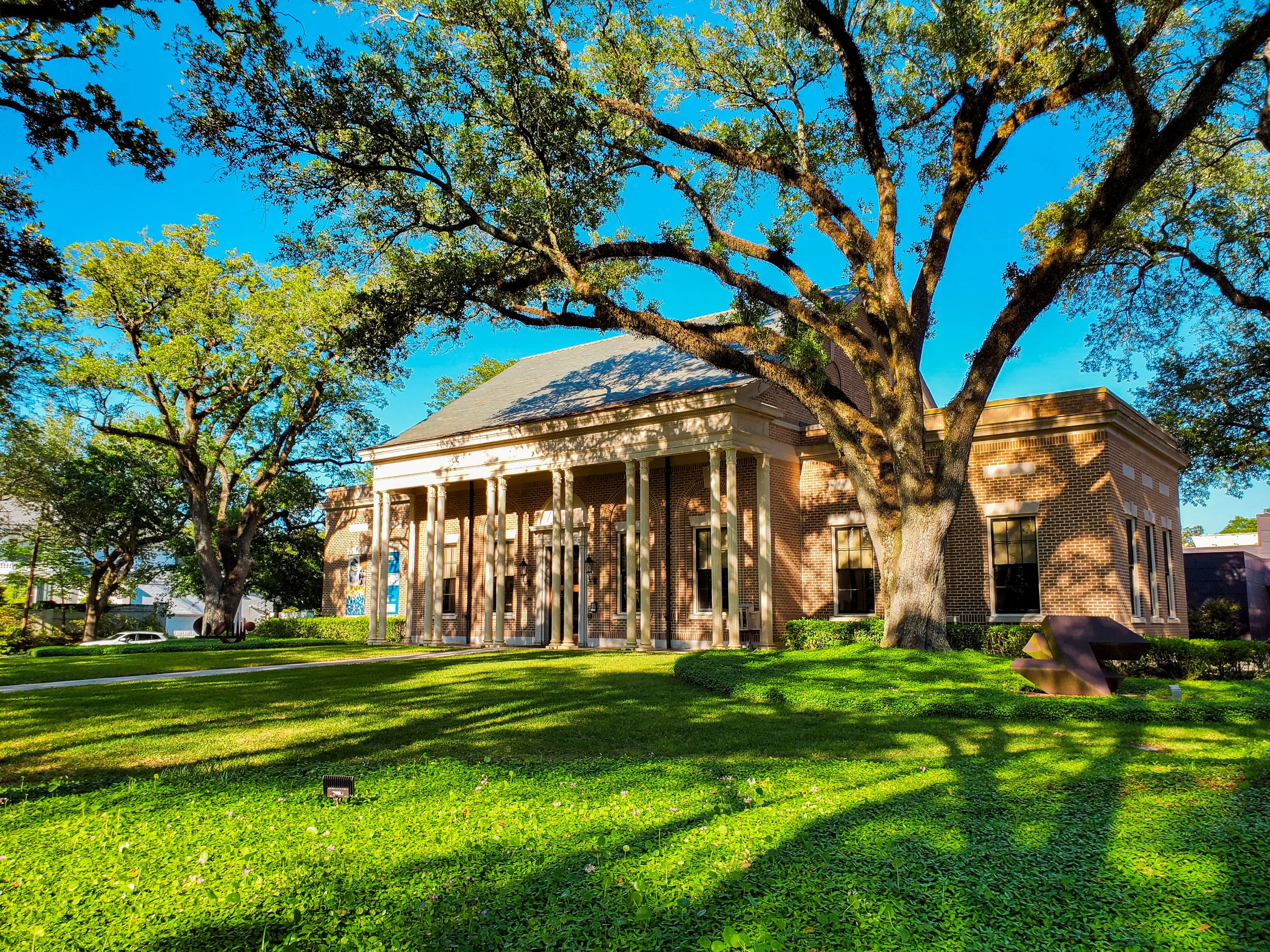
Lauren Rodgers Museum of Art
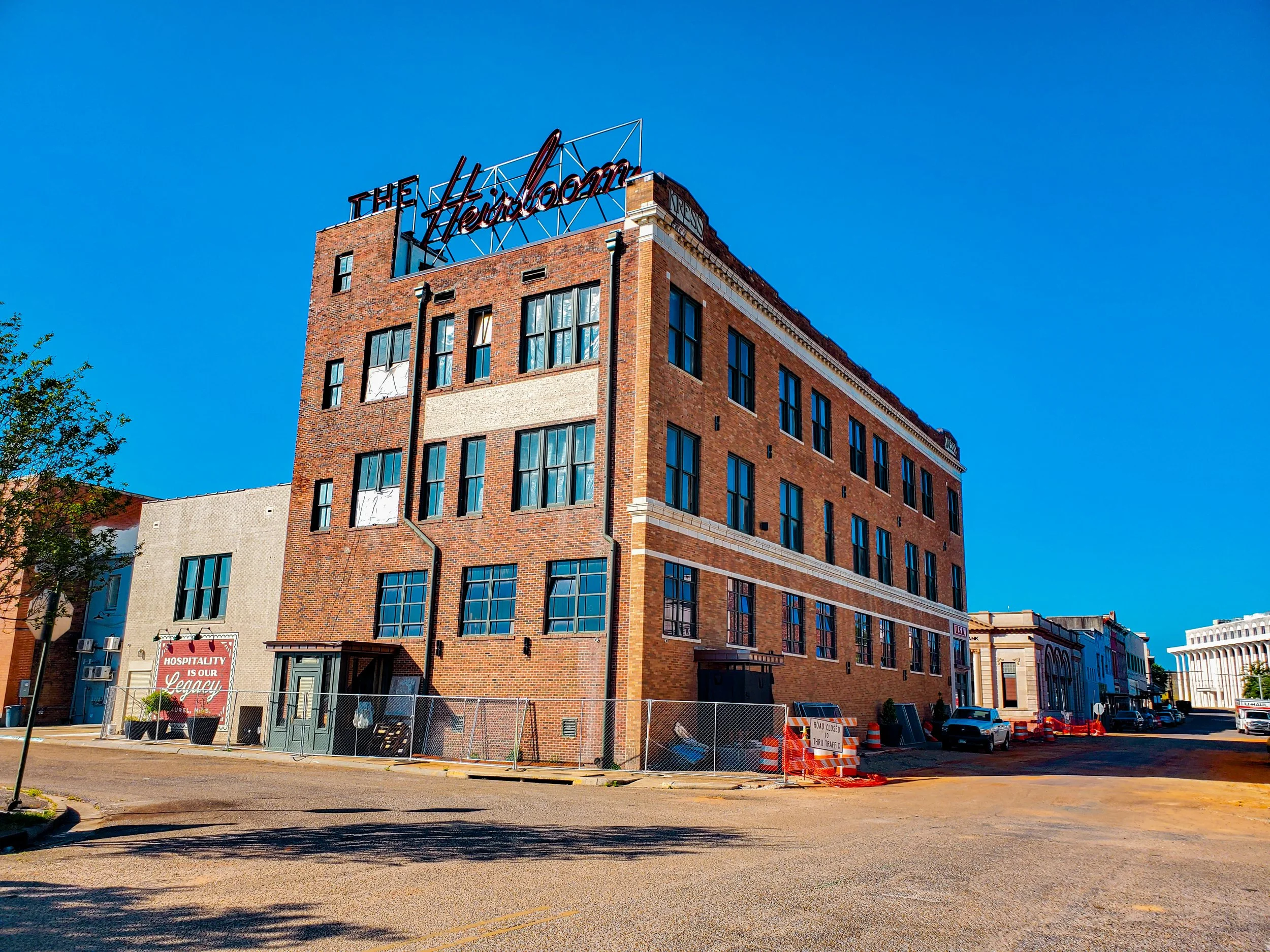
The Heirloom Hotel
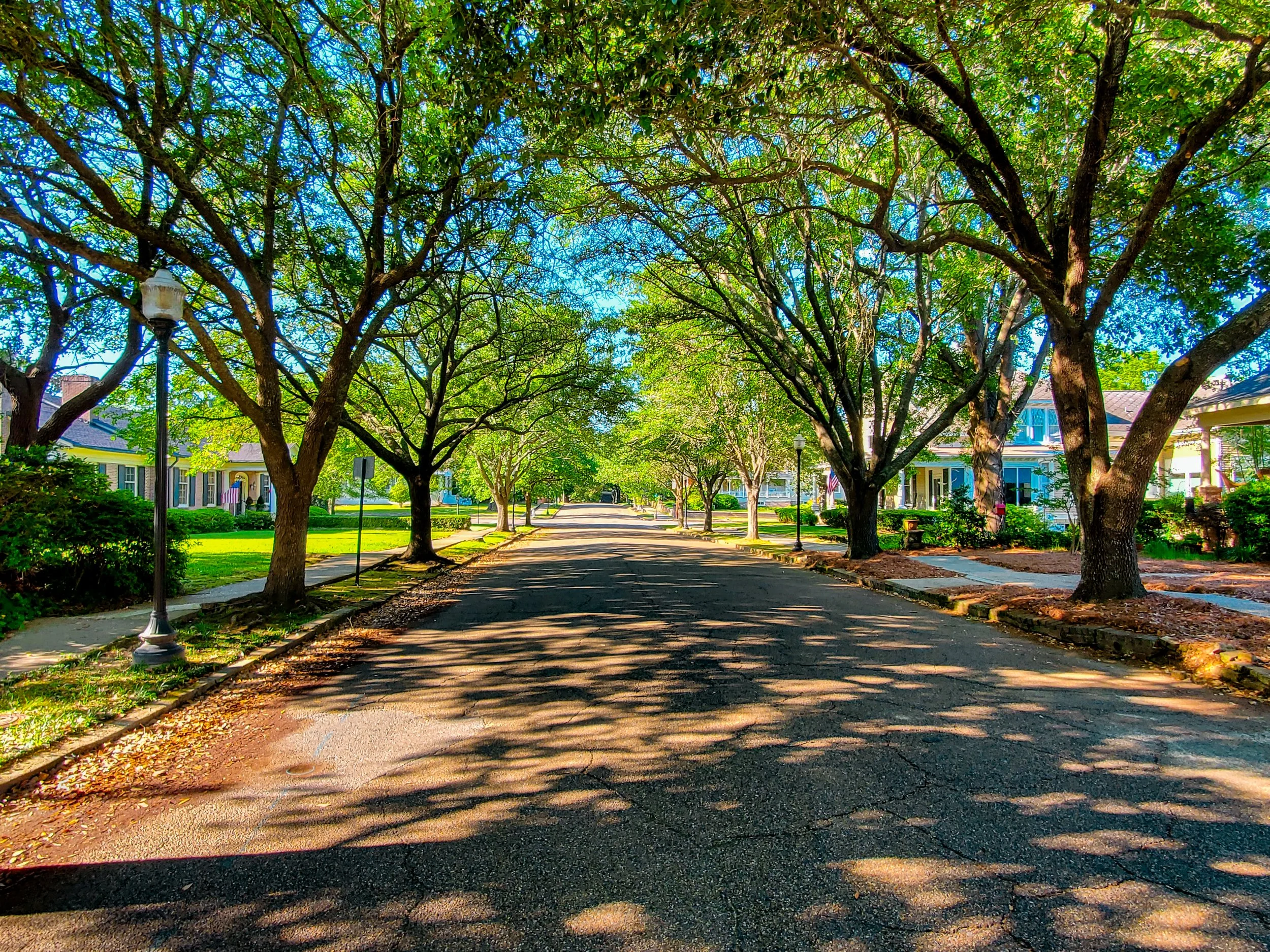
Laurel Street
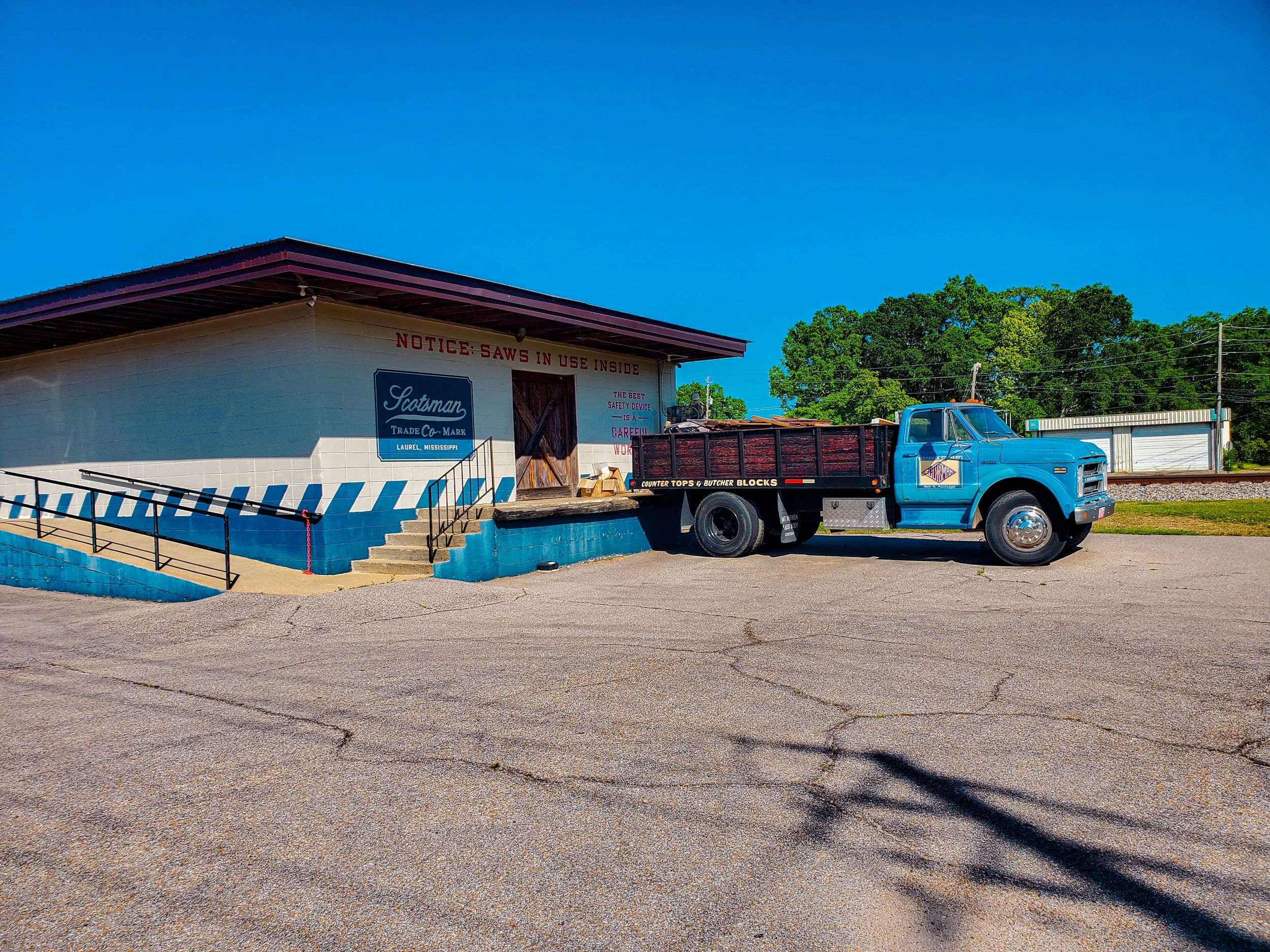
Scotsman Building
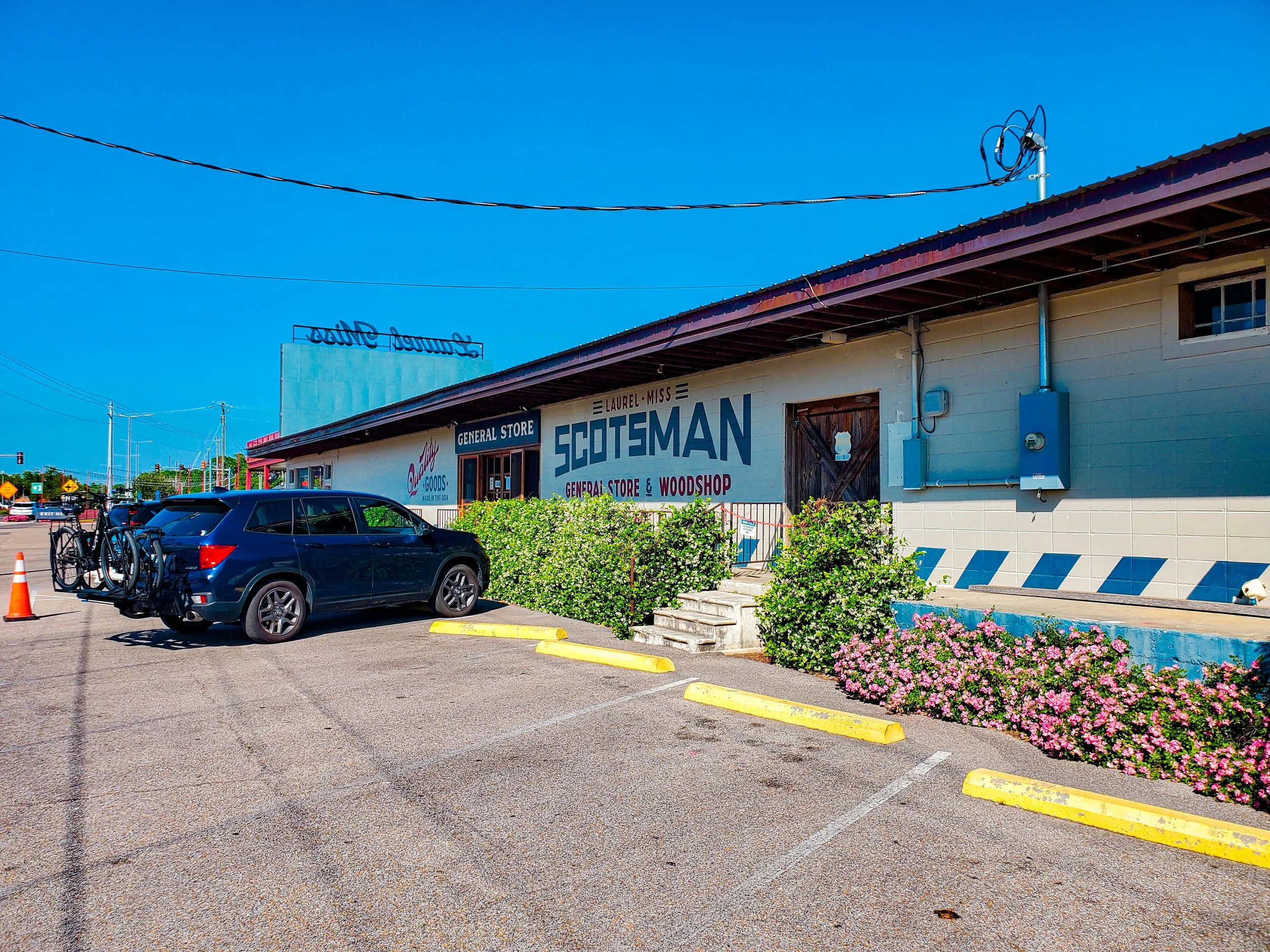
Scotsman Building
SANDERSVILLE
Settled in the 1820s by Scottish families, the town was named Sandersville after a pioneer family of that name in 1855.
HEIDELBERG
Named after Washington Irving Heidelberg after the Civil War, Heidelberg is the home of the Bok Homa (“Red Creek” in Choctaw) Casino.
STAFFORD SPRINGS
Edward Stafford was told of the healing powers of the springs by the Choctaw in the 1890’s and formed the Stafford Mineral Springs and Hotel Company in 1892. A bottling plant sold the water nationally. Stafford Springs was home of the Mississippi Art Colony from 1962 to 1970.
PACHUTA
Founded in 1882, its name means “pigeons roost here” in Choctaw. The L. C. Rhoden Museum houses Indian artifacts and railroad equipment and is located in the historic railroad depot.
MERIDIAN
This city was named because it is a “junction” (meridian) where the Mobile and Ohio, and Vicksburg and Montgomery, railroad lines met in 1854. The first settlers arrived in 1830 after land was relinquished by the Choctaw in the Treaty of Dancing Rabbit Creek. The city was burned to the ground in 1864 by Union forces under Sherman. Called the “Queen City of the South”, it is the burial place of the King and Queen of the Gypsies, with graves at 701 40th Avenue. “Old 11” goes directly through town. The Threefoot Building, built in 1929, is an Art Deco 16 story skyscraper converted into the Threefoot Hotel downtown. The historic Grand Opera House, also downtown, was built in 1889, and has been converted into a complex that includes a 950 seat theater and conference center. The Dentzel Carousel was built in 1896 for the 1904 St. Louis World’s Fair, purchased by the city of Meridian in 1909, and is currently operating in Highland Park. The “Father of County Music” Jimmie Rodgers was born in Meridian and is memorialized by the Jimmie Rodgers Museum. The Temple Theater was built in the Moorish Revival style and began screening silent films in 1928. At the time of construction, it was the second largest theater in the US (after the Roxy in NYC). It contains a Robert Morton theater organ. The Meridian Railroad Museum and Mississippi Industrial Heritage Museum showcase the area’s past. Weidmann’s, established in 1870, is the oldest restaurant in the state. Don’t miss the iconic Red Hot Truck Stop sign on south Frontage Road, site of the famous 50’s truck stop.
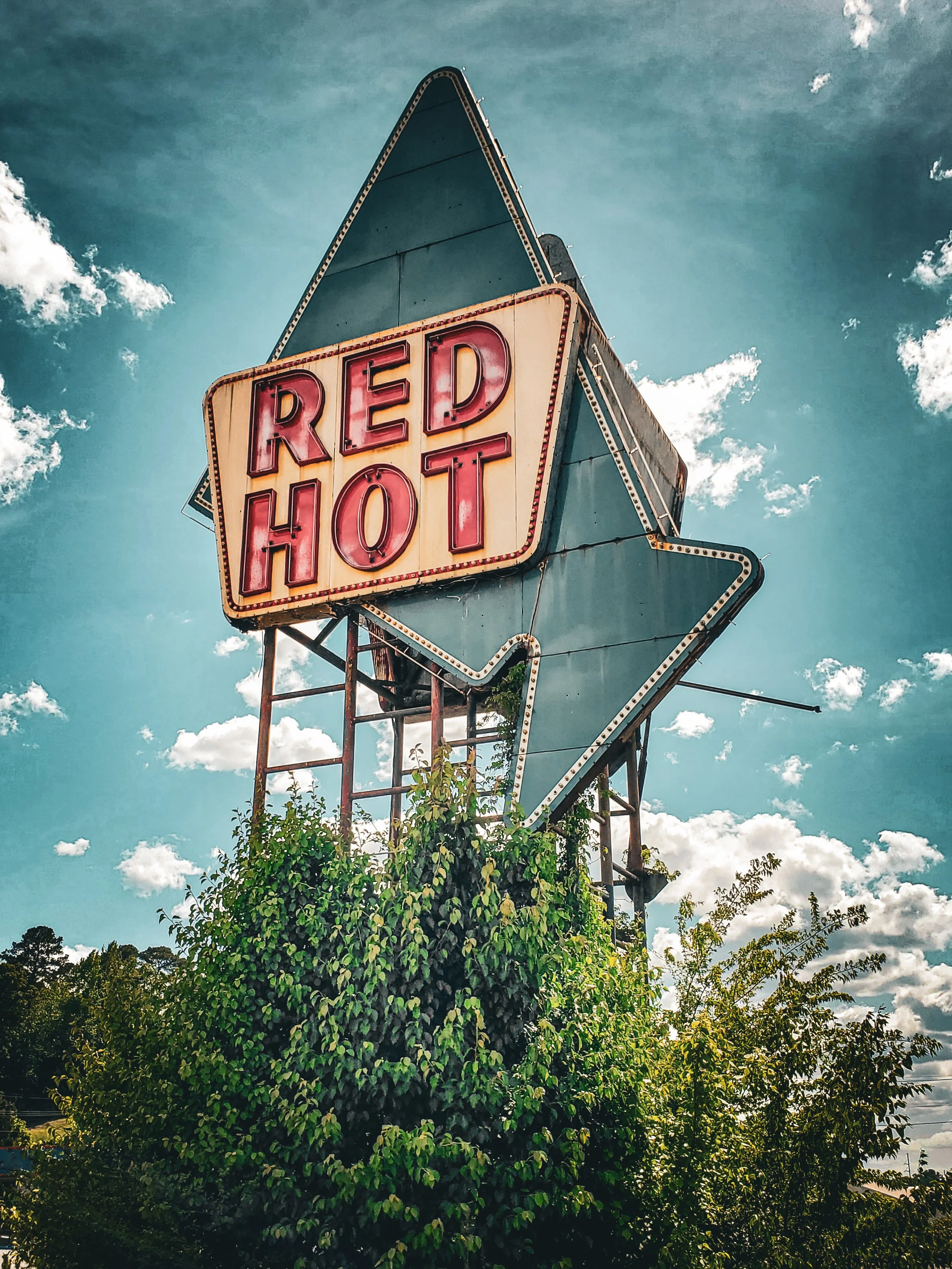
Red Hot Truck Stop Sign
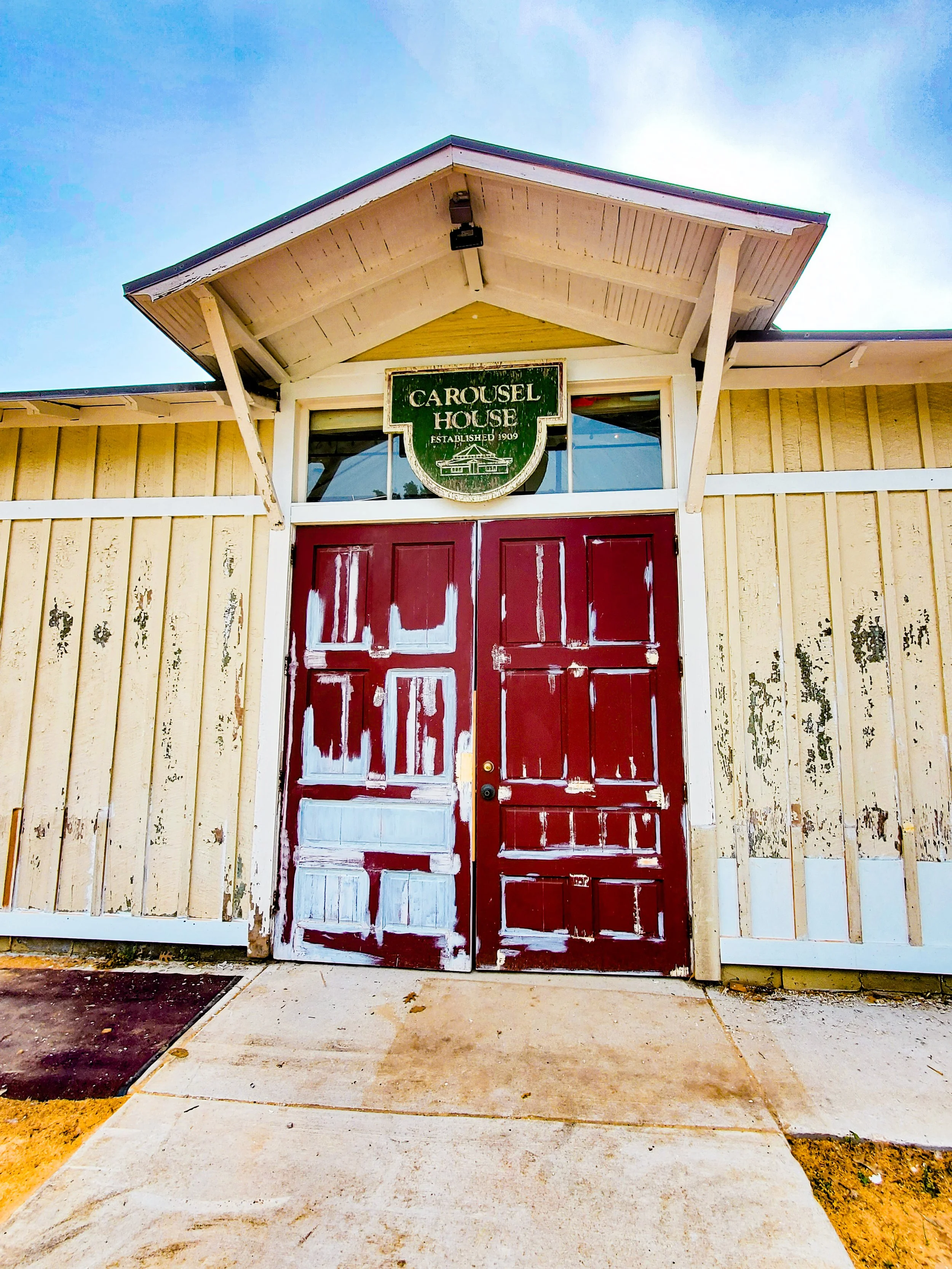
Carousel Building
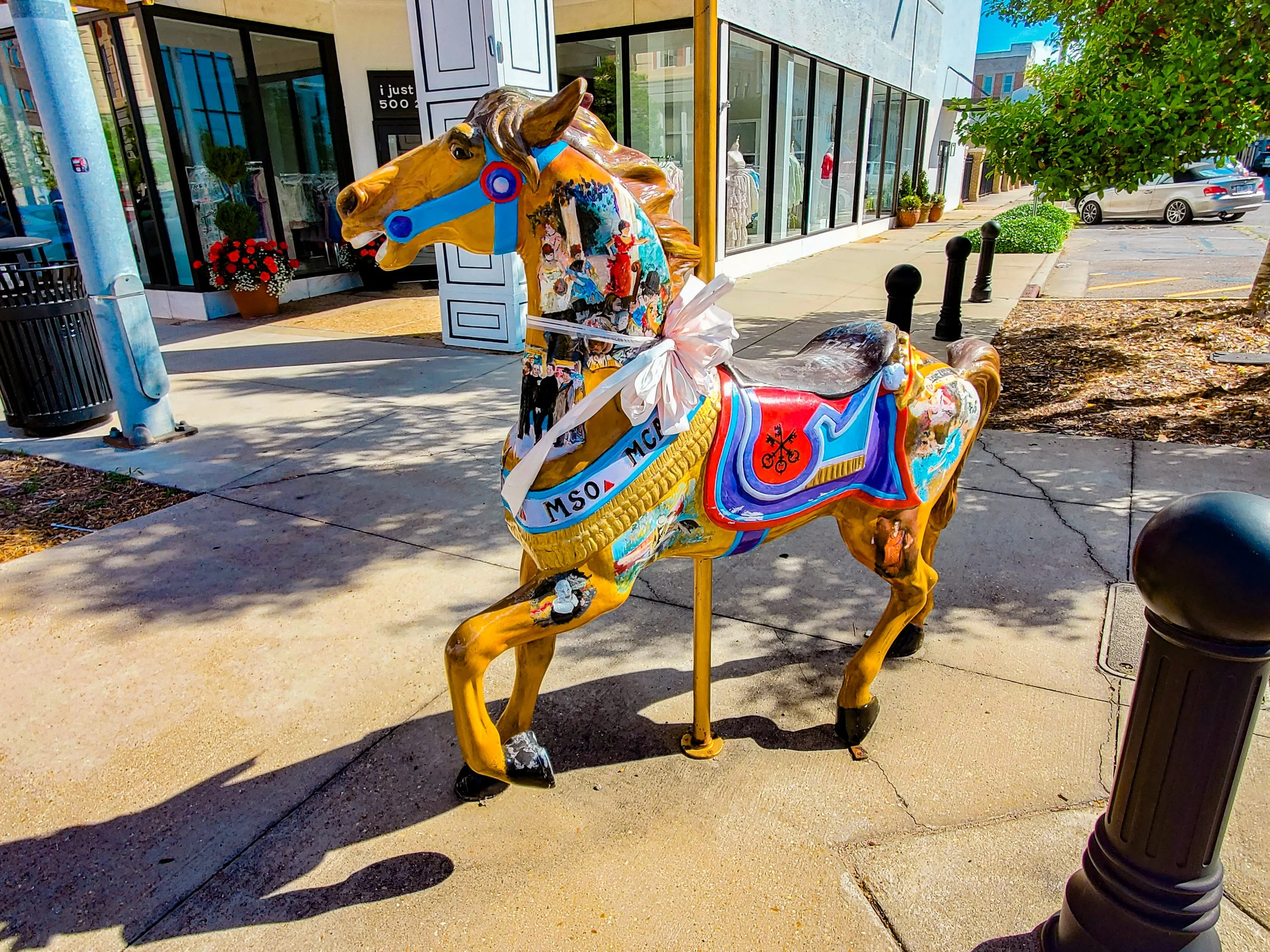
Carousel Horse
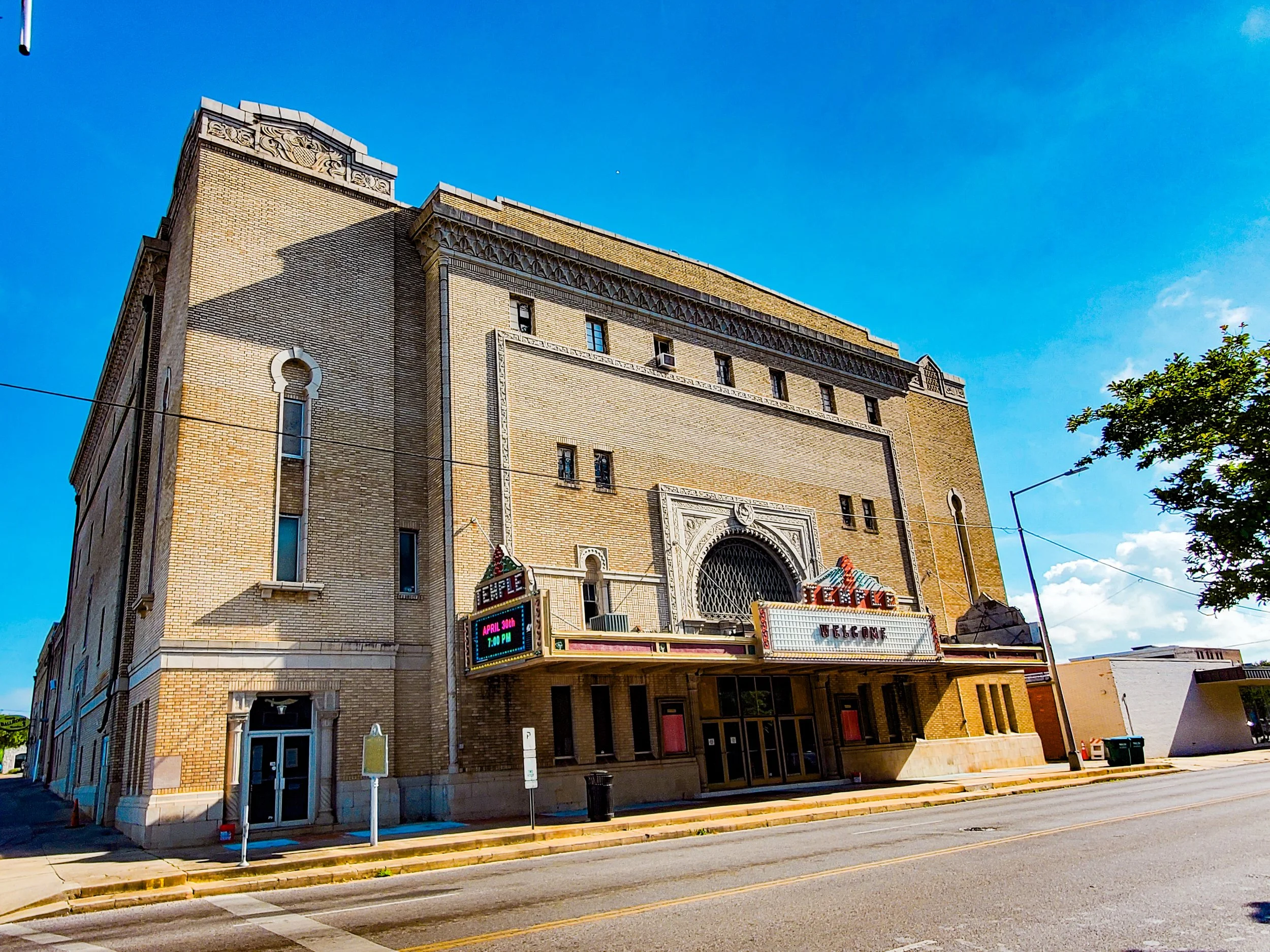
Temple Theater
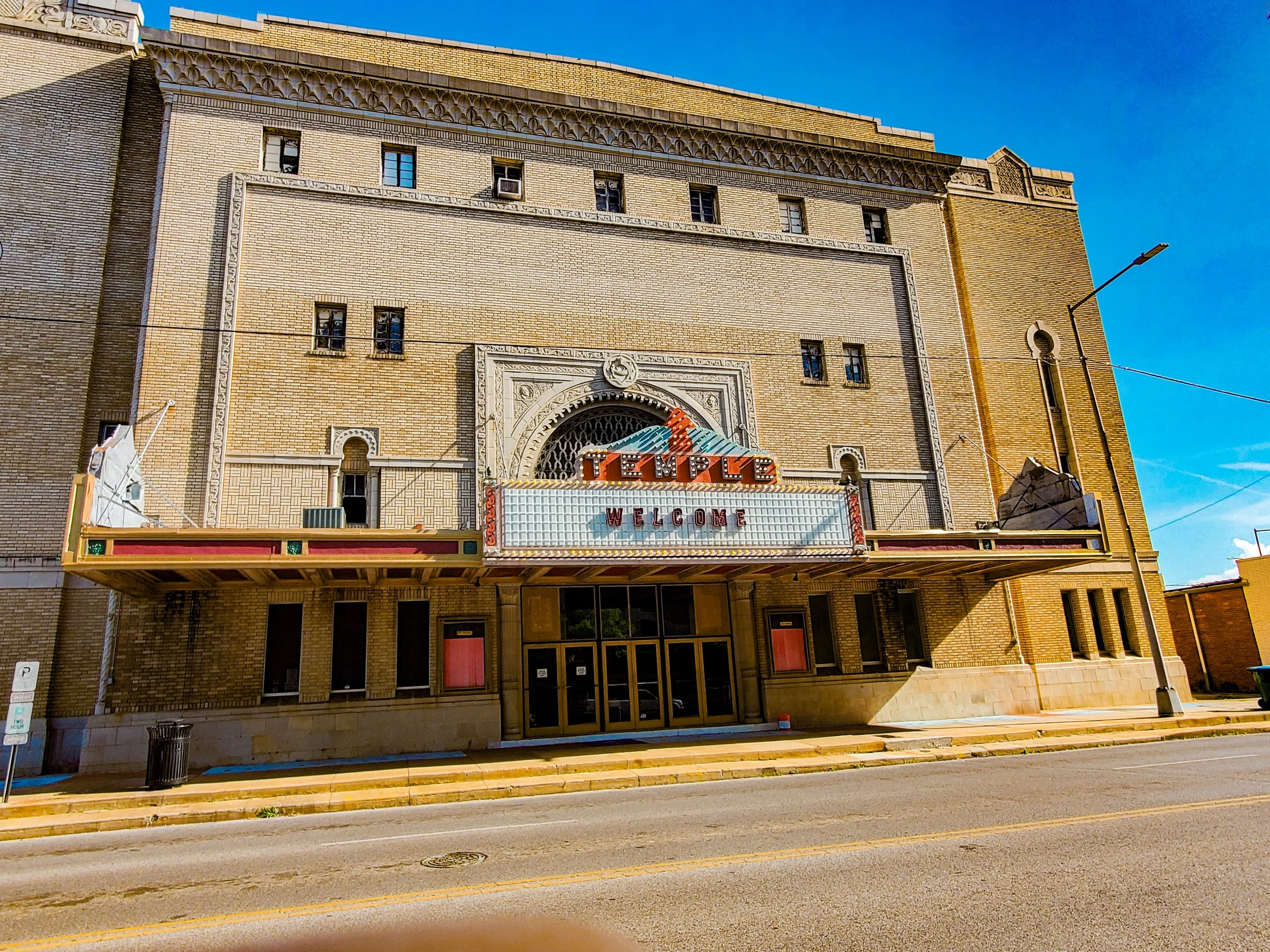
Temple Theater
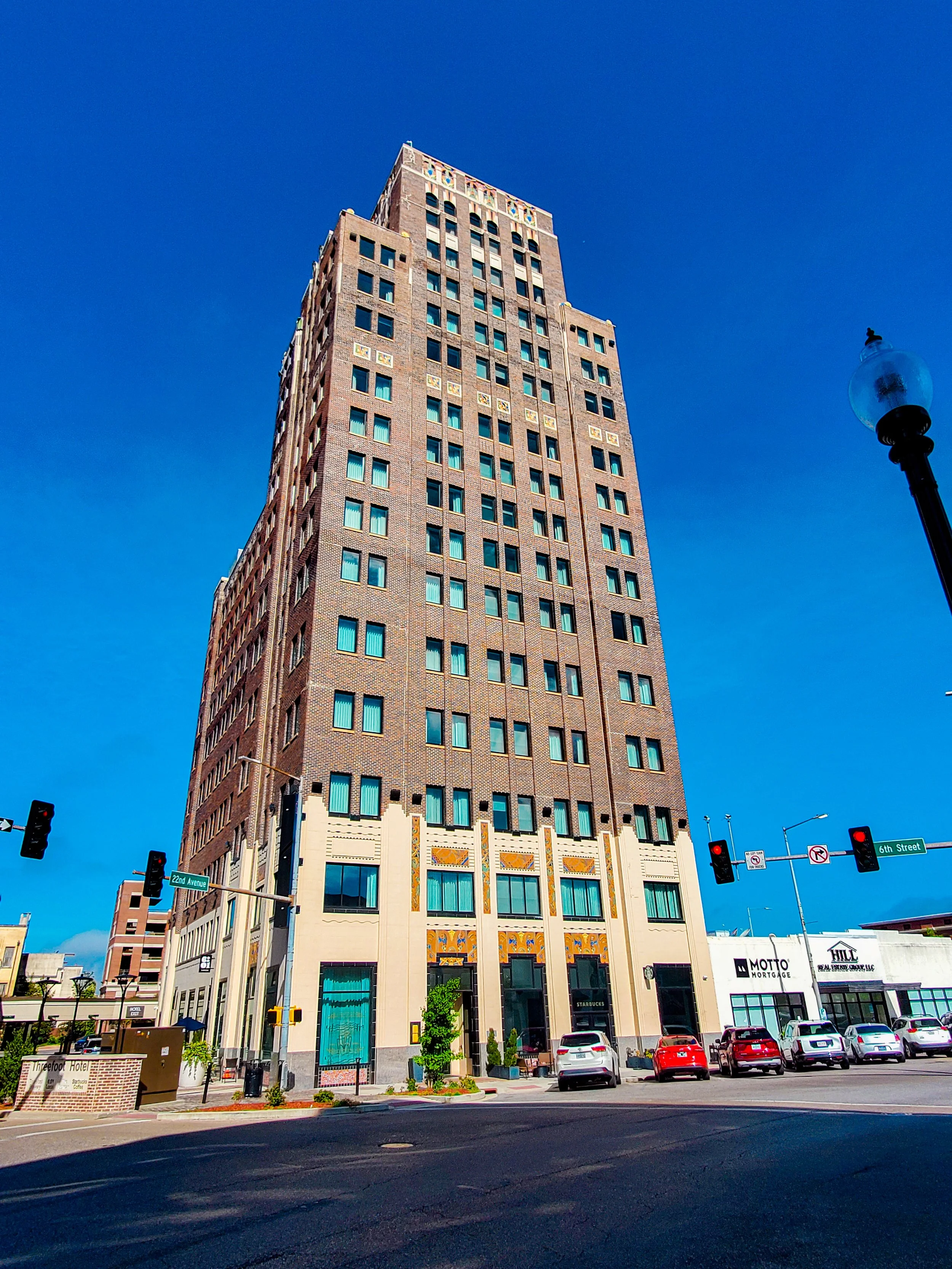
Threefoot Building
KEWANEE
The city was named after the city of the same name in Illinois, and is the Winnebago word for “prairie chicken”. Before you leave the state, visit the Simmons-Wright Company in Kewanee, built in 1884. It is the oldest general store in the state, and you will find food and antiques there.
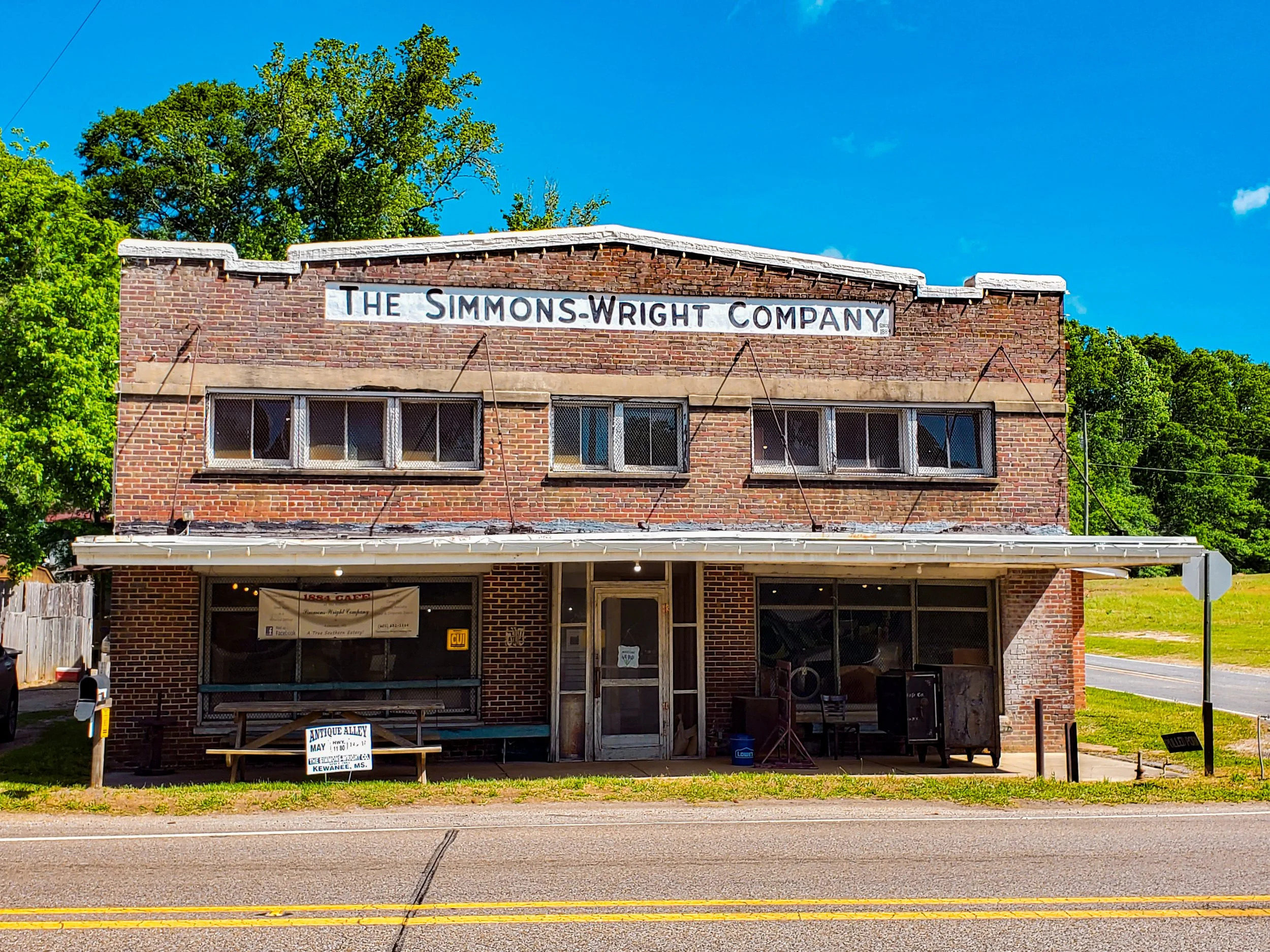
The Simmons-Wright Company
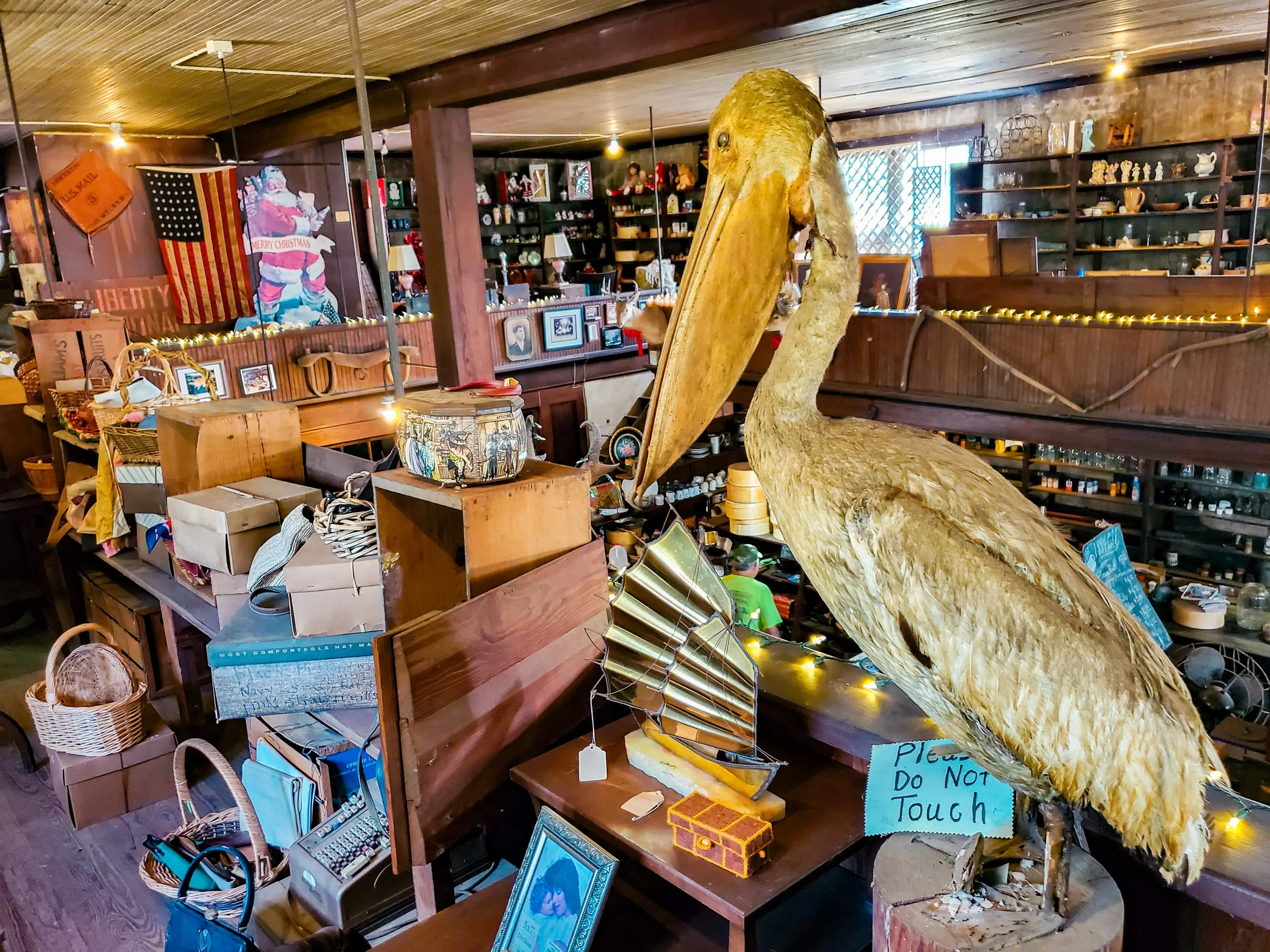
The Simmons-Wright Company
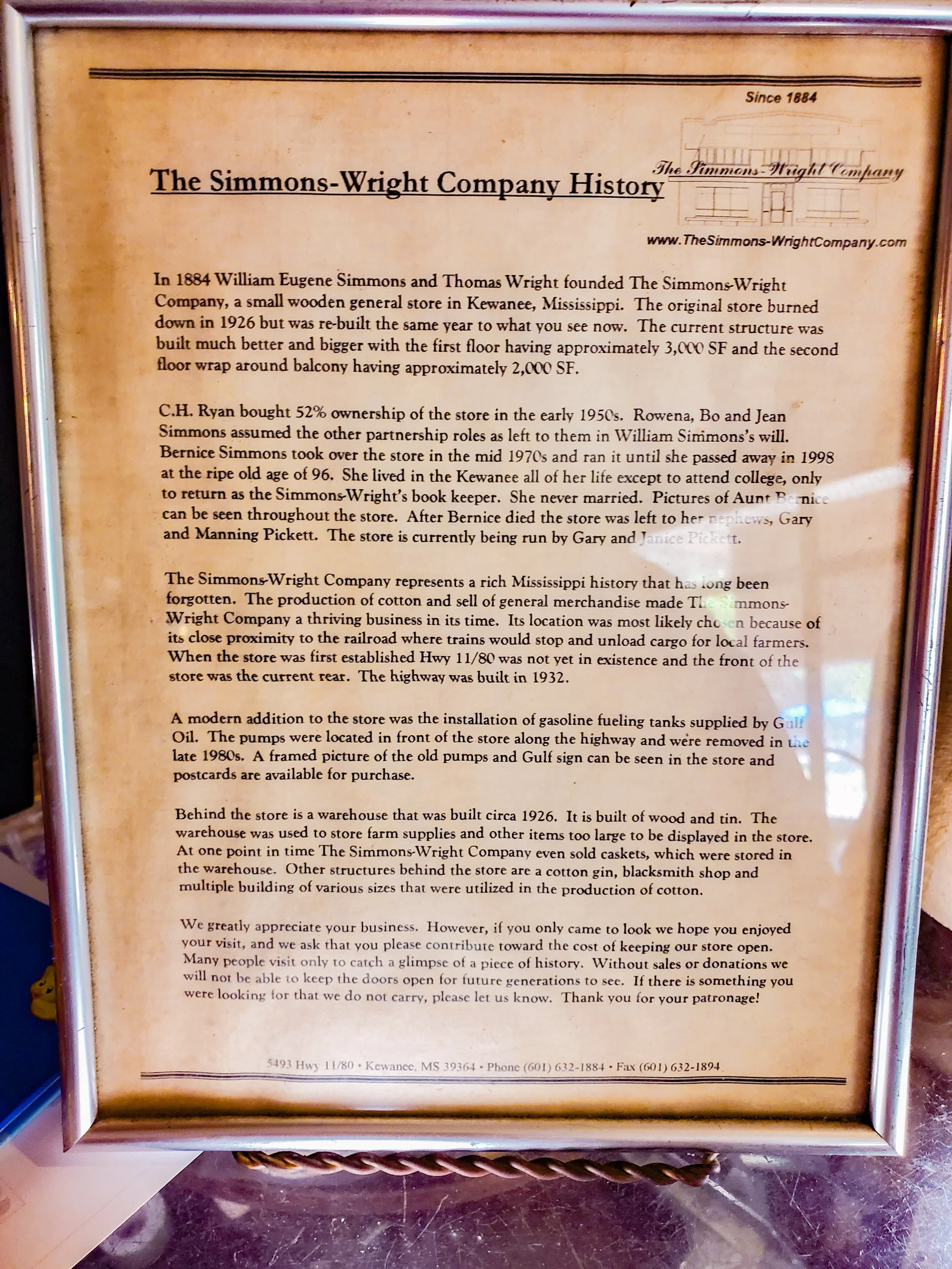
The Simmons-Wright Company
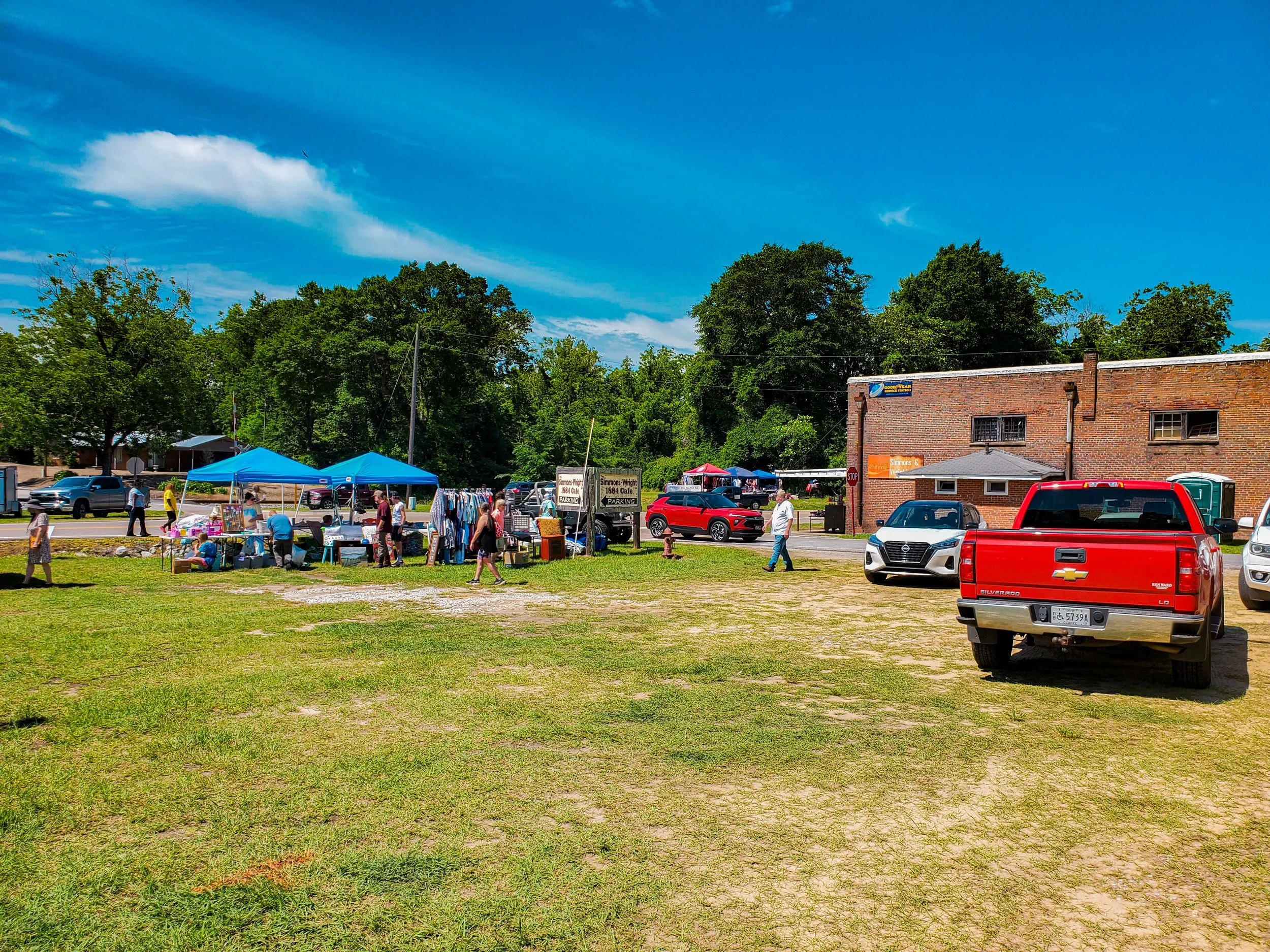
The Simmons-Wright Company Yard Sale
Afterwards, you will be ready to enter Alabama, which gets its name from the Alibamu (or Albaamo), a Muskogean-speaking Native American tribe belonging to the Creek Confederacy who historically inhabited the region. The name is thought to derive from the Choctaw words “alba” and “amo”, meaning “thicket clearers” or “plant gatherers”.