
LOUISIANA
The southern terminus of Historic Route 11 begins rather inauspiciously at an intersection with Chef Menteur Highway (US Highway 90) seventeen miles northeast of downtown New Orleans. The humble beginning of the 1,645 mile roadway belies the beauty, history, and adventures to come over the course of this historic highway. Only three states have fewer miles than Louisiana’s 31 miles on Historic Route 11: Georgia (23 miles), West Virginia (26 miles), and Maryland (13 miles). However, starting (or ending) a road trip in New Orleans makes up in volume what may be missed in miles travelled.
NEW ORLEANS
New Orleans has an incredible array of activities and restaurants to offer the visitor. One can spend days exploring the city and the historical sites and restaurants. For first time visitors to New Orleans, this is the list we recommend for your first day in the city:
Activities:
Visit Audubon Park and zoo
Tour the French Quarter (daytime avoids crowds)
Ride the St. Charles Avenue streetcar
Visit Jackson Square and St. Louis Cathedral
Walk along the Mississippi River
Eats:
The Gumbo Shop at 630 St Peter Street beside St Louis Cathedral
Central Grocery and Deli at 923 Decatur Street (where the muffuletta sandwich was invented) in the French Quarter
Desire Oyster Bar at the Royal Sonesta Hotel at 300 Bourbon Street in the French Quarter for great food and people watching (excellent accommodations if availability and money allow)
Café du Monde at 800 Decatur Street for café au lait and beignets
You’ll find plenty to do and eat if you stay longer, but when you are ready to begin your Historic Route 11 trip, leave downtown on I-10 E towards Slidell. Take exit 240B for US-90 E/Chef Hwy. In ten miles, bear to the left on Ridgeway Blvd at the US 11 North sign and you have begun!
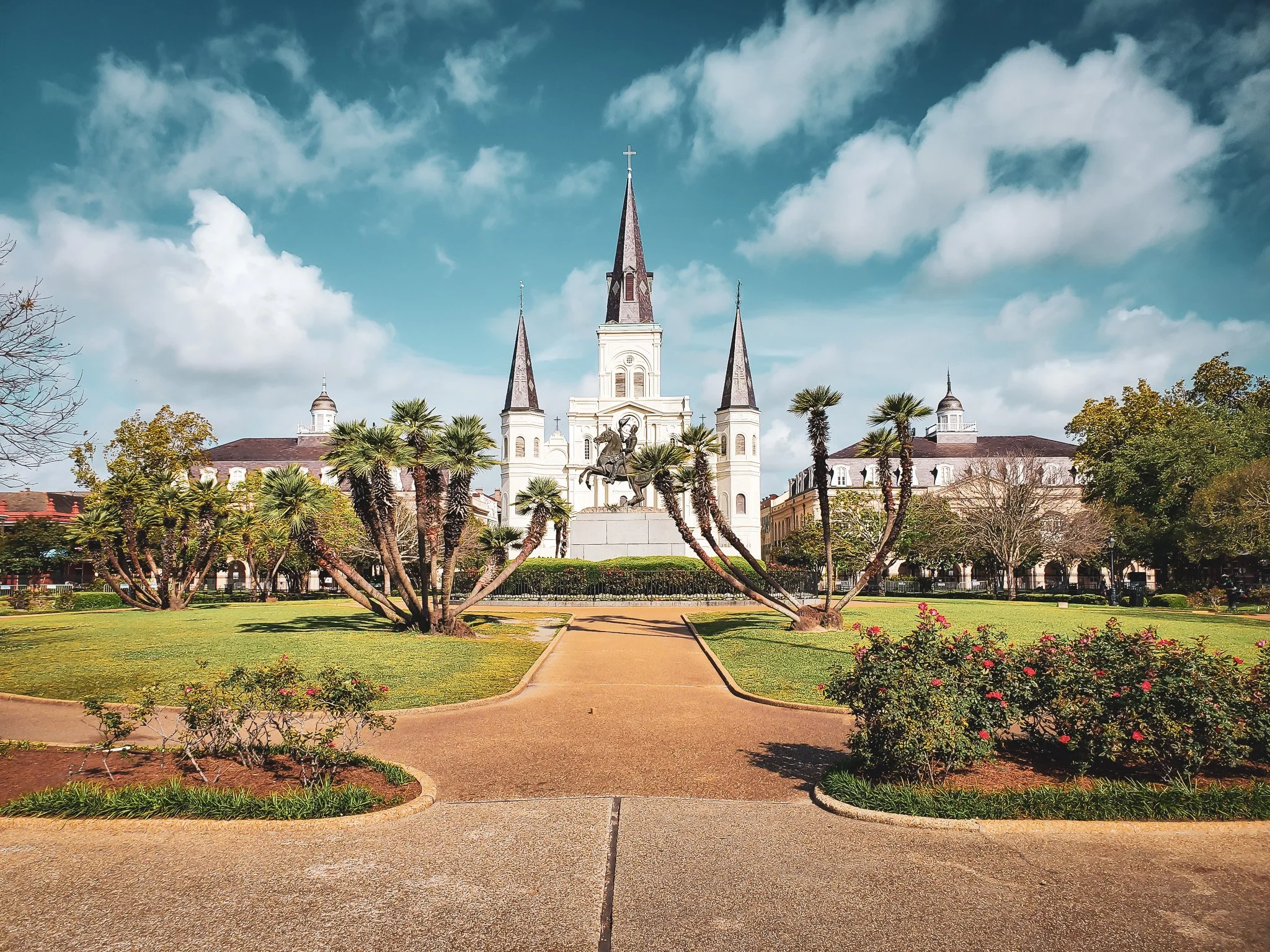
Jackson Square
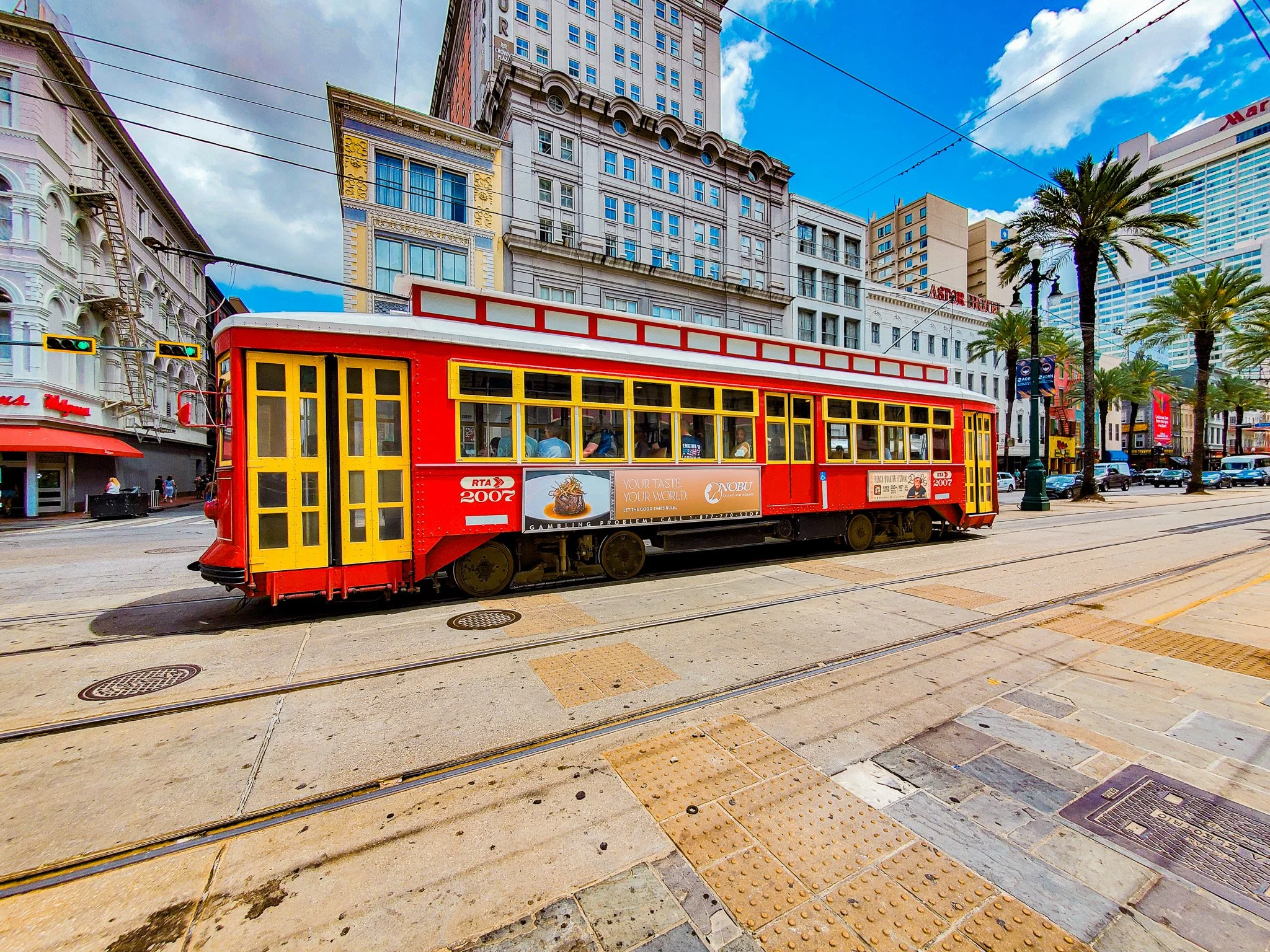
St. Charles Avenue Streetcar
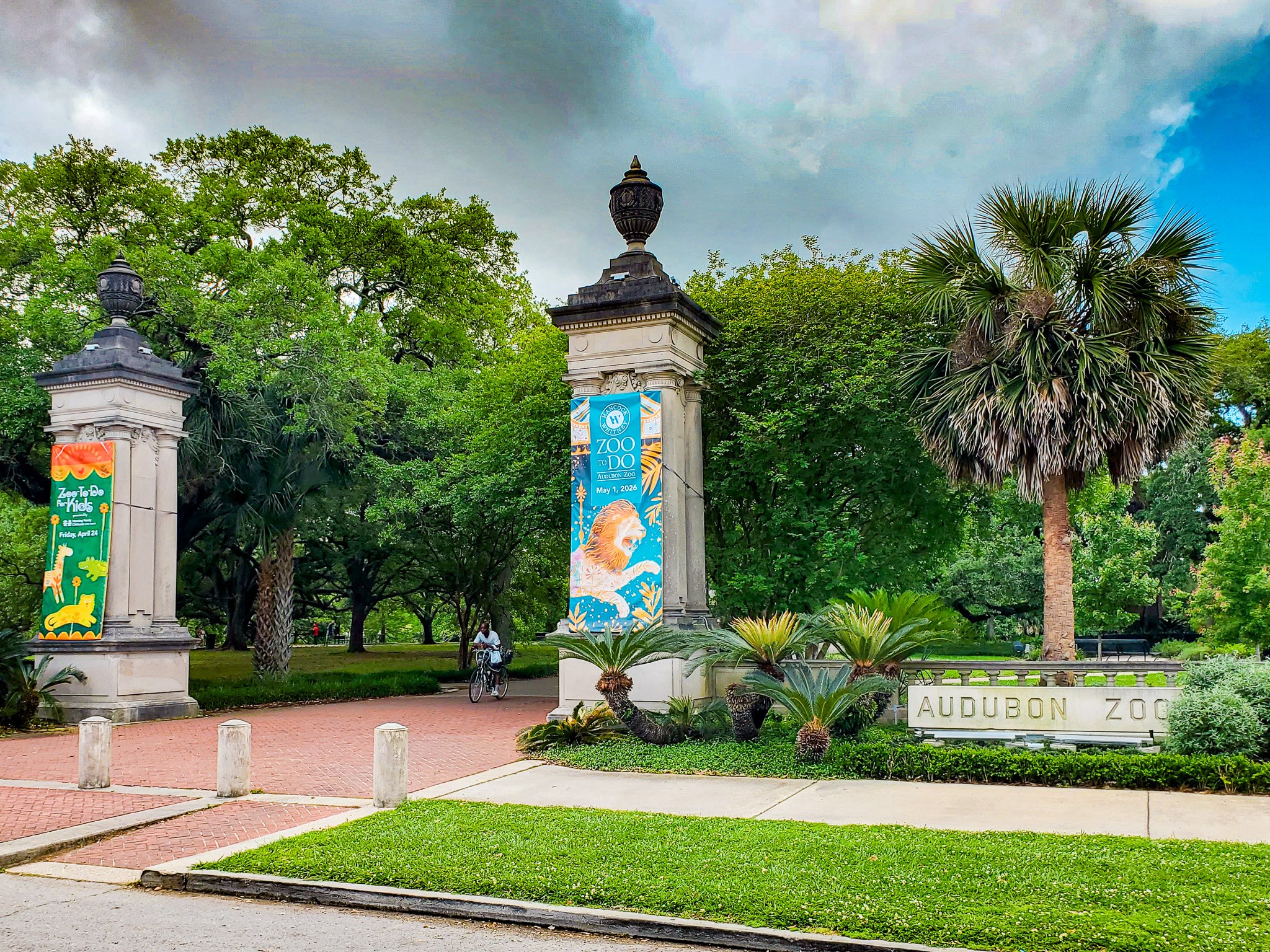
Audubon Park and Zoo
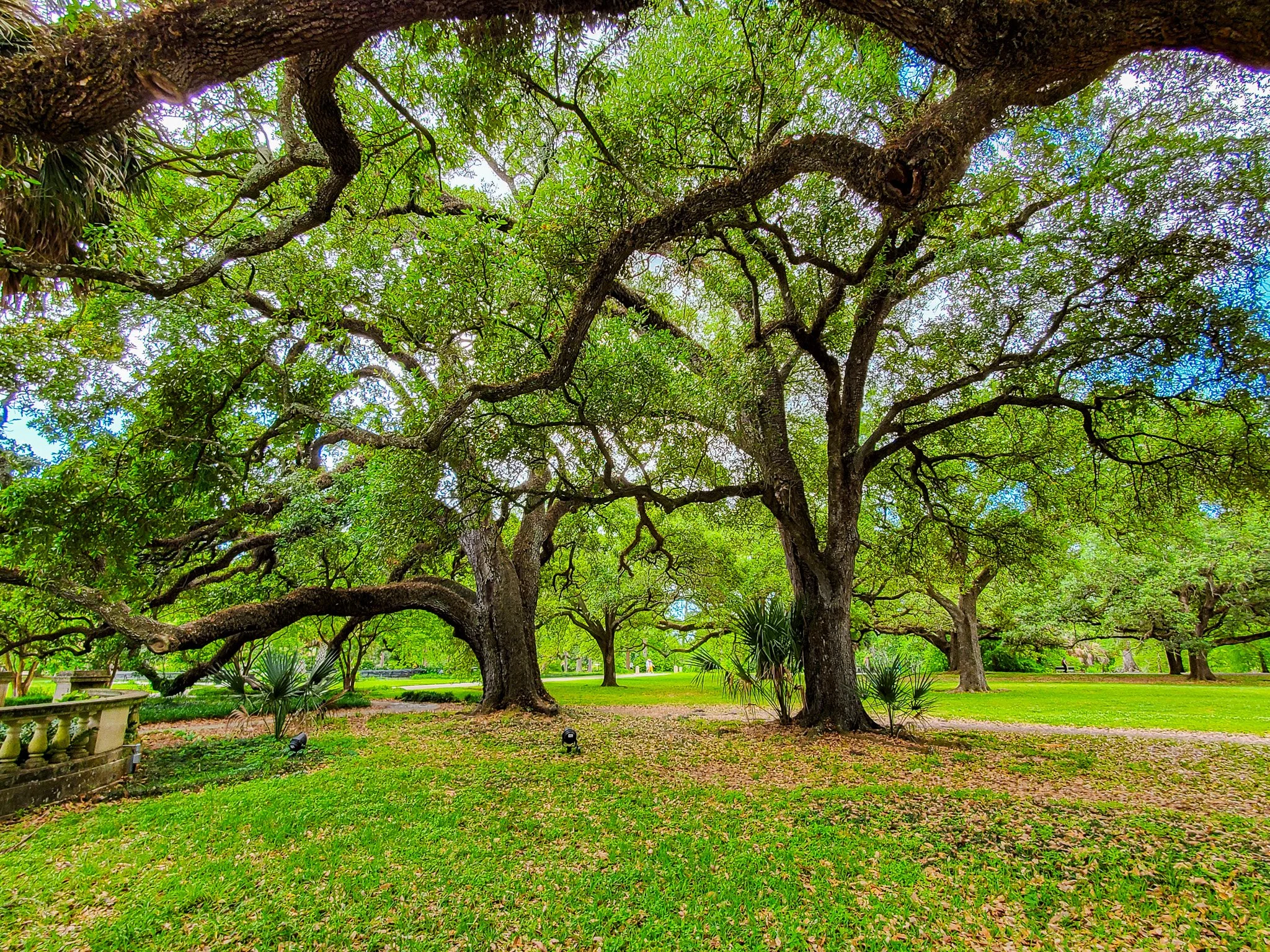
Audubon Park and Zoo
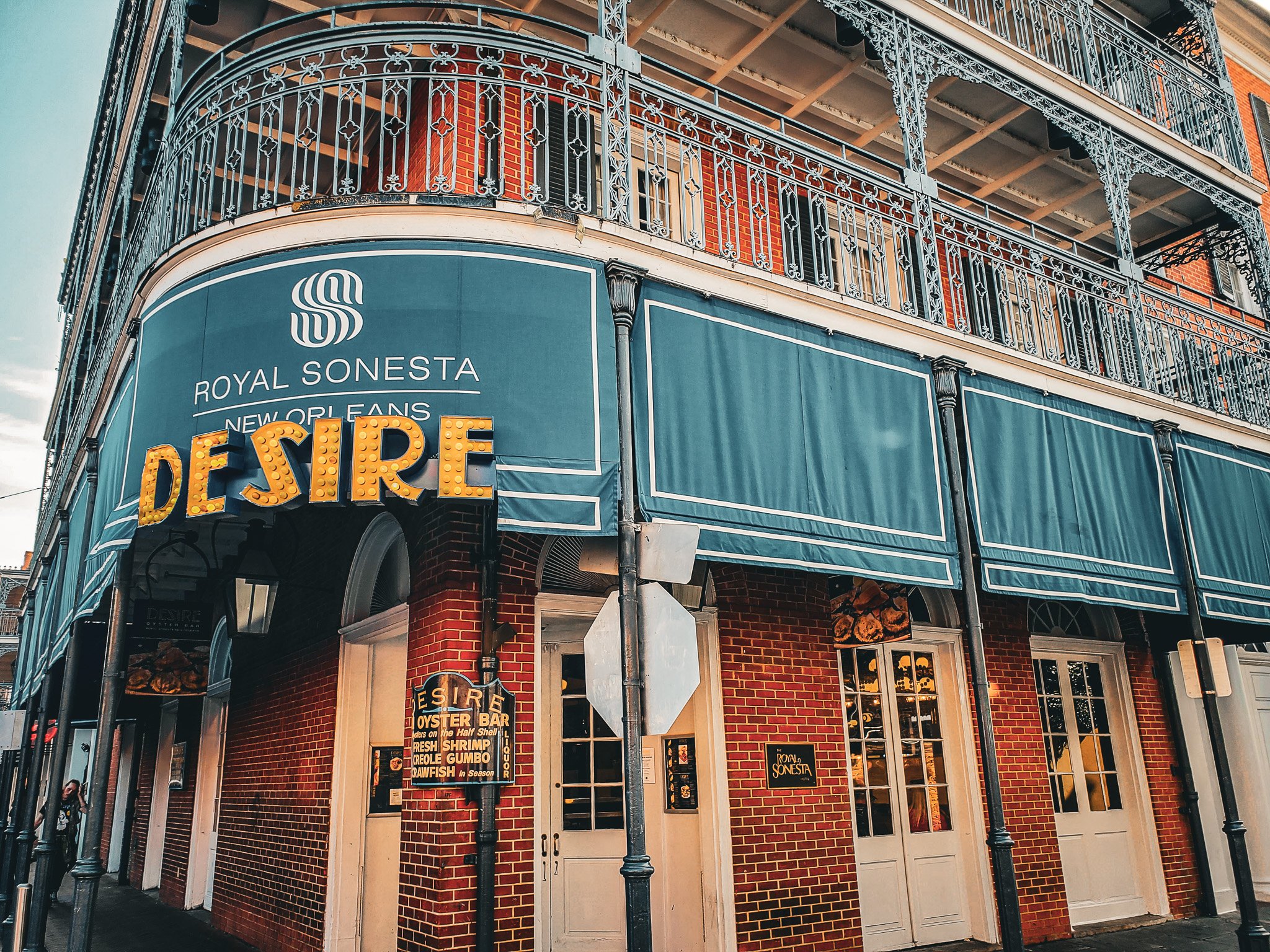
Desire Oyster Bar
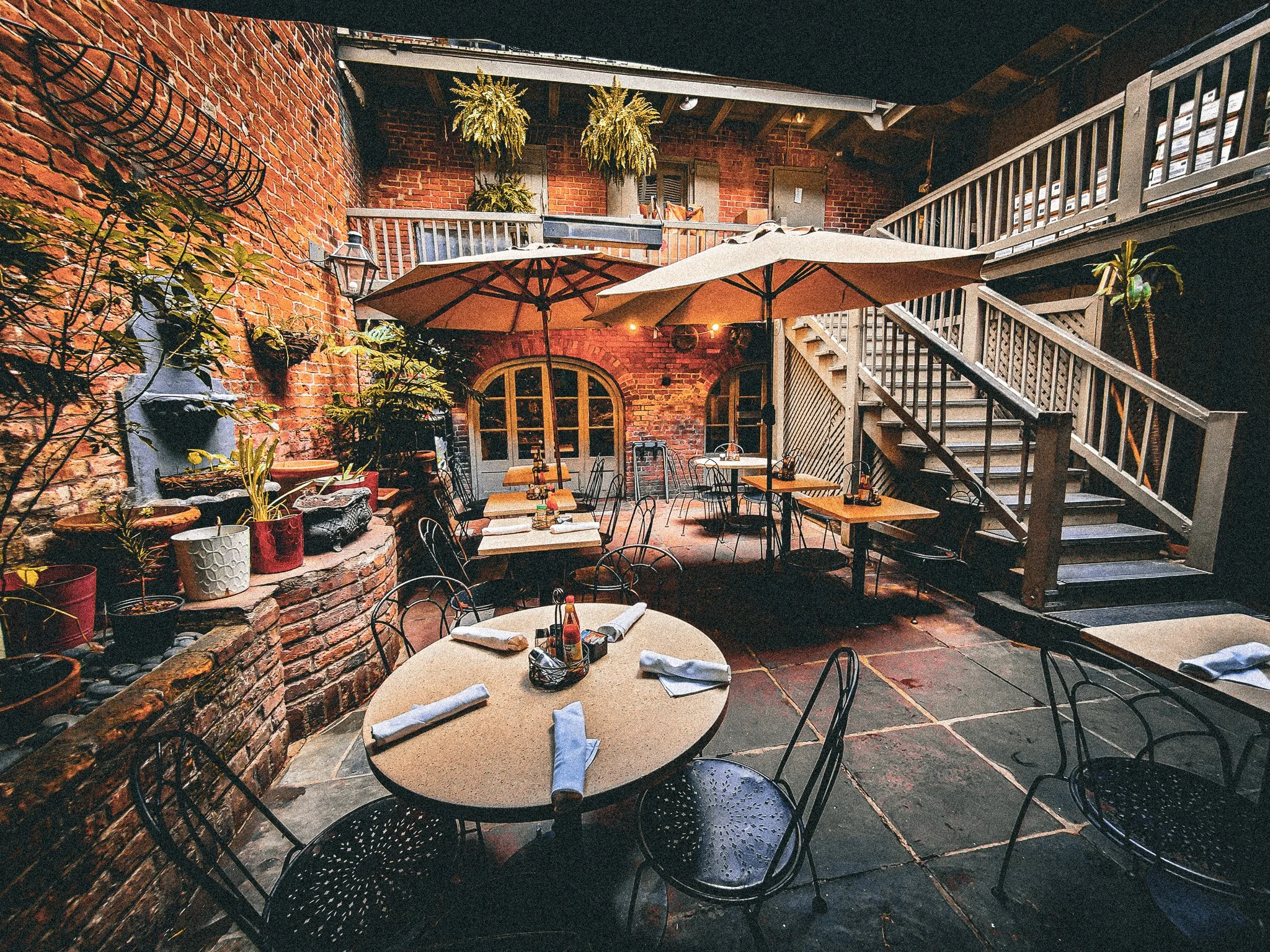
The Gumbo Shop
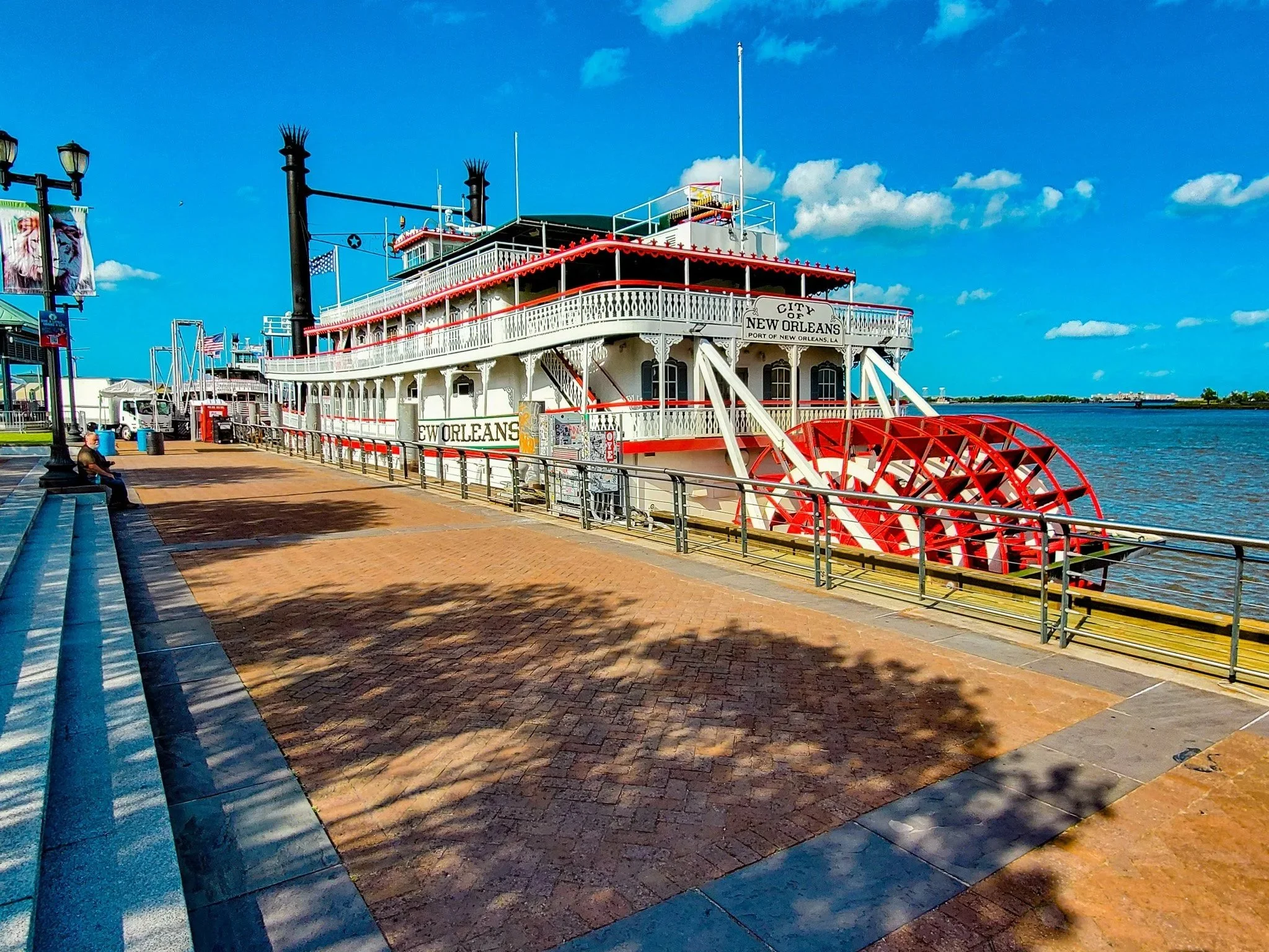
Steamboat
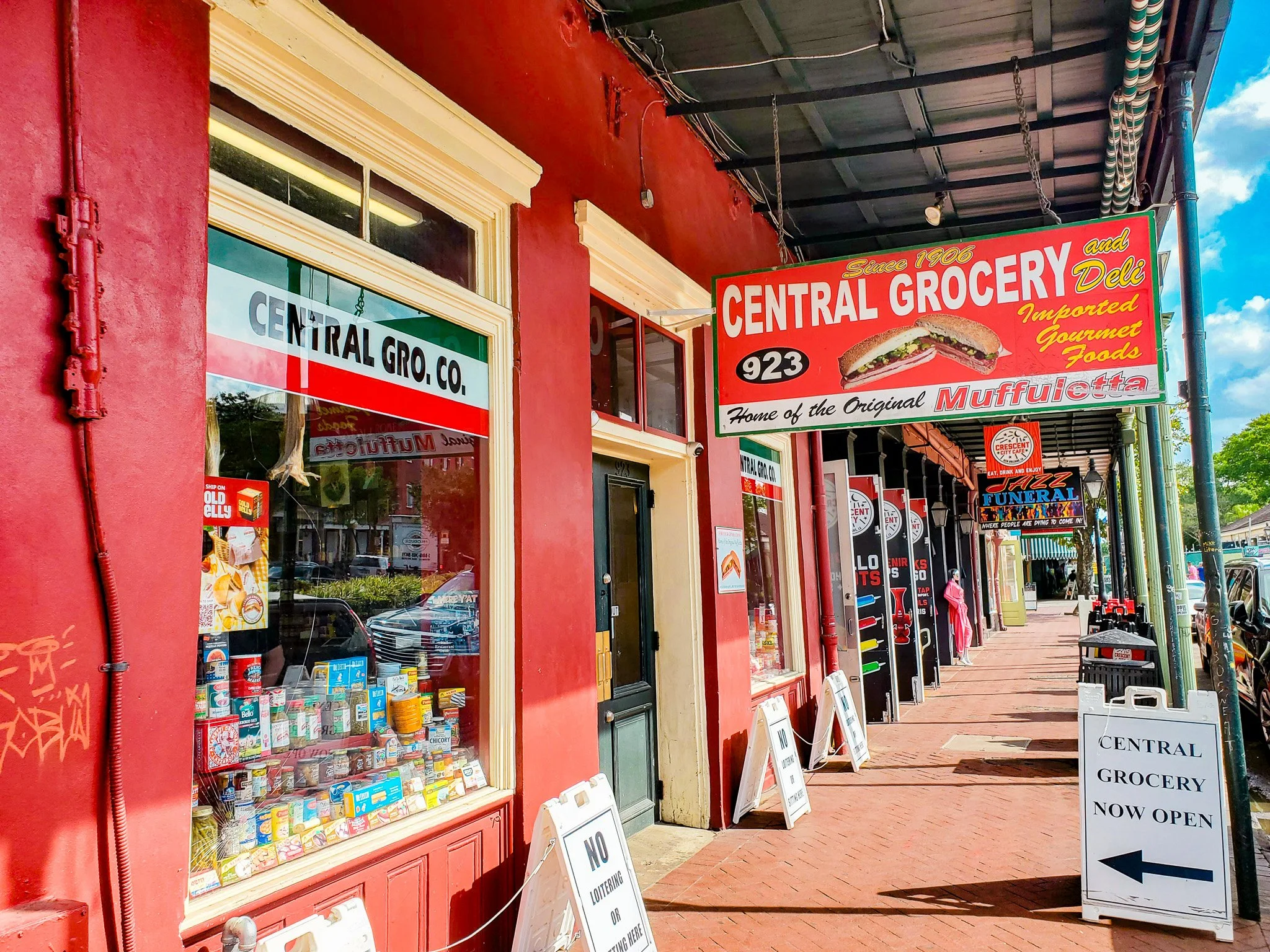
Central Grocery & Deli
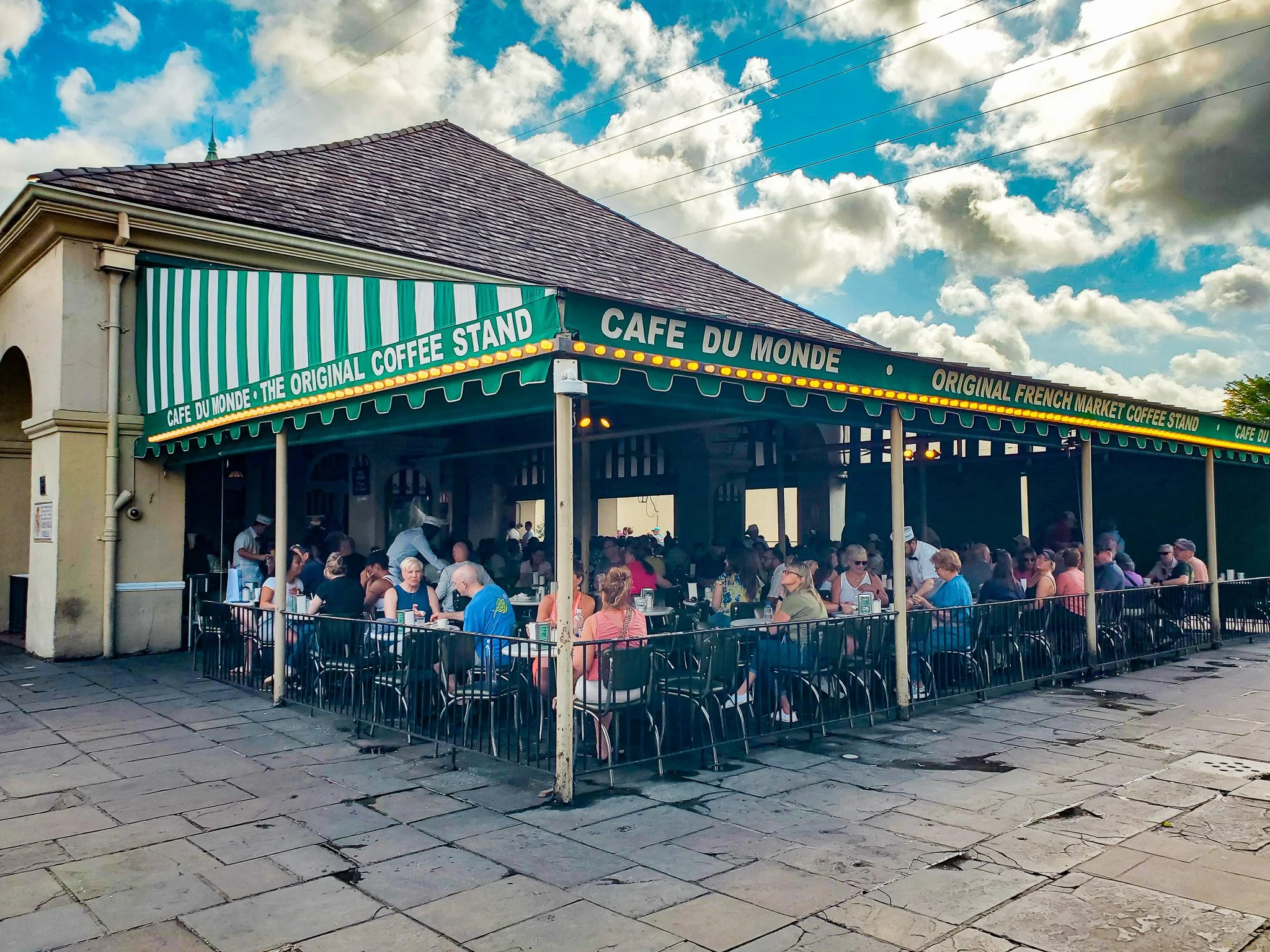
Café du Monde
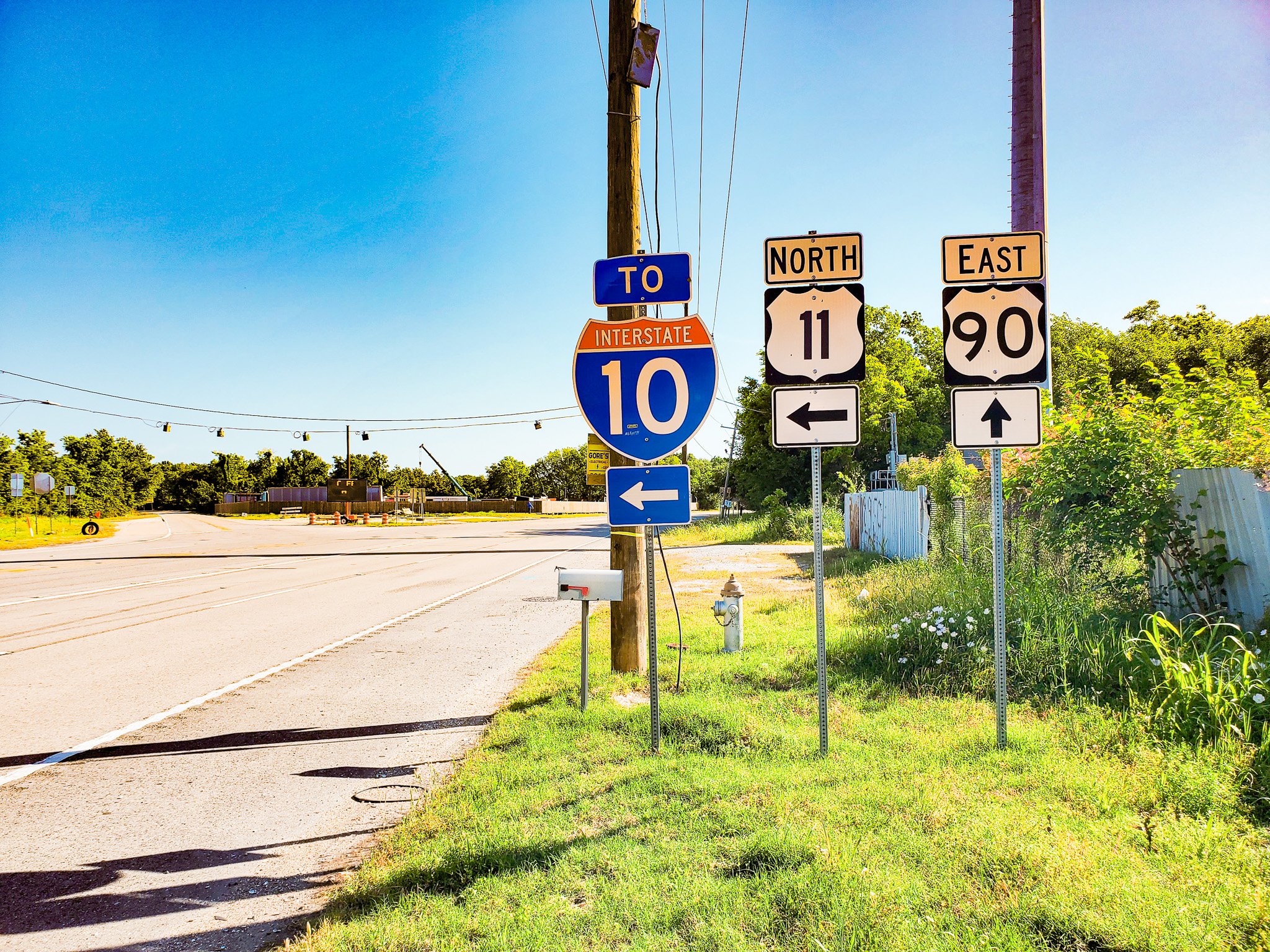
Southern Terminus of Historic Route 11
IRISH BAYOU
The area was named for the Irish immigrants who settled in the area in the 1800’s. Watch for the Fisherman’s Castle, a novelty built as a possible attraction for the 1984 World’s Fair in New Orleans, now privately owned.
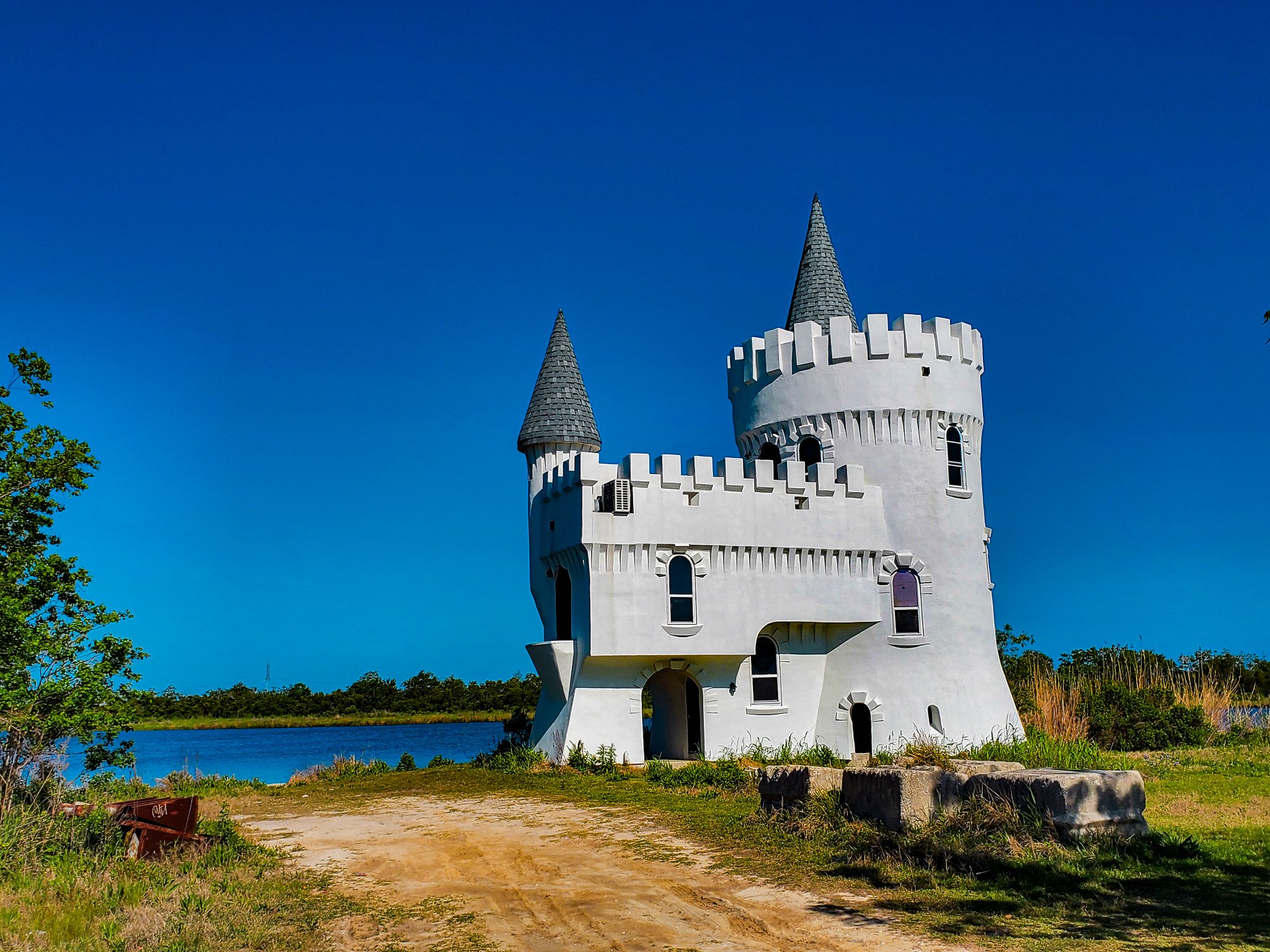
Fisherman's Castle
BAYOU SAUVAGE URBAN NATIONAL WILDLIFE REFUGE
One of the last remaining marsh areas adjacent to Lakes Pontchartrain and Borgne, the refuge contains a variety of wildlife habitats—including patches of bottomland hardwood forest, freshwater, brackish and estuarine tidal marshes, lagoons, canals, and natural bayous.
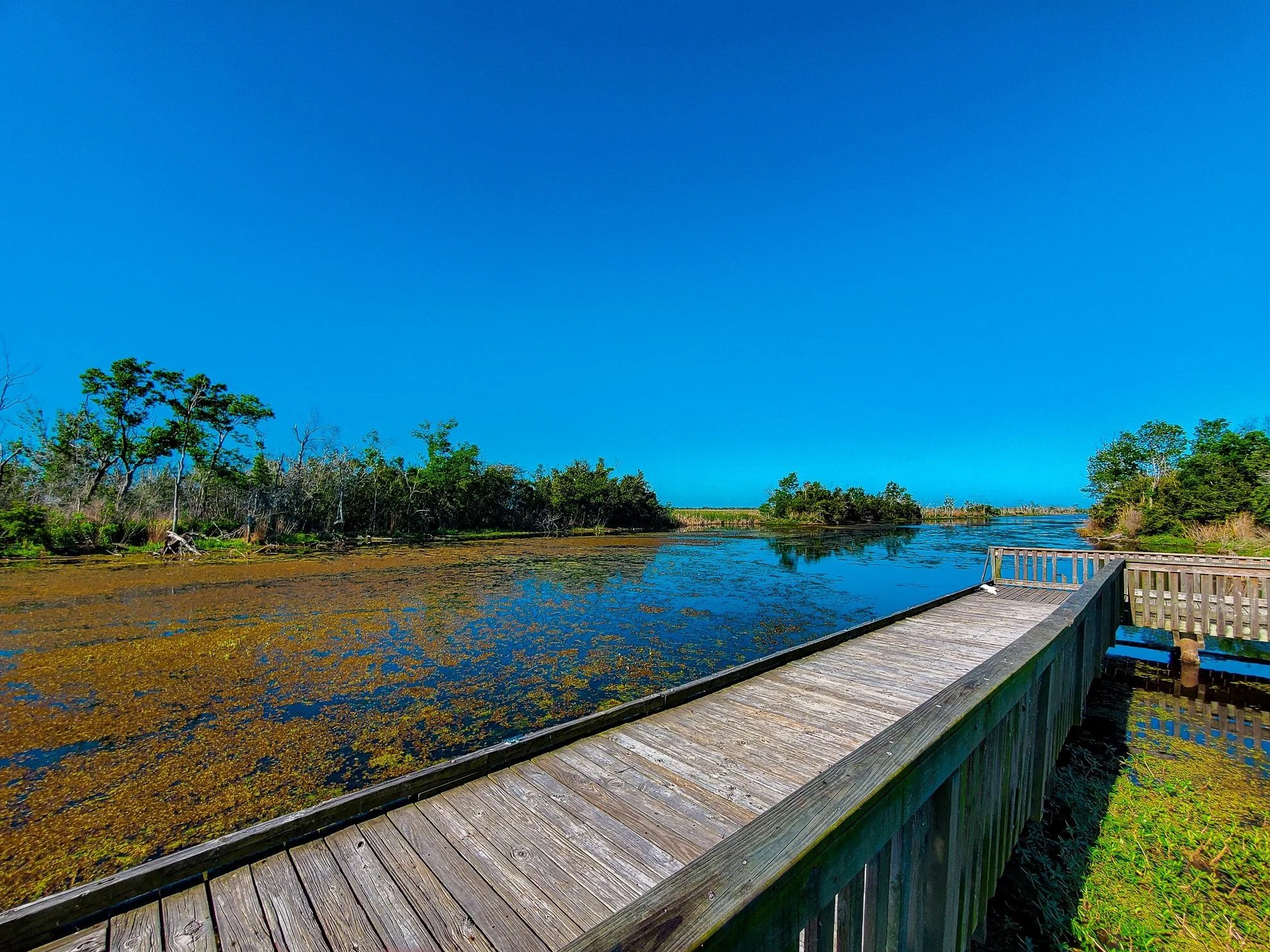
Bayou Sauvage Urban National Wildlife Refuge
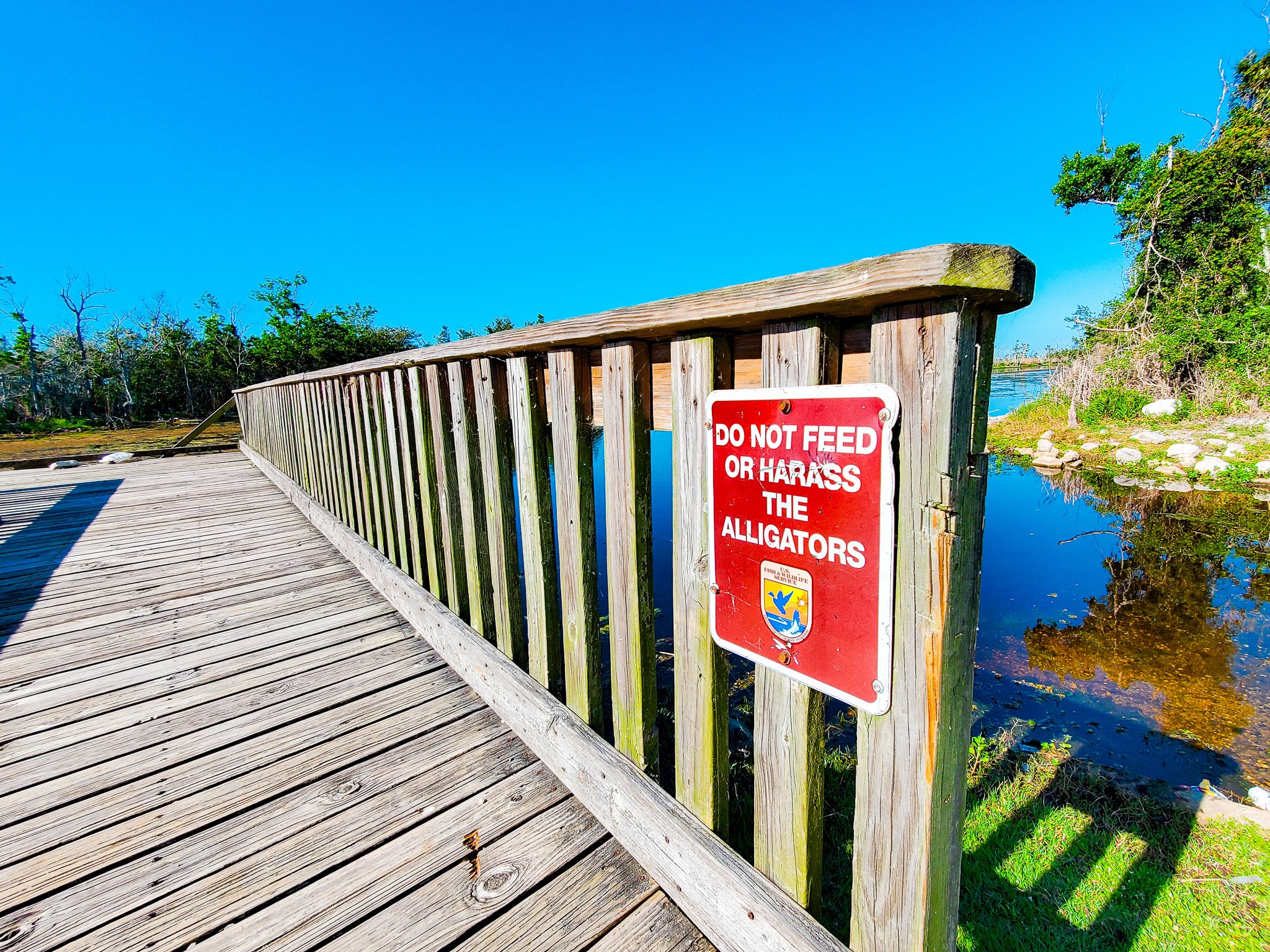
Bayou Sauvage Urban National Wildlife Refuge
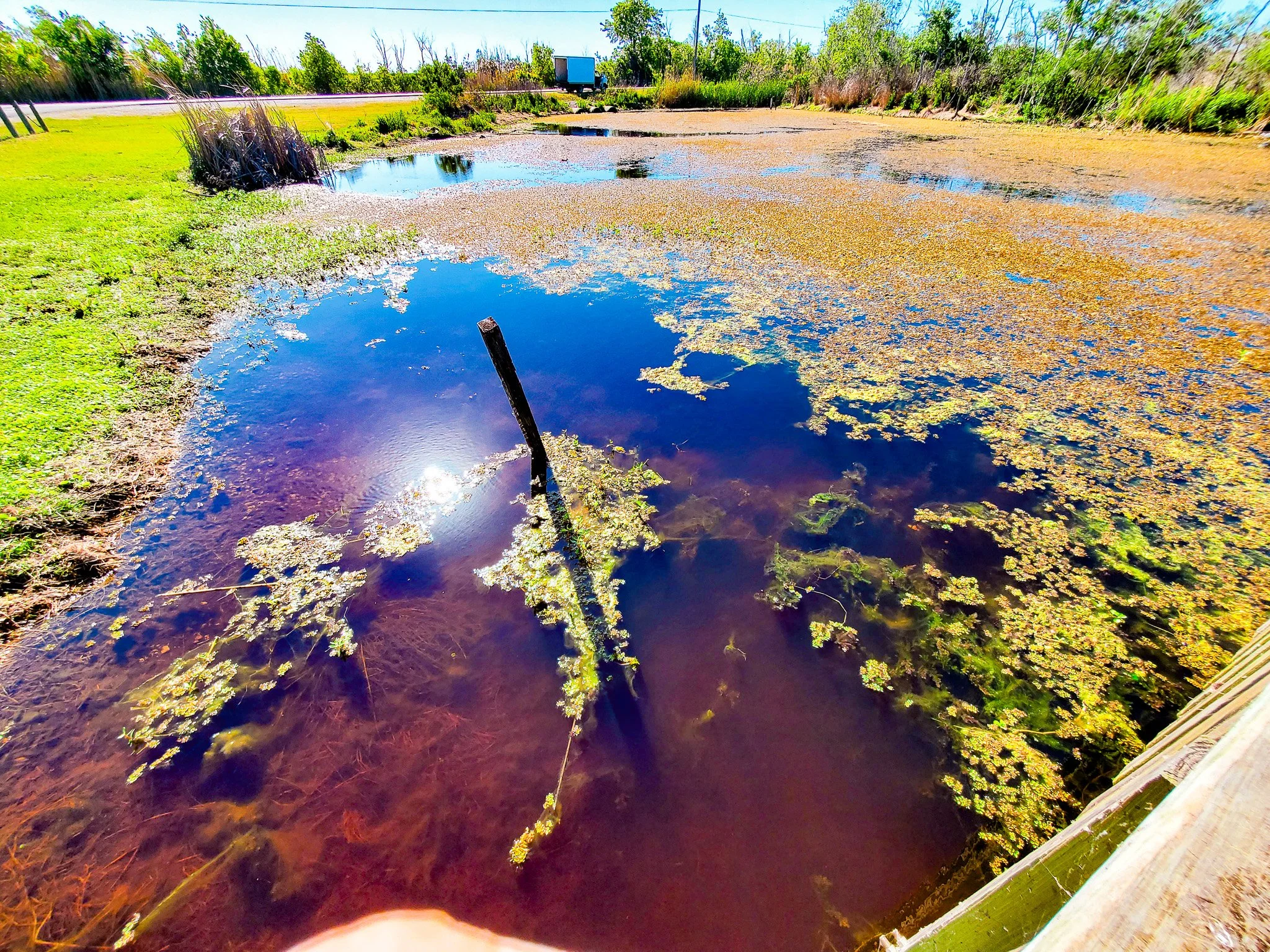
Bayou Sauvage Urban National Wildlife Refuge
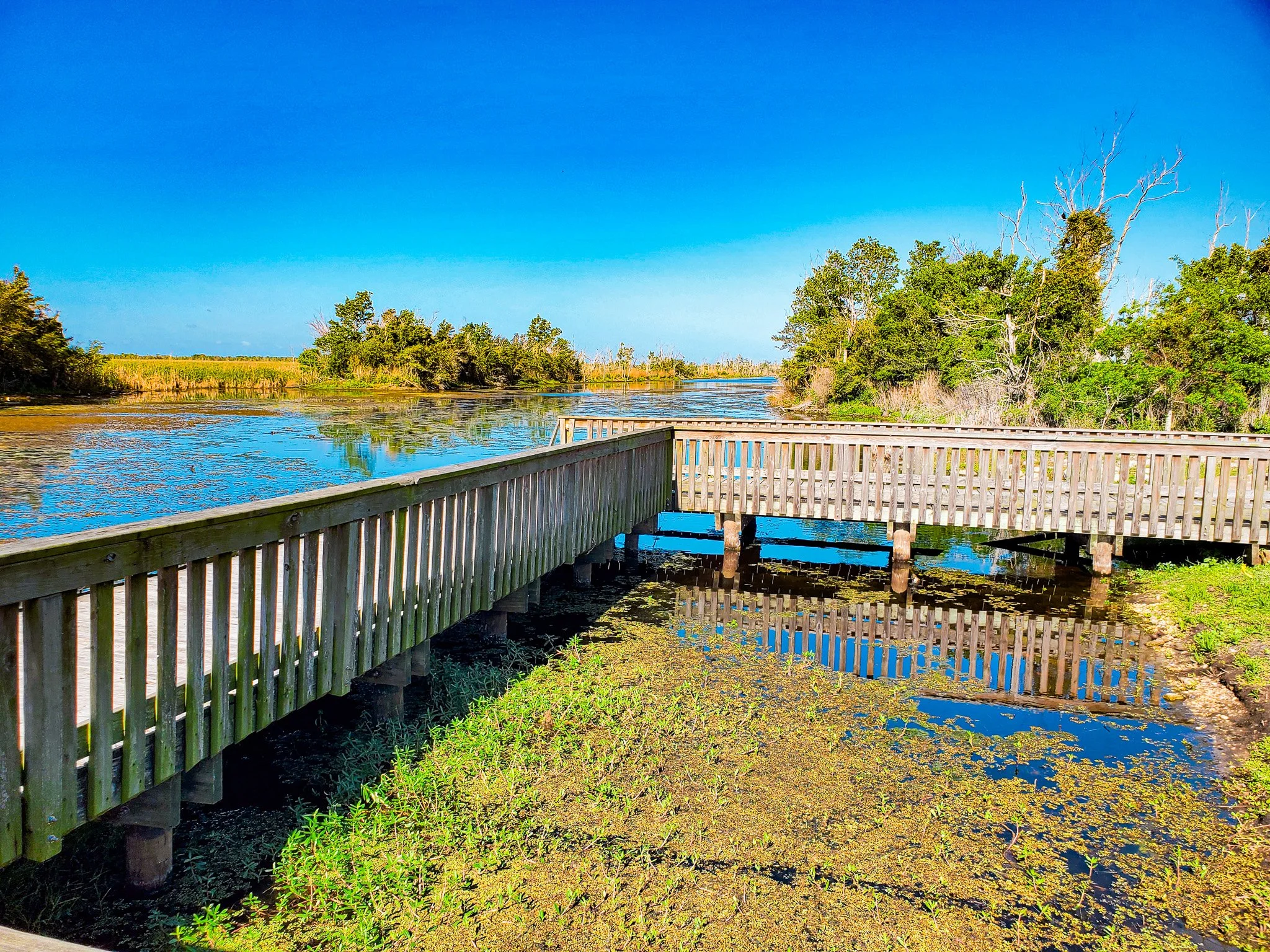
Bayou Sauvage Urban National Wildlife Refuge
LAKE PONTCHARTRAIN
The lake was named in 1699 by French explorer Pierre Le Moyne d’Iberville to honor Louis Phélypeaux, comte de Pontchartrain, the Native American name was “Okwata”, or “wide waters”. Historic Route 11 crosses the Lake on the Maestri Bridge, completed in1928 and named after a New Orleans mayor. At that time, it was the world’s longest continuous concrete bridge at 4.78 miles. Unlike the twin spans of the newer I-10 bridges that cross Lake Pontchartrain nearby, the Maestri Bridge withstood the onslaught of Hurricane Katrina.
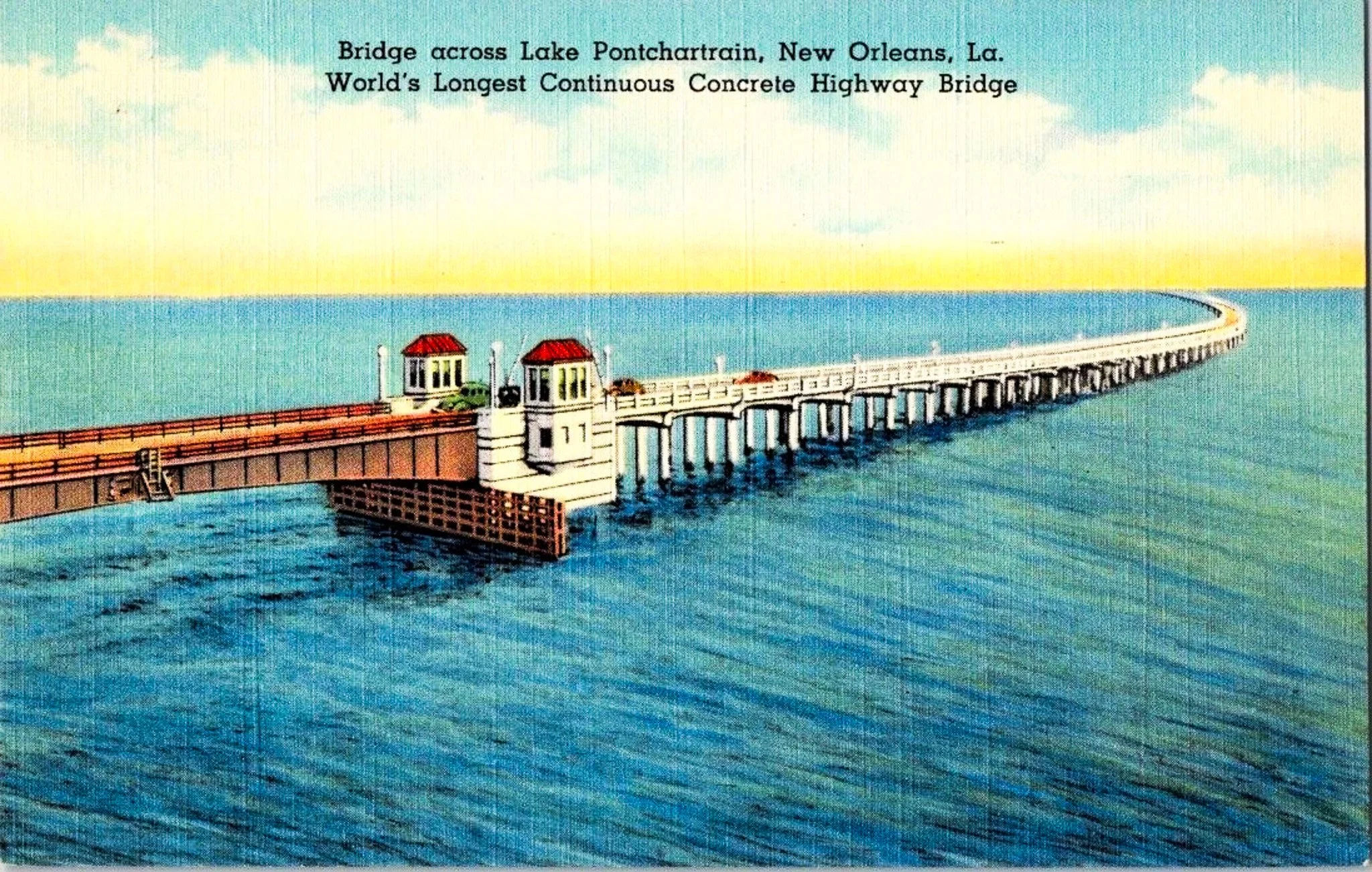
LAke Pontchartrain
ST TAMMANY PARISH
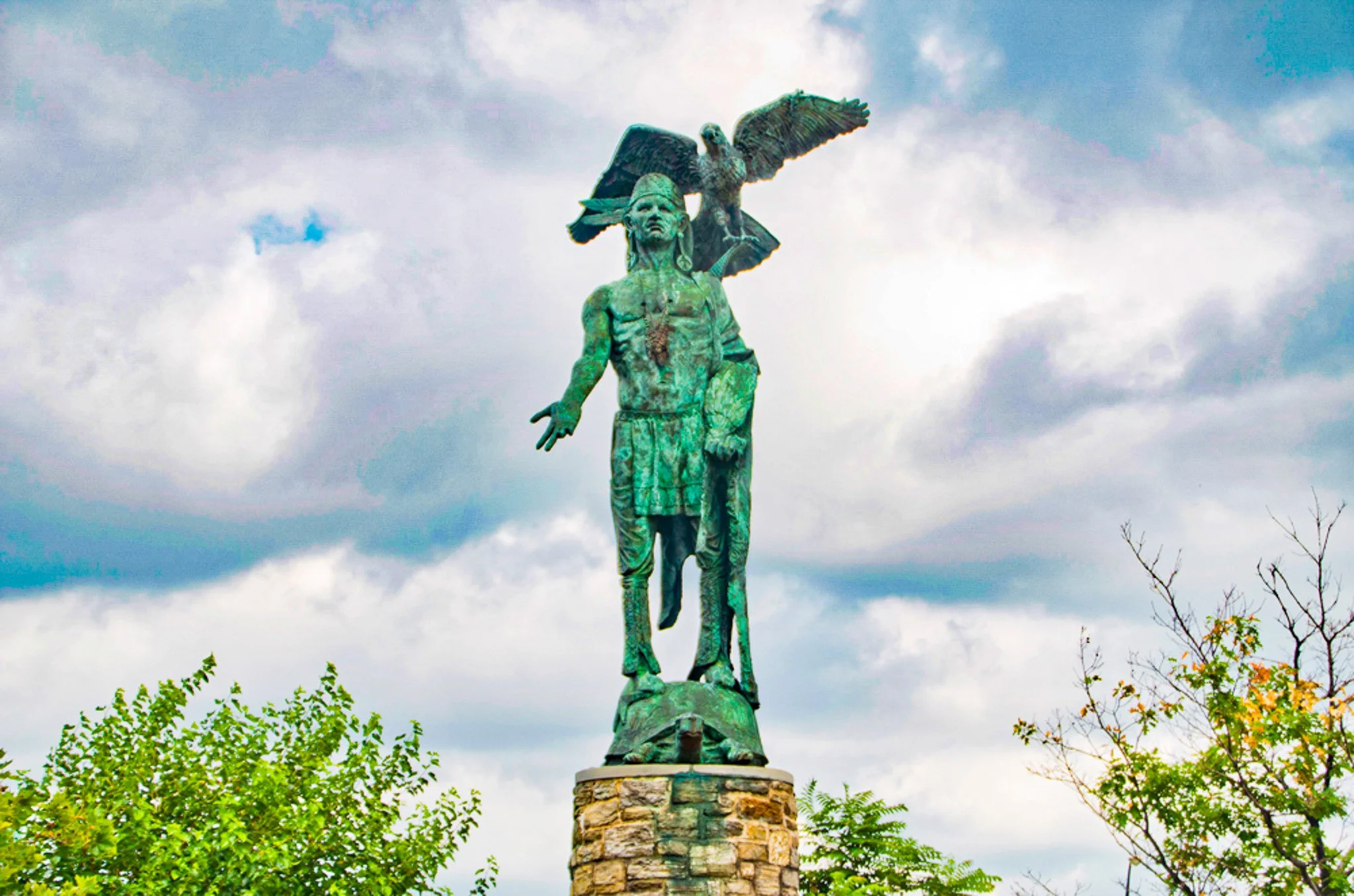
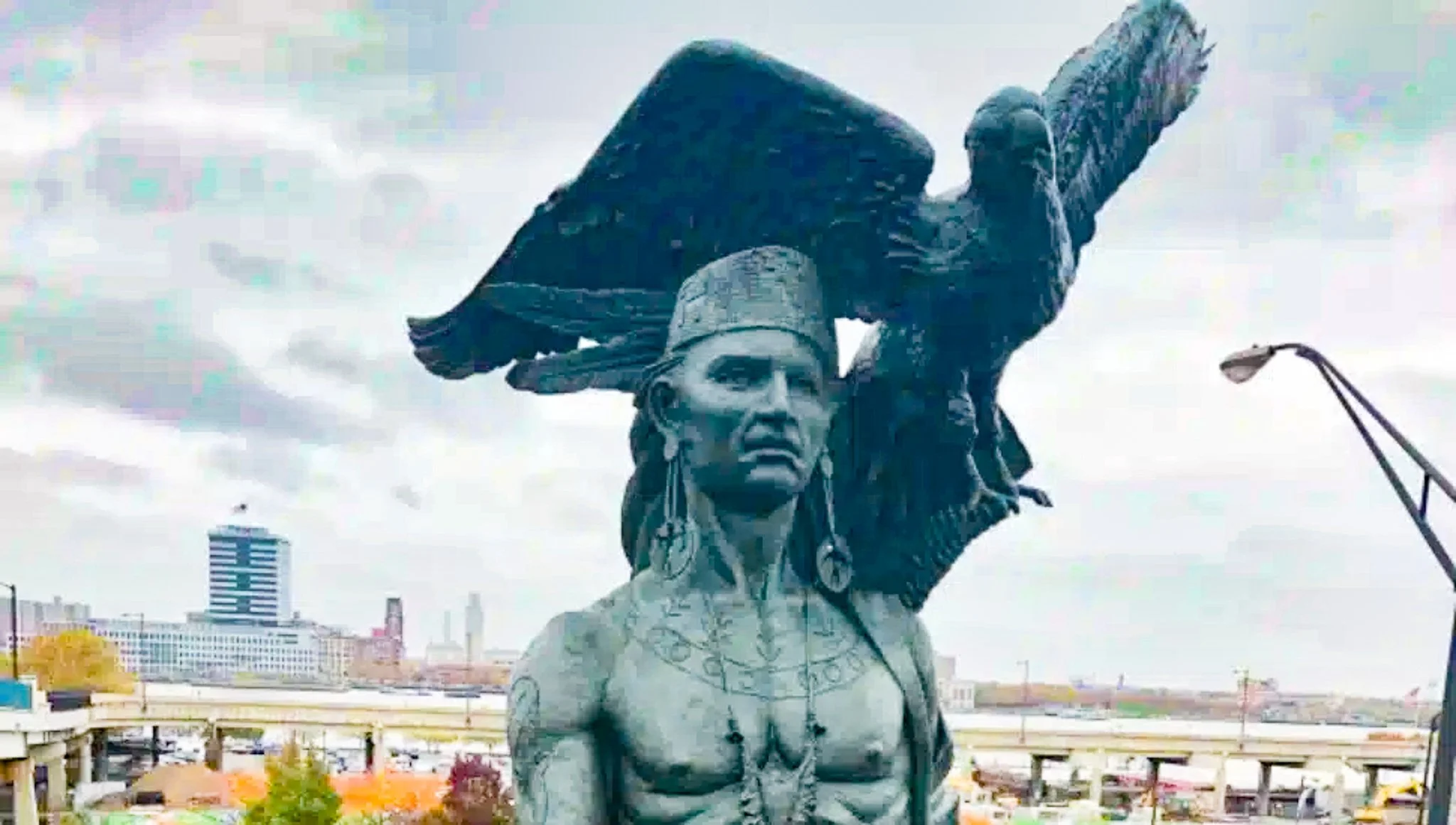
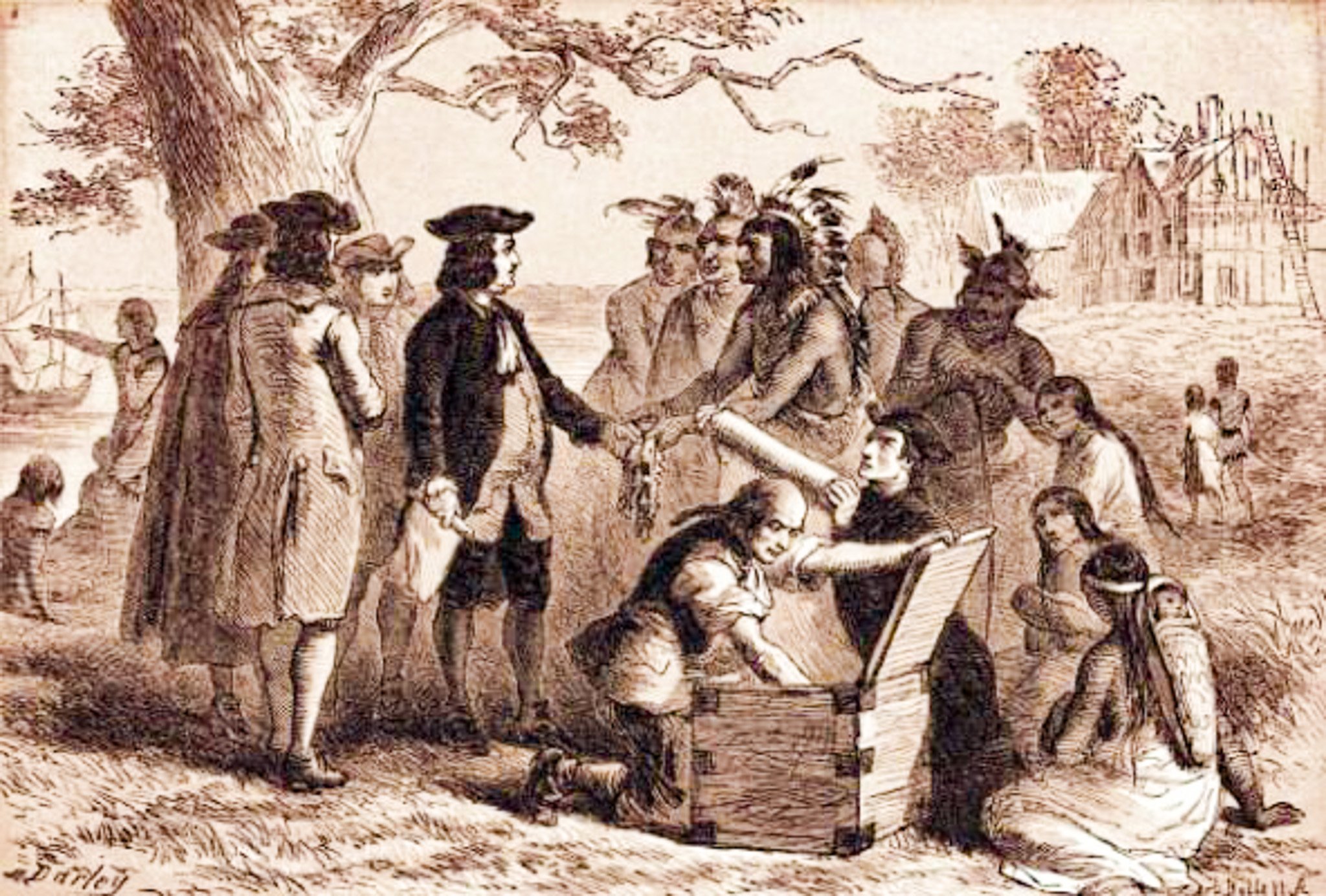
The parish was named after a prominent leader of the Lenni-Lenape nation in the Delaware valley, Tamanend, who was also called Tammany or “the Affable”. Born in 1625, he is celebrated as the “Patron Saint of America” for his fostering peace with William Penn and the early Quaker settlers of Pennsylvania, signing key treaties, and becoming a symbol of American unity and peace. May 1 was celebrated as “St Tammany’s Festival” across the colonies.
SLIDELL
Named for John Slidell, prominent politician and Confederate diplomat and known as The Camellia City, Historic Route 11 is known as Pontchartrain Drive and Front Street through Slidell. It runs concurrently for a short distance with the famous Old Spanish Trail (which connects St. Augustine Florida with San Diego California) known in Slidell as State Highway 433. The Slidell Railroad Depot was built in 1913 and is in the US National Register of Historic Places. Venturing off US 11, you can visit the Slidell Museum with a Mardi Gras Museum inside, the Arcade Theater,and the Olde Towne district. Heritage Parkon Bayou Lane contains a memorial piece from the World Trade Center.
ALTON
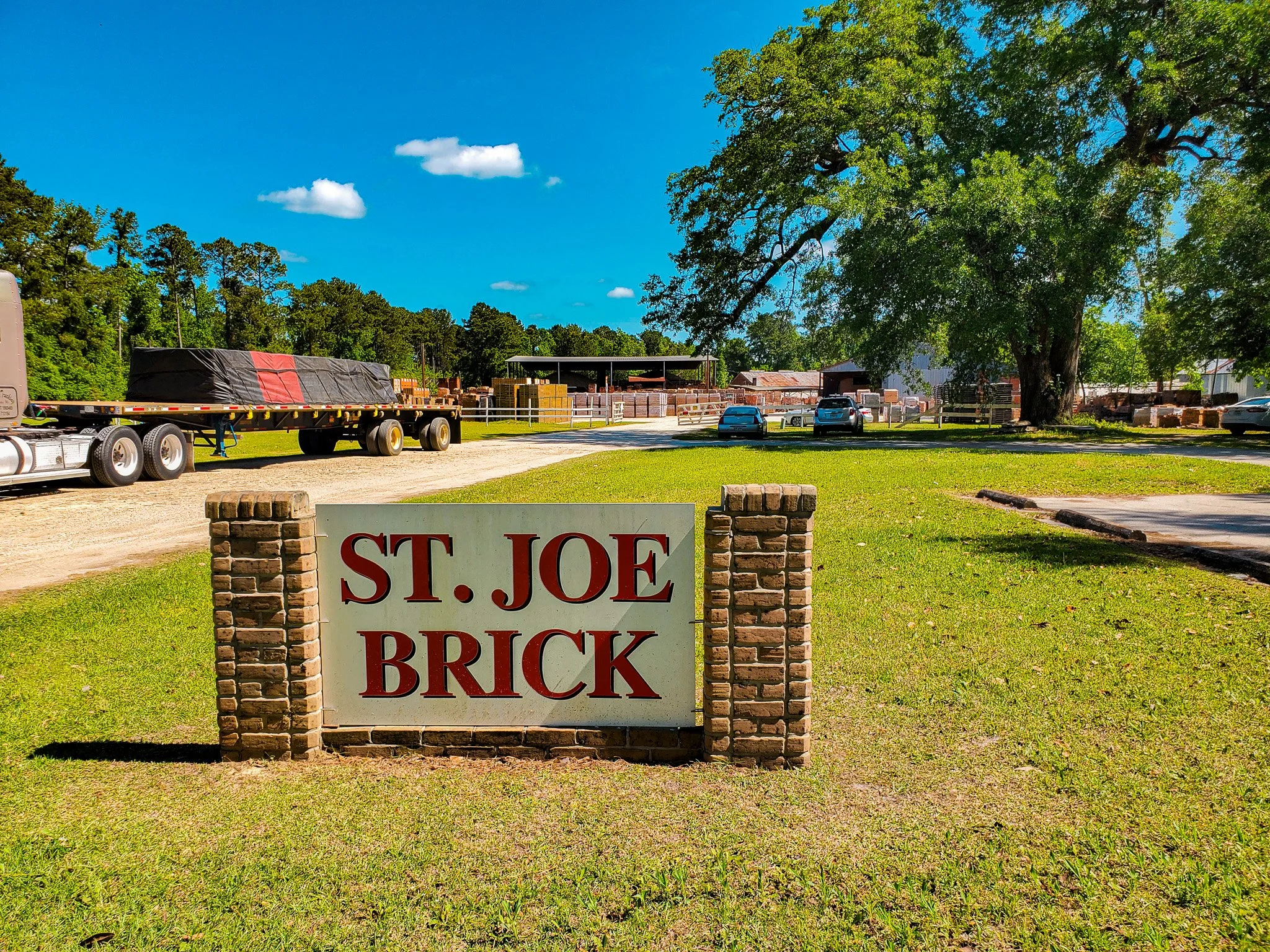
The town was named for Alton R. Easton, the eldest son of an early town developer who surveyed the area in 1818. St Joe Brick Works founded in 1891 is the oldest family brick manufacturer east of the Mississippi, using colonial "soft mud" process with wooden moulds. Alton Louisiana is one of the first towns on US 11, while Altona New York will be one of the last.
St. Joe Brick Works
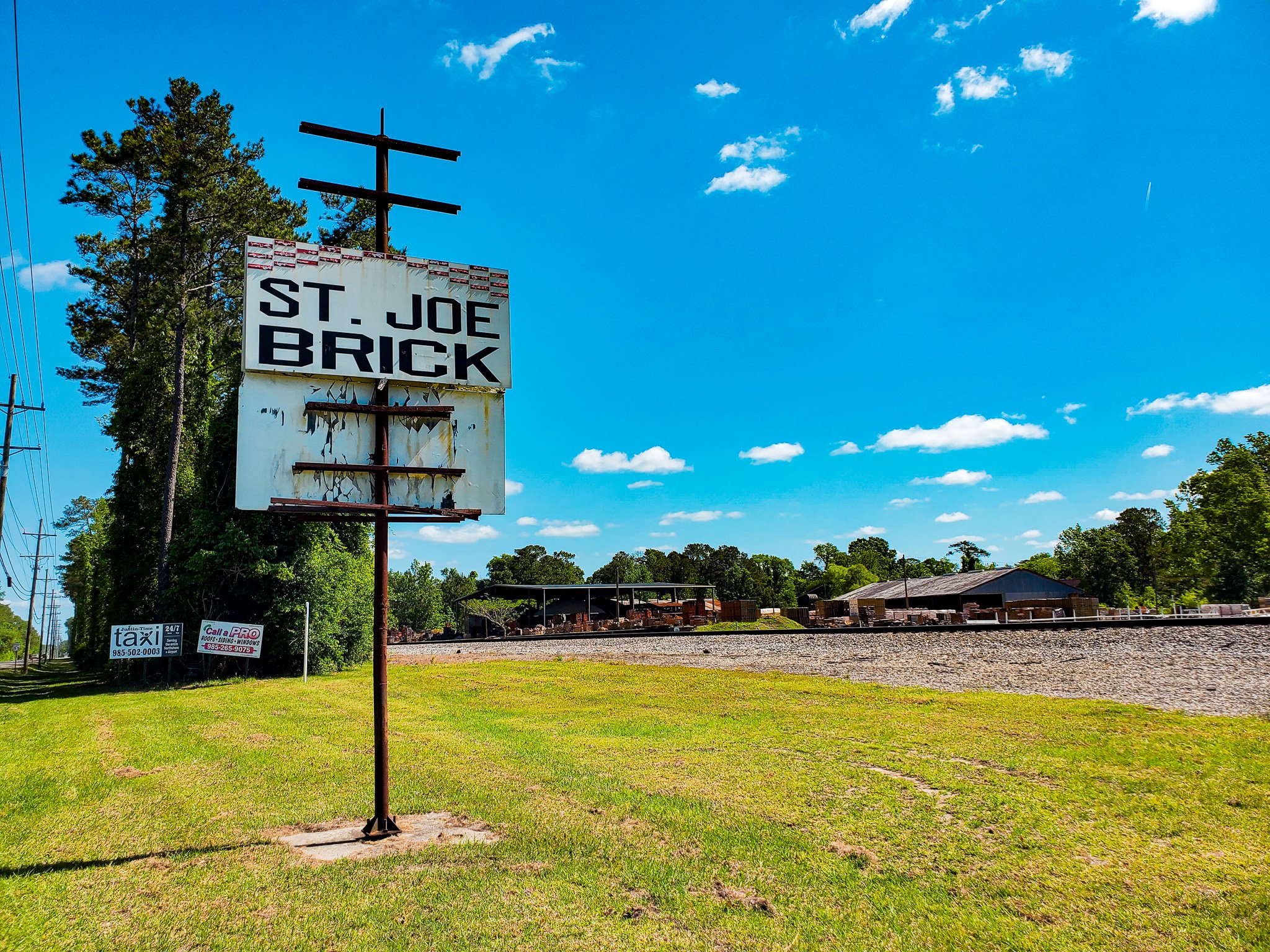
St. Joe Brick Works
PEARL RIVER
Pearl River, Louisiana is the easternmost town in Louisiana and named after the Pearl River, so named for the pearls found in the abundant fresh water mussels there. Originally, the town was called “Halloo” in 1859 for the greeting yelled by loggers on the river. The nearby Honey Island Swamp is considered to be one of the most pristine swampland habitats in the US, and is the home of the Cajun Sasquatch.
As you continue north on Historic Route 11, rather than turning on State Highway 41 to join I-59N and run concurrently into Mississippi, continue north on State Highway 3081 for approximately 2 miles to Pump Slough Road where you will see Patriotic Miss Pearl, an alligator statue in the small traffic island. Then, continue on Pump Slough Road to the east side of I-59 to Truck Stop Swamp Shoppe for a “bayou” experience. Join I-59N here to cross the state line into Mississippi.
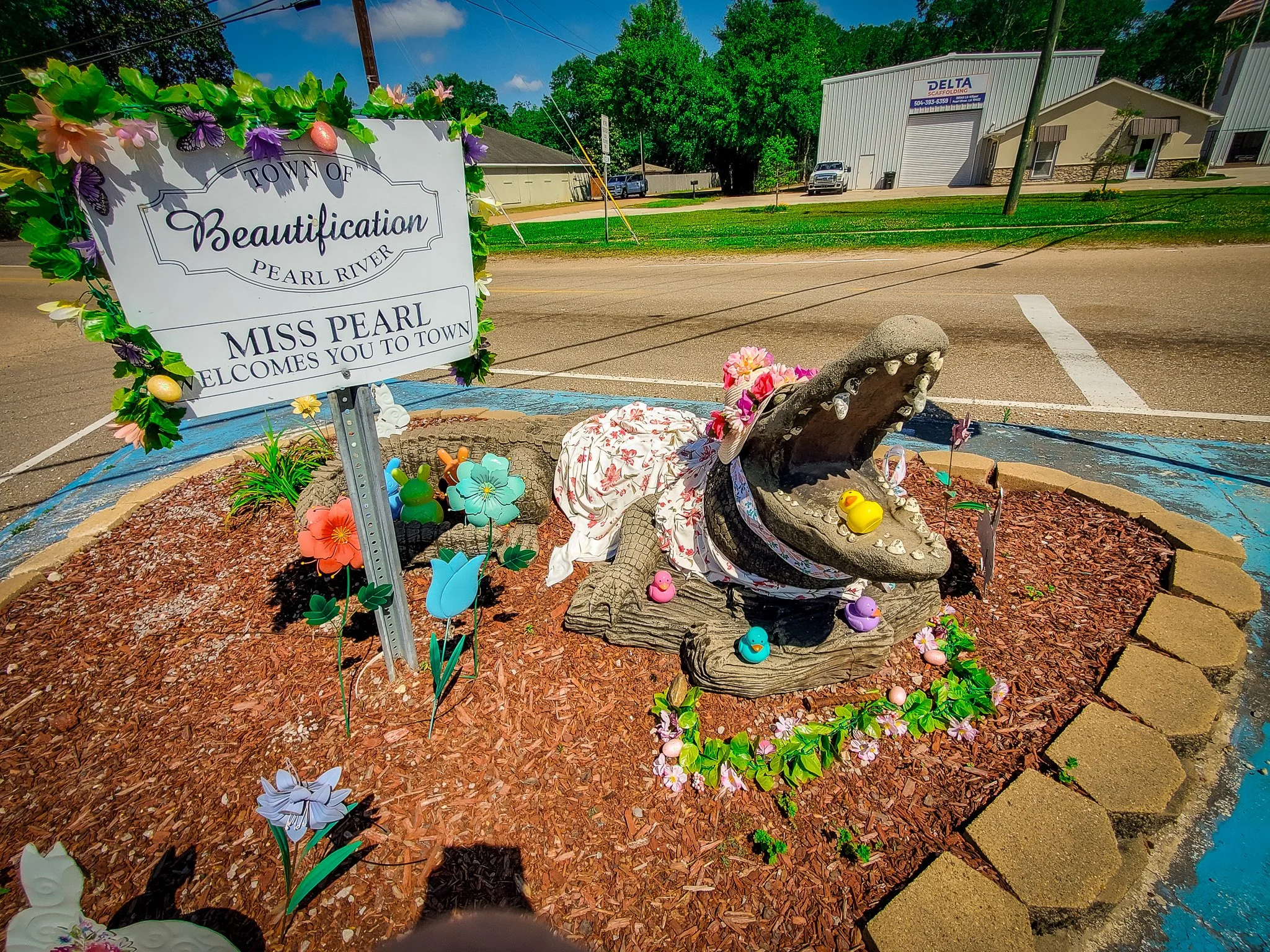
Patriotic Miss Pearl
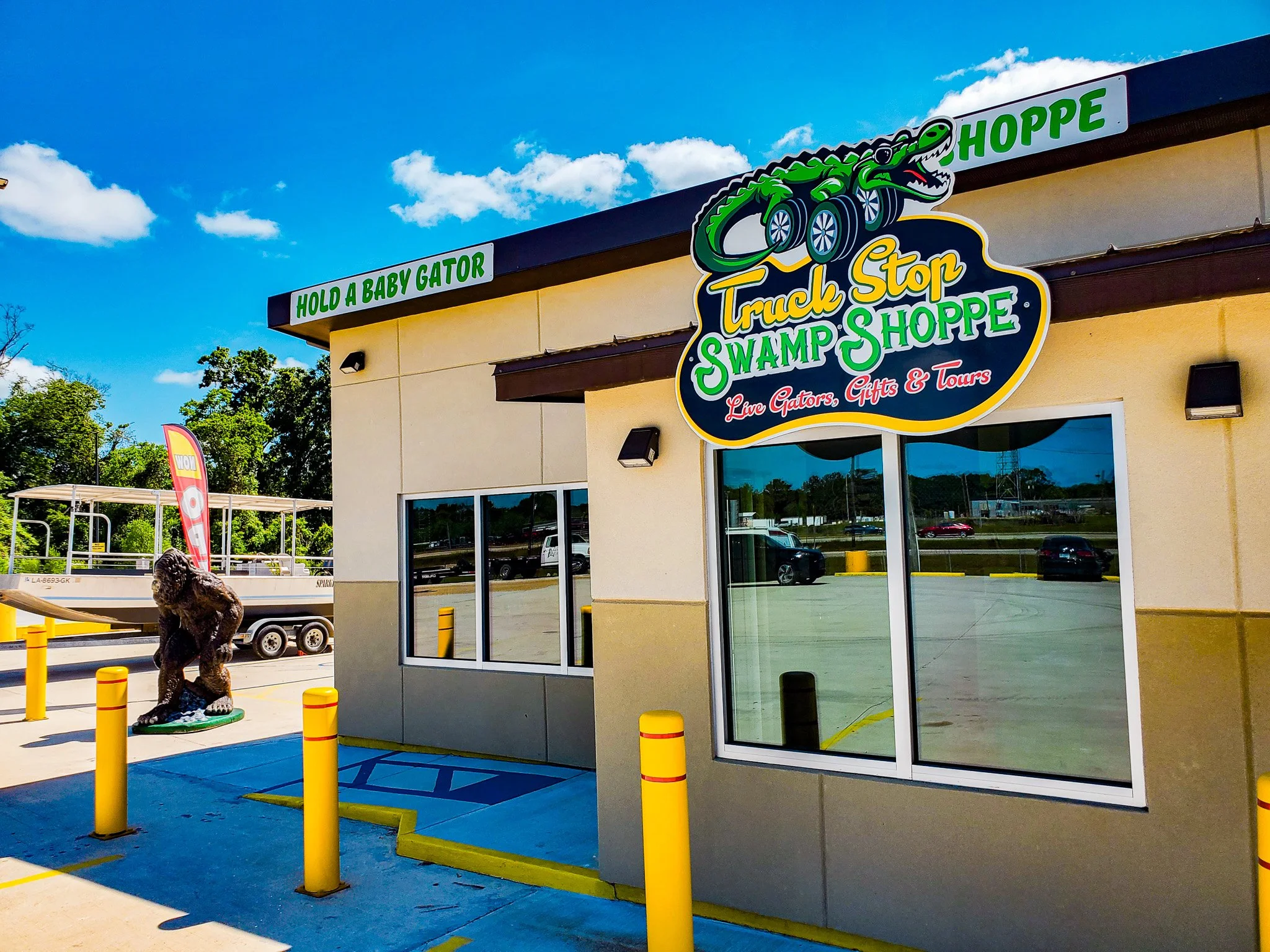
Truck Stop Swamp Shoppe
The name “Mississippi” comes from the Anishinaabe (Ojibwe or Algonquin) word “misi-ziibi” meaning “Great River” or “gathering in of all the waters”, which was used to describe the large waterway. French explorers adapted this to Messipi, leading to the name of the Mississippi Territory in 1798 and eventually the state name adopted in 1817 when it was admitted into the Union.