
PENNSYLVANIA
As US 11 leaves Maryland and crosses into Pennsylvania, you are crossing the Mason-Dixon line. This line is a 233 mile survey line established between 1763 and 1767 by astronomers Charles Mason and Jeremiah Dixon to resolve colonial disputes between Pennsylvania, Maryland and Delaware. There had been a long running violent land dispute (Cresap's War) between the Penn family of Pennsylvania and the Calvert family (Lord Baltimore) of Maryland. Following the Missouri Compromise of 1820, the Mason-Dixon line was viewed as the boundary between free and slave states. "Crownstones" were placed every five miles bearing the coats of arms of the Penn and Calvert families when it was created.
STATE LINE (the town)
State Line was founded in 1812.
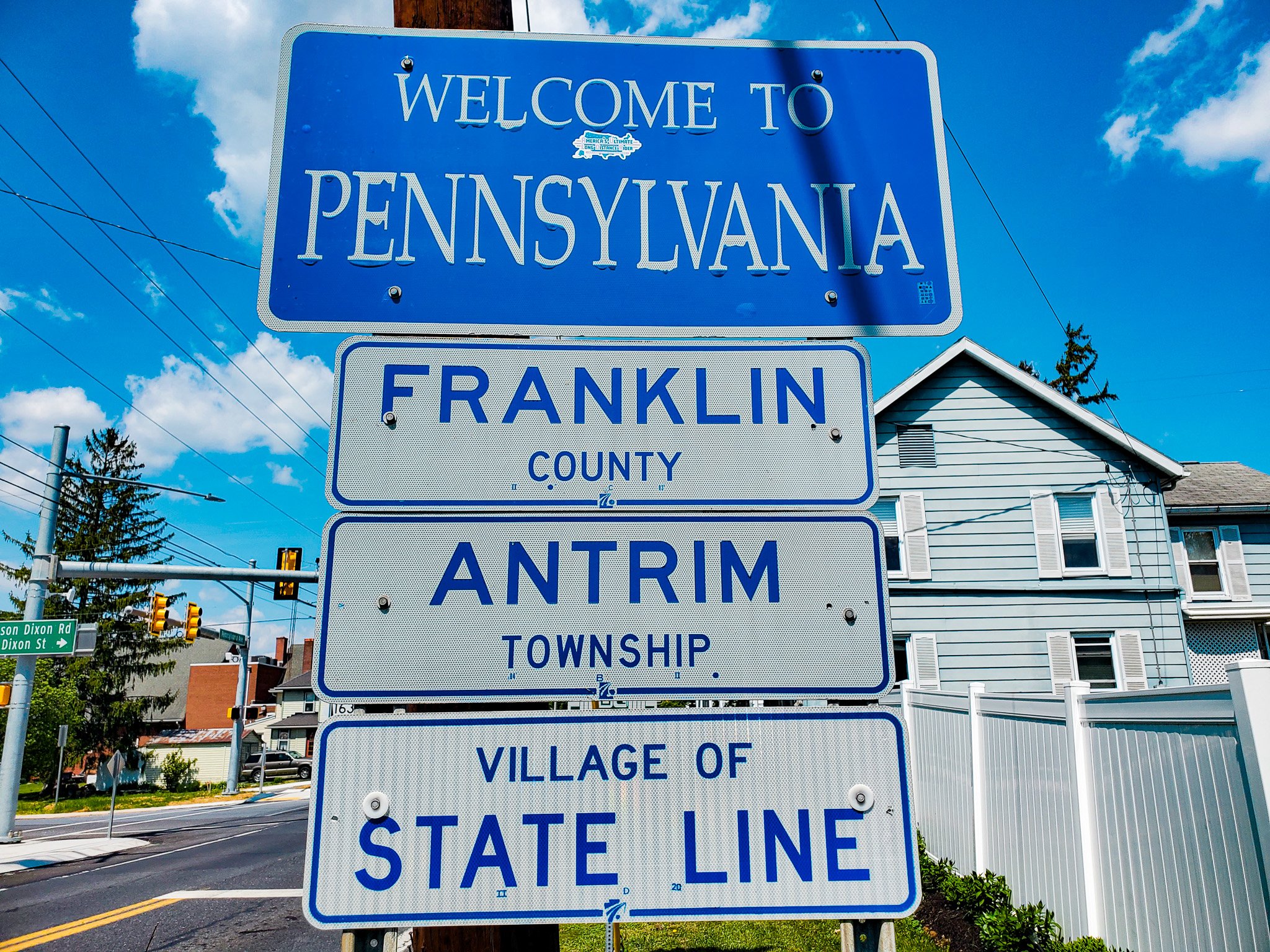
State Line Welcome Sign
ANTRIM TOWNSHIP
This township was named for a county in Ireland.
GREENCASTLE
The town was named after Greencastle, County Antrim, in Northern Ireland and founded in 1783. The original alignment of US 11 ran through the historic downtown, and in Greencastle, US 11 becomes the Molly Pitcher Highway for approximately 30 miles to Shippensburg. Gettysburg and Antietam Battlefield are about an hour from Greencastle. If you’re hungry, Mikie’s Ice Cream and Green Cow Gift Shop has been treating travelers for over 30 years. Keystone Fireworks has a giant firecracker at their building beside the highway.
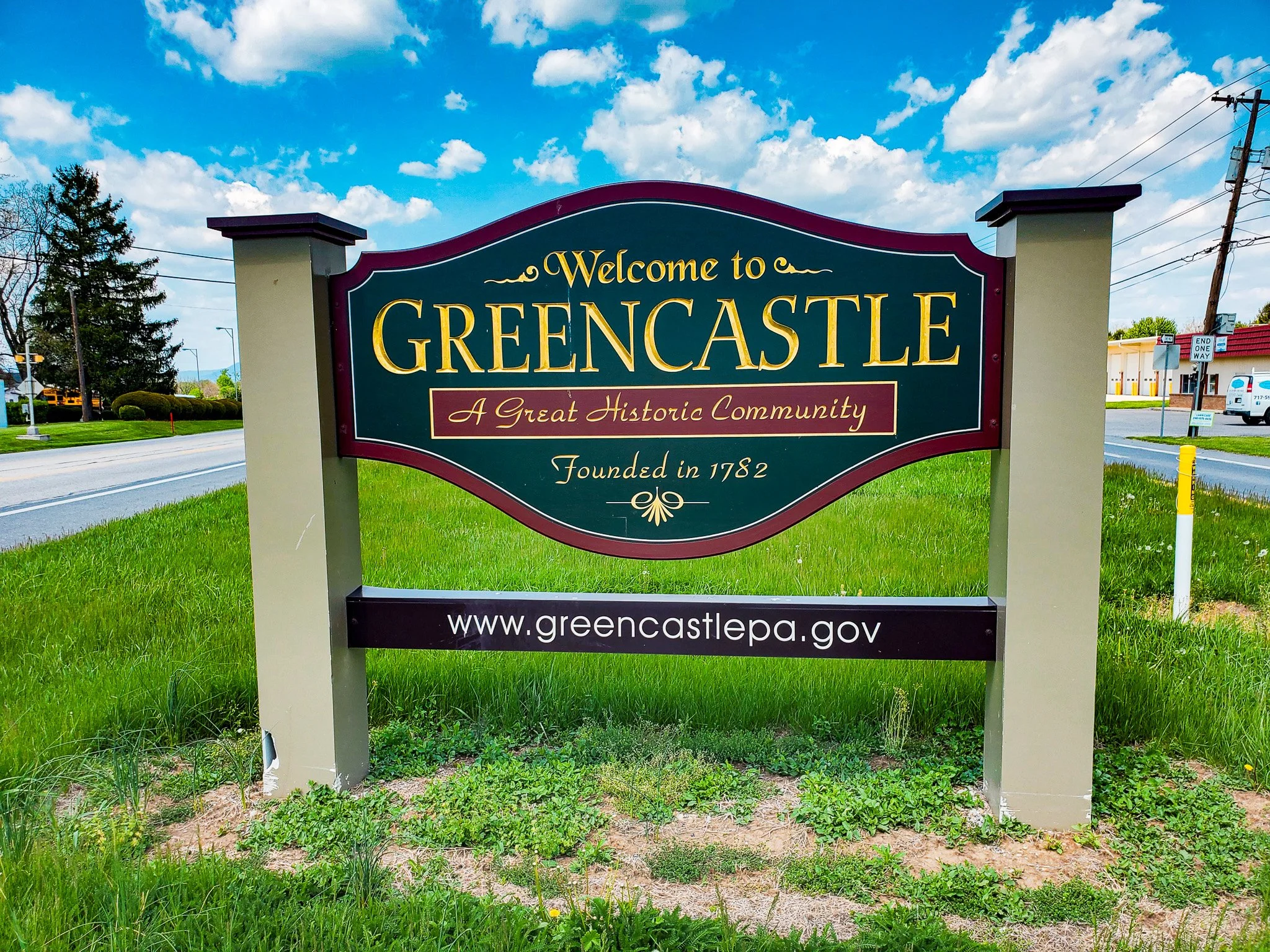
Welcome to Greencastle Sign
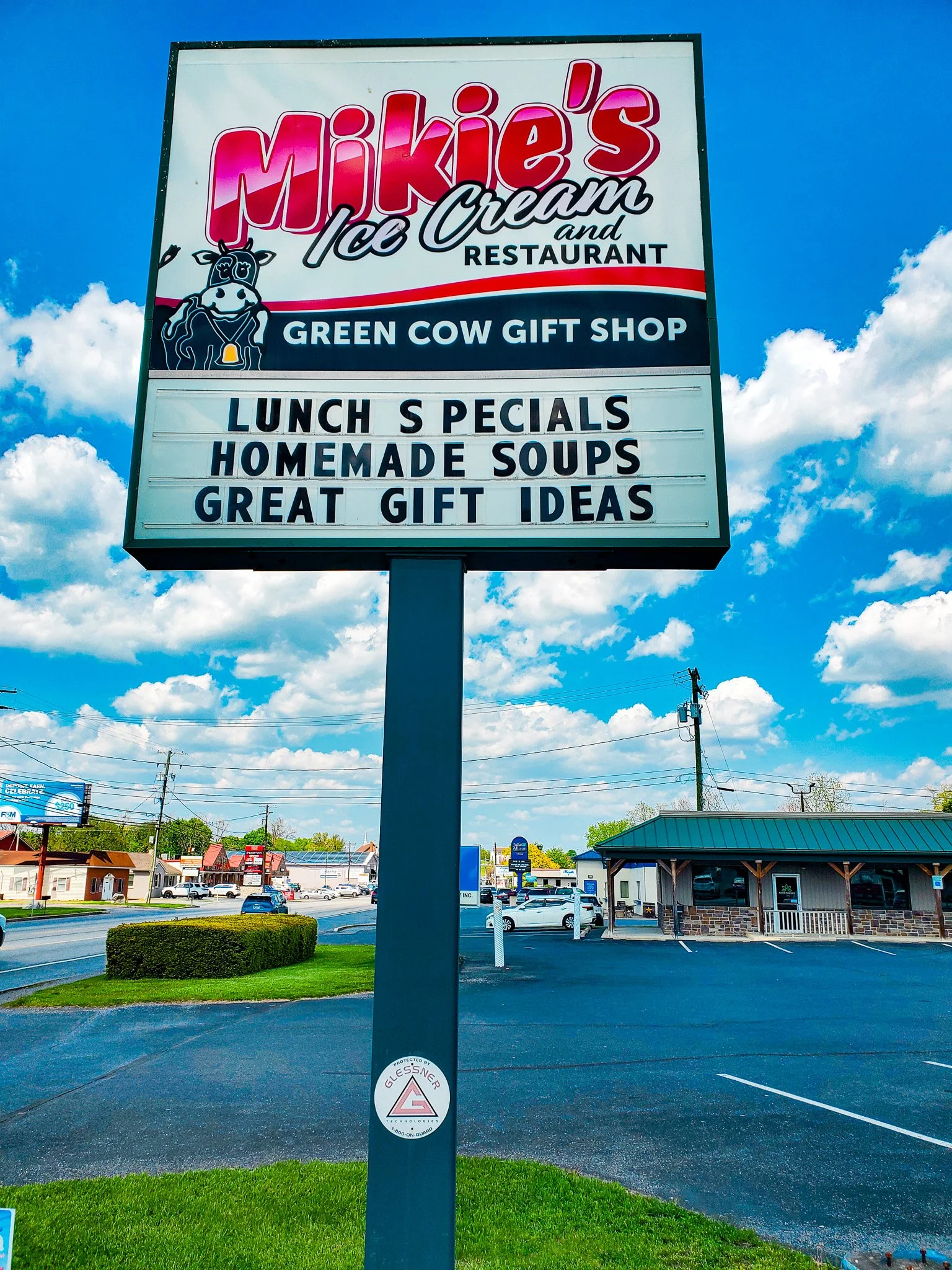
Mikie's Ice Cream
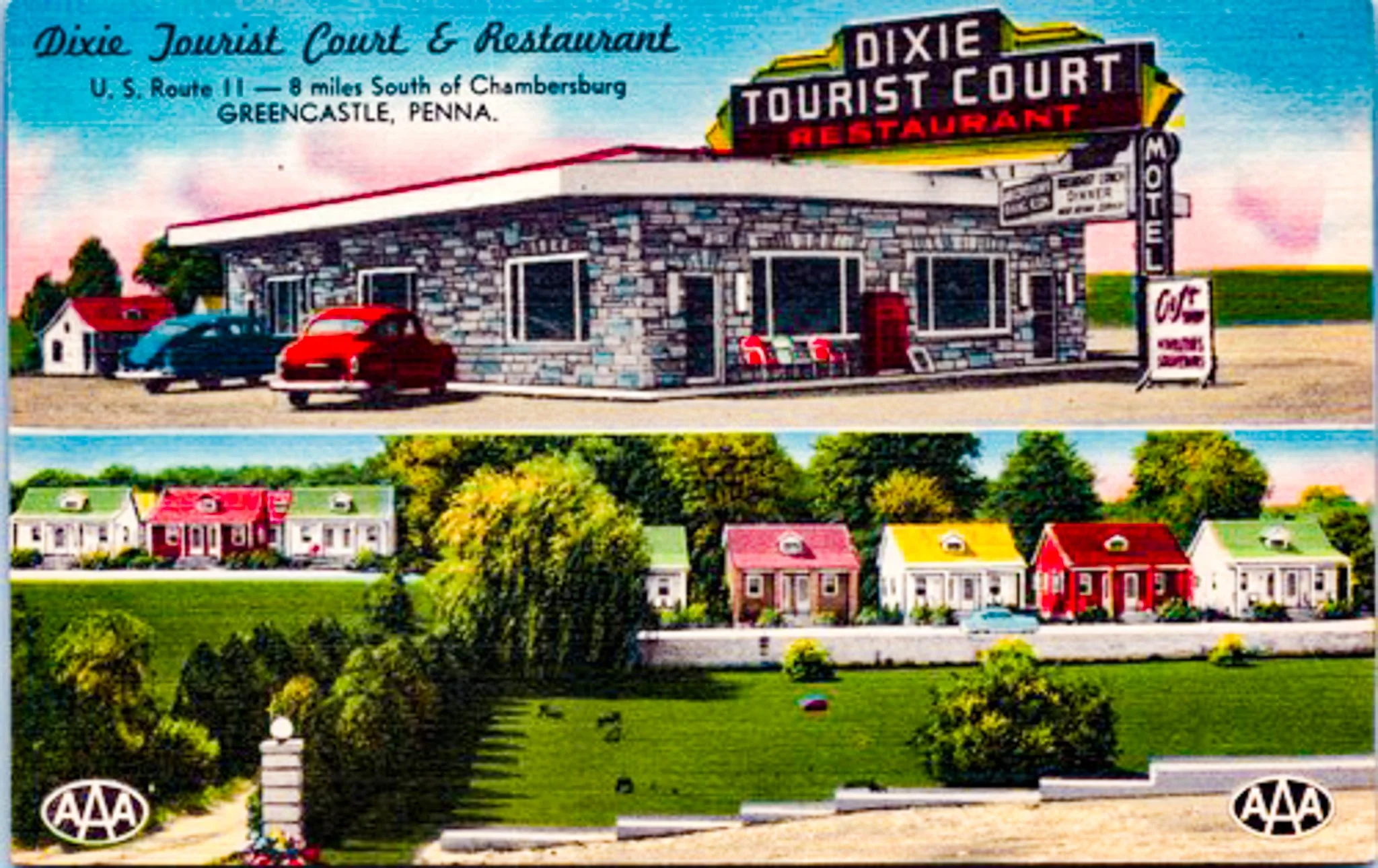
Dixie Tourist Court Postcard
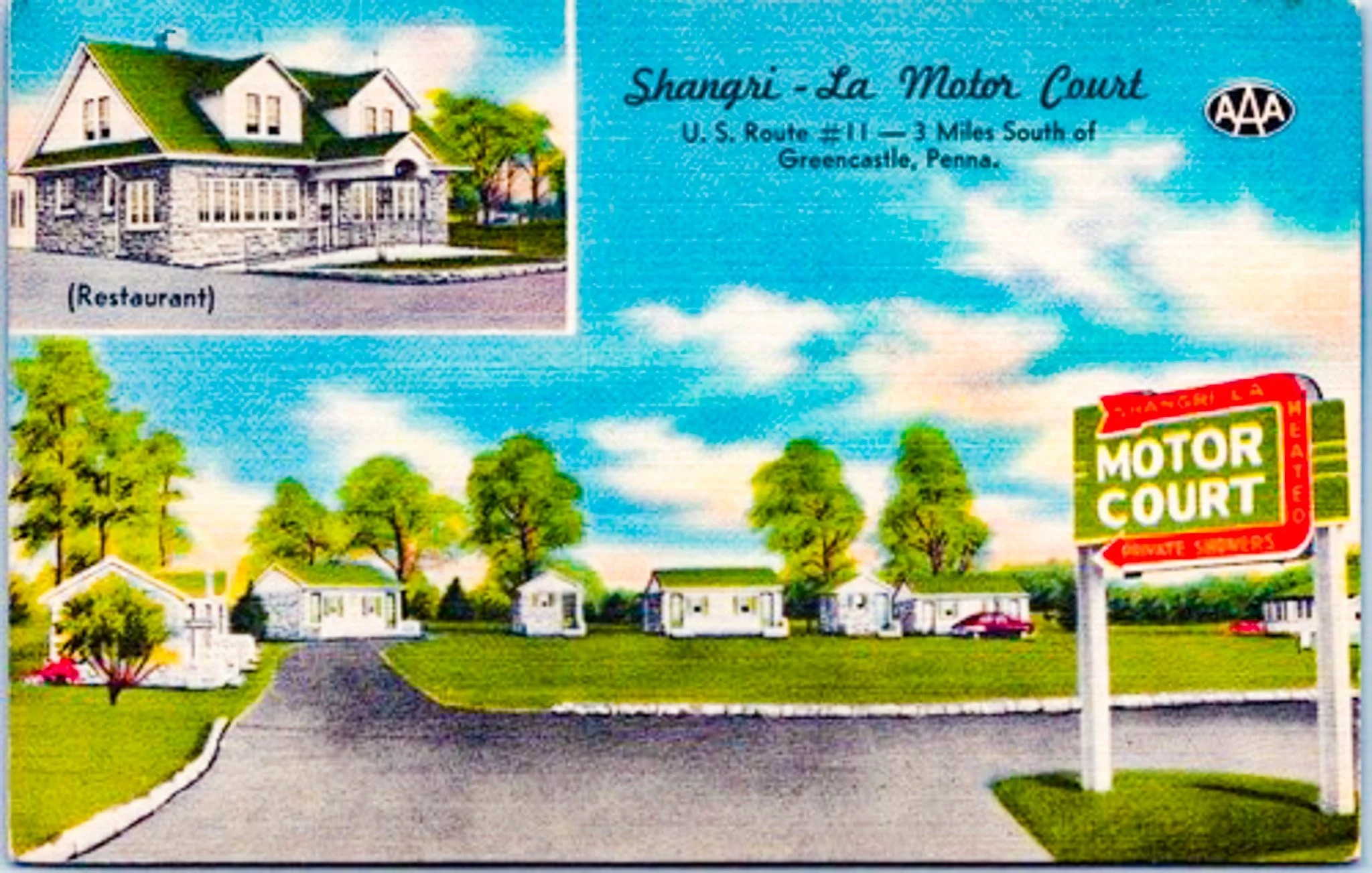
Shangri La Motel Postcard
GUILFORD TOWNSHIP
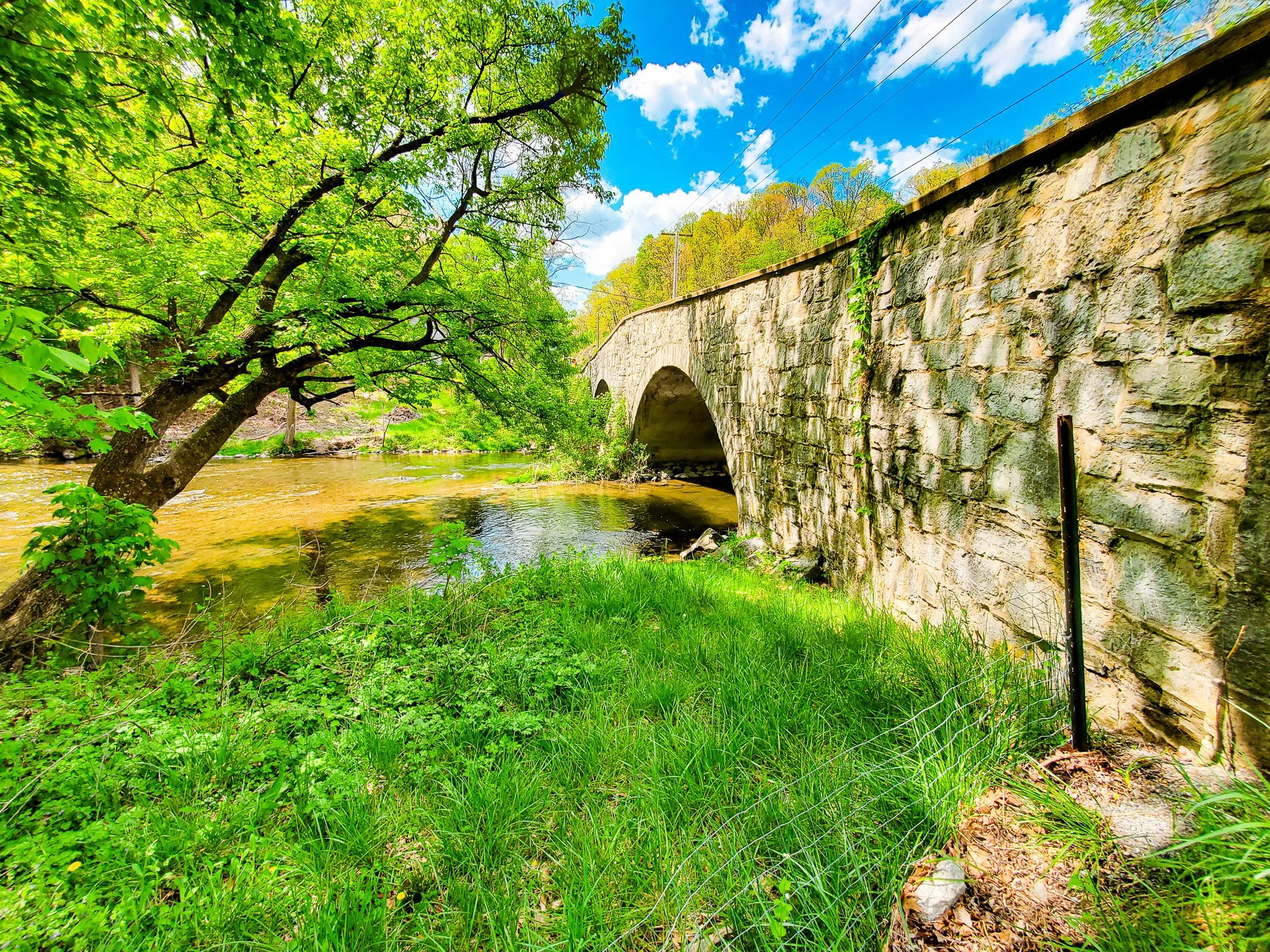
The township was founded in 1751 and the historic stone multi-span bridge that crosses Conococheague Creek between Guilford and Hamilton townships measures 100 feet and was built before 1860.
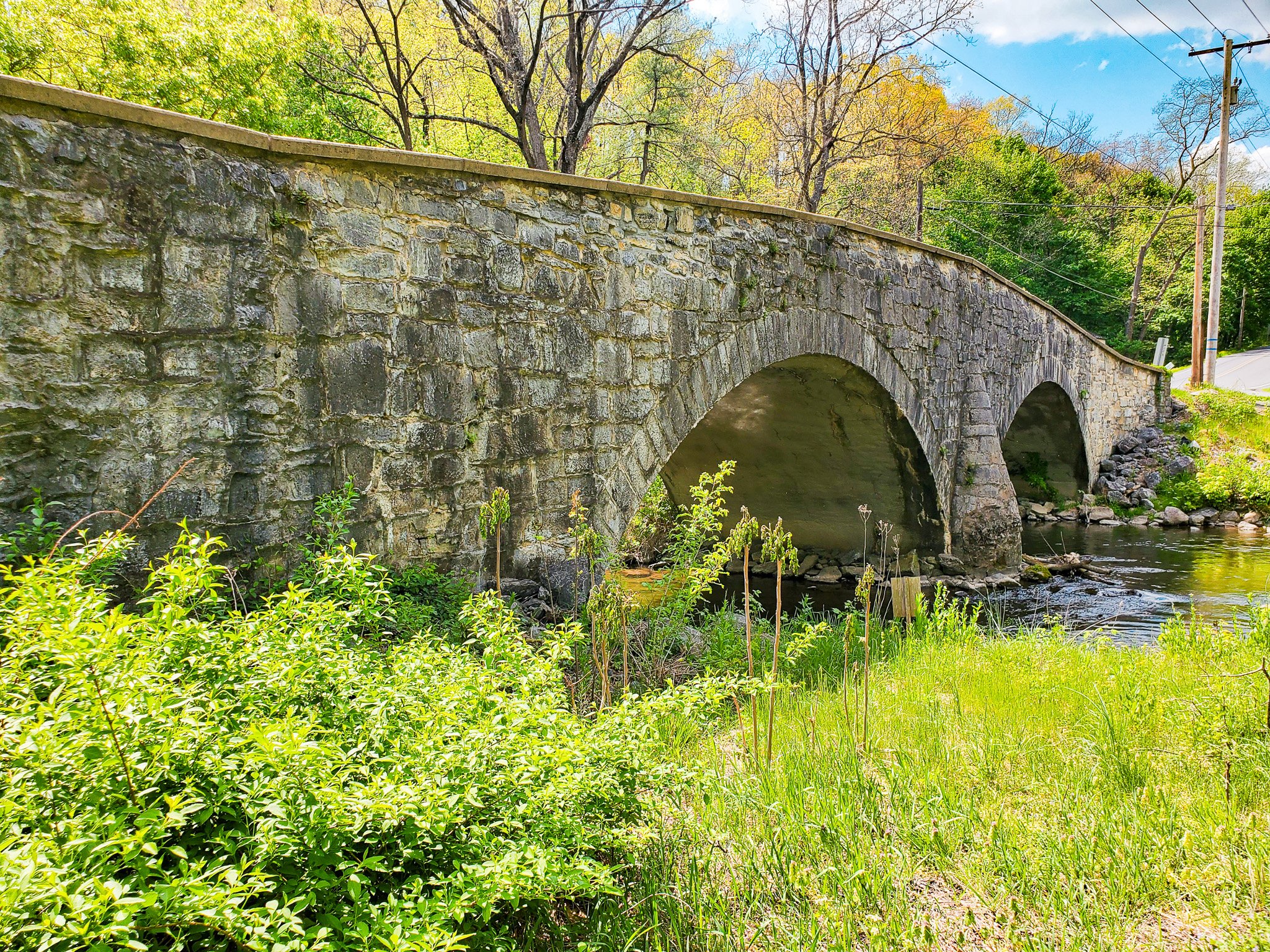
Conococheague Creek Bridge
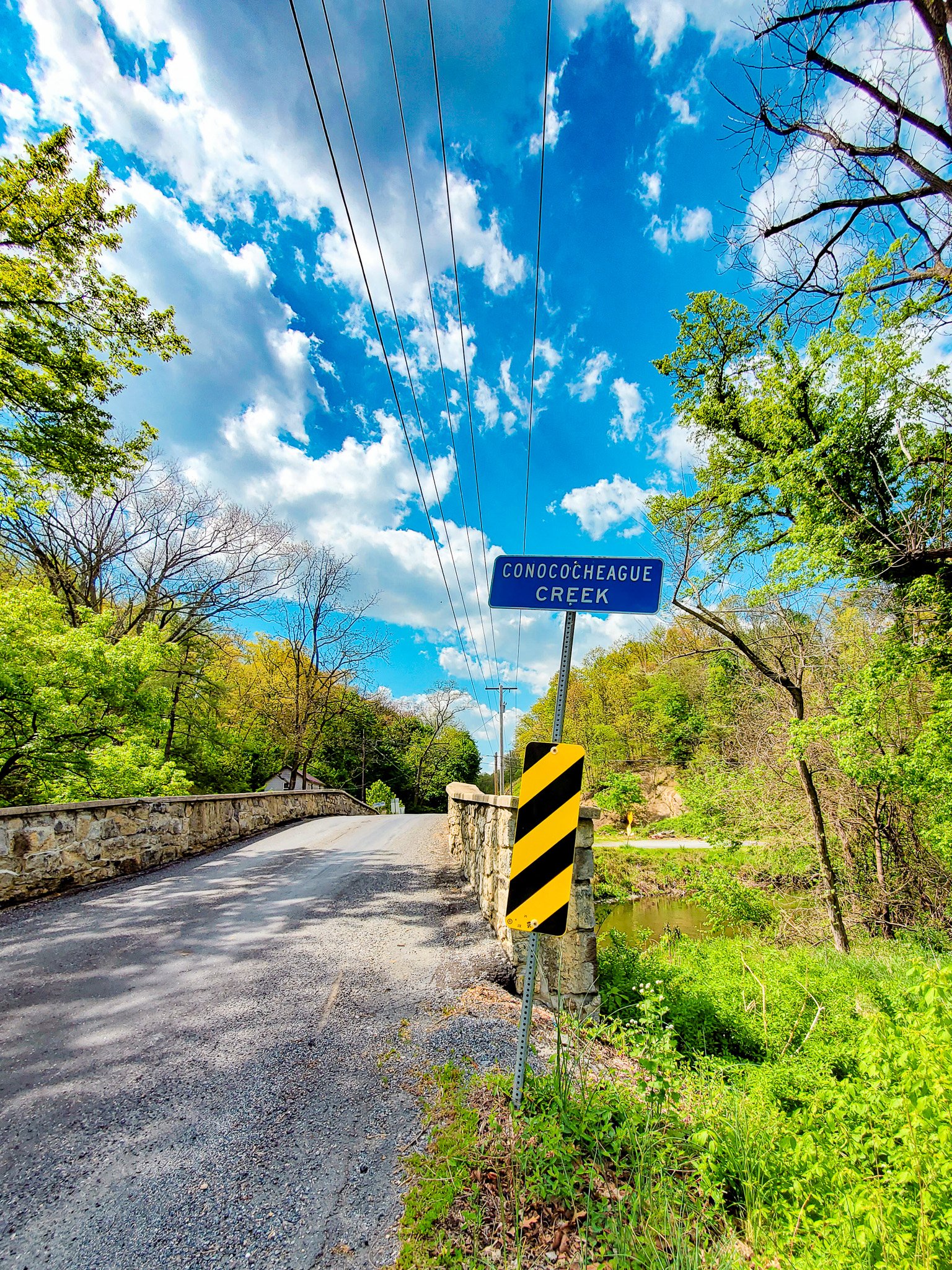
Conococheague Creek Bridge
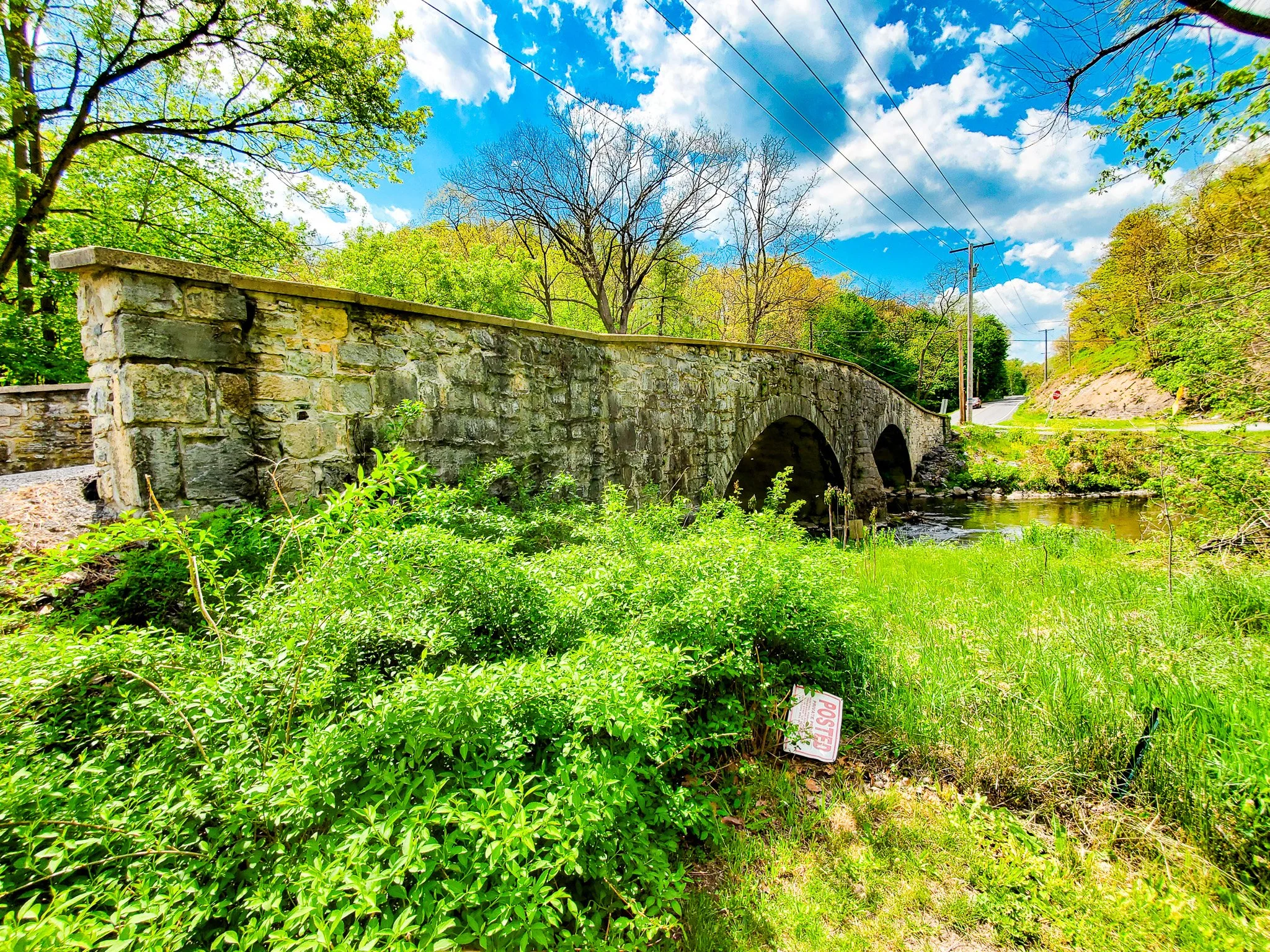
Conococheague Creek Bridge
Conococheague Creek Bridge
MARION
The town was laid out around 1810 and, as was the town of the same name in Virginia, named after Francis Marion of American Revolutionary War fame. Watch for Swamp Fox Road that crosses US 11 in town.
CHAMBERSBURG
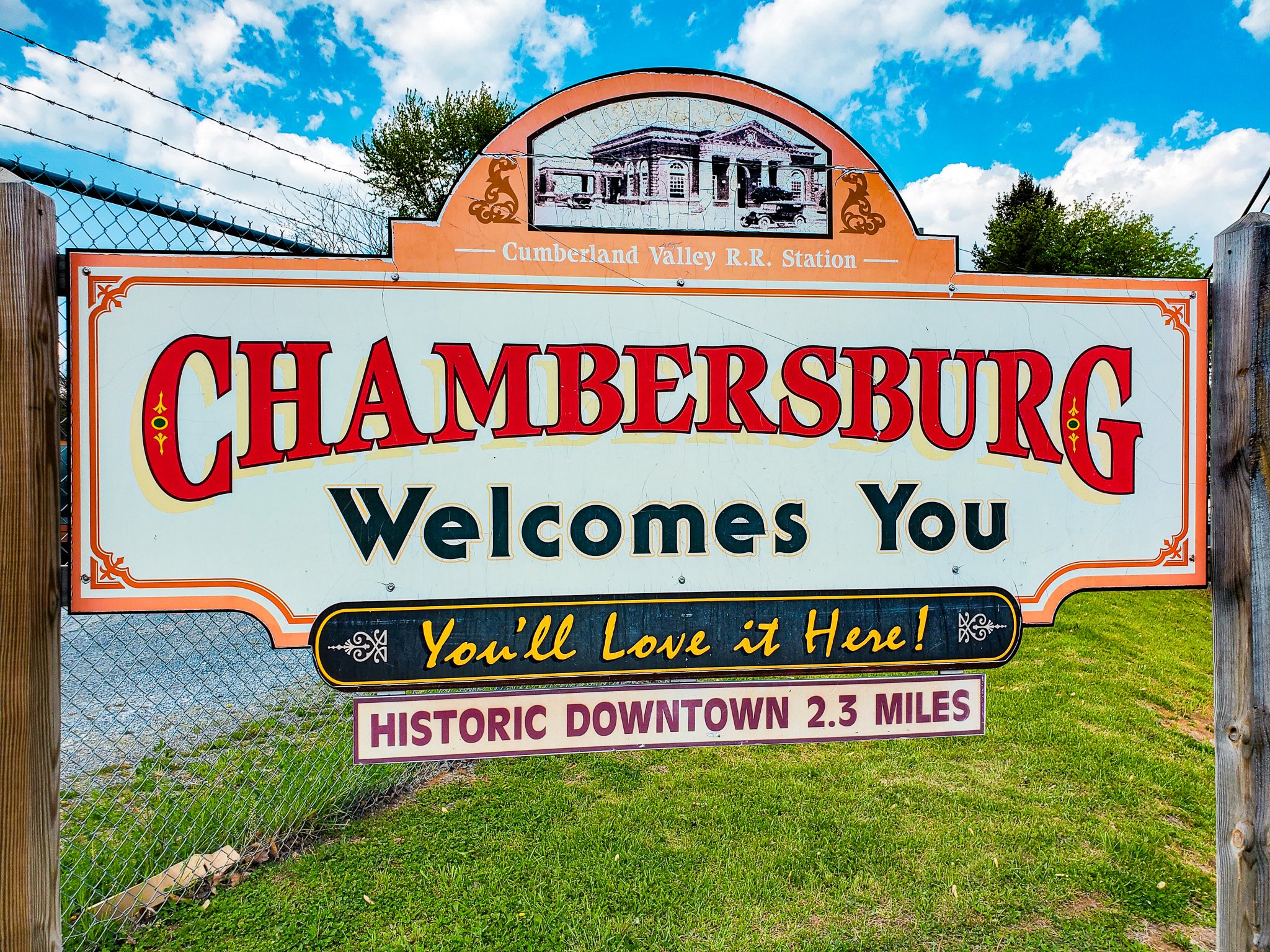
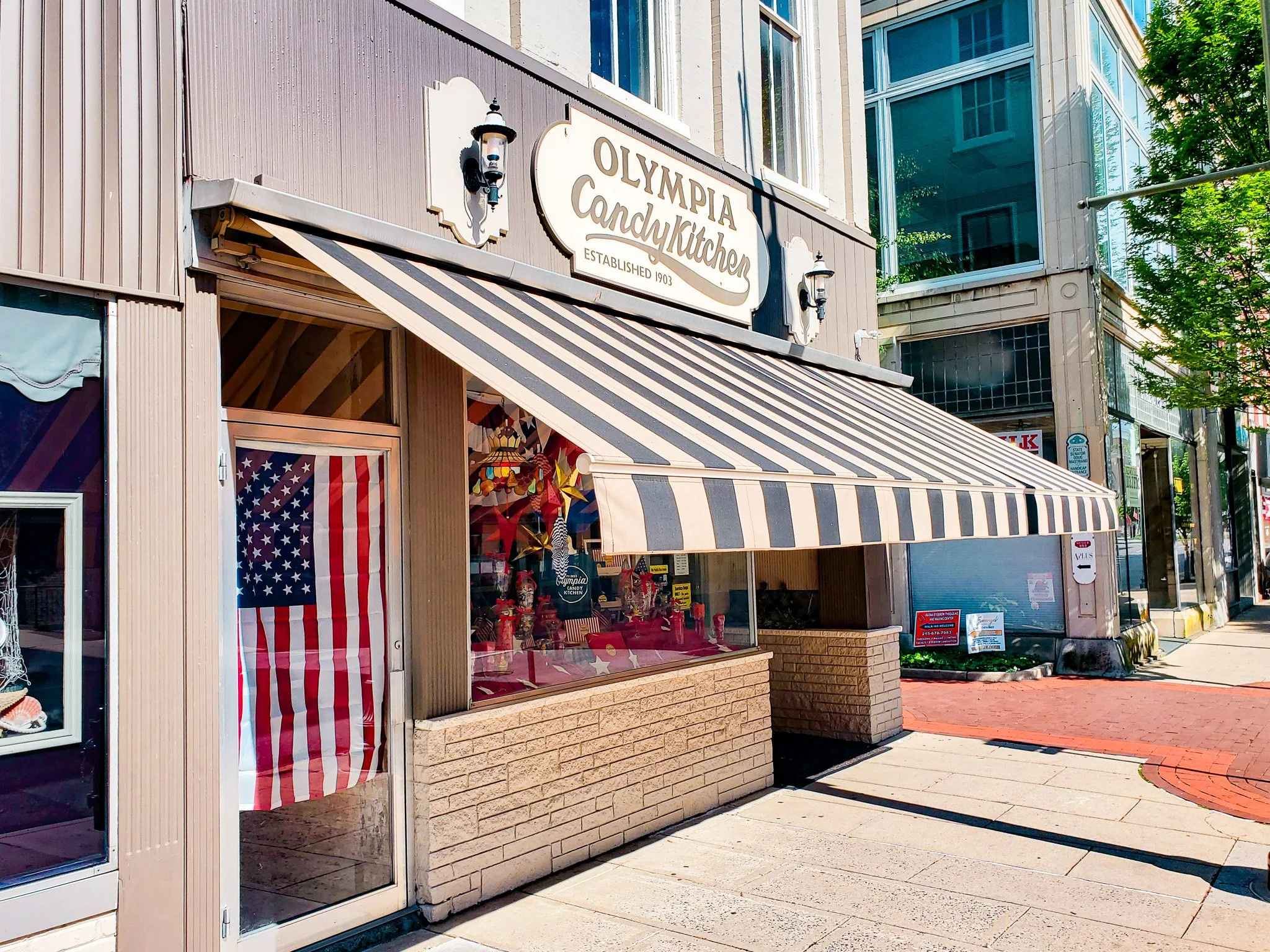
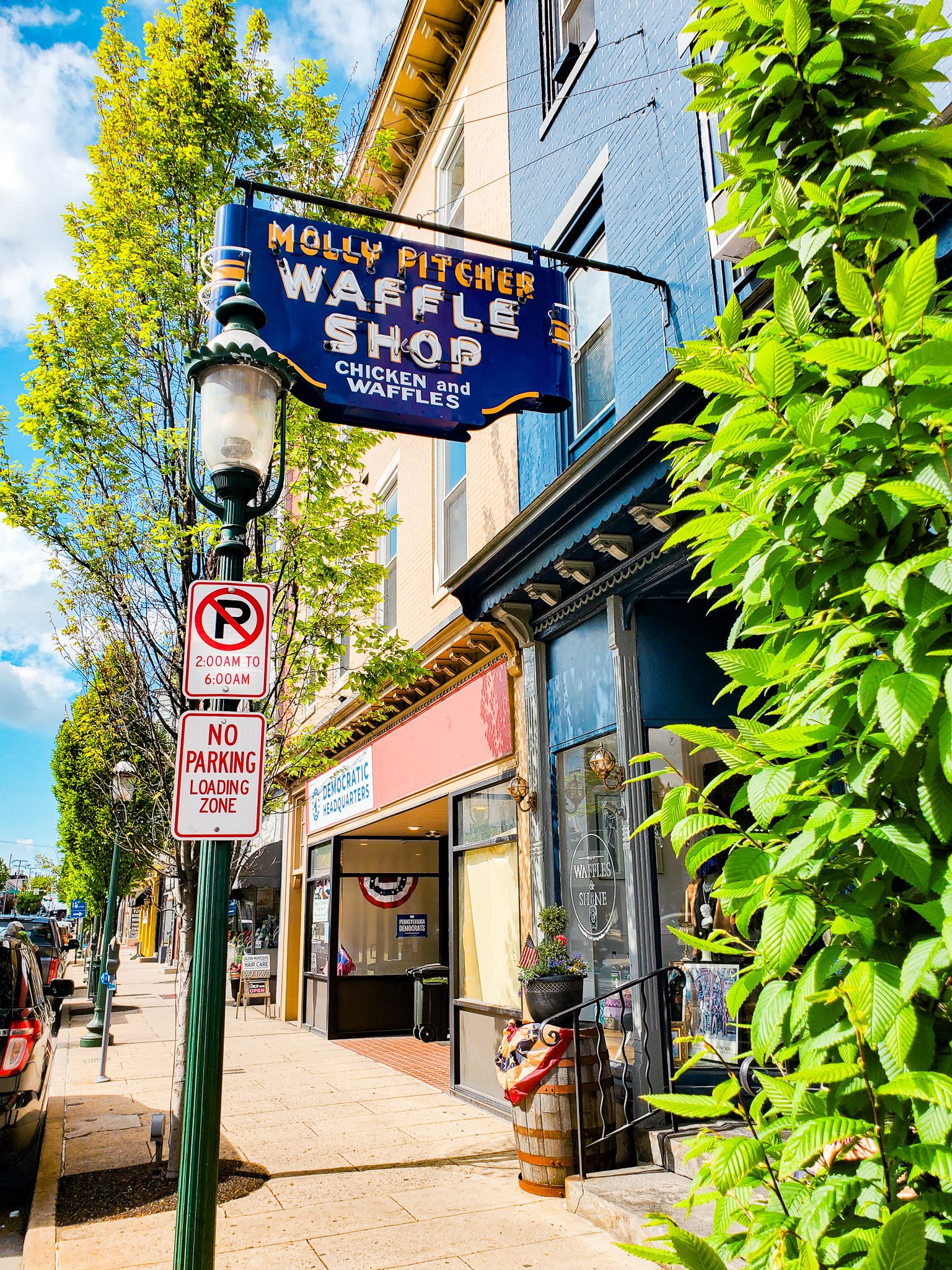
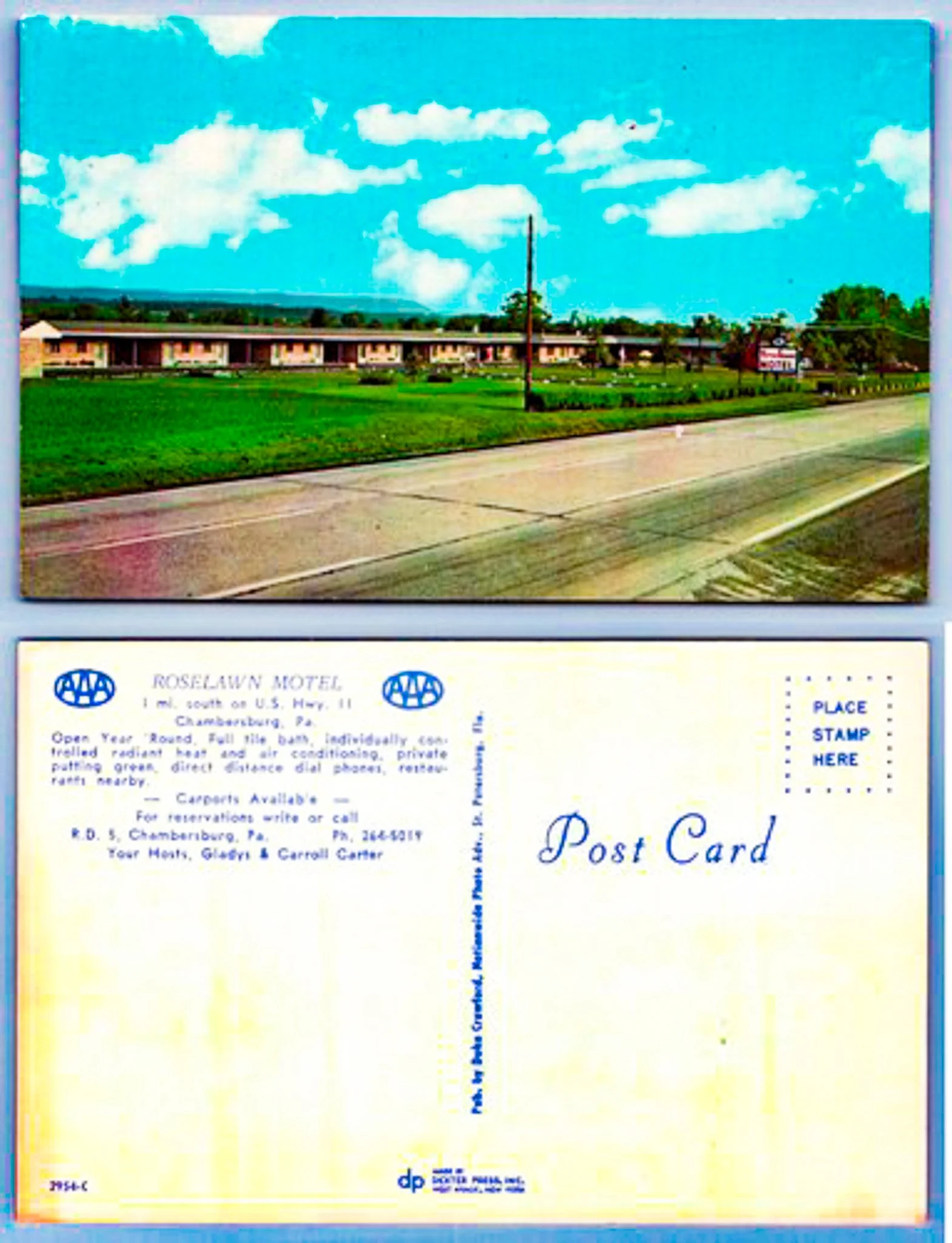
Originally called Falling Spring for a 26 foot waterfall that powered an early grist mill, it was ultimately named after Benjamin Chambers, a Scots-Irish immigrant who settled in 1730. Chambersburg is the only major northern community burned down by Confederate forces during the Civil War. For this action, residents charged the Confederates with war crimes. One so charged was Lieutenant General Jubal Early, a West Point graduate who disguised himself and fled to Mexico, then Cuba and then Canada. He subsequently wrote a book about the Civil War, promoting the “Lost Cause” narrative. The Chambersburg Old Jail built in 1818 is now a museum; the gallows are still standing. Wilson College, connected with the Presbyterian Church, was established in Chambersburg in 1869. The town is only 25 miles (34 minutes) from Gettysburg.
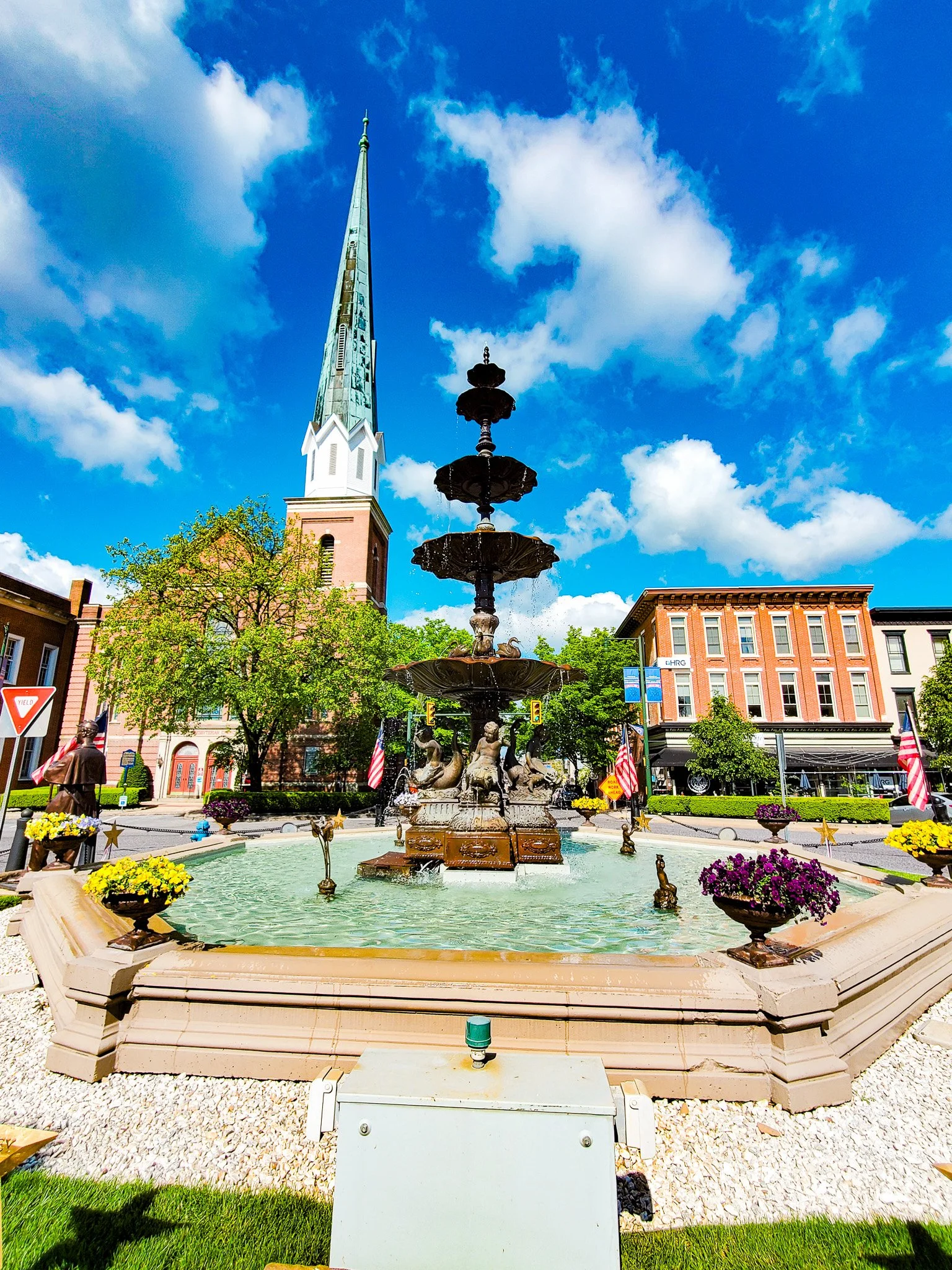
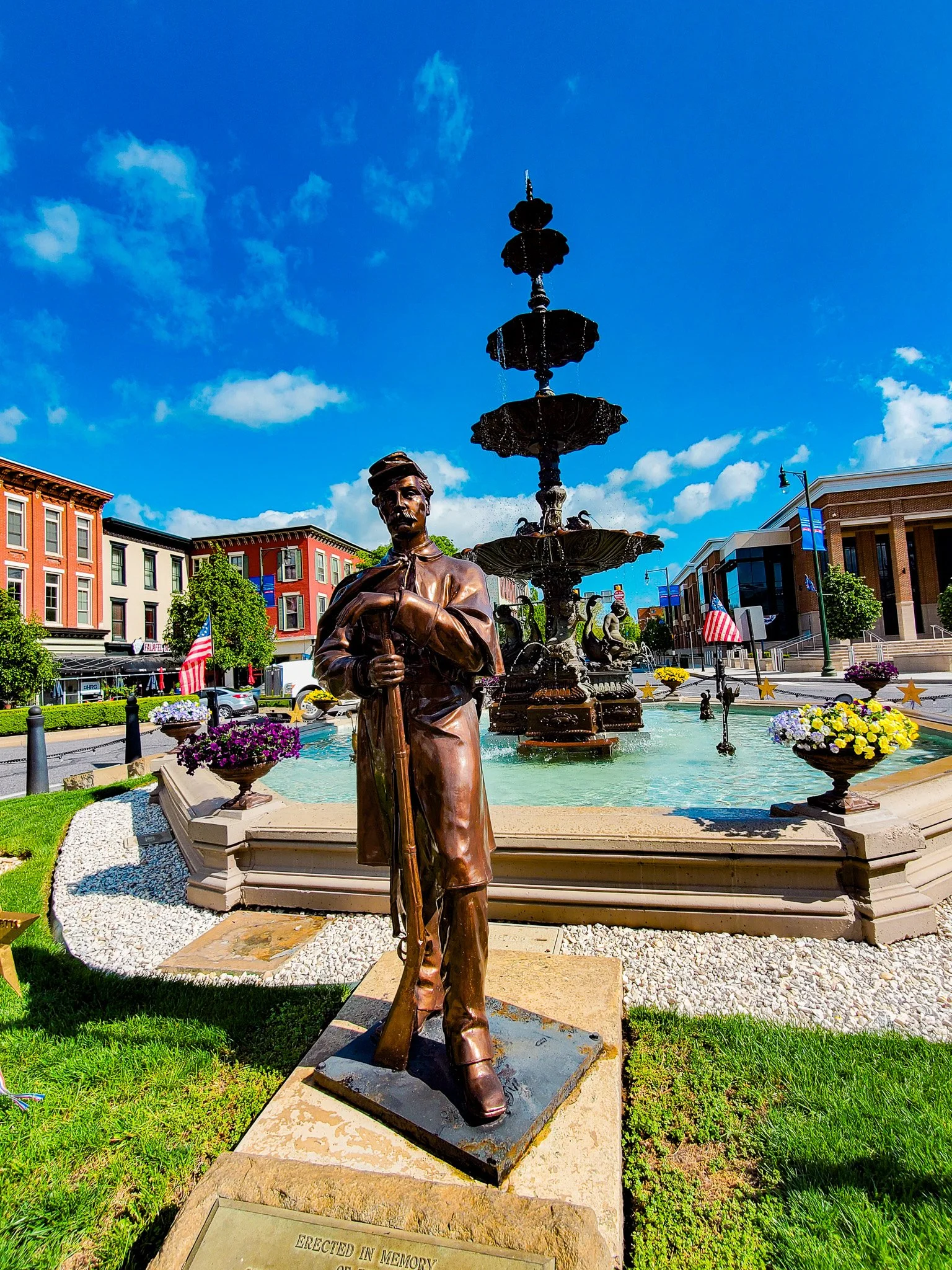
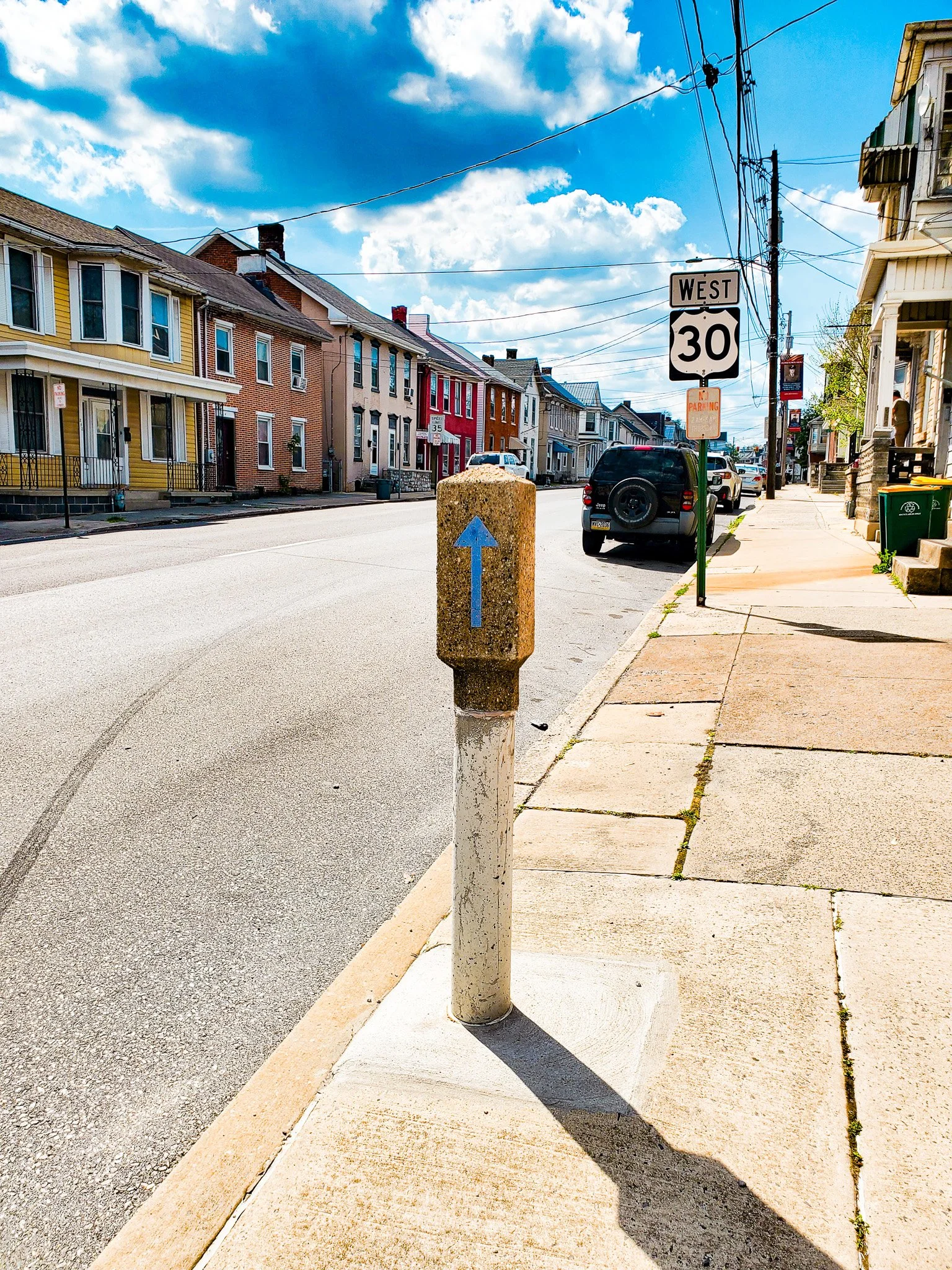
In Chambersburg, US 11 crosses another east-west US Highway, US 30 (having already crossed US 90, 80, 70, 60, 50 and 40). When the US Numbered Highway System was established in 1926, much of the original 1913 Lincoln Highway route (the nation’s first trans-continental route) spanning from New York to San Francisco) was designated as US 30. In downtown Chambersburg at the corner of Lincoln Way West and N. Franklin Street, you will see one of the nearly 3000 concrete Lincoln Highway markers installed simultaneously by the Boy Scouts on September 1, 1928. Very few of the 220 pound markers remain, and this is the only one located this close to US 11. Turn at the Memorial Fountain and Statue and go west. It’s worth a picture.
Welcome to Chambersburg Sign
War Memorial Fountain
Statue and Fountain at War Memorial
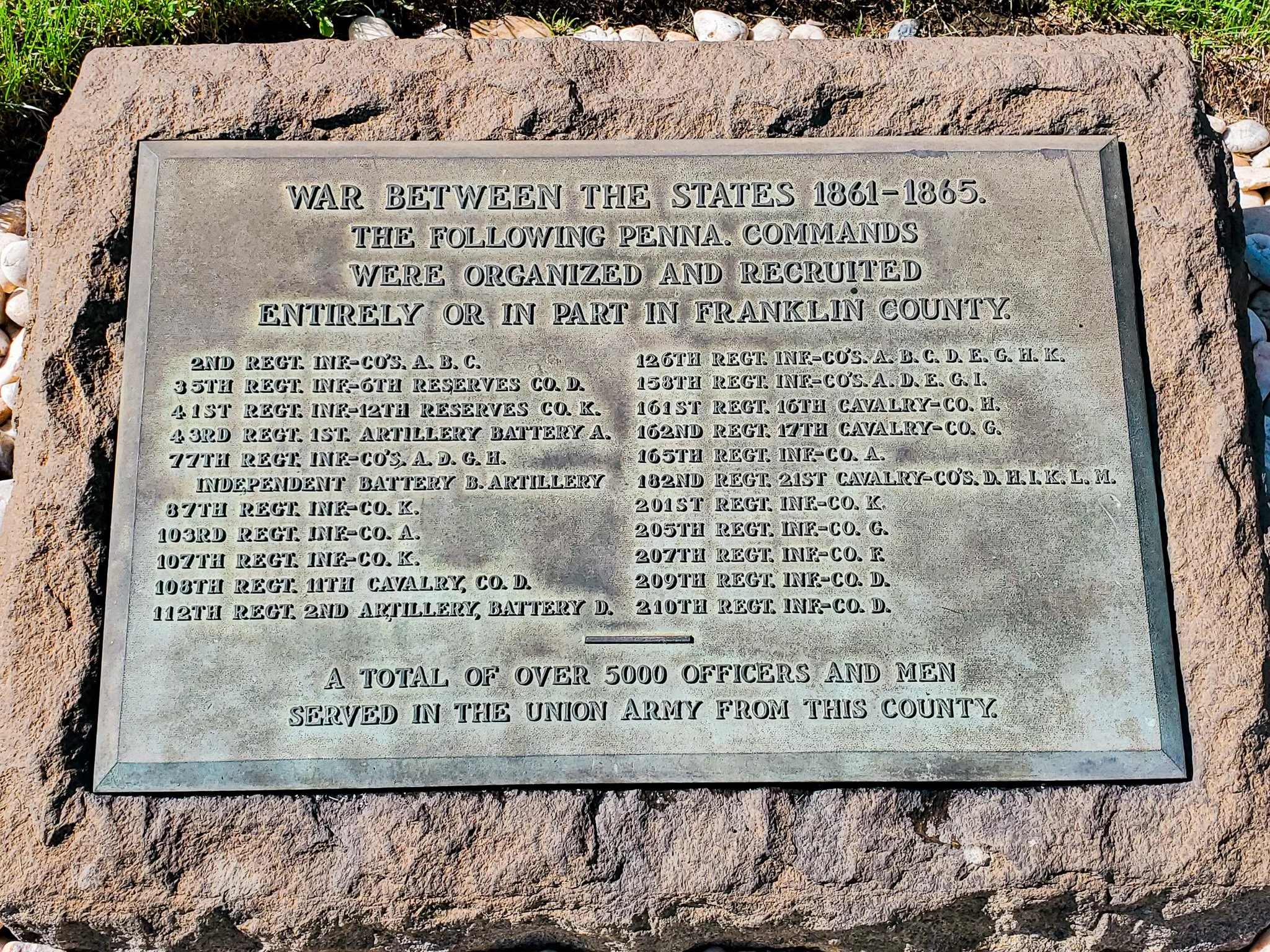
Civil War Marker at Fountain
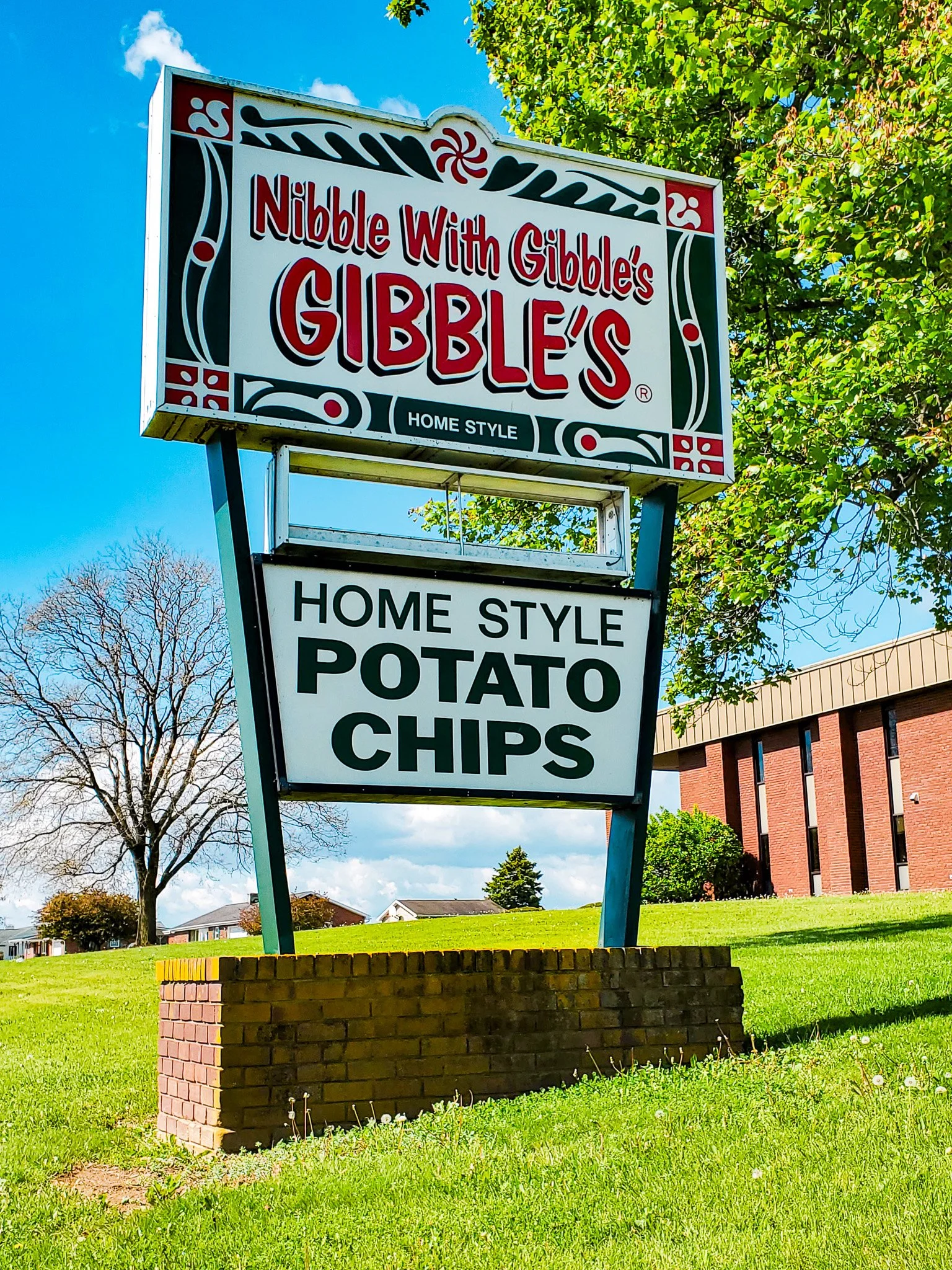
Gibble's Potato Chips
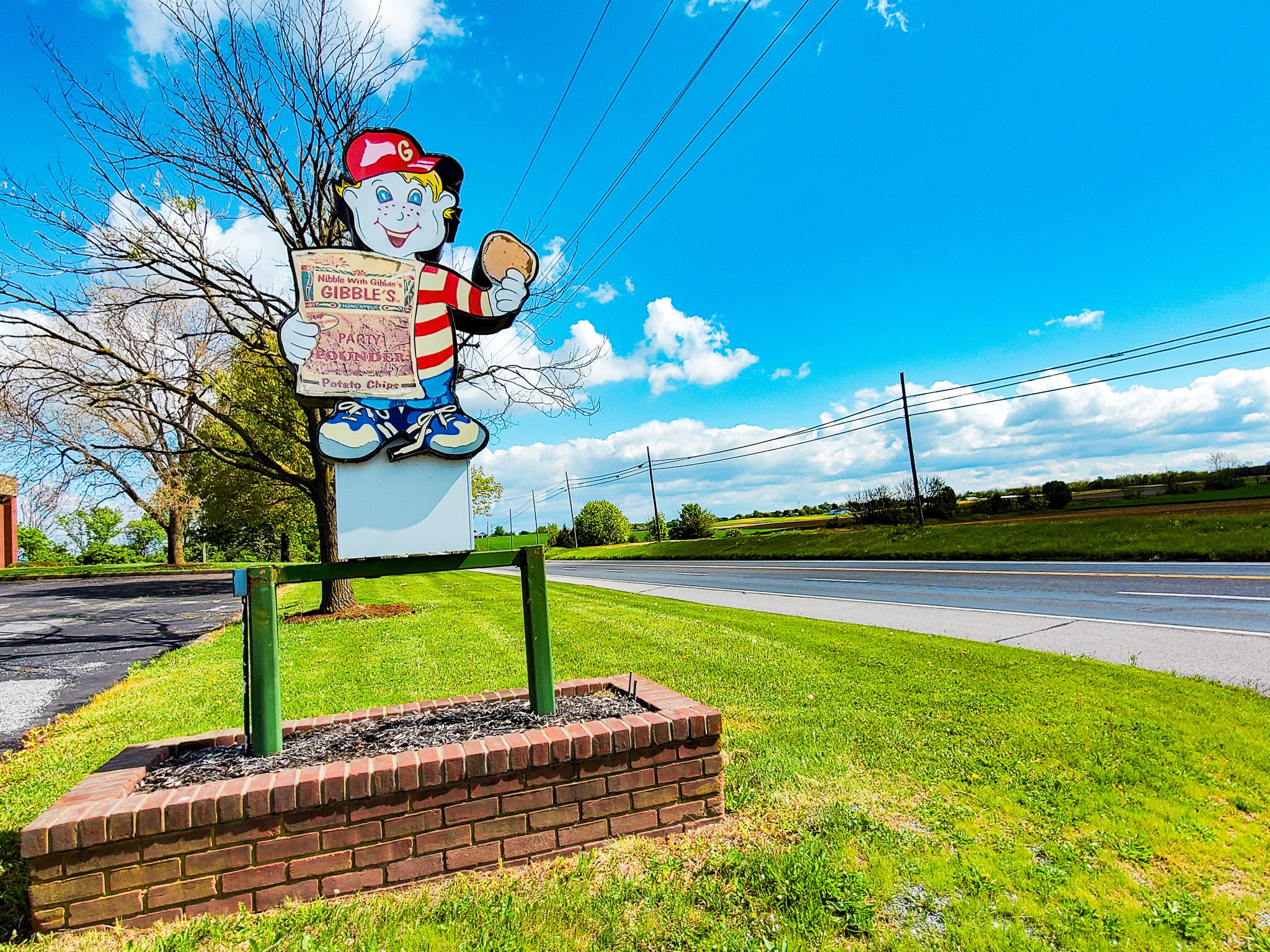
Gibble's Potato Chips

Lincoln Highway Marker
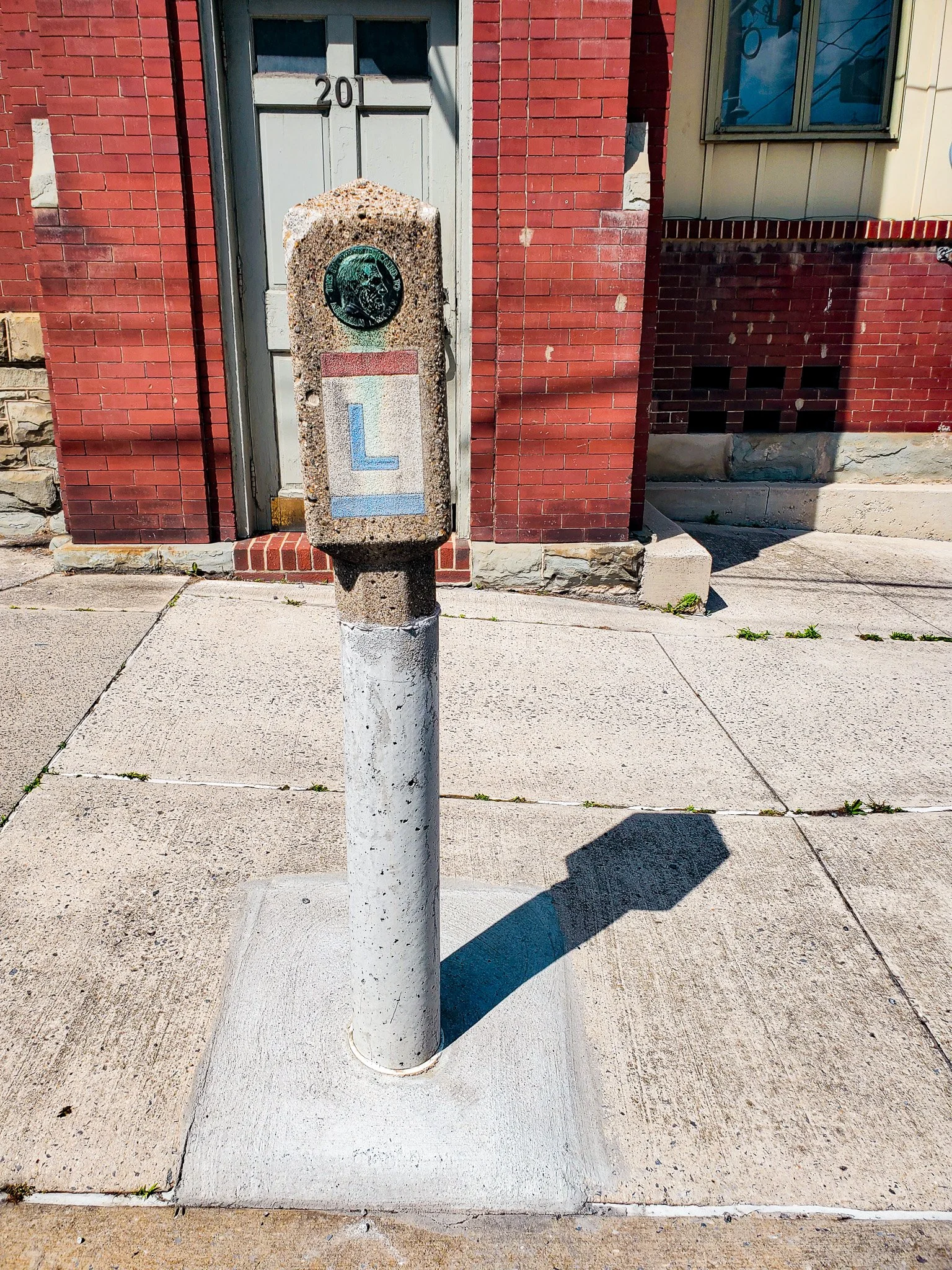
Lincoln Highway Marker
Lincoln Highway Marker
Olympia Candy Kitchen
Molly Pitcher Waffle Shop
Roselawn Motel Postcard
GREENE TOWNSHIP
The township was named for Nathanael Greene, American general, and settled in 1754. Although small, you have plenty of places to eat along US 11: Kenny’s Grill and Ice Cream famous for the “Kennyburger” since 1975, The Igloo north of town, and the Greenvillage Family Restaurant which has been in business for over 40 years.
SOUTHHAMPTON TOWNSHIP
Here is another small village with a long-standing (since 1952) staple: Diffy’s Restaurant and their famous pizzaburger.
SHIPPENSBURG
Founded in 1730 by twelve Scots-Irish families, Shippensburg is the oldest community in the Cumberland Valley. It was named for Edward Shippen (one time mayor of Philadelphia) who obtained the patent to the land from heirs of William Penn. His grand-daughter, Peggy Shippen, was the wife of Benedict Arnold, the infamous American traitor whose plot in September 1780 to surrender the strategic fort at West Point to the British (for 20,000 pounds and a brigadier general commission in the British Army) was discovered. The historic district downtown includes the Widow's Piper Tavern and the Shippen House. The town hosts an annual Corn Festival each August and there is a giant paint can on Mt. Rock Road at a rental company.
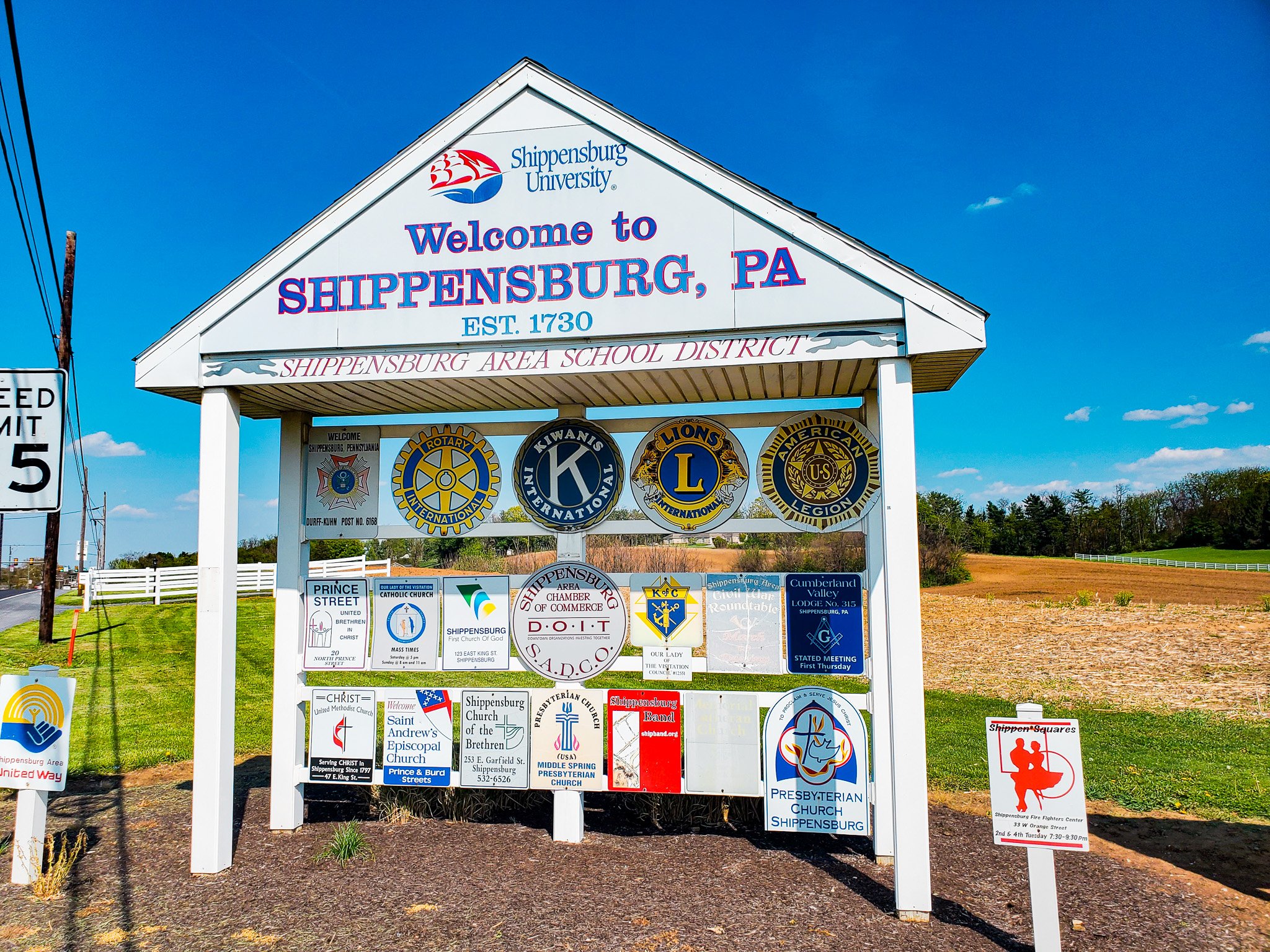
Welcome to Shippensburg Sign
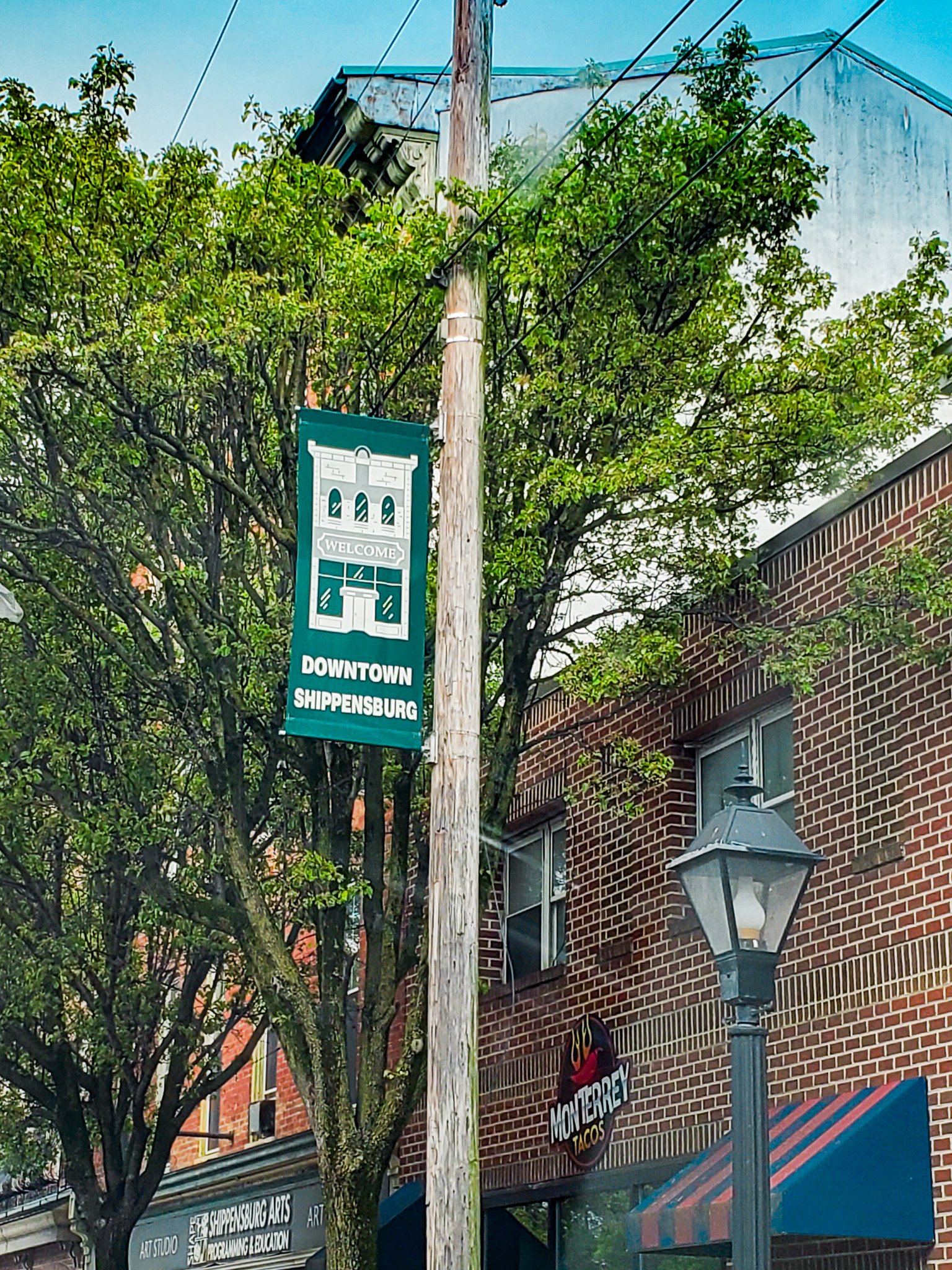
Downtown Shippensburg Banner
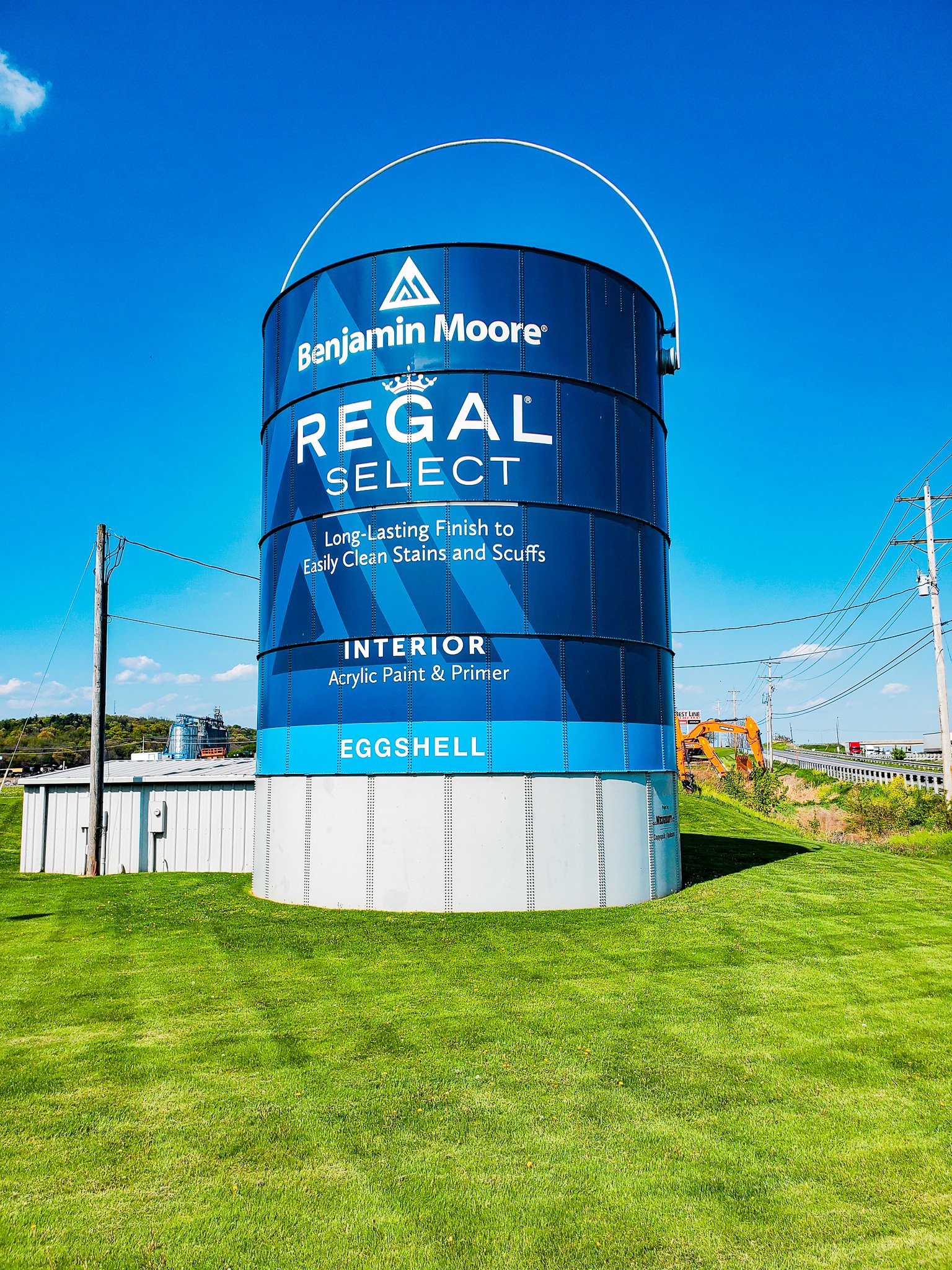
Giant Paint Can
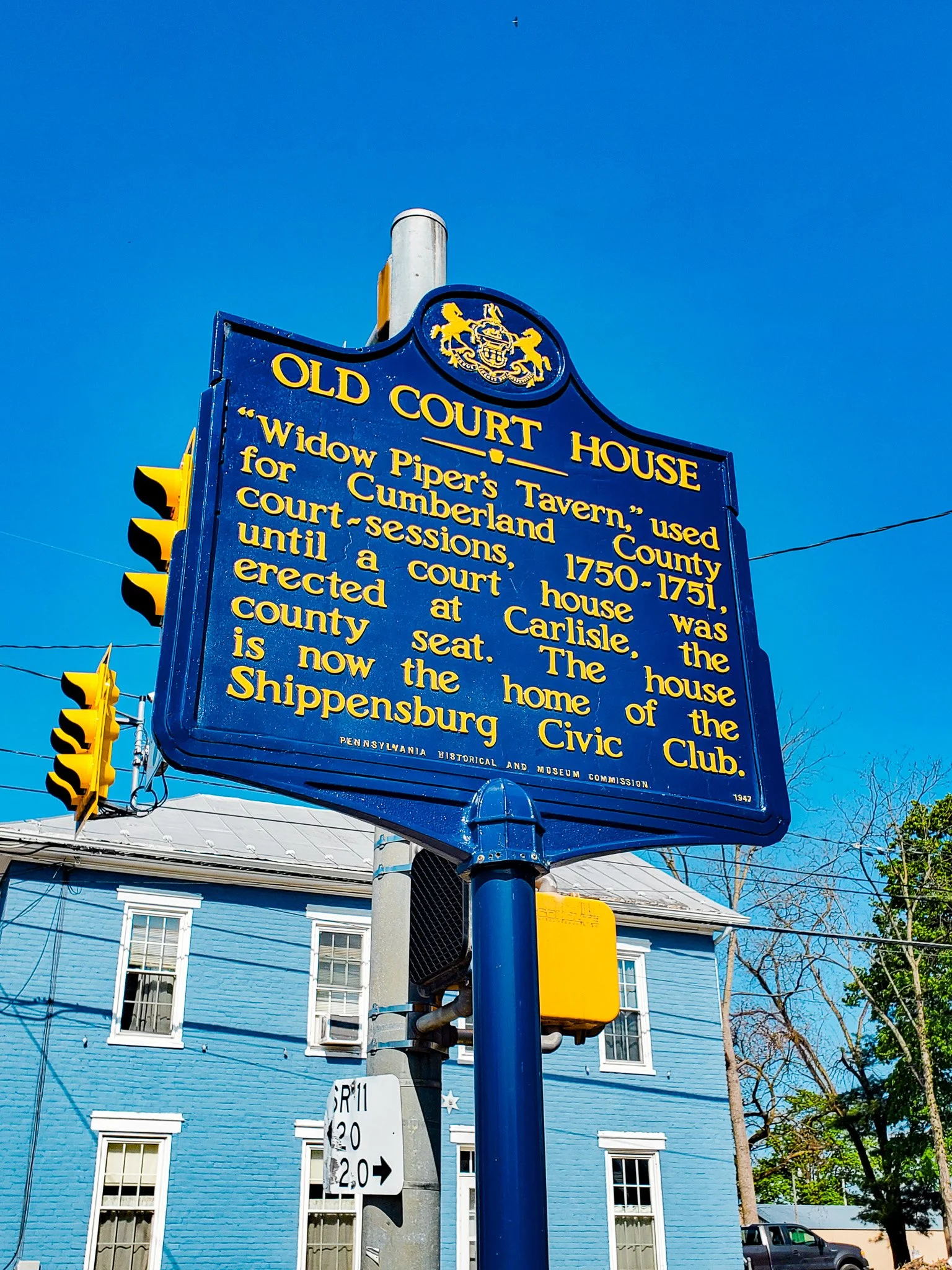
Old Court House Marker
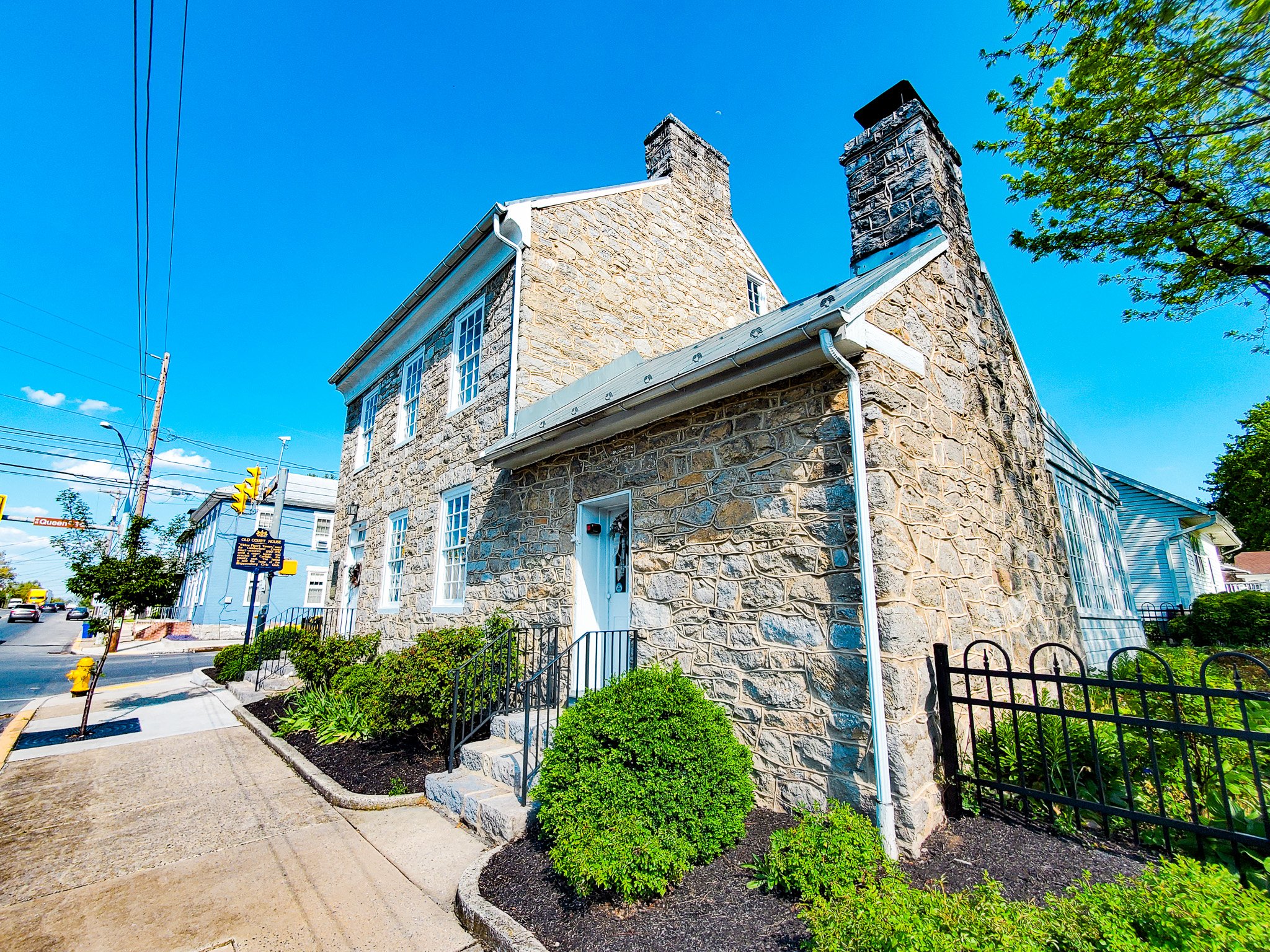
Old Court House
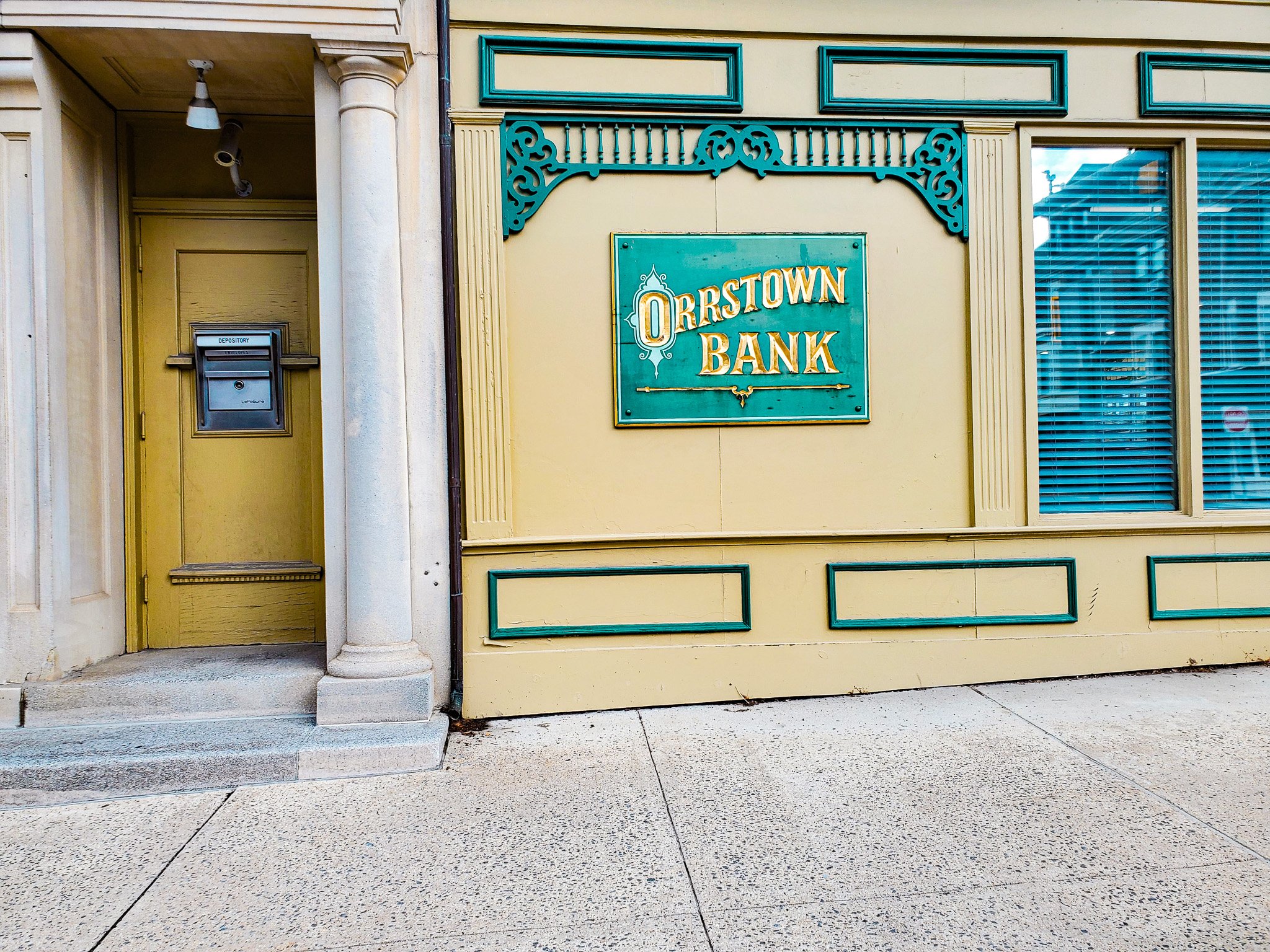
Orrstown Bank
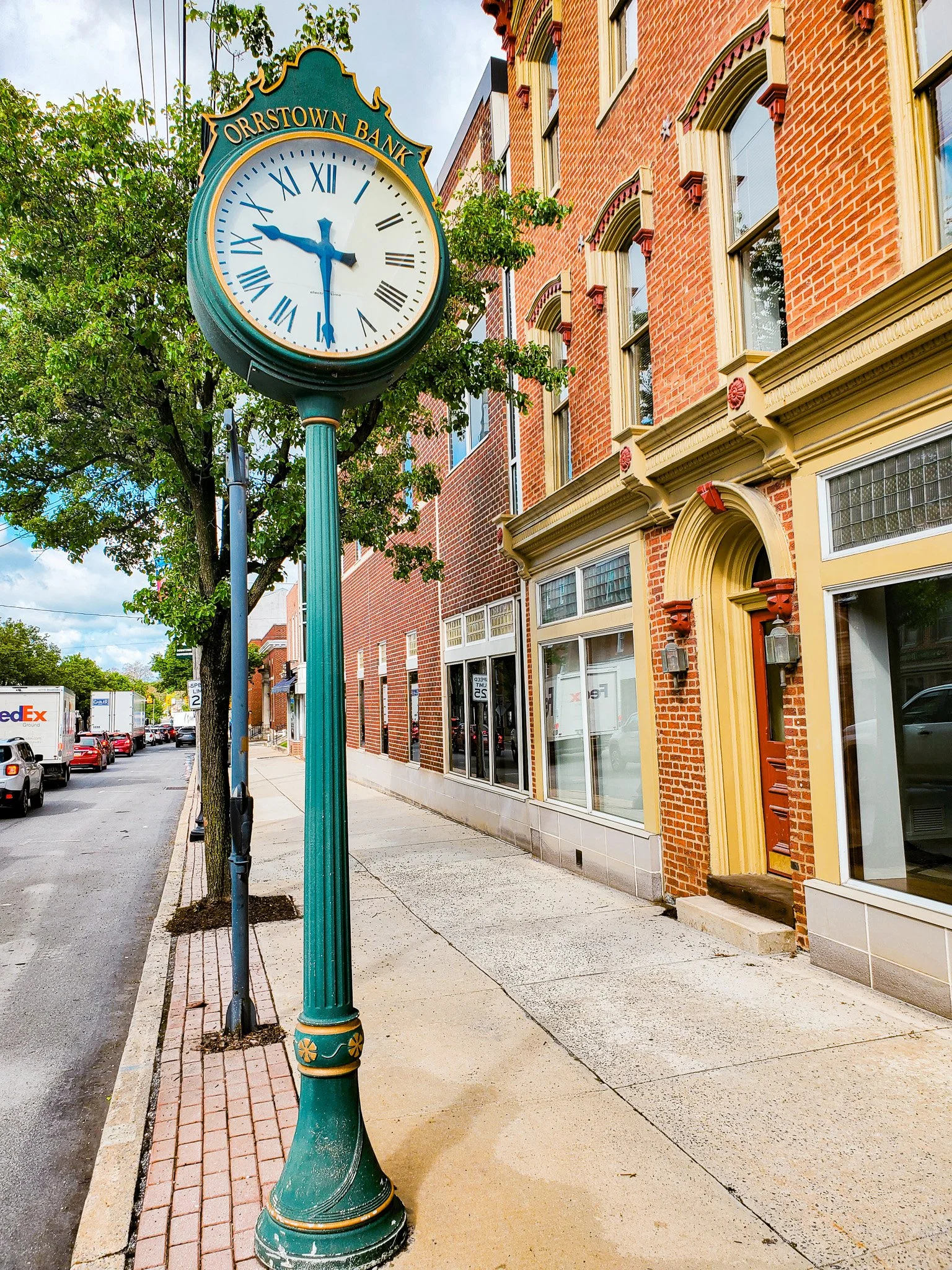
Orrstown Bank Clock
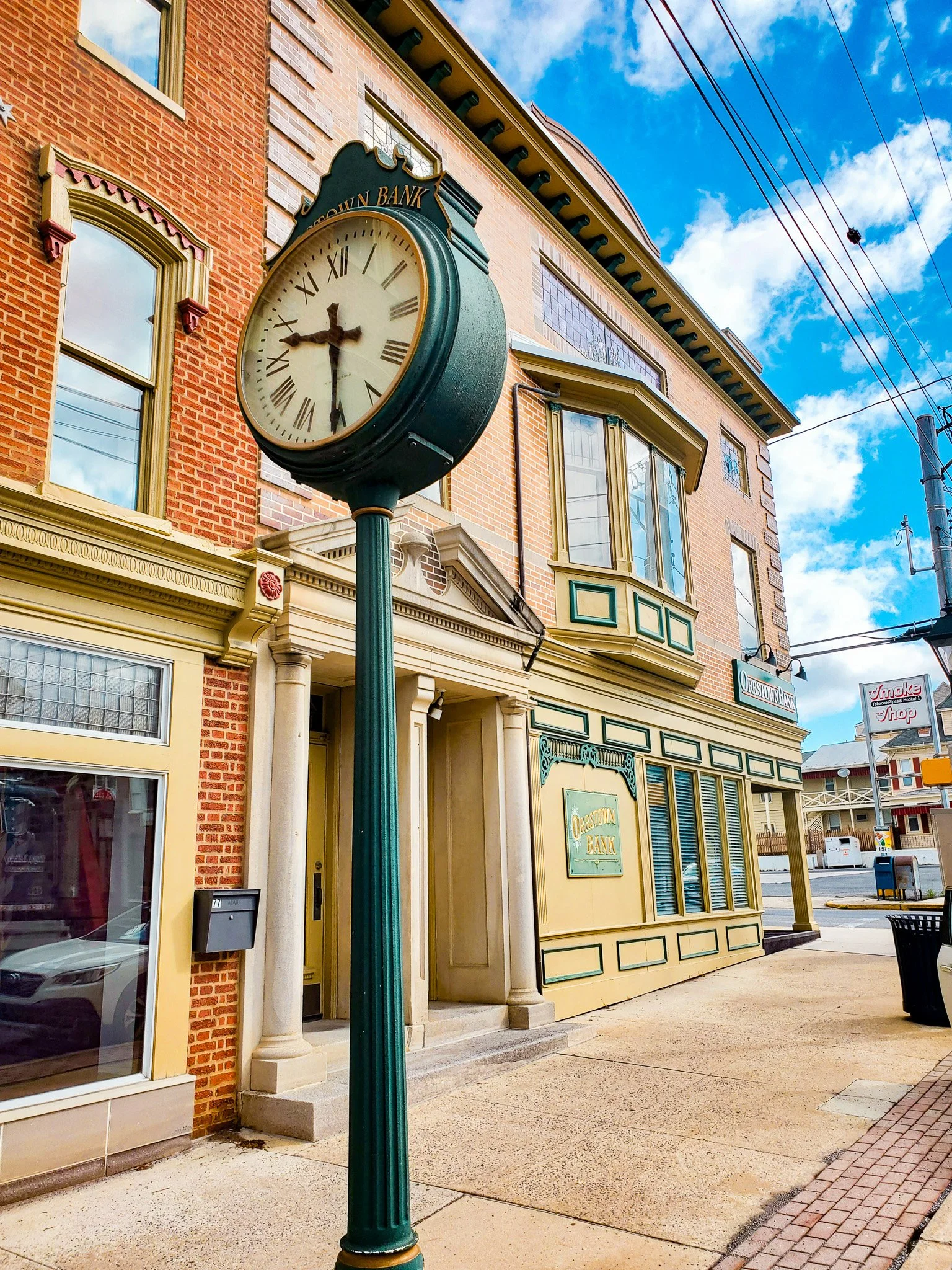
Orrstown Bank Clock
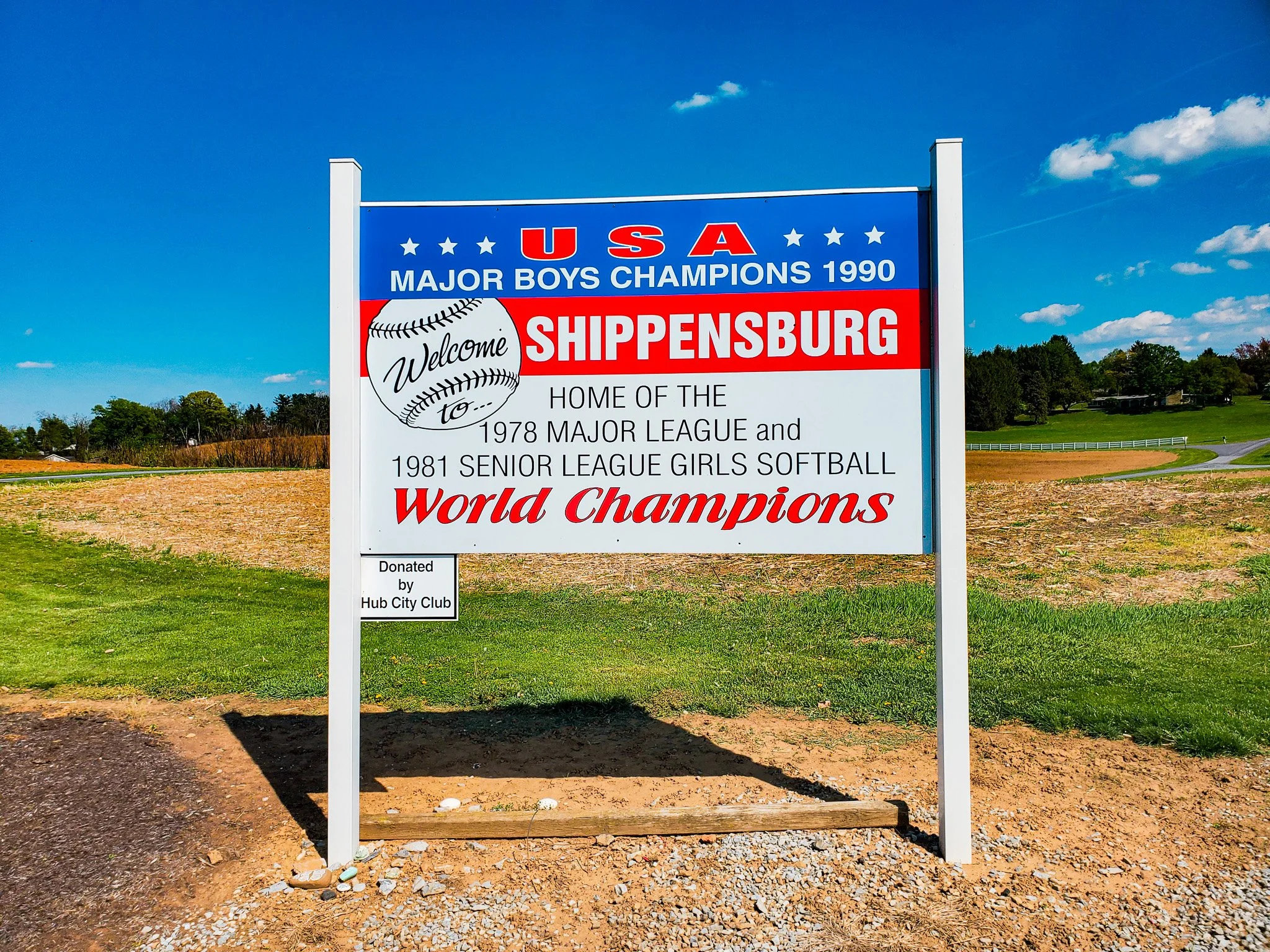
Shippensburg World Champs Sign
PENNS TOWNSHIP
The Cumberland Drive In Theater has been a popular movie venue since 1952.
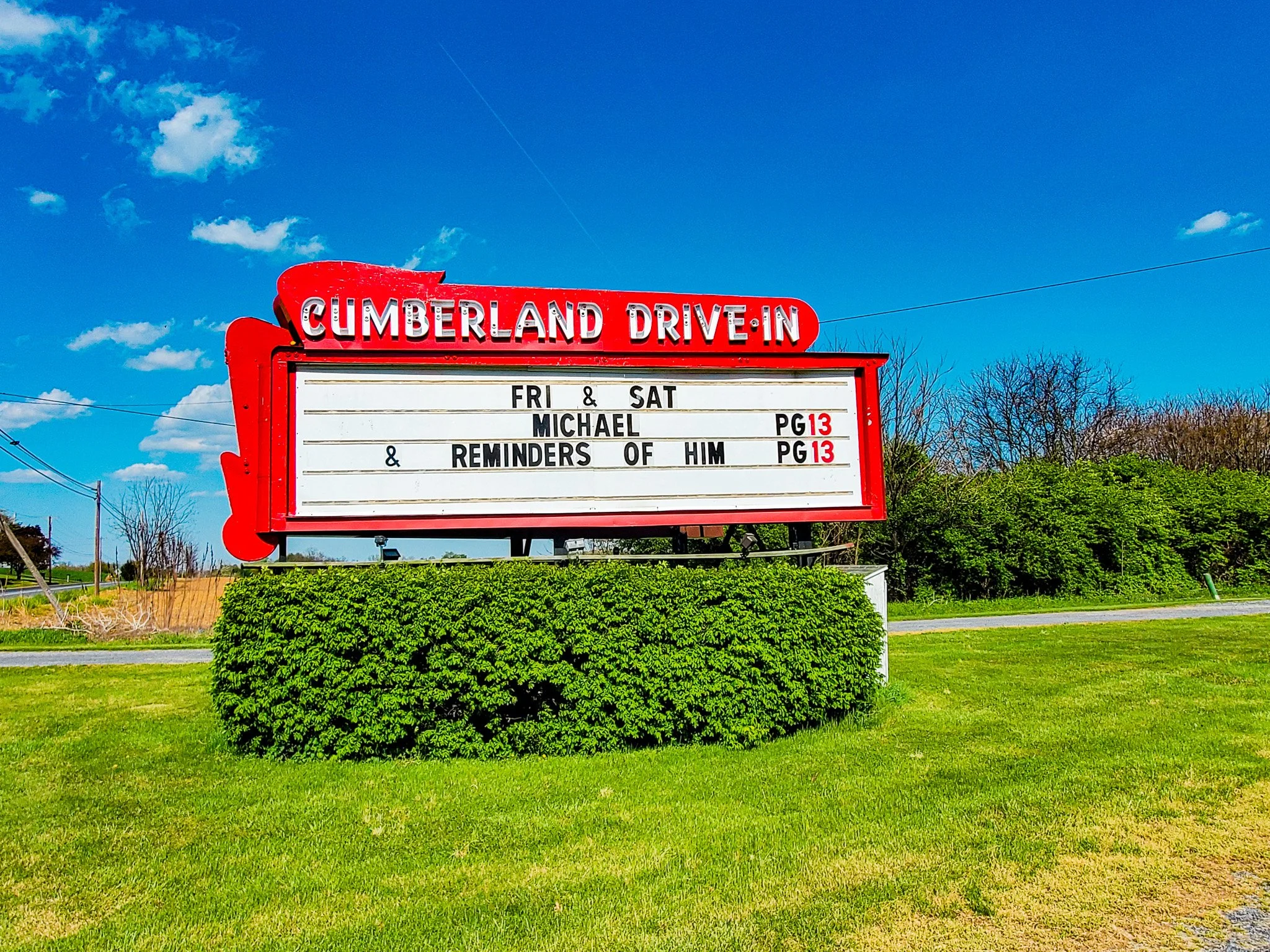
Cumberland Drive In Theater

Cumberland Drive In Theater
CARLISLE
Carlisle was founded in 1751 at the intersection of several indigenous trails. It was named after its sister town of the same name in Cumberland England. Molly Pitcher, famous American Patriot, died there in 1832 and her body lies buried in the Old Public Graveyard. The Molly Pitcher Hotel built in 1919 now houses senior citizens. During the Battle of Carlisle in the Civil War, a cannonball left a dent in one of the columns of the historic county courthouse (still visible). Carlisle is home to Dickinson College, the first new college chartered in the new United States by Benjamin Rush. The US Army War College is located there and the Carlisle Barracks is the second-oldest Army post in the US. Historic sites include the Cumberland County Historical Society, the downtown 960 seat Art Deco Carlisle Theater (since the 1940’s), the US Army Heritage and Education Center at the Carlisle Barracks, and the Hessian Powder Magazine there. Carlisle hosts several major car shows annually including Spring Carlisle in April, one of the world's largest automotive flea markets. Tried and true local eateries include the Hamilton Restaurant downtown serving their famous “Hot-Chee Dogg” and vanilla coke since the 1930’s, and Massey’s Frozen Custard, open since 1949. Leo’s Homemade Ice Cream is made with locally sourced milk from Gallikers Dairy, and is cash only.
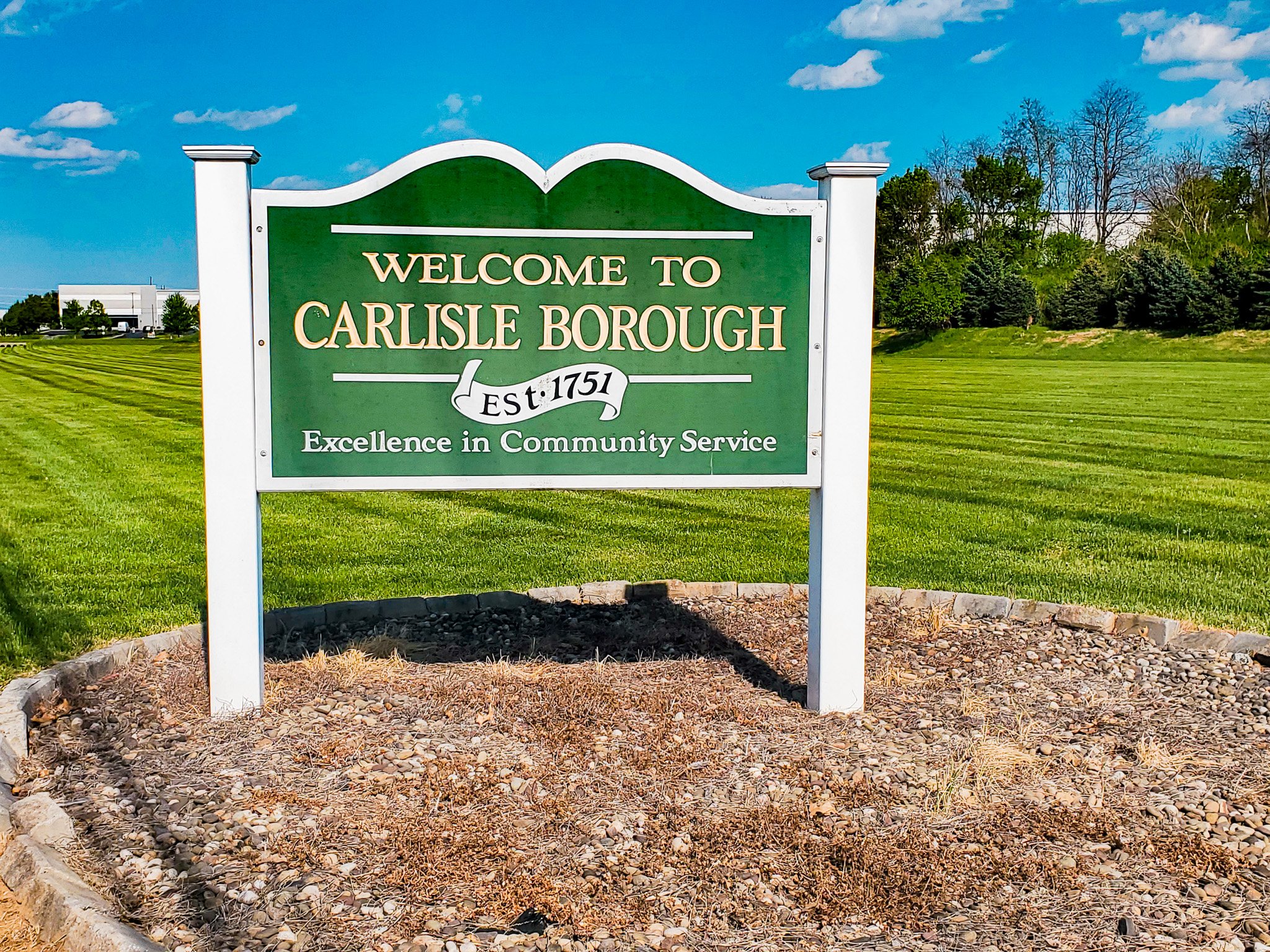
Welcome to Carlisle Sign
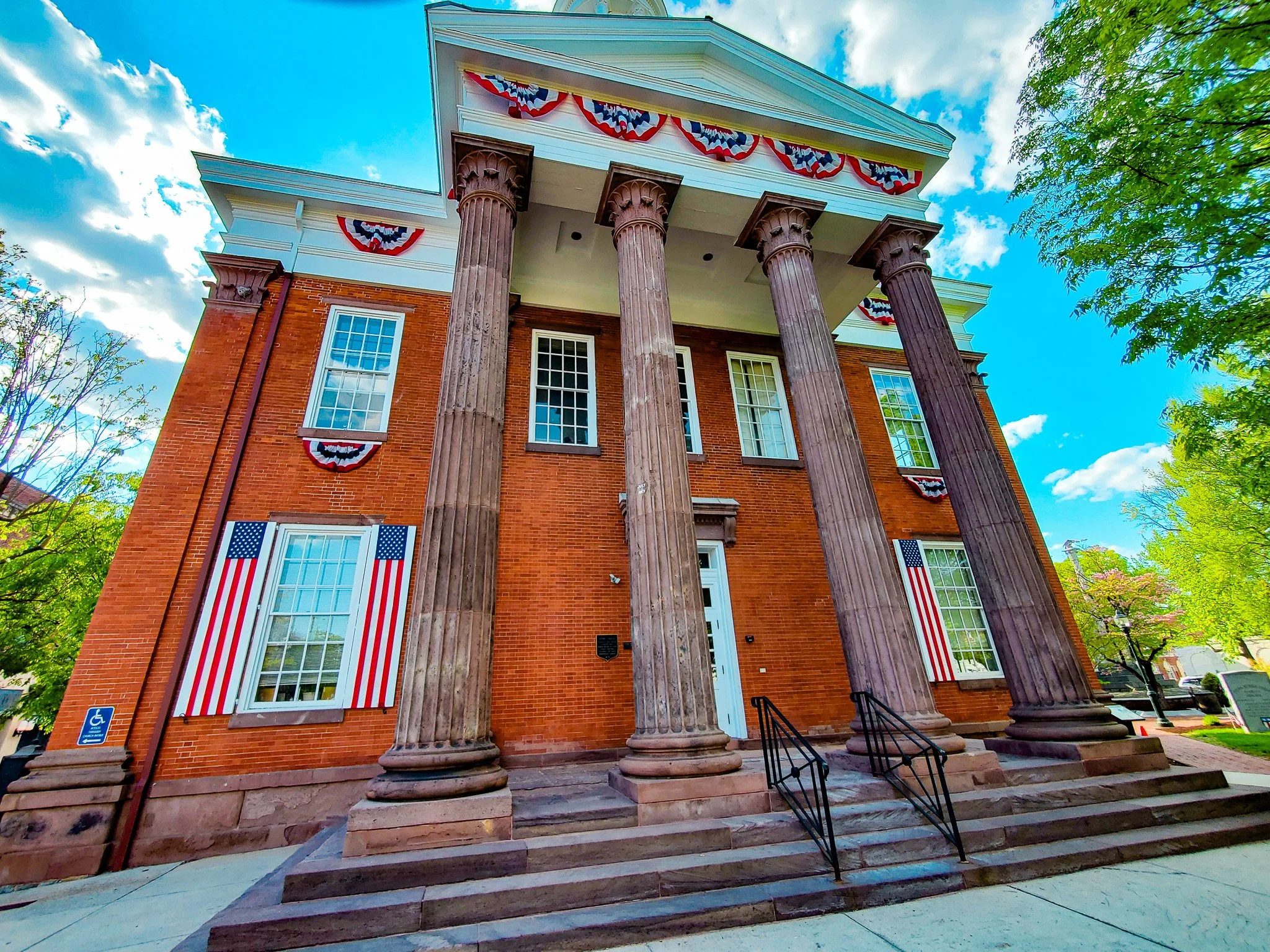
County Courthouse with Cannonball Damage
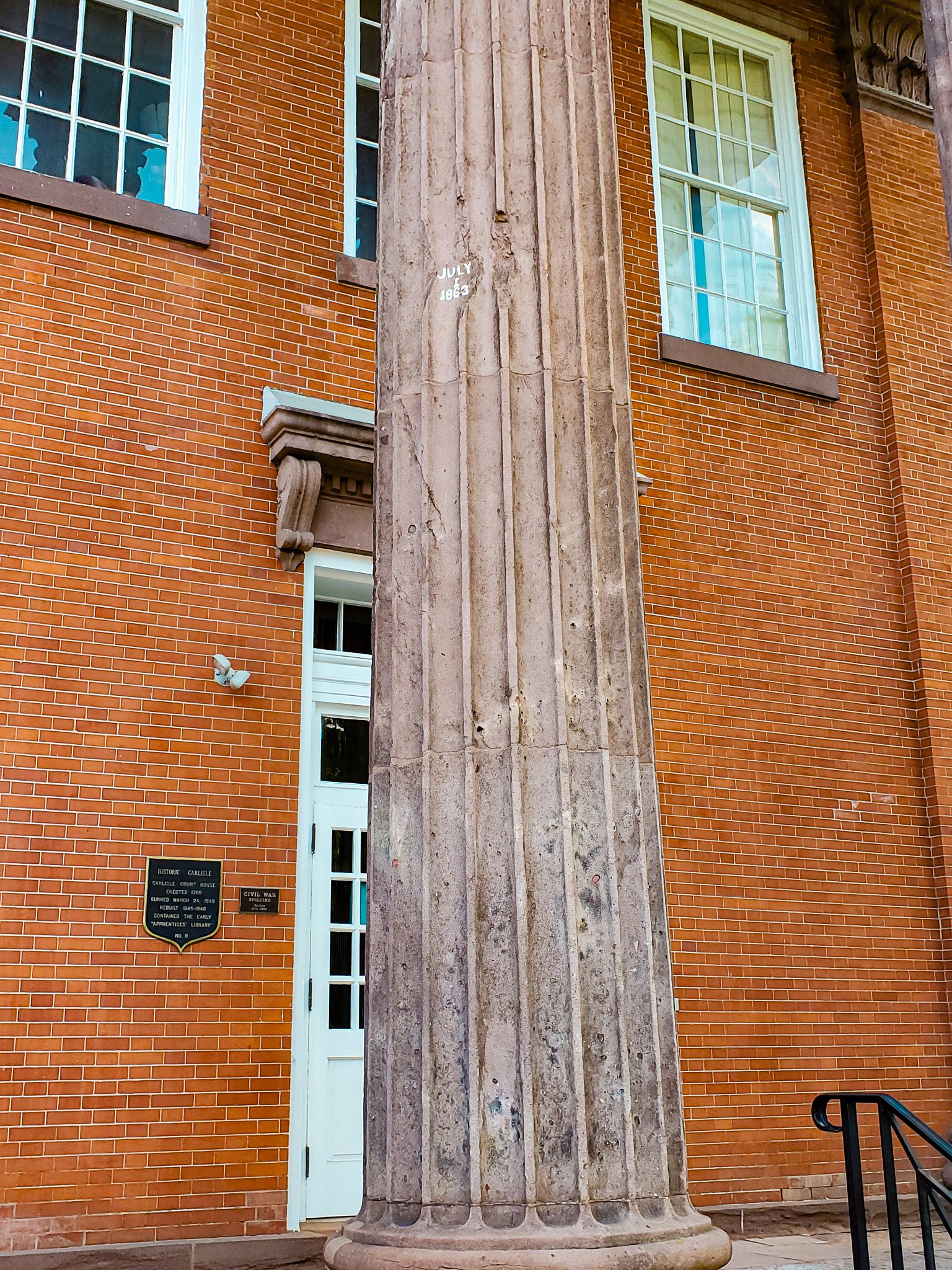
County Courthouse with Cannonball Damage
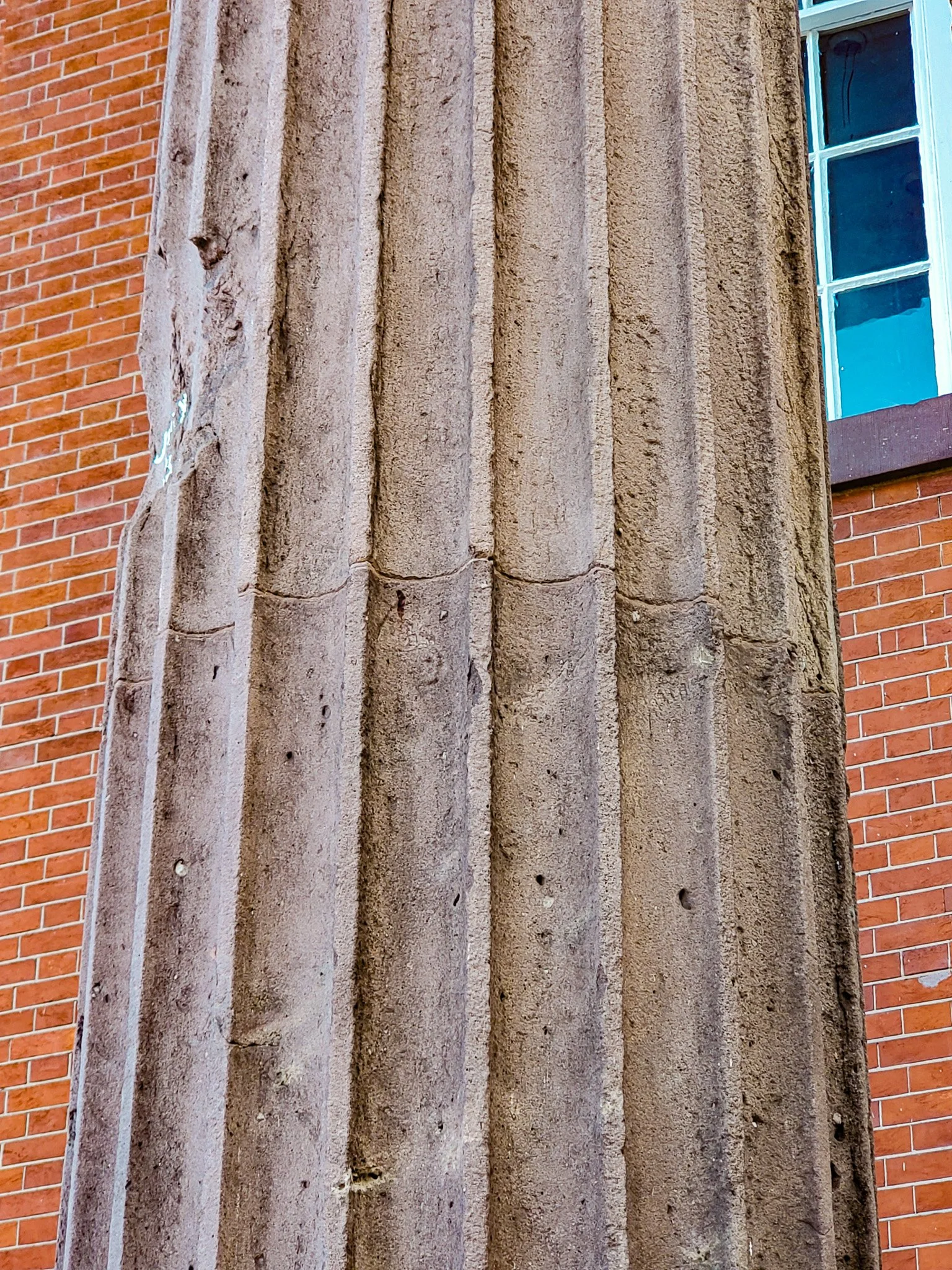
County Courthouse with Cannonball Damage
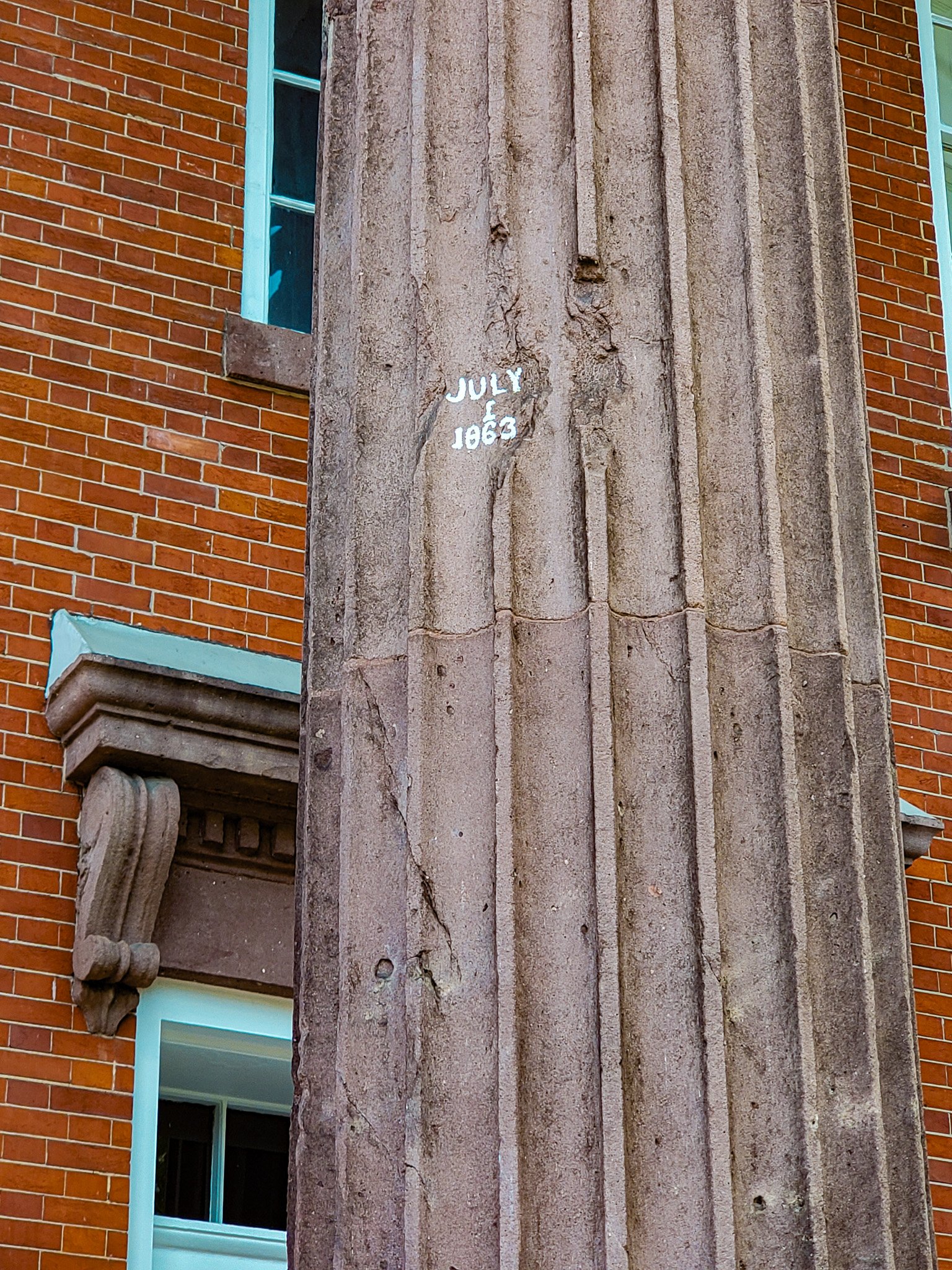
County Courthouse with Cannonball Damage
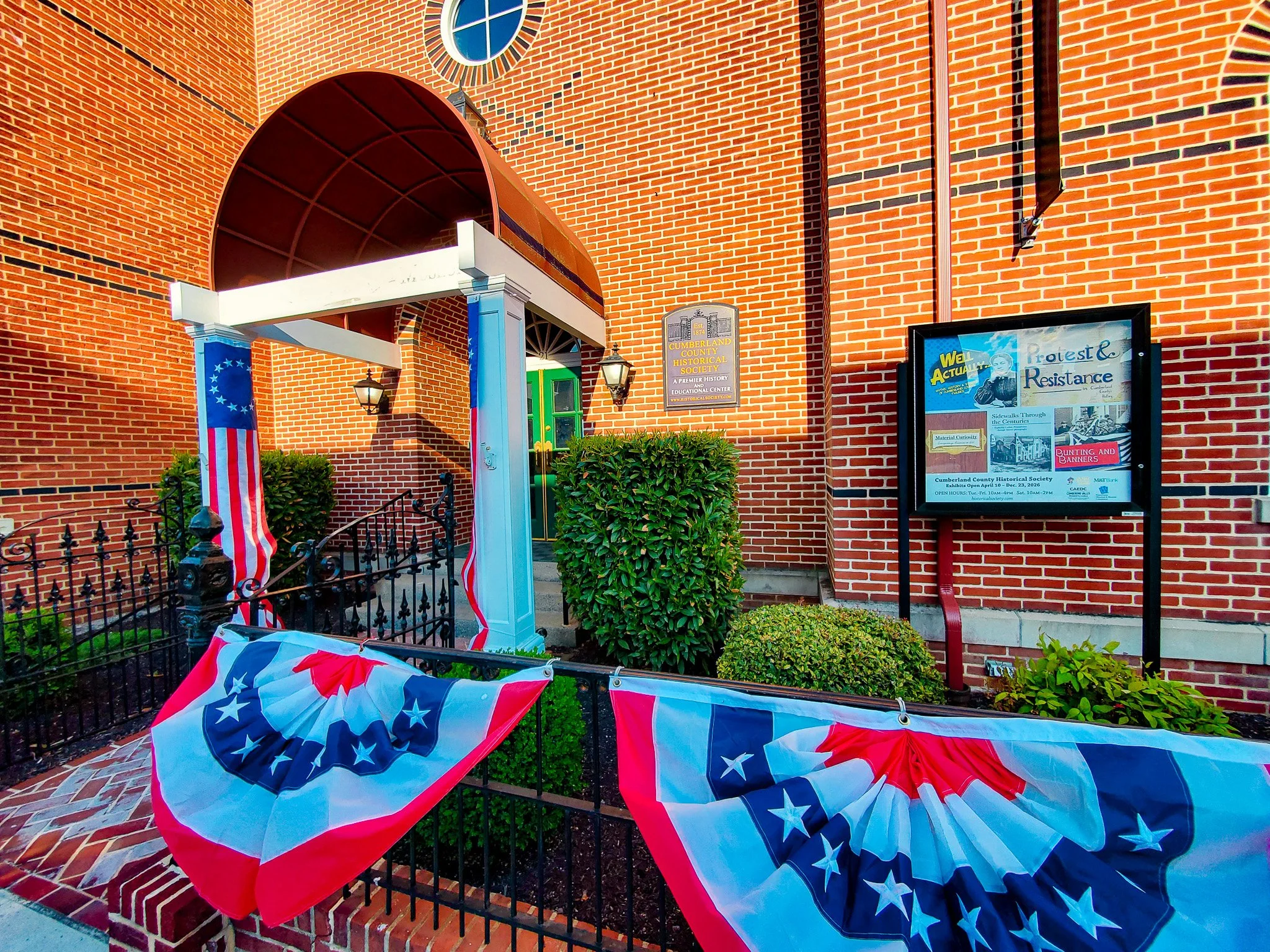
Cumberland County Historical Society
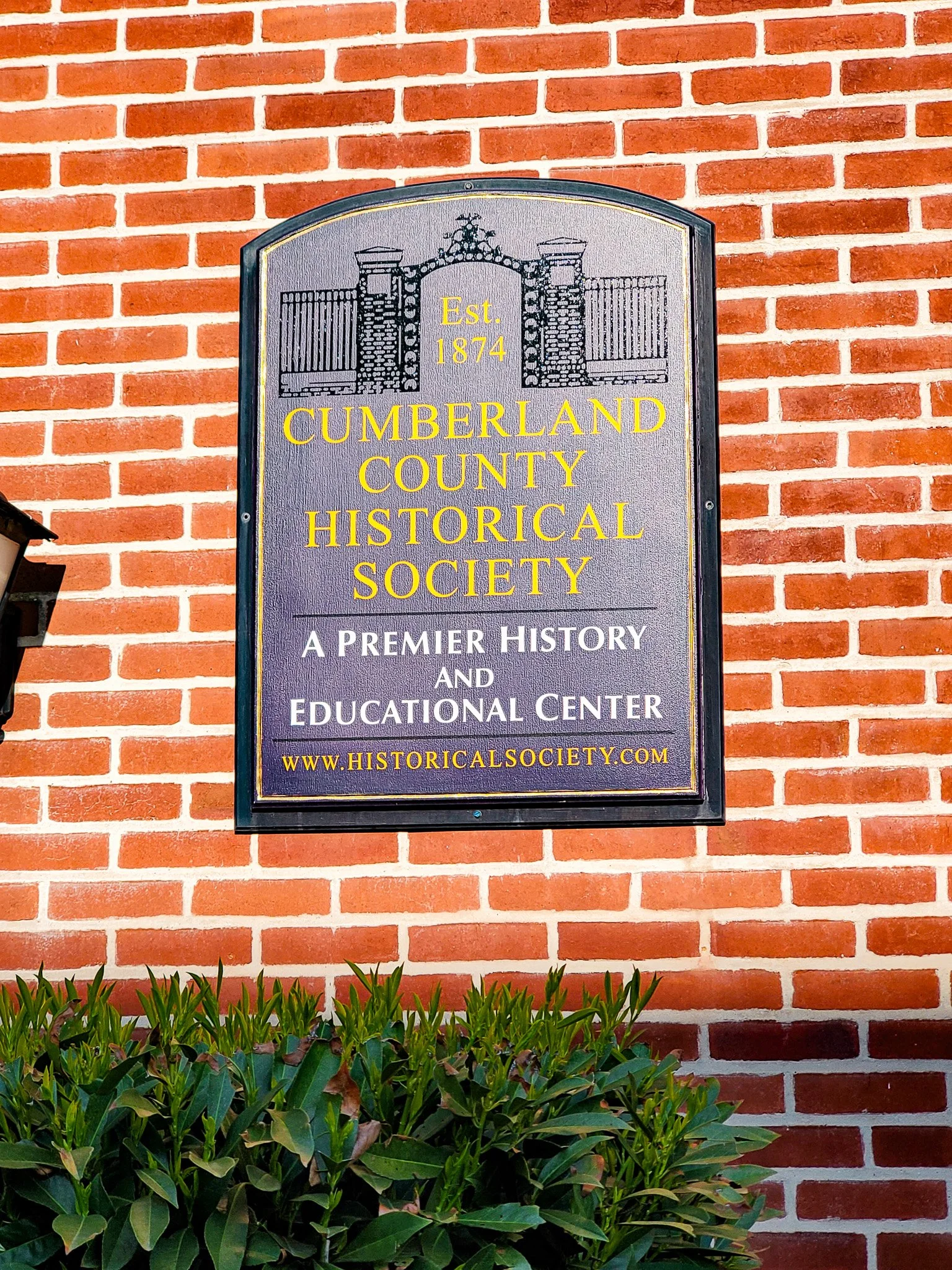
Cumberland County Historical Society
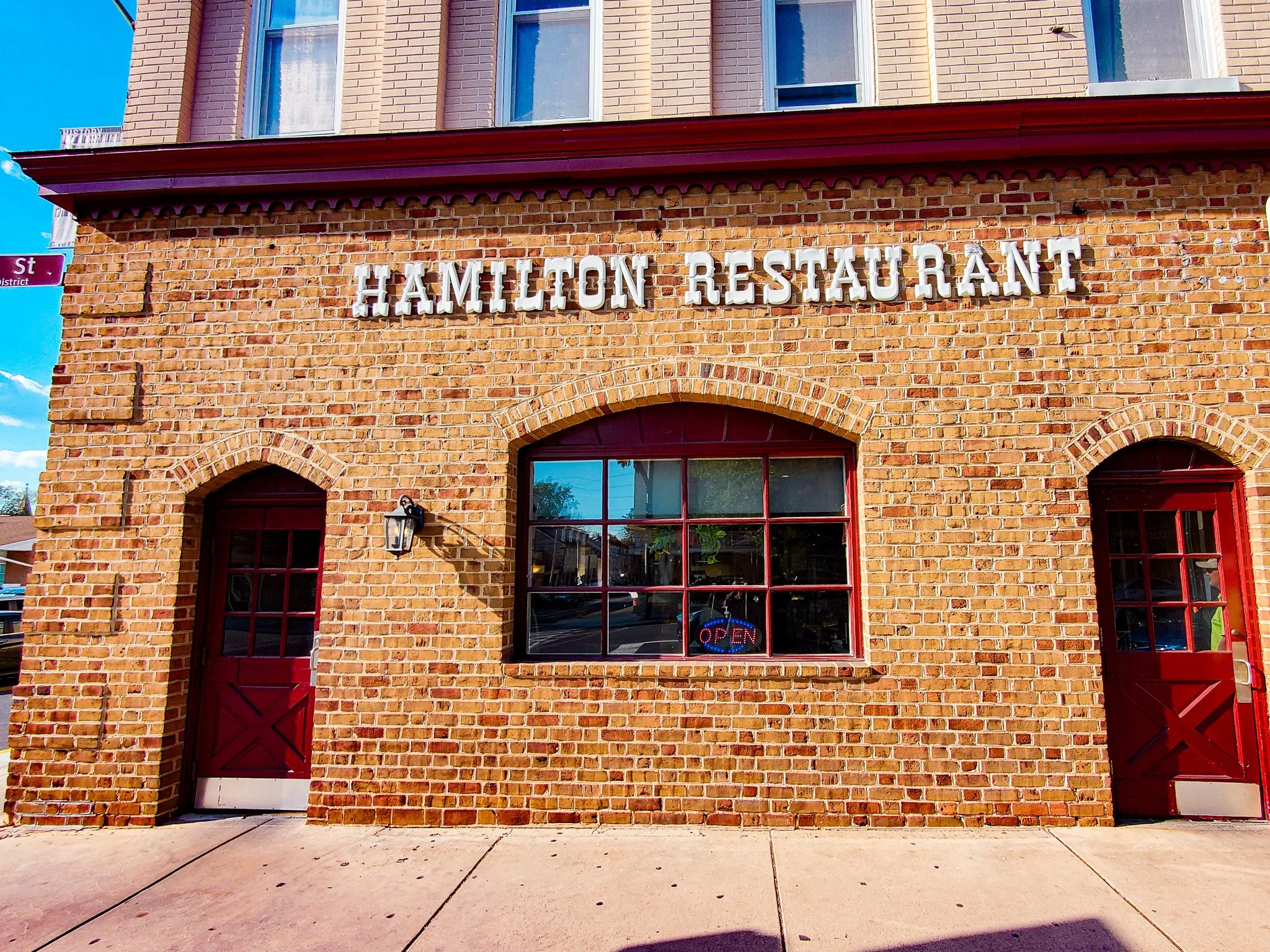
Hamilton Restaurant
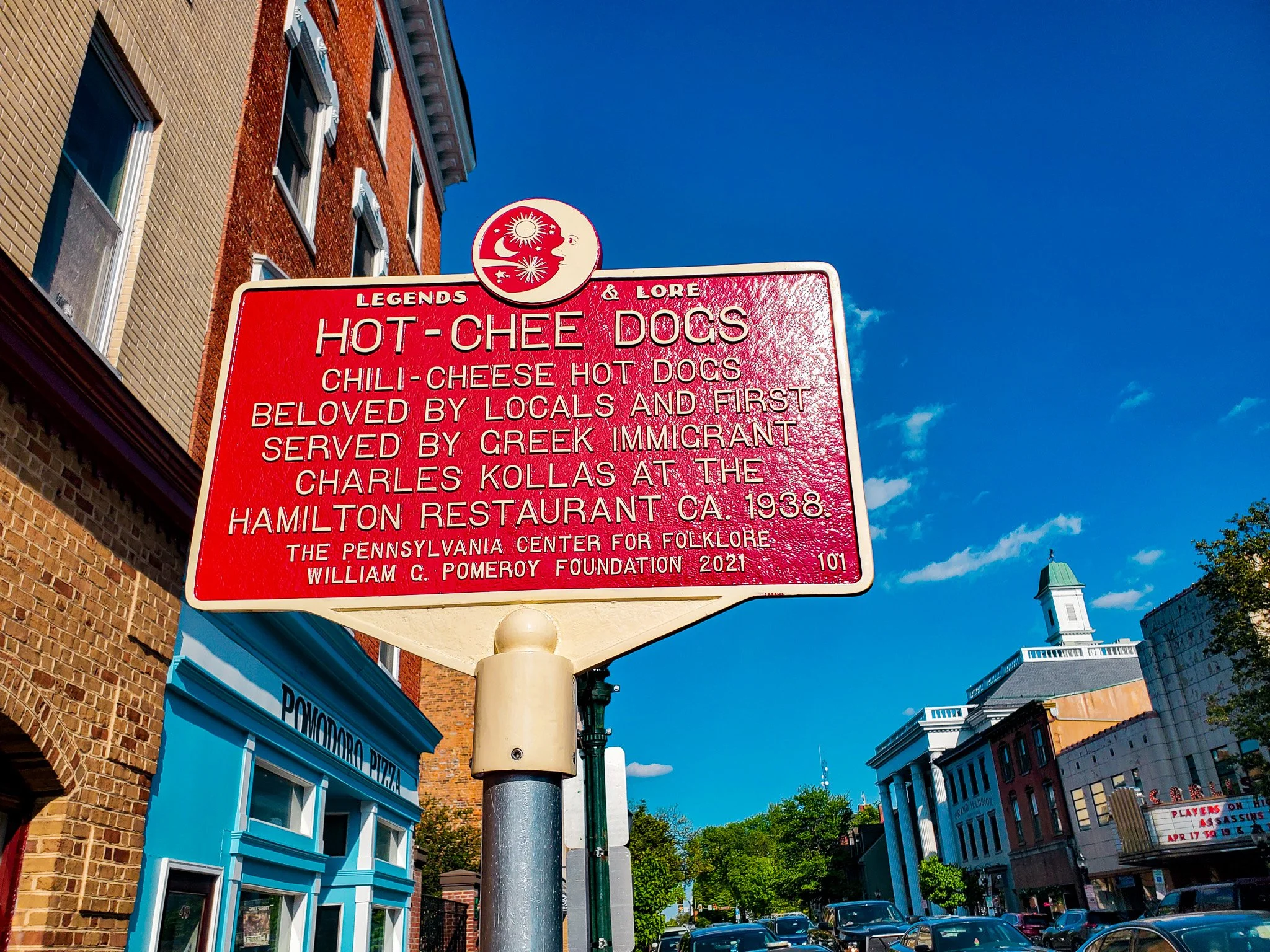
Hamilton Restaurant Marker
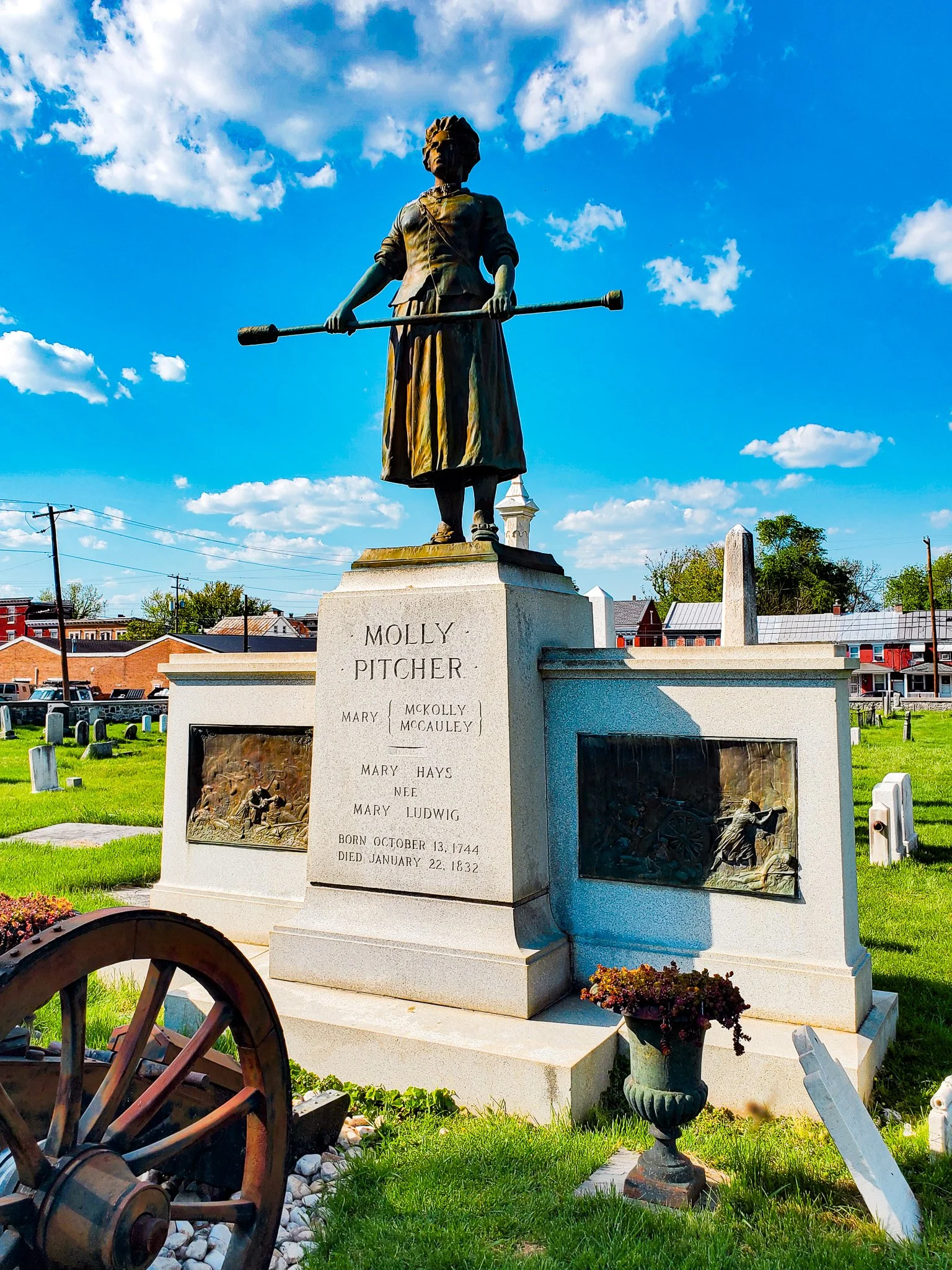
Molly Pitcher Cemetery Monument
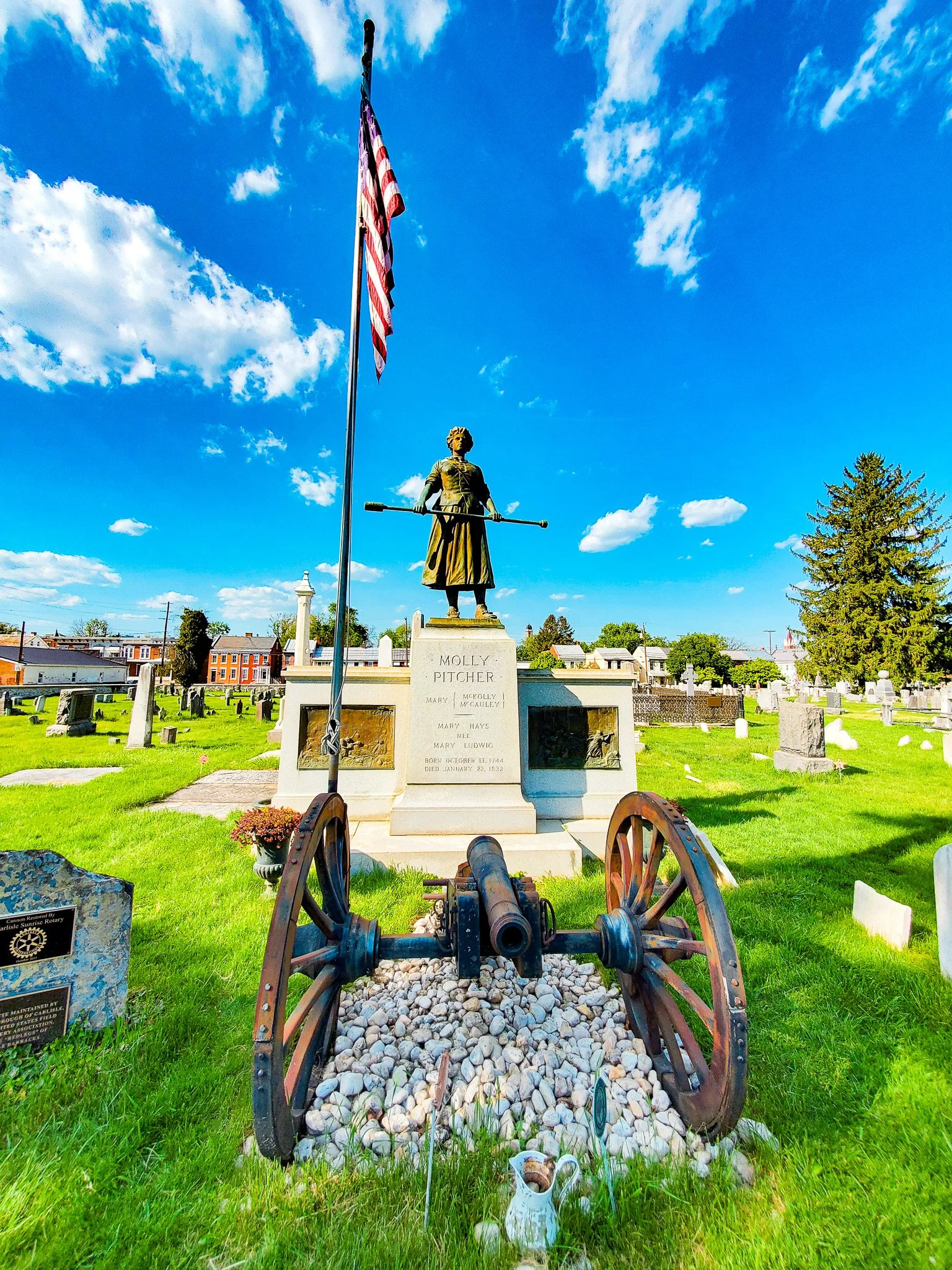
Molly Pitcher Cemetery Monument
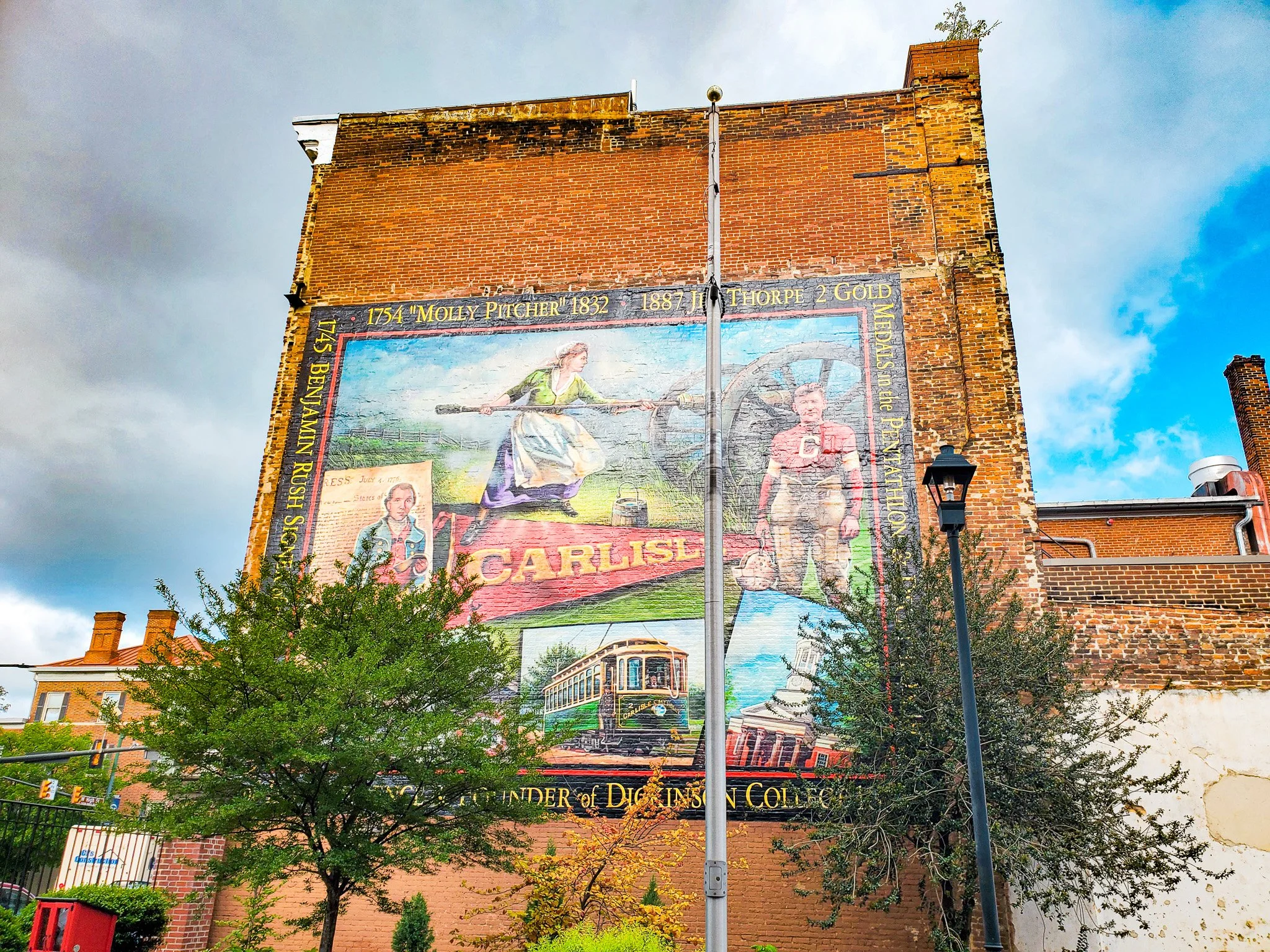
Mural Downtown
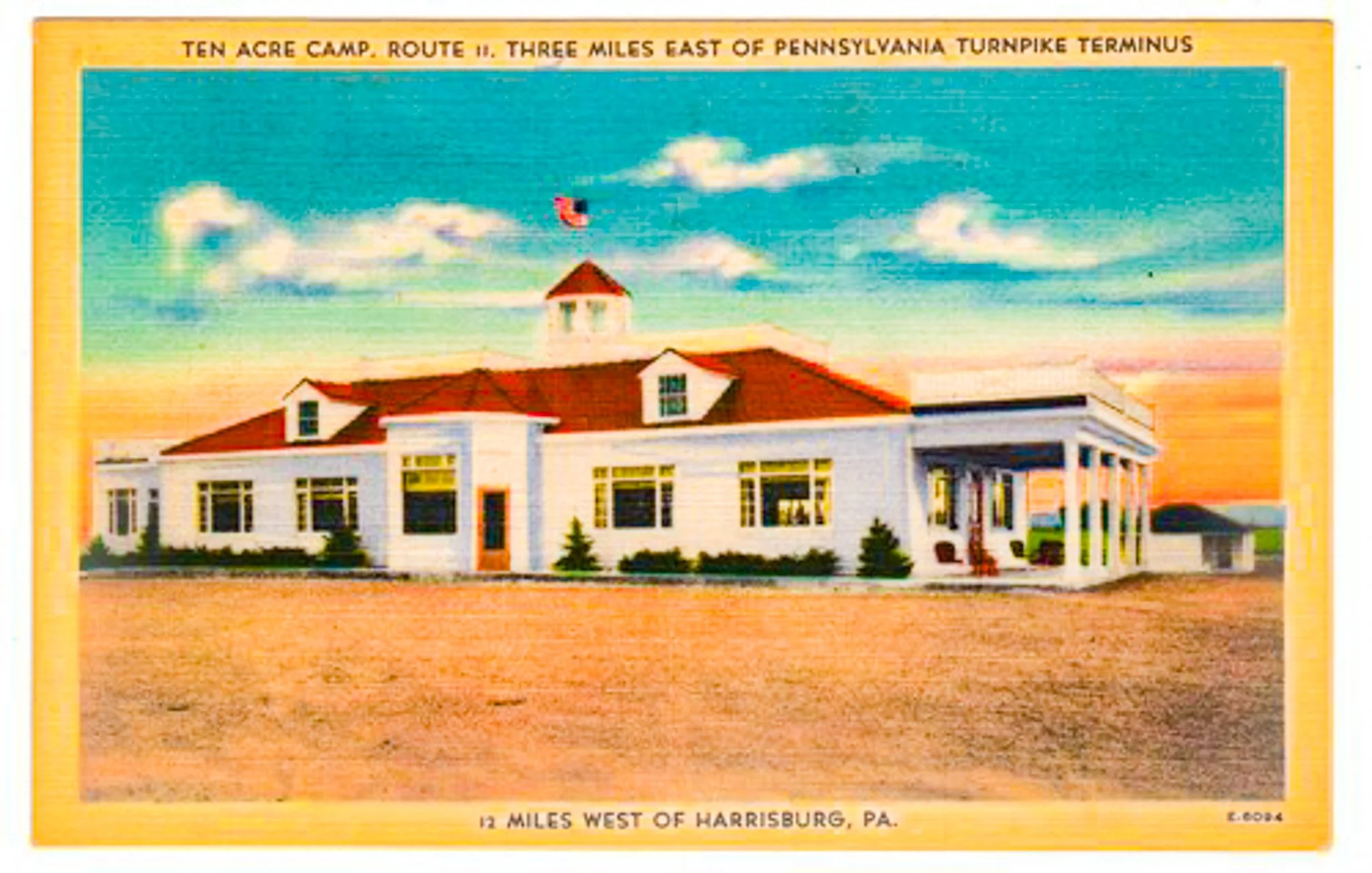
Ten Acre Camp Postcard
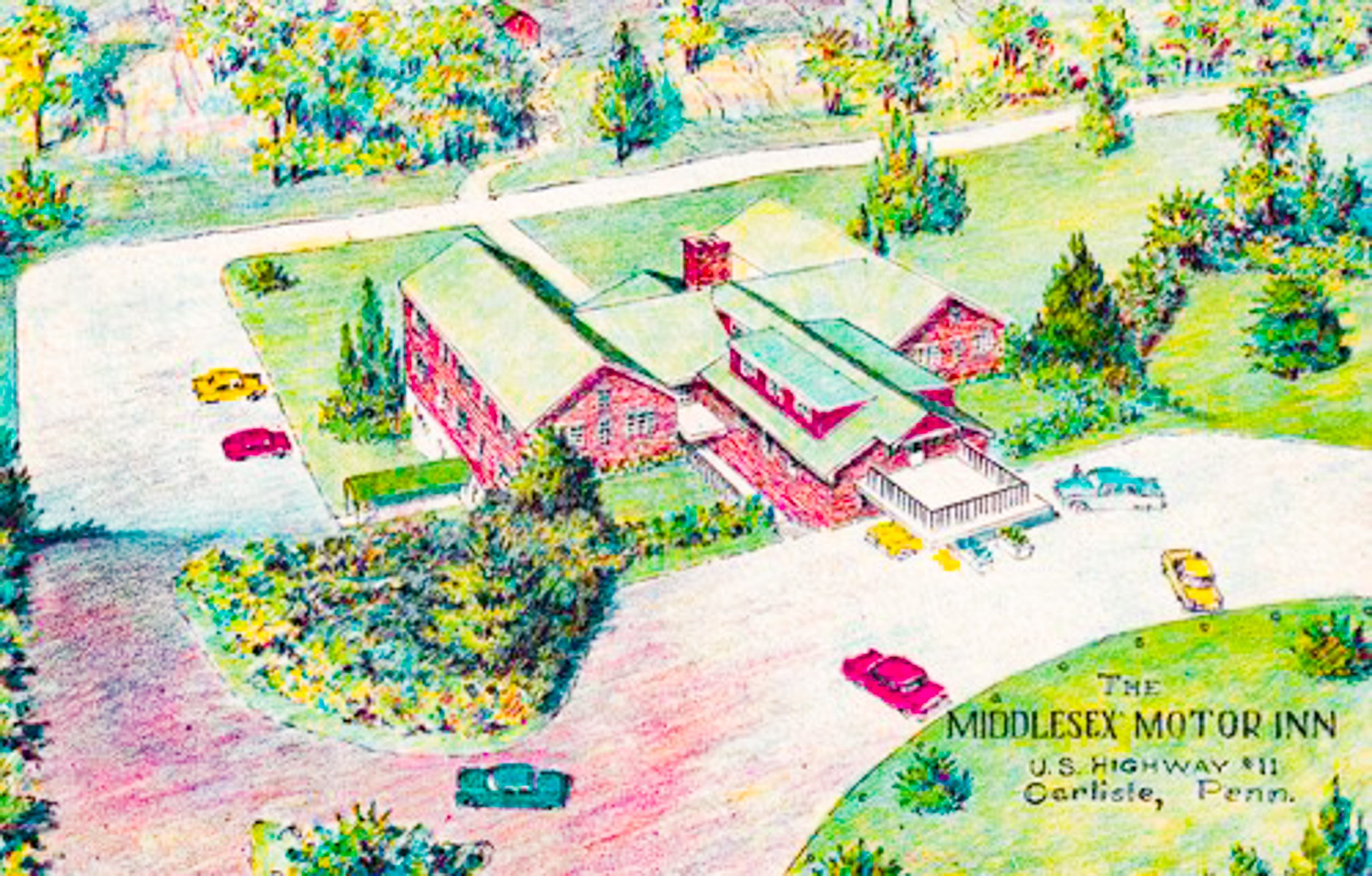
Middlesex Motel Postcard
Valley Motel Postcard
MIDDLESEX
The Appalachian Trail crosses US 11 just to the east of town on a footbridge.
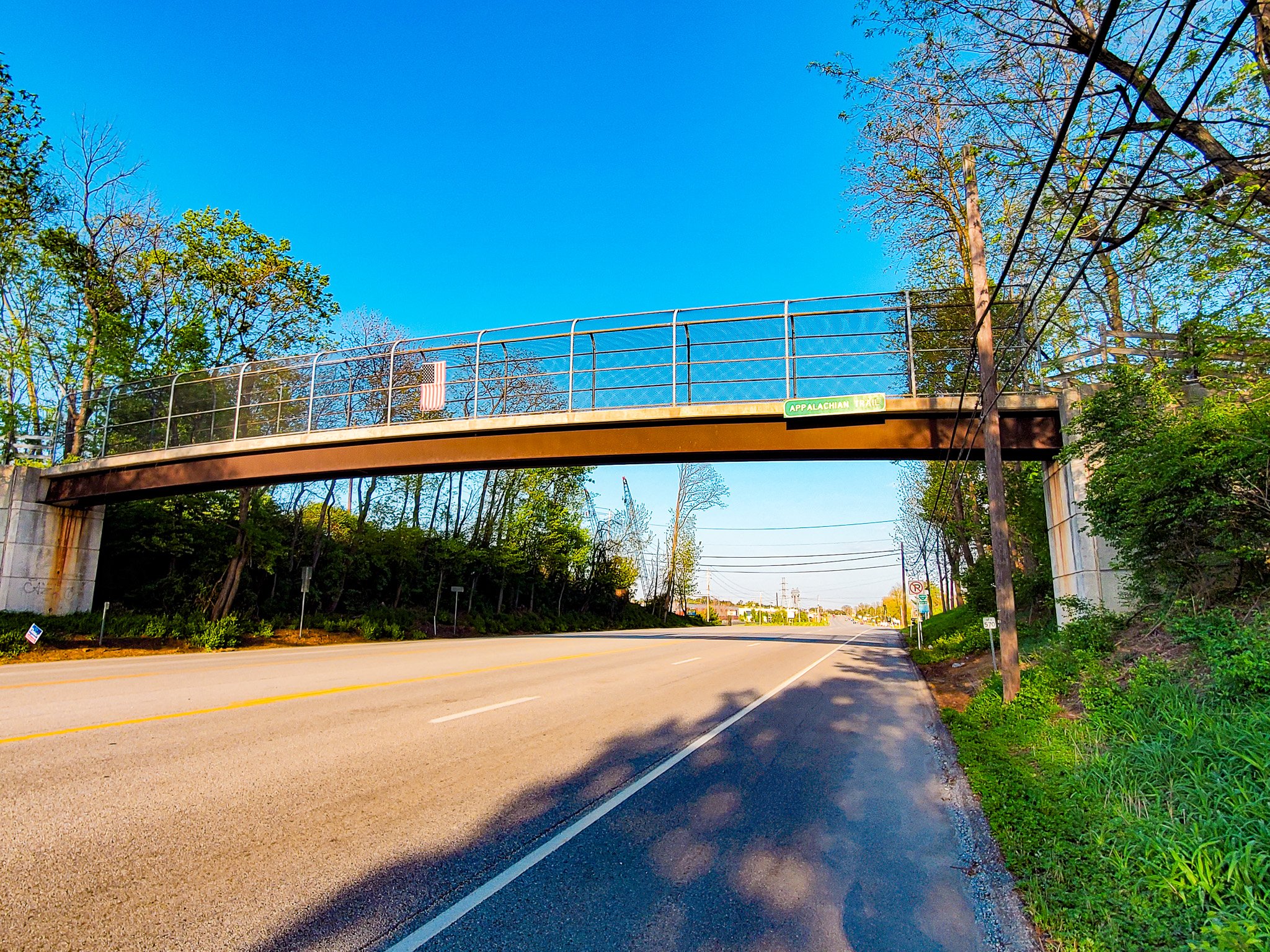
Appalachian Trail Footbridge over US 11
HARRISBURG
The first European contact in the area was by Captain John Smith (of Pocahontas fame) in 1608. John Harris Sr was an English settler who established a trading post there around 1718 and a ferry across the Susquehanna River. His son John Harris Jr named the town after him in 1785. Harrisburg has been the Pennsylvania state capital since 1812. Remnants and historical sites of the former Pennsylvania Canal System exist in and around Harrisburg. This 395 mile route (including rail lines) connected Philadelphia and Pittsburgh, enabling travel between the Delaware and Ohio Rivers. The National Civil War Museum is located in Harrisburg as is the National Fire Museum. The Three Mile Island Nuclear Generating Station is near Harrisburg.
Although an older alignment of US 11 crossed the Susquehanna River and ran through downtown Harrisburg via the Market Street Bridge, the current US 11 route joins US 15 in Harrisburg and remains on the west side of the river until Shamokin Dam, where US 11 and 15 split. At this location, US 11 remains on the west side of the Susquehanna River, but does cross the West Branch at Northumberland and continues northeast.
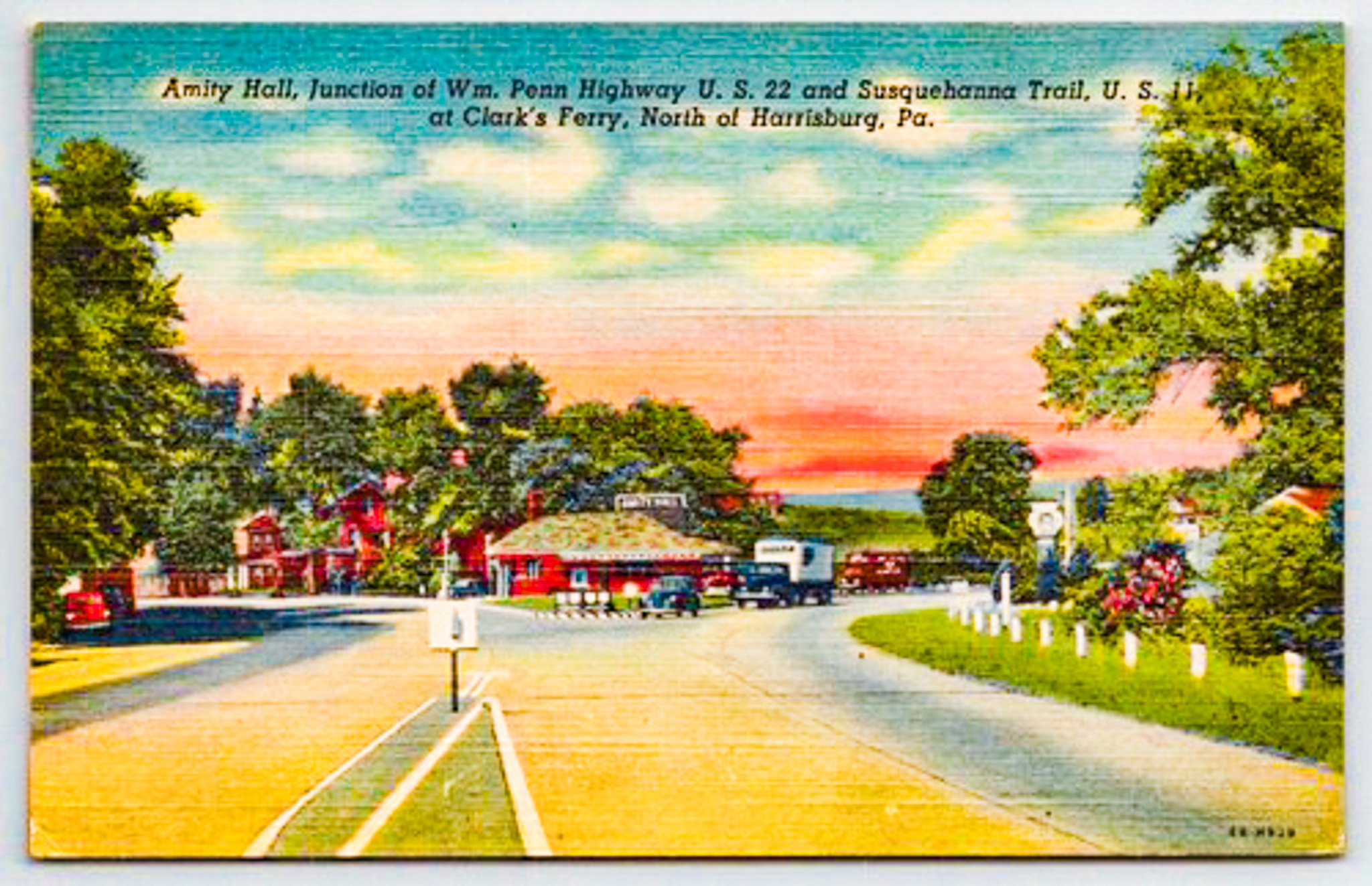
Amity Hall Postcard
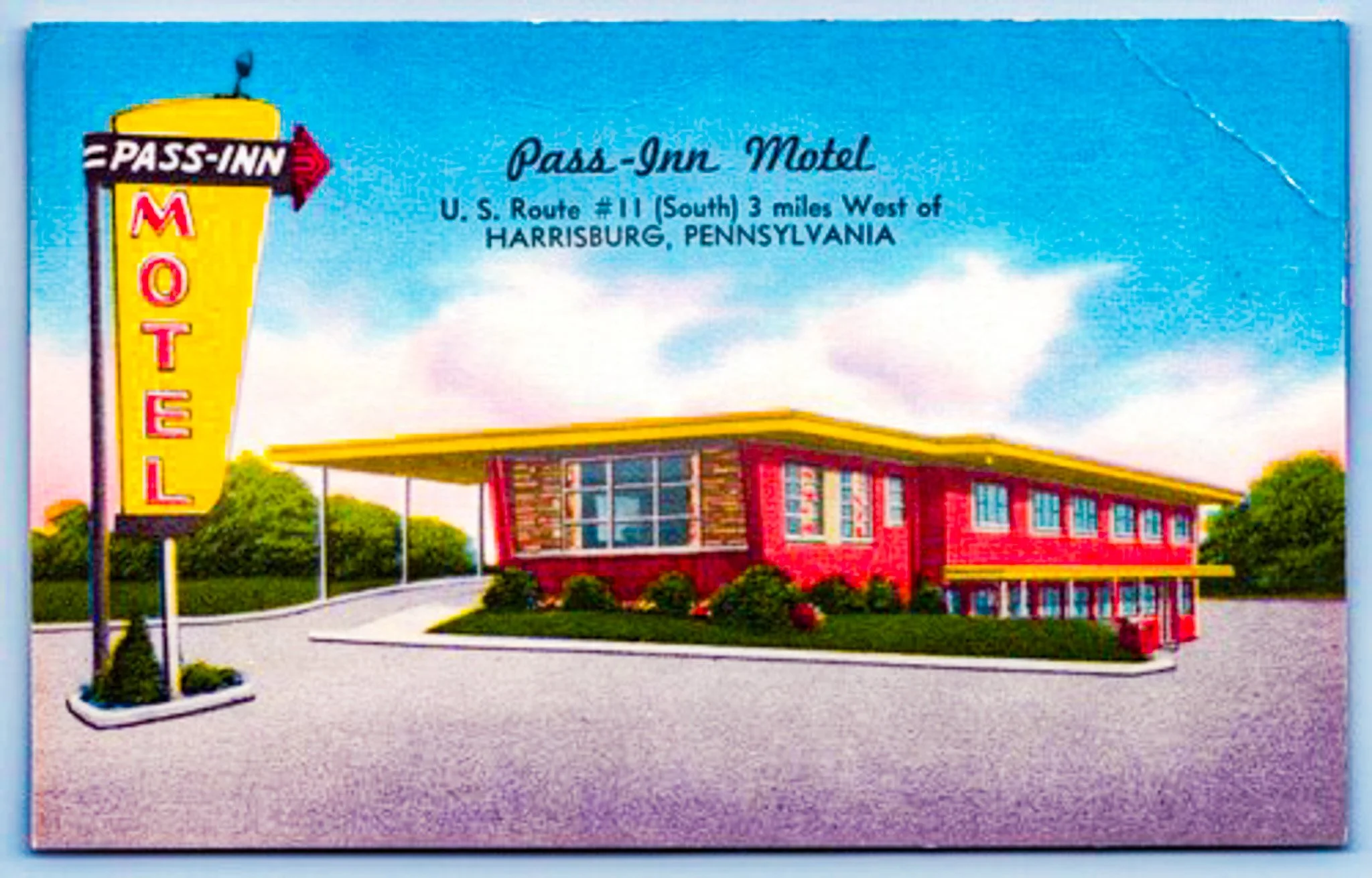
Pass Inn Motel Postccard
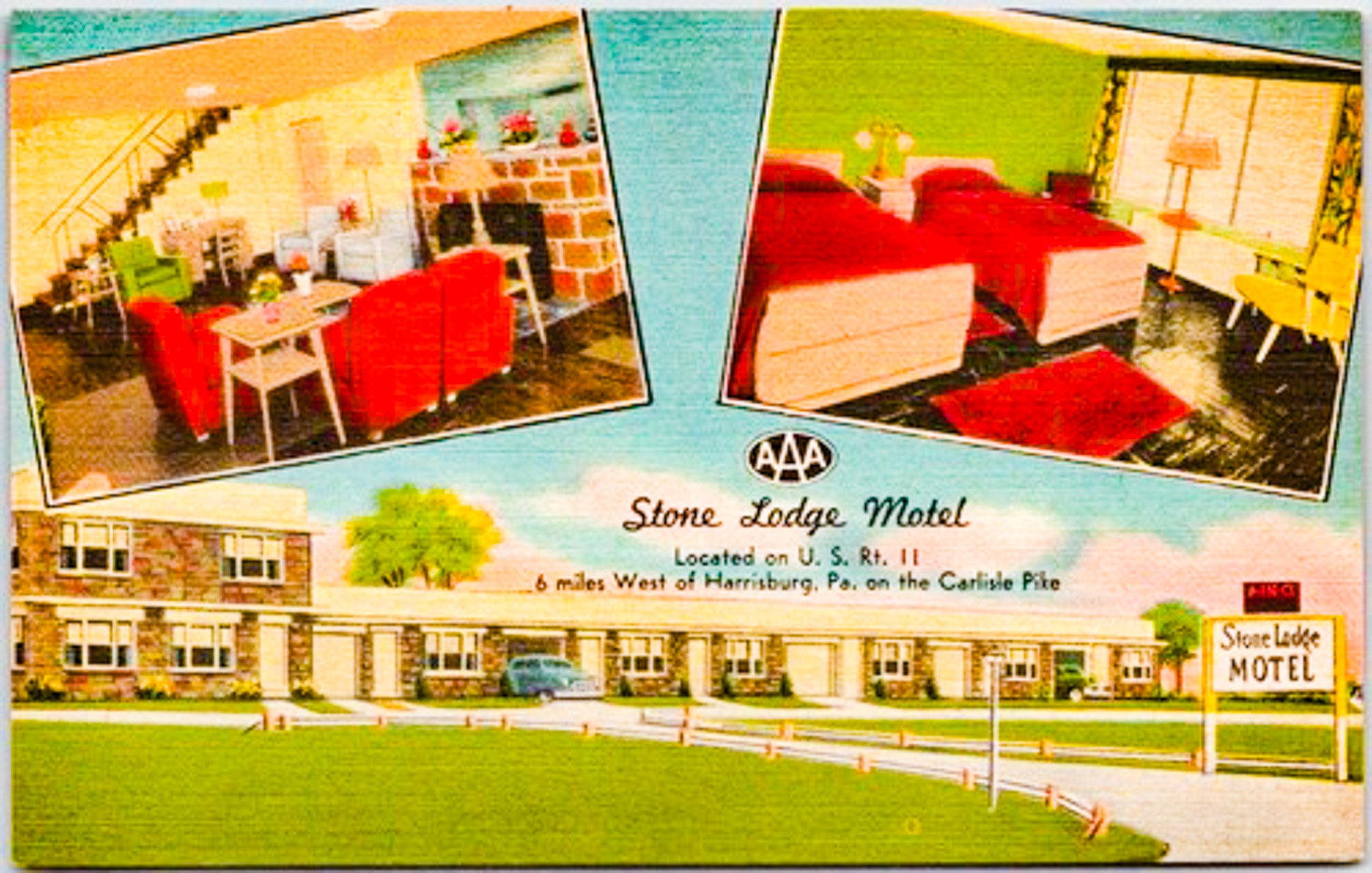
Stone Lodge Motel Postcard
CAMP HILL
The Skirmish at Sporting Hill southwest of Harrisburg in the Camp Hill area was considered to be the northernmost battle of the Civil War.
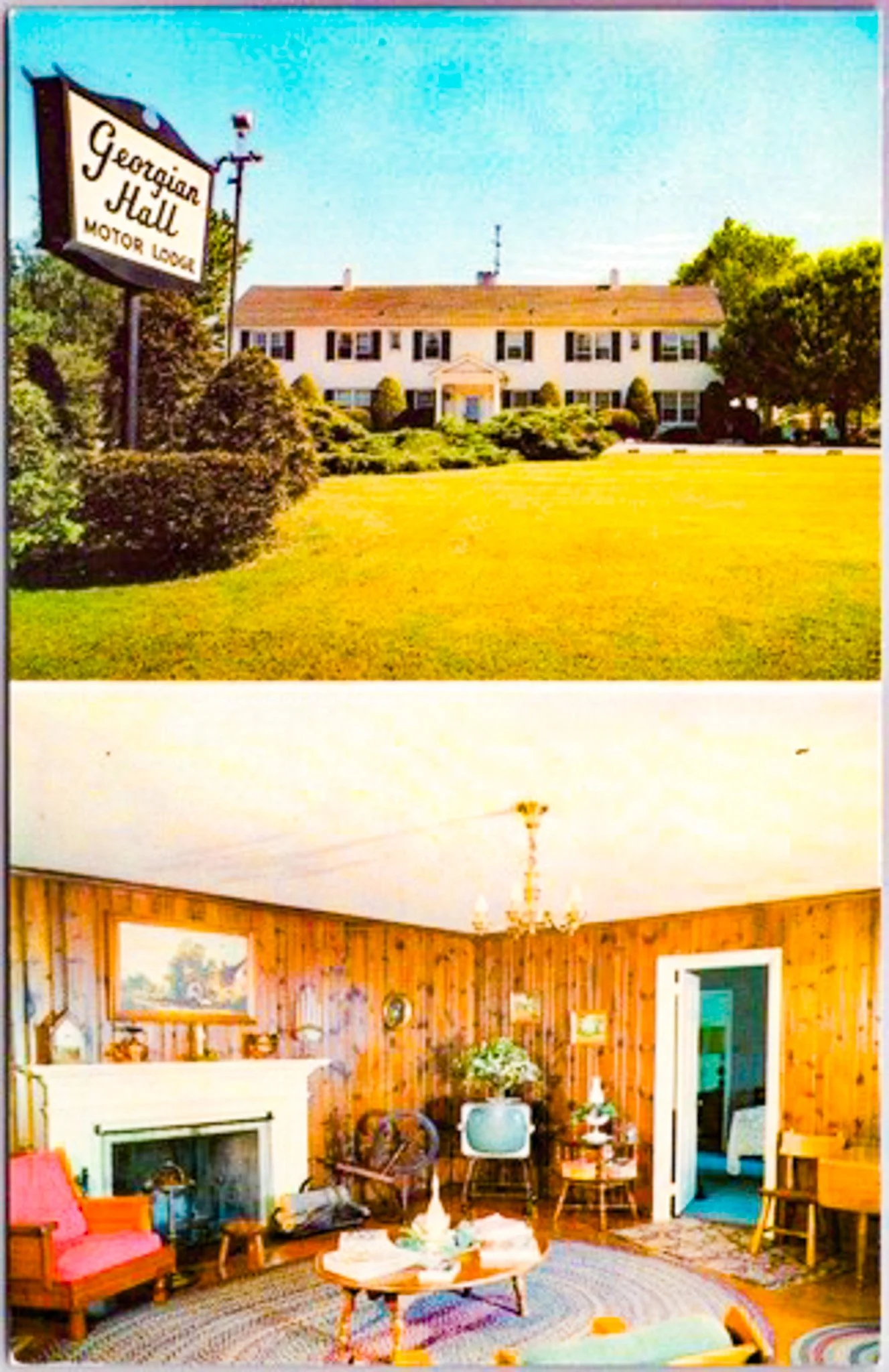
Georgian Hall Motor Lodge Postcard
LEMOYNE
Formerly Bridgeport, the original stone house was built in 1724. It was incorporated in 1905 and named after French soldier Charles LeMoyne who had settled near Harrisburg.
WORMLEYSBURG
Wormleysburg was founded in 1815 by John Wormley, a settler there since 1772.
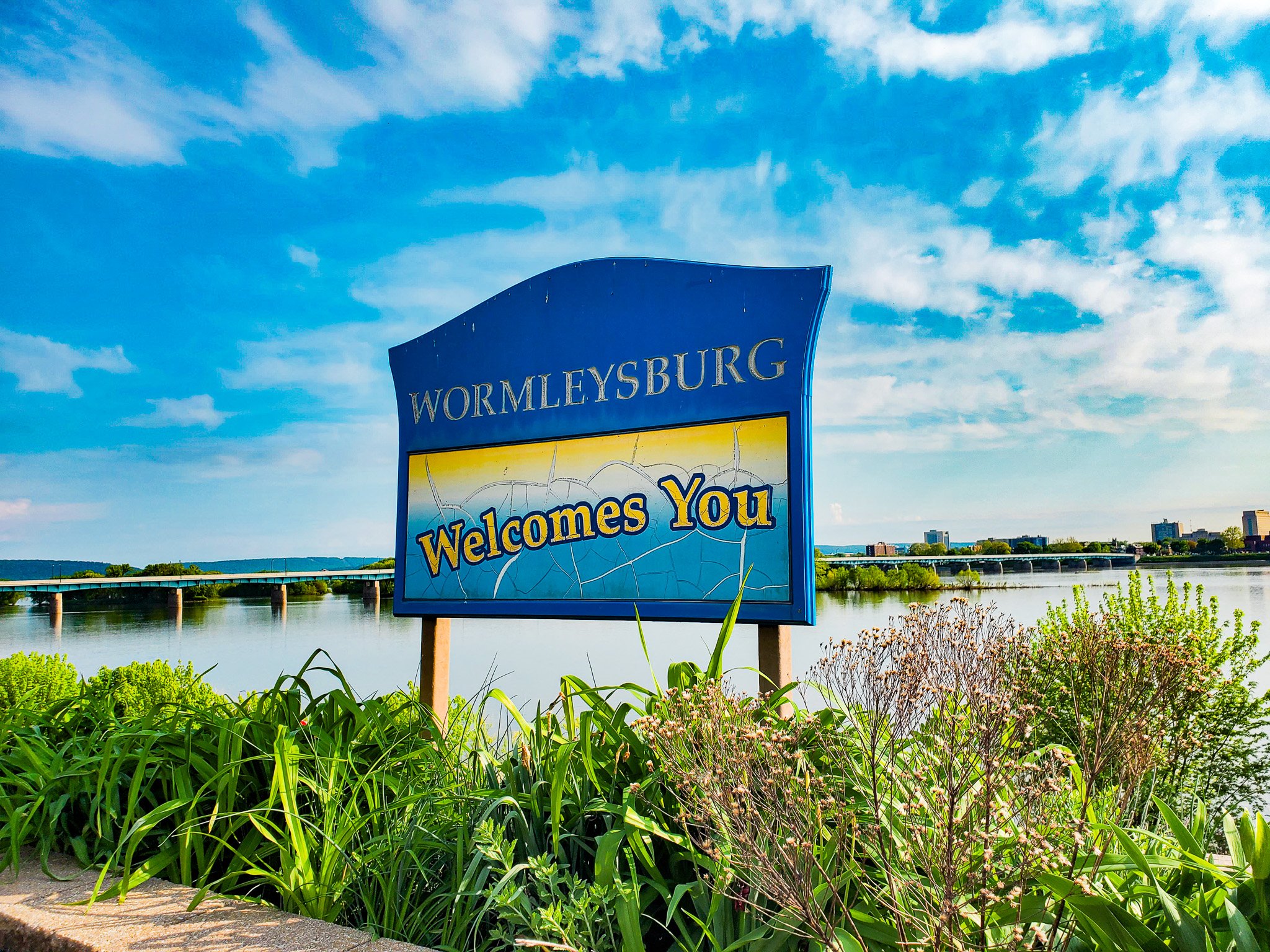
Welcome to Wormleysburg Sign
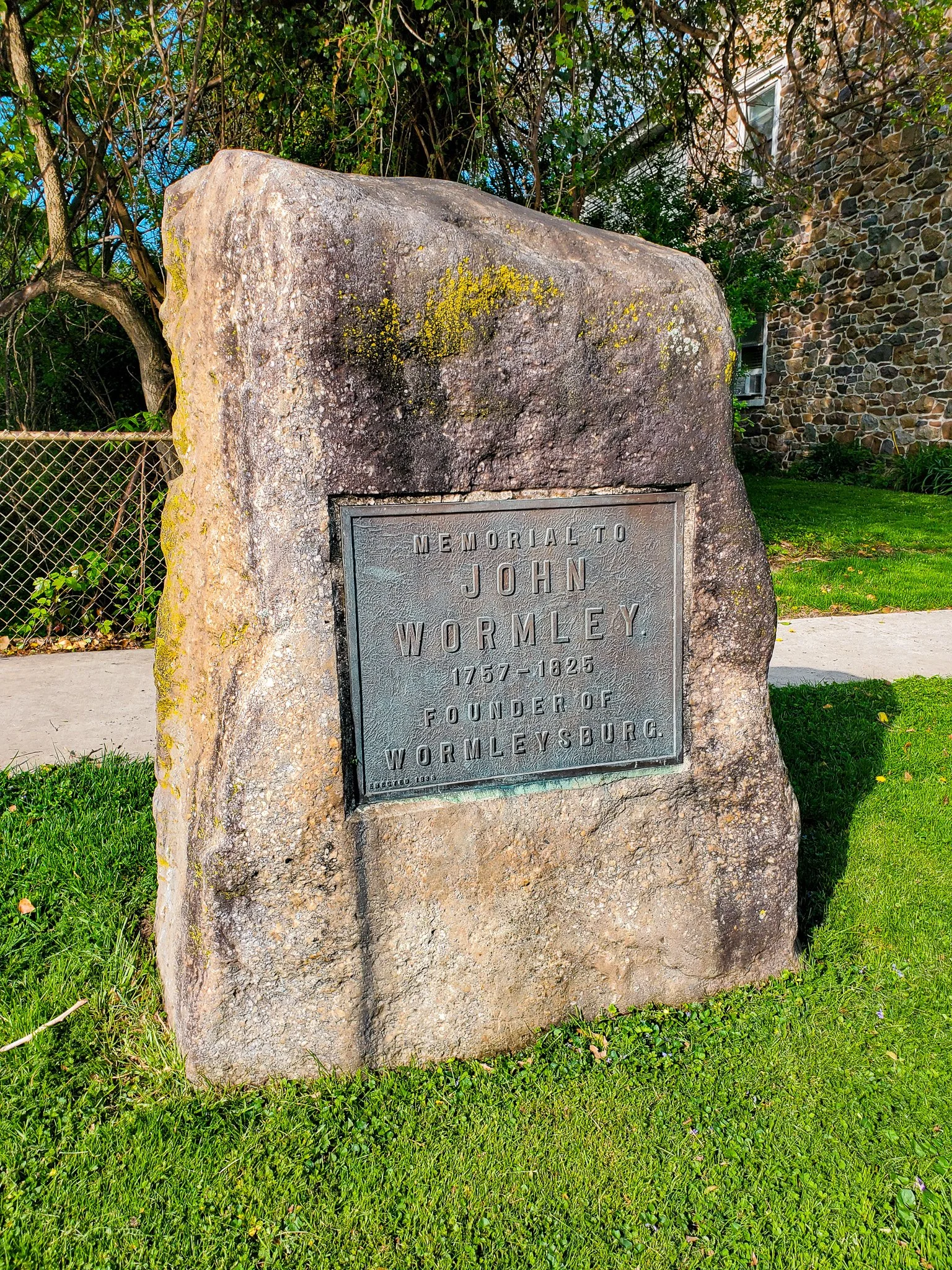
John Wormley Memorial
ENOLA
The town was named after the daughter of Francis Miller who donated two acres for the railroad station. Until 1956, Enola had the largest railroad freight yard in the world. It developed around the 300 acre yard complex starting around 1905. During WWII, this yard operated 217 sets of tracks and handled up to 10,000 cars daily. The Squeaky Rail diner provides a railroad themed atmosphere and Kristy’s Whistle Stop is a 50’s themed ice cream and sandwich shop.
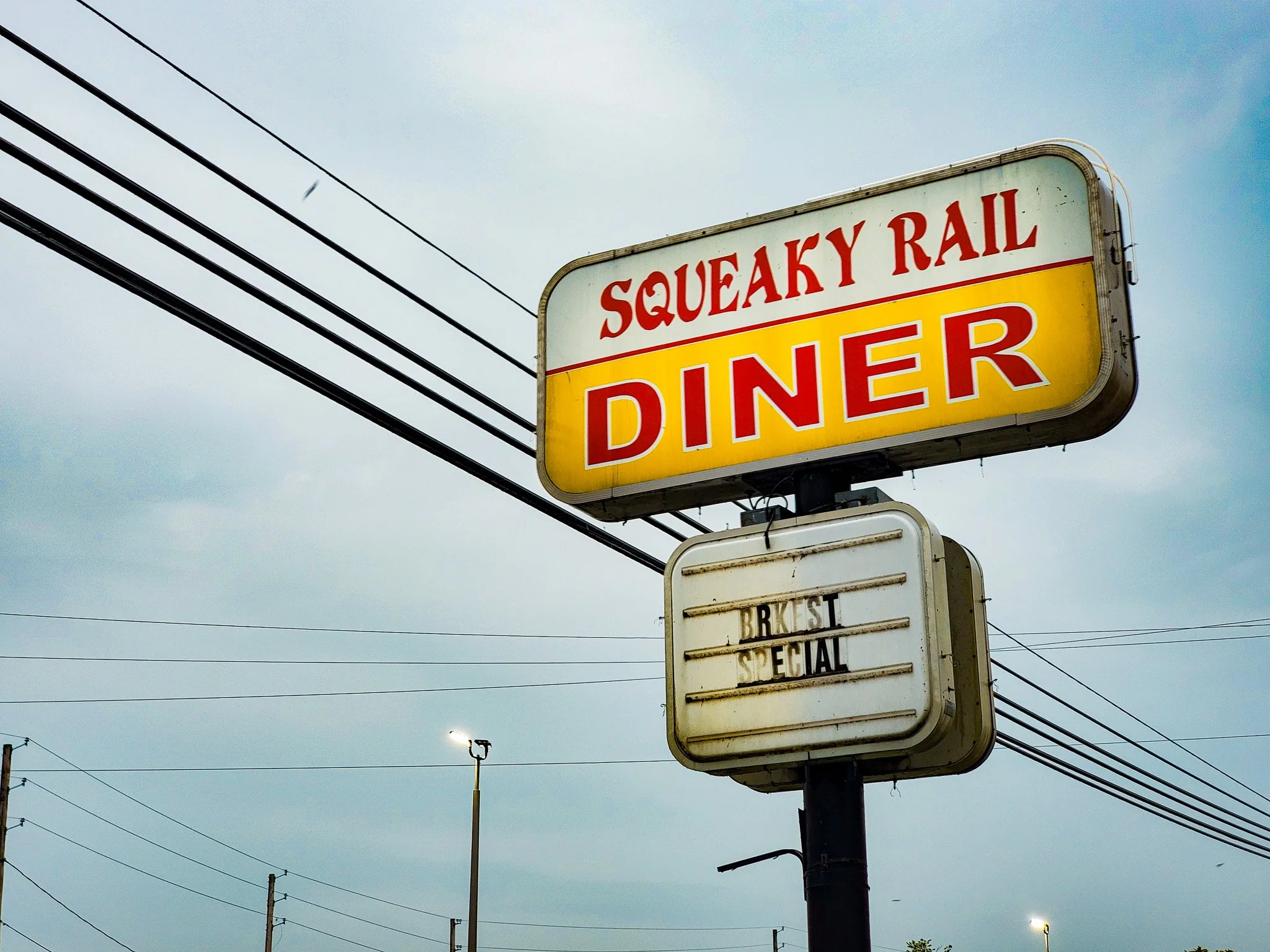
Squeaky Rail Diner
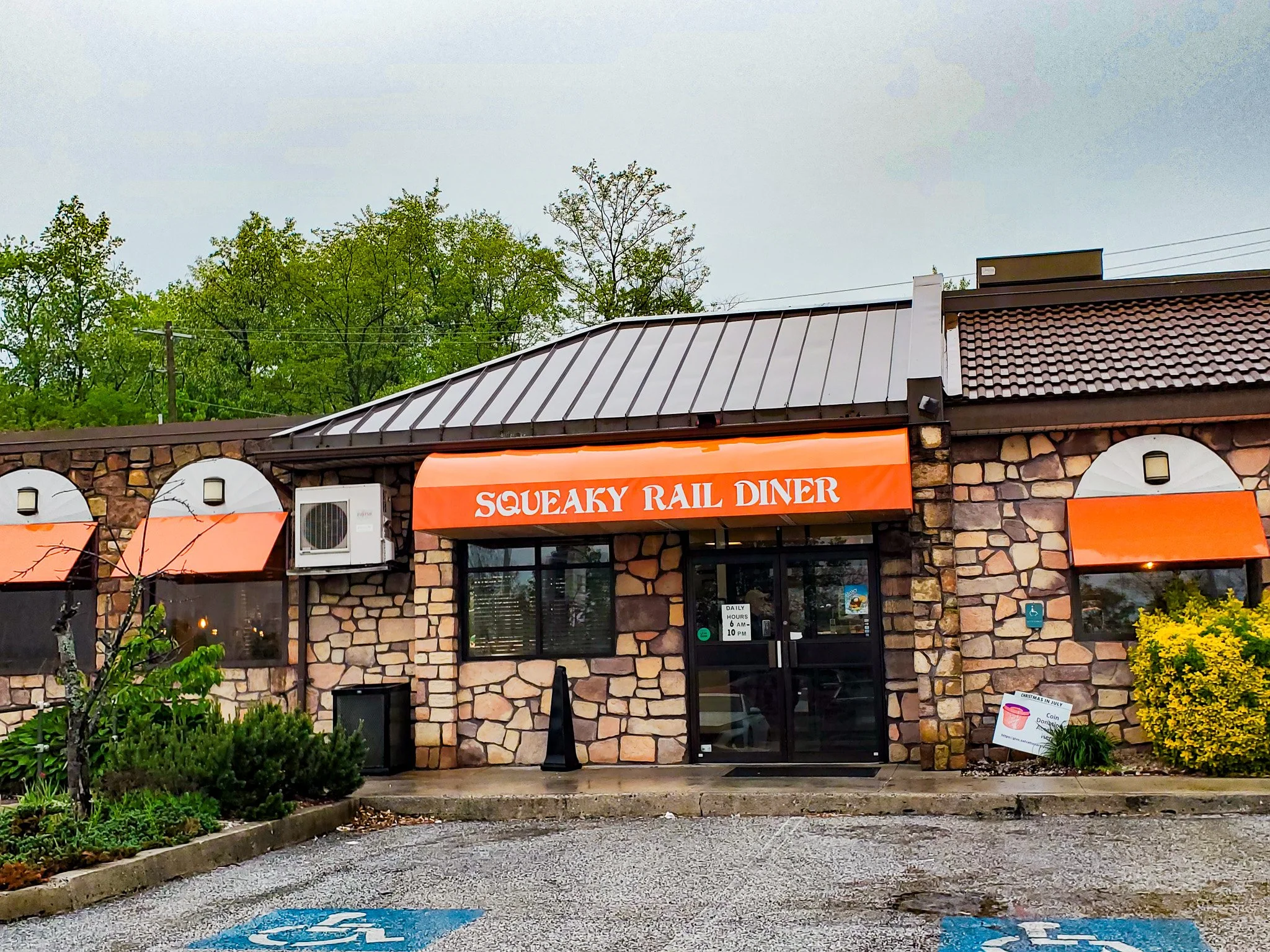
Squeaky Rail Diner
MARYSVILLE
Marysville was settled in 1755, and incorporated into the borough of Haley in 1866, becoming Marysville in 1867. The Rockville Bridge, which opened in 1902, crosses the Susquehanna River connecting Marysville to Rockville on the eastern side. With 48 seventy foot spans, it is 3,280 feet long and recognized as the longest stone masonry arch railroad bridge in the world. US 11 remains on the west side of the Susquehanna River as it passes through Marysville, and as the road continues north, the Miniature Statue of Liberty built on an old bridge piling in the Dauphin Narrows section of the river becomes visible.
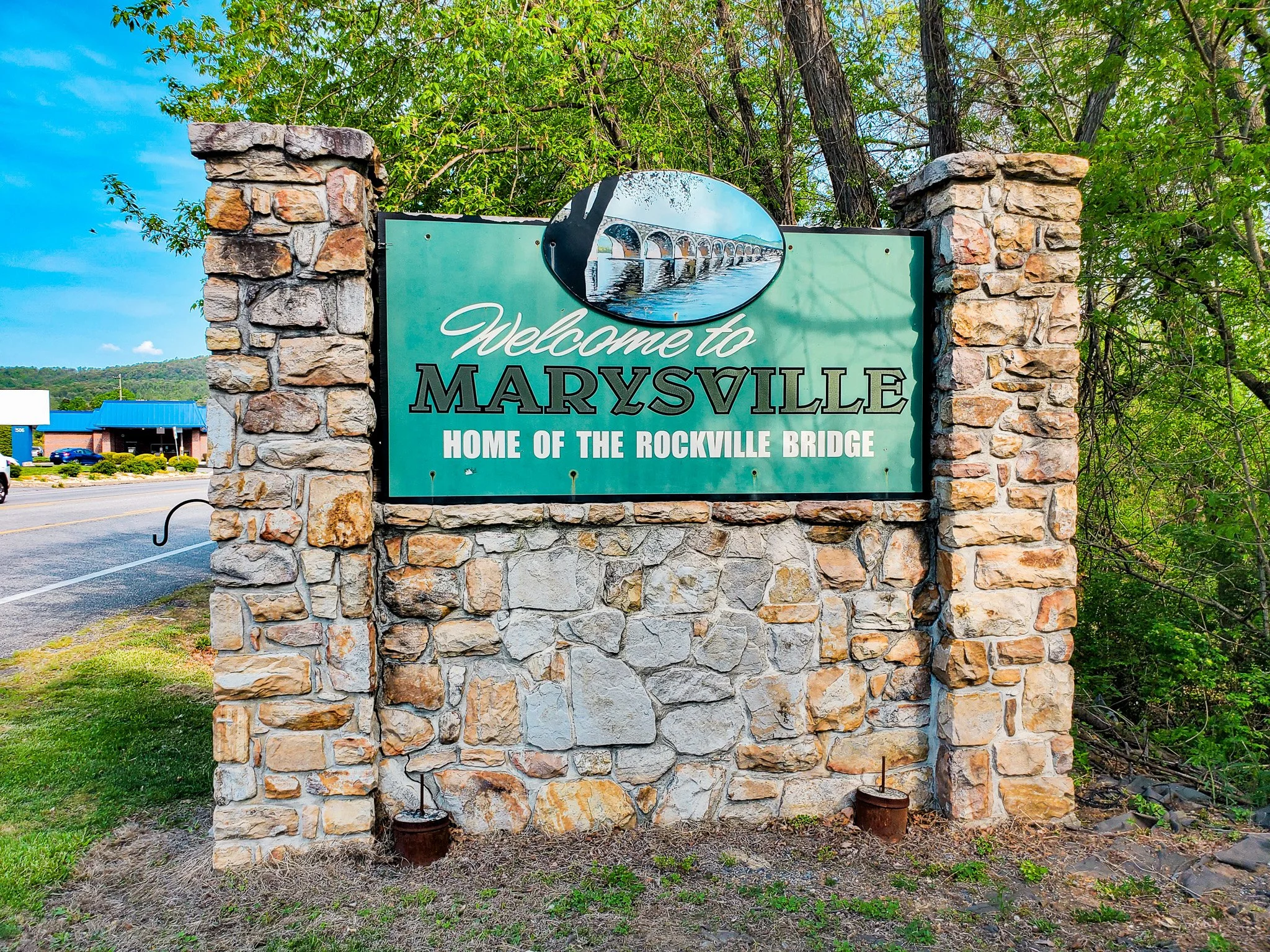
Welcome to Marysville Sign
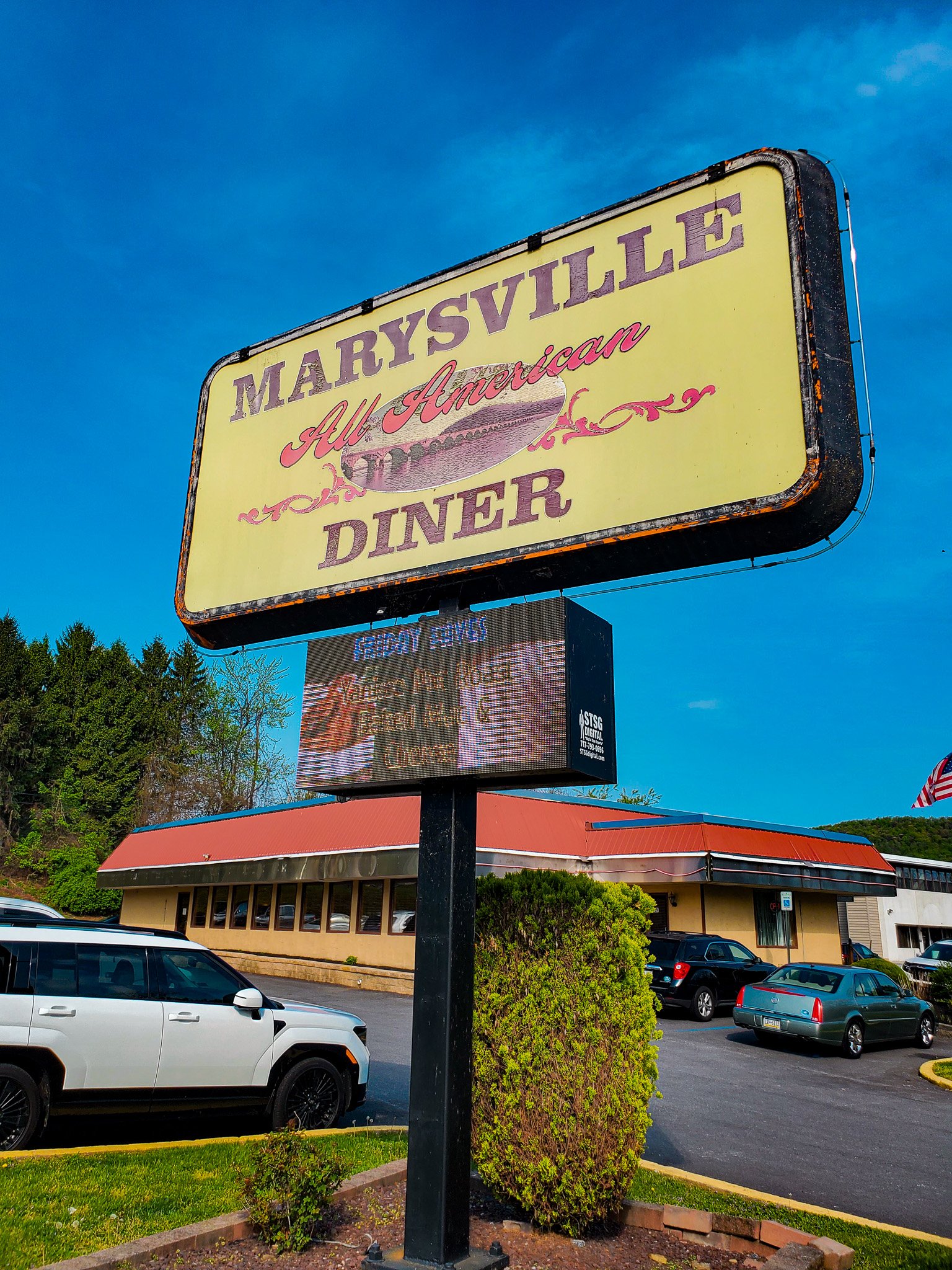
Marysville Diner
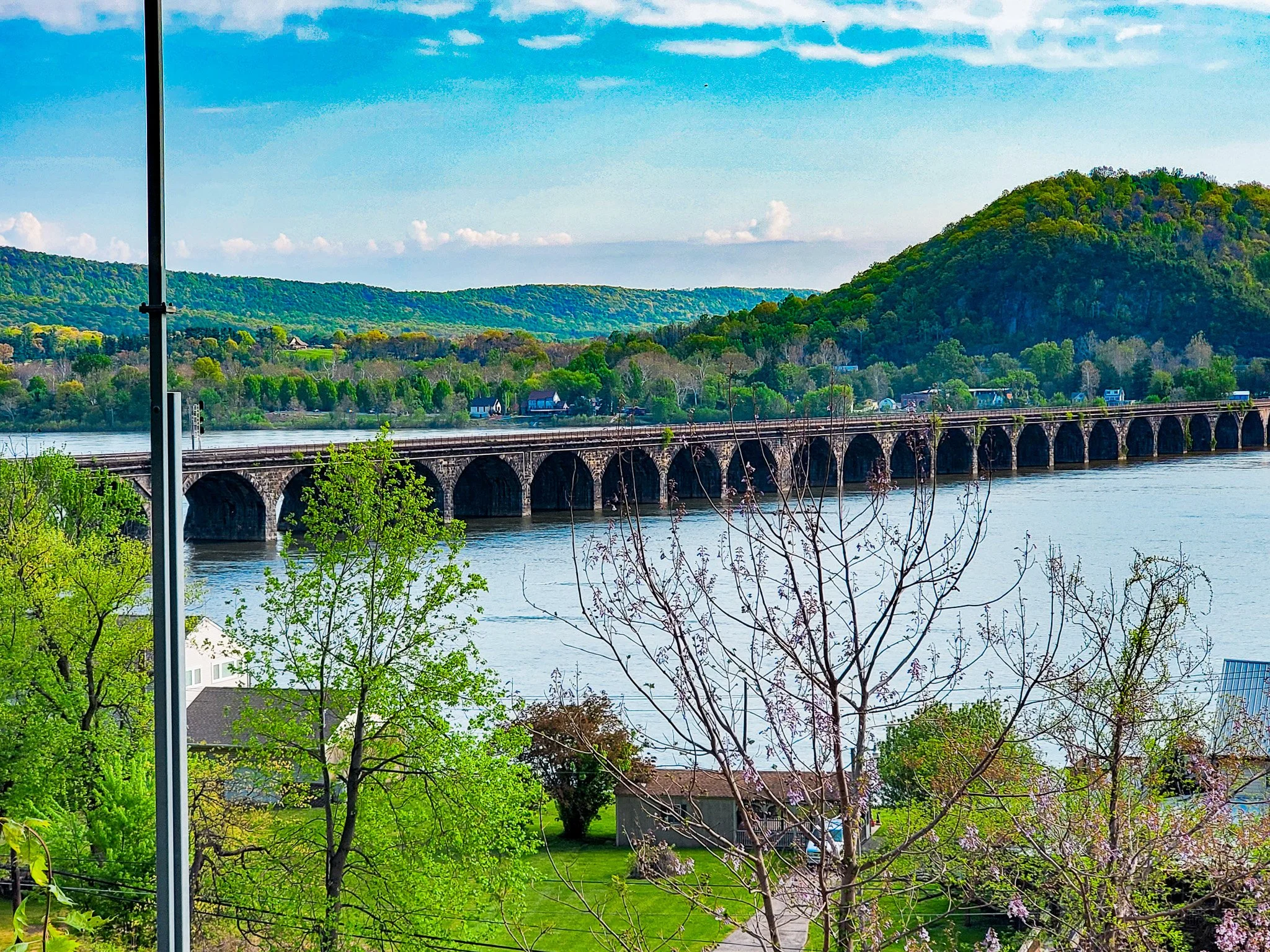
Rockville Bridge
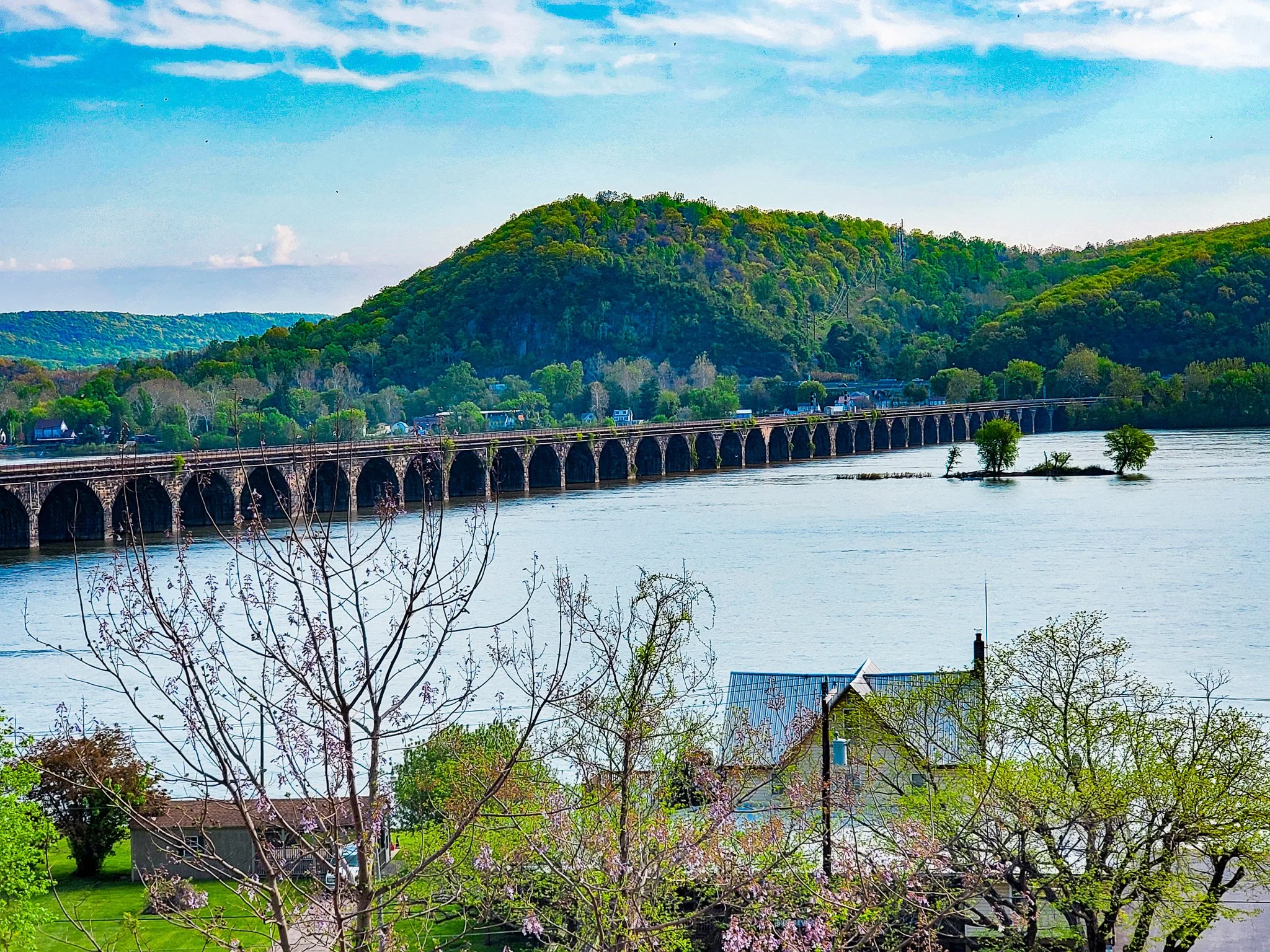
Rockville Bridge
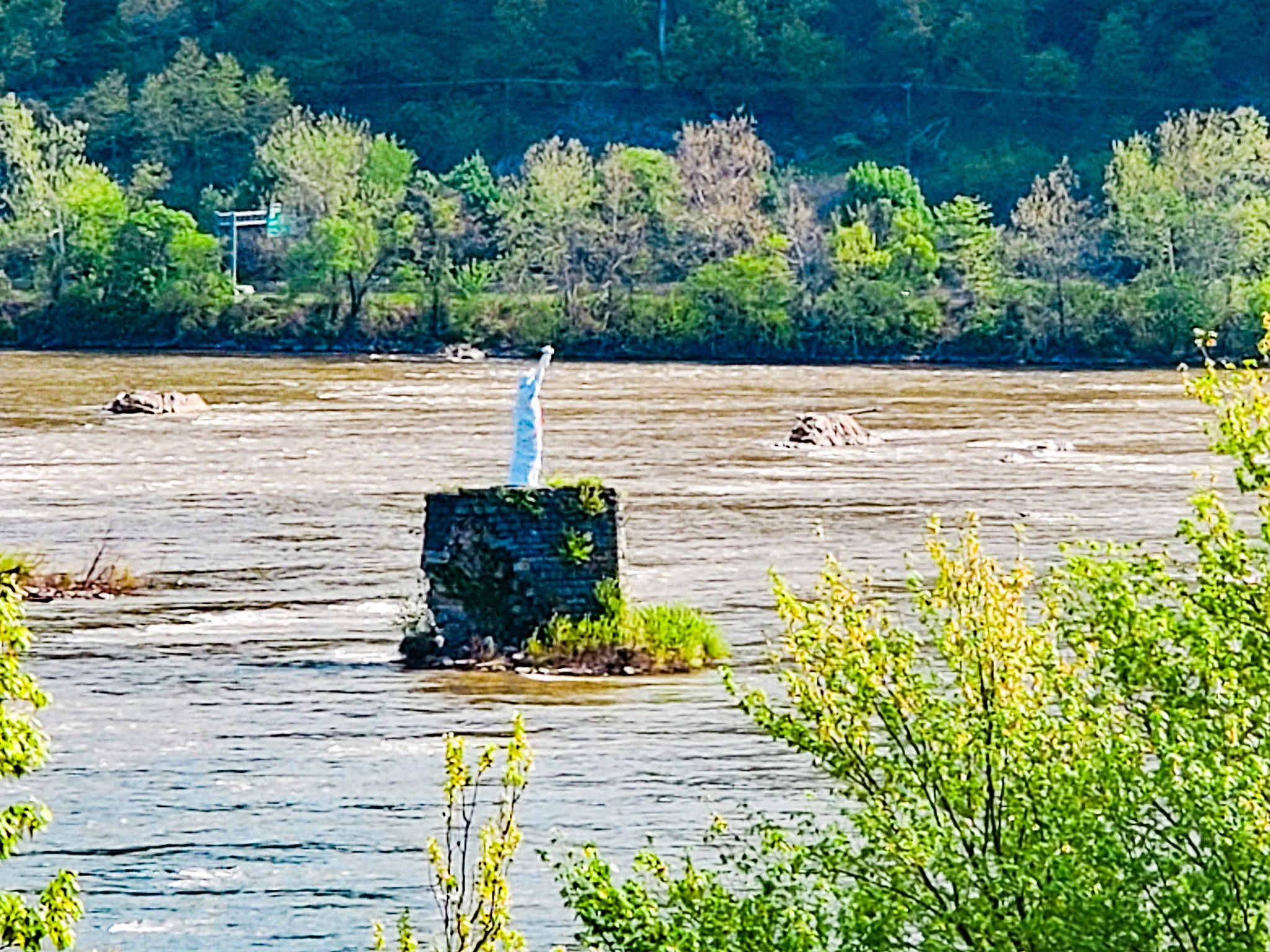
Statue of Liberty at Dauphin Narrows
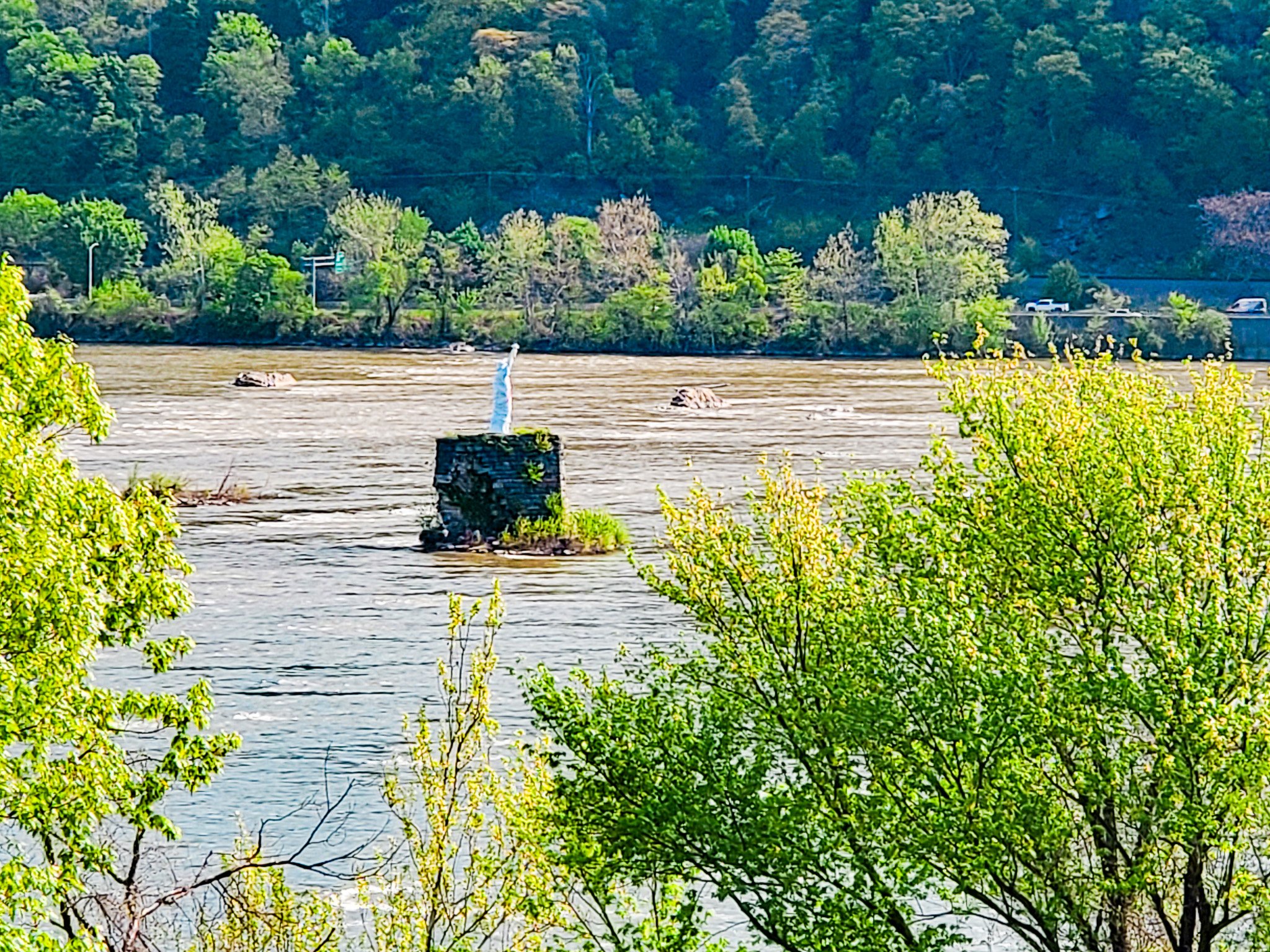
Statue of Liberty at Dauphin Narrows
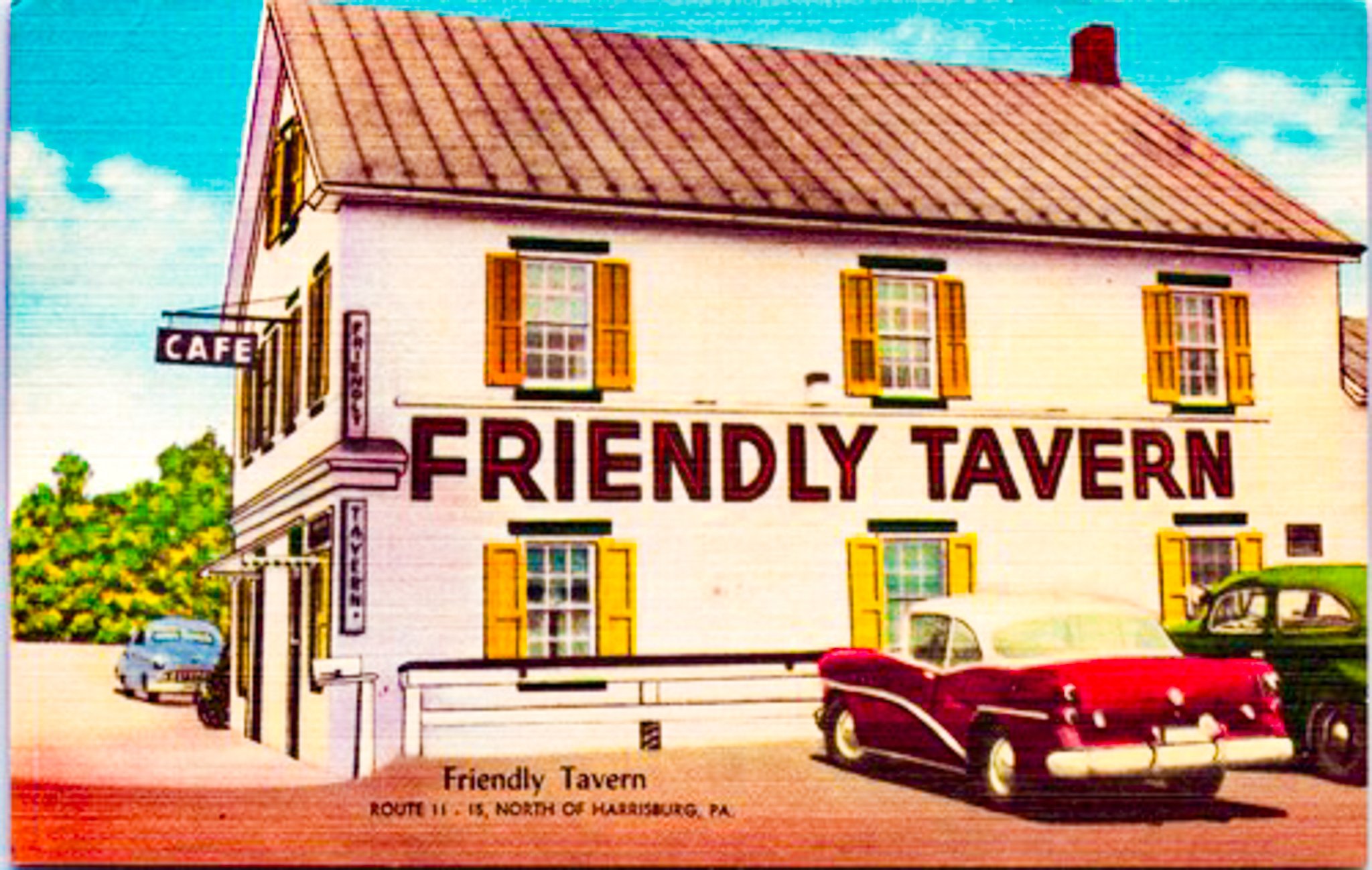
Friendly Tavern Postcard
SUSQUEHANNA RIVER
The river is named after the Susquehannock people, an Iroquoian-speaking Native American nation that inhabited the region at the time of European contact. The name originates from Algonquian, Lenape, or Susquehannock terms, often translated as "Siskuwihane” meaning "muddy river" or "Oyster river" or "the stream that falls toward the south". The river is 464 miles long, the longest on the East Coast, stretching from New York to the Chesapeake Bay in Maryland.
COVE
The Cove Barn Antique and Flea Market south of Duncannon offers collectibles, vintage items and furniture and is open Wednesday through Sunday.
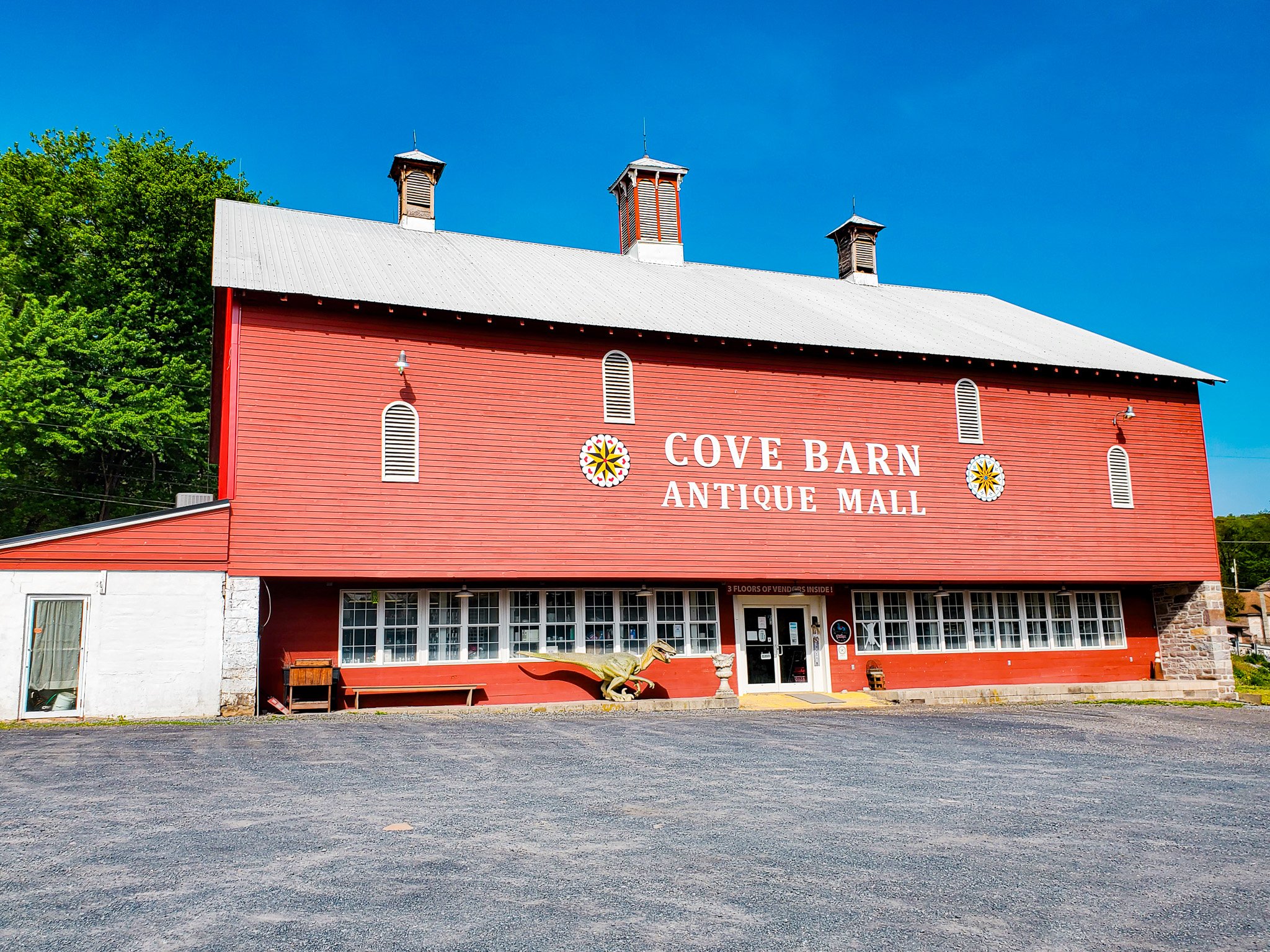
Cove Barn Antique Mall
DUNCANNON
Settled in 1792, the town was named for Duncan’s Island in the Susquehanna River. The Appalachian Trail runs through the town’s streets. In town, the historic Doyle Hotel is hiker-friendly. As you enter town, N. Market Street is an old alignment of US 11 that passes through downtown, crosses the Juniata River, intersects with US 22, and rejoins US 15/11 a few miles north. Lumberjack’s Kitchen offers a sea serpent outside in the yard.
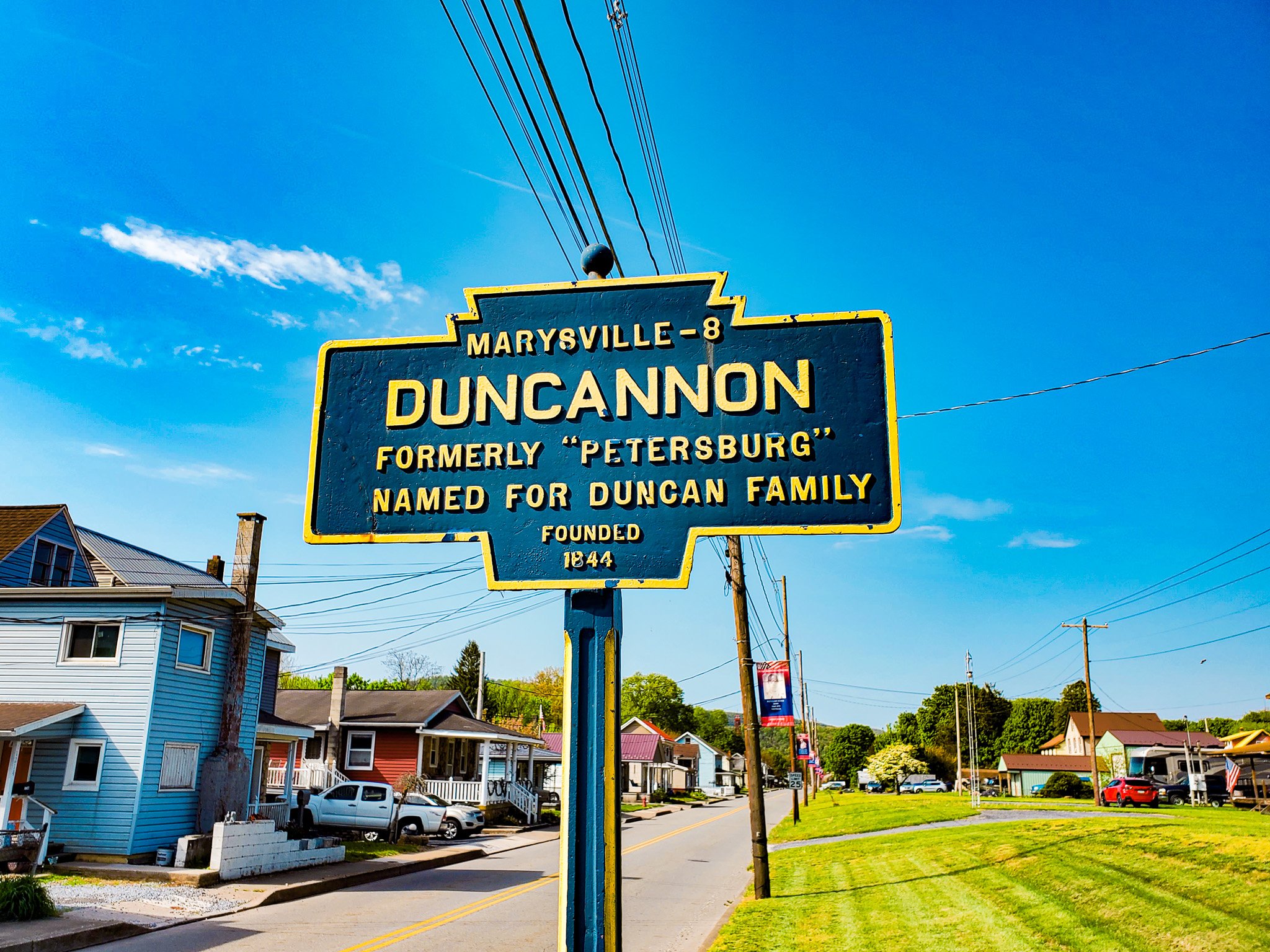
Welcome to Duncannon Sign
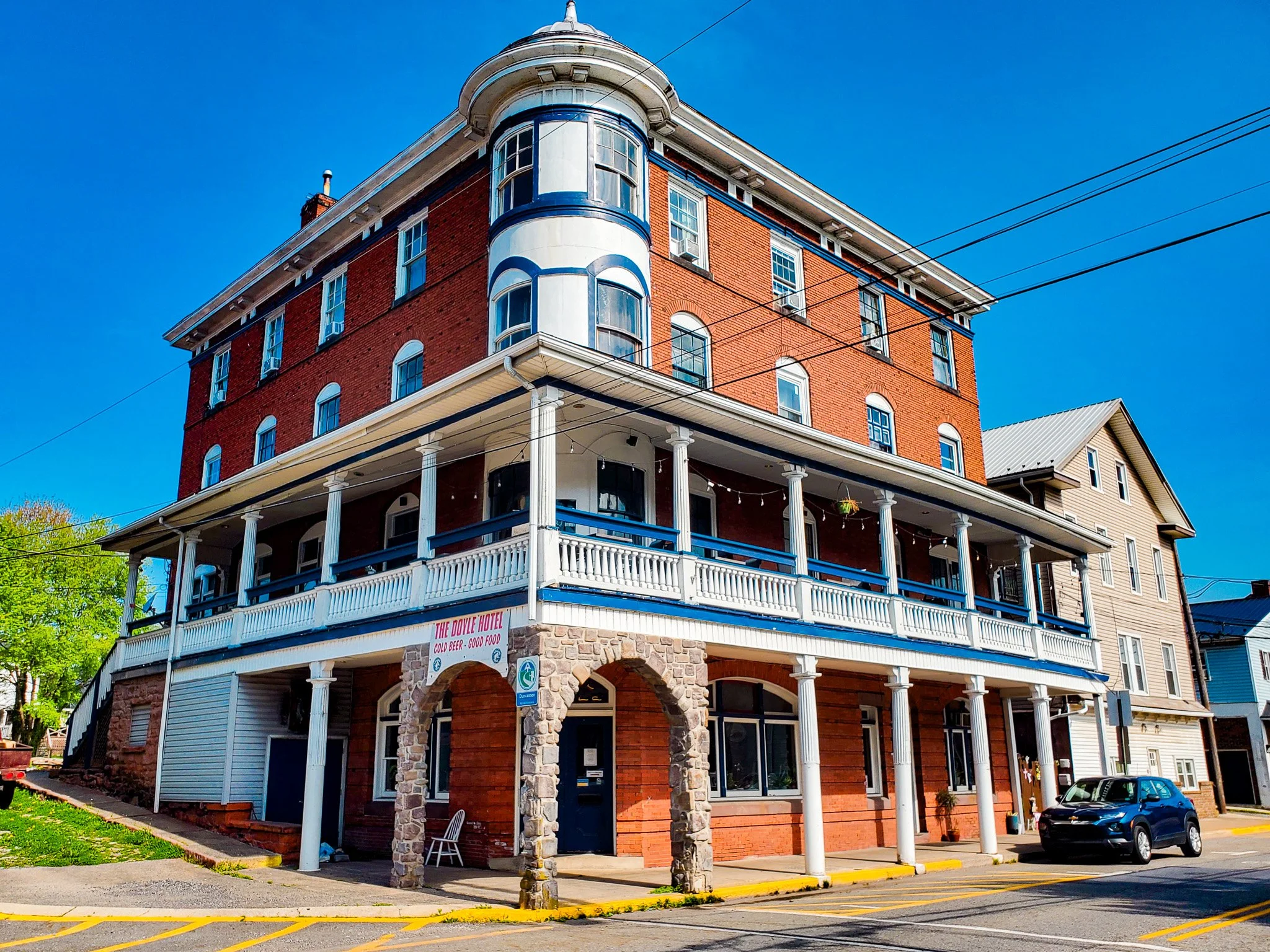
Doyle Hotel
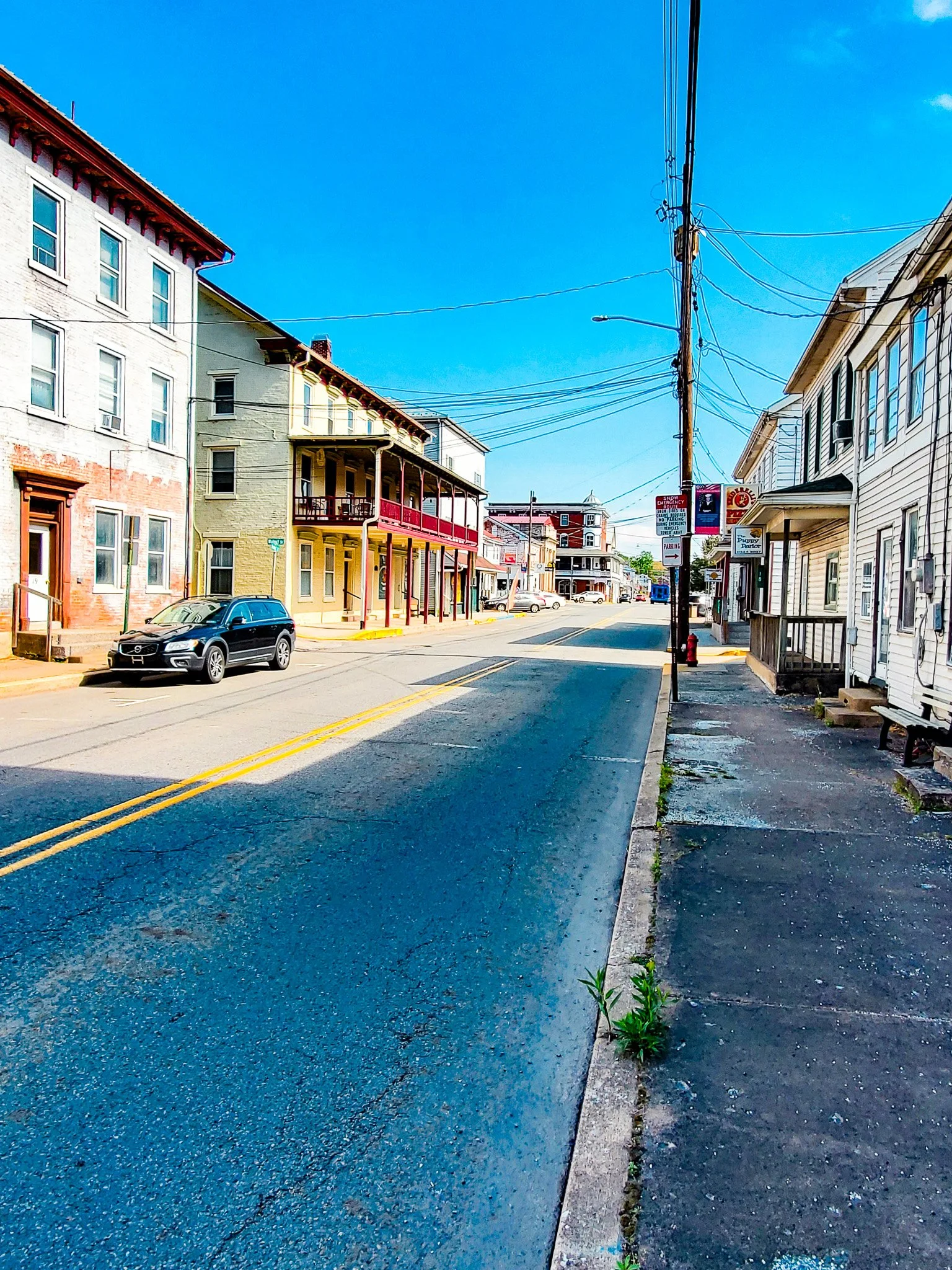
Main Street
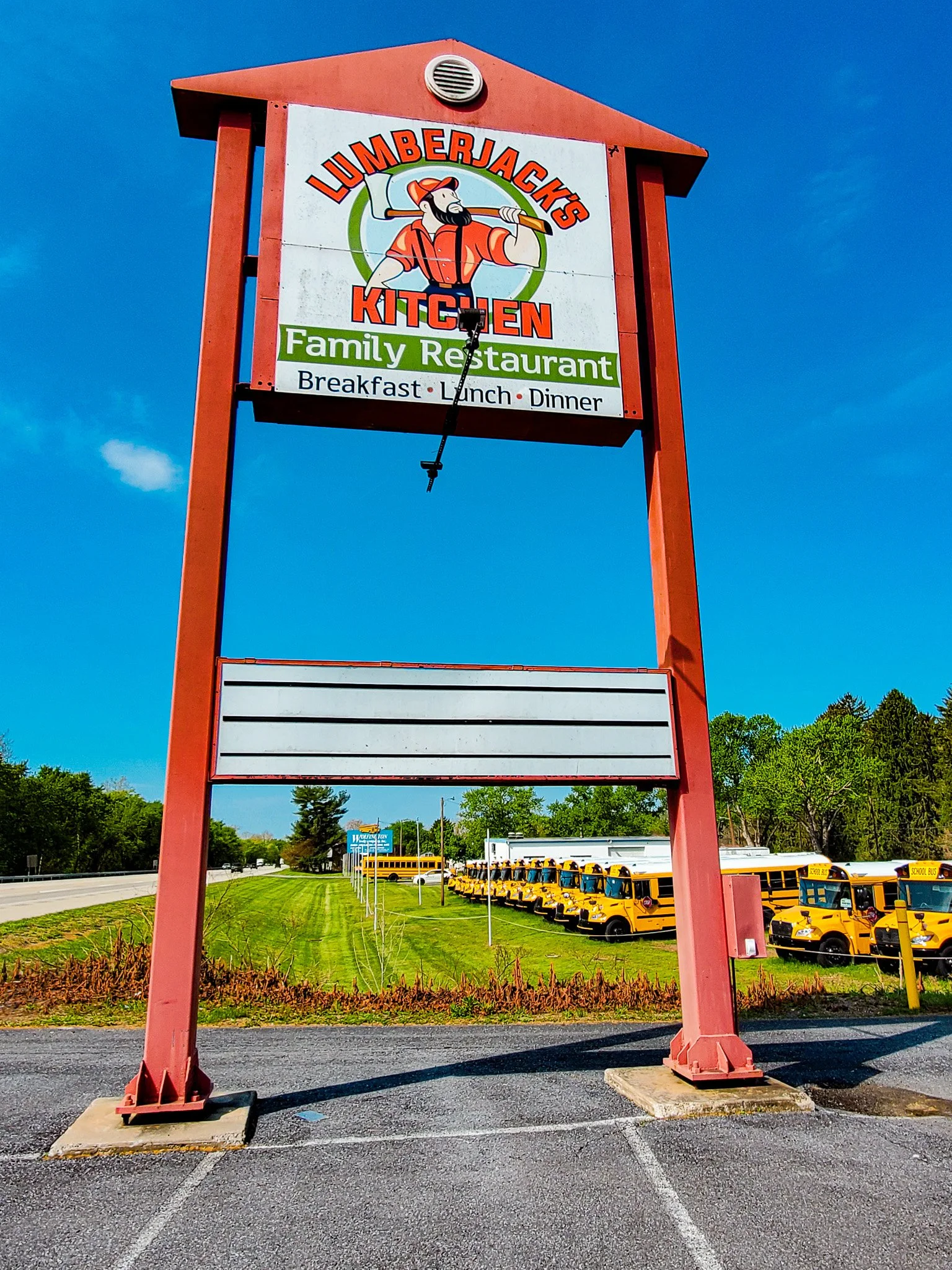
Lumberjack's Kitchen Restaurant
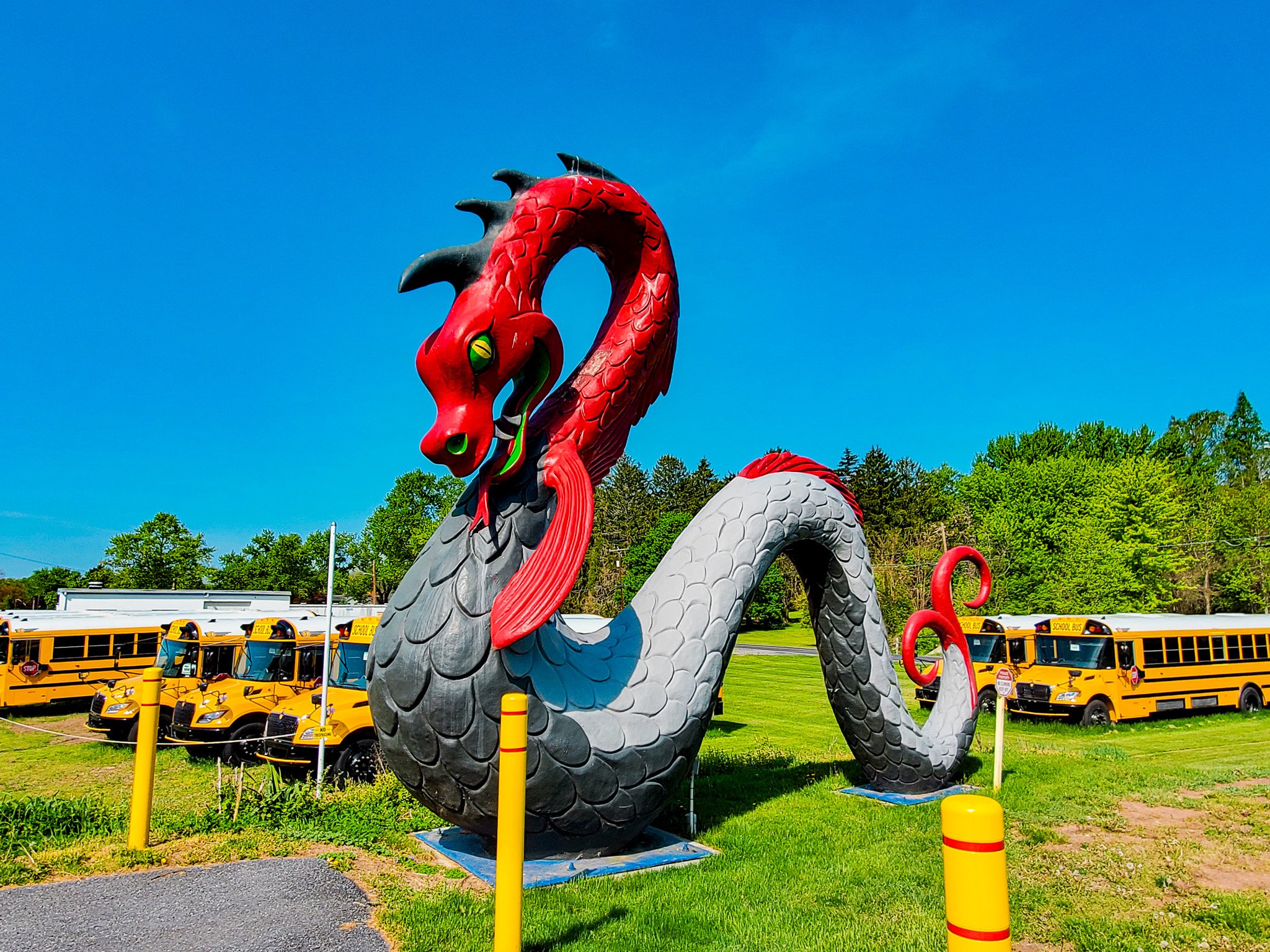
Lumberjack's Kitchen Restaurant
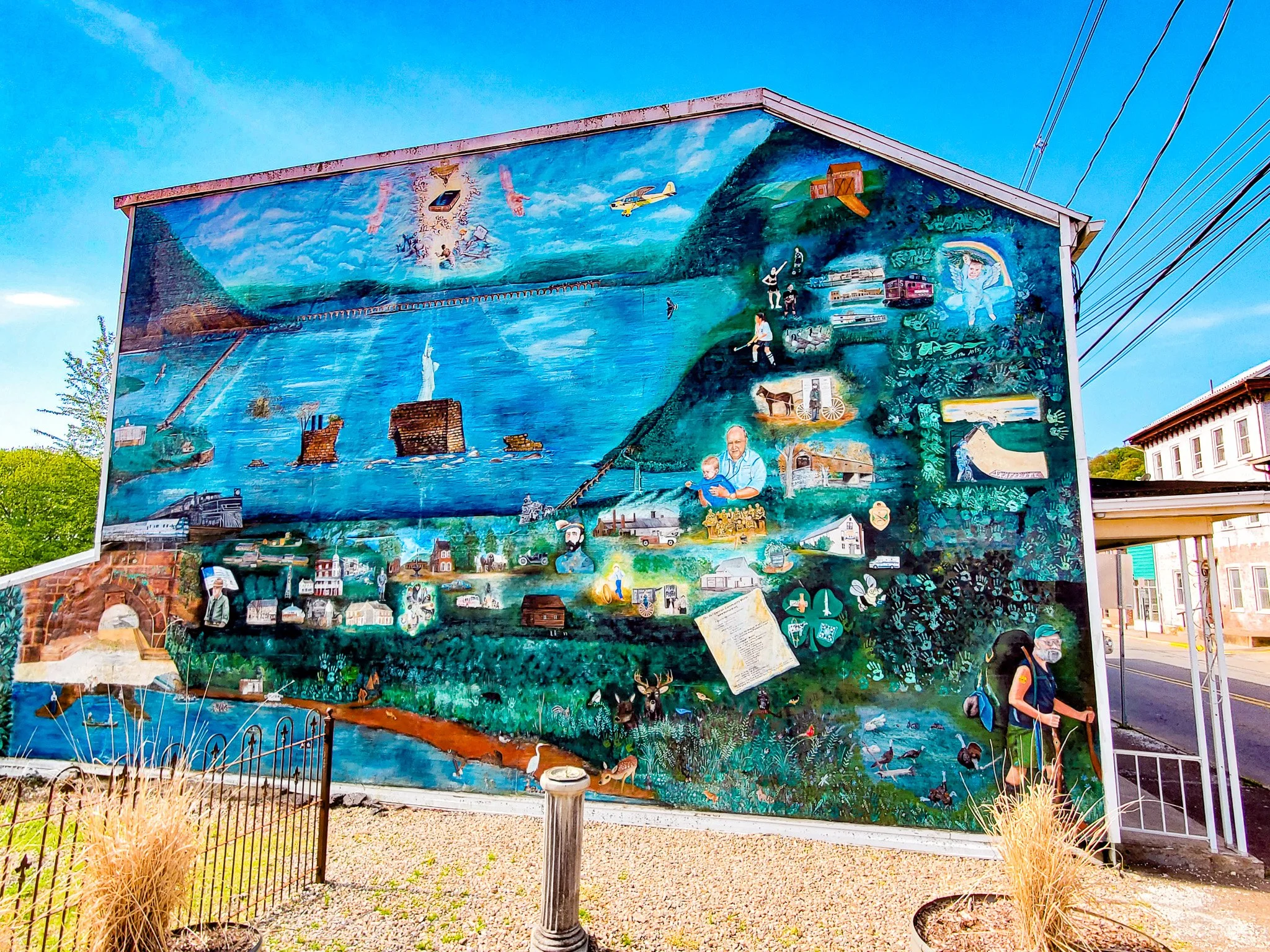
Downtown Mural
LIVERPOOL
The town was founded in 1808 by a family from Liverpool England. The Liverpool-Millersburg ferry, also known as Crow's ferry, has been in continuous service since 1817 and is the last wooden double stern-wheel paddleboat operating in the US. It carries vehicles and pedestrians seasonally from May-mid October as traffic dictates, and is just off US 11. Notable bridges in the area include the 1886 Red Covered Bridge (a King-post truss bridge and the only one of its kind remaining in the US), the North Oriental Covered Bridge which is vehicular, and the East Oriental Covered Bridge near by which is pedestrian only.
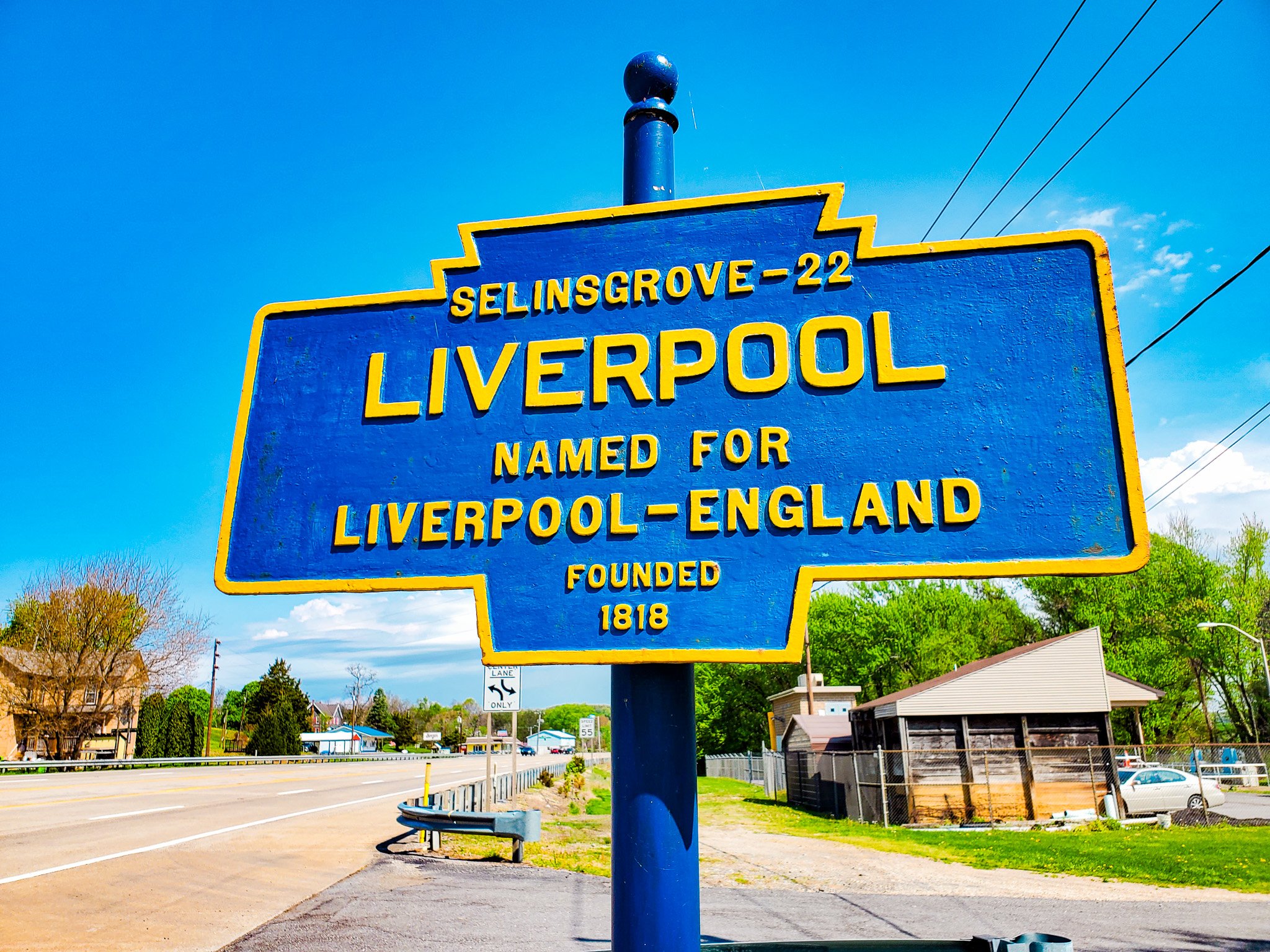
Liverpool Welcome Sign
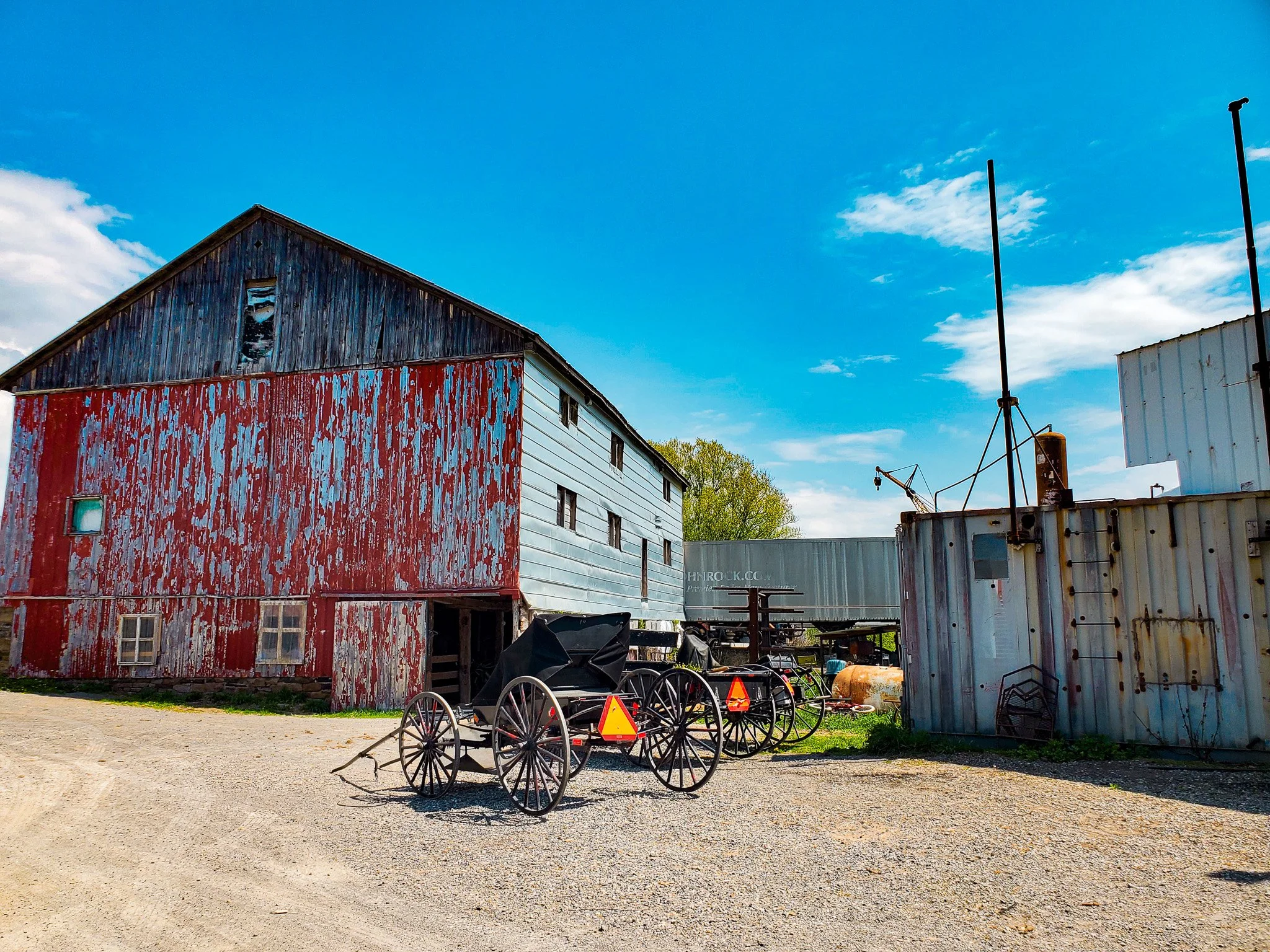
Buggy Repair Shop
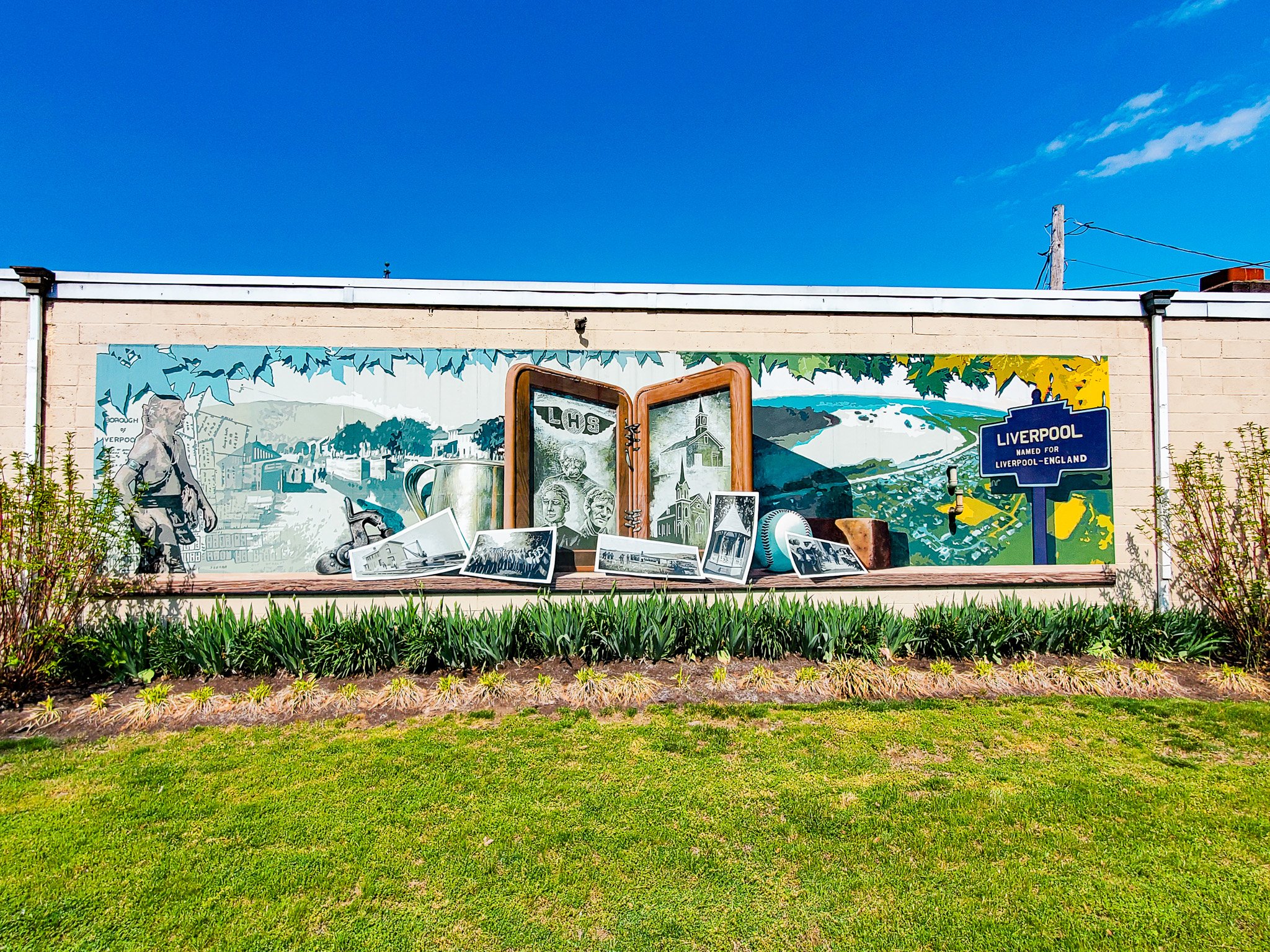
Liverpool Mural
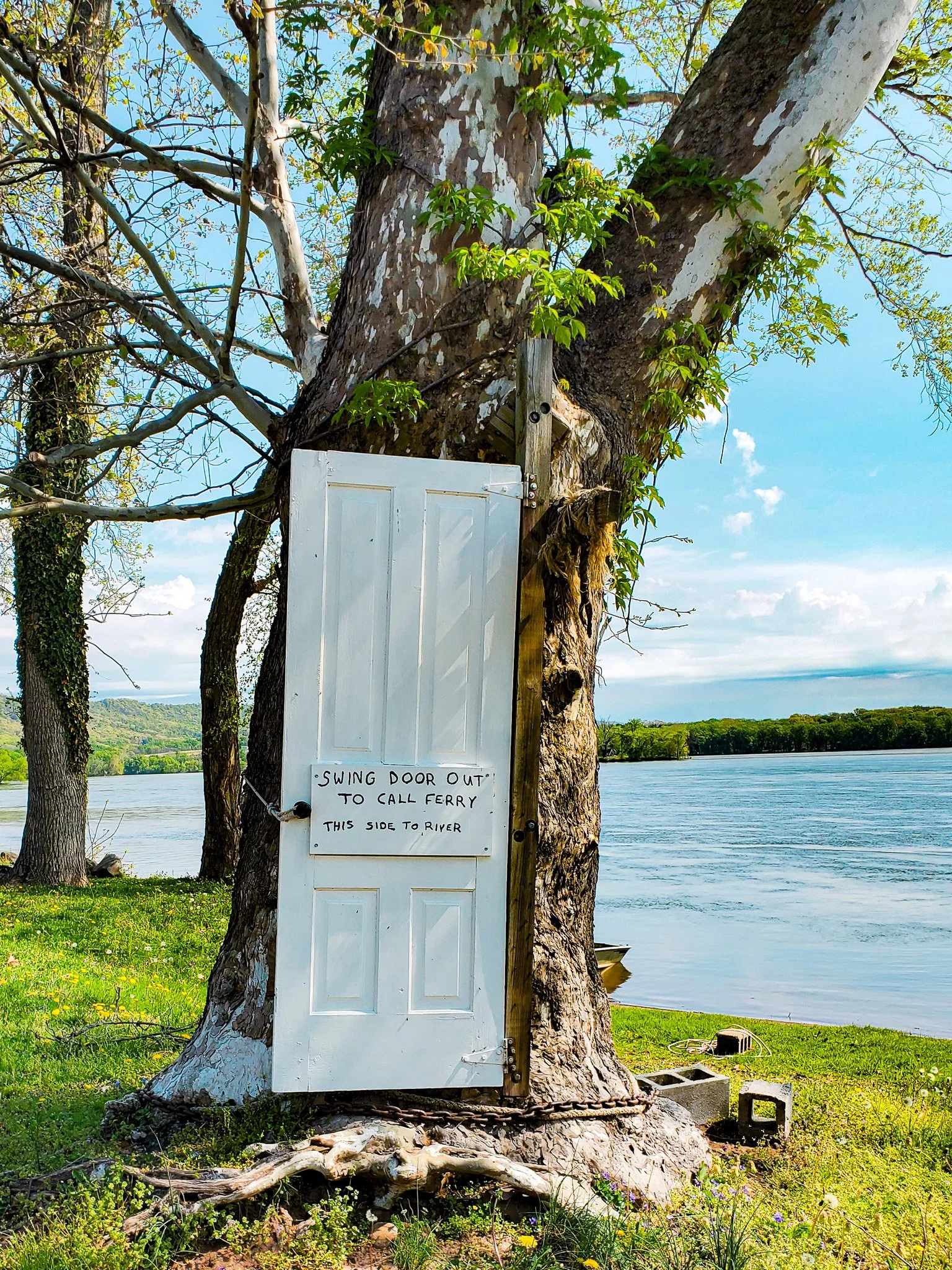
Millersburg Ferry Landing
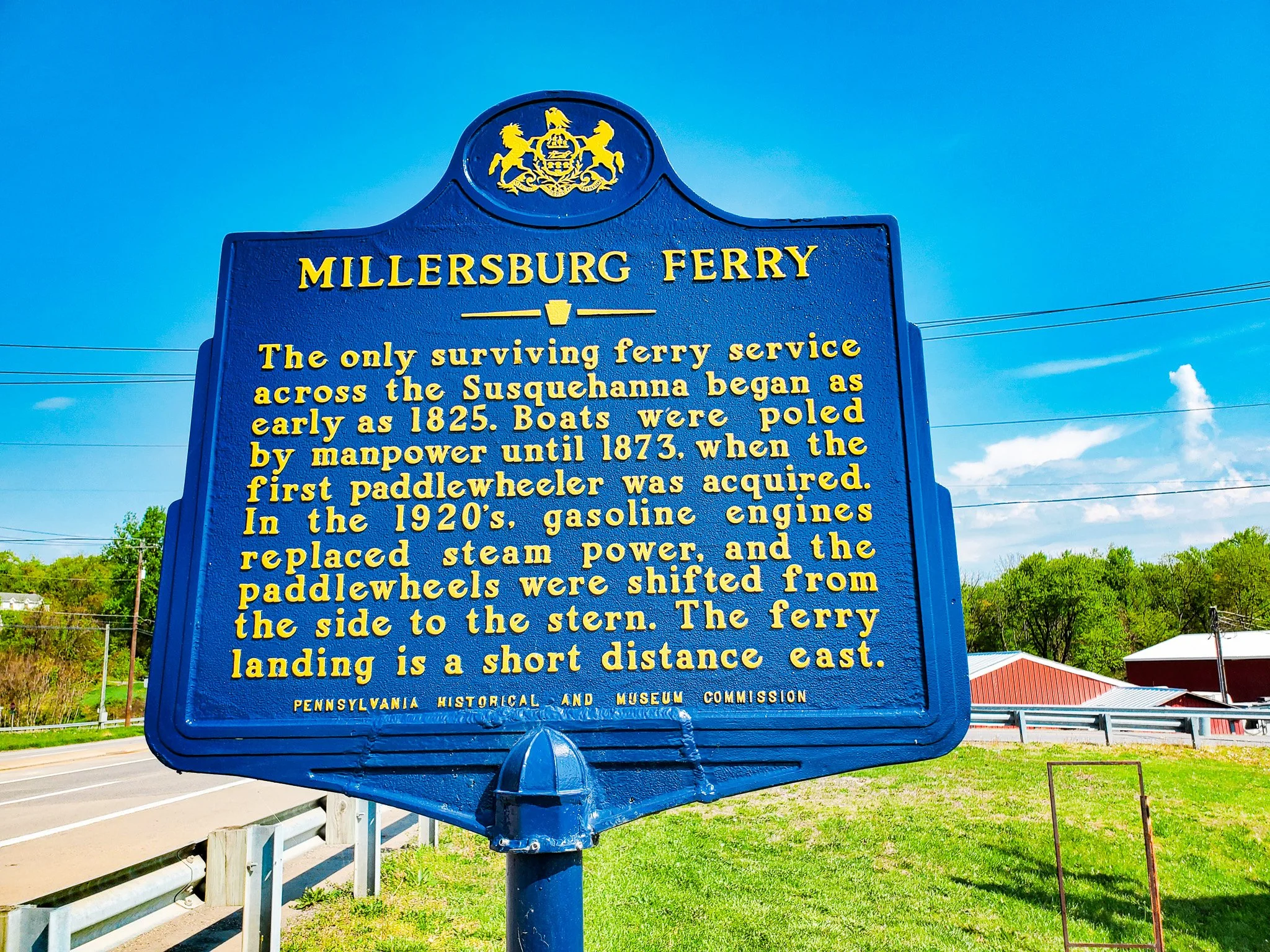
Millersburg Ferry Marker
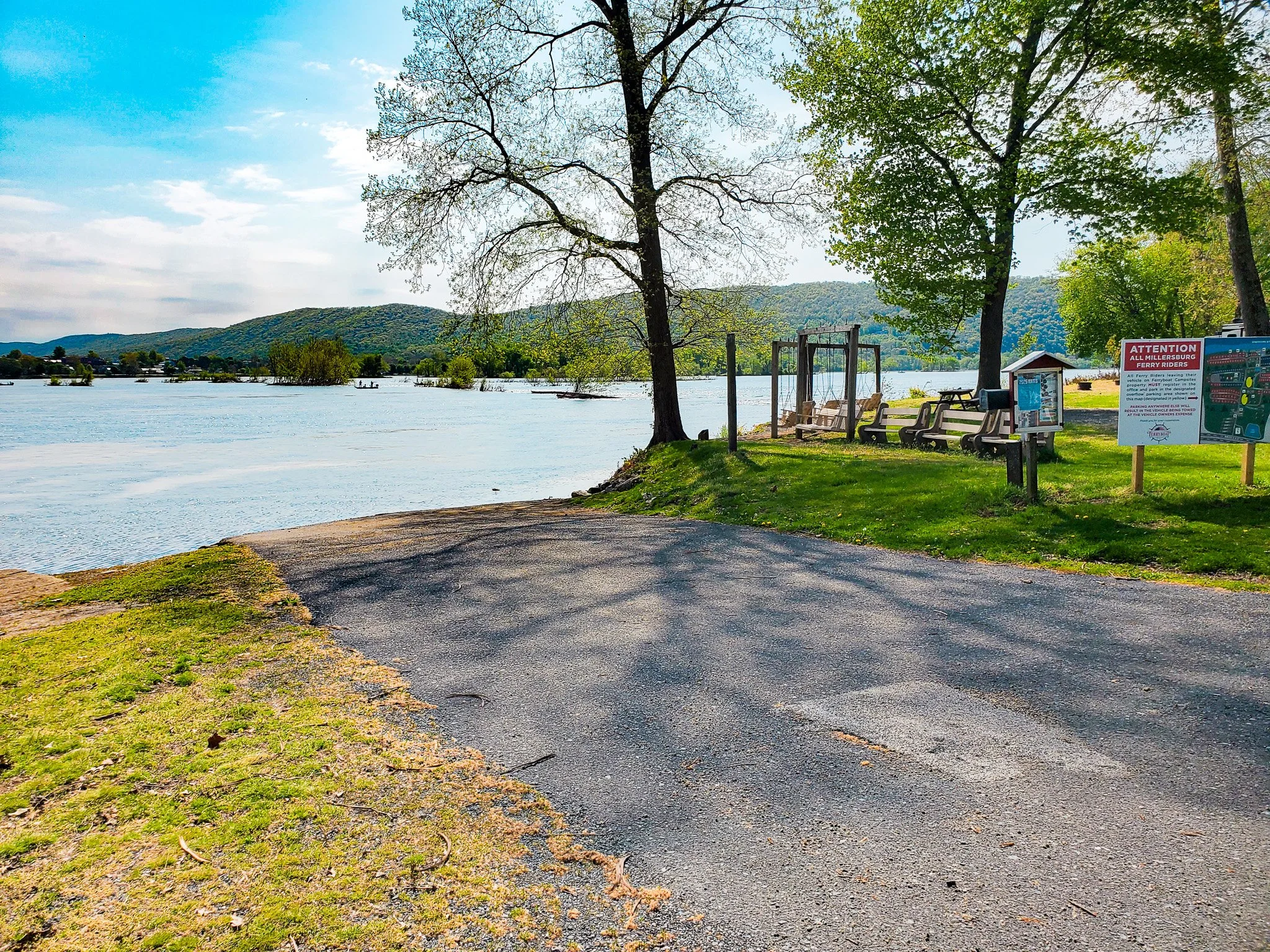
Millersburg Ferry Landing
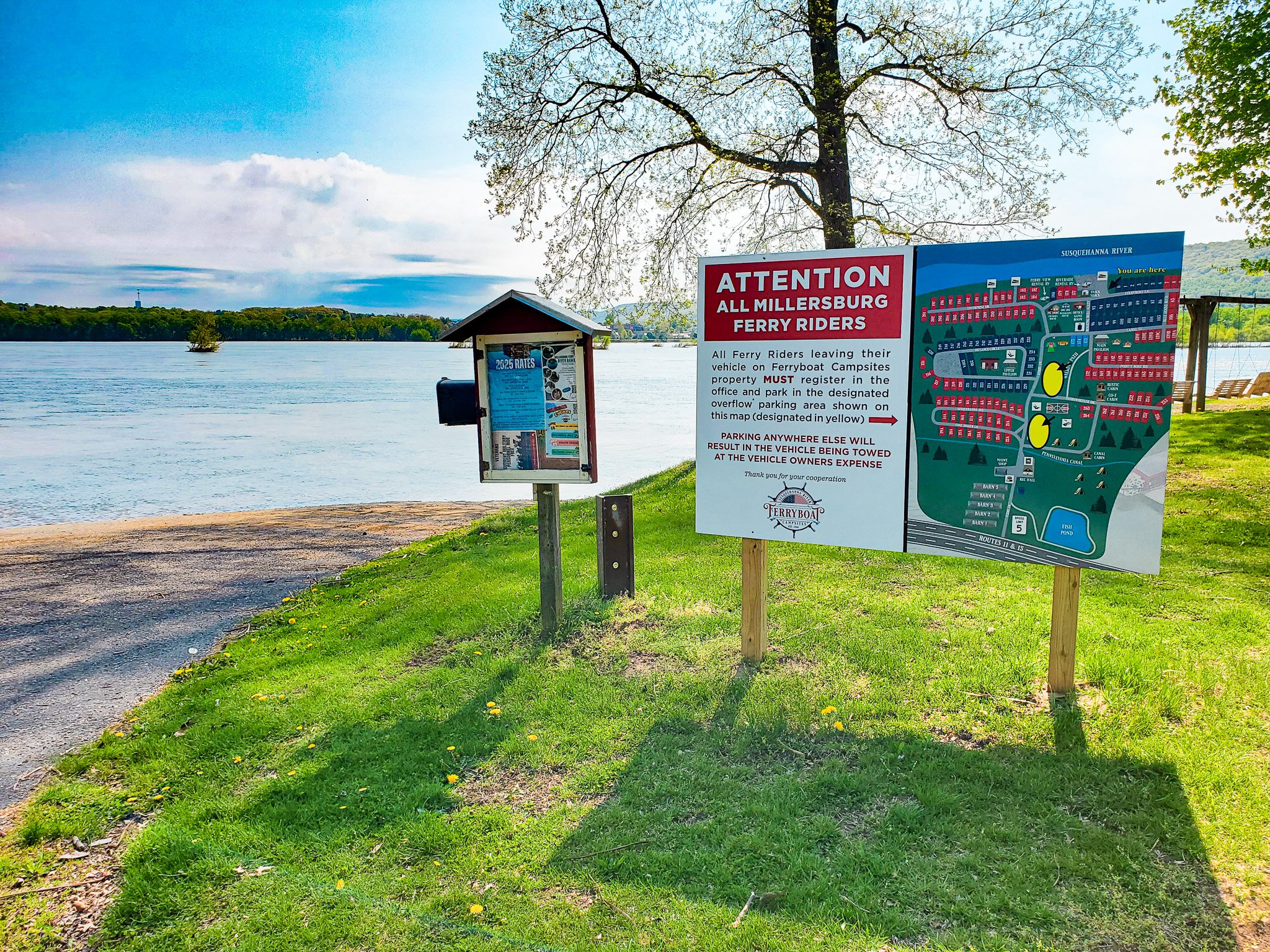
Millersburg Ferry Landing
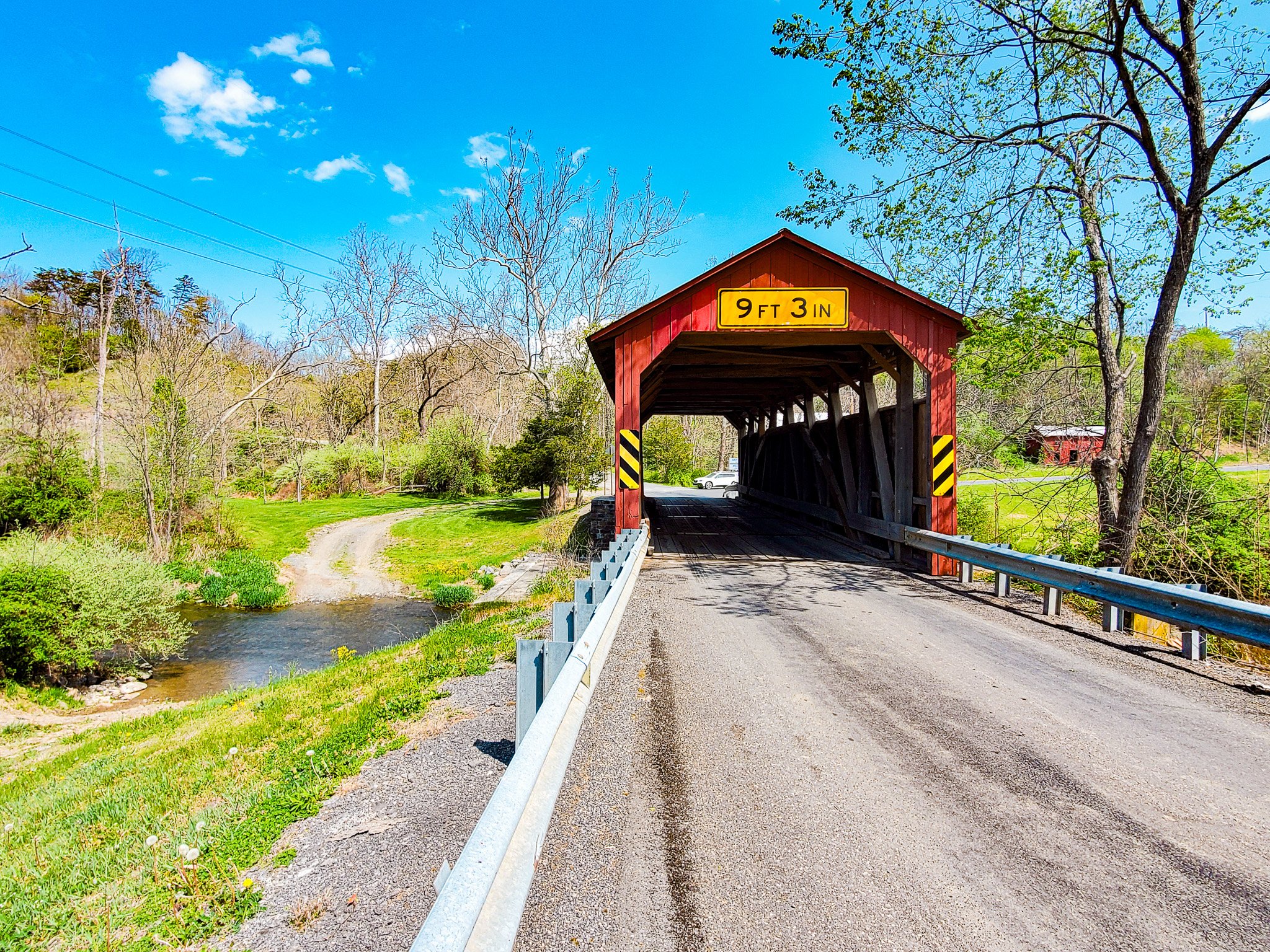
North Oriental Covered Bridge
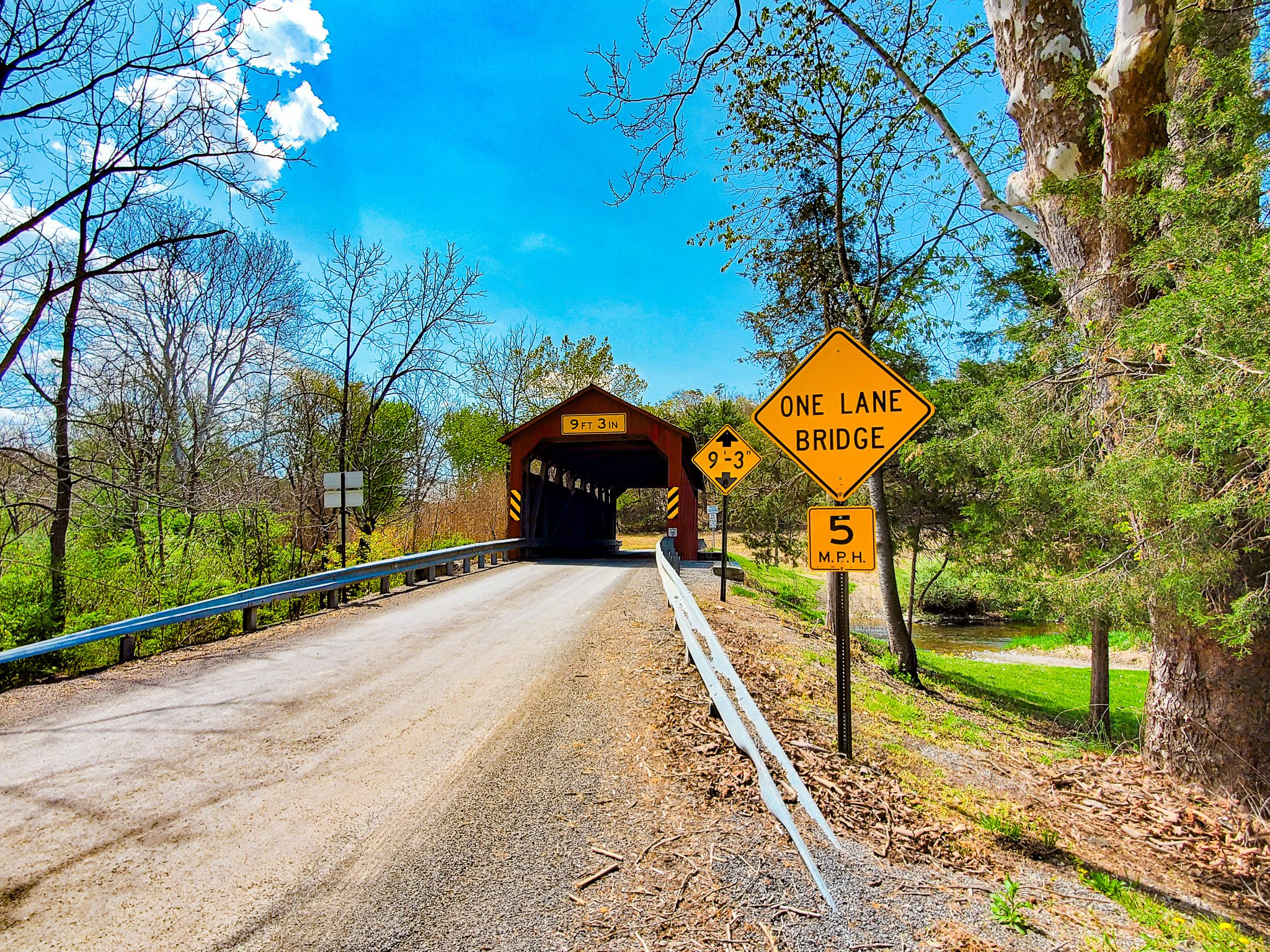
North Oriental Covered Bridge
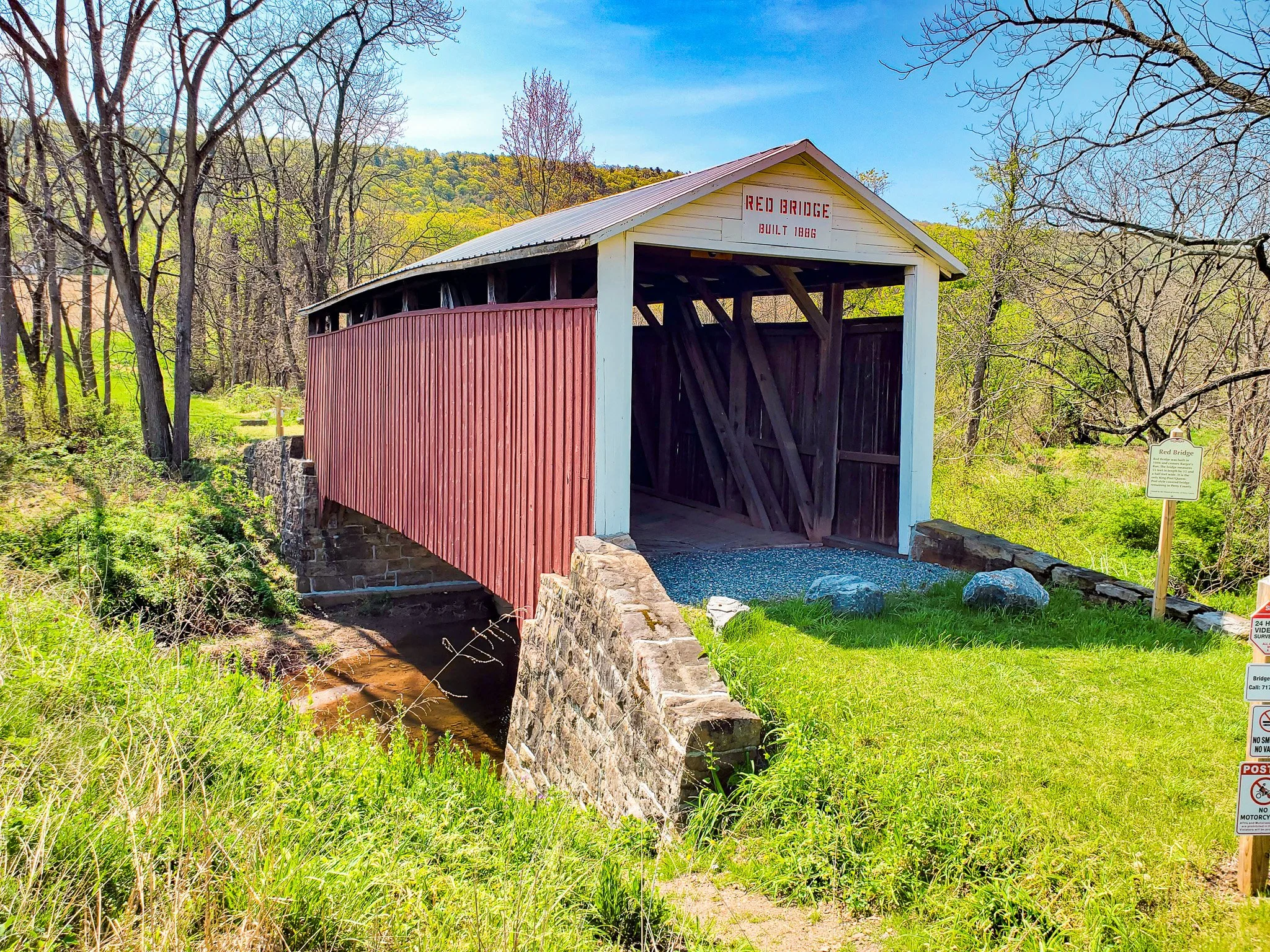
Red Bridge
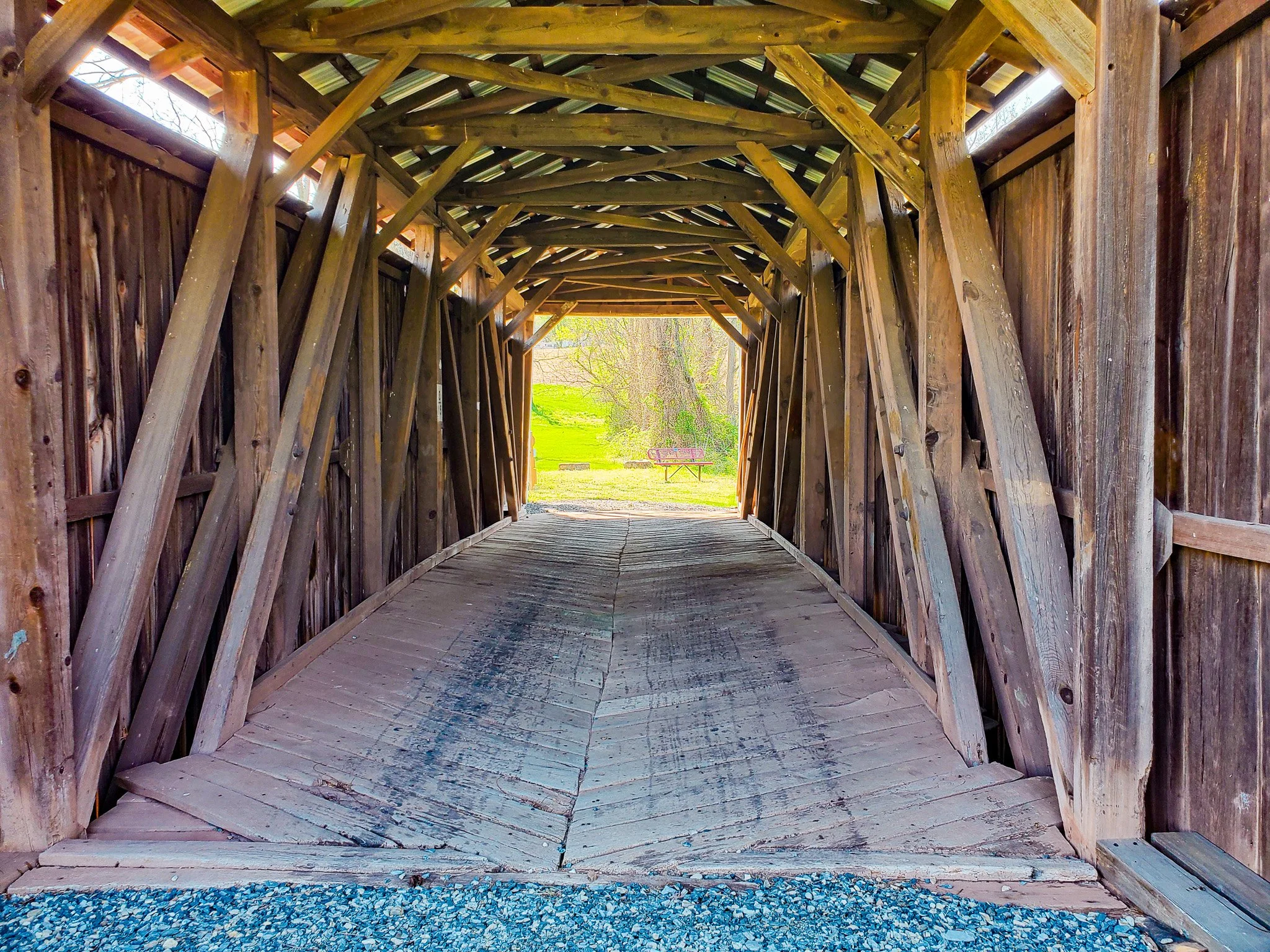
Red Bridge
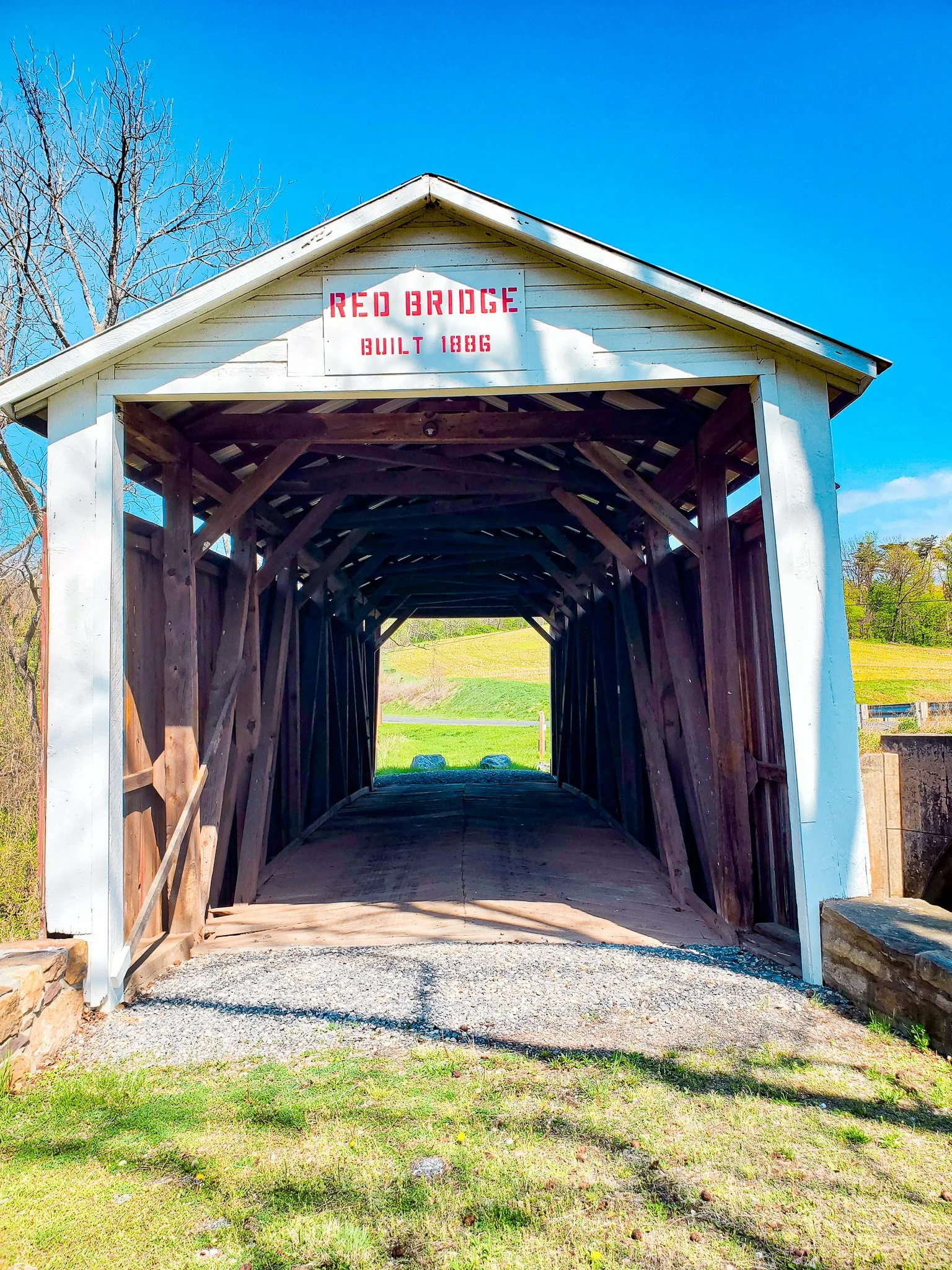
Red Bridge
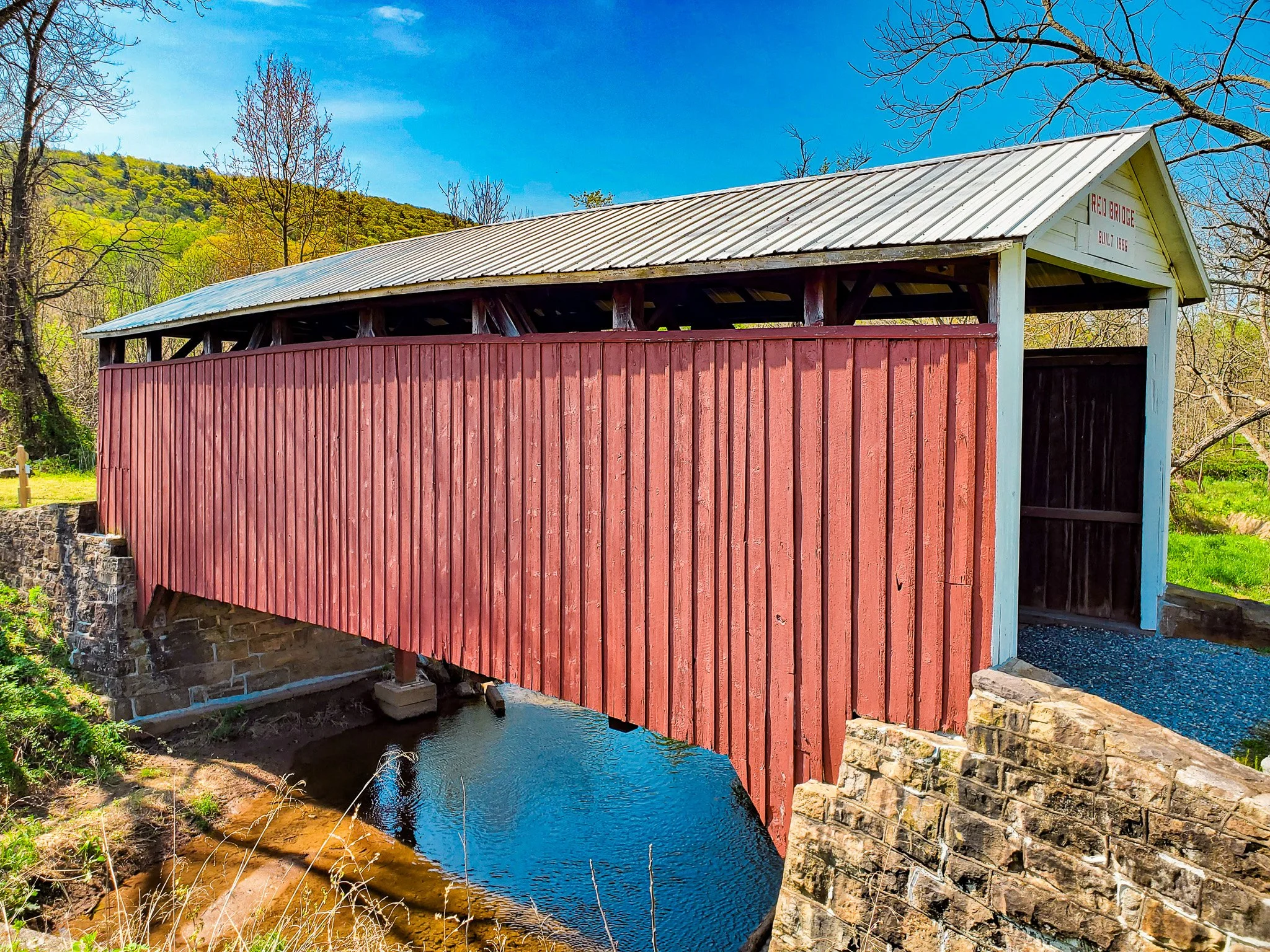
Red Bridge
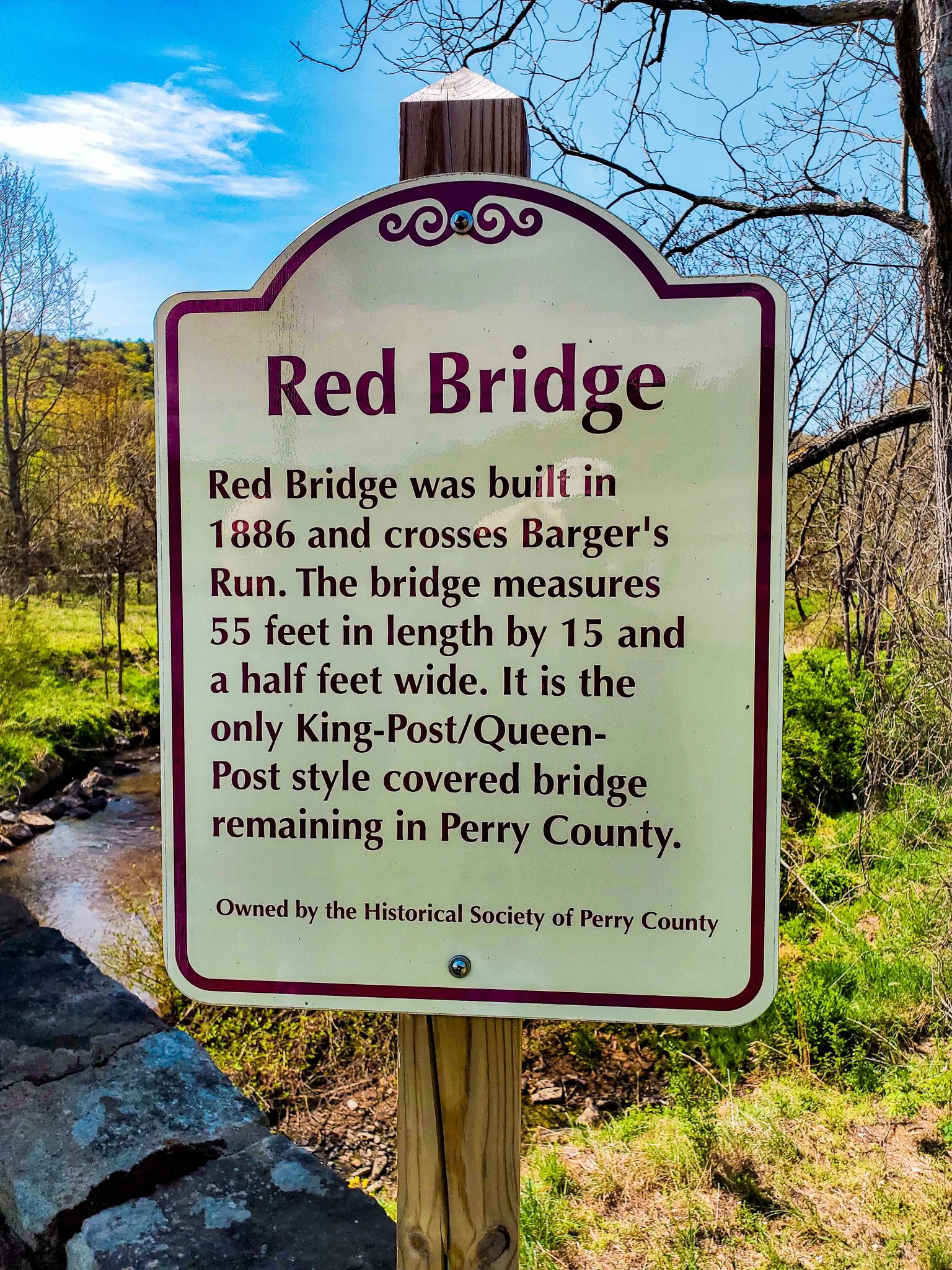
Red Bridge Marker
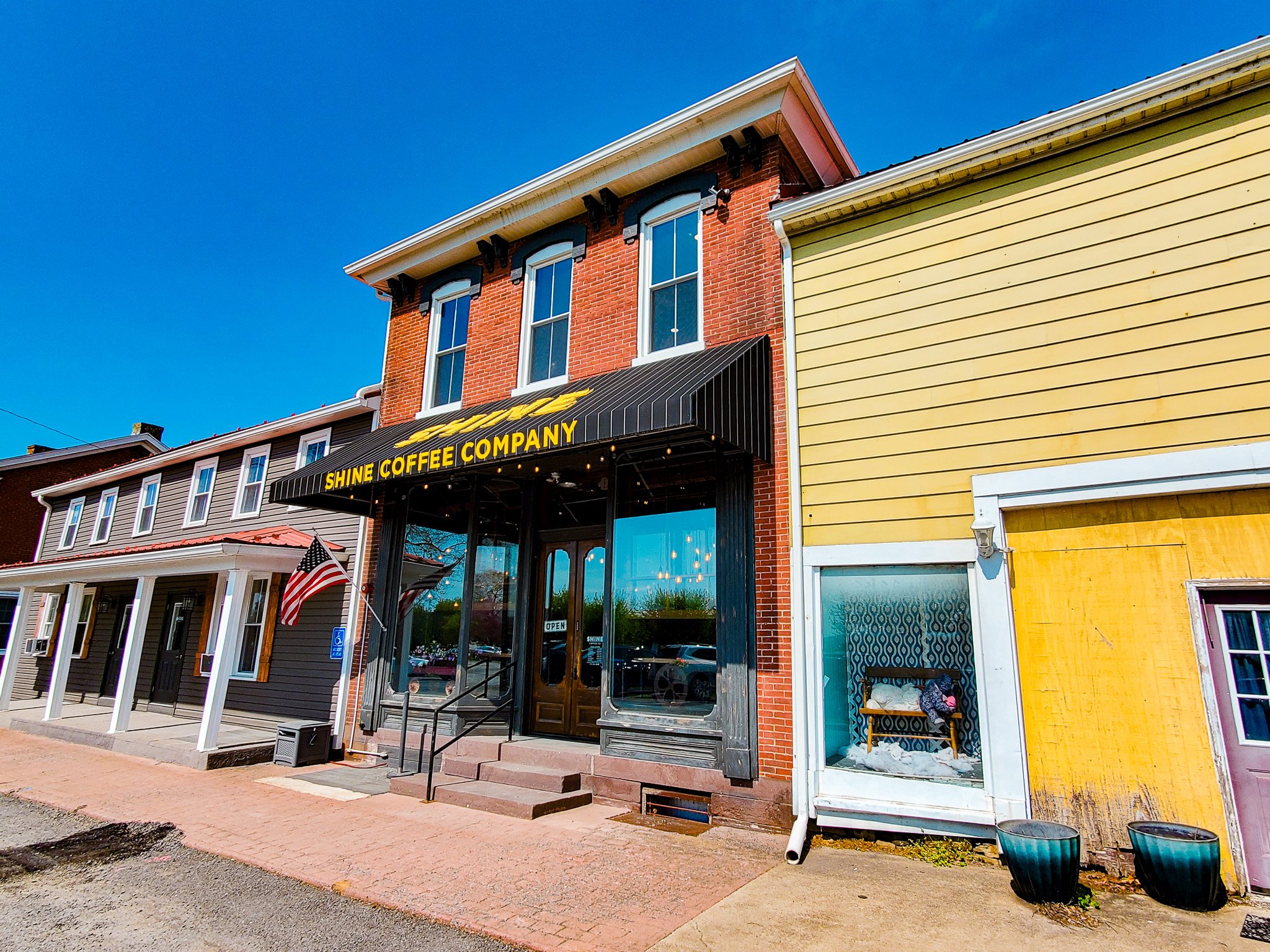
Shine Coffee Company
PORT TREVORTON
This village was a coal mining port, and is home to Hilsher’s General Store which provides groceries, hardware, clothing, unique kitchenware plus a bakery and deli with delicious homemade food.
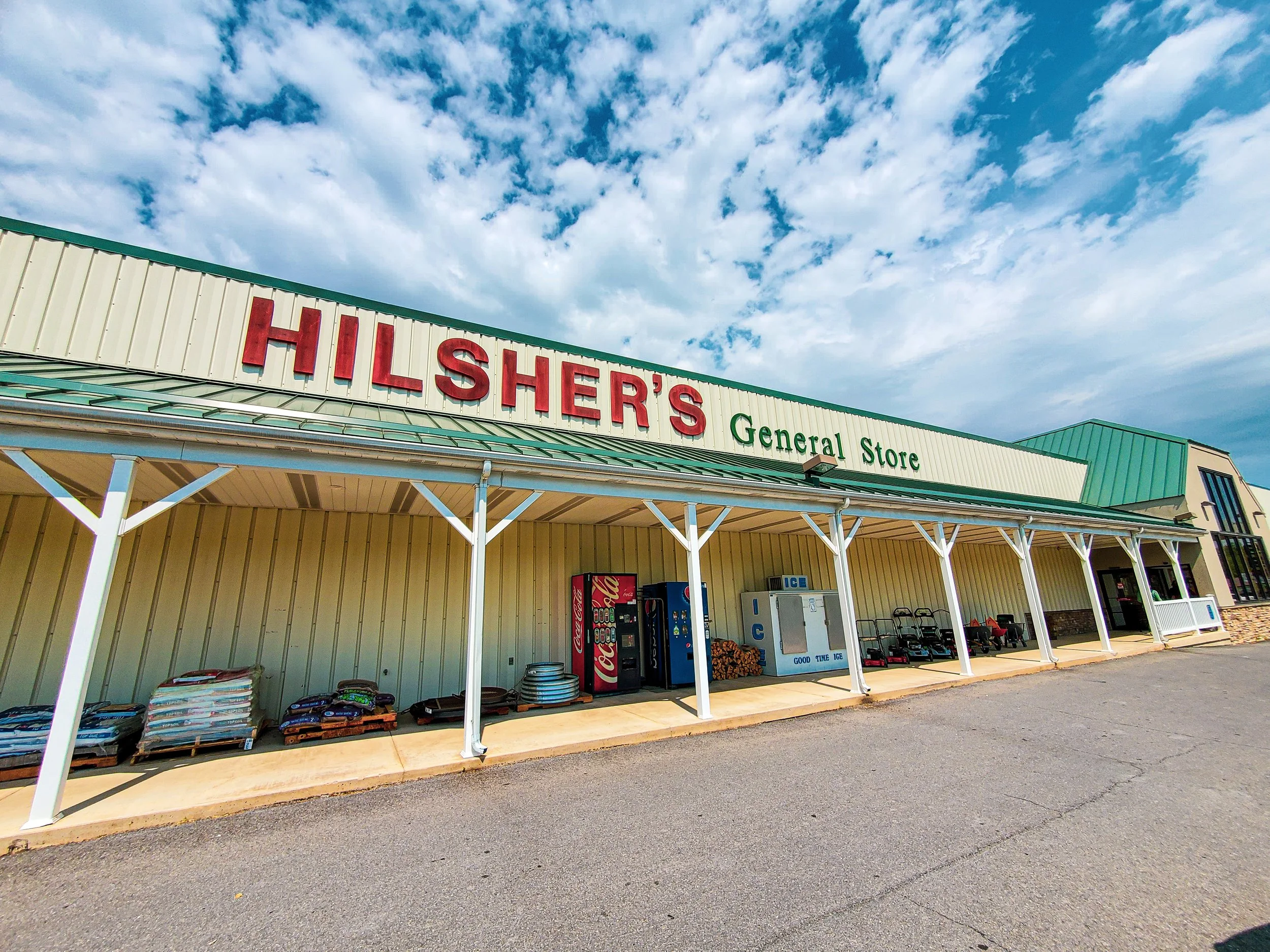
Hilsher's General Store
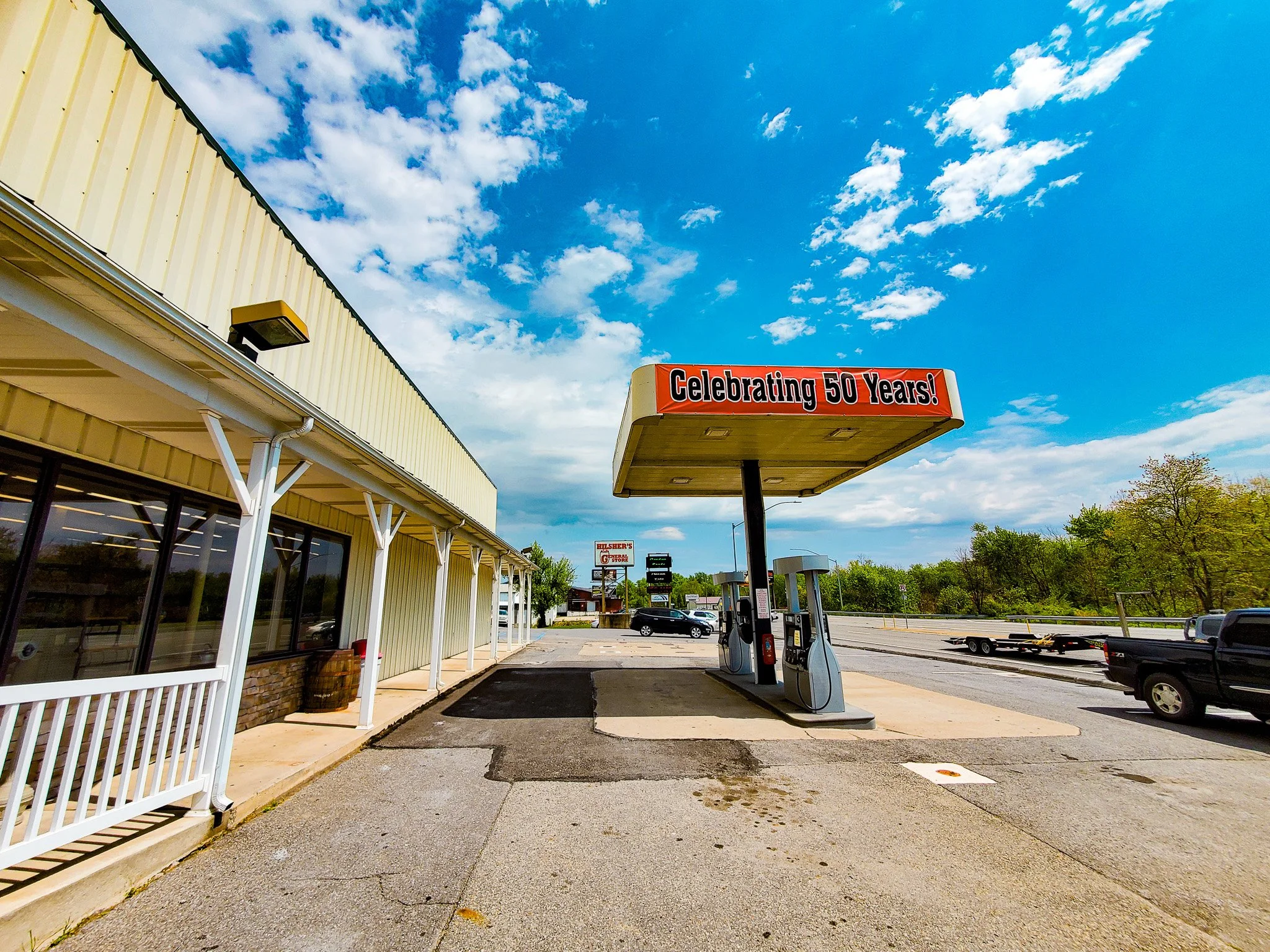
Hilsher's General Store
SELINSGROVE
Selinsgrove was founded in 1787 by Captain Anthony Selin, a Swiss-born officer who served in the Revolutionary War under George Washington. It is home to Susquehanna University, and has an historic downtown. The colonial-style Selinsgrove Inn downtown offers boutique rooms, and T and D's Cats of the World is a large-animal rescue facility 27 minutes away with tours on Saturdays. A former alignment of US 11 runs through town on S. Market Street, rejoining US 11/15 just north of town.
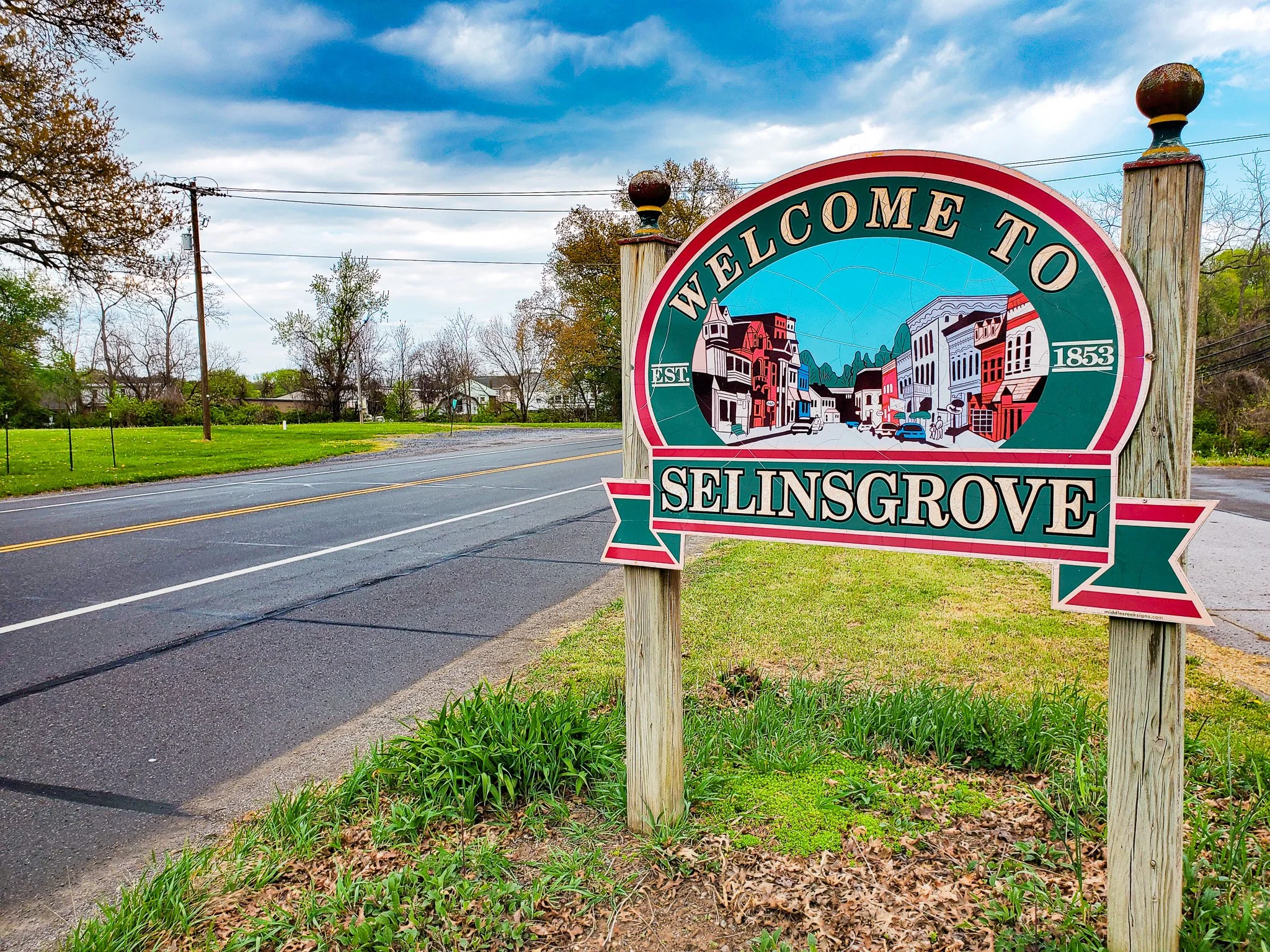
Welcome to Selinsgrove Sign
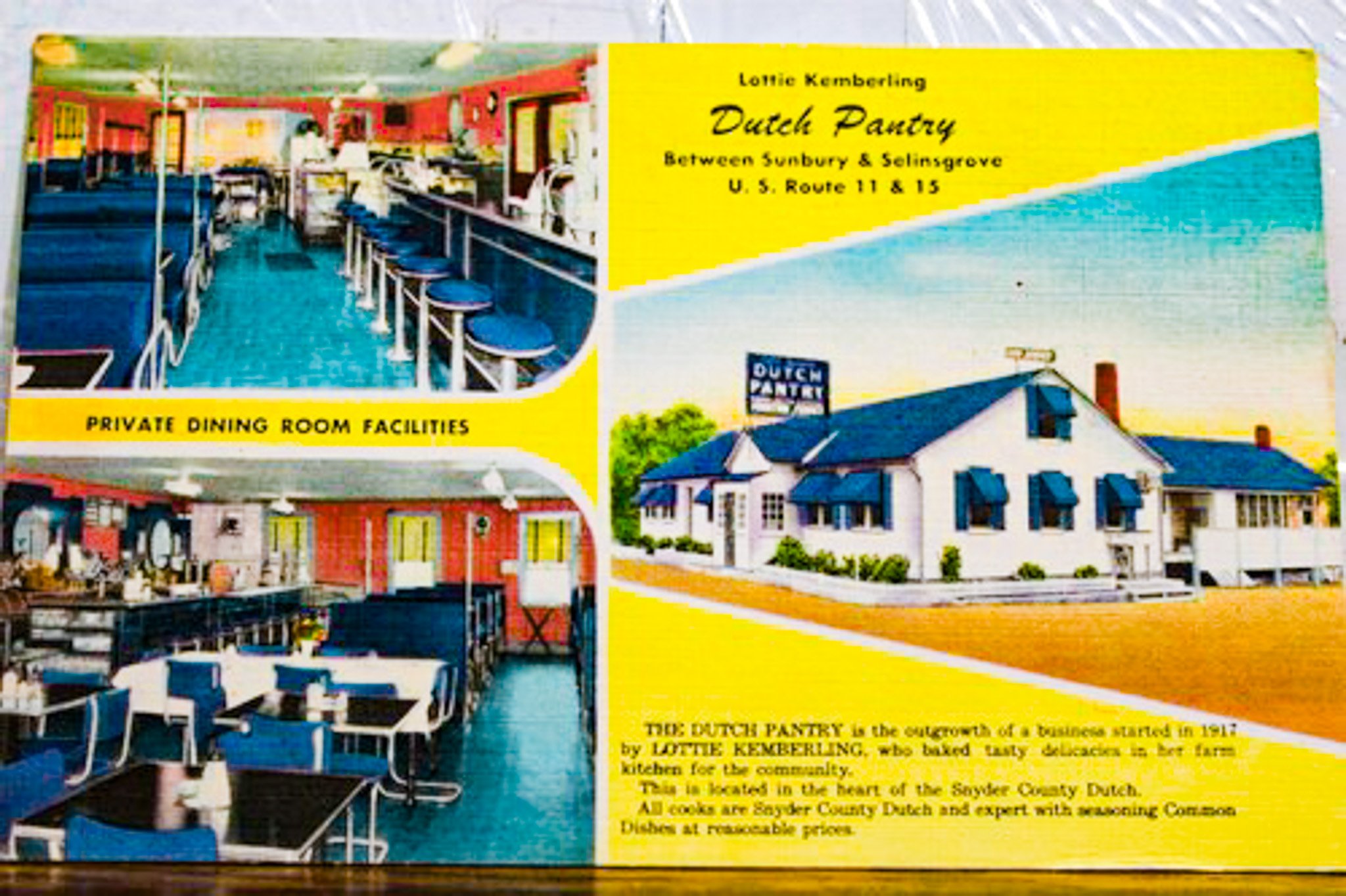
Dutch Pantry Postcard
HUMMELS WHARF
This community was named after John Jacob Hummel who built a wharf and Rising Sun Inn on the river in the 1790's.
SHAMOKIN DAM
The name comes from the Algonquian language word meaning “place of eels”. The dam was destroyed by an ice floe in 1904.
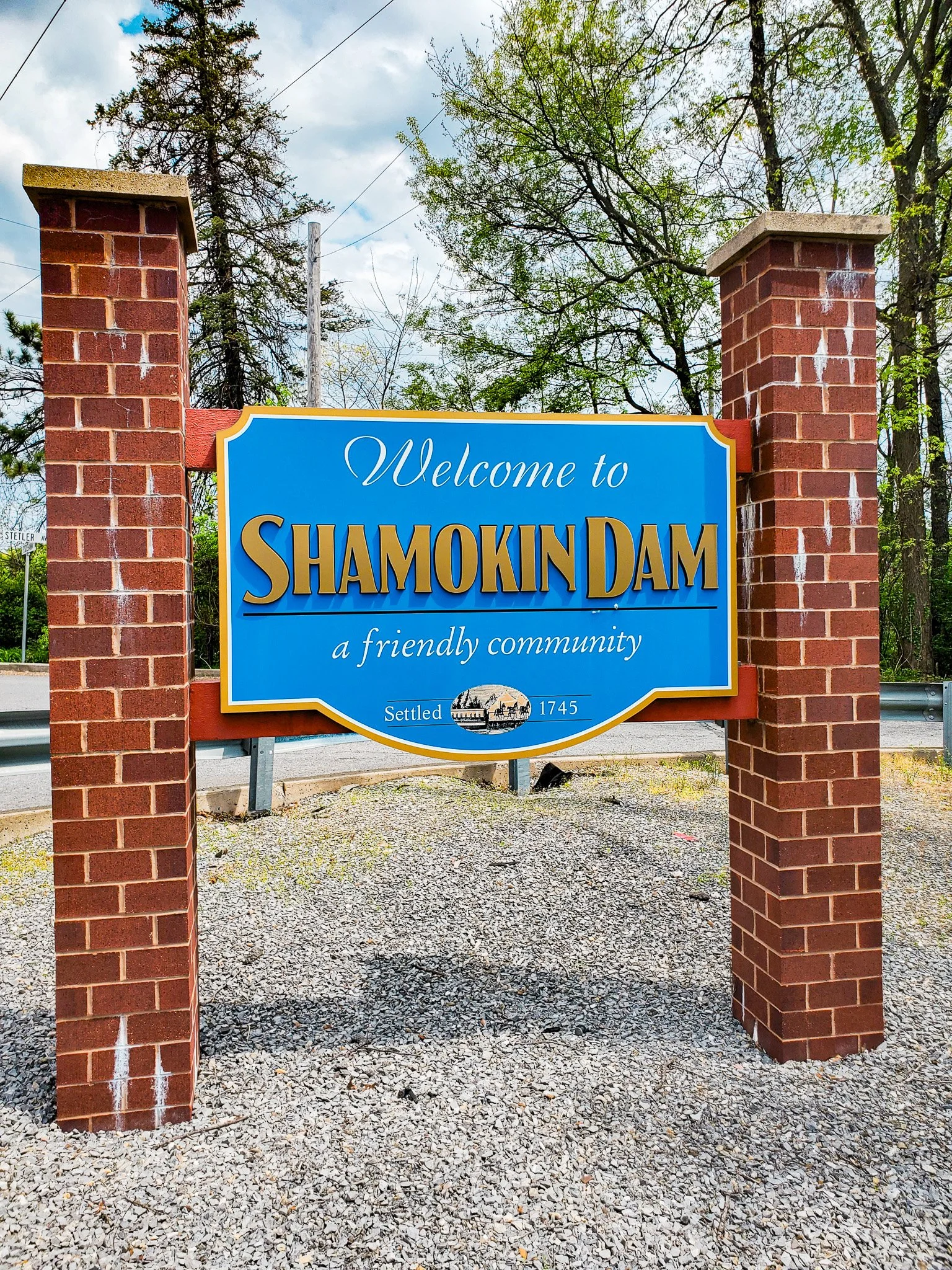
Welcome to Shamokin Dam Sign
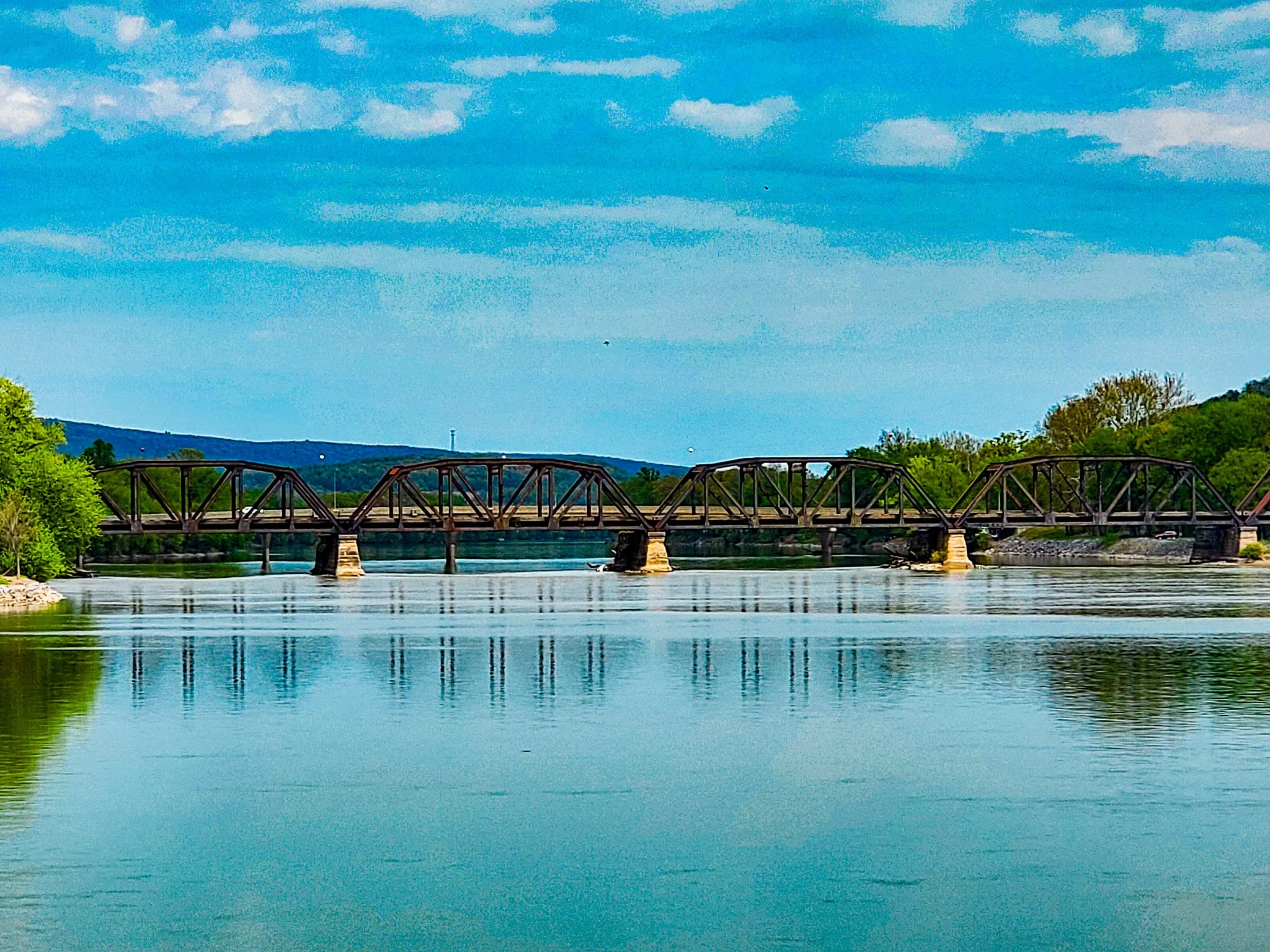
Bridge Over Susquehanna River
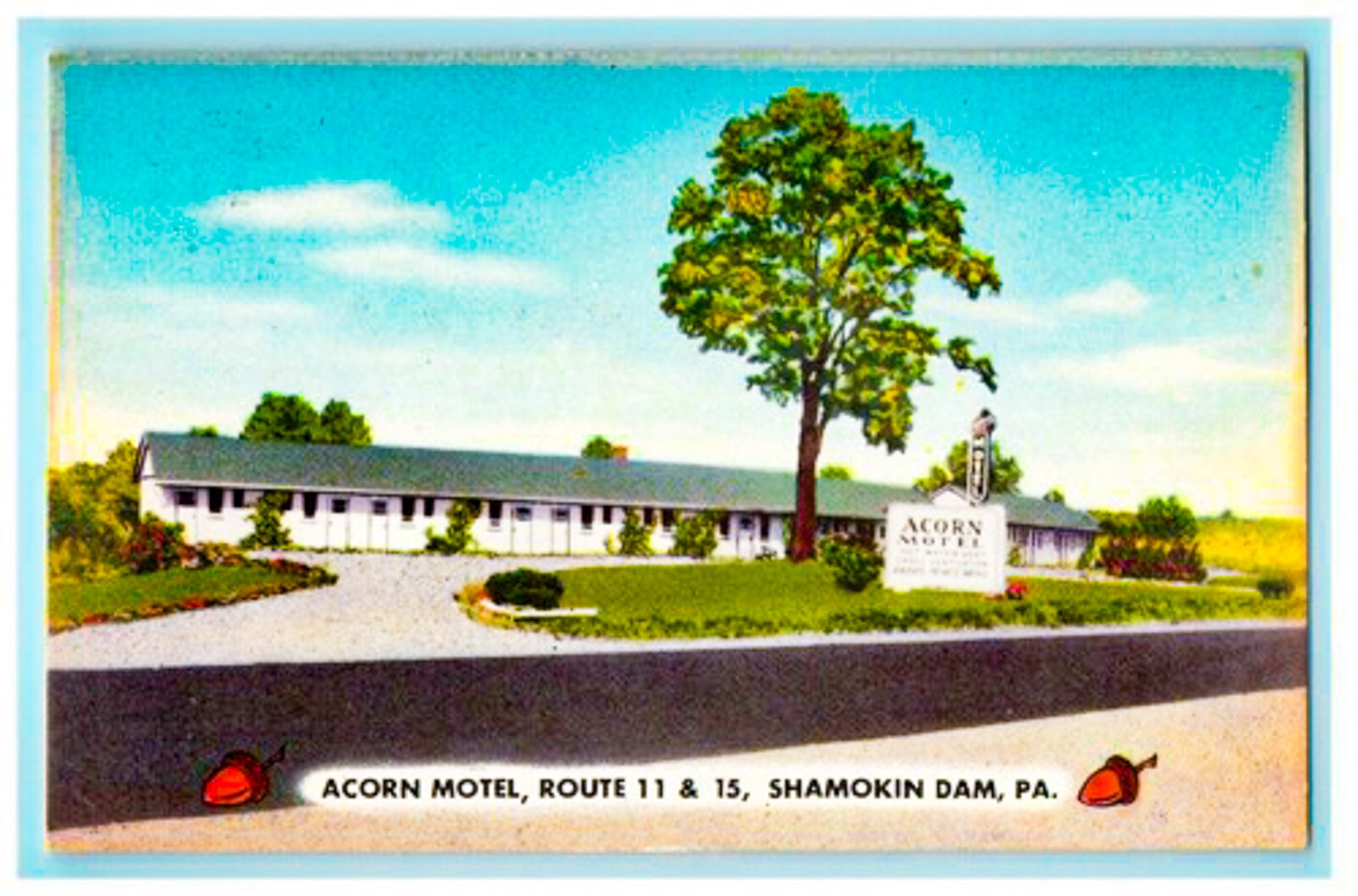
Acorn Motel Postcard
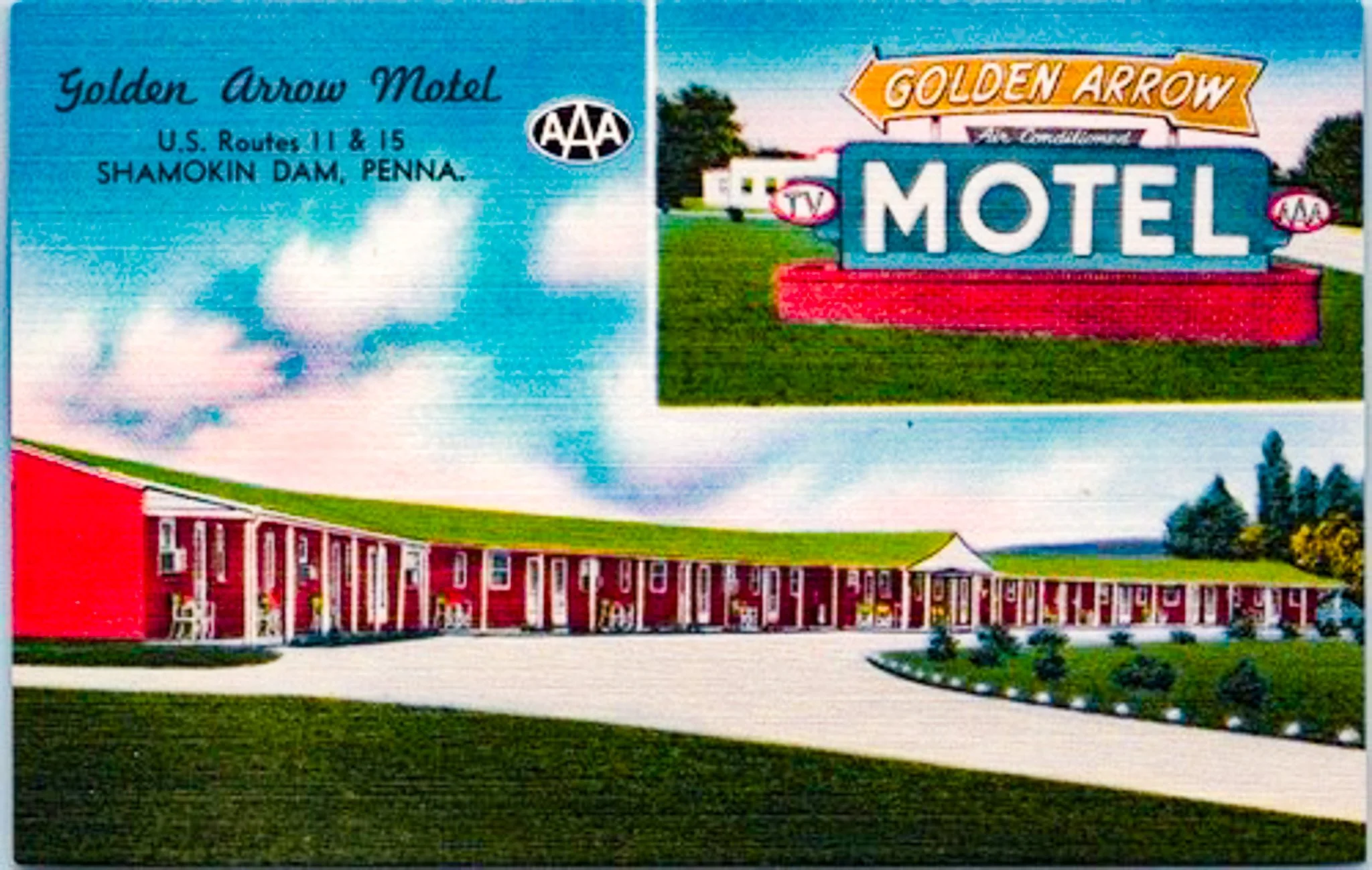
Golden Arrow Motel Postcard
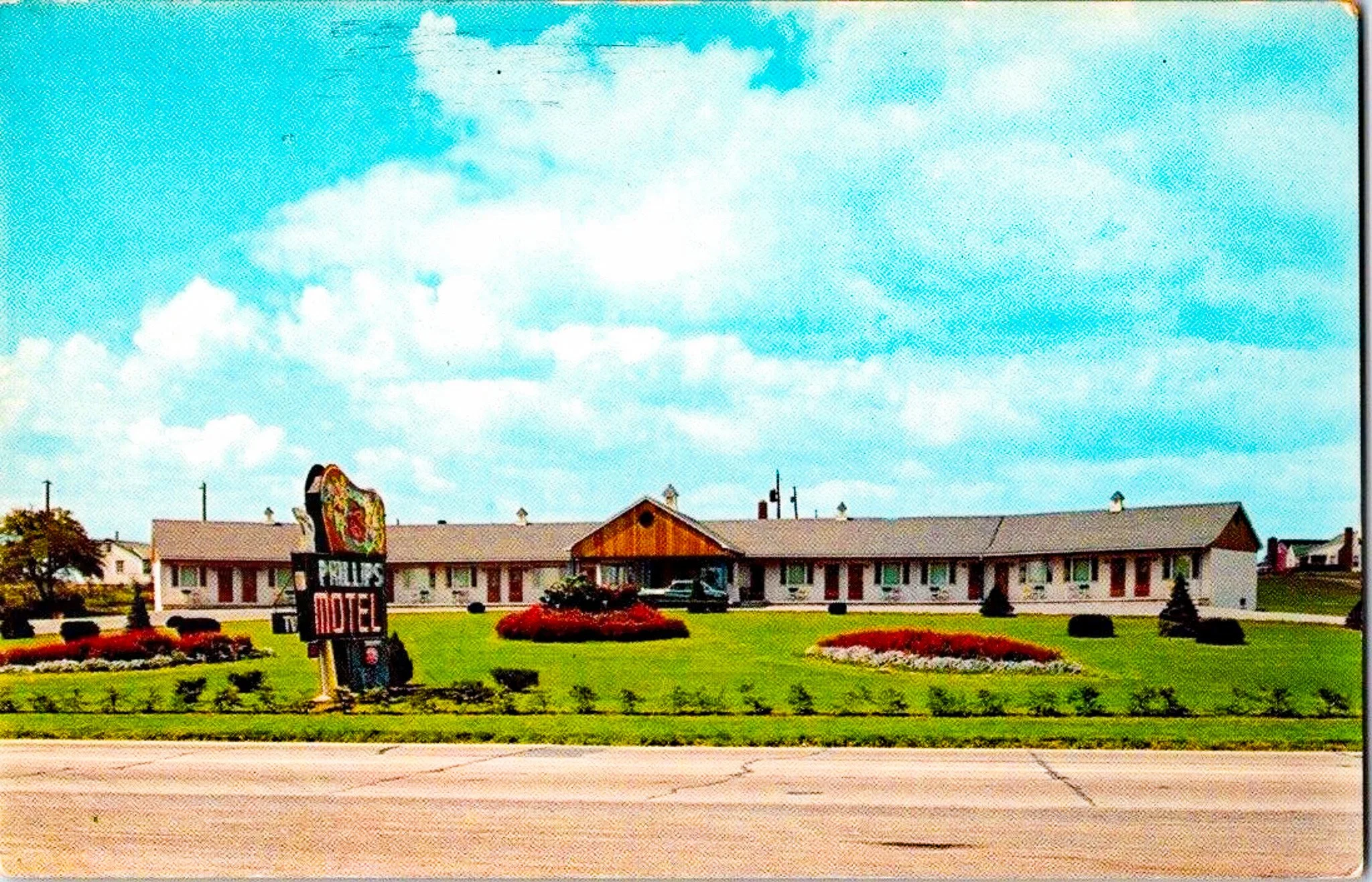
Phillips Motel Postcard
NORTHUMBERLAND
Settled in 1767 and named for the historic county of Northumberland England, the town was originally laid out in the style of an English village. In June and July 1778, the town was part of the “Big Runaway” by white settlers of the frontier regions of northcentral Pennsylvania during the American Revolution precipitated by raids by Loyalist troops and British-allied Indians. The town was home to Joseph Priestley (who first isolated and identified oxygen, and invented carbonated water) from 1794 until his death in 1804. Local historic sites including the downtown district, the Joseph Priestley House and Museum, and the Priestley-Forsyth Memorial Library (built in 1820). The Point Barn Furniture Store on US 11 is in a restored 1850’s barn and contains an Amish General Store, Annie’s Quilts, and other unique shops. The historic 70 year old Point Drive-In Theater serves up movies on its three screens.
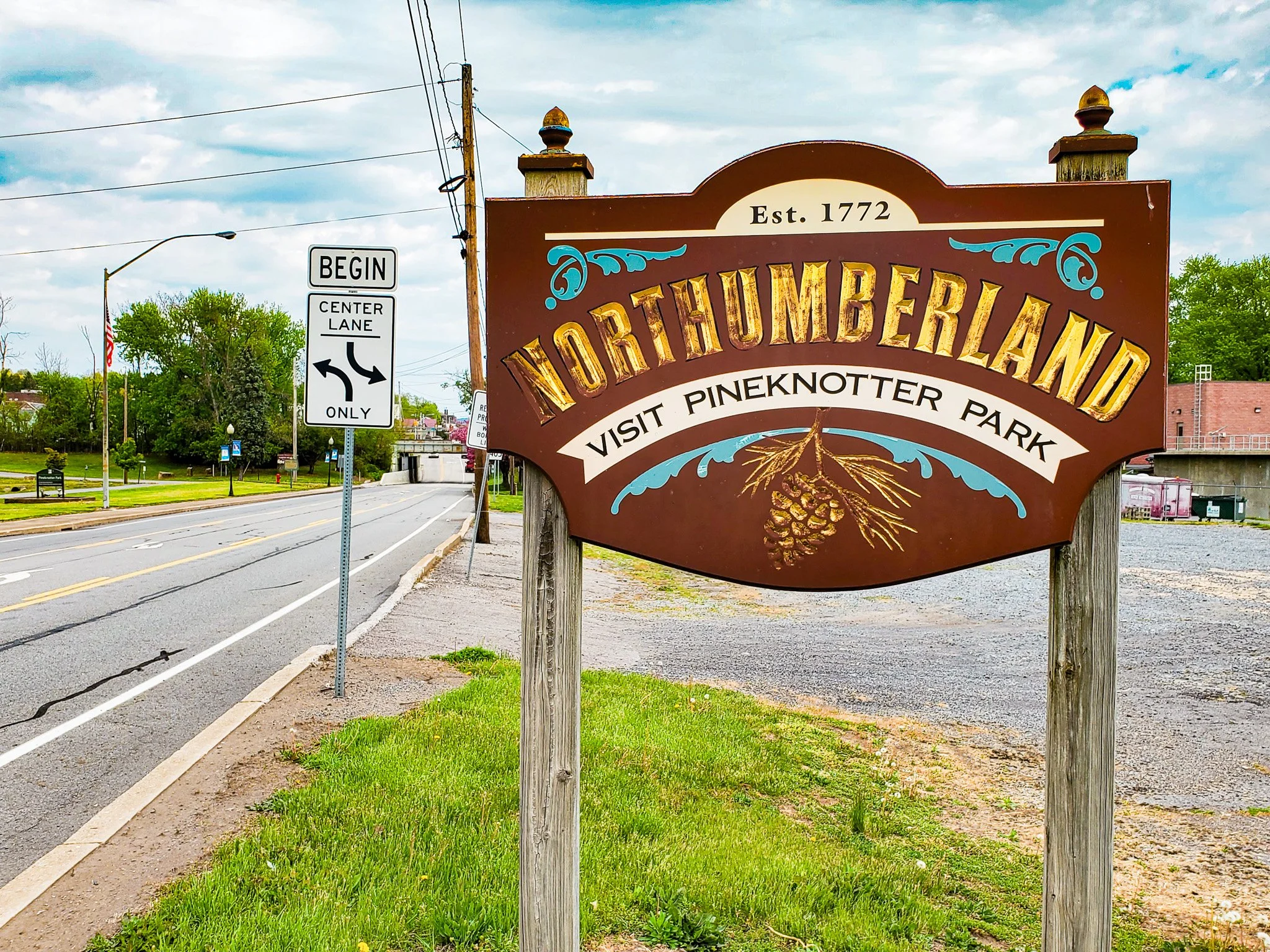
Northumberland Welcome Sign
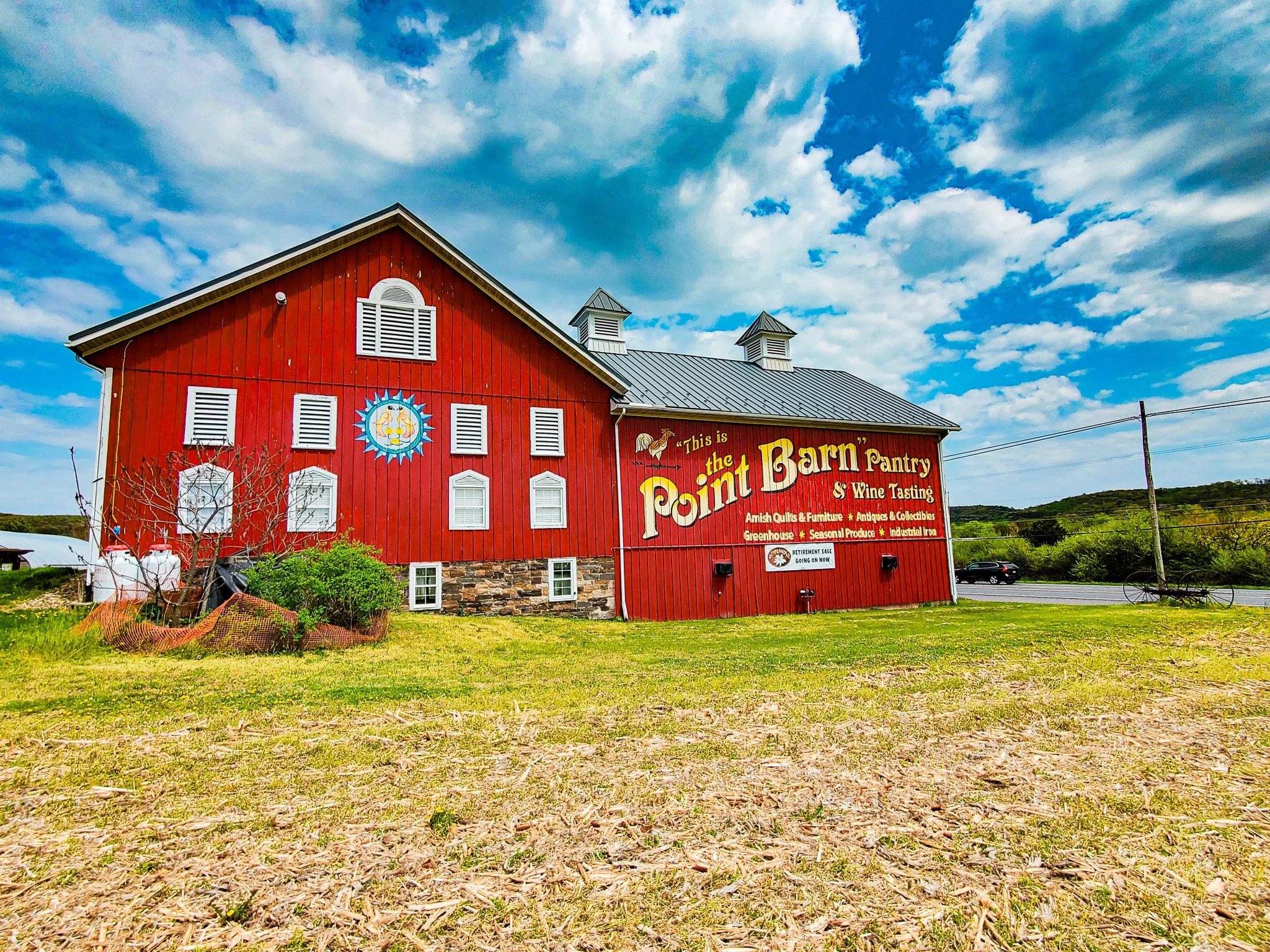
Point Barn
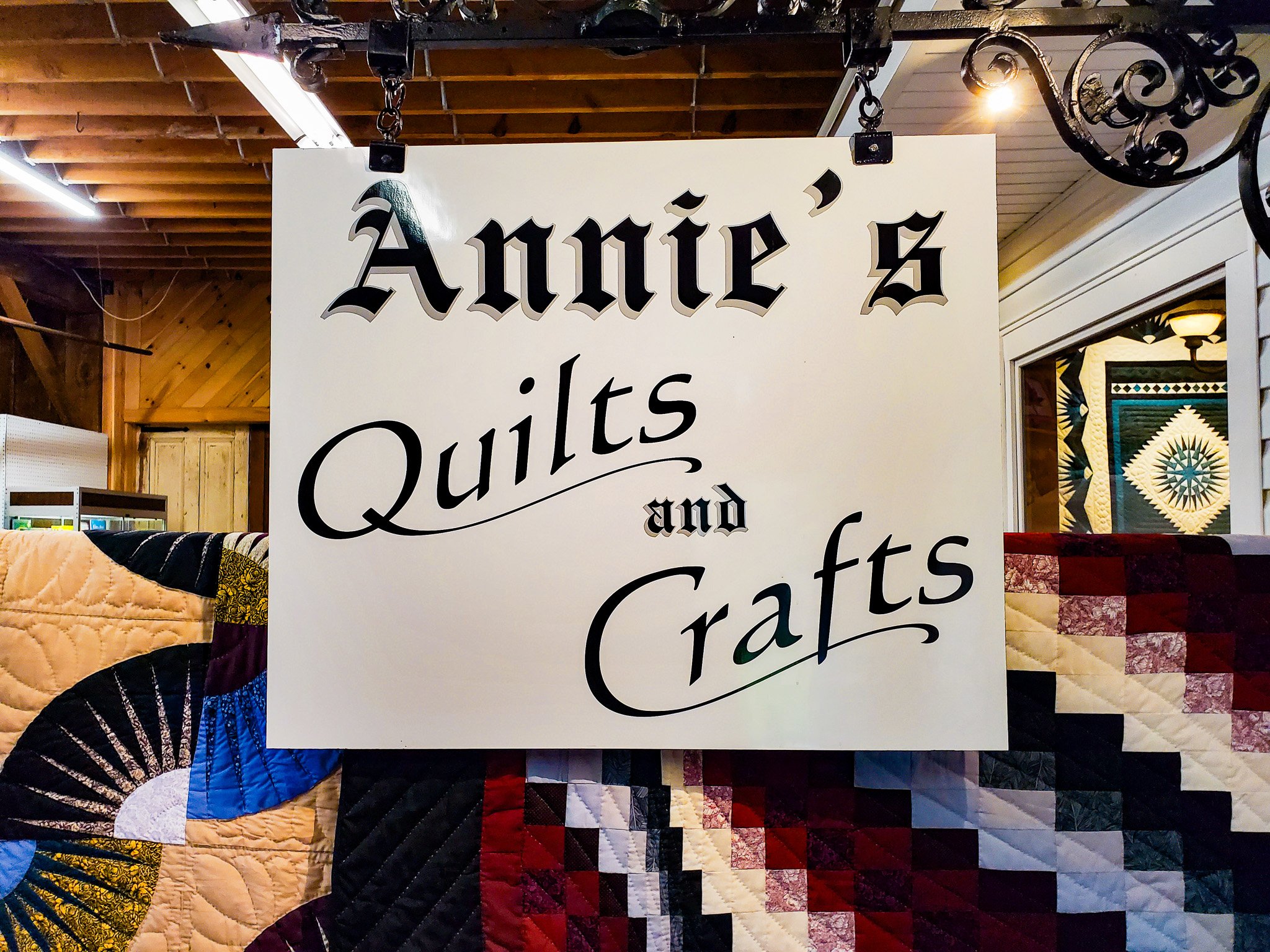
Annie's Quilts and Crafts at Point Barn
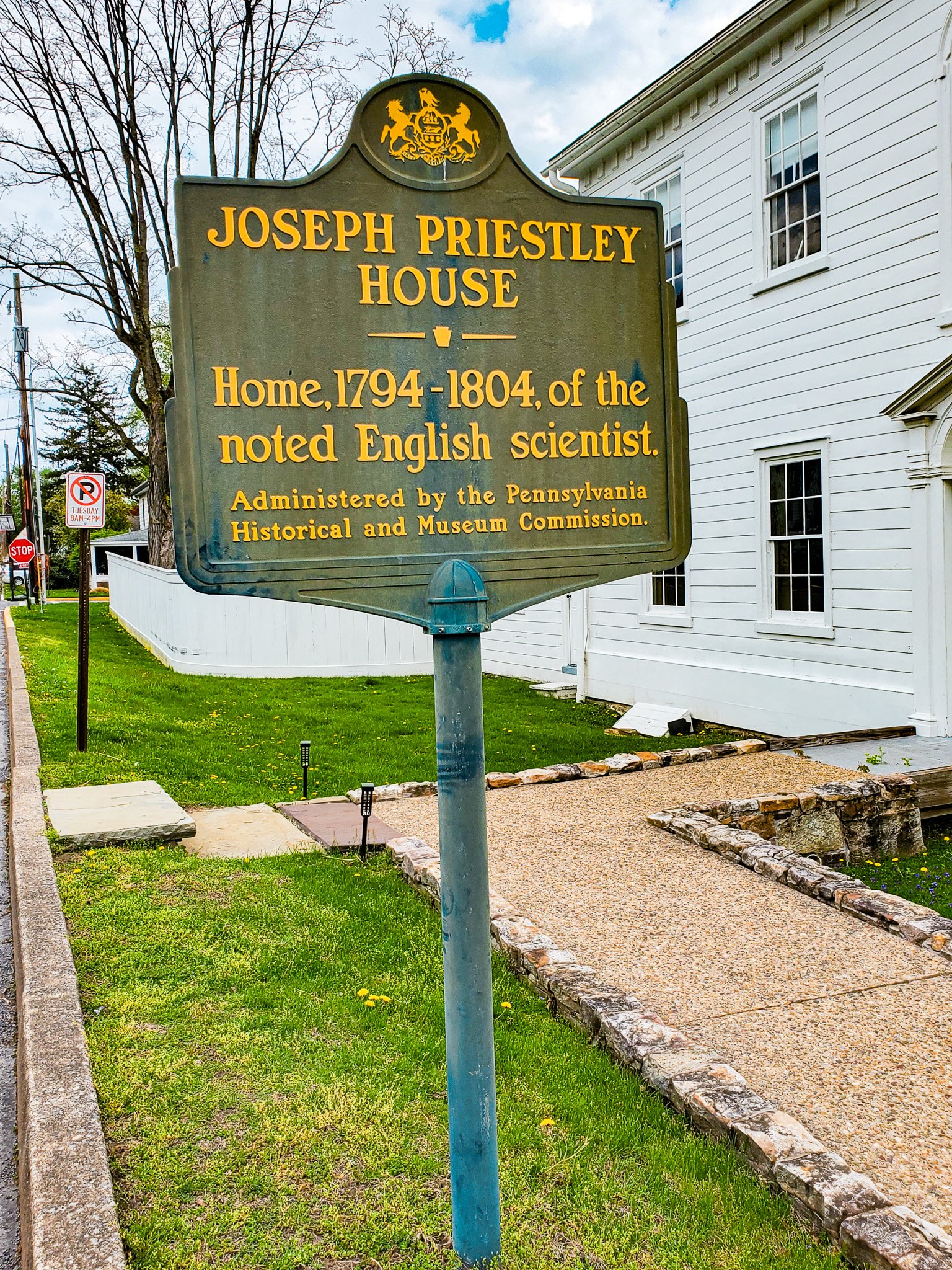
Joseph Priestley House Marker
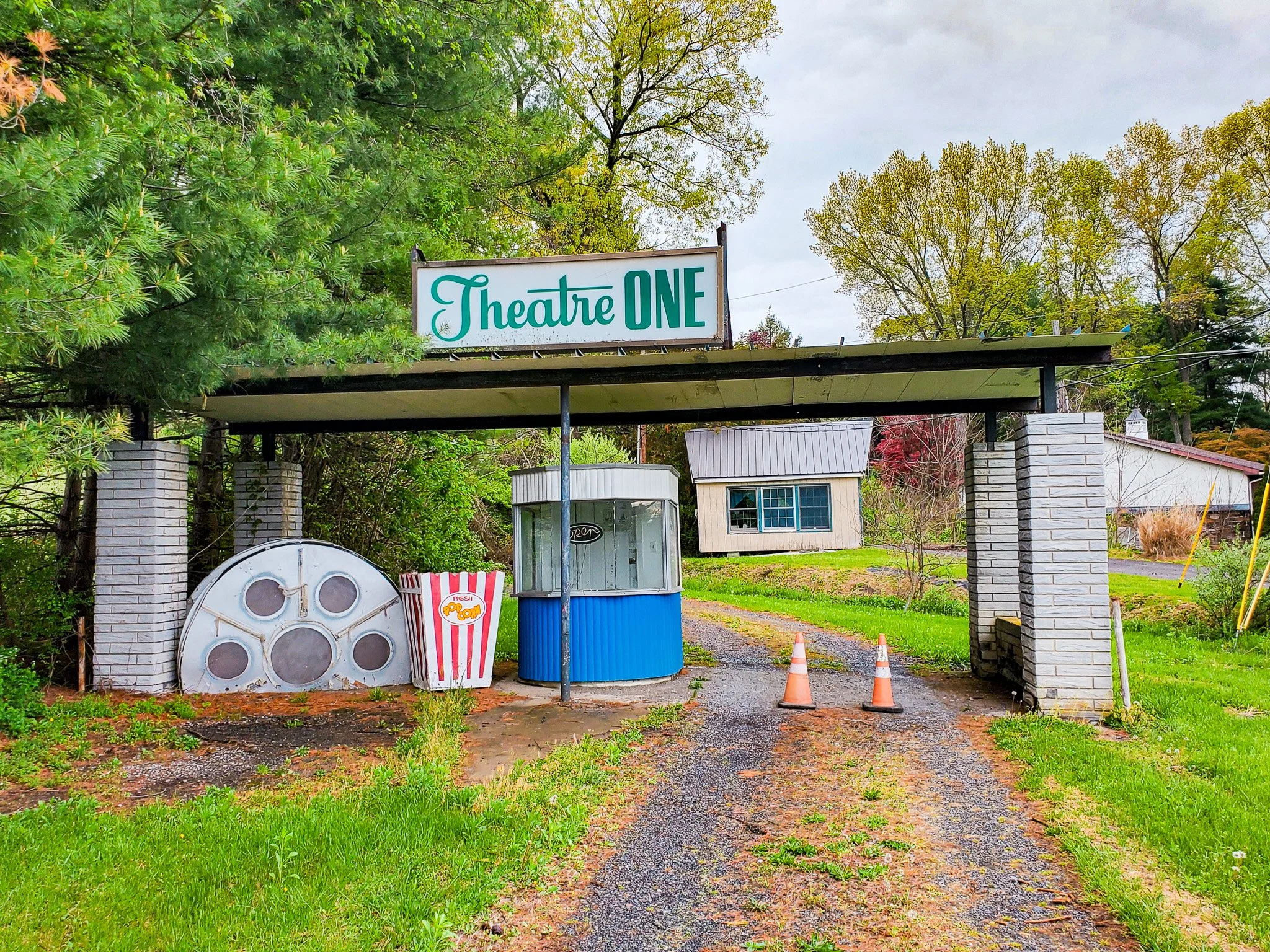
Point Drive-In Theatre
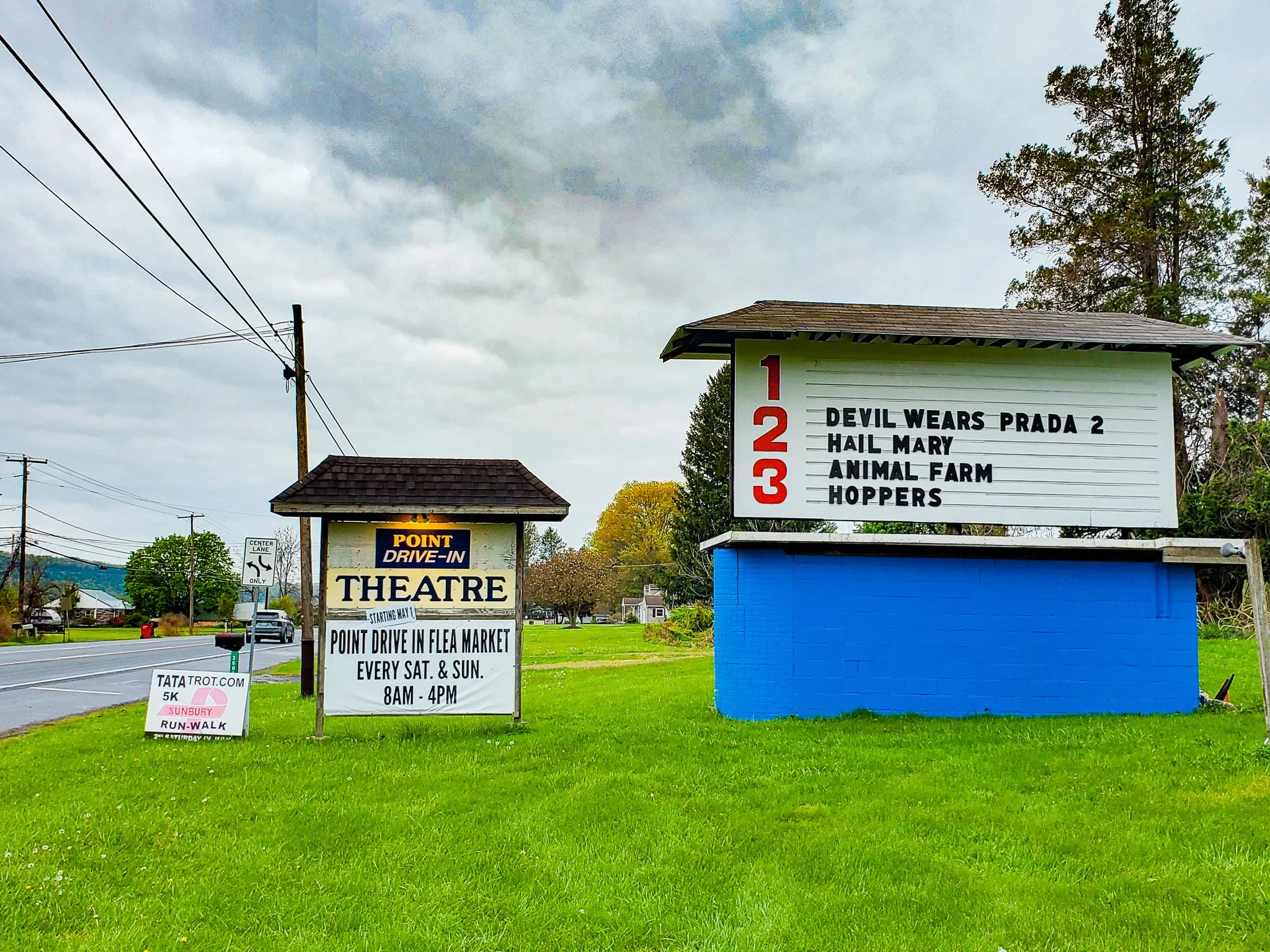
Point Drive-In Theatre
DANVILLE
Founded in 1792 and named for the son of the founder William Montgomery, Danville was a major iron-producing center in the 19th century. The first T rail (iron railroad track) in the United States was produced there in 1845. Interesting sites include an historic downtown and a mural about Danville as you enter town, the Montgomery Museum, and the Thomas Beaver Free Library (since 1886). Danville is only 15 minutes from the 100 year old Knoebels Amusement Resort in Elysburg PA.
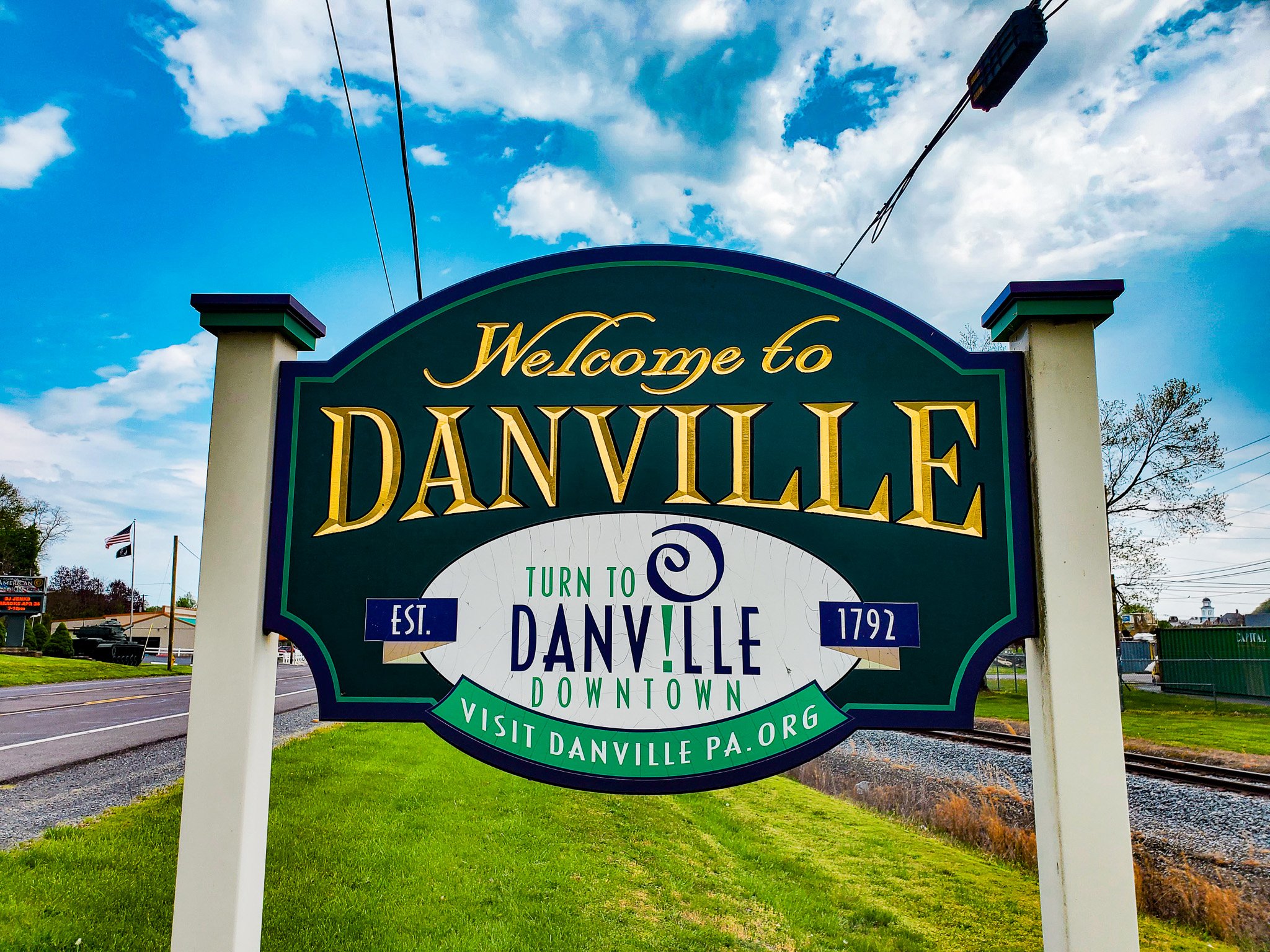
Welcome to Danville Sign
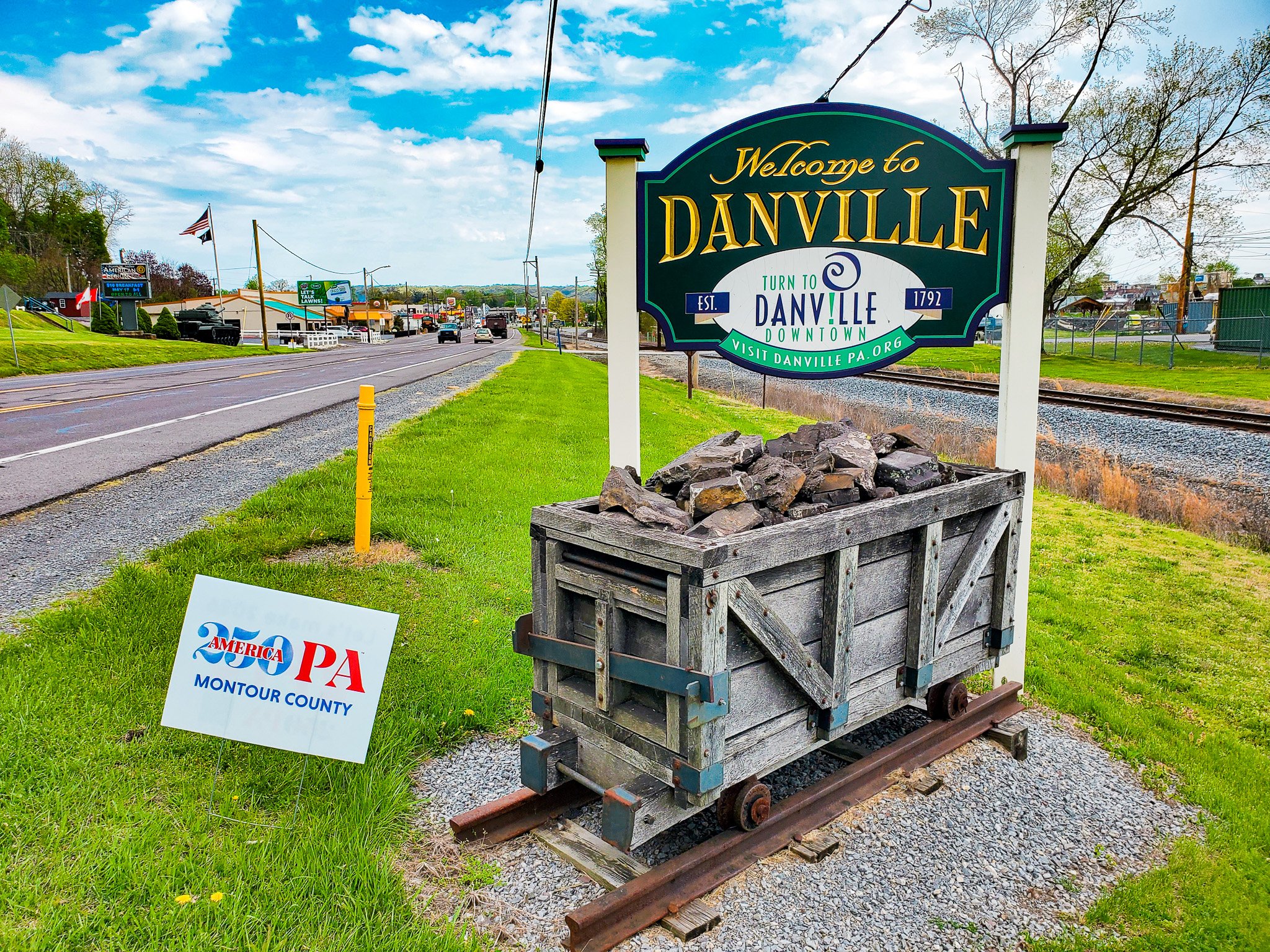
Welcome to Danville Sign with Coal
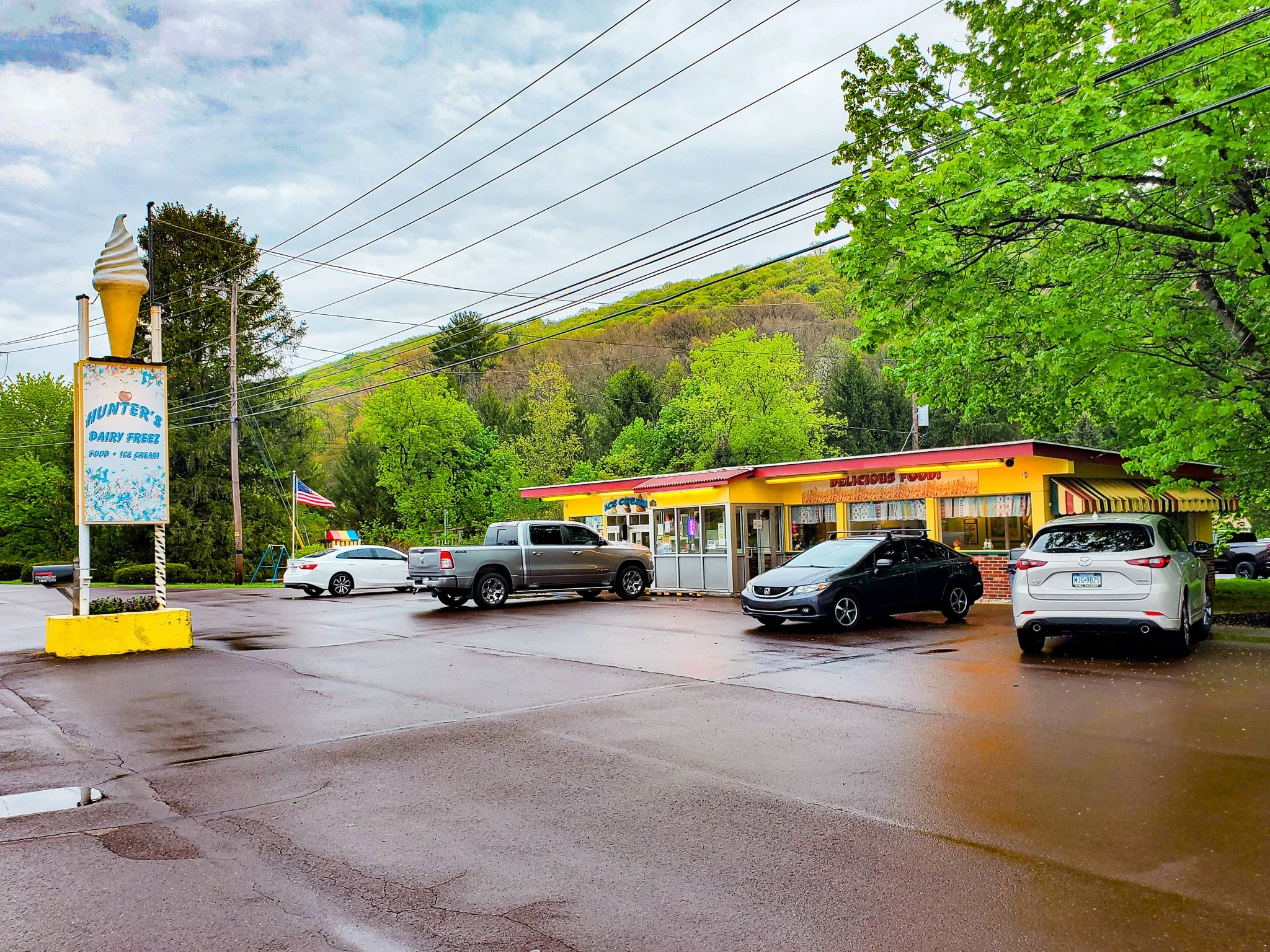
Hunter's Dairy Freez
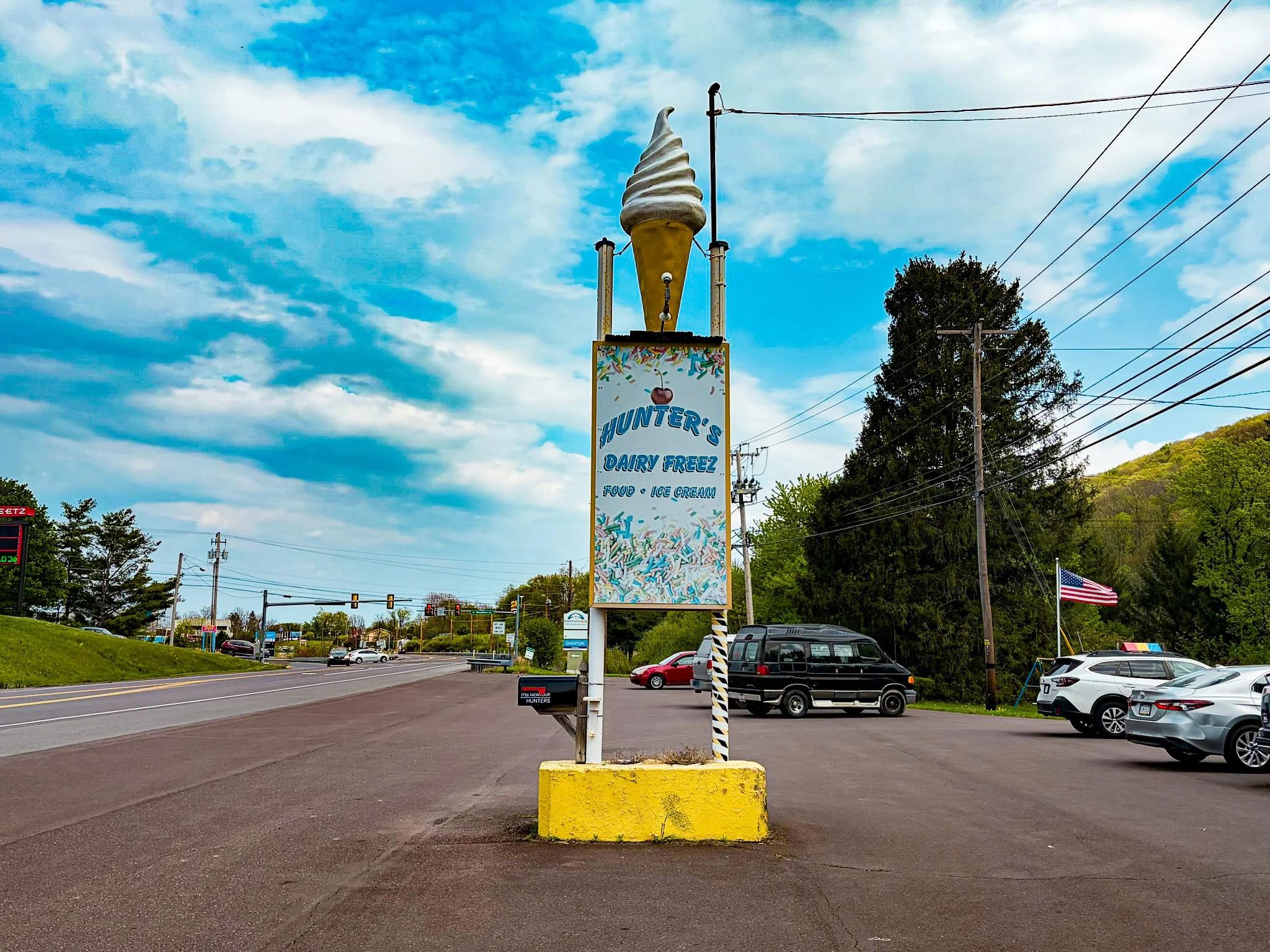
Hunter's Dairy Freez
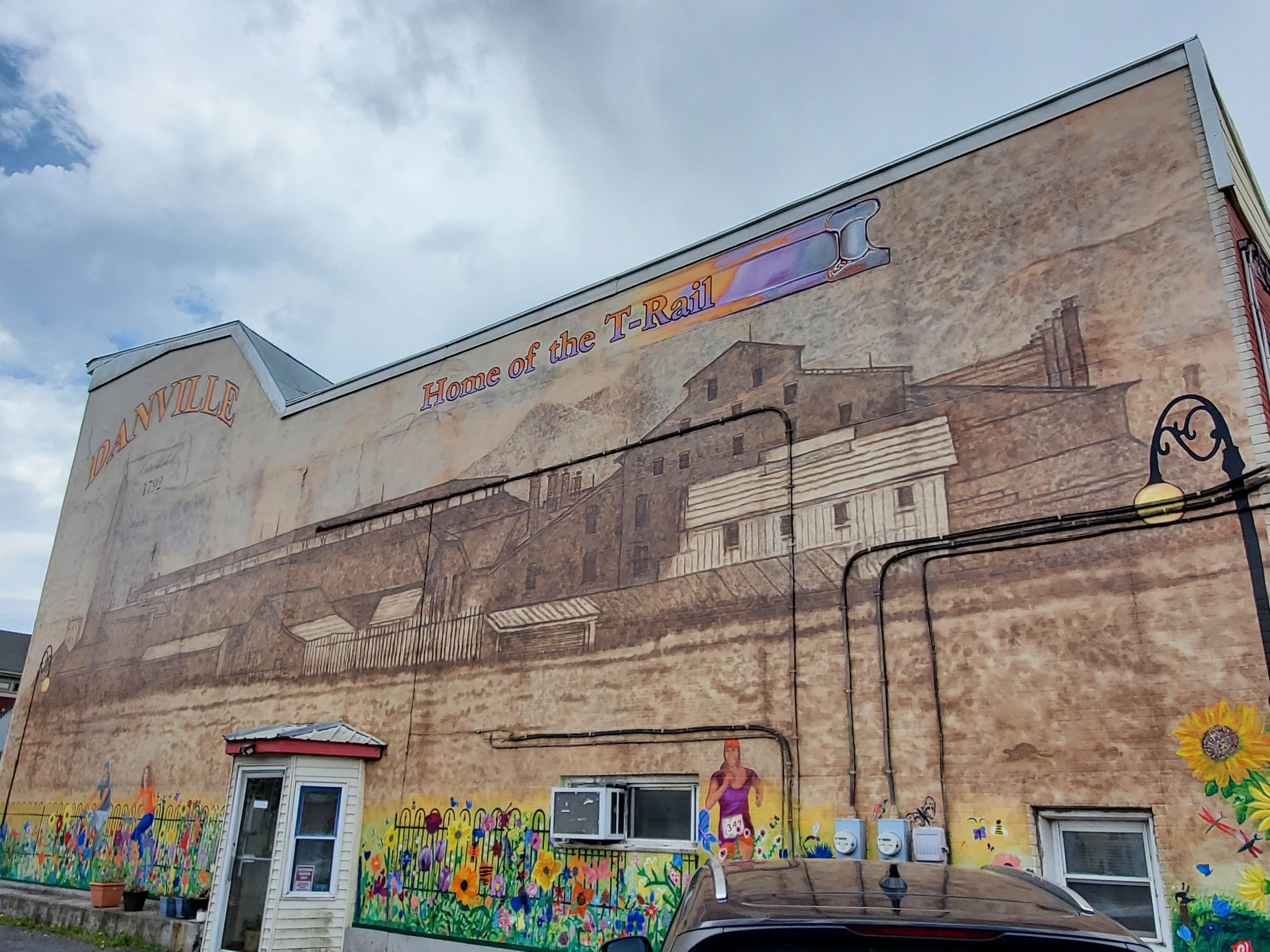
T-Rail Mural
BLOOMSBURG
Named after Samuel Bloom, a commissioner of Northumberland County and laid out in 1802 by Ludwig Eyer (originally called Eyersburg), the town originally grew due to iron ore in the area. It is the only incorporated “town” in the state (all other incorporated communities are boroughs or cities). Commonwealth University-Bloomsburg is located there, and the historic downtown and Rupert Covered Bridge No. 56 located nearby is open to traffic and worth a stop. Within a 30 minute drive is Centralia PA, made famous for the underground fires from coal burning since May 1962, requiring relocation of residents in the area. There is a giant candle in front of the Relax Inn at 2711 Columbia Blvd.
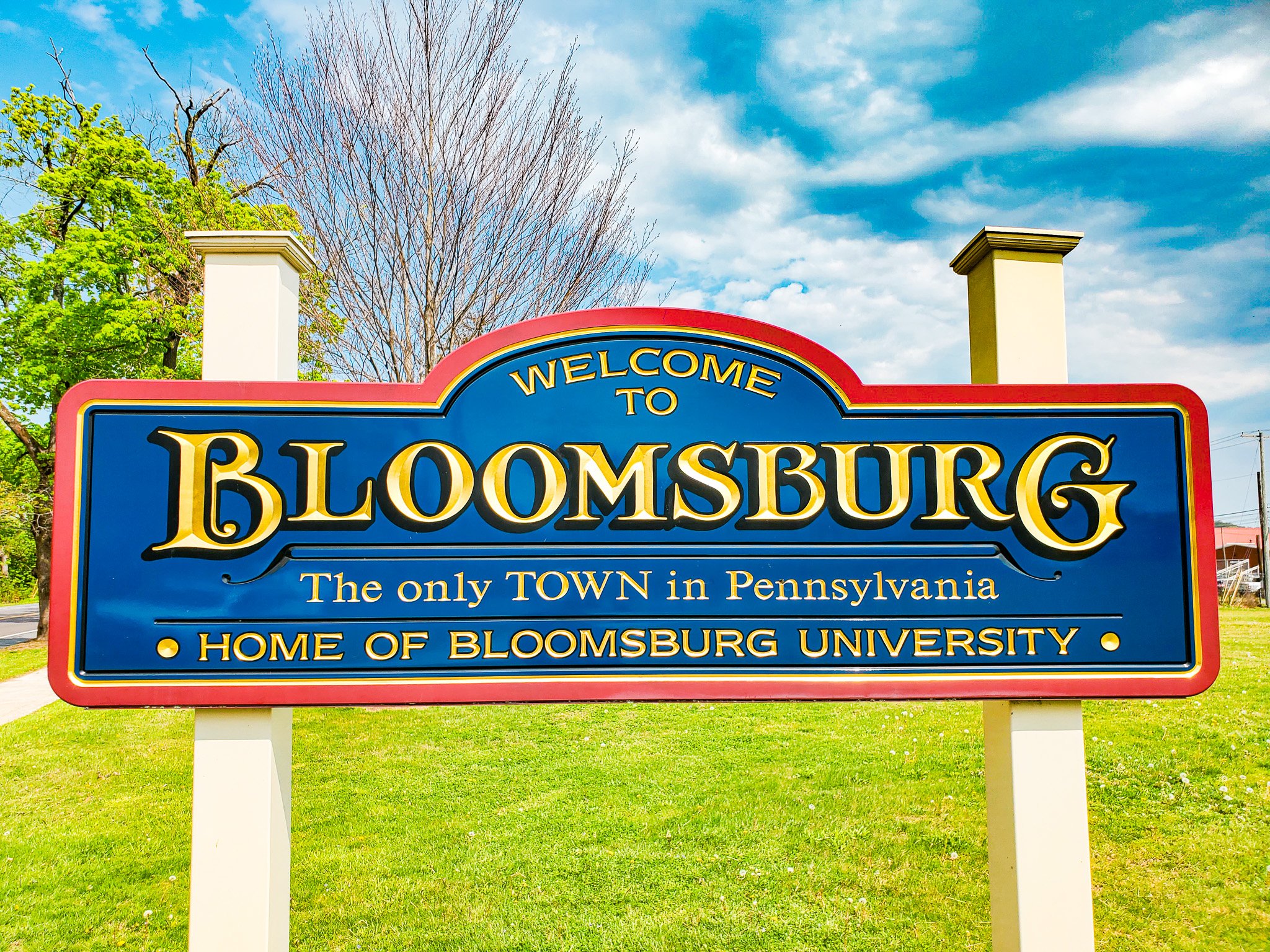
Welcome to Bloomsburg Sign
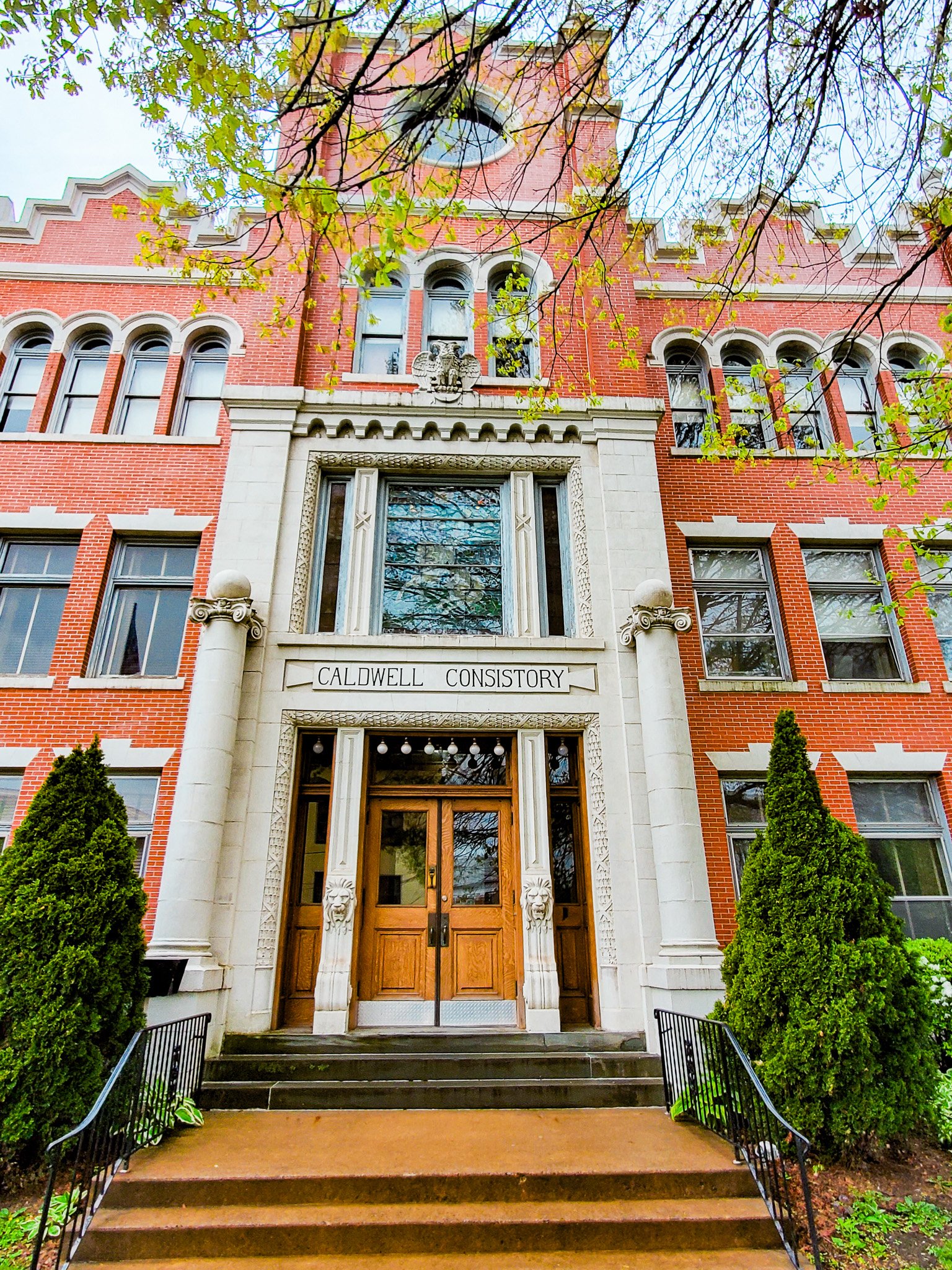
Caldwall Consistory
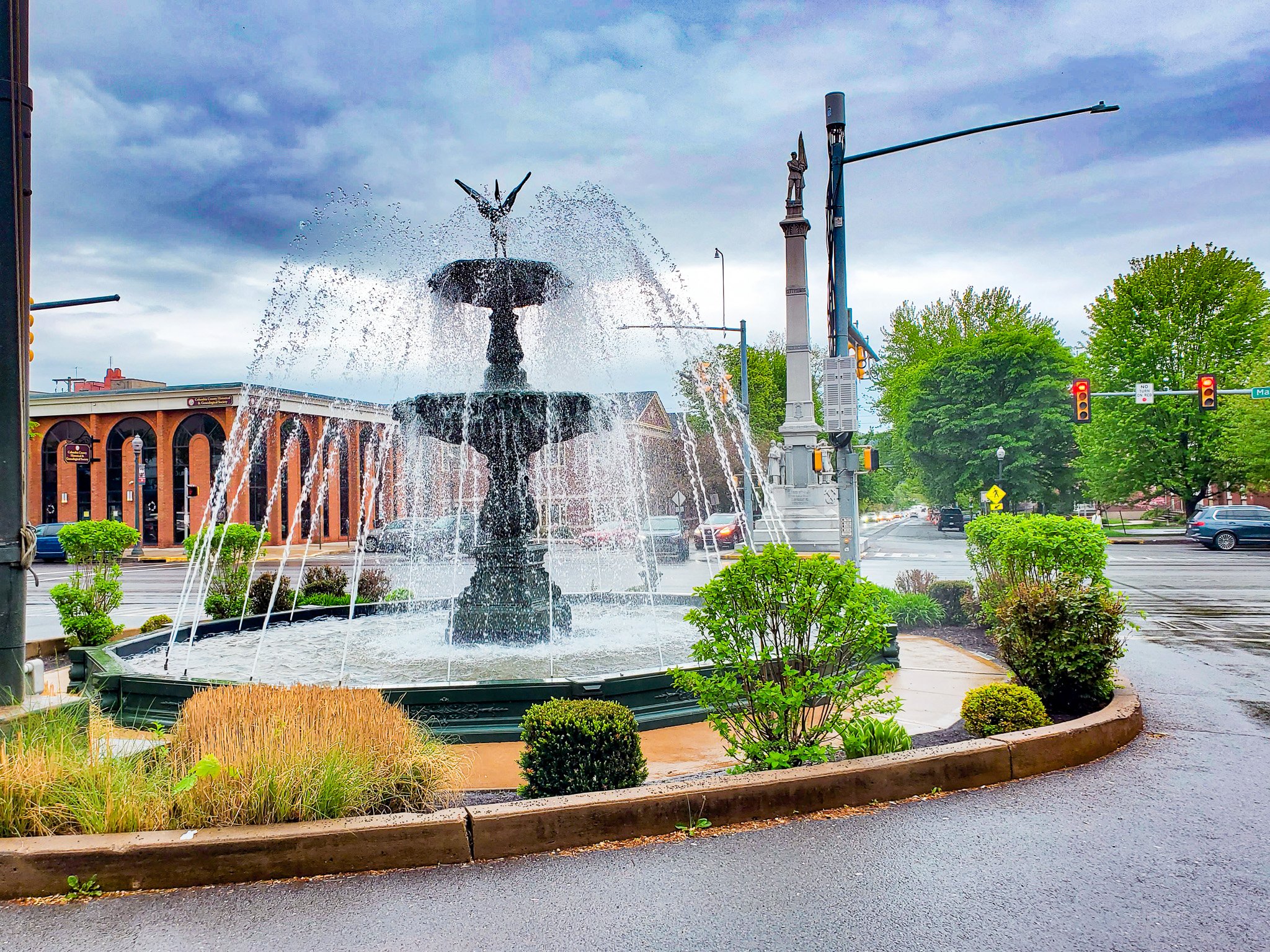
Fountain Downtown
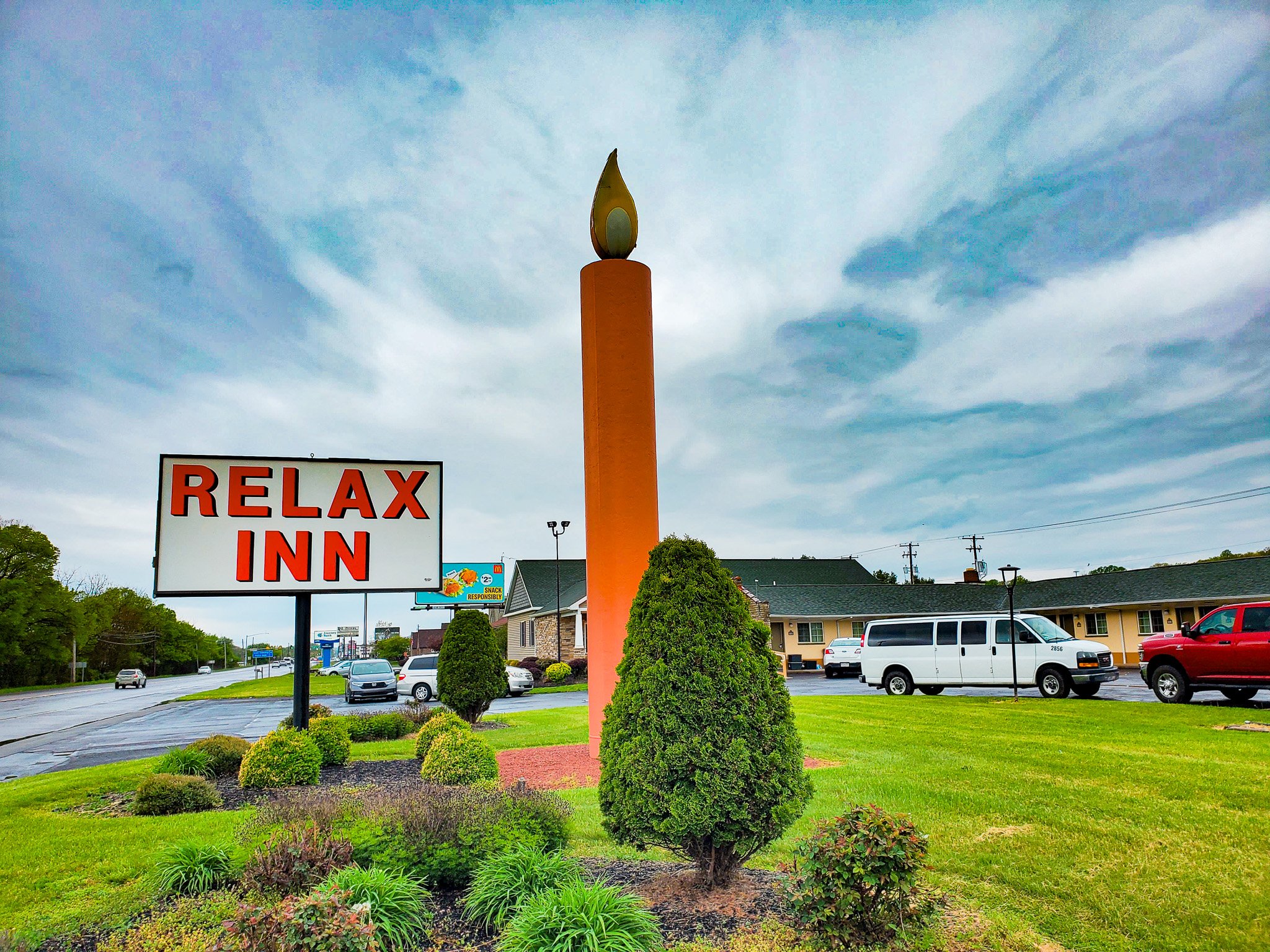
Relax Inn
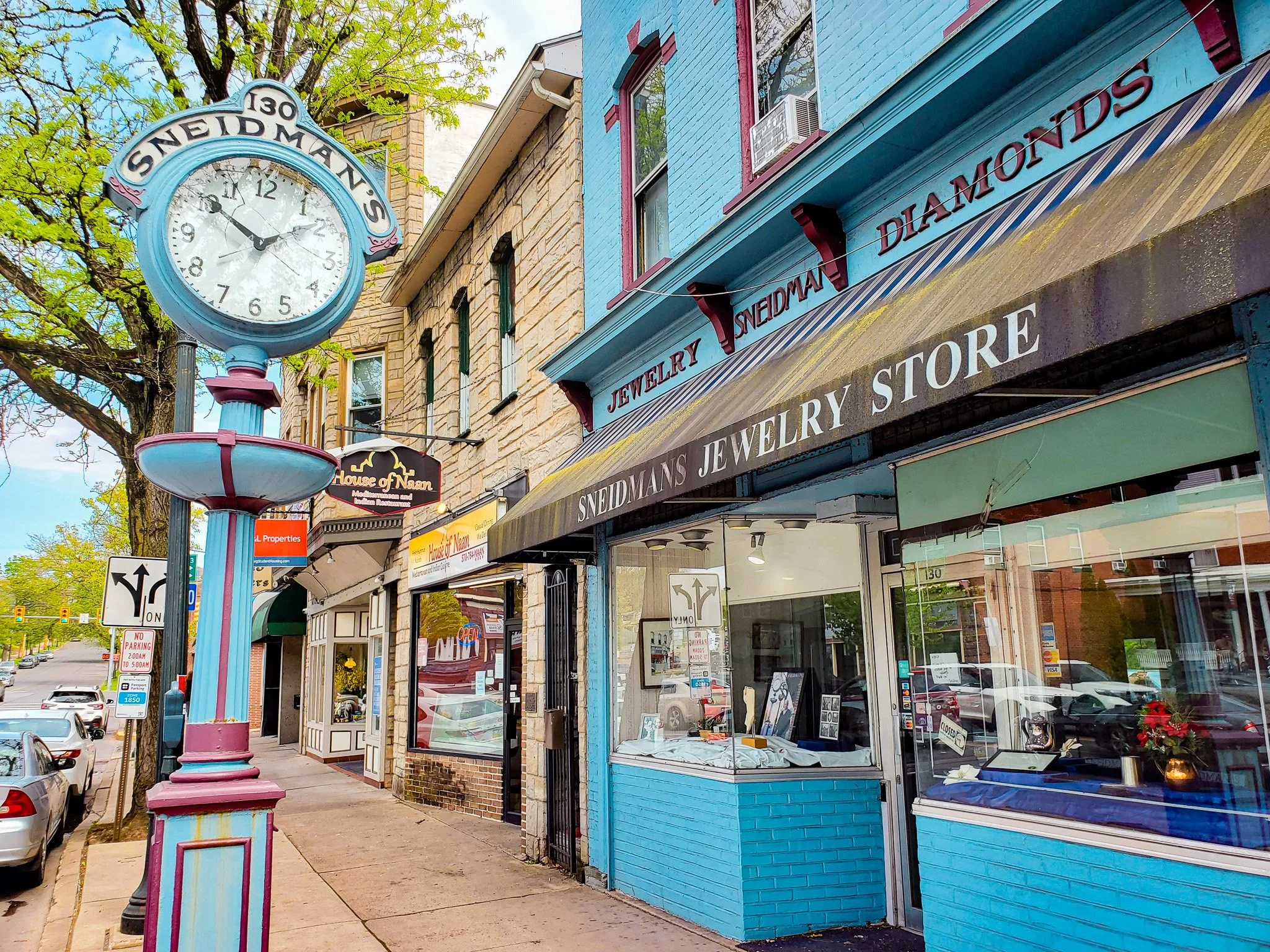
Sneidman's Jewelry Store
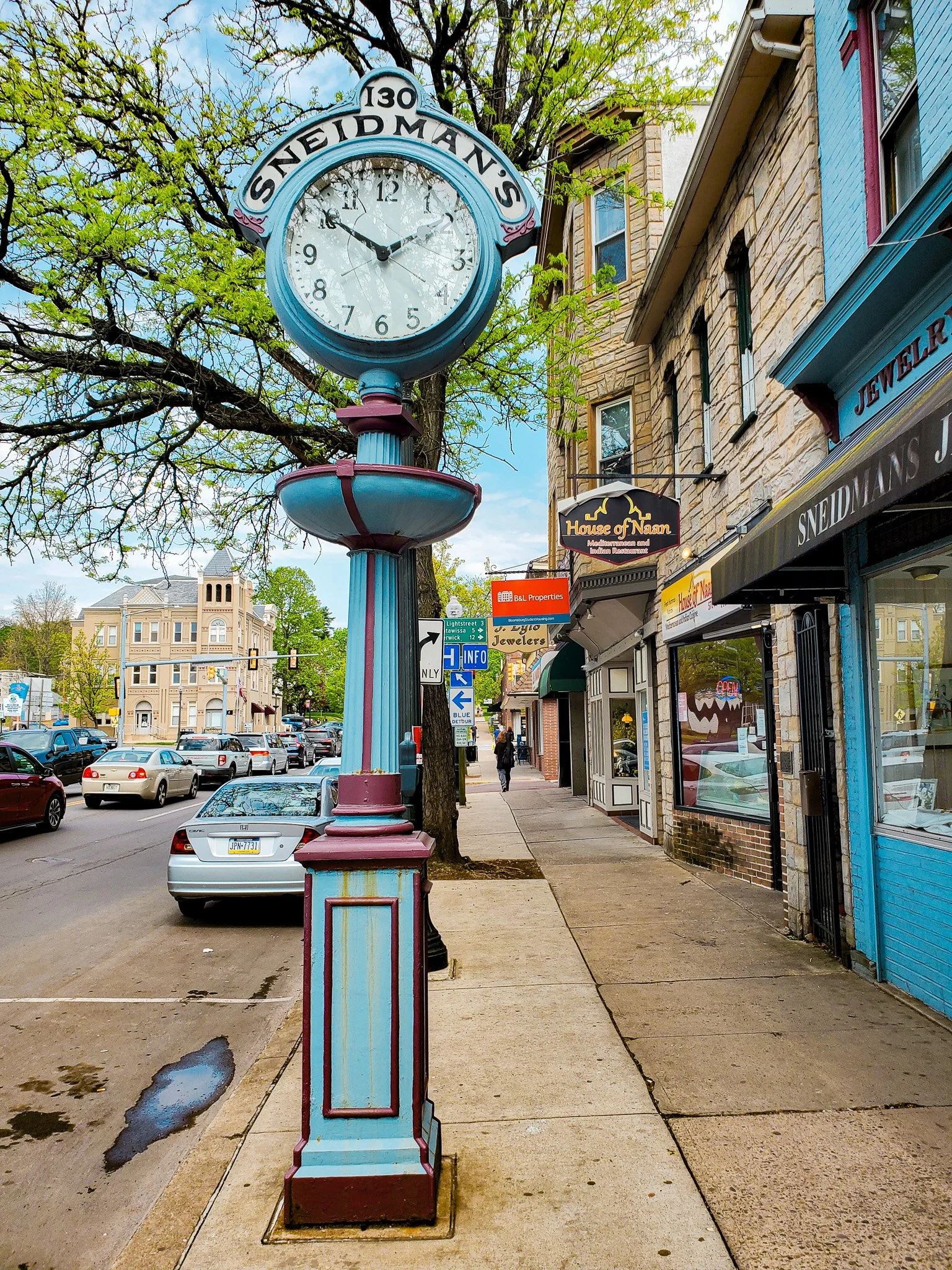
Sneidman's Jewelry Store Clock
SOUTH CENTRE TOWNSHIP
This township was one location of a Pennsylvania-Maryland roadway test to improve following distances on the highway. You will notice large center dots in the roadway which are 115 feet apart, or 2 seconds time (the recommended time you should allow for reaction time to brake for highway travel) if you are traveling the speed limit of 45 mph.
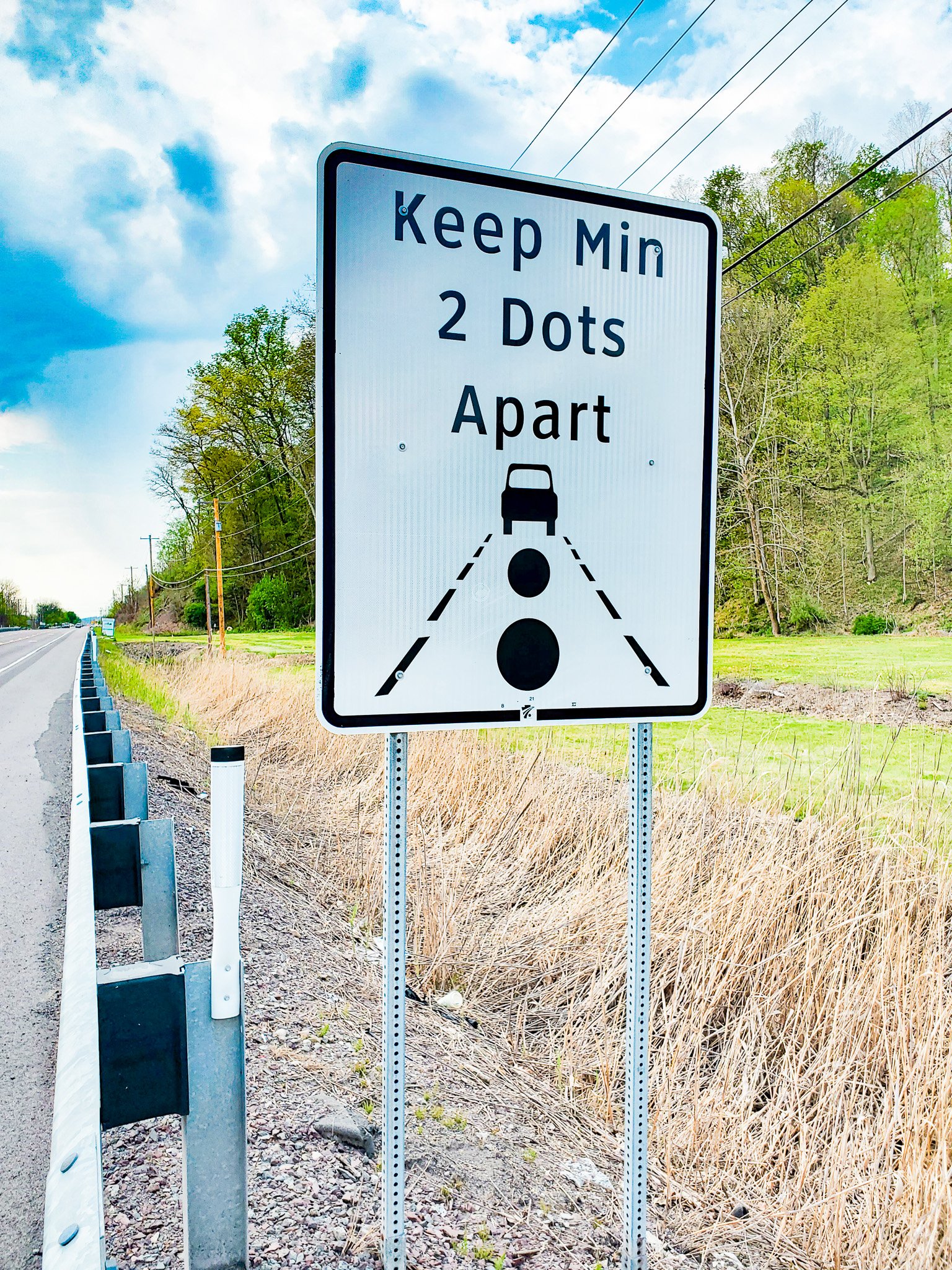
Highway Speed Dots
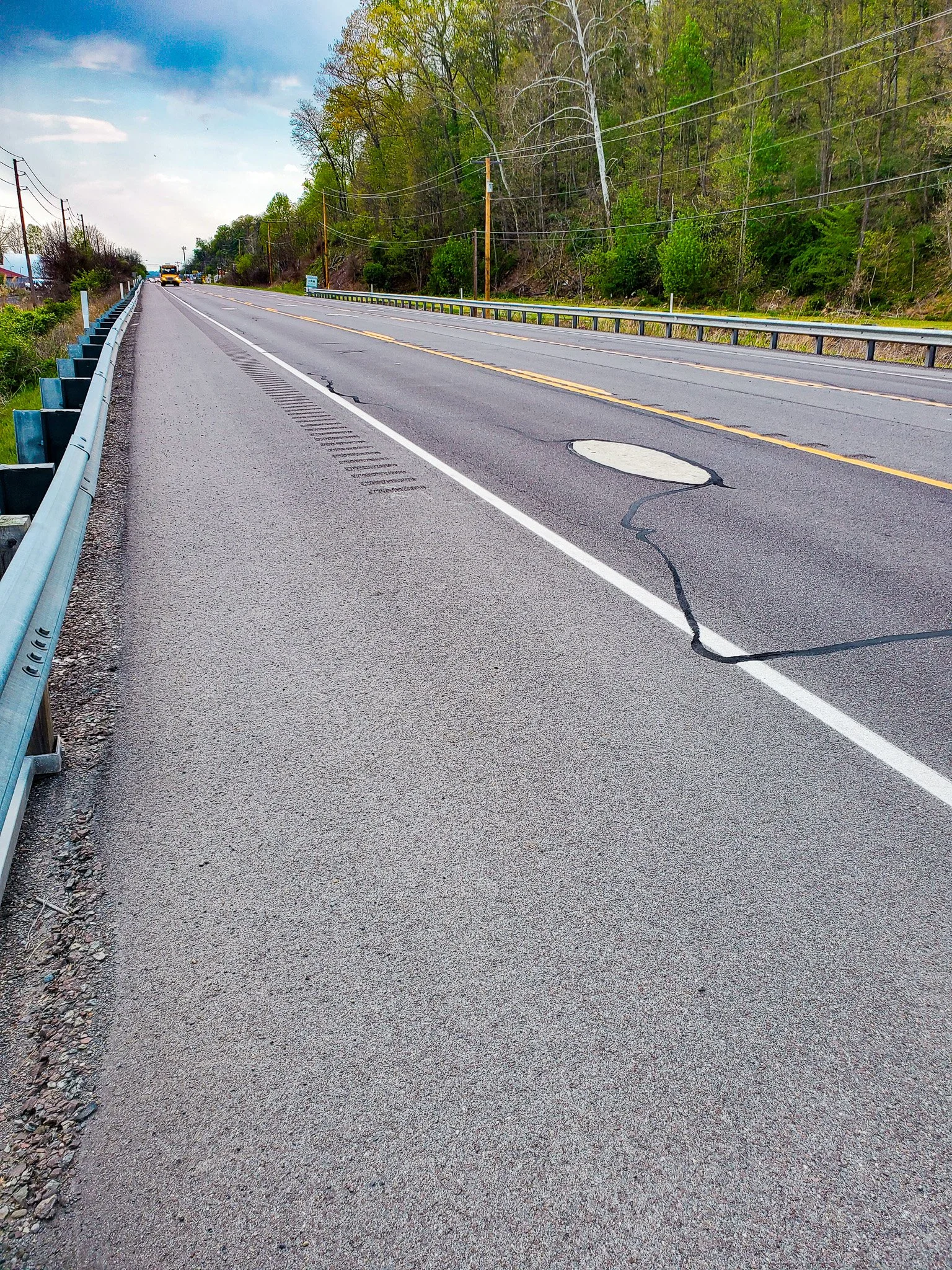
Highway Speed Dots
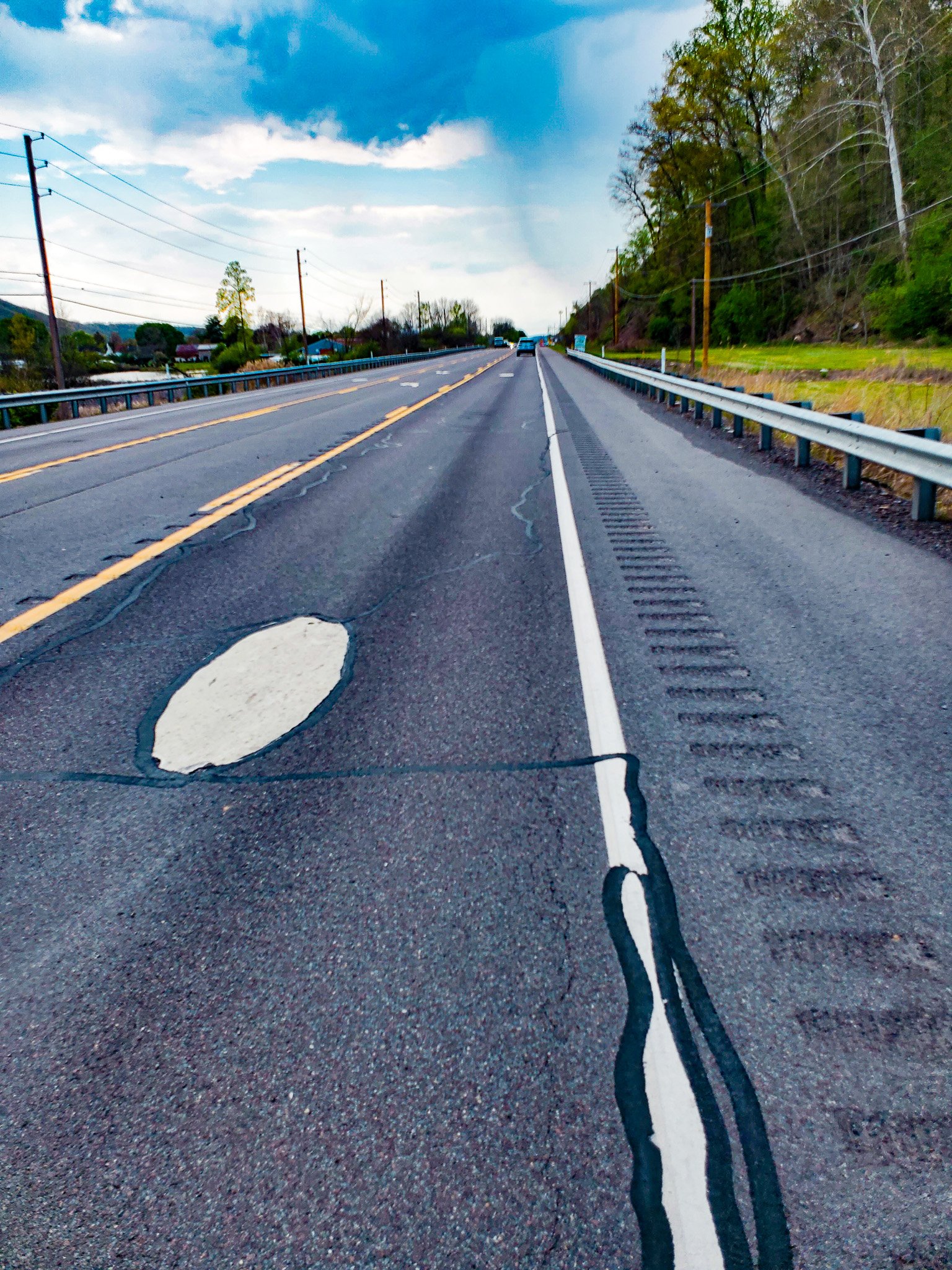
Highway Speed Dots
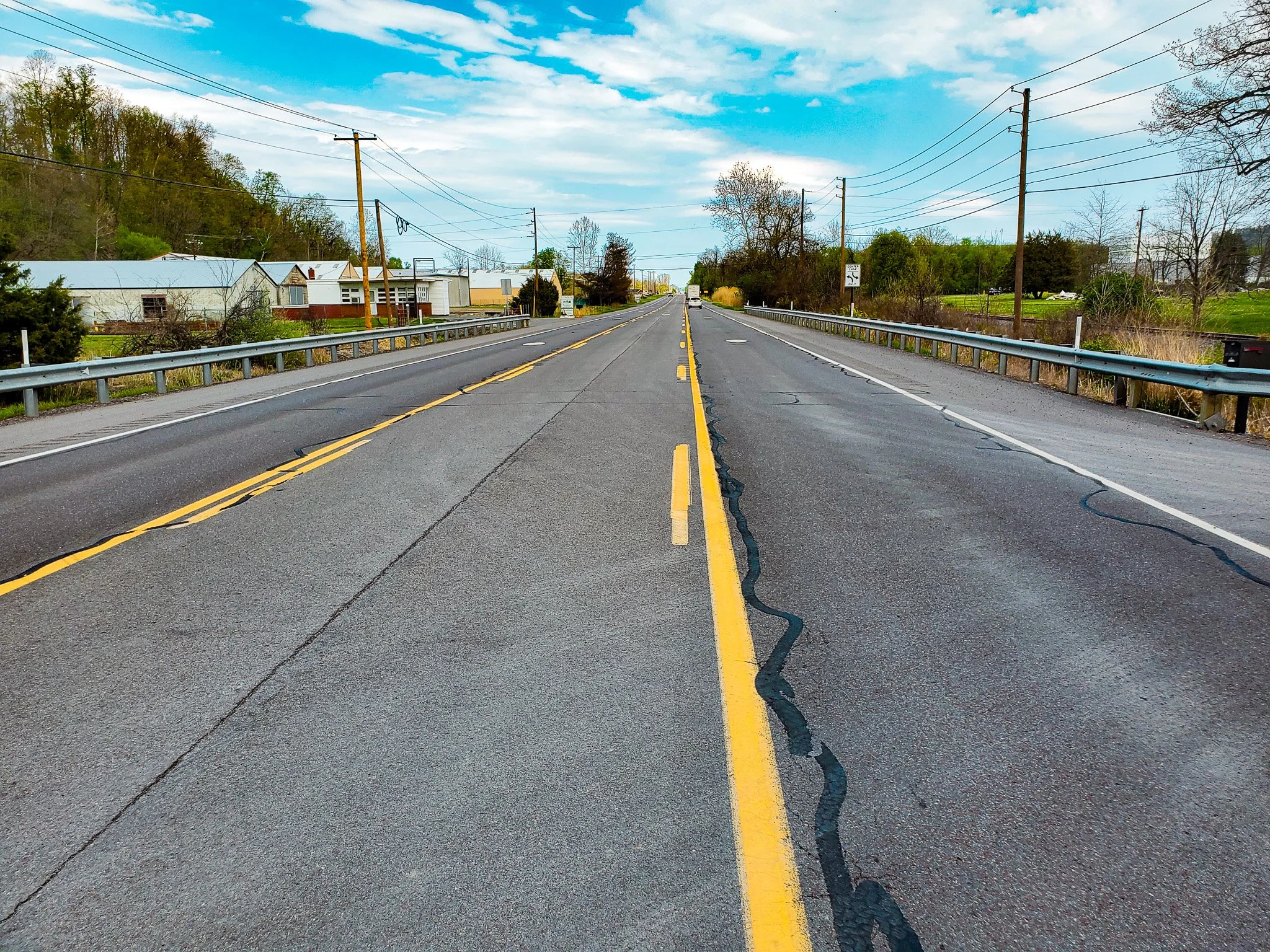
Highway Speed Dots
BERWICK
Berwick was settled in 1769 and named for Berwick-upon-Tweed England. It is home to the Berwick Theater and Center for Community Arts, the Jackson Mansion, the Stuart Tank Memorial Museum, and Wise Potato Chips. The Knox Mine Disaster in Luzerne county in 1959 caused by the Susquehanna River breaking the ceiling of the River Slope Mine and killing 12 miners led to closure of anthracite mining in the region.
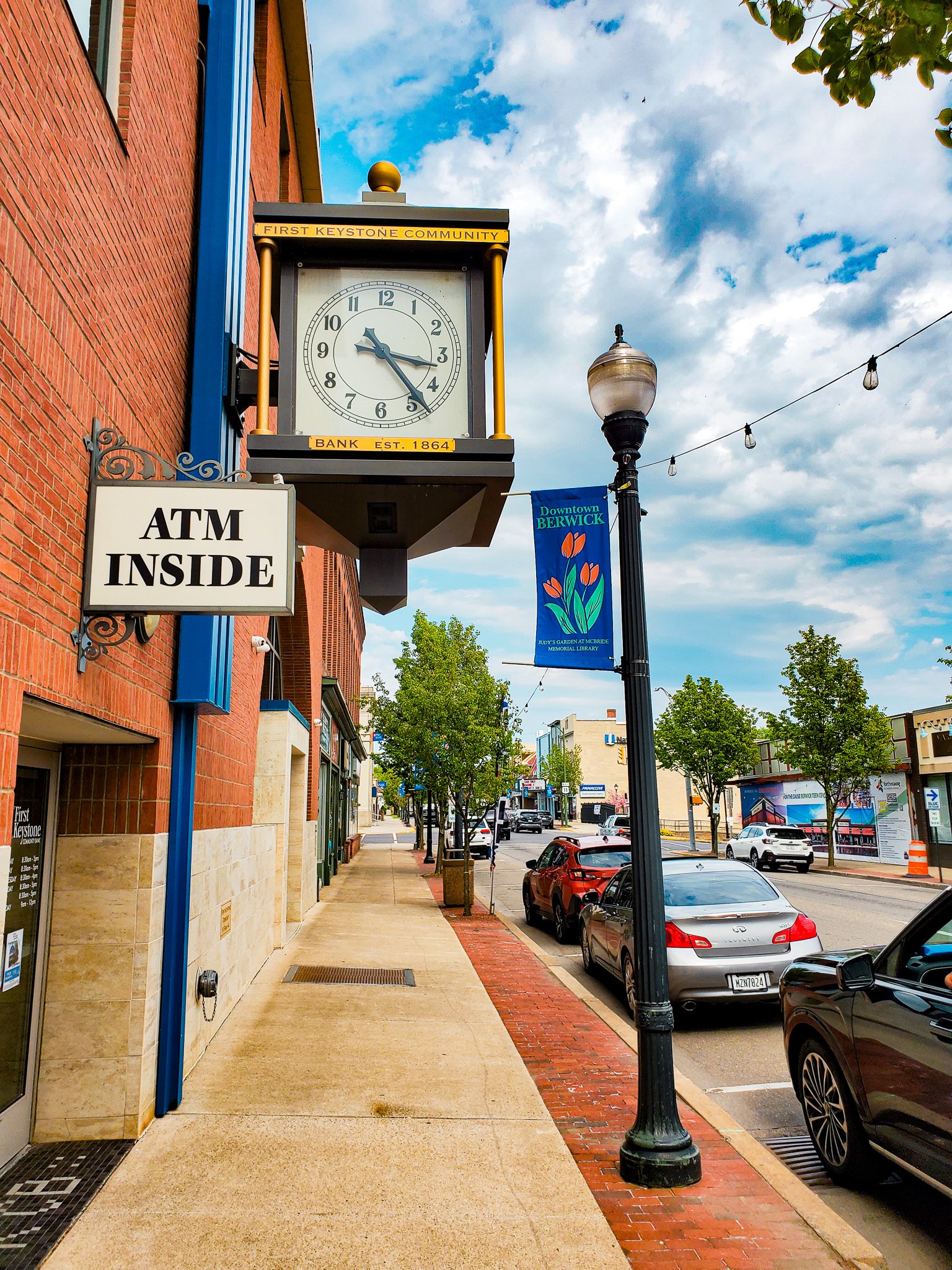
Downtown Berwick
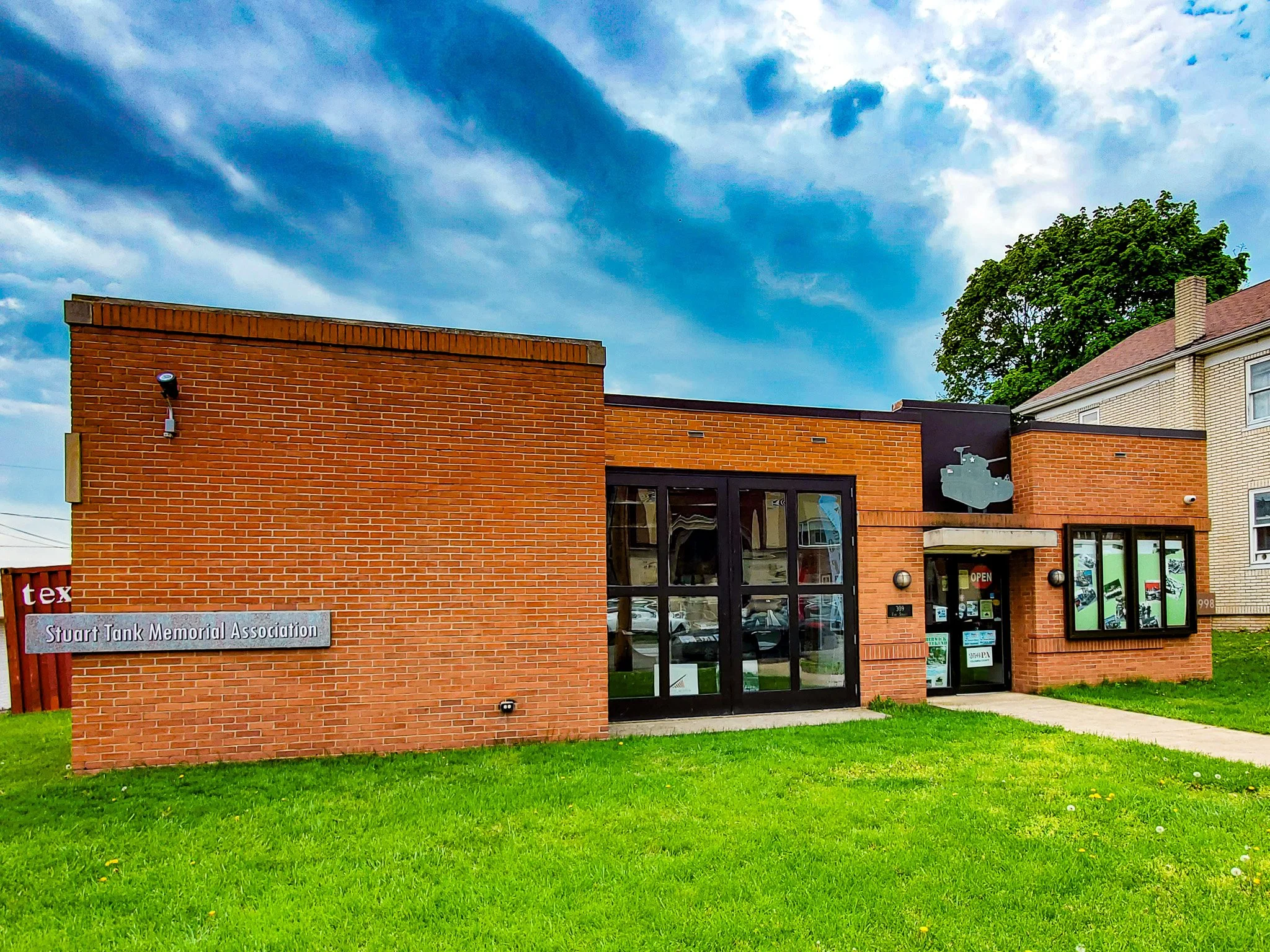
Stuart Tank Building
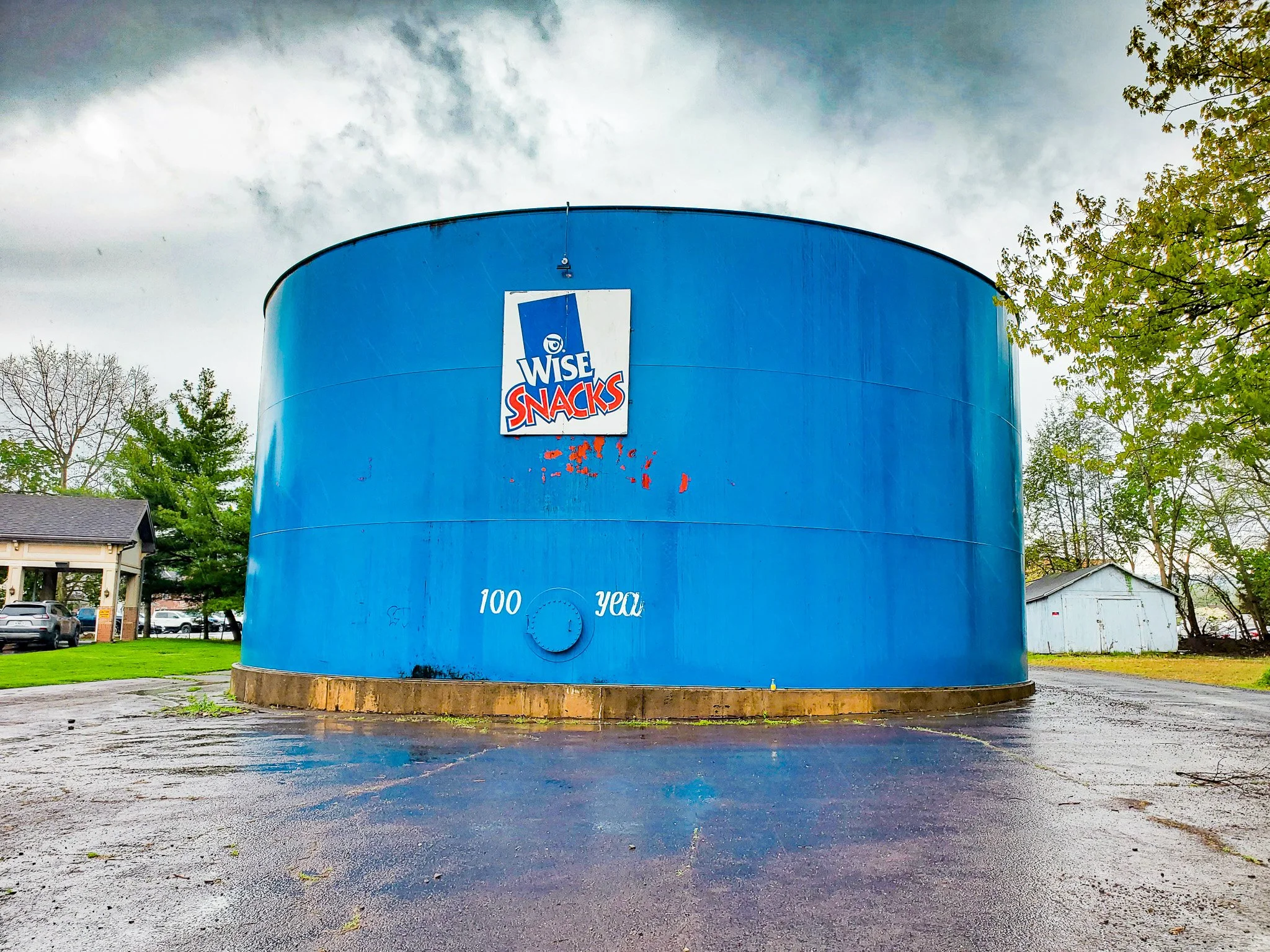
Wise Potato Chip Painted Tank
SHICKSHINNY
Settled in 1782, the Native American term means “five mountains”—most likely the Newport, Knob, Lee, River, and Rocky—that encircle the creek and borough. Nathan Garrison and Andrew J Eldon built the first store in June 1857. A few months later, Eldon fled to China with $3000 of Garrison's money but he was lost in a storm at sea and reportedly drowned because of the weight of gold in his pockets.
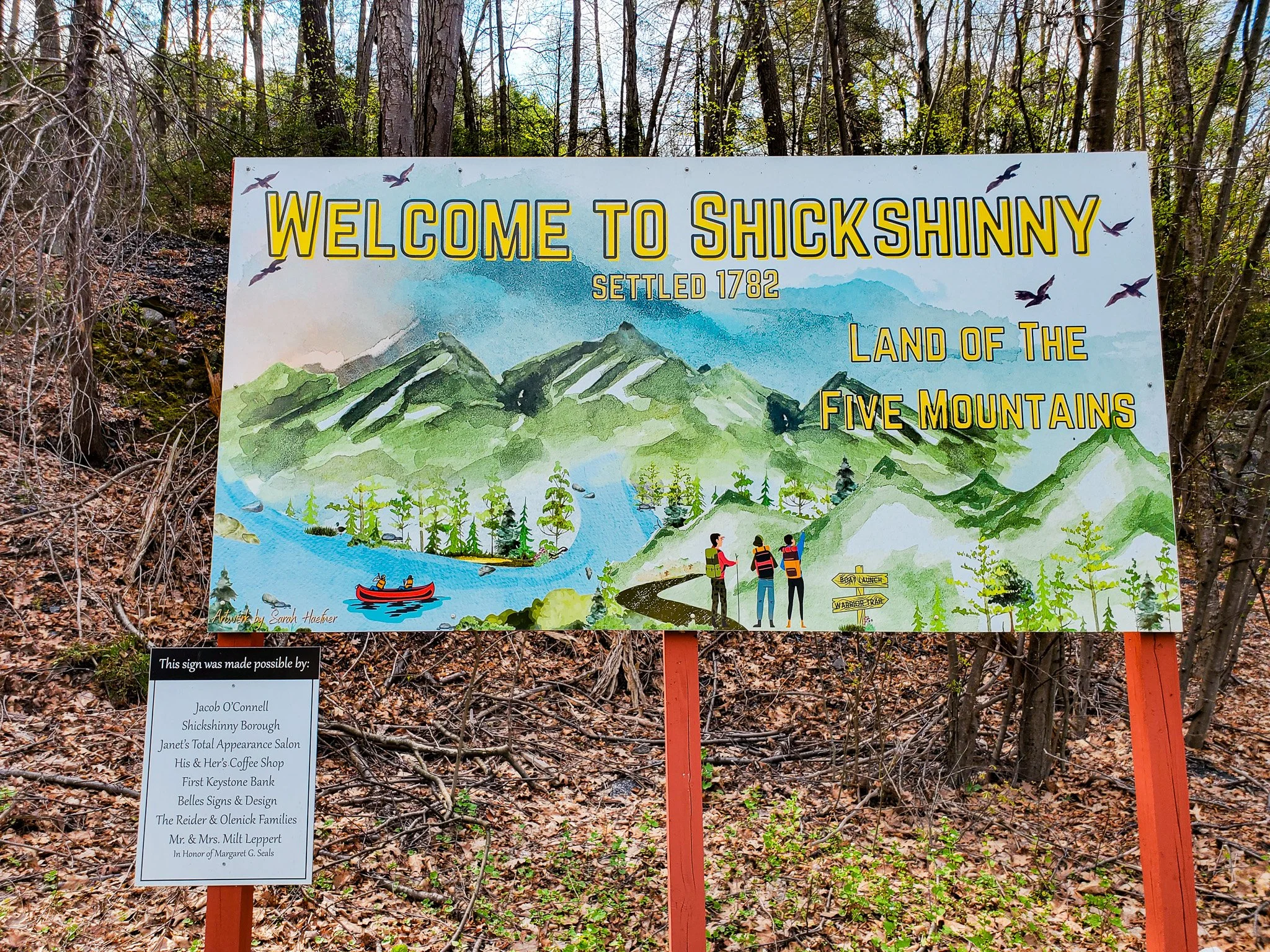
Shickshinny Welcome Sign
WEST NANTICOKE
Nanticoke is a Native American tribe from the Algonquian word “Nentego” meaning "tidewater people" referring to a tribe that migrated to the Wyoming Valley of Pennsylvania from the Chesapeake Bay area in the 18th century seeking protection and new land. The Susquehanna Warrior Trail is a 12.5 mile crushed stone rail-trail in Luzerne County PA along the former Delaware, Lackawanna and Western Railroad bed on the west side of the river. In 2025, the Broadway Street bridge (built in 1914) in W Nanticoke was closed due to advanced deterioration and is scheduled for demolition. If you’re hungry, stop at Stookey’s Famous Bar-B-Que on US 11 as other travelers have done since 1926.
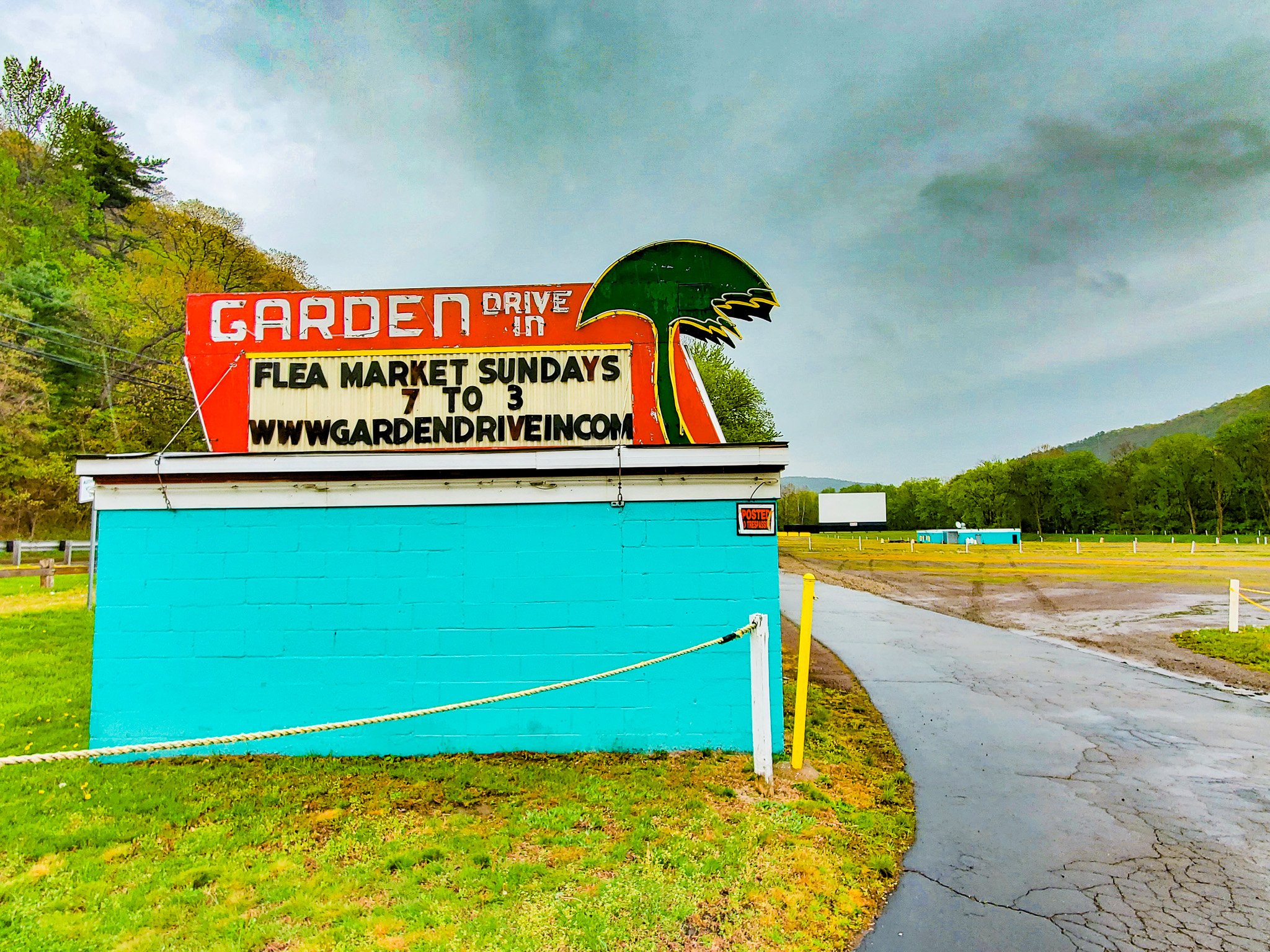
Garden Drive-In Theater
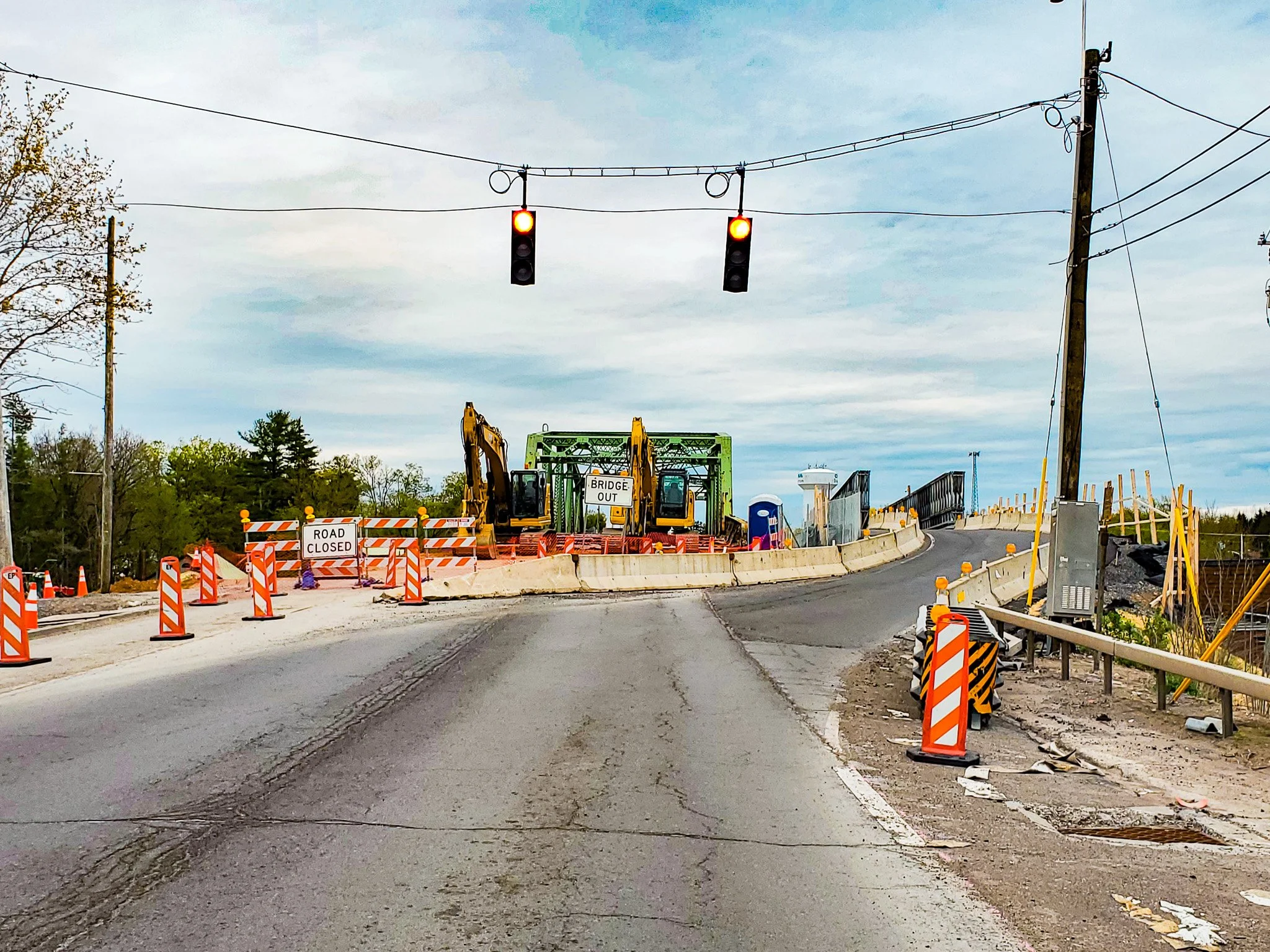
Bridge Demolition
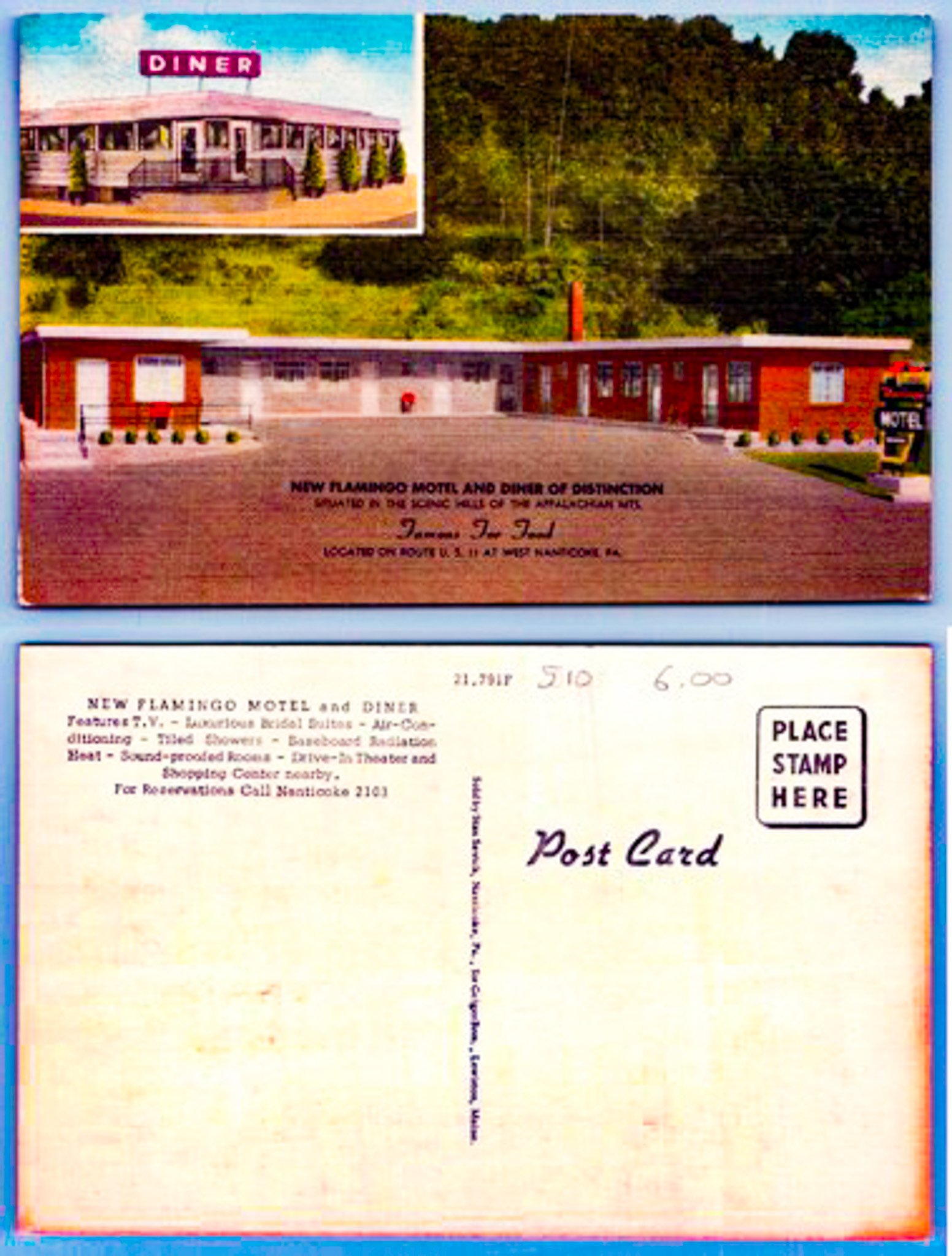
Flamingo Motel Postcard
PLYMOUTH
Plymouth was named in 1769 by New England settlers from the Susquehanna Company to reflect their English heritage. Plymouth sponsors an annual Kielbasa Fest each August.
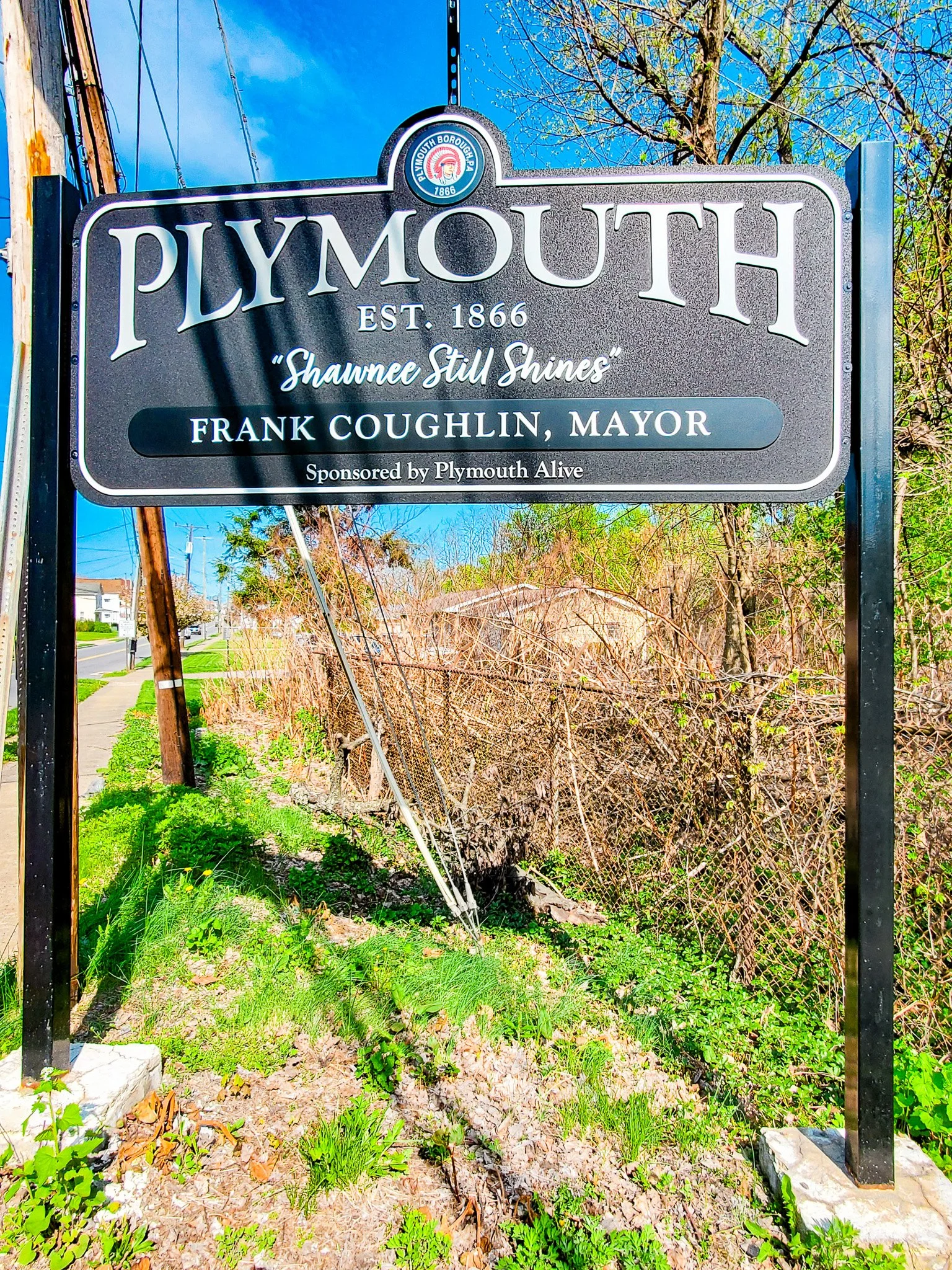
Plymouth Welcome Sign
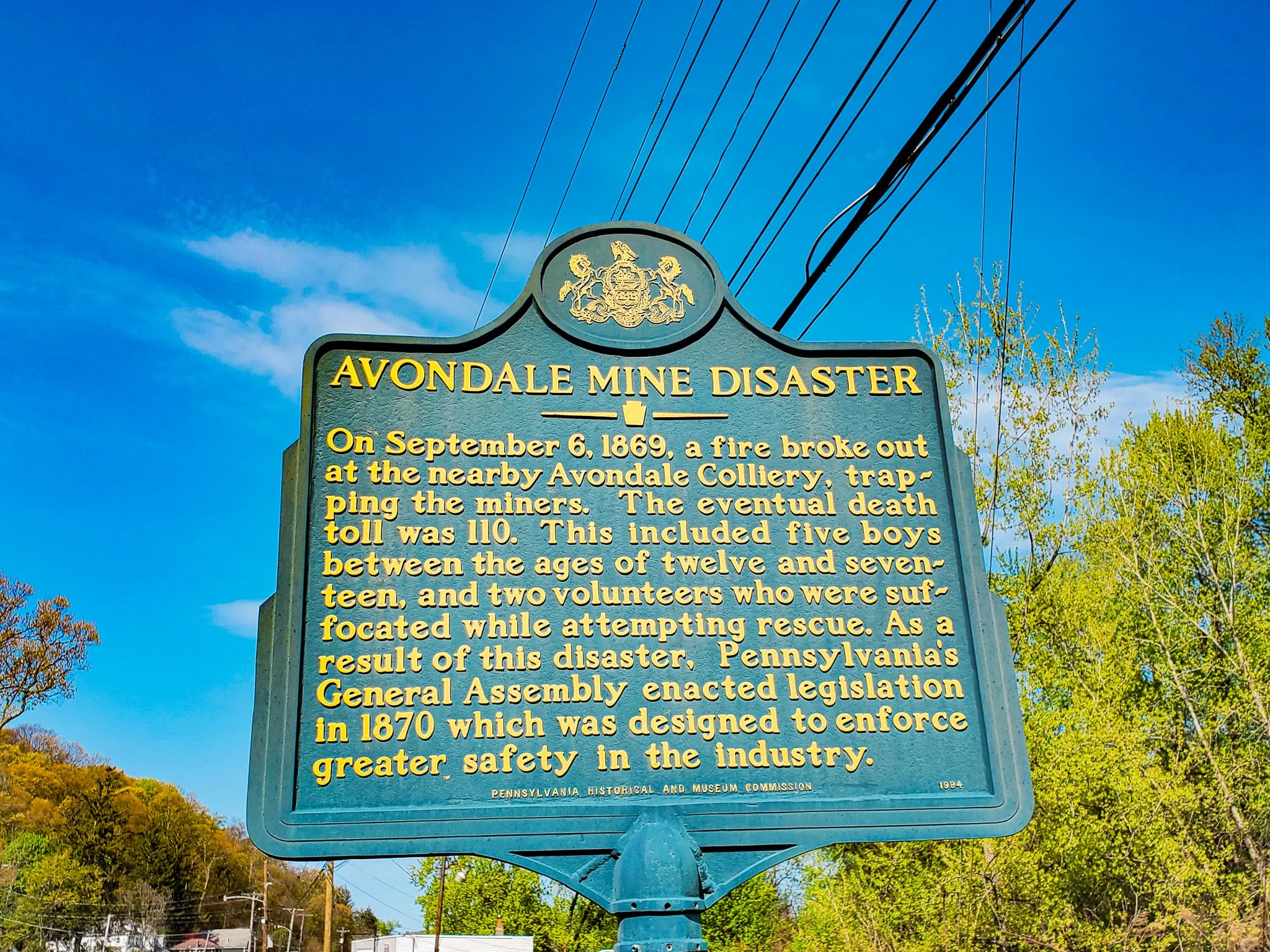
Avondale Mine Disaster Marker
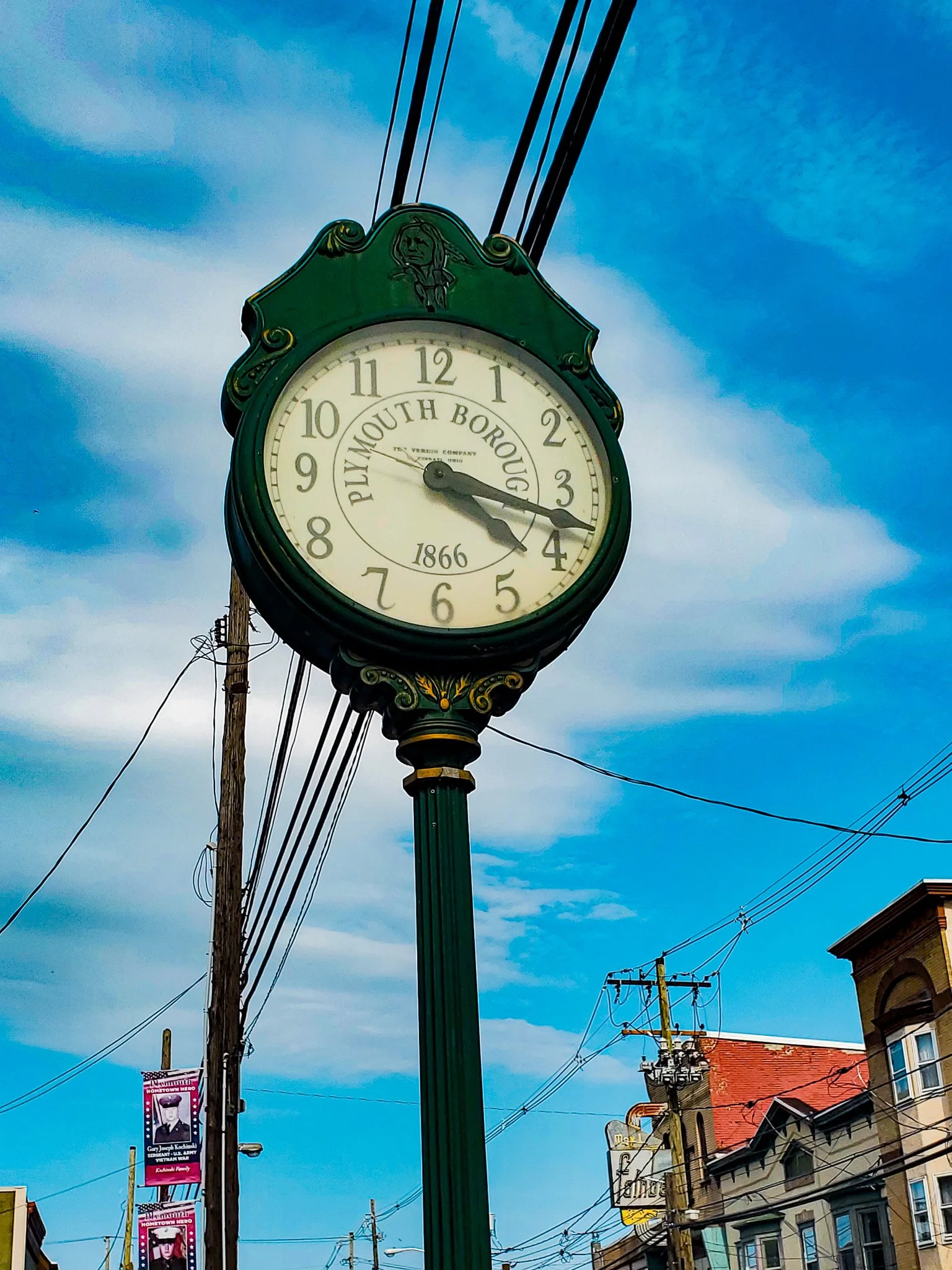
Downtown Clock
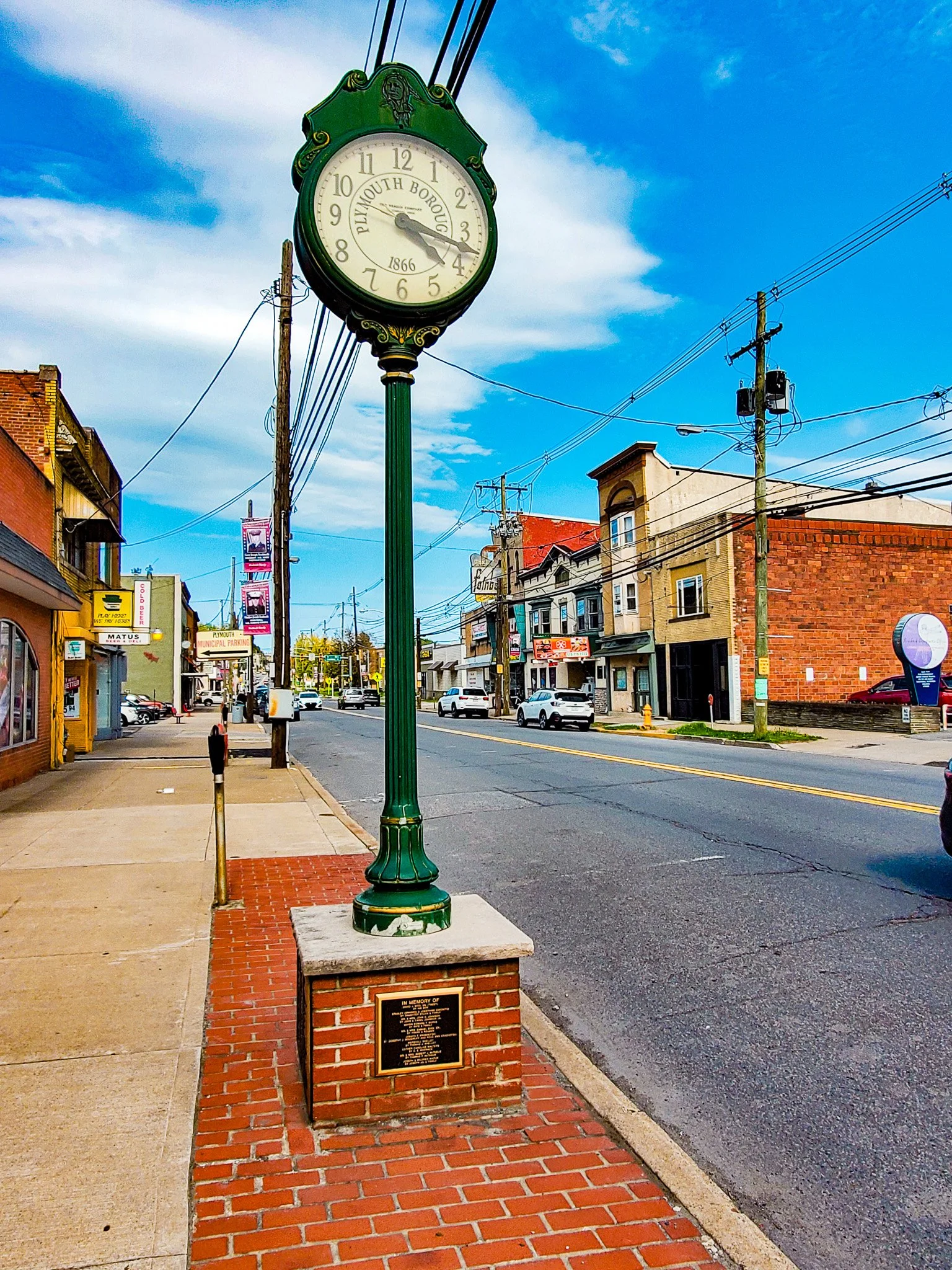
Downtown Clock
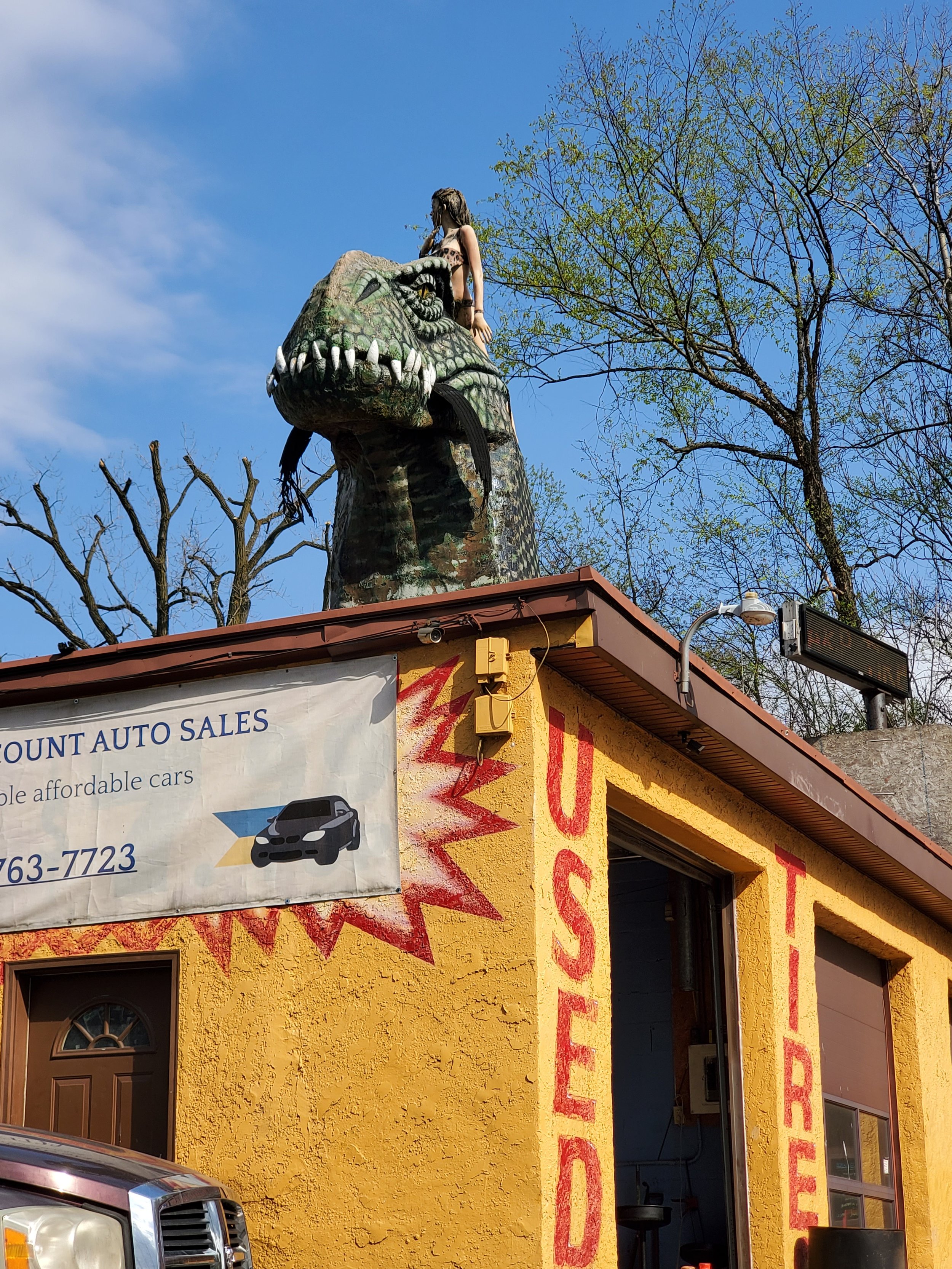
Dino on Auto Repair Shop
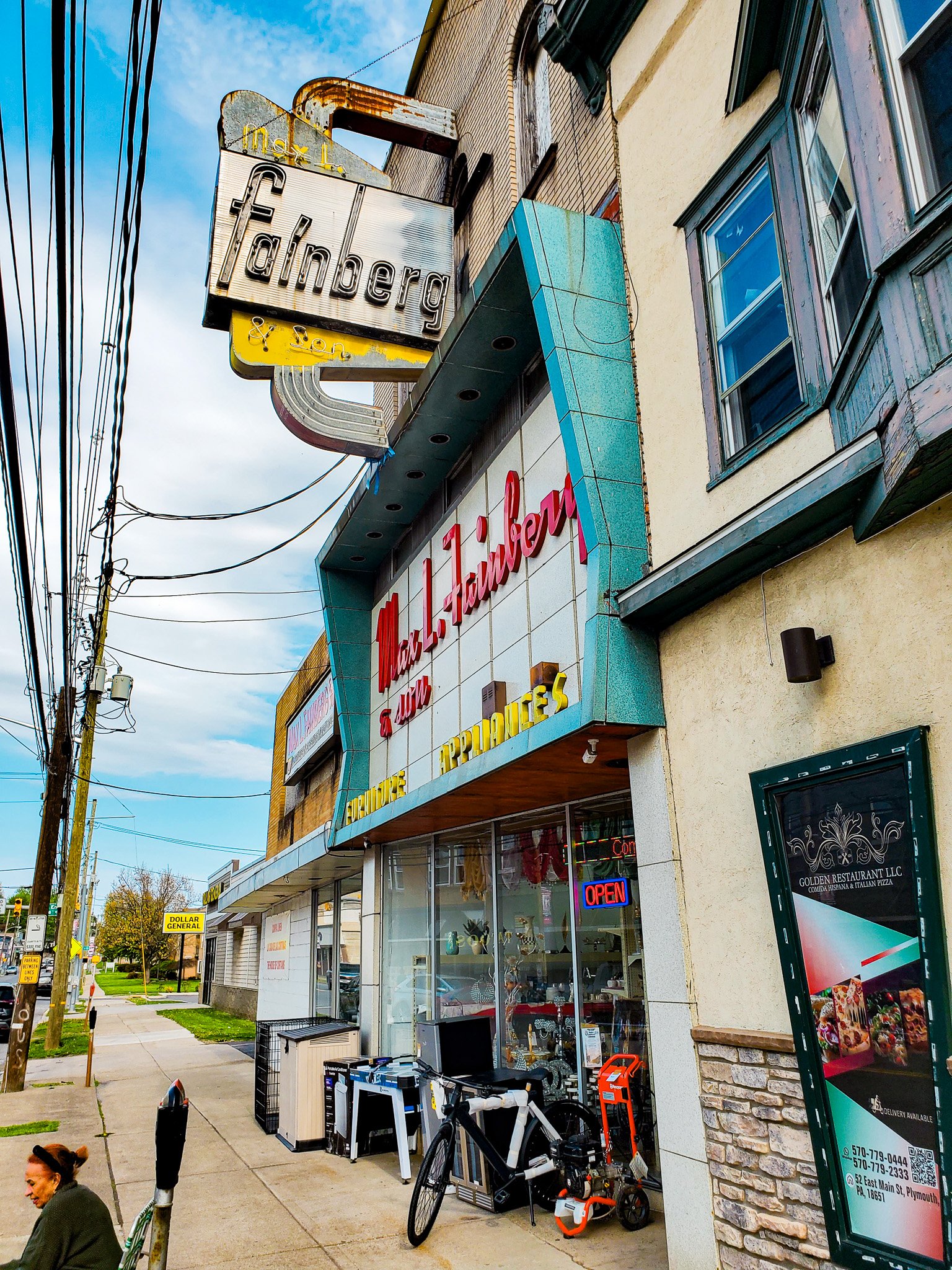
Fainburg Furniture Store
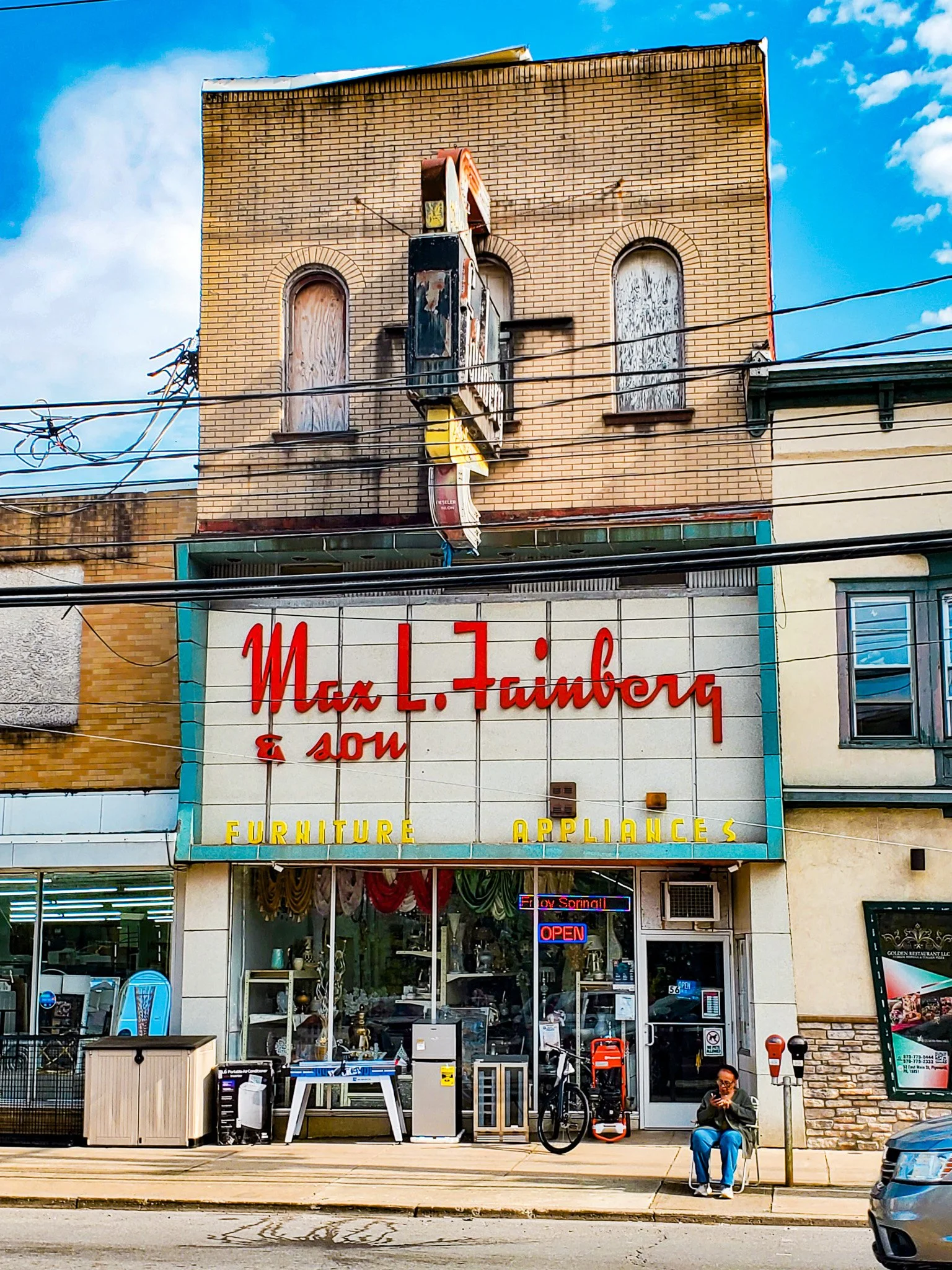
Fainburg Furniture Store
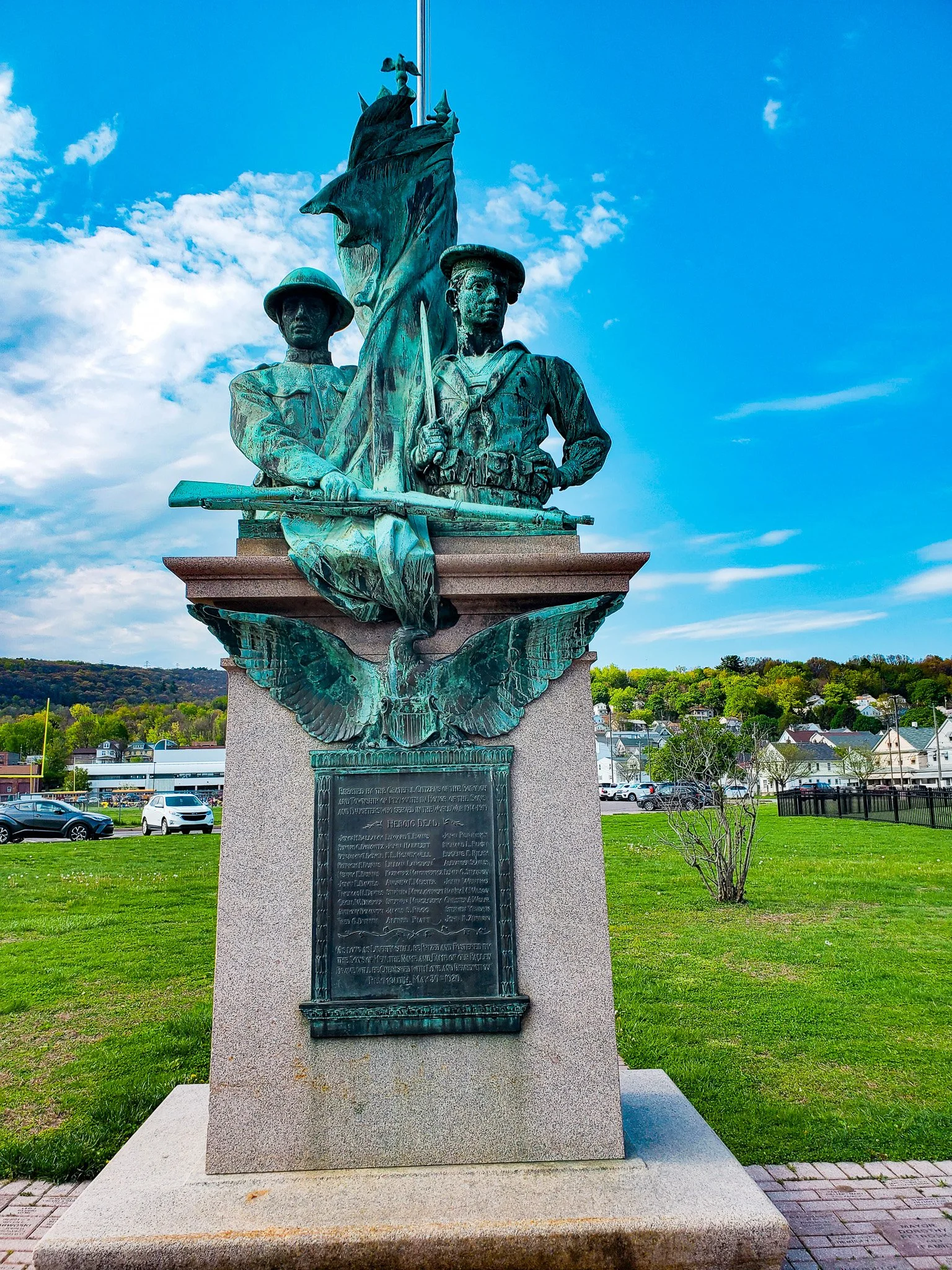
WWI Memorial Monument
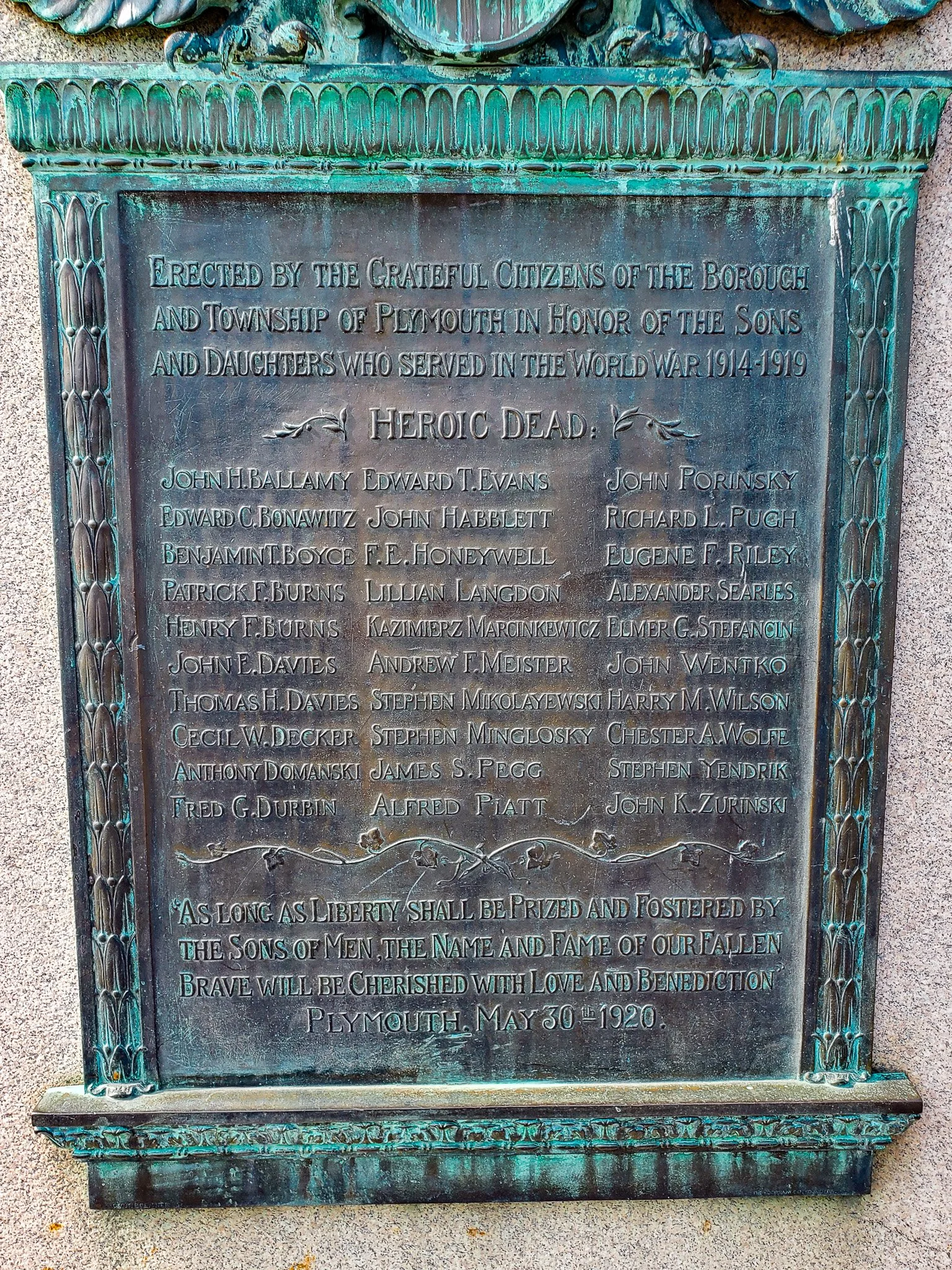
WWI Memorial Plaque
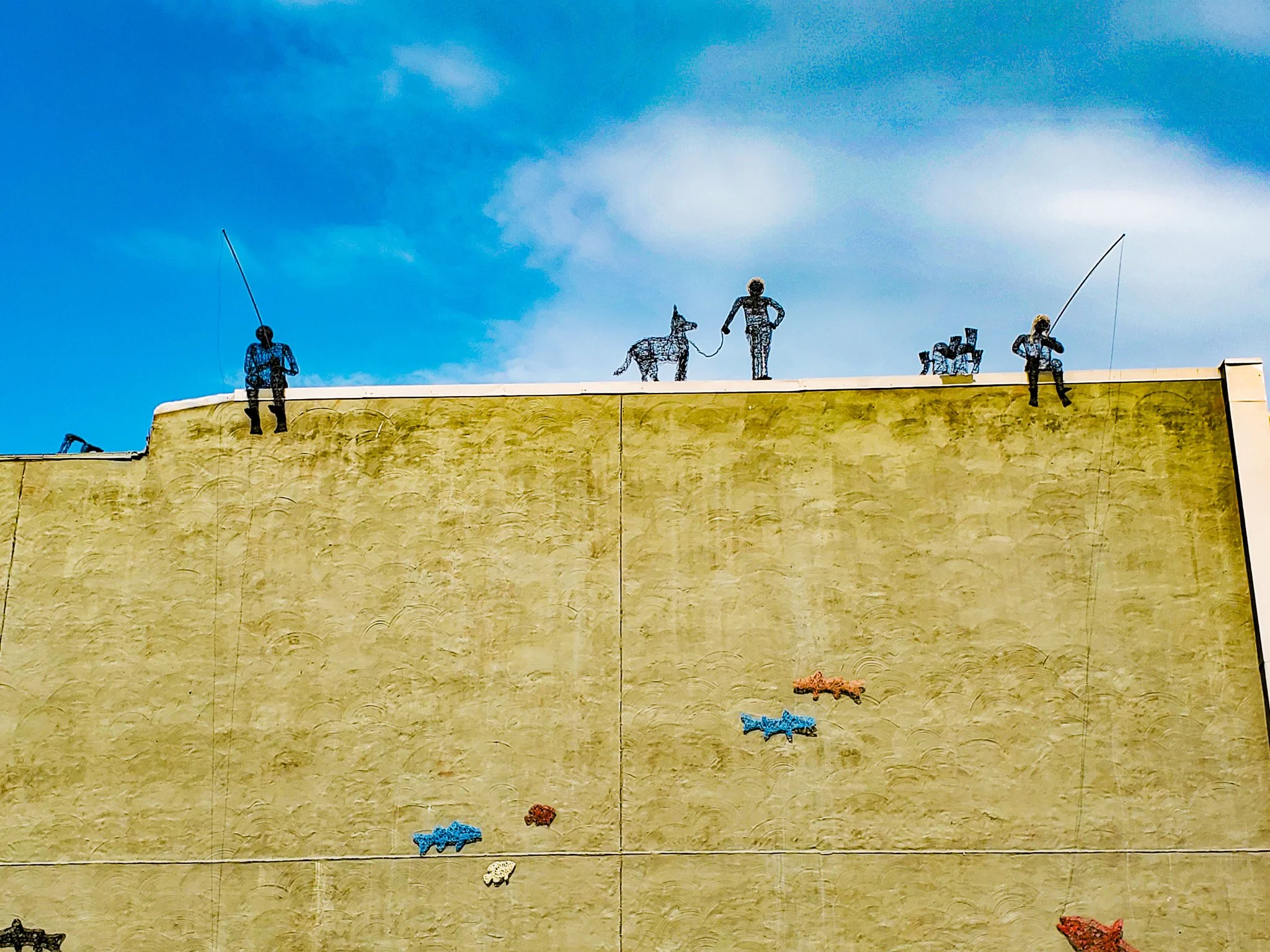
Statues on Top of Building
LARKSVILLE
Named after Peggy Lark, a prominent resident, Curry’s Donuts on US 11 is open and The Lark Diner with its cool sign is not.
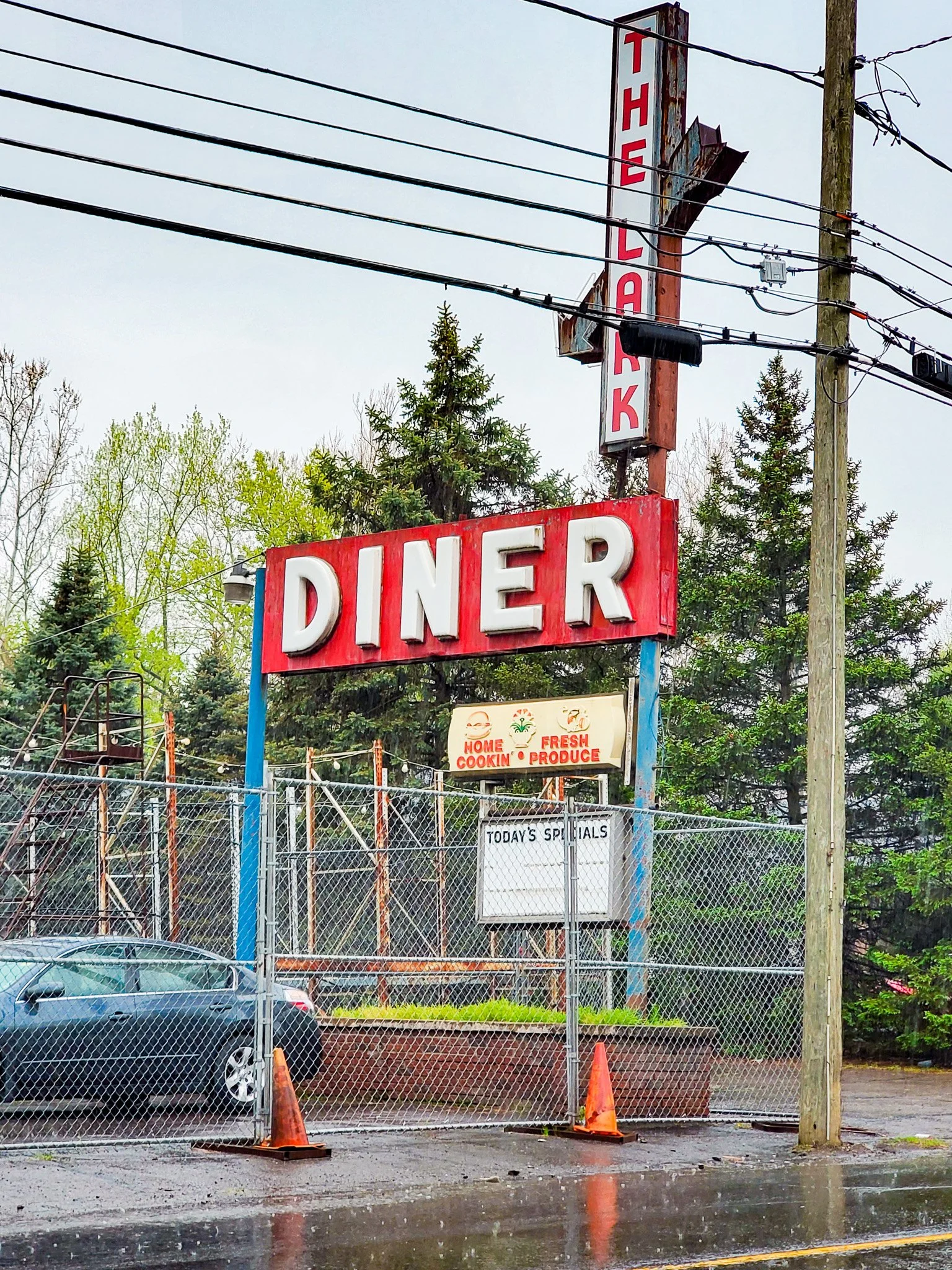
The Lark Diner Sign
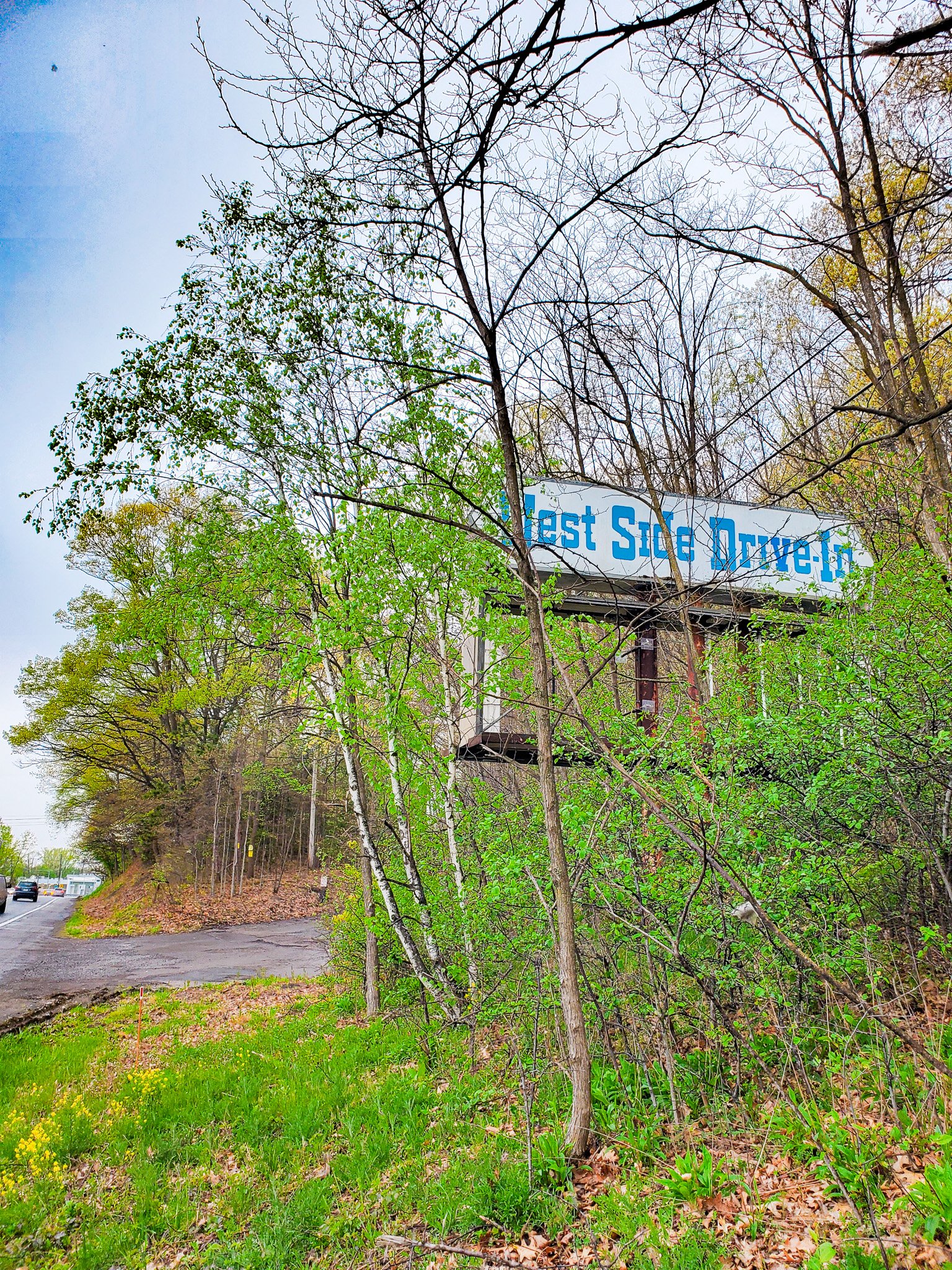
West Side Drive-In Theater Sign
EDWARDSVILLE
Settled by Connecticut residents in 1768, the town was named in honor of Daniel Edwards, a Welsh immigrant and coal company president. The town has hosted an Annual Pierogi Festival annually each June since 2014.
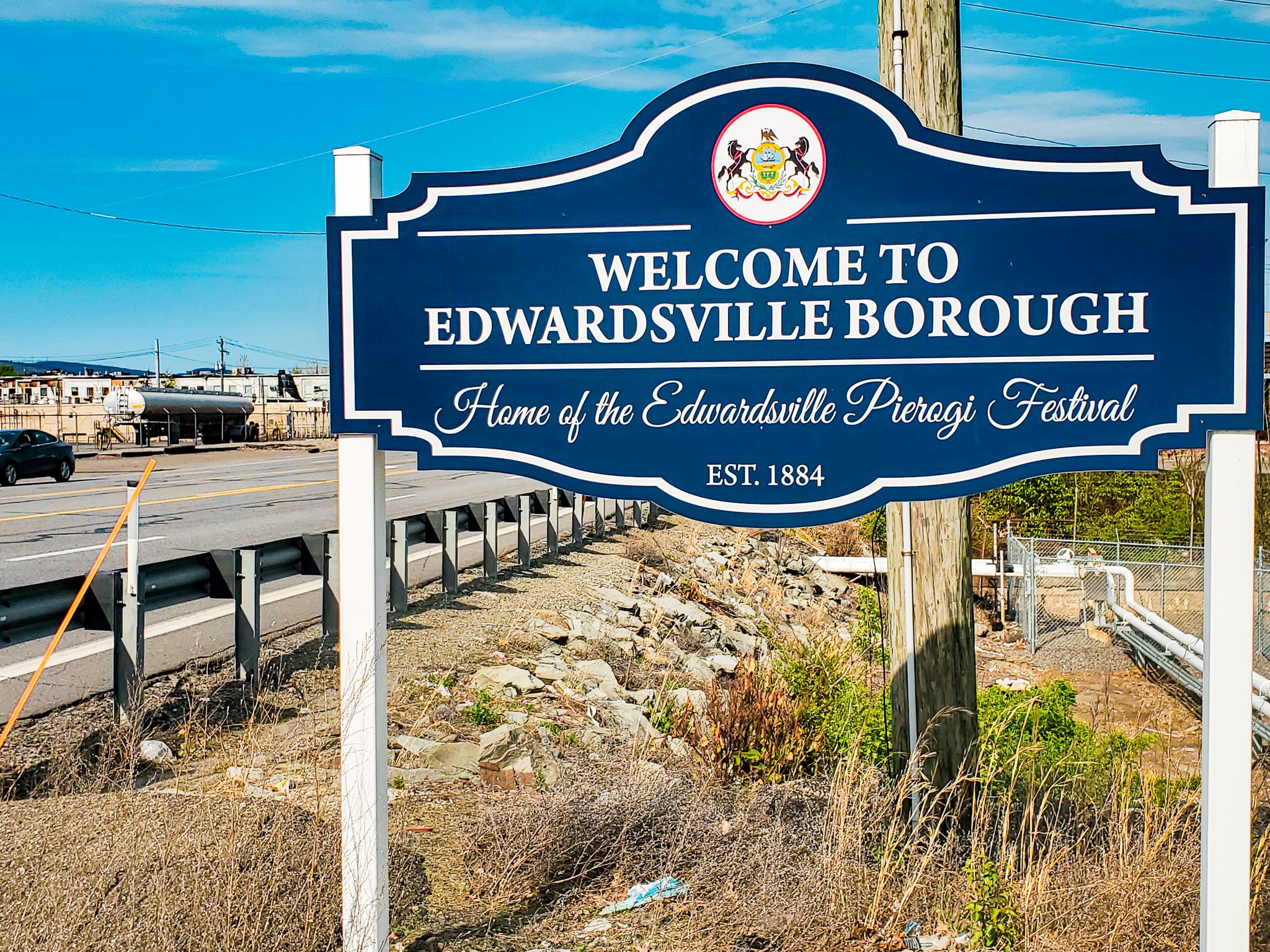
Welcome to Edwardsville Sign
KINGSTON
Kingston was settled in the 1770’s and named after Kingston Rhode Island. Local sites include the Kingston Armory, the Wyoming Seminary, and the grand Market Street Bridge constructed between 1926-1929. Josie's Frozen Custard on US 11 has been in business for over 25 years and Abe’s Hot Dogs (and BBQ and hoagies) since 1924.
WILKES-BARRE
US 11 skirts, but does not enter Wilkes-Barre on the eastern side of the Susquehanna River.
FORTY FORT
Forty Fort was built by forty settlers in the 1770’s from Connecticut who were vying for territory in Pennsylvania.
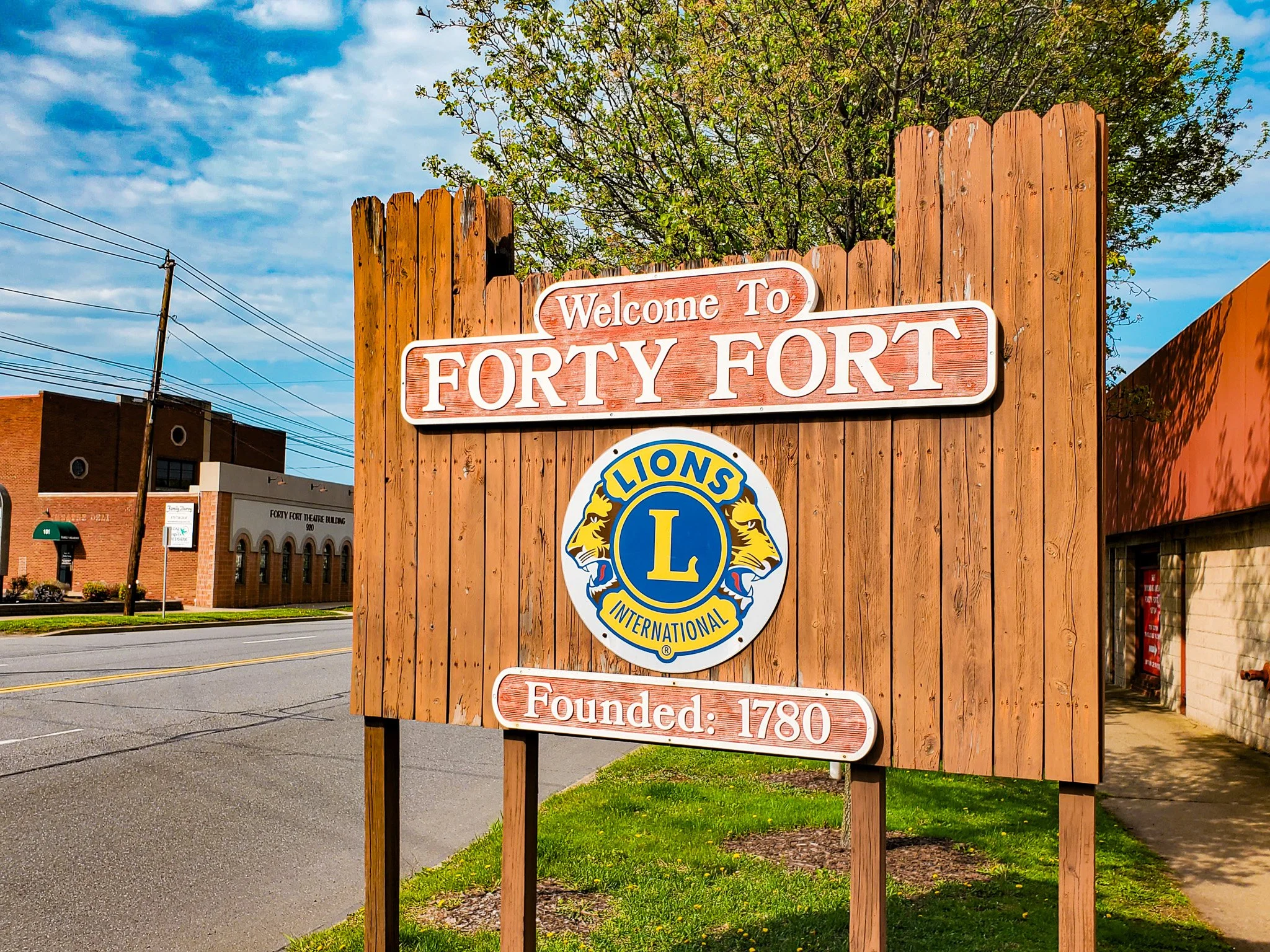
Welcome to Forty Fort Sign
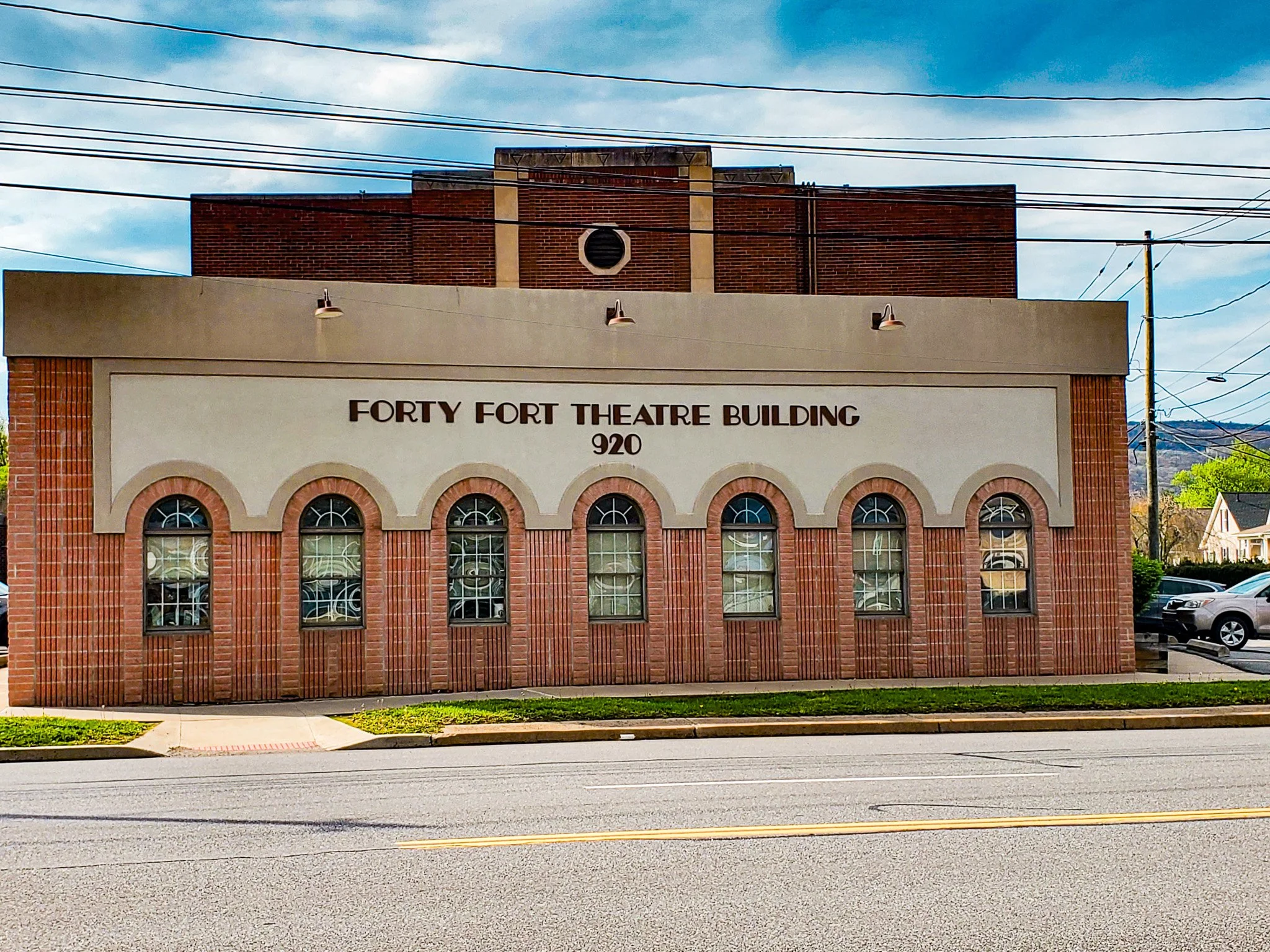
Forty Fort Theatre
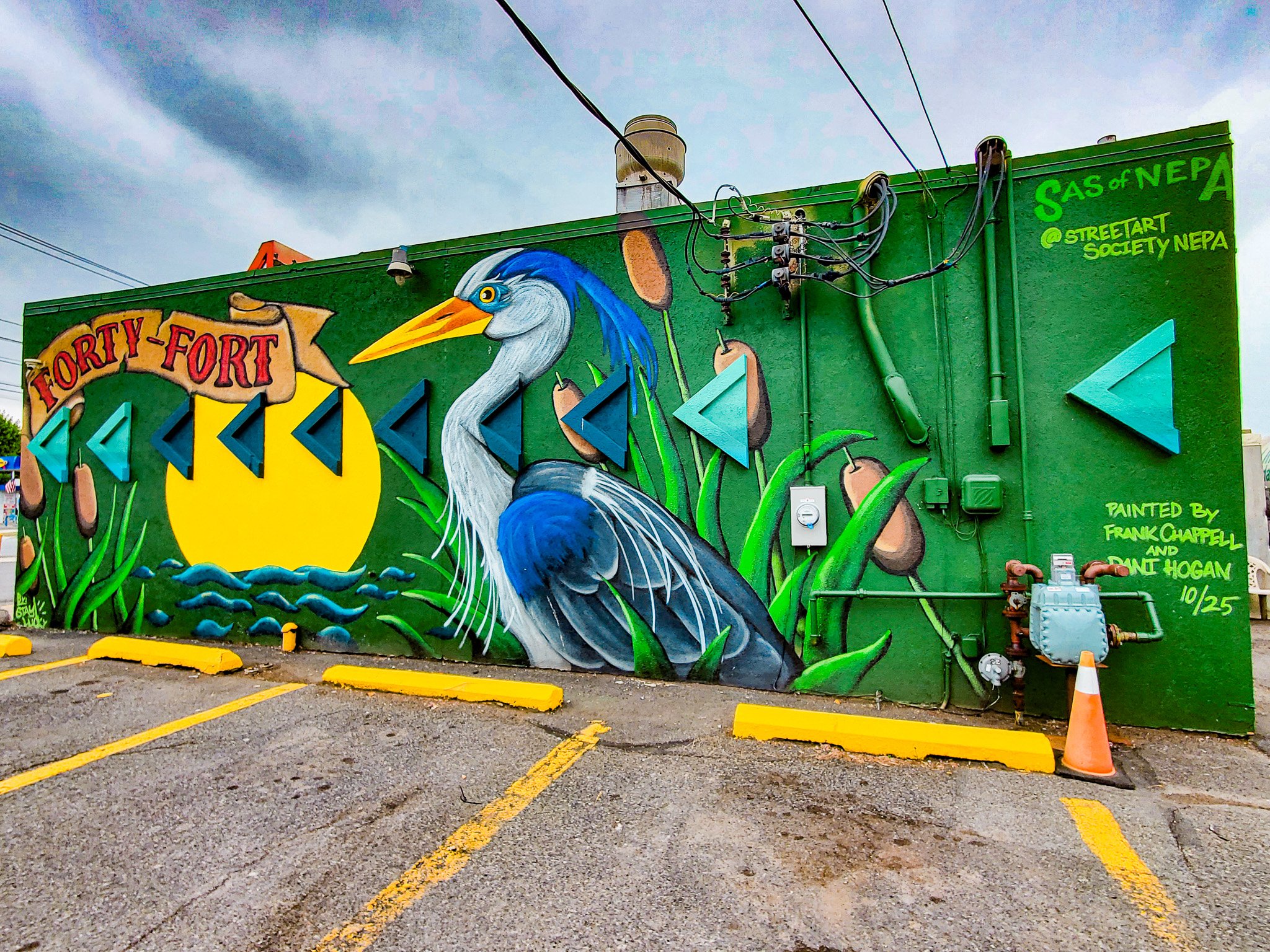
Forty Fort Mural
WYOMING
Named for the (local) Wyoming Valley, there are 13 municipalities in the US named Wyoming. The western state of Wyoming is named for this Pennsylvania valley. The Victory Pig Barbecue and Pizza Restaurant has been in business on US 11 since 1942. Queen Esther’s Bloody Rock monument is located on Susquehanna Avenue just across from an insurance agency and brick building. The rock is just across the street past a white two story house.
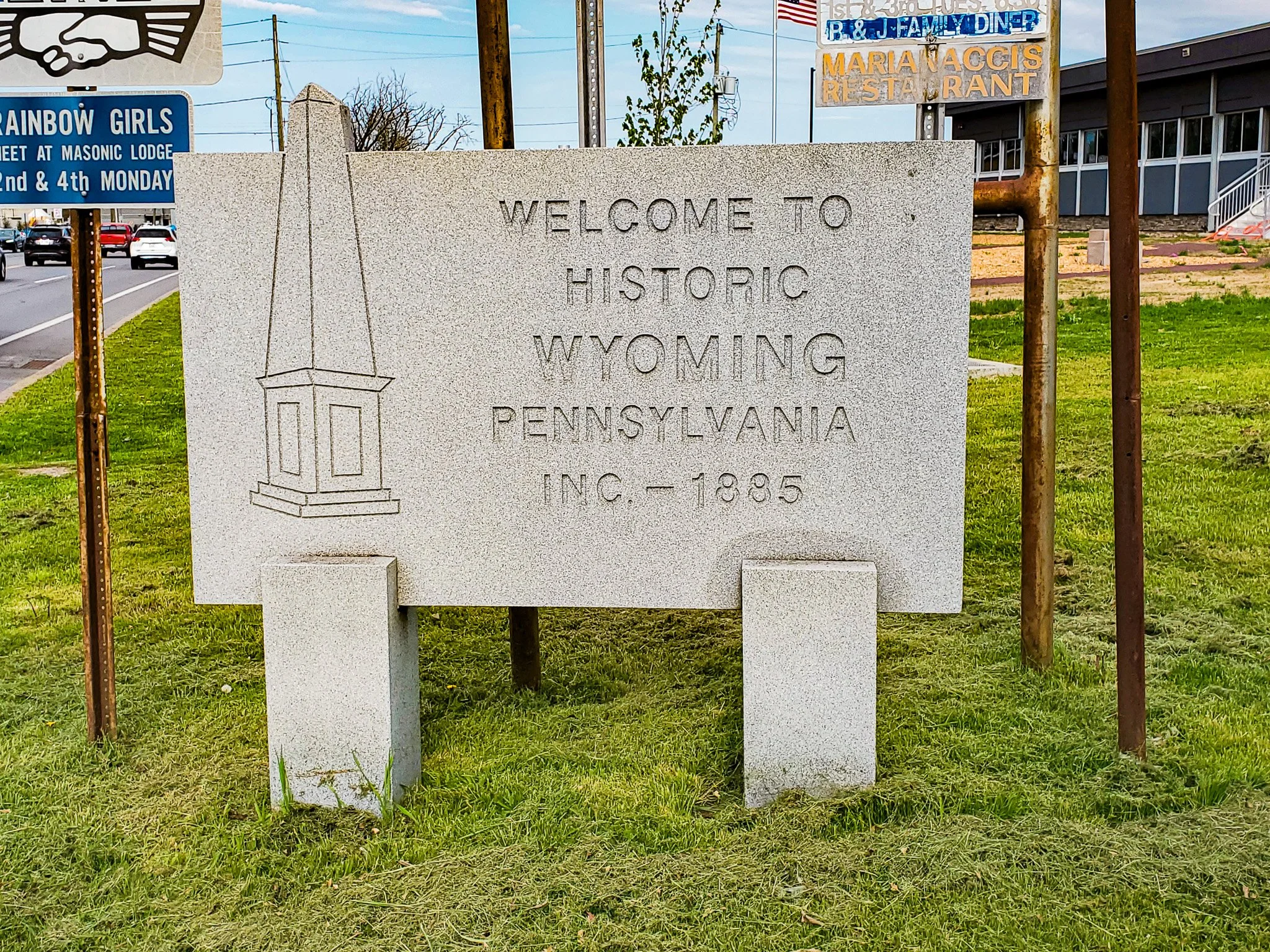
Welcome to Wyoming Sign
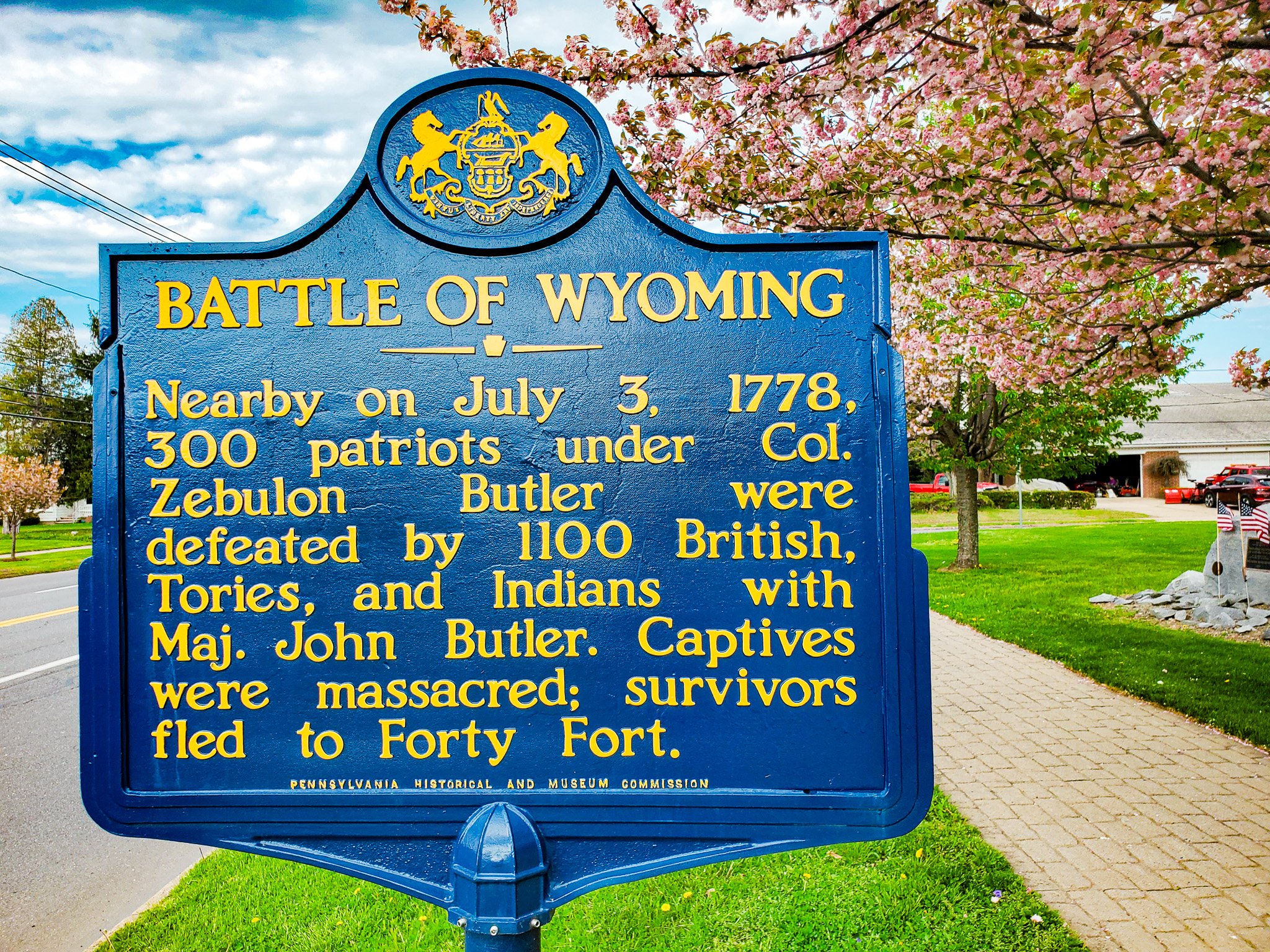
Battle of Wyoming Marker
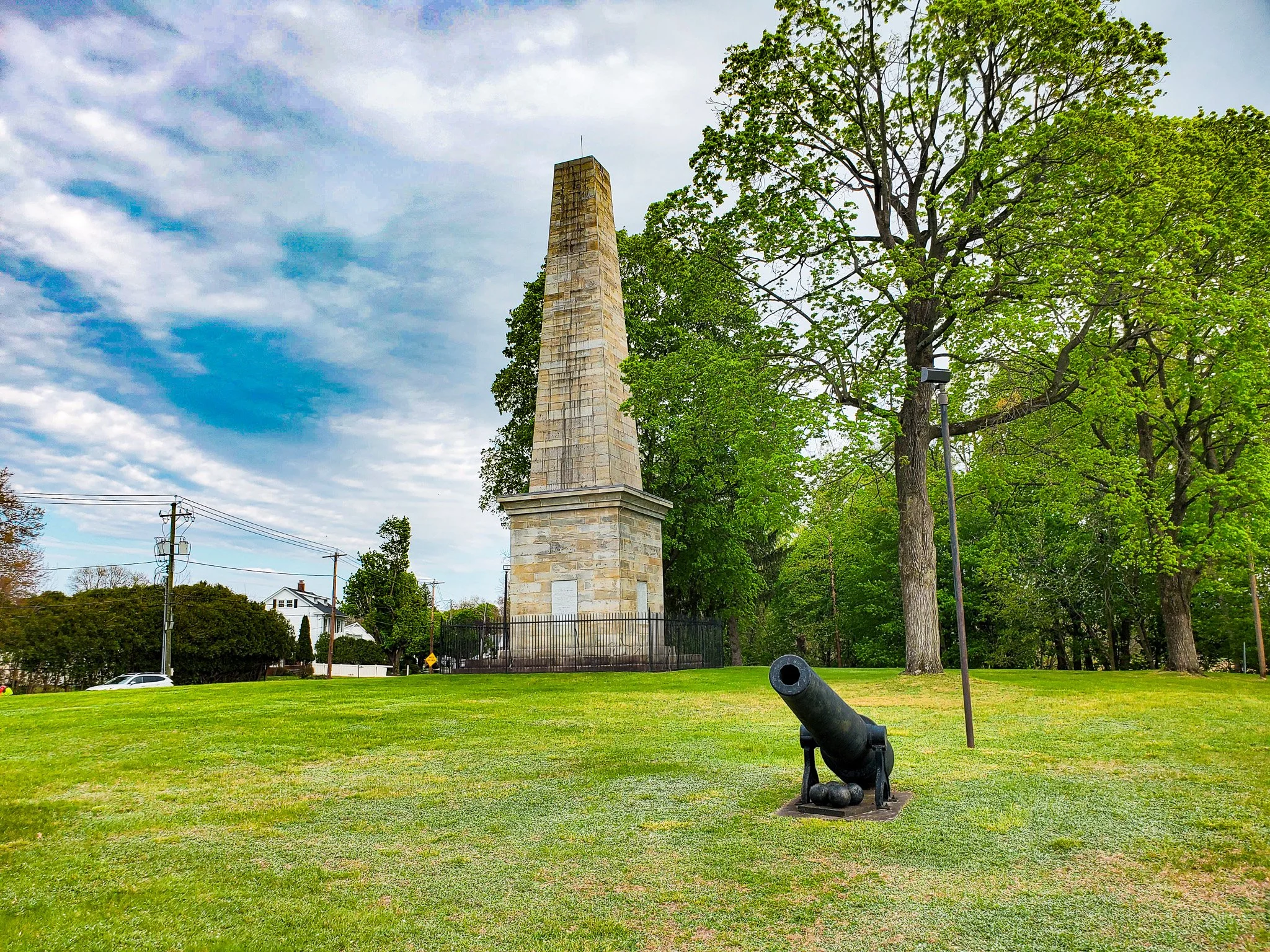
Battle of Wyoming Monument
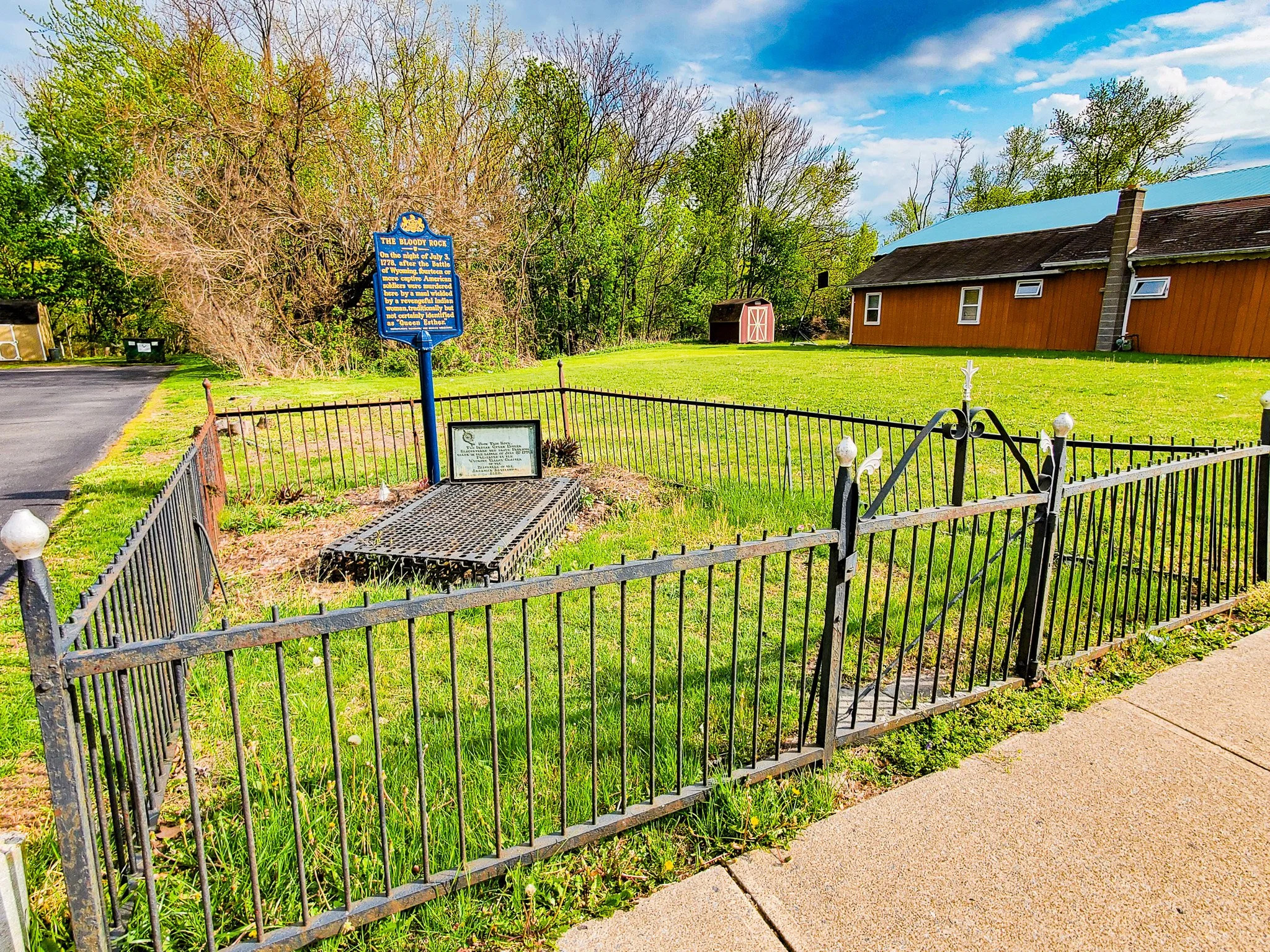
Queen Esther's Bloody Rock
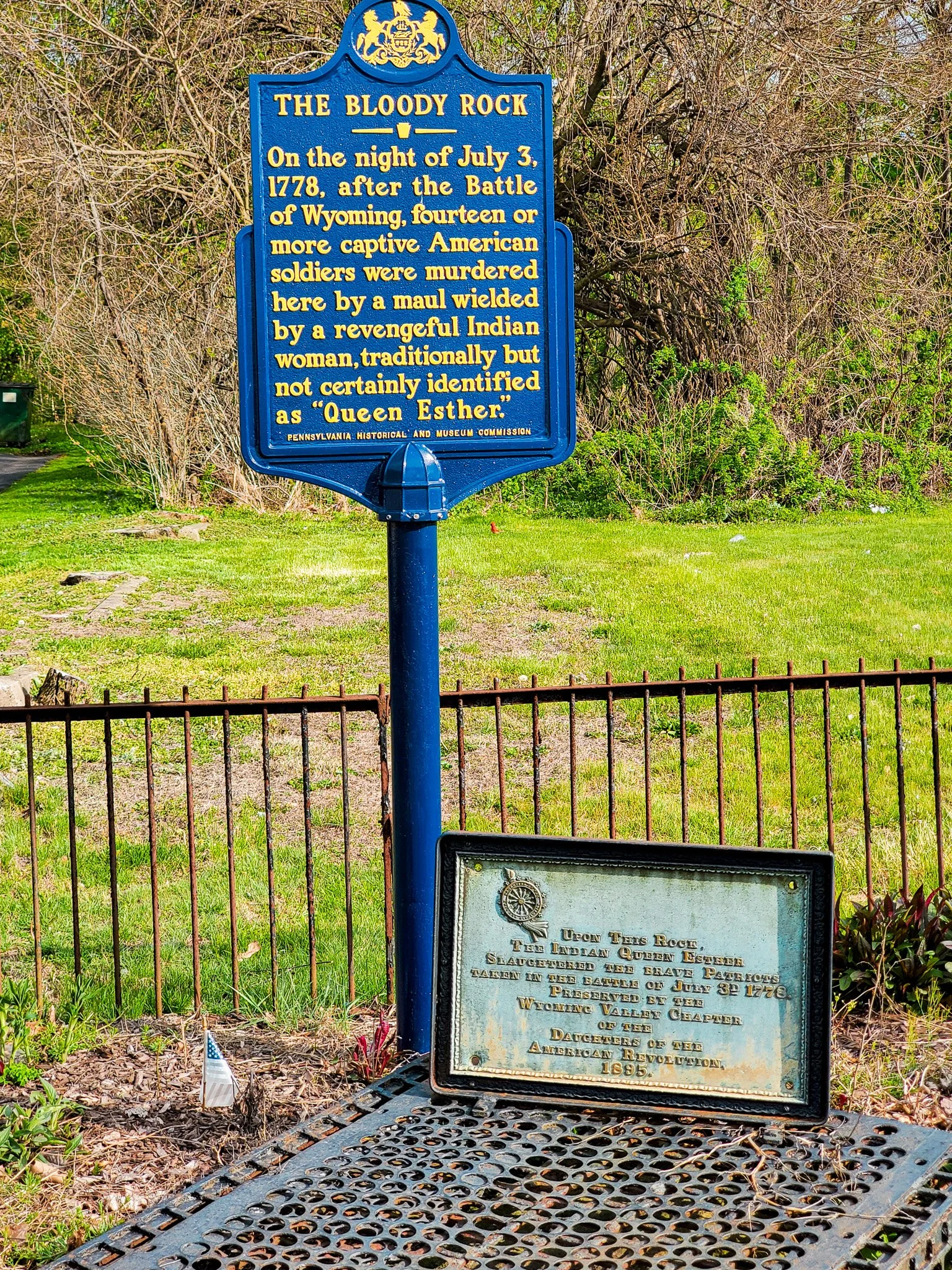
Queen Esther's Bloody Rock
EXETER
Named after the city of Exeter in Devon England, settlers from Connecticut made their homes here in 1769.
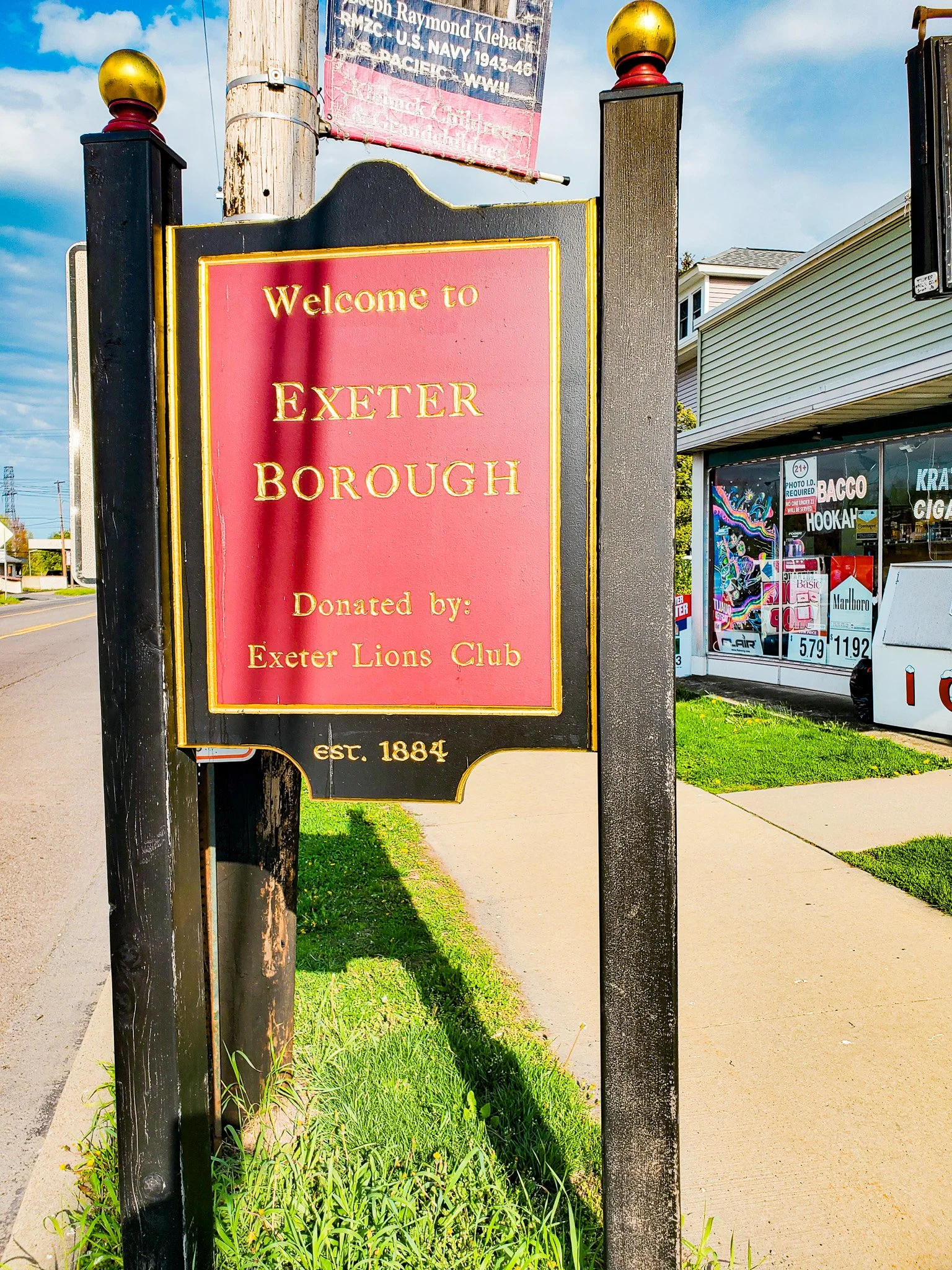
Welcome to Exeter Sign
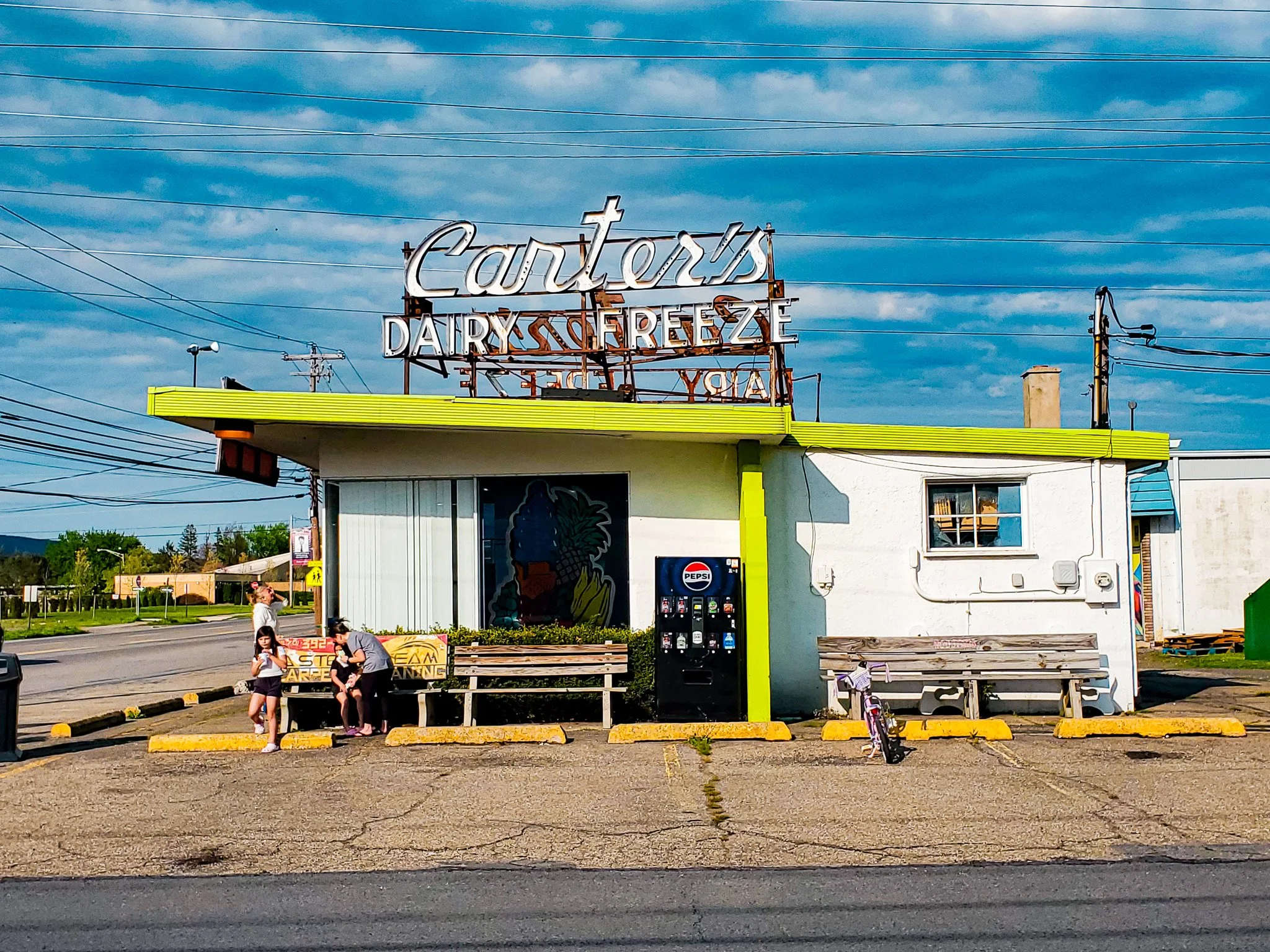
Carter's Dairy Freeze
WEST PITTSTON
The borough gets its name from being “West” of Pittston, named to honor the British statesman William Pitt the Elder. It was incorporated in 1857. The Water Street Bridge to Pittston (the Firefighters’ Memorial Bridge) is lighted and was built in 1914, and the Fort Jenkins Bridge (Specialist Dale J. Kridlo Memorial Bridge) which also connects to Pittston was built in 1926.
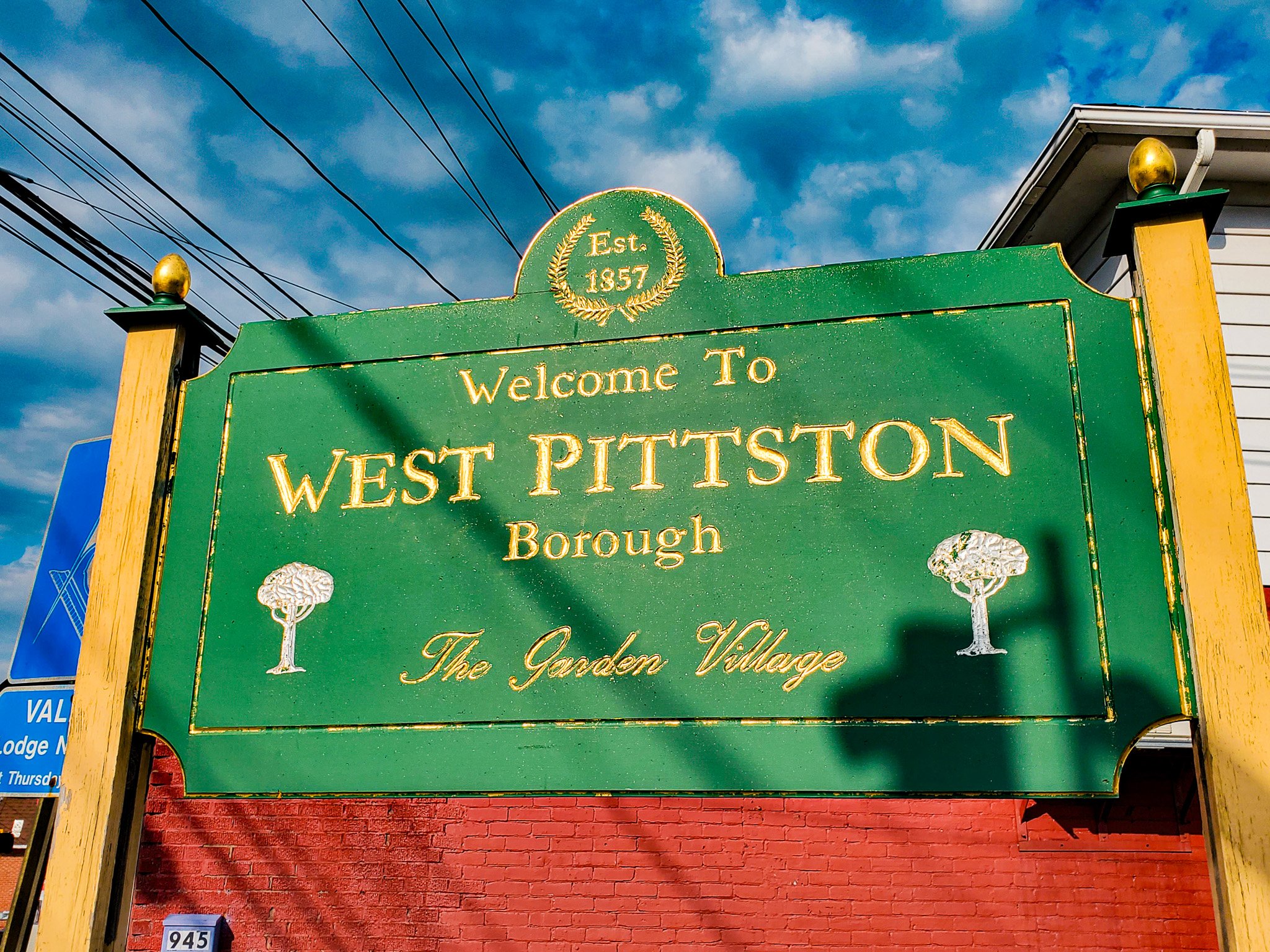
Welcome to West Pittston Sign
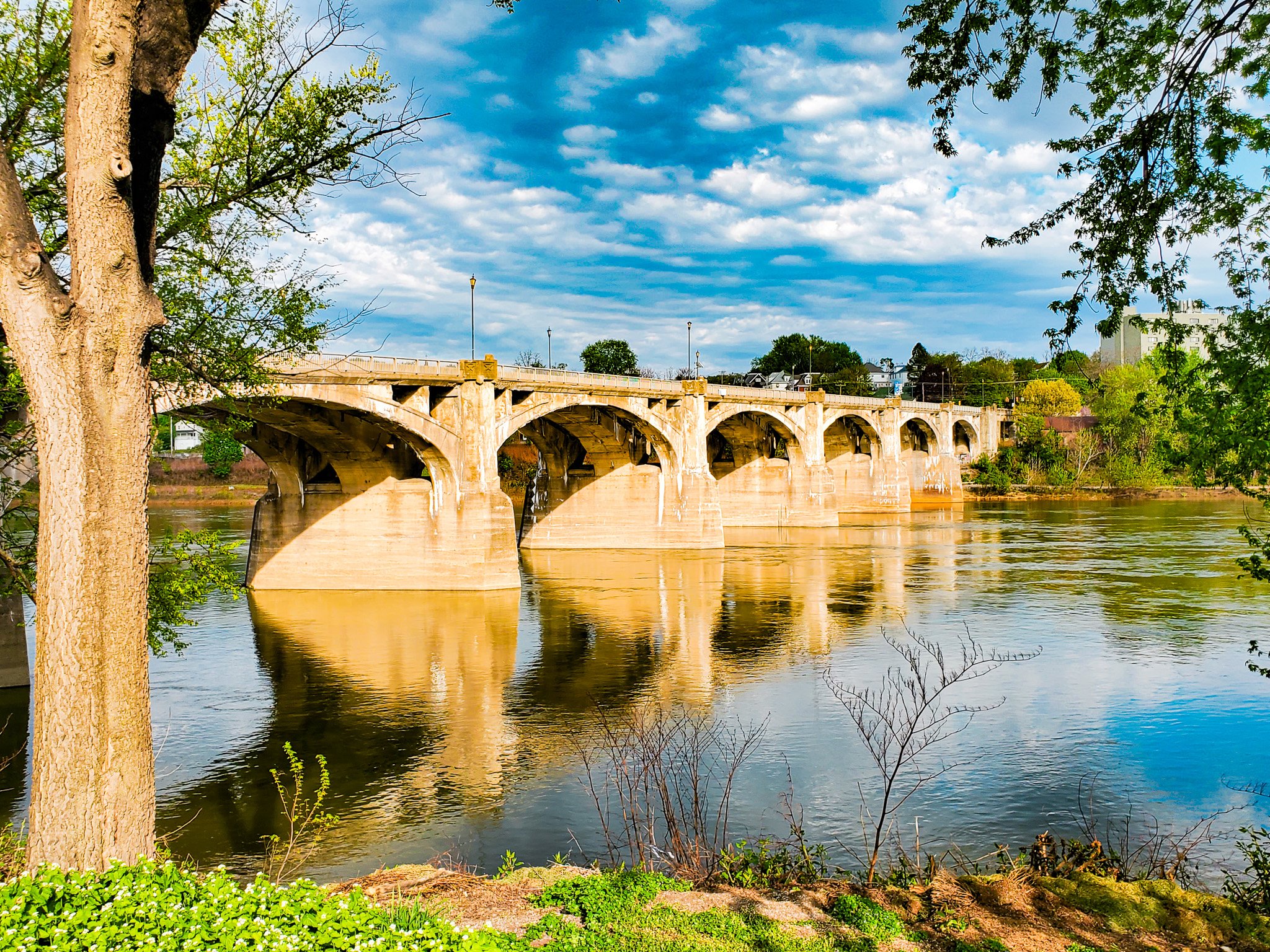
Fort Jenkins Bridge (1926)
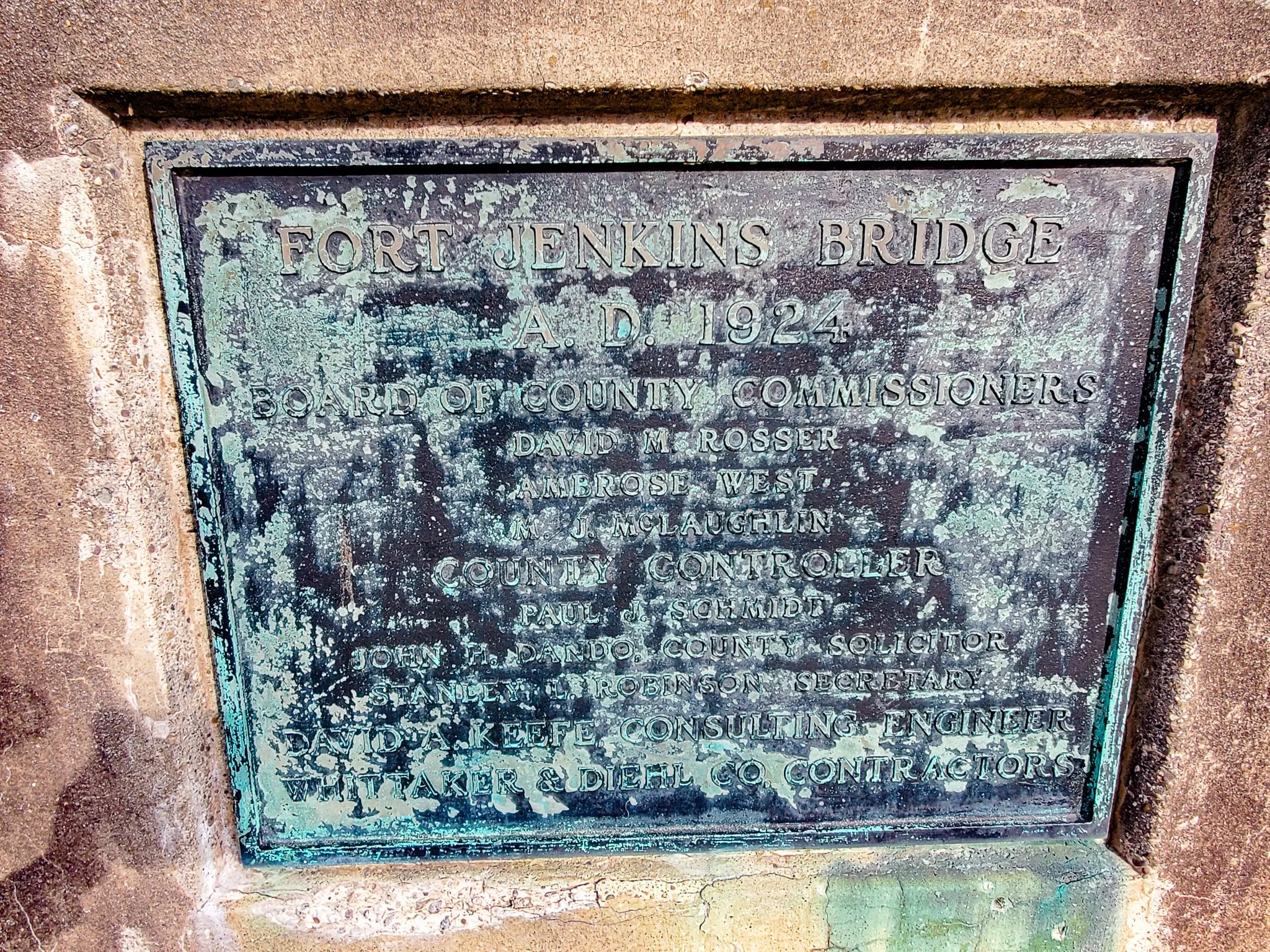
Fort Jenkins Bridge Plaque
PITTSTON
Settled around 1770 by the Susquehanna Company of Connecticut, the Duchess Duke Clothing Outlet and Doll Museum has been a fascinating stop in town for over 65 years. A statue of JFK is located on the corner of Water Street and Kennedy Blvd. A “Quality Tomato Capital of the World” statue is located at the corner of US 11 and N. Main Street downtown.
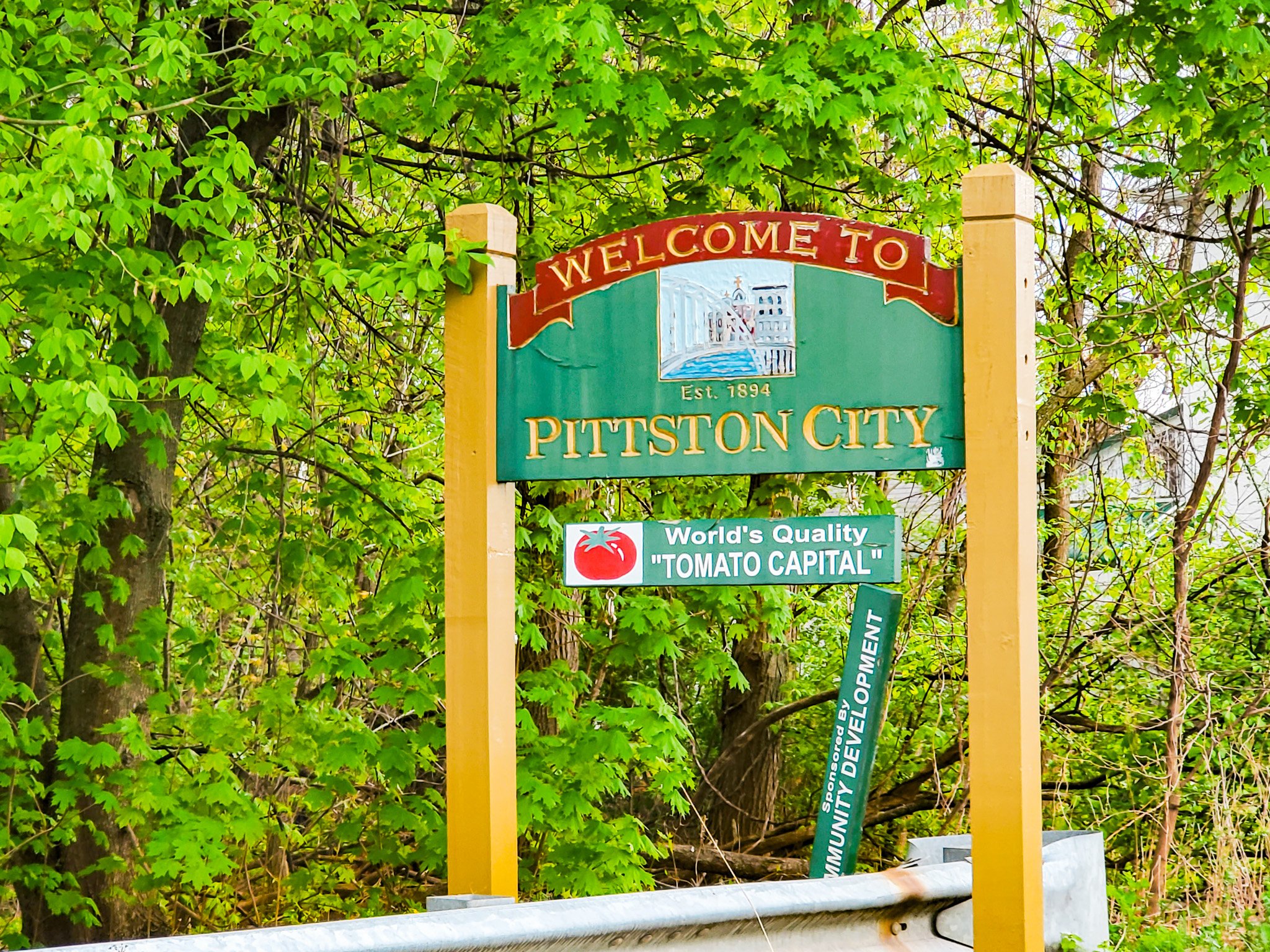
Welcome to Pittston Sign
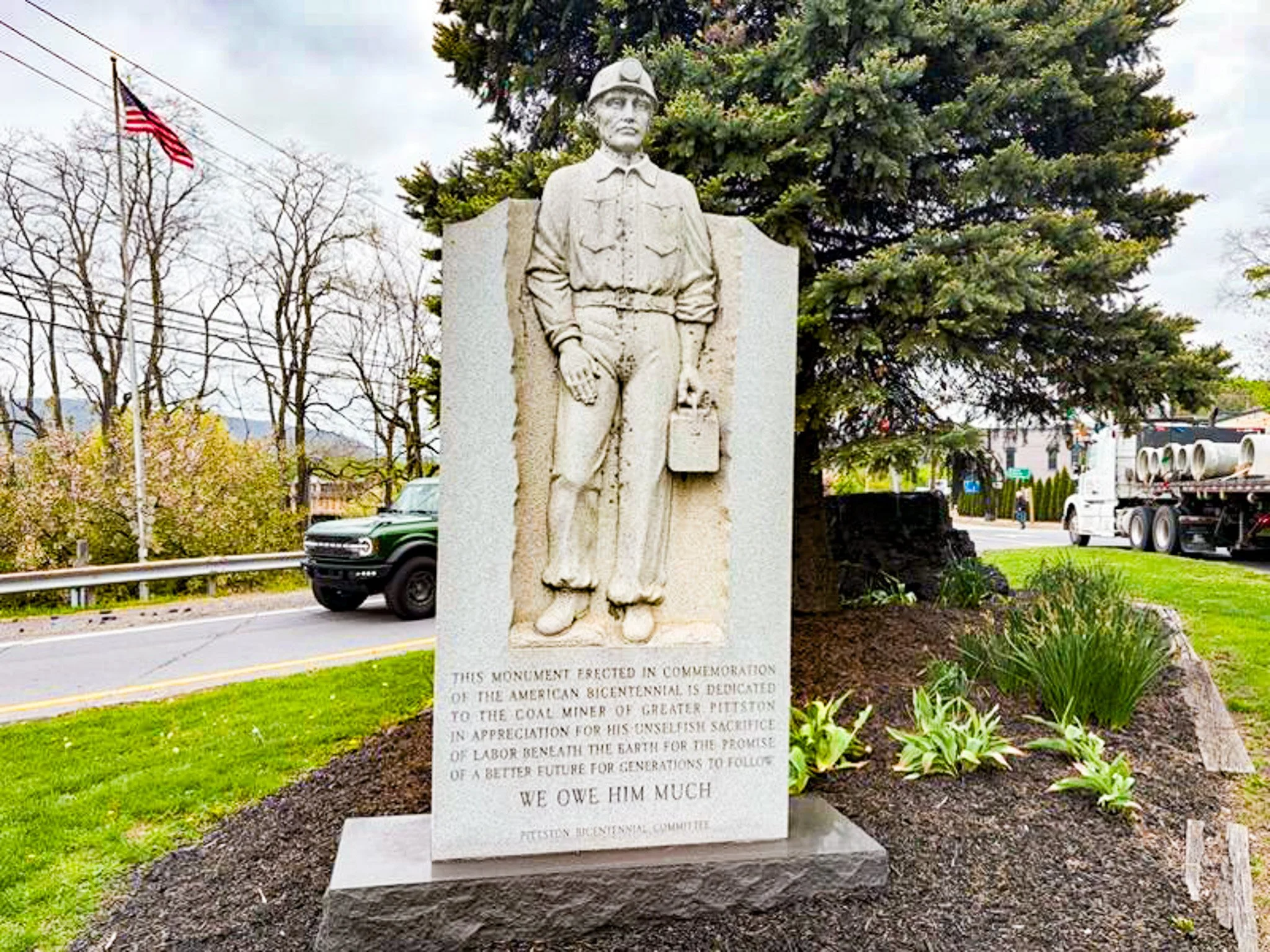
Coal Miners Monument
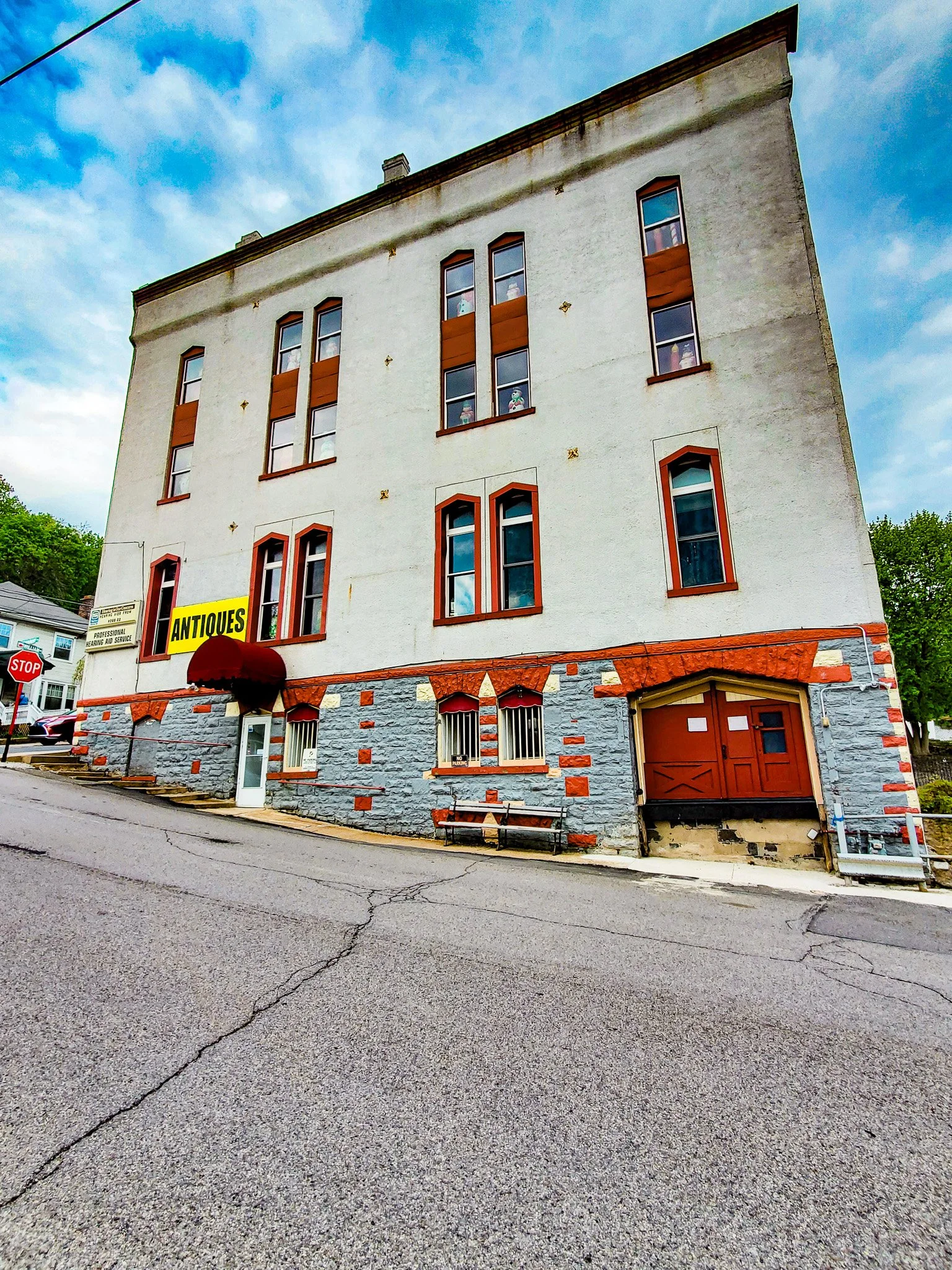
Duchess Duke Clothing Outlet
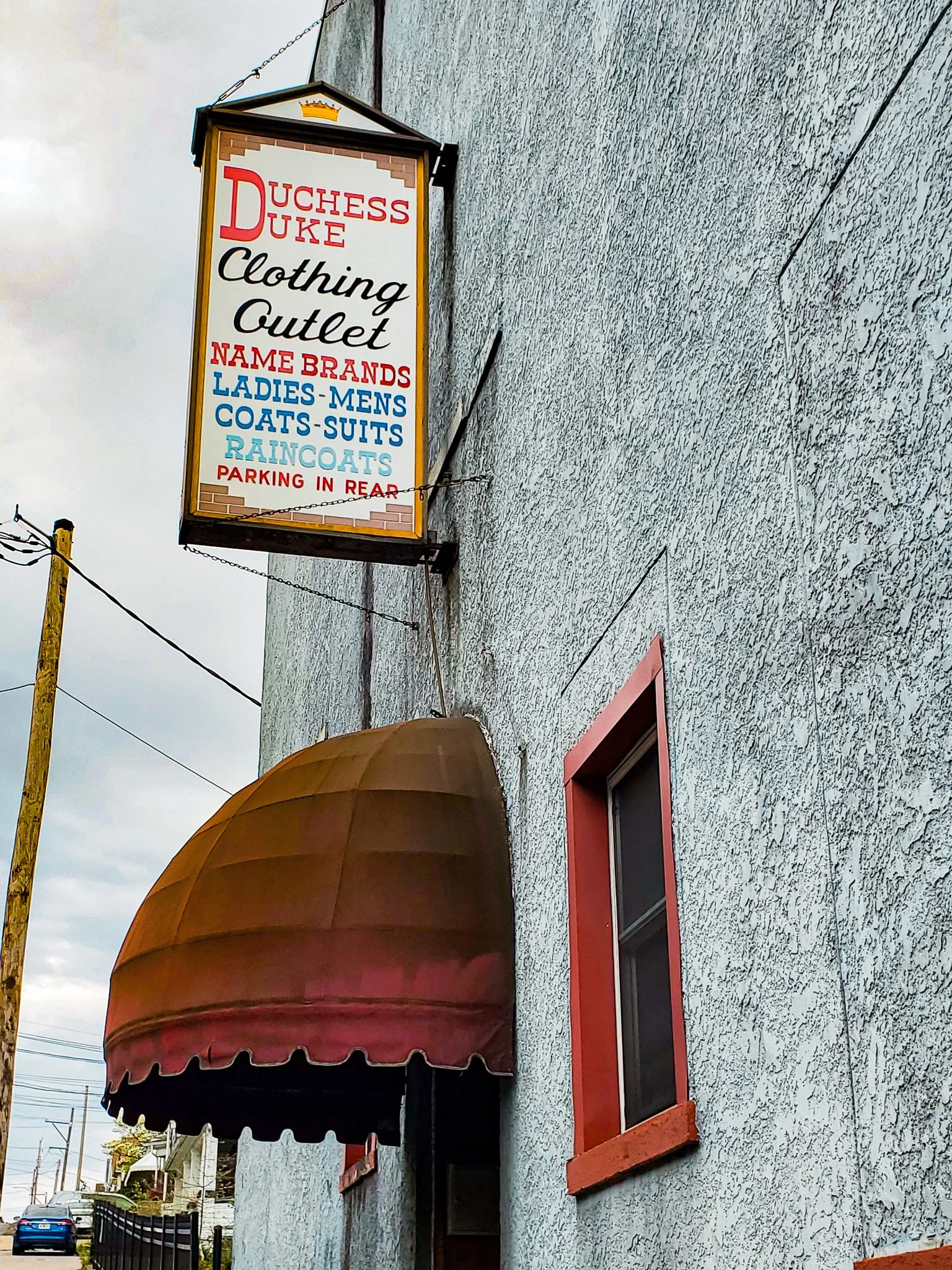
Duchess Duke Clothing Outlet

Sword and Documents inside Duchess Duke
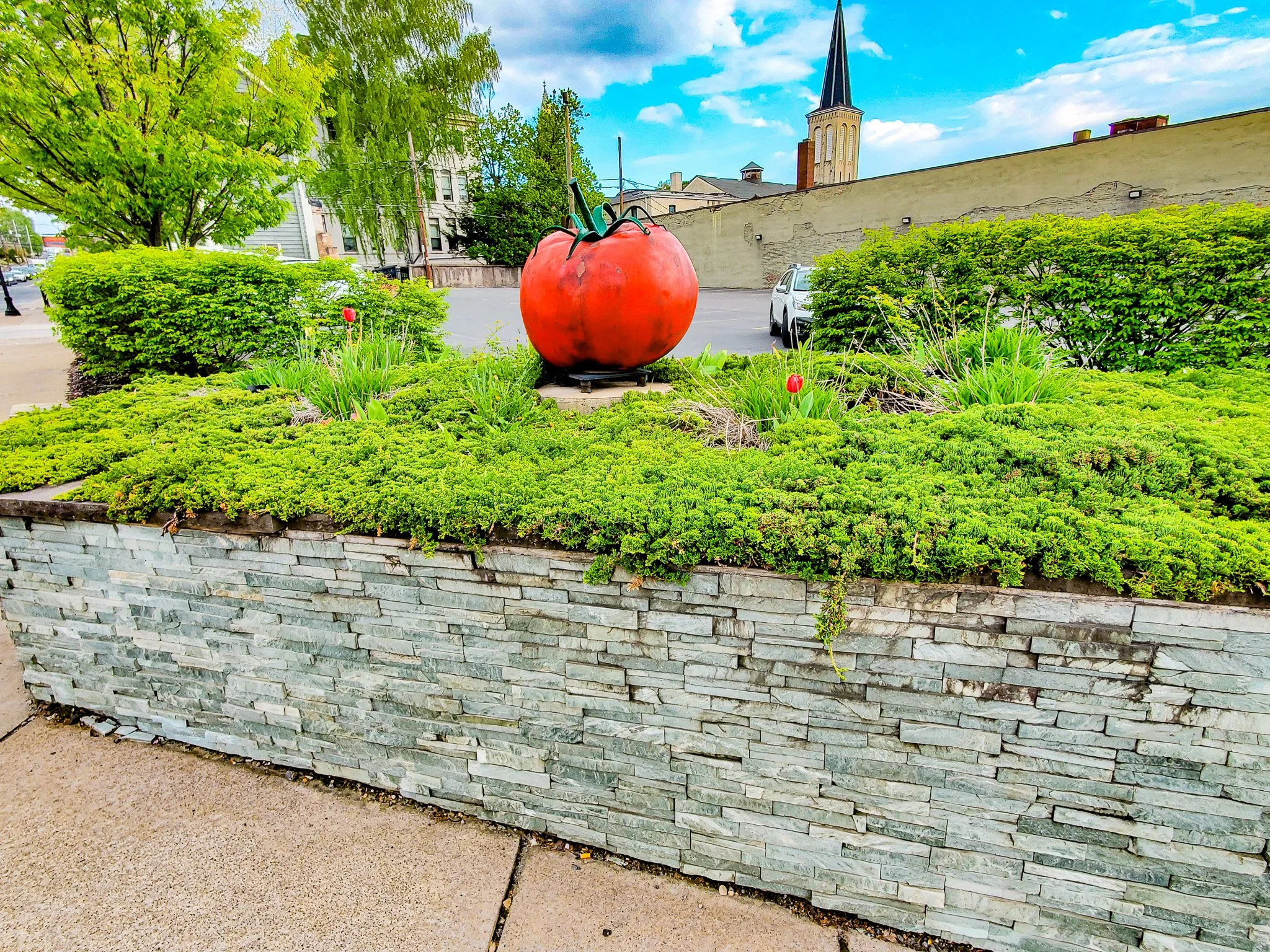
Tomato Monument Downtown
DUPONT
Named after the Dupont Corporation, the US 11 steel truss bridge that crosses Mill Creek was built in 1929.
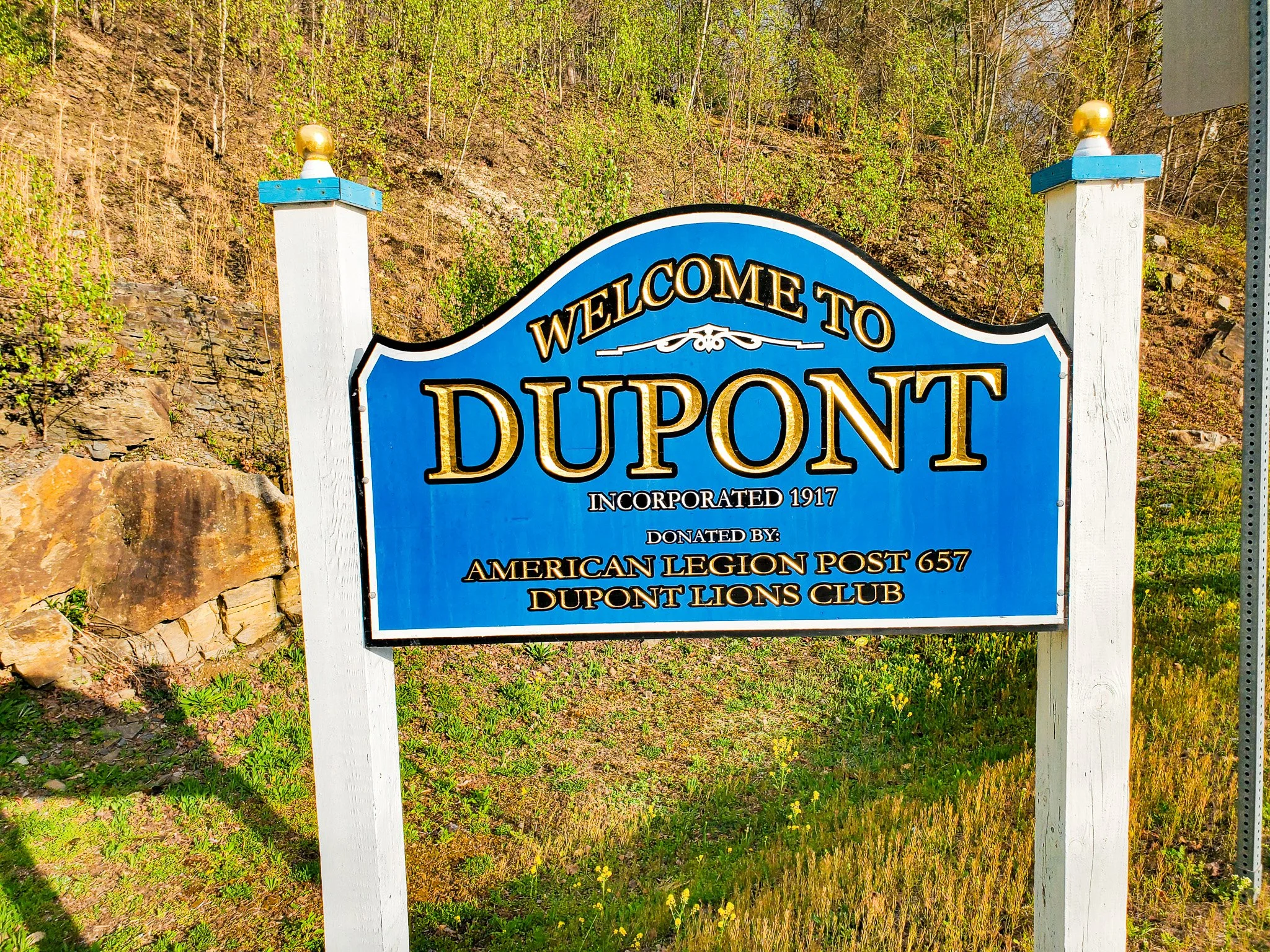
Welcome to Dupont Sign
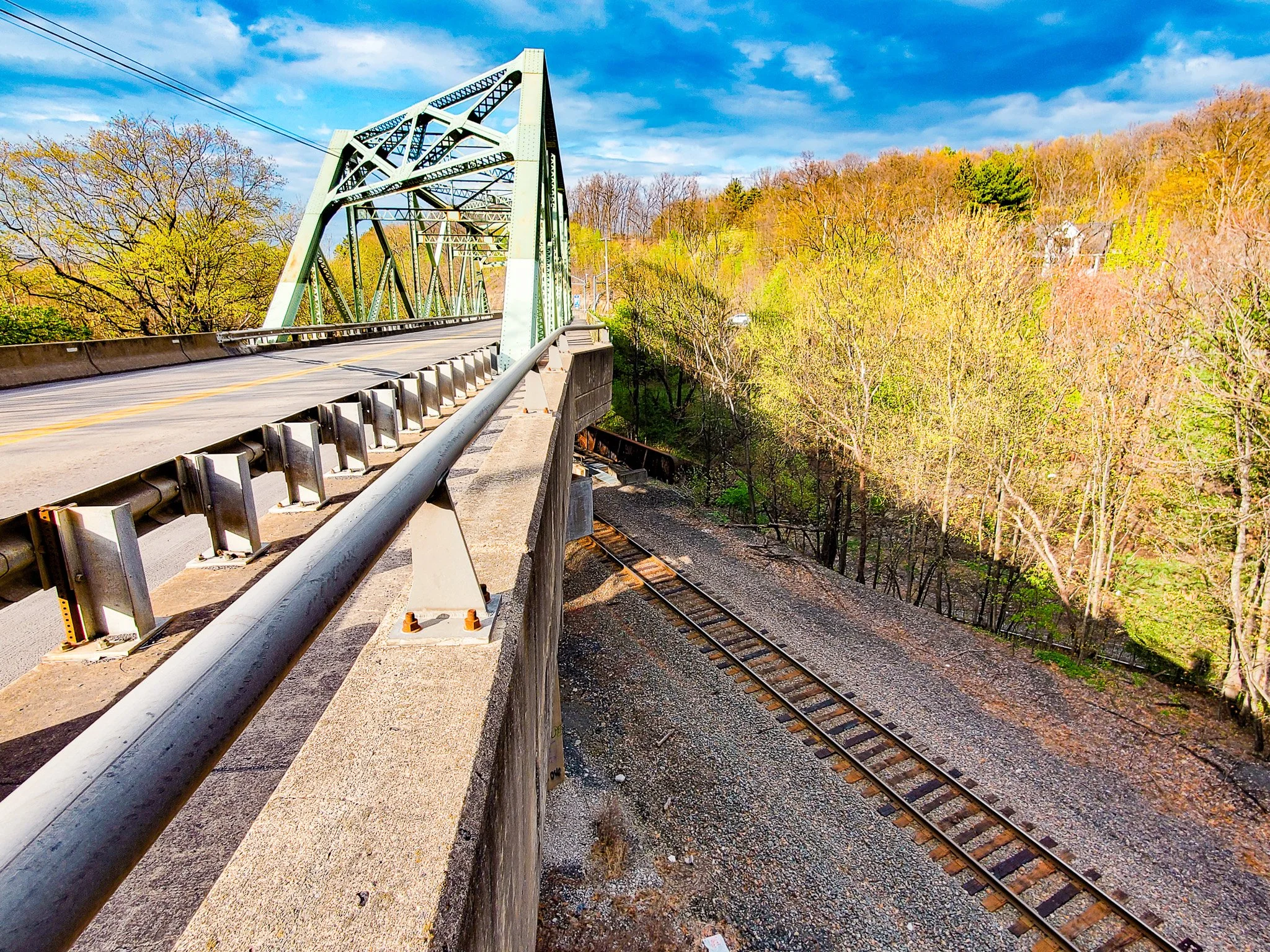
Mill Creek Bridge (1929)
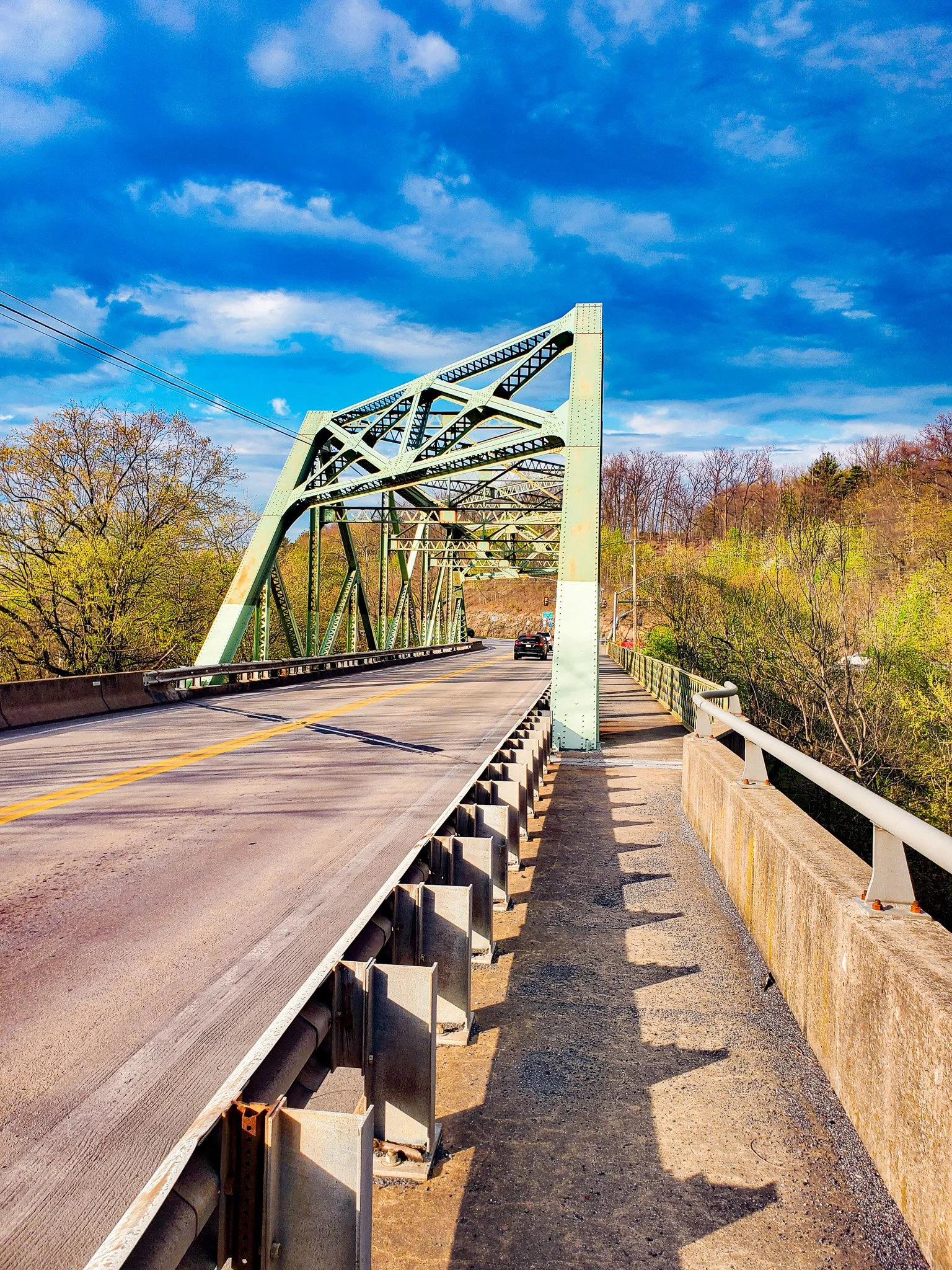
Mill Creek Bridge (1929)
AVOCA
The borough was named after Avoca, County Wicklow, Ireland. Avoca was site of the 1888 Mud Run train disaster in which a passenger train crashed into a stopped excursion train, resulting in 64 deaths and 50 injuries.
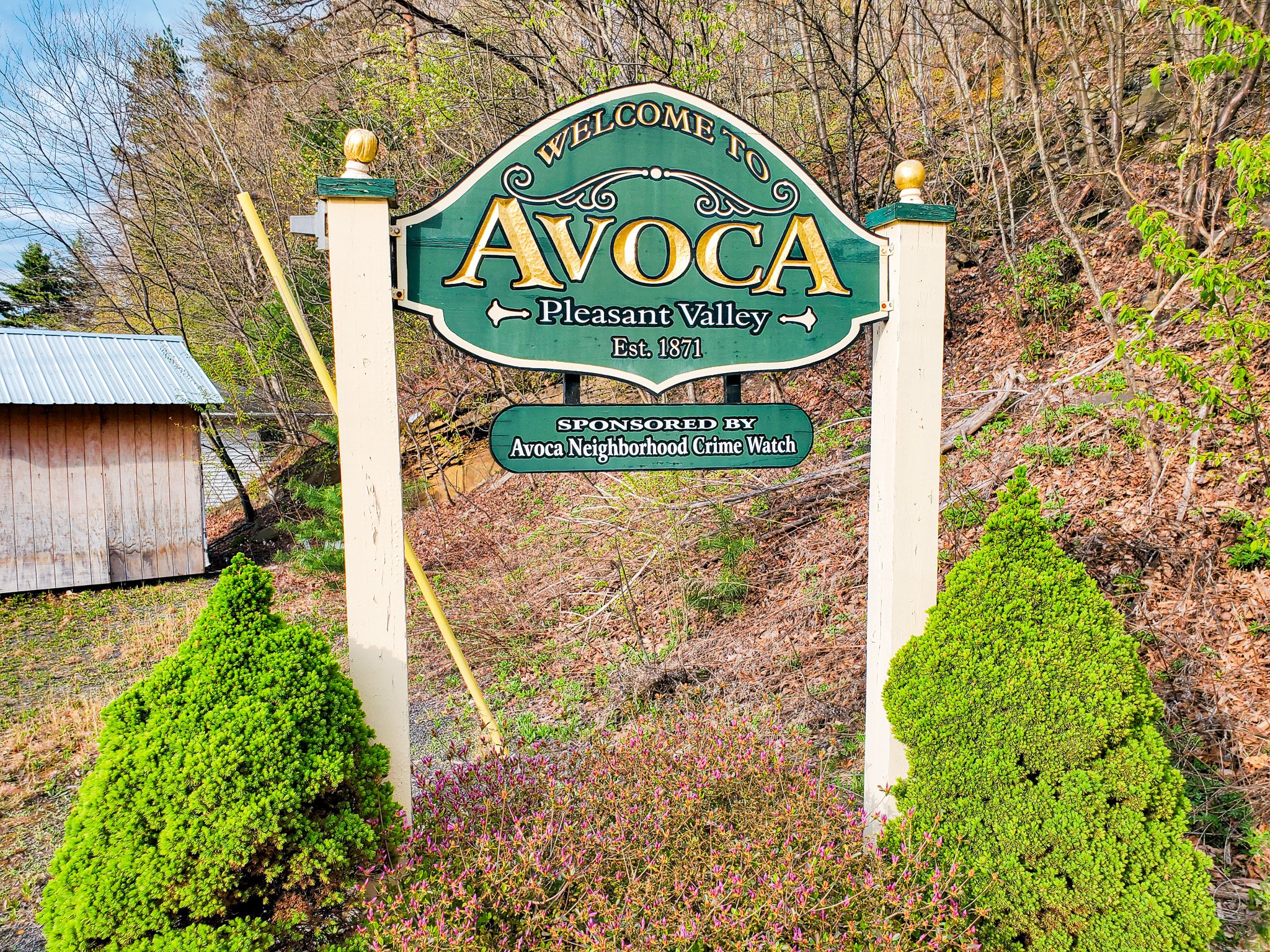
Welcome to Avoca Sign
MOOSIC
Moosic means “elk place” in the Unami Language of the Lenape Native Americans. The Rocky Glen Park, a major regional amusement park, was open from 1886-1987.
SCRANTON
Incorporated in 1866, the town was named in 1851 to honor brothers George W and Selden Scranton, prominent 19th century industrialists who founded Lackawanna Iron and Coal Company in 1840. The town was originally named Scrantonia. Scranton is called “The Electric City” for its early adoption of electric trolleys (1886). It is home to the University of Scranton, and the setting of the popular TV series “The Office” with a mural honoring the show at 503 Lackawanna Avenue, a mural honoring Dwight Schrute at 1138 Capouse Avenue, and the iconic Penn Paper Tower from the opening scenes of the show. Sites of interest include the Electric City Trolley Museum, the Scranton Iron Furnaces, the Everhart Museum of Natural History, Science, and Art, the Houdini Museum, the downtown Ritz theater and Performing Arts Center, and the McDade Park and Lackawanna Coal Mine with its mine car ride. The Radisson Lackawanna Station Hotel downtown is a historic Beaux-Arts landmark built in 1908 as a railroad station and restored in 1983, and Steamtown National Historic Site at 350 Cliff Street is a tribute to the rail industry. Cooper’s Seafood House at 701 N. Washington Avenue is combination restaurant, flea market, and walk down memory lane. The statue of the first woman killed during the war in Vietnam is located on Franklin Avenue.
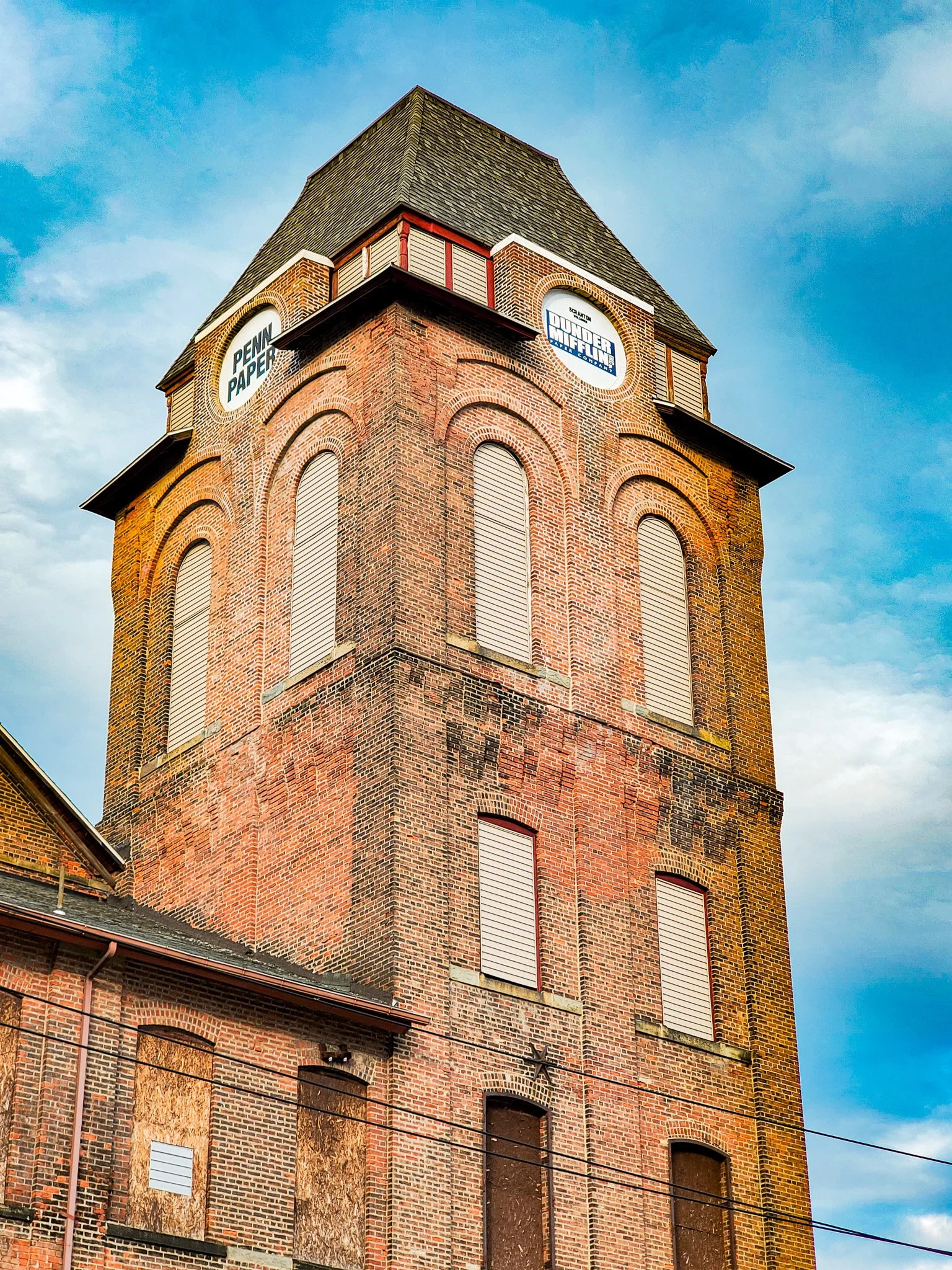
Dunder Mifflin Tower
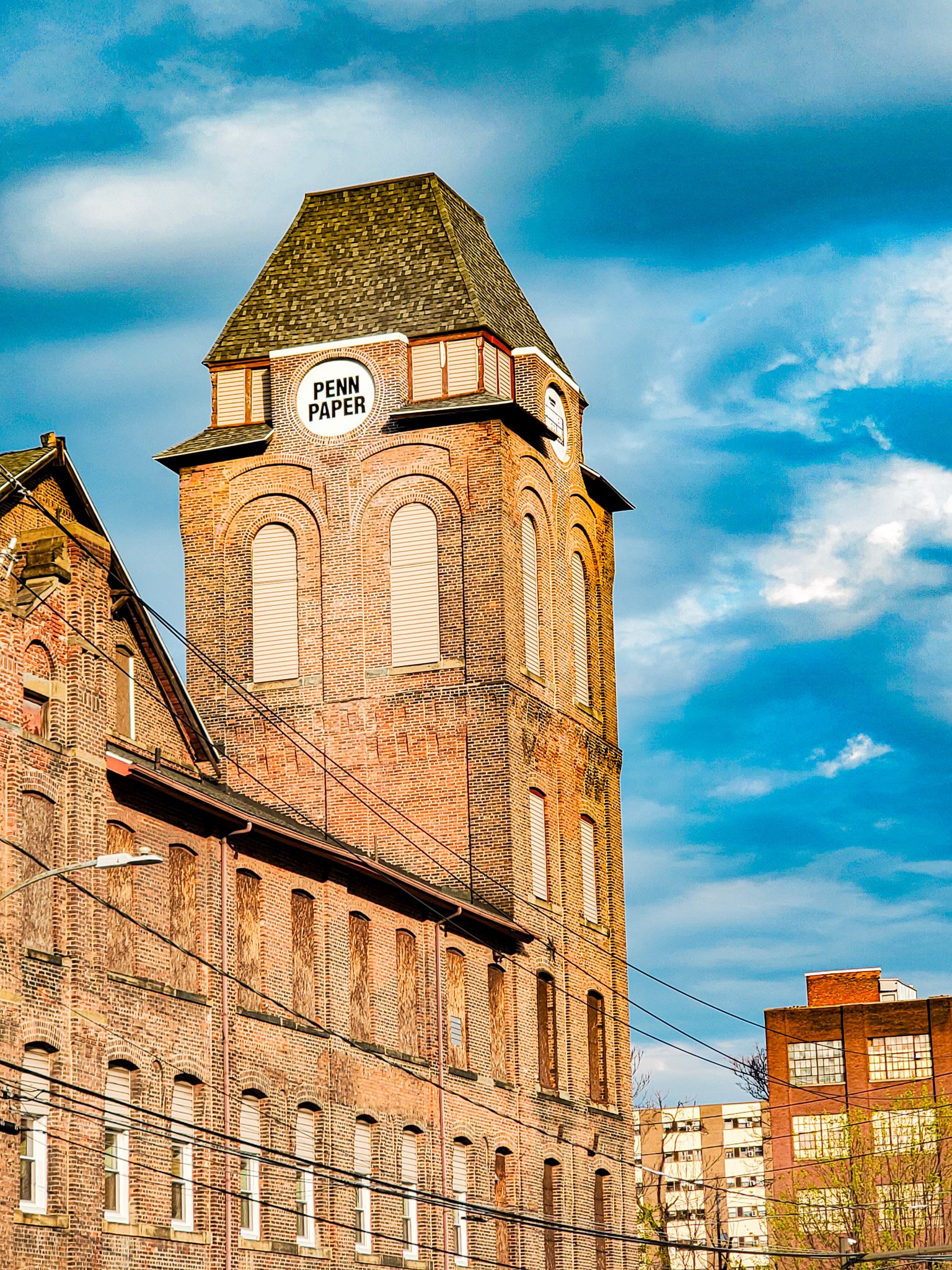
Dunder Mifflin Tower
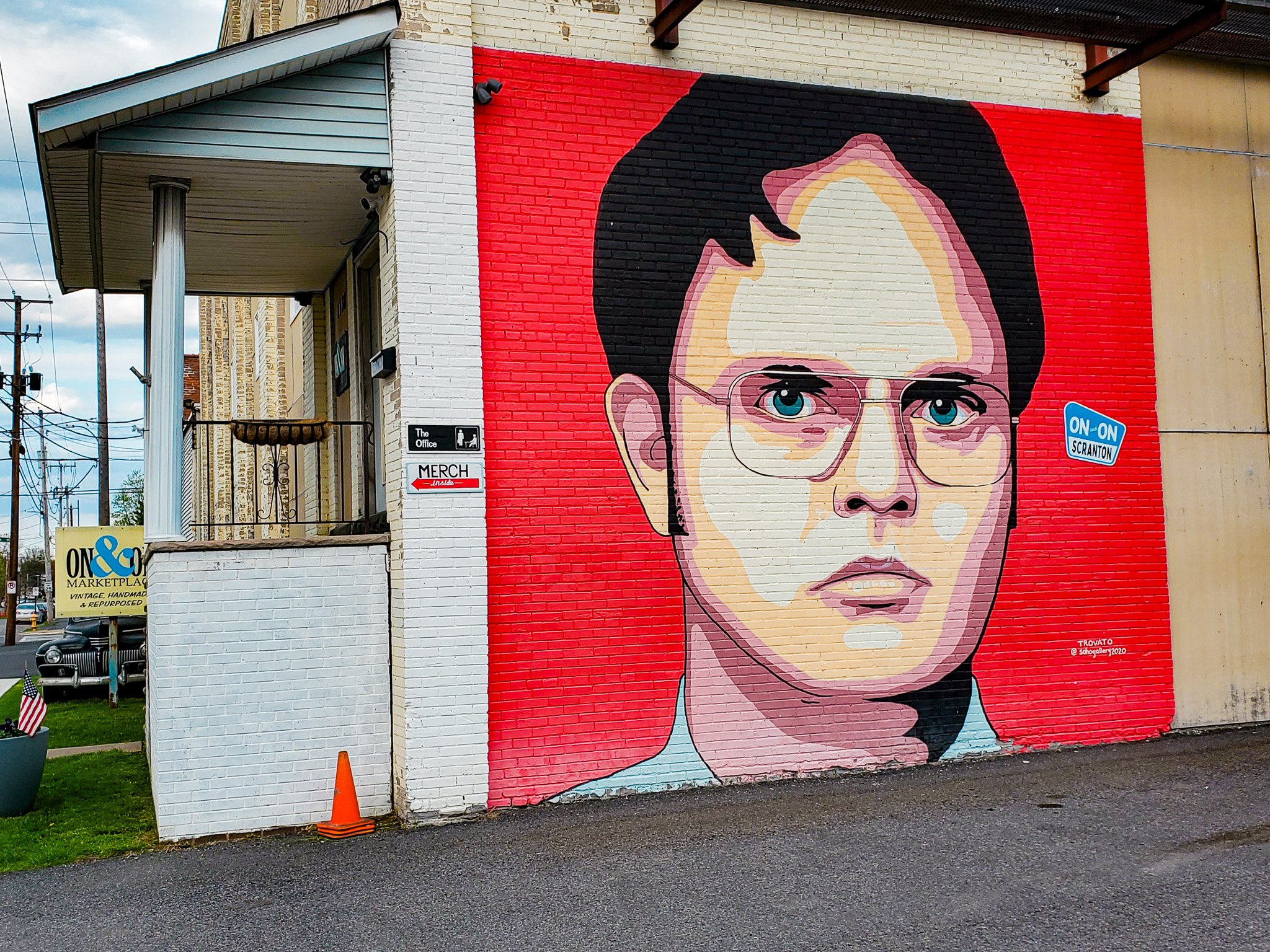
Dwight Schrute Mural

Lackawanna Iron Marker
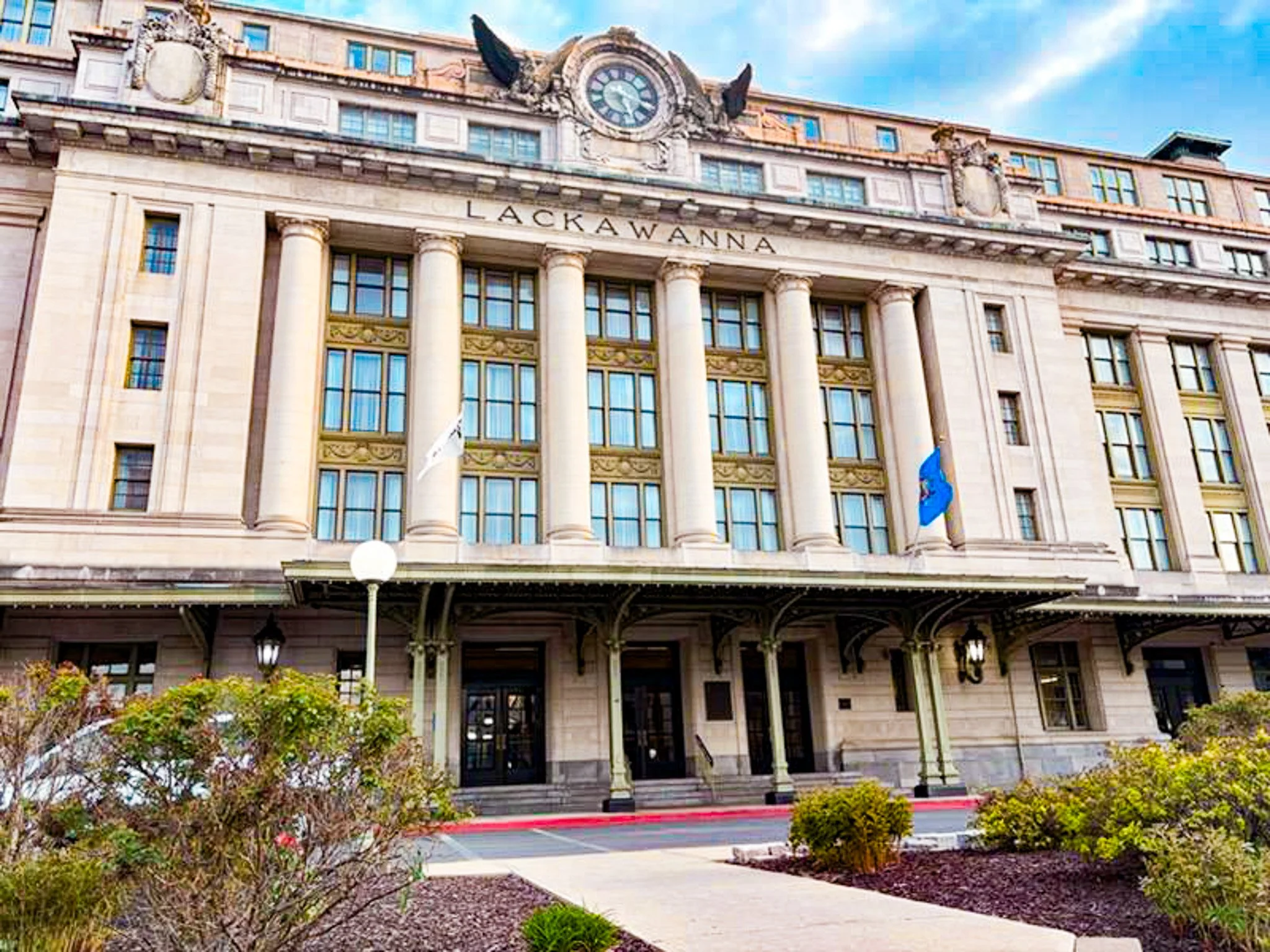
Lackawanna RR Building Hotel
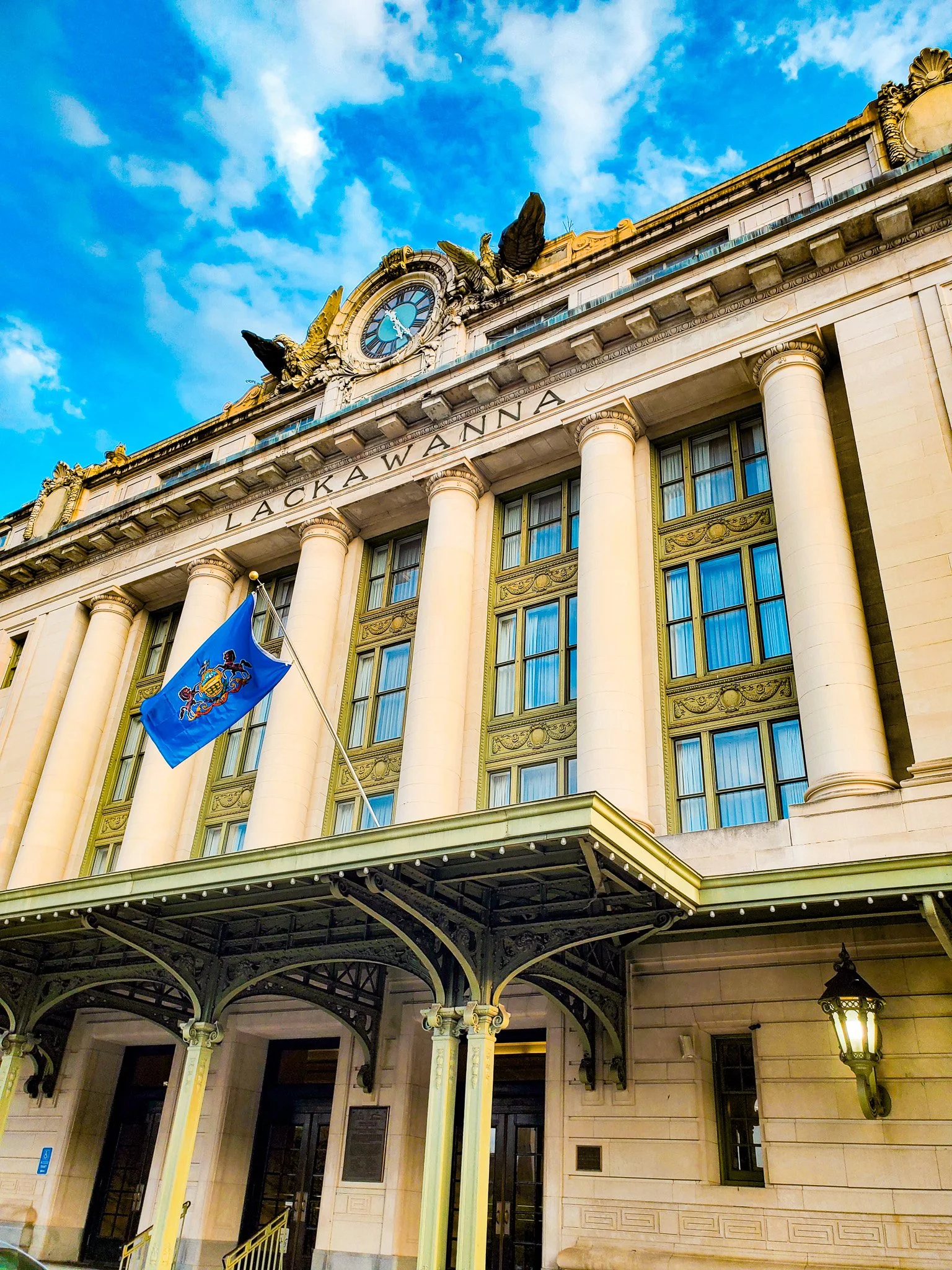
Lackawanna RR Building Hotel
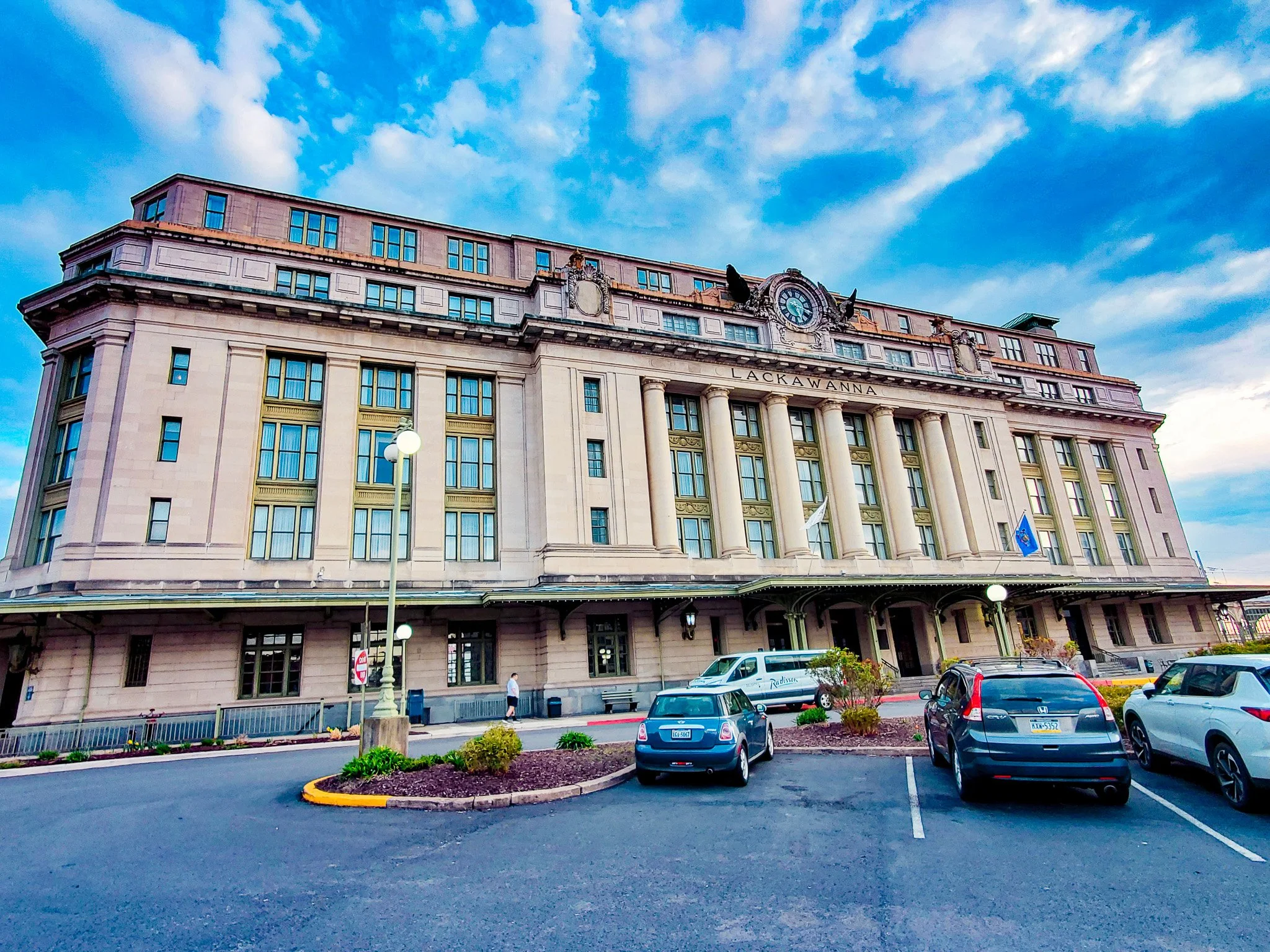
Lackawanna RR Building Hotel
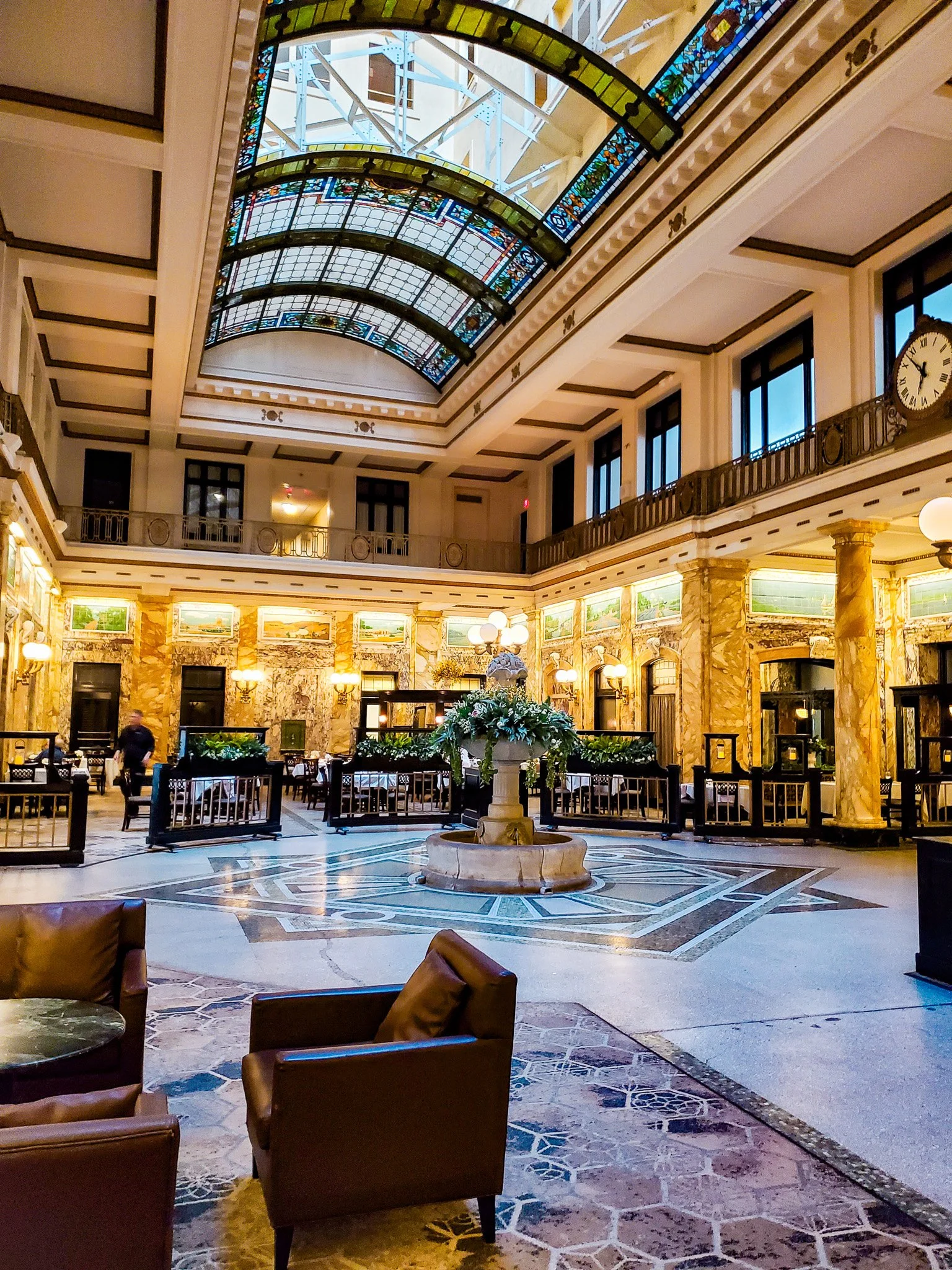
Lackawanna RR Building Hotel
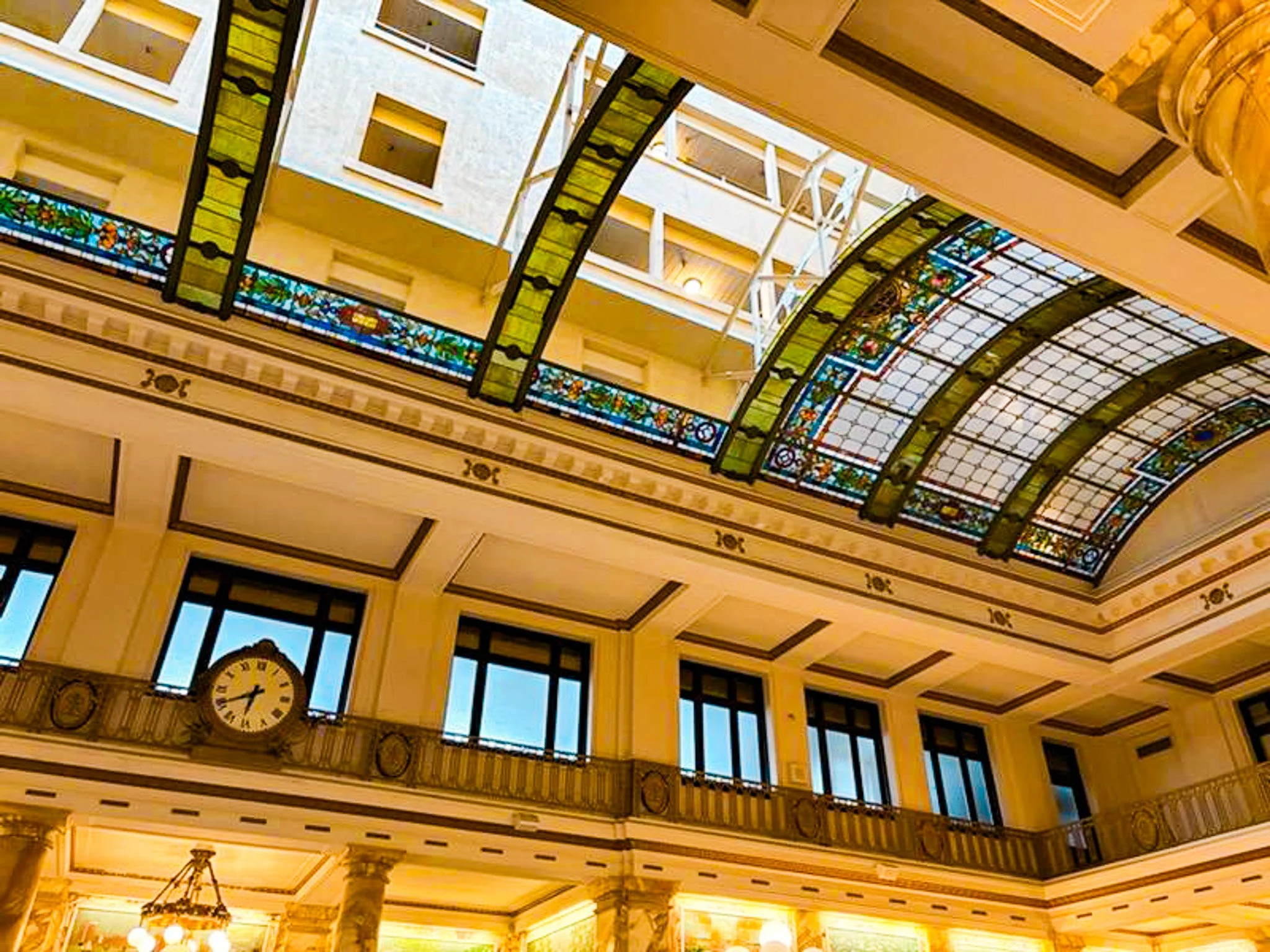
Lackawanna RR Building Hotel
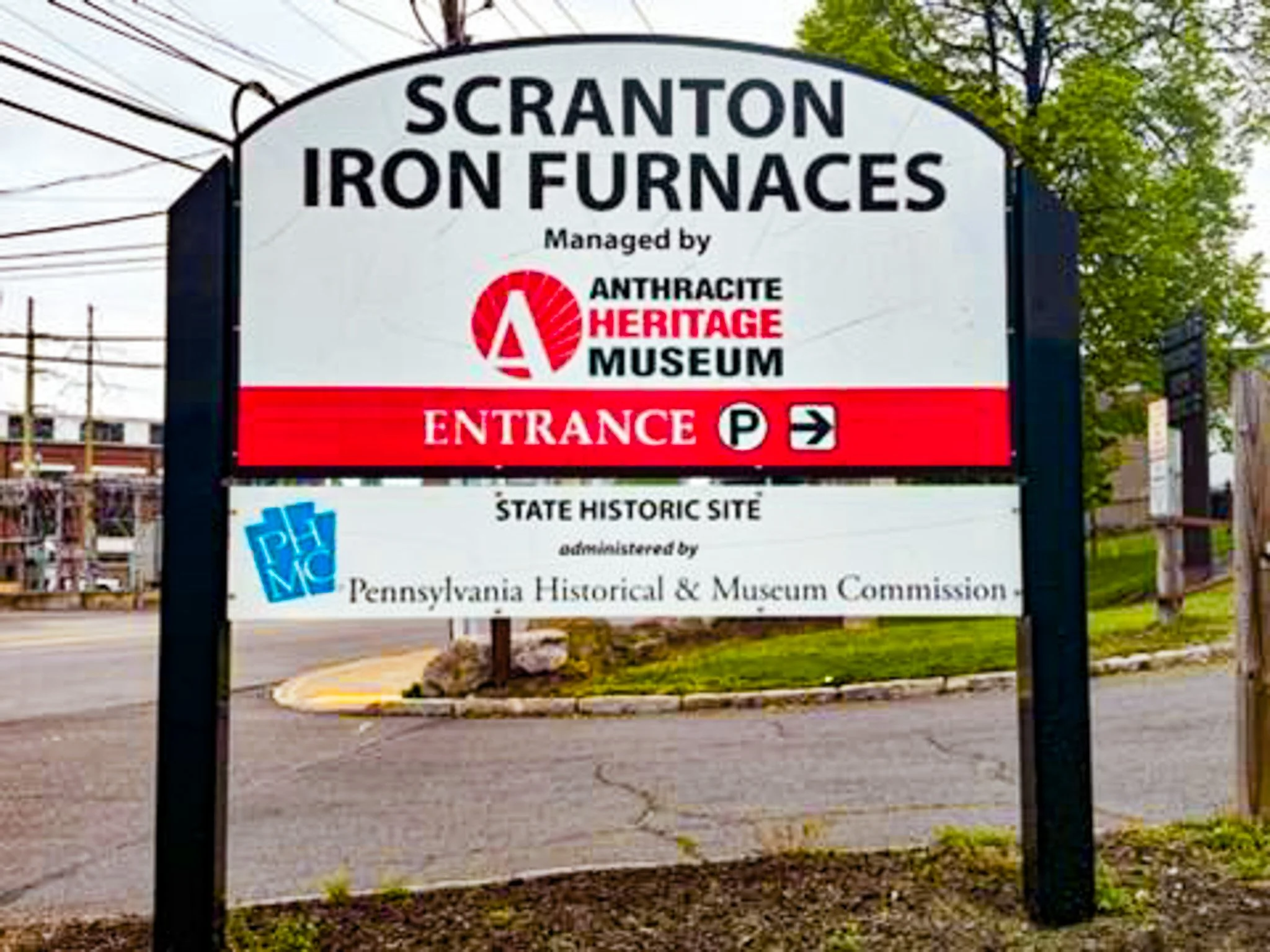
Scranton Iron Furnaces
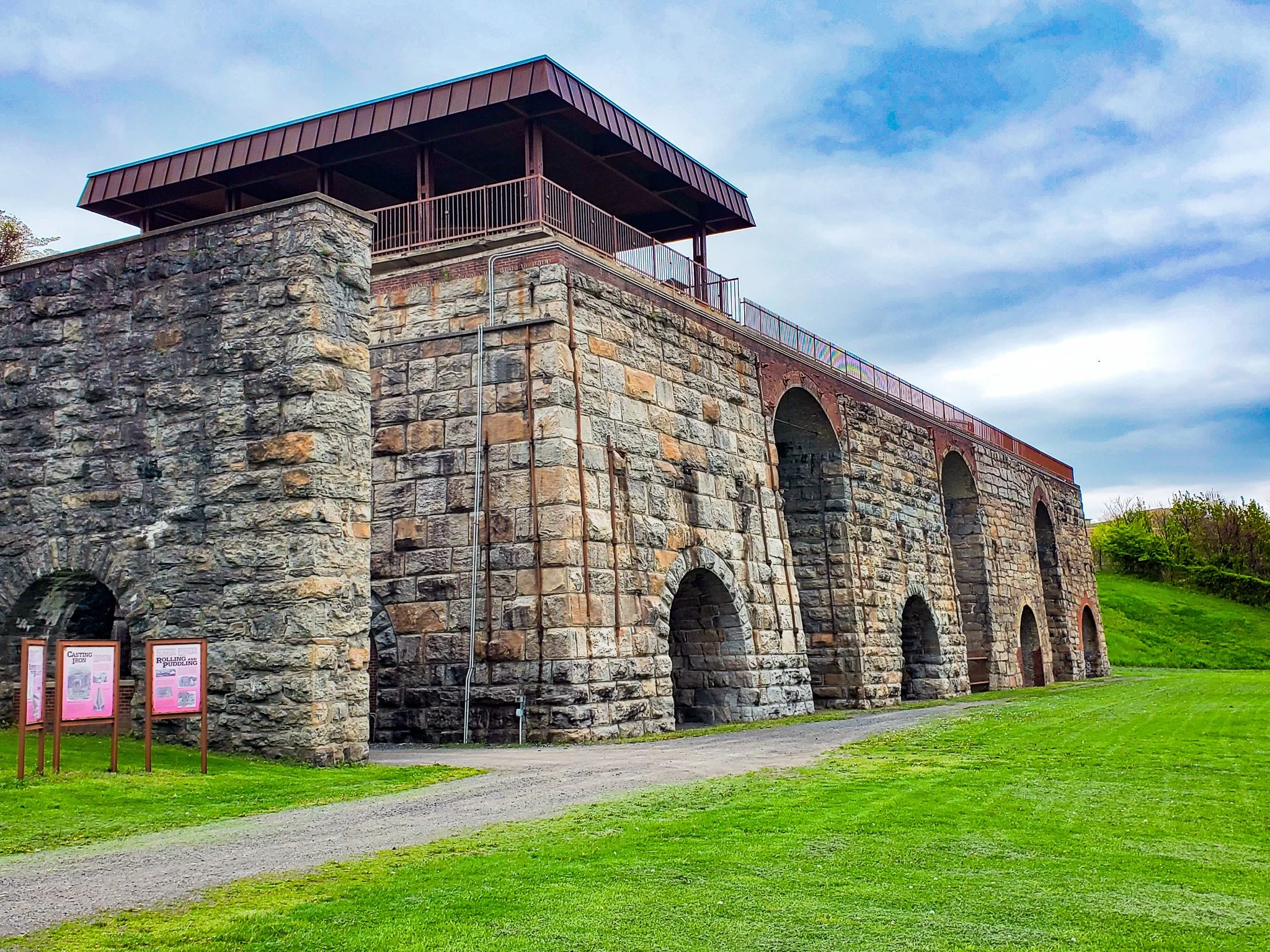
Scranton Iron Furnaces
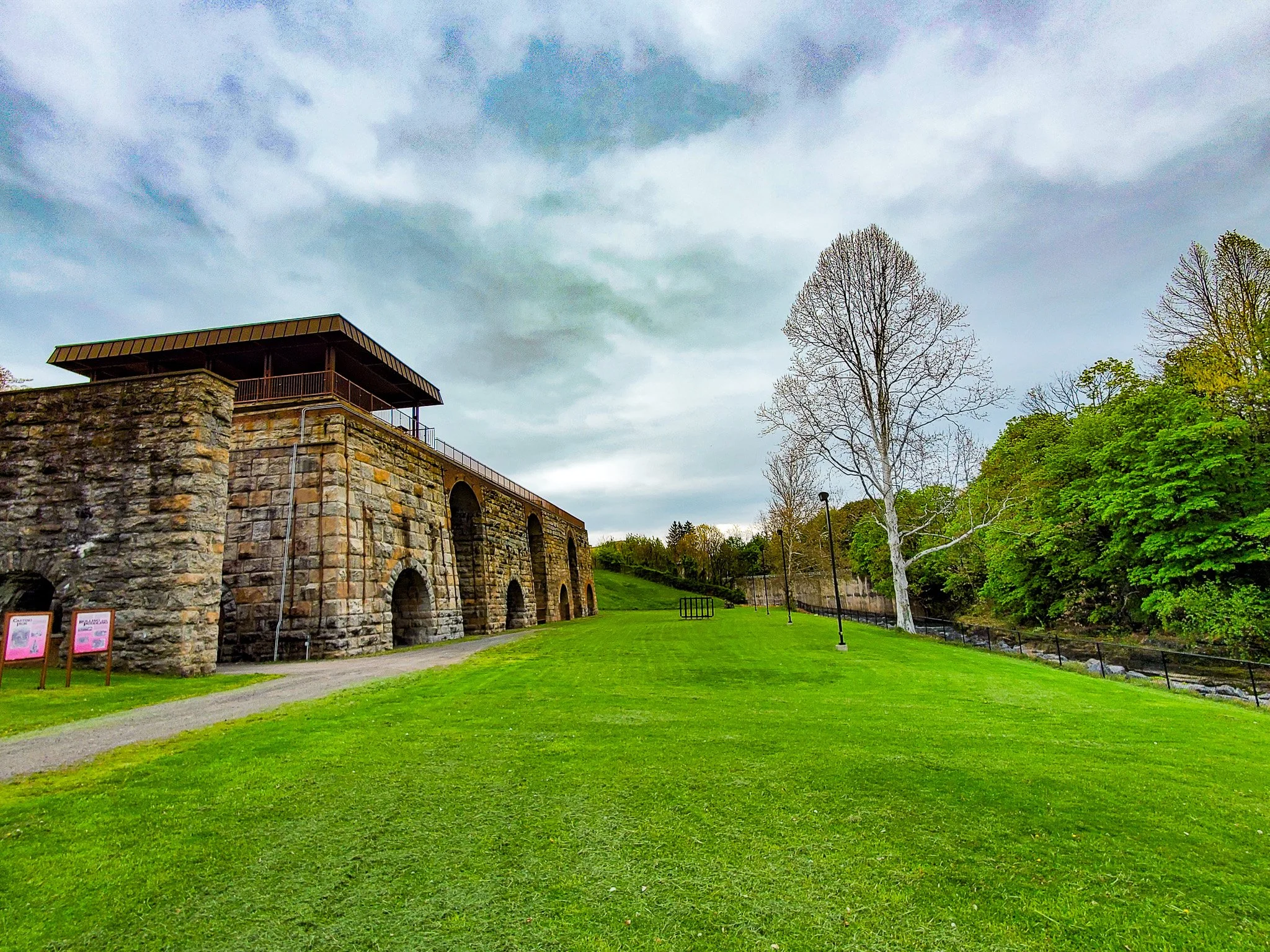
Scranton Iron Furnaces
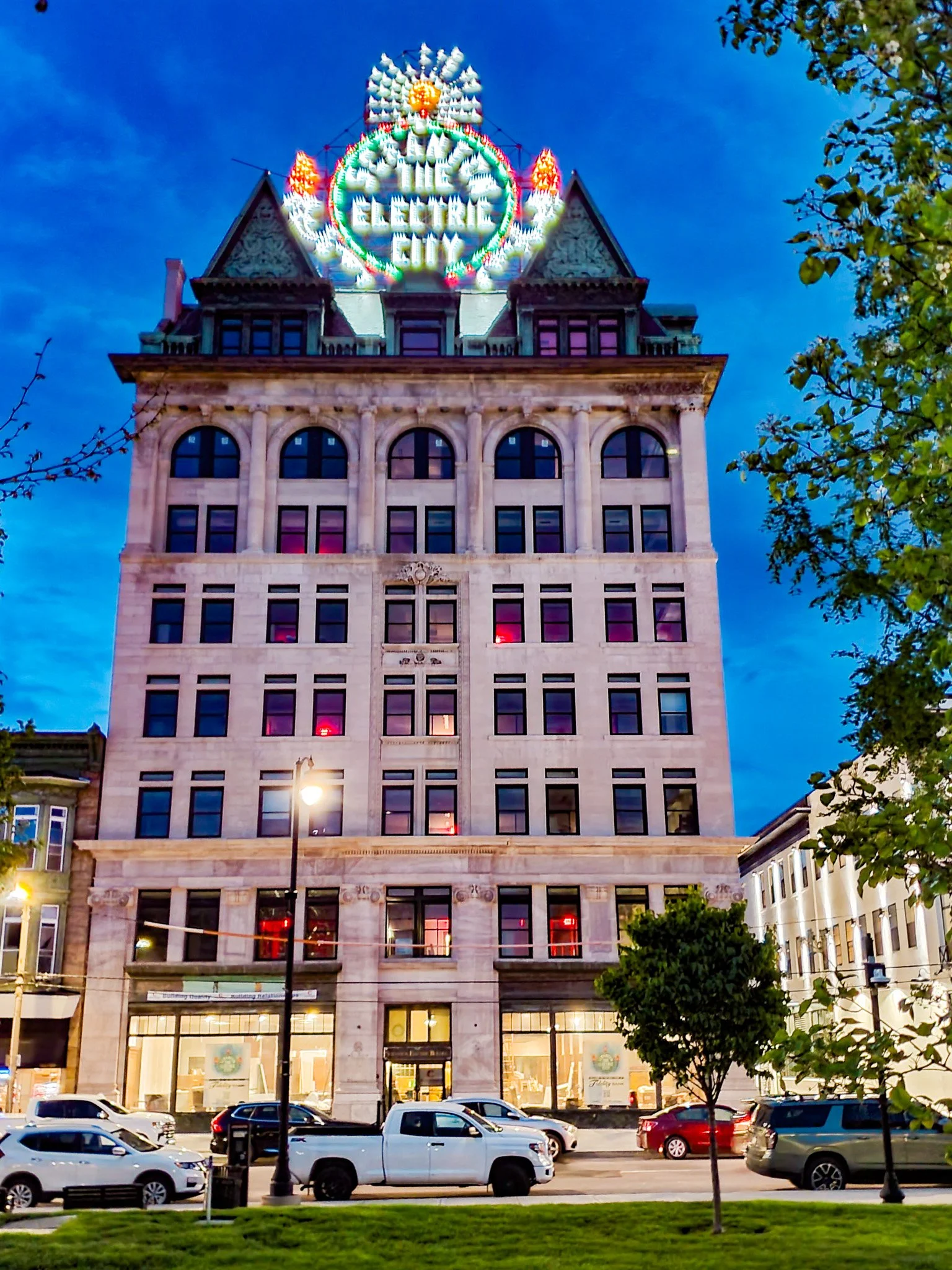
Scranton Power Company
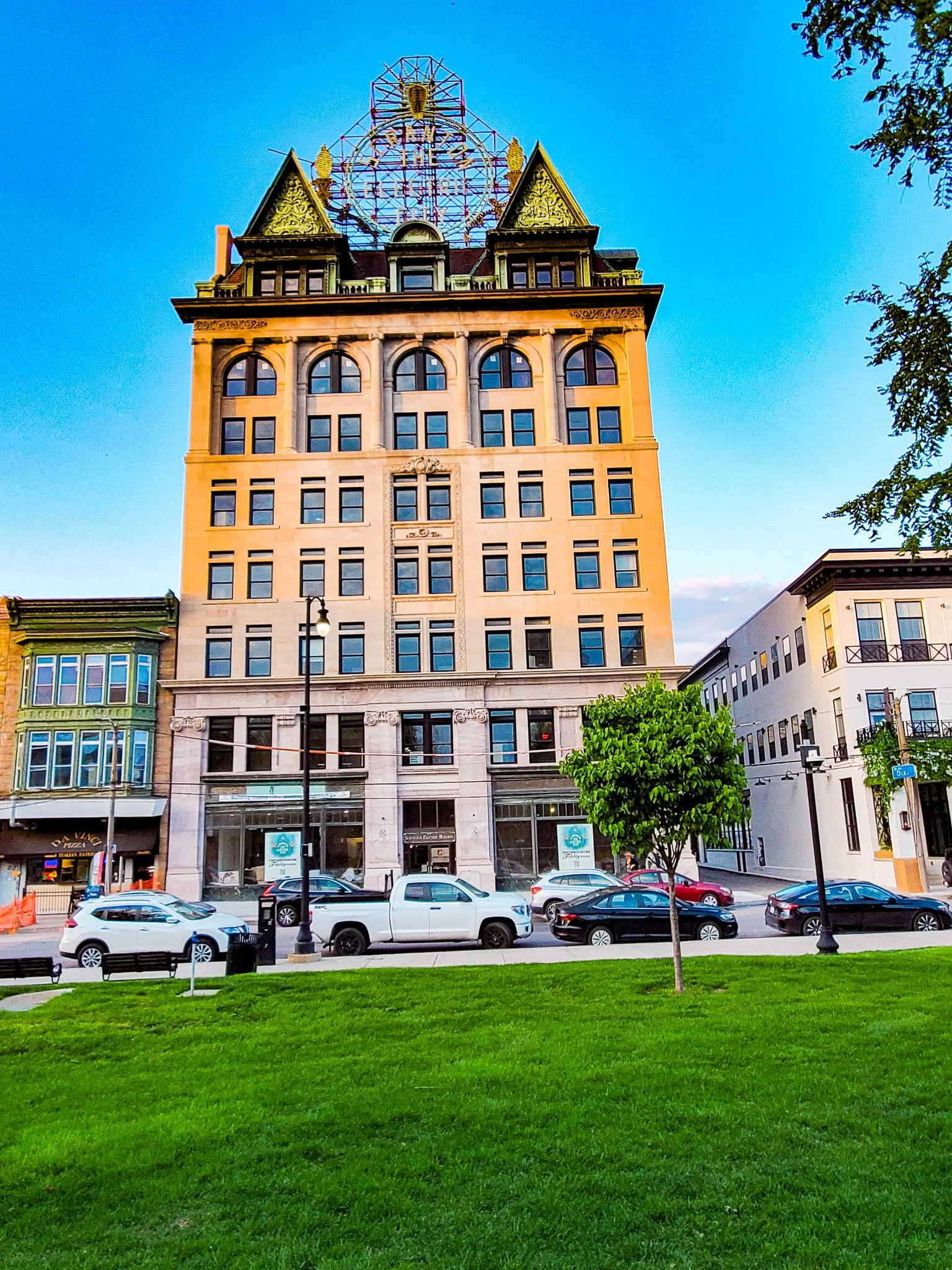
Scranton Power Company
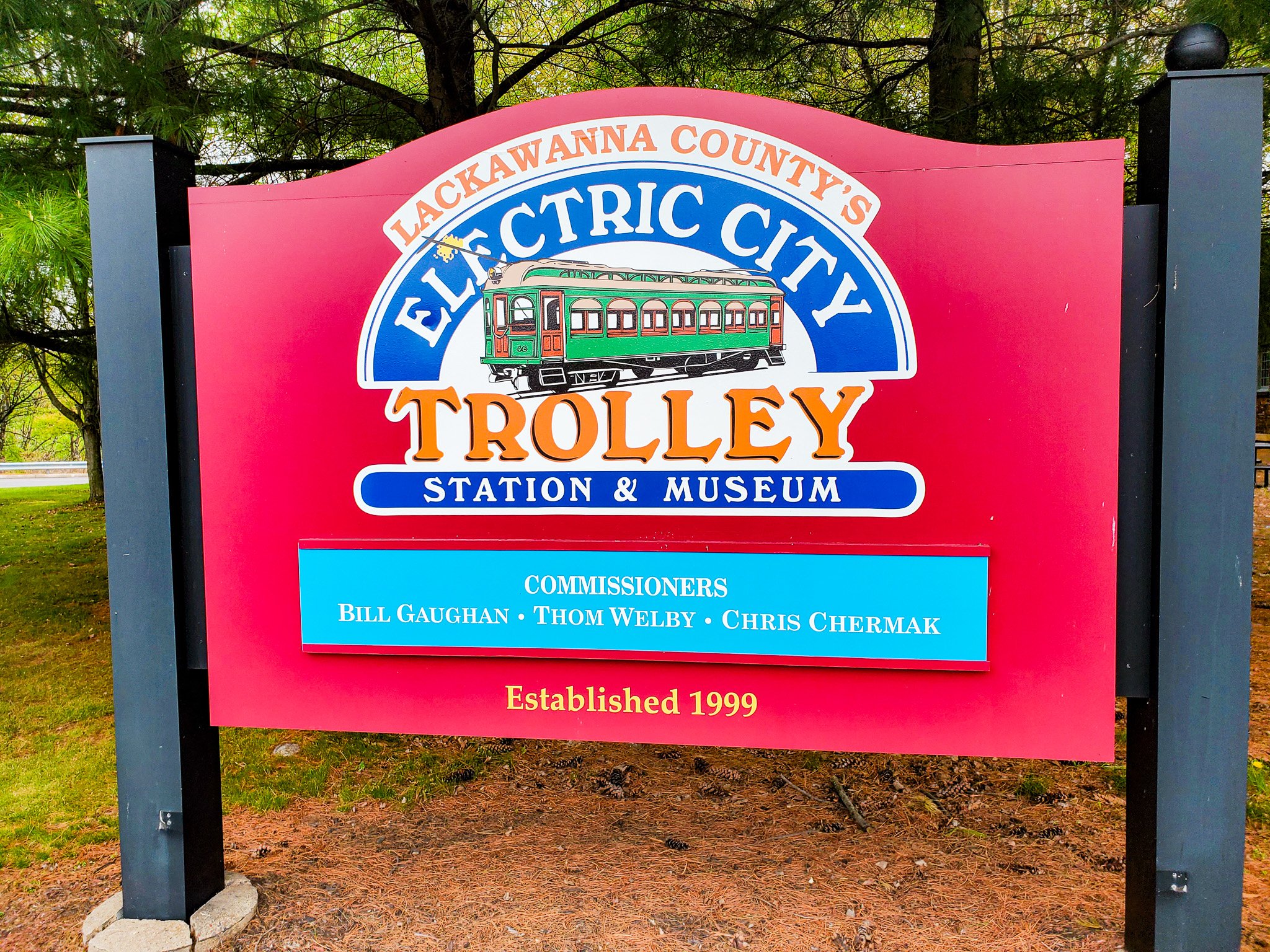
Electric City Trolley Museum
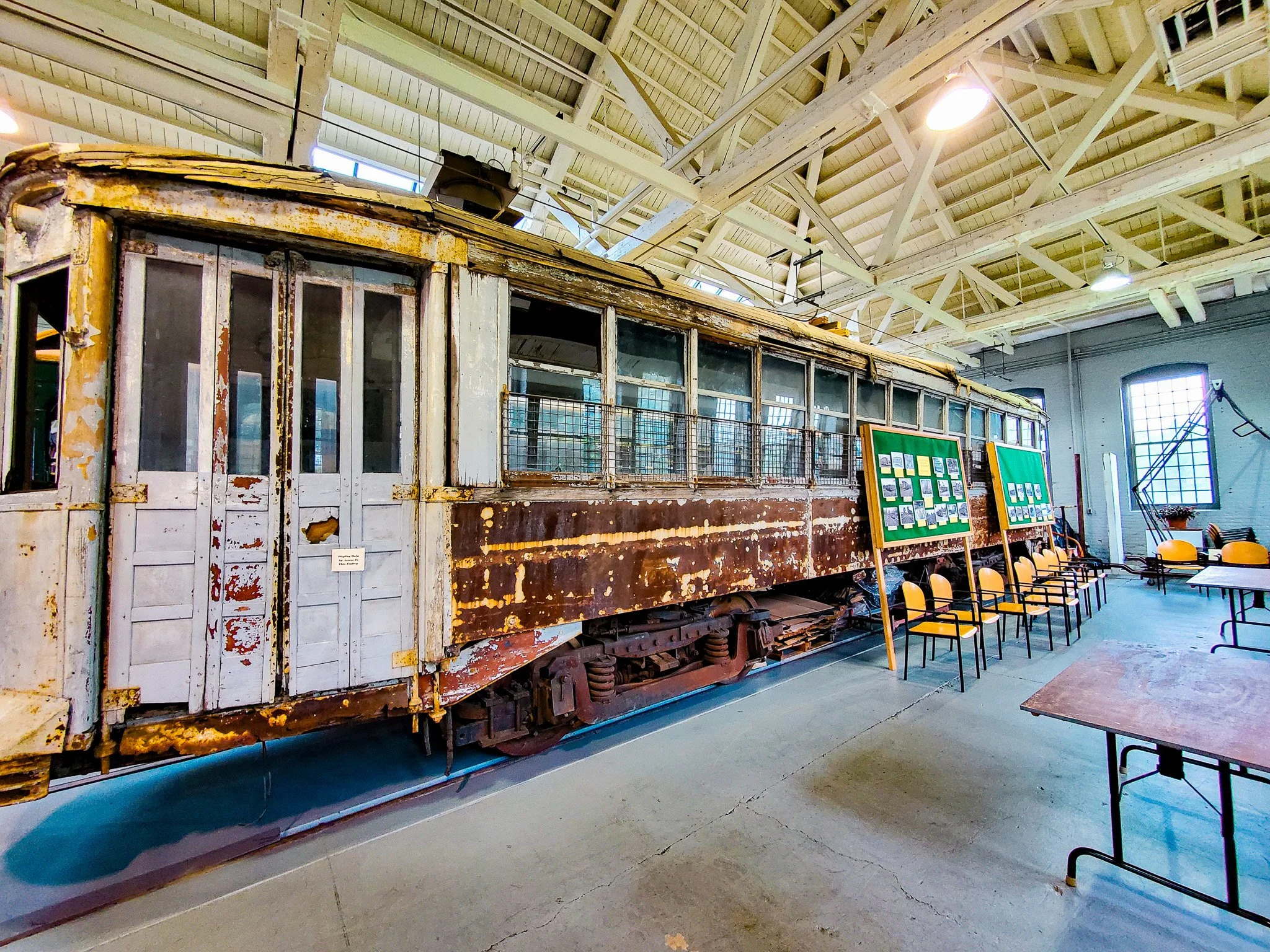
Electric City Trolley Museum
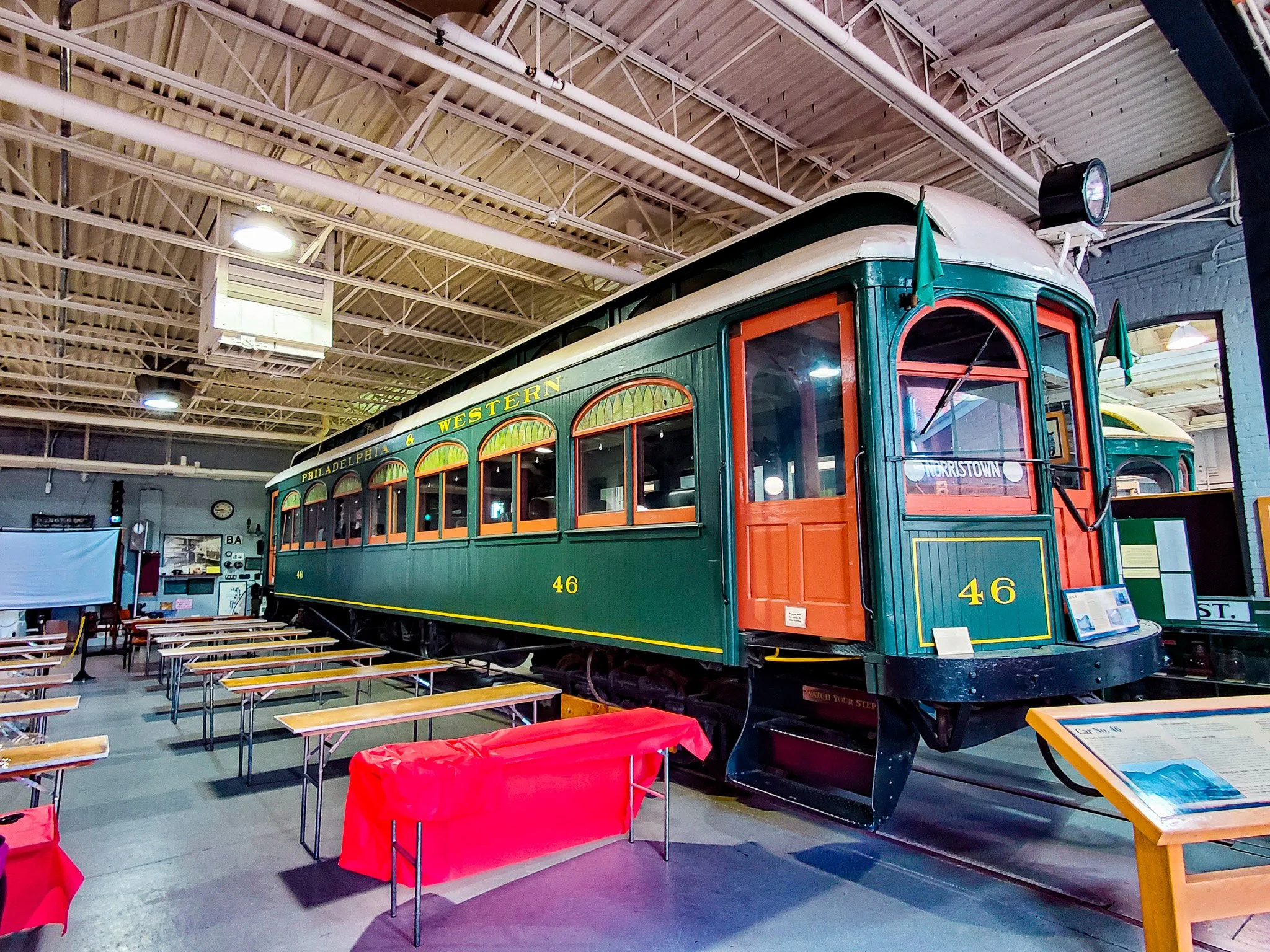
Electric City Trolley Museum
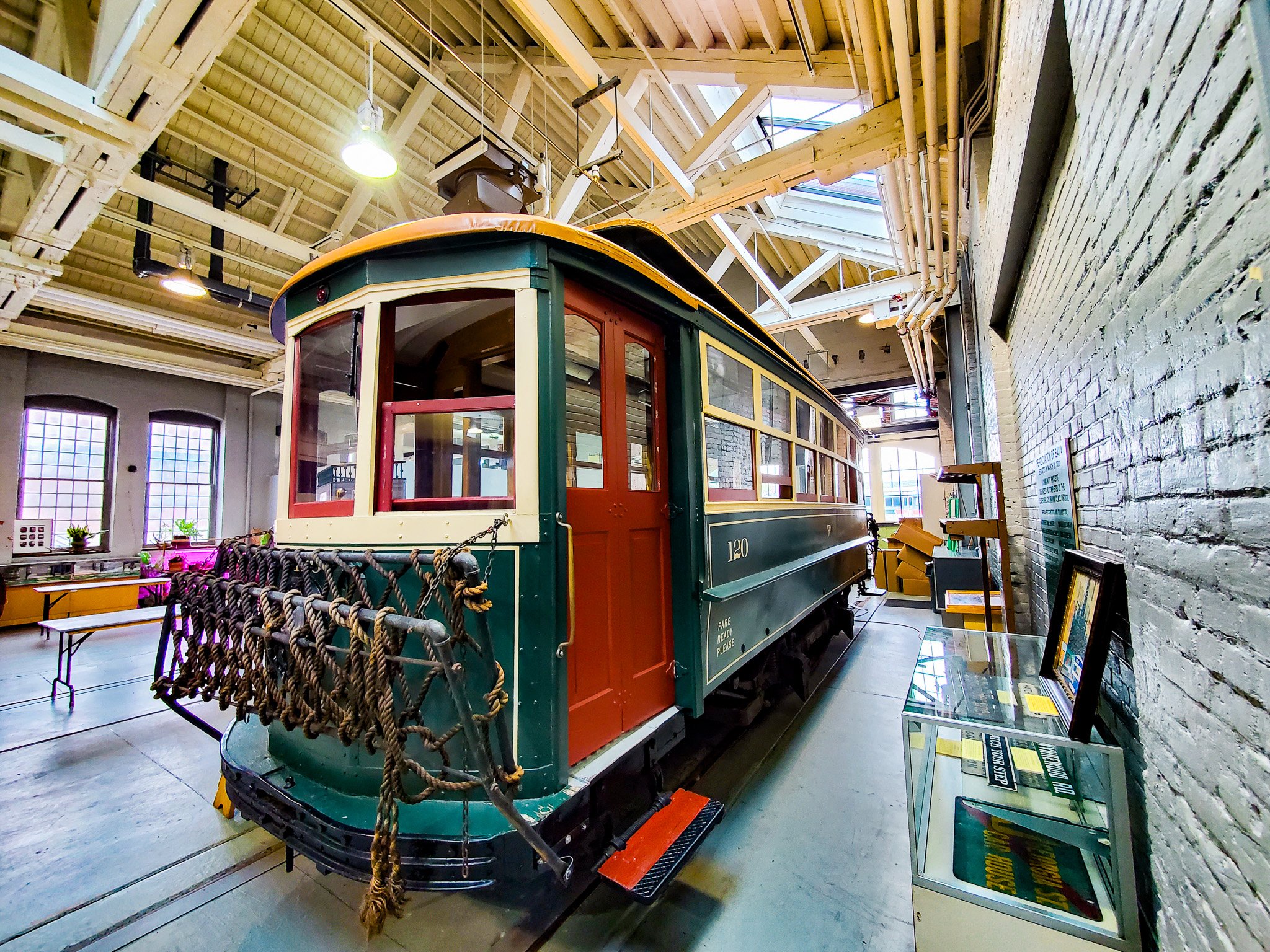
Electric City Trolley Museum
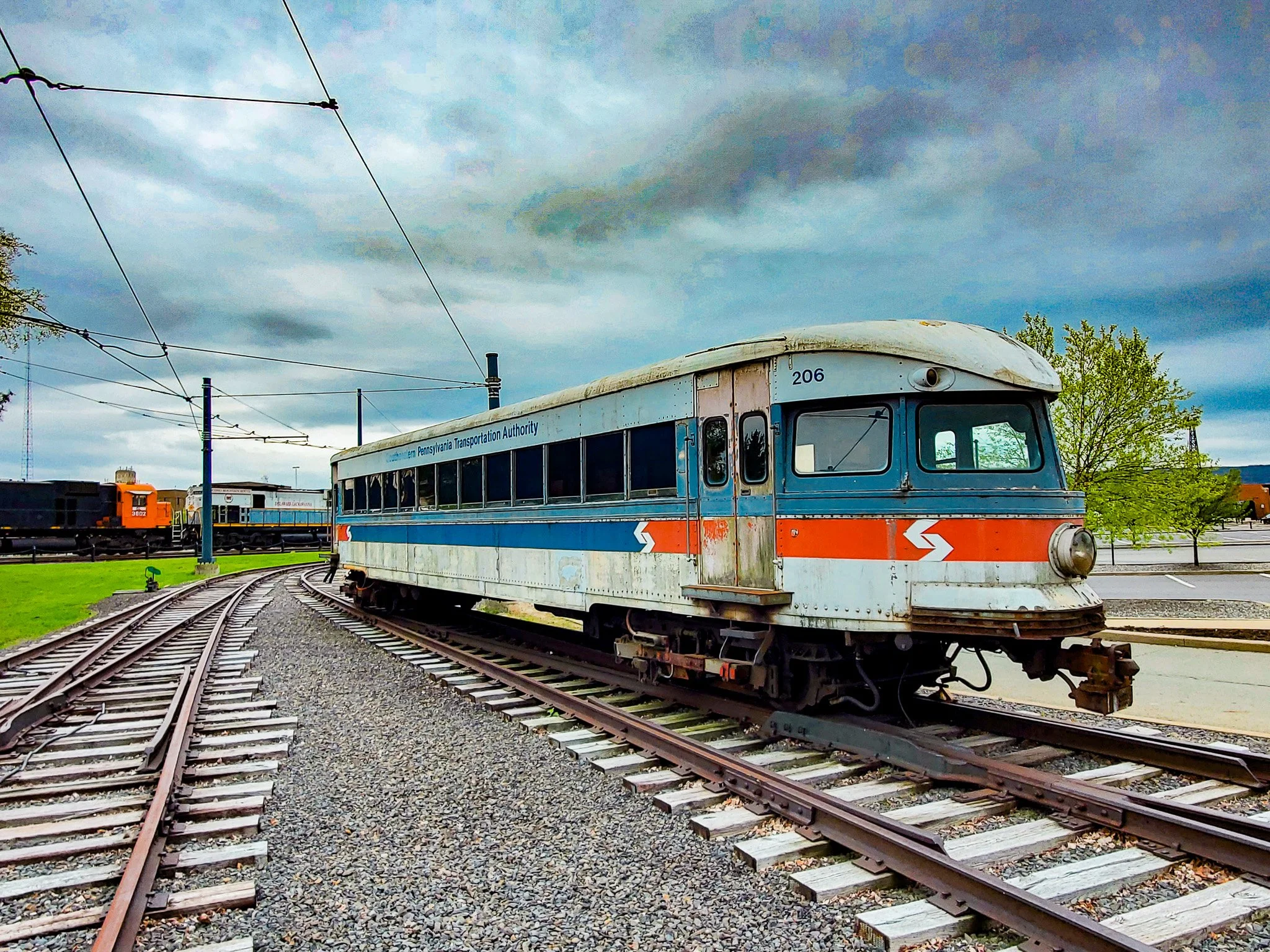
Electric City Trolley Museum
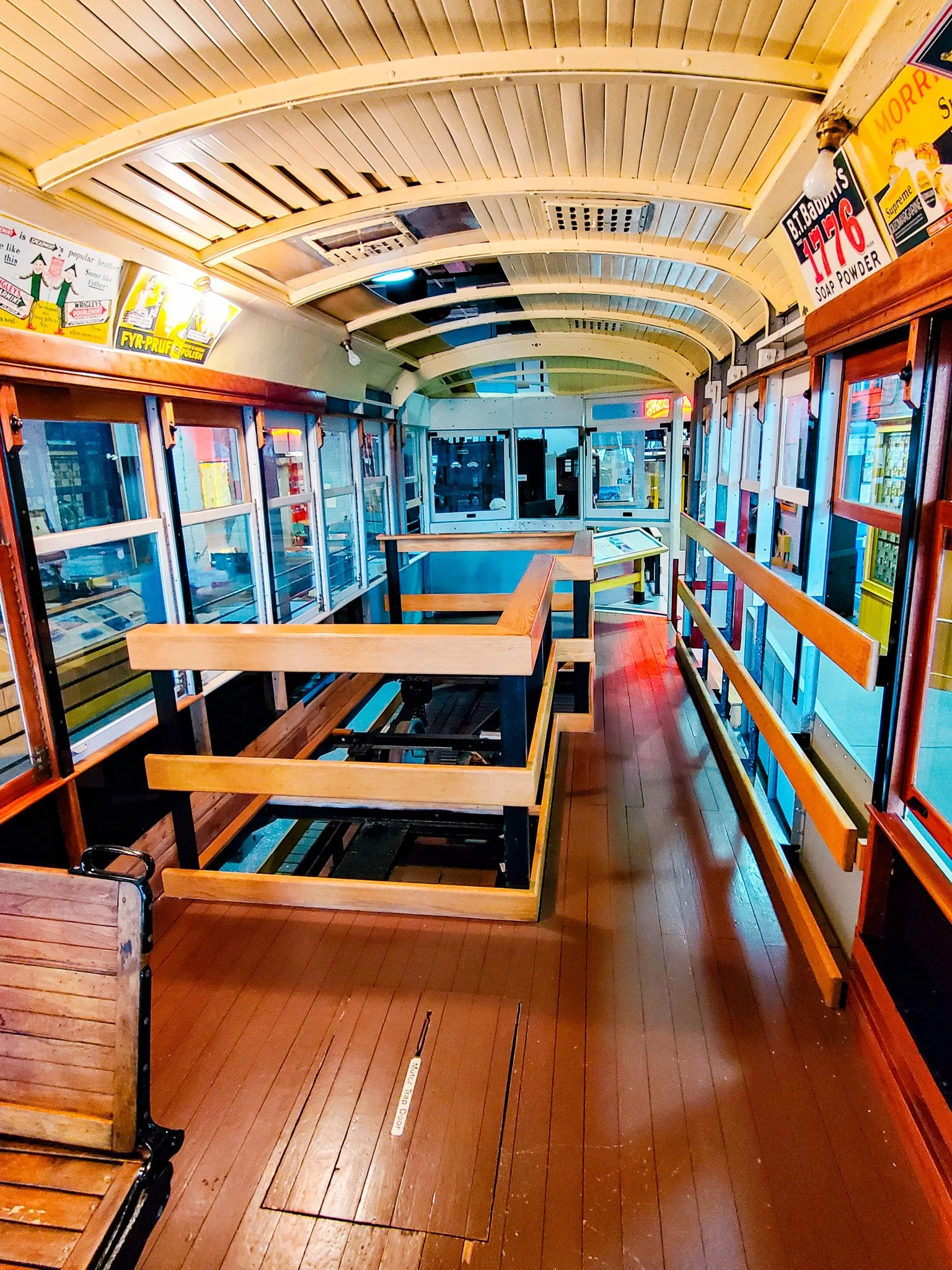
Electric City Trolley Museum
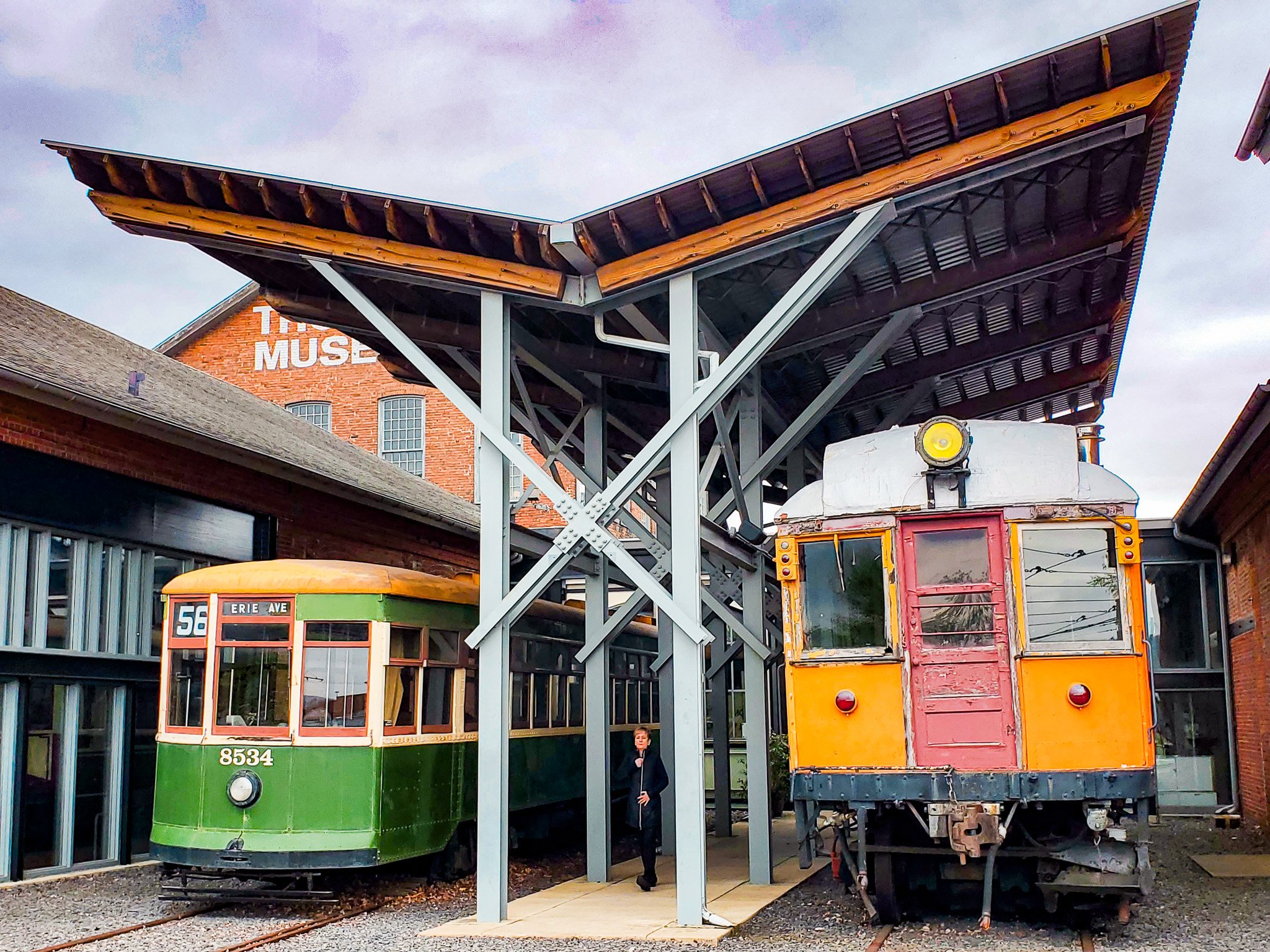
Electric City Trolley Museum
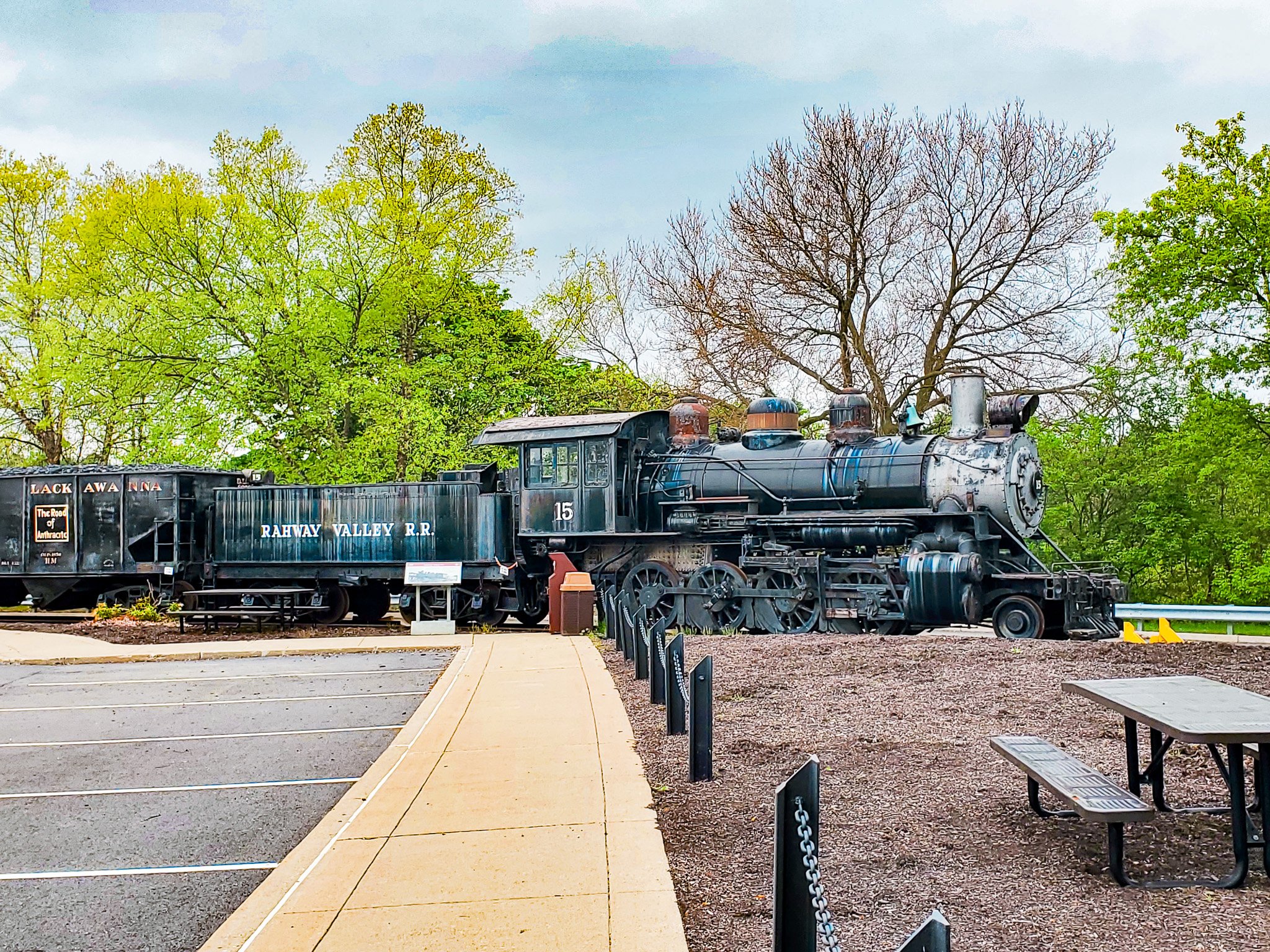
Electric City Trolley Museum
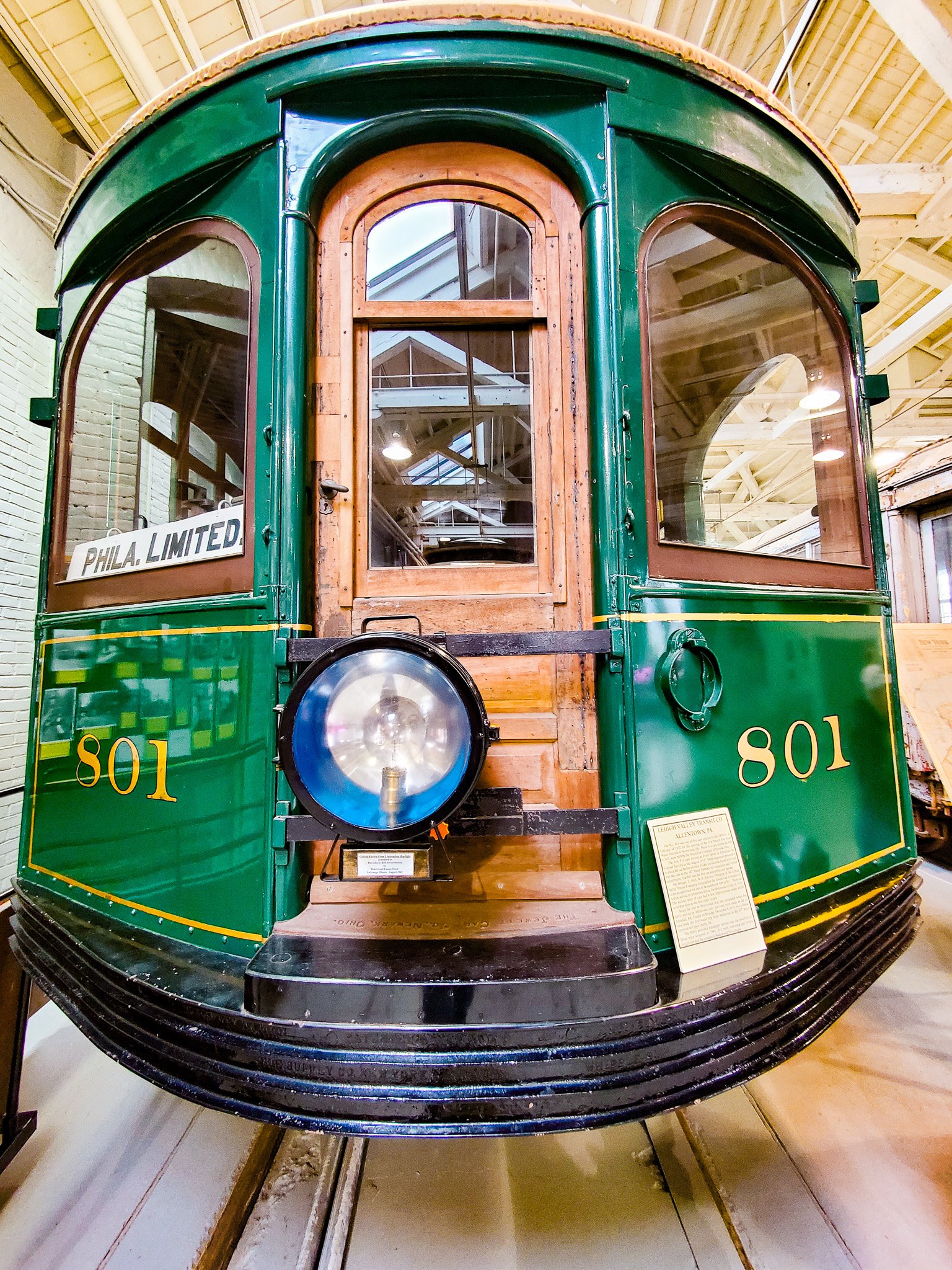
Electric City Trolley Museum
LACKAWANNA RIVER
Crossed in Scranton, the river is named after the Lenape (Delaware) Native American term “lechauwahannek” meaning “stream that forks”.
CHINCHILLA
The hamlet was named for the chinchilla-fur shawl of a female postmaster in the 1880’s.
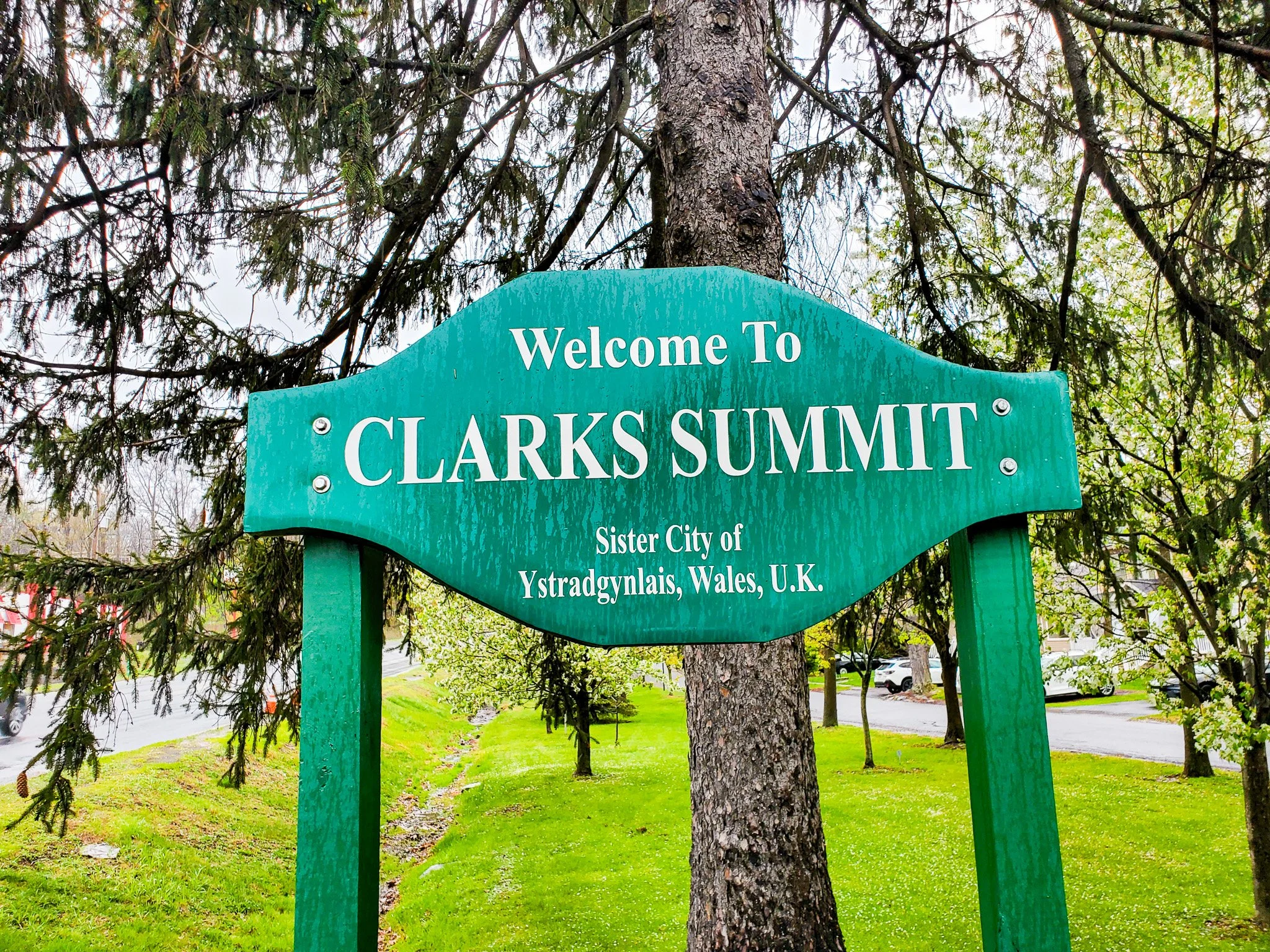
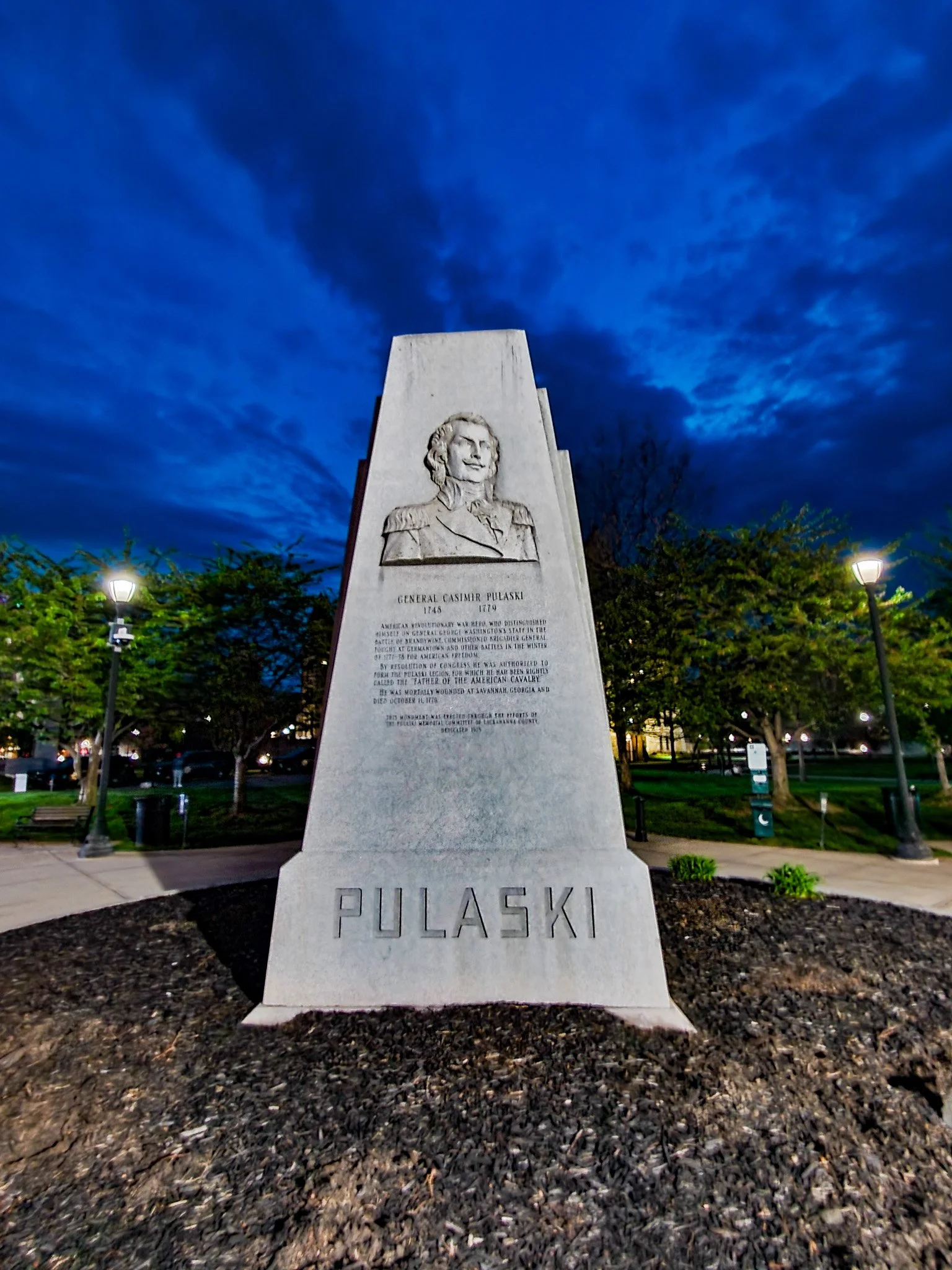
CLARK’S SUMMIT
The first settler was William Clark who fought in the Battle of Bunker Hill and was paid in land (800 acres) in Pennsylvania for his service. A dispute with the state of Connecticut over land ownership required Clark to pay for the land himself. He did, and moved to the area in 1799.
Welcome to Clark's Summit Sign
Pulaski Monument
GLENBURN TOWNSHIP
The Glenburn Grill and Bakery Homestyle Restaurant offers locally sourced foods and baked goods.
FACTORYVILLE
Named for the woolen mill near town, US 11 runs concurrently with US 6, the “Grand Army of the Republic” highway, between Factoryville and Clarks Summit.
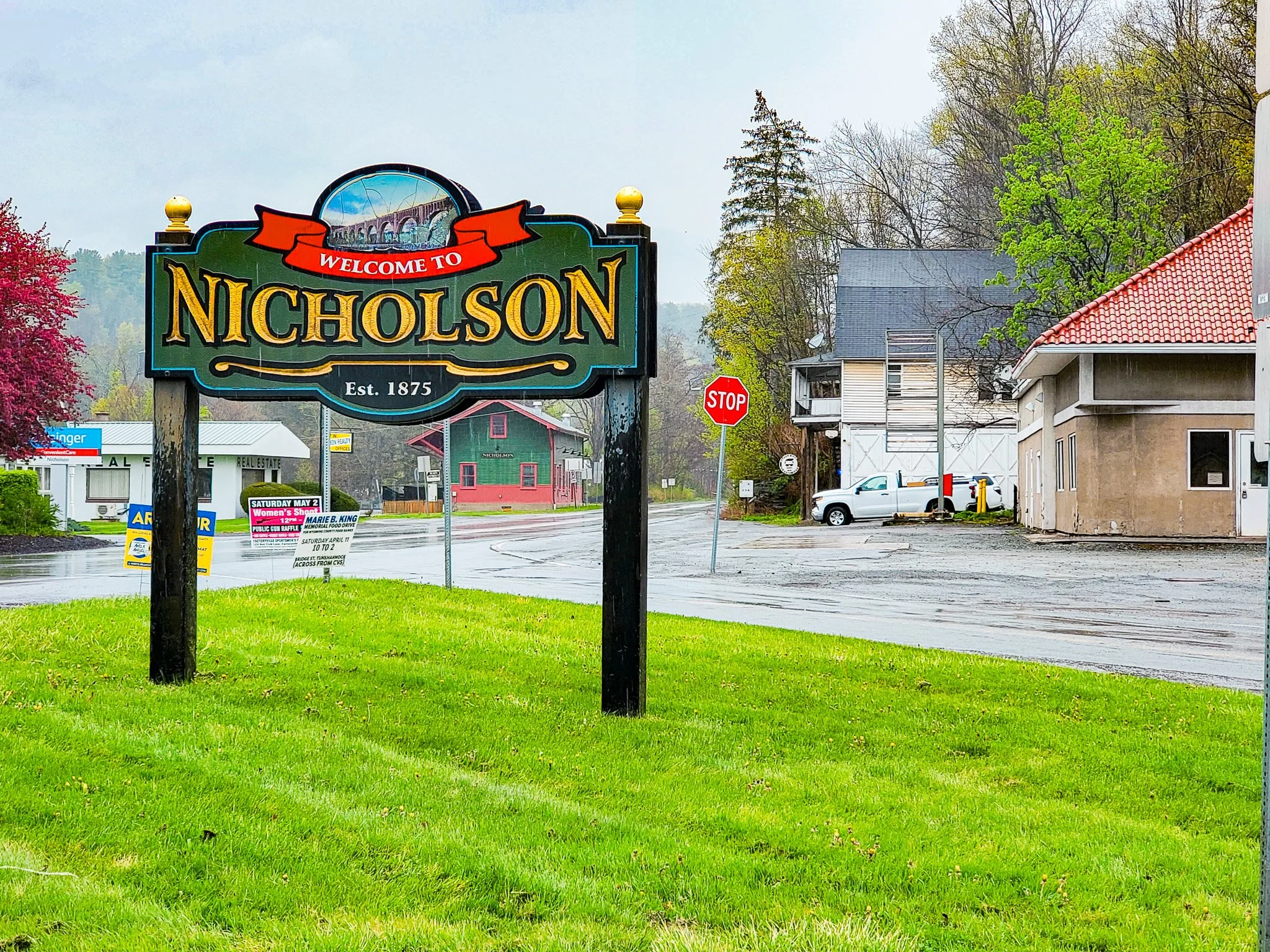
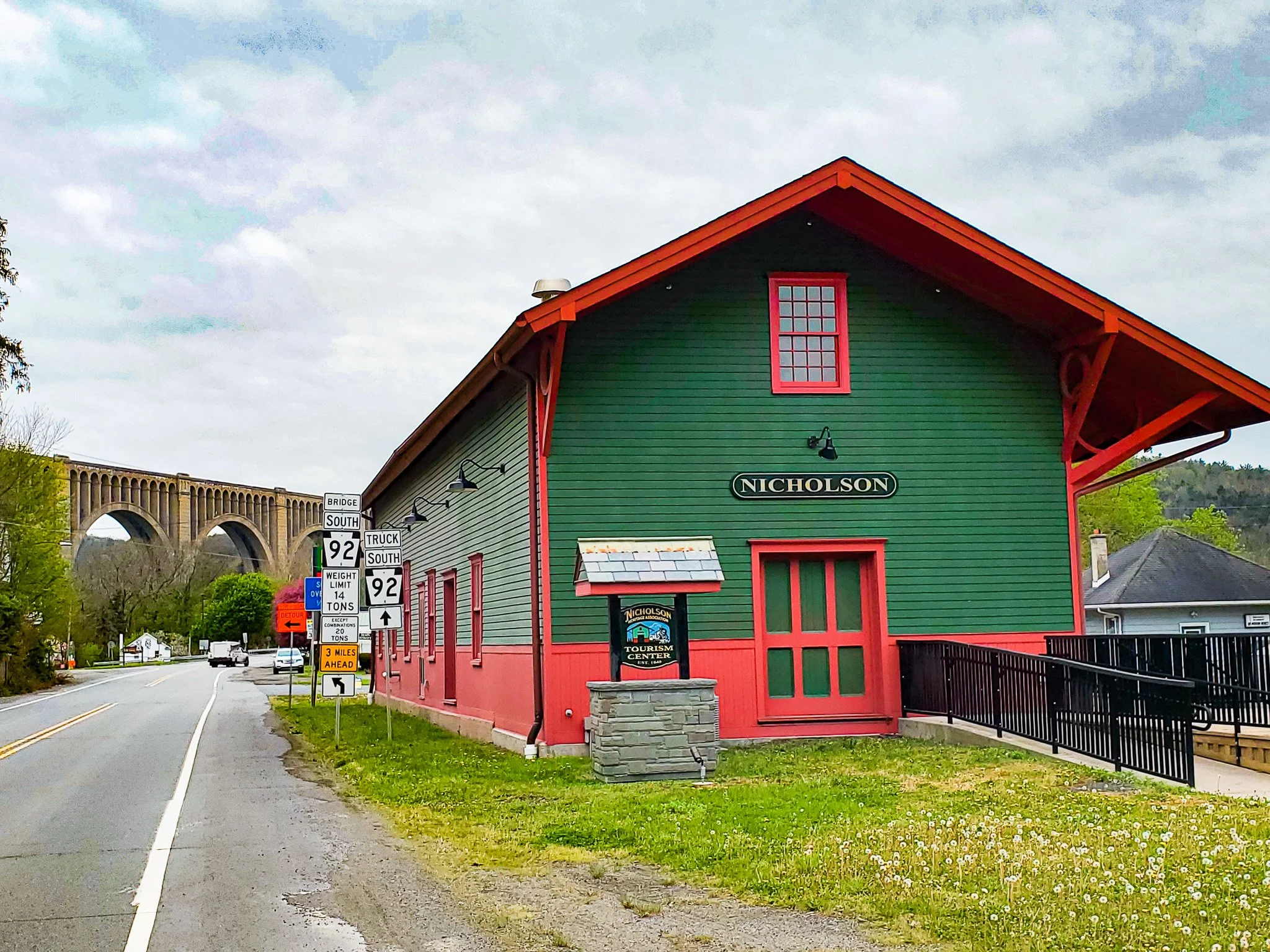
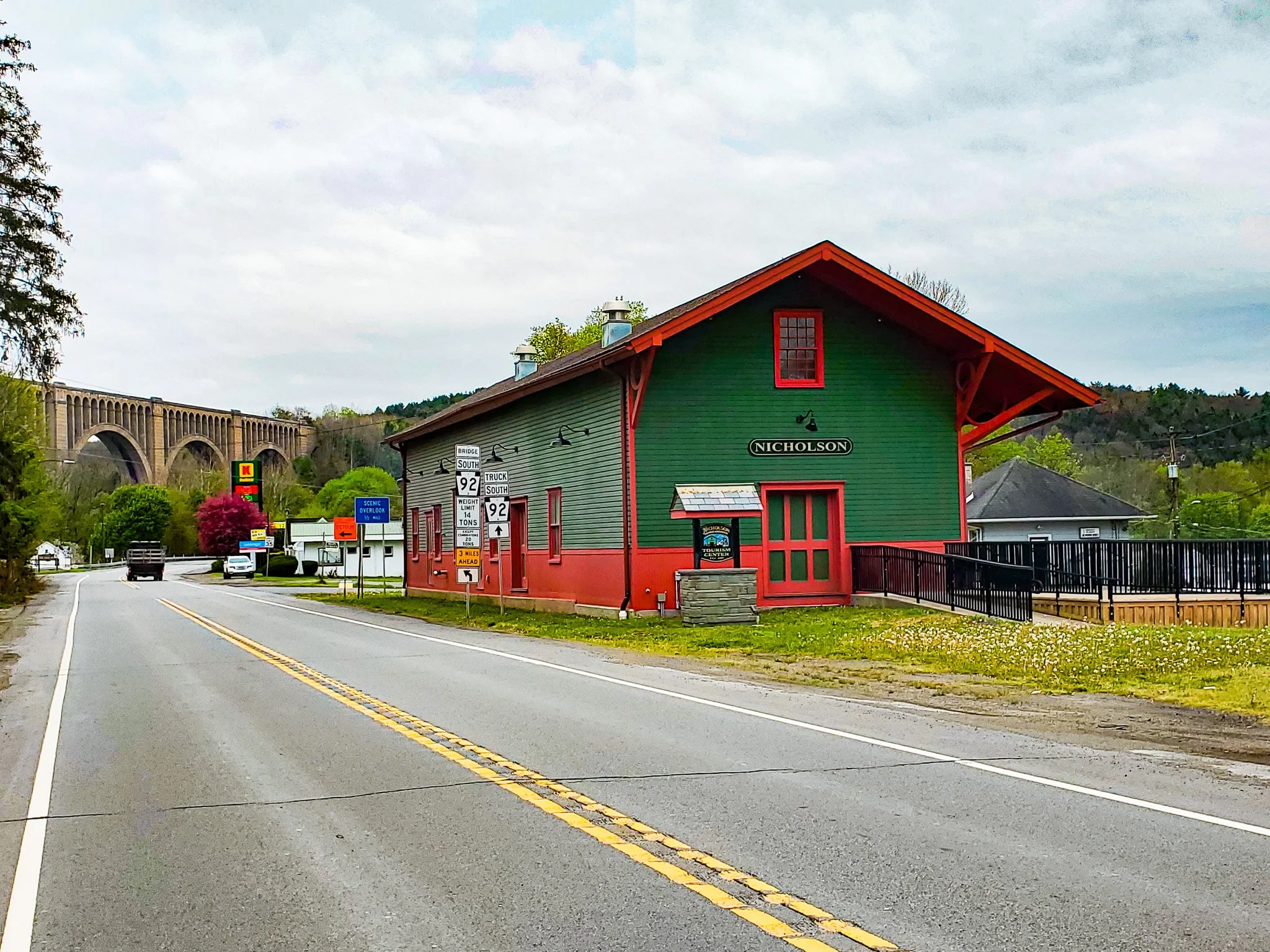
NICHOLSON
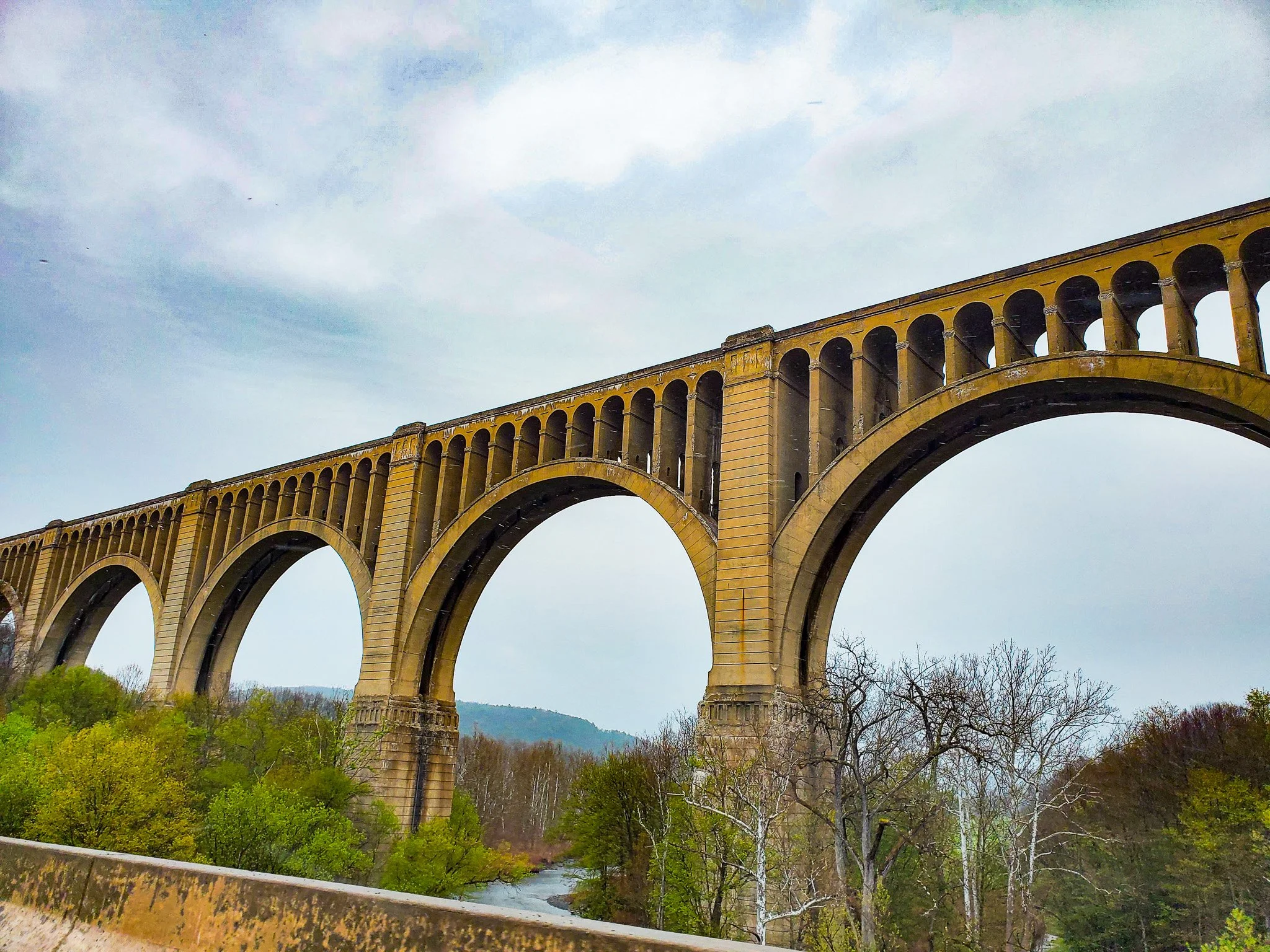
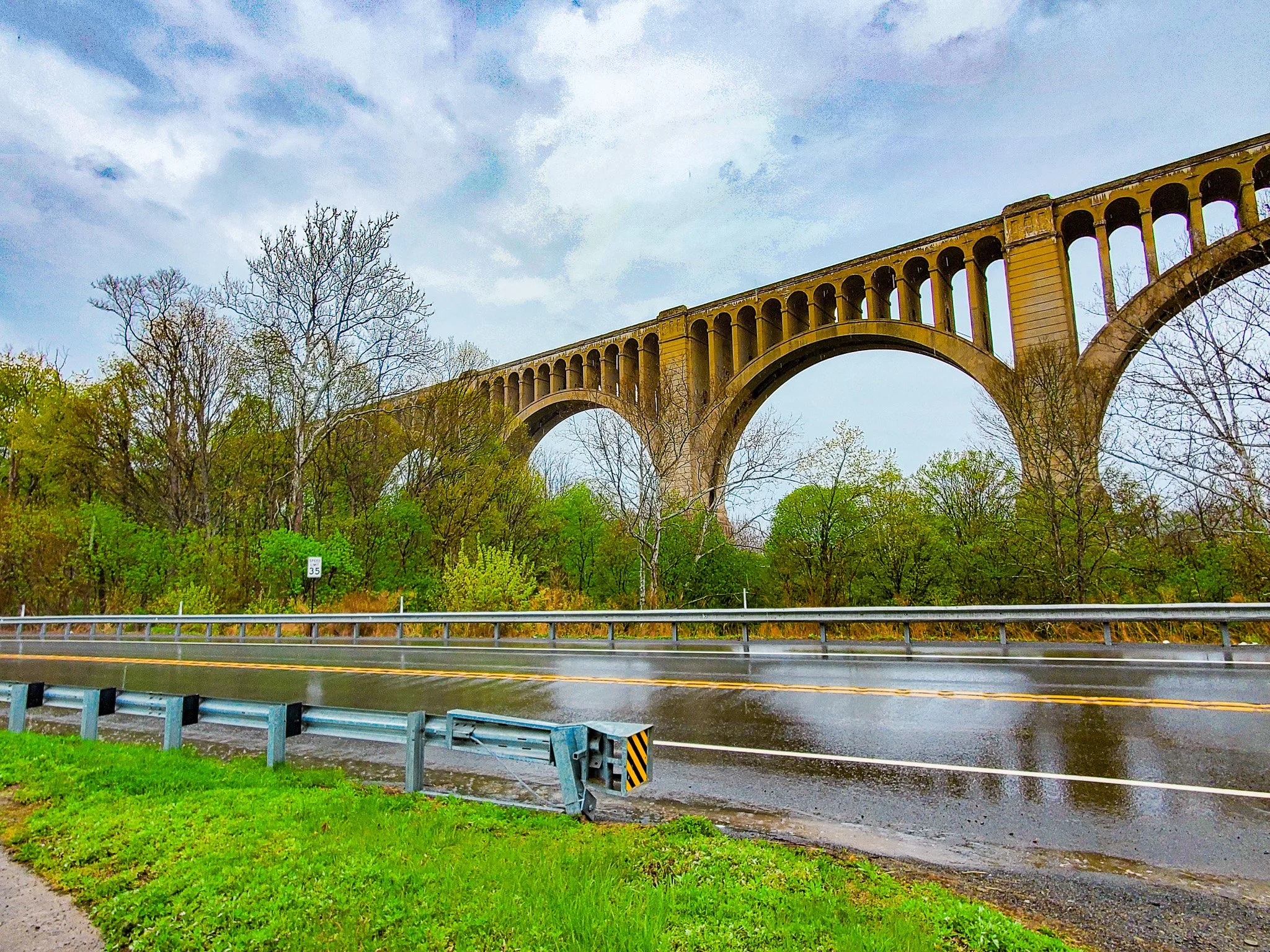
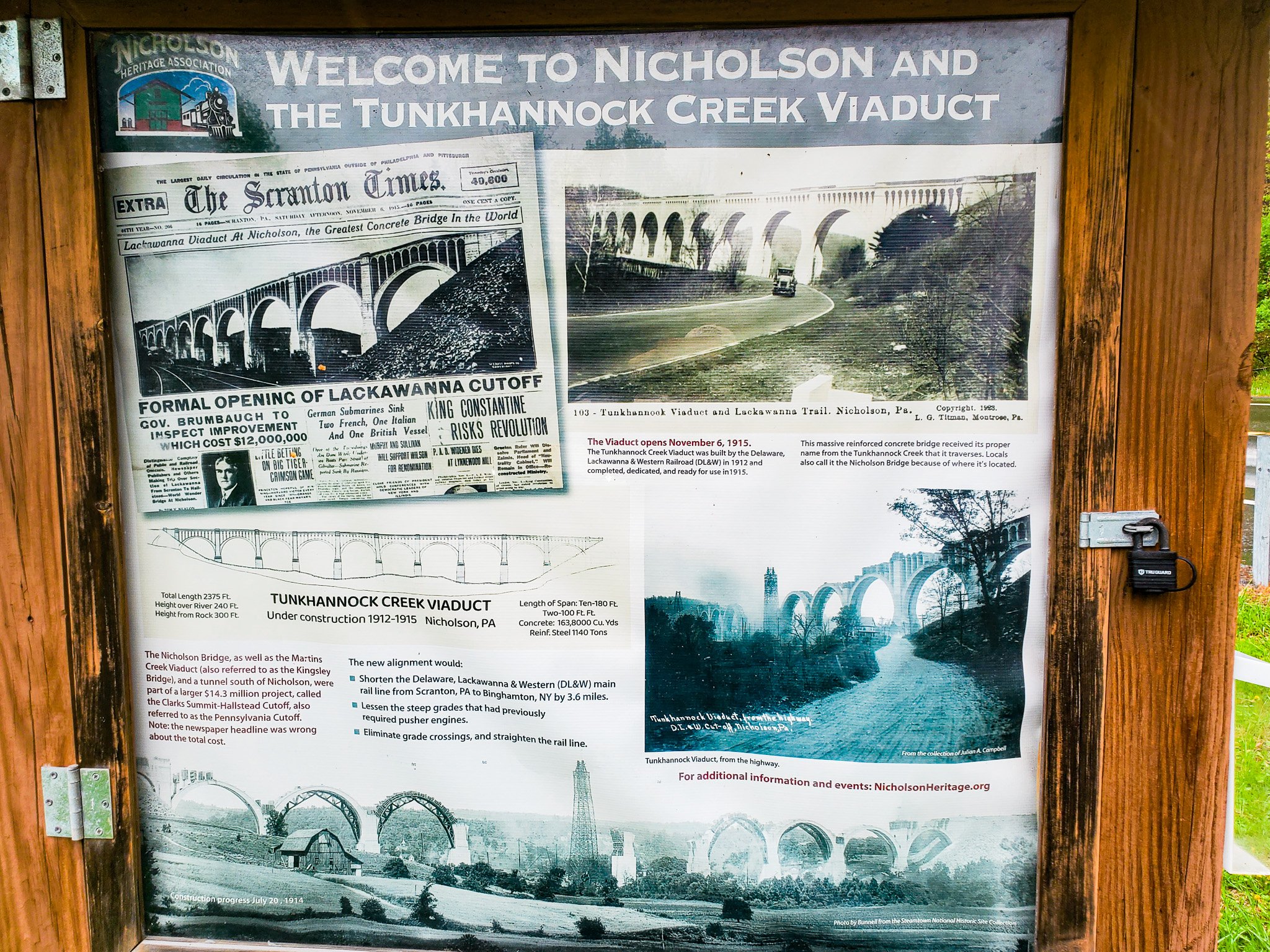
Incorporated in 1875, the town was named after John Nicholson, Pennsylvania’s comptroller general in the late 1700's. The Tunkhannock Creek Viaduct, also known as the Nicholson Bridge, is 2375 feet long and 240 feet above creek bed. At the time of its completion in 1915, it was the largest concrete structure in the world, and remains the world’s largest reinforced concrete railroad bridge. It is still being used by Norfolk Southern Railway freight trains. The town hosts a Nicholson Bridge Day annually. In 1986 a Bengal or Siberian Tiger was allegedly loose in the woods of Nicholson, sparking a multi-day hunt and national attention. A big cat was never captured, and their lifespan in the wild is reported to be 20-25 years. Unless it was pregnant, it’s safe to go back into the woods.
Welcome to Nicholson Sign
Nicholson Depot
Nicholson Depot
Tunkhannock Viaduct
Tunkhannock Viaduct
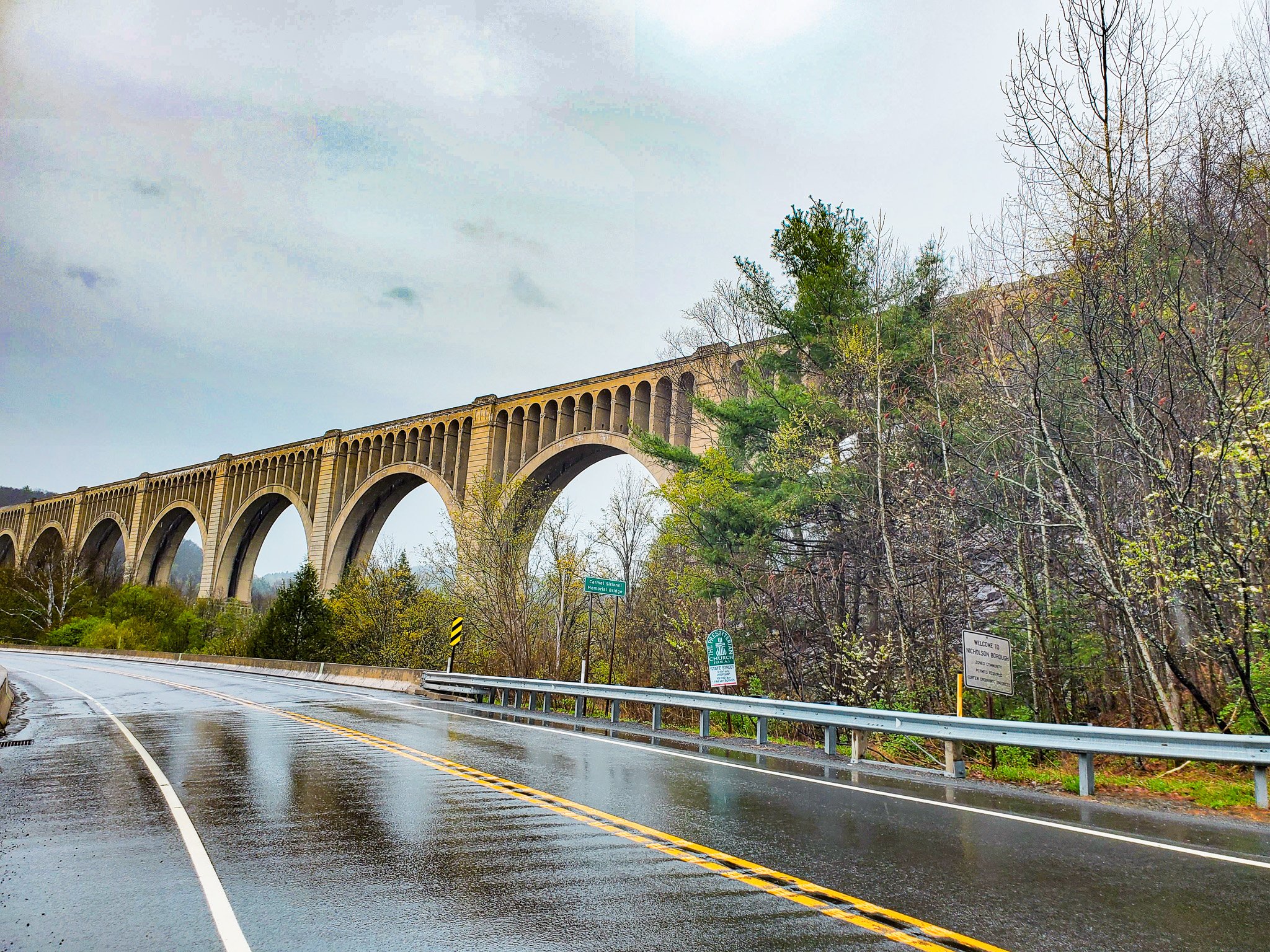
Tunkhannock Viaduct
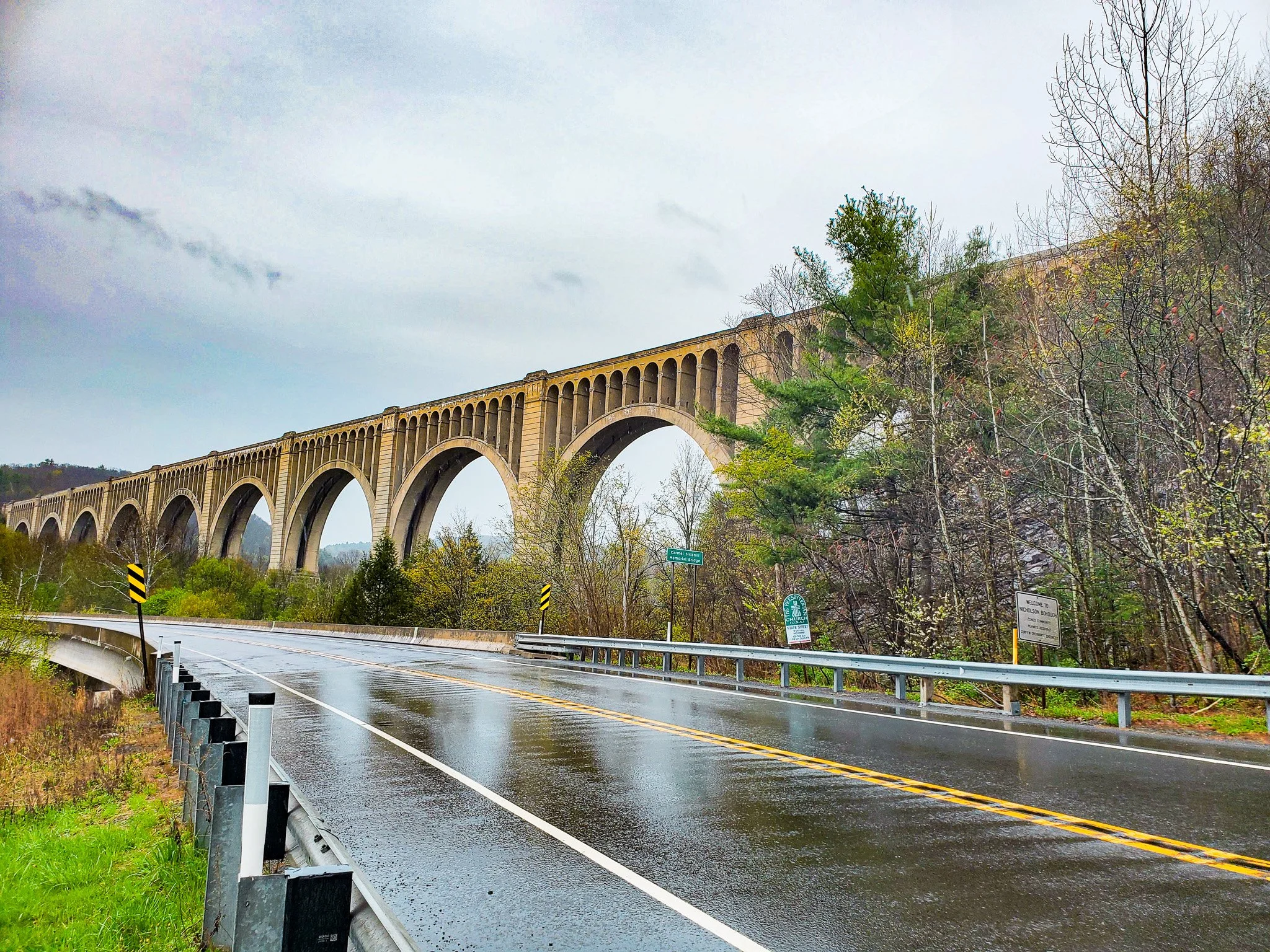
Tunkhannock Viaduct
Tunkhannock Viaduct
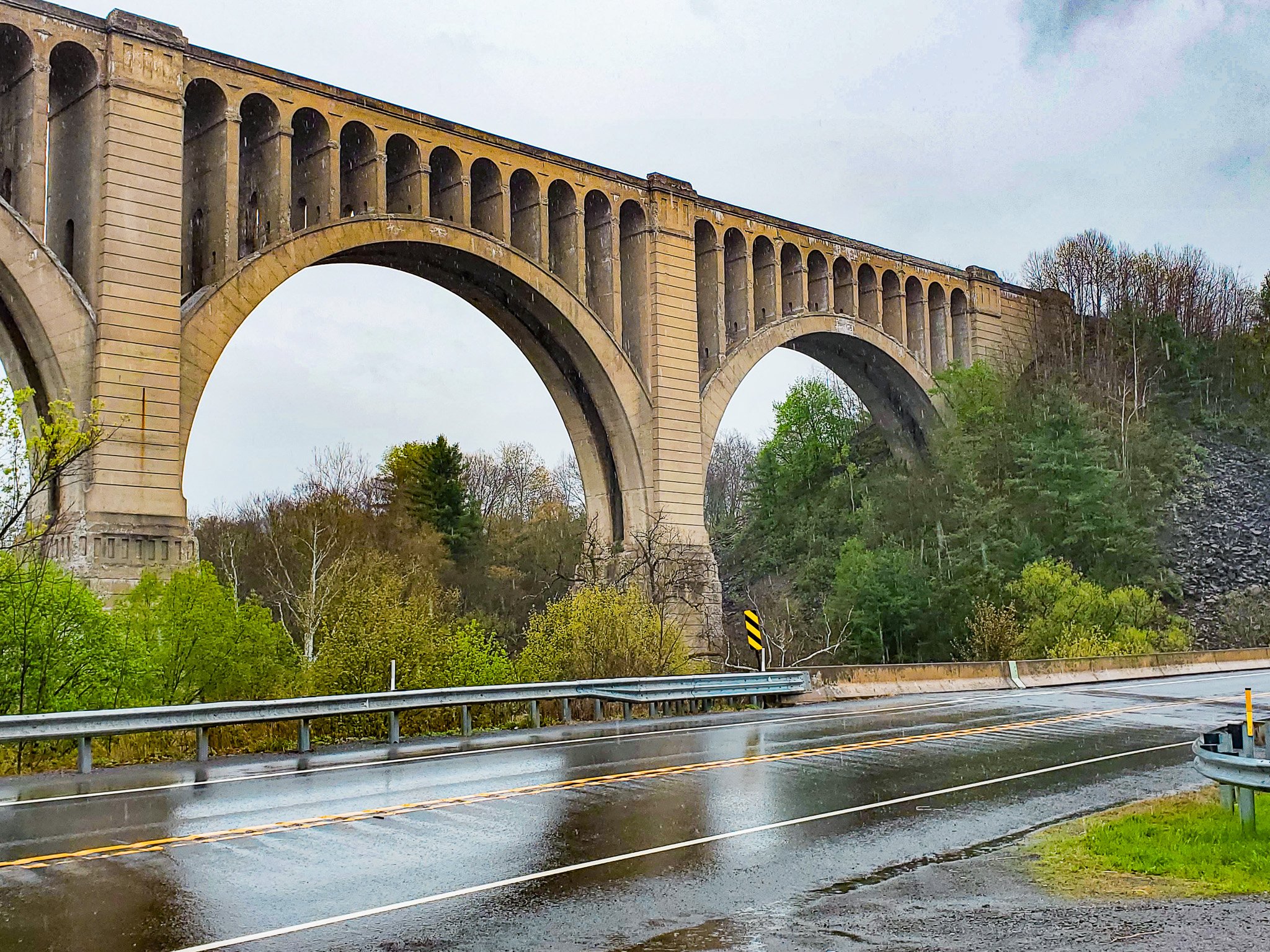
Tunkhannock Viaduct
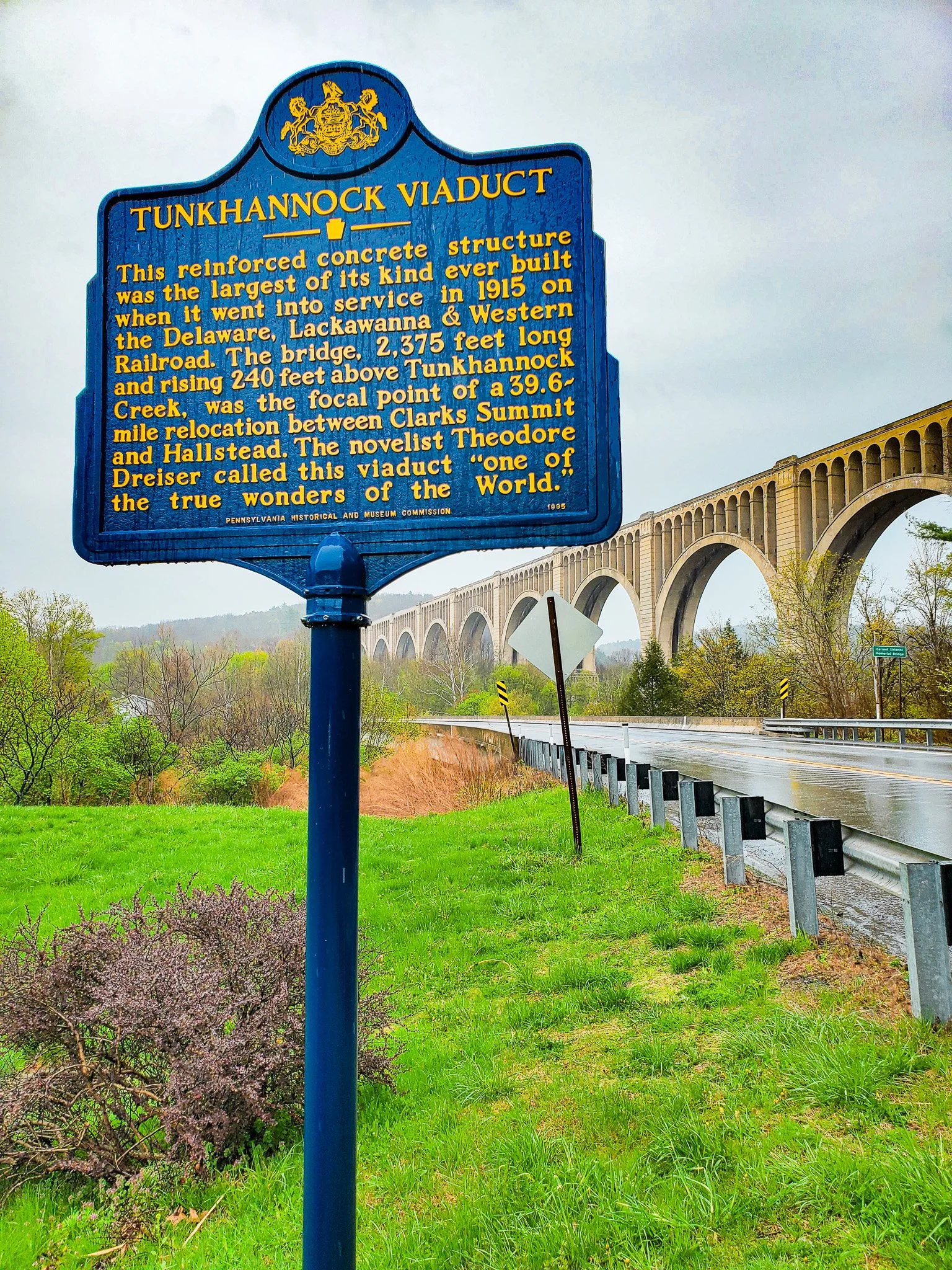
Tunkhannock Viaduct Marker
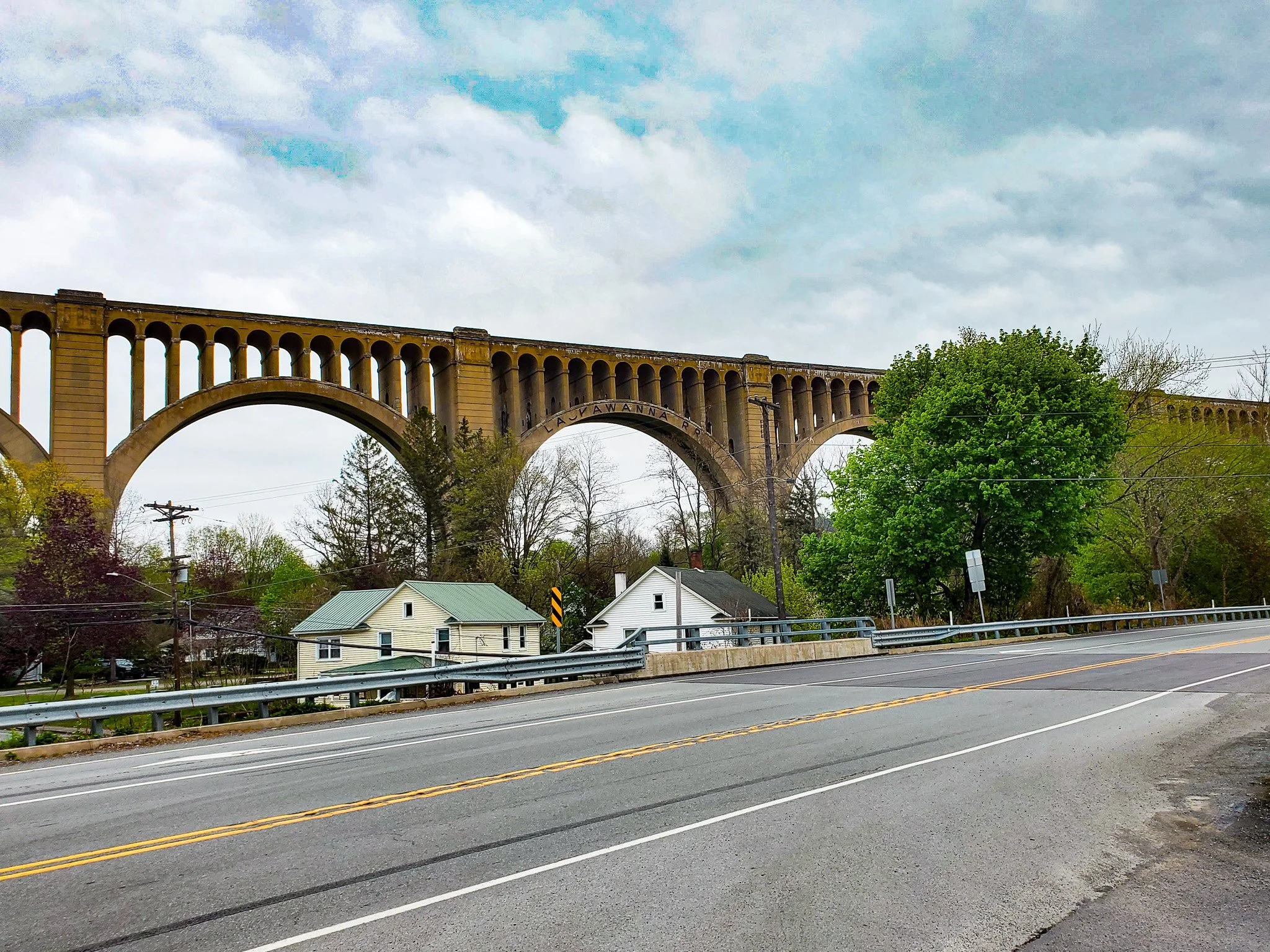
Tunkhannock Viaduct
HOP BOTTOM
Hop Bottom is part of the Endless Mountains region of Northeast Pennsylvania, and was named for Hop Bottom Creek, where hop vines grew. It was settled in 1799 and incorporated in 1881.
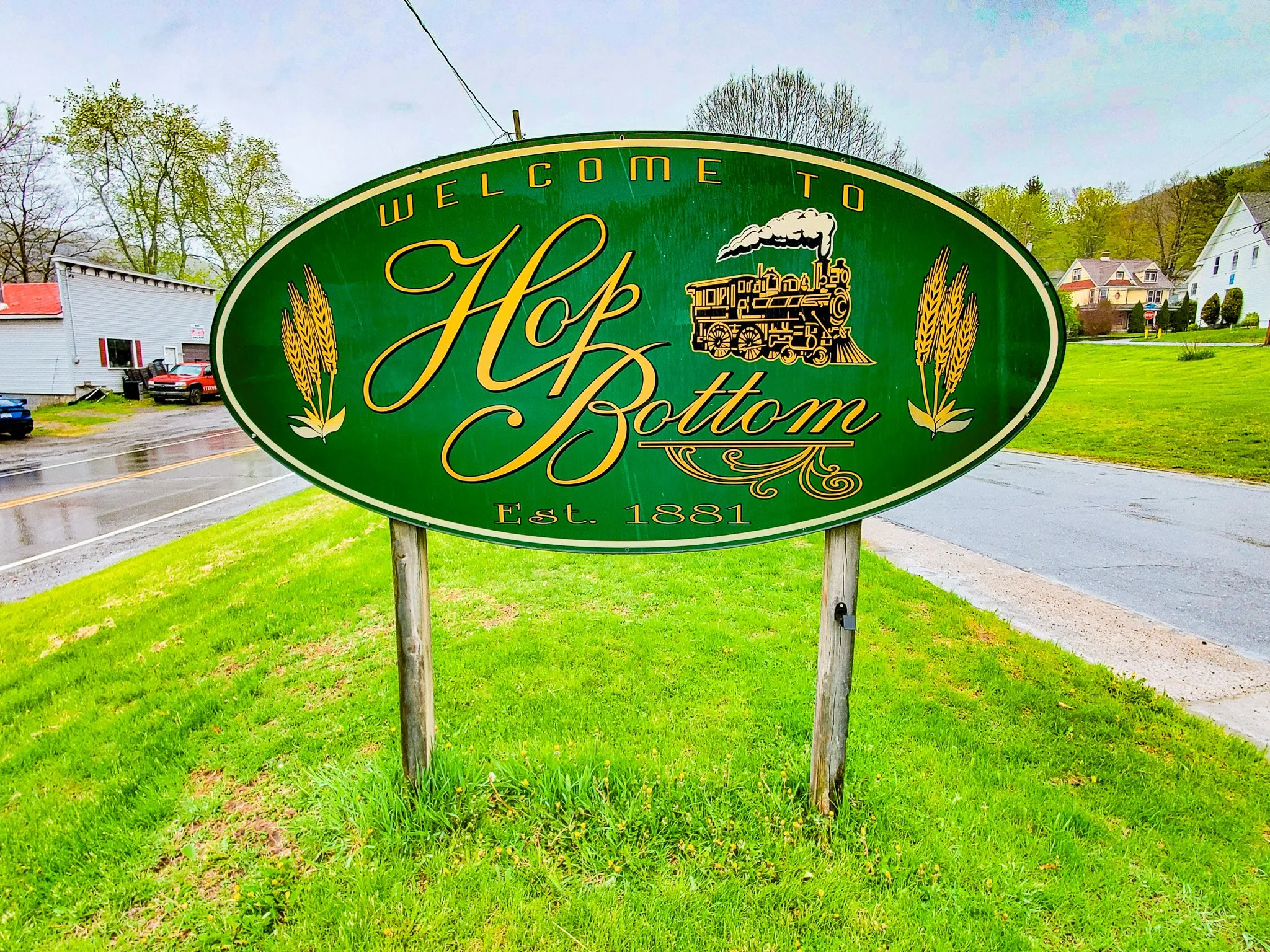
Welcome to Hop Bottom Sign
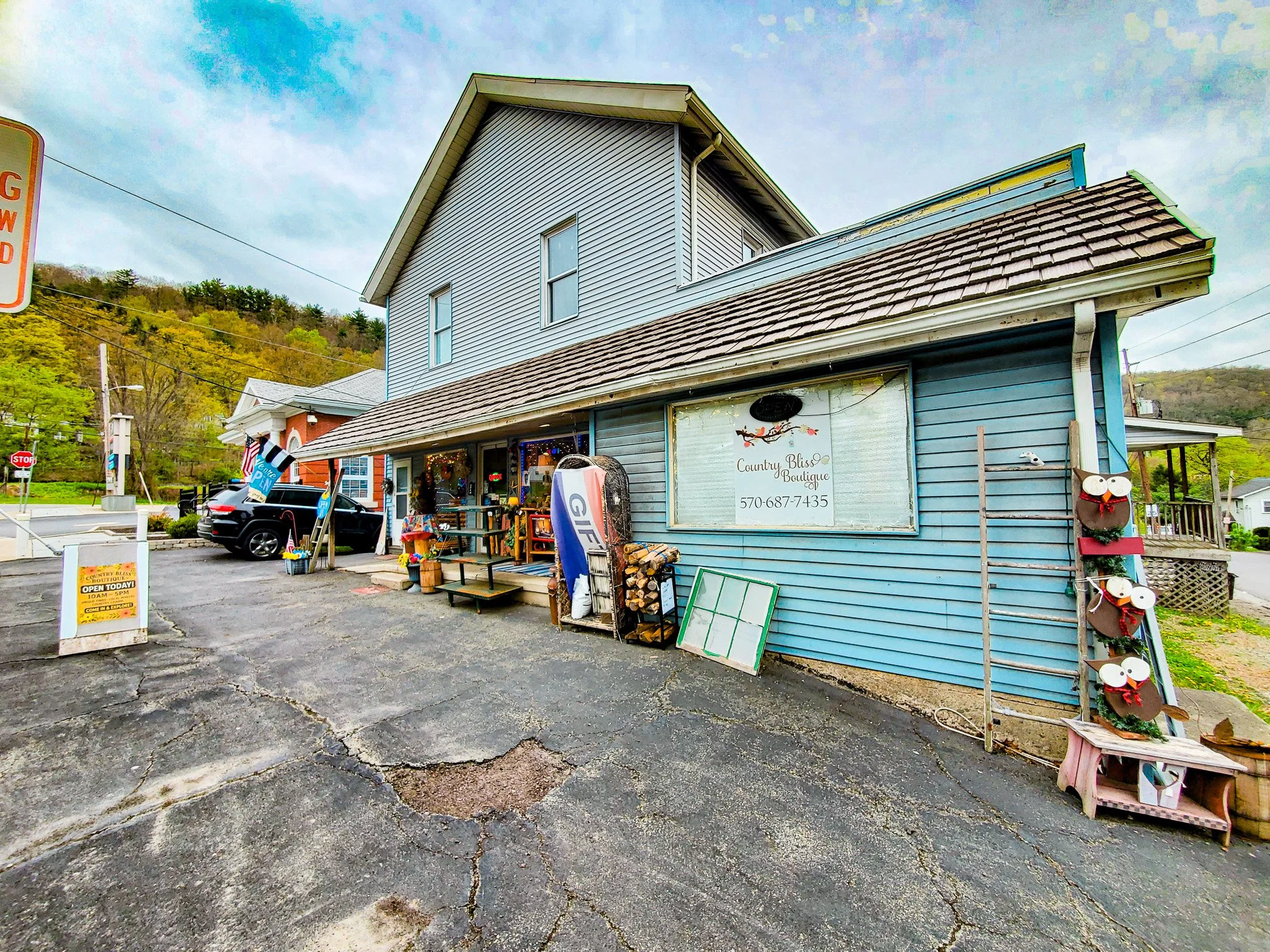
Country Bliss Boutique
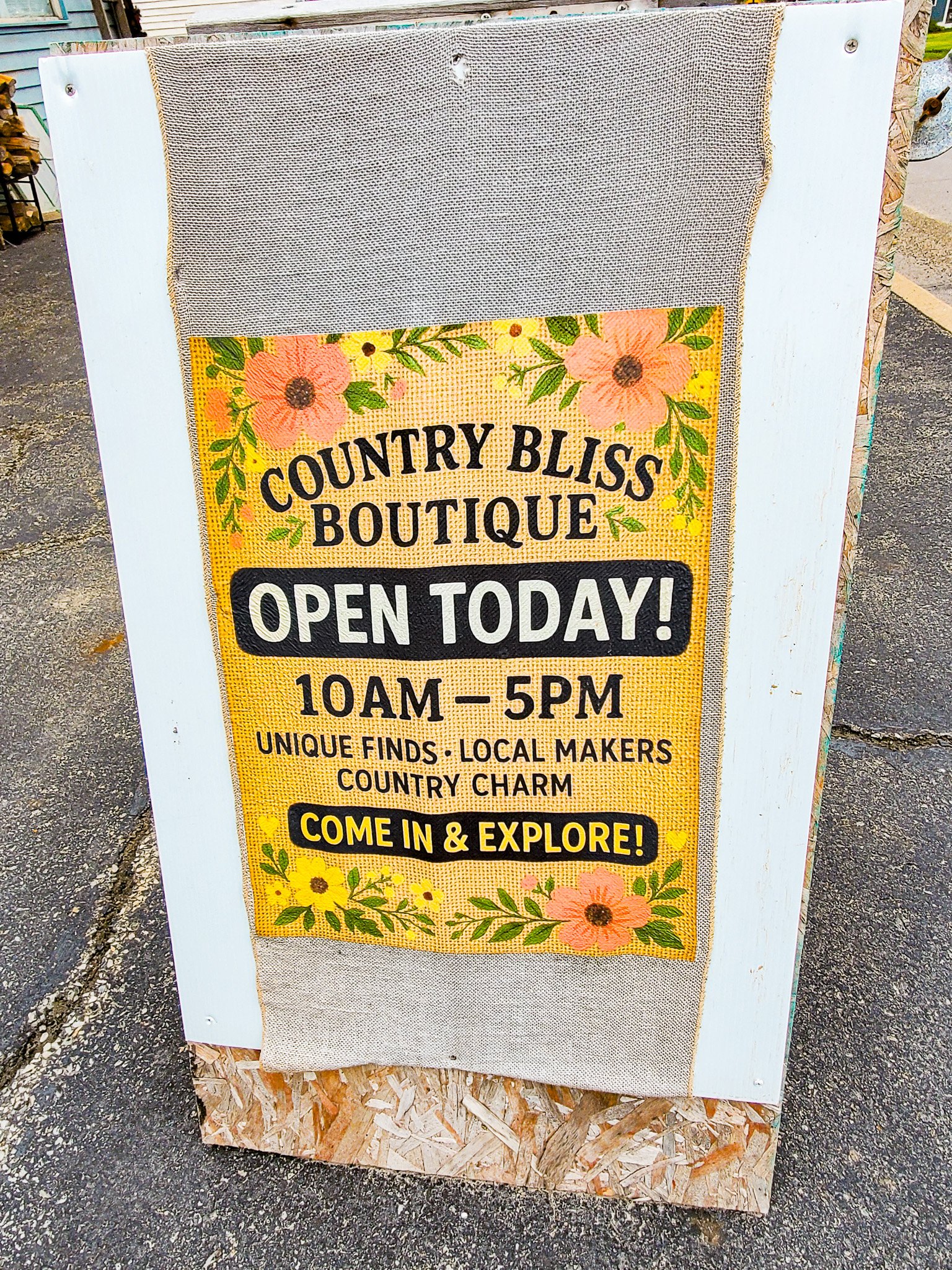
Country Bliss Boutique
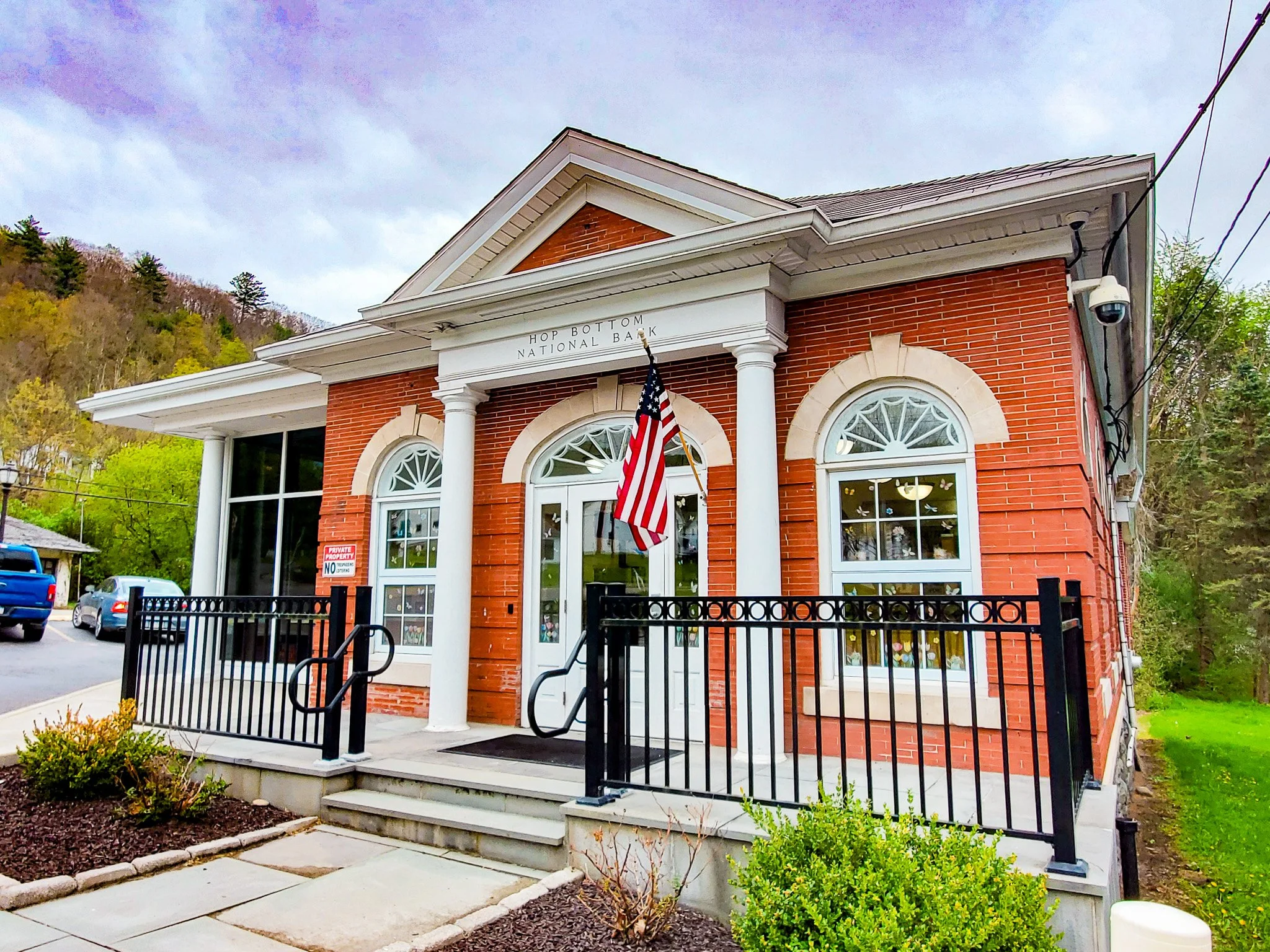
Hop Bottom National Bank

Martins Creek Viaduct (1915)
NEW MILFORD TOWNSHIP
New Milford is home to the Pratt Memorial Library, first opened in 1893, with the current building being completed of limestone with a large copper door in 1903. It is free to the public. The Green Gables Restaurant has served classic Italian-American dishes since 1928.
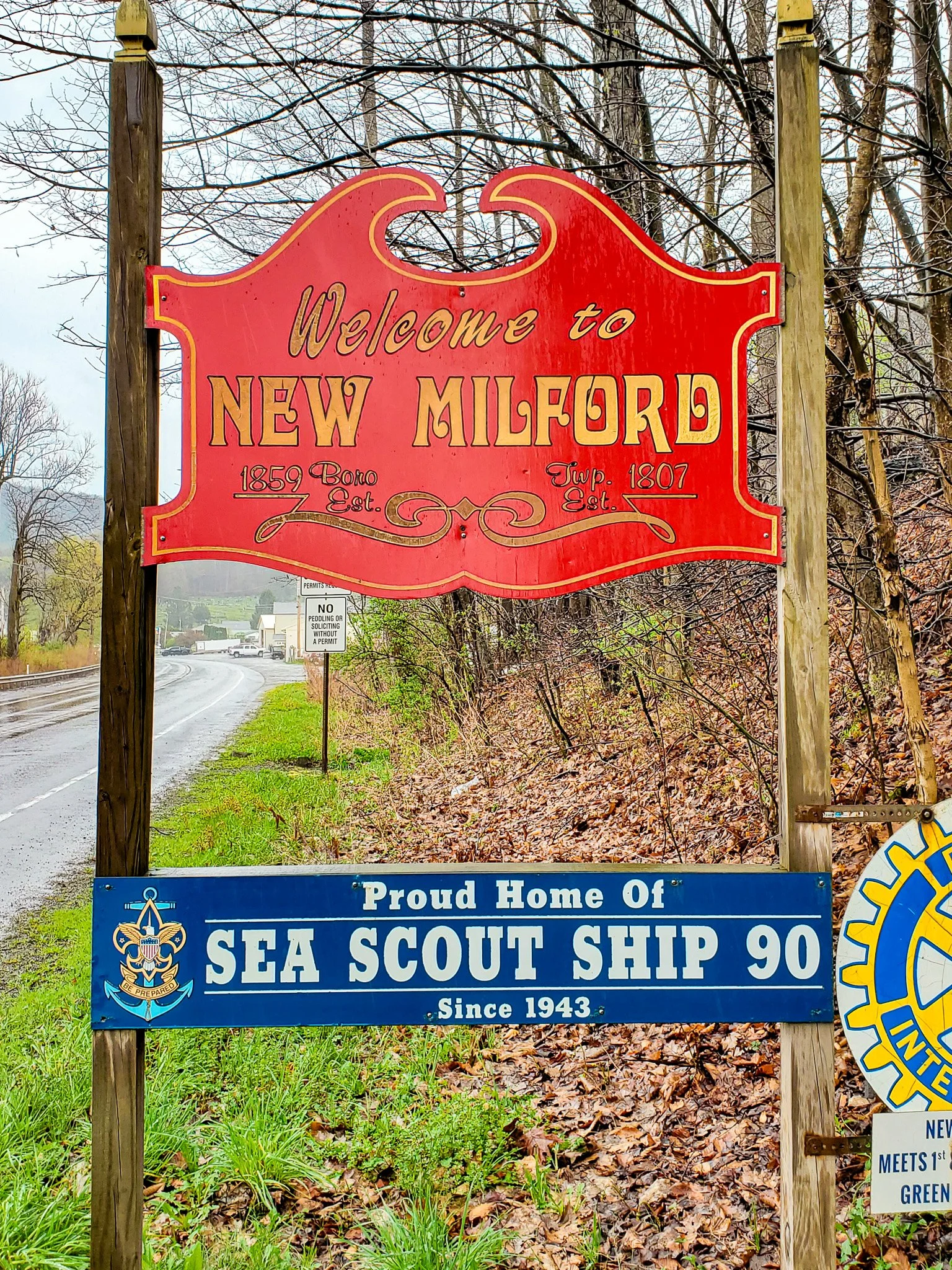
Welcome to New Milford Sign
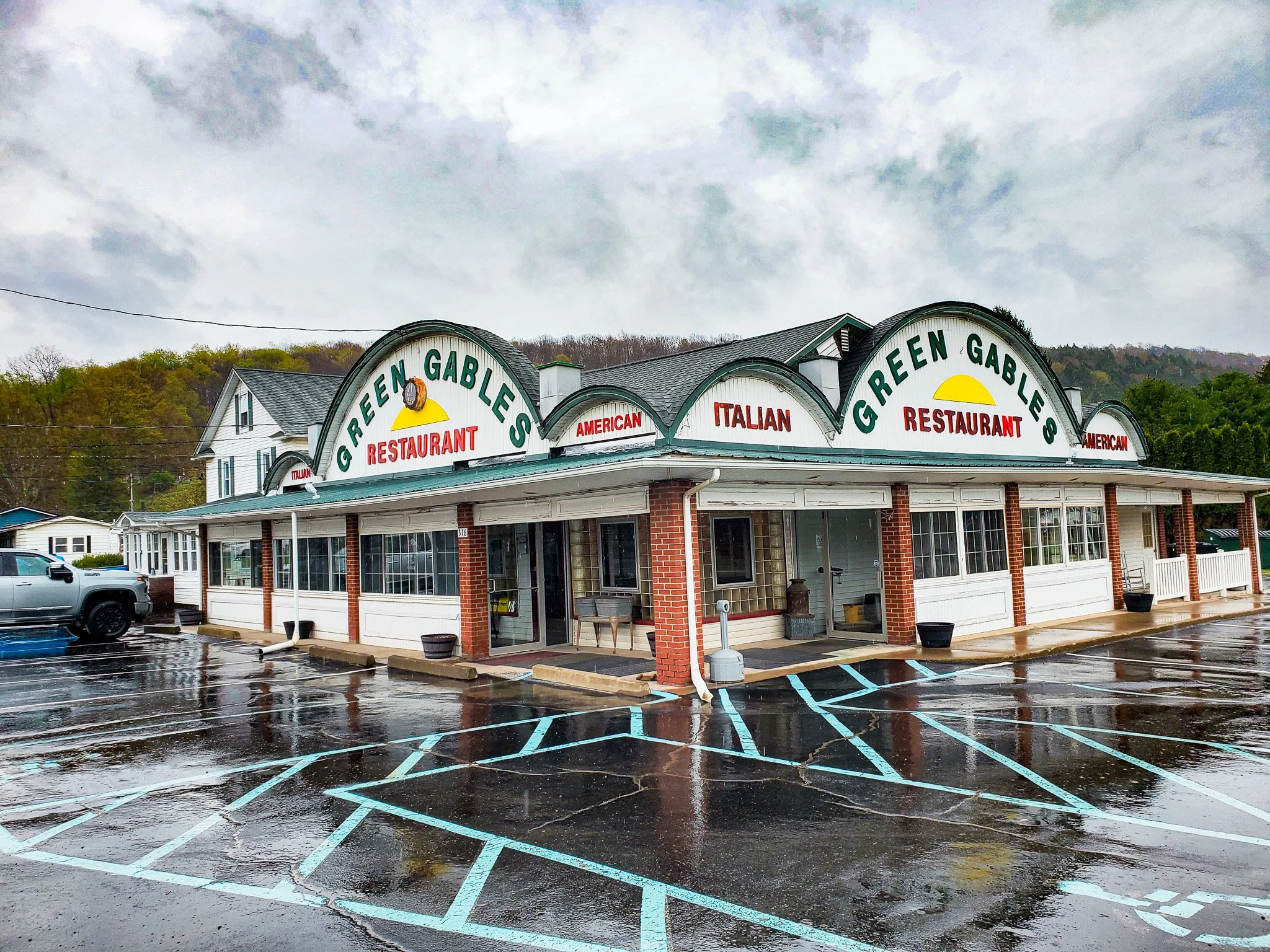
Green Gables Restaurant
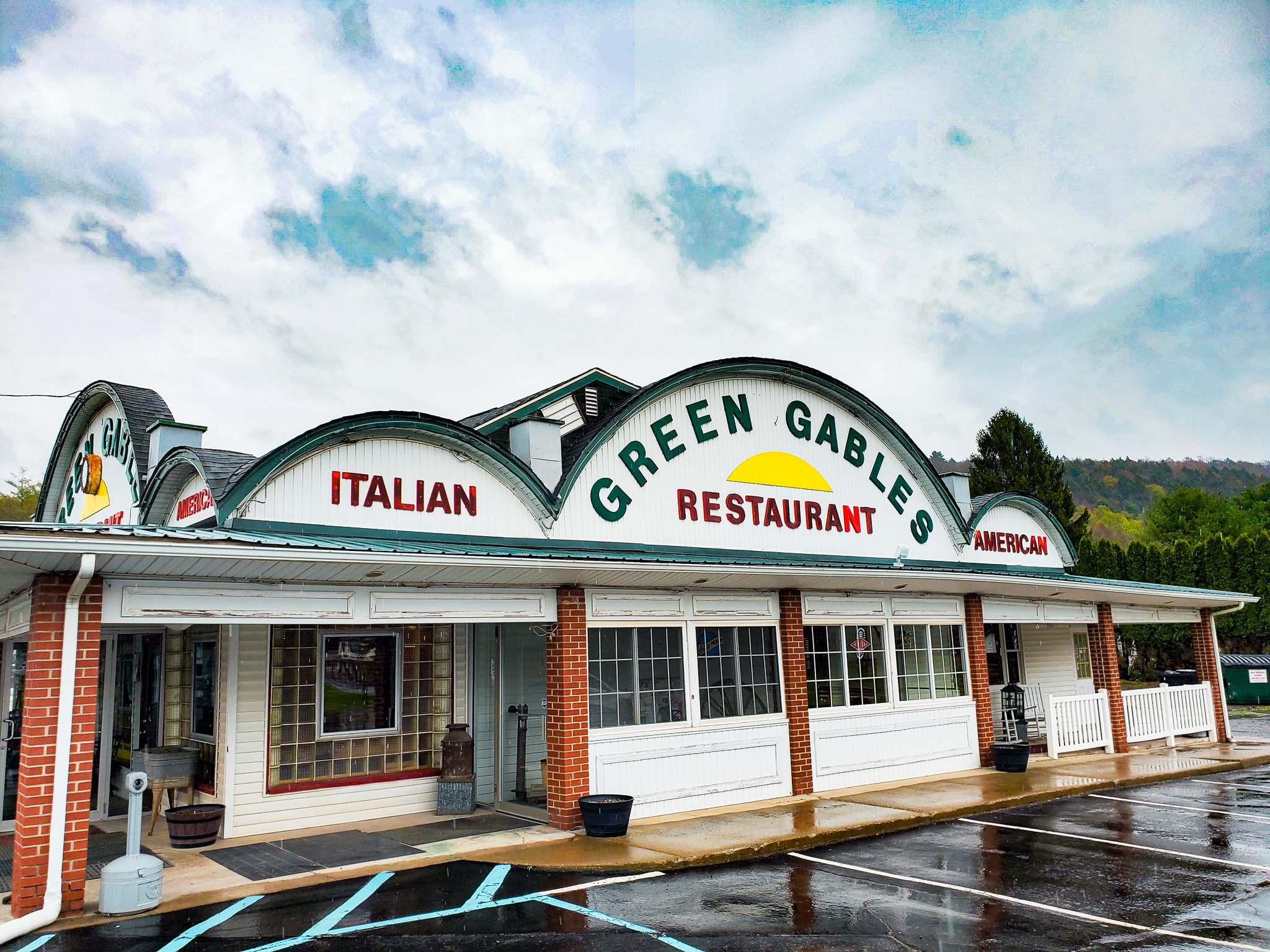
Green Gables Restaurant
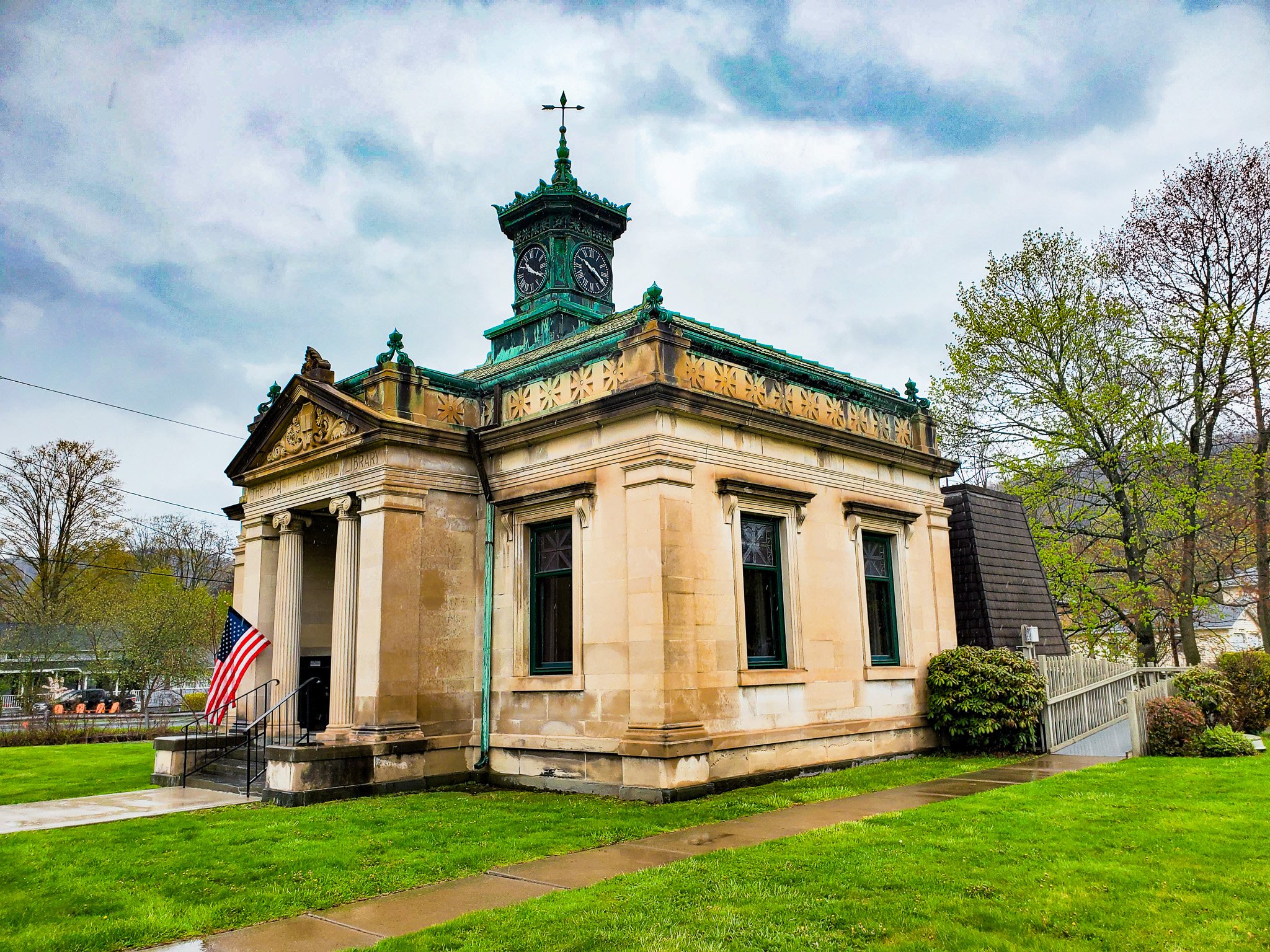
Pratt Memorial Library


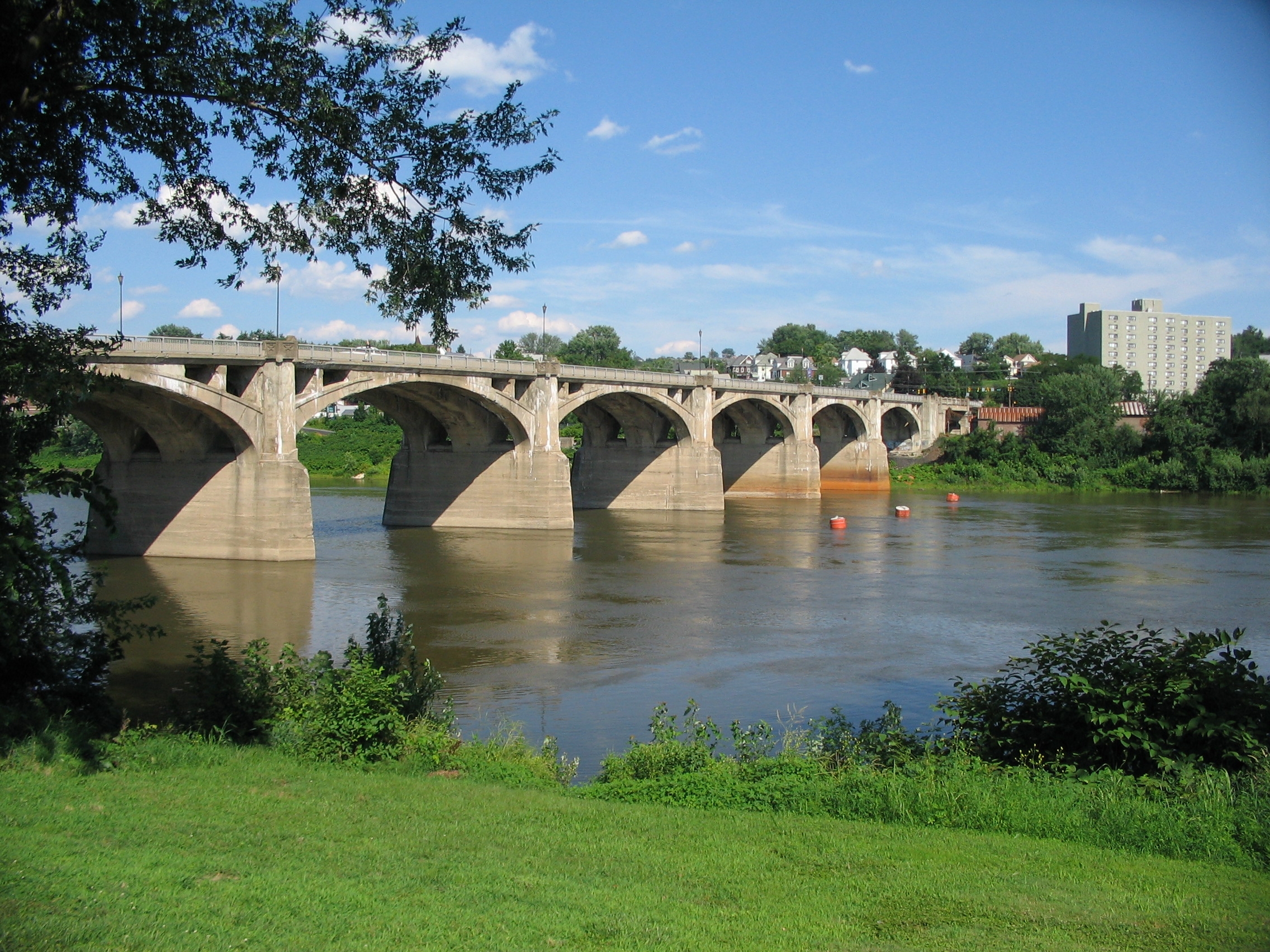
Pratt Memorial Library
HALLSTEAD
Named in honor of William F. Hallstead, the president of the Delaware, Lackawanna, and Western Railroad, the town was settled in 1787 and incorporated in 1874. The Hallstead Foundry location started as the Herbeck-Demer Cut Glass Company before becoming the Wridgway Company (producing Zephyr Pistons) and eventually the Hallstead Foundry.
GREAT BEND
Settled in 1862, the town was named for a large bend in the Susquehanna River.
After passing through Great Bend, US 11 enters the northernmost state on the route–New York. US 11 continues to parallel I-81 to Watertown, where it turns northeast paralleling the Canadian border to its terminus in Rouses Point and the Canadian border. US 11 covers 319 miles in New York, the second most of the drive (after Virginia’s 341 miles). US 11 does not pass New York’s “Big Apple”, although it does pass “The Big Apple of the 14th Century” in Moundville Alabama.