
TENNESSEE
US 11 travels 234 miles through the state of Tennessee, although that number is subject to whether you choose branch 11E or 11W between Knoxville and Bristol. Disputes between Tennessee politicians and businessmen regarding designation of US 11 on the existing Lee Highway alignment and the paralleling US 511 south of US 11 resulted in the American Association of State Highway and Transportation Officials (AASHTO) renaming the existing US 11 to US 11W, and US 511 to US 11E in an event known as the “Tennessee Split” in 1929. Note the correct pronunciation is “11E”, not “11 East” and “11W” and not “11 West”, since both roads run both east and west.
CHATTANOOGA
Originally called Ross’s Landing, the name was changed to Chattanooga around 1838 from the Creek/Muskogee word “Chatto-to-noo-gee” meaning “rock coming to a point” or “end of the mountain” referring to Lookout Mountain. In 1917, the Chattanooga Bakery developed Moon Pies as a dessert “as big as the Moon” for miners. The first Krystal Restaurant opened in 1932 at the corner of 7th and Cherry Street and the McKee family bakery invented Little Debbie’s during the Great Depression. The first Coca-Cola bottling plant was in Chattanooga and Double Cola (at 12 ounces, twice the size of the standard Coke bottle at the time) began production in 1922. Noke’s Granola entered this snack food paradise in 2010.
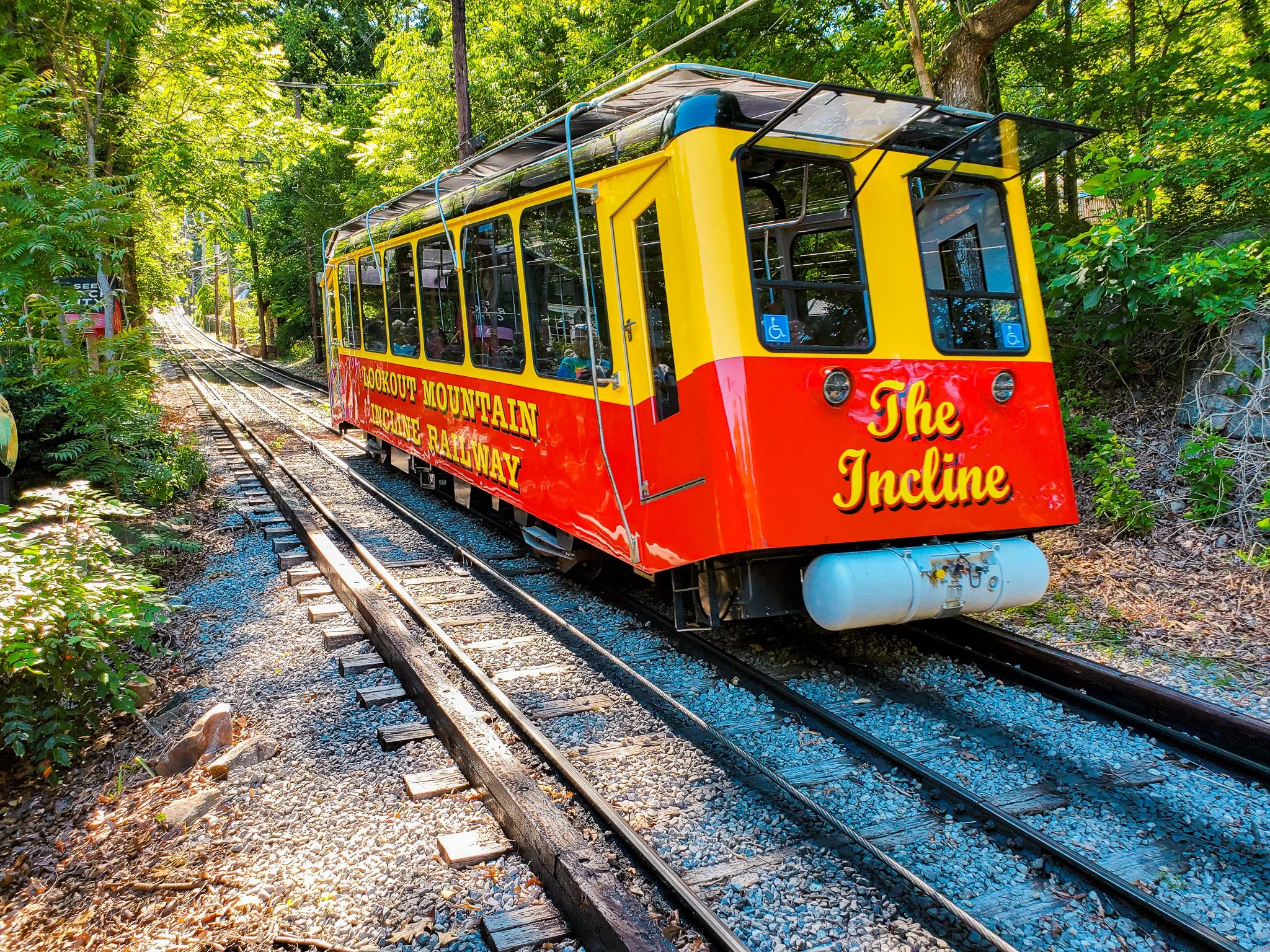
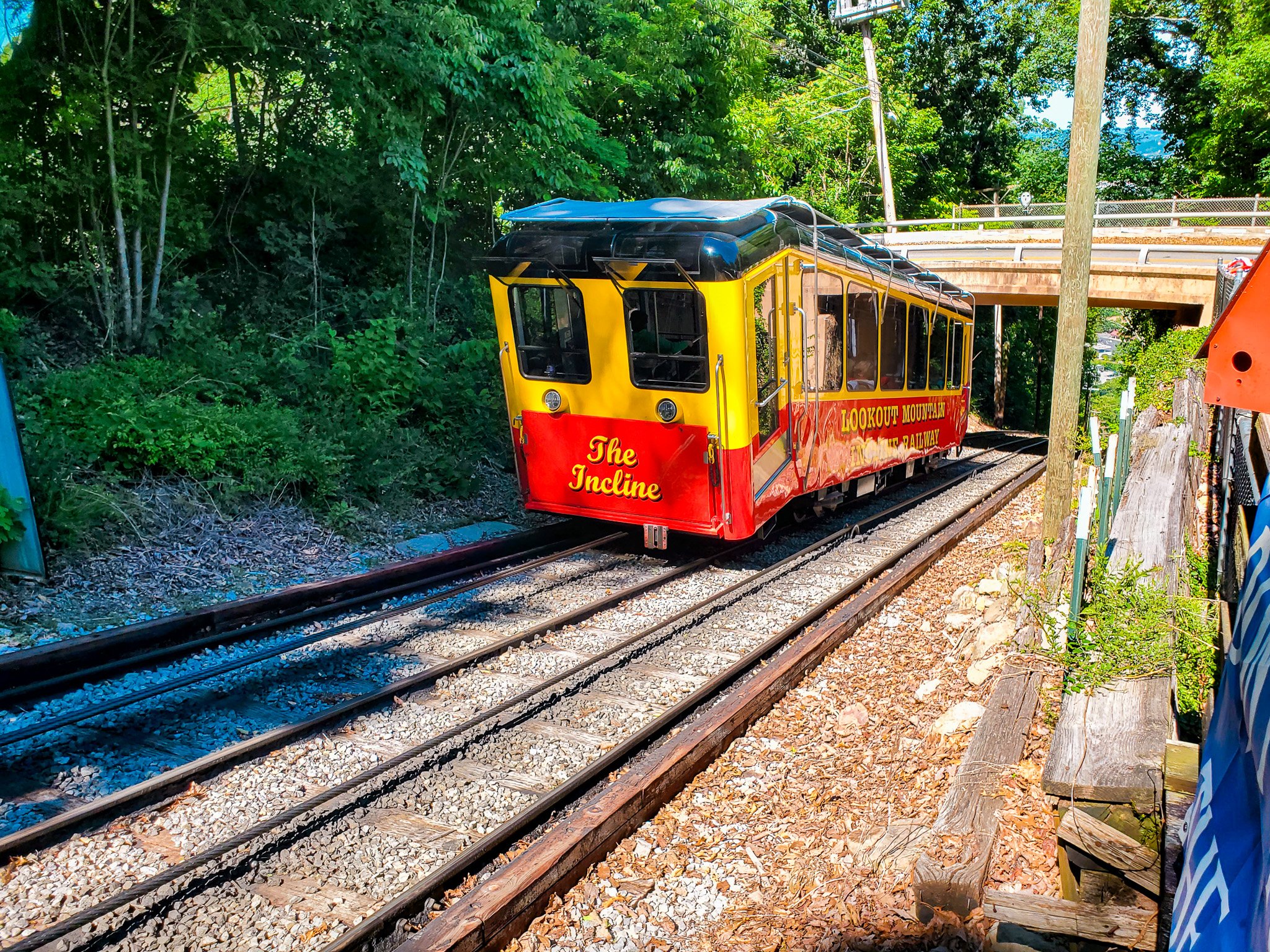
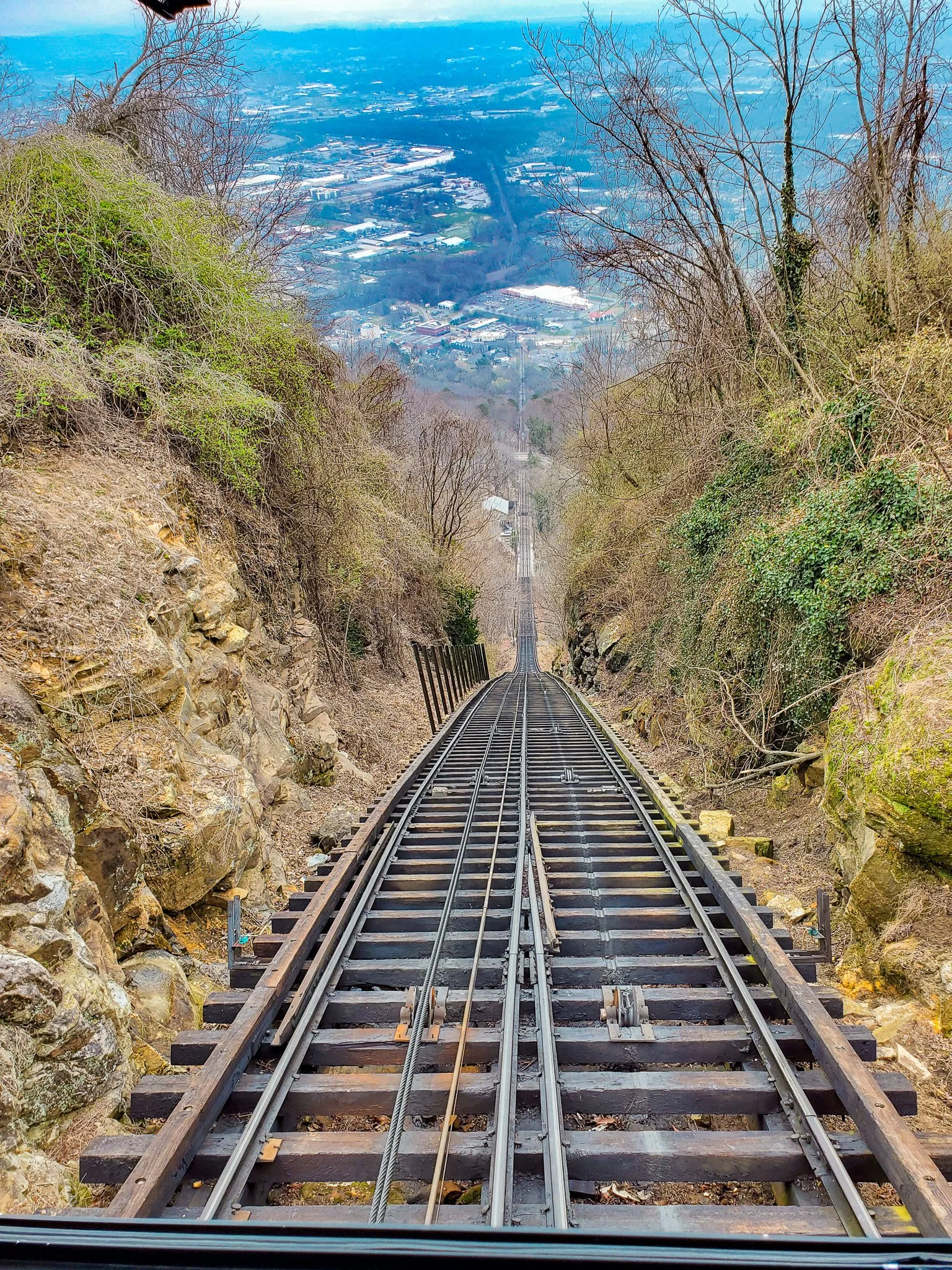
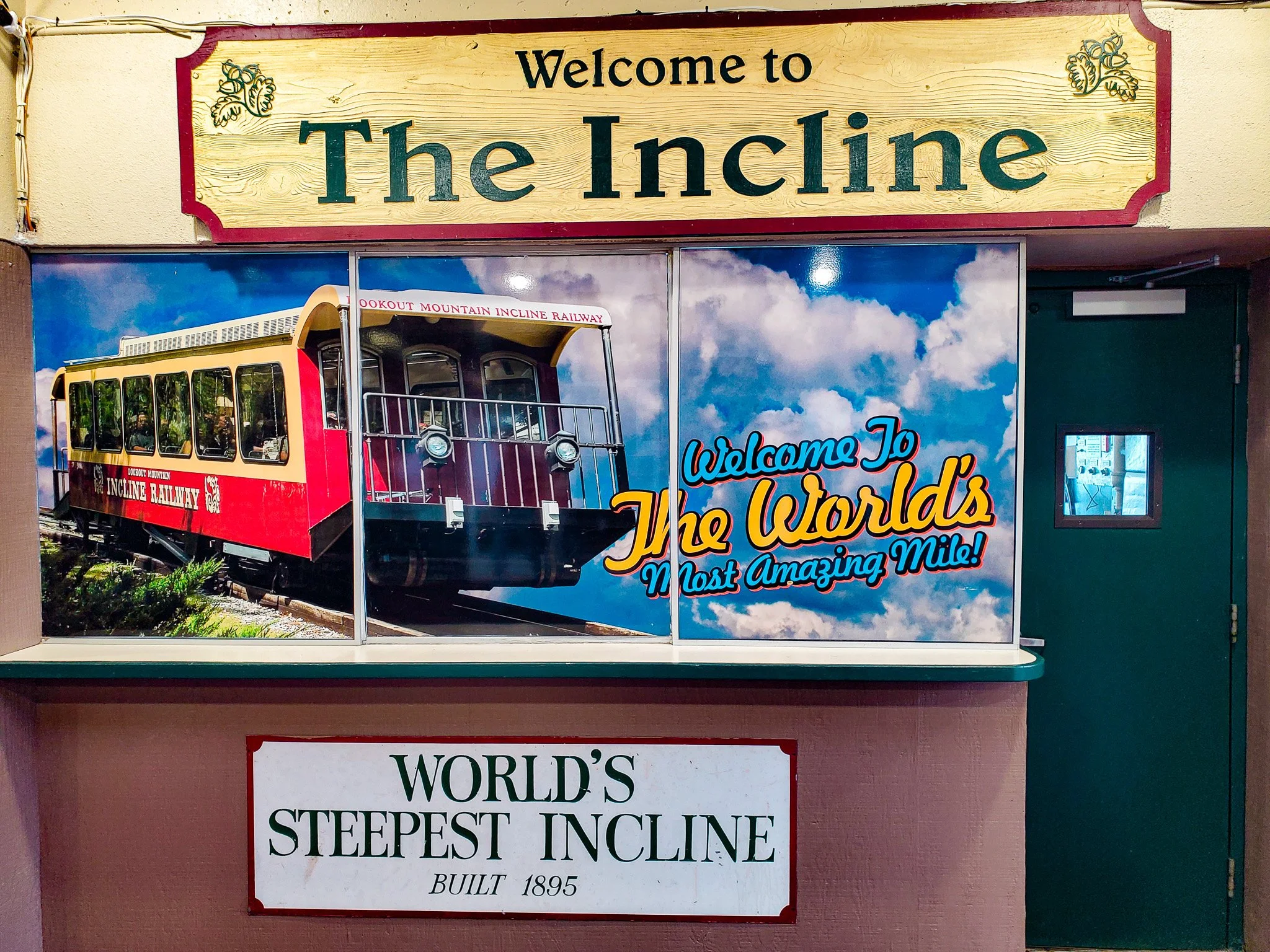
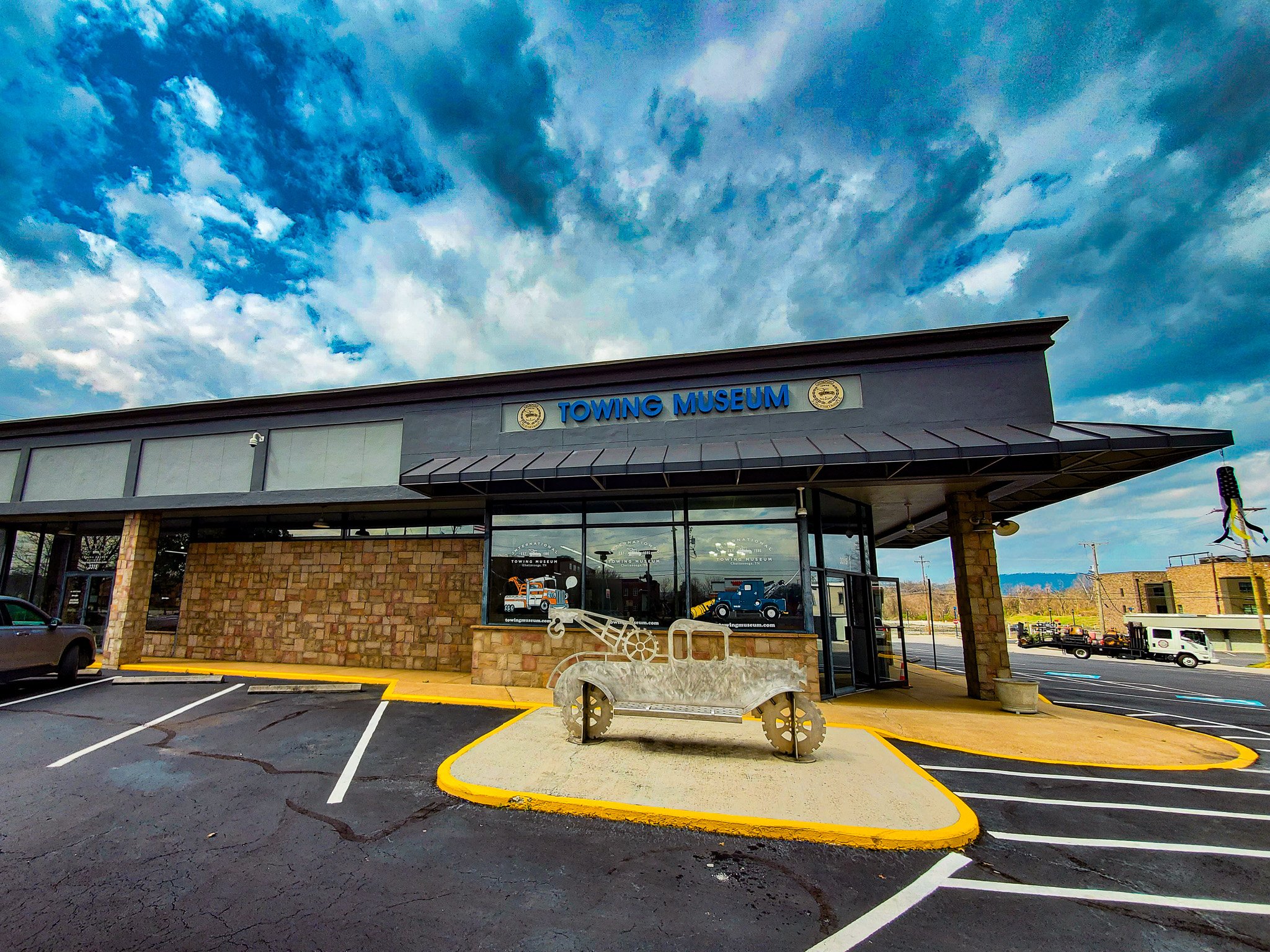
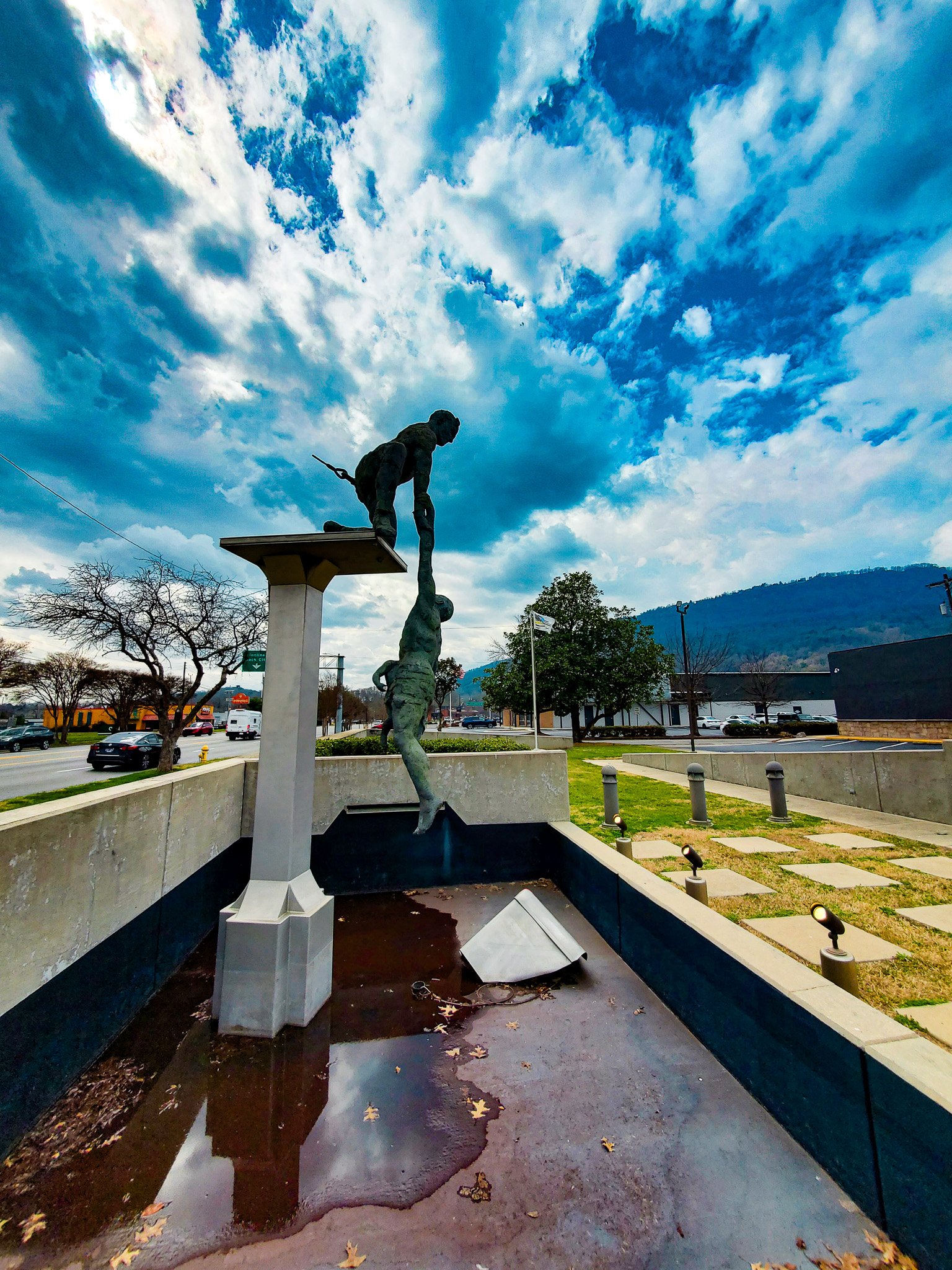
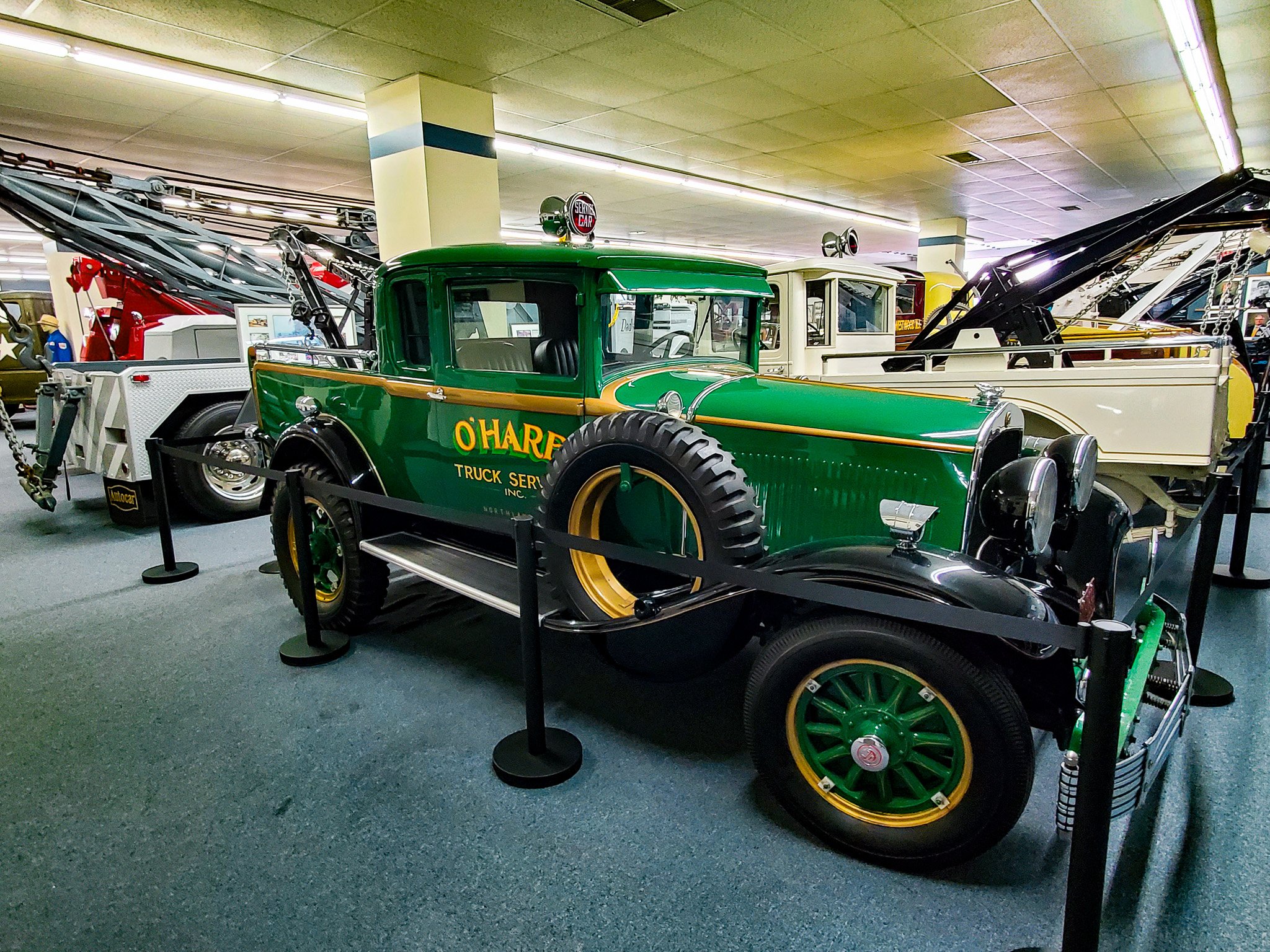
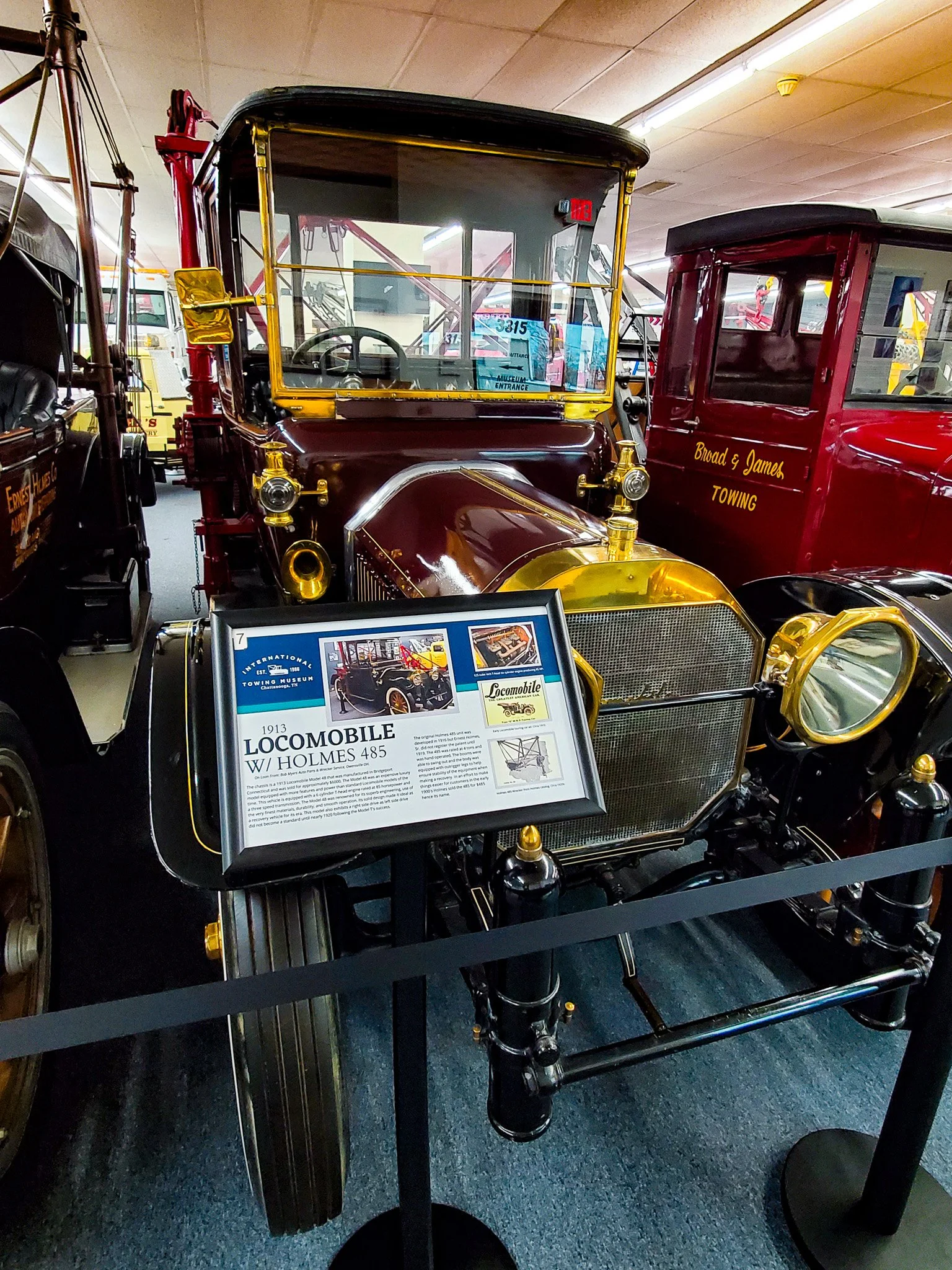
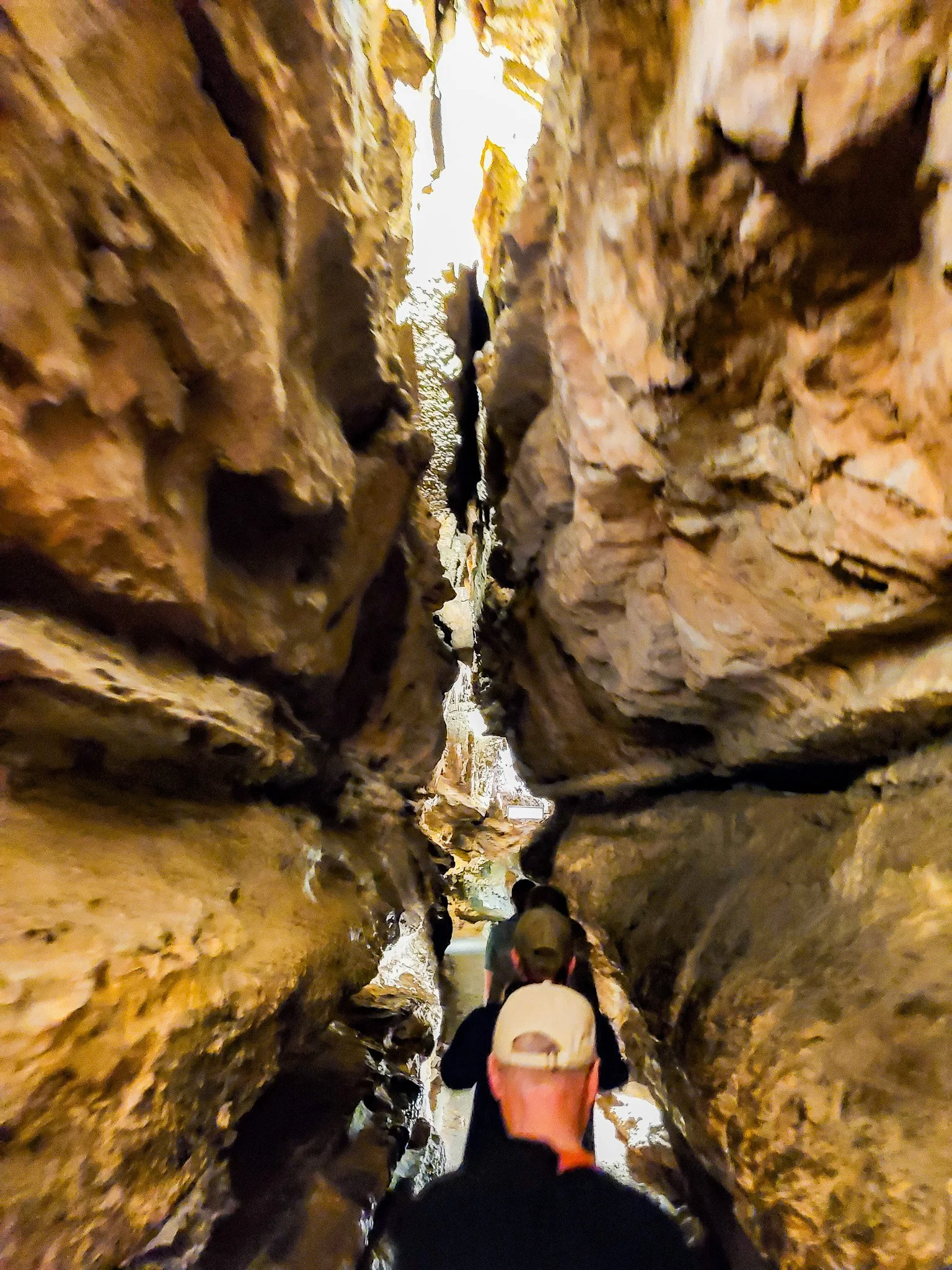
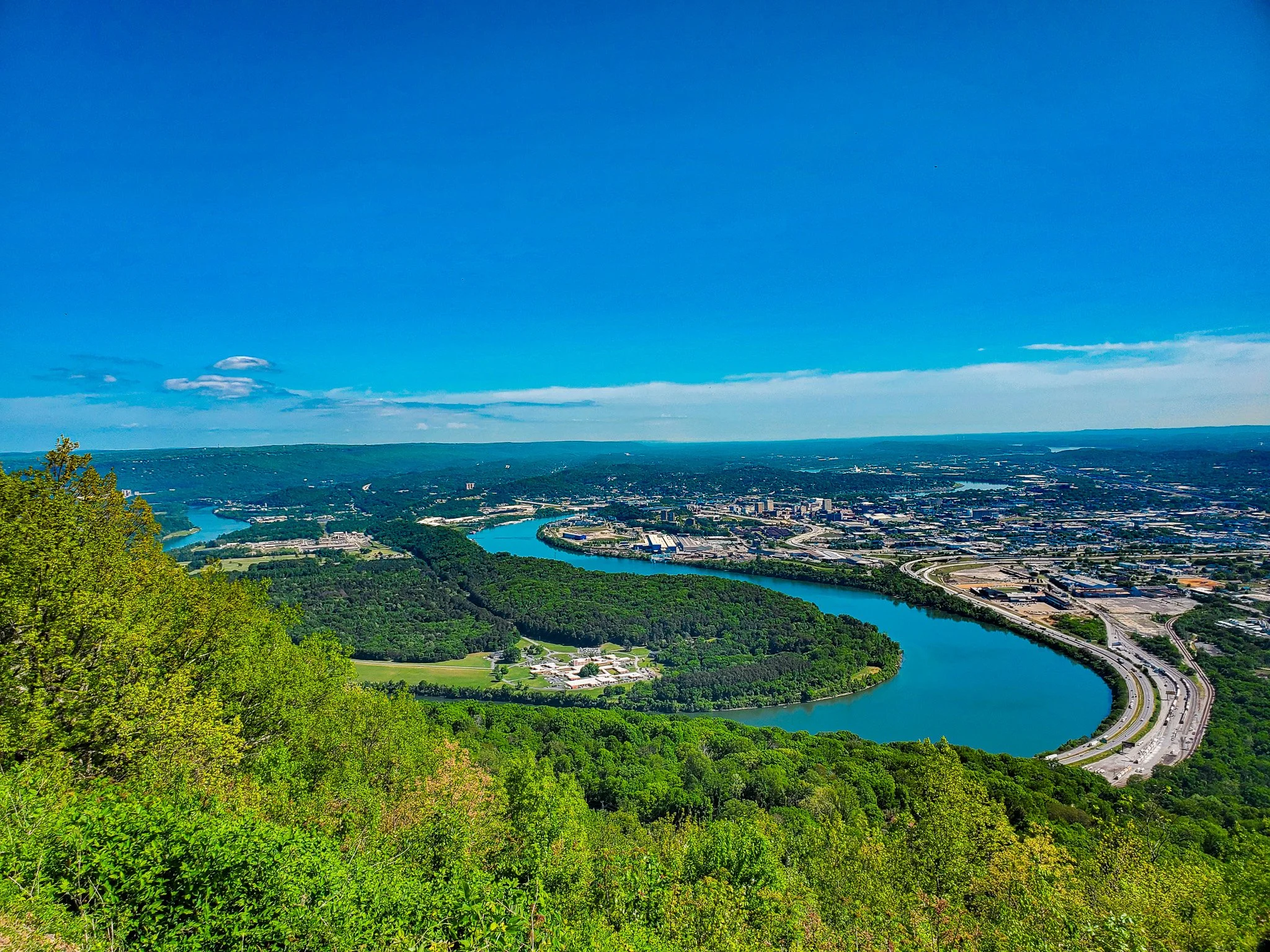
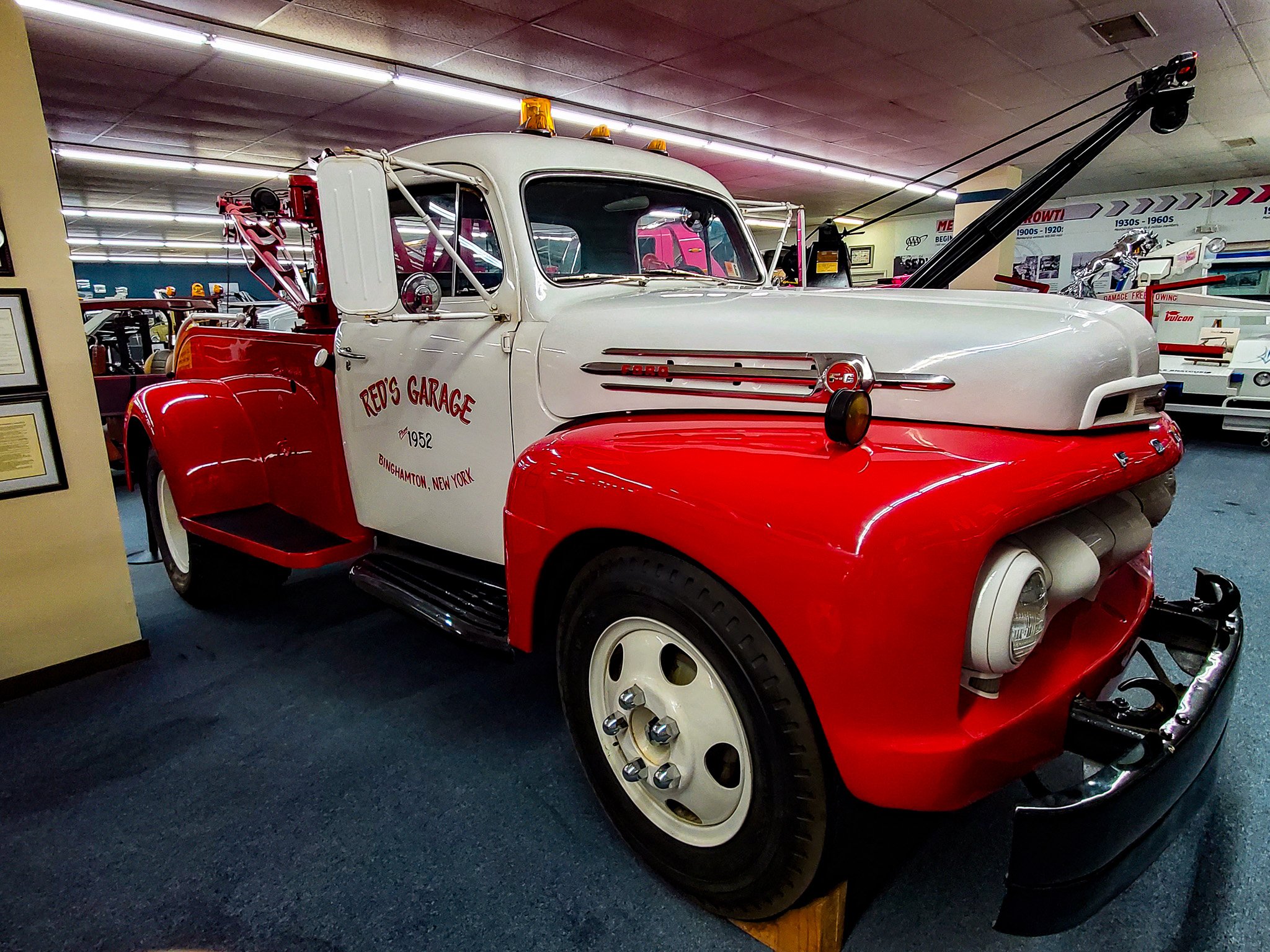
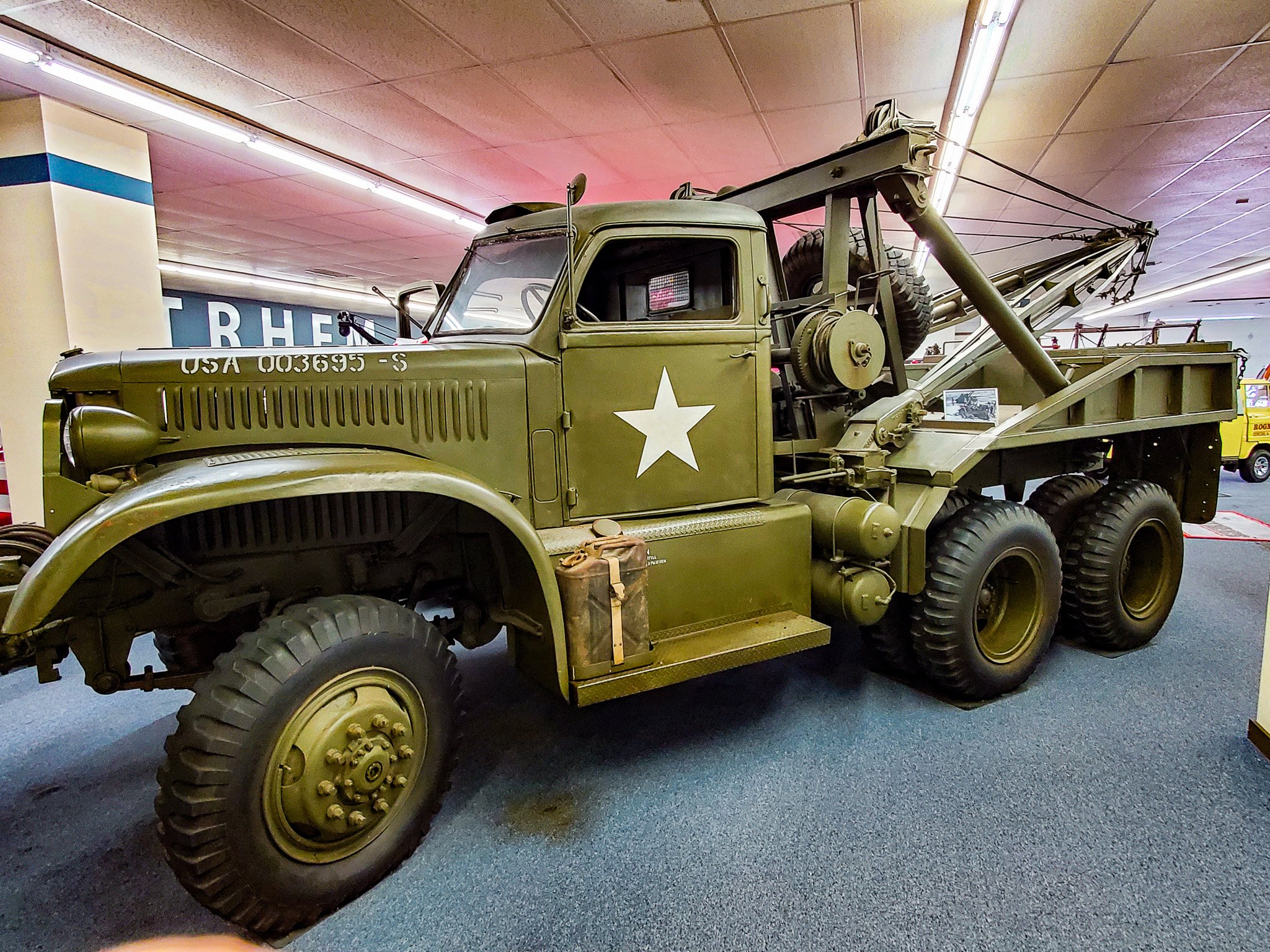
The well-advertised and long-standing attractions of Rock City (1932) Ruby Falls (1929), and the Incline Railway (1895) continue to draw tourists as does the 1909 Beaux-Arts Terminal Station known as the Chattanooga Choo-Choo. The Chickamauga and Chattanooga National Military Park on Lookout Mountain offers insight into Civil War activity in the region and the Tennessee Aquarium rivals any in the country. Auto buffs will enjoy the Coker Museum of antique autos and the International Towing and Recovery Museum (Chattanooga was the birthplace of the tow truck). Completing your tour of attractions should include the Walnut Street bridge, the Chattanooga Riverwalk, the Tennessee Valley Railroad Museum, the Bluffview Art District, Racoon Mountain Caverns, and the downtown Classic Arcade Pinball Museum. If you have more time, don’t miss the Andrews Raiders Monument and the German POW monument in the Chattanooga National Cemetery, the brick truck bench across the street from the Chattanooga Choo Choo, the “Muffler Man” at the Sir Goony Family Fun Center at 5918 Brainerd Road, and the Nuts and Bolts Pizza Man at the Mellow Mushroom at 205 Broad Street. Common Table restaurant at 3413 Broad Street (US 11) offers delicious farm-to-table dishes and breakfast all day and the Chattanooga Coffee Company (or Chattz) just down the street at 2627 Broad Street will meet your caffeine and pastry needs. The classic Riverview Inn just off US 11 has balconies that overlook Chattanooga and the Tennessee River, and is near Ruby Falls and other Lookout Mountain attractions.
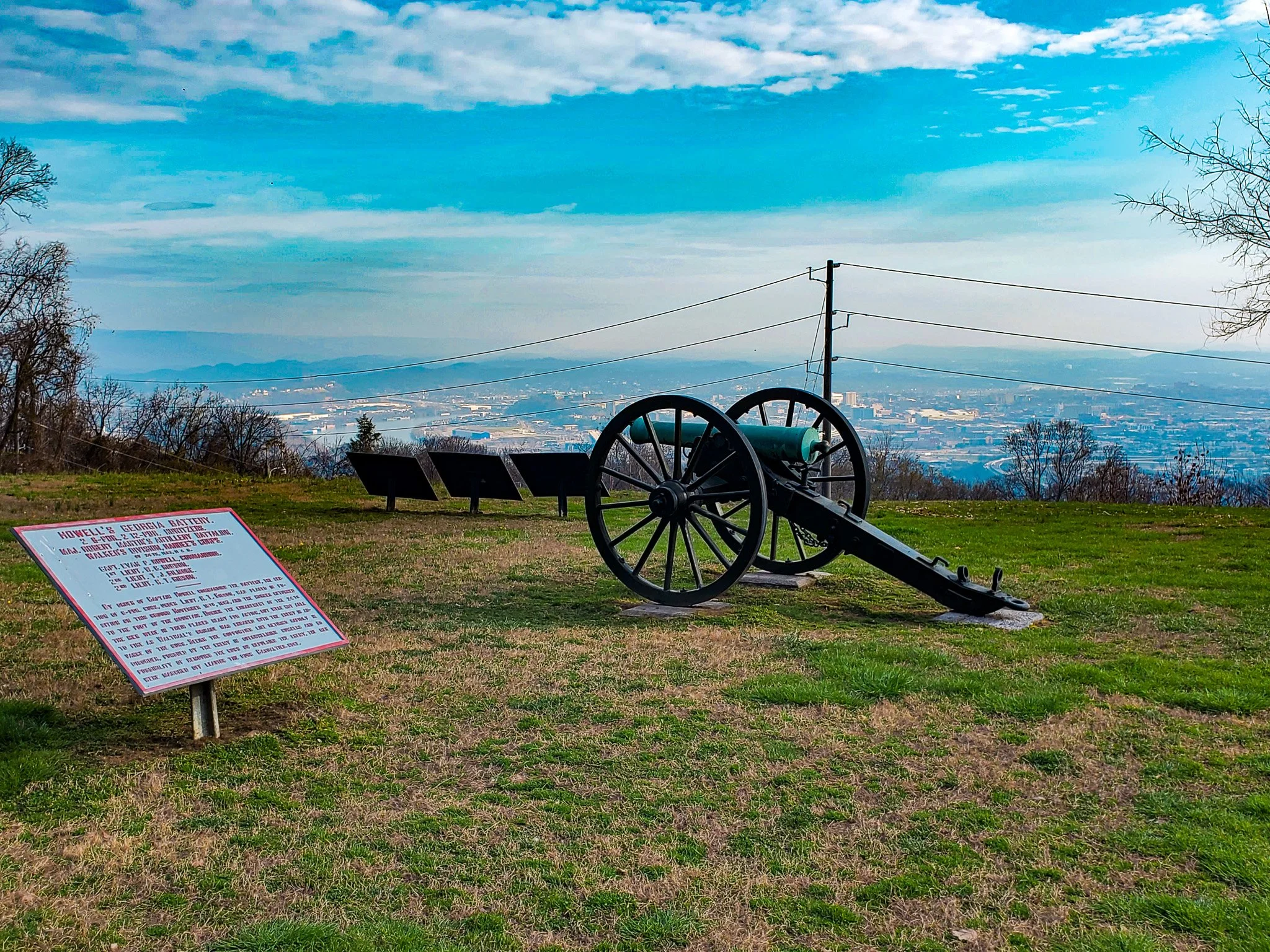
Cannon at Lookout Mountain
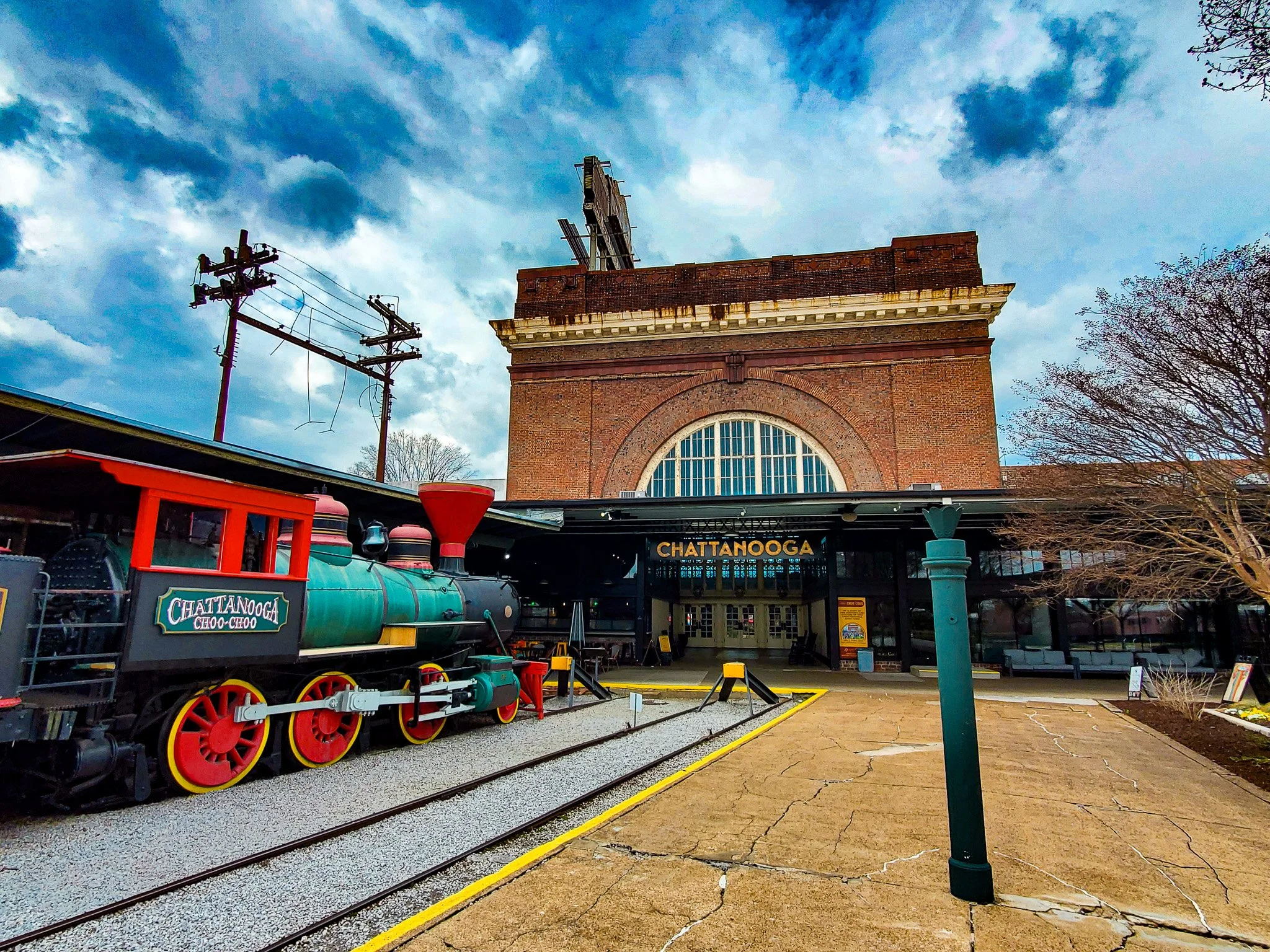
Chattanooga Choo Choo
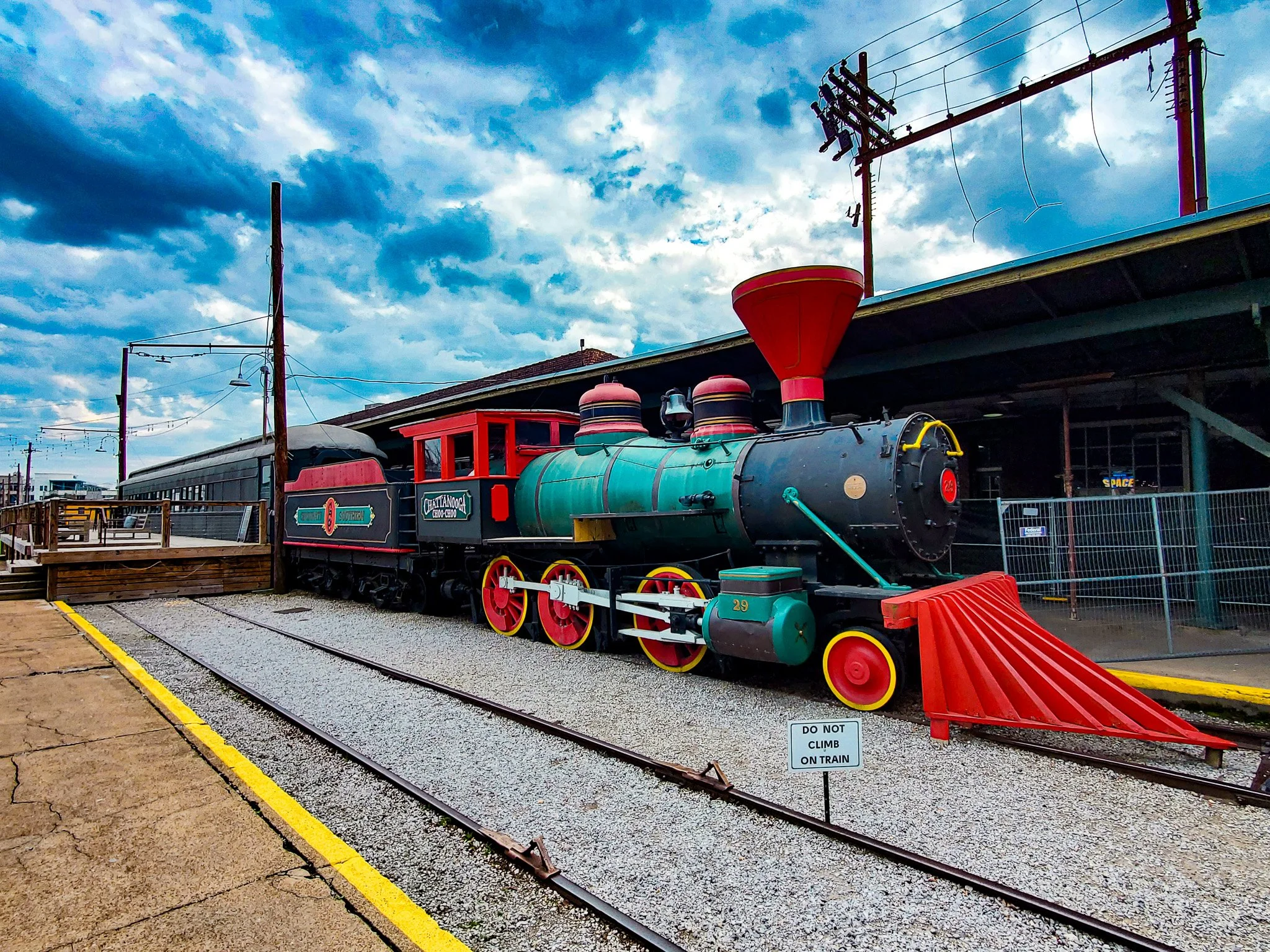
Chattanooga Choo Choo
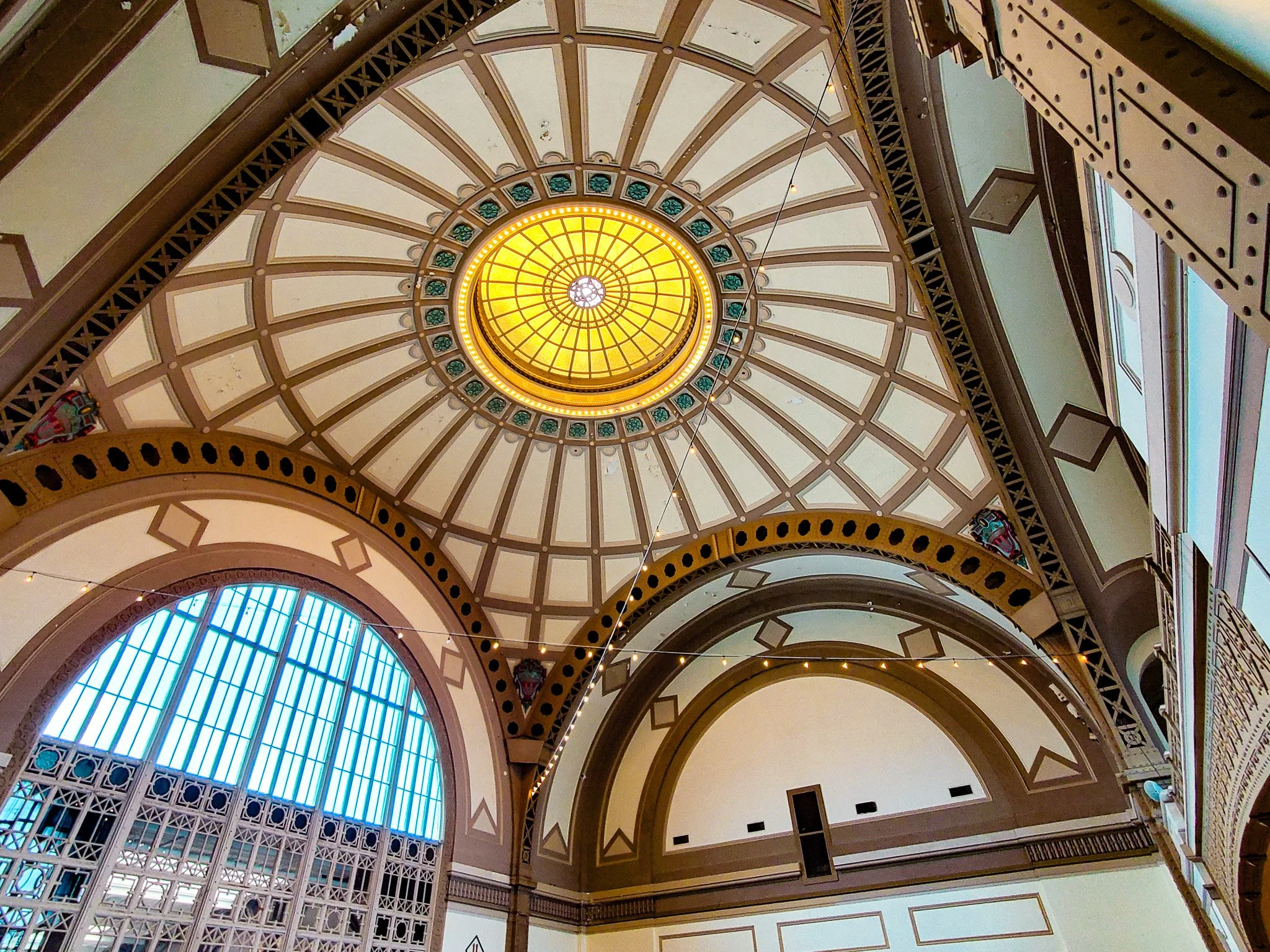
Chattanooga Terminal
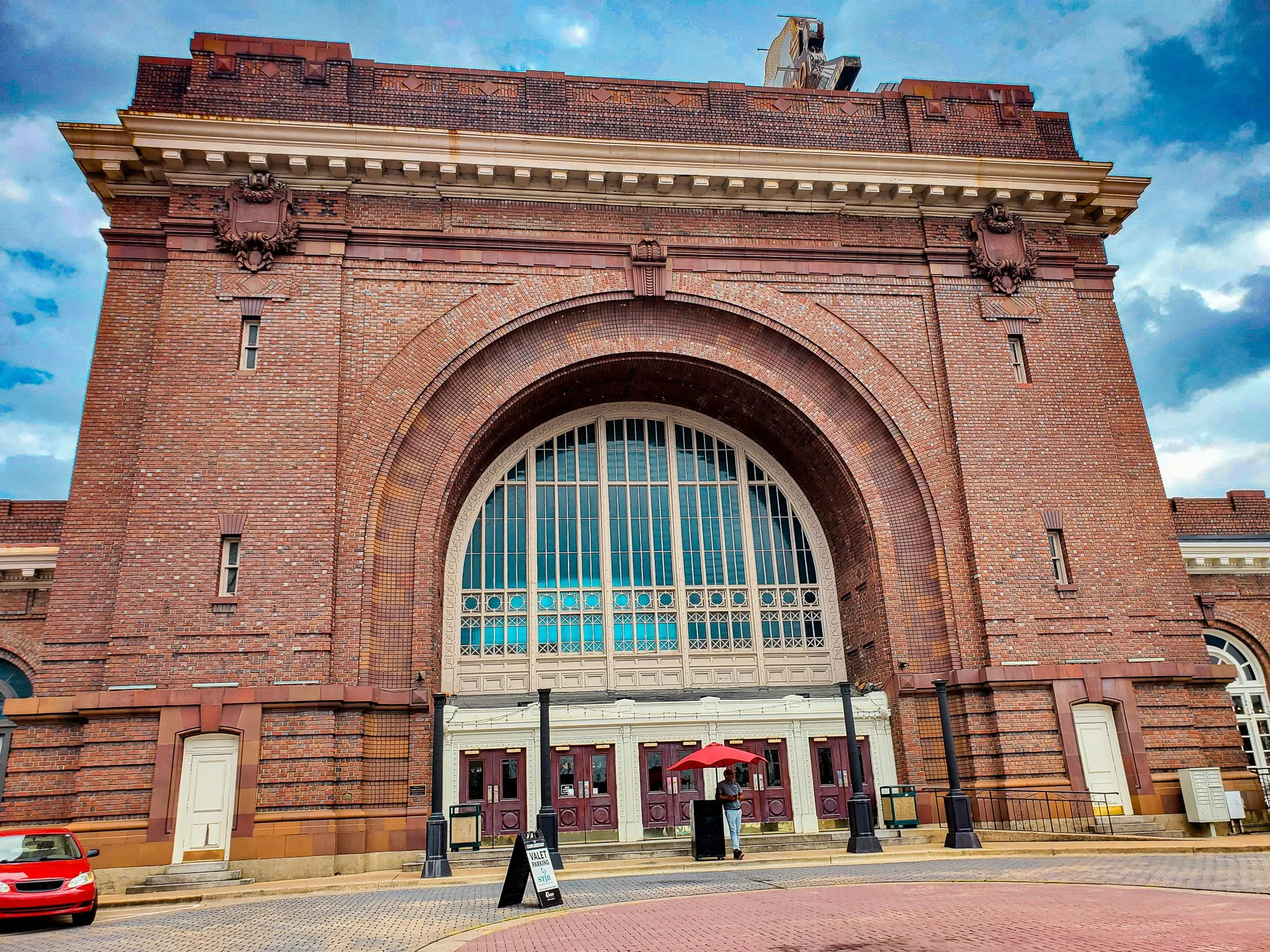
Chattanooga Terminal
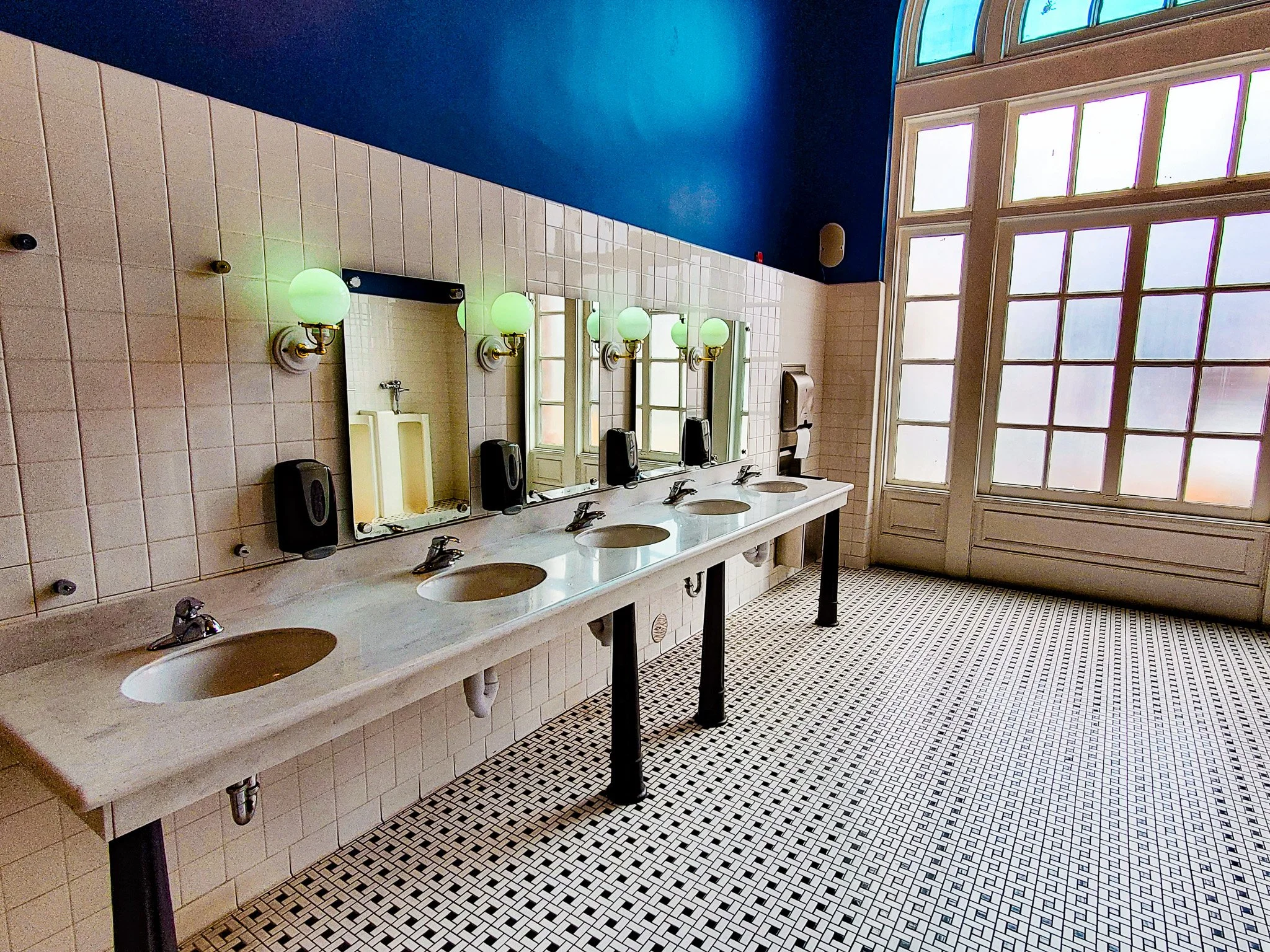
Chattanooga Terminal
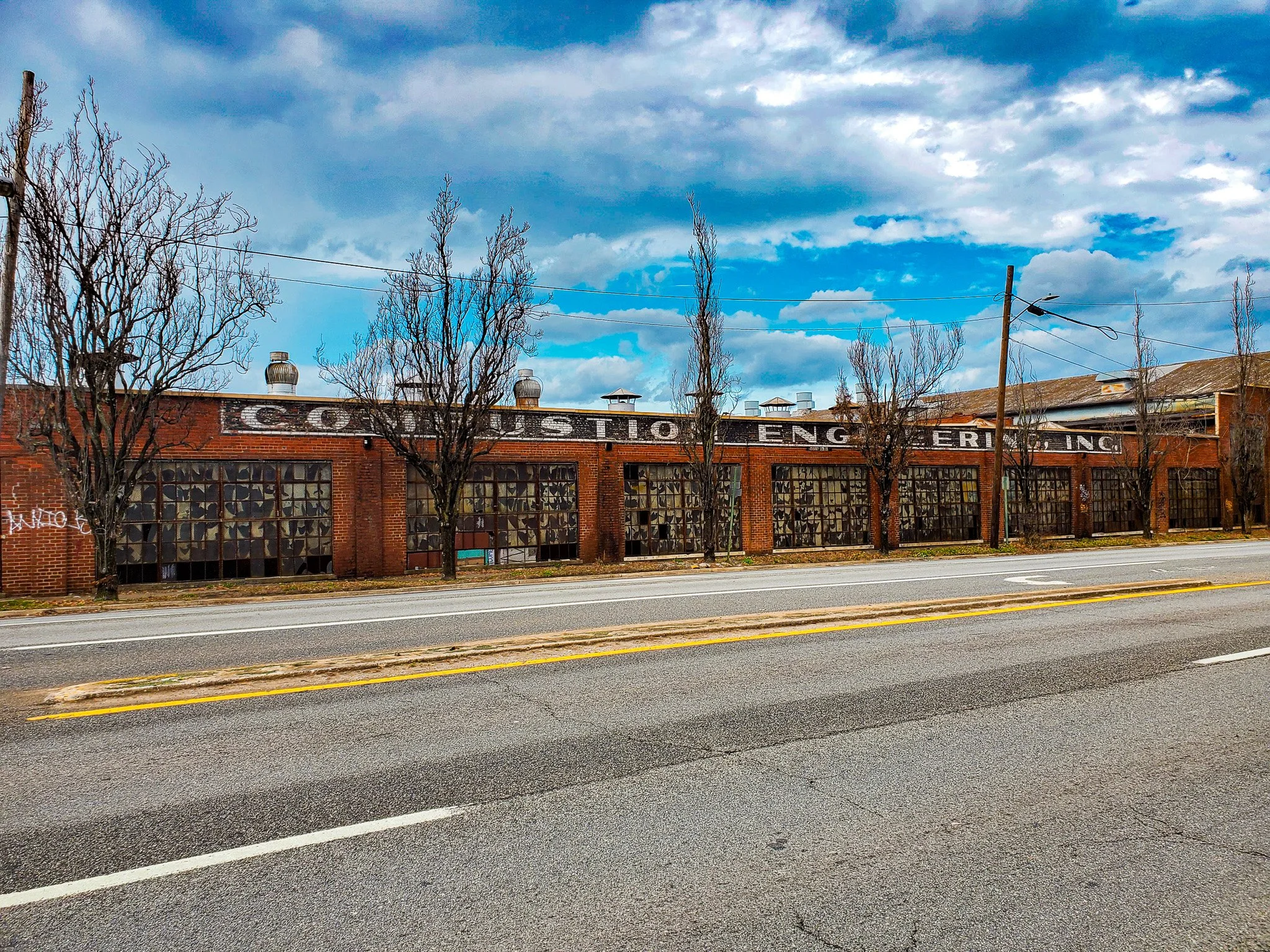
Combustion Engineering Building
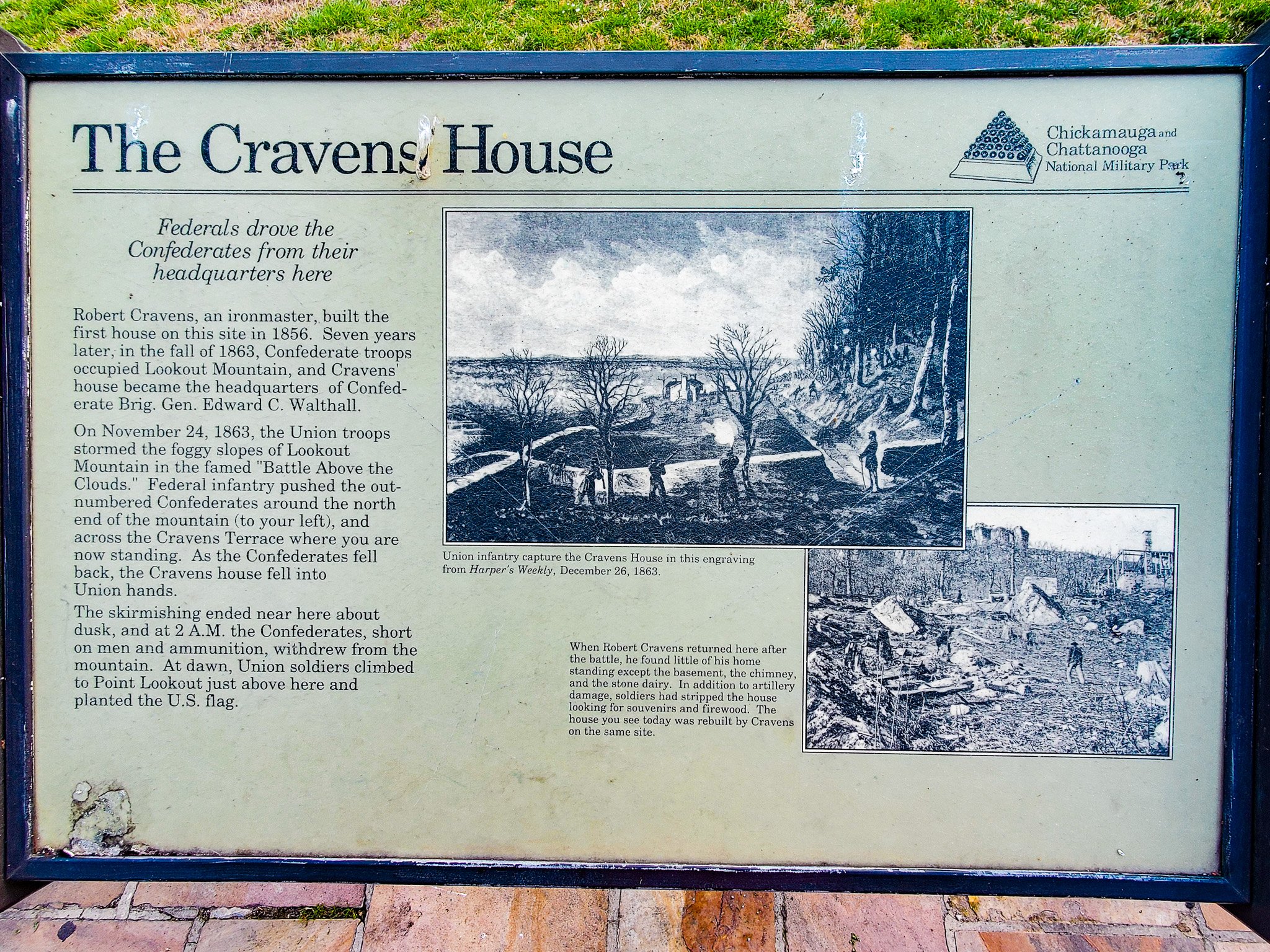
Craven House
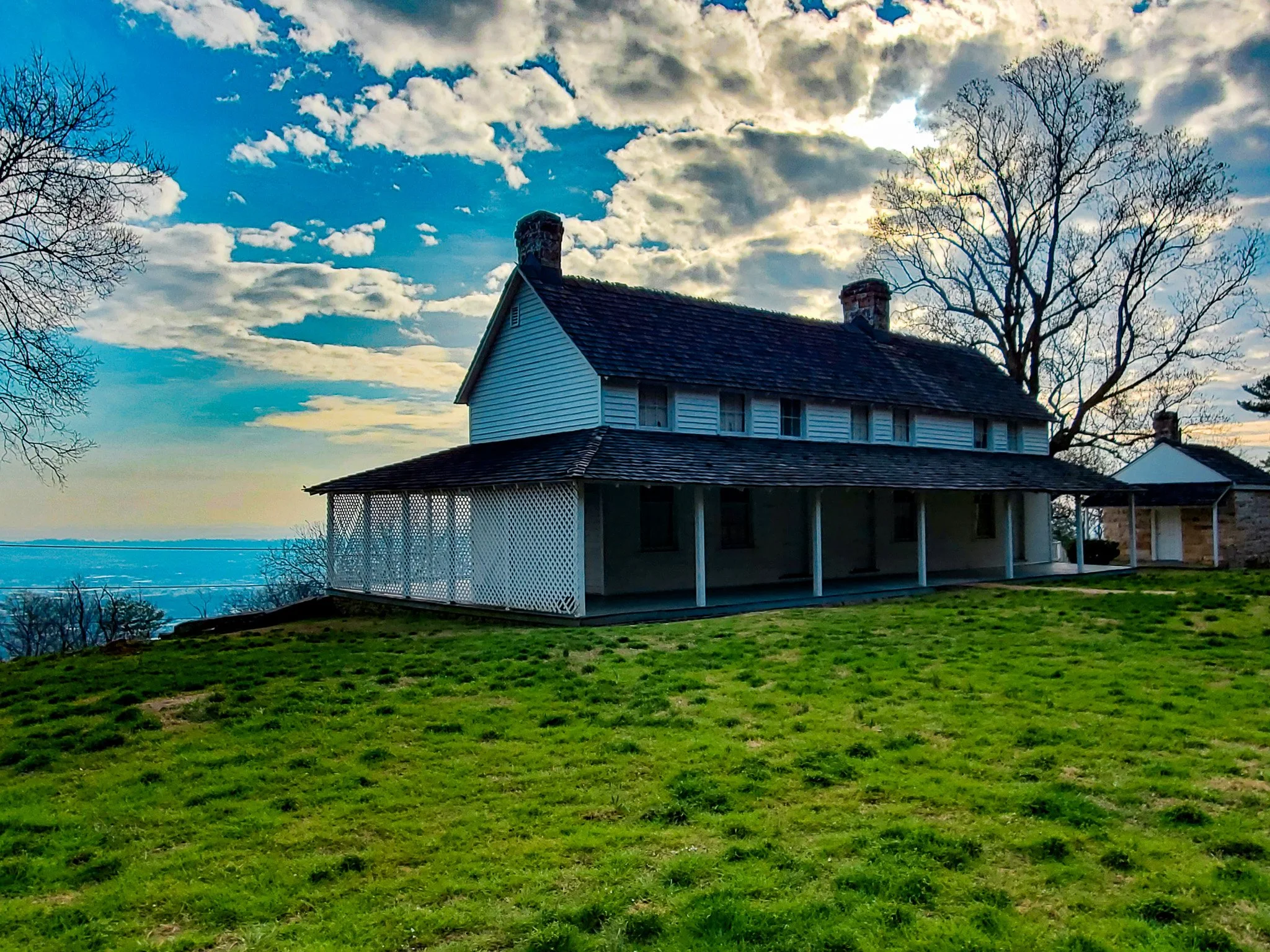
Craven House
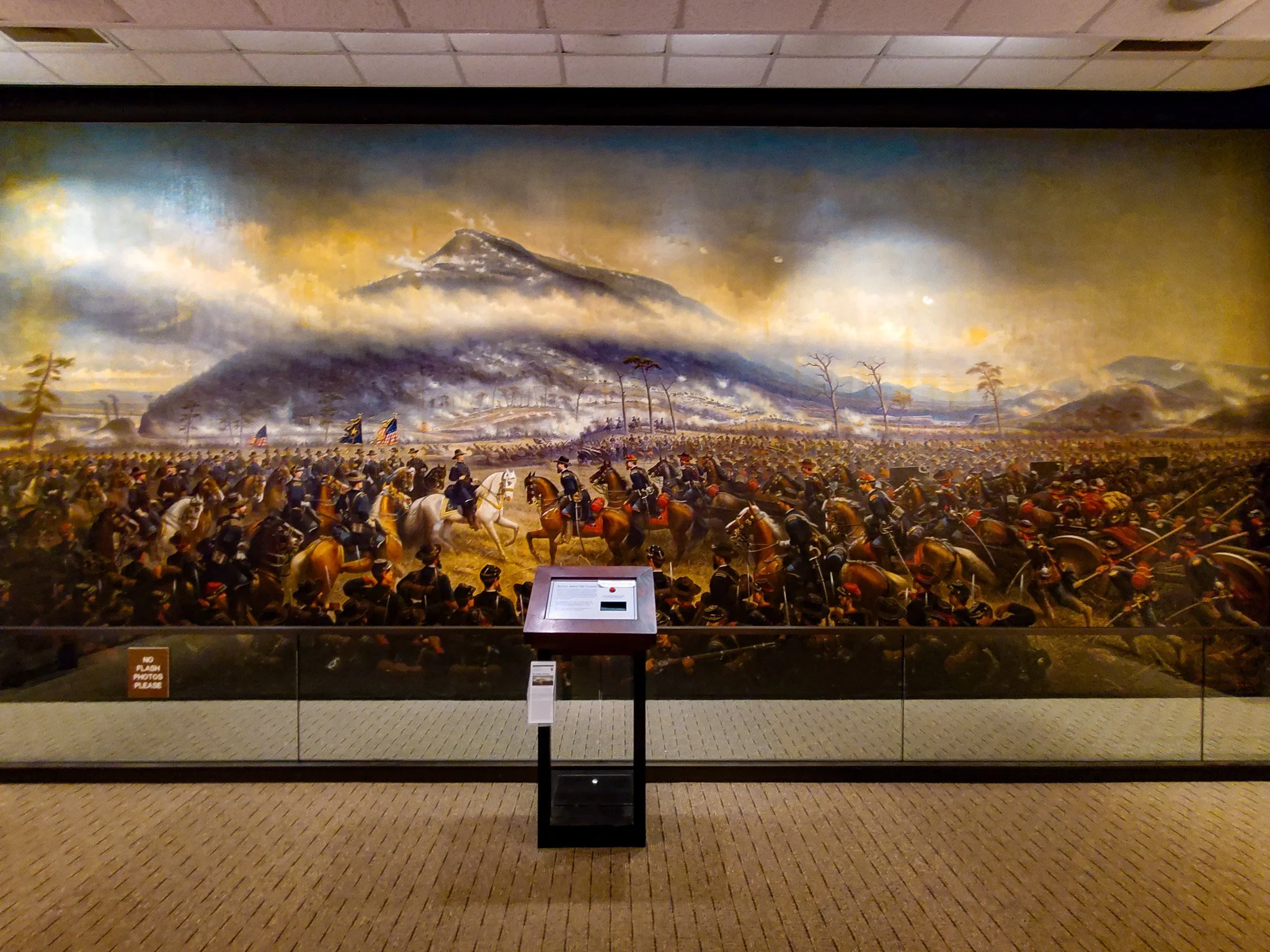
Point Park Diorama
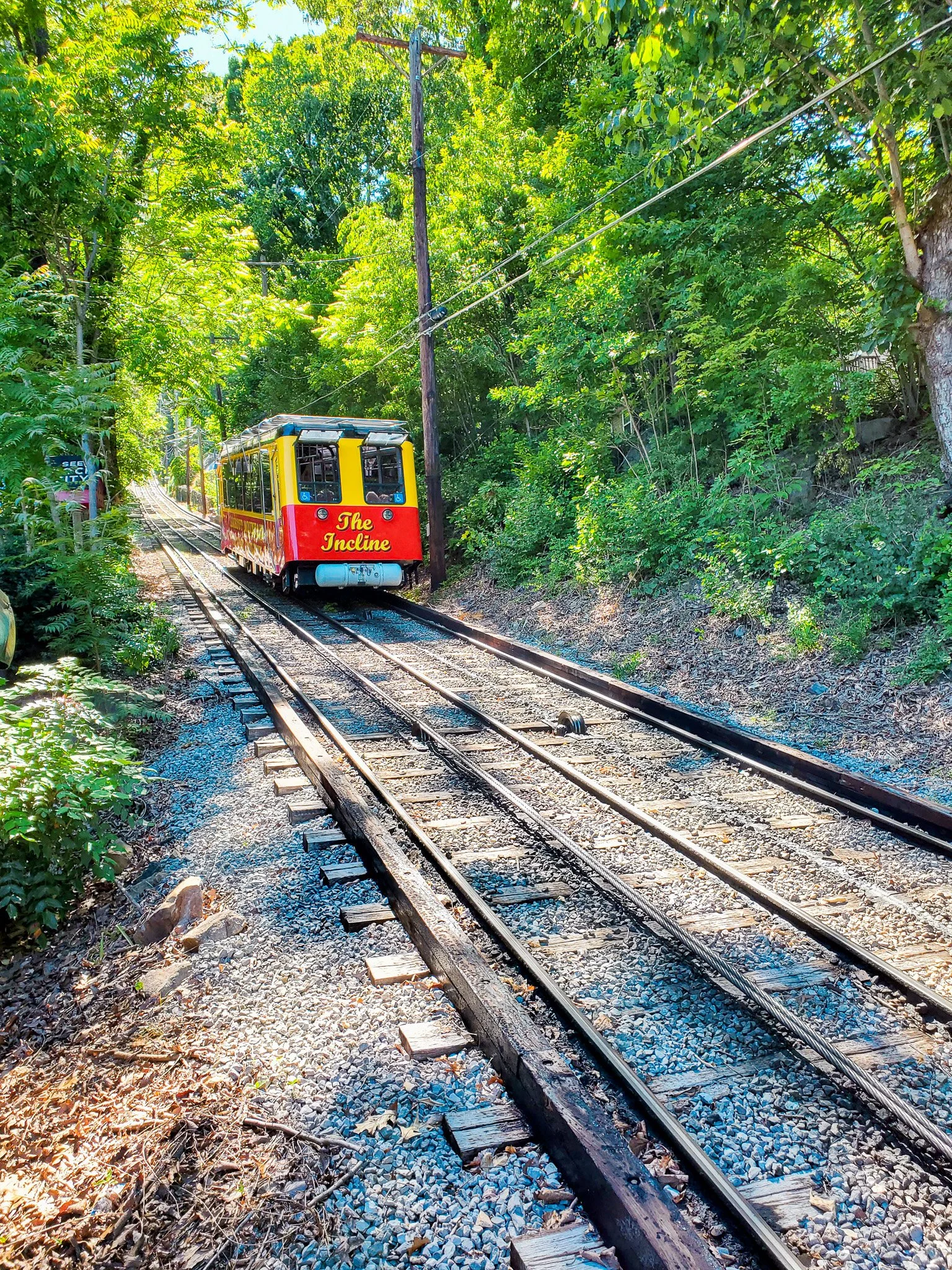
Incline Railway
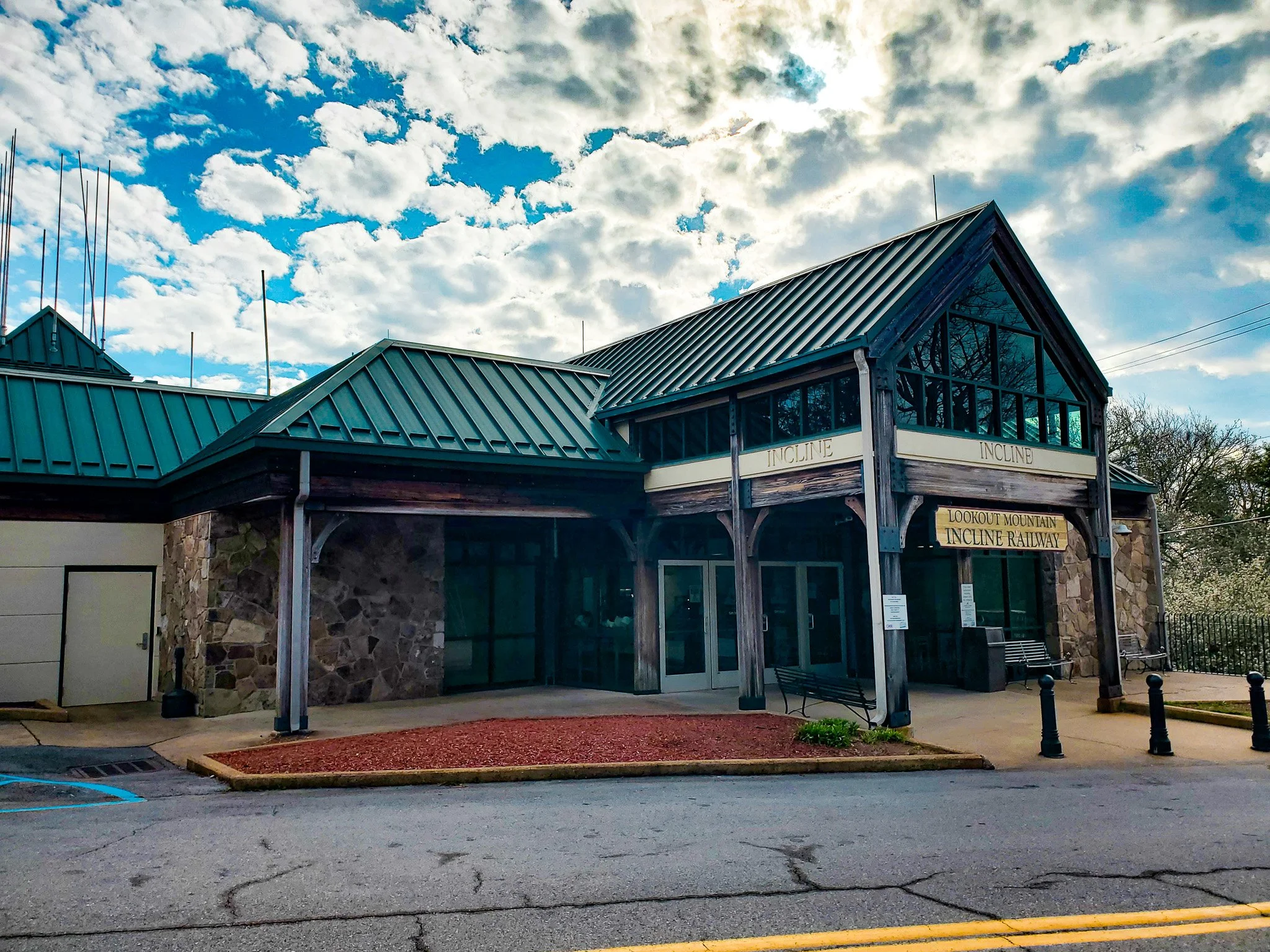
Incline Railway
Incline Railway
Incline Railway
Incline Railway
Incline Railway
Intl Towing Museum
Intl Towing Museum
Intl Towing Museum
Intl Towing Museum
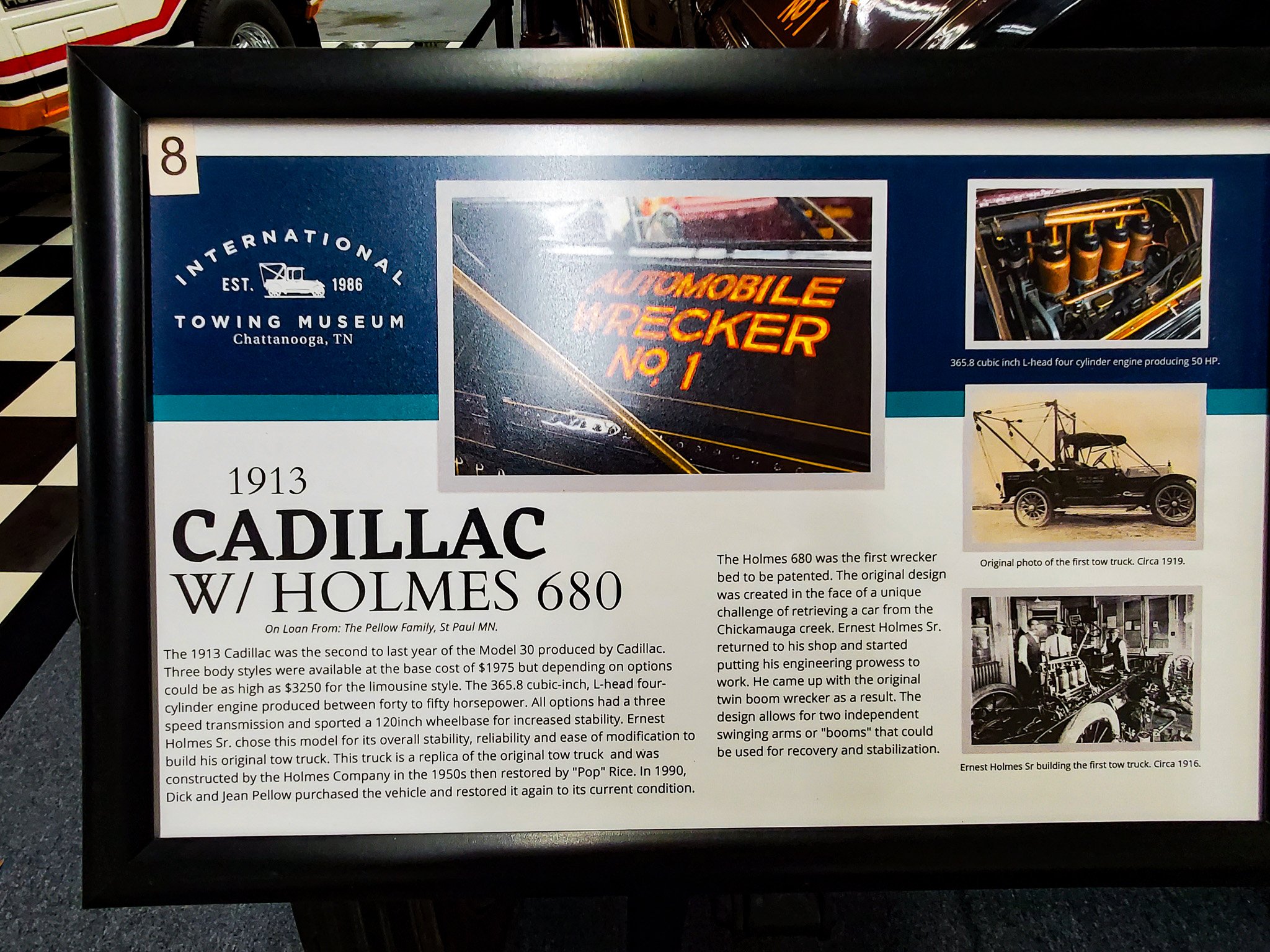
Intl Towing Museum
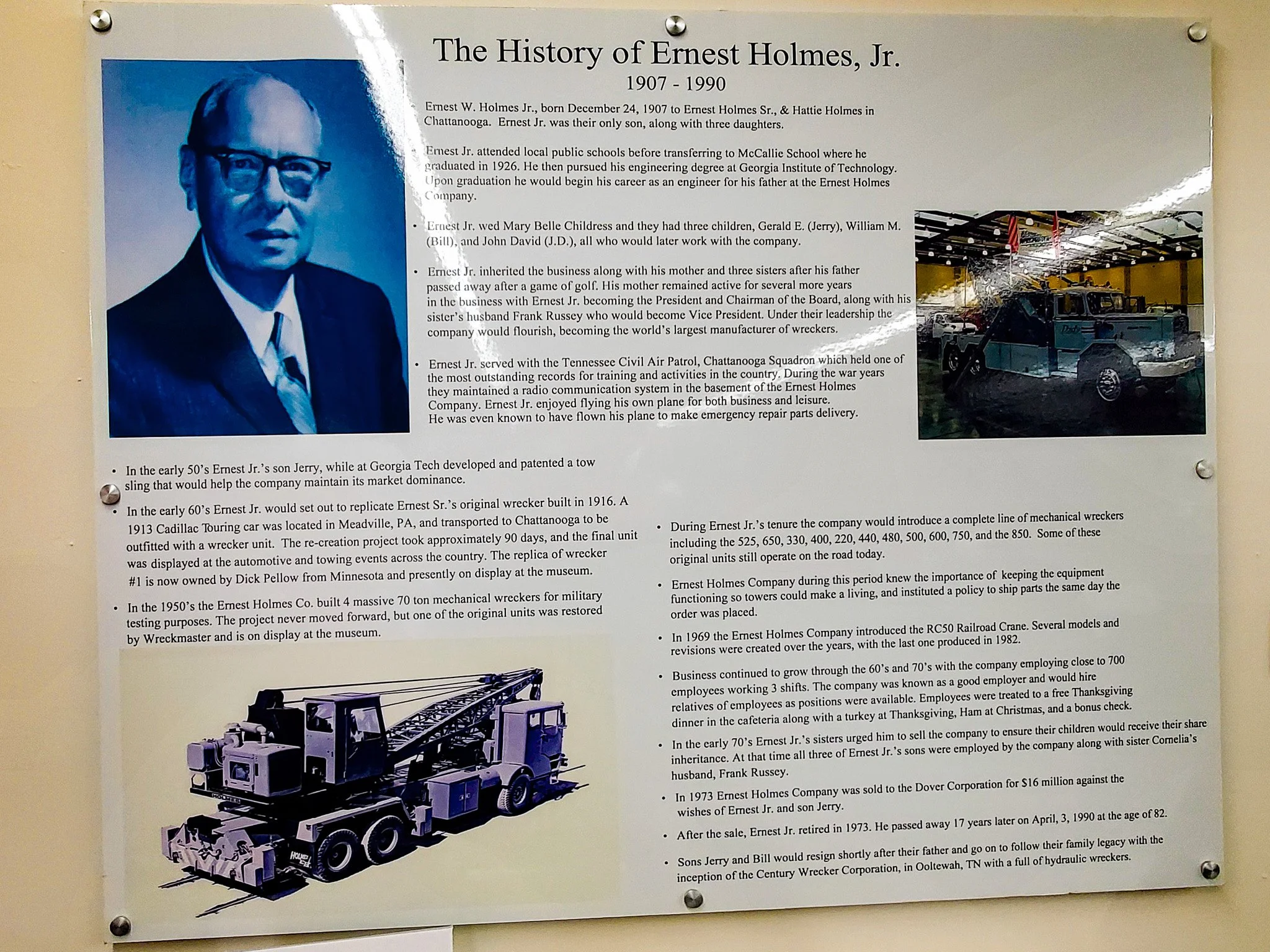
Intl Towing Museum
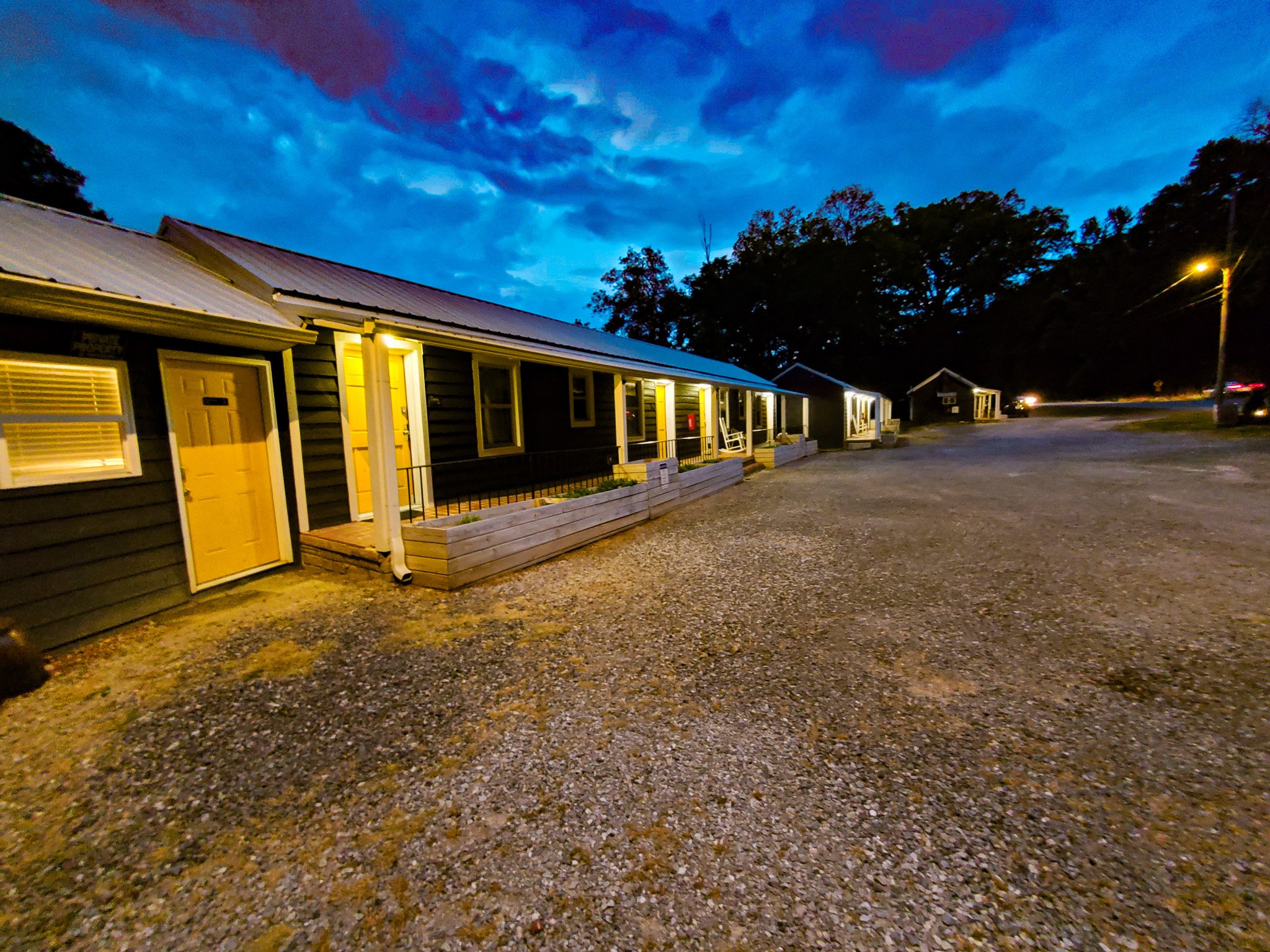
Lodge at Lookout Mountain
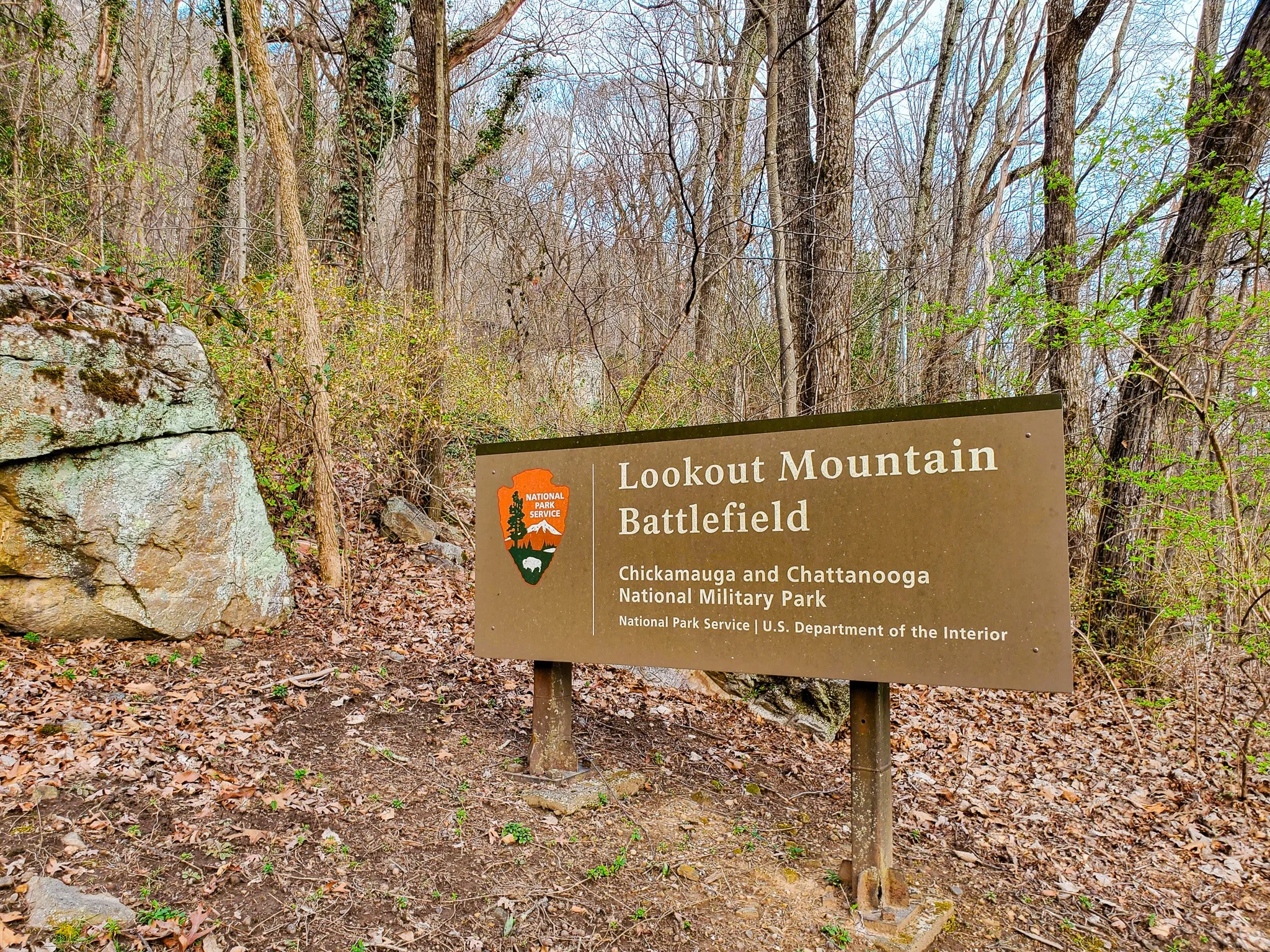
Lookout Mountain Battlefield
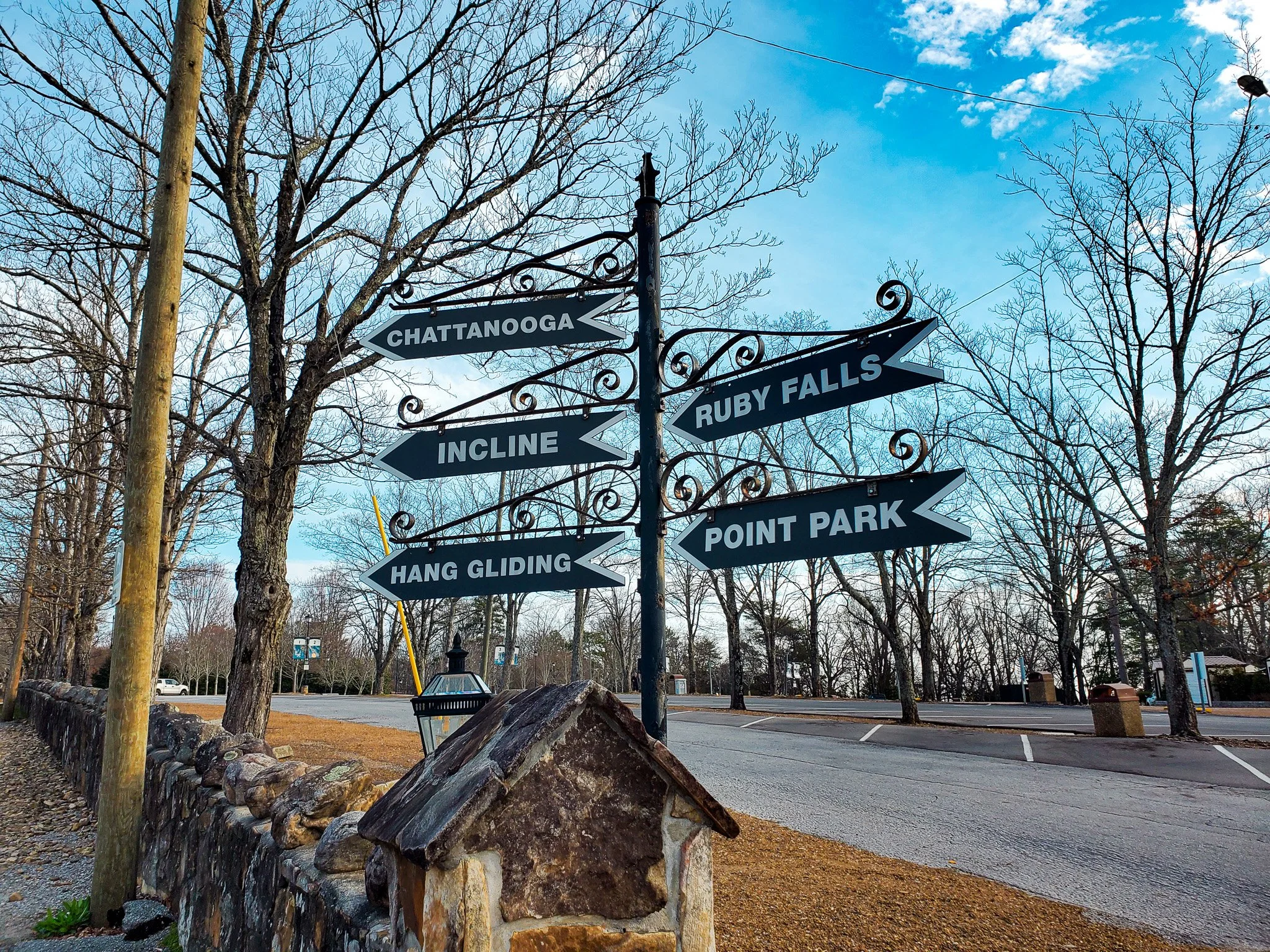
Lookout Mountain
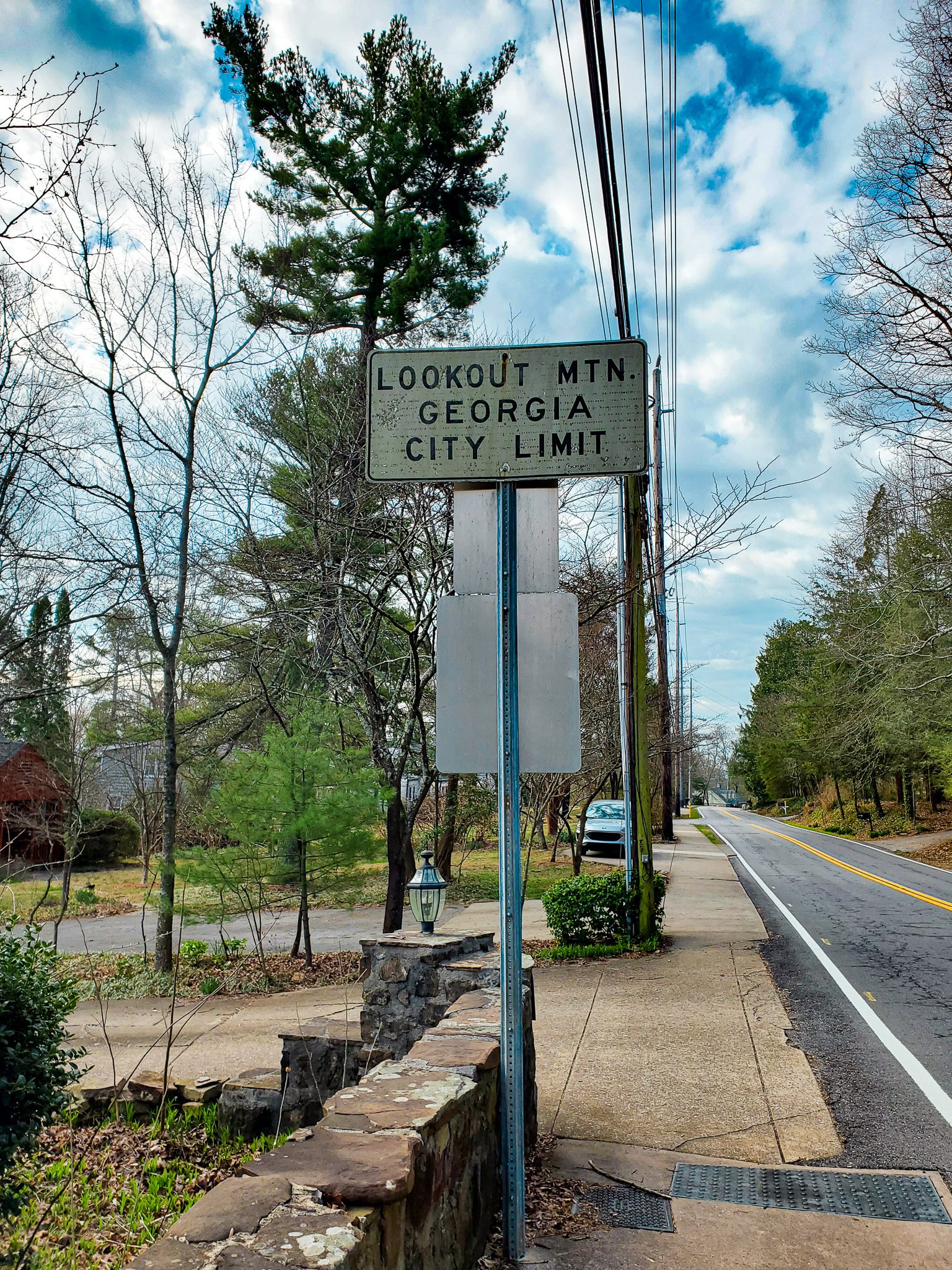
Lookout Mountain
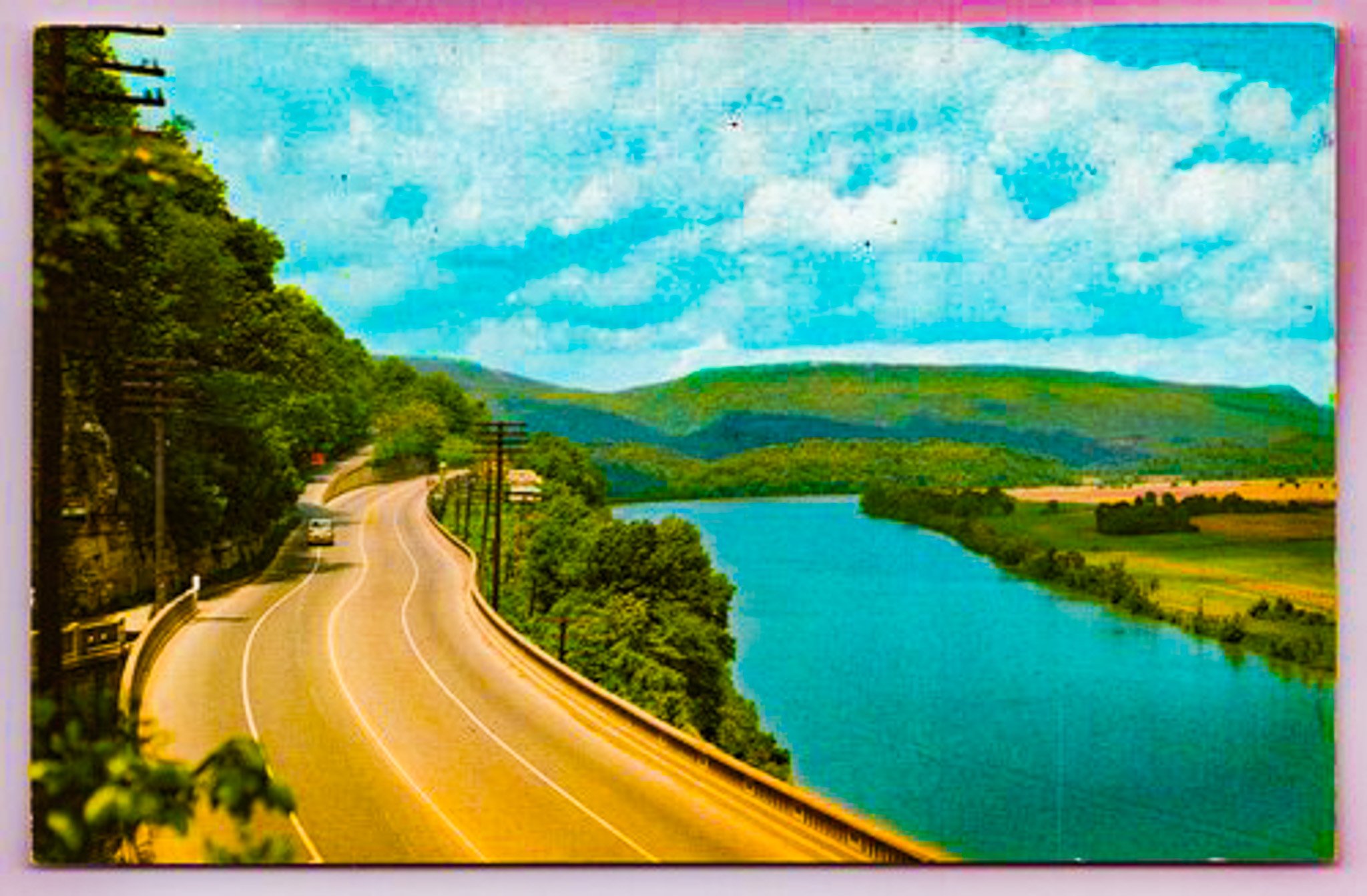
Lookout Mountain Postcard
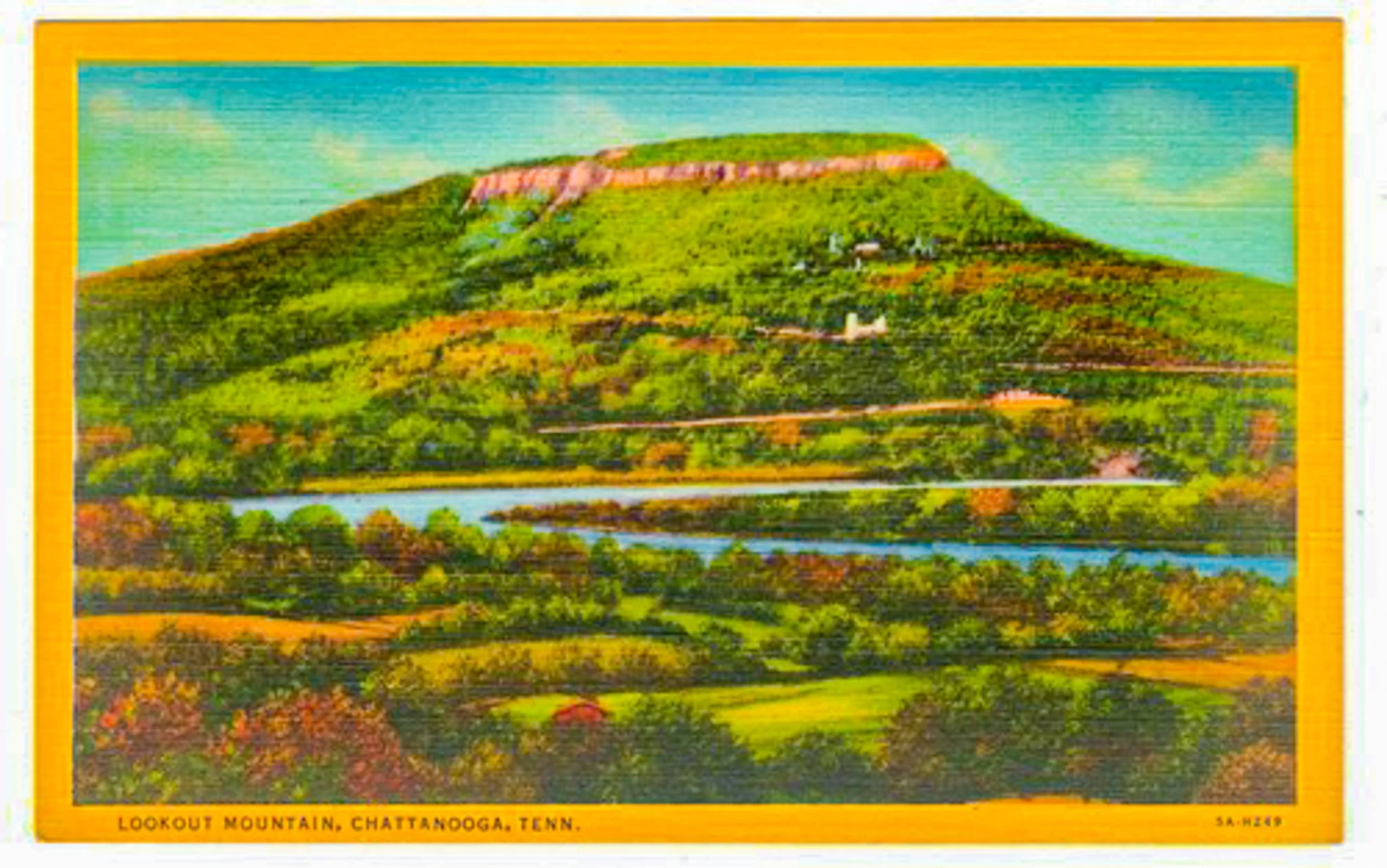
Lookout Mountain Postcard
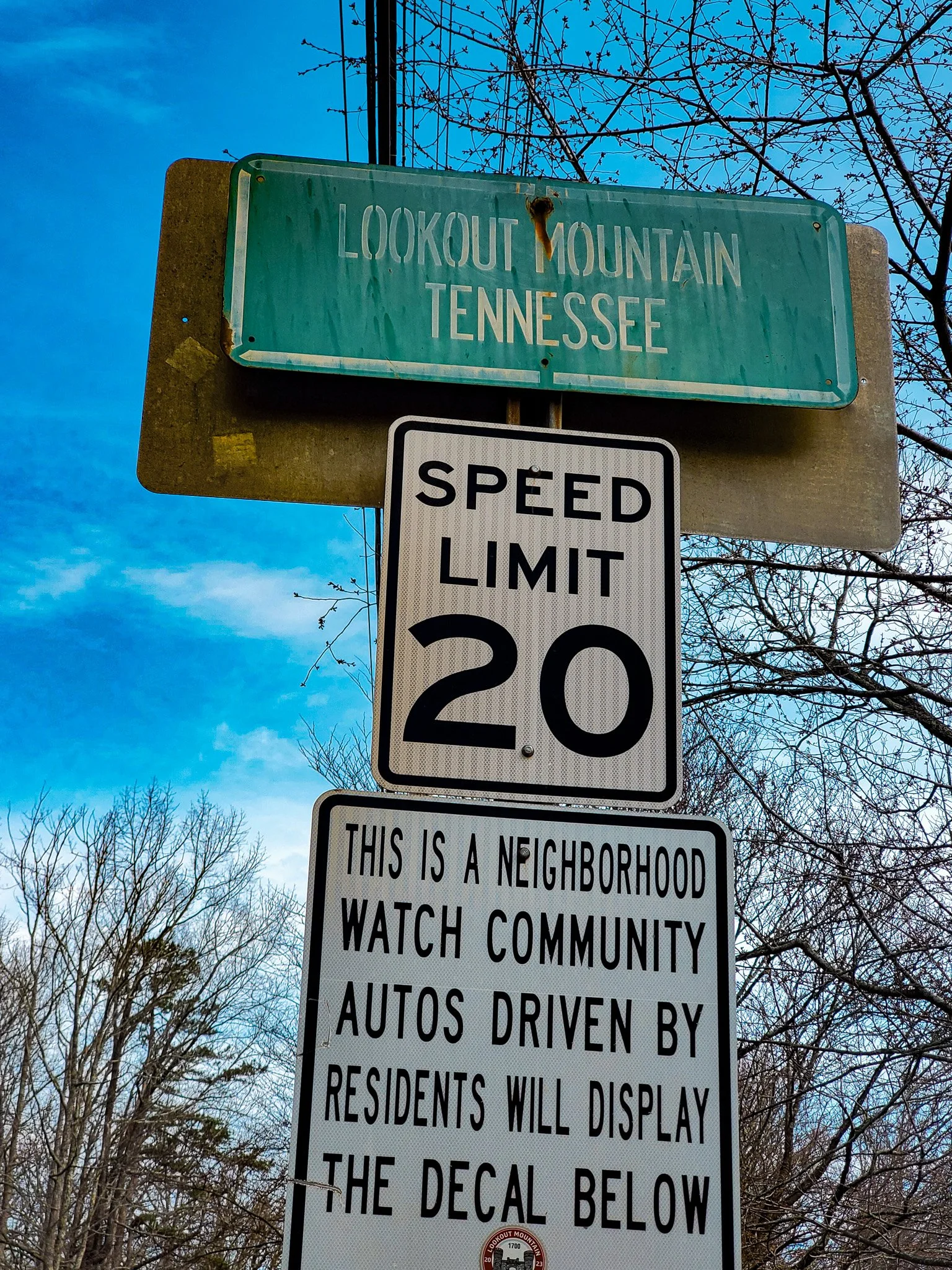
Lookout Mountain
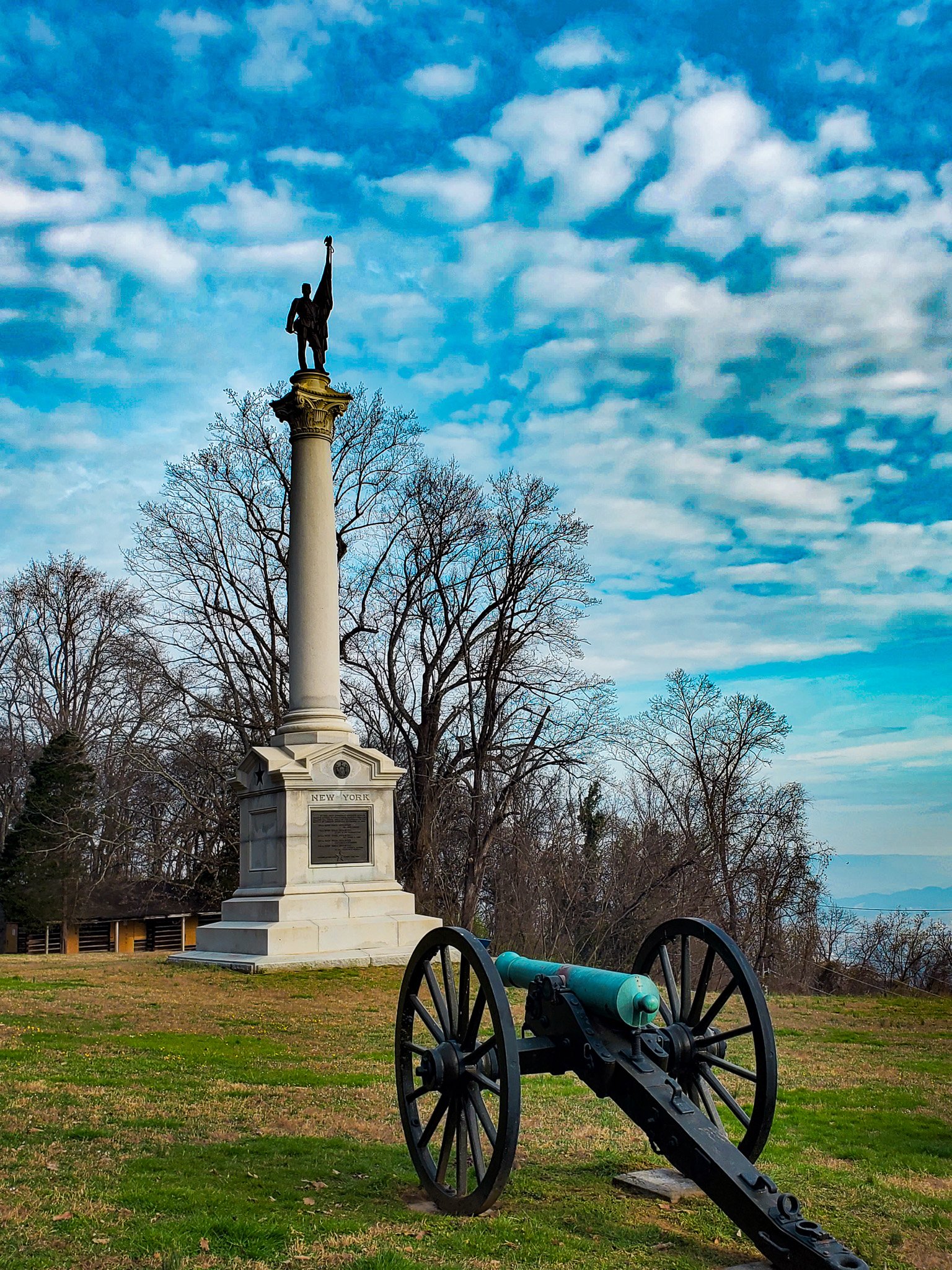
Point Park Memorial
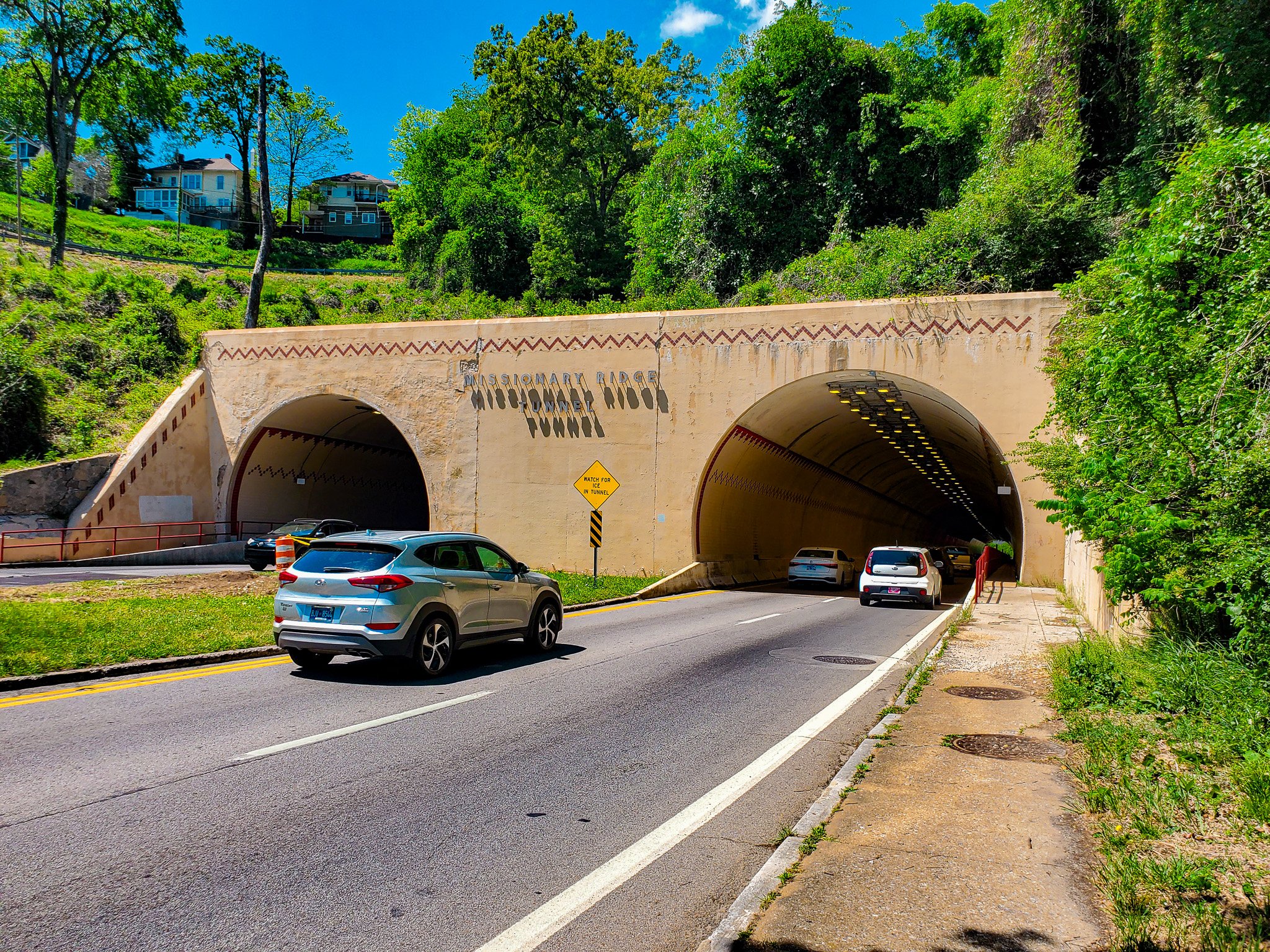
Missionary Ridge Tunnel
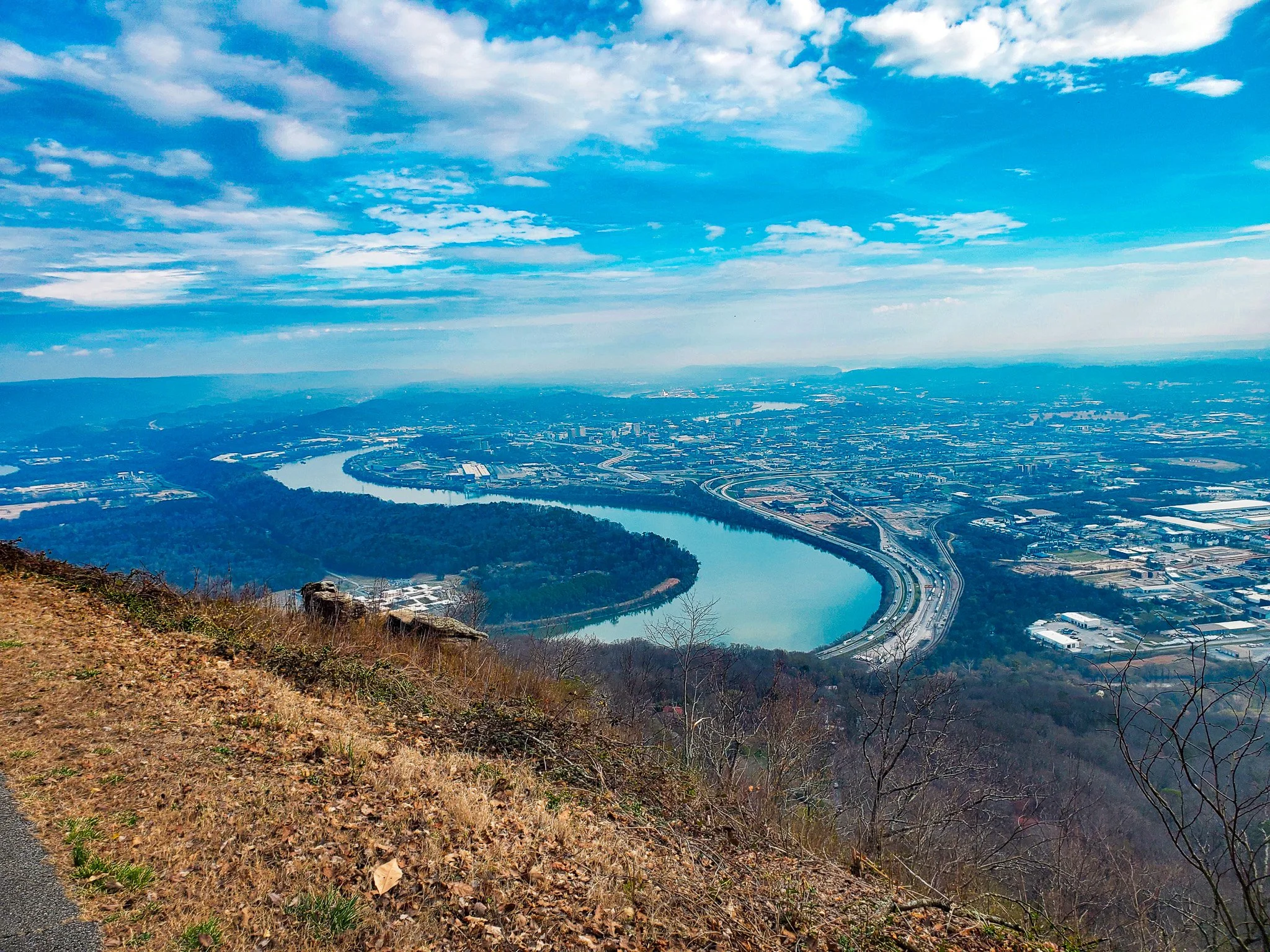
Moccasin Bend from Point Park
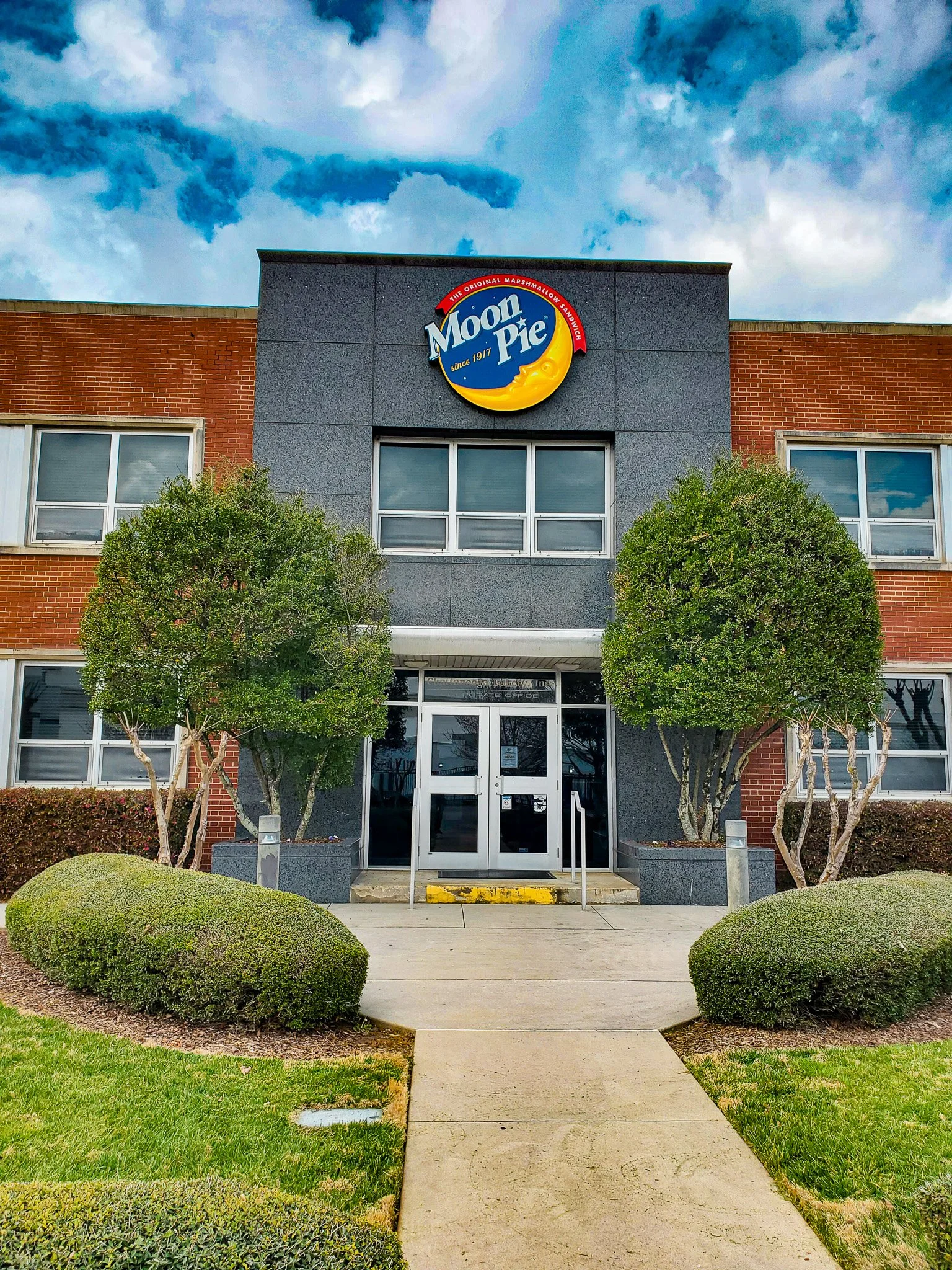
Moon Pie Bakery
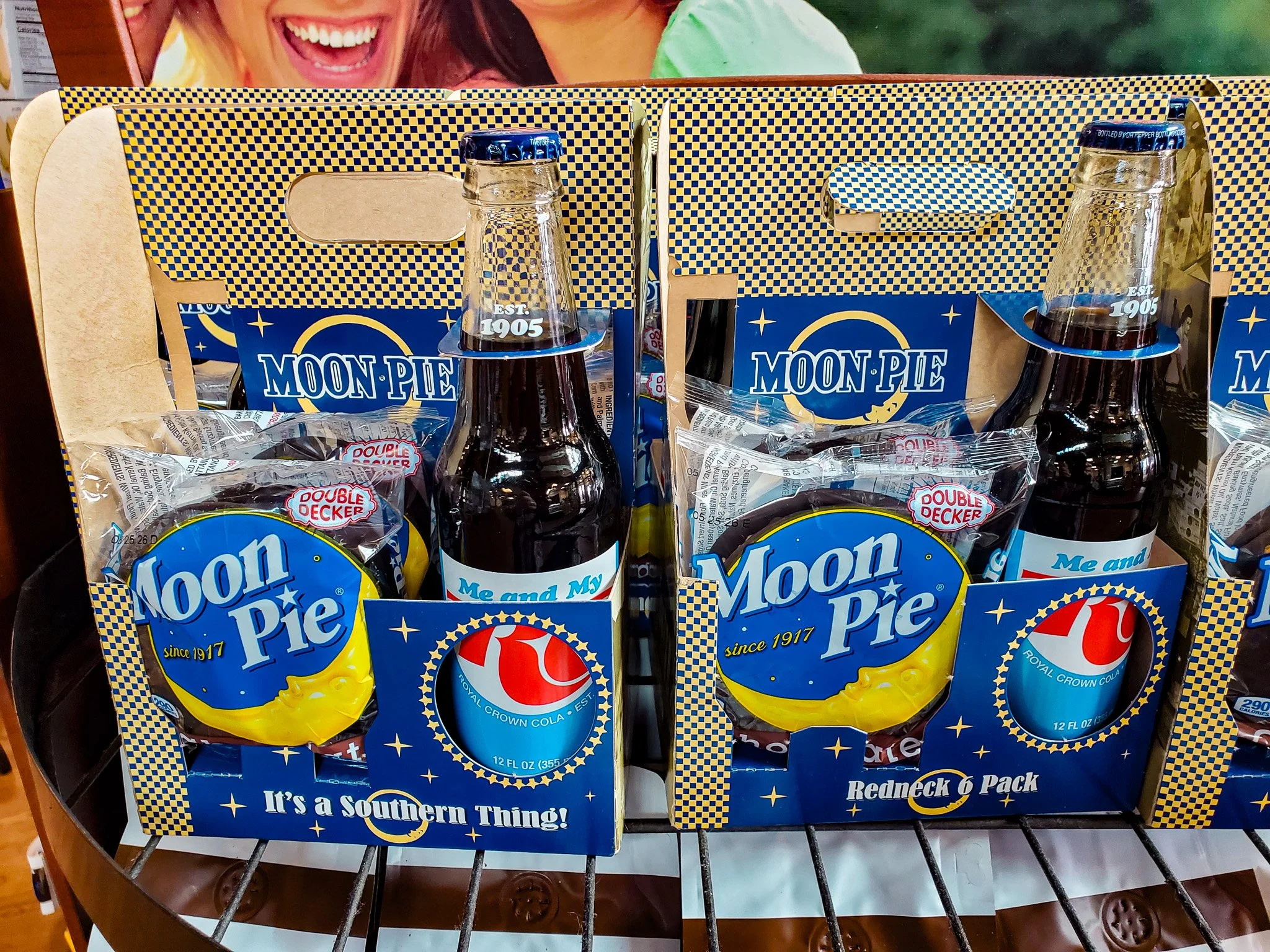
Moonpie "Redneck Six-Pack"
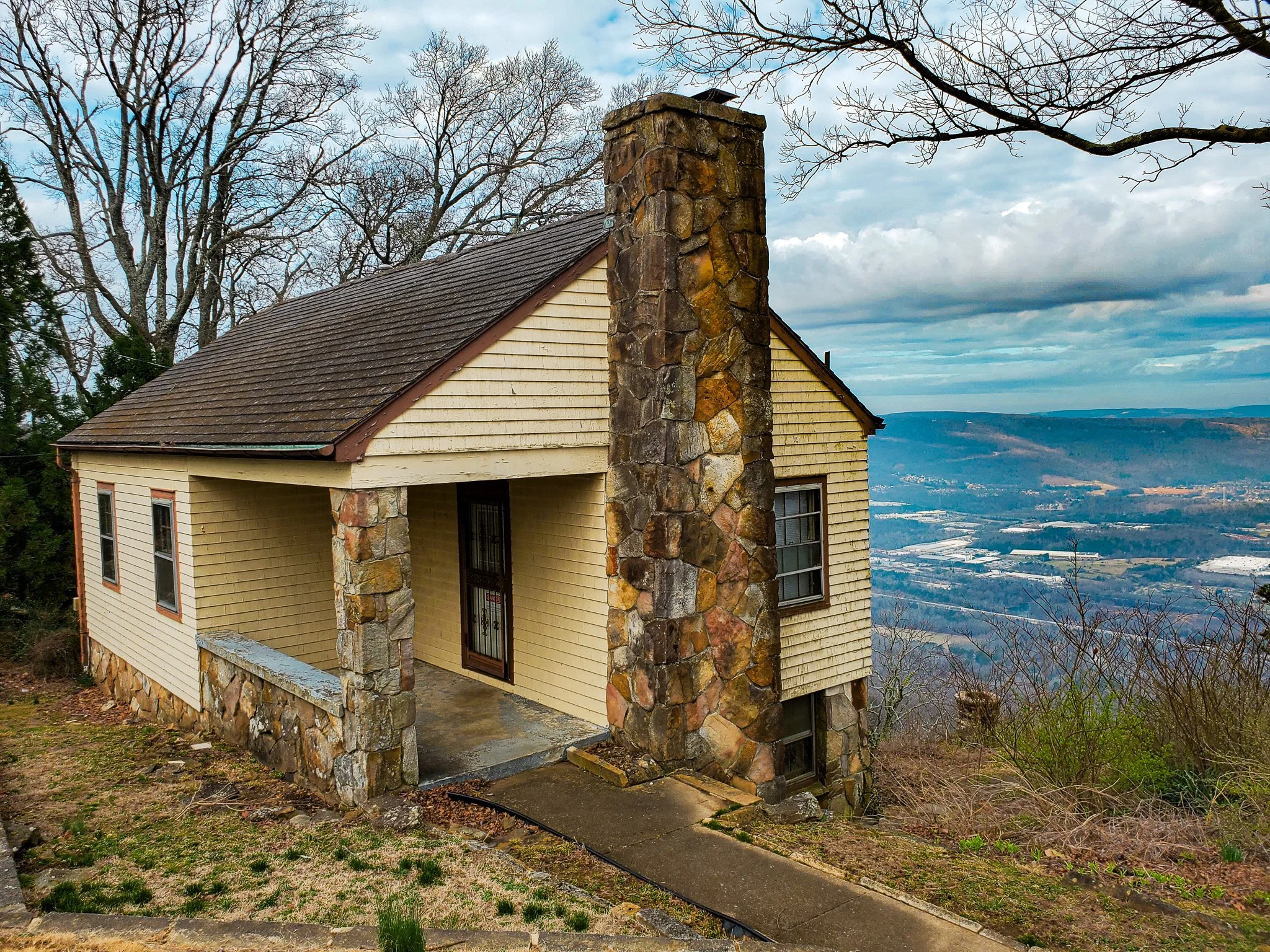
Point Park Cabin
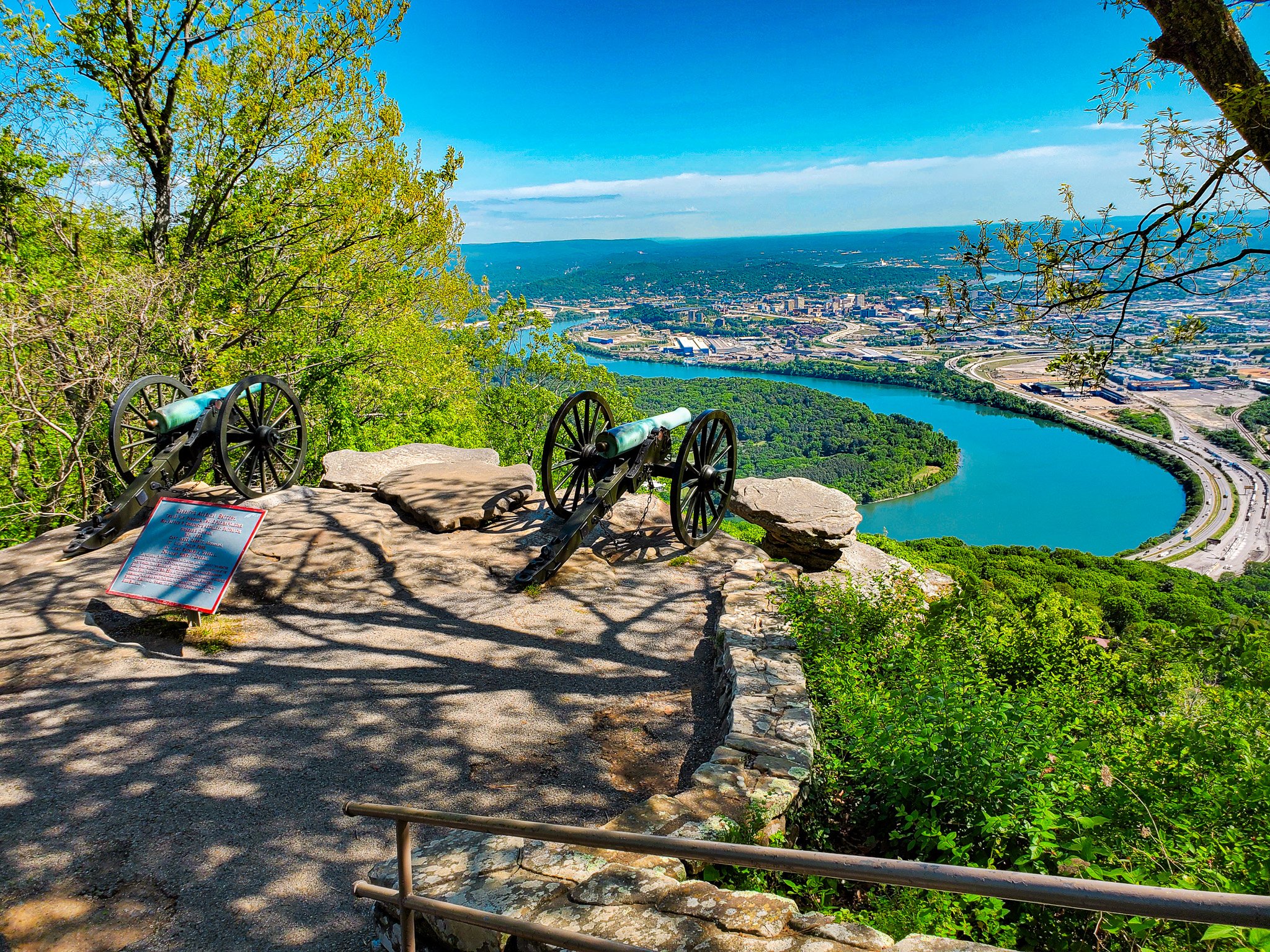
Point Park Cannon
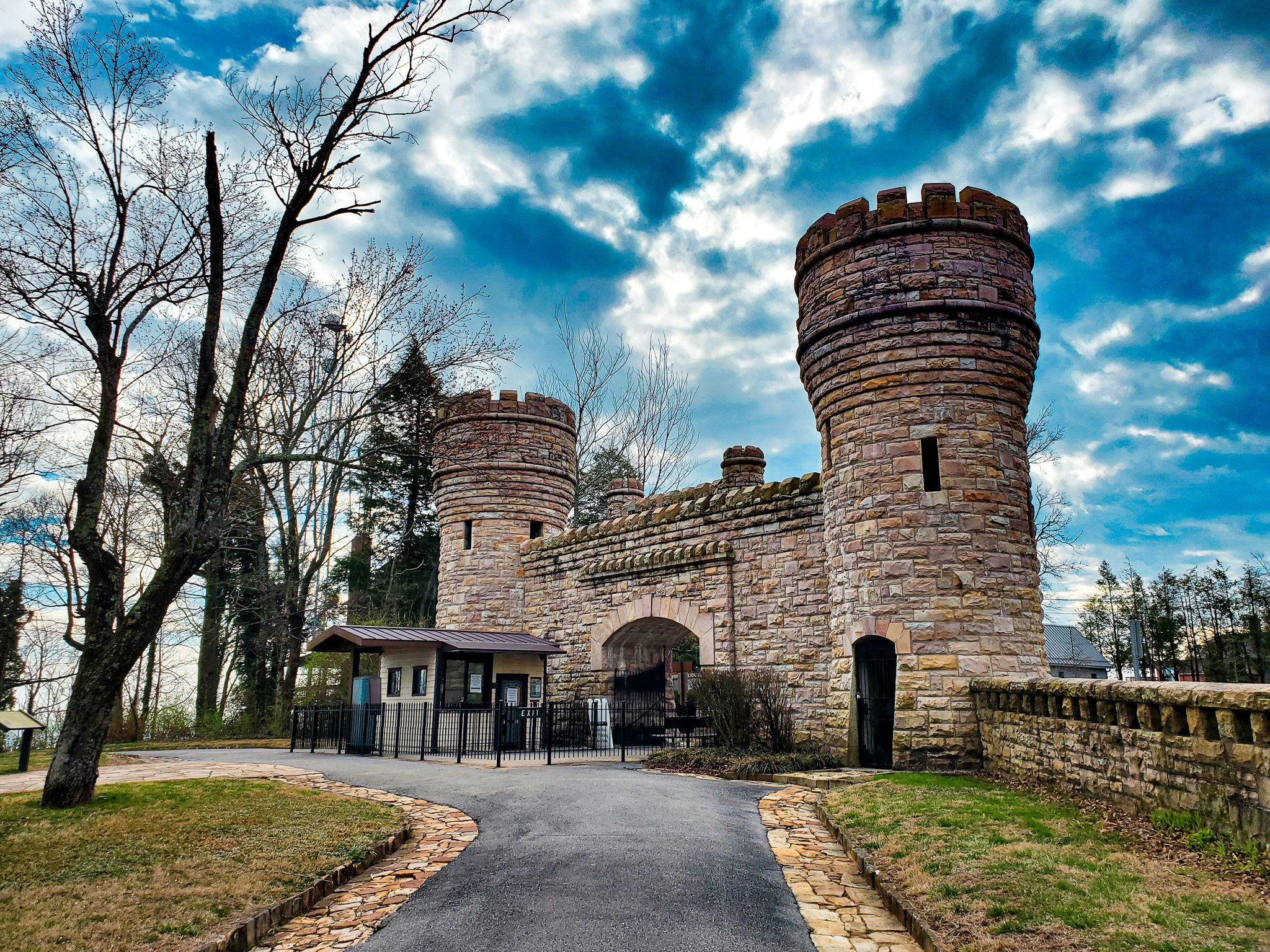
Point Park Castle
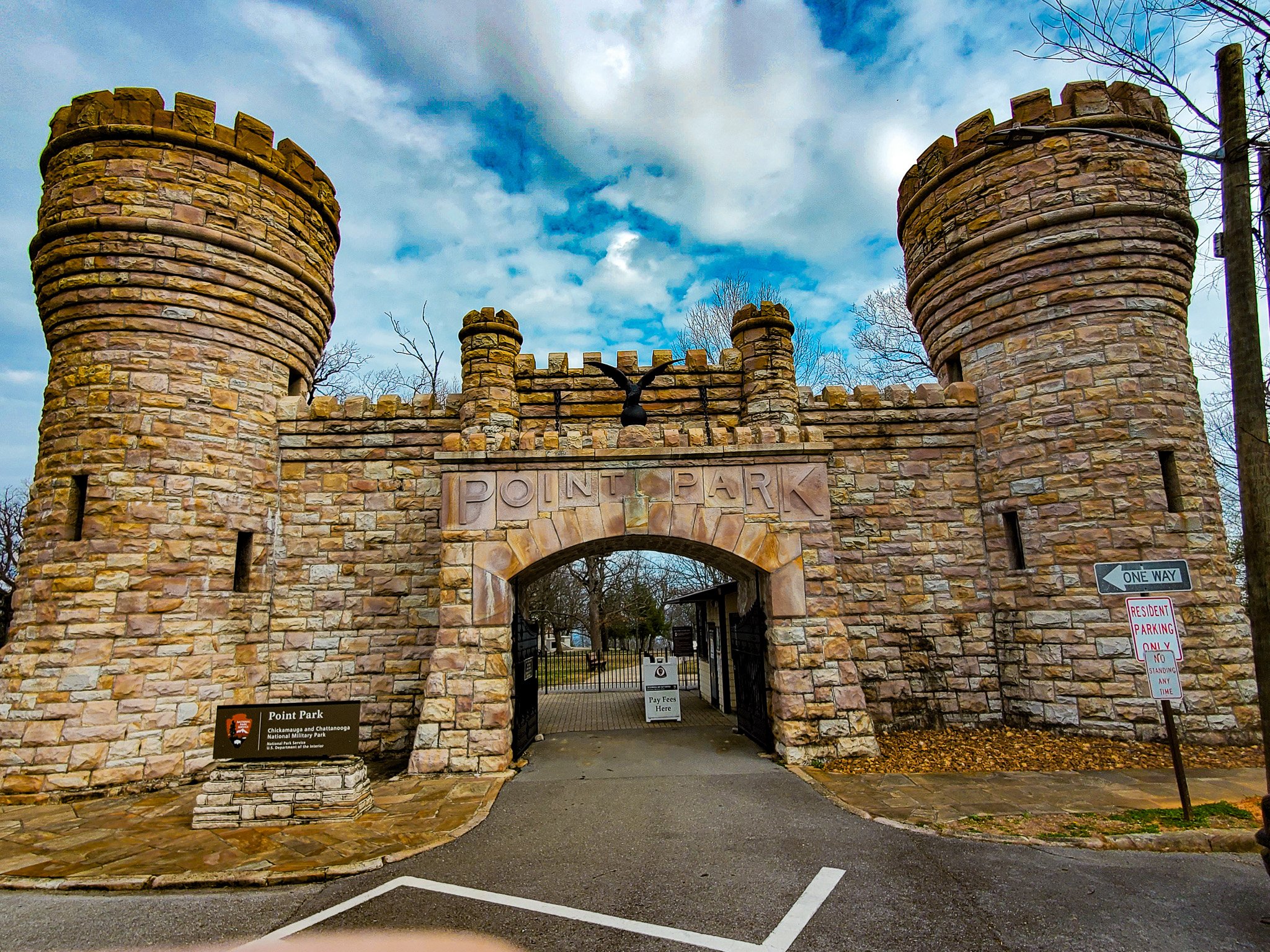
Point Park Castle
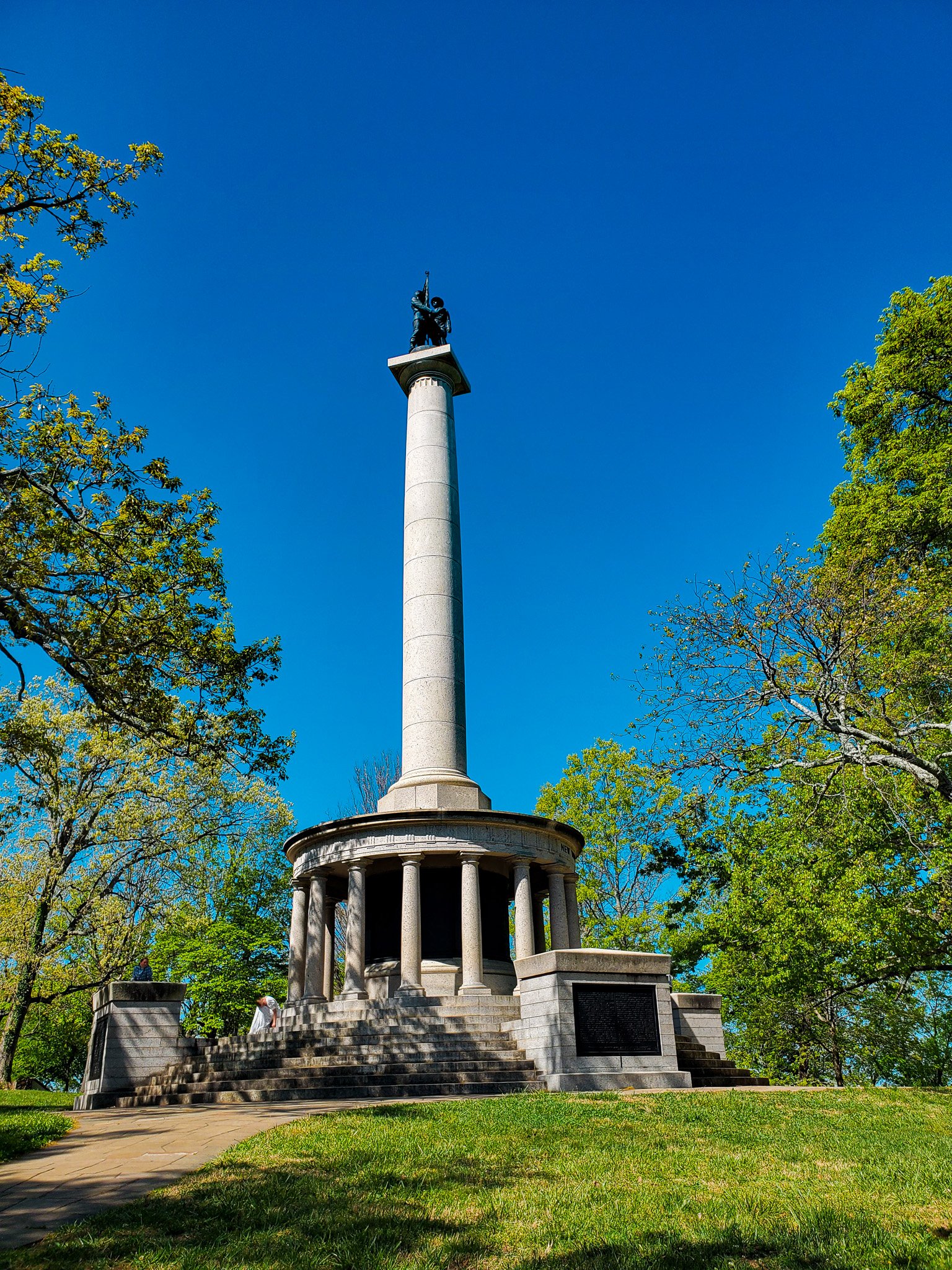
Point Park Confederate Memorial
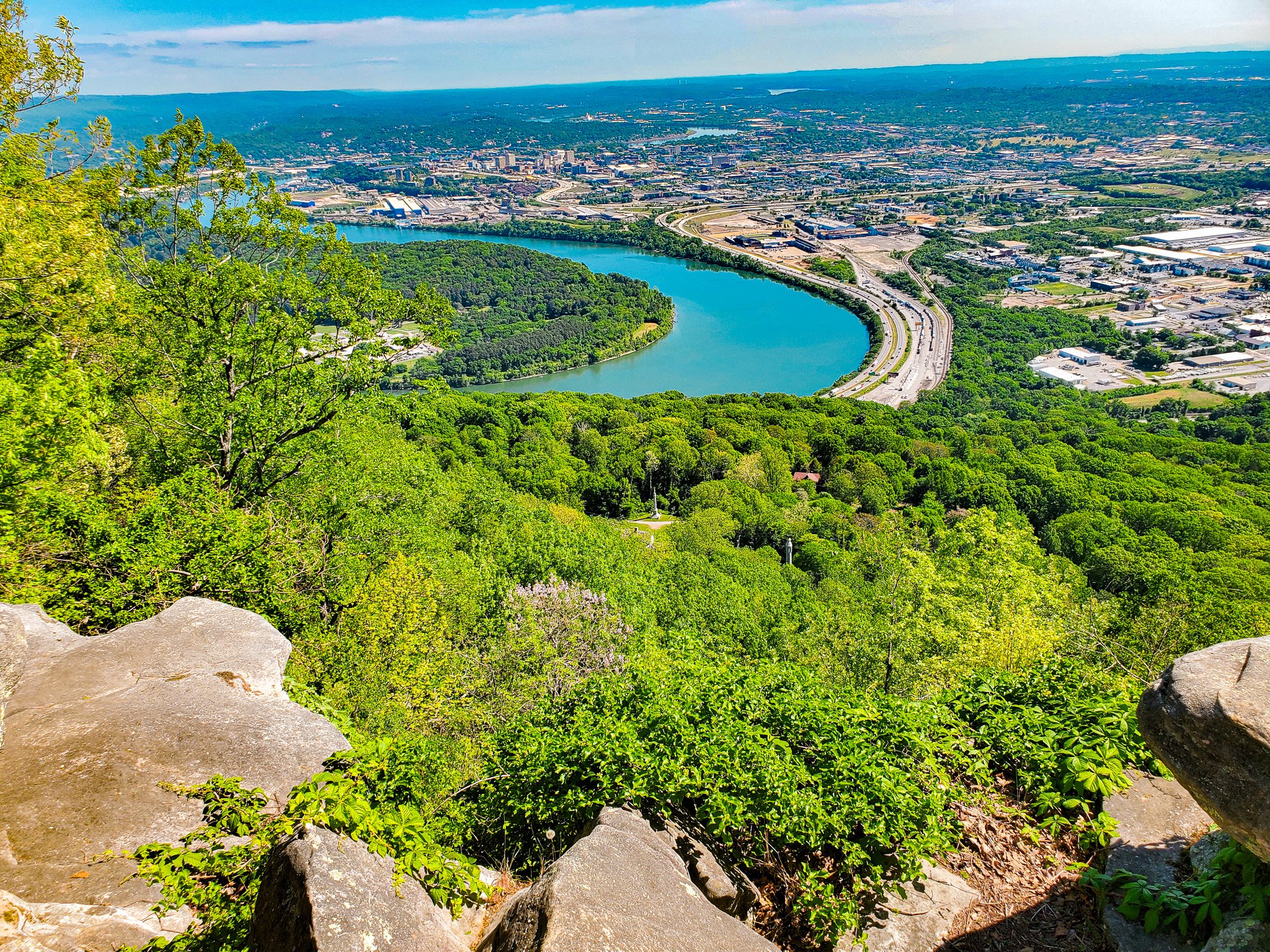
Point Park View of Tennessee River
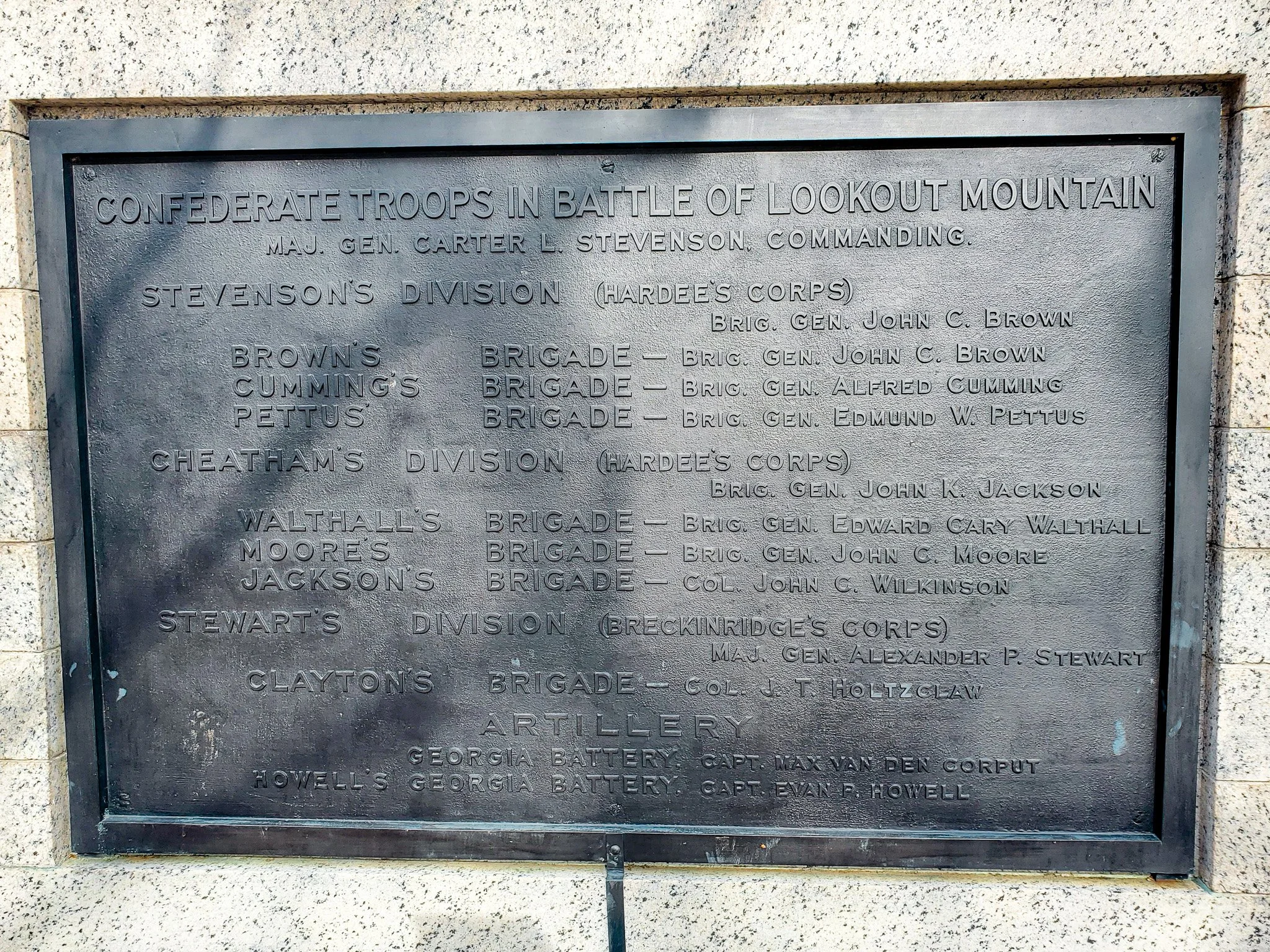
Point Park Memorial Sign
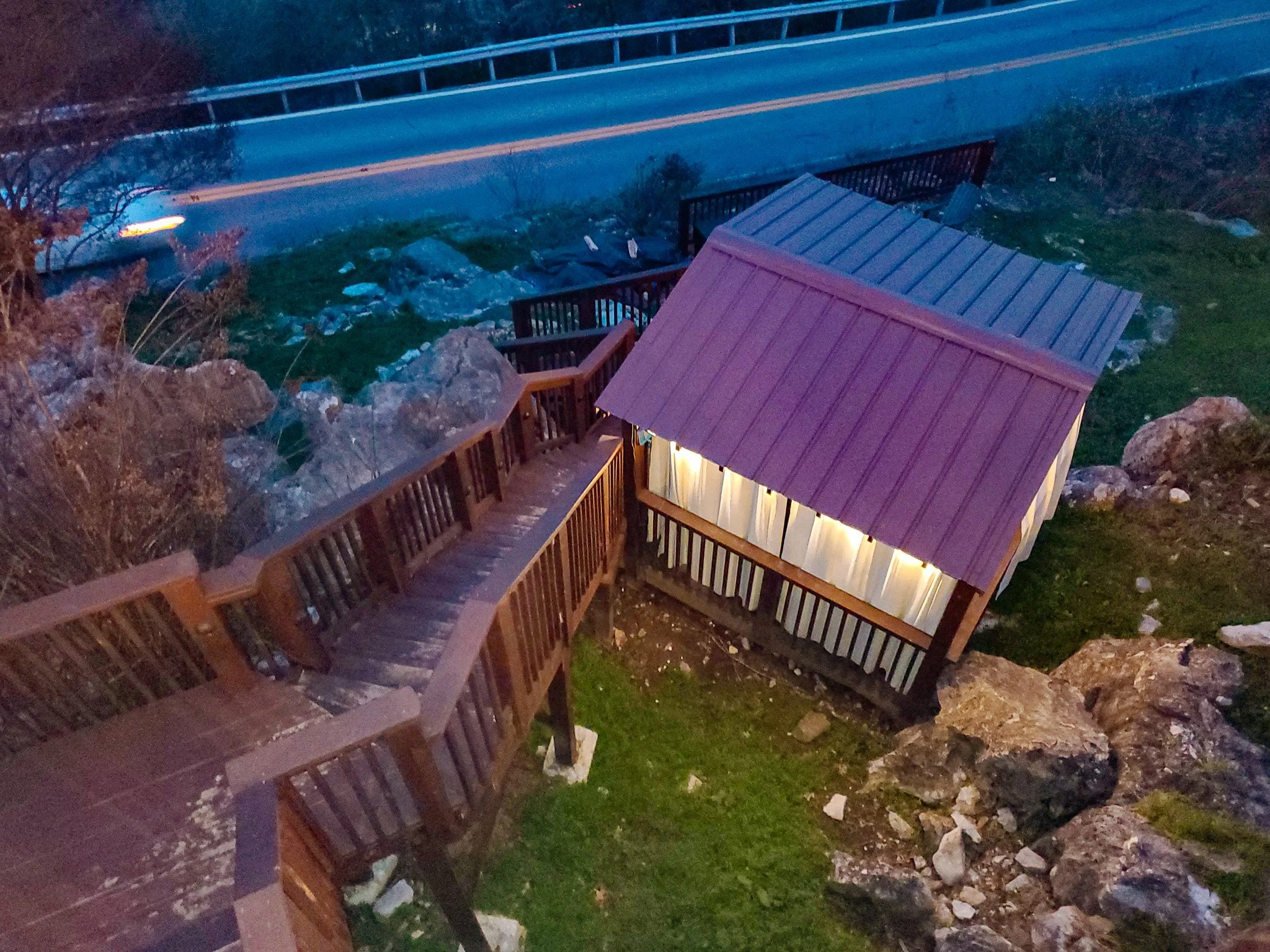
Riverview Inn
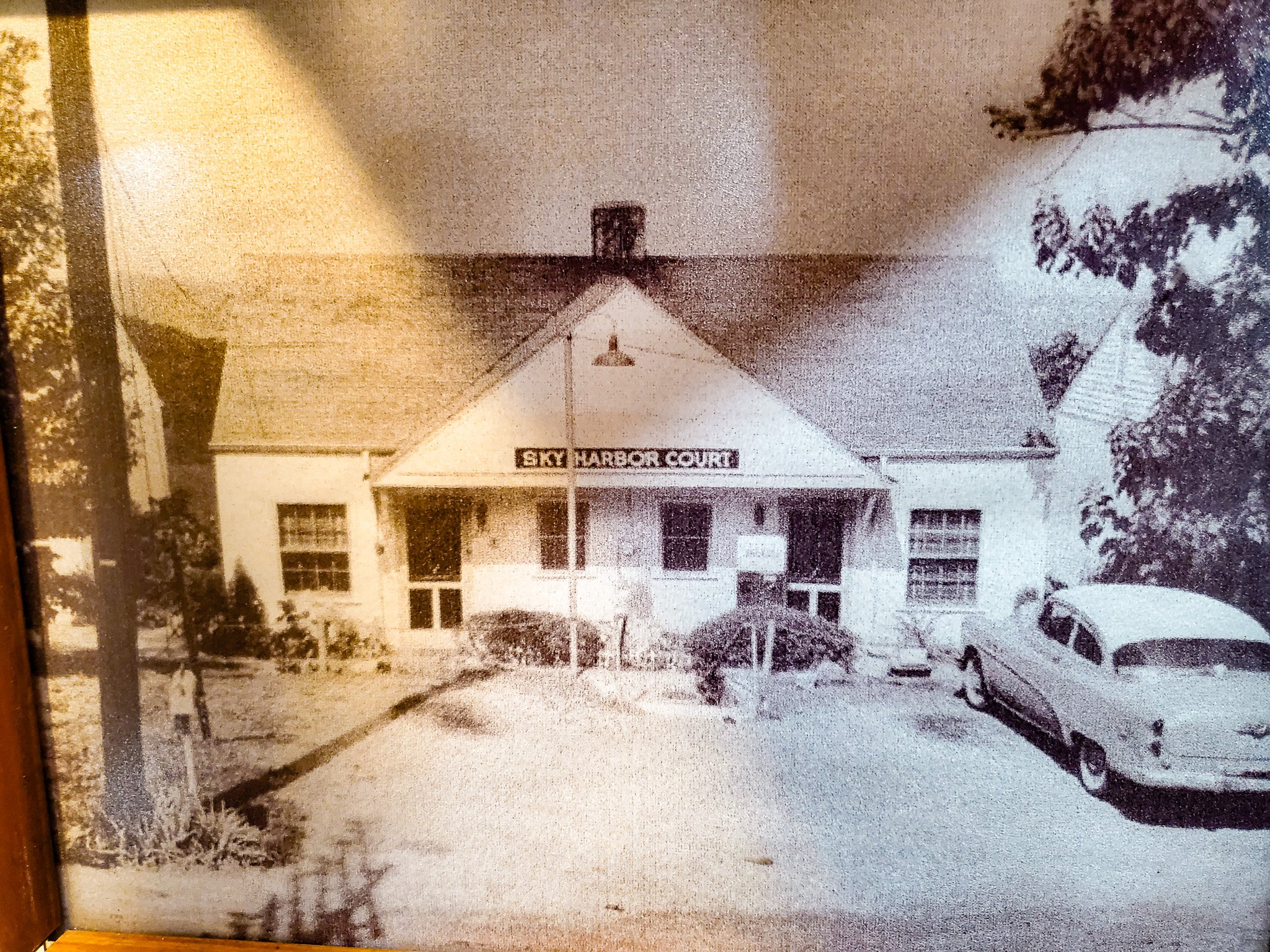
Riverview Inn Old Photo
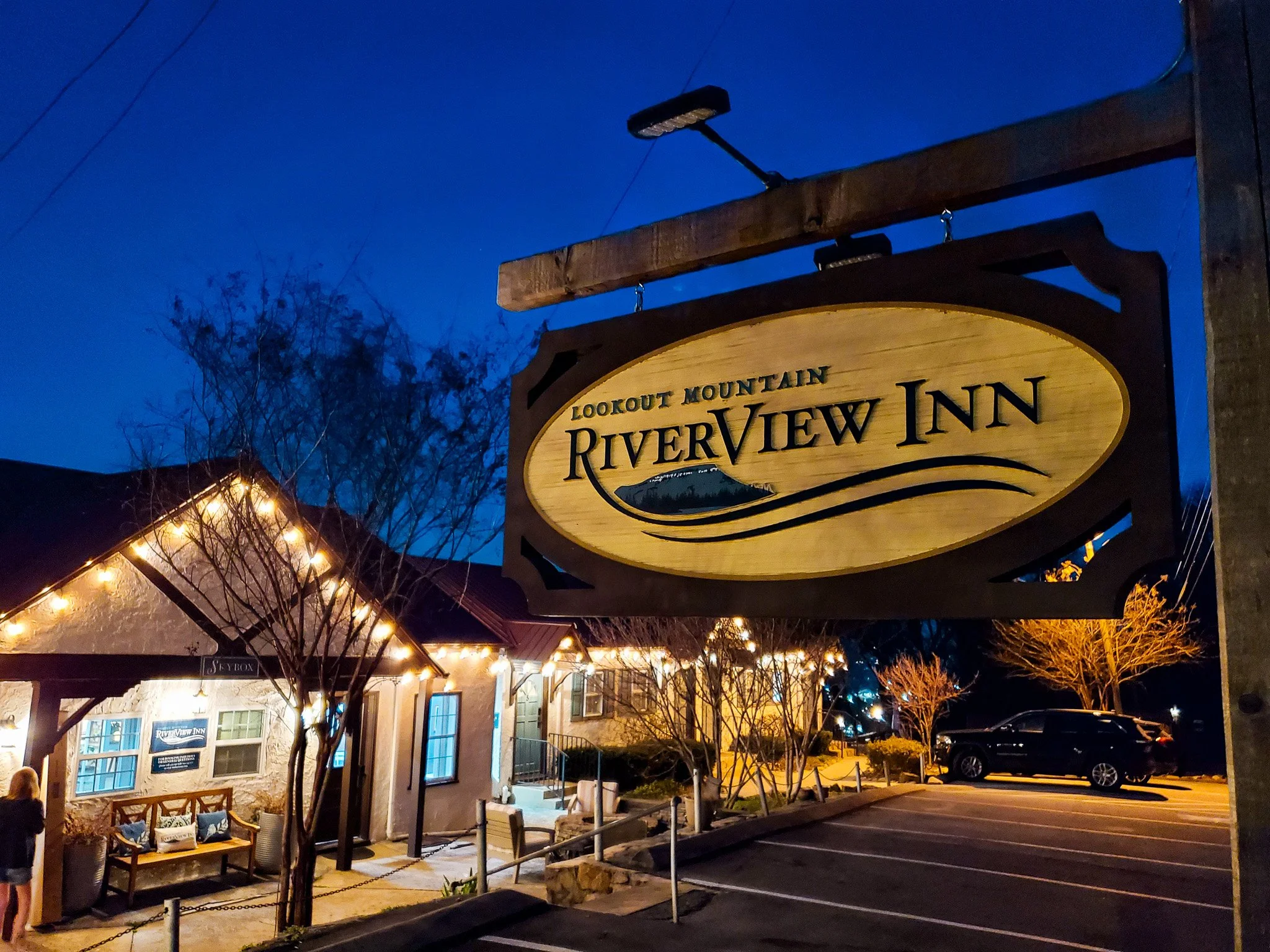
Riverview Inn
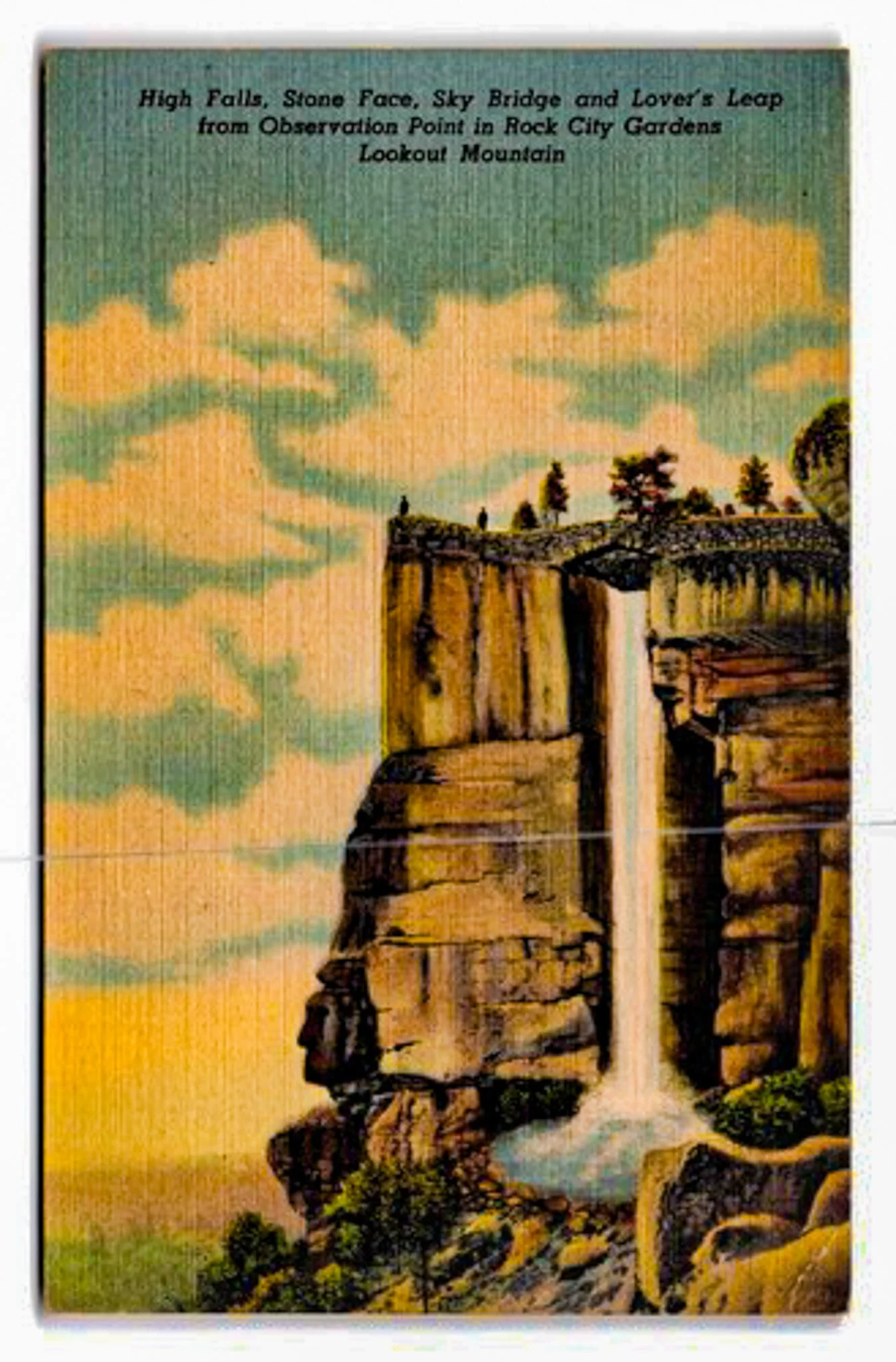
Lookout Mountain Postcard
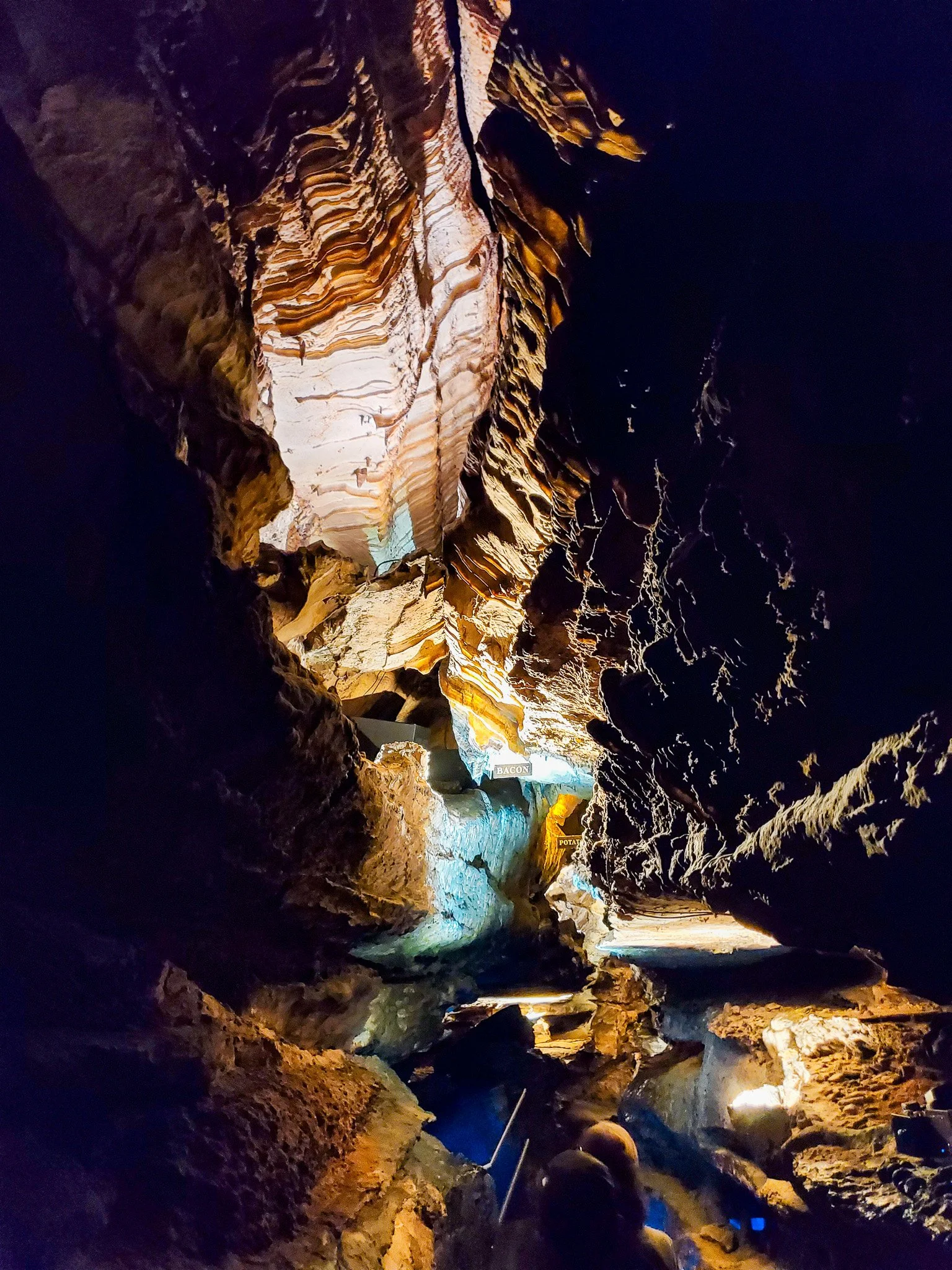
Ruby Falls
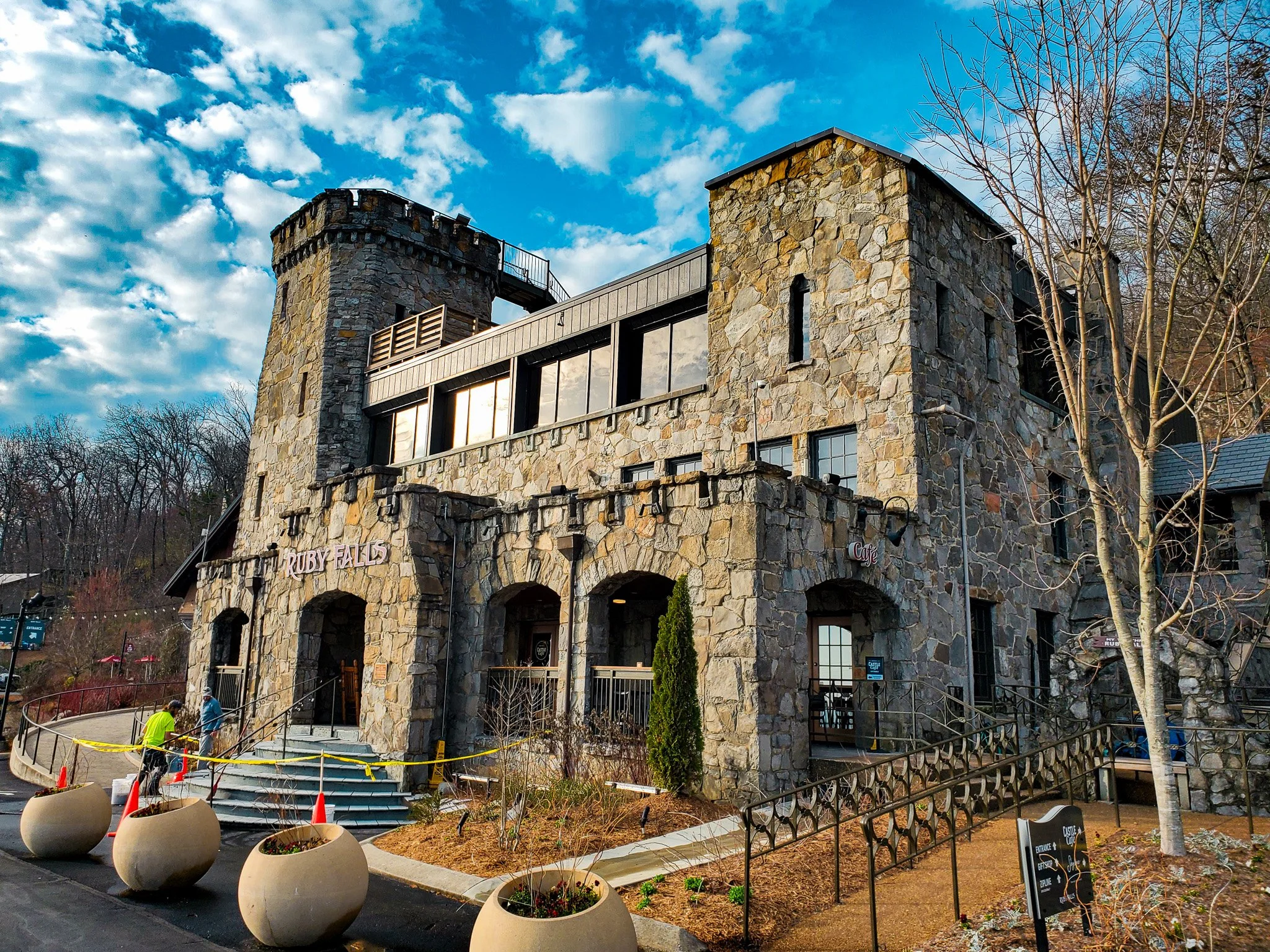
Ruby Falls
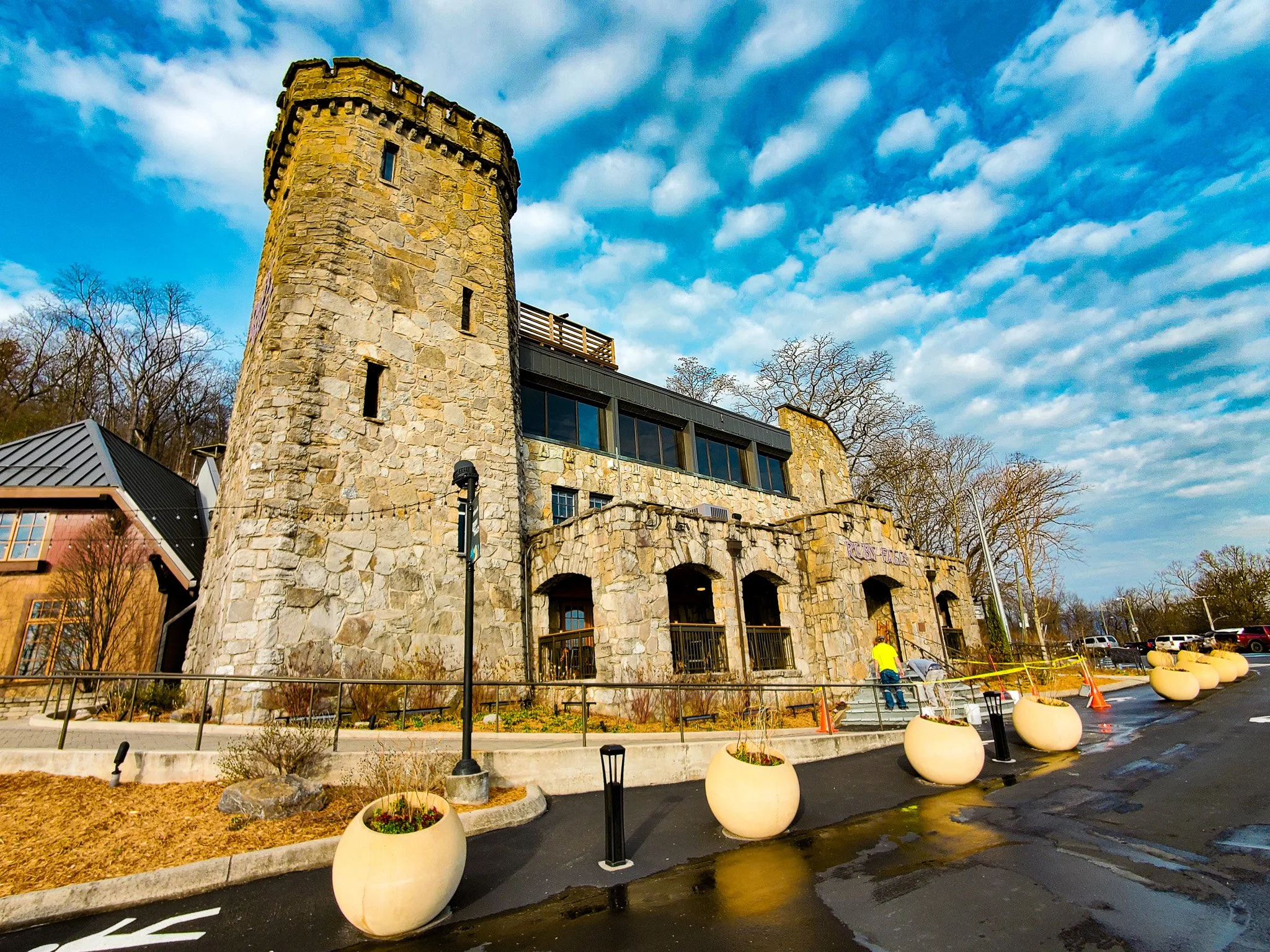
Ruby Falls
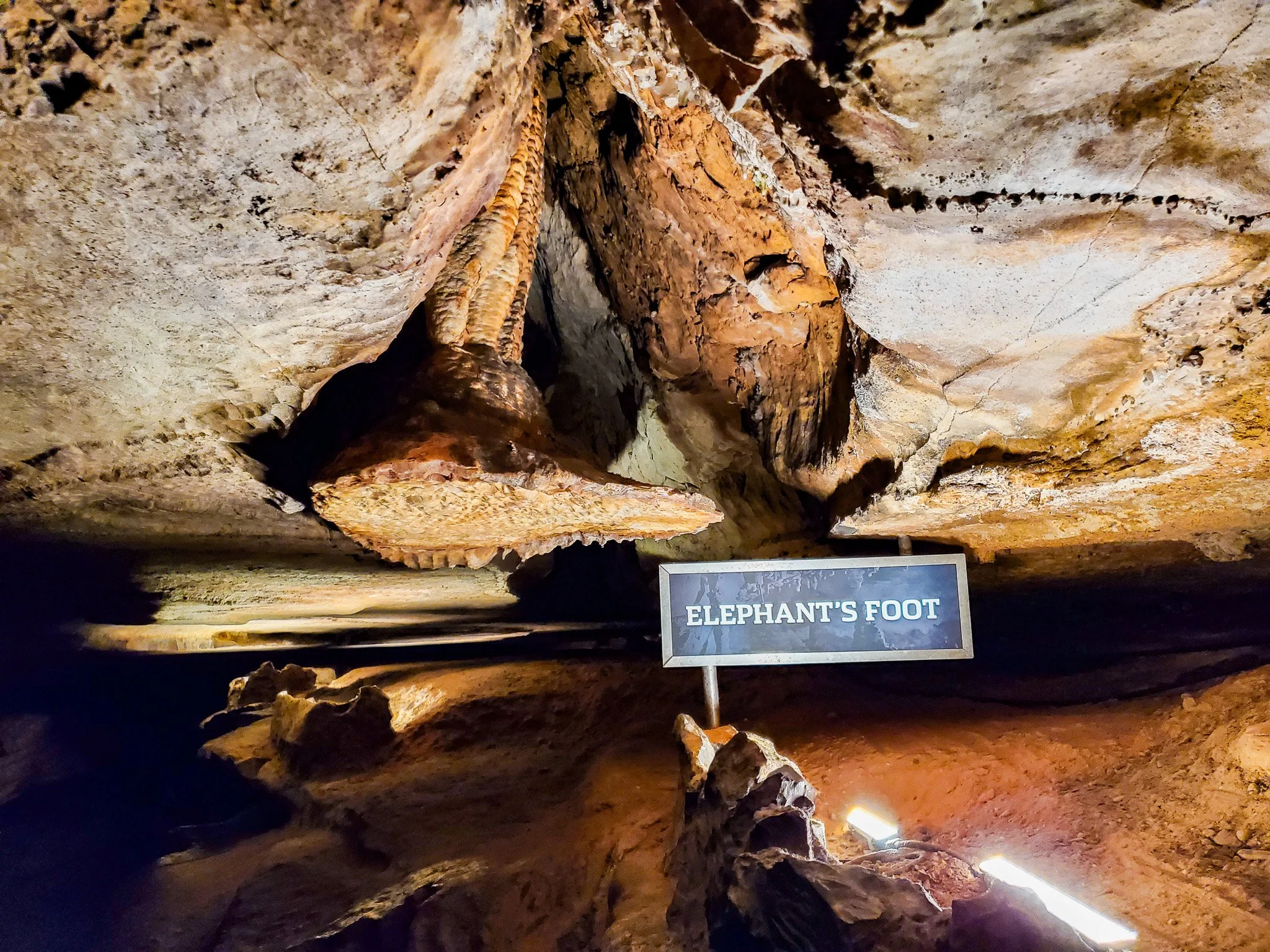
Ruby Falls
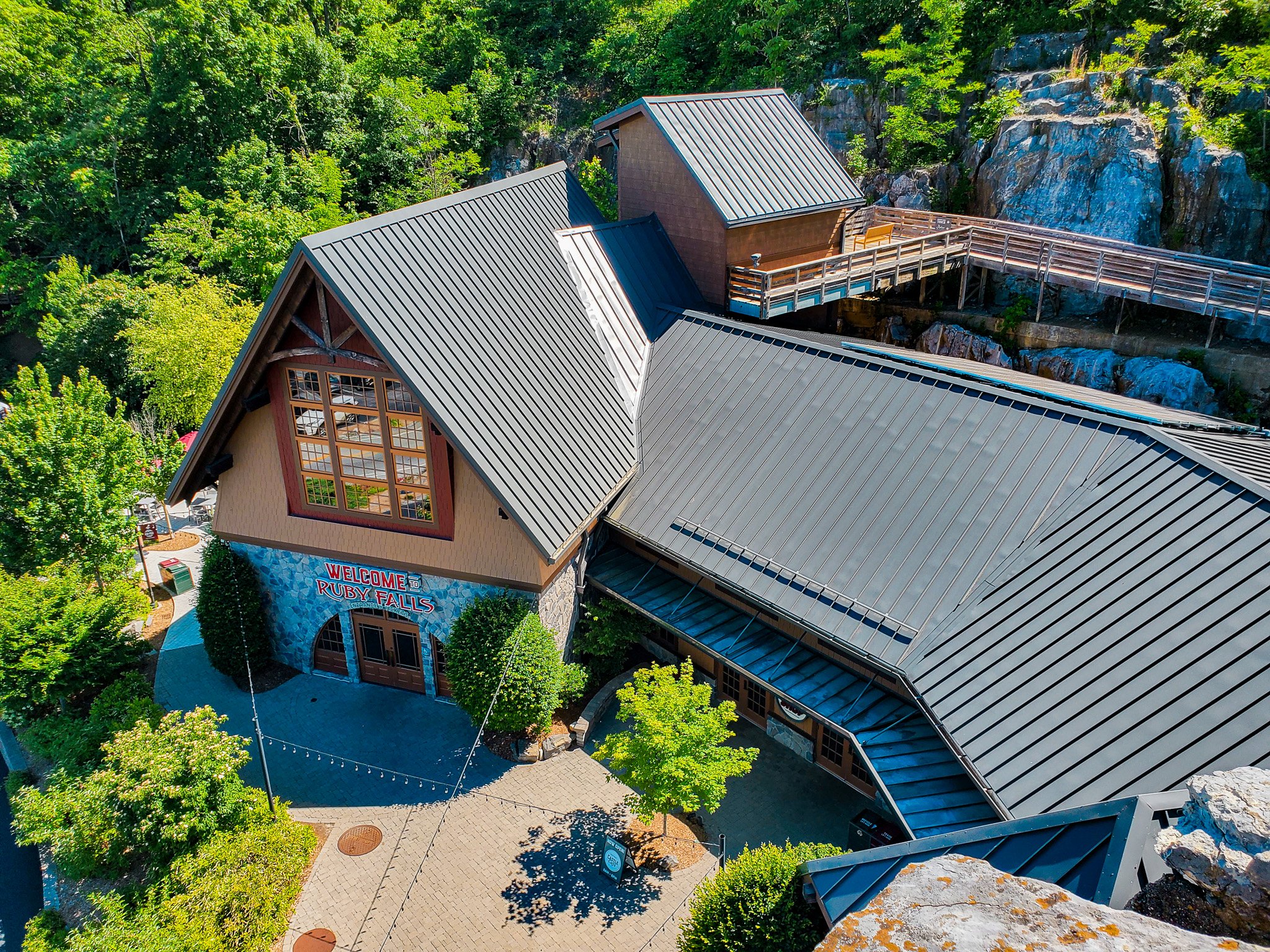
Ruby Falls
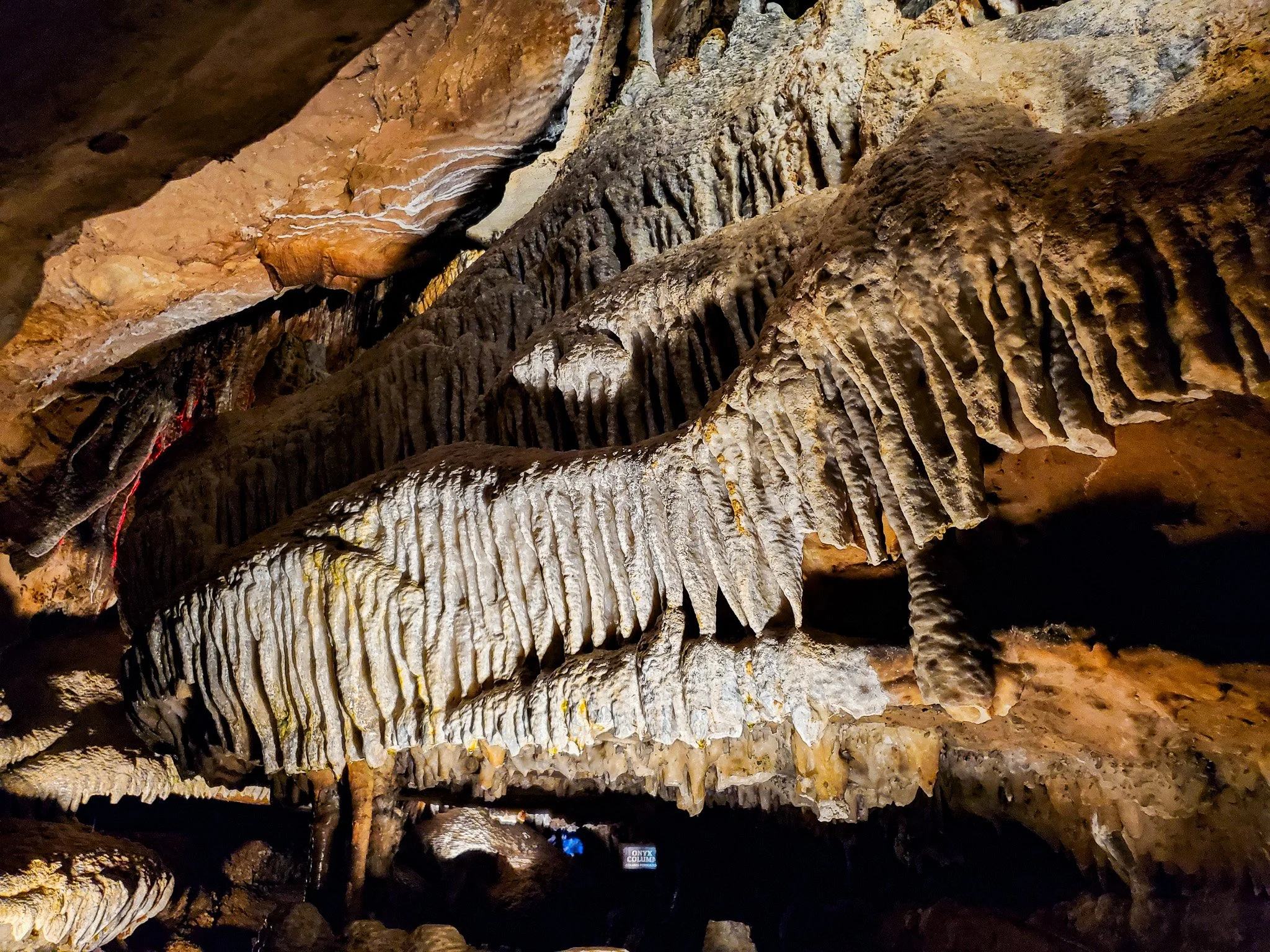
Ruby Falls
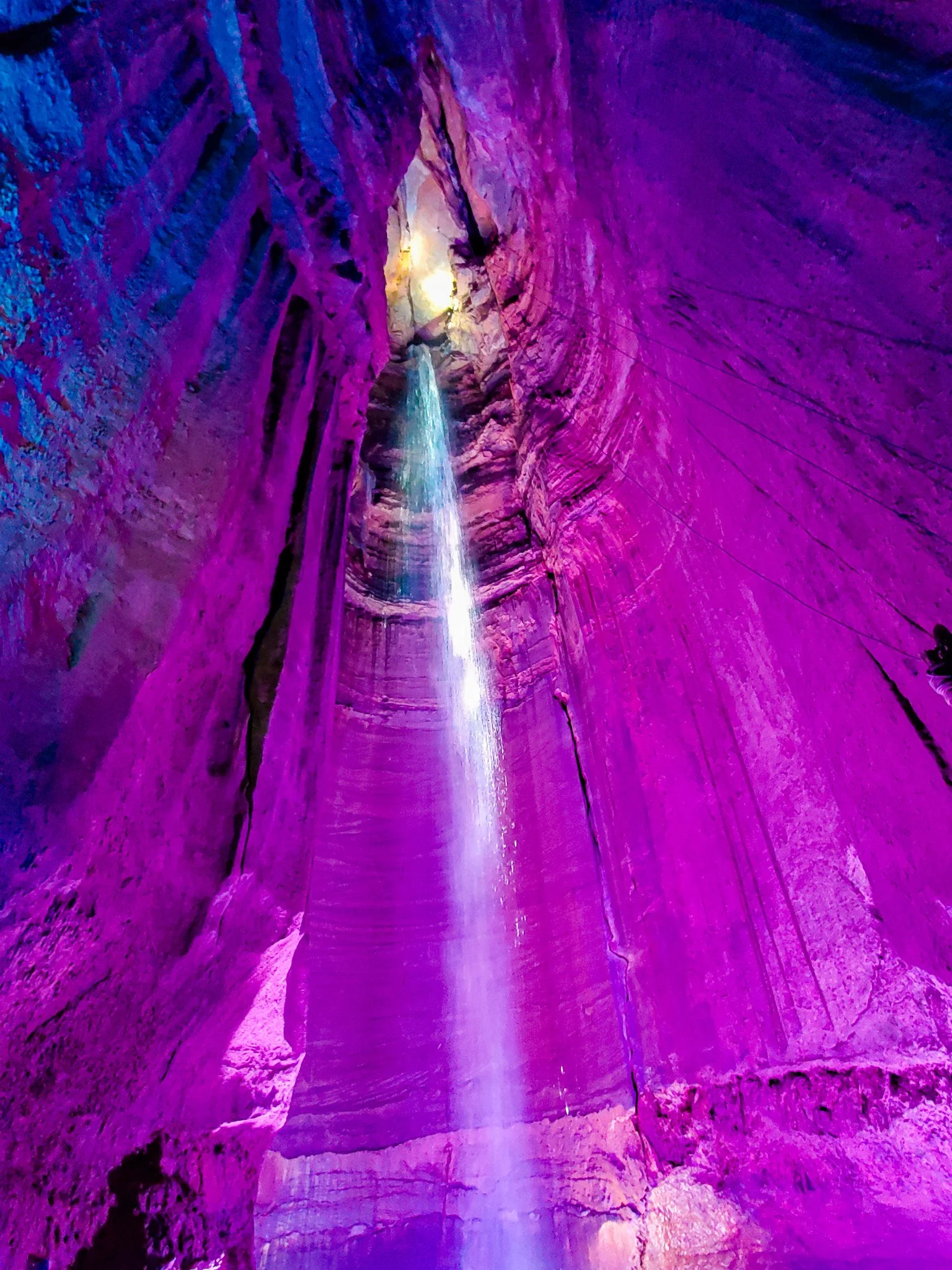
Ruby Falls
Ruby Falls
Tennessee River
Intl Towing Museum
Intl Towing Museum
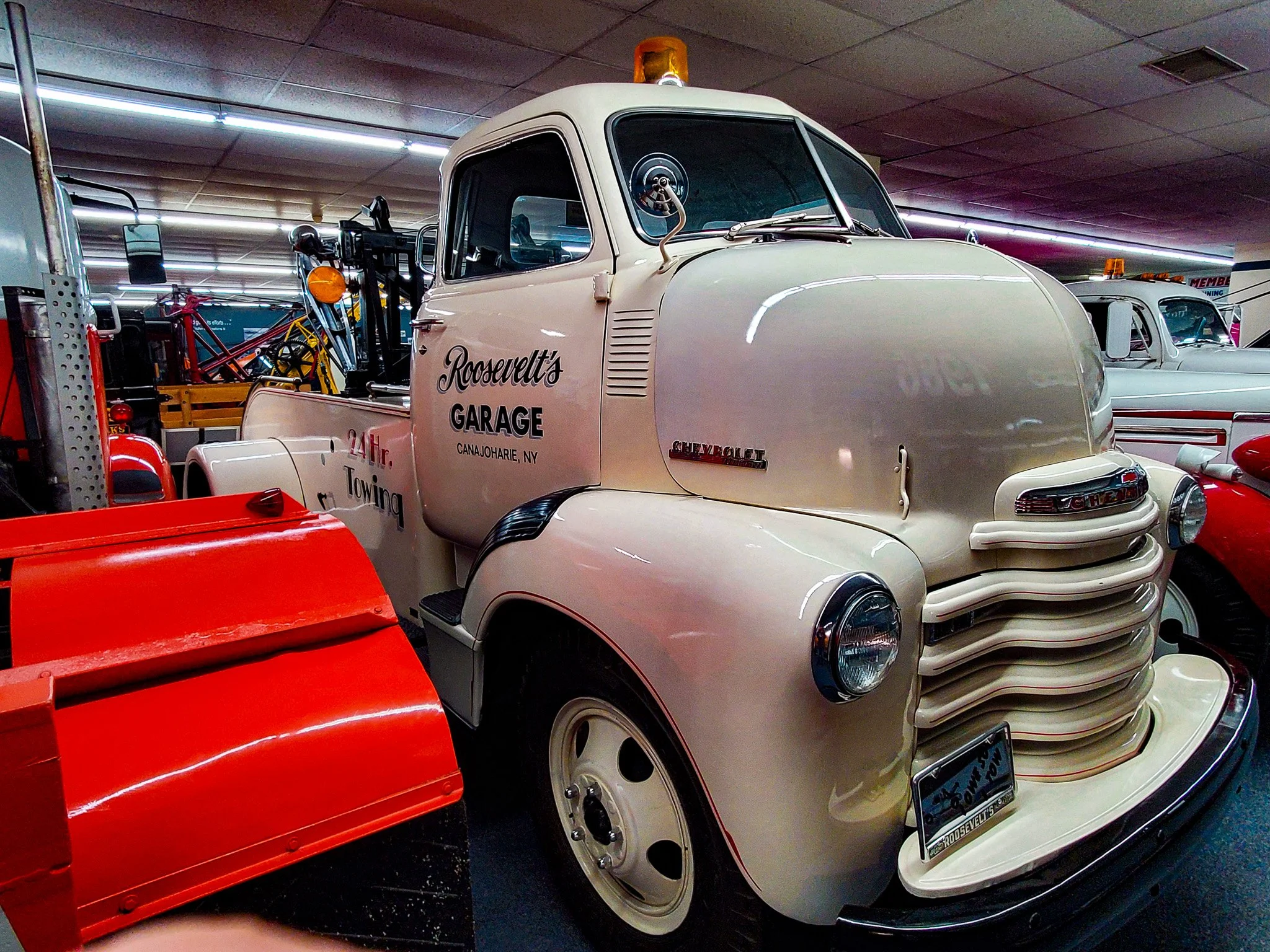
Intl Towing Museum
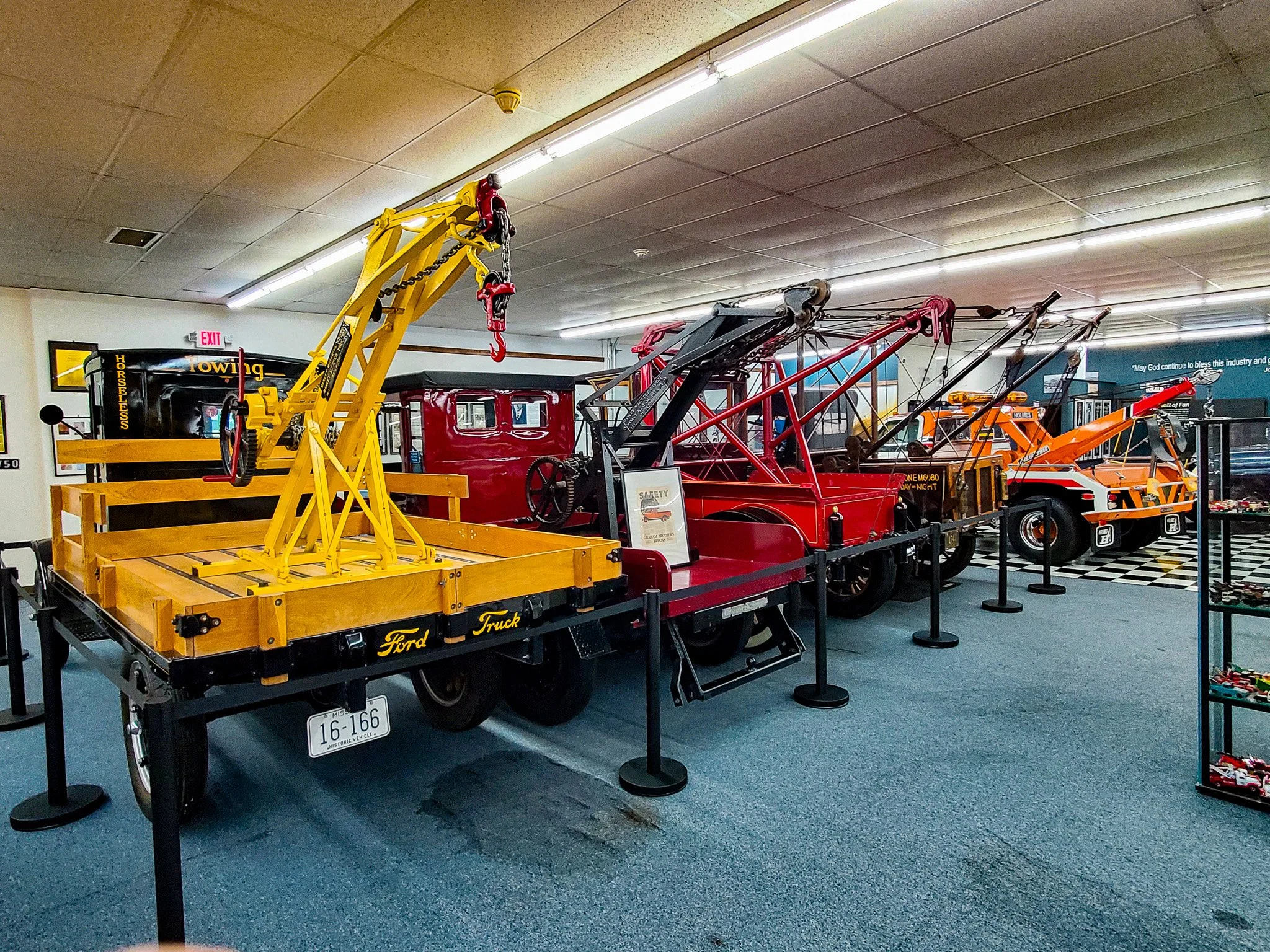
Intl Towing Museum
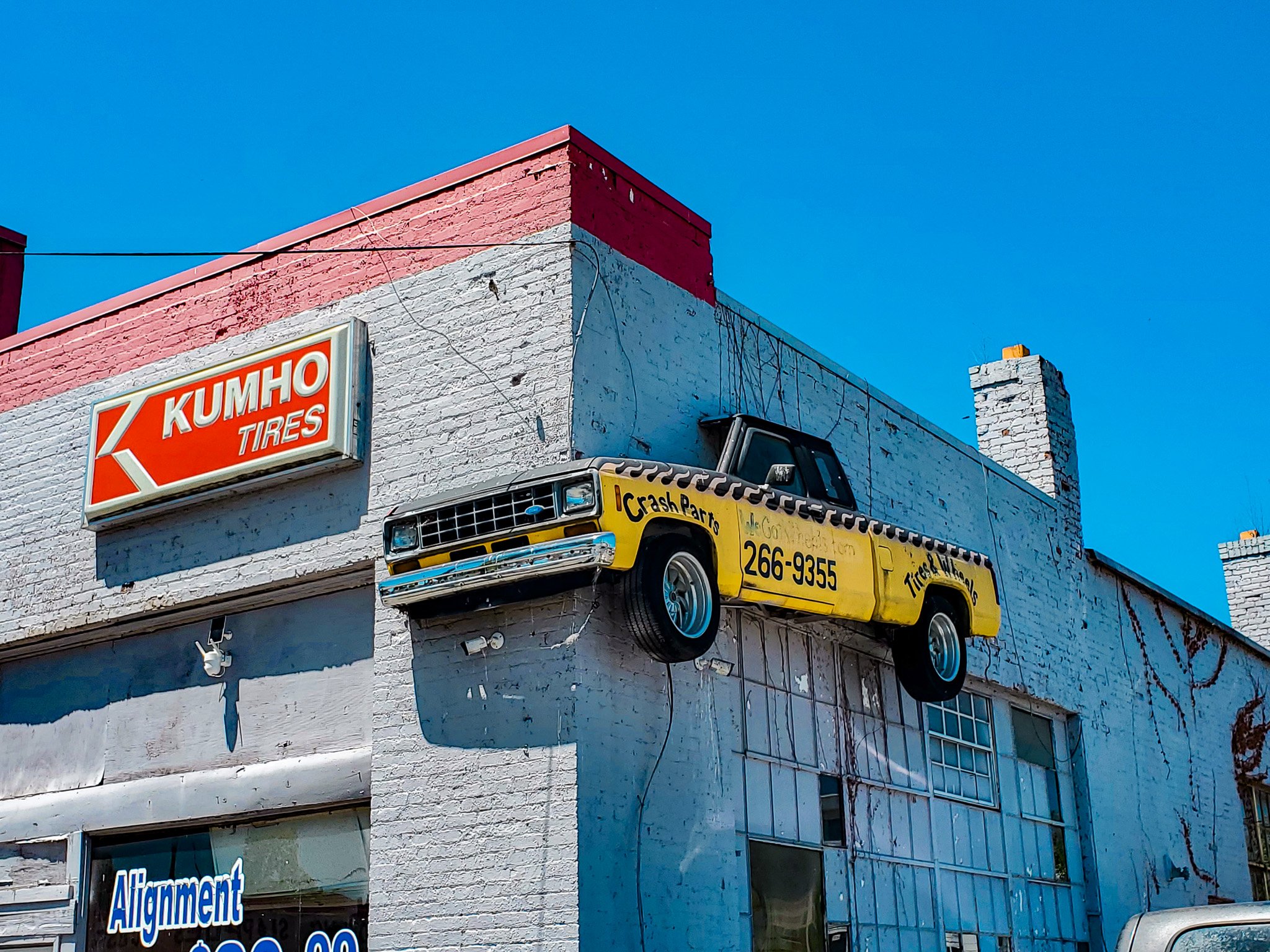
Truck in side of Building
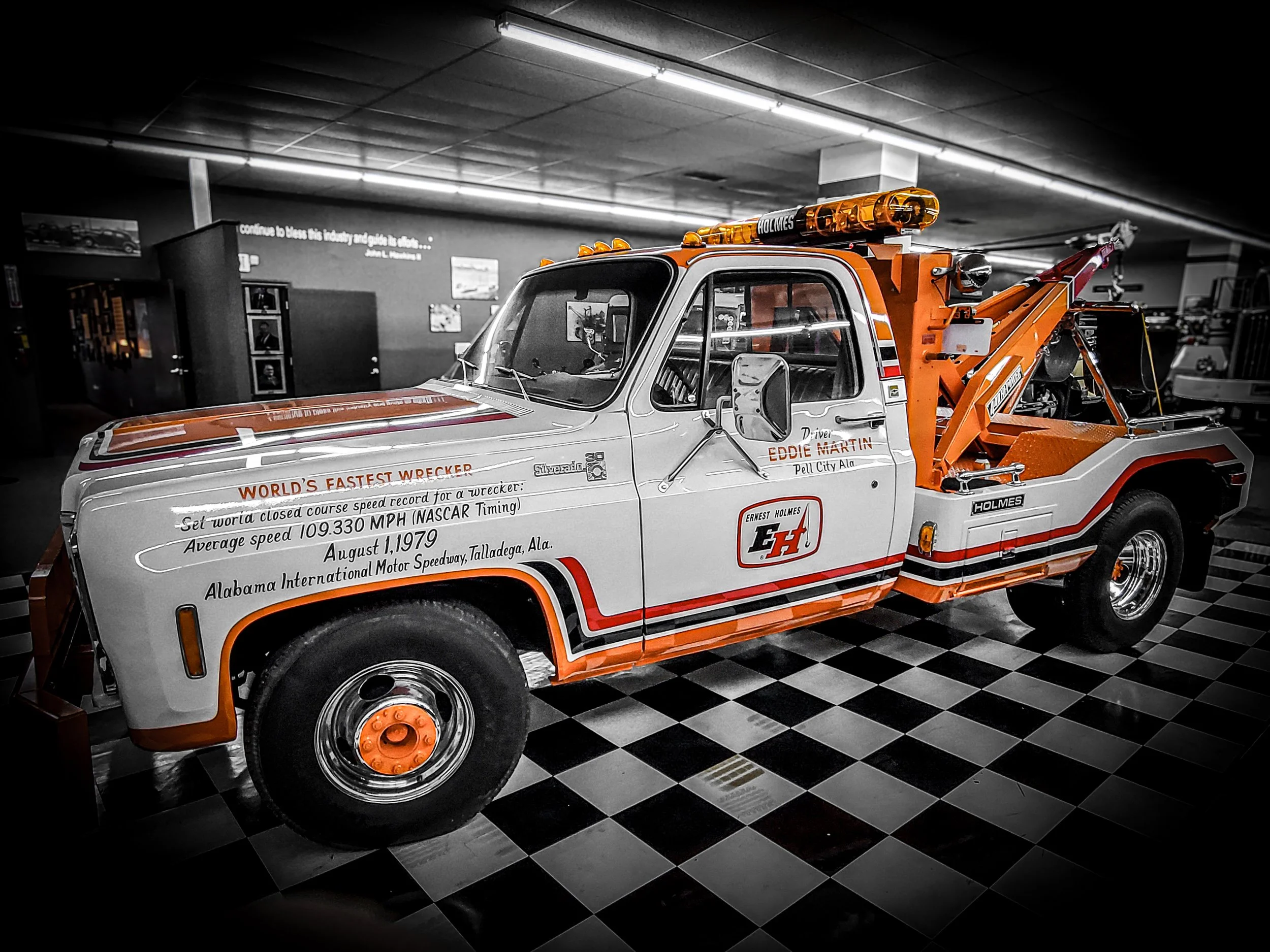
Intl Towing Museum
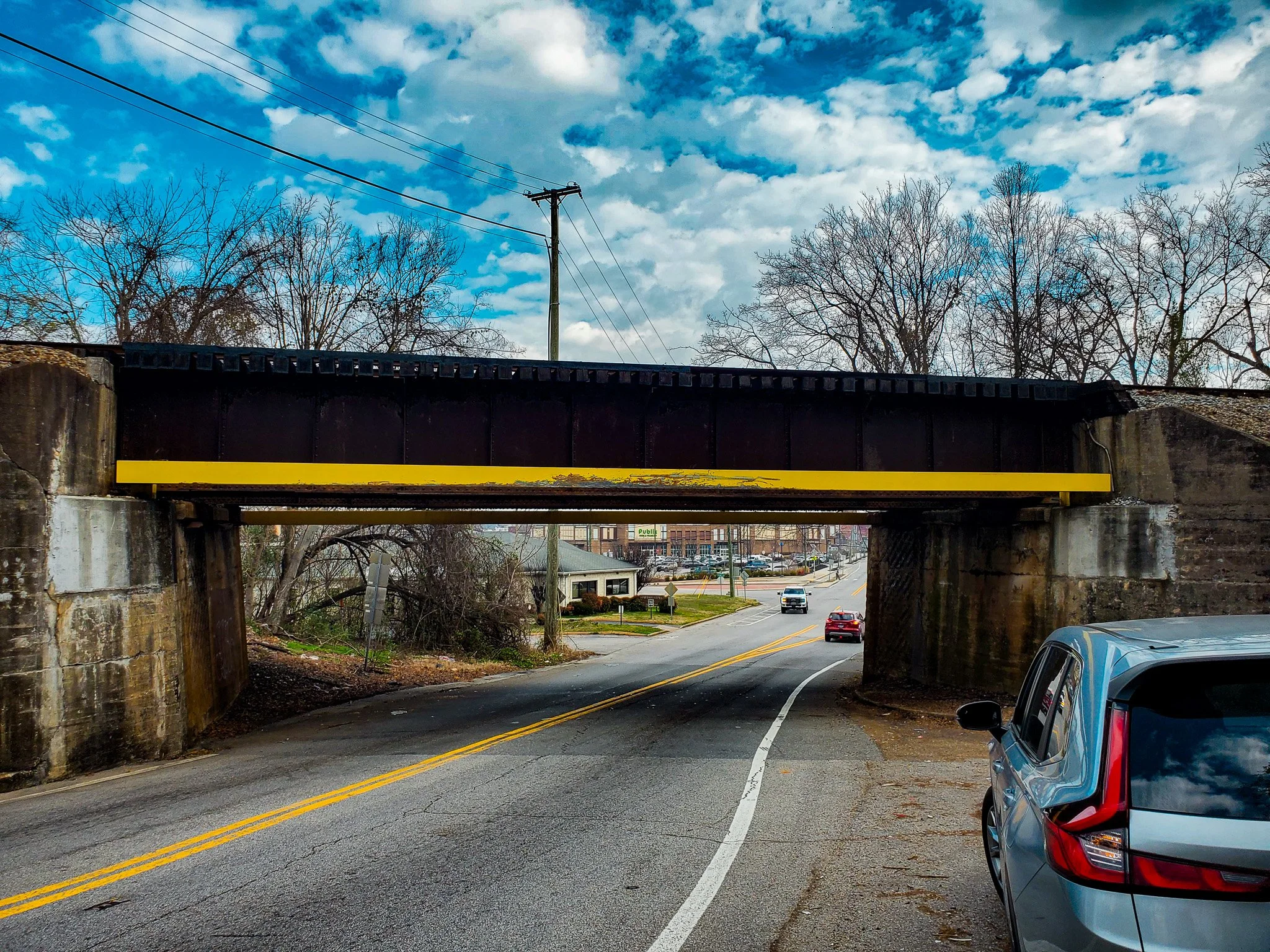
Low Bridge on Route 11
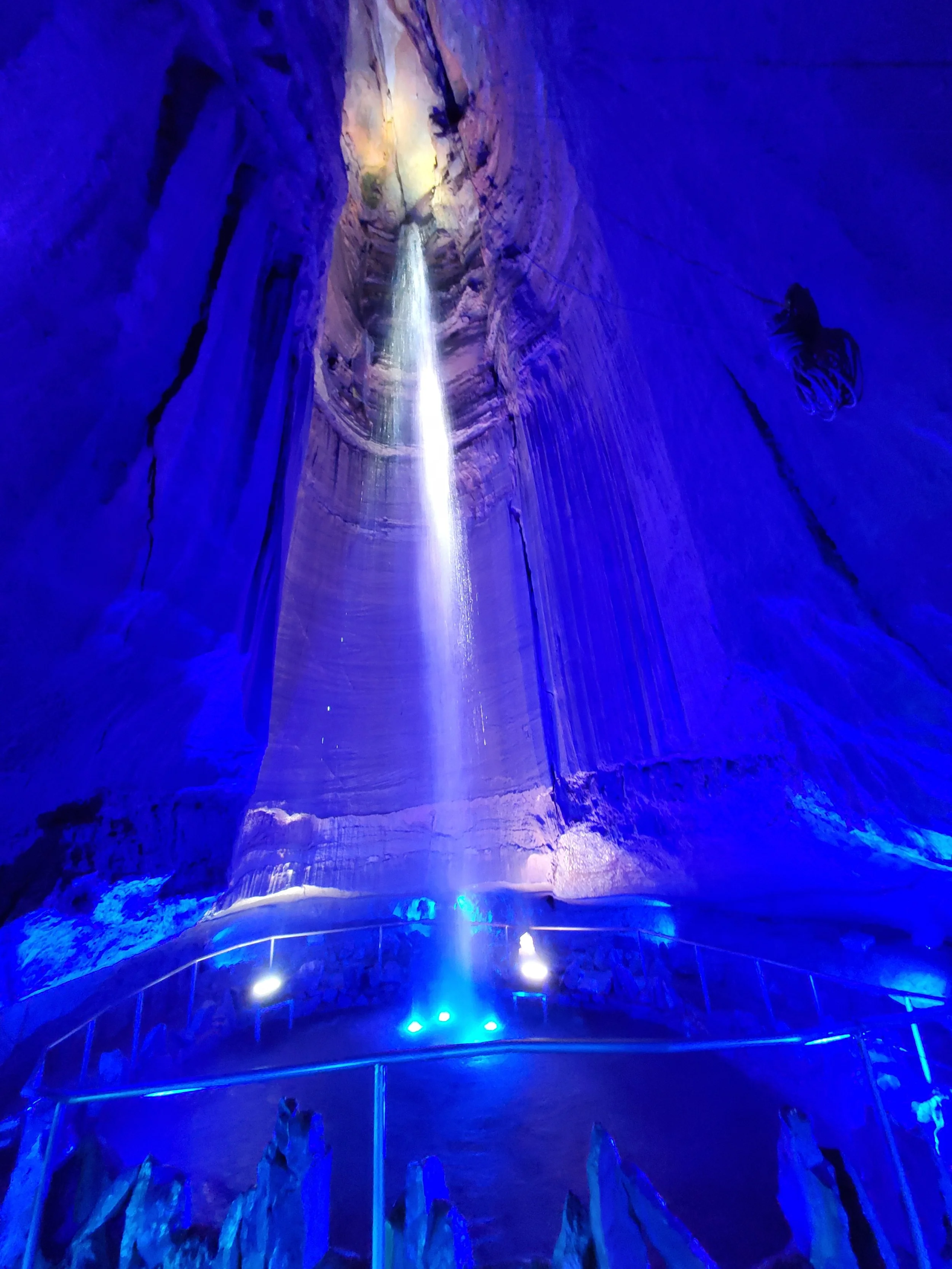
Ruby Falls waterfall
OOLTEWAH
The town’s name originated either from the Cherokee cognate of the Muscogee word “italwa” meaning "Principal ground", or from Creek (Muscogee) words “uwv-tawa” meaning "water town". Locals attribute the name as translated "Owls Nest" or "Owls Roost" from the Creek word “Opv-tawa” (pronounced “Oh-poo-ta-wa”). The historic downtown James County courthouse was built in 1913 and served as the county seat for the short-lived James County, which went bankrupt and was absorbed into Hamilton County in 1919. Although this never happened in east Tennessee, there is a life-sized stagecoach robbery statue at 8018 Co Hwy 1145 in Ooltewah. For a great atmosphere and the best BBQ and ribs since 1946, stop by Couch’s BBQ at 8307 Old Lee Highway.
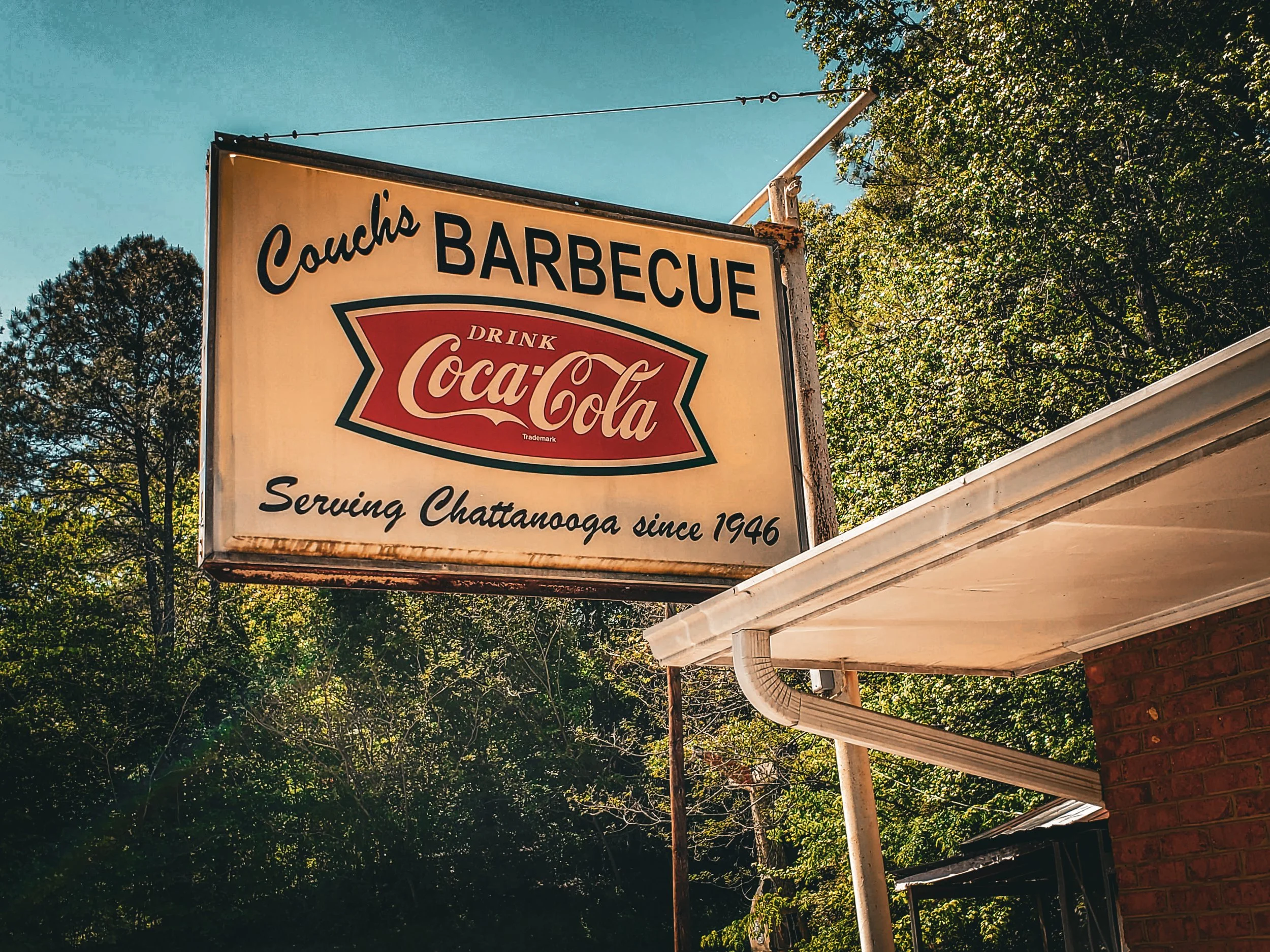
Couch's BBQ
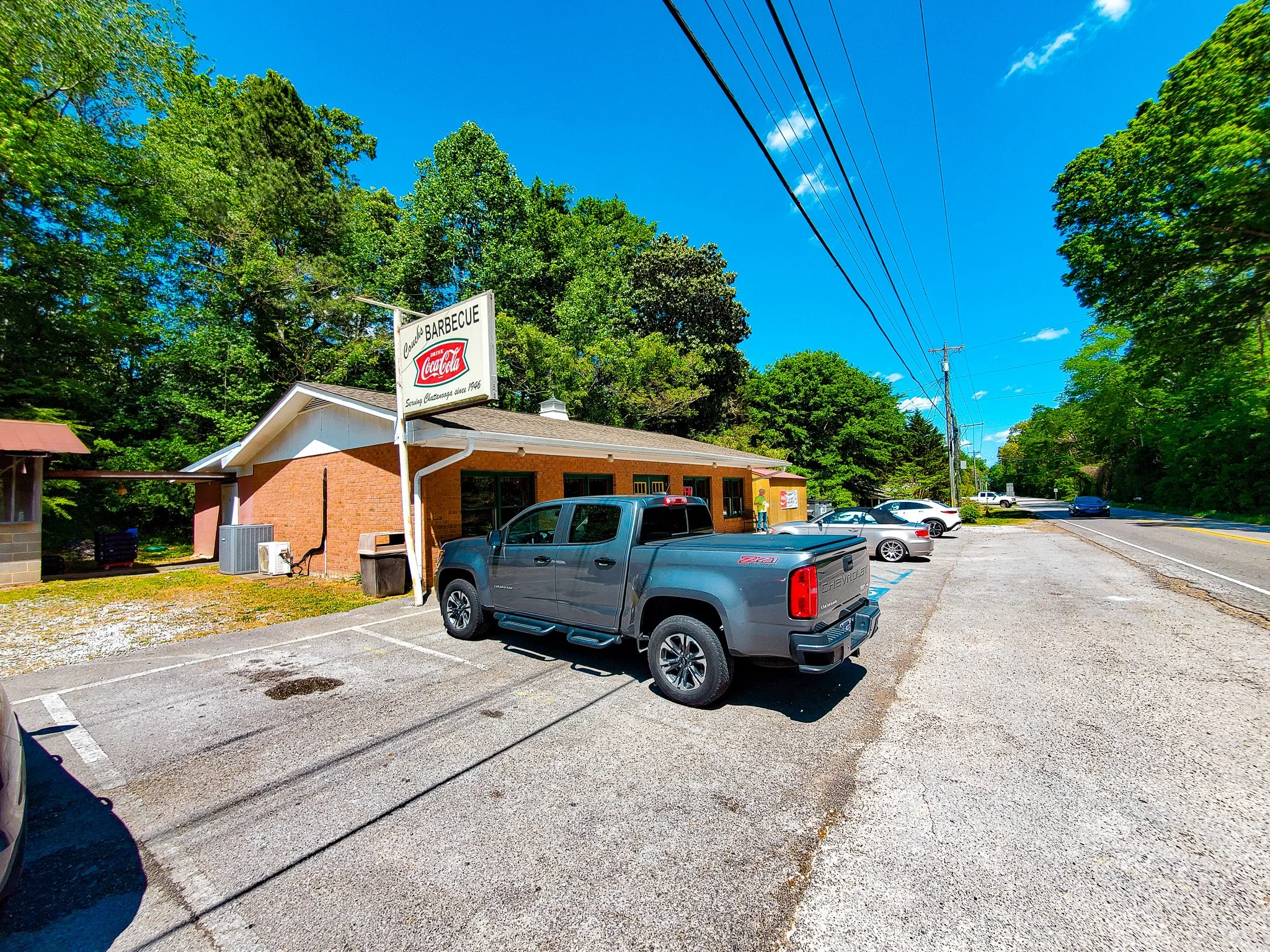
Couch's BBQ
COLLEGEDALE
Founded in 1916 as the site of Southern Adventist University, McKee Foods produces Little Debbie snacks here, commemorated at Little Debbie Park at 4698 Swinyar Drive.
MCDONALD
The town was named after John McDonald, an early Scottish settler in the late 18th century who was influential among the Cherokee people of the region. The area was popular for its many mineral springs from the 1880’s to 1930’s, and Bendabout Farms and Polo Club is located there today.
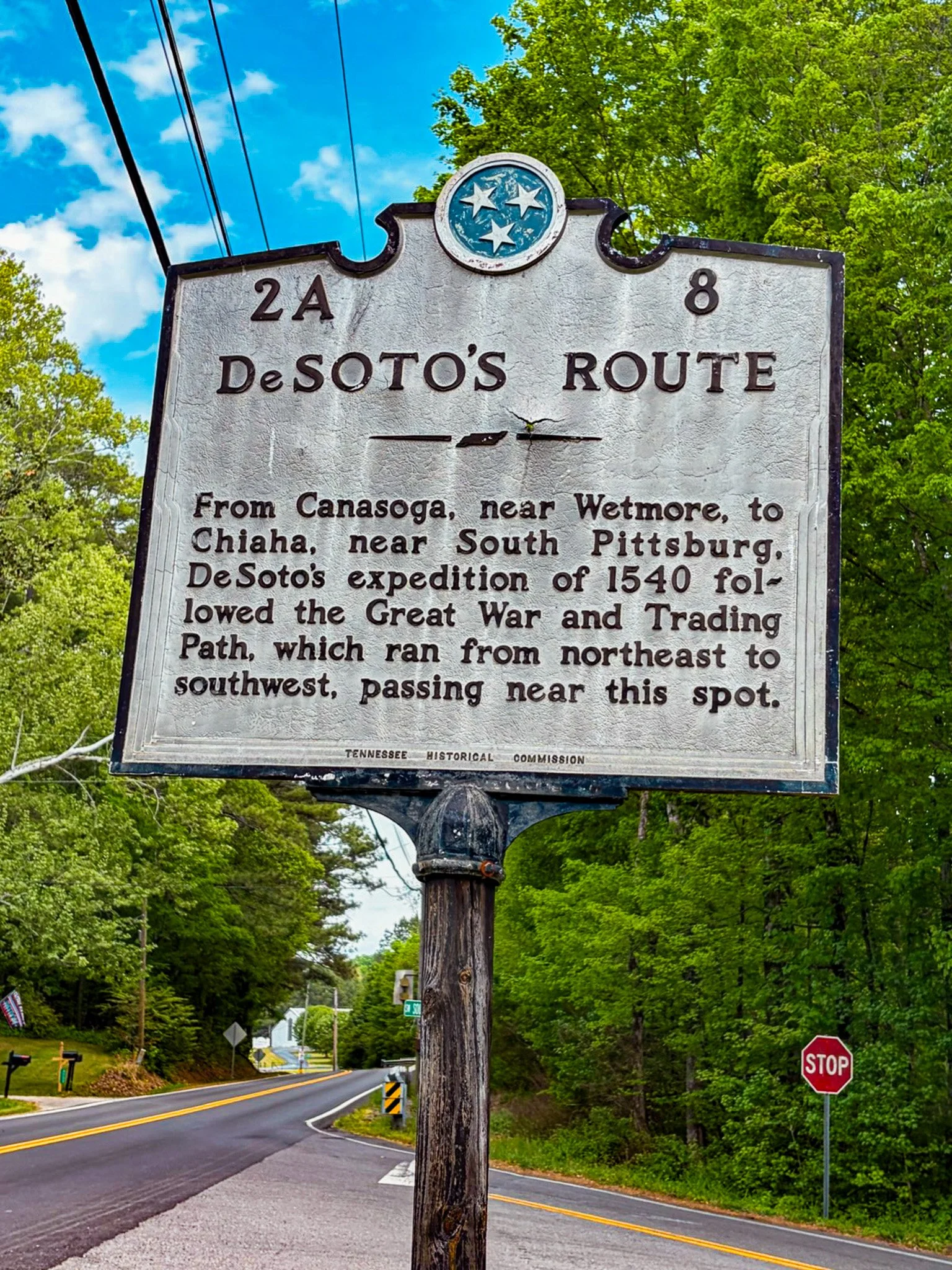
DeSoto's Route Marker
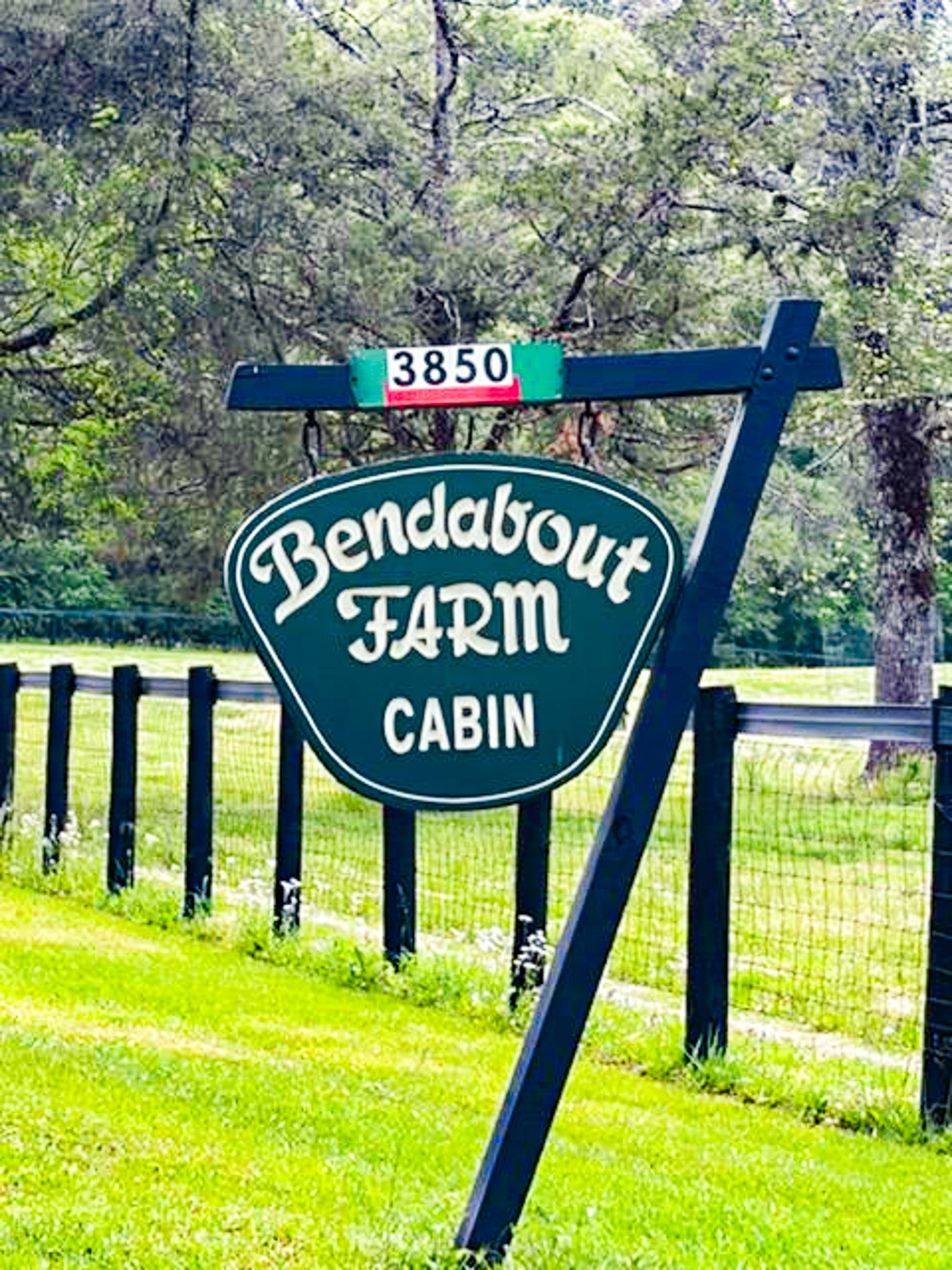
Bendabout Farm
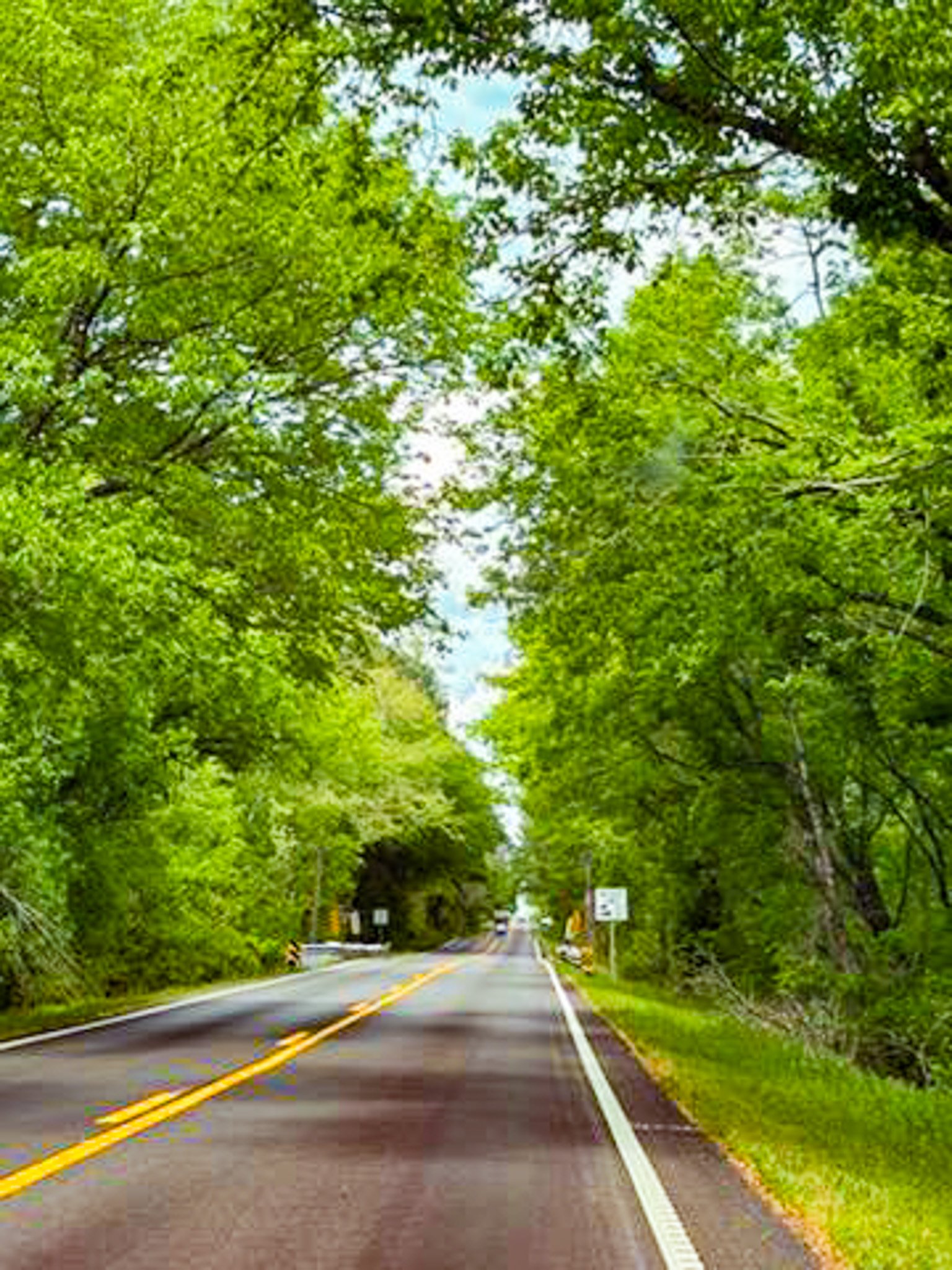
Roadway through McDonald
CLEVELAND
The town was named after Colonel Benjamin Cleveland, a commander at the Battle of King's Mountain in North Carolina during the American Revolution. Copper was discovered in 1843 with mining activity until 1987. The Ducktown-Basin and Ducktown Basin Museum are located about 45 minutes southeast of Cleveland (in Ducktown) and preserves the history of copper mining in the area. In Cleveland, the Museum at 5ive Points features exhibits of local history of the Cherokee and the American Revolution. The Red Clay State Historic Park, 20 minutes south of Cleveland, preserves the last capital of the Cherokee Nation before the Trail of Tears with replicas of Cherokee buildings, hiking trails, and the sacred Blue Hole Spring. The Hair Conrad (“Tekahsheh”) cabin was built in 1804 by a prominent Cherokee leader whose father was Harrison Conrad, a white man, and mother was Onai, a Cherokee woman. Hair Conrad led the first detachment of Cherokee people from the area to Indian Territory in 1838. The Rebel Drive In restaurant on US 11 in town has a great neon sign and serves classic American comfort food. The Exhaust Parts Man at 230 Inman St W is worth a quick stop as is the Tow Mater Truck and vintage signage at the corner of Lois Street SE and Johnson Blvd SE.
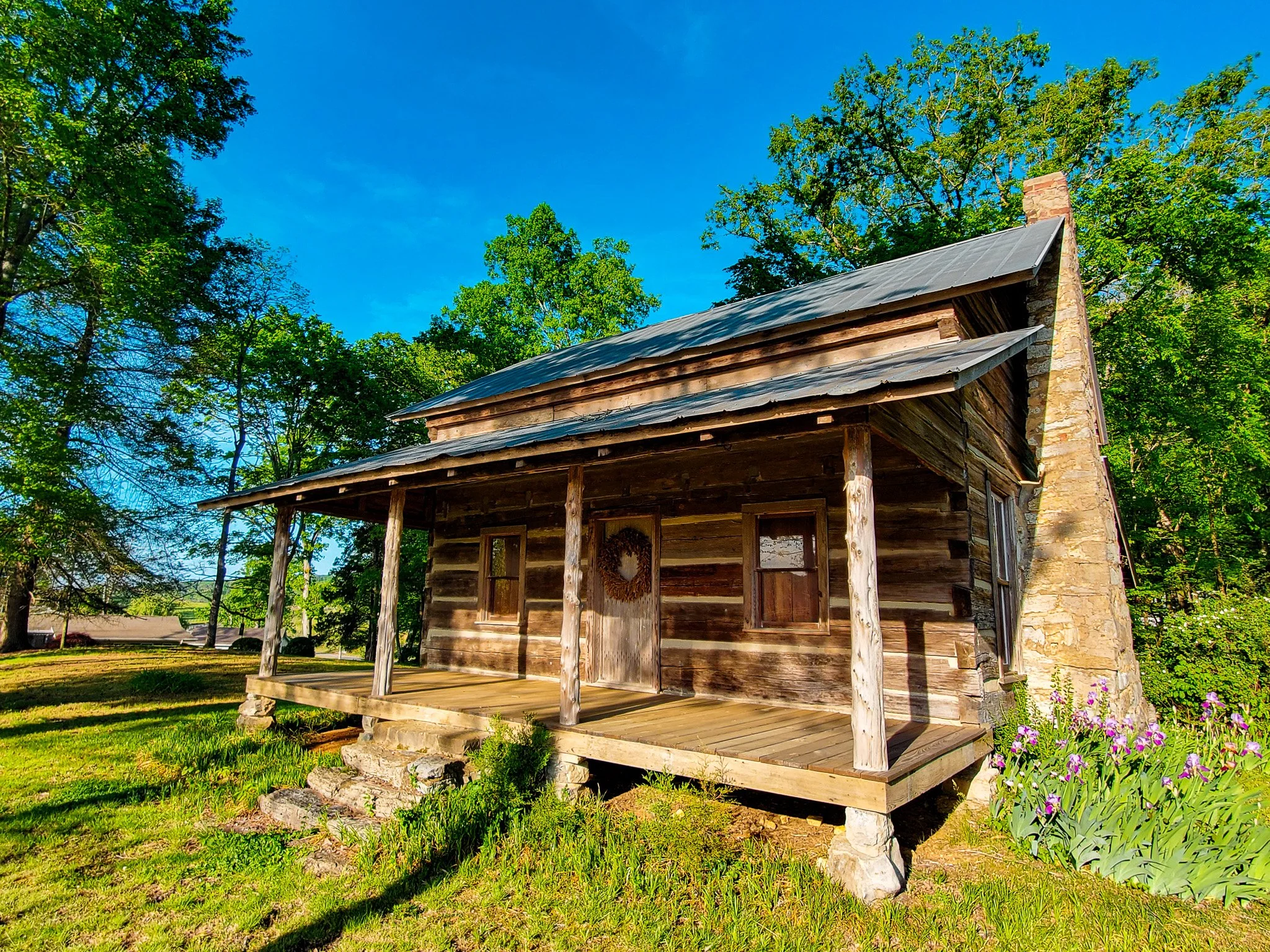
Hair Conrad Cabin
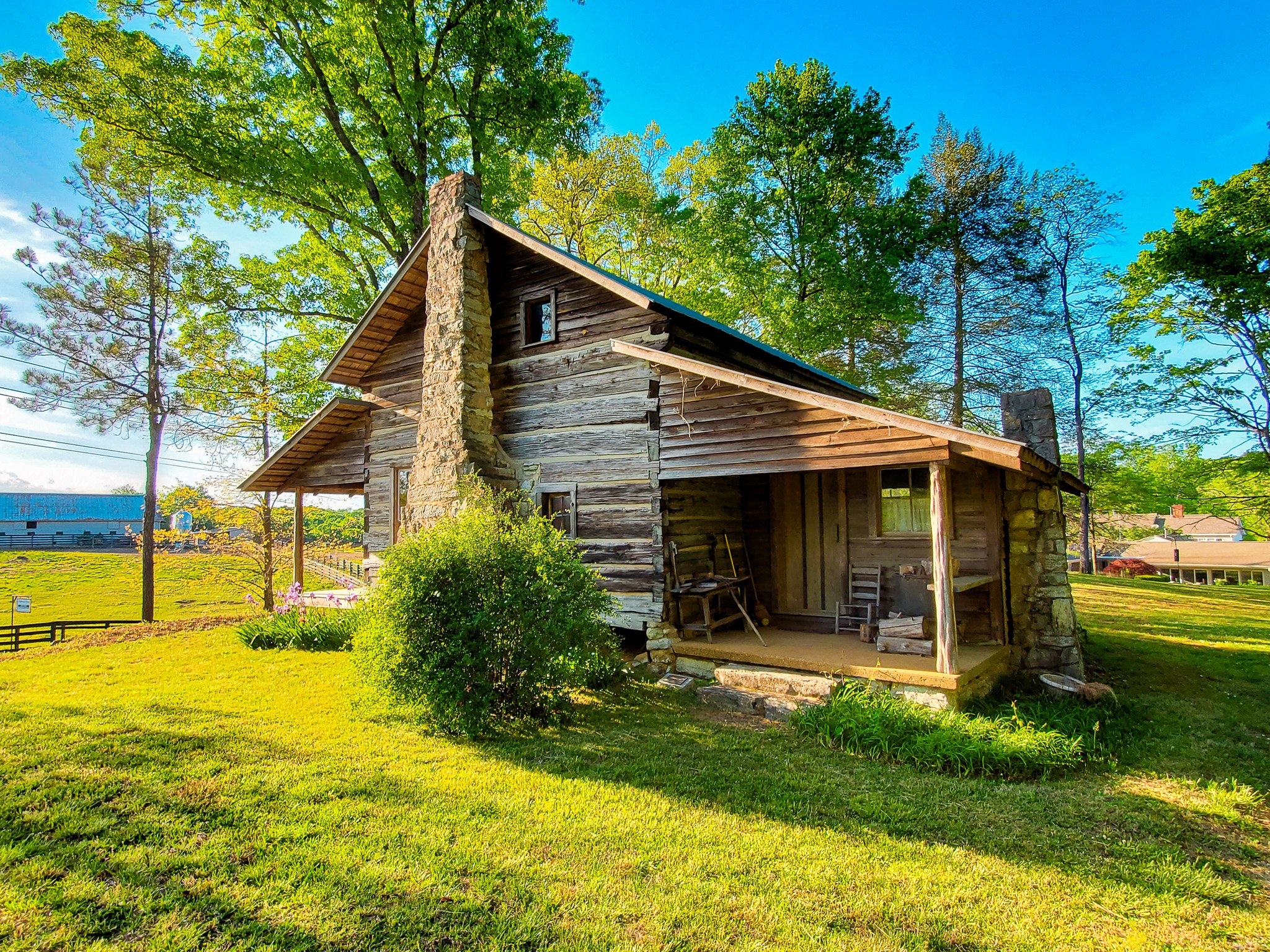
Hair Conrad Cabin
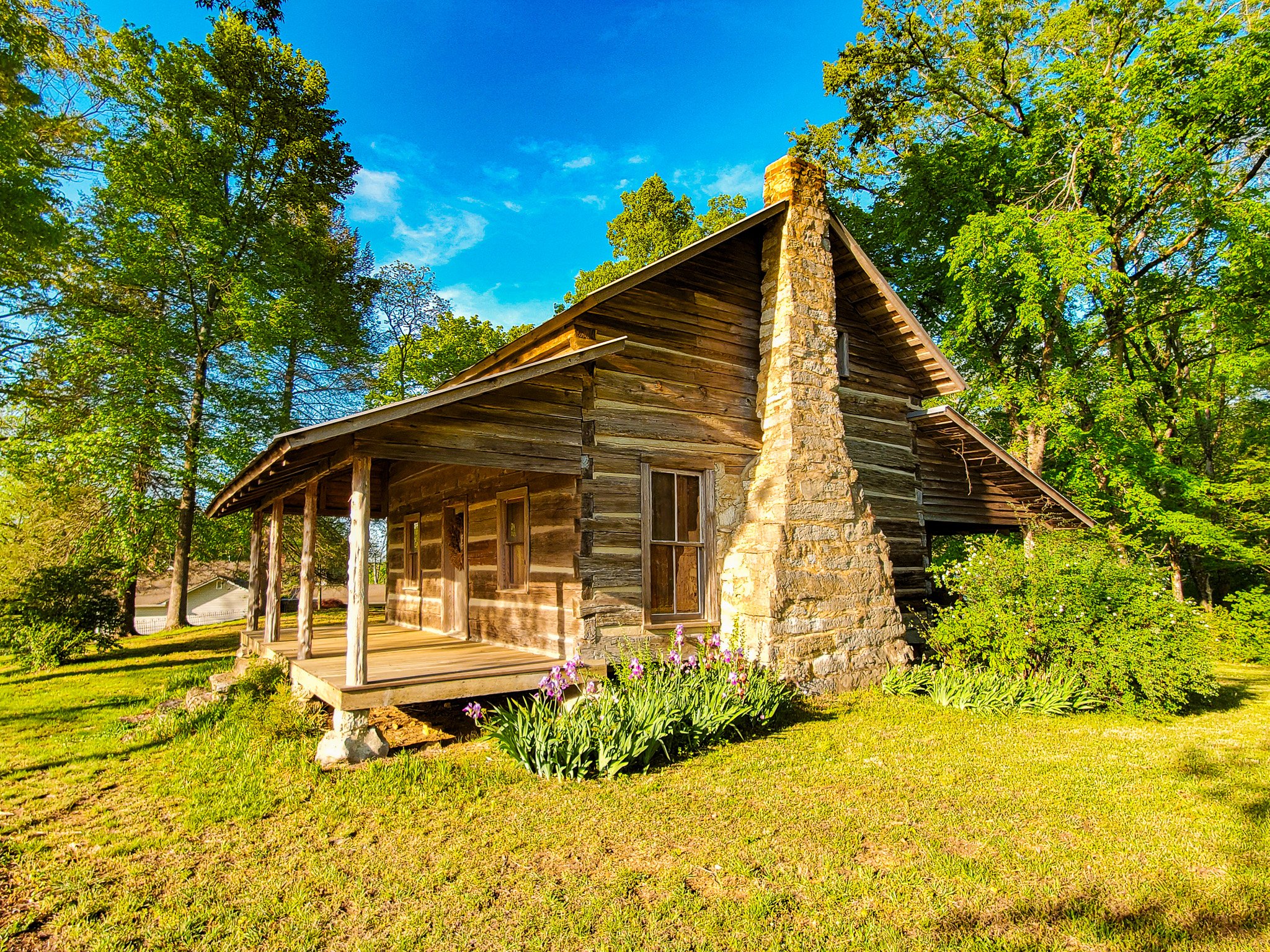
Hair Conrad Cabin
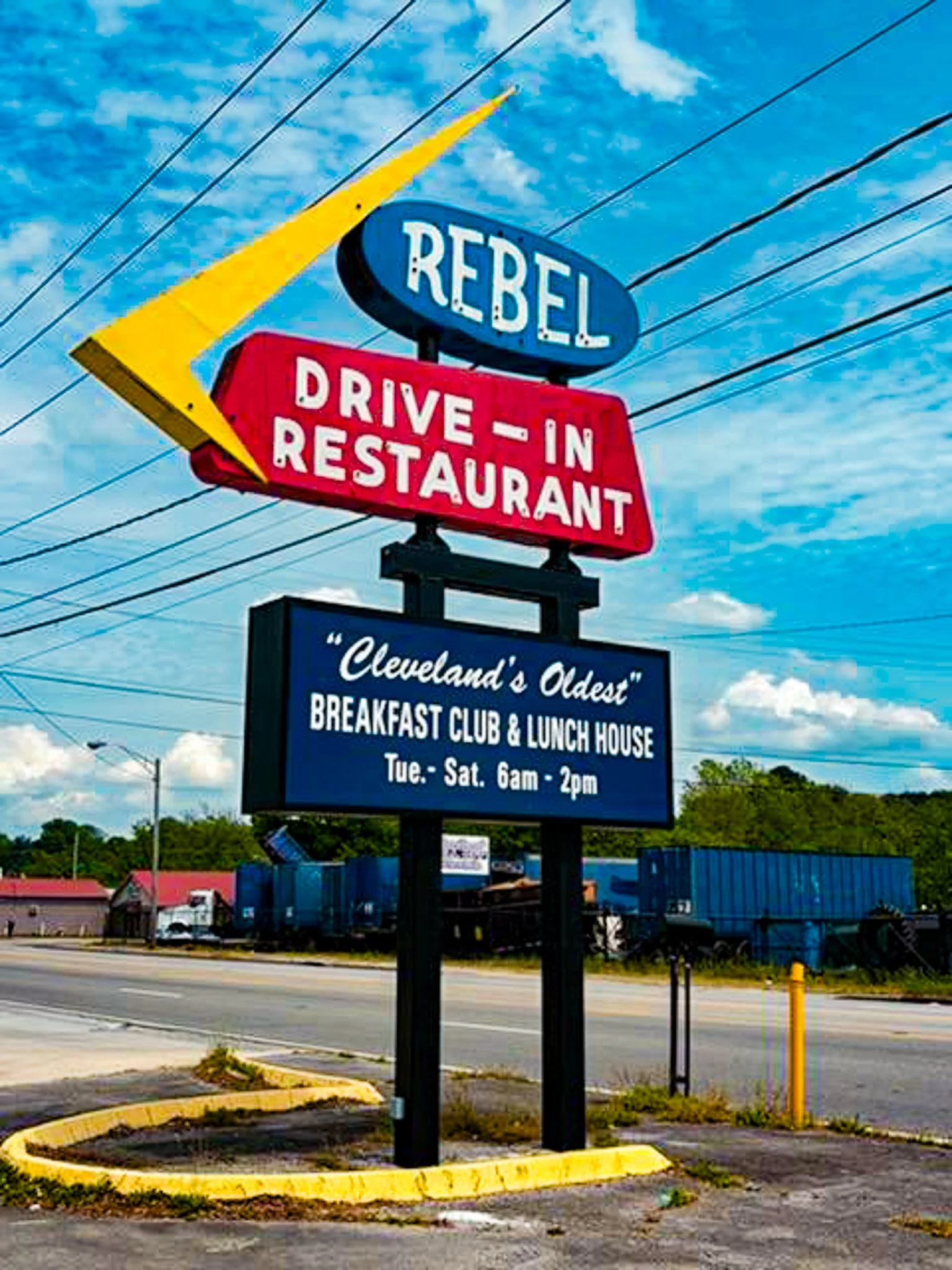
Rebel Drive-In Restaurant
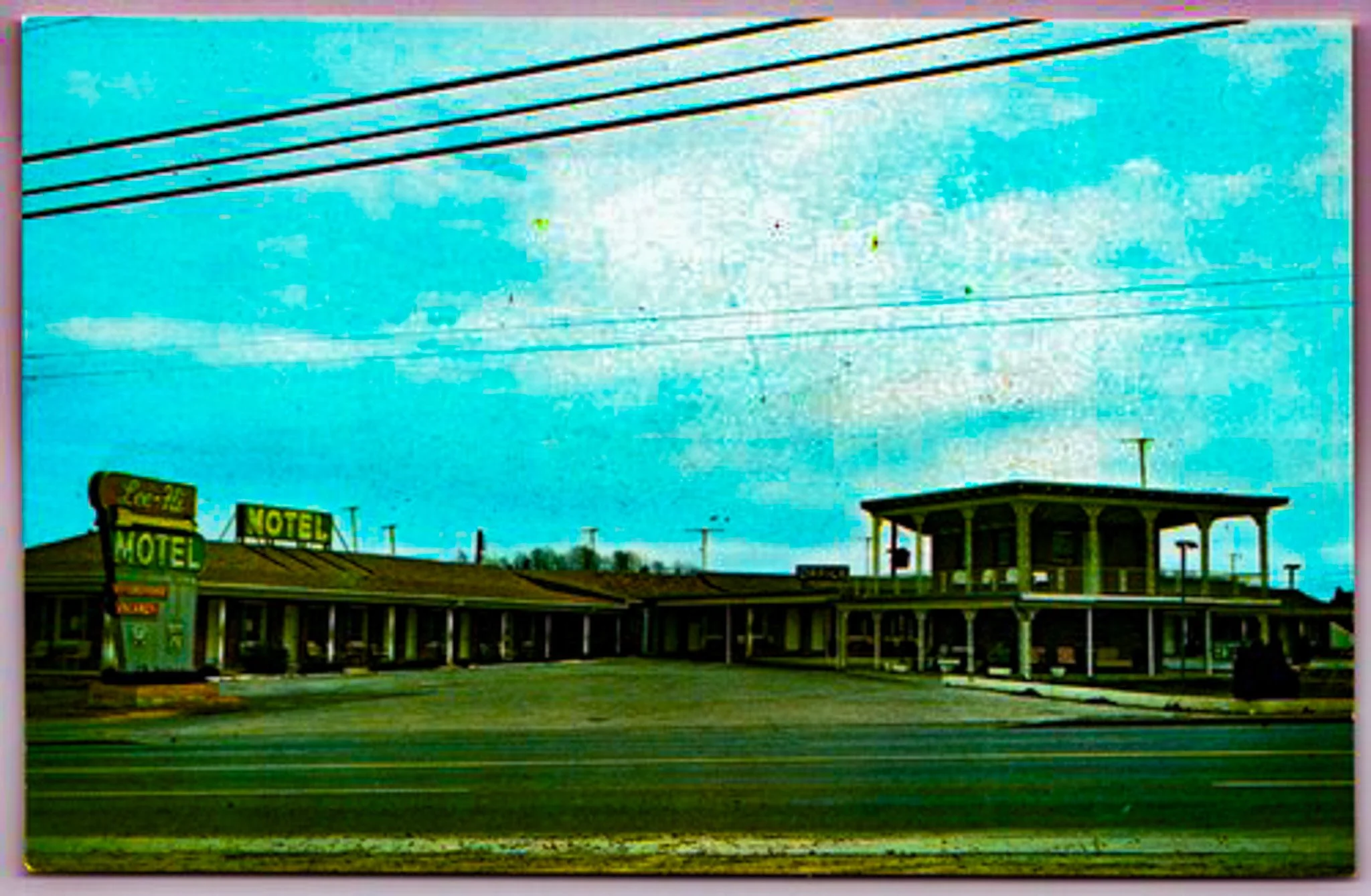
Lee Hi Motel Postcard
CHARLESTON / CALHOUN
In the early 1800’s, Calhoun on the north side of the Hiwassee River was in the United States and Charleston on the south side was called Walker’s Ferry and was a thriving Cherokee community with missions, farmlands, stores and families. The last federal Cherokee Indian Agency was located here, and from 1820-1834 provided protection for the Cherokee people (akin to a present-day embassy). In 1835, the Agency area became Fort Cass, the military operational headquarters for the entire Cherokee Removal. Approximately 9000 Cherokee, 600 Creek, and 300 slaves were forcibly gathered here and in 1838, forced to leave their eastern homeland on what is now known as the Trail of Tears.
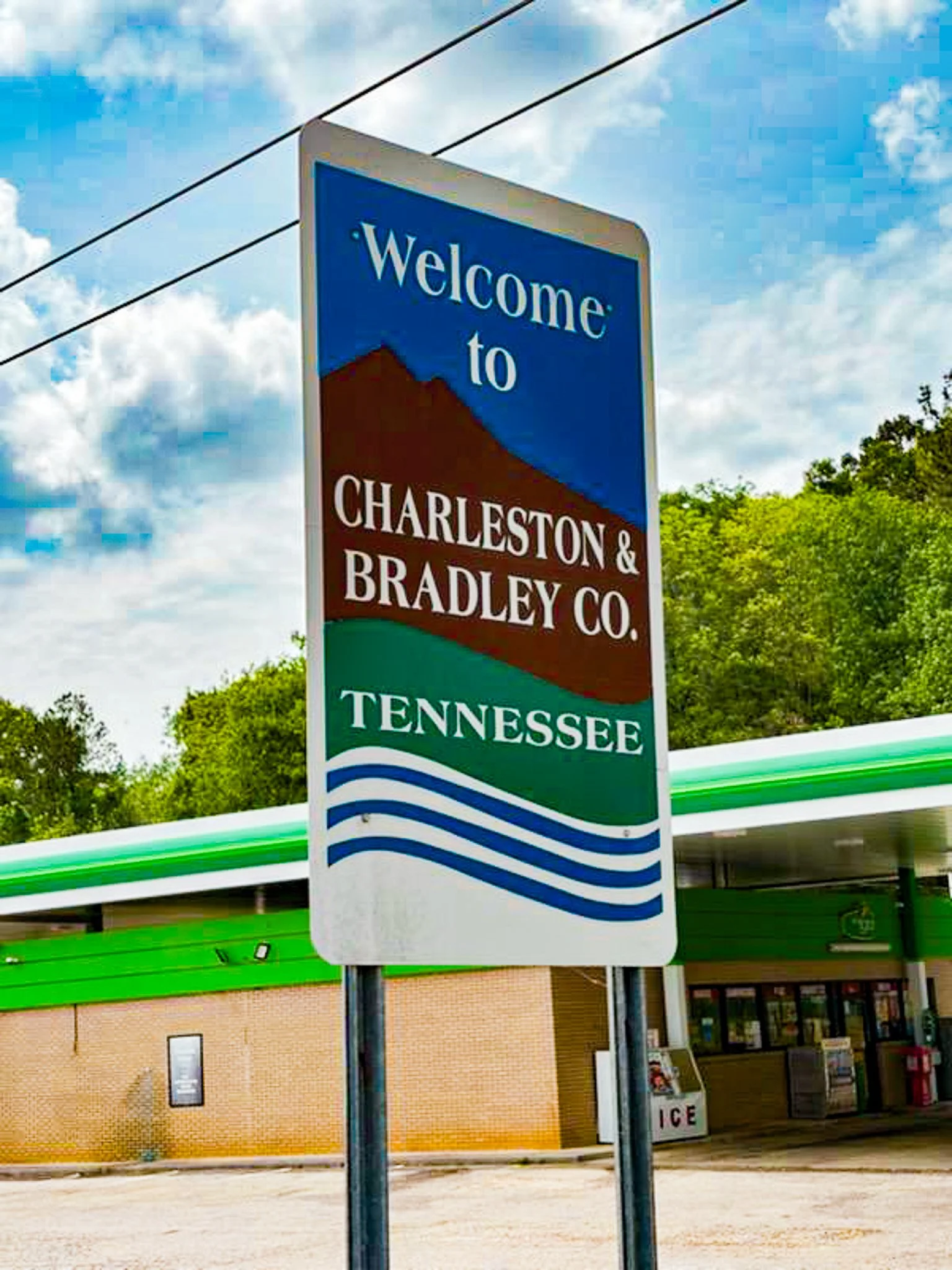
Welcome to Charleston Sign
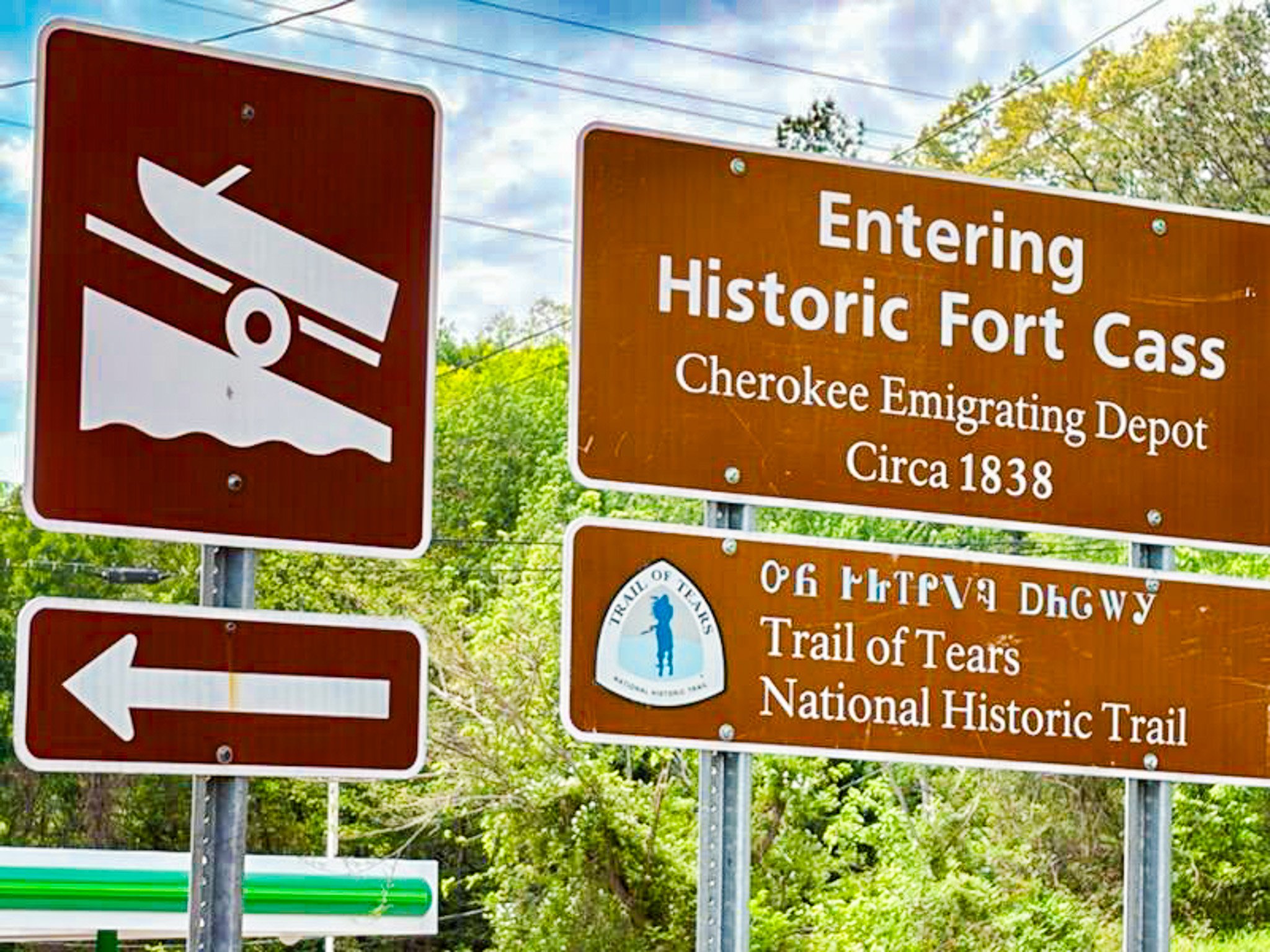
Historic Fort Cass
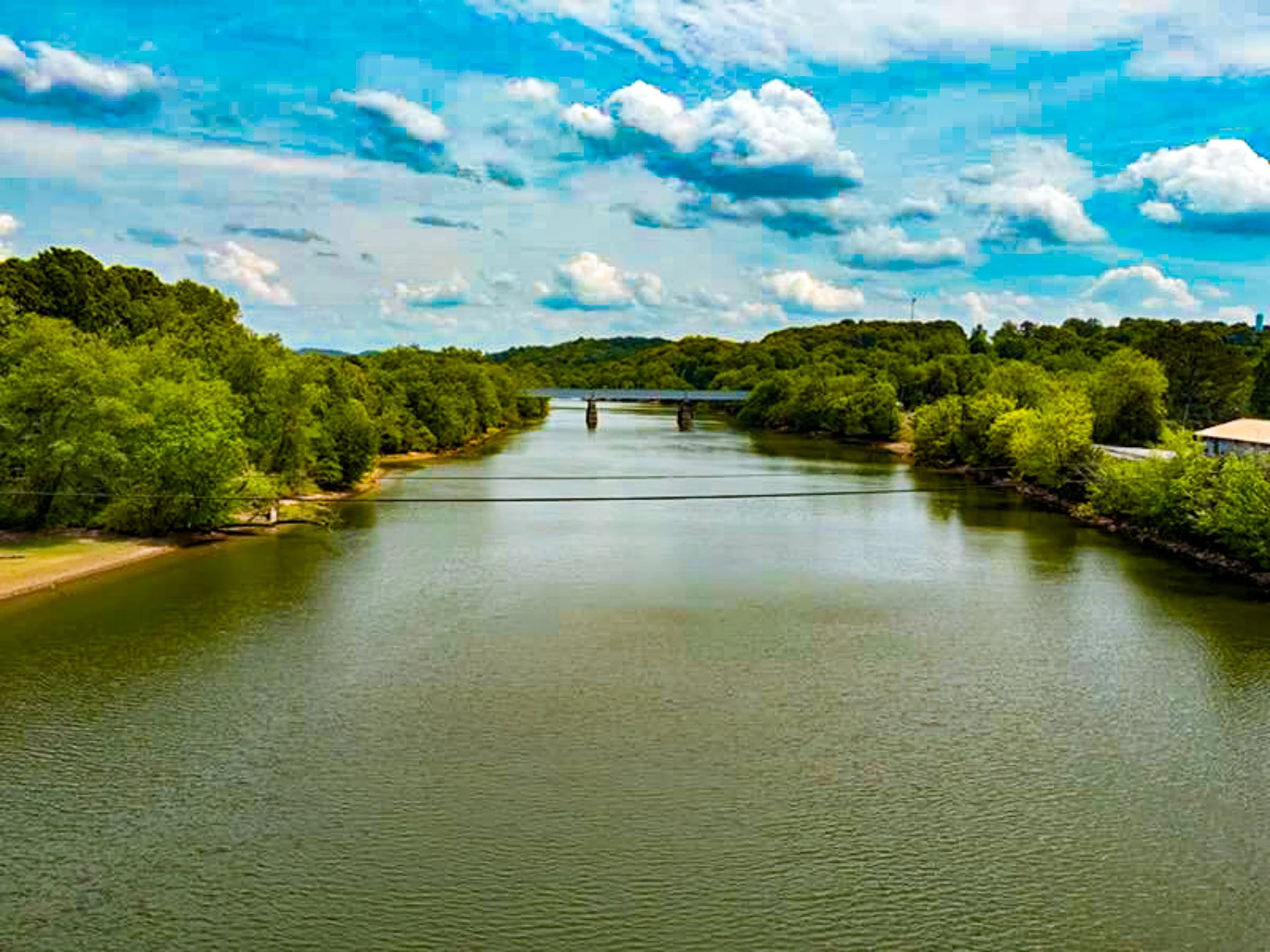
Hiwasee River
CALHOUN
Named for John C Calhoun, the Secretary of War under President James Monroe (and later Vice-President under John Q. Adams and Andrew Jackson).
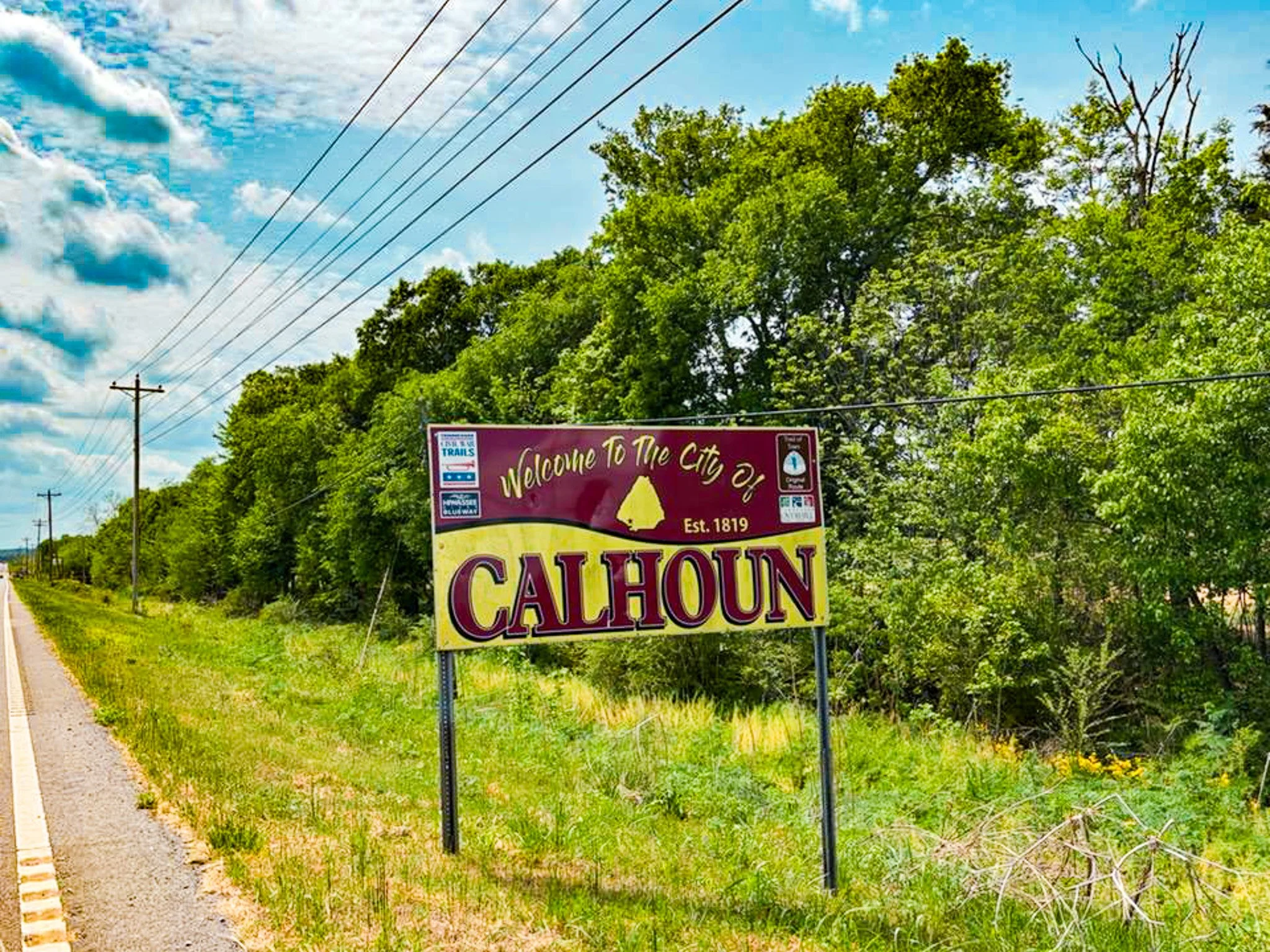
Welcome to Calhoun Sign
ATHENS
The town was named after the city in Greece. A citizen rebellion (which included WWII veterans) against the corrupt local government resulted in the “Battle of Athens” on August 1 and 2, 1946 after local officials were accused of predatory policing, police brutality, political corruption, and voter intimidation. The Samuel Clege house on US 11 was built in 1826 and is one of the best preserved high Federal style structures in the state. Tennessee Wesleyan University is located in Athens (on campus are statues of Nocatula and Connestoga, two doomed Indian lovers) and tours of the Mayfield Ice Cream Dairy plant and viewing large cows are an option at 4 Mayfield Lane.
NIOTA
Originally called Mouse Creek, its name was changed to Niota in 1897. Niota was a fictional Native American chief (“Nee-o-tah”) in a dime novel. The Niota depot which now serves as City Hall was built in 1854 for the East Tennessee and Georgia Railroad and is the oldest standing depot in Tennessee. Niota was home to Harry T Burn, the youngest member of the Tennessee General Assembly when he was elected in 1918 at the age of 22. At the behest of his mother who penned a letter to him urging him to “be a good boy”, he cast the deciding vote in 1920 to ratify the 19th Amendment to the US Constitution.
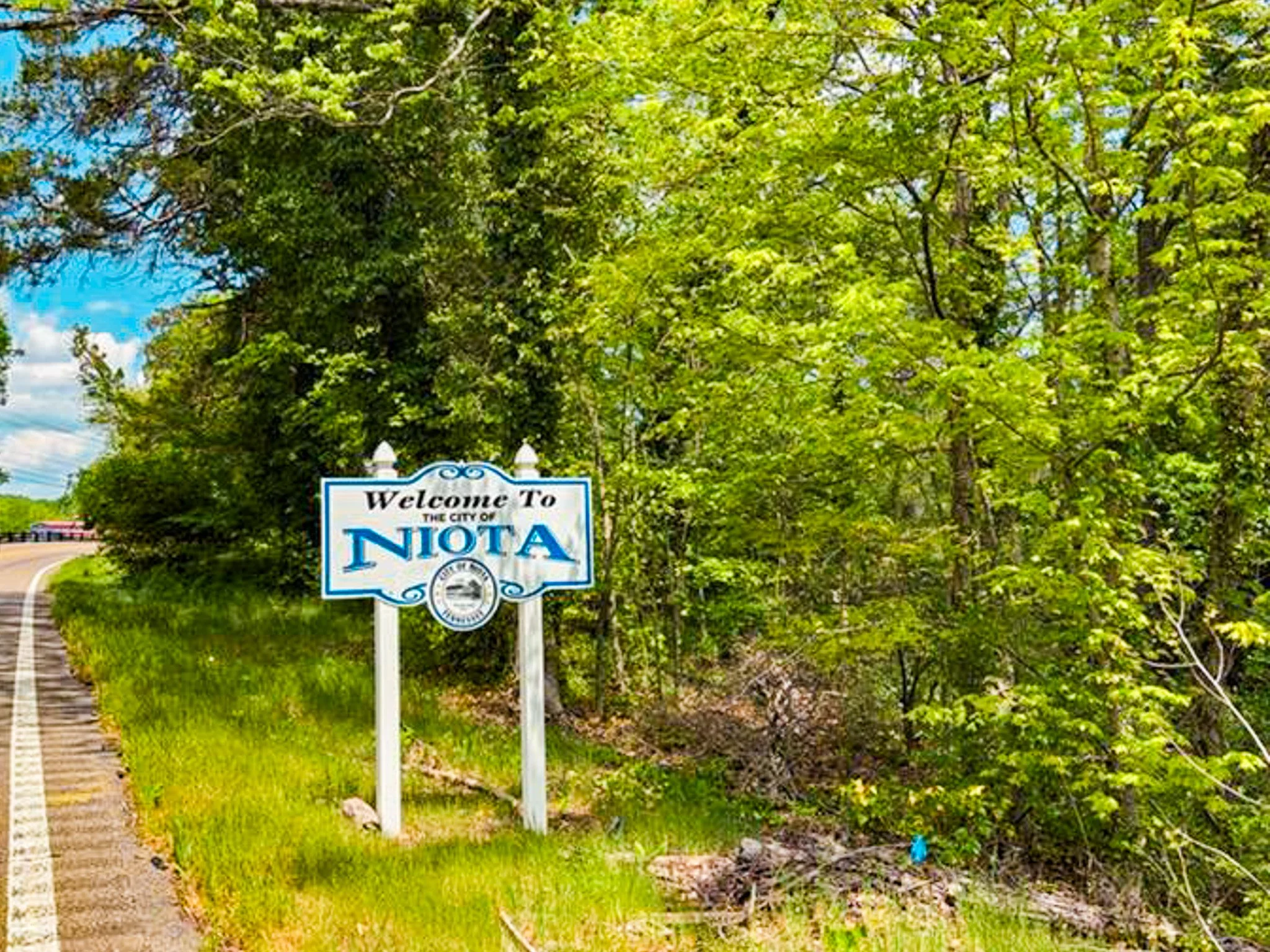
Welcome to Niota Sign
SWEETWATER
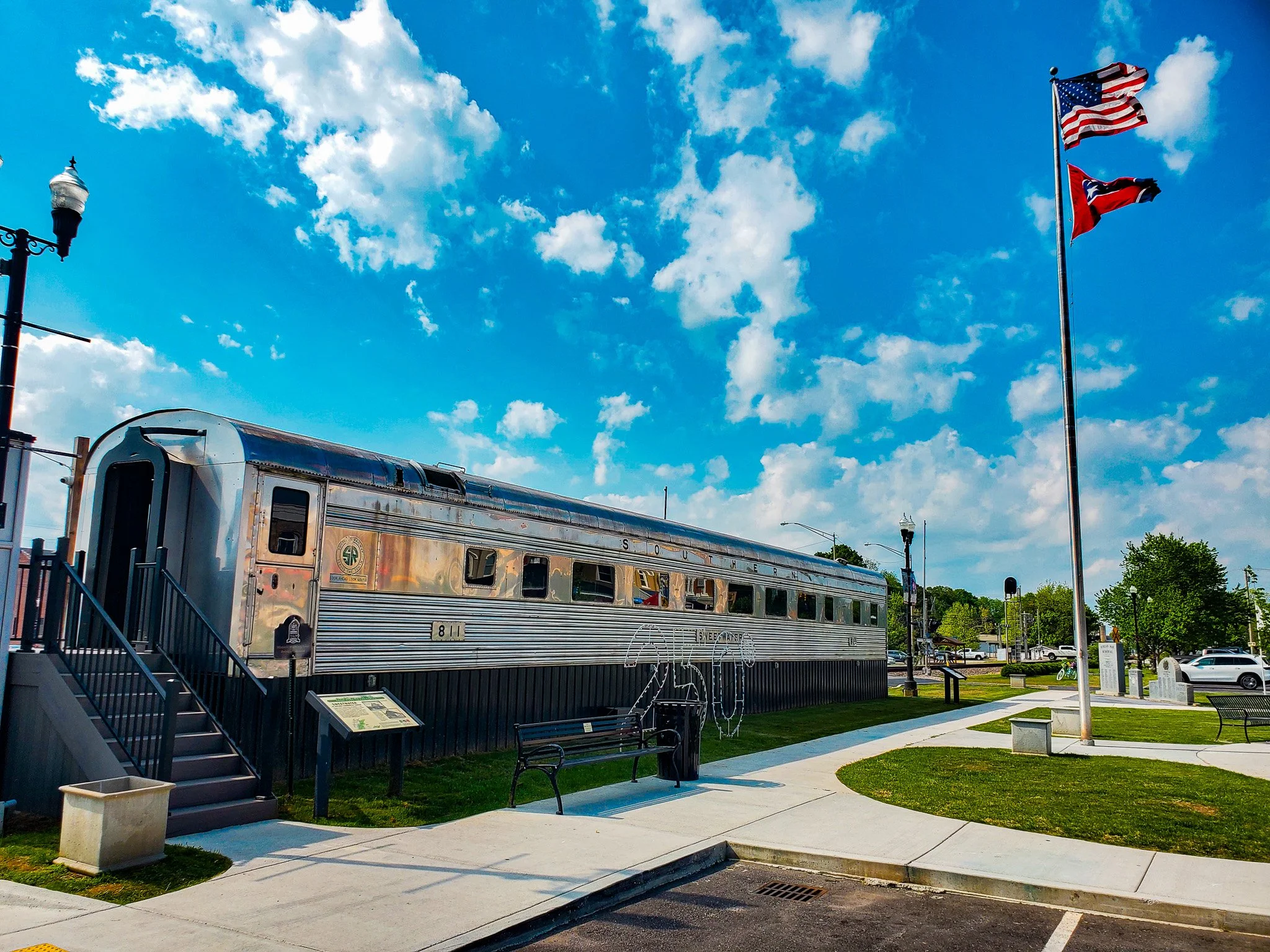
Sweetwater is home to the Lost Sea Adventure which features a guided tour of Craighead Caverns (discovered in 1905) and a boat ride on America’s largest underground lake. Other local attractions include the Sweetwater Visitor’s Center and Depot and the Sweetwater Heritage Museum. The Sequoyah Birthplace Museum is in Vonore TN which is 24 minutes away.
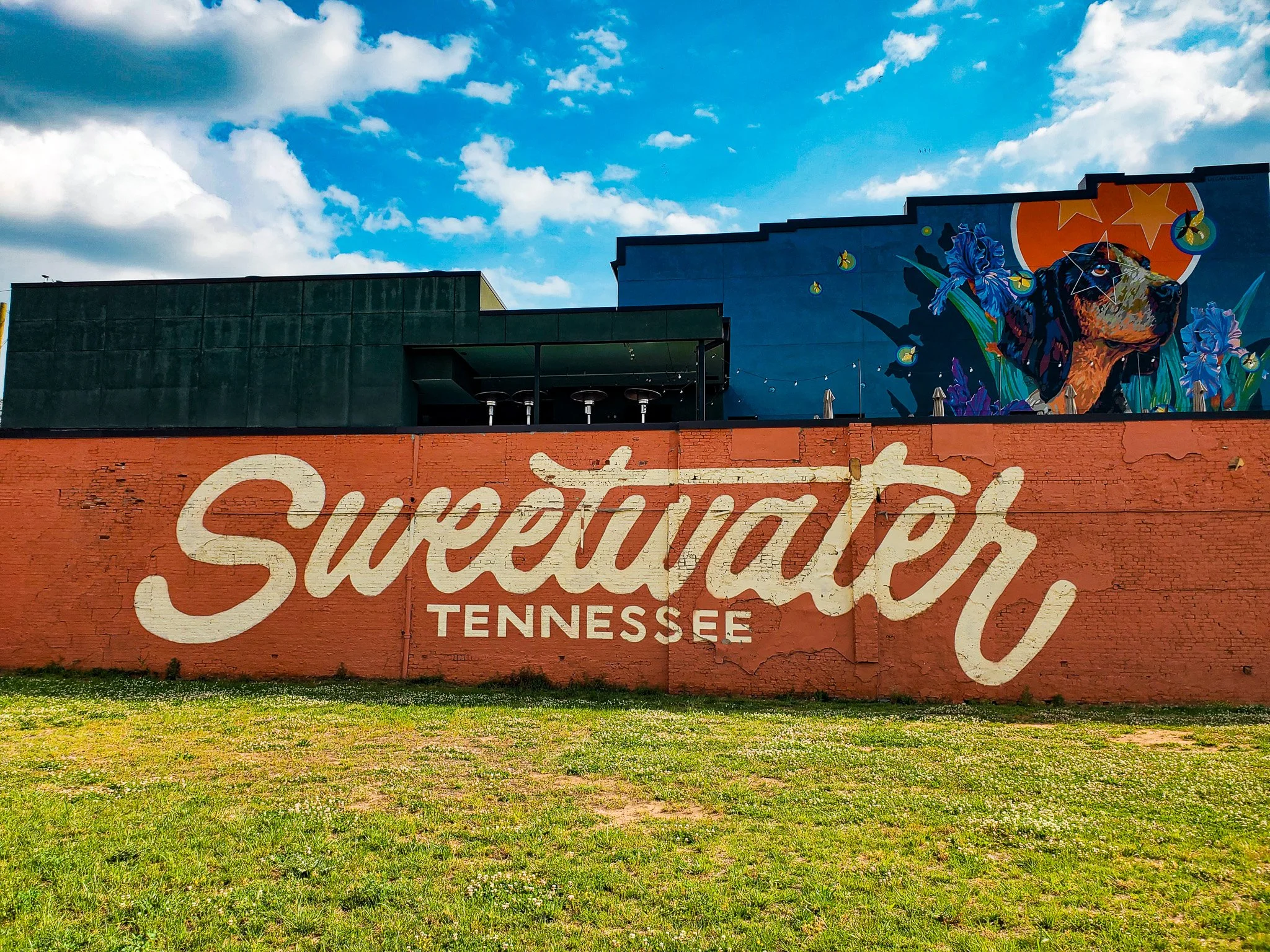
Sweetwater Mural
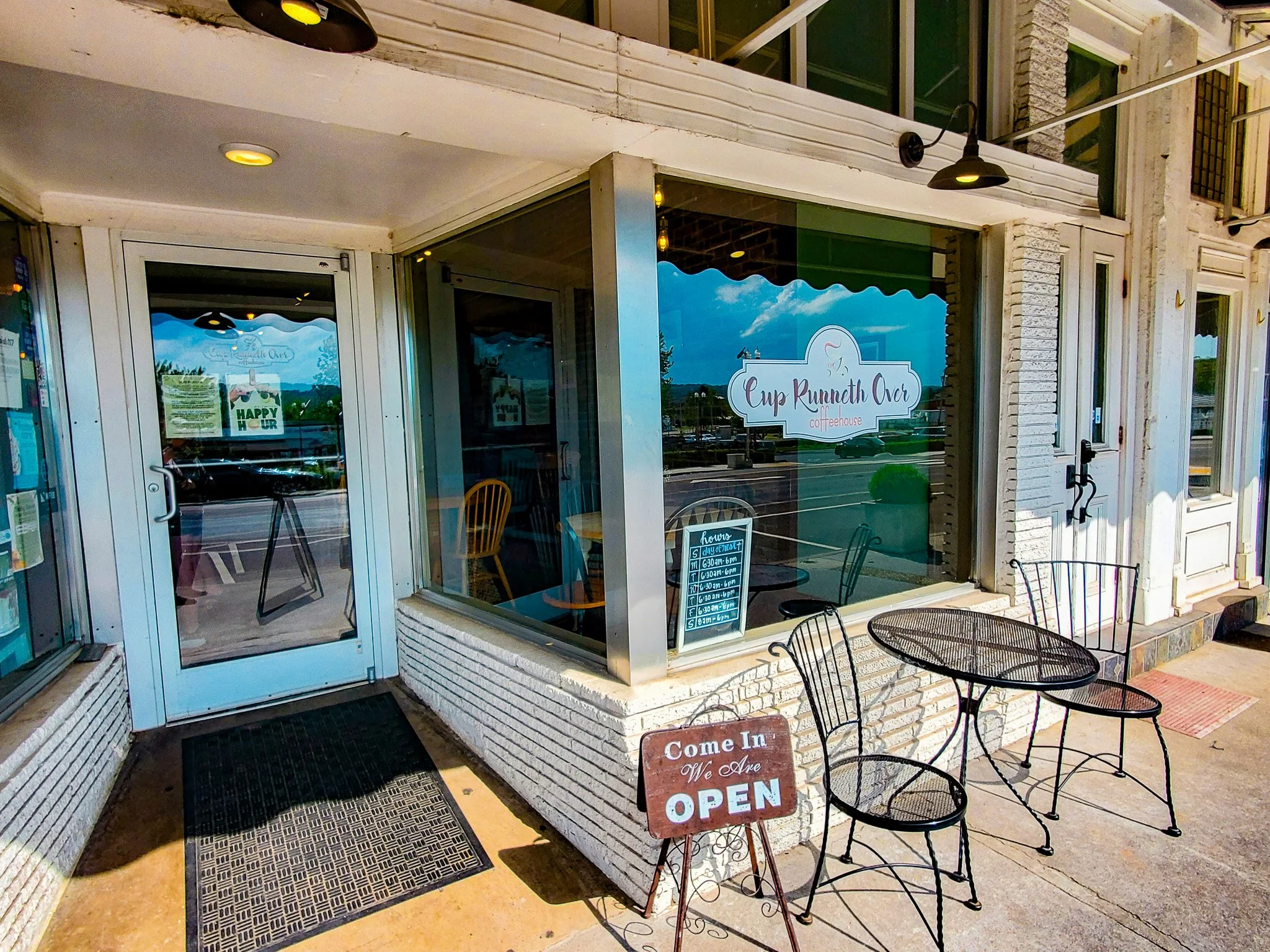
Cup Runneth Over Coffee Shop
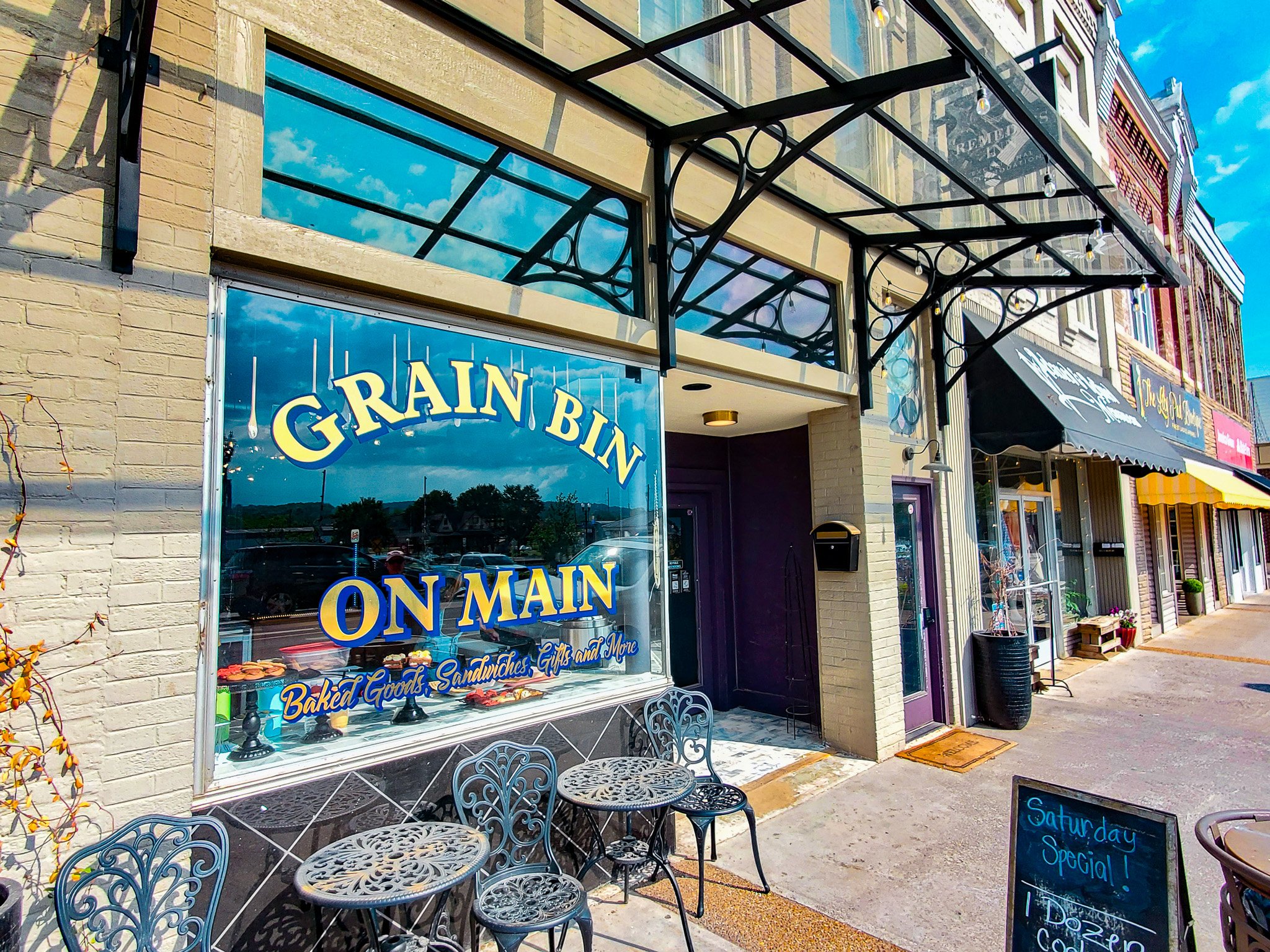
Grain Bin on Main
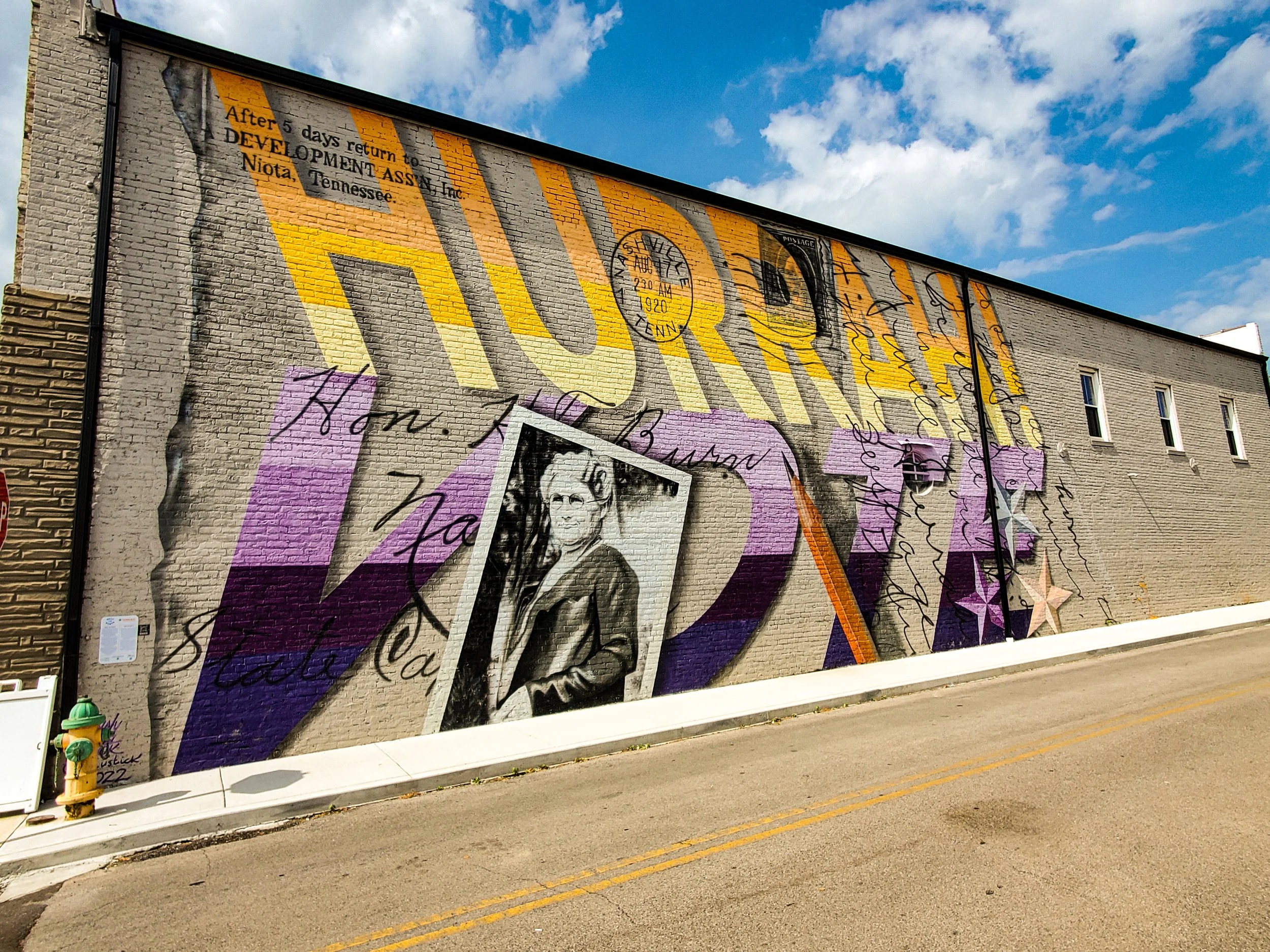
Harry Burn Mural
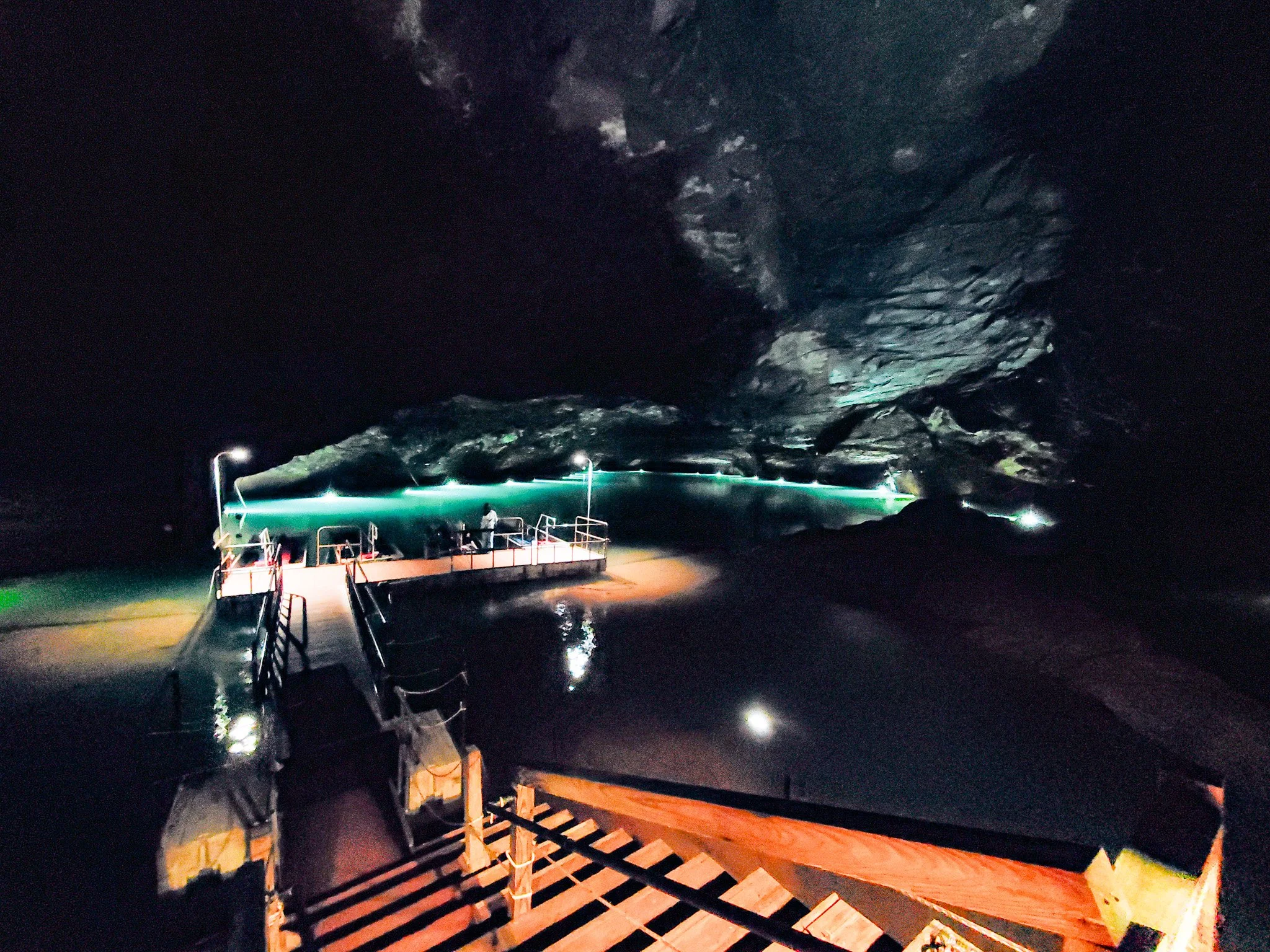
Lost Sea
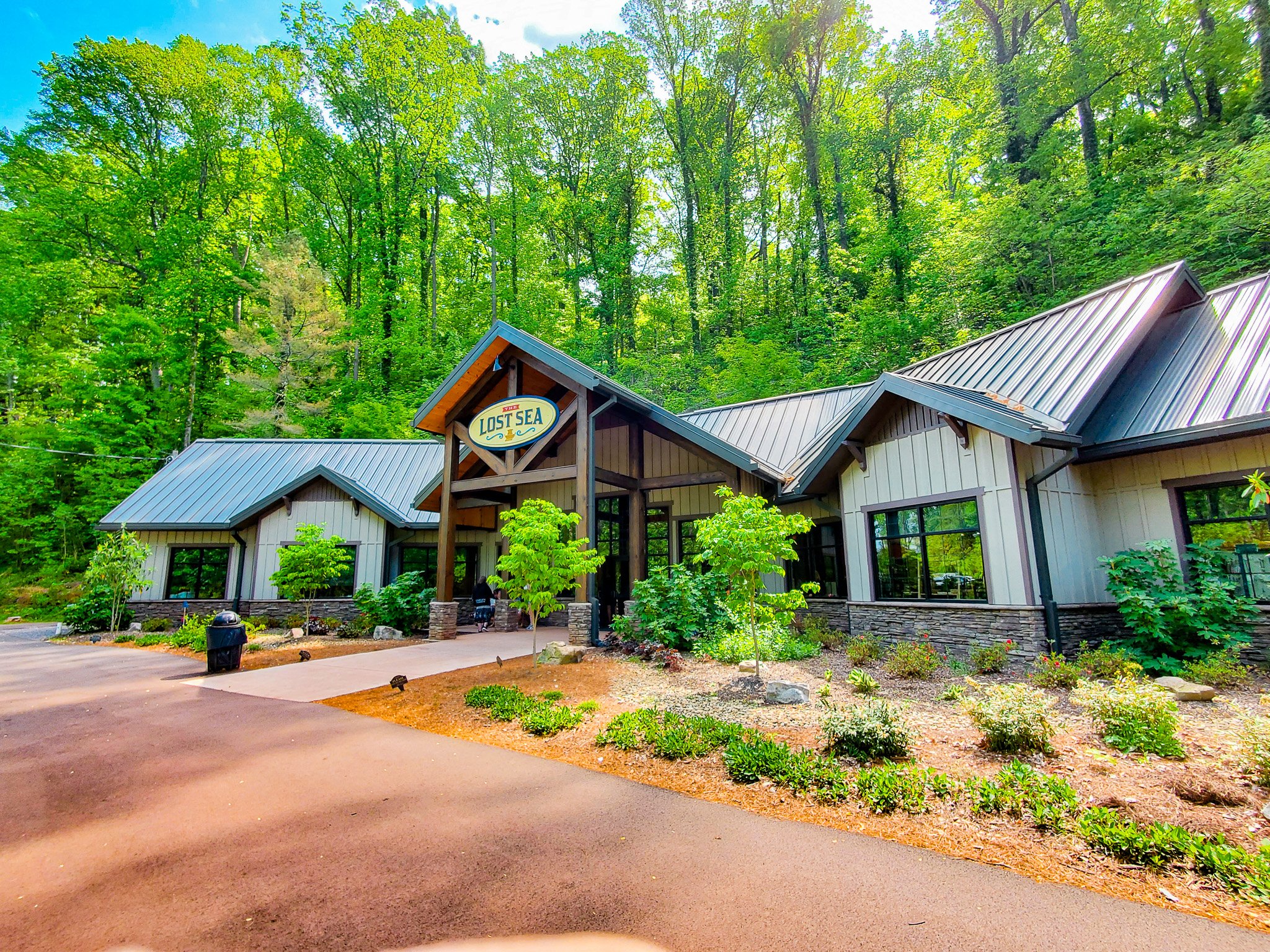
Lost Sea
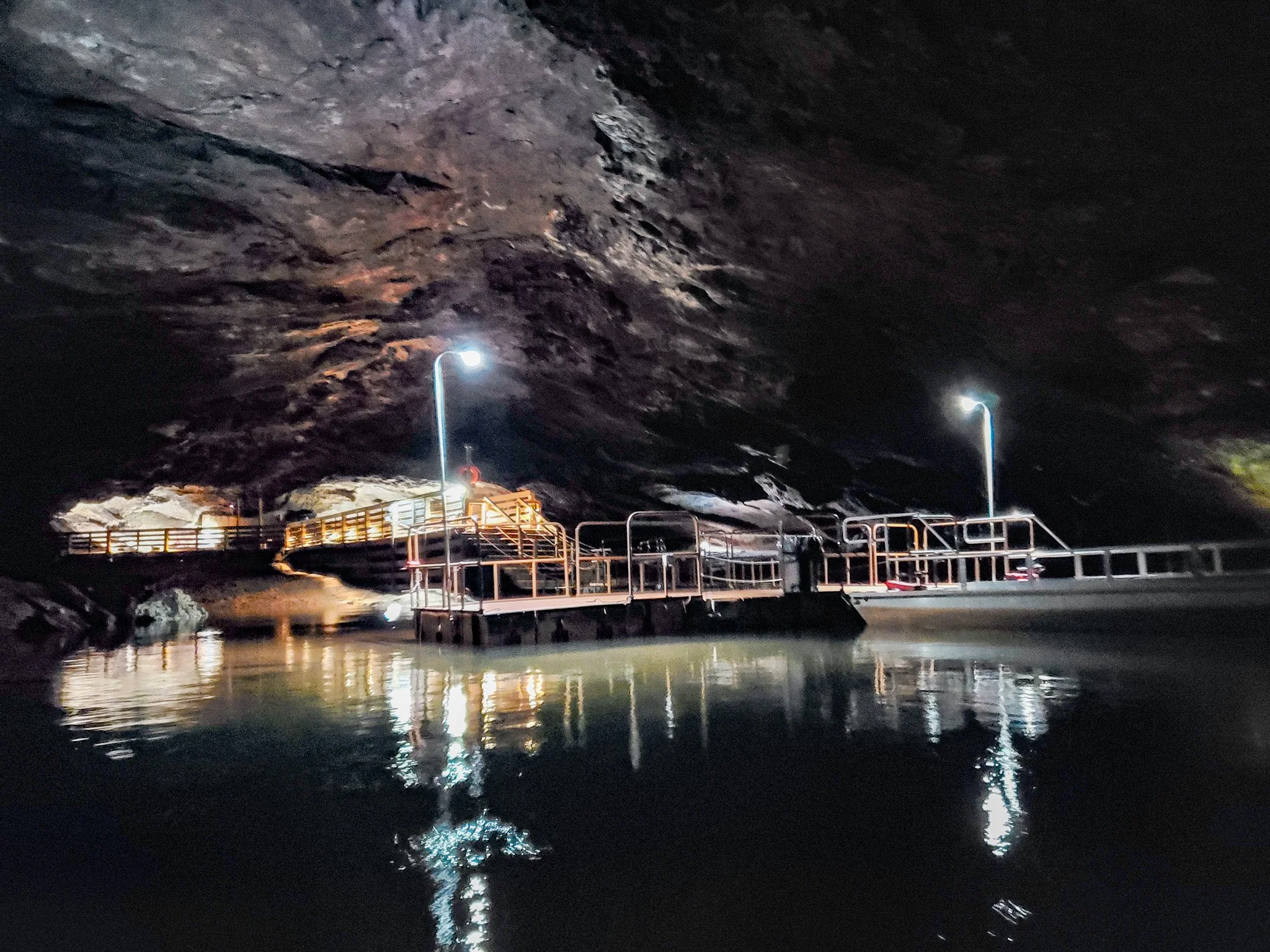
Lost Sea
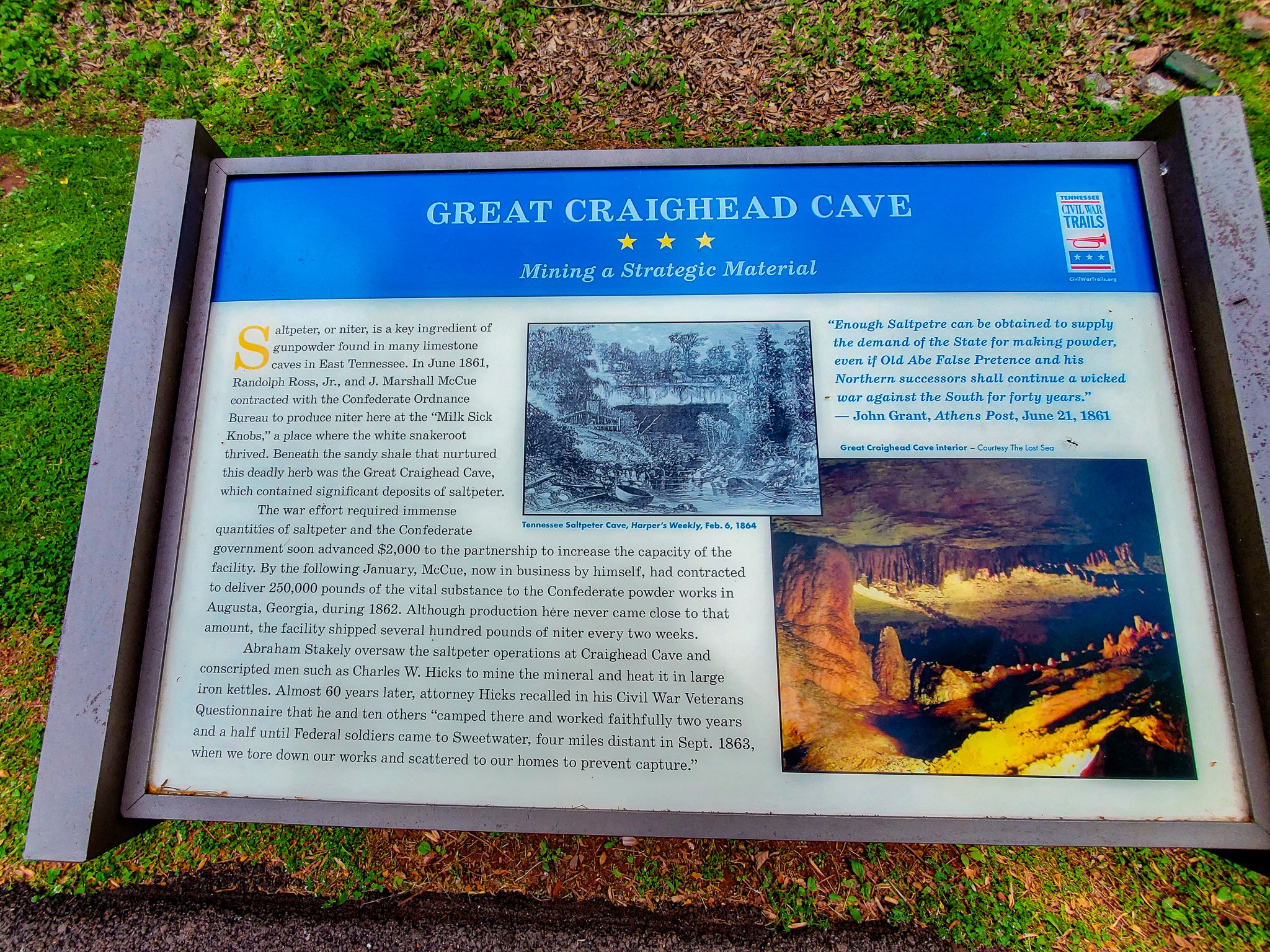
Lost Sea
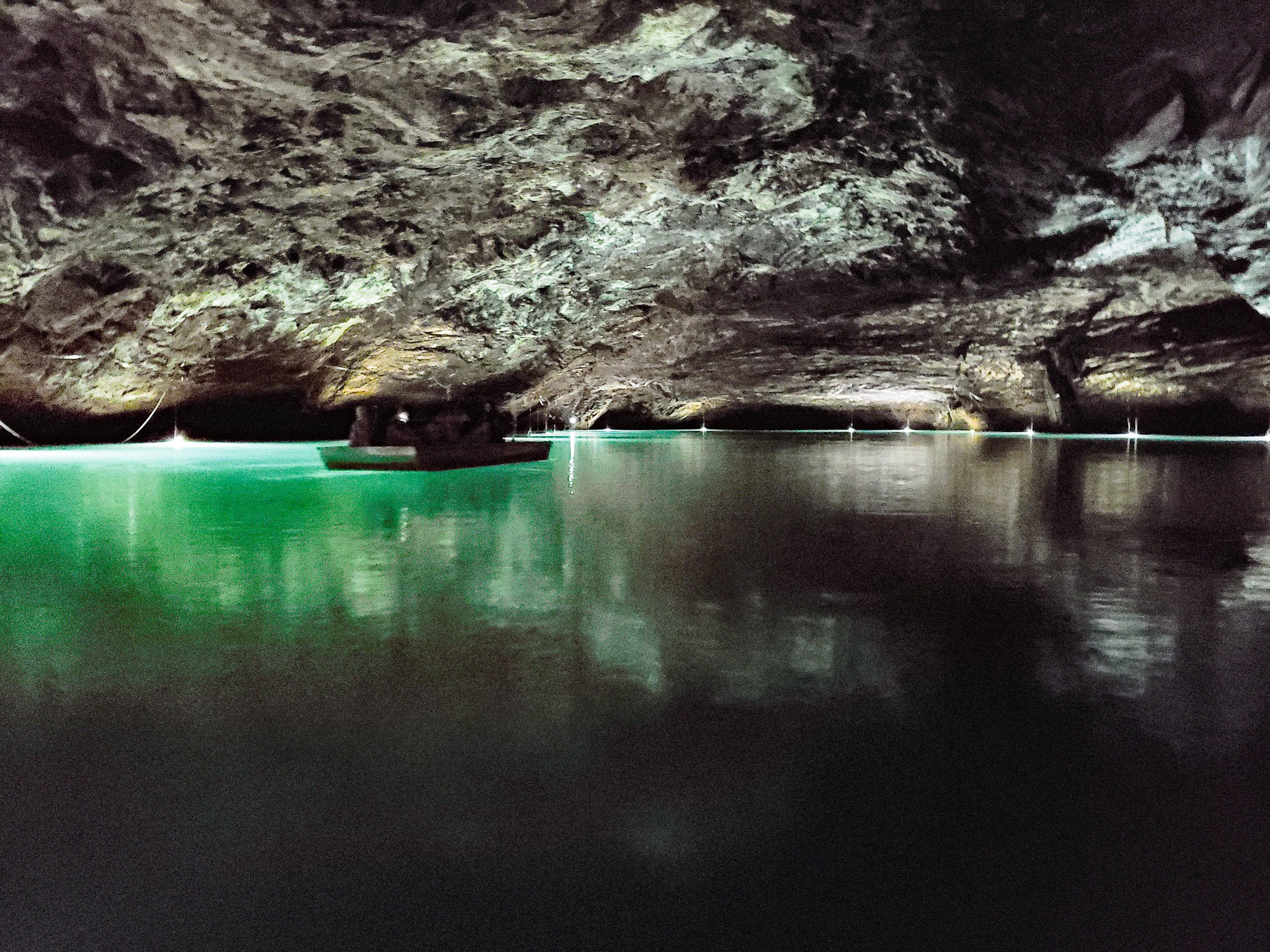
Lost Sea
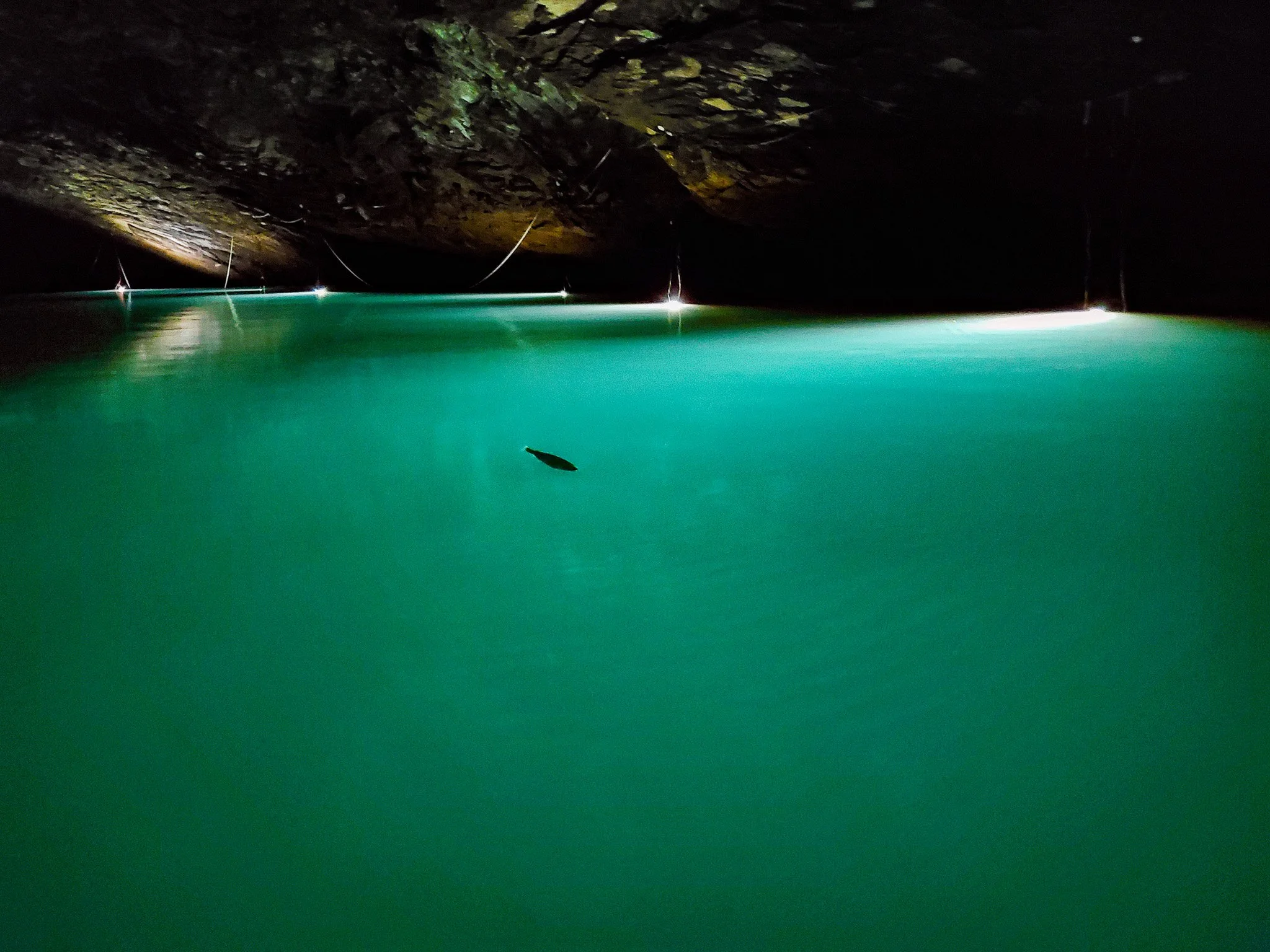
Lost Sea
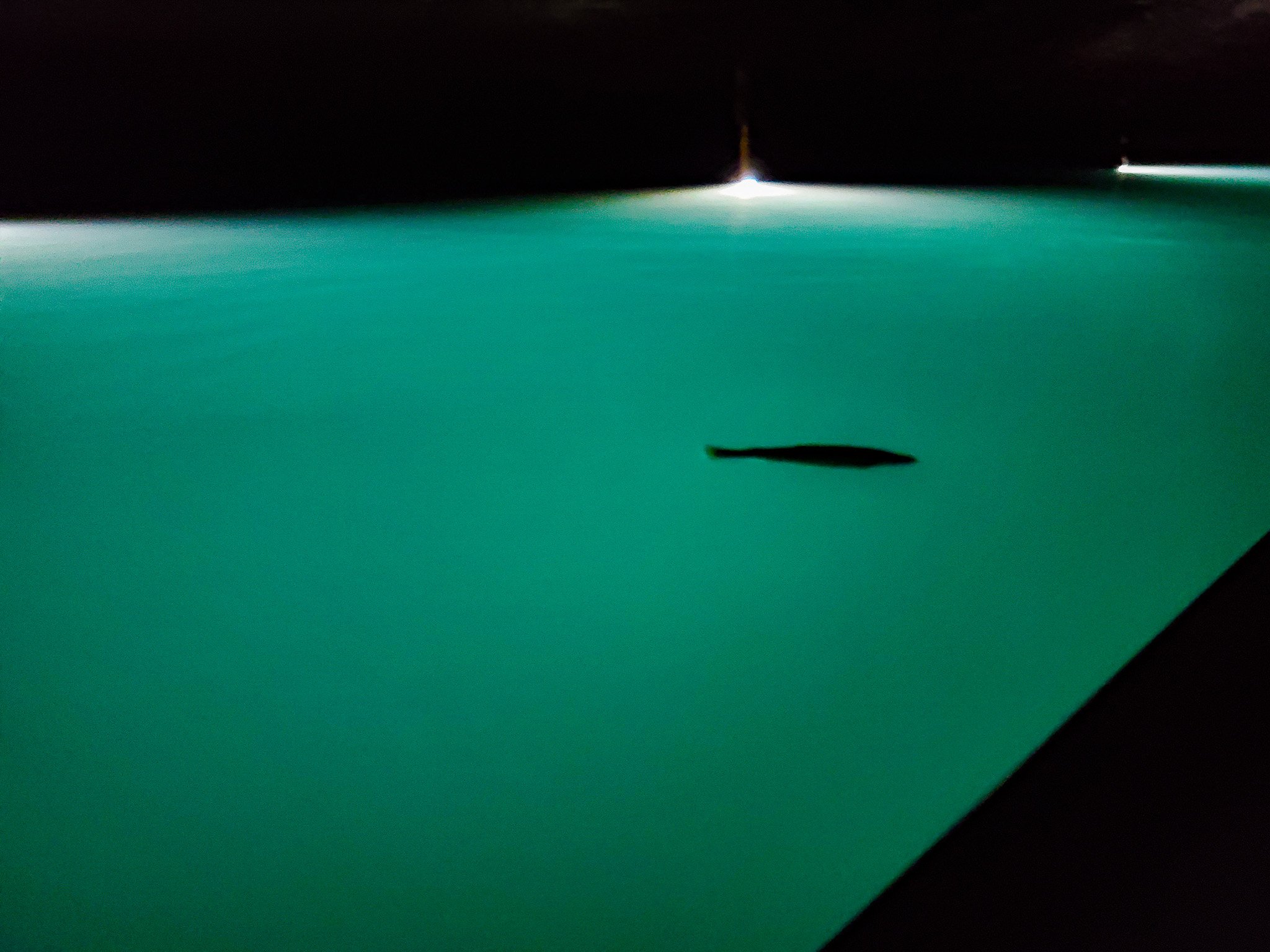
Lost Sea
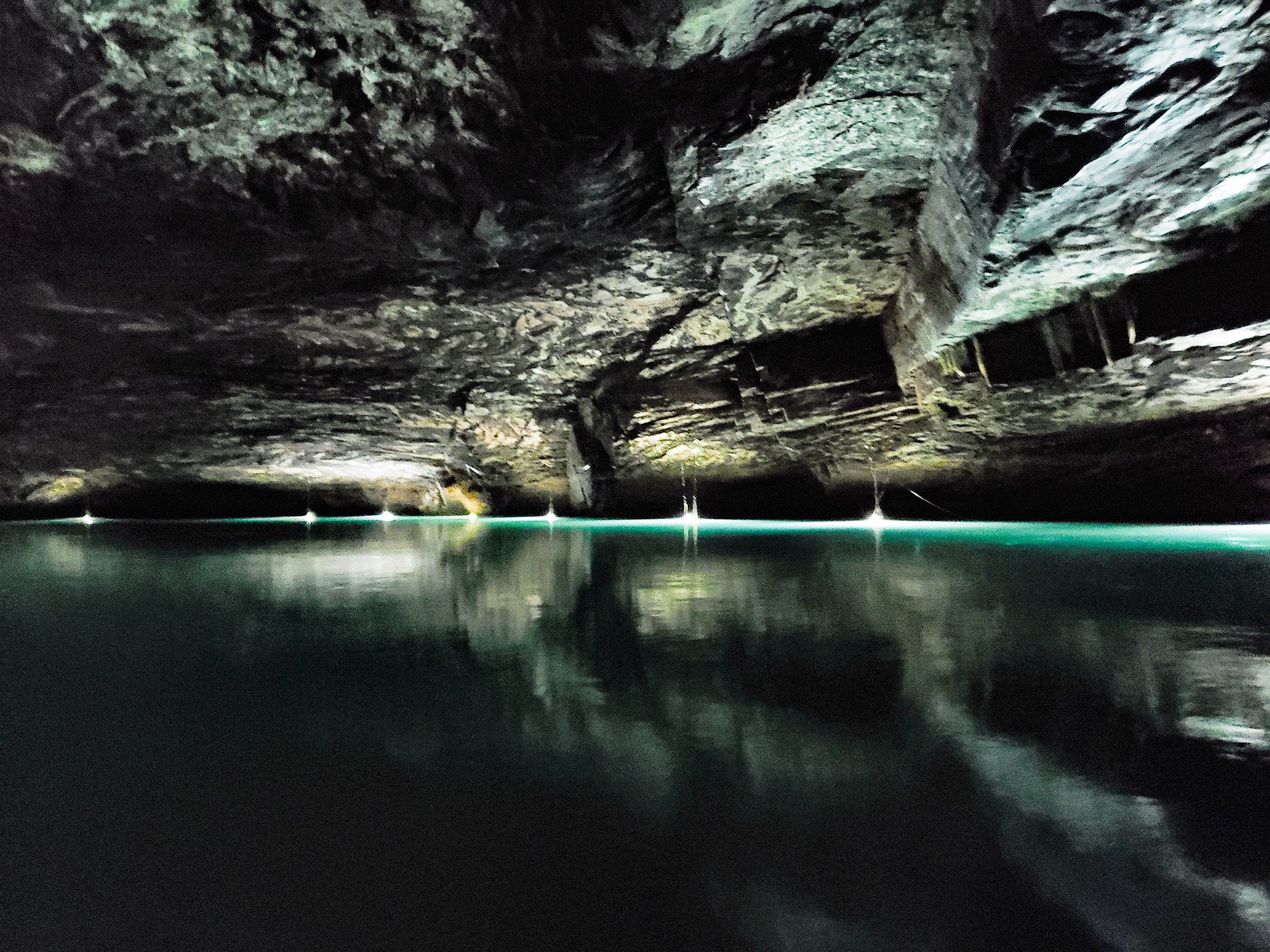
Lost Sea
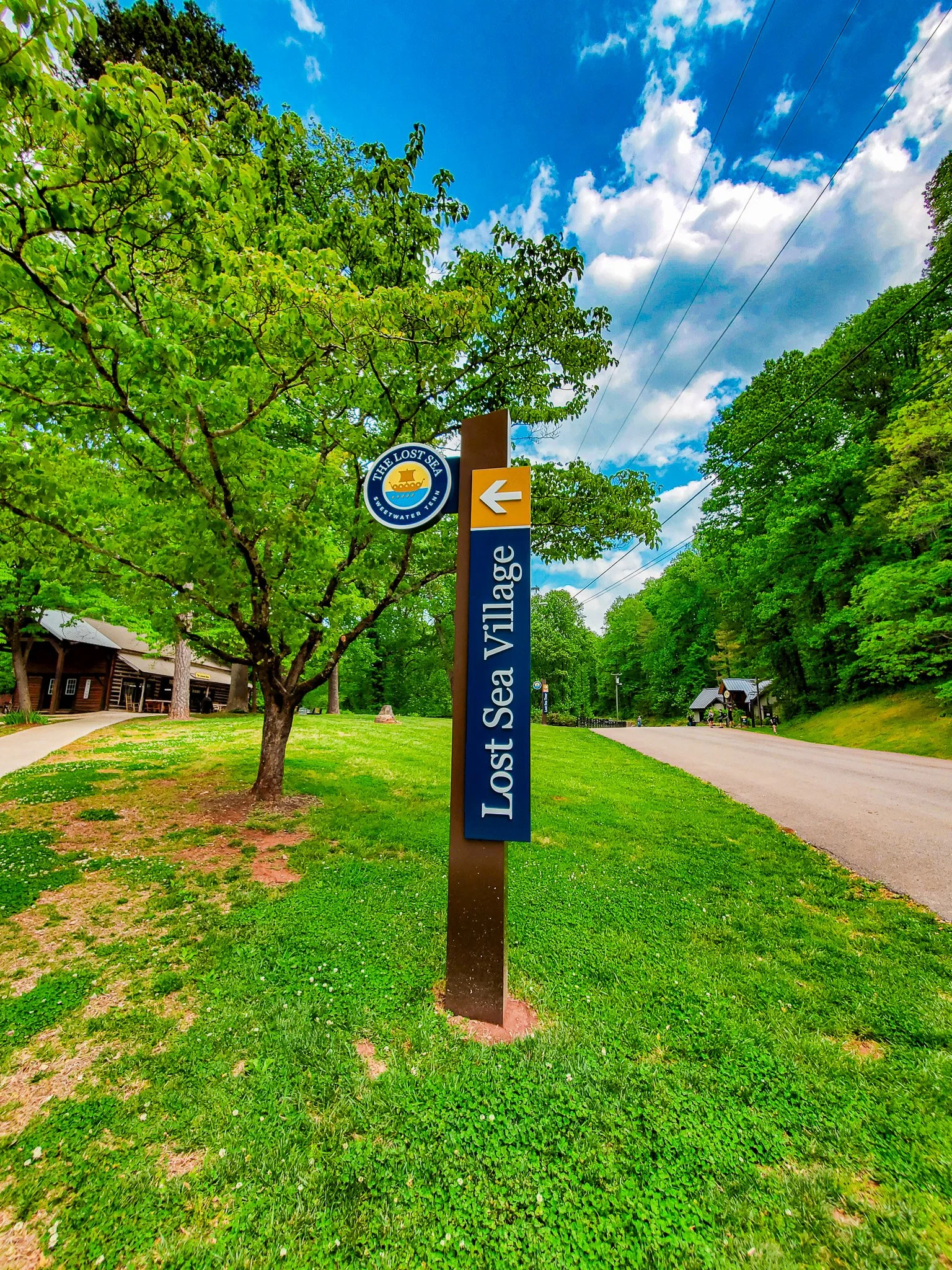
Lost Sea
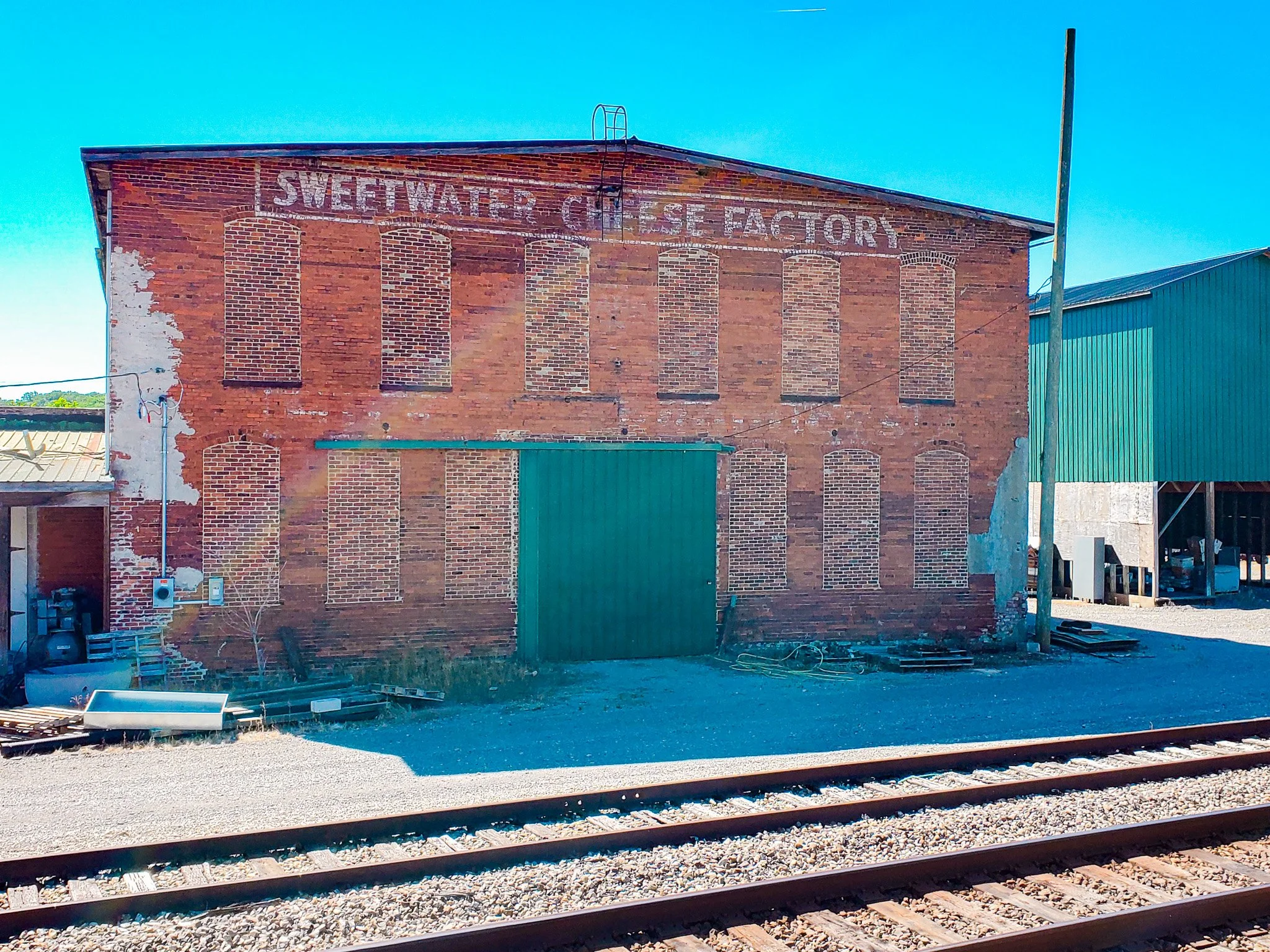
Sweetwater Cheese Factory
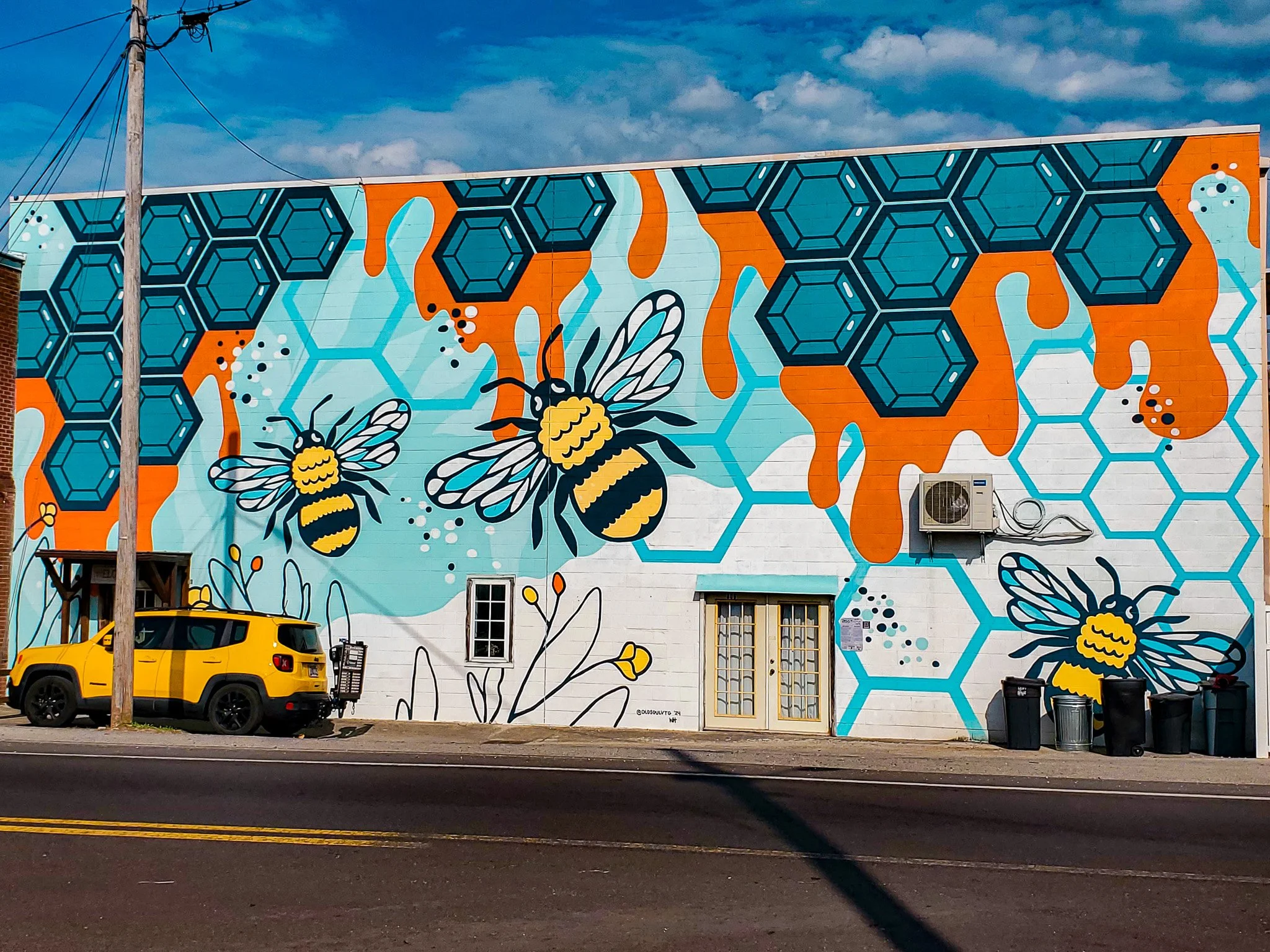
Honey Bee Mural
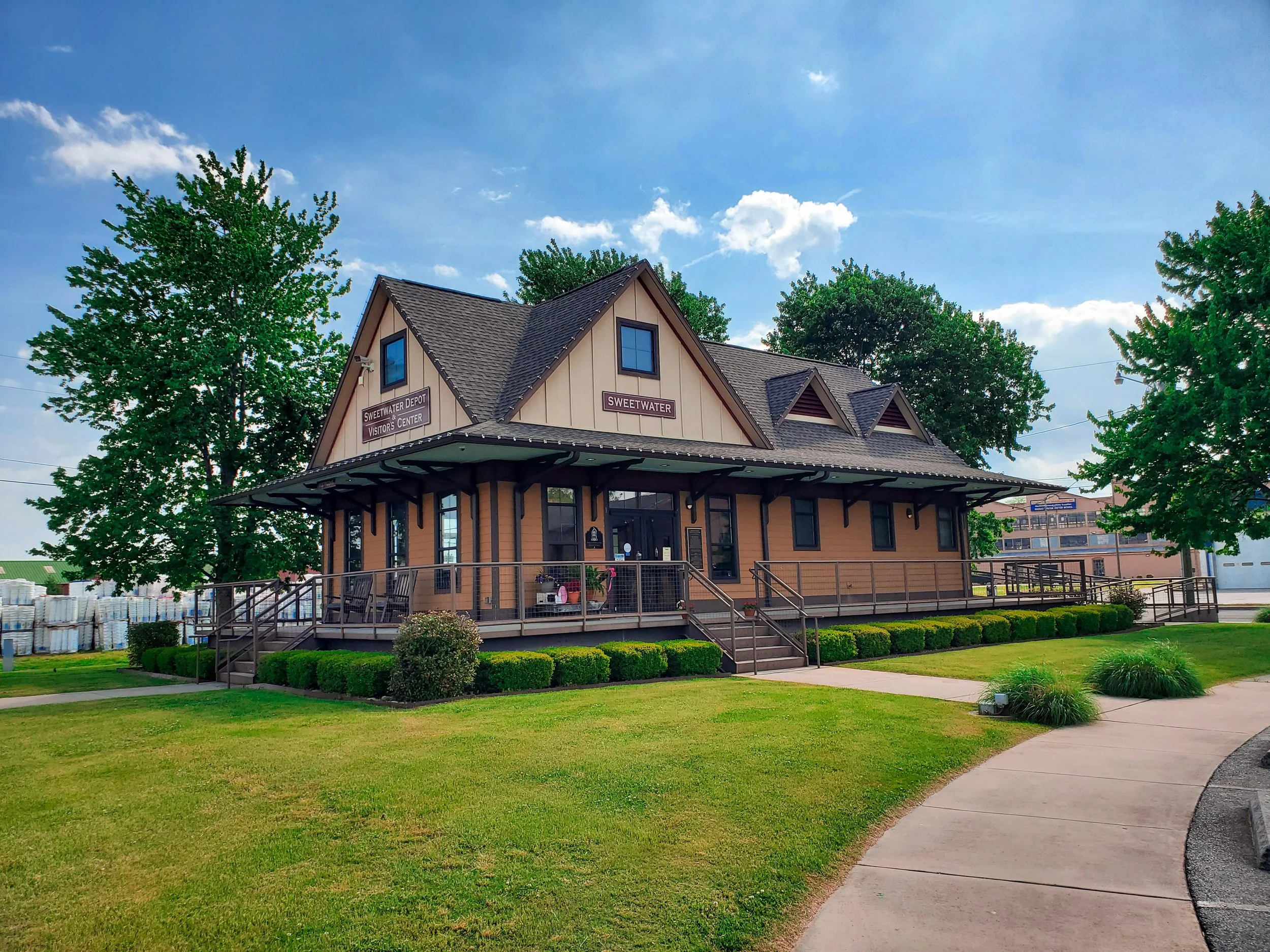
Sweetwater Depot & Visitor's Center
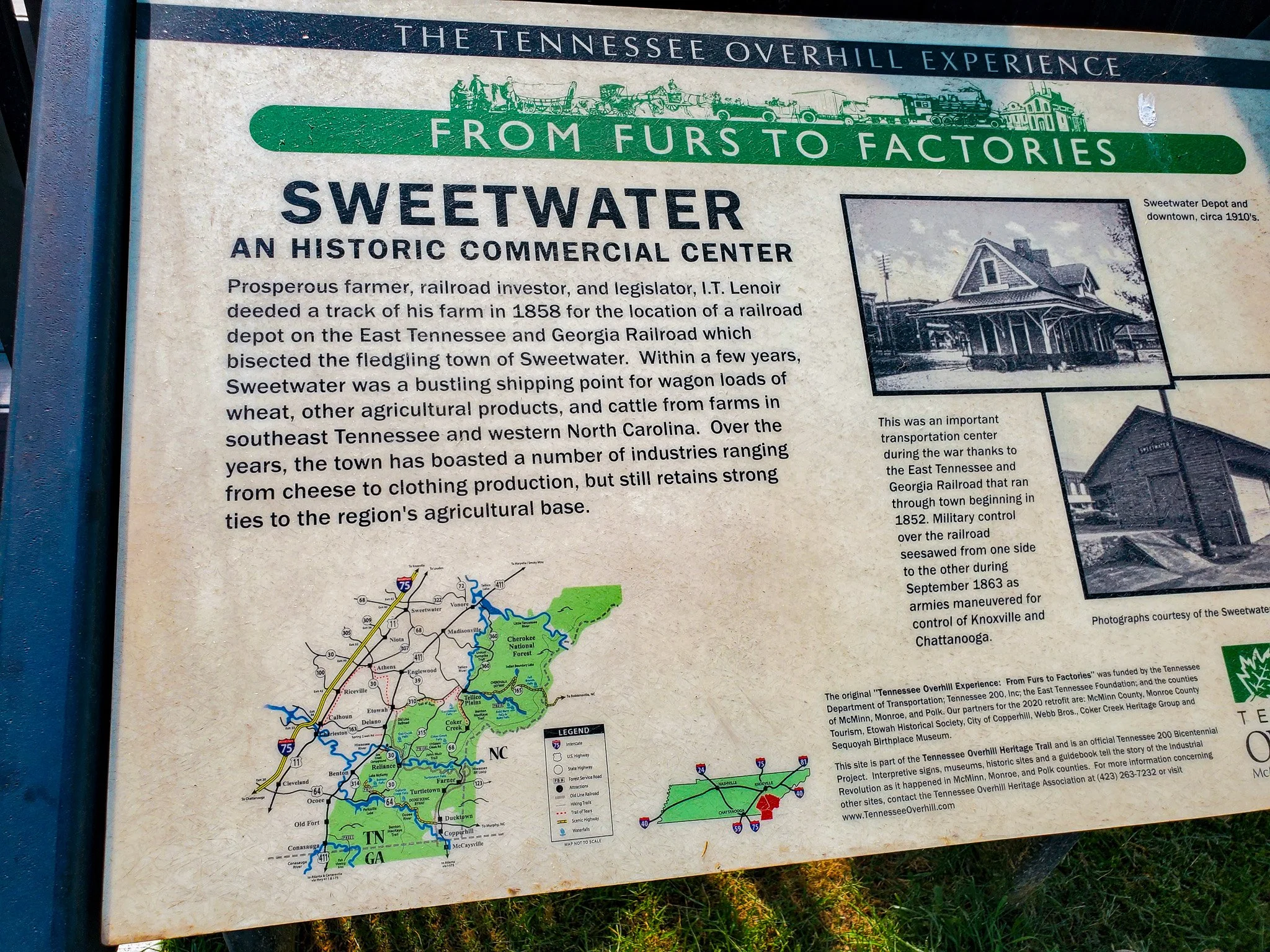
Sweetwater Depot & Visitor's Center
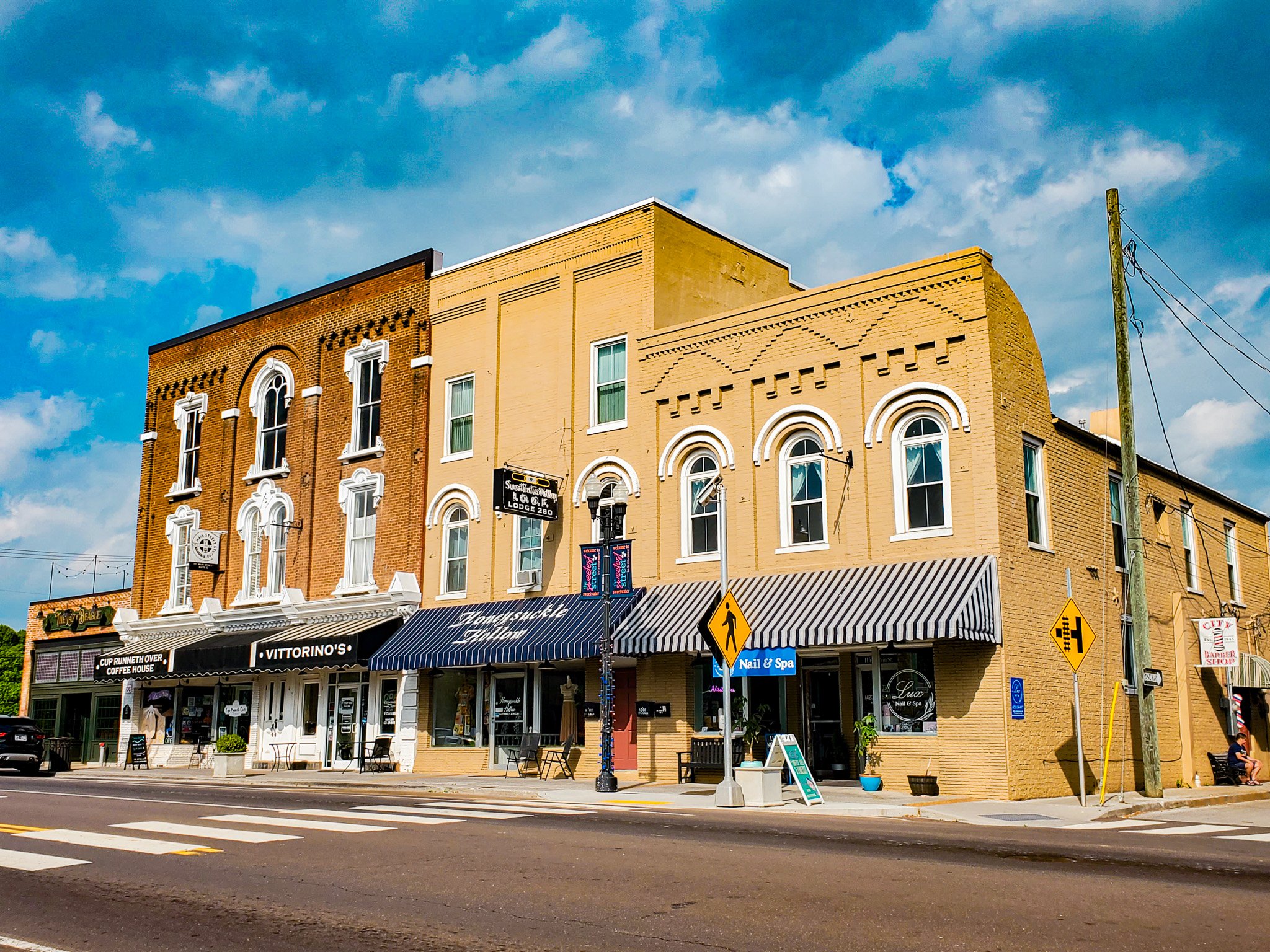
Sweetwater Main Street
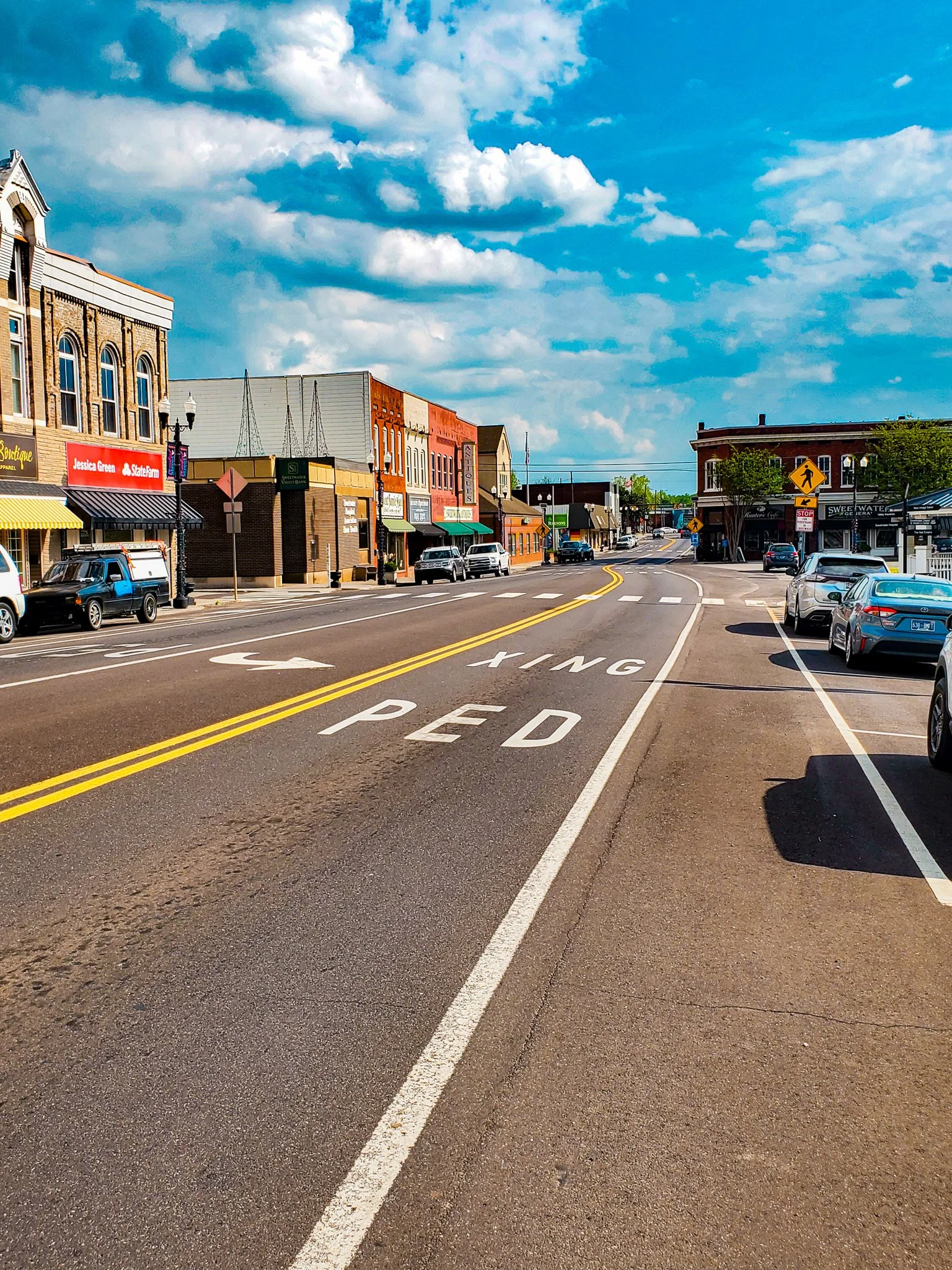
Sweetwater Main Street
Sweetwater Train Car Center
Atkins Restaurant Postcard
LOUDON
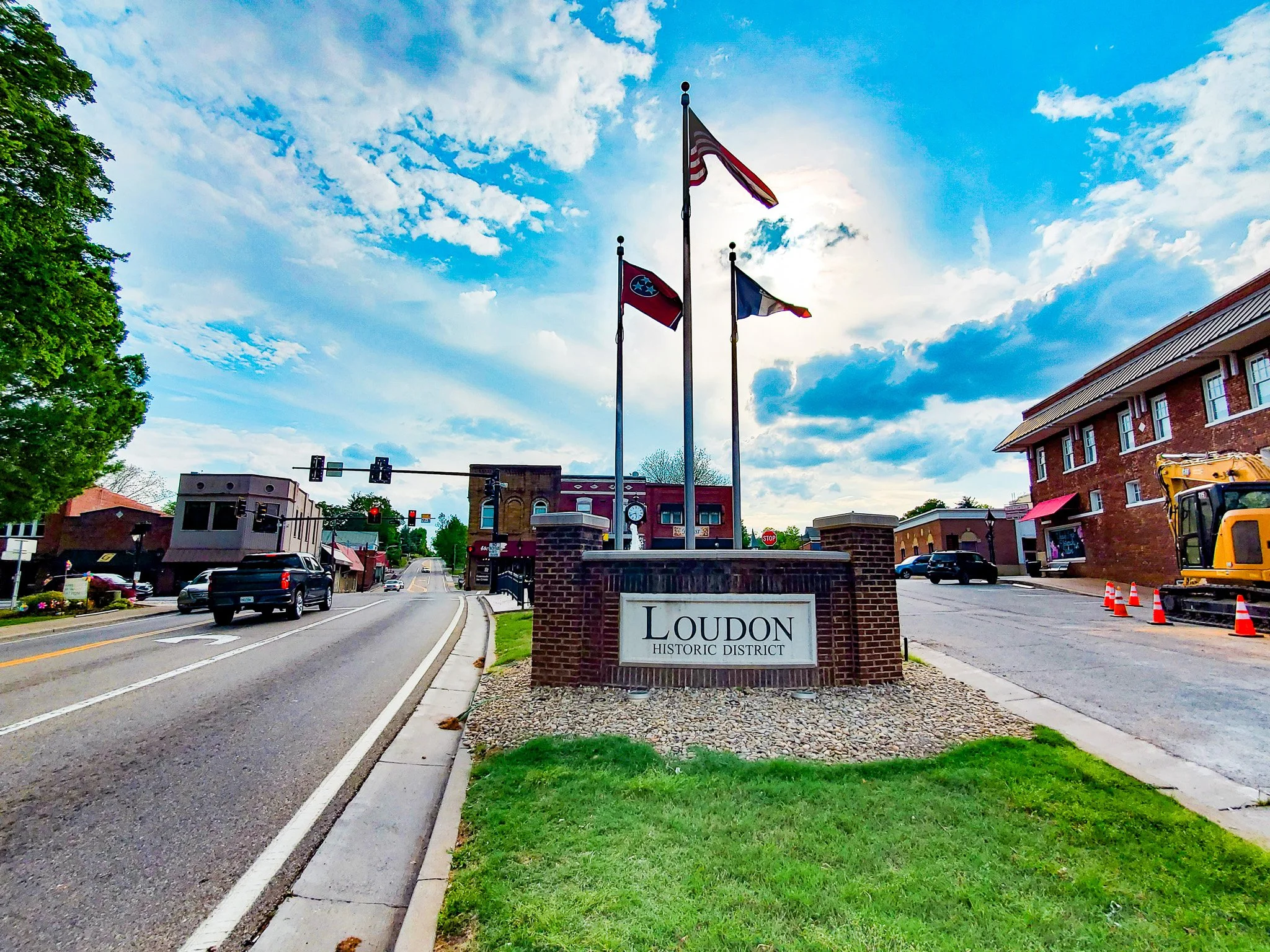
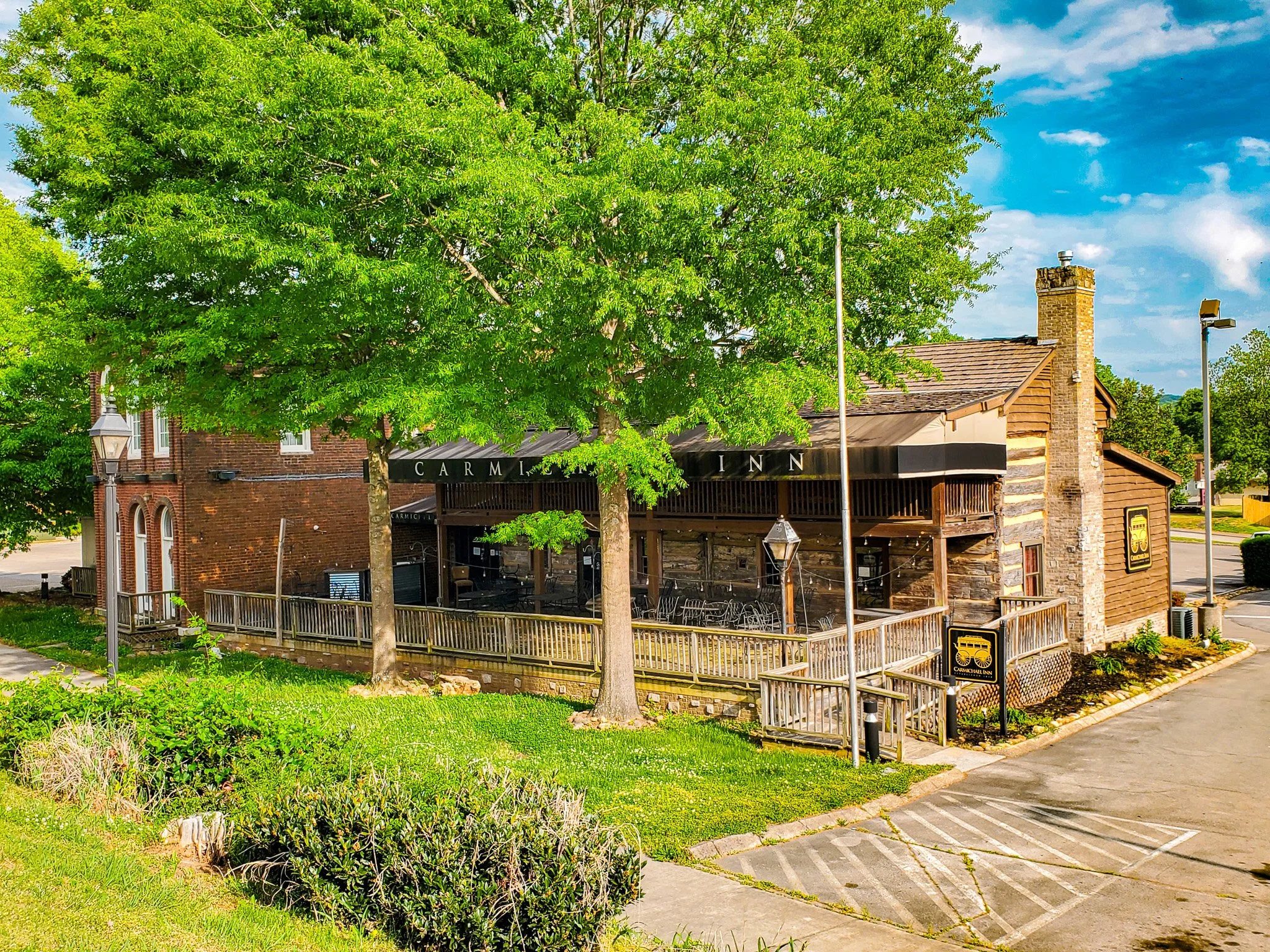
The city was established in 1817 and named after nearby Fort Loudoun. Settlers arrived in the late 1700’s along the Tennessee River as steamboat traffic and commerce grew. The Bone Yard at 9378 Vonore (about 3 miles off US 11) is worth a look. If you are hungry, visit Carl’s Drive-In on US 11, home of the “dip dog” and open since 1960.
Loudon Welcome Sign
Carmichael Inn (1810)
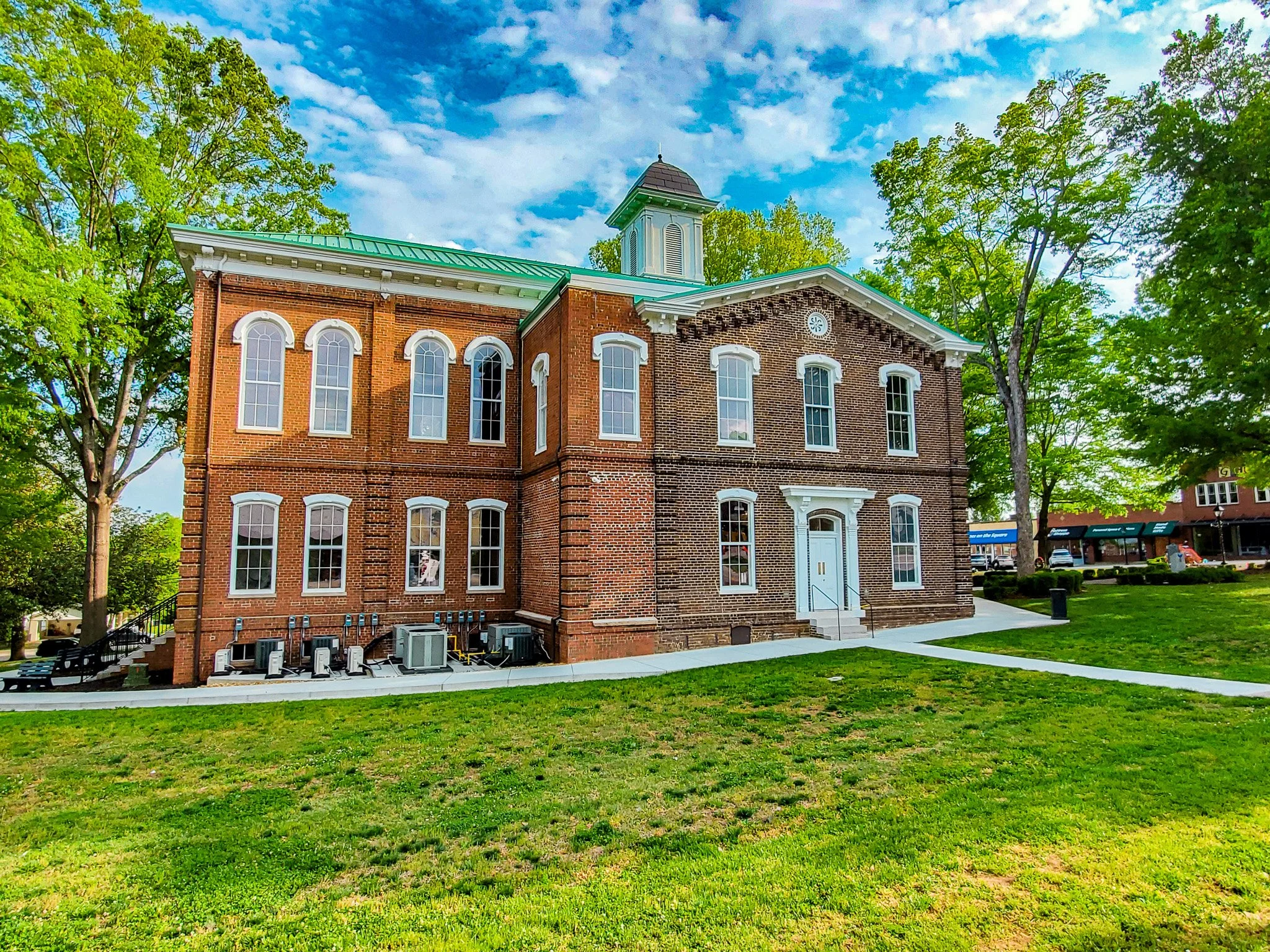
Loudon Building
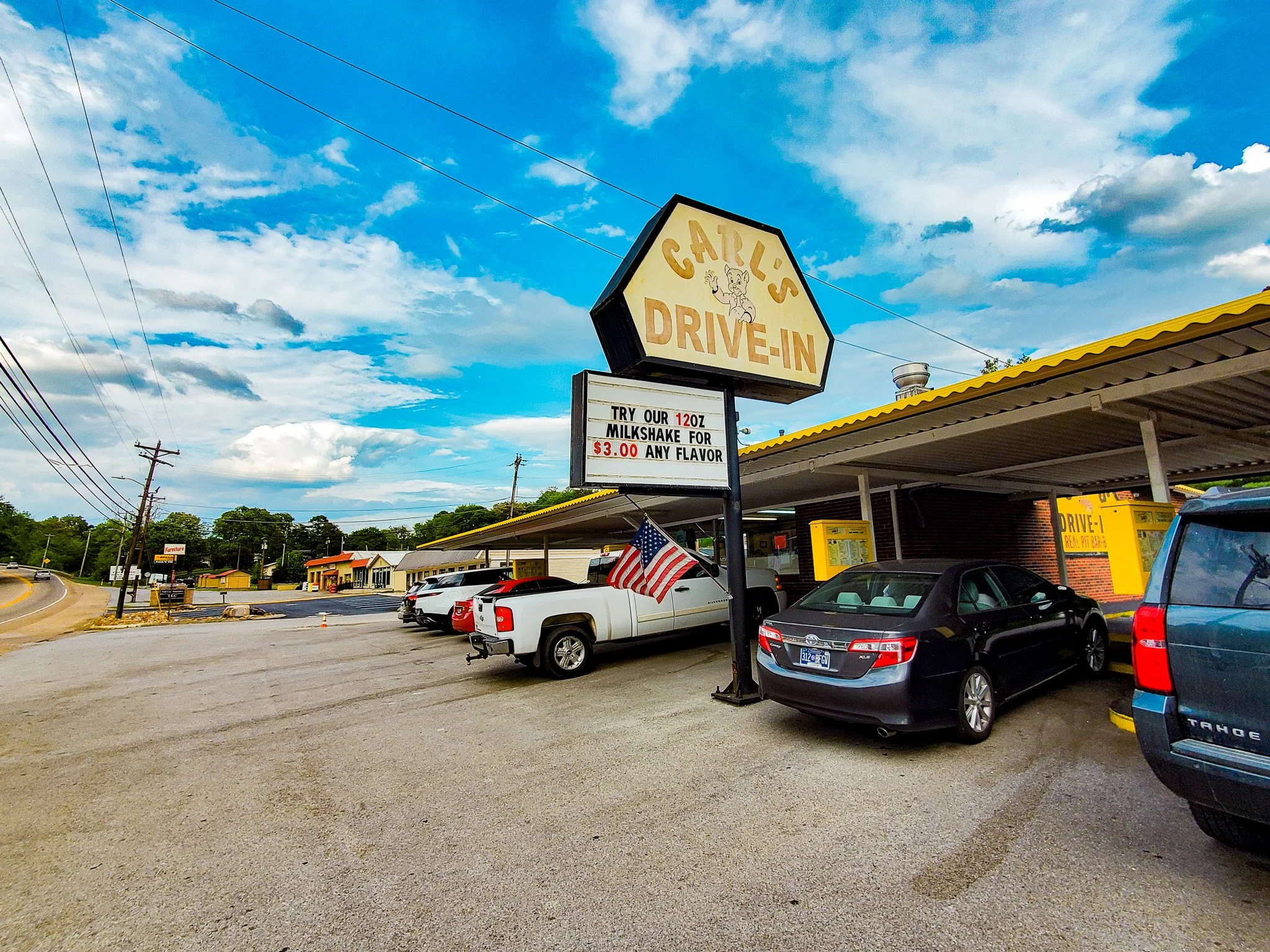
Carl's Drive-In
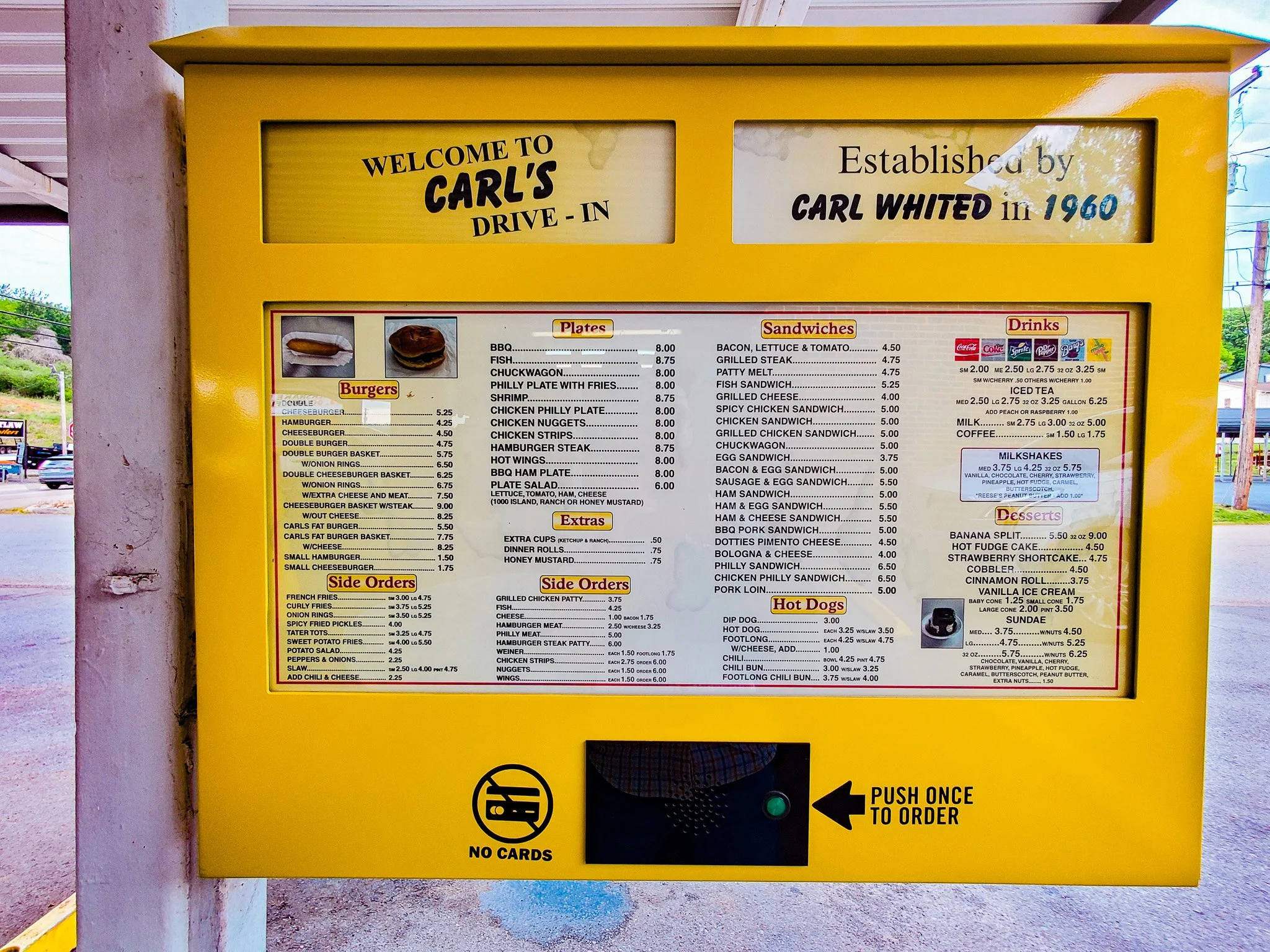
Carl's Drive-In
LENOIR CITY
The city was named for General William Lenoir, a Patriot who fought as a captain at the Battle of King’s Mountain in North Carolina. Lenoir City is called the “Lake City of the South” because of its location on the Tennessee River and Fort Loudon Lake. It has an historic downtown and Lenoir City Museum. Nearby Bussell Island was inhabited by Native American cultures for centuries before the arrival of early European settlers. It is believed to have been the location of the capital of Coste–a Mississippian period chiefdom visited by Spanish explorer Hernando de Soto in 1540.
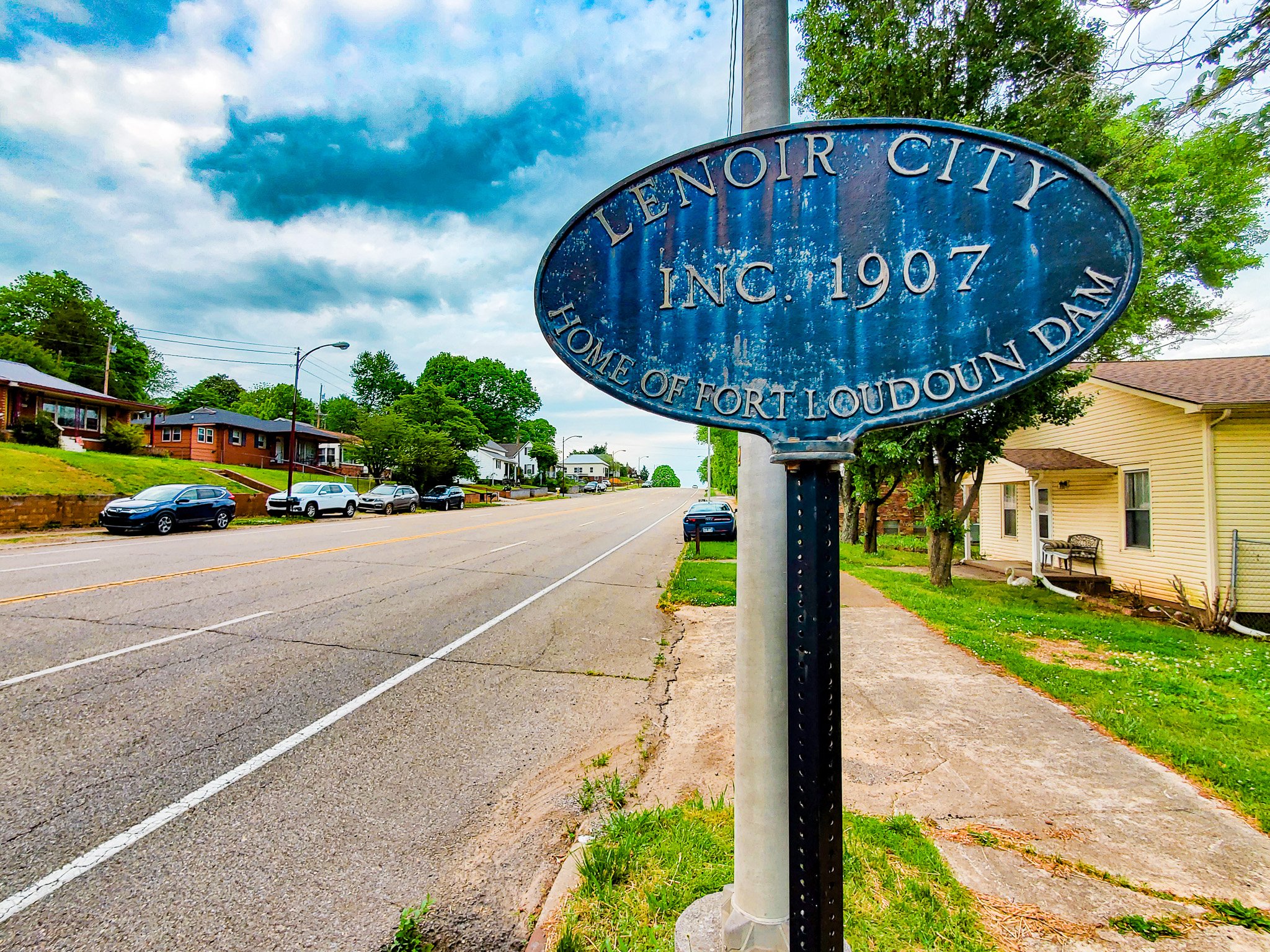
Lenoir City Sign
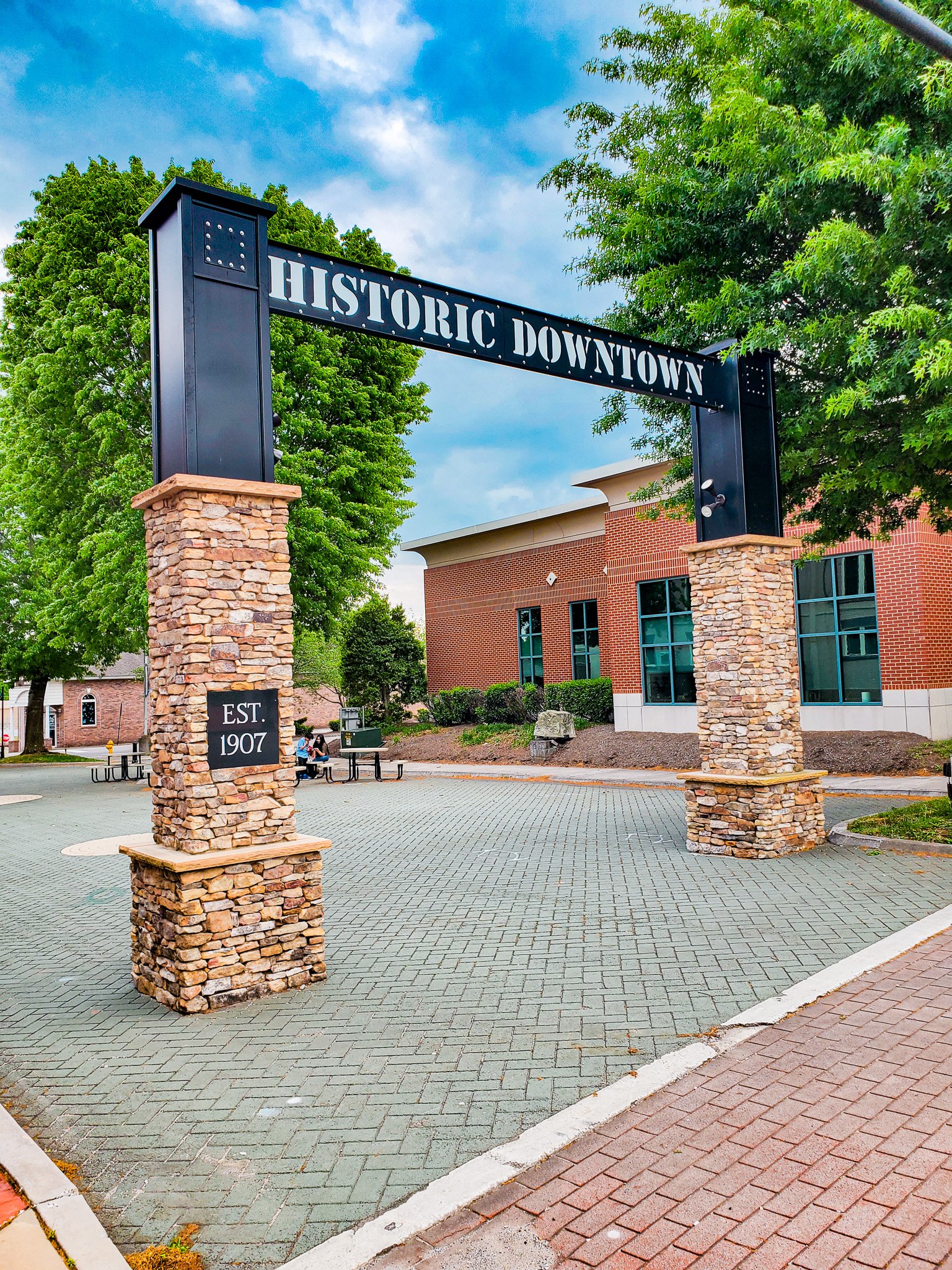
Historic Downtown Arch
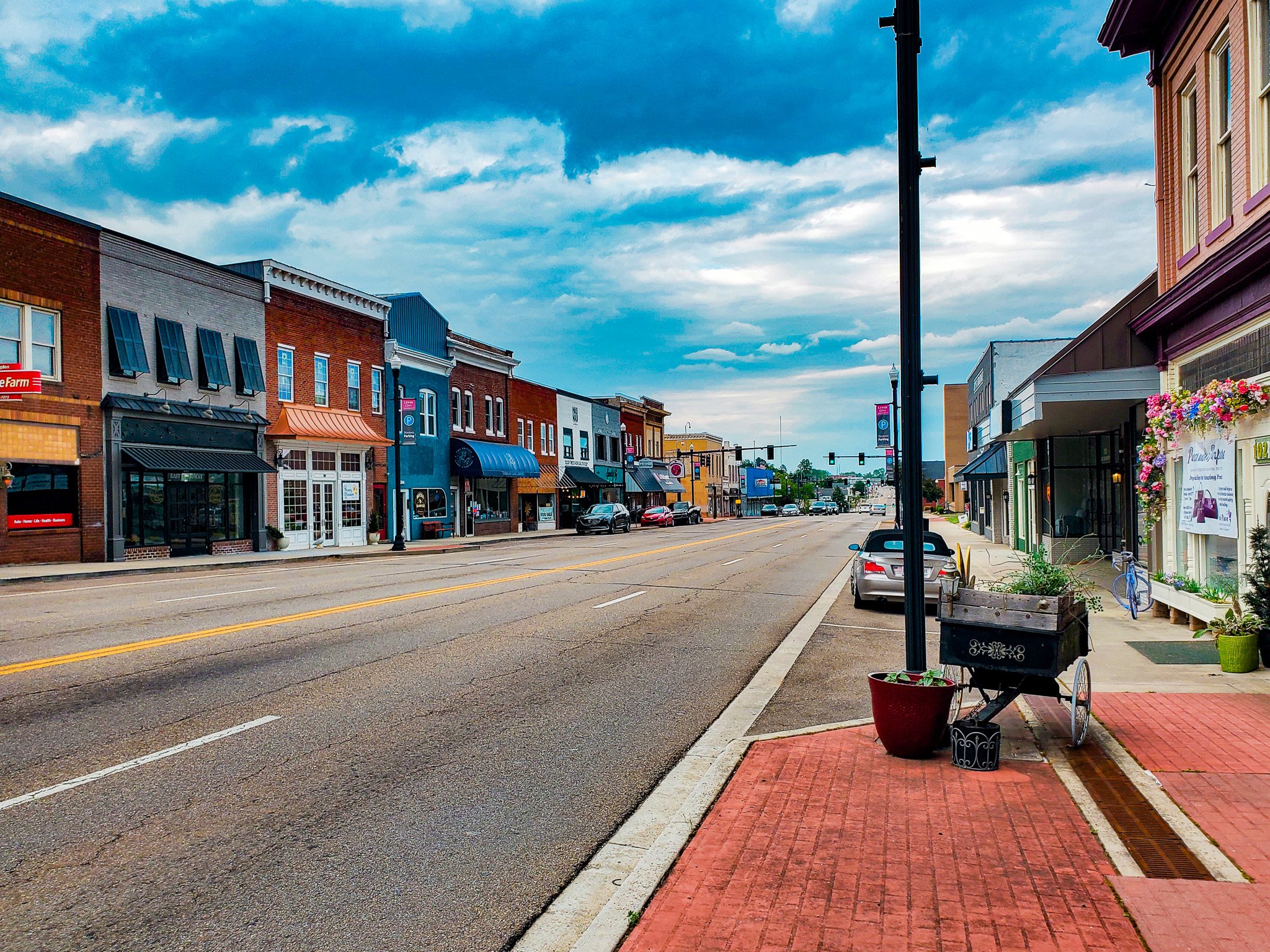
Main Street
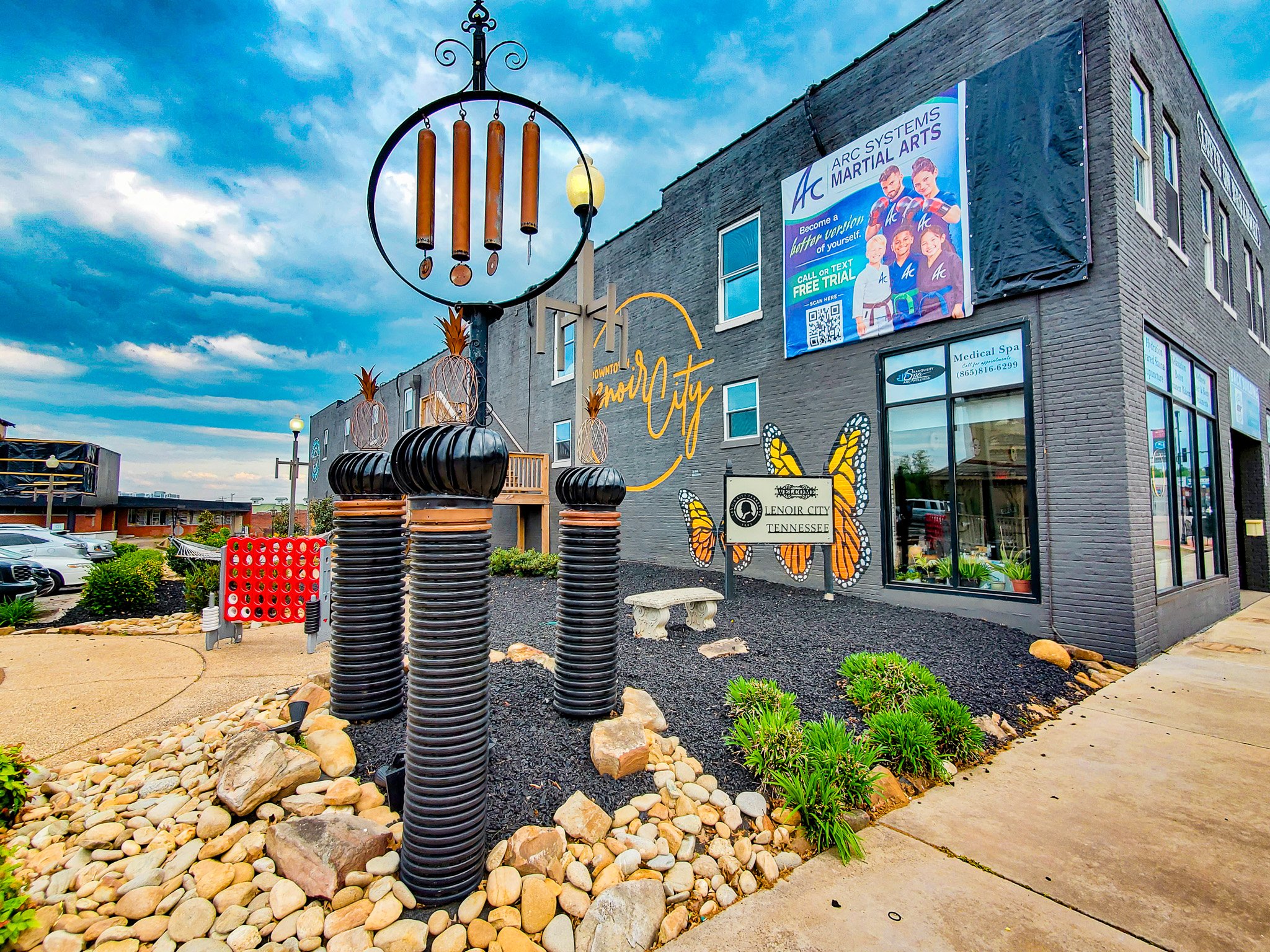
Small Park
DIXIE LEE JUNCTION
In 1914, Carl G. Fisher (developer of the Indianapolis Motor Speedway) envisioned and championed an auto trail network that would connect the Midwest to Florida, subsequently being named the Dixie Highway. The Lee Highway was established in 1919 to be a Southern complement to the Lincoln Highway, the nation’s first transcontinental auto-route. The Lee Highway opened in 1923, connecting Washington DC with San Diego California.
Today, the Lee Highway passes through Virginia and Tennessee as US 11 or US 29. Remnants of the Dixie Highway network exist in US 1 in Florida, US 25 in the Carolinas, US 70 in Tennessee, and US 24 in Michigan, among many other routes.
In the unincorporated community of Dixie Lee Junction just outside Knoxville, these two historic roads intersect and before interstates, was a significant stop for travelers. Today, it marks the western end of Kingston Pike, a major commercial road.
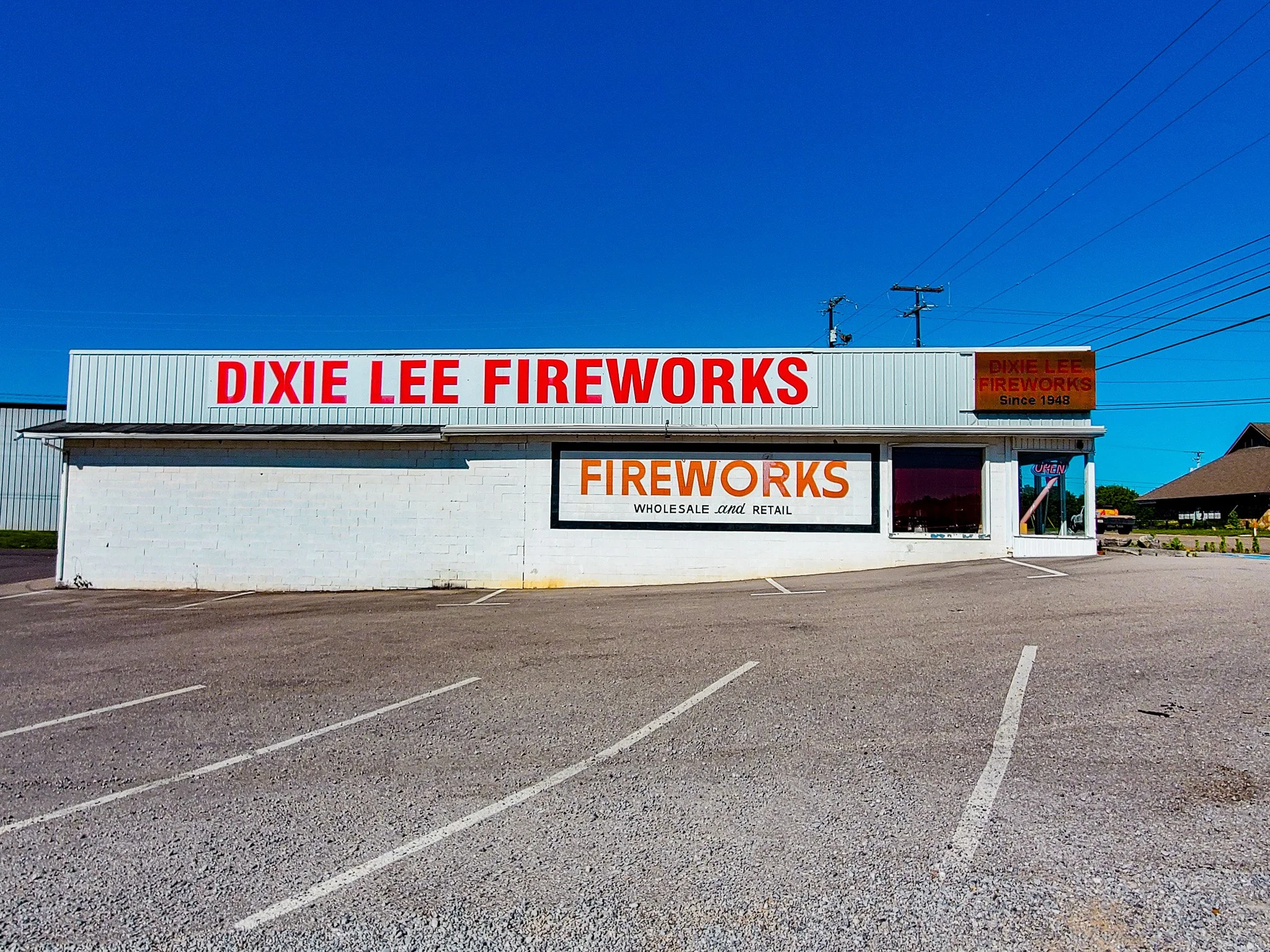
Dixie Lee Fireworks
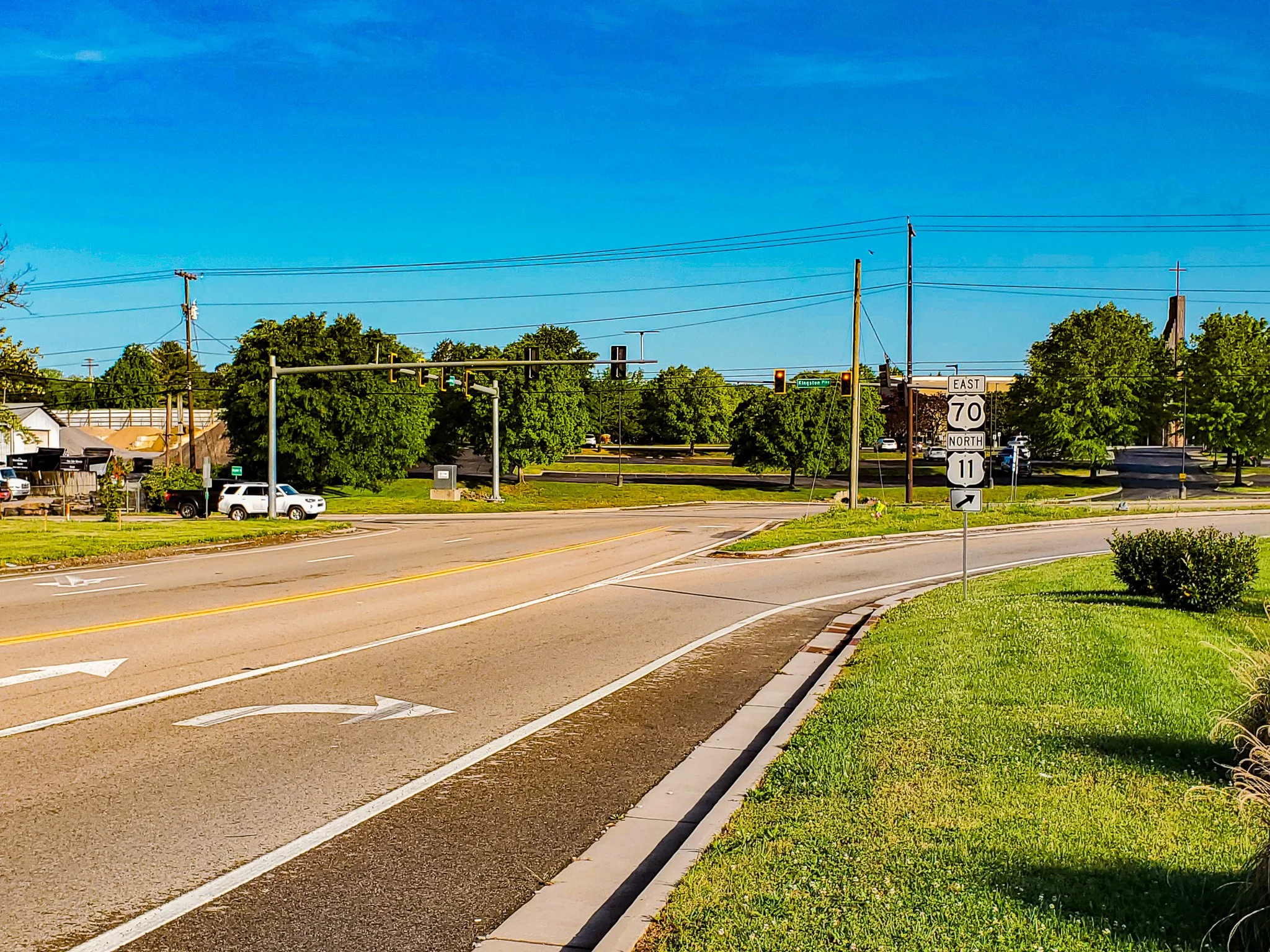
Dixie Lee Junction Intersection
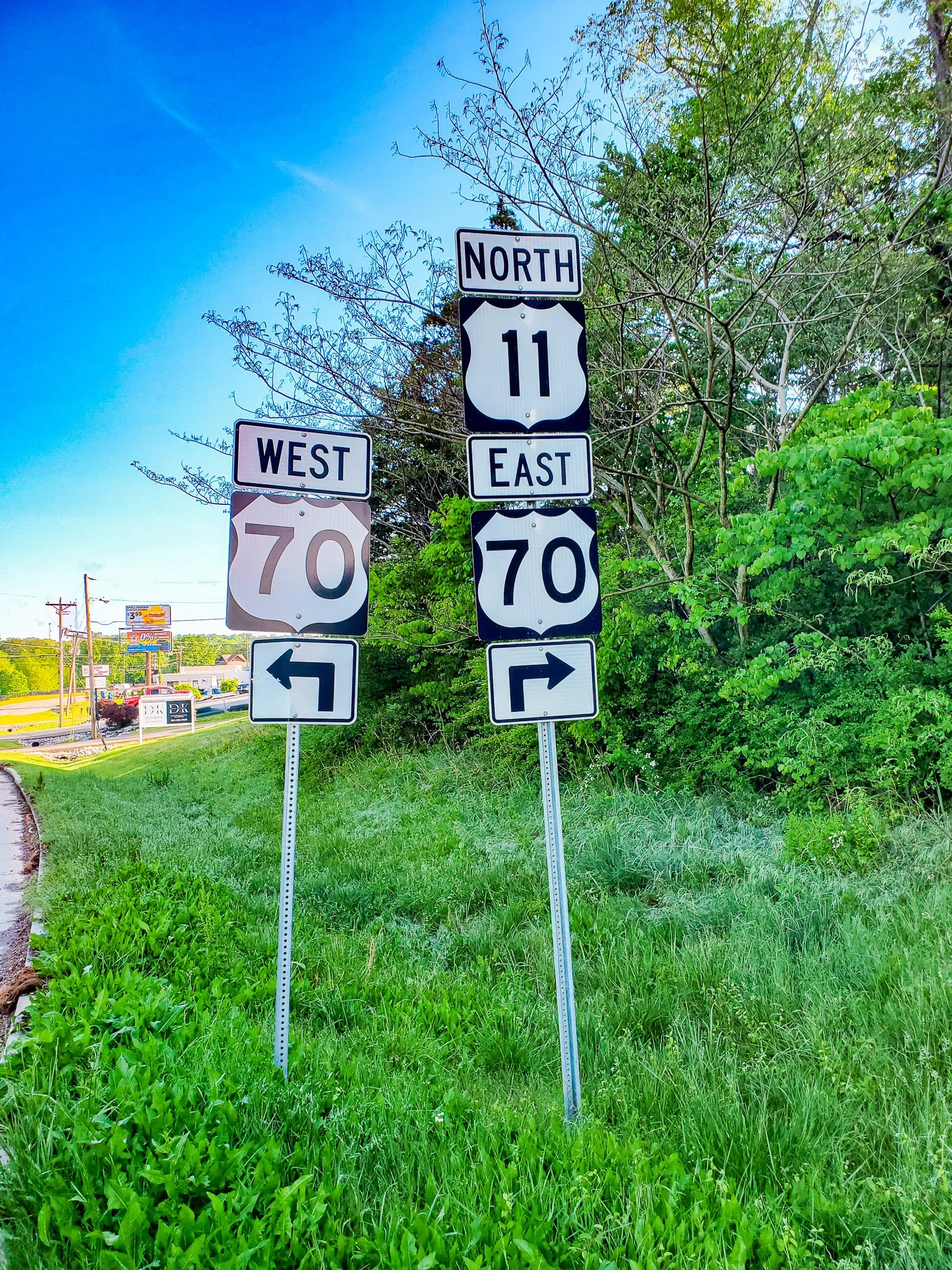
Highway Signs at Dixie Lee Junction
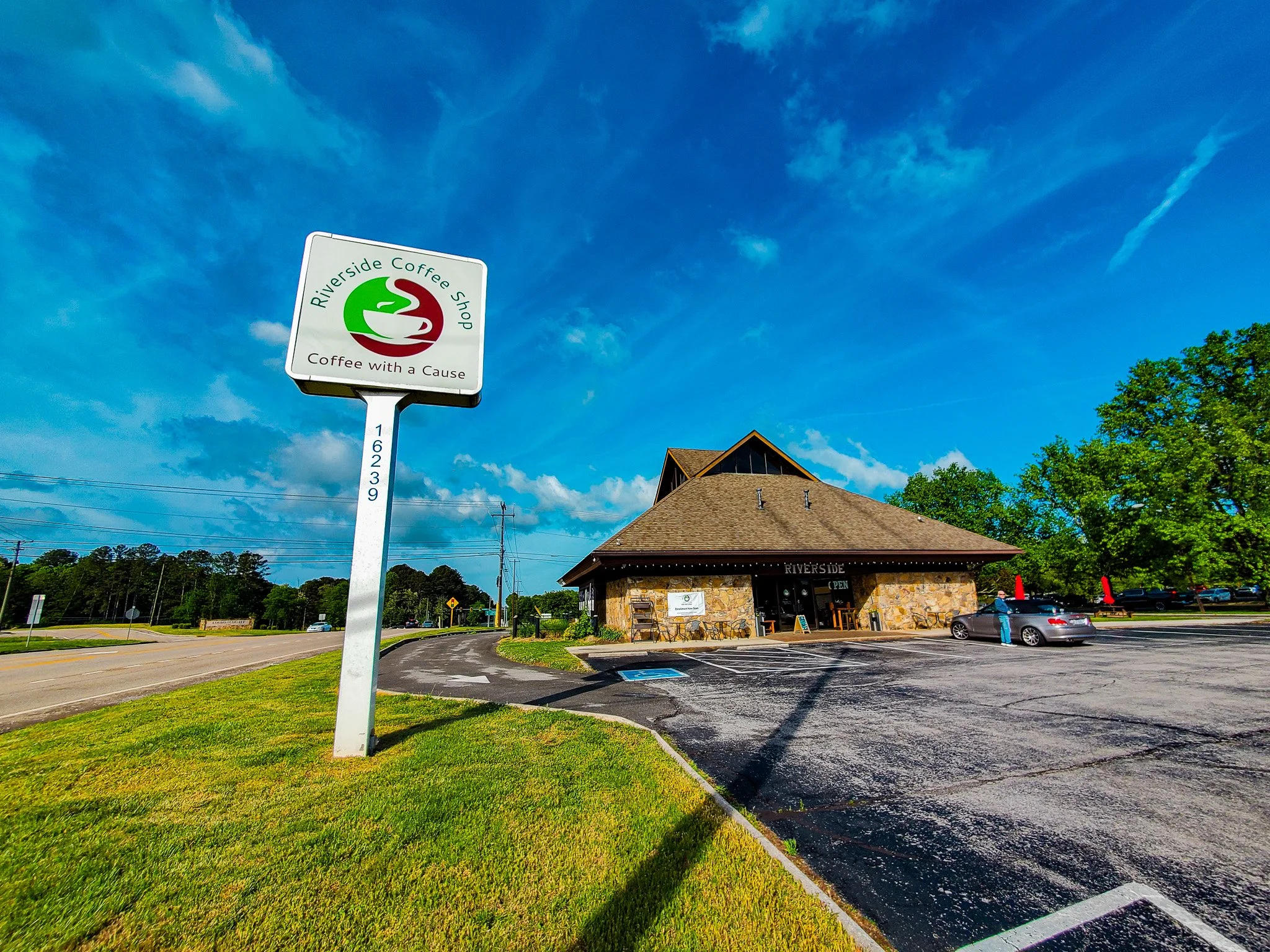
Riverside Coffee Shop
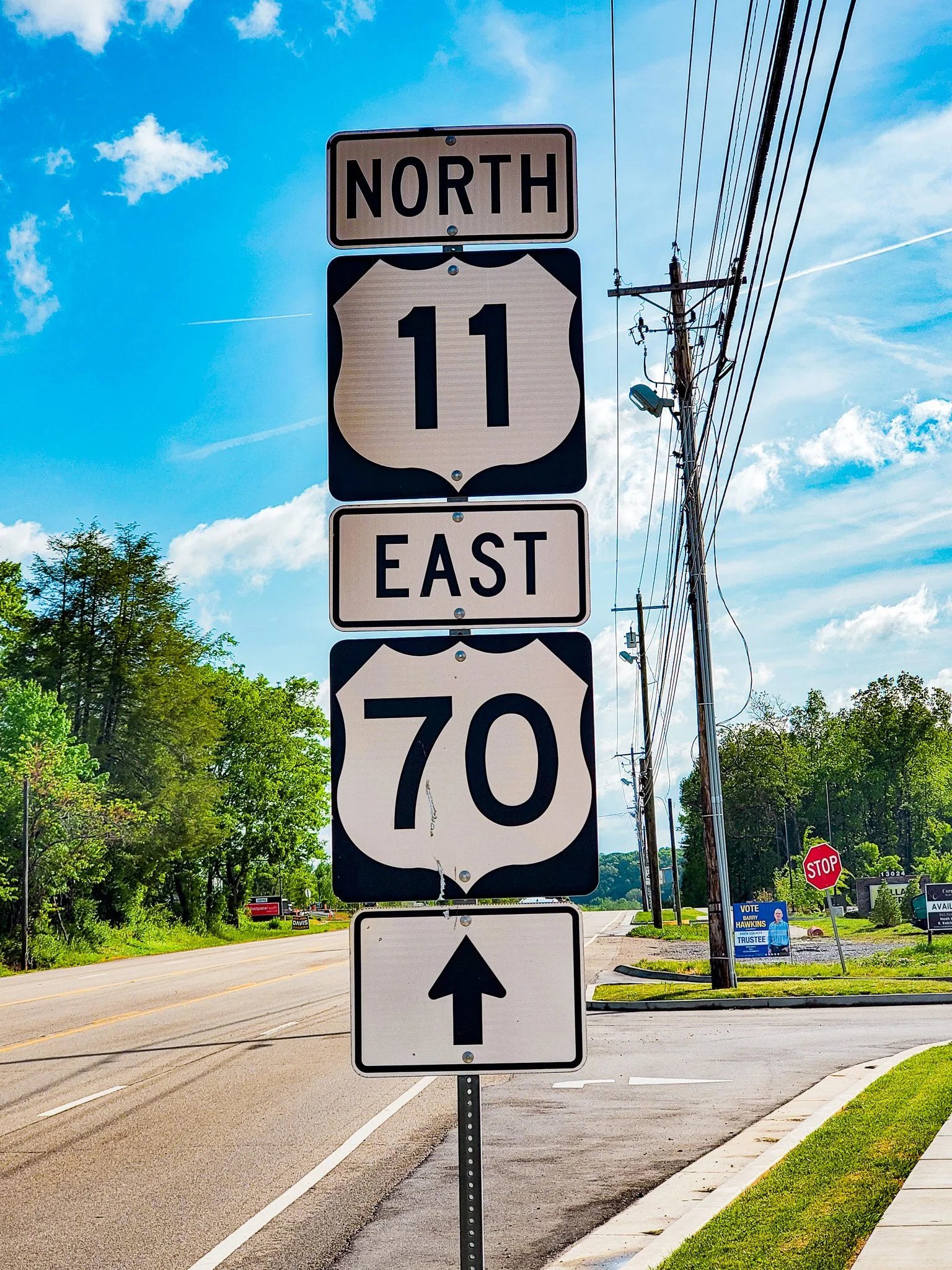
Highway Signs at Dixie Lee Junction
FARRAGUT
This city was named after Admiral David Farragut who was born near the town in 1801. He was famous for uttering “Damn the torpedoes! Full speed ahead” during the Battle of Mobile Bay in 1864. Tennessee State 1, which runs concurrently with US 11 here, is part of the “Memphis to Bristol” highway, the first state road in Tennessee. The Farragut Museum and the Campbell Station Inn on Kingston Pike (built in 1835) provide insight into the town’s roots.
WEST KNOXVILLE
West Knoxville is connected to downtown Knoxville by way of Kingston Pike, a major 20 mile commercial and residential corridor in Knox County. Originally part of a Native American trail, by 1788 it had been incorporated into the North Carolina Road, connecting settlements in East Tennessee with those in the Nashville area. During the early 19th century highwaymen stalked the more isolated stretches and by 1820 the section just west of Bearden had been nicknamed “Murderers’ Hollow”. A stagecoach line was begun around 1810, and in 1866 the Kingston Turnpike Company was chartered with the intention of improving the road into Knoxville. Trolley tracks were constructed by 1913, and by the end of WWII, Kingston Pike was expanded to four lanes. From the 1920’s into the 1950’s, Kingston Pike was known as the “Dixie Lee Highway” because of the convergence of US 11 and US 70 through the area.
KNOXVILLE
The town was named after Henry Knox, American military officer and one of the Founding Fathers of the United States. A burial mound dated from 1000 to 1400 AD is located on the University of Tennessee campus near downtown. Knoxville was settled by Europeans in 1786 when James White built White’s Fort in what is now downtown Knoxville. It was the first capital of Tennessee and has an historic downtown with the Tennessee and Bijou theaters, Market Square, Museum of East Tennessee History, and the historic and renovated Gay Street. The JF Goodson (JFG) Coffee Company was founded in Morristown Tennessee and moved to Knoxville in the early 1900’s. Knoxville was site of the 1982 World’s Fair and the Sunsphere Observation Deck and Gallery and the “Weaving Rainbow Mountain” (also called the “Hypnotic Stairs”) remain downtown. The world’s largest basketball swooshes a net over the Women’s Basketball Hall of Fame near downtown on the UT campus. Knoxville was the birthplace of Weigel’s dairy store and the original formulation of Mountain Dew, concocted initially as a whiskey mixer (historic marker at 1921 E. Magnolia Avenue). Other optional stops include the “Shake, Buddy” Civil War monument at 16th Street, the Bicycle Arch at 205 E. Hill Street, the Bleak House Confederate Shrine at 3148 Kingston Pike SW, chainsaw-produced full color eagle, flag and battle cross at 6700 Washington Pike, doomed Rachmaninoff’s final concert statue in World’s Fair Park on Cumberland Avenue, “Killed at the Speedway” tombstone at 5100 Asbury Cemetery Road, a statue to Harry T Burn at 606 Market Street, the half-submerged oarsman on W Church Avenue, the Safety follows Wisdom monument at 1100 Troutman Road, the Torchbearer statue on the UT campus on Torchbearer Plaza, the vaccinating Big Baby statue at 504 Market Street SW, and the world’s largest Rubik’s cube at 701 Henley Street.
As you pass Chilhowee Park (home of the Tennessee Valley Fair), watch for the split of 11W and 11E. They rejoin as US 11 in Bristol, 110 miles to the east via 11W or 121 miles via US 11E. As they separate, US 11W (the northern route) is known as Rutledge Pike and 11E (the southern route) is known as the Asheville Highway, being concurrent with US 25W. US 11E becomes the Andrew Jackson Highway when US 25W splits near Trentville. Because they both run east and west, and because neither is solely “east” or “west”, they are best simply referred to as not “11 East”) and 11W (and not “11 West”).
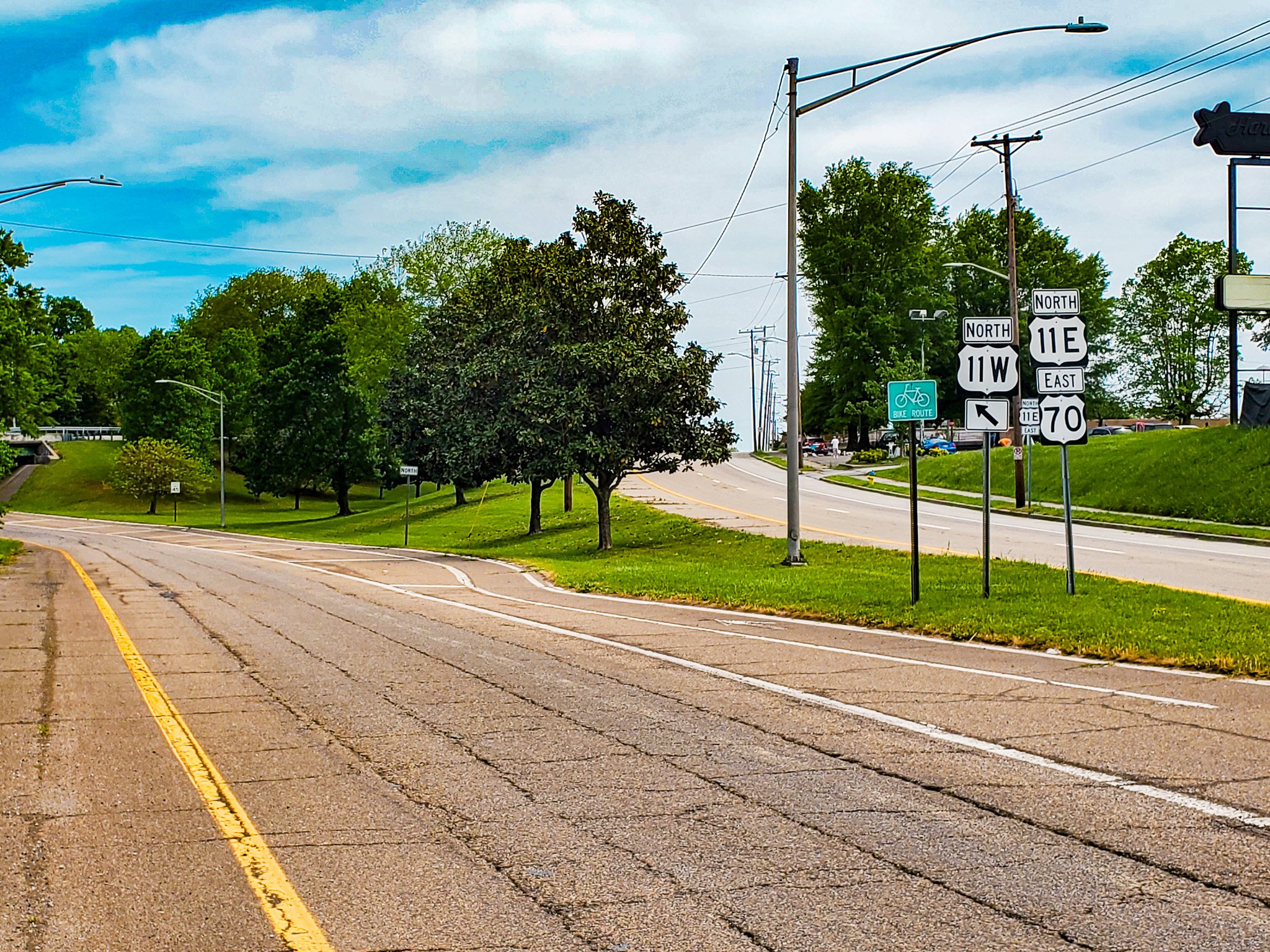
Knoxville 11 Split
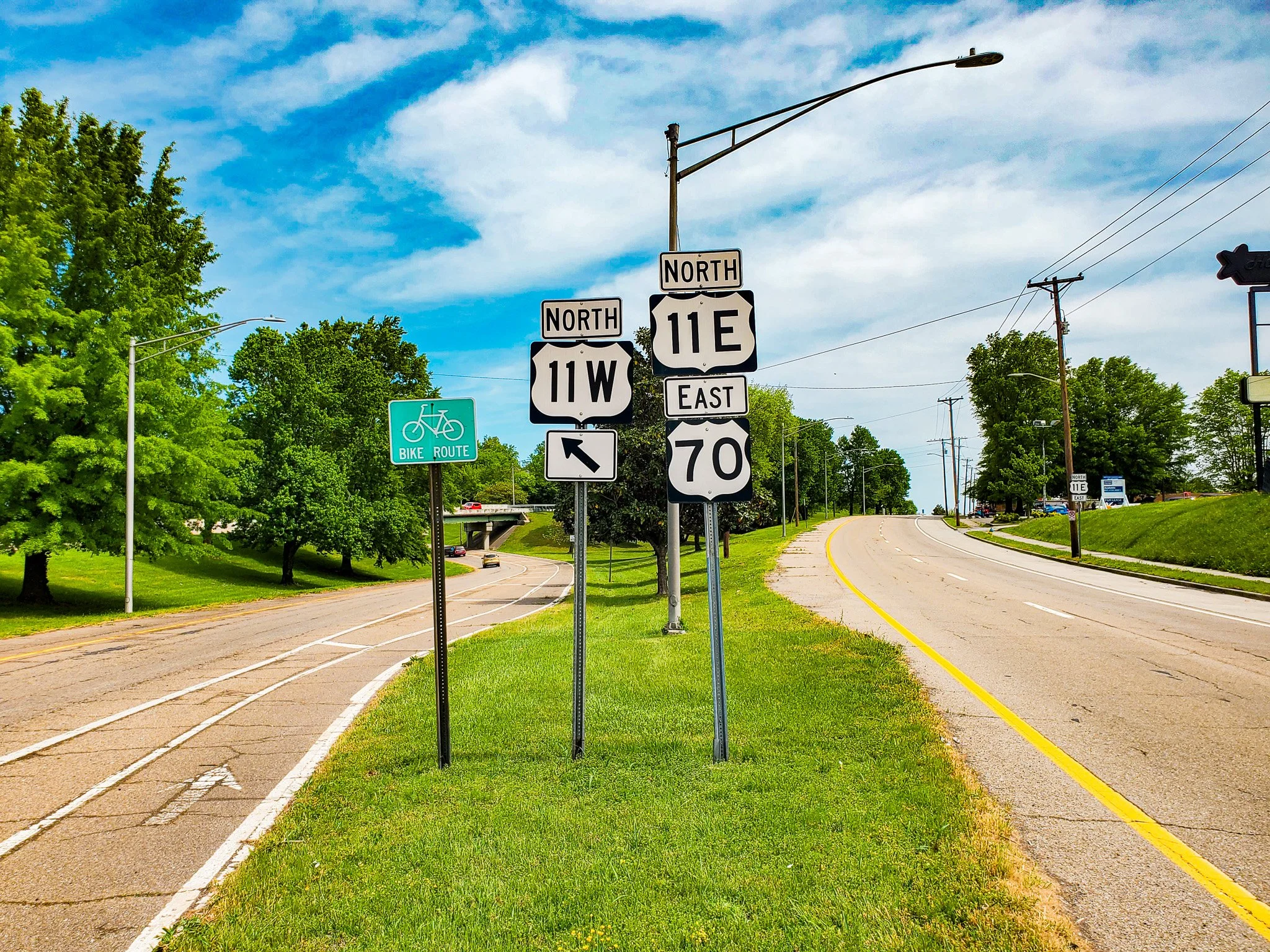
Knoxville 11 Split
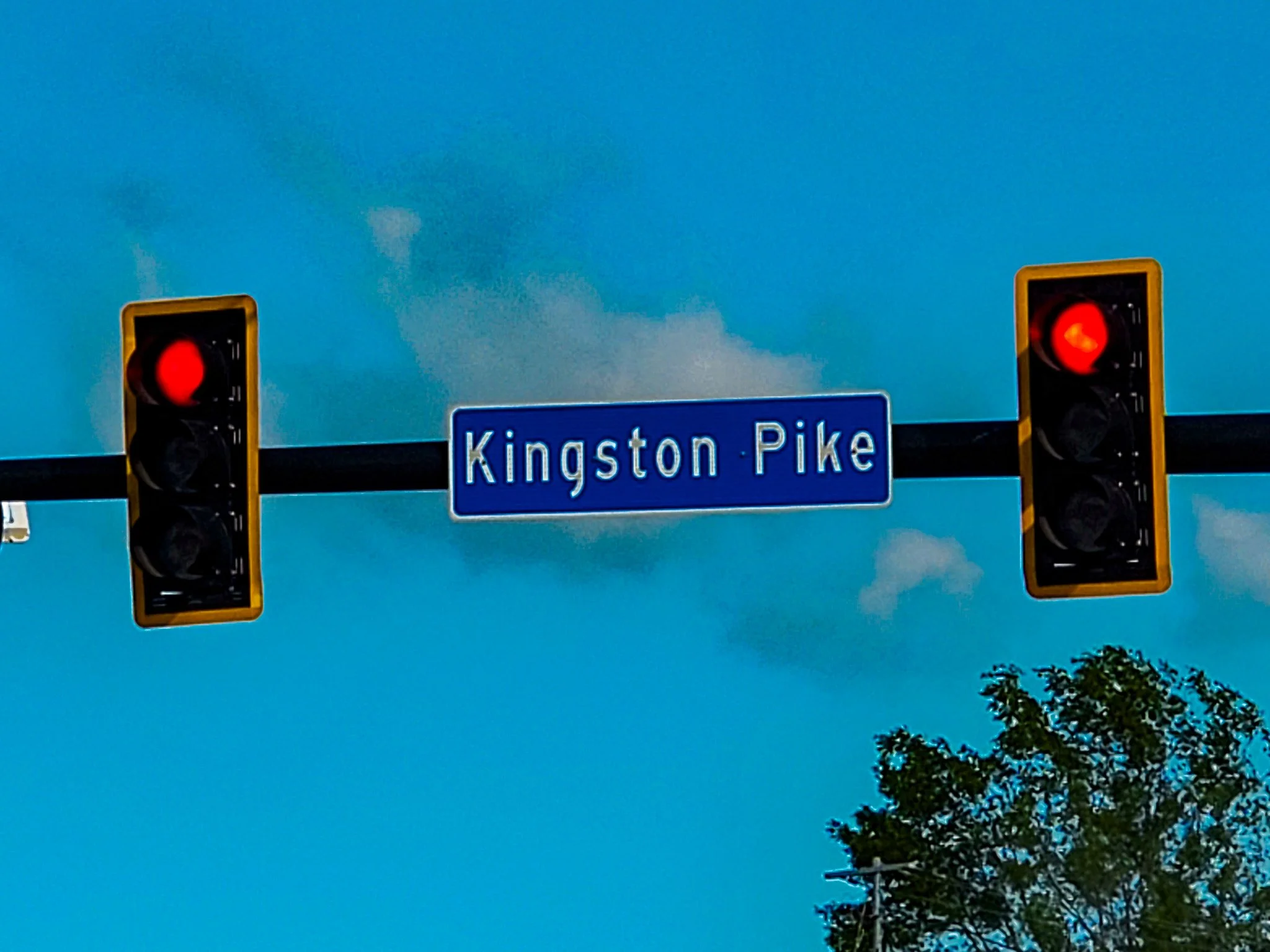
Kingston Pike Sign
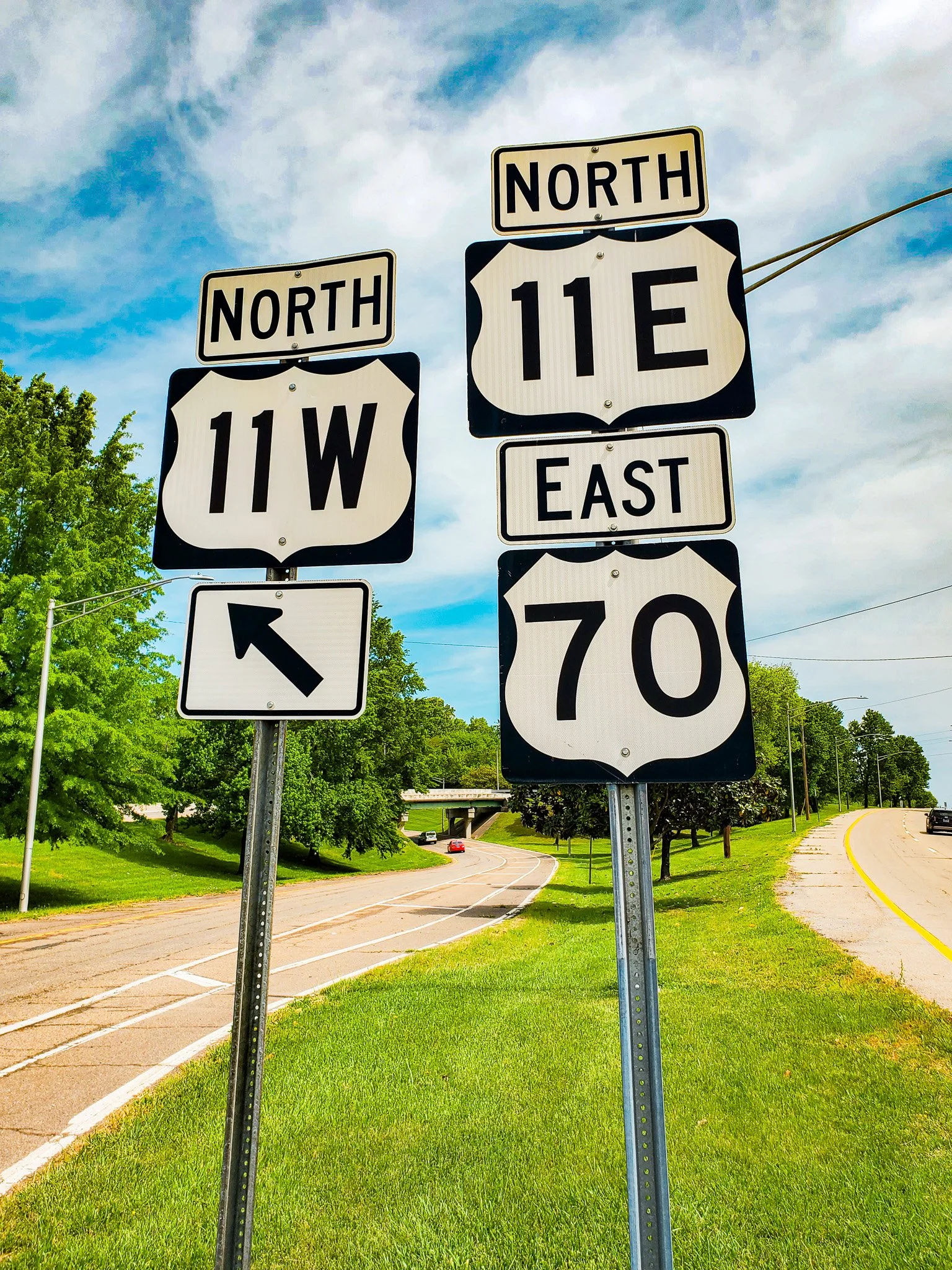
Knoxville 11 Split
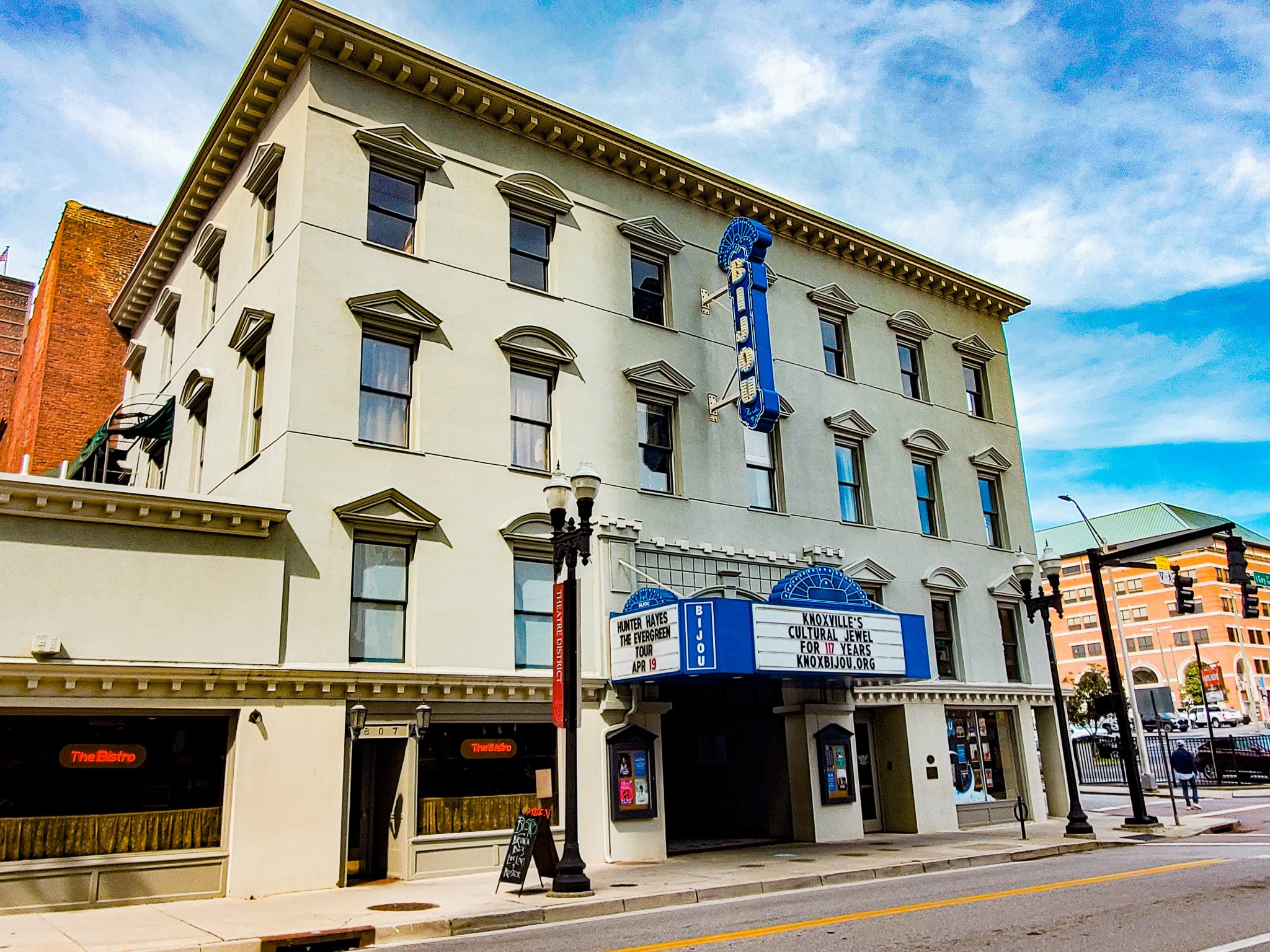
Bijou Theater
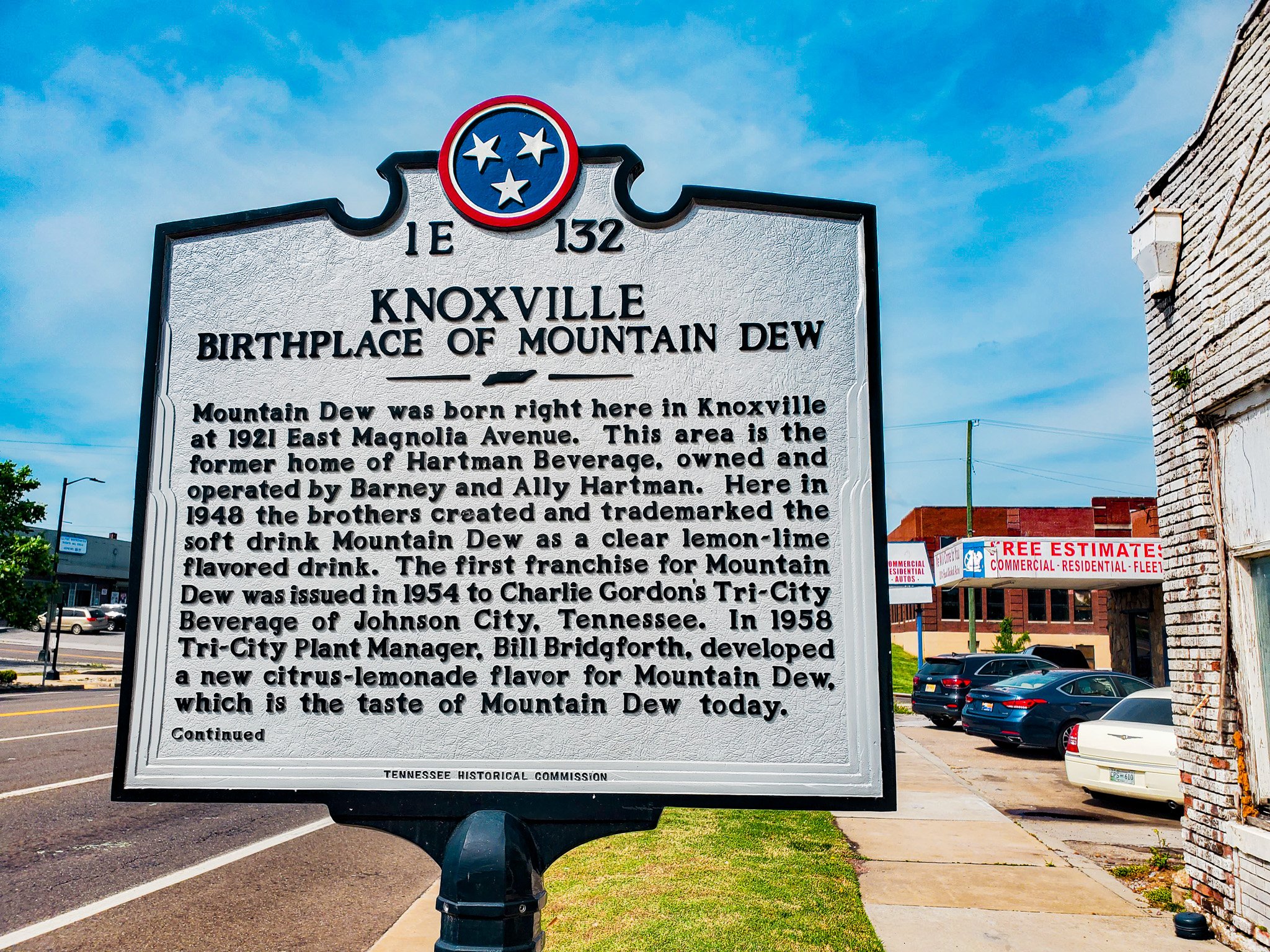
Mountain Dew Marker
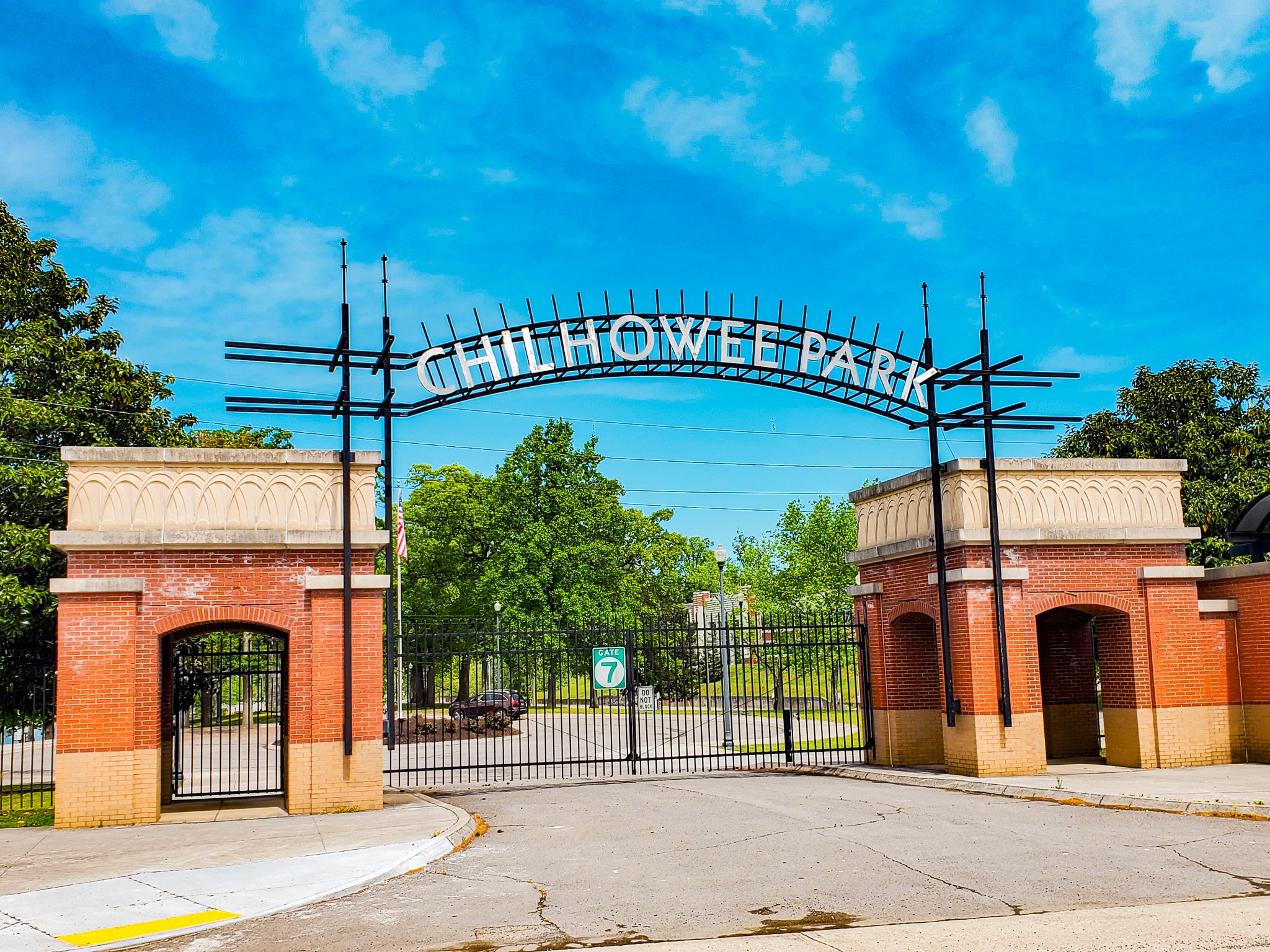
Chilhowee Park
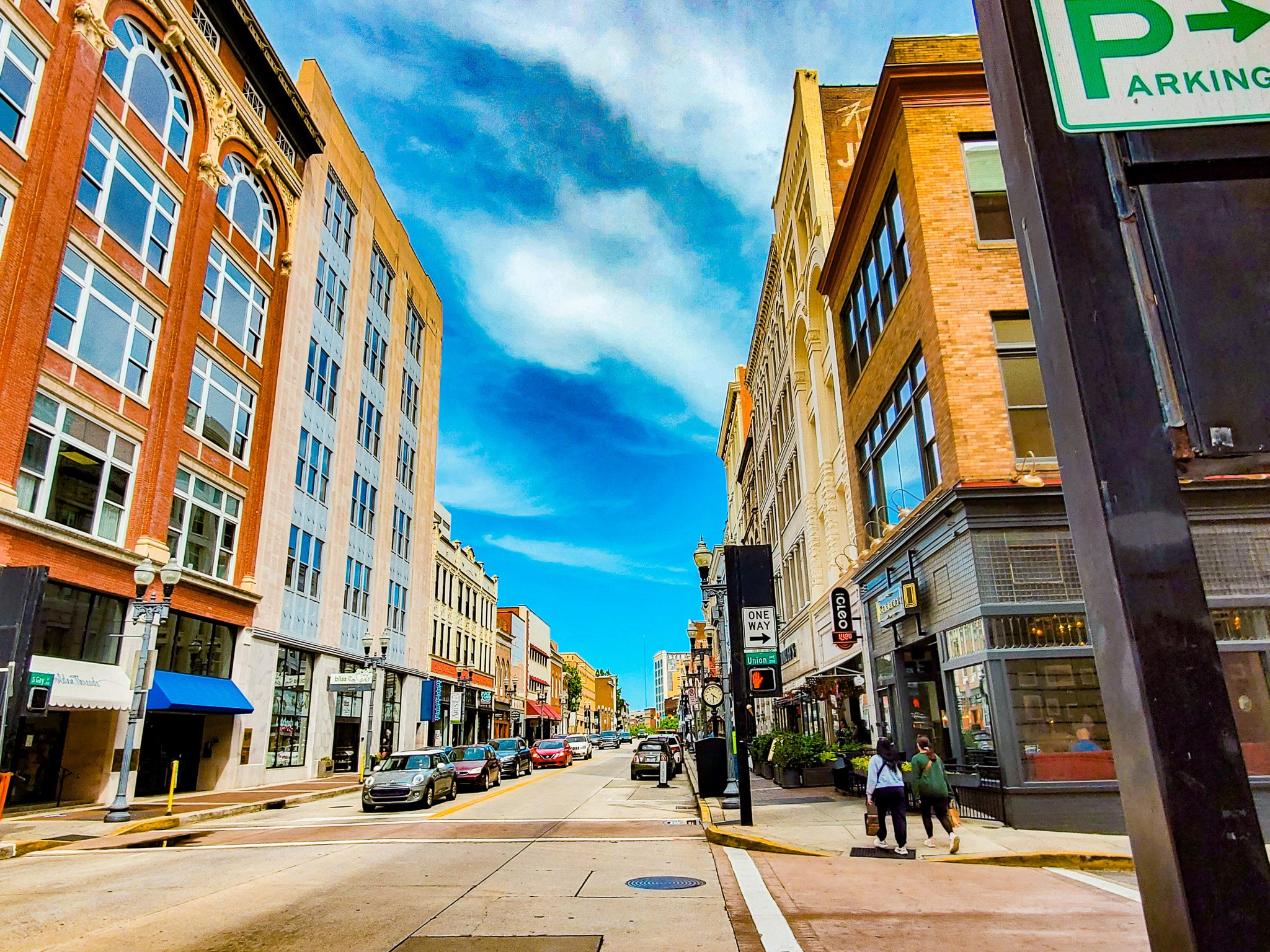
Knoxville Downtown - Gay St
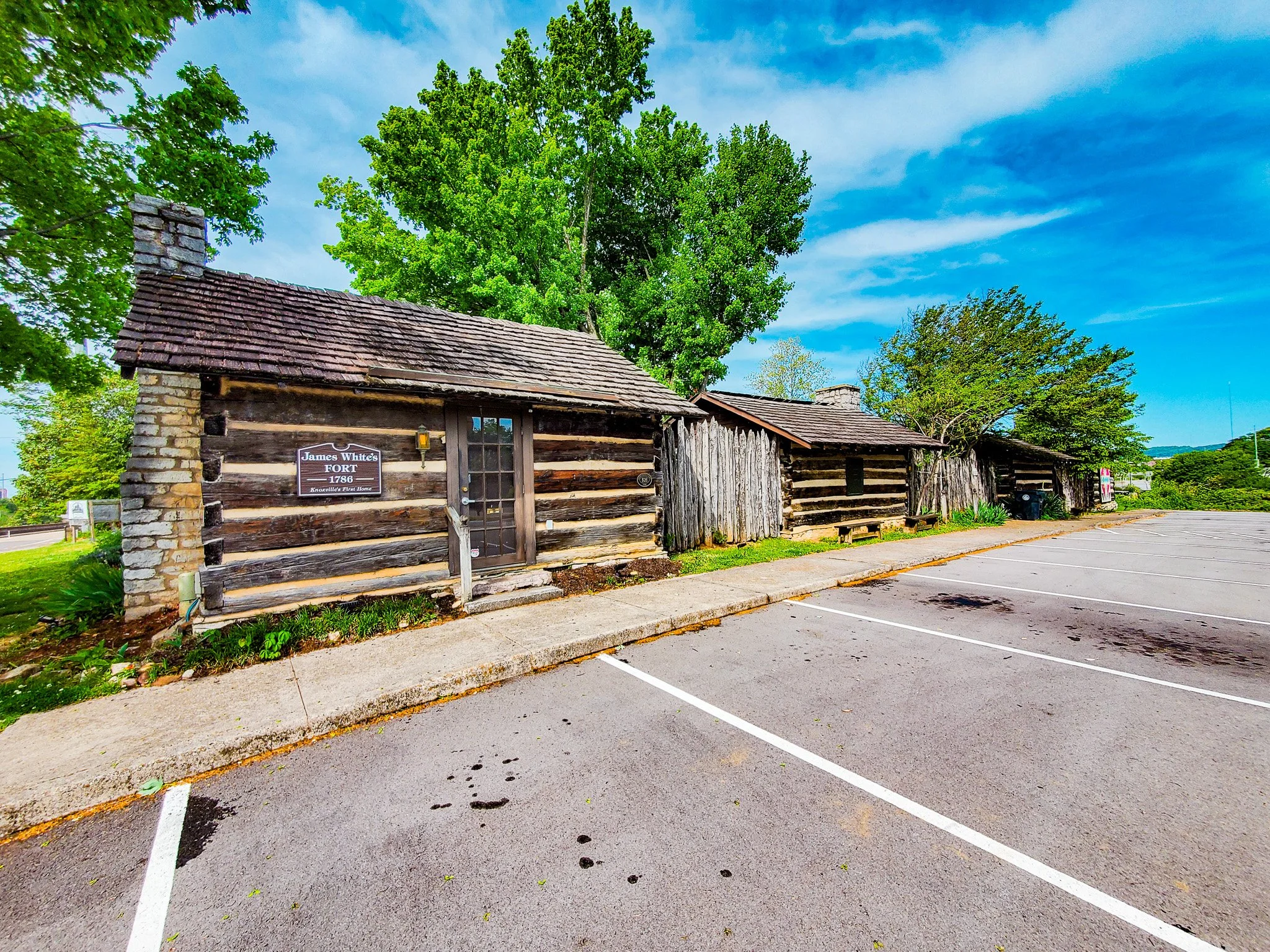
James White Fort
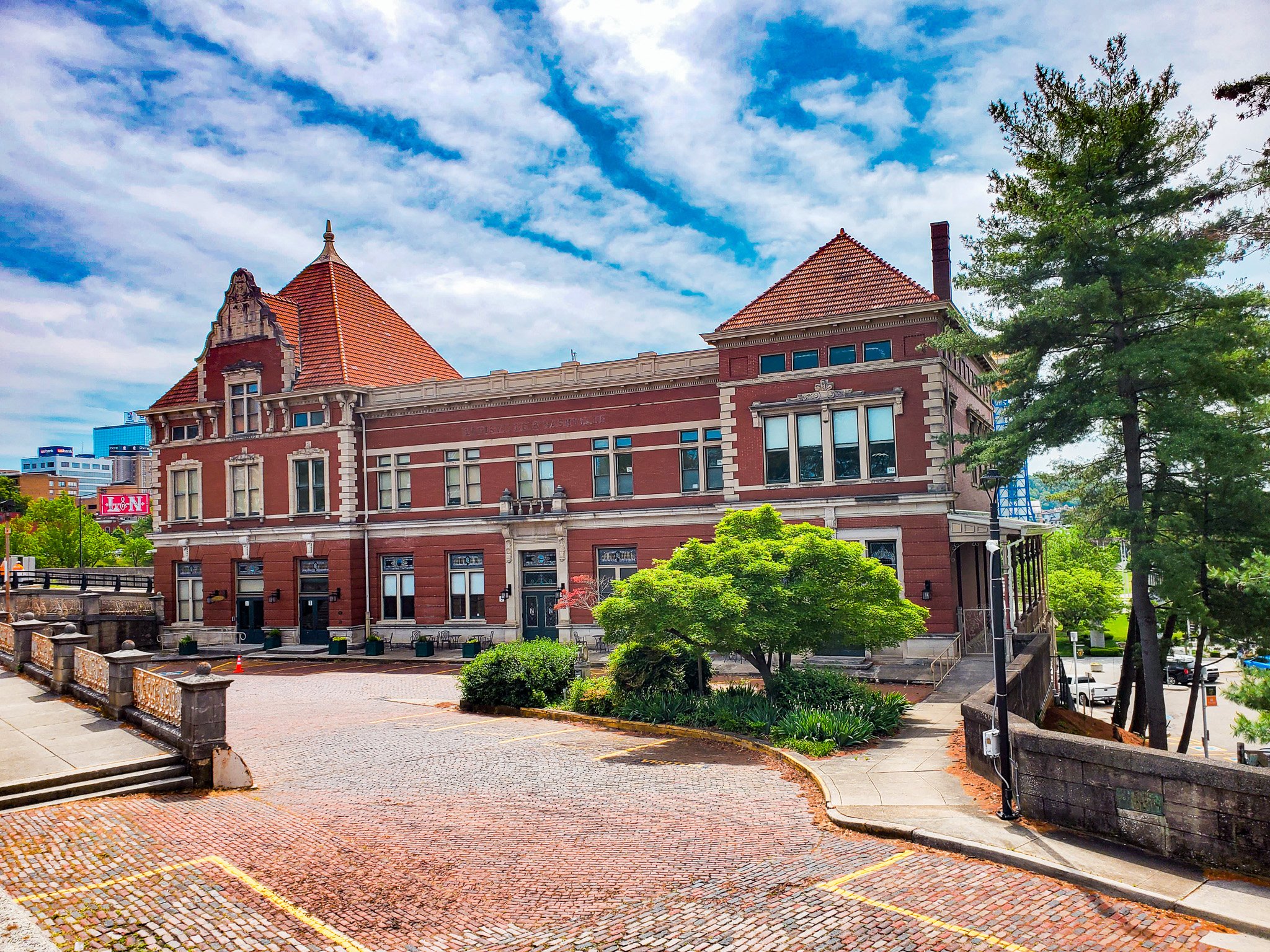
L & N Depot
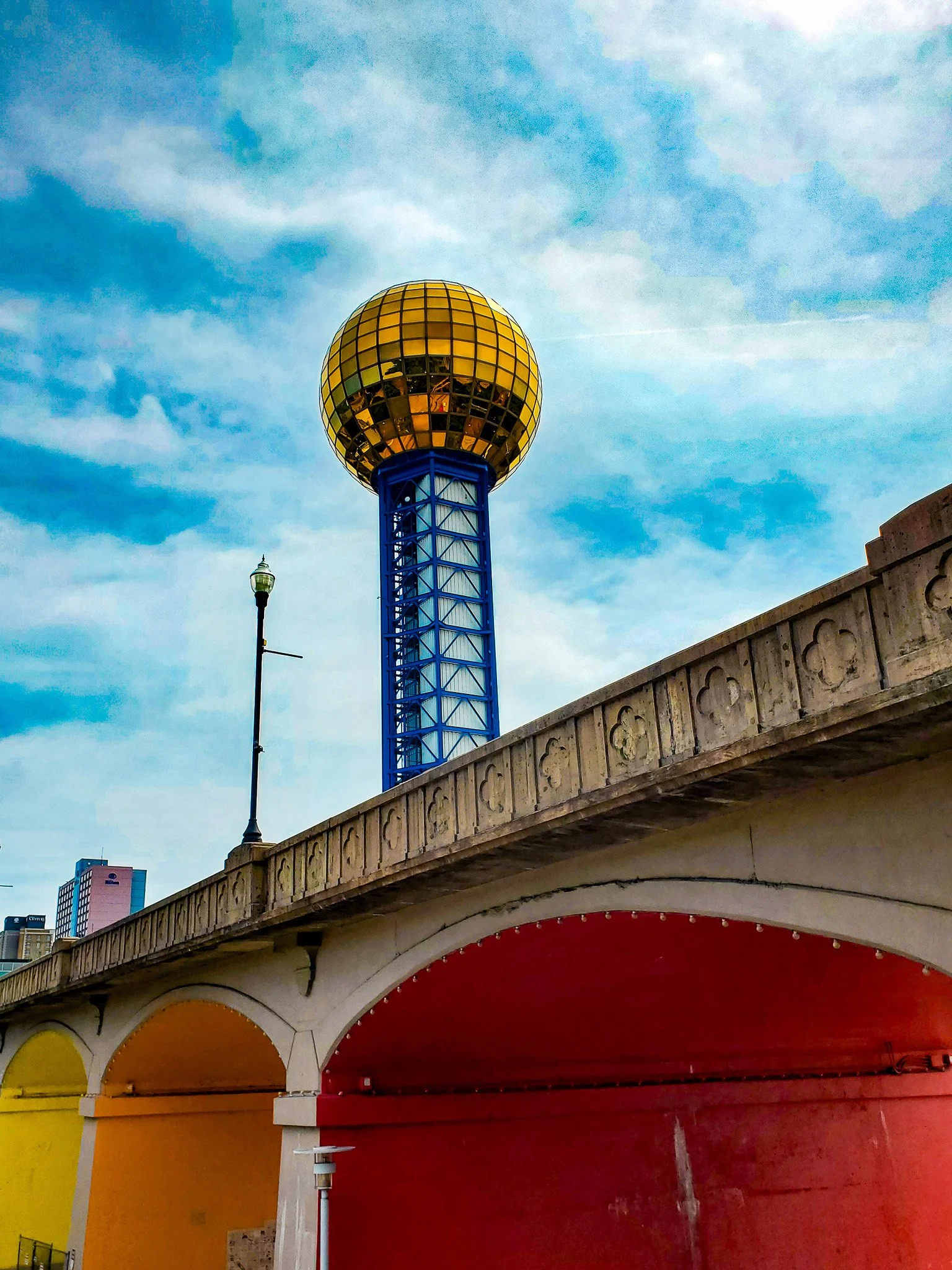
Knoxville Sunsphere
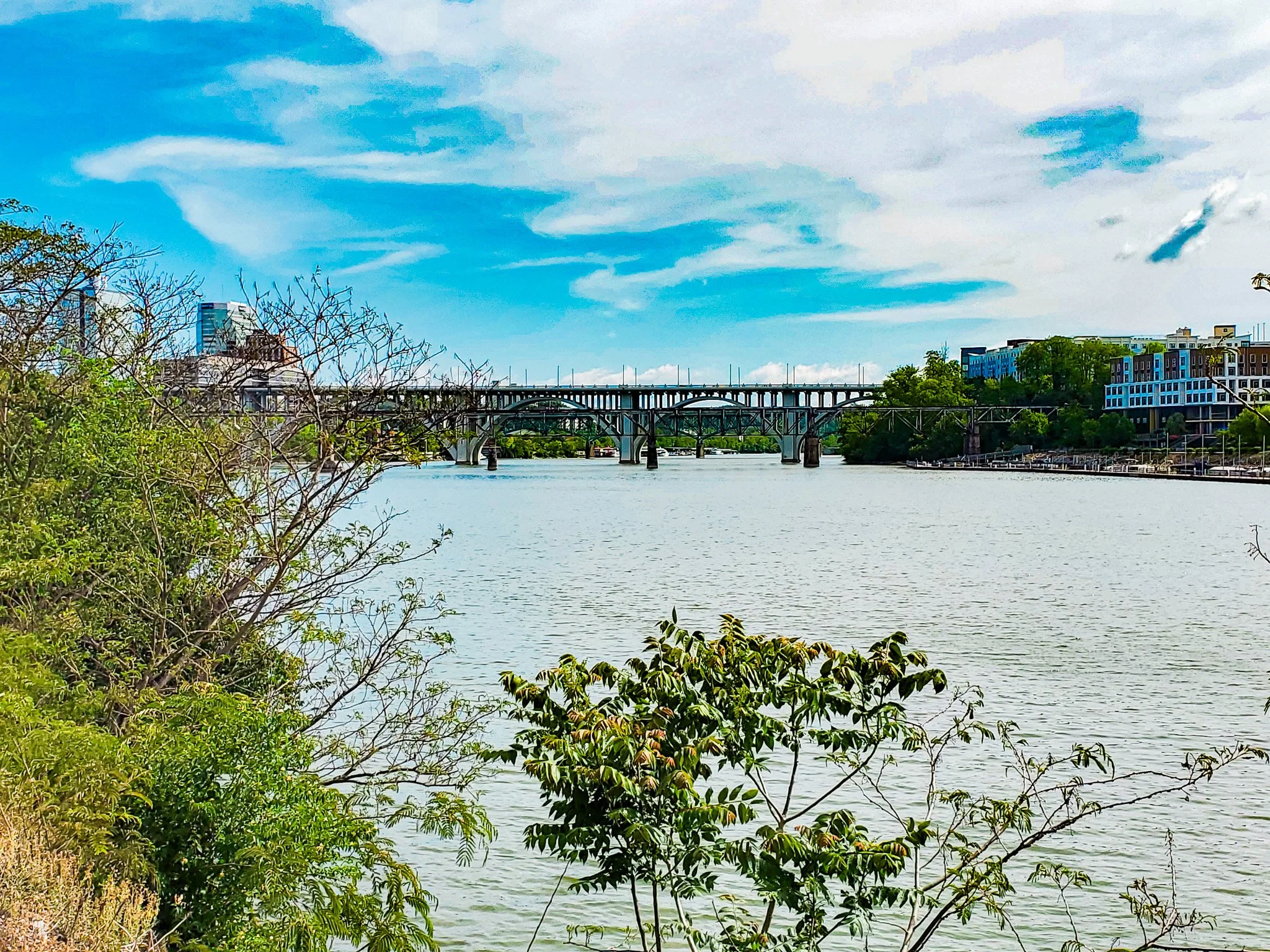
Tennesee River
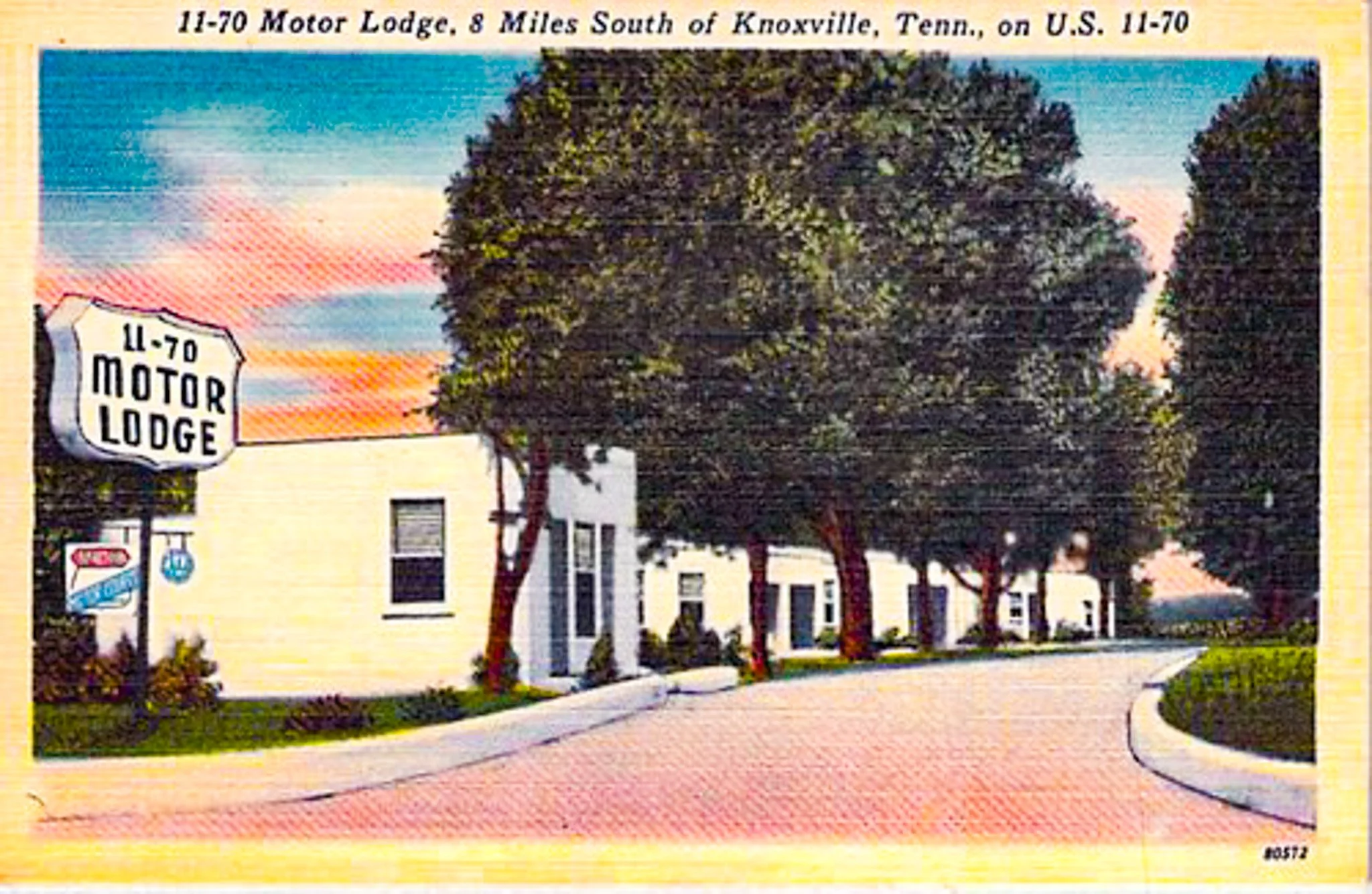
11-70 Motor Lodge Postcard
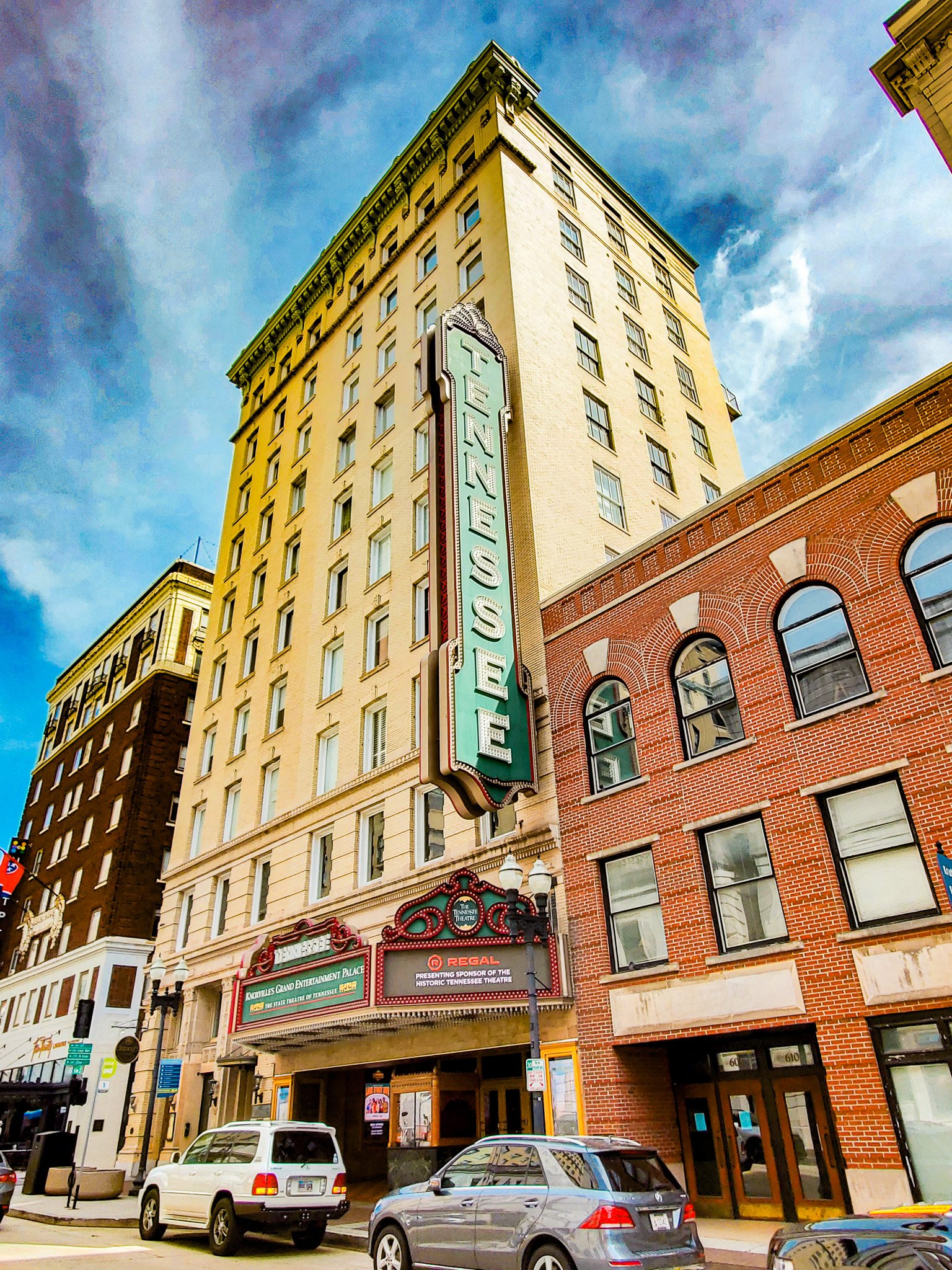
Tennessee Theater
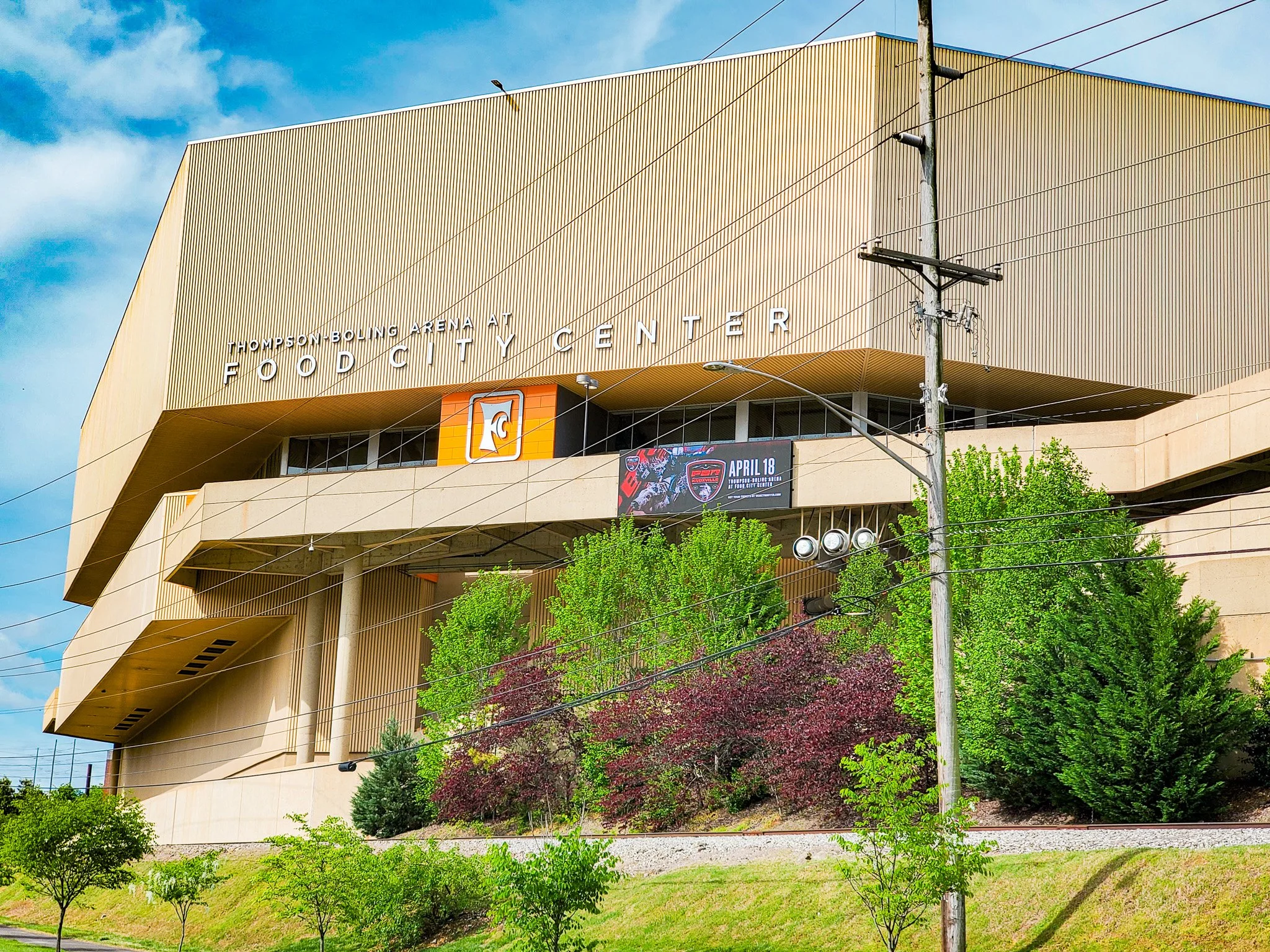
UT Basketball Arena
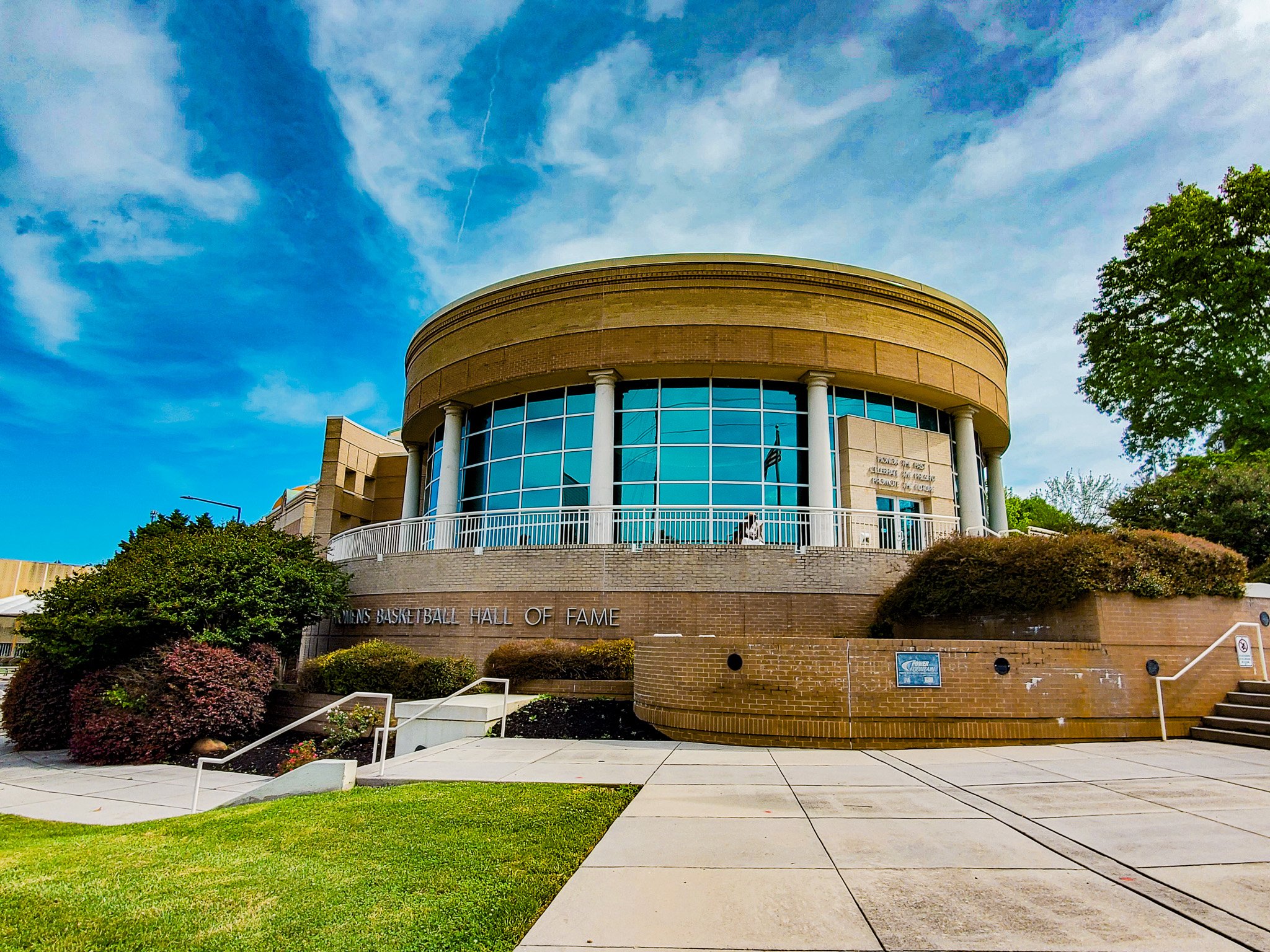
Women's Basketball Hall of Fame
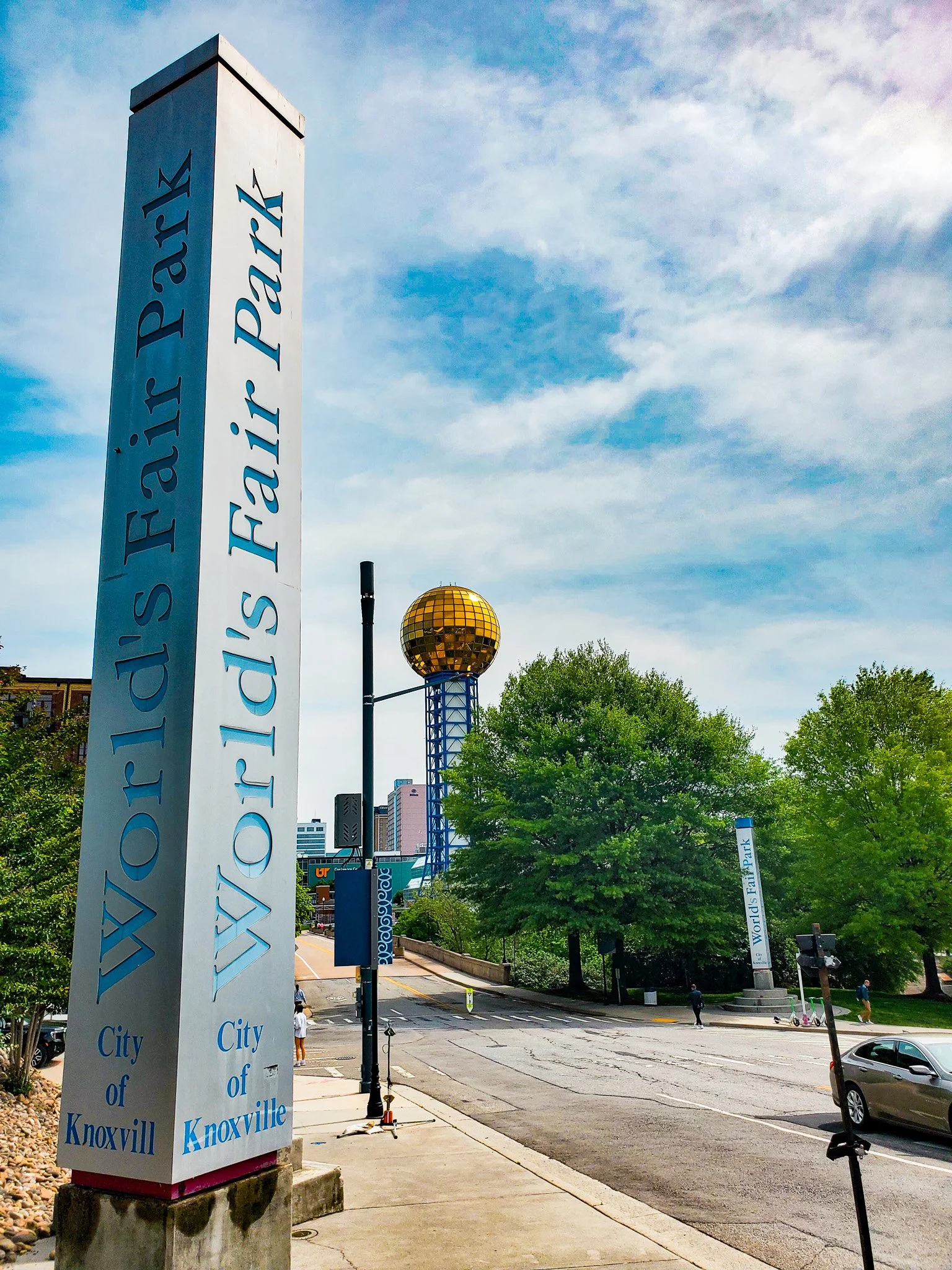
World's Fair Park
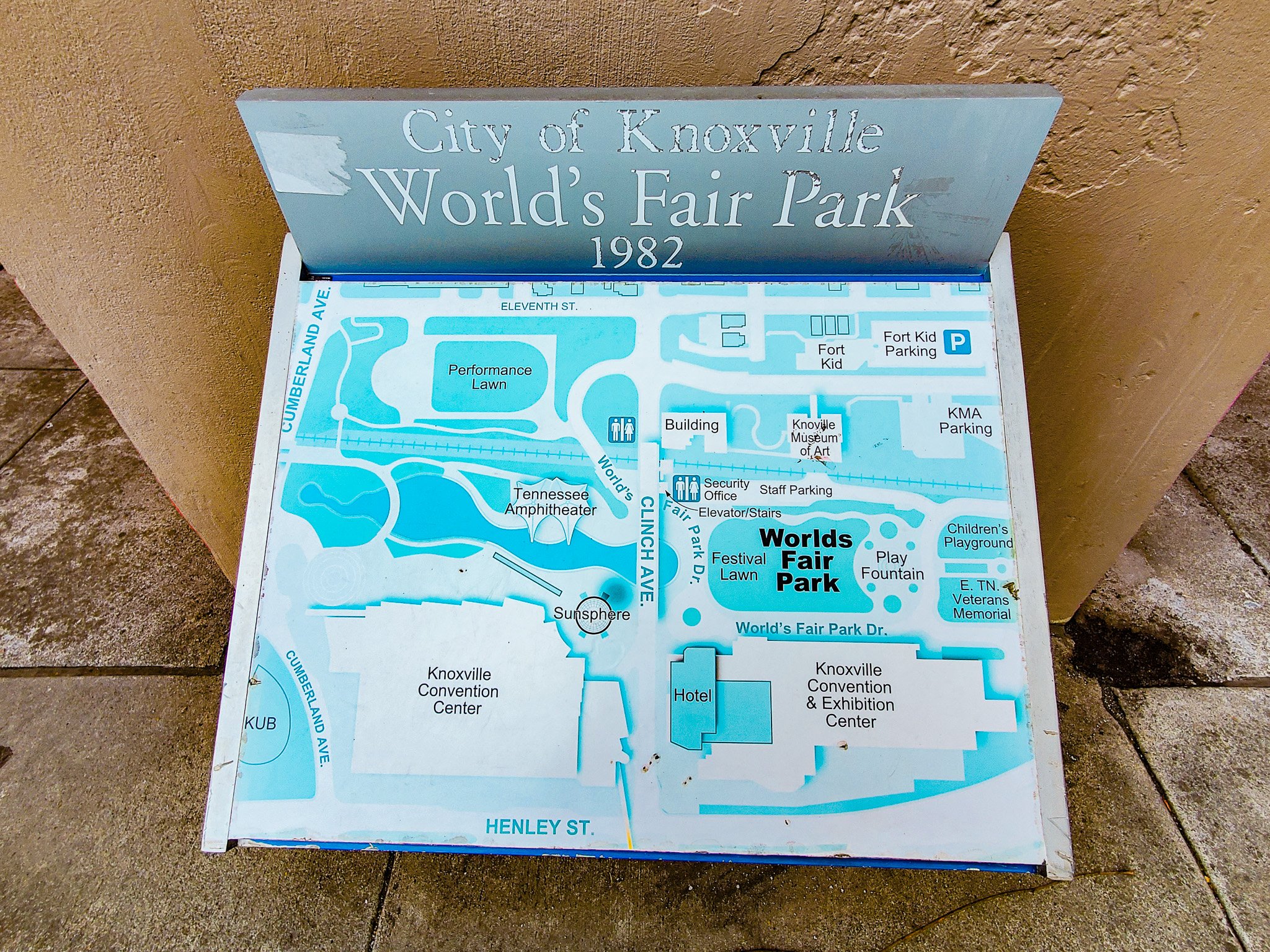
World's Fair Park
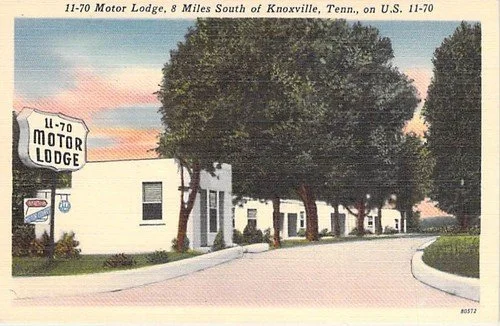
11-70 Motor Lodge post card
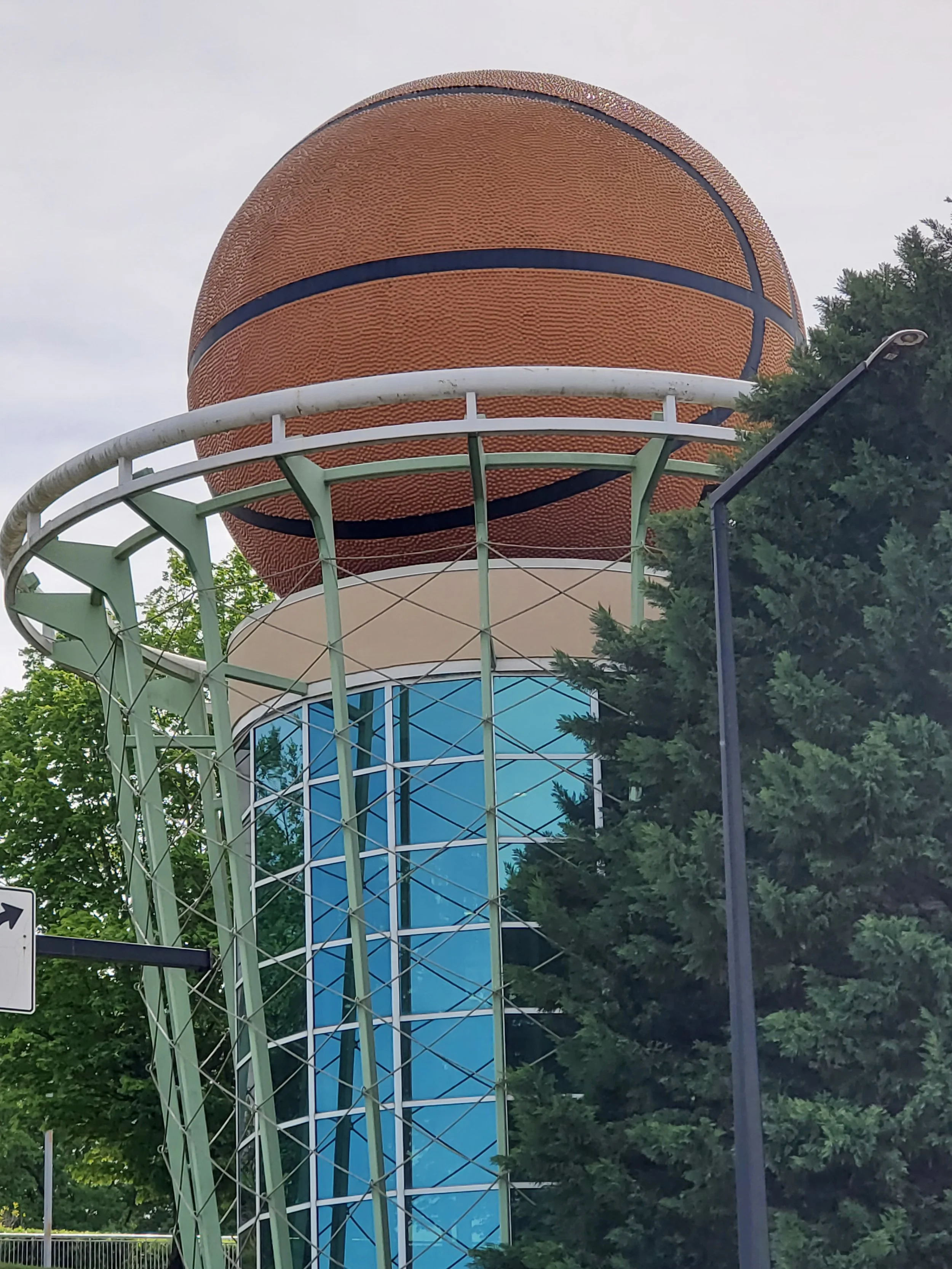
World's Largest Basketball at Women's BB Hall of Fame
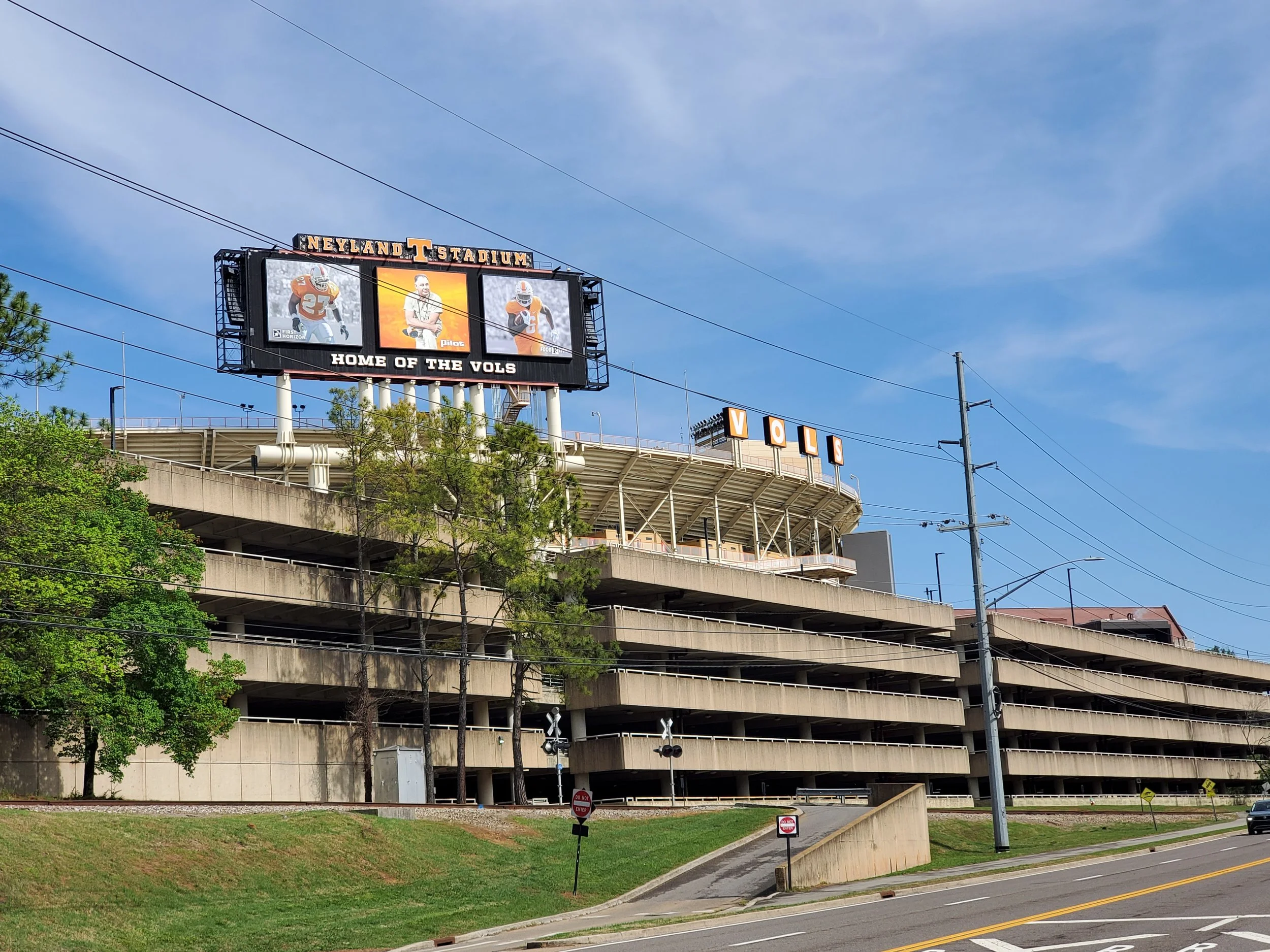
Neyland Stadium at University of Tennessee
11E: The Great Valley Road or The Great Wagon Road
As the highway leaves Knoxville and crosses the Holston River, you will observe the old River Breeze Drive In sign on the east side of the river. Its 30 year run ended in 1980.
STRAWBERRY PLAINS
Strawberries were found in the area by settlers in the 1780’s.
NEW MARKET
In 1904, two Southern Railway trains collided head on at great speeds here, killing 64 passengers and injuring dozens more. Houston’s Miracle Water (now Houston’s Mineral Water) at 1005 W. Old AJ Highway is worth a taste (bring clean containers).
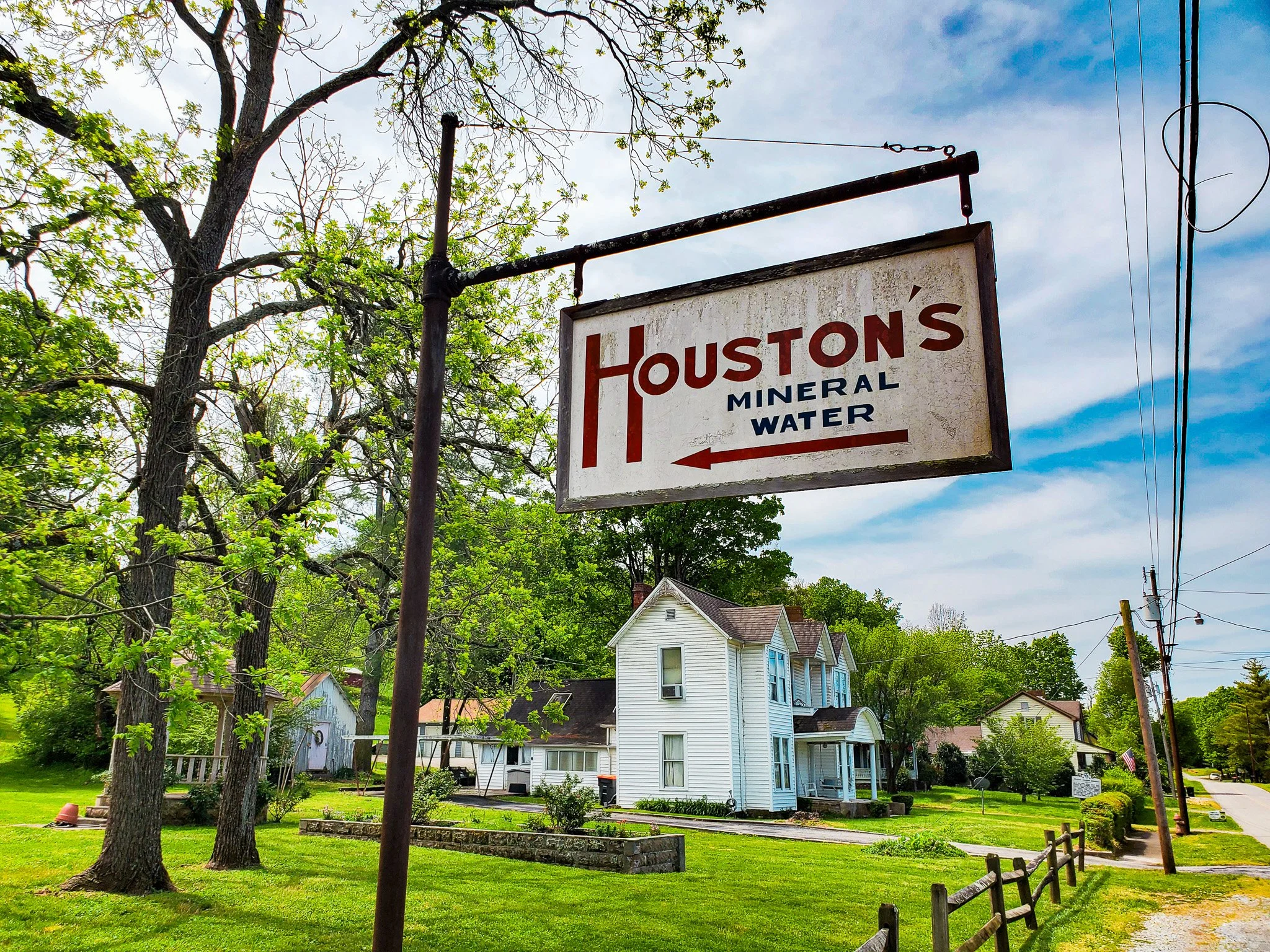
Houston's Mineral Water
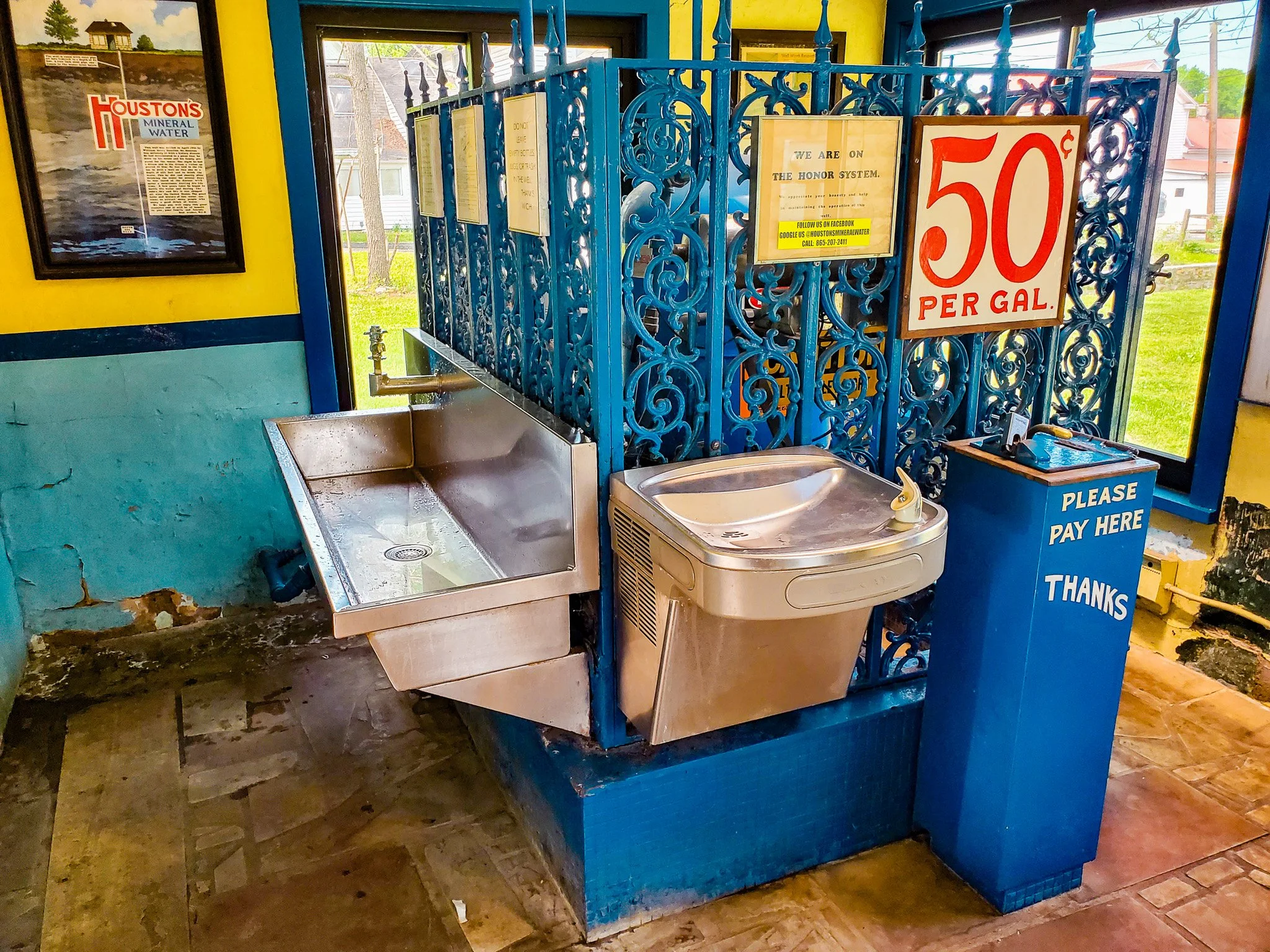
Houston's Mineral Water
JEFFERSON CITY
Originally settled as Mossy Creek by Elizabeth and Adam Peck in 1788, the town was renamed Jefferson City in honor of Thomas Jefferson. Jefferson County was the largest producer of zinc in the country from 1950-1974 and operating zinc mines remain. Jefferson City is home to Carson-Newman University. TVA dams produced Cherokee and Douglas Lakes nearby in the 1940’s. The Great Indian Warpath is identified with an historic marker behind the county high school.
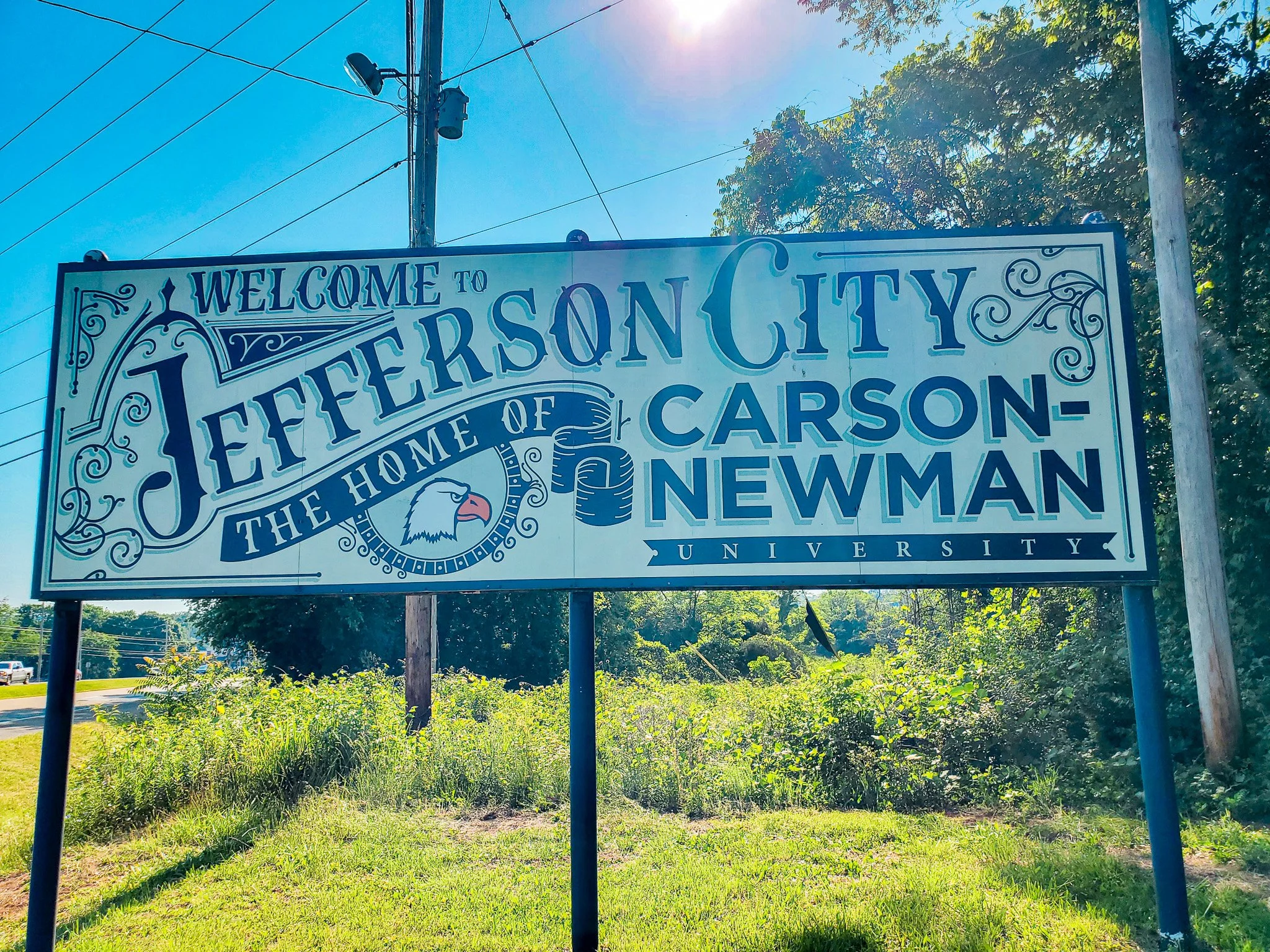
Welcome to Jefferson City Sign
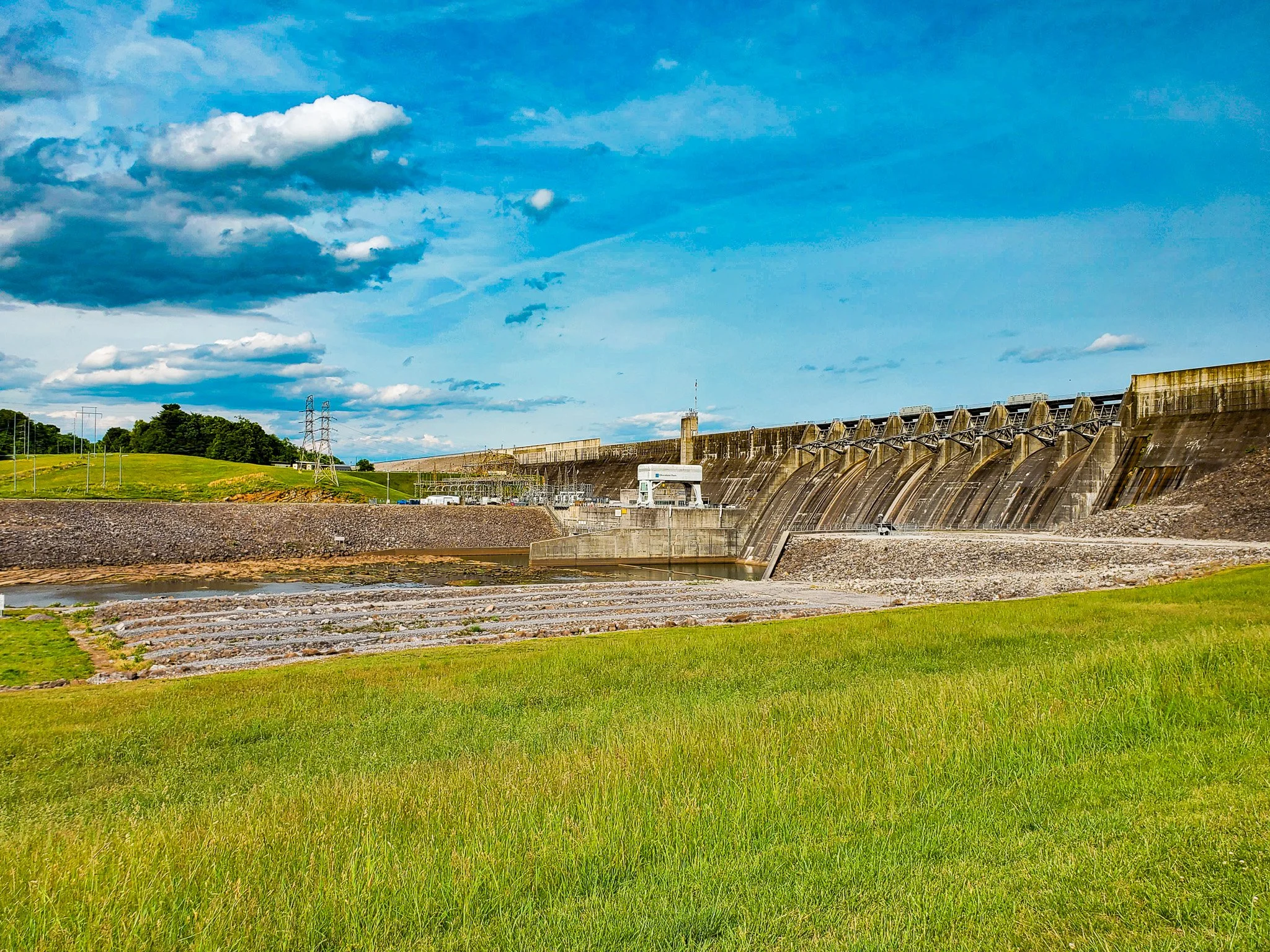
Cherokee Dam
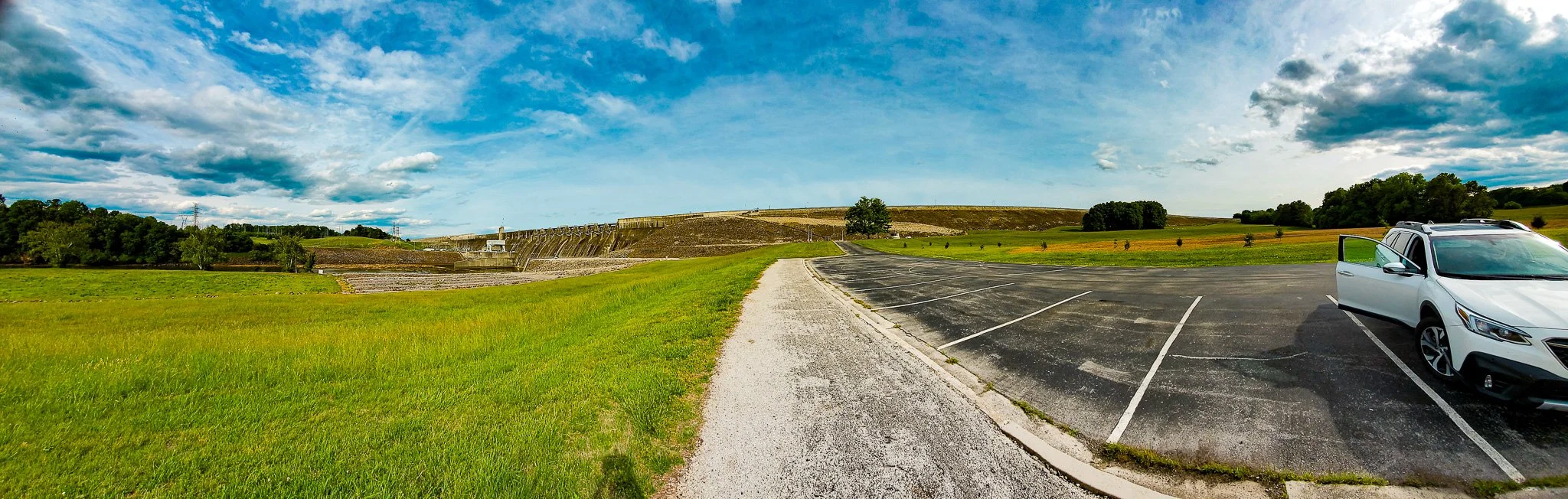
Cherokee Dam
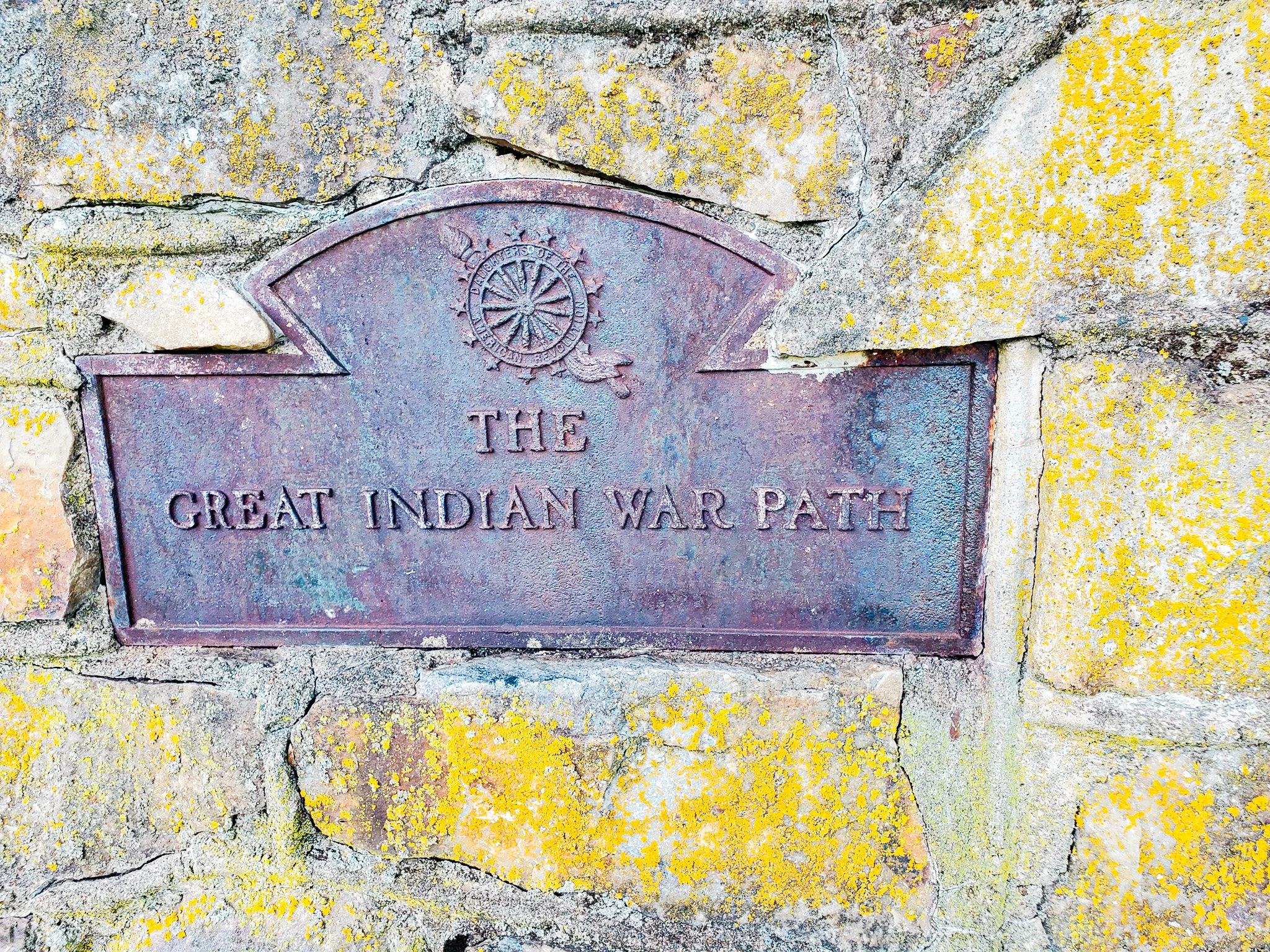
Great Indian Warpath Plaque
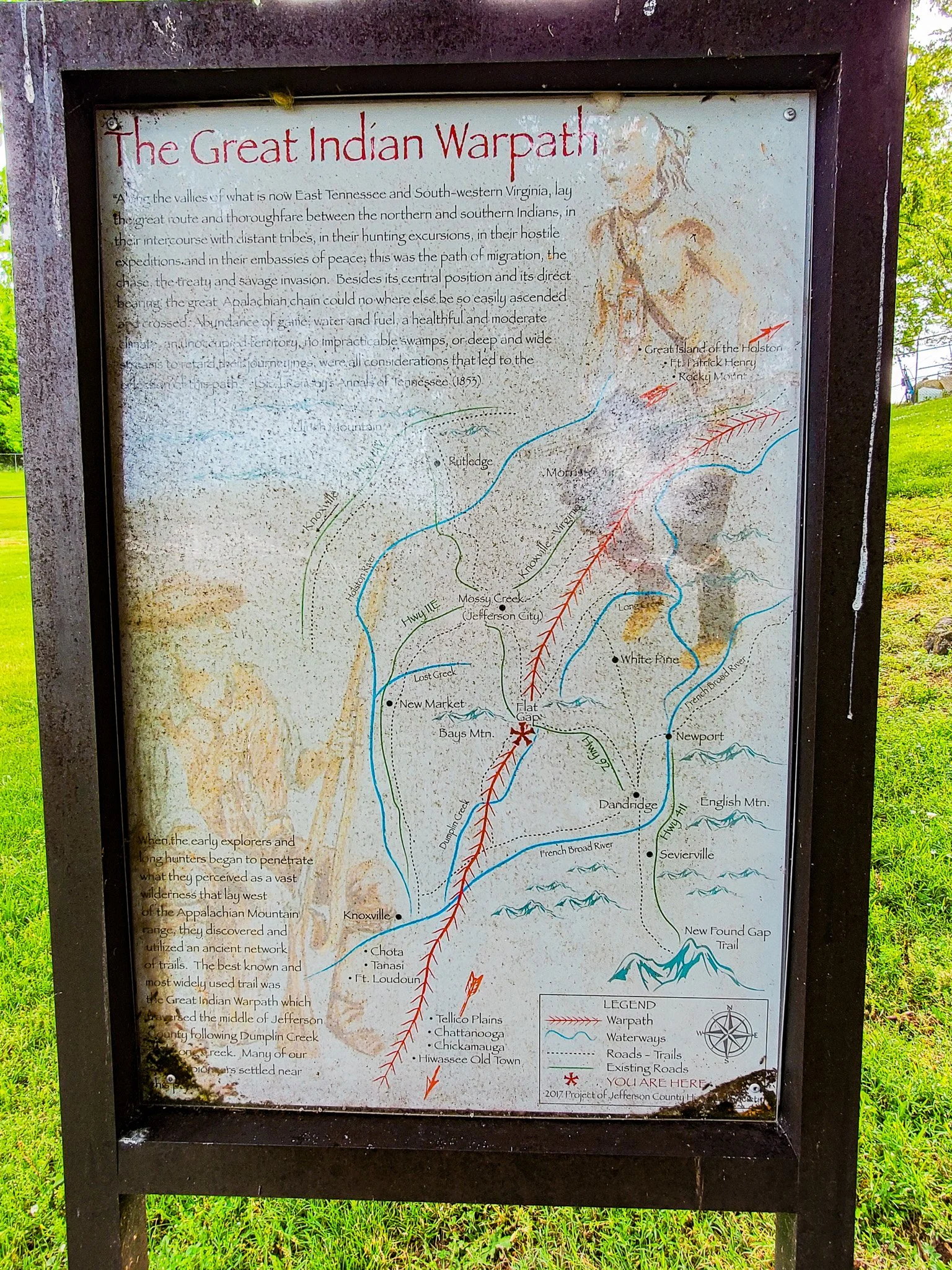
Great Indian Warpath Sign
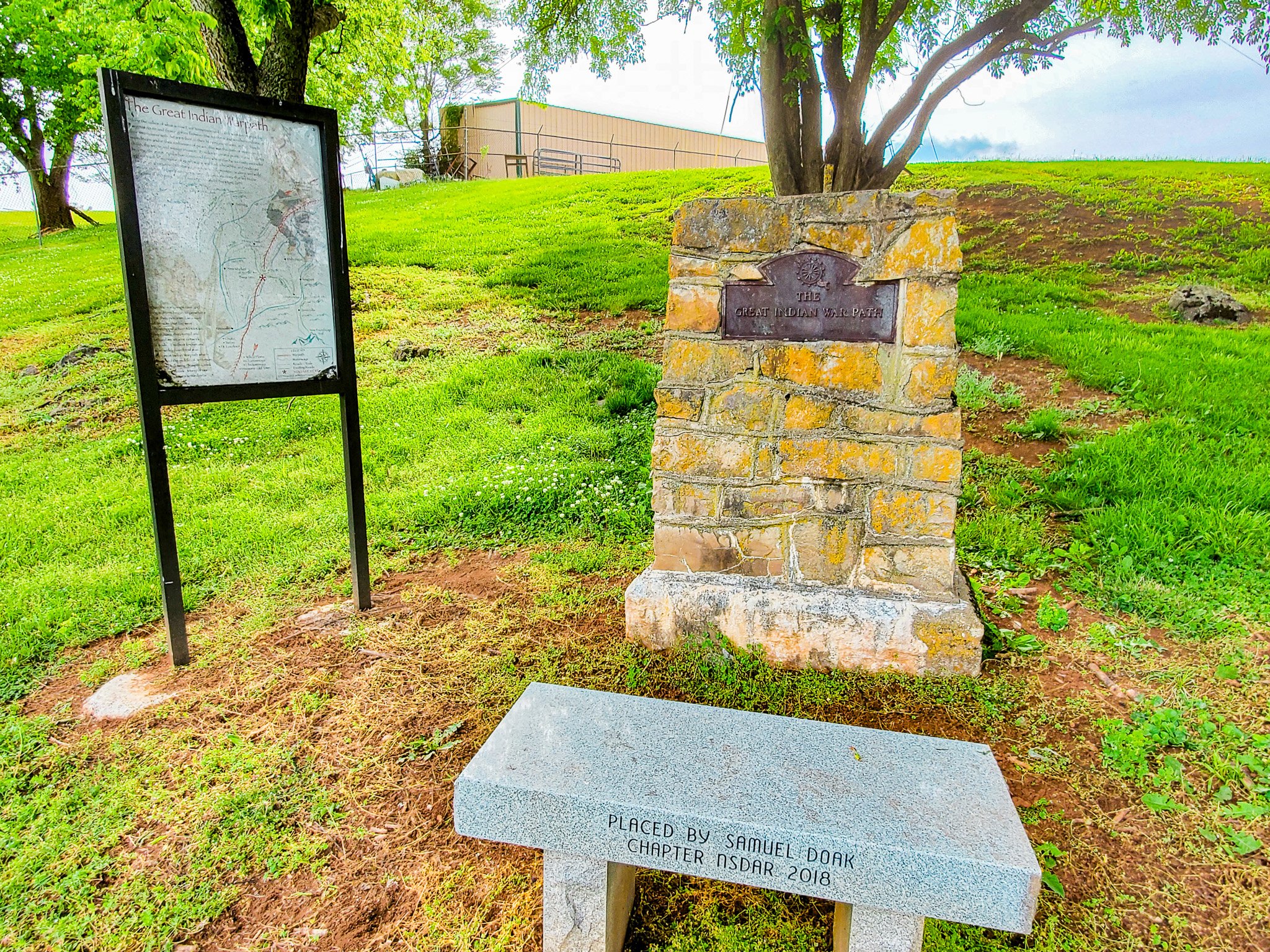
Great Indian Warpath Monument
MORRISTOWN
Gideon Morris settled in the area in the late 1700’s, and the town was incorporated in 1855. The Crockett Tavern Museum is a replica of the 1790’s tavern owned by Davy Crockett’s father built on the site of Crockett’s boyhood home. JFG Coffee was founded here in the 1880’s, and downtown contains the historic “Skywalk” from the 1960’s, the first second-story sidewalk system in the United States. Briarwood Ranch Safari Park, 12 miles to the southeast, offers a drive through zoo where visitors feed animals from their vehicle.
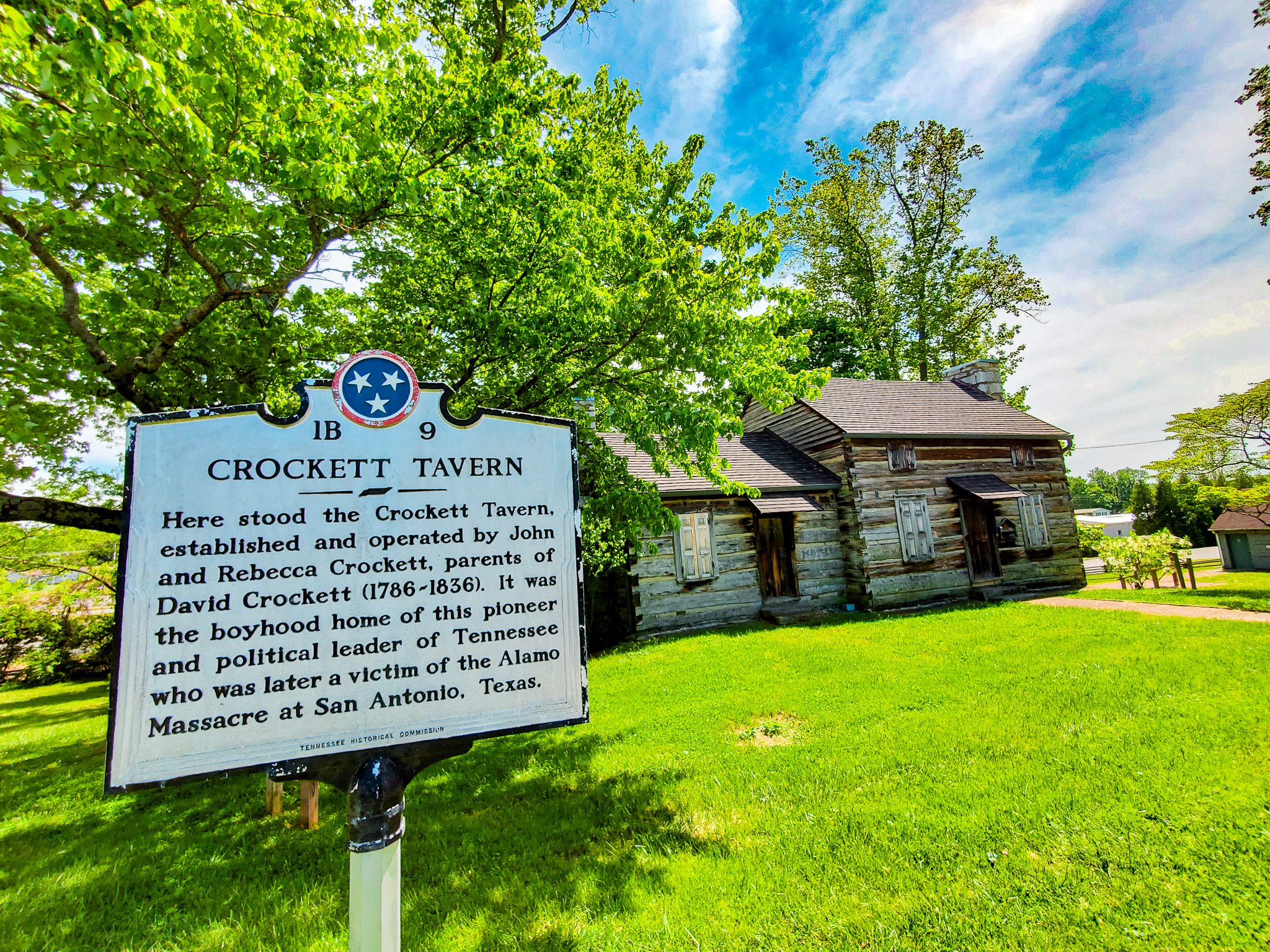
Crockett Tavern
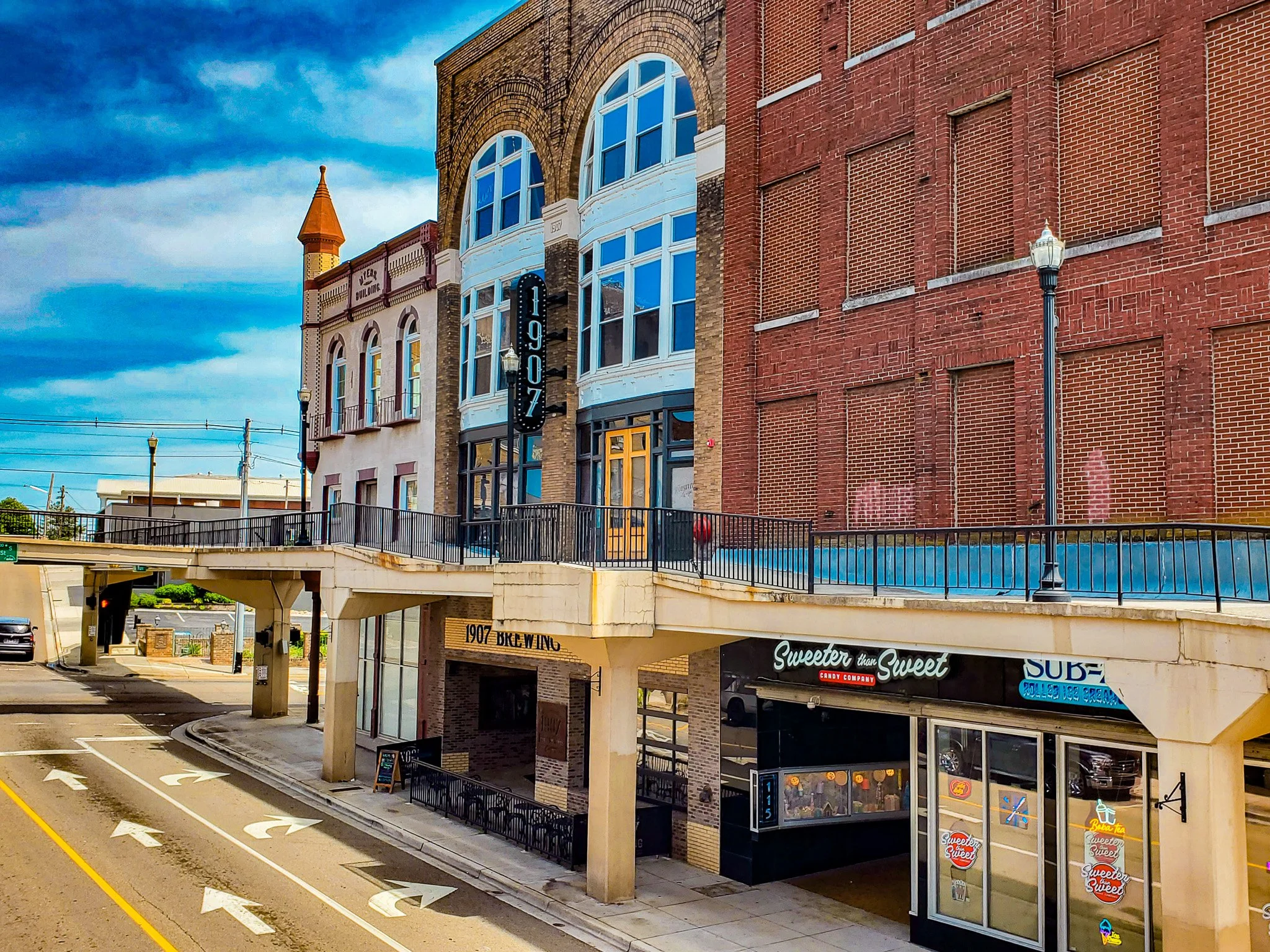
Downtown Morristown
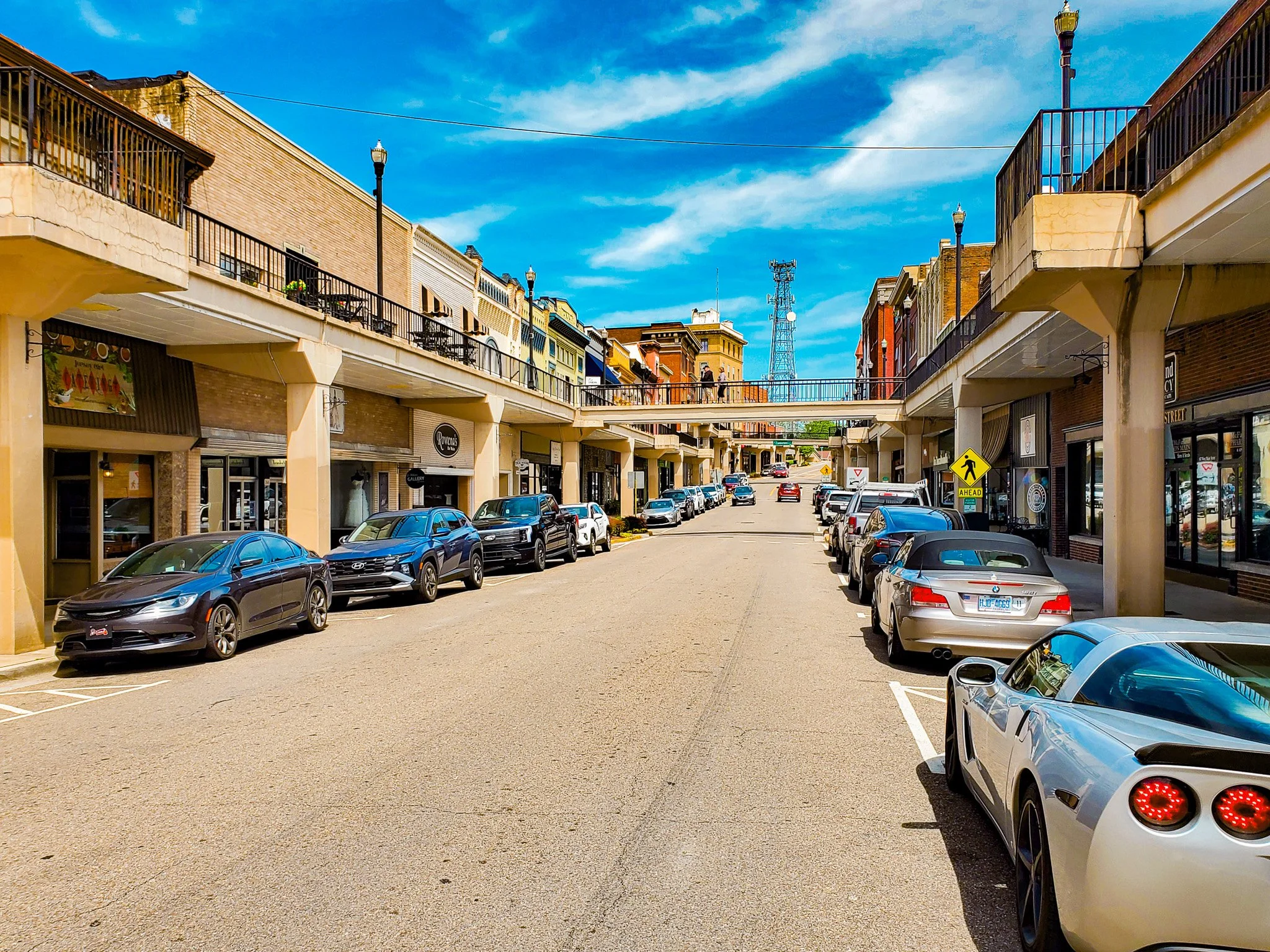
Downtown Morristown
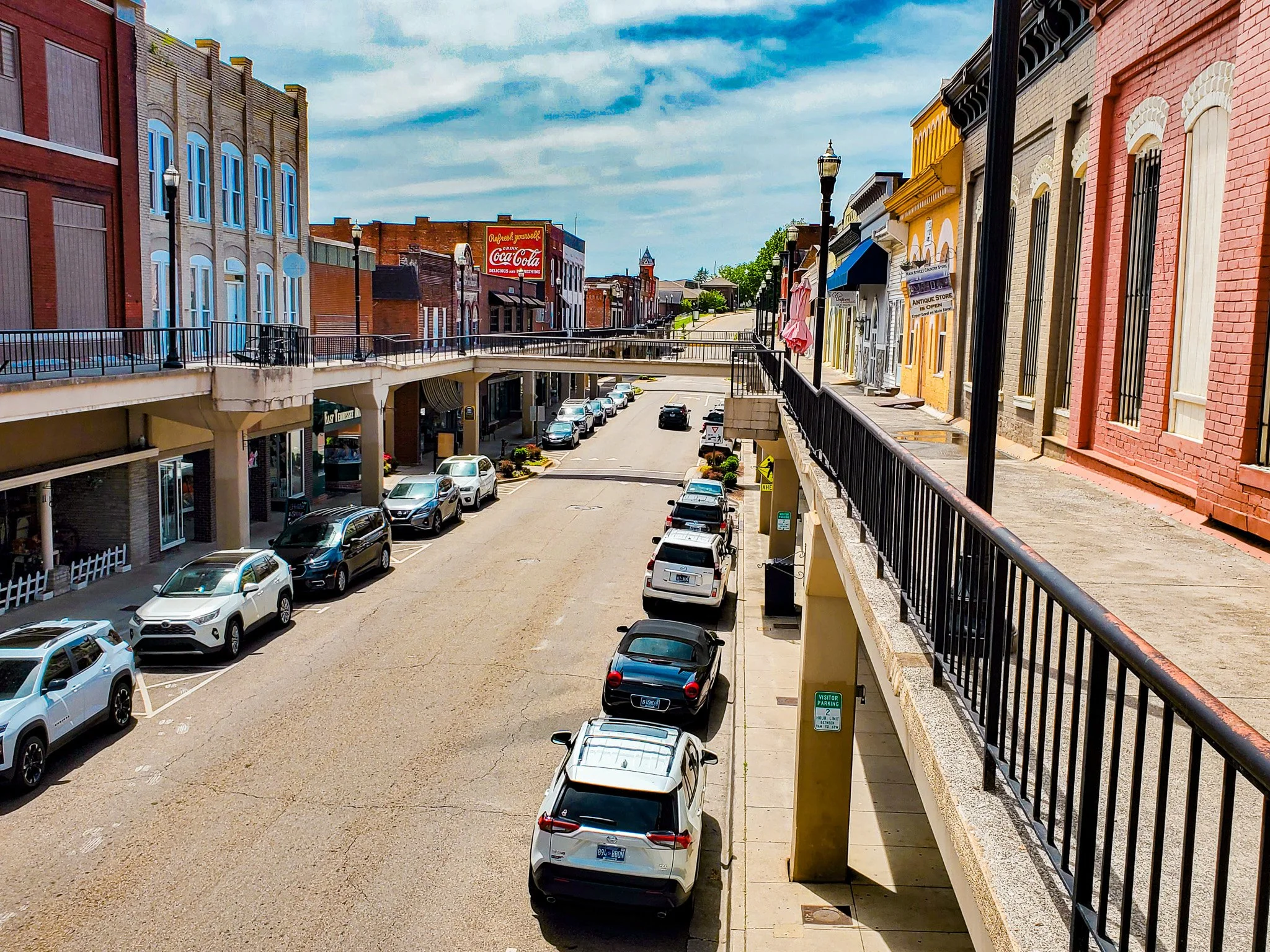
Downtown Morristown
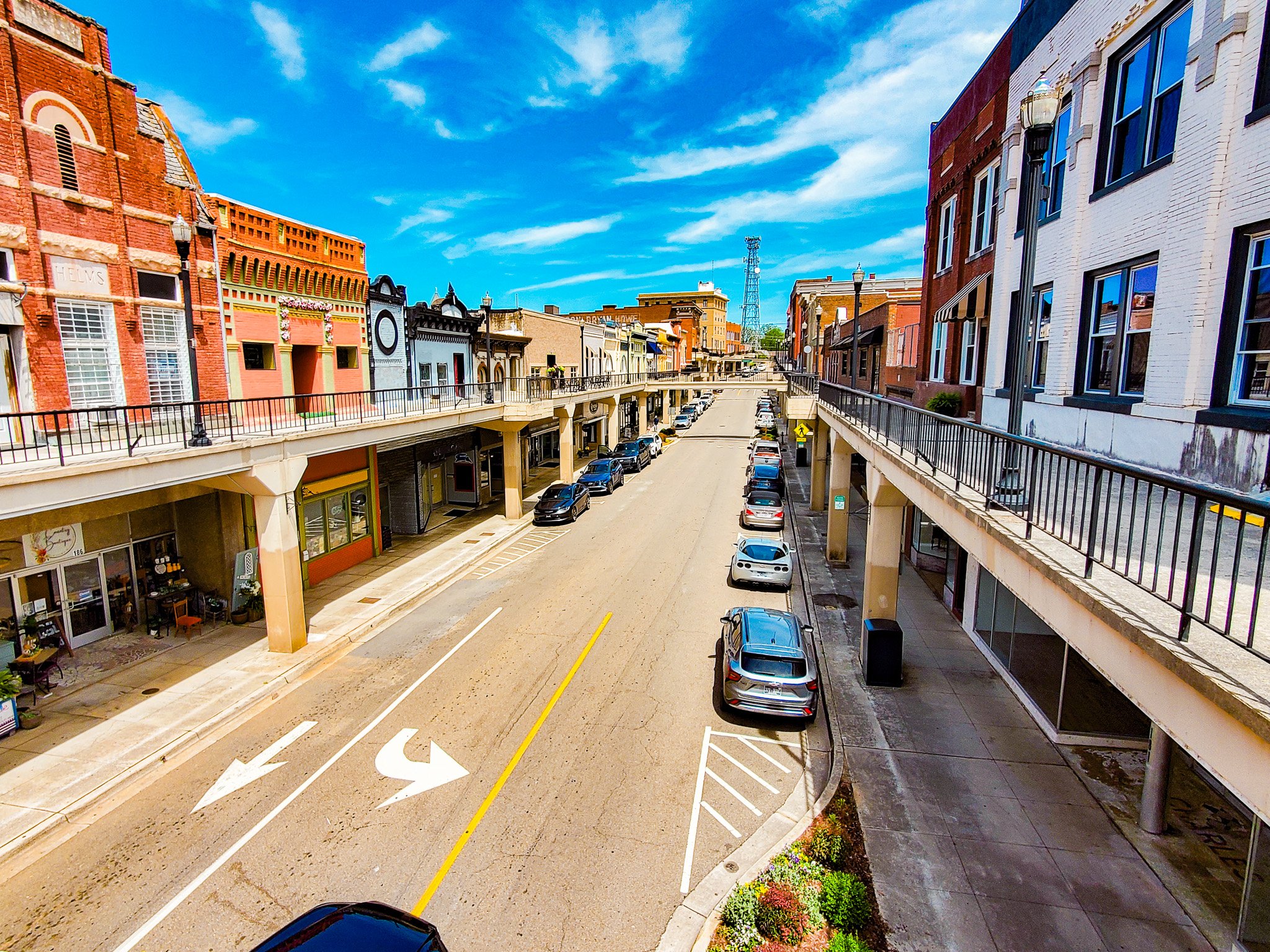
Downtown Morristown
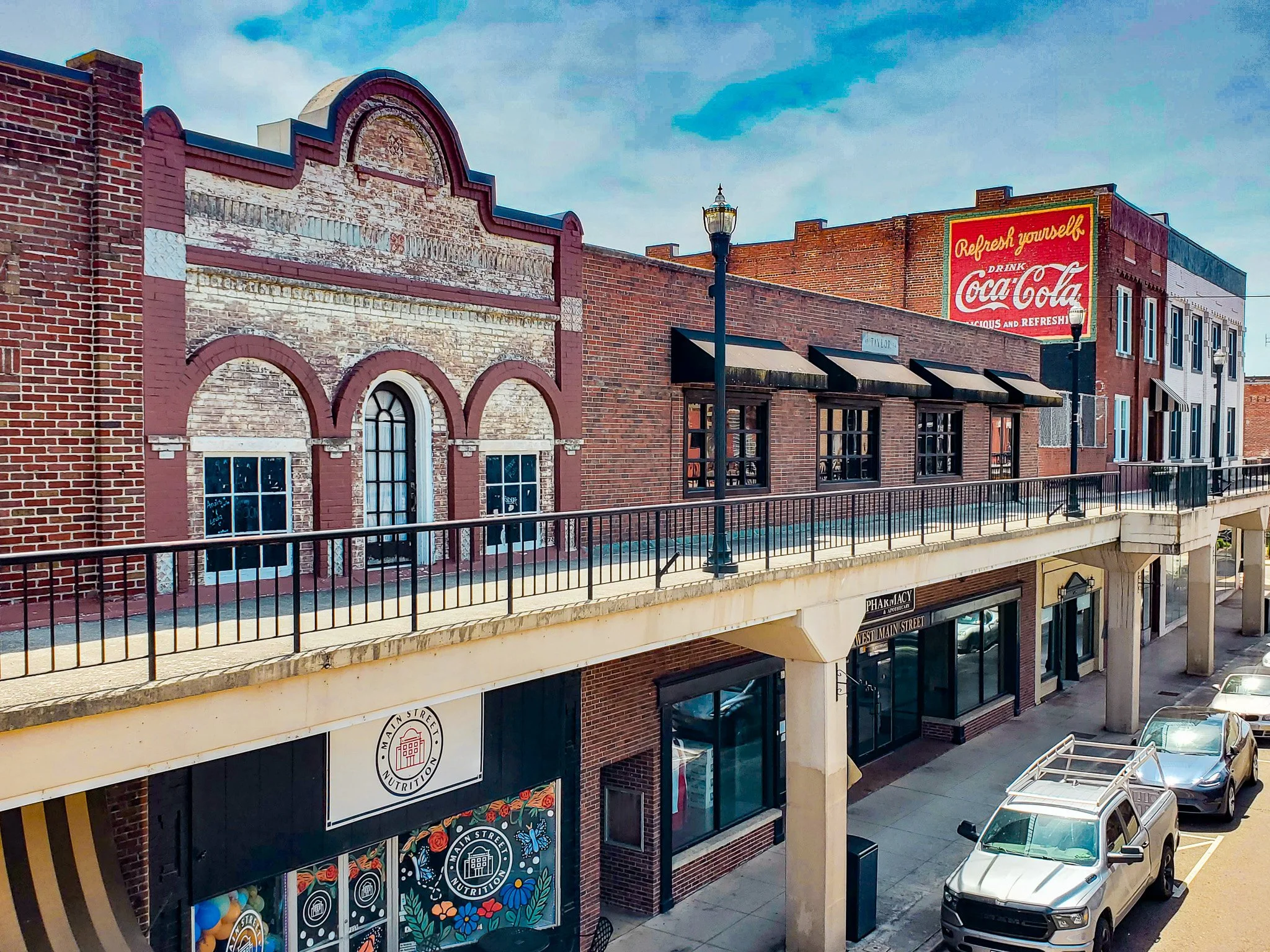
Downtown Morristown
RUSSELLVILLE
Founded by George Russell in 1784, the General Longstreet Museum details the time spent in Russellville by Confederate General James Longstreet during the winter of 1863-64.
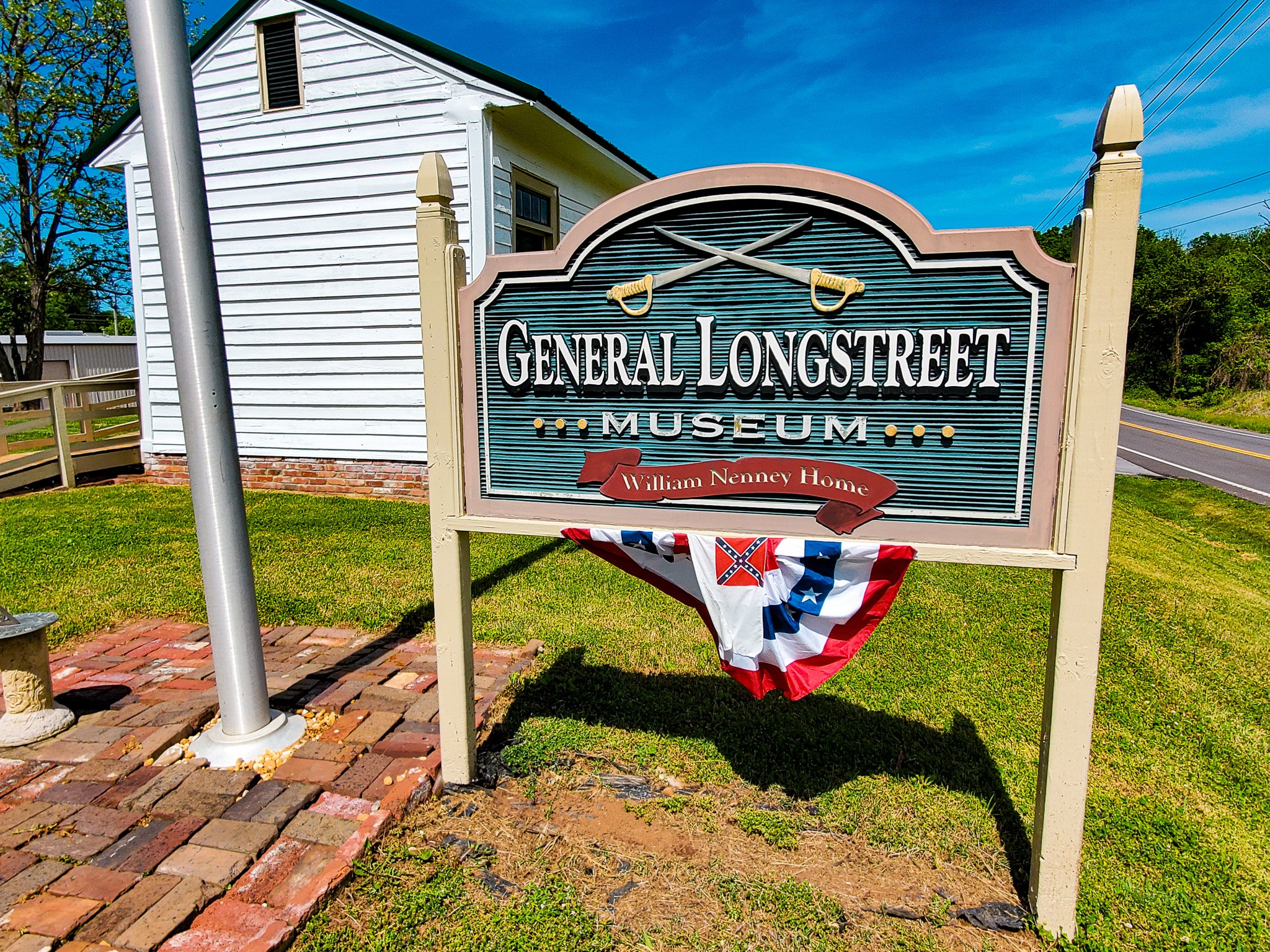
General Longstreet Museum
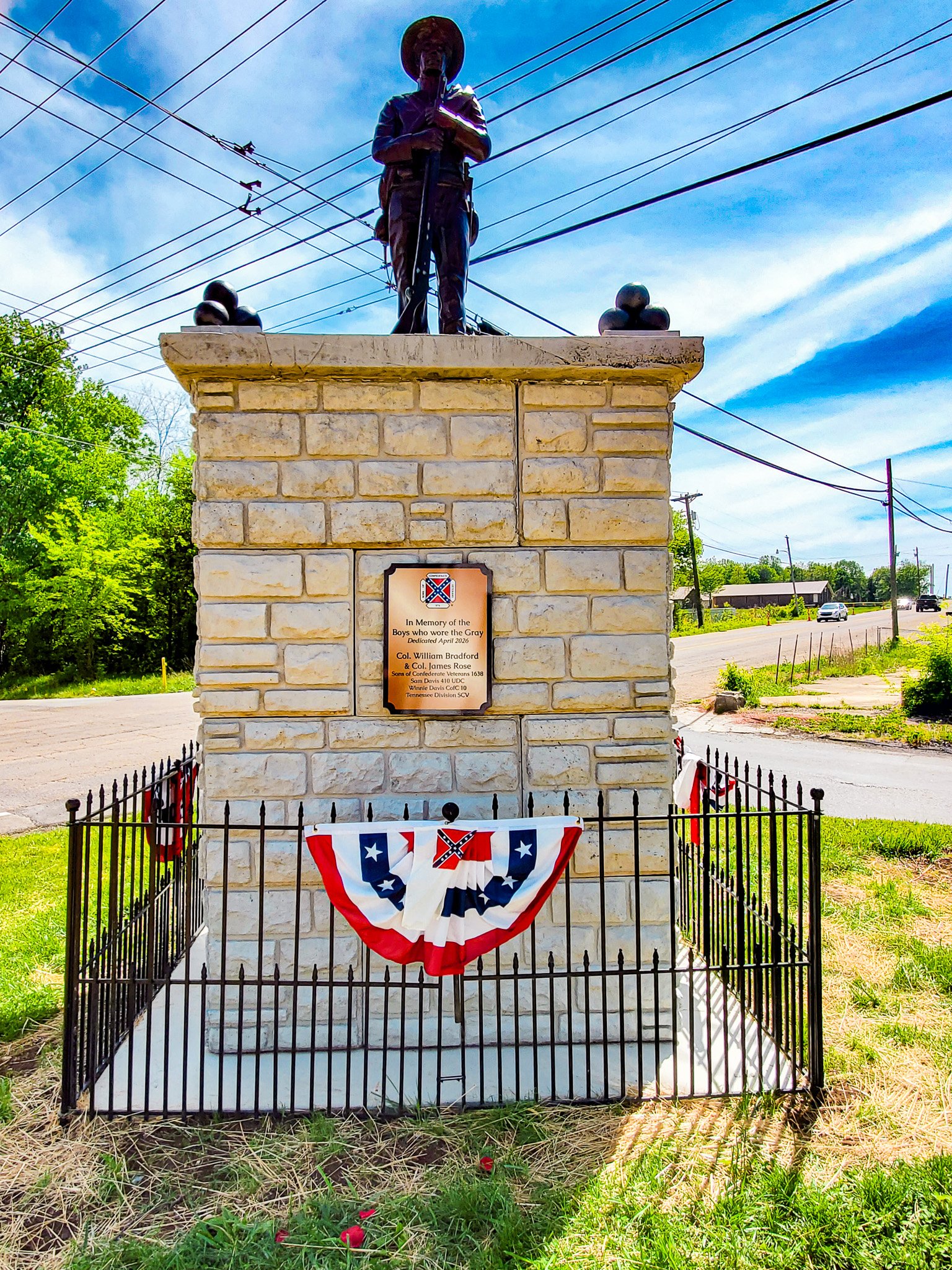
Longstreet House Memorial
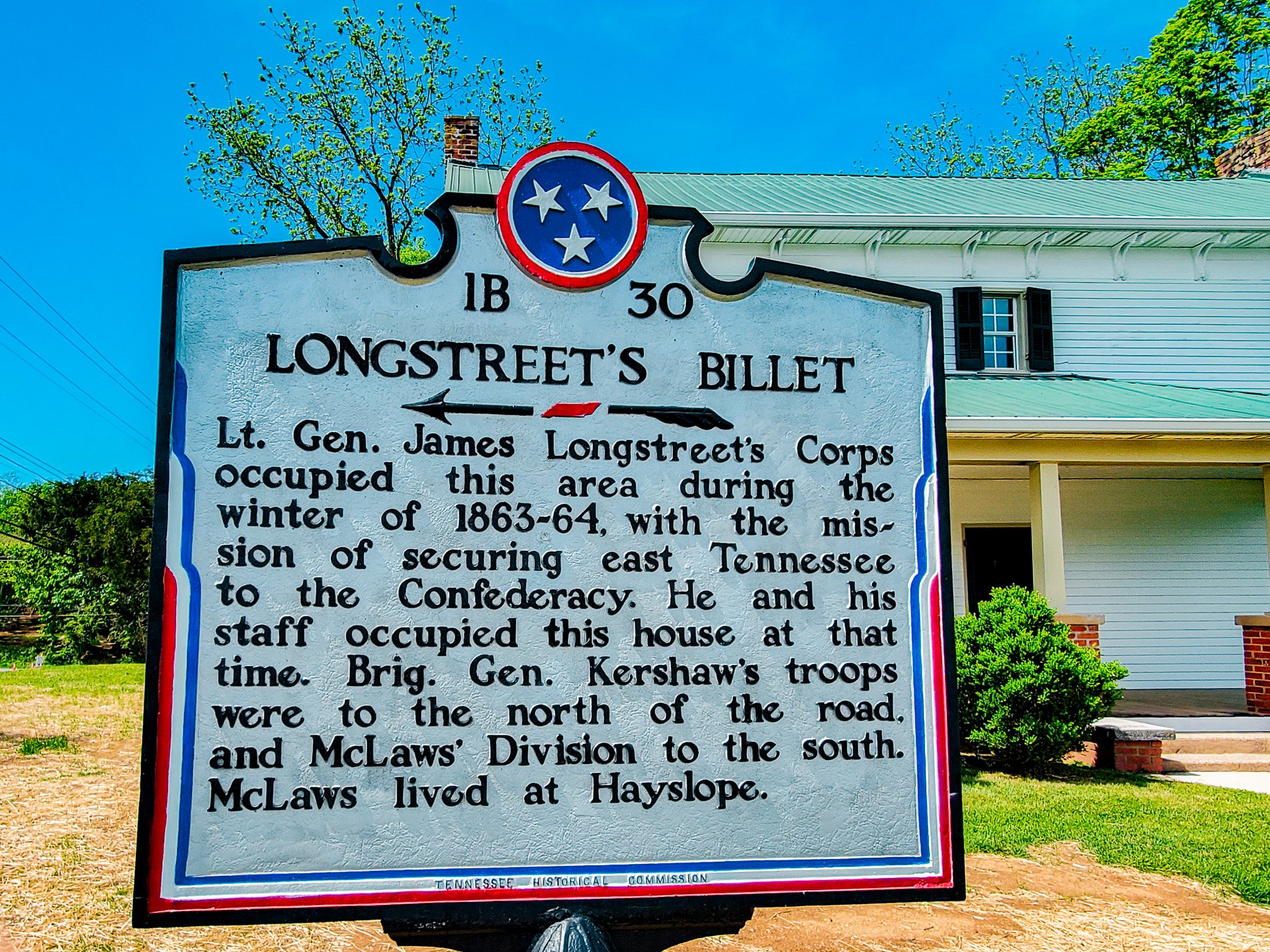
Longstreet Marker
BULLS GAP
The town was named for renowned gunsmith John Bull. Bulls Gap has an historic downtown listed on the NRHP and the Bulls Gap Railroad Museum. The Volunteer Speedway, located at Bulls Gap, is billed as the “World’s Fastest Dirt Track”.
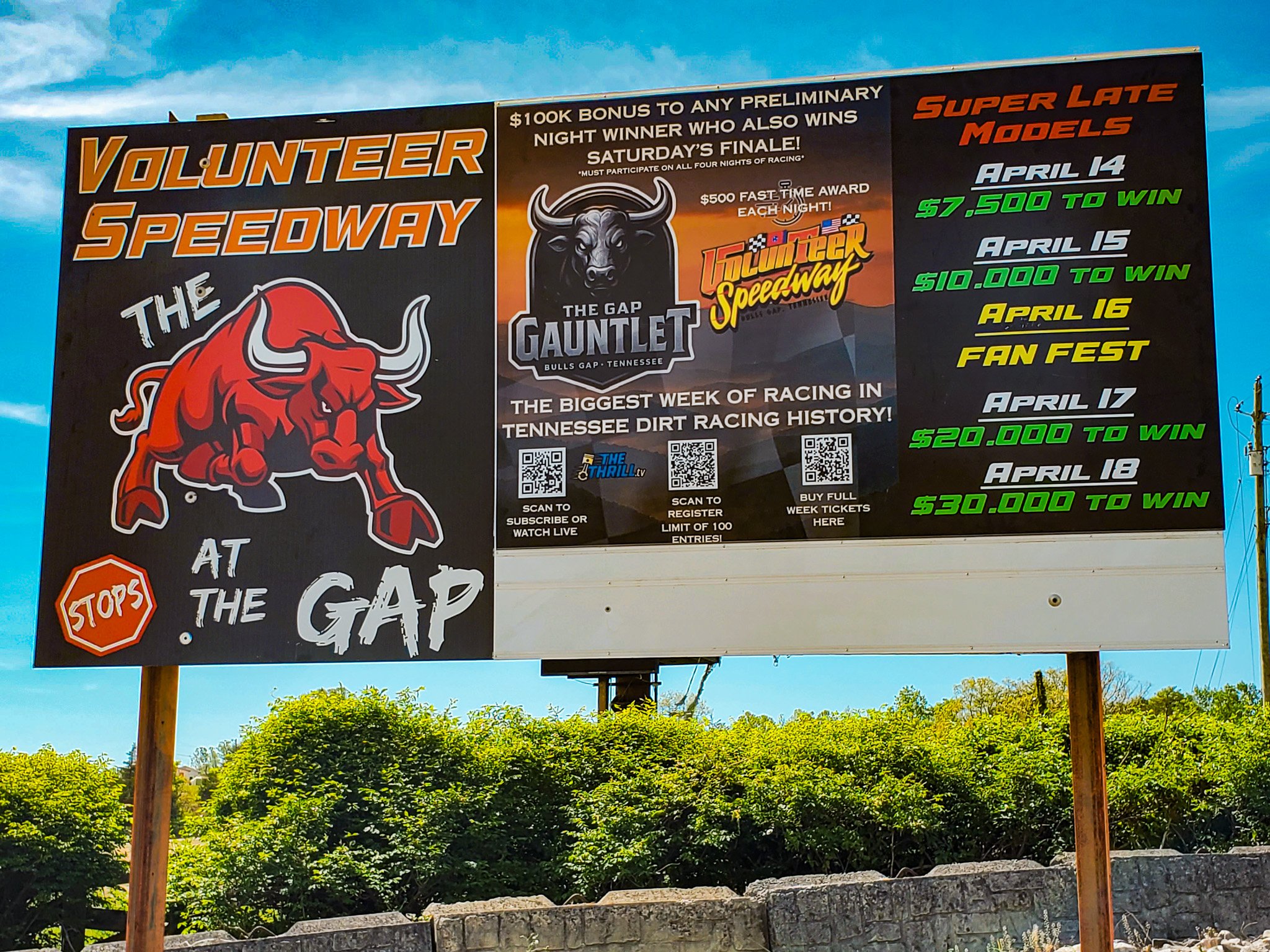
Volunteer Speedway Sign
MOSHEIM
Originally called Blue Springs, the town was established by German Lutherans and named after Mosheim College, which was named after German theologian Johann Lorenz von Mosheim.
GREENEVILLE
The city was named after Revolutionary War hero Nathanael Greene, and is the only town in the country spelled with an “e” at the end of “Green”. Established in 1783, Greeneville is the birthplace of Davy Crockett and was capital of the short-lived State of Franklin. It is Tennessee’s second oldest town with an historic downtown and location of the Andrew Johnson National Historic Site and the Greeneville-Greene County Historical Museum. The Great Indian Warpath passed just northwest of modern Greeneville. The City Garage Car Museum is located on S. Main Street (business 11E). Other interesting sites include the Andrew Johnson’s Backwards Birthplace, a bronze Andrew Johnson statue on E. Depot Street and a marble one at 115 Academy Street, a big Davy Crockett at the TA Travel Center at 195 Van Hill Road, and a cannonball in the church wall at the Cumberland Presbyterian Church at 201 N. Main Street.
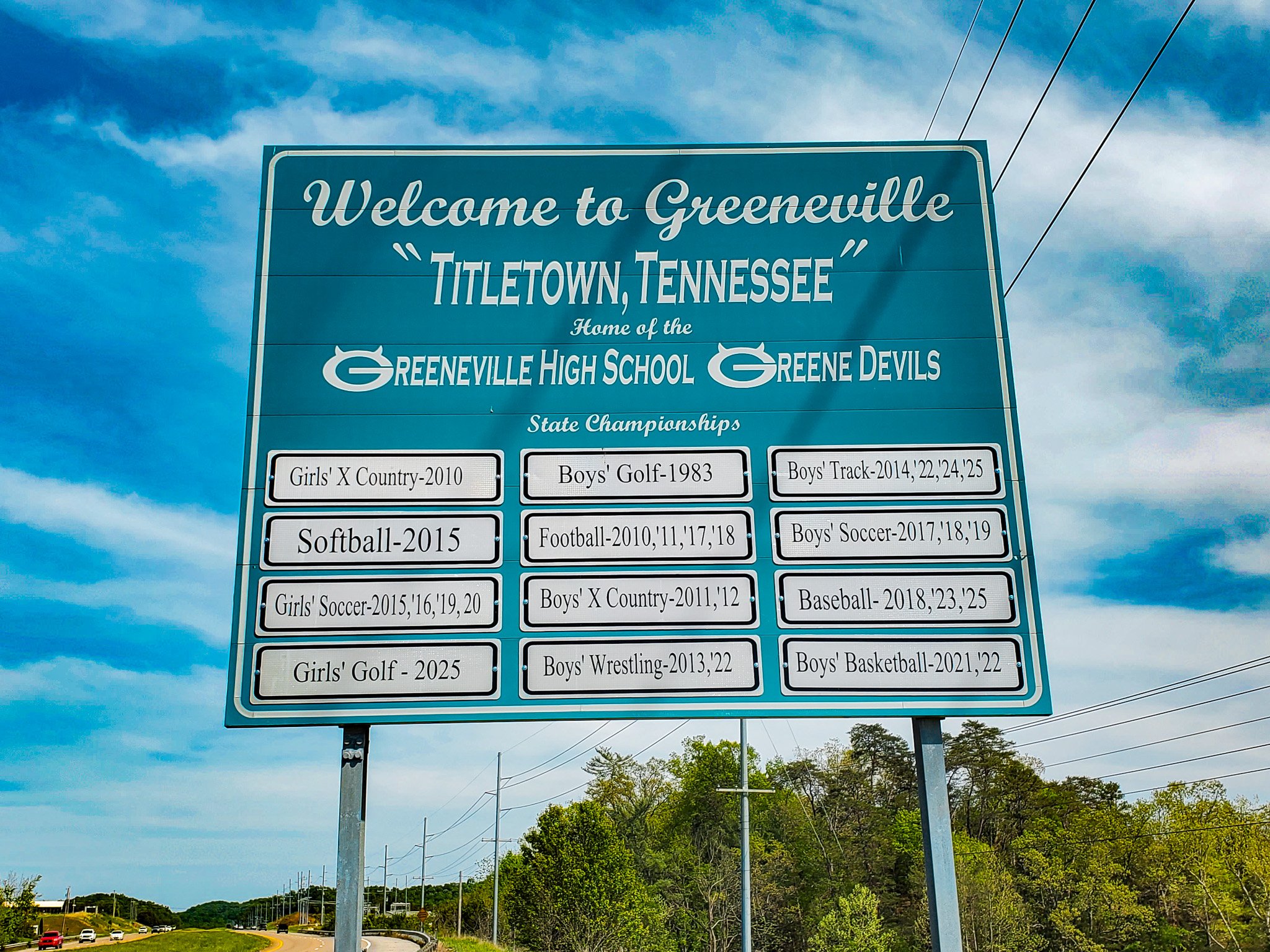
Welcome to Greeneville Sign
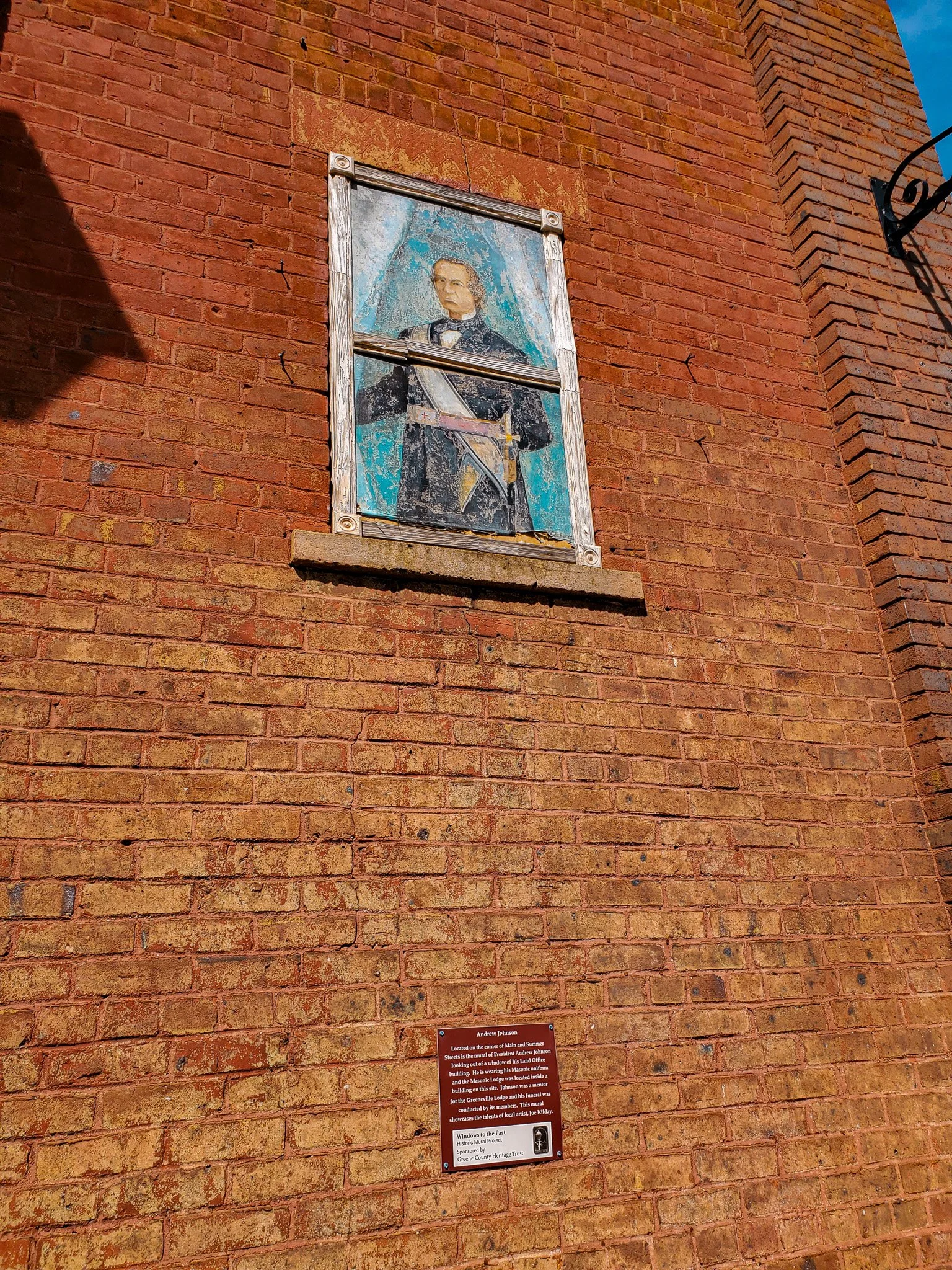
Andrew Johnson Mural
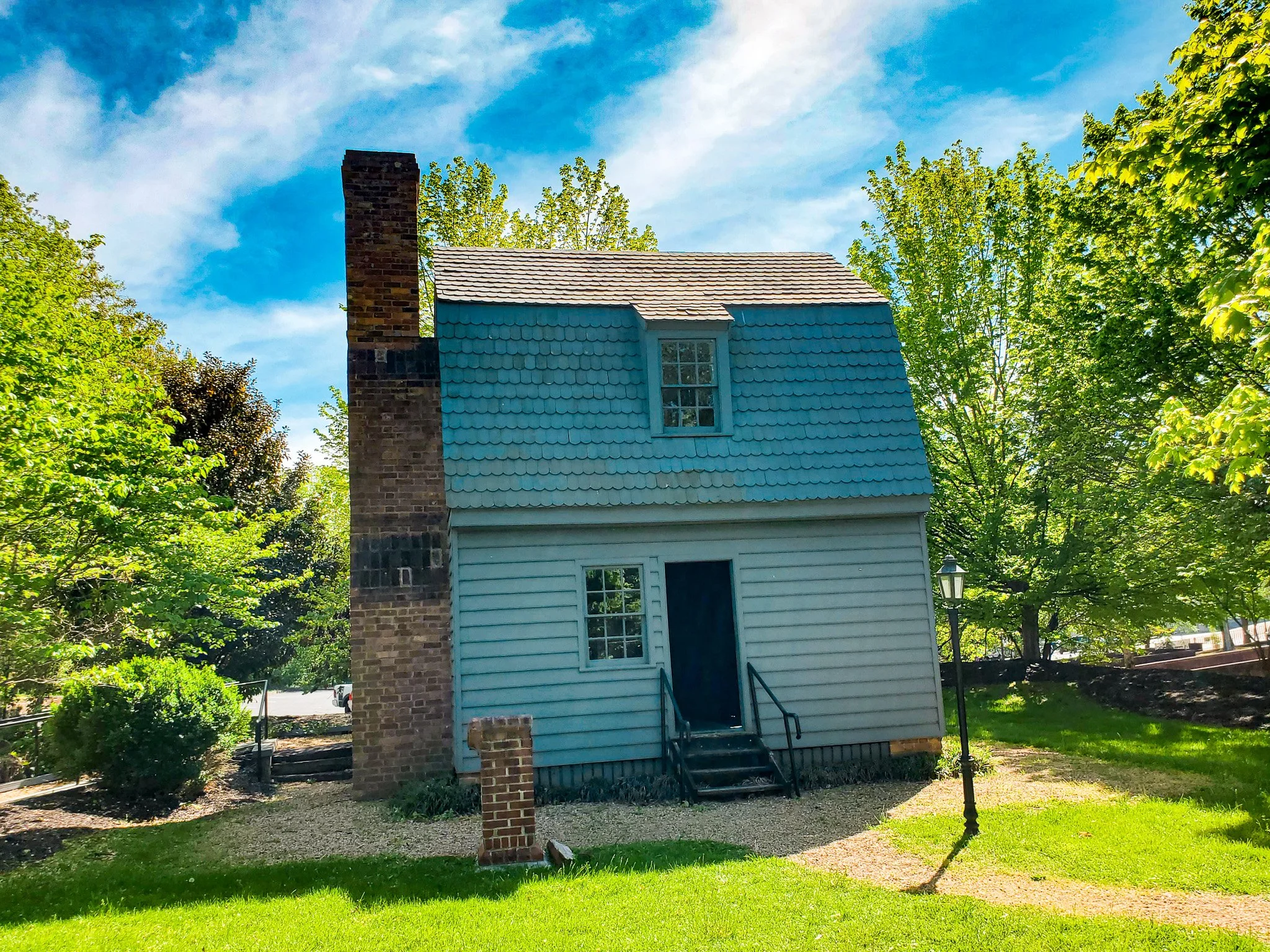
Andrew Johnson Home
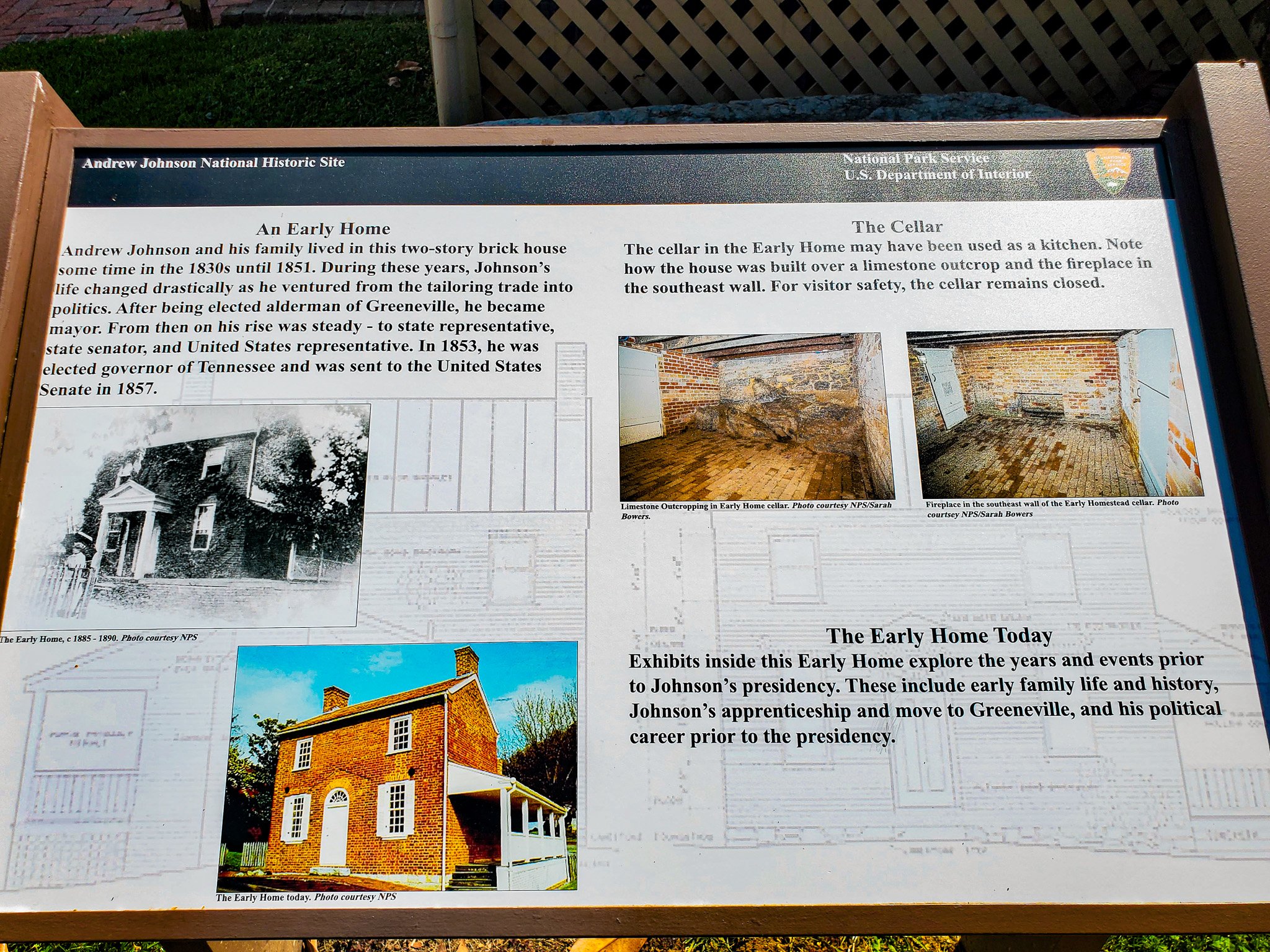
Andrew Johnson Home
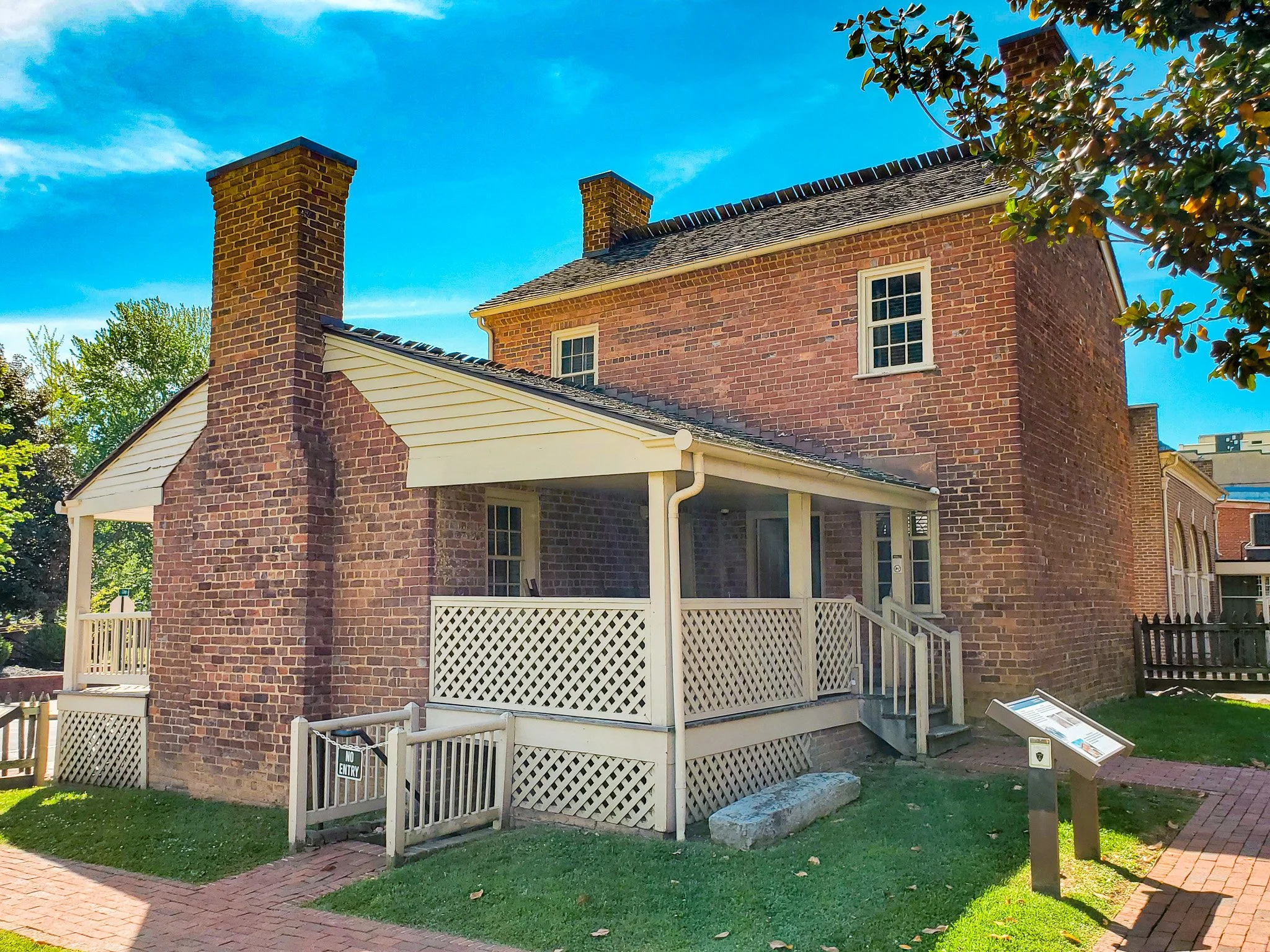
Andrew Johnson Home
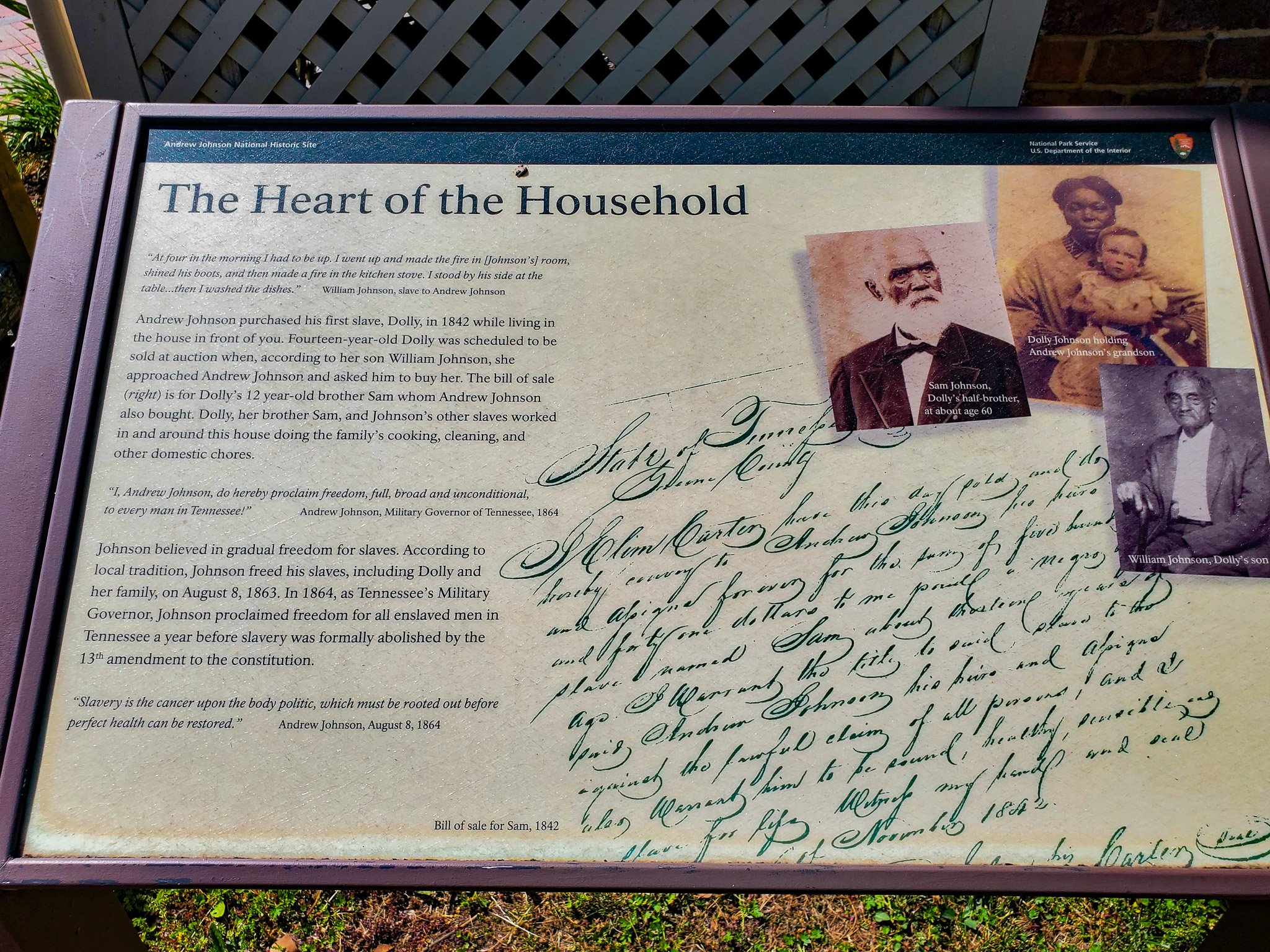
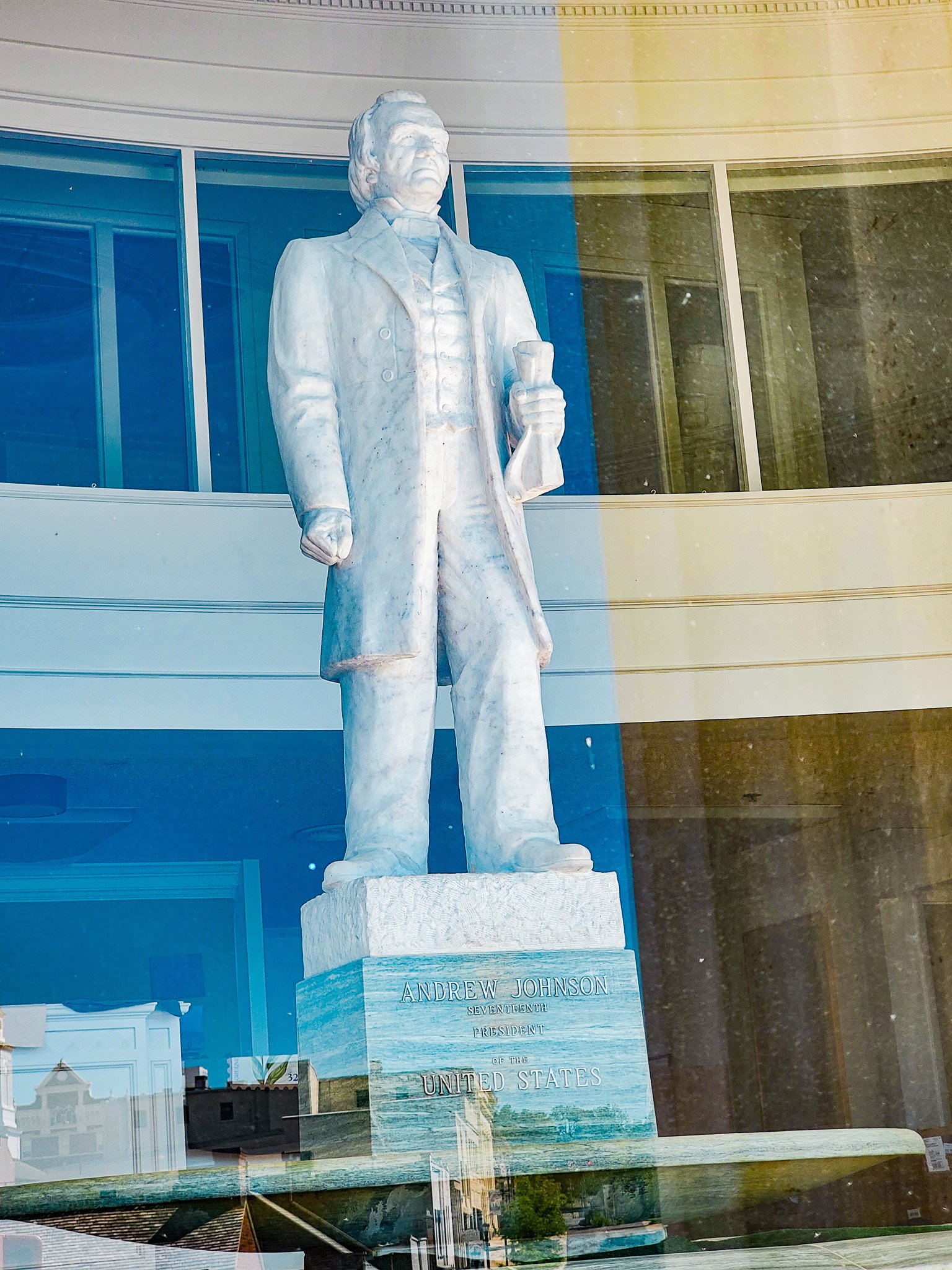
Andrew Johnson Statue
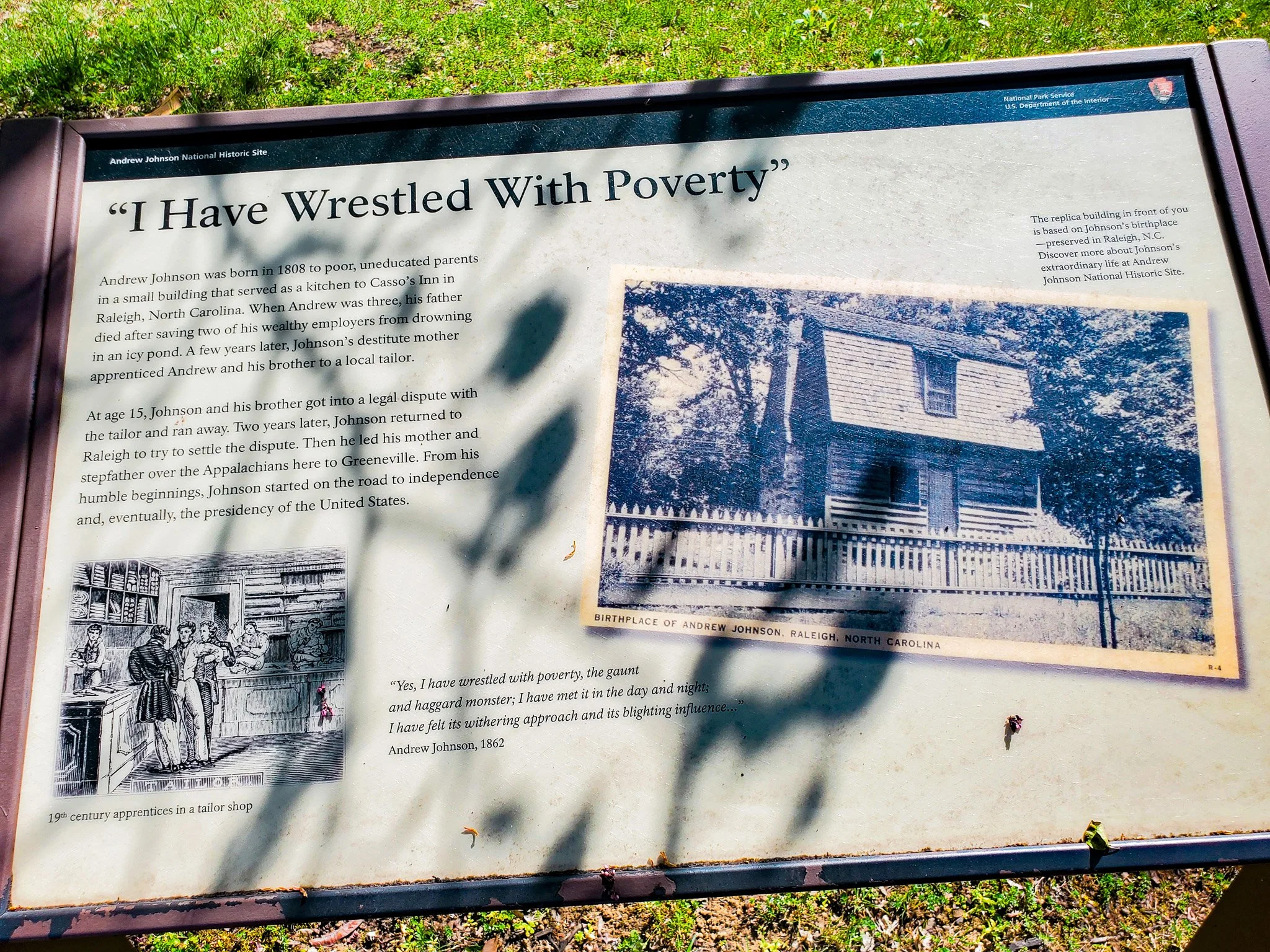
Andrew Johnson Home
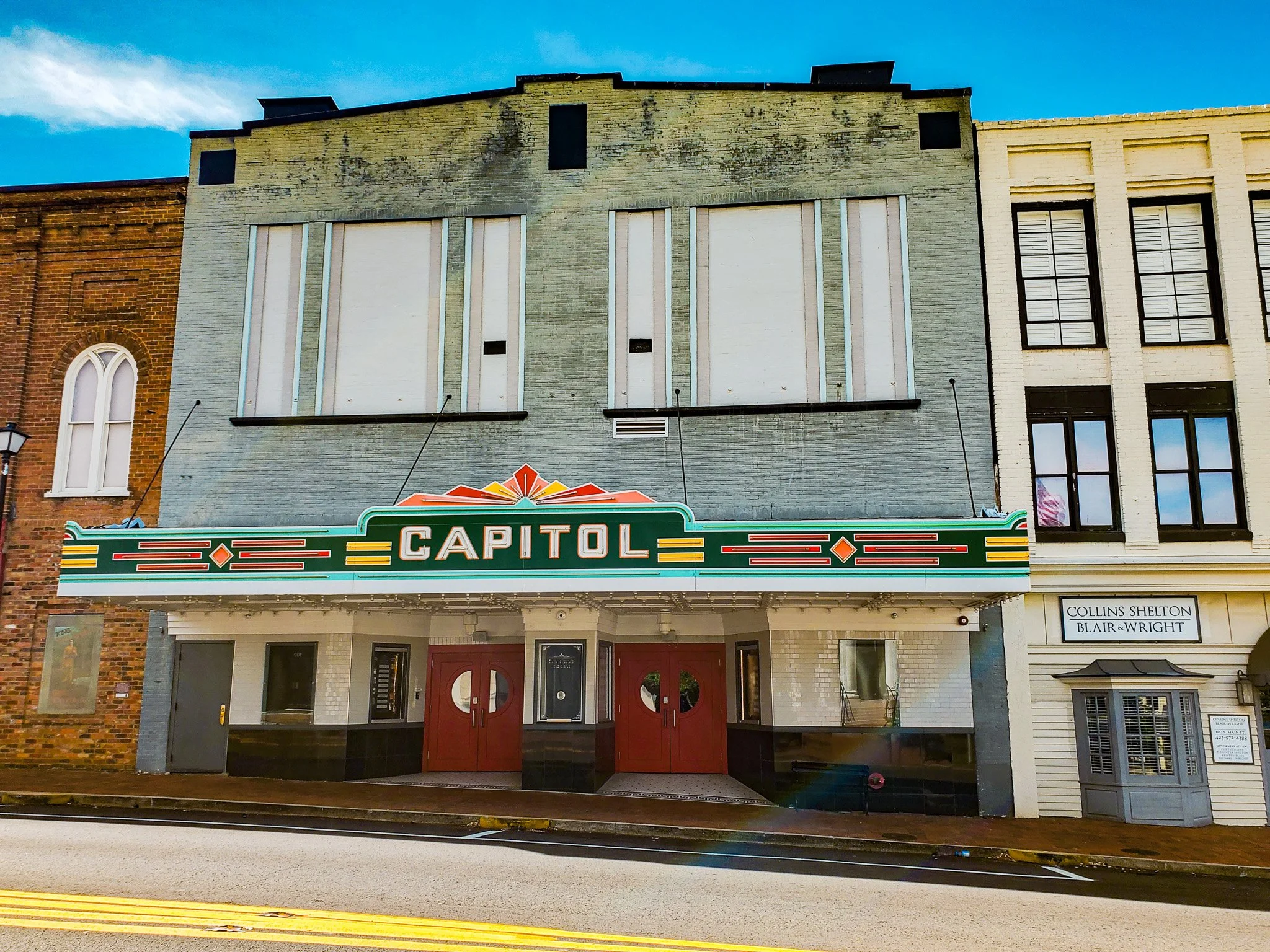
Capitol Theater
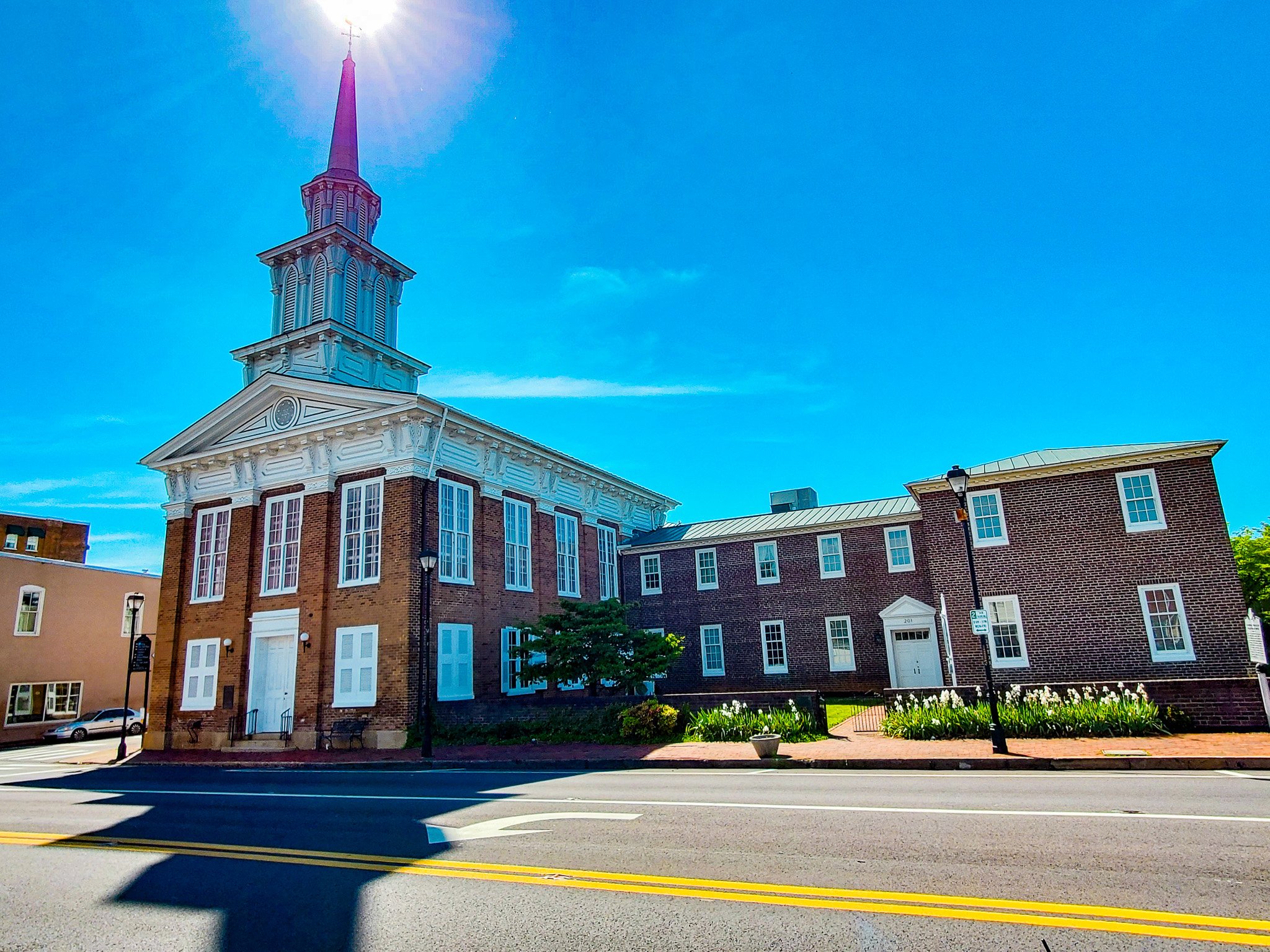
Cumberland Presbyterian Church
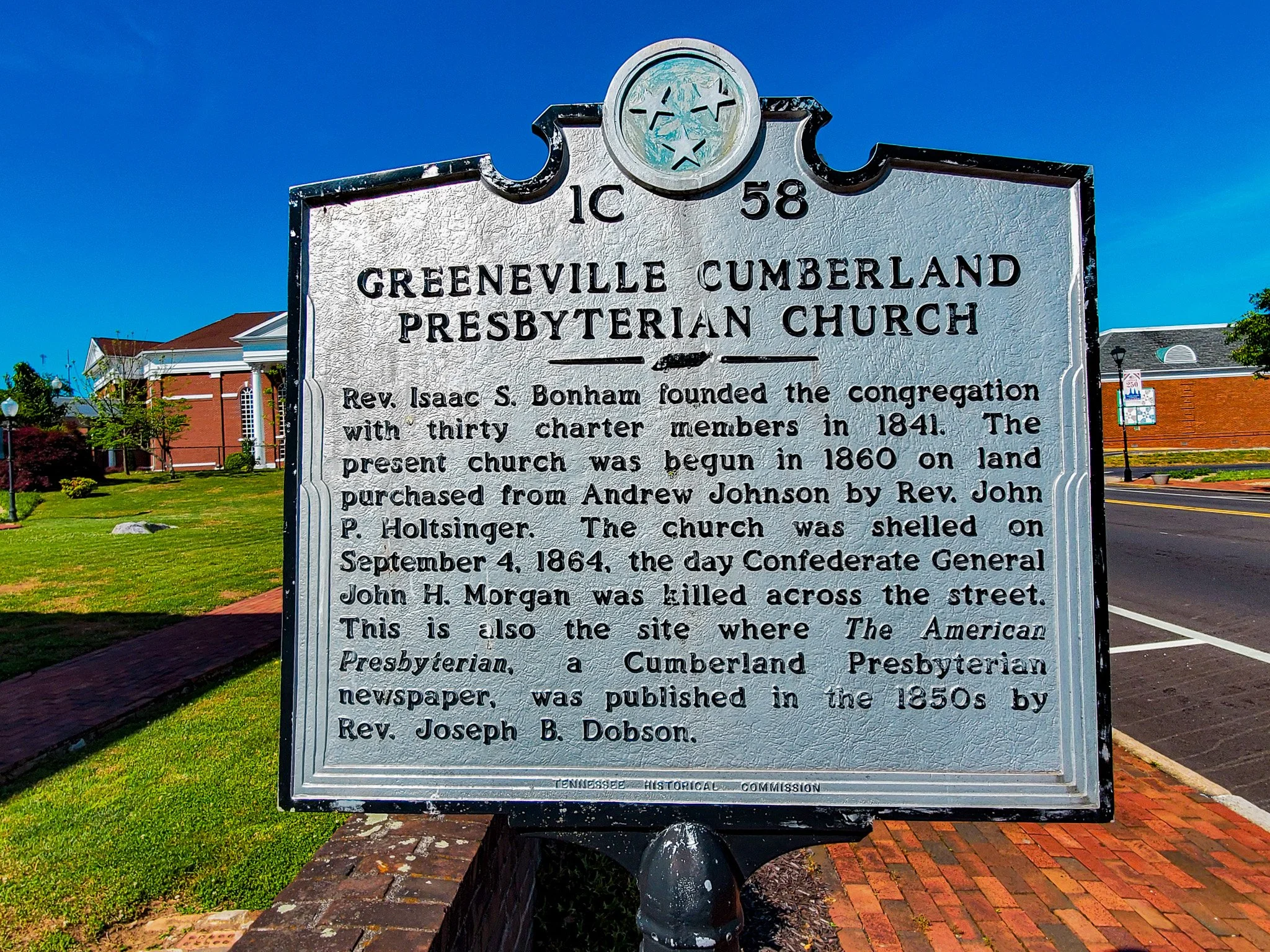
Cumberland Presbyterian Church
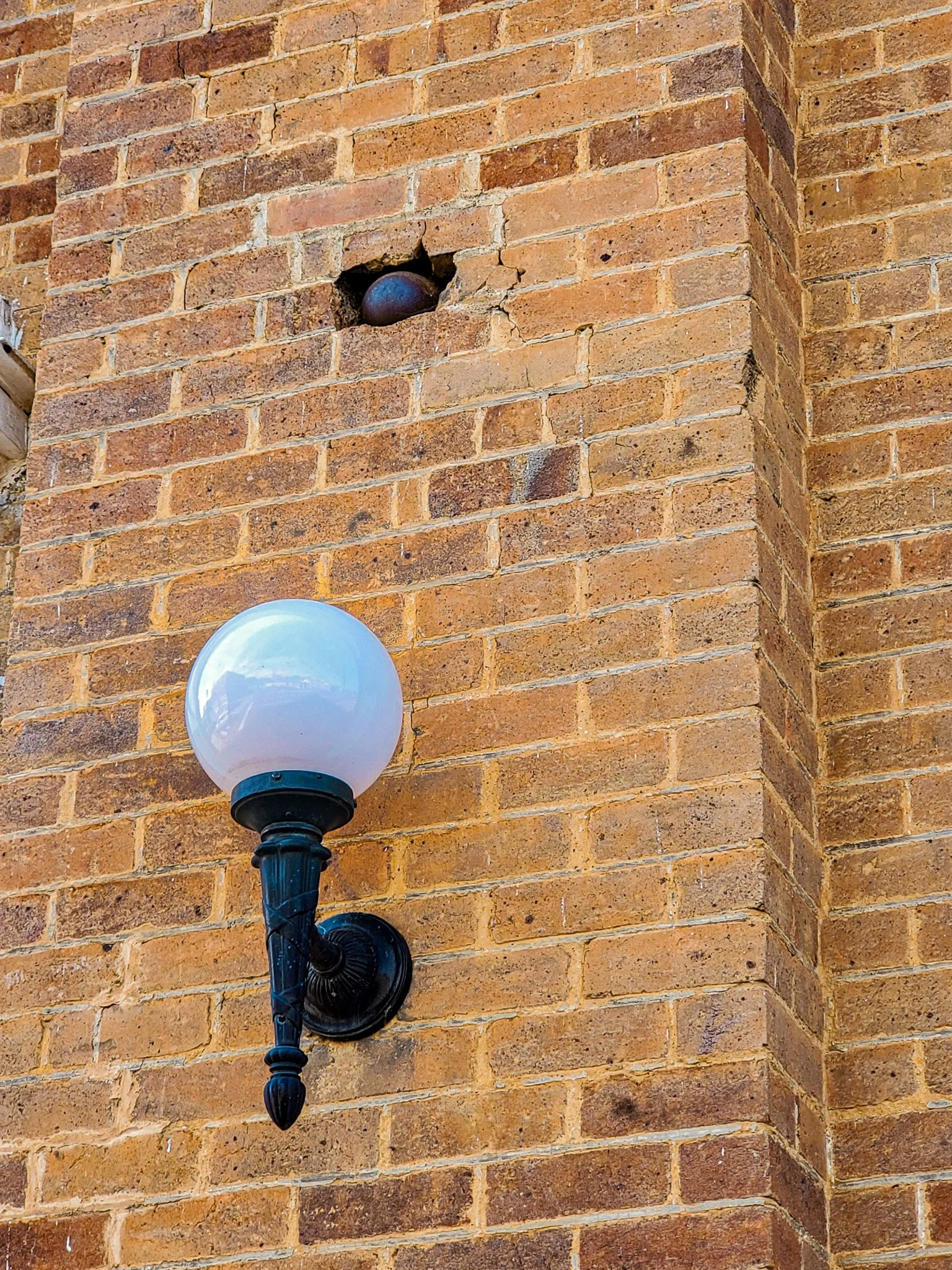
Cannonball in wall of Cumberland Presbyterian Church
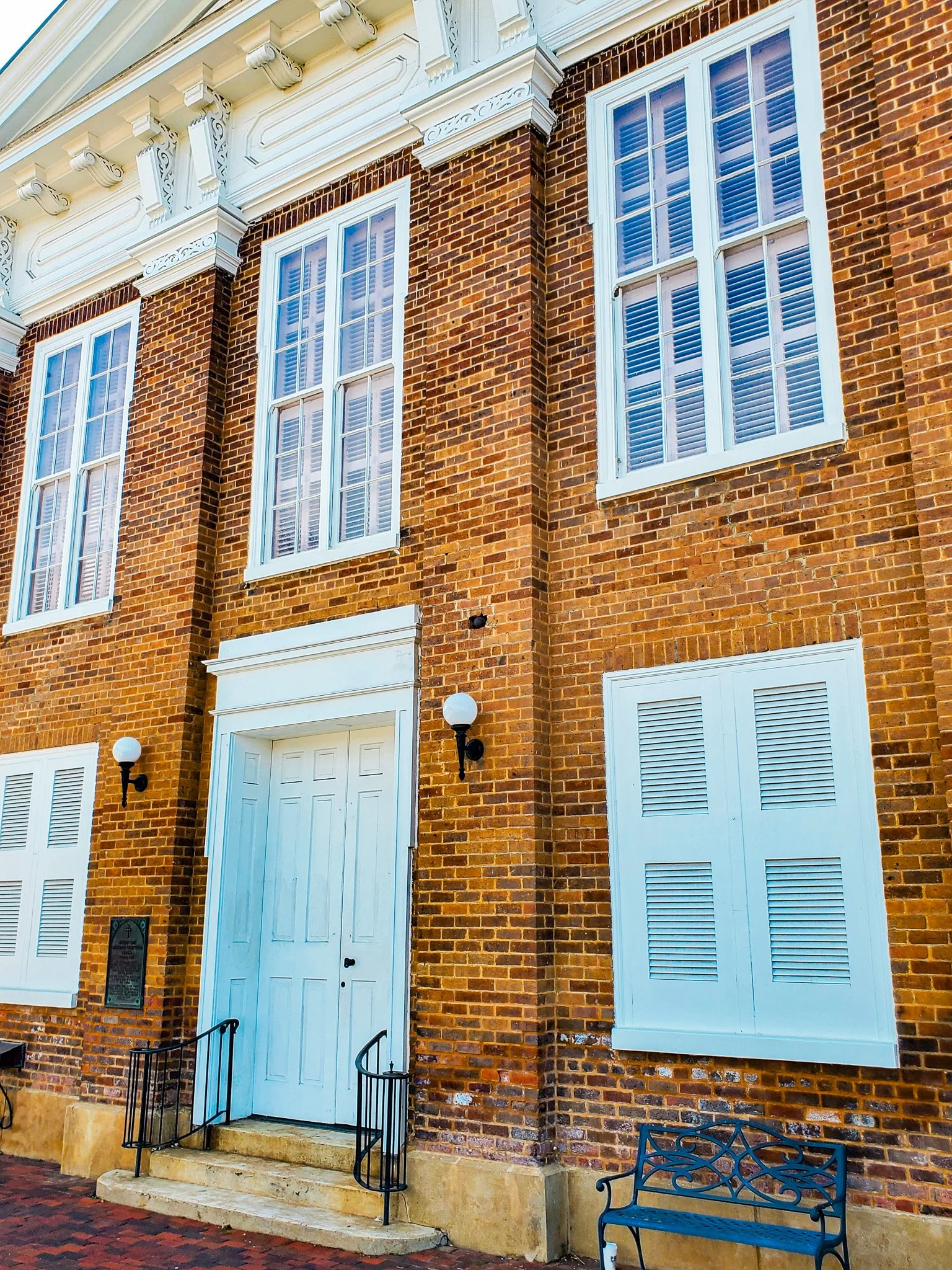
Cannonball in wall of Cumberland Presbyterian Church
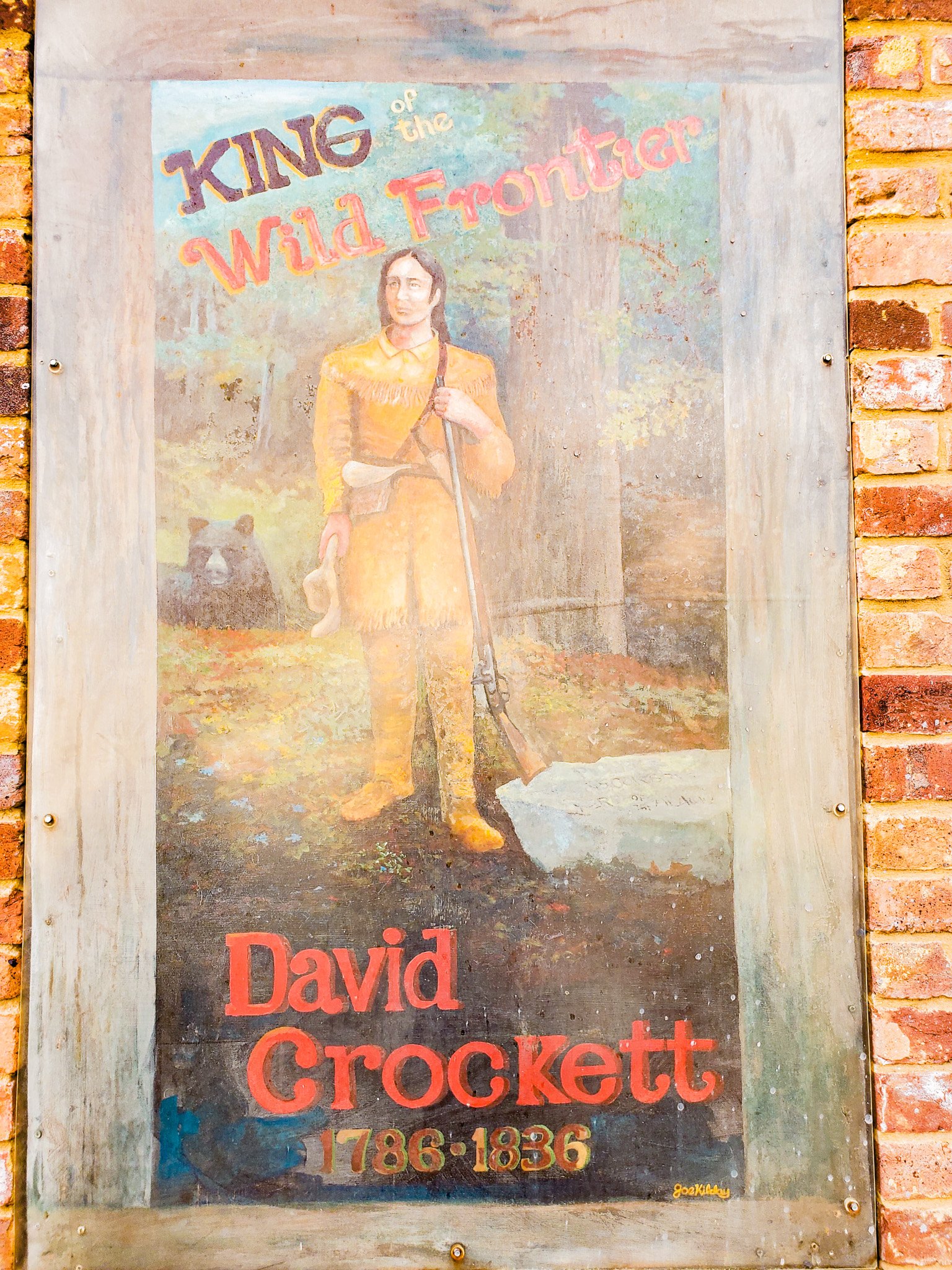
Davie Crockett Mural
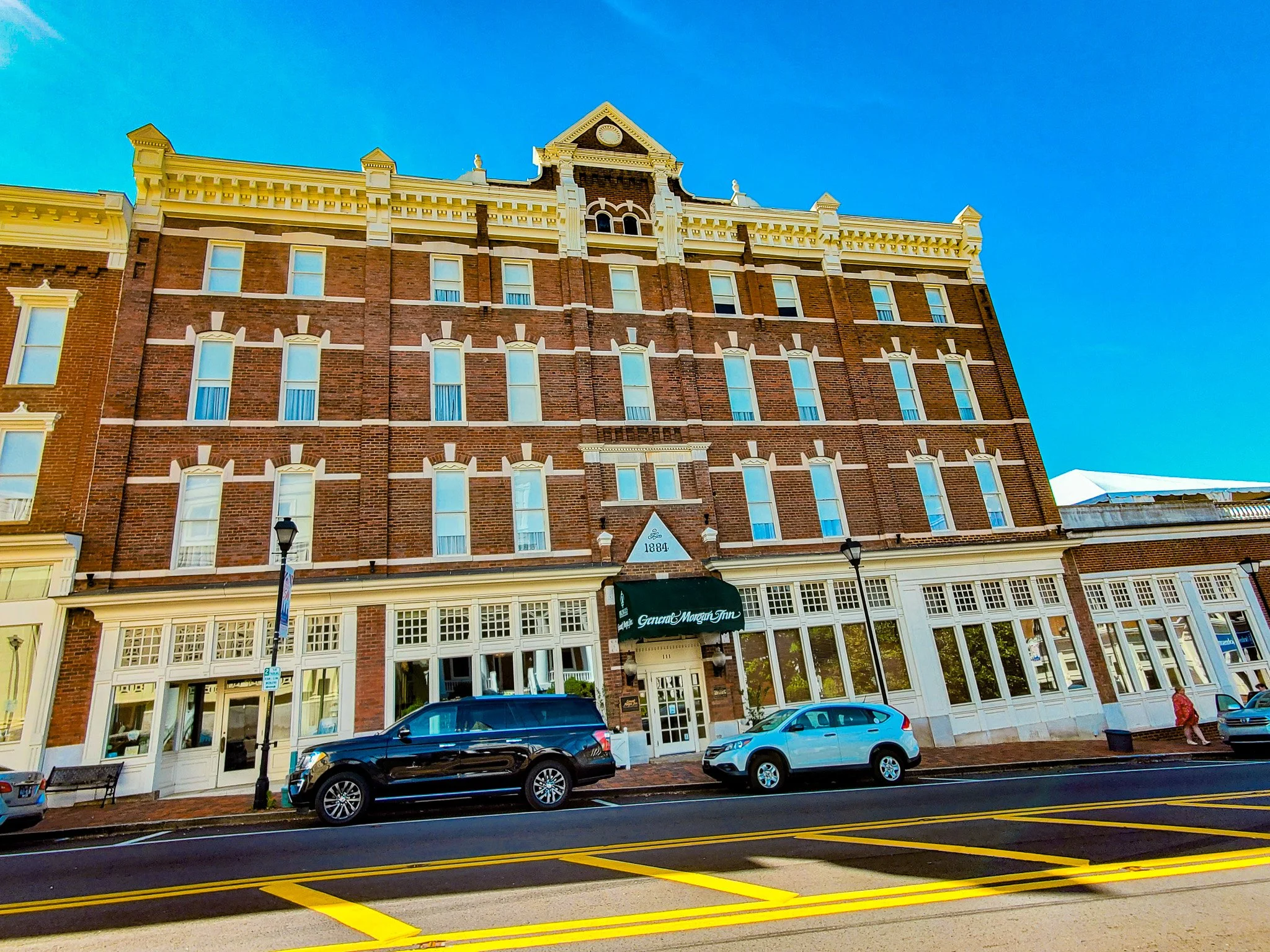
General Morgan Inn
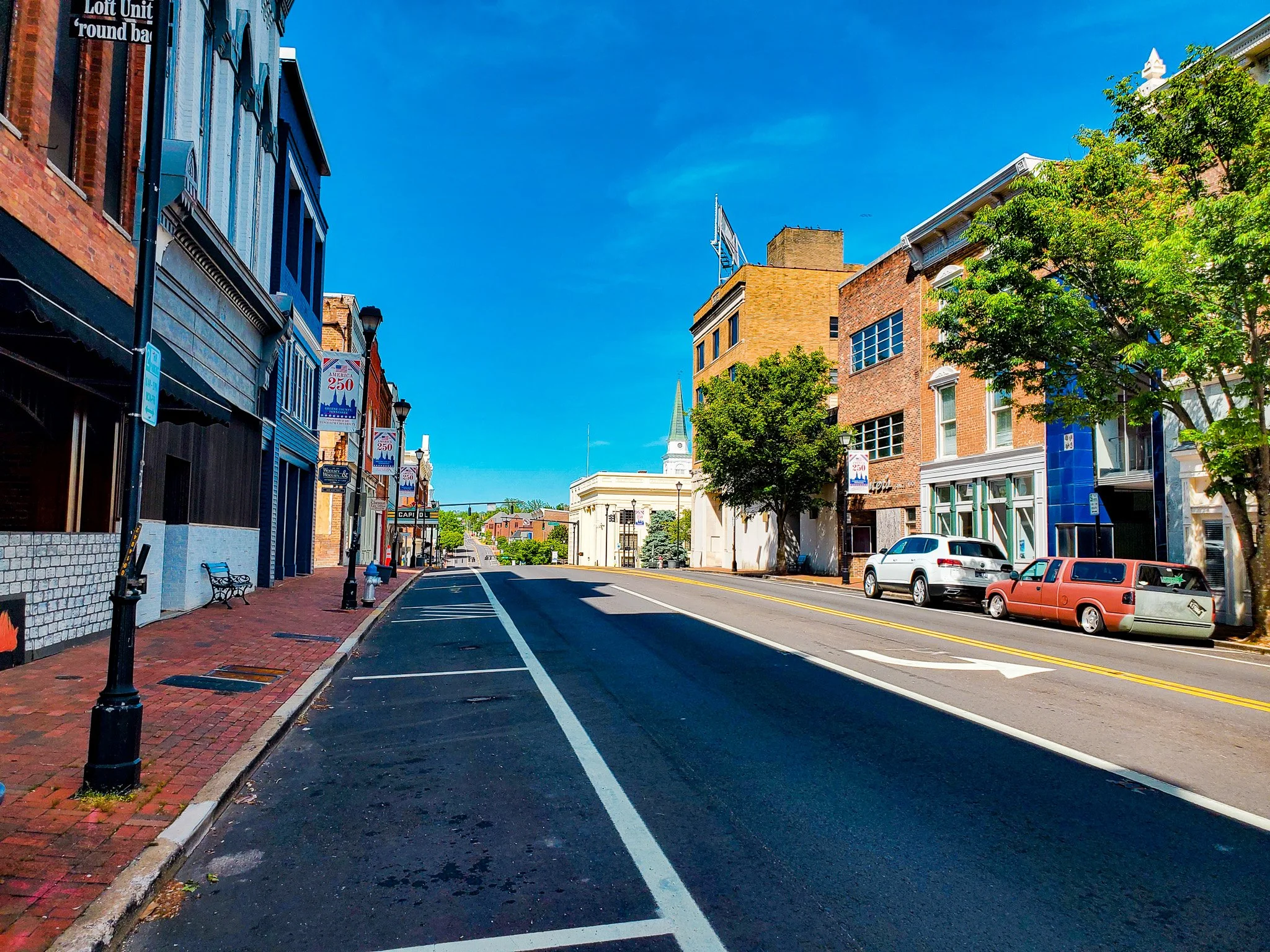
Downtown Greeneville
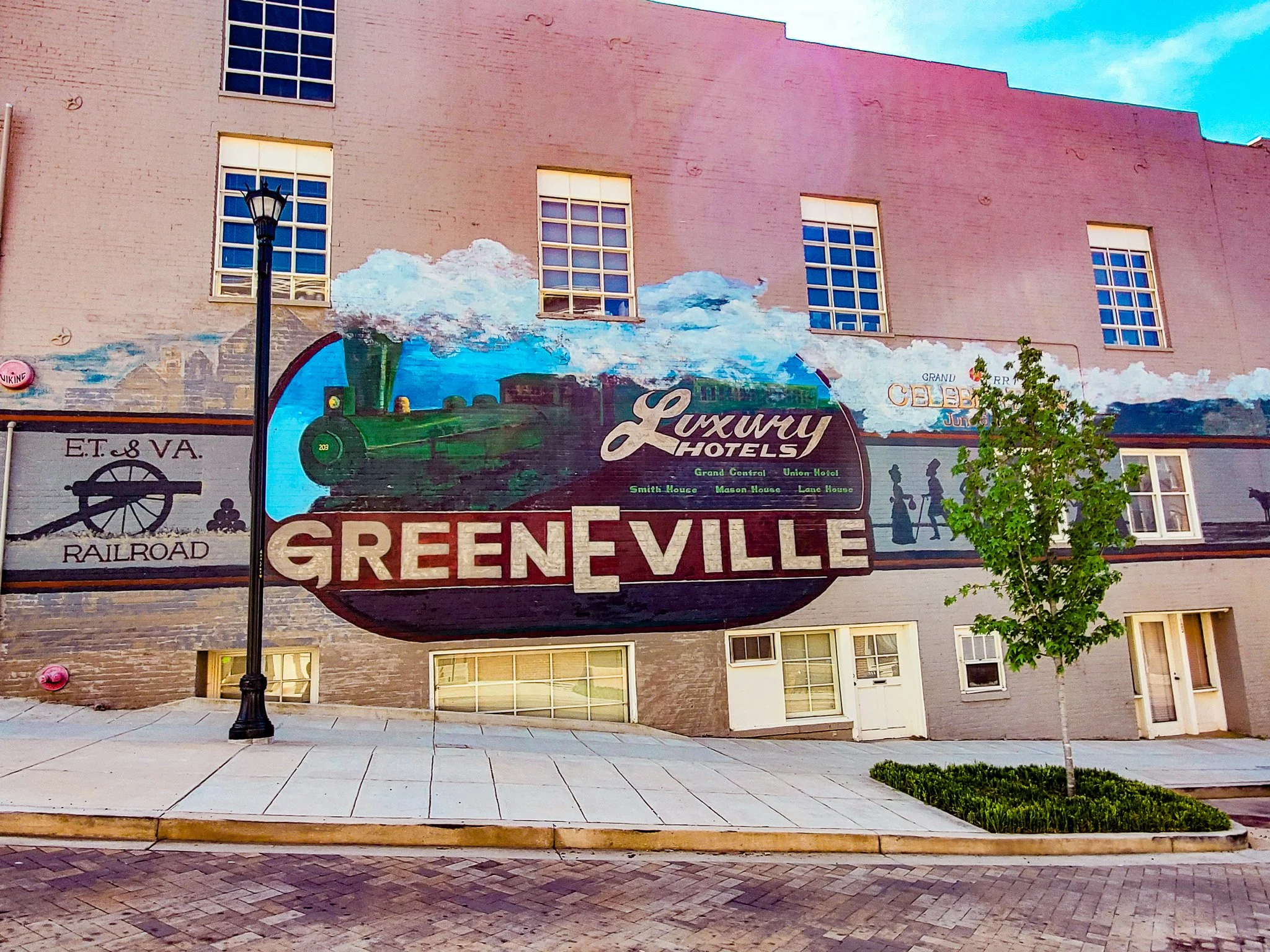
Downtown Greeneville Mural
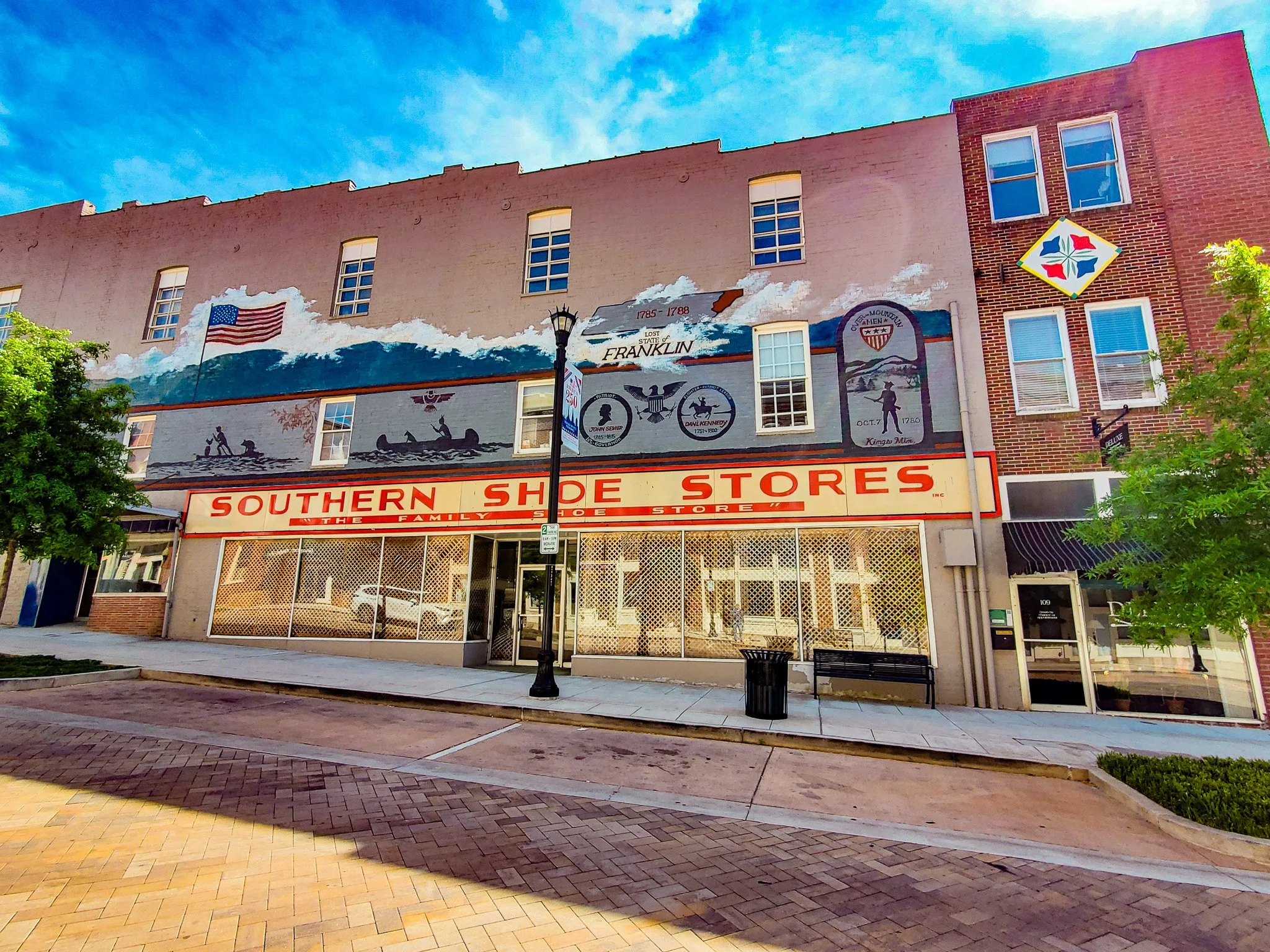
Downtown Greeneville Mural
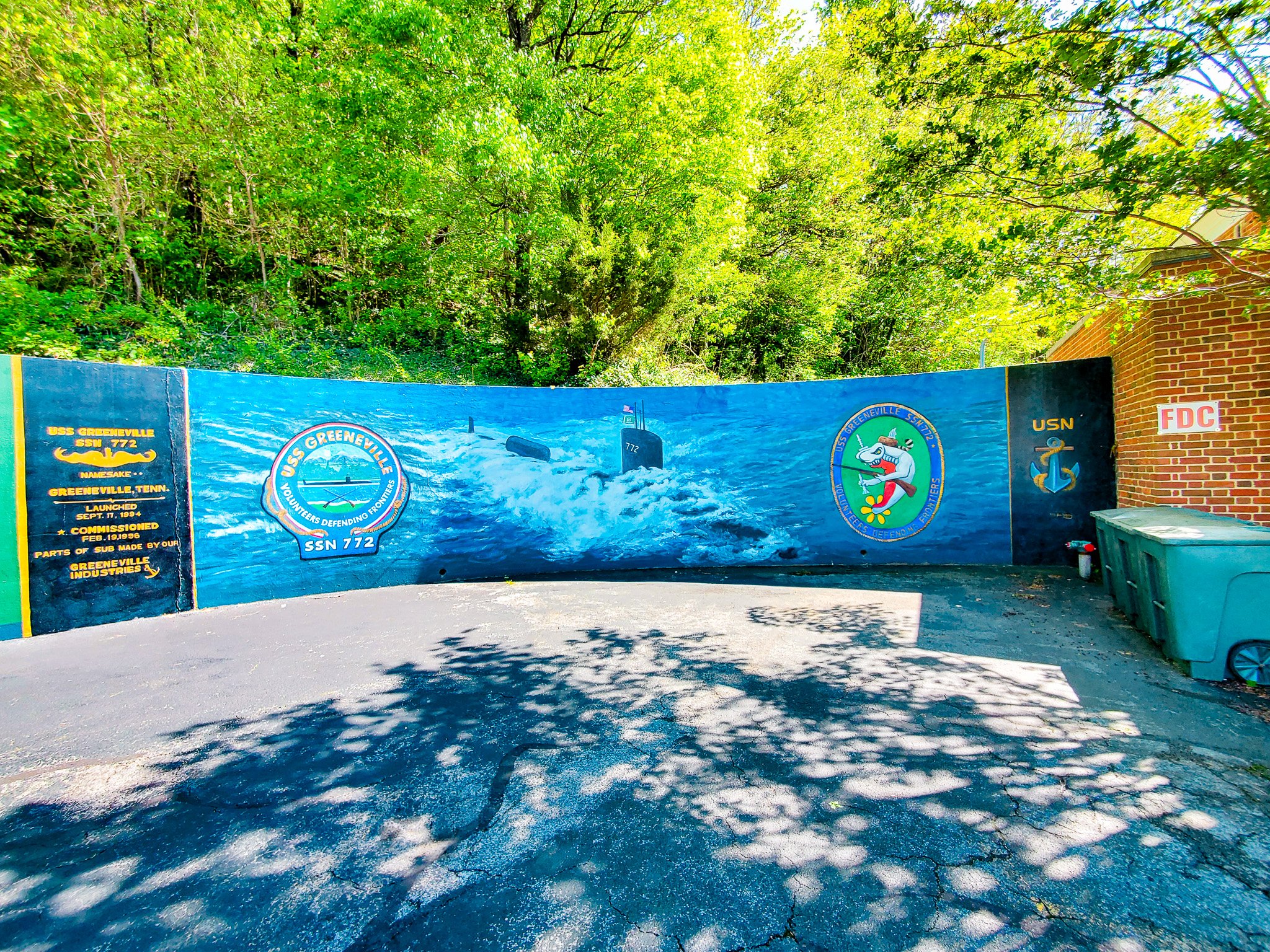
Greeneville Sub Mural
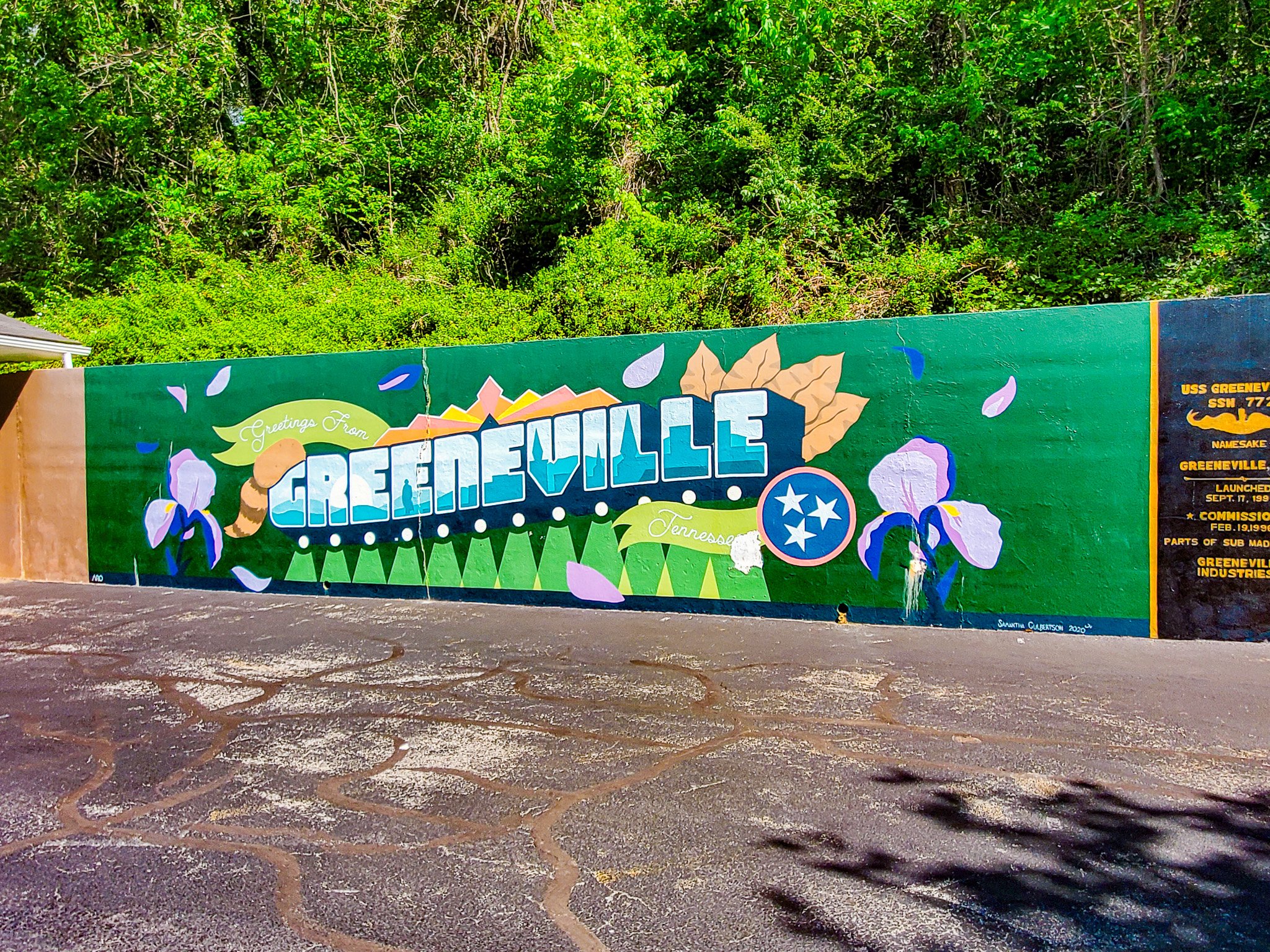
Greeneville Mural
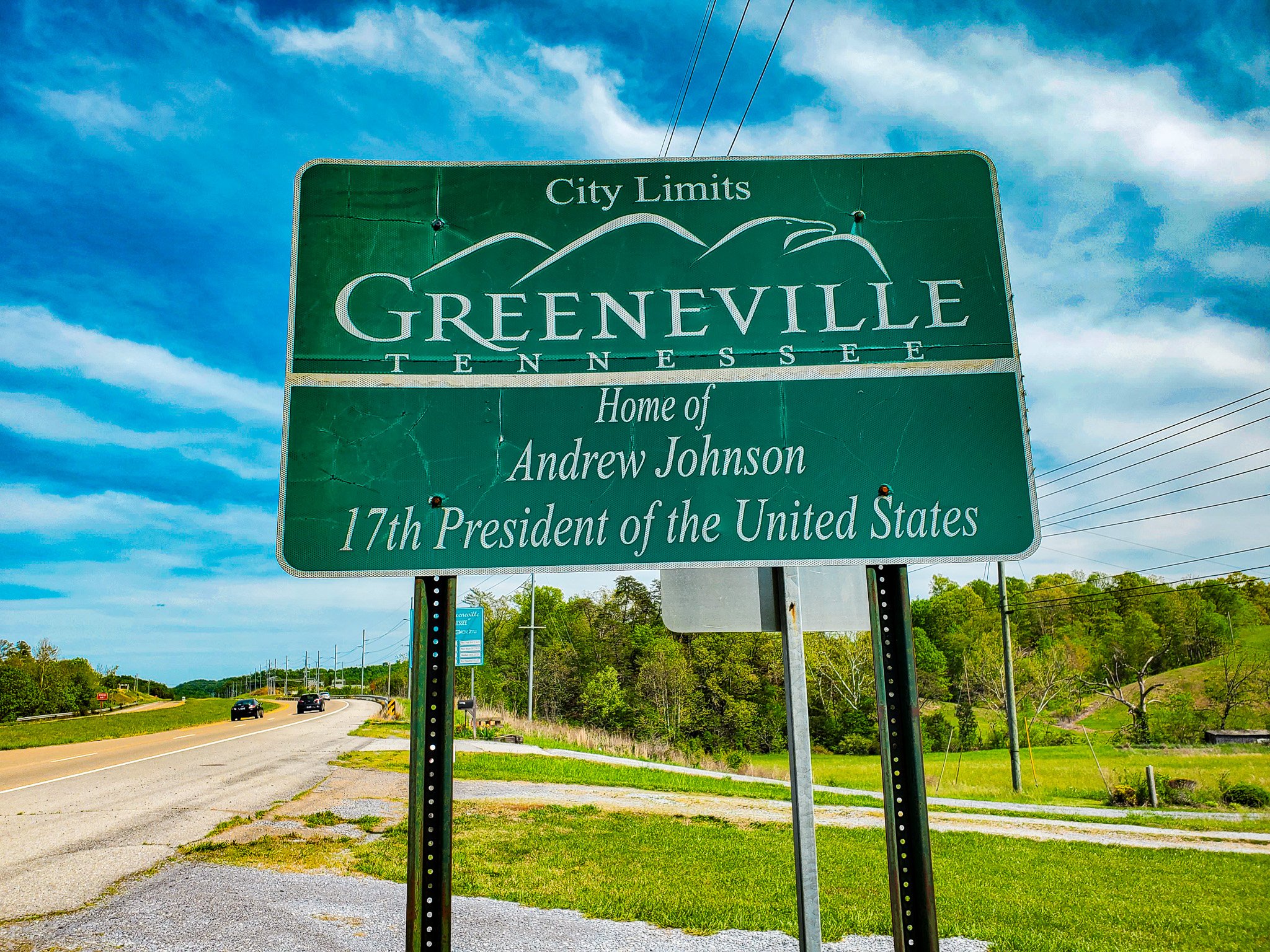
Welcome to Greeneville Sign
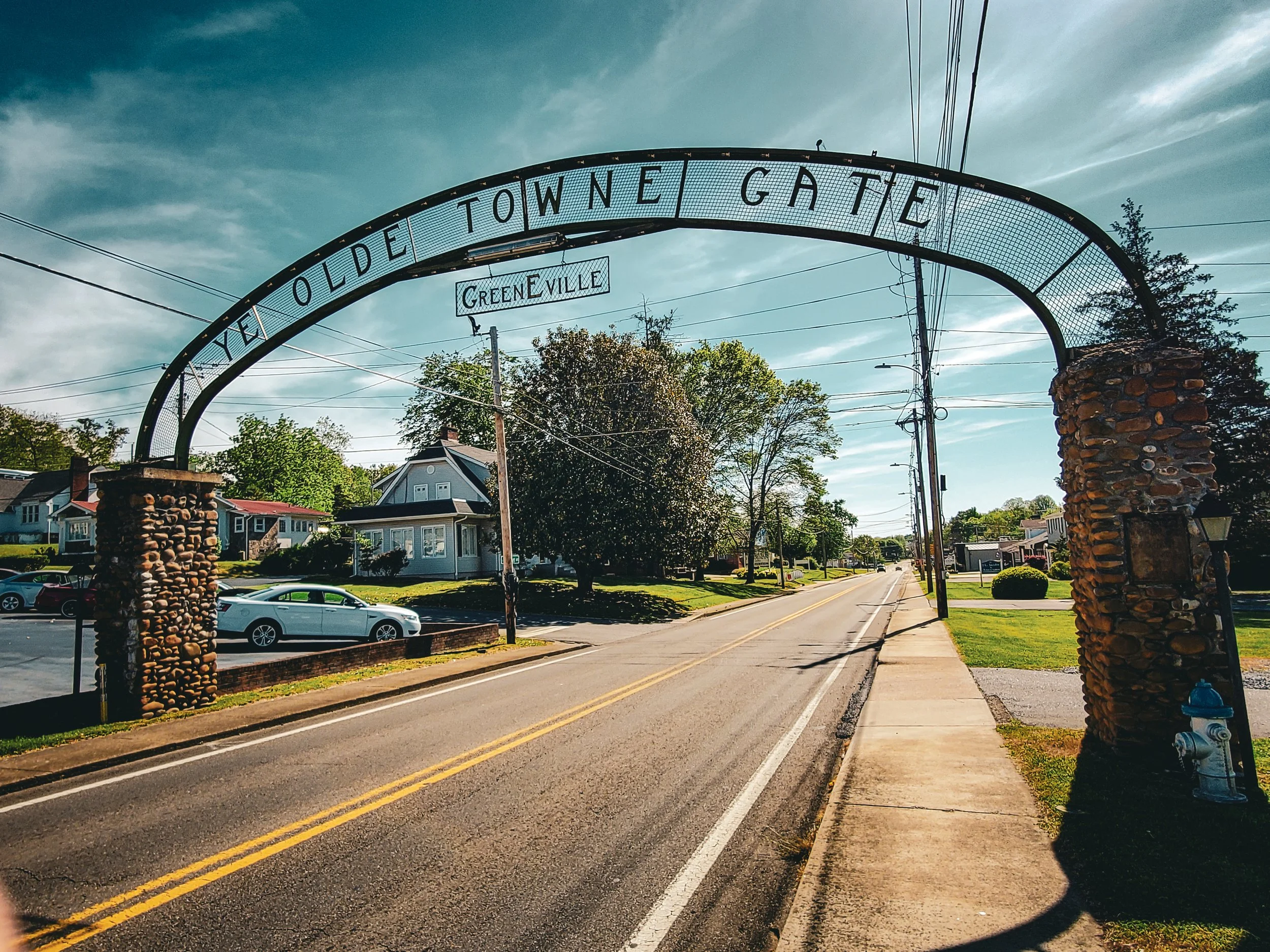
Olde Town Gate
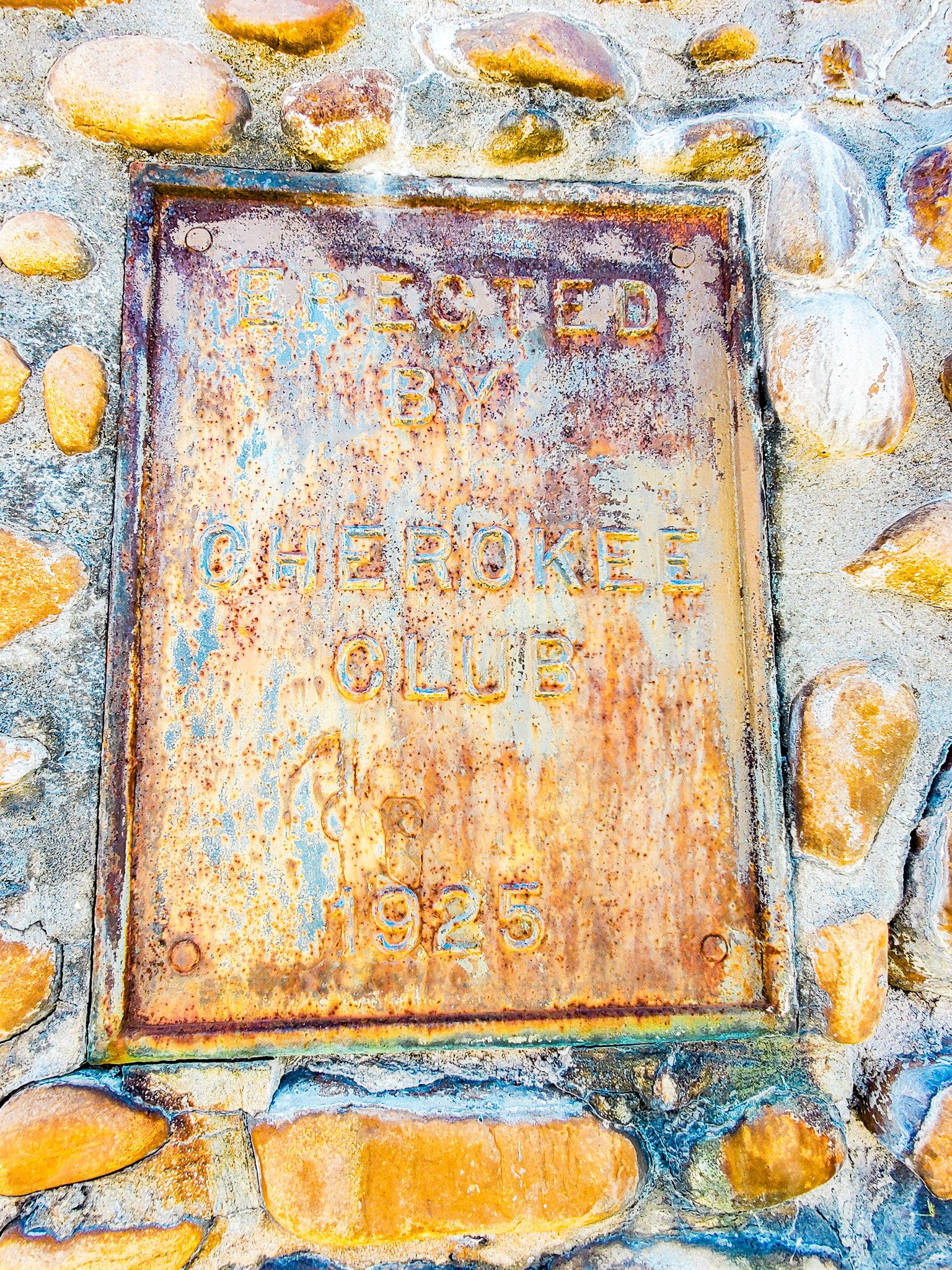
Olde Town Gate Plaque
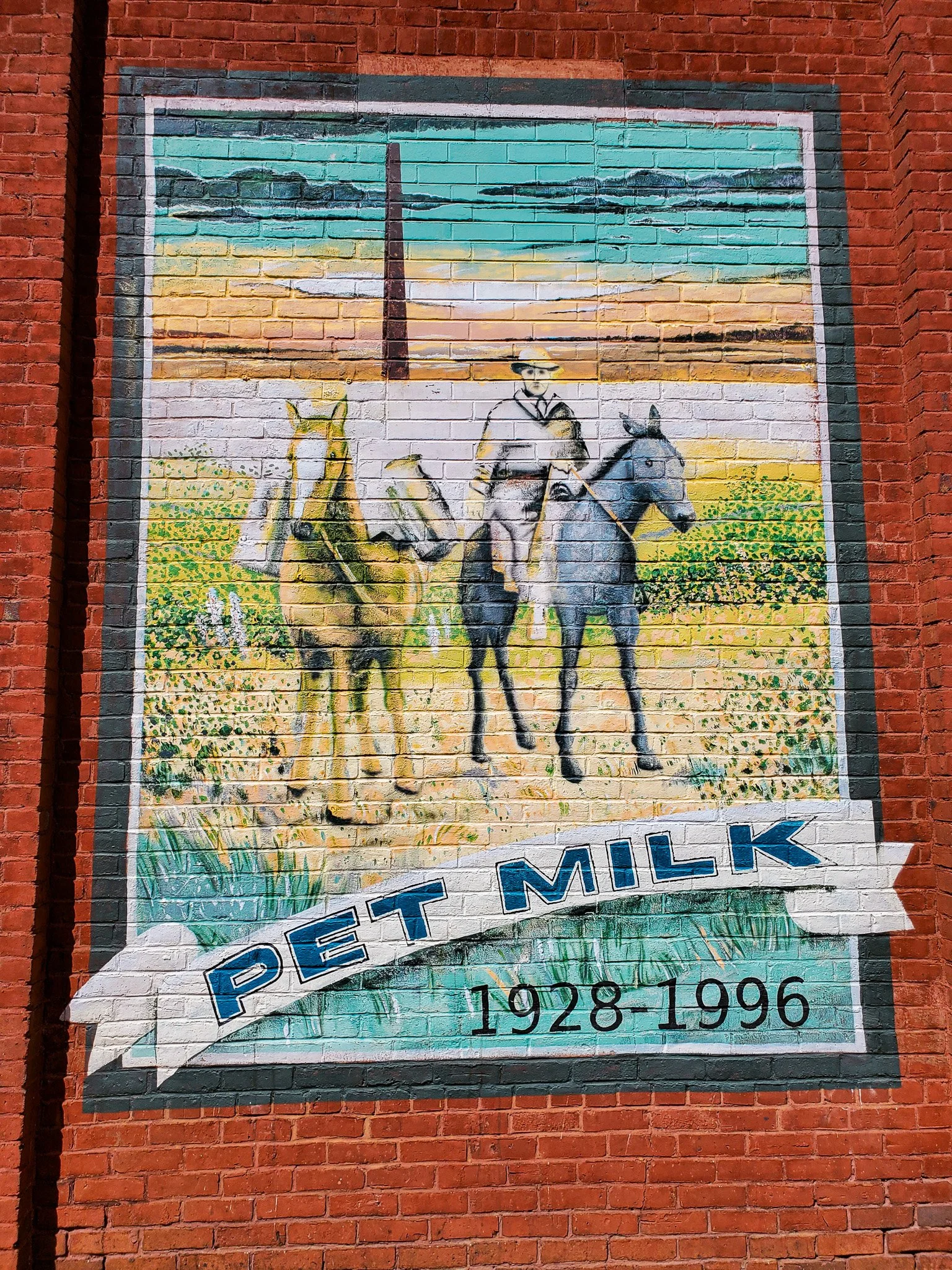
Pet Milk Mural
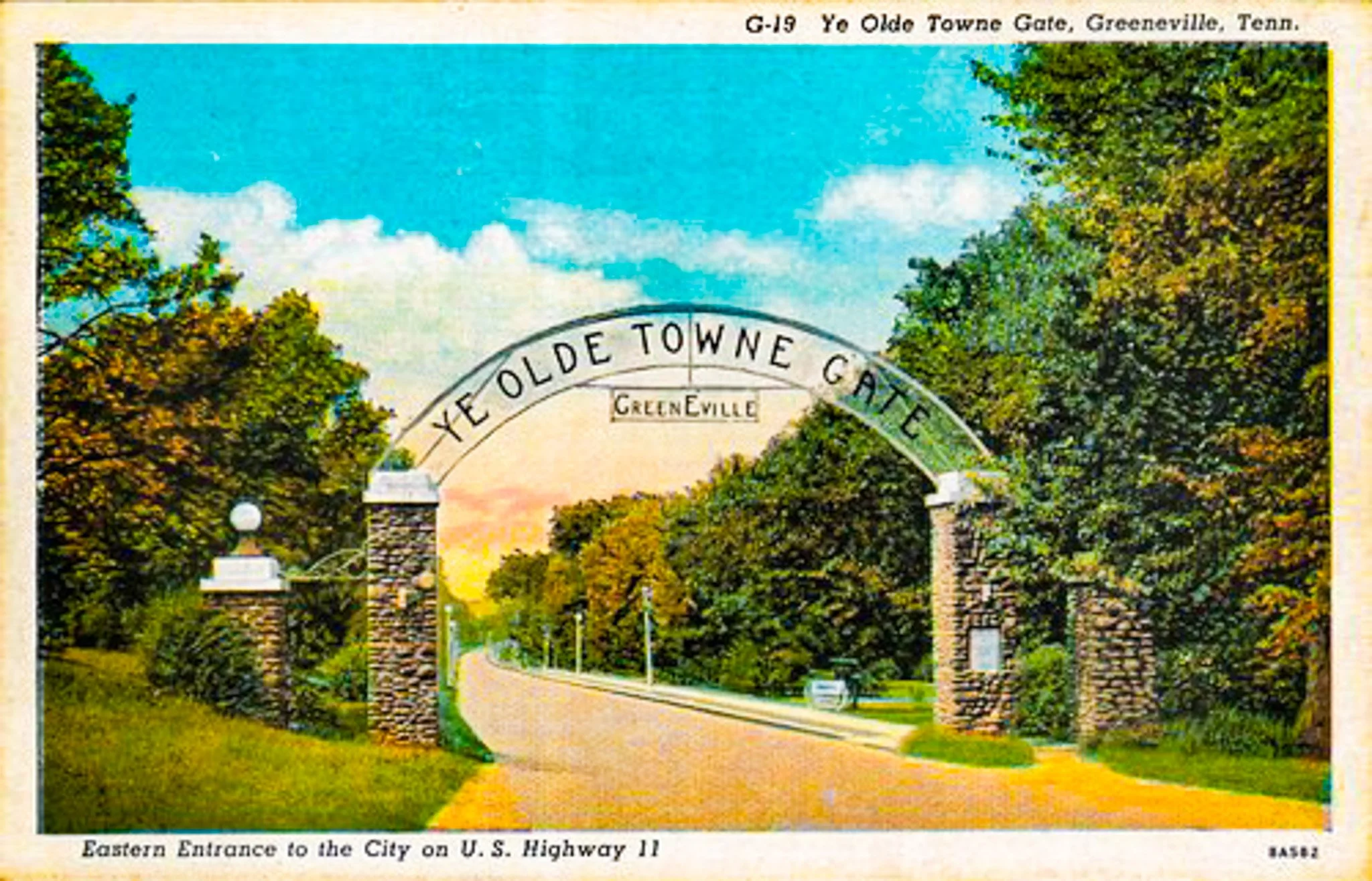
Olde Town Gate Postcard
TUSCULUM
Named for the ancient powerful city near Rome, it is home to Tusculum University, founded in 1794 and the first institution of higher education in Tennessee and the 28th oldest in the nation. A small President Andrew Johnson Museum is located at 67 Gilland Street.
AFTON
The town was named after the River Afton in Robert Burns’ poem “Sweet Afton”.
CHUCKEY
The name comes from the Nolichucky River, and is home to the Davy Crocket Birthplace State Park.
LIMESTONE
Originally called Freedom, Limestone was named for the local limestone geography. In 1780, the Washington College Academy was established by Dr. Samuel Doak, noted as the first institution named after the first US president. In 1786, frontiersman and politician Davy Crockett was born in the Limestone area. Currently, RG Crafts on US 11 offers unique hand-made Native American-inspired arts and crafts.
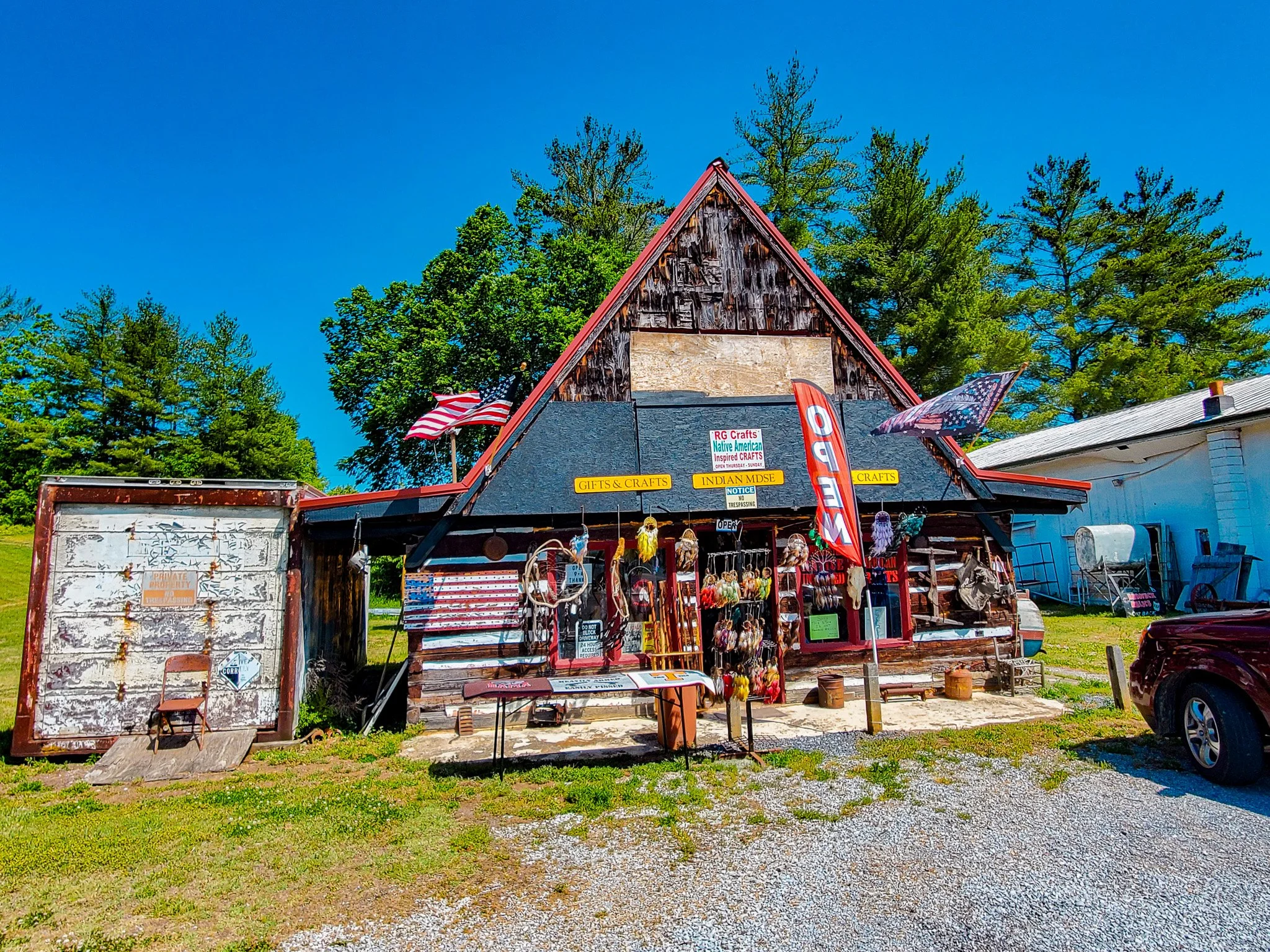
RG Crafts
JONESBOROUGH
Founded in 1779, Jonesborough is Tennessee’s oldest town. It was named for North Carolina legislator Willie Jones and was the first capital of the State of Franklin. The Chester Inn State Historic Site and Museum was built in 1797 as a frontier inn and major stop on the Great Stage Road from Washington DC to Knoxville and Nashville that hosted US Presidents Andrew Jackson and James K. Polk. The historic Eureka Inn and Event Center, built in 1797, provides outstanding B&B facilities and event hosting. The Jonesborough-Washington County Historical Museum and the International Storytelling Center and Festival are located there. The town was home to The Emancipator, the first Abolitionist newspaper in the nation. A photo op pillory is located at 117 Boone Street. If you are hungry, visit the Main Street Cafe, a historic family-owned restaurant located in a 1930’s building which originally housed the Jonesborough Post Office.
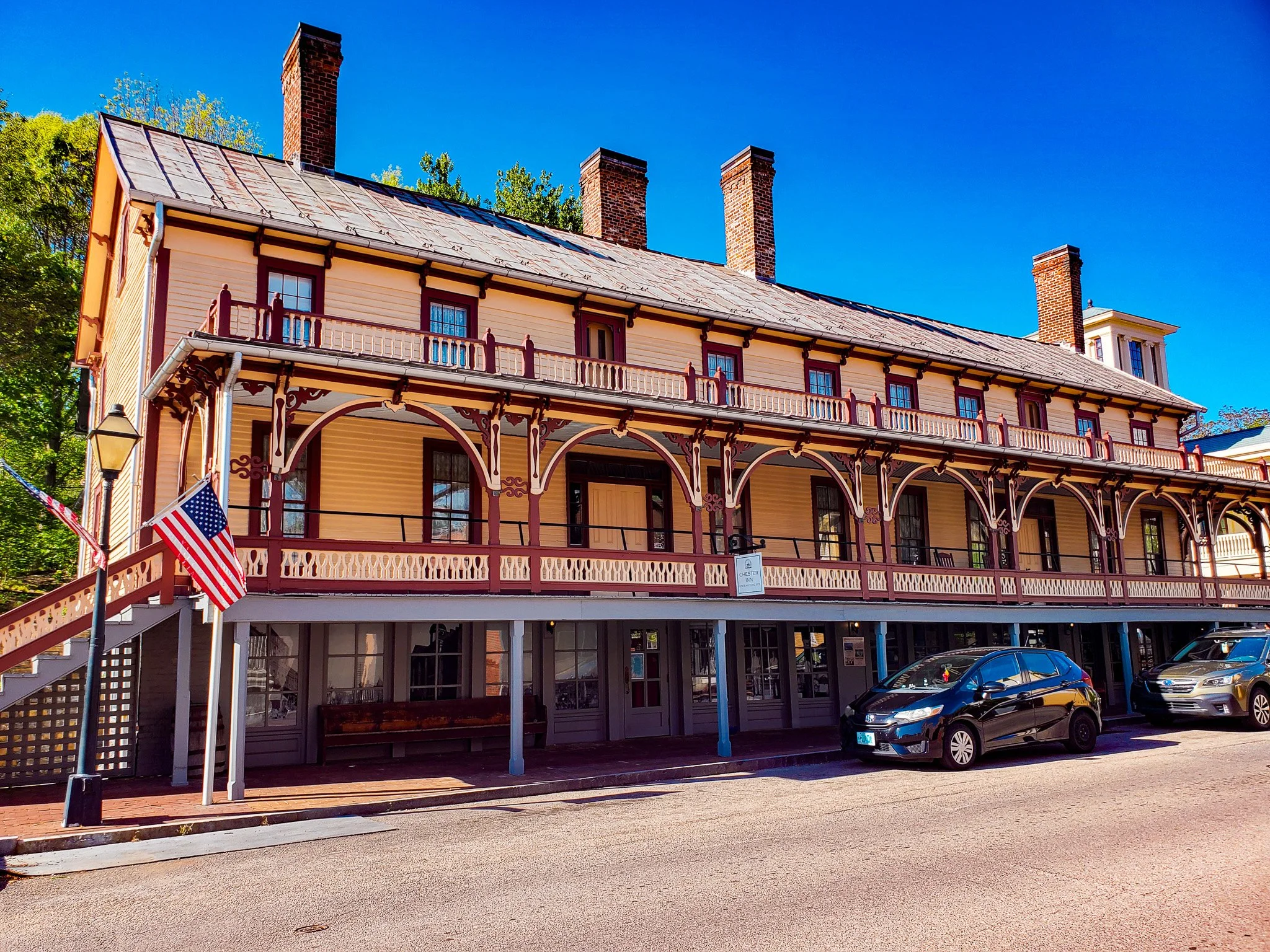
Chester Historic Inn
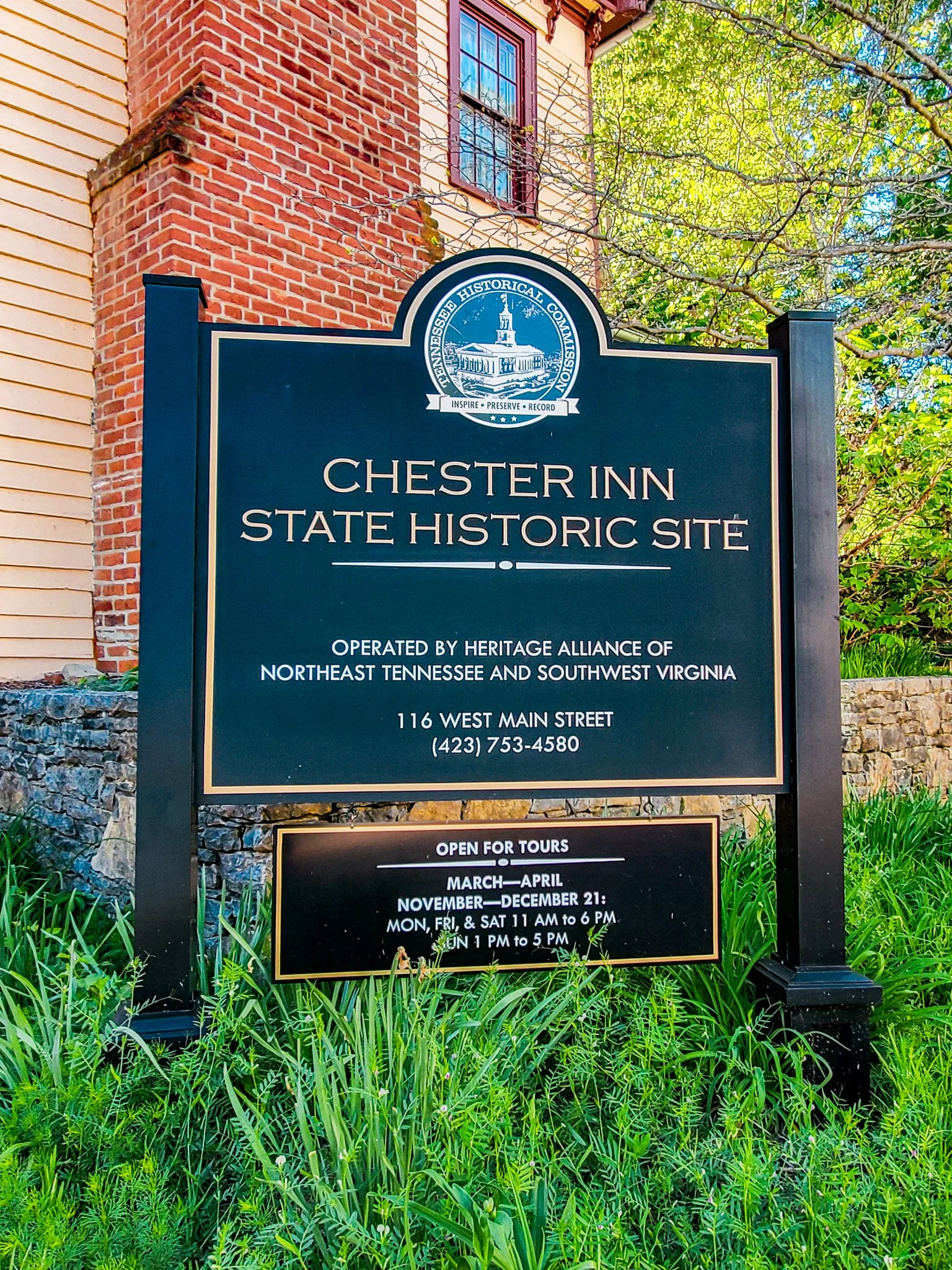
Chester Historic Inn
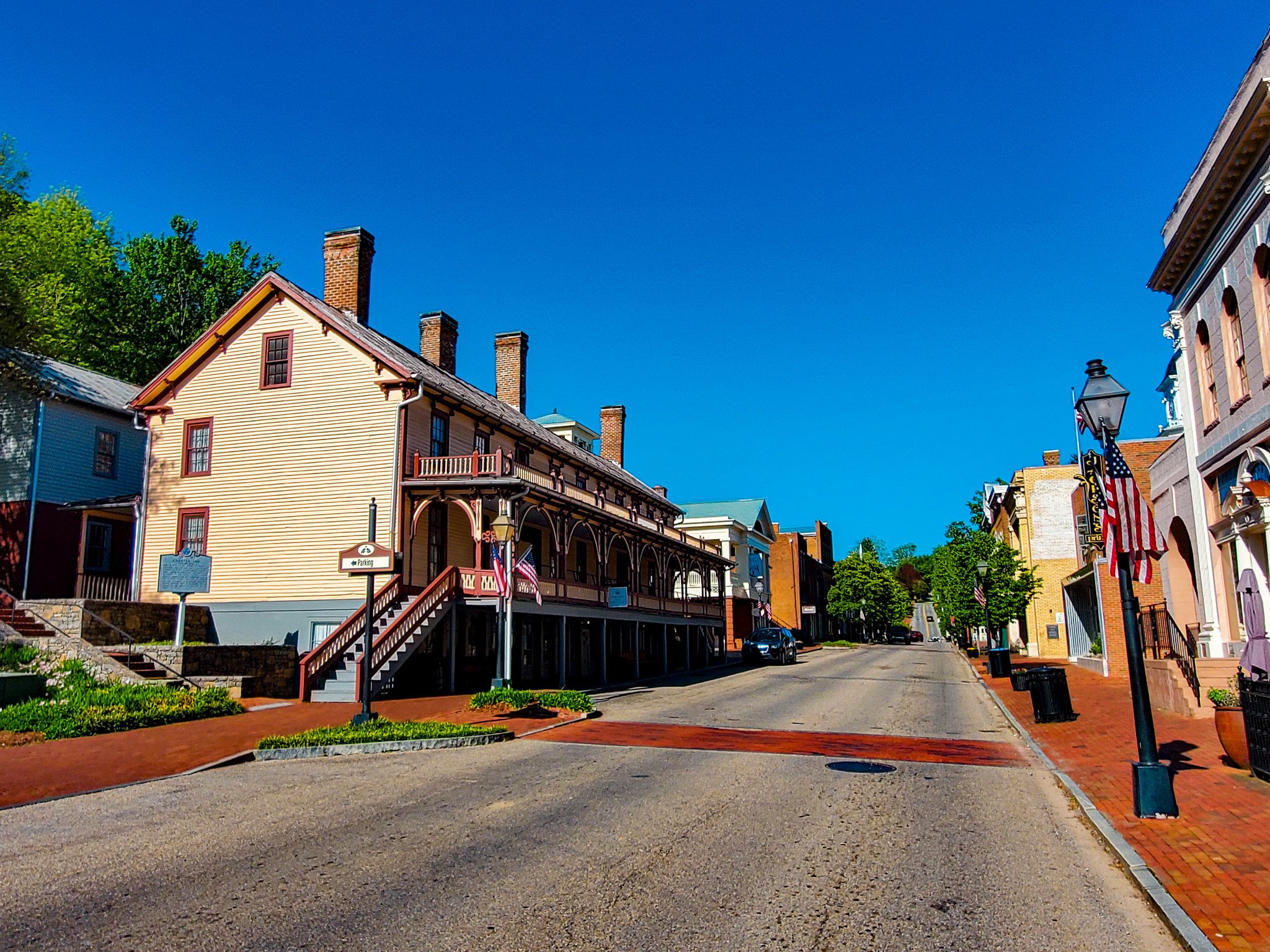
Chester Historic Inn
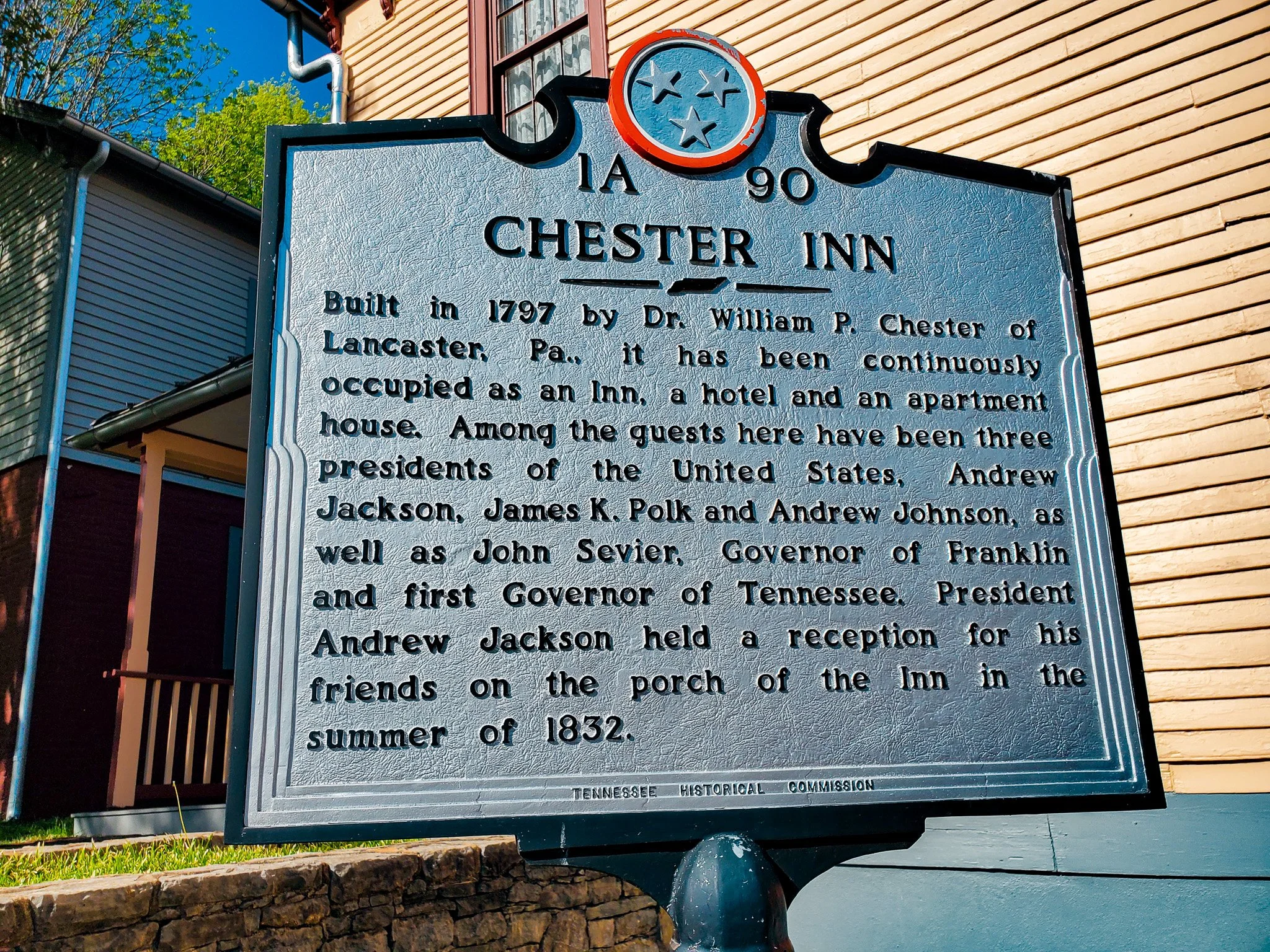
Chester Historic Inn
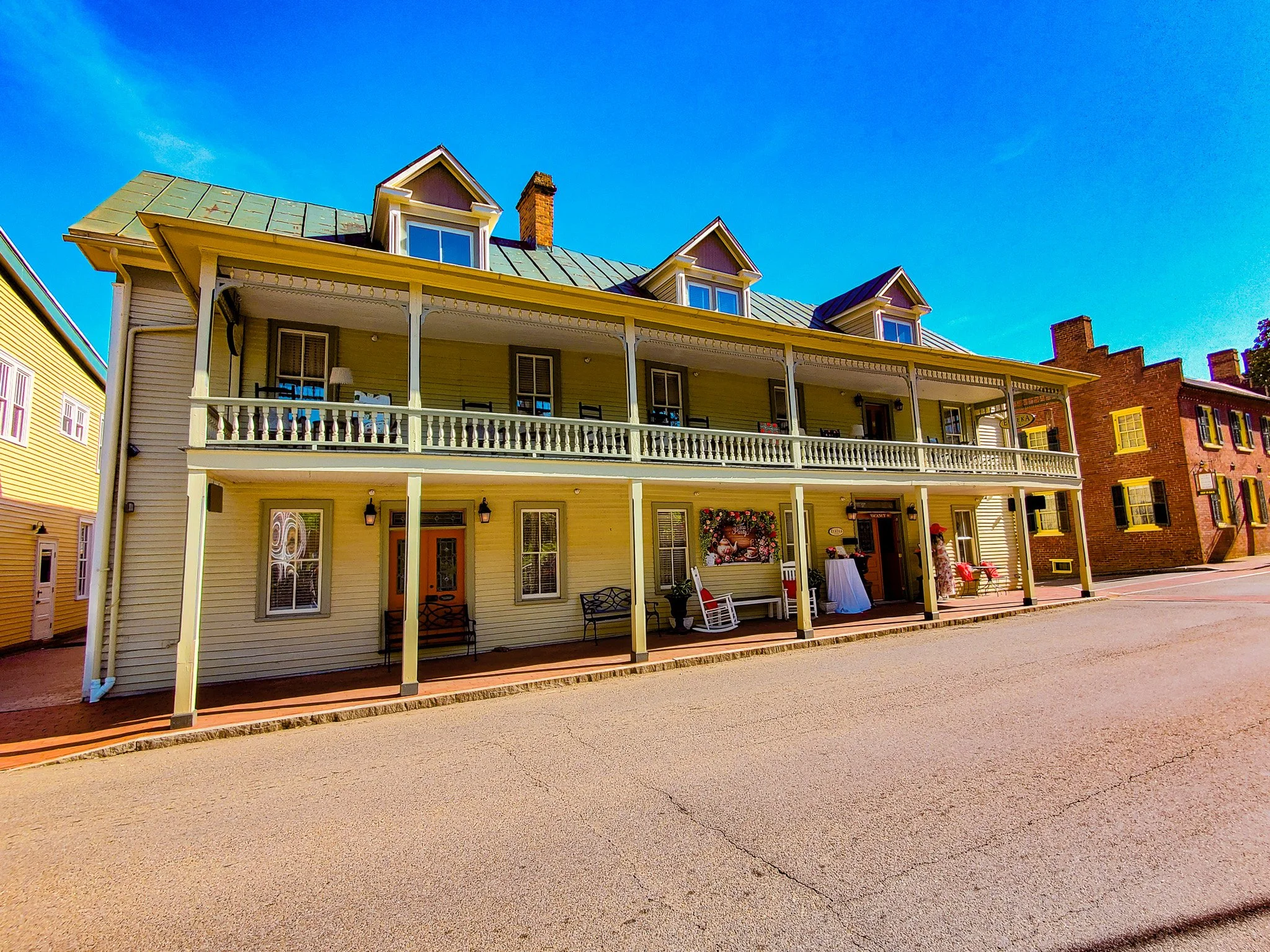
Eureka Inn
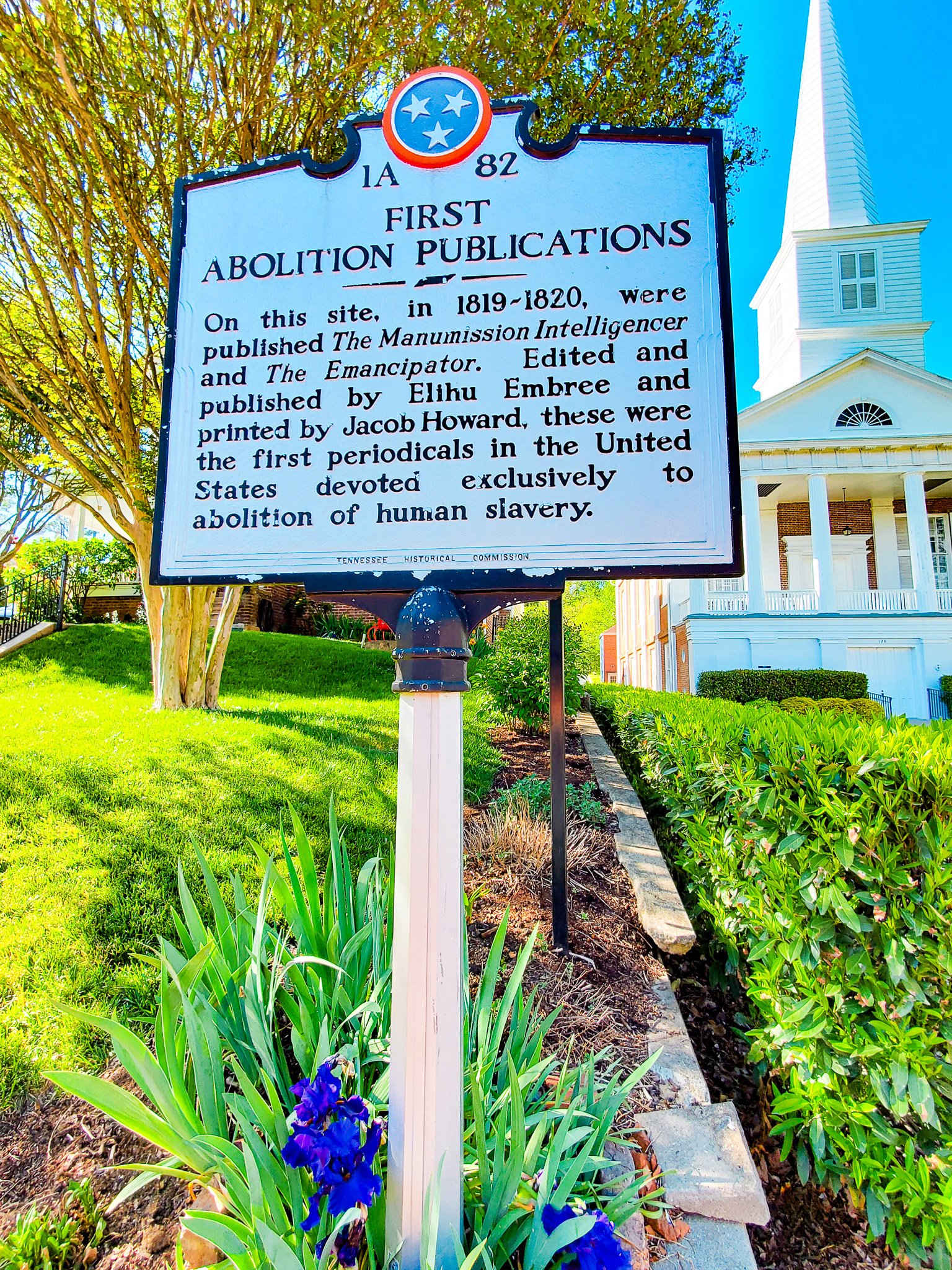
First Abolitionist Publication Marker
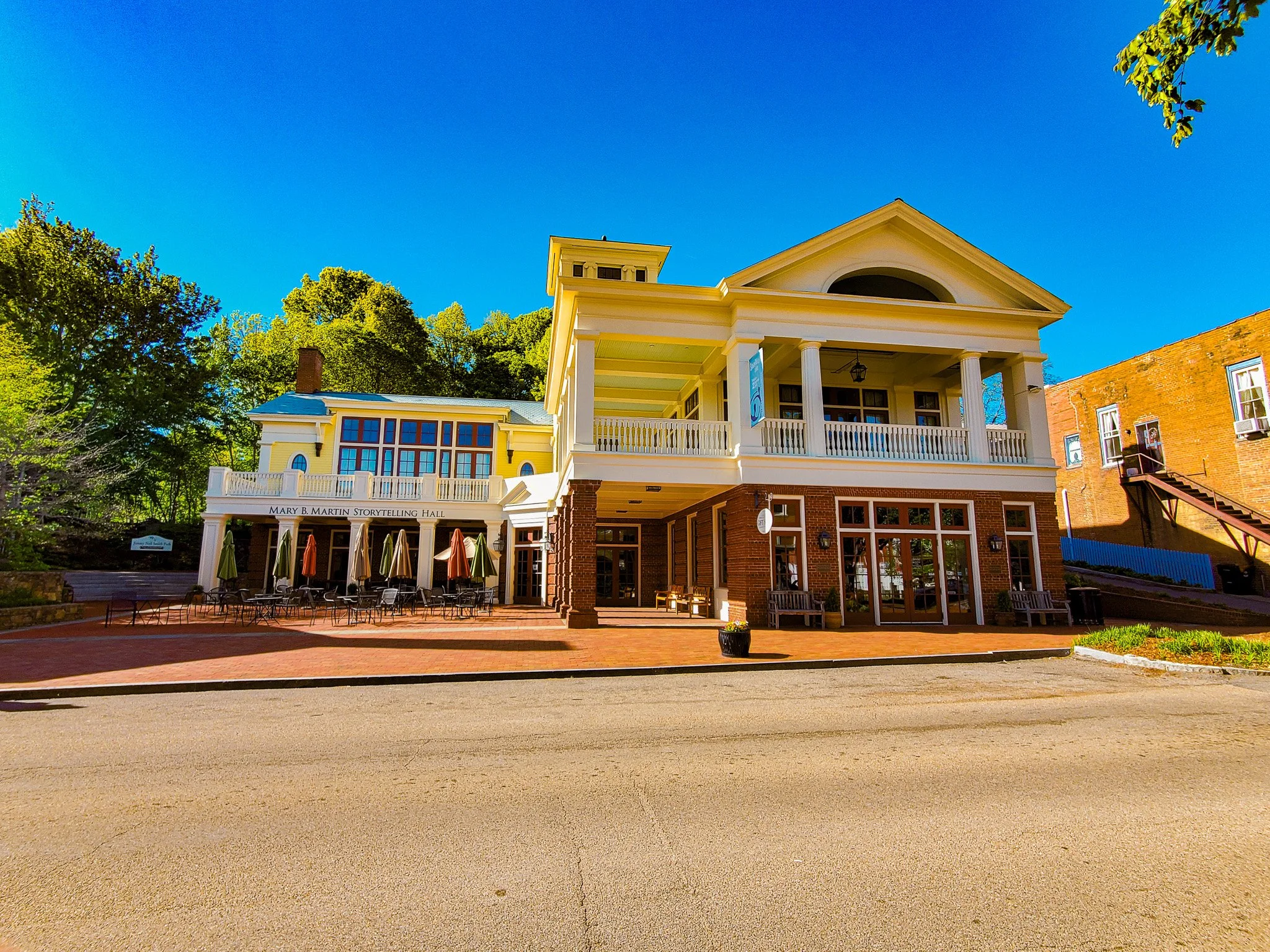
Intl Storytelling Building
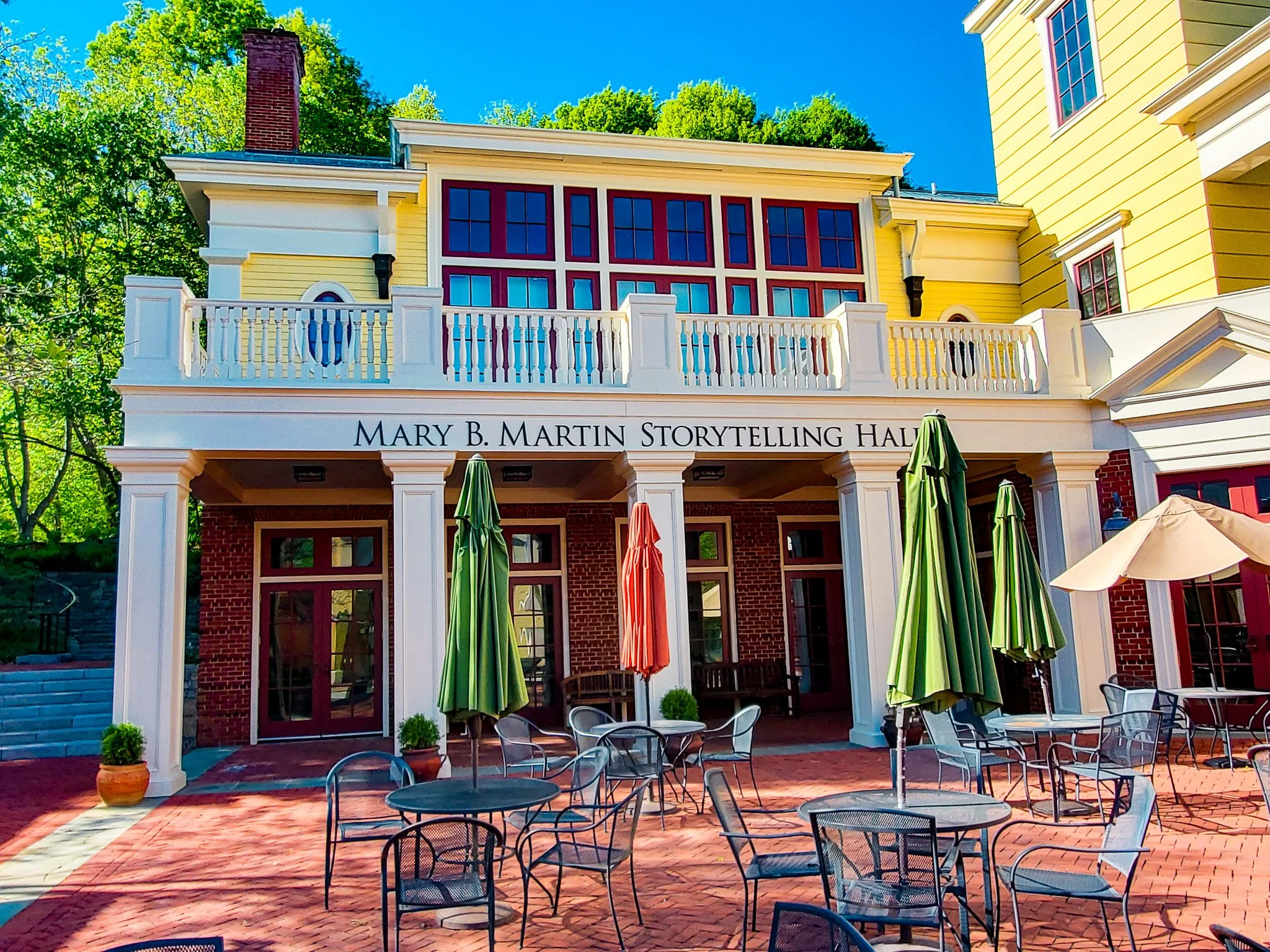
Intl Storytelling Building
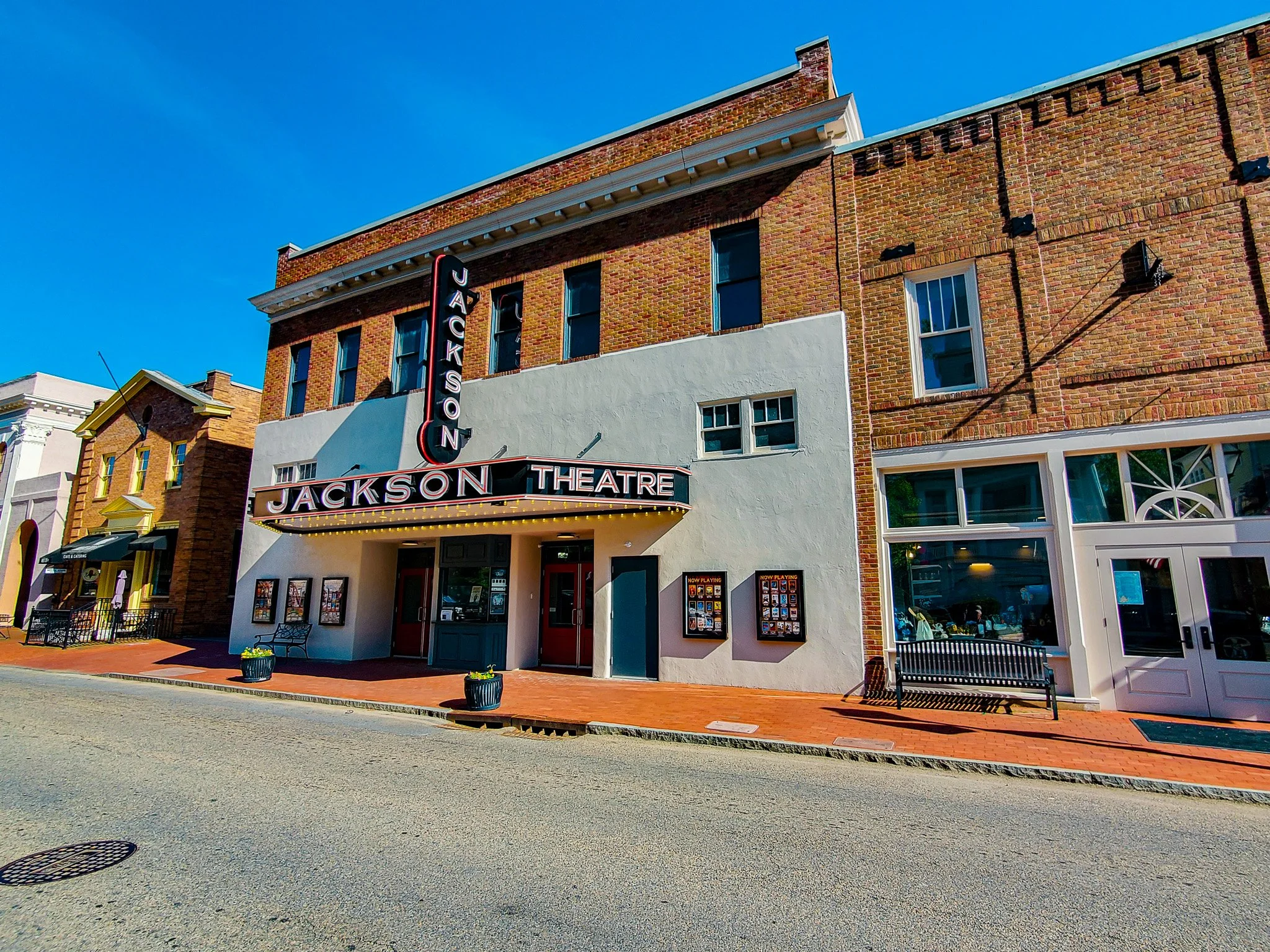
Jackson Theater
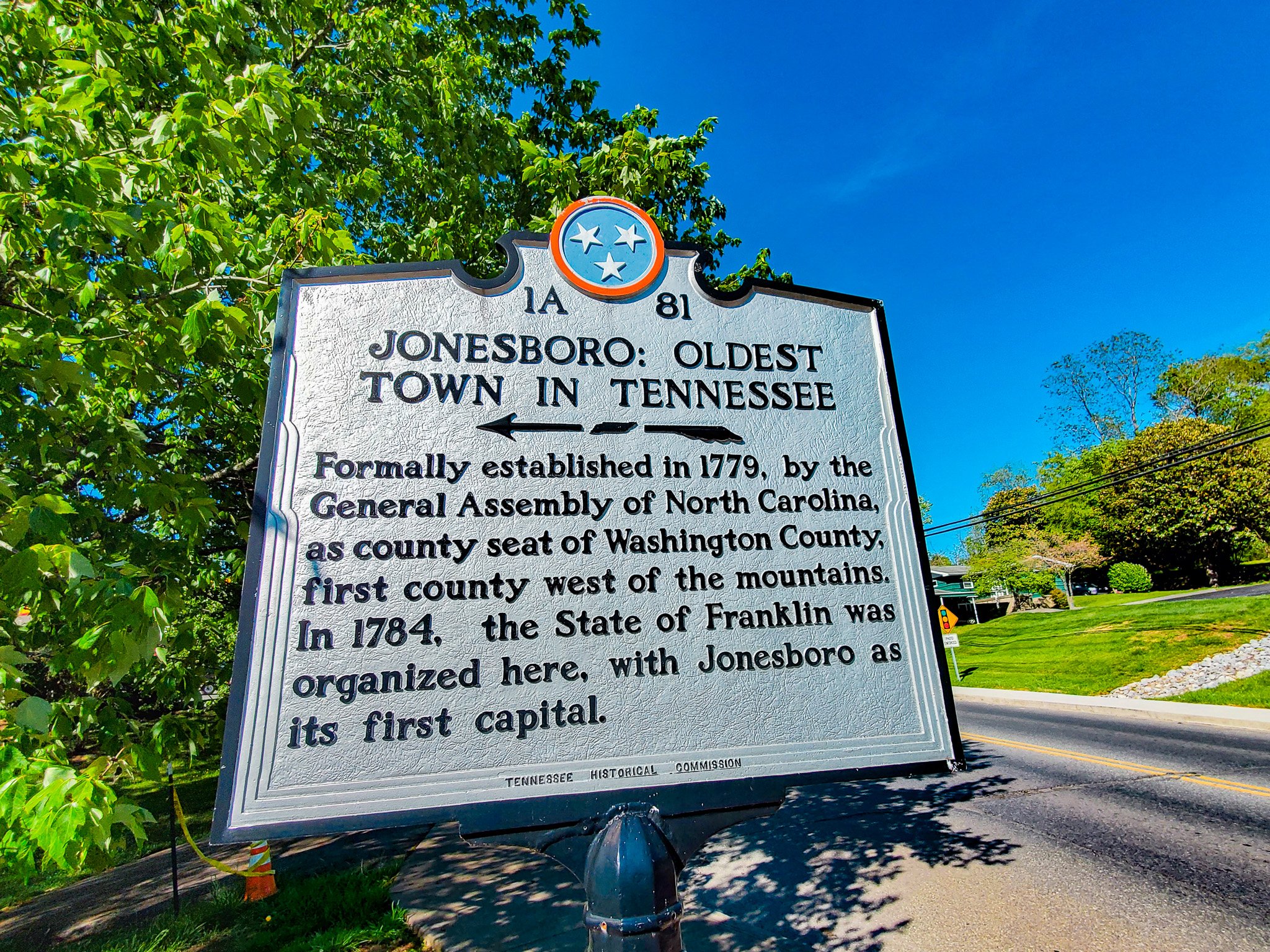
Oldest Town in Tennessee Marker
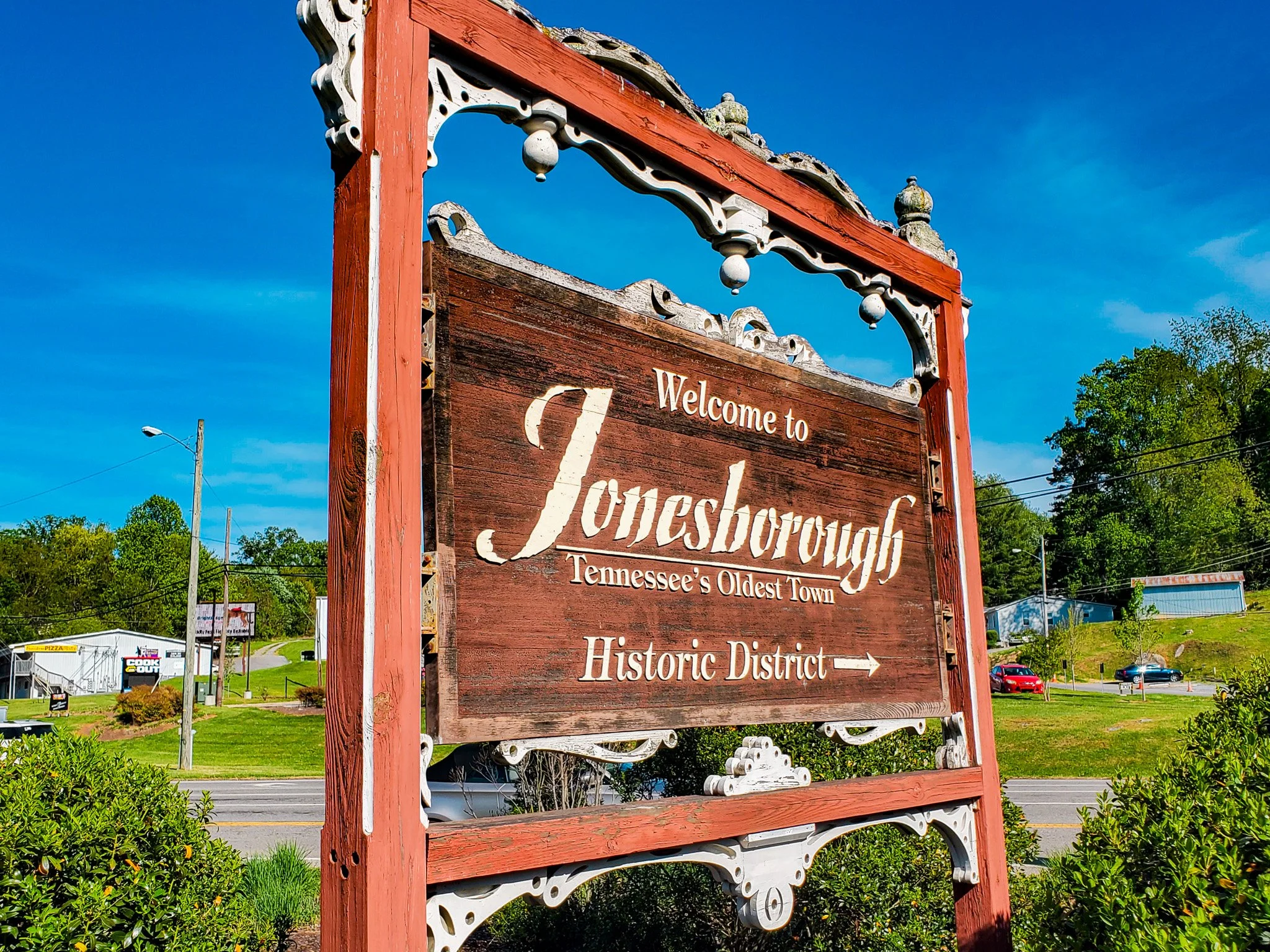
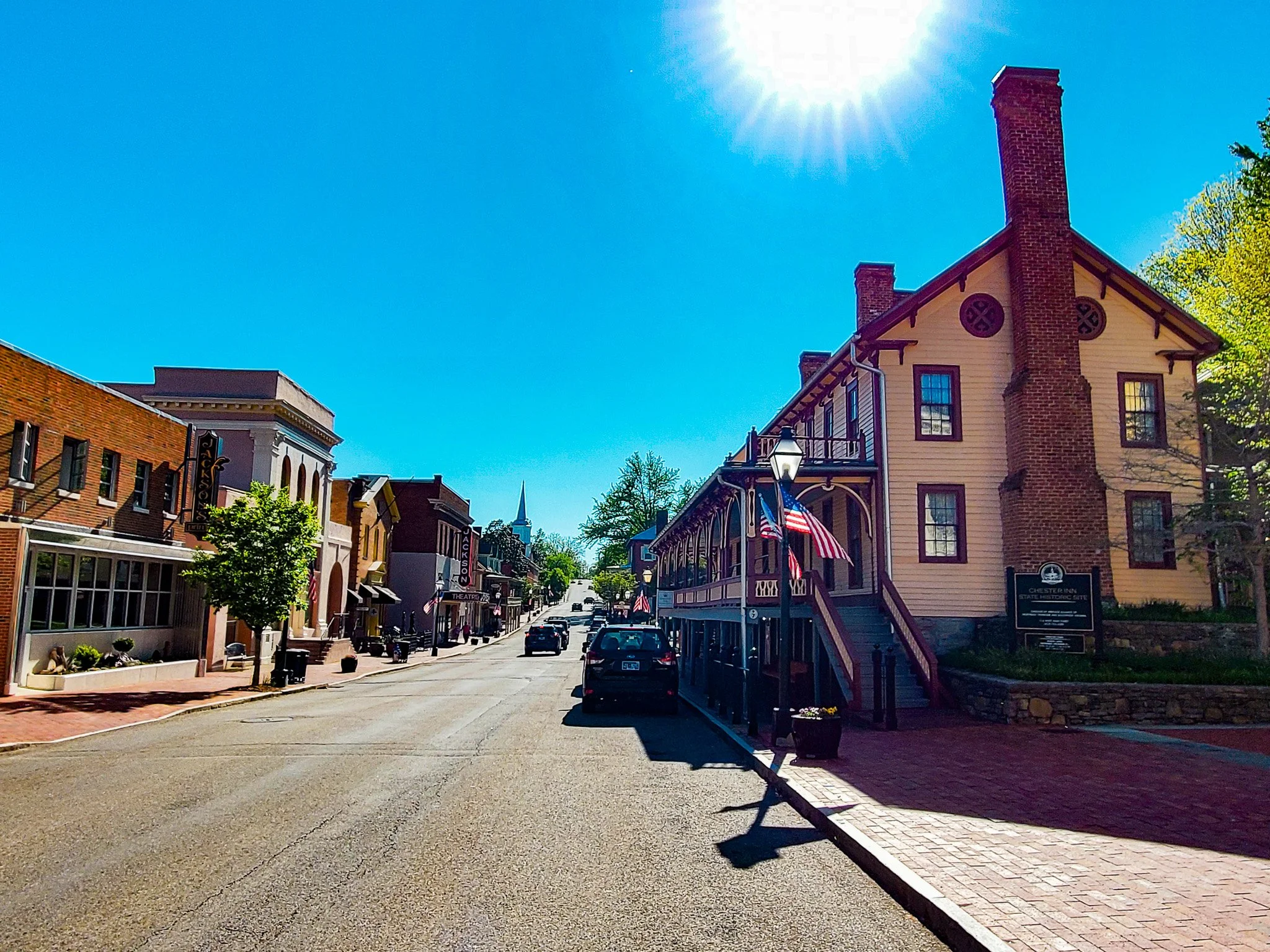
Main Street
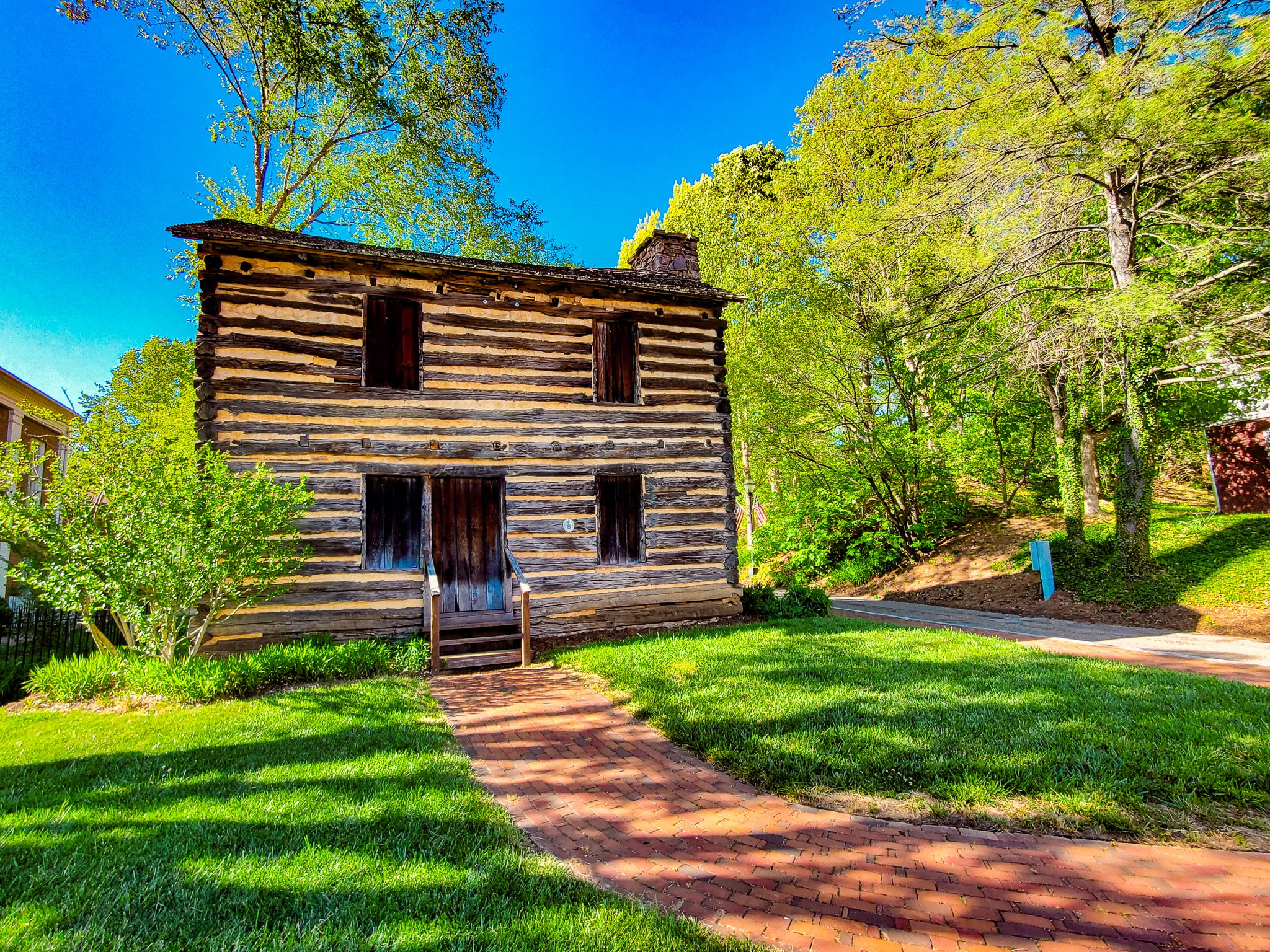
Taylor House
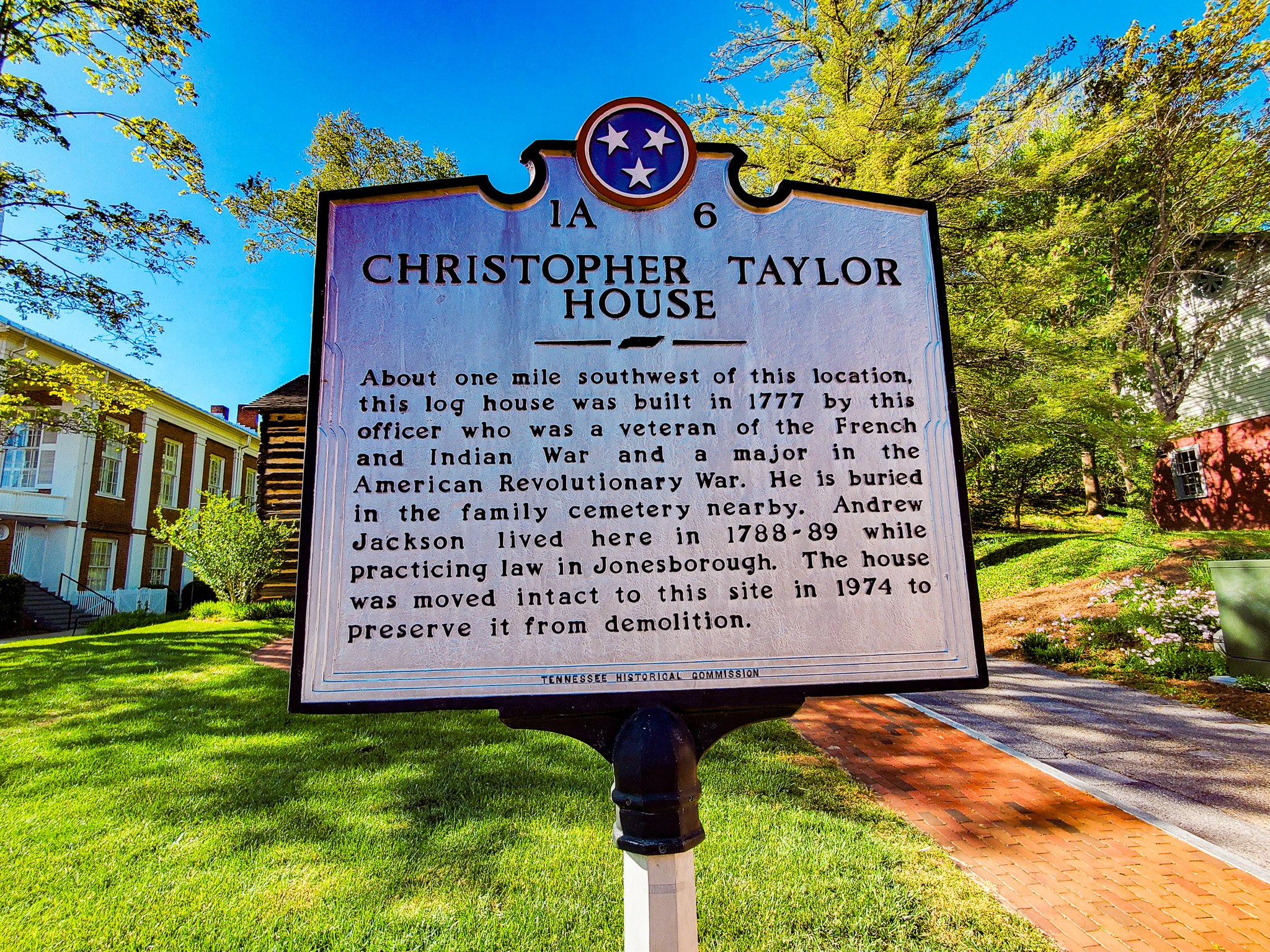
Taylor House
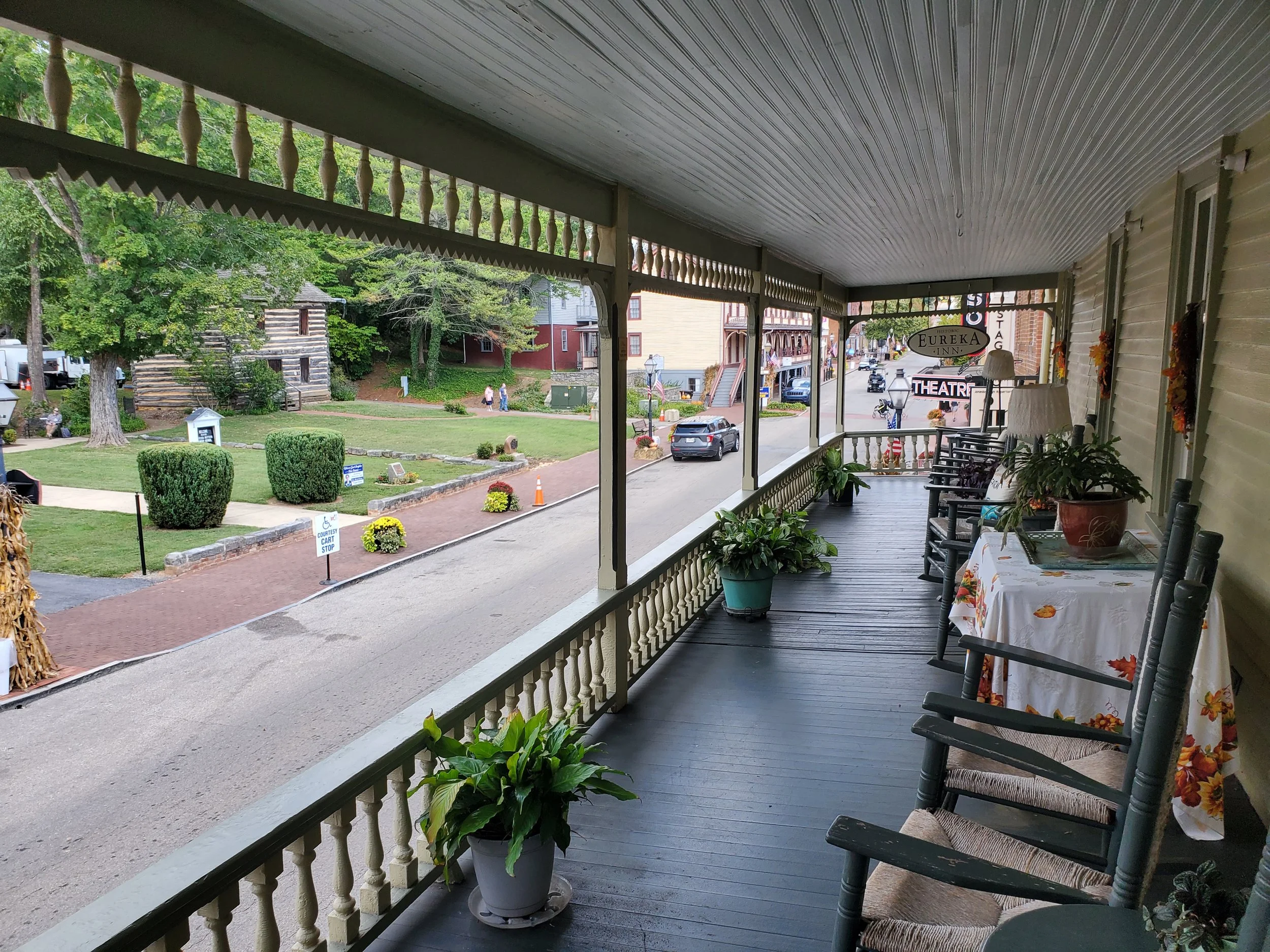
Eureka Inn street view from second story porch
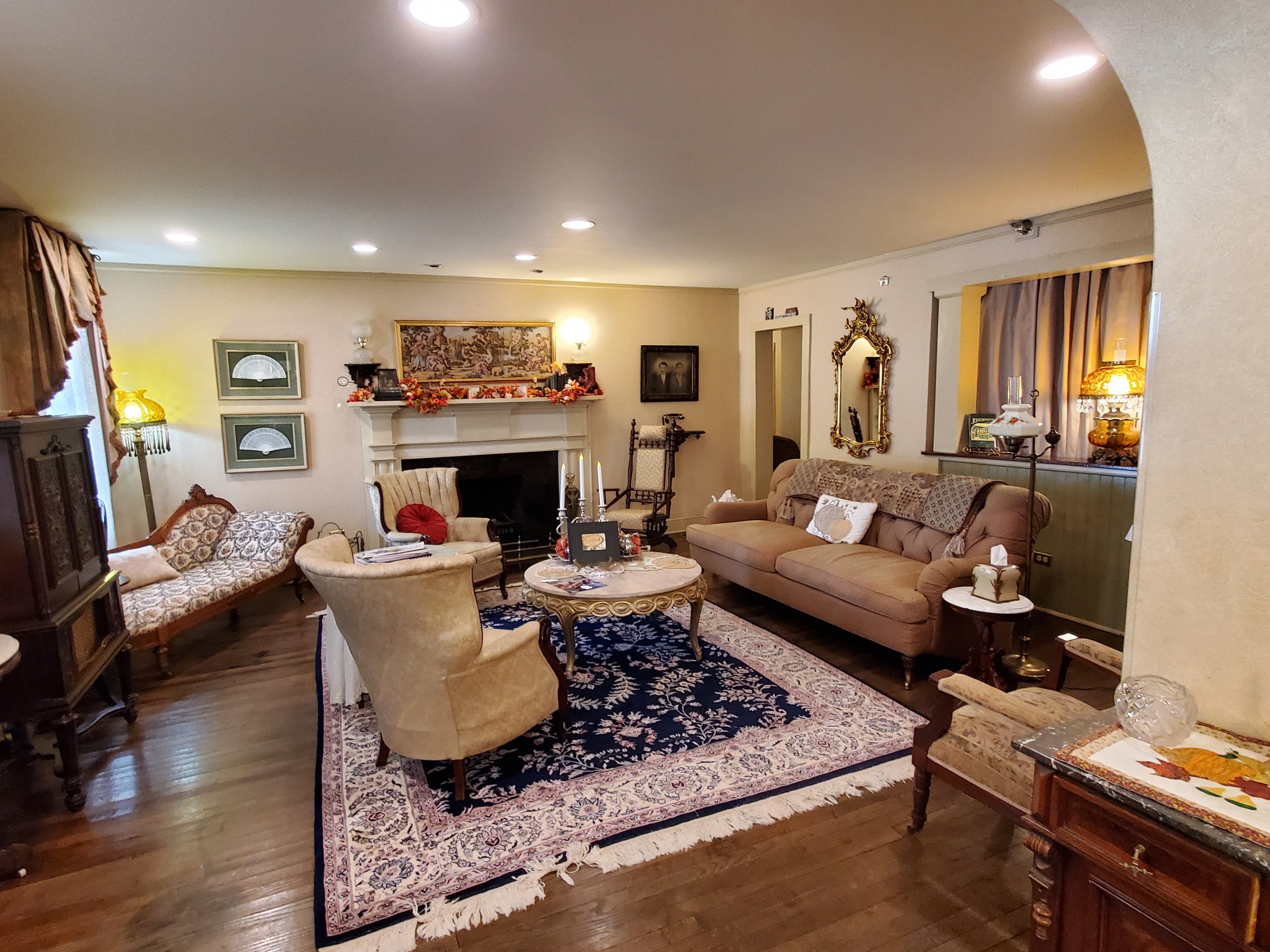
Eureka Inn parlor
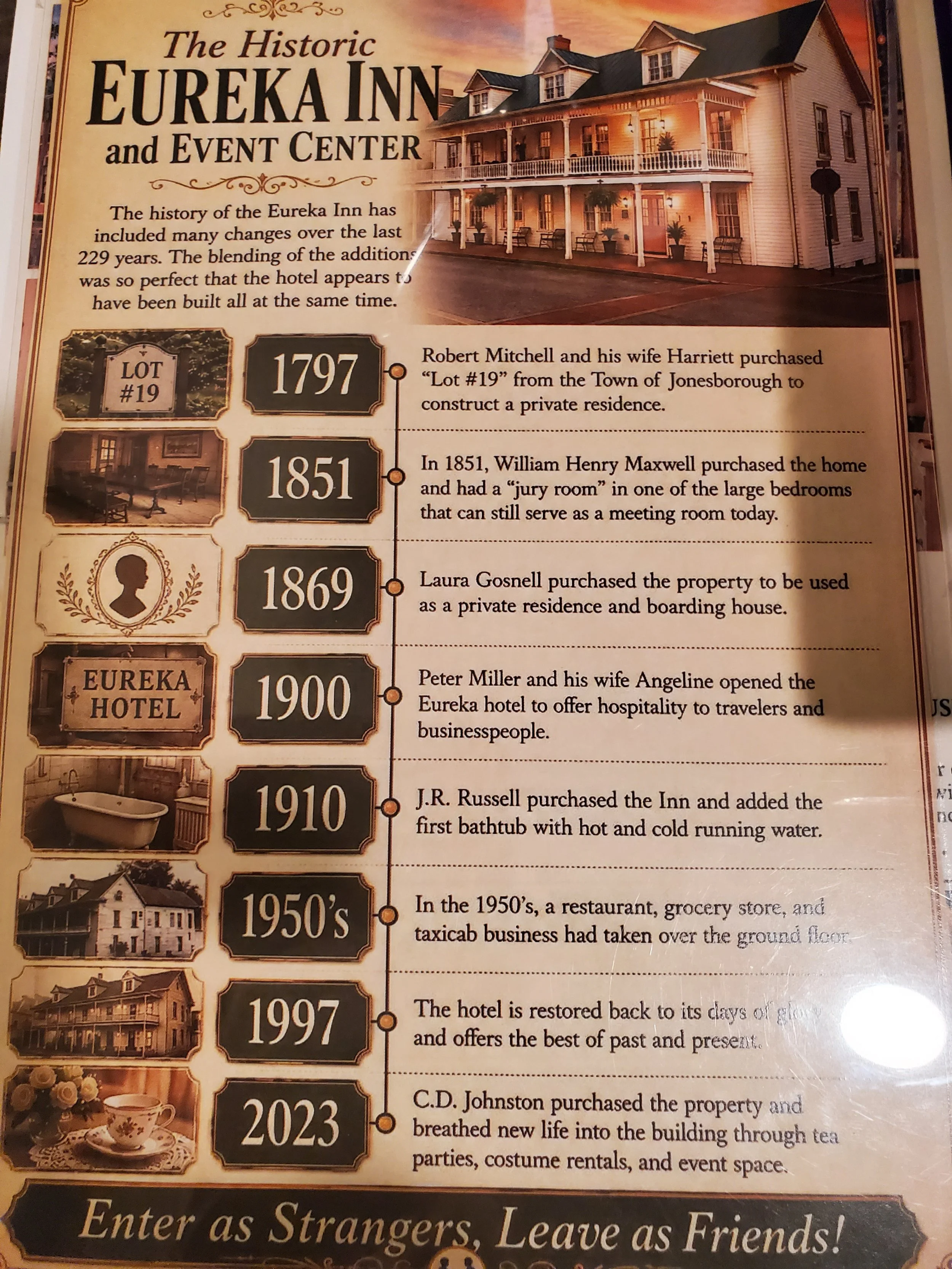
Eureka Inn history
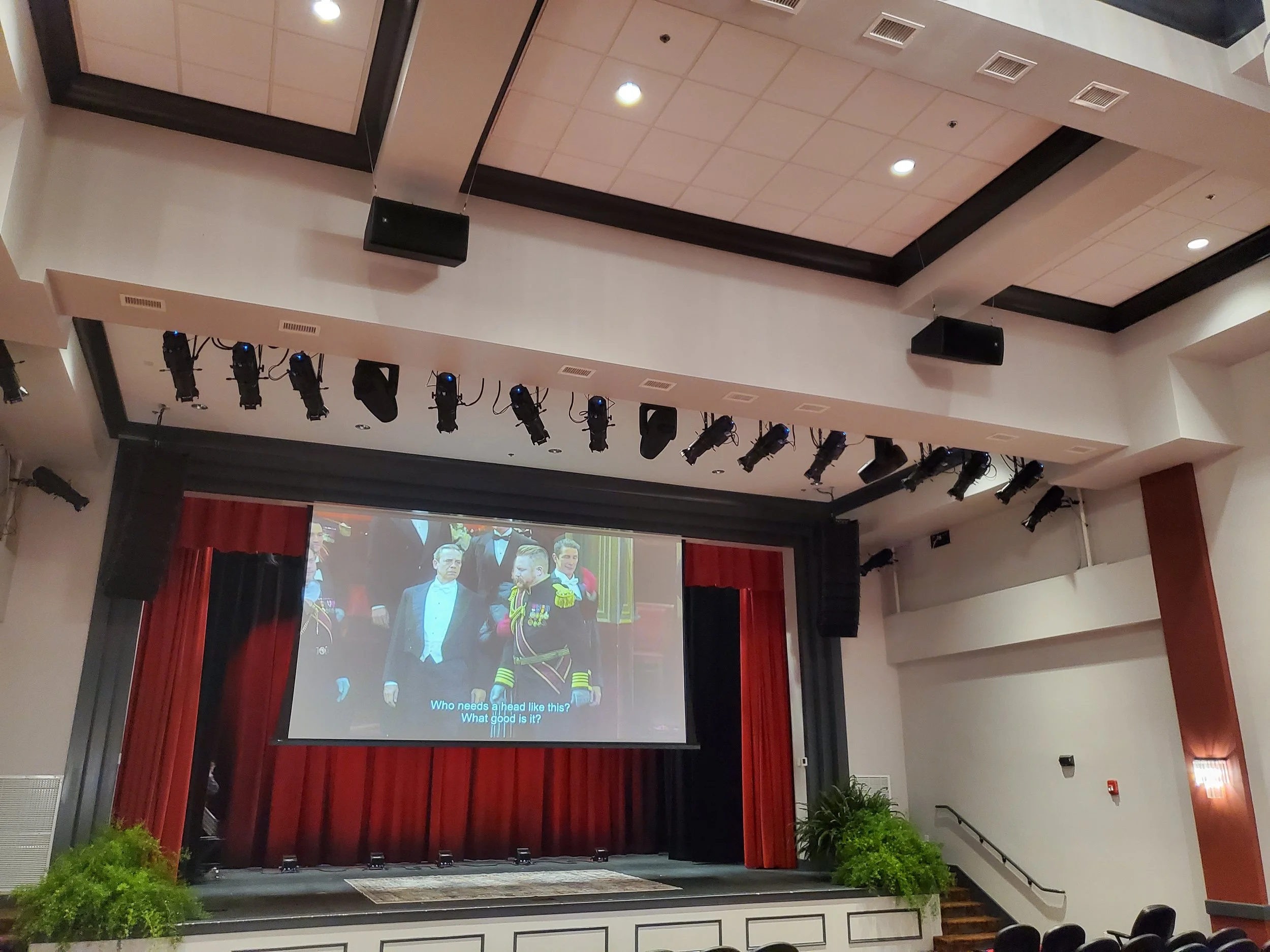
Jackson Theater screen
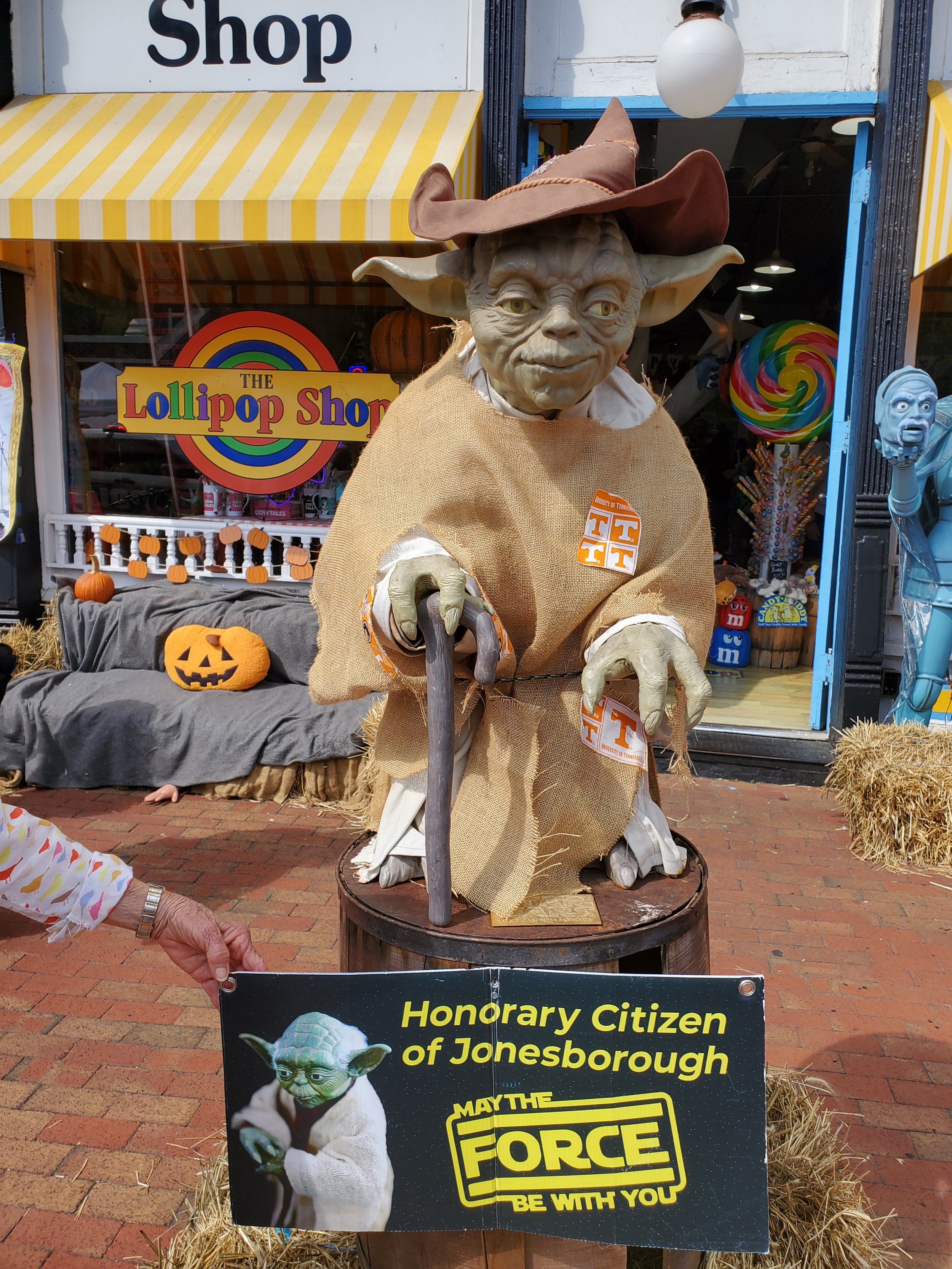
Yoda statue at Lollipop Shop on Main Street
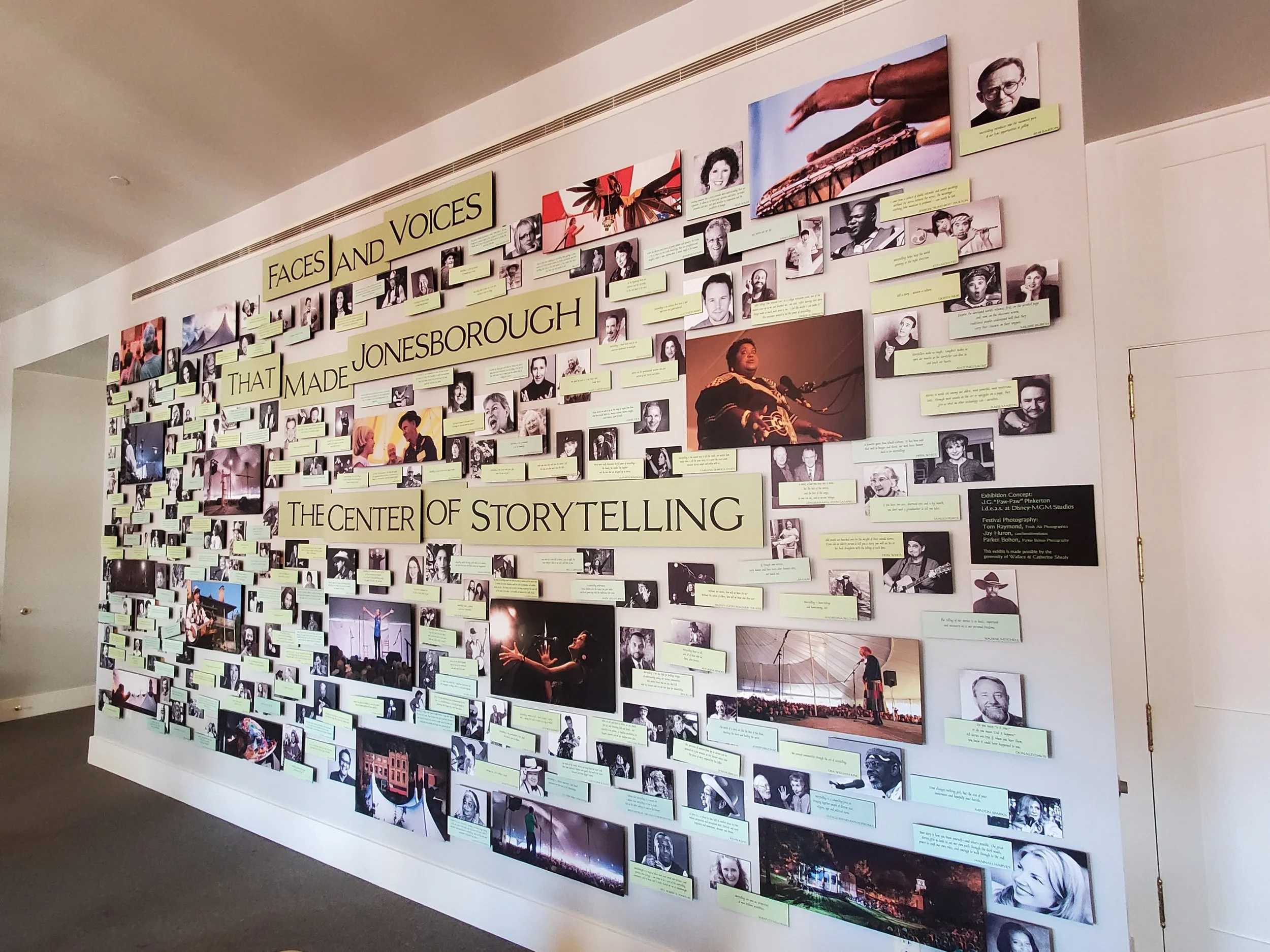
International Storytelling Center Wall of Fame
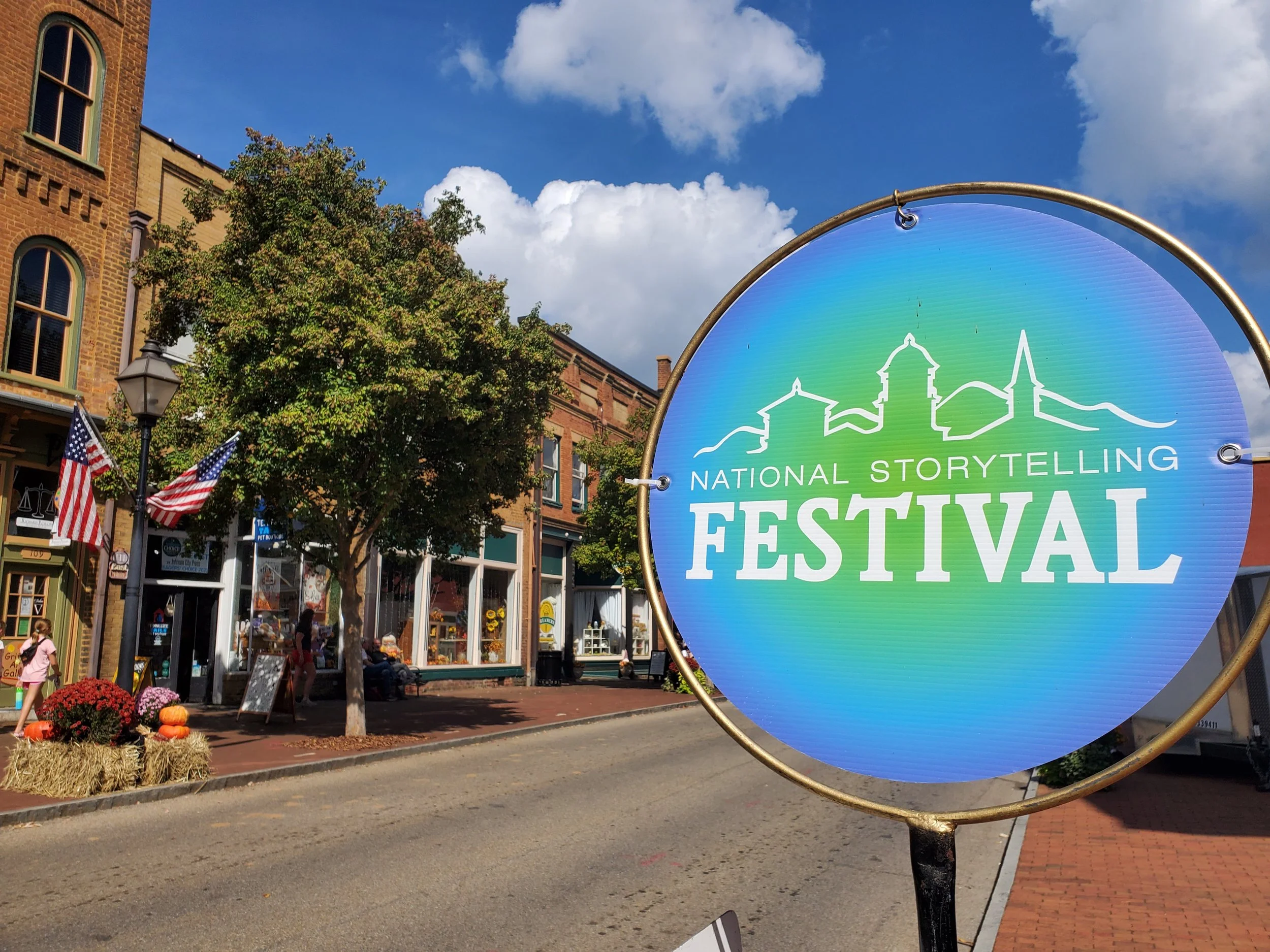
International Storytelling Festival sign on Main Street
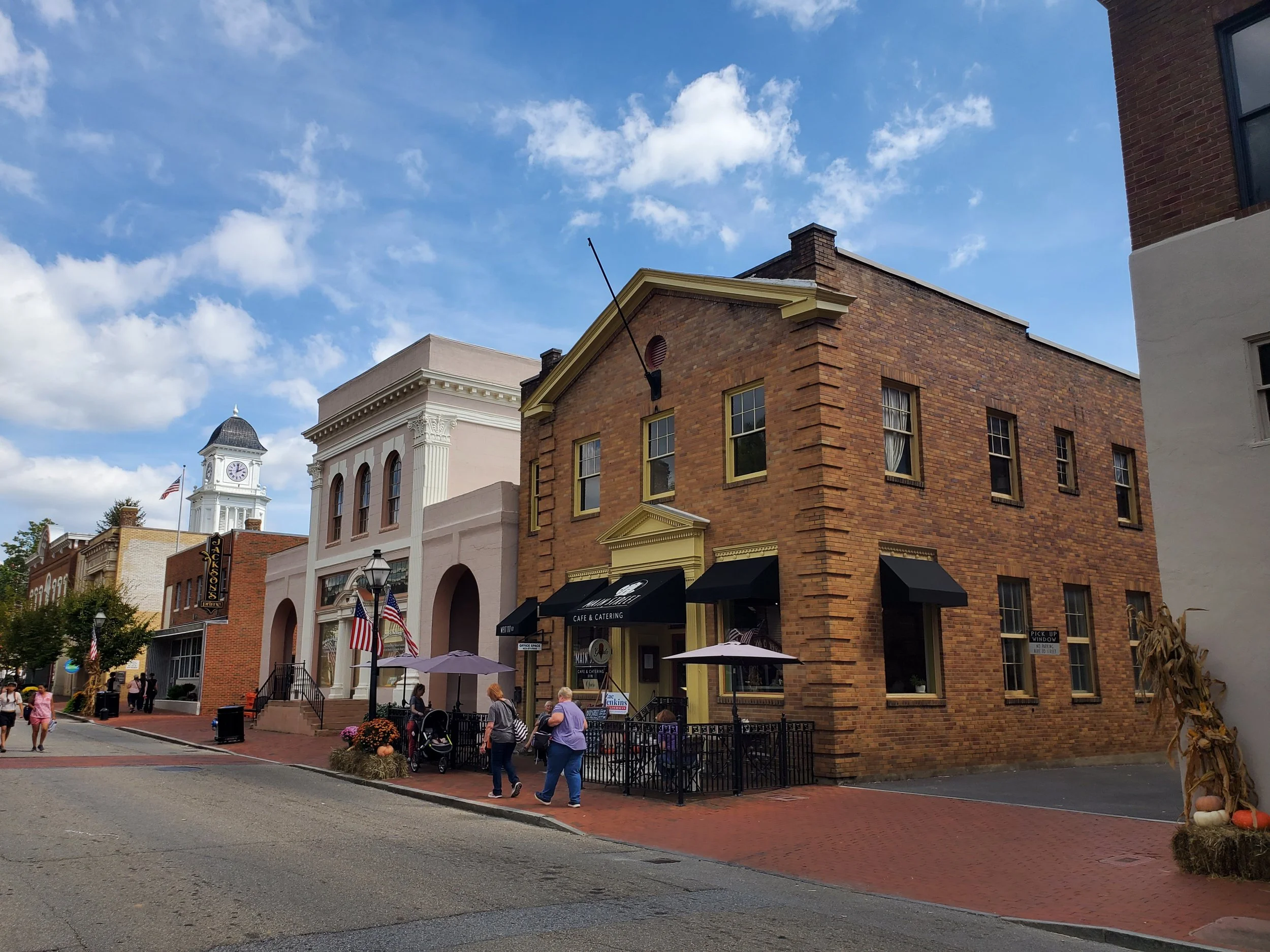
Main Street Cafe in historic Post Office building
JOHNSON CITY
Johnson City was founded by Henry Johnson in 1856 as a railroad station called “Johnson’s Depot”. William Bean, recognized as Tennessee’s first permanent European-American settler, built a cabin along Boone’s Creek near Johnson City in 1769. Johnson City was a part of the State of Franklin, a short-lived unrecognized state formed in 1784 by settlers who declared independence from North Carolina after the state ceded the territory to the Federal government. Although the State of Franklin Road persists in Johnson City, the attempt to become the 14th state of the Union did not. Important sites in the area include Sycamore Shoals State Historic Park in nearby Elizabethton, the Tipton-Haynes State Historic Site, East Tennessee State University, and the Gray Fossil Site and Museum. Johnson City was headquarters for the narrow gauge East Tennessee and Western North Carolina Railroad (nicknamed “Tweetsie Railroad”) and the standard gauge Clinchfield Railroad. In 2012, PepsiCo released Mountain Dew Johnson City Gold, a short-lived non-alcoholic, malt-flavored soda as a tribute to the brand’s Tennessee roots. A Mountain Dew tombstone is located at 205 Whitney Drive in the Oak Hill Cemetery and a Peter Toth Indian head (one of his Whispering Giants series) can be found at Metro Kiwanis Park on Knob Creek Road.
BRISTOL (TN)
Named after Bristol England, Bristol is called the “Twin City” because of the state line down the middle of State Street dividing the city into two different states, Tennessee and Virginia. The Bristol Motor Speedway is the 4th largest sports venue in the US, and the Twin City Drive In opened in 1949 on US 11E. Bristol is home to the Birthplace of Country Music Museum. For a quick bite, the Top Dog on 11E is a local favorite.
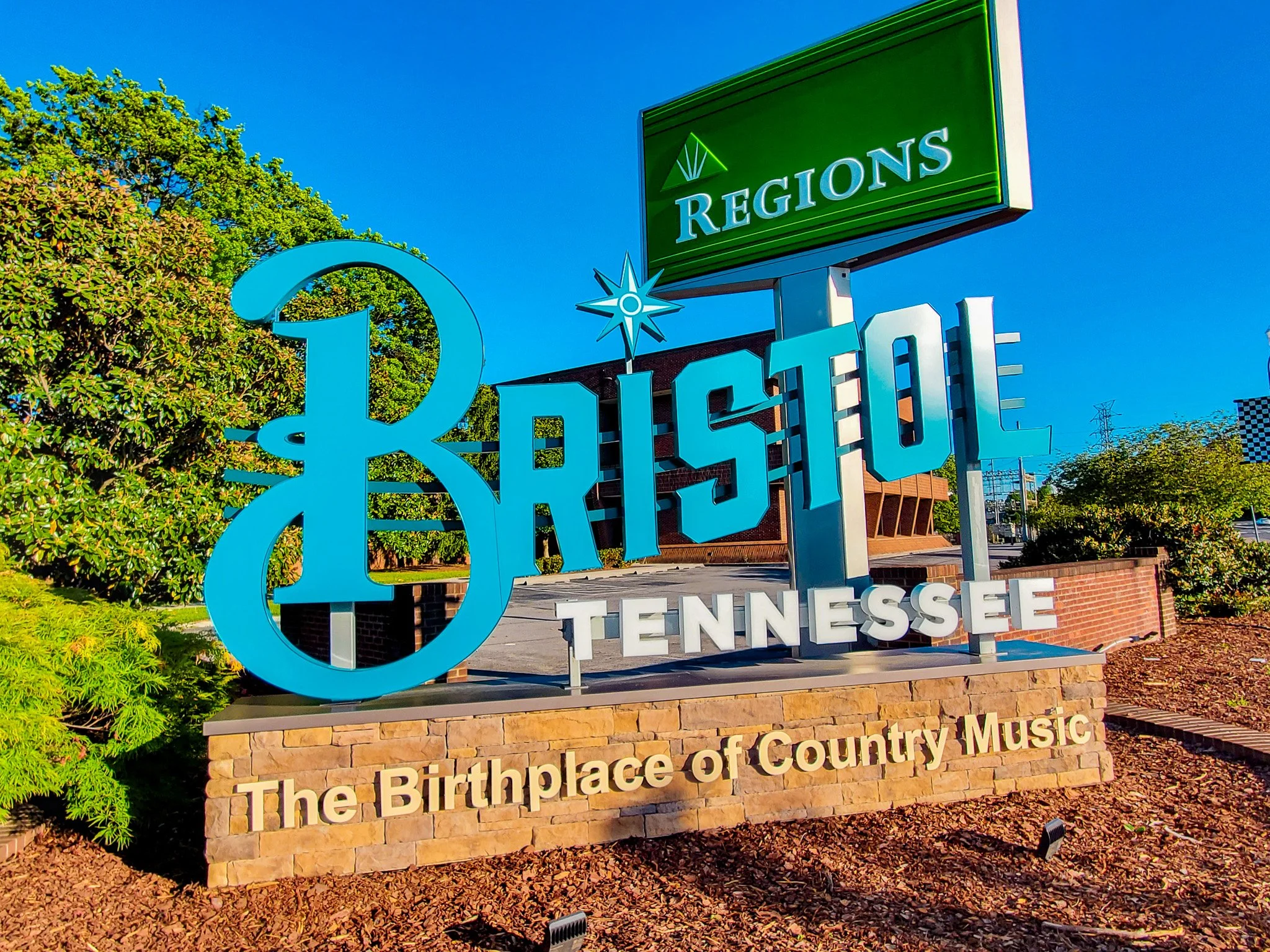
Bristol Welcome Sign
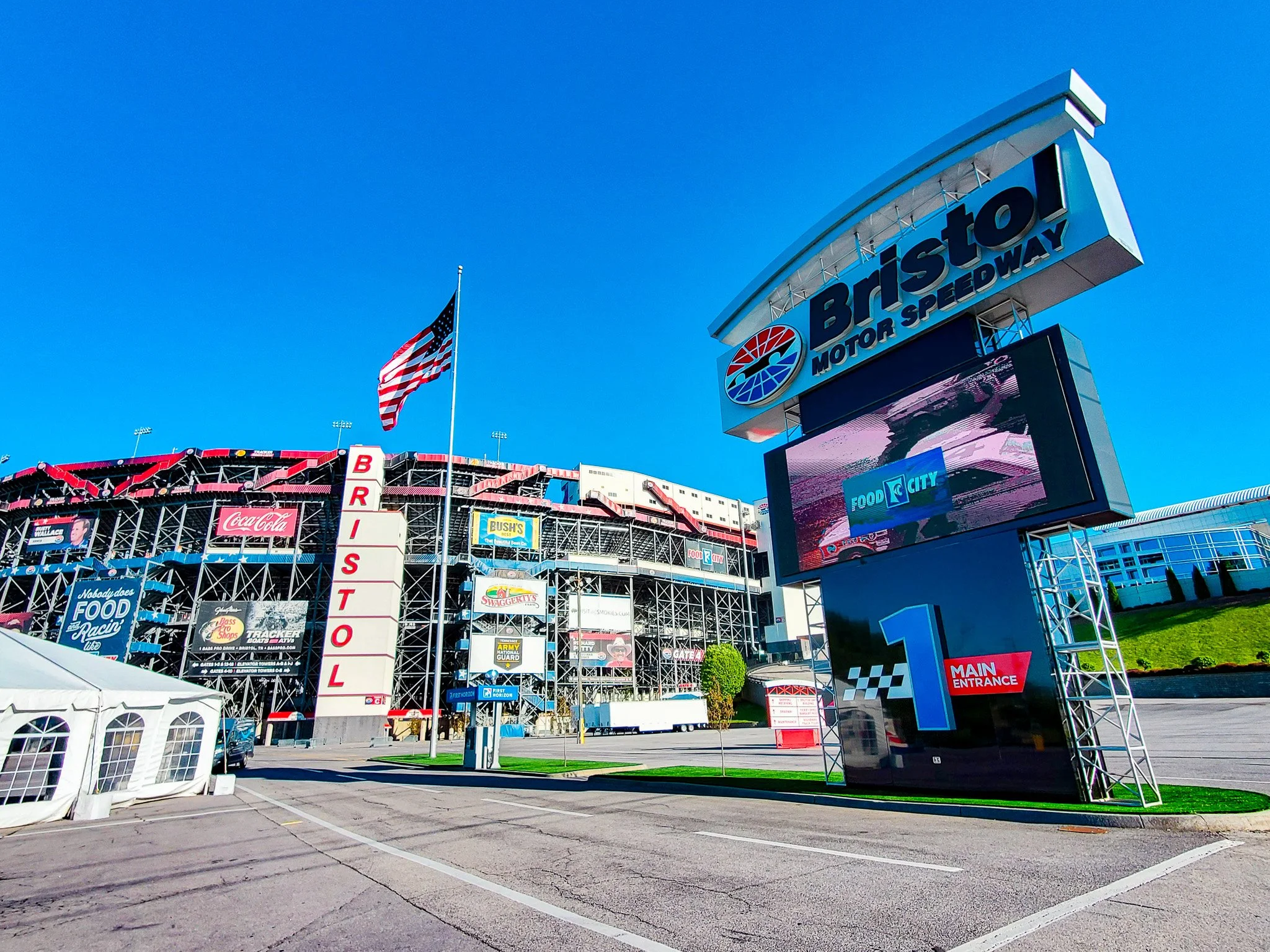
Bristol Motor Speedway
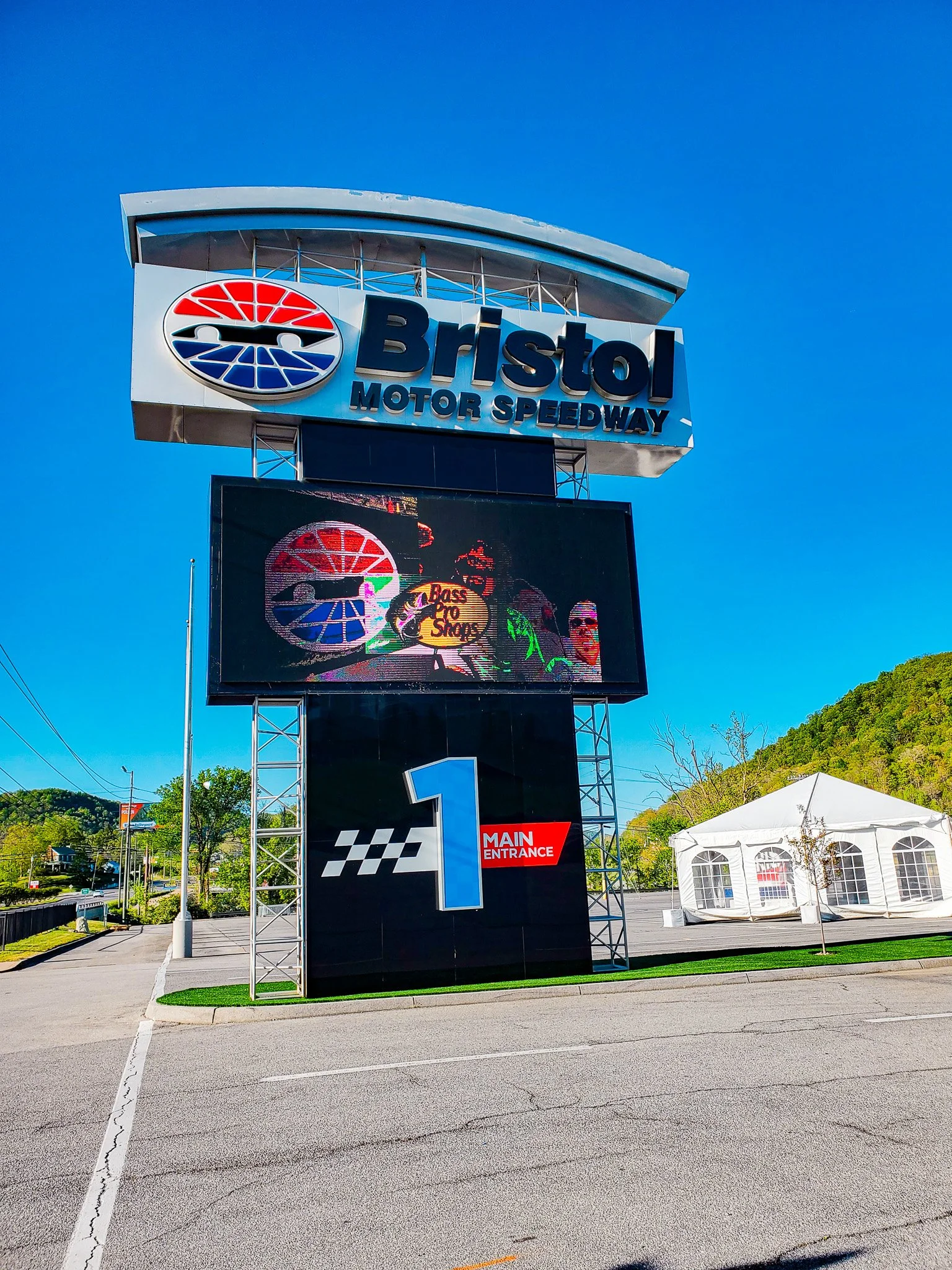
Bristol Motor Speedway
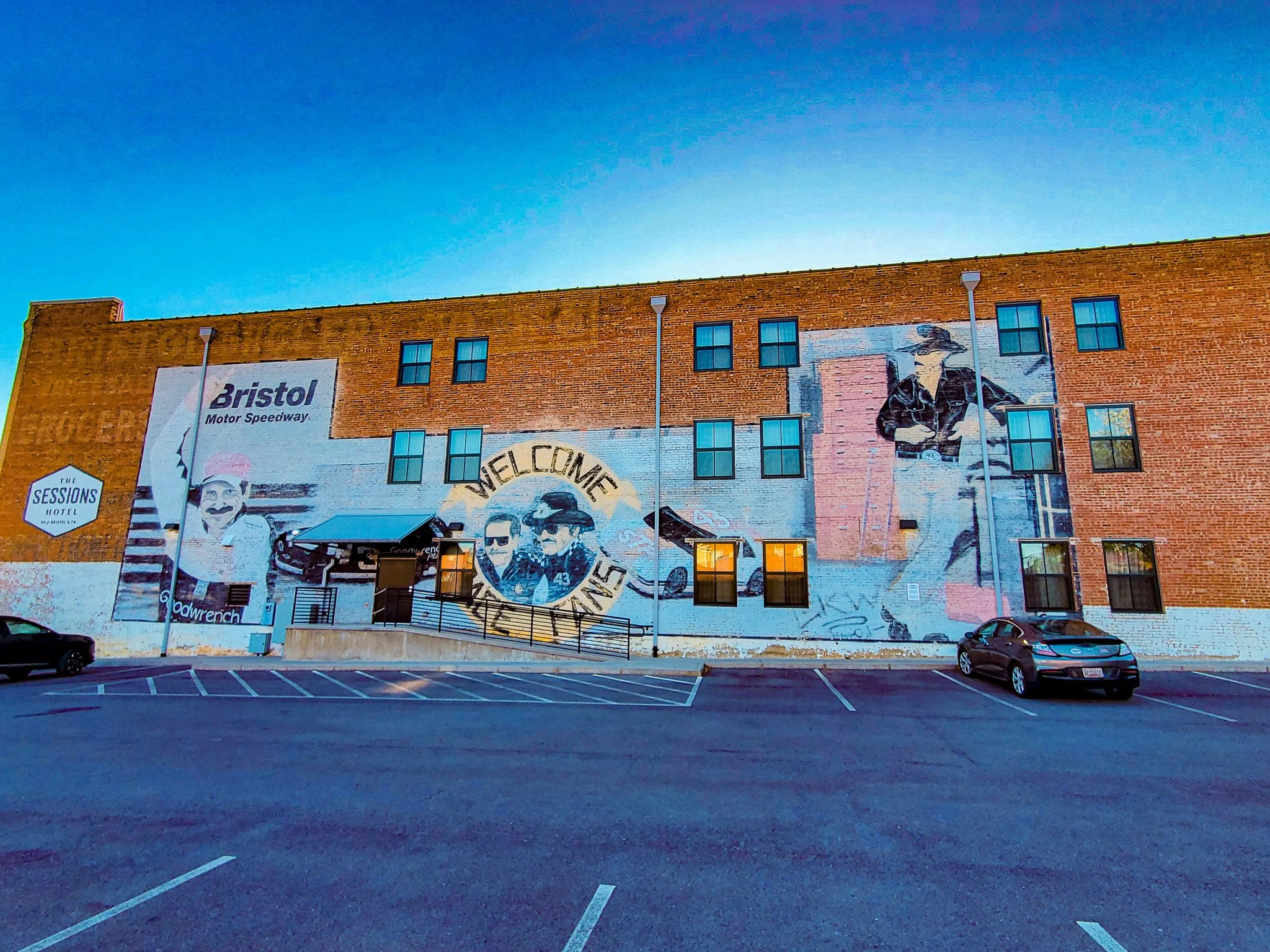
Bristol Speedway Mural
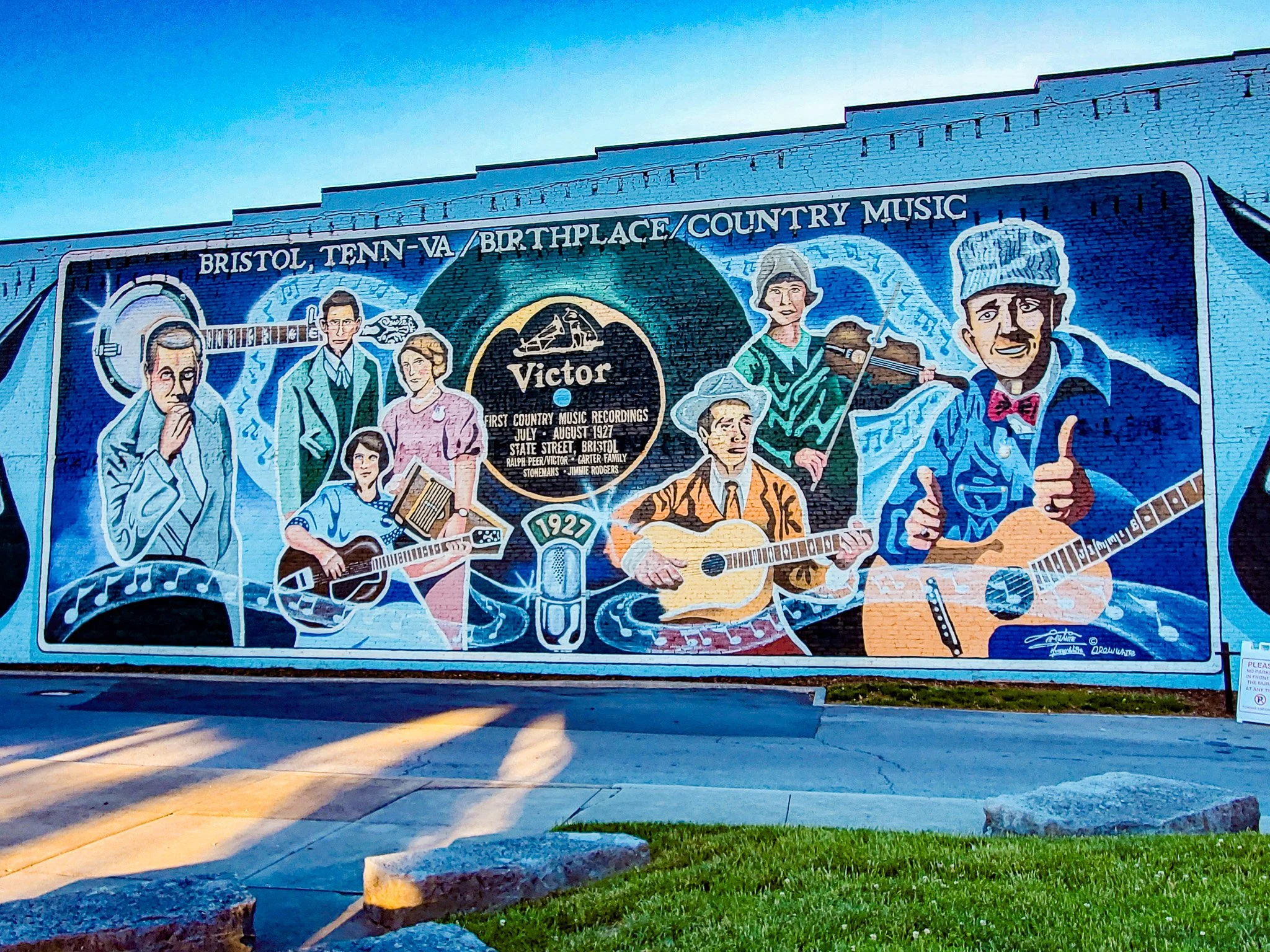
Country Music Mural
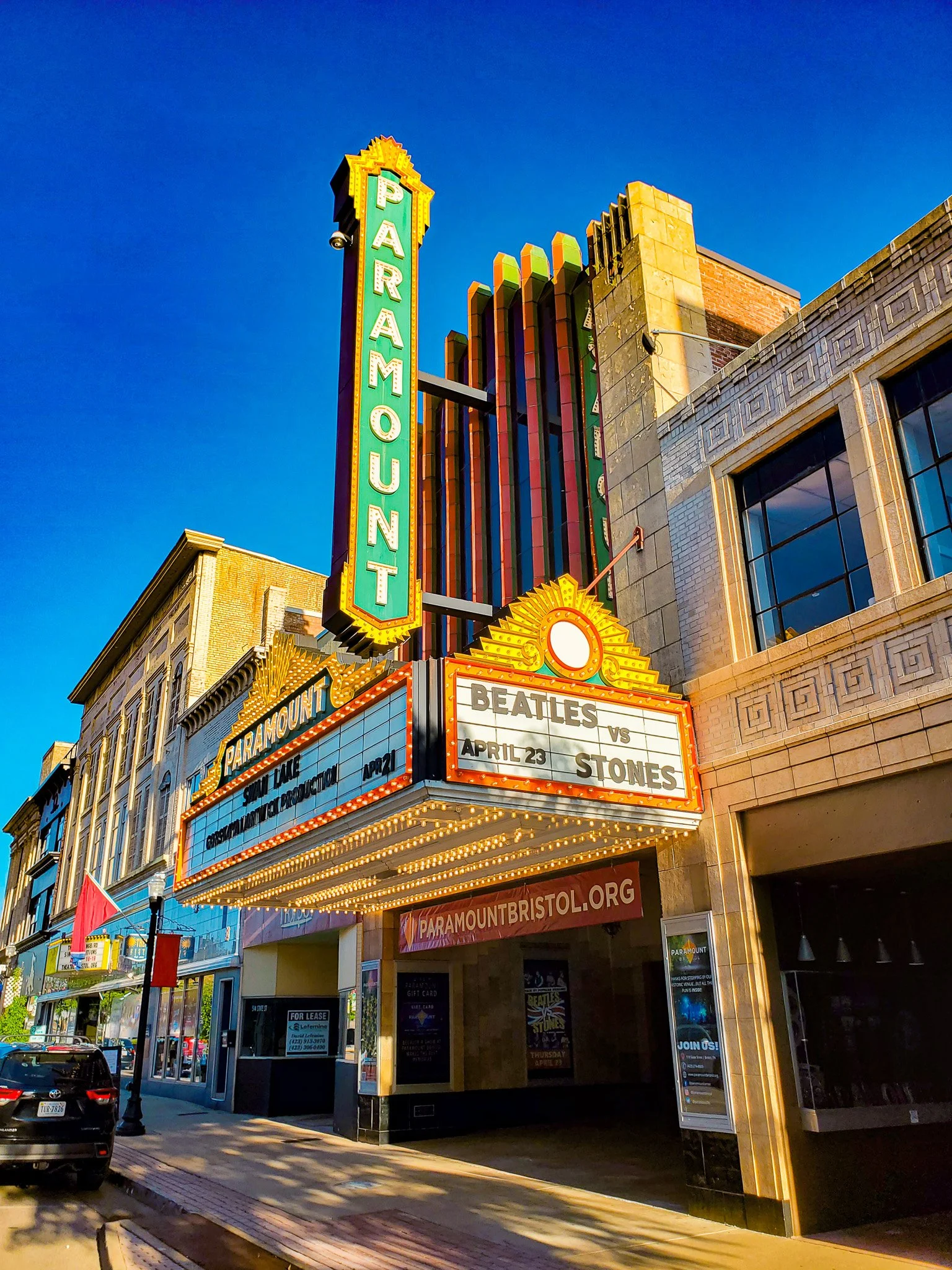
Paramount Theater
11E and 11W reconverge at the intersection of Euclid Avenue and Commonwealth Avenue near the city center just over the Tennessee state line in Virginia.
11W: THE GREAT INDIAN WARPATH
After the 11E/11W split in Knoxville, the road follows the original pathway of the Great Indian Warpath, a Native American trail used primarily by the Cherokee Nation which inhabited the Holston River Valley of Tennessee and Virginia. The road is now called the Lee Highway. By the mid-20th century, US 11 became known as Bloody 11W due to the high number of severe and often fatal automobile collisions on the highway. In 1972, 11W in Bean Station was the site of the deadliest vehicular accident in Tennessee history when a double-decker Greyhound bus was involved in a head-on collision with a tractor-trailer, resulting in 14 deaths.
Leaving Knoxville, the road is called Rutledge Pike and passes the Knoxville Zoo.
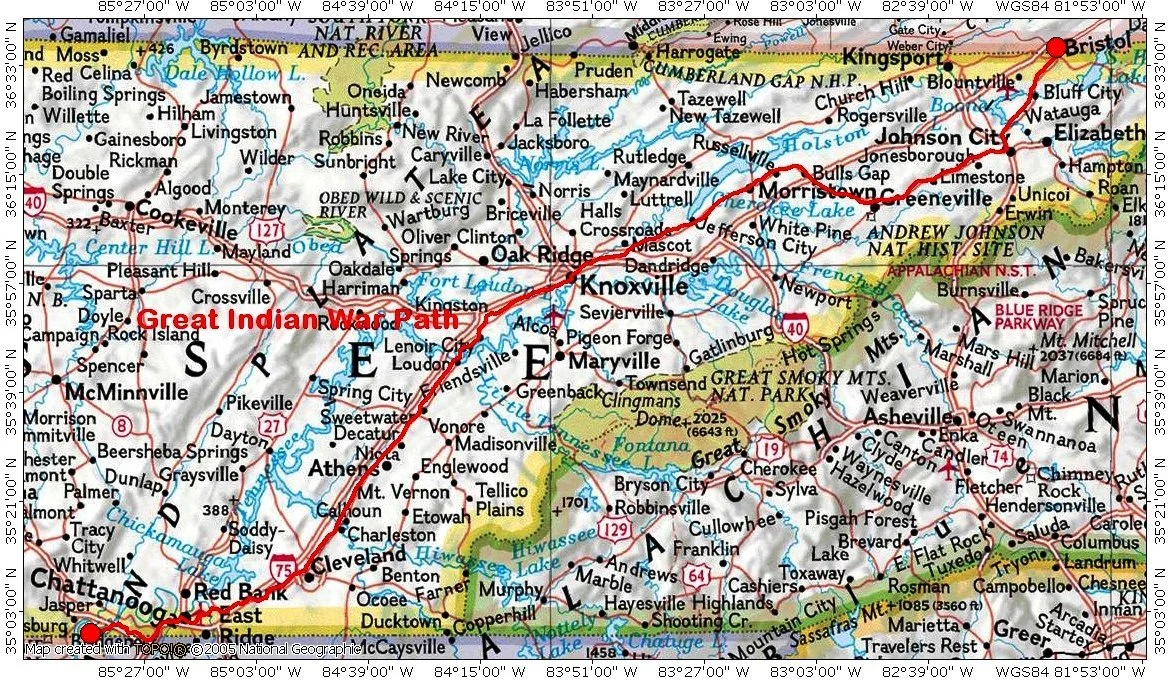
Great Indian Warpath Map
MASCOT
The town’s name is an acronym for the Mining And Smelting Company Of Tennessee. Mascot was a company town founded by the American Zinc Company.
BLAINE
Robert Blaine owned a general store in the area in 1890.
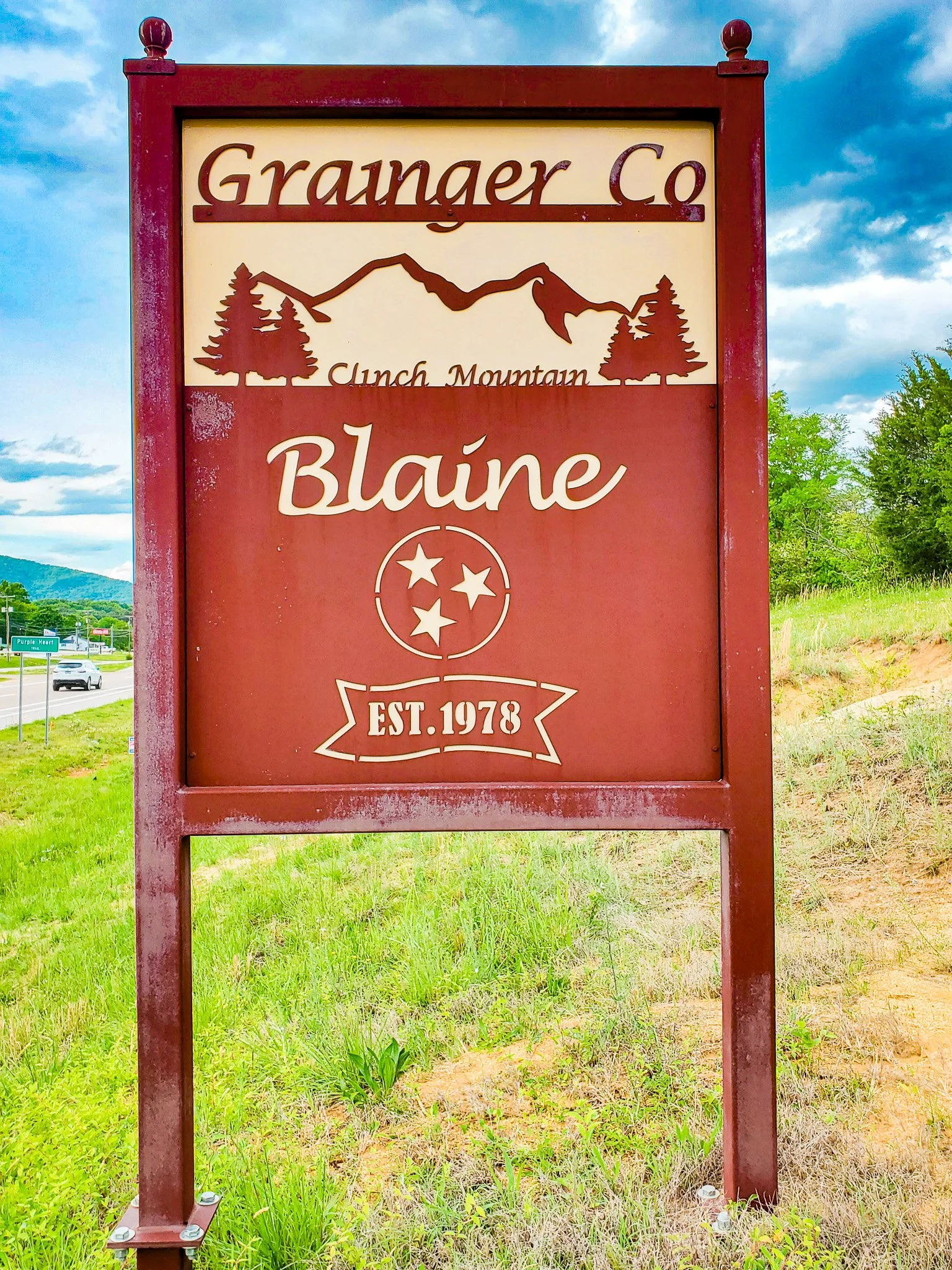
Blaine Welcome Sign
RUTLEDGE
Rutledge was established in 1797 and named after General George Rutledge who commanded a company at the Battle of King’s Mountain during the Revolutionary War. Rutledge contains a replica of Andrew Johnson’s tailor shop (his vocation before politics) and the Nance House Arts and Heritage Museum which preserves local history and culture. Be on the lookout for the “See Rock City” painted barn about 4 miles NE of Rutledge on 11W.
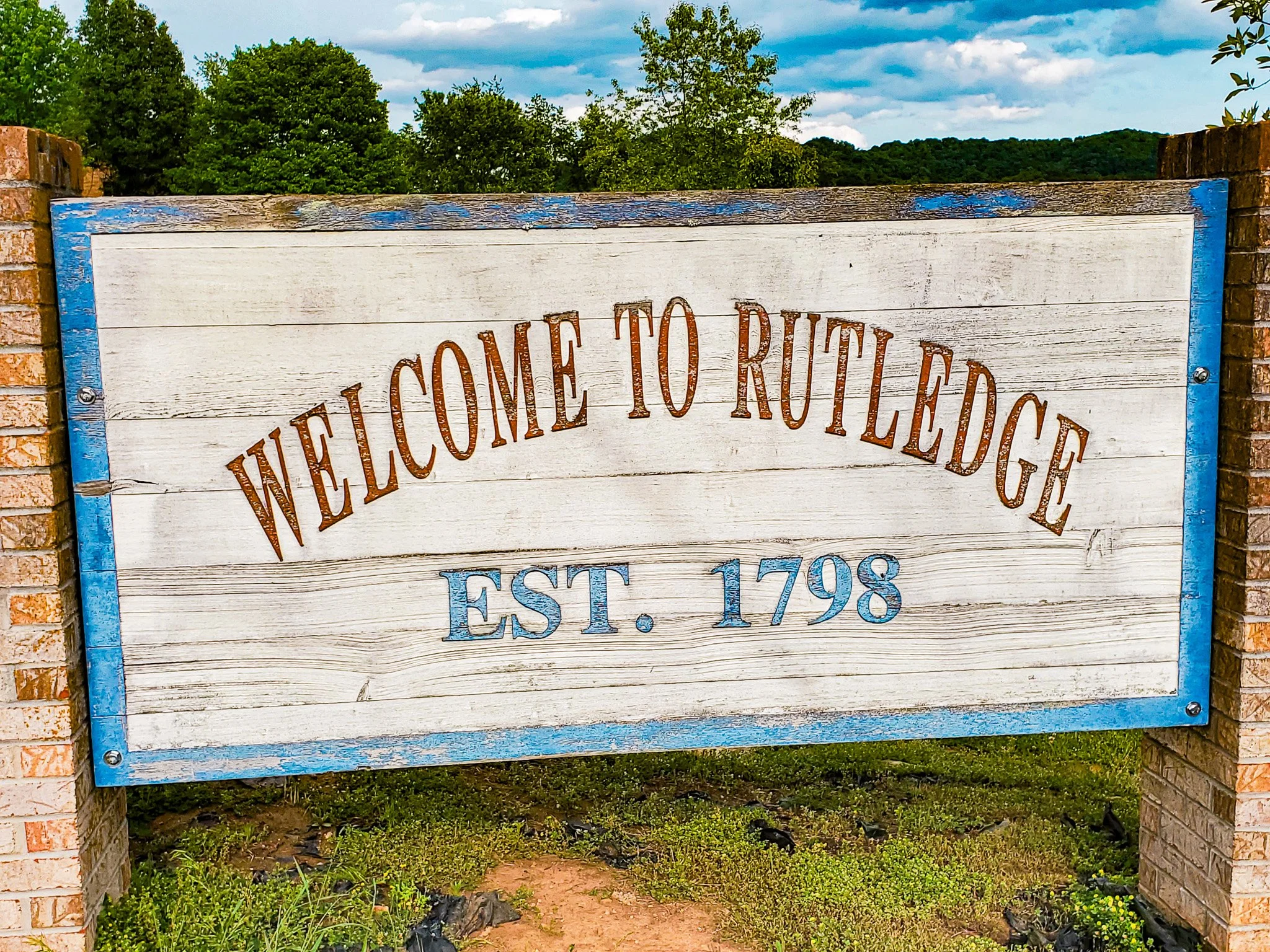
Welcome to Rutledge Sign

Johnson's Tailor Shop Marker
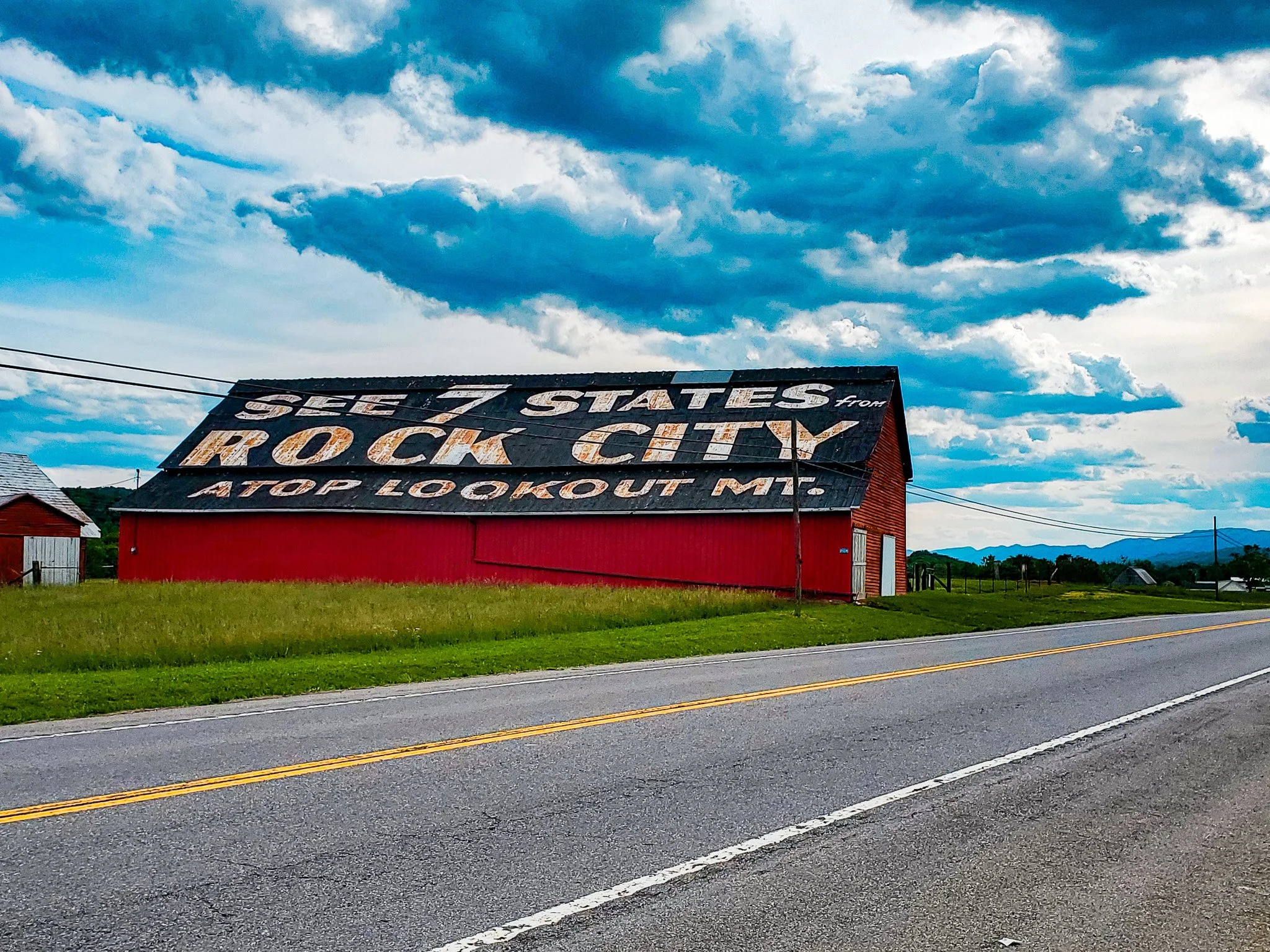
"See Rock City" Barn
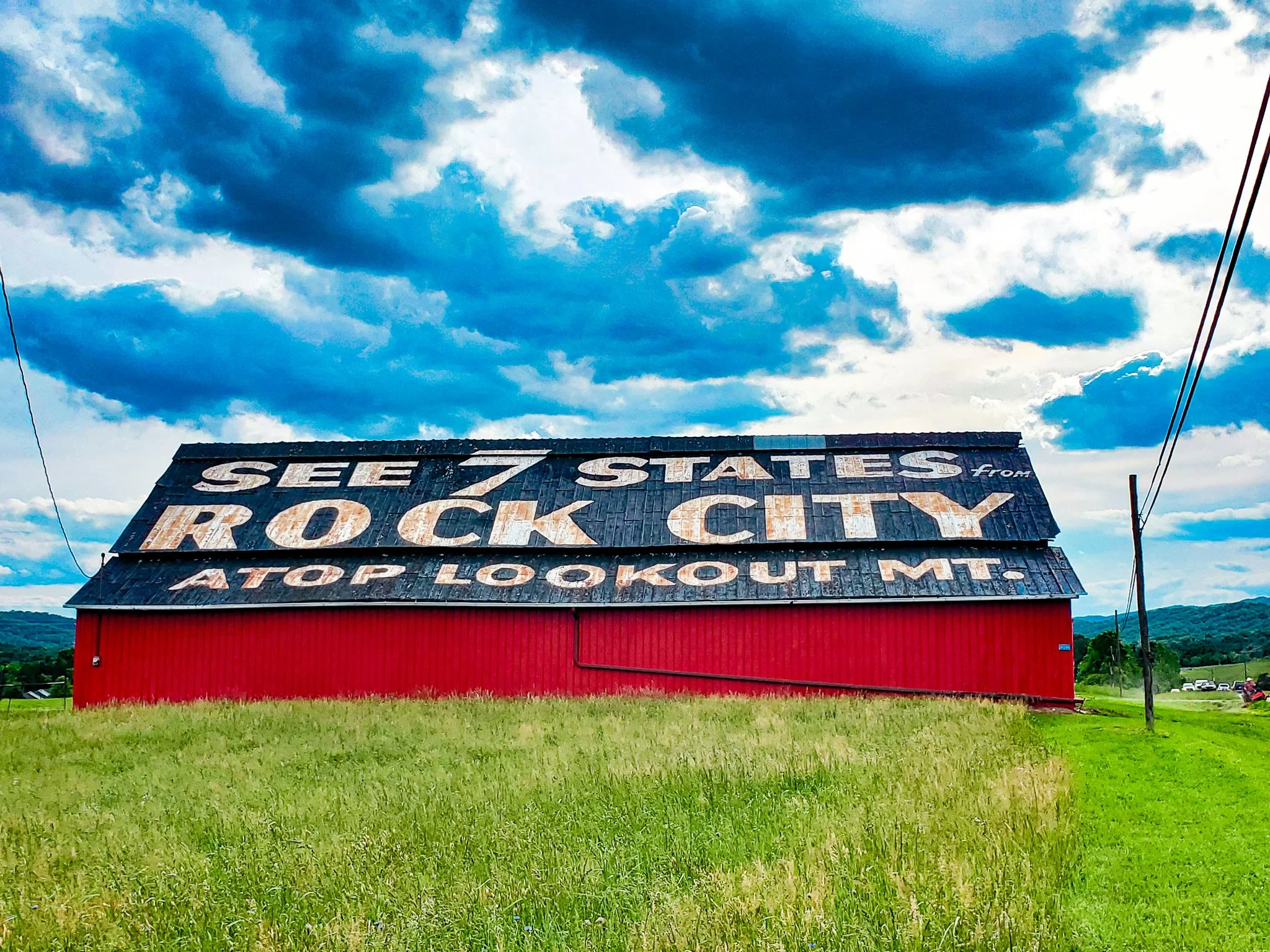
"See Rock City" Barn
BEAN STATION
In 1775, pioneers Daniel Boone and William Bean observed the future site of Bean Station from the top of Clinch Mountain while on a hunting and surveying excursion. Bean Station was founded in 1776 by the pioneering Bean family at the intersection of the Wilderness Road and the Great Indian Warpath. It was the site of the final battle of the Knoxville campaign in the Civil War when Confederate forces surrendered to a Union blockade of nearby Blaine. Tate Springs Resort, completed in 1865, was considered to be one of the most popular resorts of its time in the Southern United States, visited by prominent families such as the Rockefellers, Firestones, Studebakers, and Mellons. The mineral spring used by the resort was believed to have been discovered by members of the Cherokee tribe while planning the design of the Great Indian Warpath and the site was considered neutral ground during battles with neighboring tribes.
The resort closed in 1941 but the Tate Springs Springhouse remains in Bean Station. The original townsite was flooded by the TVA during creation of Cherokee Lake and families were moved to the town’s present site. The East Tennessee Crossing National Scenic Byway, an 83 mile excursion into east Tennessee and Cumberland Valley heritage, crosses US 11W in Bean Station as US 25E.
MOORESBURG
Major Hugh Moore was an early settler here in 1769.
SNEEDVILLE
Sneedville was founded by William Henry Sneed, a Confederate and Knoxville lawyer. The Vardy Historical Church and Museum, and the Mahala Cabin give insight into the history of the mysterious group of people called Melungeons.
GALBRAITH SPRINGS
This community was the location of a popular resort and mineral spring in the late 1800’s.
ROGERSVILLE
Rogersville was settled in 1775 by Davy Crockett’s grandparents and Joseph Rogers, an immigrant from Ireland. The historic downtown district includes the Hawkins County courthouse built in 1836, the Overton Masonic Lodge built in 1805, and the Swift Museum which details African-American education through Swift Memorial College since the late 1800’s. Tennessee’s first newspaper was printed here and is celebrated at the Tennessee Newspaper and Printing Museum. Early settlers are recognized at Crockett Spring Park and the Joseph Rogers home. In Rogersville, US 11W crosses Tennessee SR70, “the Trail of the Lonesome Pine”. Luxuriate in a Presidential suite at the 200 year old Hale Springs Inn and enjoy a meal there at McKinney’s Tavern, and don’t miss a tour of the Thomas Amis House and Ebbing and Flowing Spring United Methodist Church (by appointment).
SURGOINSVILLE
Incorporated in 1815, the town is named for French Huguenot Major James Surguine. The Huguenots were Protestants fleeing religious persecution in France, and are credited with bringing the word “refugee” into the English language upon their arrival in the British Isles when it was first used to describe them.
CHURCH HILL
When early explorers arrived in the area in the late 1600’s, they found the remains of an ancient civilization long since vanished. In 1971 the Kingsport (TN) Chapter of the Tennessee Archeological Society excavated a large Yuchi Indian village in Church Hill containing over 600 burials. Many of the artifacts are in display in museums all over the country. The town’s name comes from the First United Methodist Church “on the hill “ in the town.
MT CARMEL
In 2005, CBS reported that Mt Carmel was missing “an other side” of town, noting that the town’s geography is situated on only one side of the highway. This was the result of a large Army munitions plant and government-owned property located on the opposite side of 11W.
KINGSPORT
The town was chartered in 1822 and named after King’s Boatyard on the Holston River, which was “King’s Port”. The Holston Army Ammunition Plant and Eastman Chemical Company headquarters are located there. At the headquarters at 200 S. Wilcox Drive is a giant hand holding a molecule. Pal’s Roundhouse and vintage, menagerie-style carousel is located at 350 Clinchfield Street where children can ride for one dollar. Nearby Erwin was the location of the hanging of Mary the elephant in 1916 after she killed her trainer in Kingsport. Long Island, located in the Holston River nearby, was the location of the creation of Long Island Iced Tea during Prohibition. Pal’s Sudden Service was founded in Kingsport and a Muffler Man holding a hamburger is atop the Pal’s roof at 1316 Lynn Garden Drive. The Purple Cow at 1648 East Stone Drive is a local favorite with “Mike’s Intimidator” burgers and purple cows, and a Flying Saucer mural is located at 401 E Sullivan Street along the Kingsport Mural Trail. The Netherland Inn museum complex has a real-life actual Daniel Boone cabin.
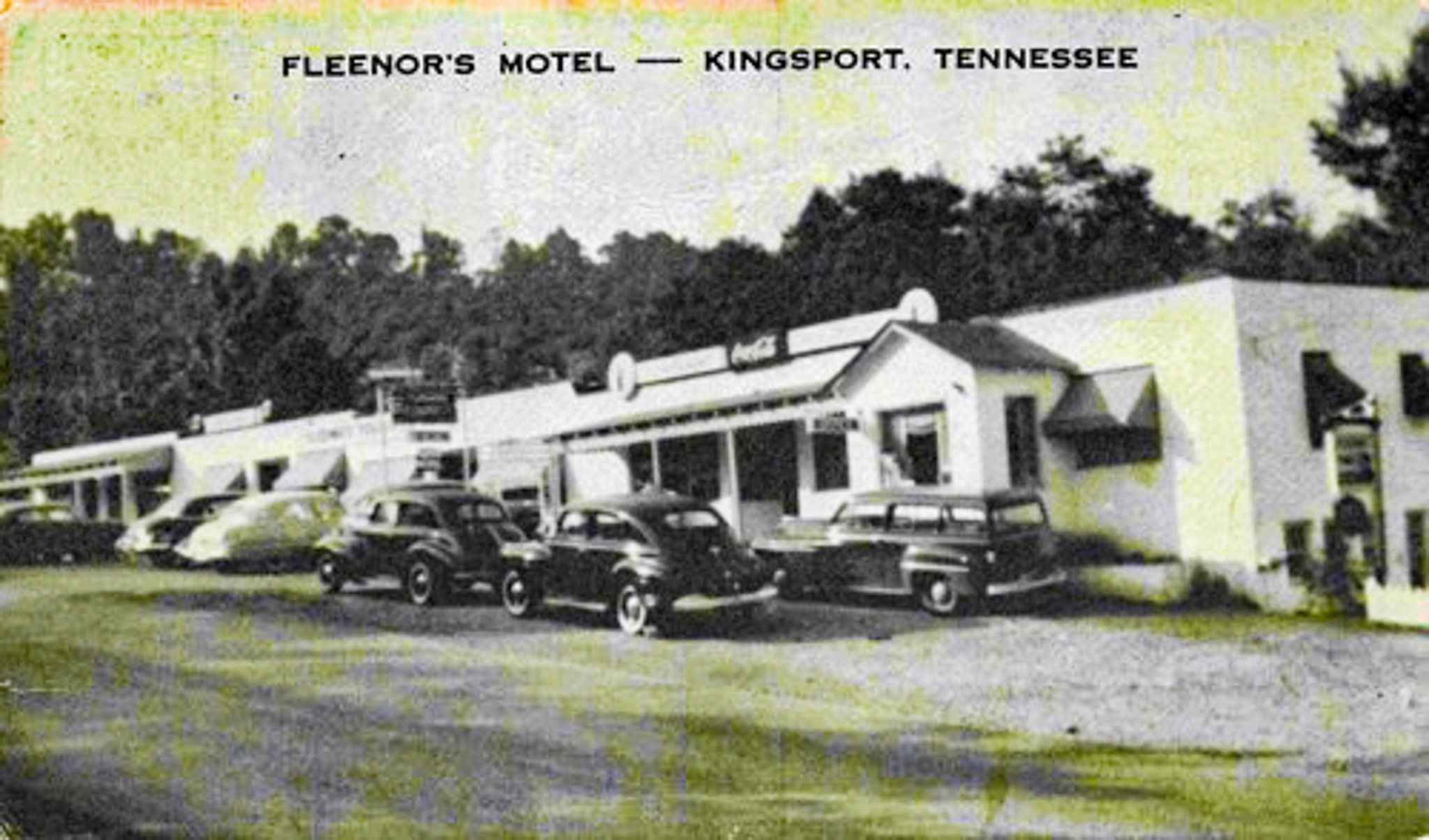
Fleenor's Motel Postcard
BLOUNTVILLE
Blountville was established in 1795 and named in honor of William Blount, the territorial governor of the US territory south of the Ohio River. He was a Founding Father of our country. It is the only county seat in Tennessee that is not an incorporated city or town. The Old Deery Inn in the historic downtown offers group tours and Appalachian Caverns which offers walking and crawling tours is only a few miles south. A UFO and aliens are in the yard on Birch Street on private property.
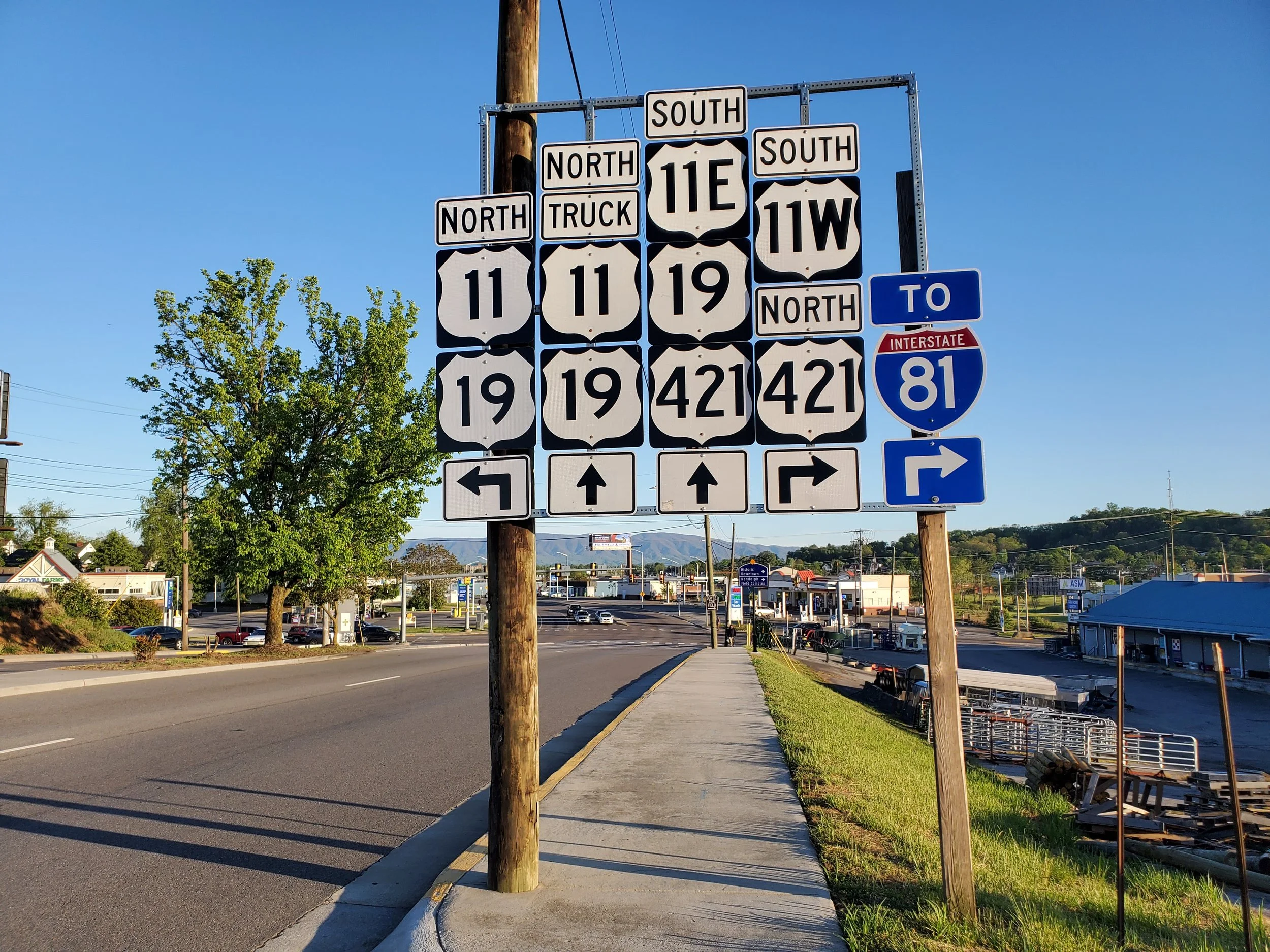

11E and 11W rejoin at the intersection of Euclid Avenue and Commonwealth Avenue near the city center just over the Tennessee state line in Virginia.
Next state: Virginia! Get ready for more history and many more caves!